

The DOI matches its Crossref record; 160 of the 161 references it cites were found in a registry or an index.
Influence of GluN2 subunit identity on NMDA receptor function
Open accessAbstract
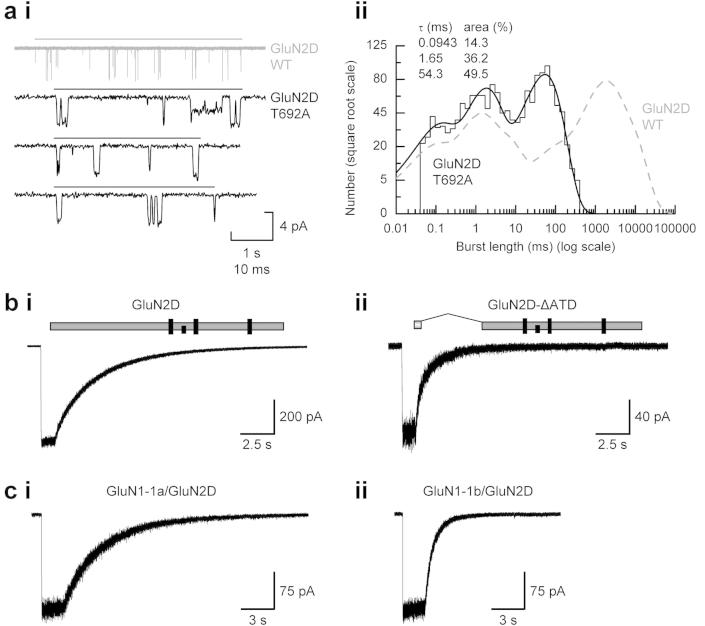
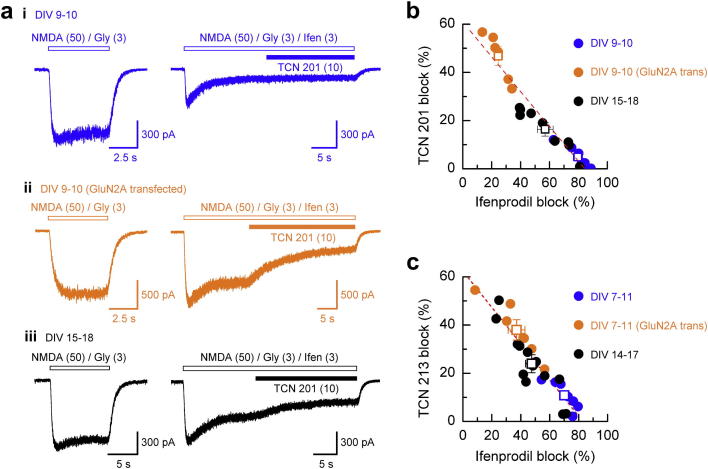
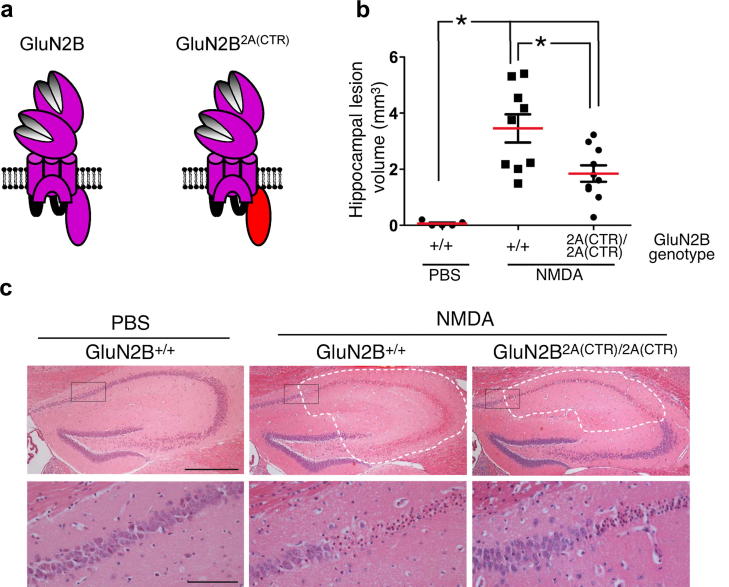
N-methyl-d-aspartate receptors (NMDARs) are ligand-gated ion channels ('ionotropic' receptors) activated by the major excitatory neurotransmitter, l-glutamate. While the term 'the NMDAR' is often used it obscures the fact that this class of receptor contains within it members whose properties are as different as they are similar. This heterogeneity was evident from early electrophysiological, pharmacological and biochemical assessments of the functional properties of NMDARs and while the molecular basis of this heterogeneity has taken many years to elucidate, it indicated from the outset that the diversity of NMDAR phenotypes could allow this receptor family to subserve a variety of functions in the mammalian central nervous system. In this review we highlight some recent studies that have identified structural elements within GluN2 subunits that contribute to the heterogeneous biophysical properties of NMDARs, consider why some recently described novel pharmacological tools may permit better identification of native NMDAR subtypes, examine the evidence that NMDAR subtypes differentially contribute to the induction of long-term potentiation and long-term depression and discuss how through the use of chimeric proteins additional insights have been obtained that account for NMDAR subtype-dependency of physiological and pathophysiological signalling. This article is part of the Special Issue entitled 'Glutamate Receptor-Dependent Synaptic Plasticity'.
Overview
The claims and statistics of this paper haven’t been checked yet.
Run the check — free, no account needed. It reads the open-access text and checks the sources it cites.
Integrity signals
Registry
Cites
Statistics
Figures
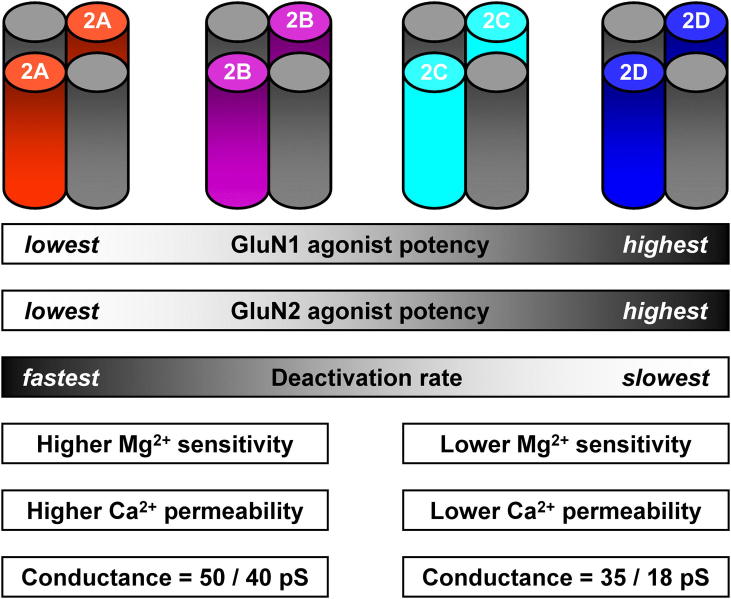
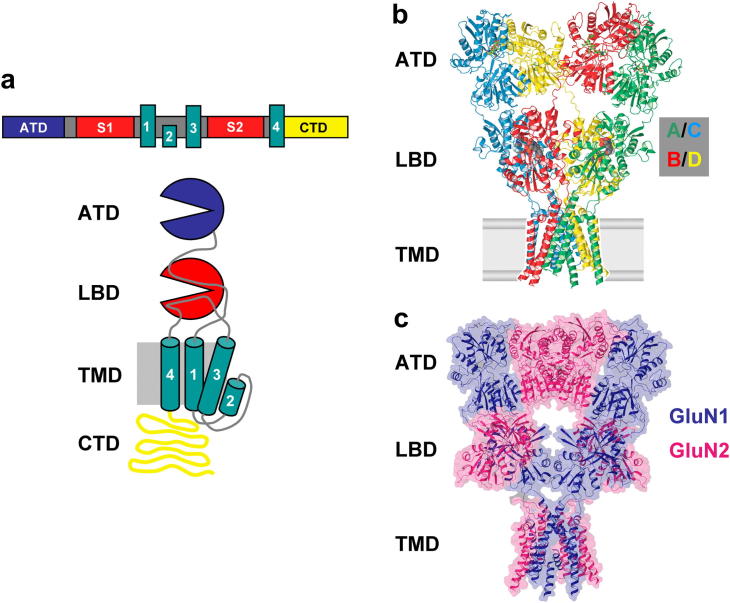
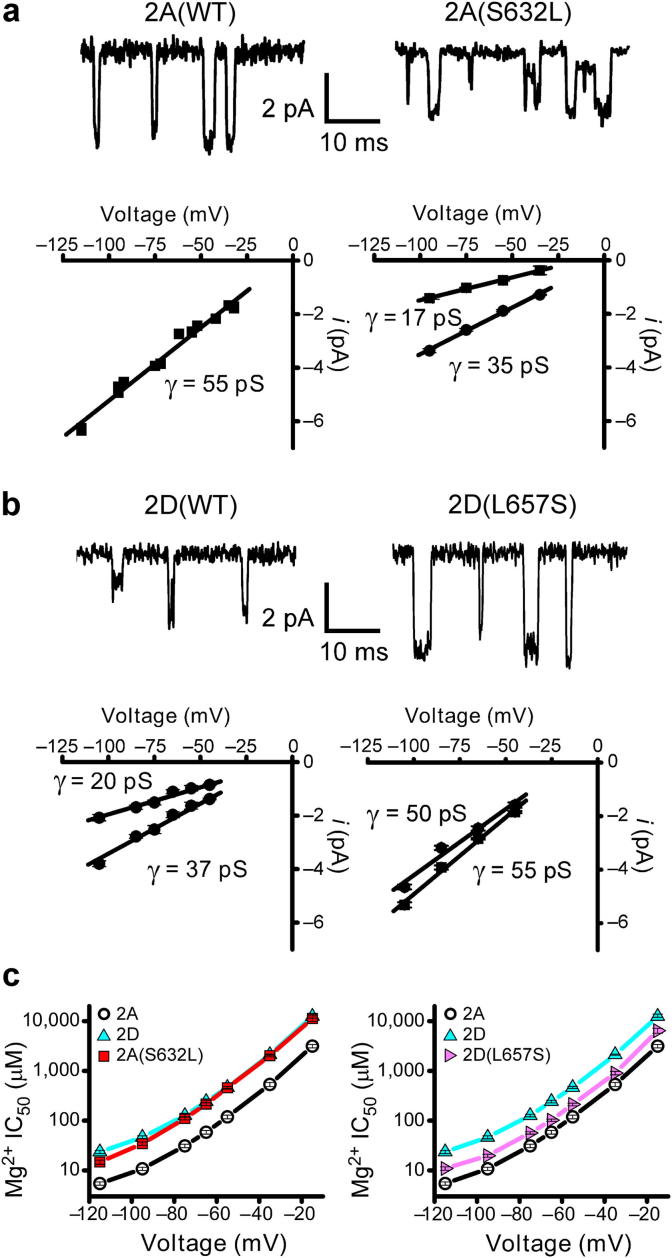
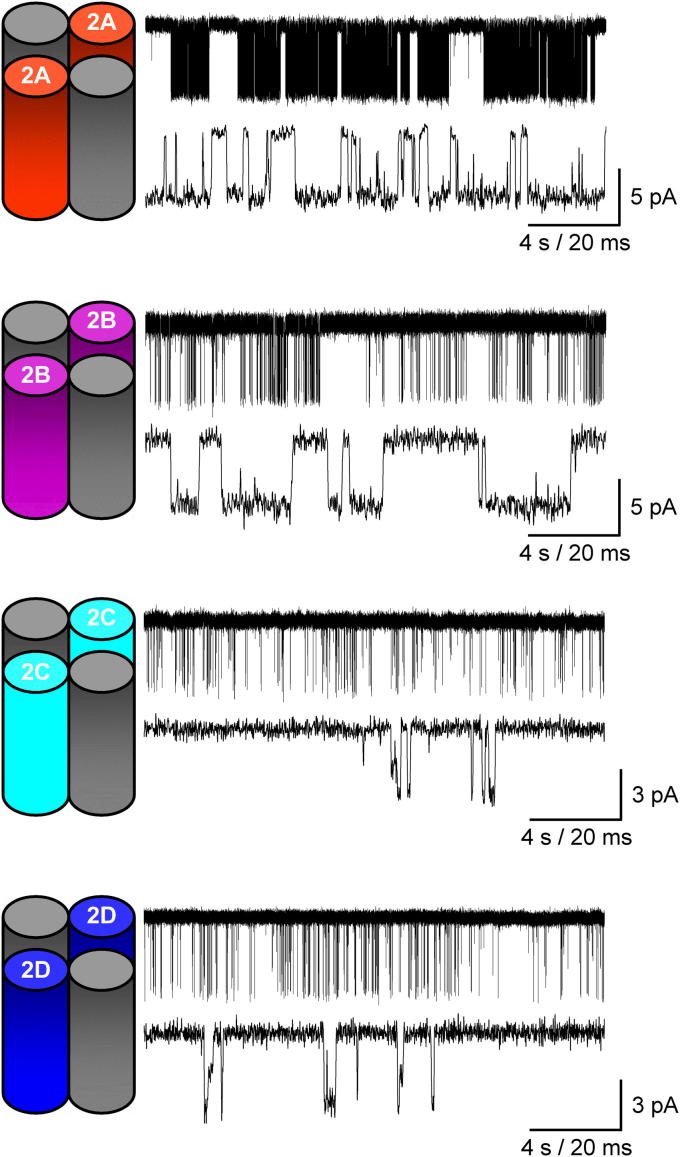
Verification
Claims the paper makes
The claims and statistics of this paper haven’t been checked yet.
Run the check — free, no account needed. It reads the open-access text and checks the sources it cites.
Claims other papers make about this one
Each is checked against this paper’s own text: does it say what the citing paper says it does?
In the citing paper
“They are permeant to Ca 2+ , which mediates many of the consequences of NMDAR activity, including synaptic modification, learning and memory, activity-dependent development, and neuroprotective/homeostatic signaling [6][7][8] .”
From Linking early-life NMDAR hypofunction and oxidative stress in schizophrenia pathogenesis (2016) · cites this paper as [7]
Self-check
Percentages, sums and reported differences re-computed from the paper’s own numbers.
The self-check needs the paper’s full text.
Citations
Cites
Glutamate Receptor Ion Channels: Structure, Regulation, and Function
Traynelis, S. F., Wollmuth, L. P., McBain, C. J., Menniti, F. S., Vance, K. M., Ogden, K. K., Hansen, K. B., Yuan, H., Myers, S. J., & Dingledine, R. (2010) · Pharmacological Reviews · doi:10.1124/pr.109.002451 · Cited by 3,568
Monyer, H., Burnashev, N., Laurie, D. J., Sakmann, B., & Seeburg, P. H. (1994) · Neuron · doi:10.1016/0896-6273(94)90210-0 · Cited by 3,535
Heteromeric NMDA receptors: molecular and functional distinction of subtypes
Monyer, H., Sprengel, R., Schoepfer, R., Herb, A., Higuchi, M., Lomeli, H., Burnashev, N., Sakmann, B., & Seeburg, P. H. (1992) · Science · doi:10.1126/science.256.5060.1217 · Cited by 2,541
Collingridge, G. L., Kehl, S. J., & McLennan, H. (1983) · The Journal of Physiology · doi:10.1113/jphysiol.1983.sp014478 · Cited by 2,413
The anticonvulsant MK-801 is a potent N-methyl-D-aspartate antagonist.
Wong, E. H. F., Kemp, J. A., Priestley, T., Knight, A. R., Woodruff, G. N., & Iversen, L. L. (1986) · Proceedings of the National Academy of Sciences · doi:10.1073/pnas.83.18.7104 · Cited by 1,820
Synaptic versus extrasynaptic NMDA receptor signalling: implications for neurodegenerative disorders
Hardingham, G. E., & Bading, H. (2010) · Nature Reviews Neuroscience · doi:10.1038/nrn2911 · Cited by 1,644 · cited 4×
“The specific sub-cellular localisation of GluN2A and GluN2Bcontaining NMDARs within the adult forebrain has been of considerable interest given the differing roles of synaptic and extrasynaptic NMDARs in signalling to neuronal survival and death (reviewed in Hardingham and Bading, 2010).”
BackgroundInfluentialSelf-citationPDZ domain proteins of synapses
Kim, E., & Sheng, M. (2004) · Nature reviews. Neuroscience · doi:10.1038/nrn1517 · Cited by 1,630
Functional Repression of cAMP Response Element in 6-Hydroxydopamine-treated Neuronal Cells
Chalovich, E. M., Zhu, J.-H., Caltagarone, J., Bowser, R., & Chu, C. T. (2006) · Journal of Biological Chemistry · doi:10.1074/jbc.m602632200 · Cited by 1,385
Changing subunit composition of heteromeric NMDA receptors during development of rat cortex
Sheng, M., Cummings, J., Roldan, L. A., Jan, Y. N., & Jan, L. Y. (1994) · Nature · doi:10.1038/368144a0 · Cited by 1,377
Ciabarra, A., Sullivan, J., Gahn, L. G., Pecht, G., Heinemann, S., & Sevarino, K. (1995) · Journal of Neuroscience · doi:10.1523/jneurosci.15-10-06498.1995 · Cited by 1,260
Cited by
Sorted by citations
Structure, function, and allosteric modulation of NMDA receptors
Hansen, K. B., Yi, F., Perszyk, R. E., Furukawa, H., Wollmuth, L. P., Gibb, A. J., & Traynelis, S. F. (2018) · The Journal of General Physiology · doi:10.1085/jgp.201812032 · Cited by 612
Long-term maturation of human cortical organoids matches key early postnatal transitions
Gordon, A., Yoon, S., Tran, S. S., Makinson, C. D., Park, J. Y., Andersen, J., Valencia, A. M., Horvath, S., Xiao, X. G., Huguenard, J. R., et al. (2021) · Nature Neuroscience · doi:10.1038/s41593-021-00802-y · Cited by 361
Traumatic Brain Injury: Mechanistic Insight on Pathophysiology and Potential Therapeutic Targets
Thapa, K., Khan, H., Singh, T. G., & Kaur, A. (2021) · Journal of Molecular Neuroscience · doi:10.1007/s12031-021-01841-7 · Cited by 341
Linking early-life NMDAR hypofunction and oxidative stress in schizophrenia pathogenesis
Hardingham, G. E., & Do, K. Q. (2016) · Nature Reviews Neuroscience · doi:10.1038/nrn.2015.19 · Cited by 304
Self-citationEmerging treatment mechanisms for depression: focus on glutamate and synaptic plasticity
Gerhard, D. M., Wohleb, E. S., & Duman, R. S. (2016) · Drug Discovery Today · doi:10.1016/j.drudis.2016.01.016 · Cited by 261
Sex differences in glutamate receptor gene expression in major depression and suicide
Gray, A. L., Hyde, T. M., Deep-Soboslay, A., Kleinman, J. E., & Sodhi, M. S. (2015) · Molecular Psychiatry · doi:10.1038/mp.2015.91 · Cited by 250
Adaptive regulation of the brain’s antioxidant defences by neurons and astrocytes
Baxter, P. S., & Hardingham, G. E. (2016) · Free Radical Biology and Medicine · doi:10.1016/j.freeradbiomed.2016.06.027 · Cited by 244
Self-citationGRIN2A -related disorders: genotype and functional consequence predict phenotype
Strehlow, V., Heyne, H., Vlaskamp, D. R. M., Marwick, K. F. M., Rudolf, G., de Bellescize, J., Biskup, S., Brilstra, E. H., Brouwer, O. F., Callenbach, P. M. C., et al. (2018) · Brain · doi:10.1093/brain/awy304 · Cited by 228
Self-citationNMDA Receptors in the Central Nervous System
Hansen, K. B., Yi, F., Perszyk, R. E., Menniti, F. S., & Traynelis, S. F. (2017) · Methods in molecular biology · doi:10.1007/978-1-4939-7321-7_1 · Cited by 216
Swanger, S. A., Chen, W., Wells, G., Burger, P. B., Tankovic, A., Bhattacharya, S., Strong, K. L., Hu, C., Kusumoto, H., Zhang, J., et al. (2016) · The American Journal of Human Genetics · doi:10.1016/j.ajhg.2016.10.002 · Cited by 183
Cryo-EM structures of the triheteromeric NMDA receptor and its allosteric modulation
Lü, W., Du, J., Goehring, A., & Gouaux, E. (2017) · Science · doi:10.1126/science.aal3729 · Cited by 176
Allosteric modulators of NMDA receptors: multiple sites and mechanisms
Zhu, S., & Paoletti, P. (2014) · Current Opinion in Pharmacology · doi:10.1016/j.coph.2014.10.009 · Cited by 167
Distinct roles of GRIN2A and GRIN2B variants in neurological conditions
Myers, S. J., Yuan, H., Kang, J., Tan, F. C. K., Traynelis, S. F., & Low, C. (2019) · F1000Research · doi:10.12688/f1000research.18949.1 · Cited by 151
Regulation of NMDA glutamate receptor functions by the GluN2 subunits
Vieira, M., Yong, X. L. H., Roche, K. W., & Anggono, V. (2020) · Journal of Neurochemistry · doi:10.1111/jnc.14970 · Cited by 151
“A long-standing debate in the field concerns the differential contribution of GluN2A- and GluN2B-containing NMDARs to excitotoxic neuronal death (Wyllie et al., 2013).”
BackgroundTriheteromeric NMDA receptors: from structure to synaptic physiology
Stroebel, D., Casado, M., & Paoletti, P. (2017) · Current Opinion in Physiology · doi:10.1016/j.cophys.2017.12.004 · Cited by 154
Okuda, K., Kobayashi, S., Fukaya, M., Watanabe, A., Murakami, T., Hagiwara, M., Sato, T., Ueno, H., Ogonuki, N., Komano‐Inoue, S., et al. (2017) · Neurobiology of Disease · doi:10.1016/j.nbd.2017.07.002 · Cited by 121
NMDA Receptor Function During Senescence: Implication on Cognitive Performance
Kumar, A. (2015) · Frontiers in Neuroscience · doi:10.3389/fnins.2015.00473 · Cited by 130
The Concise Guide to PHARMACOLOGY 2013/14: Ligand‐Gated Ion Channels
Alexander, S. P. H., Benson, H. E., Faccenda, E., Pawson, A. J., Sharman, J. L., Spedding, M., Peters, J. A., Harmar, A. J., & Collaborators, C. (2013) · British Journal of Pharmacology · doi:10.1111/bph.12446 · Cited by 120
Perszyk, R. E., DiRaddo, J. O., Strong, K. L., Low, C.-M., Ogden, K. K., Khatri, A., Vargish, G. A., Pelkey, K. A., Tricoire, L., Liotta, D. C., et al. (2016) · Molecular Pharmacology · doi:10.1124/mol.116.105130 · Cited by 116
Sex Differences in Psychiatric Disease: A Focus on the Glutamate System
Wickens, M. M., Bangasser, D. A., & Briand, L. A. (2018) · Frontiers in Molecular Neuroscience · doi:10.3389/fnmol.2018.00197 · Cited by 117
Calpains and neuronal damage in the ischemic brain: The swiss knife in synaptic injury
Curcio, M., Salazar, I. L., Mele, M., Canzoniero, L. M. T., & Duarte, C. B. (2016) · Progress in Neurobiology · doi:10.1016/j.pneurobio.2016.06.001 · Cited by 99
Egunlusi, A. O., & Joubert, J. (2024) · Pharmaceuticals · doi:10.3390/ph17050639 · Cited by 101
NMDA Receptor Internalization by Autoantibodies: A Reversible Mechanism Underlying Psychosis?
Masdeu, J. C., Dalmau, J. O., & Berman, K. F. (2016) · Trends in Neurosciences · doi:10.1016/j.tins.2016.02.006 · Cited by 92
Roles of N-Methyl-D-Aspartate Receptors (NMDARs) in Epilepsy
Chen, S., Xu, D., Liu, F., Fang, Z. H., Wang, X., & Li, M. (2022) · Frontiers in Molecular Neuroscience · doi:10.3389/fnmol.2021.797253 · Cited by 75
Early life stress impairs fear memory and synaptic plasticity; a potential role for GluN2B
Lesuis, S. L., Lucassen, P. J., & Krugers, H. J. (2019) · Neuropharmacology · doi:10.1016/j.neuropharm.2019.01.010 · Cited by 77
Liu, S., Zhao, R., Li, X., Guo, H.-J., Tian, Z., Zhang, N., Gao, G., & Zhao, M. (2014) · NeuroMolecular Medicine · doi:10.1007/s12017-013-8280-8 · Cited by 71
The multi‐faceted role of mitochondria in the pathology of Parkinson’s disease
Trinh, D., Israwi, A. R., Arathoon, L. R., Gleave, J. A., & Nash, J. E. (2020) · Journal of Neurochemistry · doi:10.1111/jnc.15154 · Cited by 74
Cellular prion protein and NMDA receptor modulation: protecting against excitotoxicity
Black, S. A. G., Stys, P. K., Zamponi, G. W., & Tsutsui, S. (2014) · Frontiers in Cell and Developmental Biology · doi:10.3389/fcell.2014.00045 · Cited by 68
Kashima, D. T., & Grueter, B. A. (2017) · Proceedings of the National Academy of Sciences · doi:10.1073/pnas.1705974114 · Cited by 67
Li, J., Zhang, J., Tang, W., Mizu, R. K., Kusumoto, H., XiangWei, W., Xu, Y., Chen, W., Amin, J. B., Hu, C., et al. (2019) · Human Mutation · doi:10.1002/humu.23895 · Cited by 64
GRIN2B-related neurodevelopmental disorder: current understanding of pathophysiological mechanisms
Sabo, S. L., Lahr, J. M., Offer, M., Weekes, A. L., & Sceniak, M. P. (2023) · Frontiers in Synaptic Neuroscience · doi:10.3389/fnsyn.2022.1090865 · Cited by 66
A Review of Molecular Imaging of Glutamate Receptors
Kim, J., Marton, J., Ametamey, S. M., & Cumming, P. D. (2020) · Molecules · doi:10.3390/molecules25204749 · Cited by 60
GRIN2A (NR2A): a gene contributing to glutamatergic involvement in schizophrenia
Harrison, P. J., & Bannerman, D. M. (2023) · Molecular Psychiatry · doi:10.1038/s41380-023-02265-y · Cited by 57
The structural use of carbostyril in physiologically active substances
Tashima, T. (2015) · Bioorganic & Medicinal Chemistry Letters · doi:10.1016/j.bmcl.2015.06.027 · Cited by 60
Kumar, G., & Patnaik, R. (2016) · Medical Hypotheses · doi:10.1016/j.mehy.2016.04.034 · Cited by 59
Optocontrol of glutamate receptor activity by single side-chain photoisomerization
Klippenstein, V., Hoppmann, C., Ye, S., Wang, L., & Paoletti, P. (2017) · eLife · doi:10.7554/elife.25808 · Cited by 58
The differences between GluN2A and GluN2B signaling in the brain
Sun, Y., Xu, Y., Cheng, X., Chen, X., Xie, Y., Zhang, L., Wang, L., Hu, J. H., & Gao, Z. (2018) · Journal of Neuroscience Research · doi:10.1002/jnr.24251 · Cited by 56
Calcium and activity-dependent signaling in the developing cerebral cortex
Arjun McKinney, A., Petrova, R., & Panagiotakos, G. (2022) · Development · doi:10.1242/dev.198853 · Cited by 55
Pro-death NMDA receptor signaling is promoted by the GluN2B C-terminus independently of Dapk1
McQueen, J., Ryan, T. J., McKay, S., Marwick, K. F. M., Baxter, P. S., Carpanini, S. M., Wishart, T. M., Gillingwater, T. H., Manson, J. C., Wyllie, D. J. A., et al. (2017) · eLife · doi:10.7554/elife.17161 · Cited by 55
Self-citationDubovyk, V., & Manahan‐Vaughan, D. (2017) · Hippocampus · doi:10.1002/hipo.22816 · Cited by 54
Vieira, M. M., Nguyen, T., Wu, K., Badger, J. D., Collins, B. M., Anggono, V., Lü, W., & Roche, K. W. (2020) · Cell Reports · doi:10.1016/j.celrep.2020.108104 · Cited by 53
N -Methyl-D-Aspartate (NMDA) receptor modulators: a patent review (2015-present)
Ahmed, H., Haider, A., & Ametamey, S. M. (2020) · Expert Opinion on Therapeutic Patents · doi:10.1080/13543776.2020.1811234 · Cited by 59
A synaptic signature for ON- and OFF-center parasol ganglion cells of the primate retina
Crook, J. D., PACKER, O. S., & Dacey, D. M. (2013) · Visual Neuroscience · doi:10.1017/s0952523813000461 · Cited by 55
Altered zinc sensitivity of NMDA receptors harboring clinically-relevant mutations
Serraz, B., Grand, T., & Paoletti, P. (2016) · Neuropharmacology · doi:10.1016/j.neuropharm.2016.06.008 · Cited by 53
Ladagu, A. D., Olopade, F. E., Adejare, A., & Olopade, J. O. (2023) · Pharmaceuticals · doi:10.3390/ph16111535 · Cited by 55
Anti-NMDA-Receptor Encephalitis: From Bench to Clinic
Venkatesan, A., & Adatia, K. (2017) · ACS Chemical Neuroscience · doi:10.1021/acschemneuro.7b00319 · Cited by 55
Galtieri, D. J., Estep, C. M., Wokosin, D. L., Traynelis, S. F., & Surmeier, D. J. (2017) · eLife · doi:10.7554/elife.30352 · Cited by 47
Regulation of membrane NMDA receptors by dynamics and protein interactions
Petit‐Pedrol, M., & Groc, L. (2020) · The Journal of Cell Biology · doi:10.1083/jcb.202006101 · Cited by 46
GluN2A and GluN2B NMDA receptors use distinct allosteric routes
Tian, M., Stroebel, D., Piot, L., David, M., Ye, S., & Paoletti, P. (2021) · Nature Communications · doi:10.1038/s41467-021-25058-9 · Cited by 47
Pisar, M., Forrest, C., Khalil, O. S., McNair, K., Vincenten, M. C., Qasem, S., Darlington, L., & Stone, T. W. (2014) · Brain Research · doi:10.1016/j.brainres.2014.06.016 · Cited by 45
Vieira, M. M., Schmidt, J., Ferreira, J. S., She, K., Oku, S., Mele, M., Santos, A. E., Duarte, C. B., Craig, A. M., & Carvalho, A. L. (2015) · Neurobiology of Disease · doi:10.1016/j.nbd.2015.11.007 · Cited by 43
A structurally derived model of subunit‐dependent NMDA receptor function
Gibb, A. J., Ogden, K. K., McDaniel, M. J., Vance, K. M., Kell, S. A., Butch, C., Burger, P. B., Liotta, D. C., & Traynelis, S. F. (2018) · The Journal of Physiology · doi:10.1113/jp276093 · Cited by 43
NMDA receptor C-terminal signaling in development, plasticity, and disease
Hardingham, G. E. (2019) · F1000Research · doi:10.12688/f1000research.19925.1 · Cited by 43
Self-citationMcKay, S., Ryan, T. J., McQueen, J., Indersmitten, T., Marwick, K. F. M., Hasel, P., Kopanitsa, M. V., Baxter, P. S., Martel, M.-A., Kind, P. C., et al. (2018) · Cell Reports · doi:10.1016/j.celrep.2018.09.089 · Cited by 42
Self-citationKoster, K. P., Francesconi, W., Berton, F., Alahmadi, S., Srinivas, R., & Yoshii, A. (2019) · eLife · doi:10.7554/elife.40316 · Cited by 41
Autaptic Connections Shift Network Excitability and Bursting
Wiles, L., Gu, S., Pasqualetti, F., Parvesse, B., Gabrieli, D., Bassett, D. S., & Meaney, D. F. (2017) · Scientific Reports · doi:10.1038/srep44006 · Cited by 44
Toft, A. K. H., Lundbye, C. J., & Banke, T. G. (2016) · Journal of Neuroscience · doi:10.1523/jneurosci.3038-15.2016 · Cited by 41
Evidence for evolutionary divergence of activity-dependent gene expression in developing neurons
Qiu, J., McQueen, J., Bilican, B., Dando, O., Magnani, D., Punovuori, K., Selvaraj, B. T., Livesey, M. R., Haghi, G., Heron, S., et al. (2016) · eLife · doi:10.7554/elife.20337 · Cited by 39
Self-citationTargeting N-Methyl-d-Aspartate Receptors in Neurodegenerative Diseases
Carles, A., Freyssin, A., Perin-Dureau, F., Rubinstenn, G., & Maurice, T. (2024) · International Journal of Molecular Sciences · doi:10.3390/ijms25073733 · Cited by 47
Hasel, P., Mckay, S., Qiu, J., & Hardingham, G. E. (2014) · Biochimica et Biophysica Acta (BBA) - Molecular Cell Research · doi:10.1016/j.bbamcr.2014.12.021 · Cited by 39
Self-citationEspinosa, F., Xuan, Z., Liu, S., & Powell, C. M. (2015) · Frontiers in Synaptic Neuroscience · doi:10.3389/fnsyn.2015.00011 · Cited by 37
Rai, R., Singh, H. K., & Prasad, S. (2015) · Evidence-based Complementary and Alternative Medicine · doi:10.1155/2015/254303 · Cited by 37
Brusco, J., Merlo, S., Ikeda, E. T., Petralia, R. S., Kachar, B., Rasia‐Filho, A. A., & Moreira, J. E. (2013) · The Journal of Comparative Neurology · doi:10.1002/cne.23518 · Cited by 38
Wei, X., Nishi, T., Kondou, S., Kimura, H., & Módy, I. (2018) · Neuropharmacology · doi:10.1016/j.neuropharm.2018.12.028 · Cited by 37
Ingram, R., Kang, H., Lightman, S., Jane, D. E., Bortolotto, Z. A., Collingridge, G. L., Lodge, D., & Volianskis, A. (2018) · Neuropharmacology · doi:10.1016/j.neuropharm.2018.06.008 · Cited by 36
Wild, A. R., Bollands, M., Morris, P. G., & Jones, S. (2015) · European Journal of Neuroscience · doi:10.1111/ejn.13075 · Cited by 34
Schreiber, J. A., Schepmann, D., Frehland, B., Thum, S., Datunashvili, M., Budde, T., Hollmann, M., Strutz‐Seebohm, N., Wünsch, B., & Seebohm, G. (2019) · Communications Biology · doi:10.1038/s42003-019-0645-6 · Cited by 33
Yong, X. L. H., Zhang, L., Yang, L., Chen, X., Tan, J. Z. A., Yu, X., Chandra, M., Livingstone, E. K., Widagdo, J., Vieira, M. M., et al. (2021) · Cell Reports · doi:10.1016/j.celrep.2021.109338 · Cited by 35
Presynaptic GluN2D receptors detect glutamate spillover and regulate cerebellar GABA release
Dubois, C., Lachamp, P. M., Sun, L., Mishina, M., & Liu, S. J. (2015) · Journal of Neurophysiology · doi:10.1152/jn.00687.2015 · Cited by 36
Márkus, N. M., Hasel, P., Qiu, J., Bell, K. F. S., Heron, S., Kind, P. C., Dando, O., Simpson, T. I., & Hardingham, G. E. (2016) · PLoS ONE · doi:10.1371/journal.pone.0148164 · Cited by 36
Self-citationBurket, J. A., & Deutsch, S. I. (2018) · Progress in Neuro-Psychopharmacology and Biological Psychiatry · doi:10.1016/j.pnpbp.2018.11.017 · Cited by 34
Bechthold, E., Schreiber, J. A., Lehmkuhl, K., Frehland, B., Schepmann, D., Bernal, F. A., Daniliuc, C. G., Álvarez, I., Garcia, C. V., Schmidt, T. J., et al. (2021) · Journal of Medicinal Chemistry · doi:10.1021/acs.jmedchem.0c01912 · Cited by 33
NMDA receptor function in inhibitory neurons
Booker, S. A., & Wyllie, D. J. A. (2021) · Neuropharmacology · doi:10.1016/j.neuropharm.2021.108609 · Cited by 36
Self-citationCommon synaptic phenotypes arising from diverse mutations in the human NMDA receptor subunit GluN2A
Elmasri, M., Hunter, D., Winchester, G., Bates, E. E., Aziz, W., Does, D. M. V. D., Karachaliou, E., Sakimura, K., & Penn, A. C. (2022) · Communications Biology · doi:10.1038/s42003-022-03115-3 · Cited by 33
Chen, B., Feng, B., Tang, Y., You, Y., Wang, Y., Hou, W., Hu, W., & Chen, Z. (2016) · Experimental Neurology · doi:10.1016/j.expneurol.2016.05.034 · Cited by 31
Contribution of NMDA Receptors to Synaptic Function in Rat Hippocampal Interneurons
Booker, S. A., Sumera, A., Kind, P. C., & Wyllie, D. J. A. (2021) · eNeuro · doi:10.1523/eneuro.0552-20.2021 · Cited by 32
Self-citationKinetic models for activation and modulation of NMDA receptor subtypes
Iacobucci, G. J., & Popescu, G. (2018) · Current Opinion in Physiology · doi:10.1016/j.cophys.2018.02.002 · Cited by 30
France, G., Volianskis, R., Ingram, R., Bannister, N. J., Rothärmel, R., Irvine, M. W., Fang, G., Burnell, E. S., Sapkota, K., Costa, B. M., et al. (2021) · Neuropharmacology · doi:10.1016/j.neuropharm.2021.108840 · Cited by 28
Peters, E. C., Gee, M. T., Pawlowski, L. N., Kath, A. M., Polk, F. D., Vance, C. J., Sacoman, J. L., & Pires, P. W. (2021) · Journal of Cerebral Blood Flow & Metabolism · doi:10.1177/0271678x211039592 · Cited by 31
Yang, J., Dong, H., Liu, Y.-H., Ji, M., Zhang, X., Dai, H.-Y., Sun, Z., Liu, L., Zhou, J. P., Sha, H.-H., et al. (2022) · Frontiers in Cellular Neuroscience · doi:10.3389/fncel.2022.771156 · Cited by 29
Billard, J. (2018) · Frontiers in Molecular Biosciences · doi:10.3389/fmolb.2018.00106 · Cited by 28
NMDA receptors in neurodegenerative diseases: mechanisms and emerging therapeutic strategies
Zhang, K., Wen, M., Nan, X., Zhao, S., Li, H., Ai, Y., & Zhu, H. (2025) · Frontiers in Aging Neuroscience · doi:10.3389/fnagi.2025.1604378 · Cited by 29
Temme, L., Schepmann, D., Schreiber, J. A., Frehland, B., & Wünsch, B. (2018) · ChemMedChem · doi:10.1002/cmdc.201700810 · Cited by 27
Yang, Q. Z., Huang, Z., Luo, Y., Zheng, F., Hu, Y., Liu, H., Zhu, S., He, M., Xu, D., Li, Y., et al. (2019) · EBioMedicine · doi:10.1016/j.ebiom.2019.08.050 · Cited by 27
Bland, T., Zhu, M., Dillon, C., Sahin, G. S., Rodriguez-Llamas, J. L., Appleyard, S. M., & Wayman, G. A. (2019) · Endocrinology · doi:10.1210/endocr/bqz030 · Cited by 27
Meng, Y., & Shen, H. L. (2022) · Journal of Pain Research · doi:10.2147/jpr.s367982 · Cited by 26
Marwick, K. F. M., Hansen, K. B., Skehel, P., Hardingham, G. E., & Wyllie, D. J. A. (2019) · The Journal of Physiology · doi:10.1113/jp277292 · Cited by 27
Self-citationBayraktar, G., Yuanxiang, P., Confettura, A. D., Gomes, G. M., Raza, S. A., Stork, O., Tajima, S., Suetake, I., Karpova, A., Yildirim, F., et al. (2020) · Neuropsychopharmacology · doi:10.1038/s41386-020-0780-2 · Cited by 31
Lundbye, C. J., Toft, A. K. H., & Banke, T. G. (2018) · The Journal of Physiology · doi:10.1113/jp276304 · Cited by 26
Engdahl, E., Svensson, K., Lin, P., Alavian‐Ghavanini, A., Lindh, C. H., Rüegg, J., & Bornehag, C. (2021) · Environment International · doi:10.1016/j.envint.2021.106617 · Cited by 26
Luca, P. D., Mele, M., Tanqueiro, S. R., Napoli, F., Butkevičiūtė, U., Souto, A. C., Costa, R. O., Schwarz, A. P., Drexel, M., Sebastião, A. M., et al. (2025) · Journal of Biomedical Science · doi:10.1186/s12929-025-01164-4 · Cited by 28
Chen, L., Lyons, M. R., Liu, F., Green, M. V., Hedrick, N. G., Williams, A. B., Narayanan, A., Yasuda, R., & West, A. E. (2020) · Journal of Biological Chemistry · doi:10.1074/jbc.ra119.010266 · Cited by 25
Hasan, G. M., Anwar, S., Shamsi, A., Sohal, S. S., & Hassan, M. I. (2024) · Frontiers in Pharmacology · doi:10.3389/fphar.2023.1330098 · Cited by 26
Pathological Interplay between Inflammation and Mitochondria Aggravates Glutamate Toxicity
Vaglio-Garro, A., Kozlov, A. V., Smirnova, Y. D., & Weidinger, A. (2024) · International Journal of Molecular Sciences · doi:10.3390/ijms25042276 · Cited by 26
Livesey, M. R., Magnani, D., Hardingham, G. E., Chandran, S., & Wyllie, D. J. A. (2015) · The Journal of Physiology · doi:10.1113/jp270660 · Cited by 24
Self-citationSitzia, G., Mantas, I., Zhang, X., Svenningsson, P., & Chergui, K. (2020) · Neuropharmacology · doi:10.1016/j.neuropharm.2020.108136 · Cited by 26
A matter of space and time: Emerging roles of disease-associated proteins in neural development
Panagiotakos, G., & Pașca, S. P. (2021) · Neuron · doi:10.1016/j.neuron.2021.10.035 · Cited by 25
Berntsen, H. F., Duale, N., Bjørklund, C. G., Rangel-Huerta, Ó. D., Dyrberg, K., Hofer, T., Rakkestad, K. E., Østby, G. C., Halsne, R., Boge, G. S., et al. (2020) · Environment International · doi:10.1016/j.envint.2020.106240 · Cited by 23
Deutsch, S. I., Luyo, Z. N. M., & Burket, J. A. (2022) · Biomolecules · doi:10.3390/biom12020181 · Cited by 22
Arias‐Cavieres, A., Fonteh, A., Castro-Rivera, C. I., & Garcia, A. J. (2021) · Experimental Neurology · doi:10.1016/j.expneurol.2021.113808 · Cited by 17
Metadata
- Authors
- Wyllie, D. J. A., Livesey, M. R., & Hardingham, G. E.
- Affiliations
- University of Edinburgh (GB)
- Corresponding author
- Wyllie, D.J.A.
- Venue
- Neuropharmacology
- Publisher
- Elsevier BV
- Published
- 2013-11
- Volume
- 74
- Pages
- 4-17
- ISSN
- 0028-3908 (ISSN-L)
- PMC
- PMC3778433
- OpenAlex
- W2108909652
- Cited by
- 260
- References
- 161
- Citations by year
- 2026: 6 · 2025: 27 · 2024: 21 · 2023: 16 · 2022: 29 · 2021: 24 · 2020: 20 · 2019: 23 · 2018: 26 · 2017: 18 · 2016: 18 · 2015: 16 · 2014: 10 · 2013: 5
- FWCI
- 1.66
- Type
- journal article
- Language
- en
- Open access
- hybrid
- doi.org
- Locations
- Neuropharmacology (publishedVersion, cc-by)
- Europe PMC (PubMed Central) (publishedVersion, cc-by)
- PubMed Central (publishedVersion, cc-by)
- PubMed (publishedVersion)
- Edinburgh Research Explorer (University of Edinburgh) (submittedVersion, other-oa)
- Funders
- The Wellcome Trust
- The Medical Research Council
- The Biotechnology and Biological Science Research Council
- The European Union
- Topics
- Life Sciences › Neuroscience › Cellular and Molecular Neuroscience › Neuroscience and Neuropharmacology Research
- Life Sciences › Biochemistry, Genetics and Molecular Biology › Biochemistry › Amino Acid Enzymes and Metabolism
- Life Sciences › Biochemistry, Genetics and Molecular Biology › Molecular Biology › Receptor Mechanisms and Signaling
- Keywords
- NMDA receptor, GluN2 subunits, receptor heterogeneity, ionotropic glutamate receptors, receptor subtypes, long-term potentiation, long-term depression, synaptic plasticity, fusion protein, receptor pharmacology, glutamate signalling
- MeSH terms
- Animals, Models, Molecular, Neuronal Plasticity, Receptors, N-Methyl-D-Aspartate, Long-Term Potentiation, Excitatory Amino Acid Antagonists, Protein Subunits, Protein Multimerization
About these checks
Registry, retraction, Cites and statistics results are computed, not judged, with one exception: a printed reference that no index lists is read once by a model before it counts as a citation error. Claims are extracted by a model and kept only when their quote appears verbatim in the text; each cited source is then checked, with a model’s help, for whether it says what the claim relies on. Those verdicts can be wrong — read the claim’s quote and the cited source before relying on one.
Statistics and arithmetic are recomputed, not judged.
Confidence bands are shown only for fields calibrated on our annotated test set. None is calibrated yet, so no band is shown.
What counts as a claim ›How we measure confidence ›How we check this ›
Are you an author, or do you see a problem with this page? Request a review
