

The DOI matches its Crossref record; 295 of the 308 references it cites were found in a registry or an index.
Unlocking the multifaceted roles of GLP-1: Physiological functions and therapeutic potential
Open accessAbstract
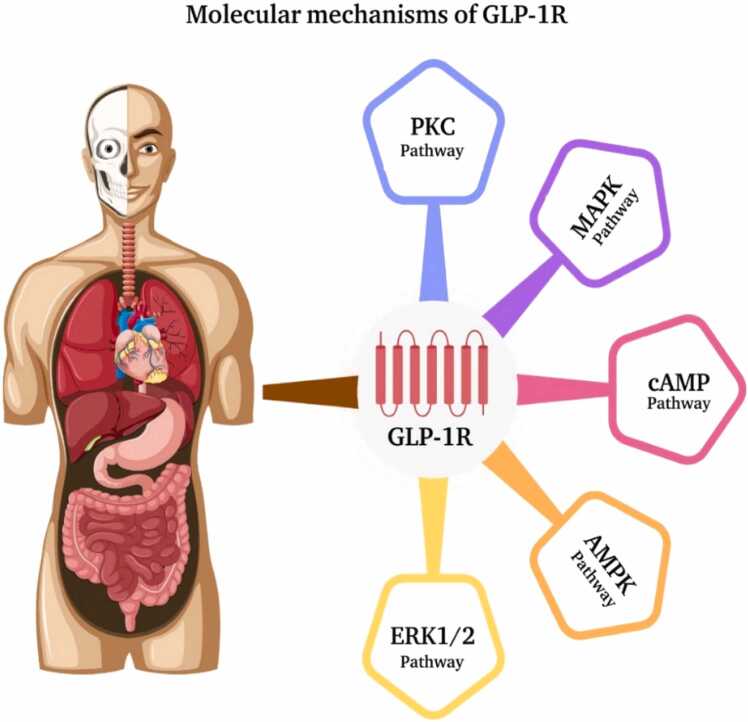
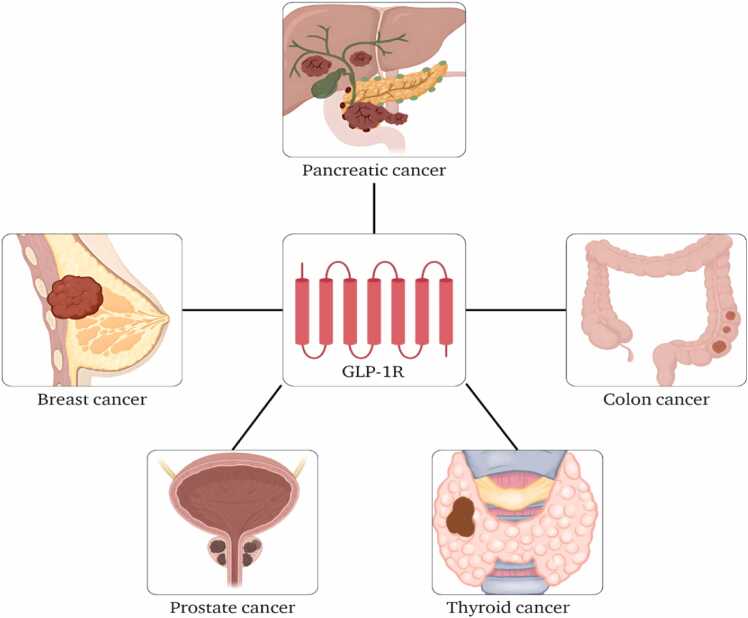
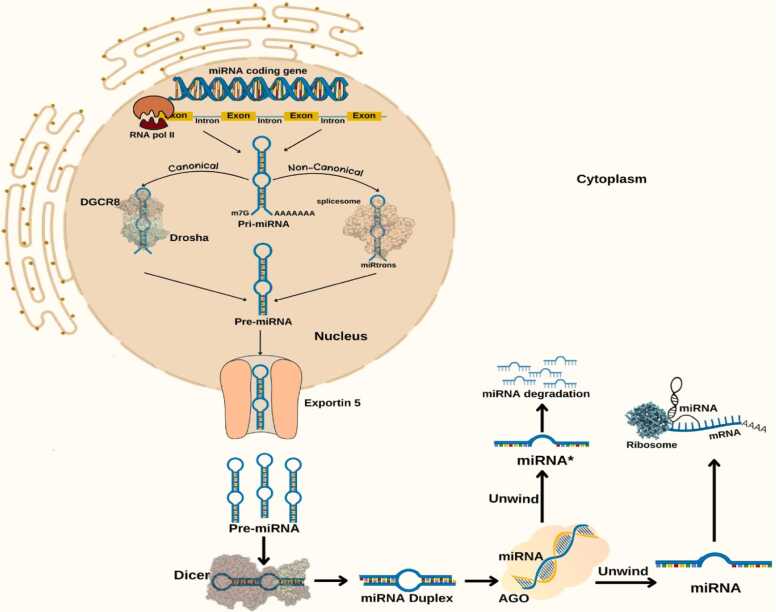
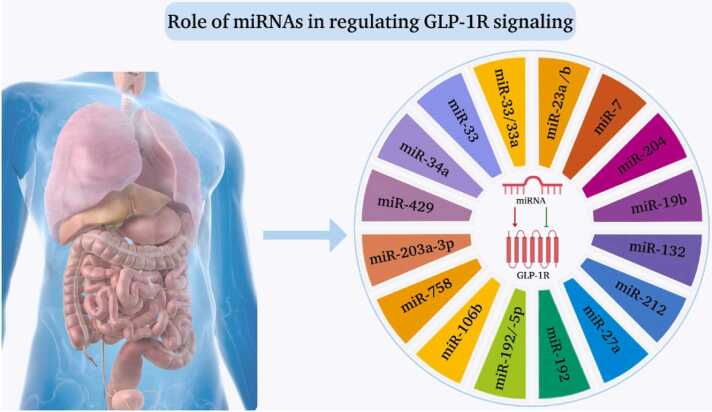
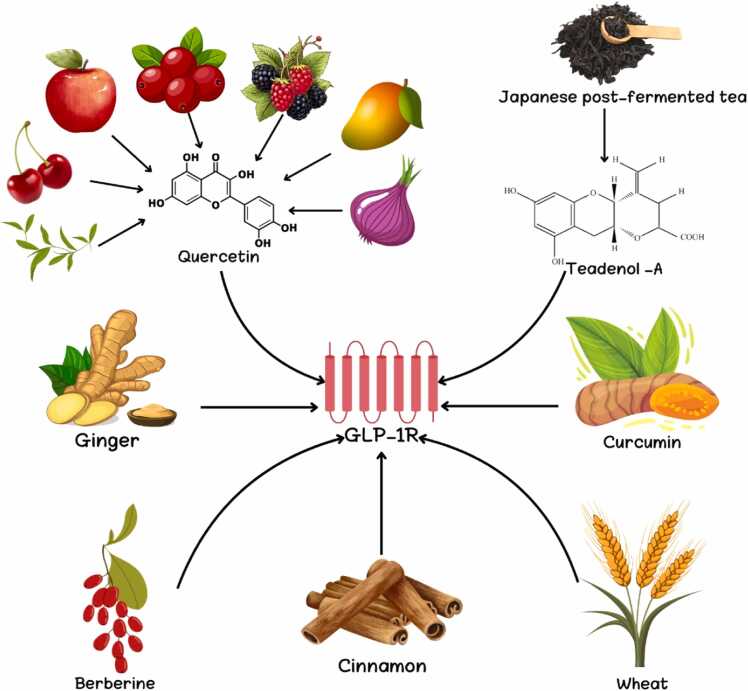
Glucagon (GCG) like peptide 1 (GLP-1) has emerged as a powerful player in regulating metabolism and a promising therapeutic target for various chronic diseases. This review delves into the physiological roles of GLP-1, exploring its impact on glucose homeostasis, insulin secretion, and satiety. We examine the compelling evidence supporting GLP-1 receptor agonists (GLP-1RAs) in managing type 2 diabetes (T2D), obesity, and other diseases. The intricate molecular mechanisms underlying GLP-1RAs are explored, including their interactions with pathways like extracellular signal-regulated kinase 1/2 (ERK1/2), activated protein kinase (AMPK), cyclic adenine monophosphate (cAMP), mitogen-activated protein kinase (MAPK), and protein kinase C (PKC). Expanding our understanding, the review investigates the potential role of GLP-1 in cancers. Also, microribonucleic acid (RNA) (miRNAs), critical regulators of gene expression, are introduced as potential modulators of GLP-1 signaling. We delve into the link between miRNAs and T2D obesity and explore specific miRNA examples influencing GLP-1R function. Finally, the review explores the rationale for seeking alternatives to GLP-1RAs and highlights natural products with promising GLP-1 modulatory effects.
Overview
The claims and statistics of this paper haven’t been checked yet.
Run the check — free, no account needed. It reads the open-access text and checks the sources it cites.
Integrity signals
Registry
Cites
Statistics
Figures
Verification
Claims the paper makes
The claims and statistics of this paper haven’t been checked yet.
Run the check — free, no account needed. It reads the open-access text and checks the sources it cites.
Claims other papers make about this one
Each is checked against this paper’s own text: does it say what the citing paper says it does?
The cited source says what the claim attributes to it.
In the citing paper
“Additionally, GLP-1 slows gastric emptying, leading to prolonged satiety and reduced food intake [24].”
From A Narrative Review on GLP-1 Receptor Agonists for Obesity in Older Women: Maximizing Weight Loss While Preserving Lean Mass (2026) · cites this paper as [24]
The cited source says what the claim attributes to it.
In the citing paper
“Conversely, GLP-1 suppresses glucagon secretion from pancreatic alpha cells, preventing excessive glucose production from the liver.”
From A Narrative Review on GLP-1 Receptor Agonists for Obesity in Older Women: Maximizing Weight Loss While Preserving Lean Mass (2026) · cites this paper as [24]
Self-check
Percentages, sums and reported differences re-computed from the paper’s own numbers.
The self-check needs the paper’s full text.
Citations
Cites
1 retracted
Entezari, M., Hashemi, D., Taheriazam, A., Zabolian, A., Mohammadi, S., Fakhri, F., Hashemi, M., Hushmandi, K., Ashrafizadeh, M., Zarrabi, A., et al. (2021) · Biomedicine & Pharmacotherapy · doi:10.1016/j.biopha.2021.112563 · Cited by 410
RetractedOverview of MicroRNA Biogenesis, Mechanisms of Actions, and Circulation
O'Brien, J., Hayder, H., Zayed, Y., & Peng, C. (2018) · Frontiers in Endocrinology · doi:10.3389/fendo.2018.00402 · Cited by 5,287
Once-Weekly Semaglutide in Adults with Overweight or Obesity
Wilding, J. P. H., Batterham, R. L., Calanna, S., Davies, M., Van Gaal, L. F., Lingvay, I., McGowan, B. M., Rosenstock, J., Tran, M. T. D., Wadden, T. A., et al. (2021) · New England Journal of Medicine · doi:10.1056/nejmoa2032183 · Cited by 5,205
AMPK: a nutrient and energy sensor that maintains energy homeostasis
Hardie, D. G., Ross, F. A., & Hawley, S. A. (2012) · Nature Reviews Molecular Cell Biology · doi:10.1038/nrm3311 · Cited by 4,602
The Physiology of Glucagon-like Peptide 1
Holst, J. J. (2007) · Physiological Reviews · doi:10.1152/physrev.00034.2006 · Cited by 3,371
Gerstein, H. C., Colhoun, H. M., Dagenais, G. R., Diaz, R., Lakshmanan, M., Pais, P., Probstfield, J., Riesmeyer, J. S., Riddle, M. C., Rydén, L., et al. (2019) · The Lancet · doi:10.1016/s0140-6736(19)31149-3 · Cited by 3,163
A Randomized, Controlled Trial of 3.0 mg of Liraglutide in Weight Management
Pi-Sunyer, X., Astrup, A., Fujioka, K., Greenway, F., Halpern, A., Krempf, M., Lau, D. C. W., le Roux, C. W., Violante Ortiz, R., Jensen, C. B., et al. (2015) · New England Journal of Medicine · doi:10.1056/nejmoa1411892 · Cited by 2,724
Pathological roles of MAPK signaling pathways in human diseases
Kim, E. K., & Choi, E.-J. (2010) · Biochimica et Biophysica Acta (BBA) - Molecular Basis of Disease · doi:10.1016/j.bbadis.2009.12.009 · Cited by 2,472
Lixisenatide in Patients with Type 2 Diabetes and Acute Coronary Syndrome
Pfeffer, M. A., Claggett, B., Diaz, R., Dickstein, K., Gerstein, H. C., Køber, L. V., Lawson, F. C., Ping, L., Wei, X., Lewis, E. F., et al. (2015) · New England Journal of Medicine · doi:10.1056/nejmoa1509225 · Cited by 2,409
Mechanisms of Action and Therapeutic Application of Glucagon-like Peptide-1
Drucker, D. J. (2018) · Cell Metabolism · doi:10.1016/j.cmet.2018.03.001 · Cited by 2,170
Glucagon-like peptide-1 7–36: a physiological incretin in man
Kreymann, B., Ghatei, M. A., Williams, G., & Bloom, S. R. (1987) · The Lancet · doi:10.1016/s0140-6736(87)91194-9 · Cited by 1,928
Glucagon-like peptide 1 (GLP-1)
Müller, T. D., Finan, B., Bloom, S. R., D'Alessio, D., Drucker, D. J., Flatt, P. R., Fritsche, A., Gribble, F., Grill, H. J., Habener, J. F., et al. (2019) · Molecular Metabolism · doi:10.1016/j.molmet.2019.09.010 · Cited by 1,868
GLP-1 receptor agonists in the treatment of type 2 diabetes - state-of-the-art
Nauck, M. A., Quast, D. R., Wefers, J., & Meier, J. J. (2021) · Molecular Metabolism · doi:10.1016/j.molmet.2020.101102 · Cited by 1,647 · cited 1×
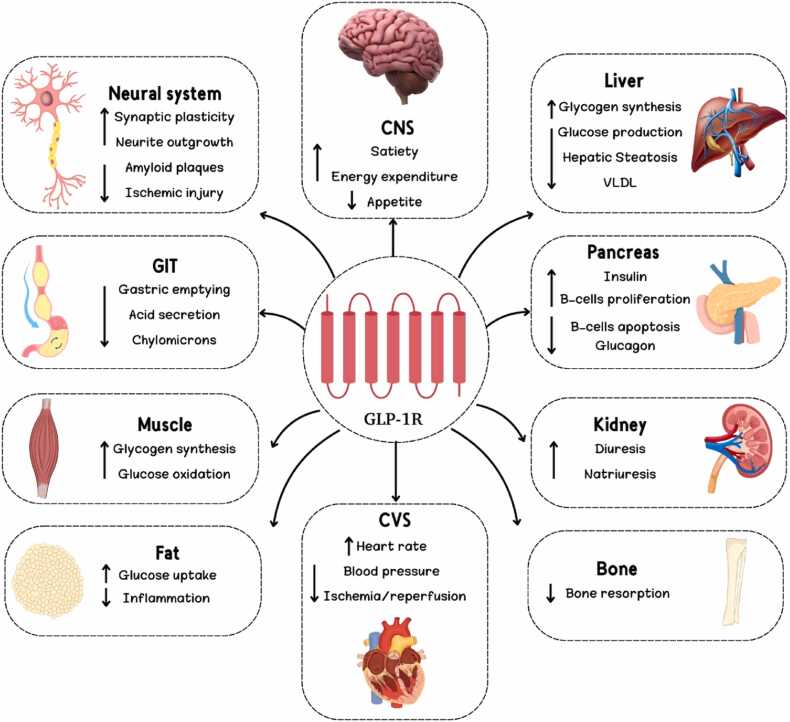
“Beyond its role in pancreatic function, GLP-1 has several essential extraintestinal effects, such as regulating energy metabolism, improving nutritional absorption by the intestines, and stimulating the storage and utilization of nutrients in the liver, muscles, and fat [30].”
Davies, M., Færch, L., Jeppesen, O. K., Pakseresht, A., Pedersen, S. D., Perreault, L., Rosenstock, J., Shimomura, I., Viljoen, A., Wadden, T. A., et al. (2021) · The Lancet · doi:10.1016/s0140-6736(21)00213-0 · Cited by 1,419
Buse, J. B., Henry, R. R., Han, J., Kim, D. D., Fineman, M. S., Baron, A. D., & for the Exenatide-113 Clinical Study Group (2004) · Diabetes Care · doi:10.2337/diacare.27.11.2628 · Cited by 1,346
GLP-1 receptor agonists for individualized treatment of type 2 diabetes mellitus
Meier, J. J. (2012) · Nature Reviews Endocrinology · doi:10.1038/nrendo.2012.140 · Cited by 1,311 · cited 1×
“EX-LAR reduced nausea and vomiting compared to Exenatide [285].”
Astrup, A., Rössner, S., Van Gaal, L., Rissanen, A., Niskanen, L., Al Hakim, M., Madsen, J., Rasmussen, M. F., & Lean, M. E. (2009) · The Lancet · doi:10.1016/s0140-6736(09)61375-1 · Cited by 1,163
The influence of glucose-lowering therapies on cancer risk in type 2 diabetes
Currie, C. J., Poole, C. D., & Gale, E. A. M. (2009) · Diabetologia · doi:10.1007/s00125-009-1440-6 · Cited by 1,124
Wadden, T. A., Bailey, T. S., Billings, L. K., Davies, M., Frias, J. P., Koroleva, A., Lingvay, I., O’Neil, P. M., Rubino, D. M., Skovgaard, D., et al. (2021) · JAMA · doi:10.1001/jama.2021.1831 · Cited by 1,114 · cited 1×
“Semaglutide patients lost more than placebo patients [273,274].”
Drucker, D. J., Buse, J. B., Taylor, K., Kendall, D. M., Trautmann, M., Zhuang, D., & Porter, L. (2008) · The Lancet · doi:10.1016/s0140-6736(08)61206-4 · Cited by 1,070
Kieffer, T. J., & Habener, J. F. (1999) · Endocrine Reviews · doi:10.1210/edrv.20.6.0385 · Cited by 1,062
Rubino, D. M., Greenway, F. L., Khalid, U., O’Neil, P. M., Rosenstock, J., Sørrig, R., Wadden, T. A., Wizert, A., Garvey, W. T., STEP 8 Investigators, et al. (2022) · JAMA · doi:10.1001/jama.2021.23619 · Cited by 995
The Discovery and Development of Liraglutide and Semaglutide
Knudsen, L. B., & Lau, J. (2019) · Frontiers in Endocrinology · doi:10.3389/fendo.2019.00155 · Cited by 970
Pancreatitis, pancreatic, and thyroid cancer with glucagon-like peptide-1-based therapies
Elashoff, M., Matveyenko, A. V., Gier, B., Elashoff, R., & Butler, P. C. (2011) · Gastroenterology · doi:10.1053/j.gastro.2011.02.018 · Cited by 944
le Roux, C. W., Astrup, A., Fujioka, K., Greenway, F., Lau, D. C. W., Van Gaal, L., Ortiz, R. V., Wilding, J. P. H., Skjøth, T. V., Manning, L. S., et al. (2017) · The Lancet · doi:10.1016/s0140-6736(17)30069-7 · Cited by 850
on behalf of the NN8022-1923 Investigators, Wadden, T. A., Hollander, P., Klein, S., Niswender, K., Woo, V, Hale, P. M., & Aronne, L. (2013) · International Journal of Obesity · doi:10.1038/ijo.2013.120 · Cited by 842
Pratley, R. E., Aroda, V. R., Lingvay, I., Lüdemann, J., Andreassen, C., Navarria, A., & Viljoen, A. (2018) · The Lancet Diabetes & Endocrinology · doi:10.1016/s2213-8587(18)30024-x · Cited by 790
Tea Polyphenols in Promotion of Human Health
Khan, N., & Mukhtar, H. (2018) · Nutrients · doi:10.3390/nu11010039 · Cited by 784
on behalf of the NN8022-1807 Investigators, Astrup, A., Carraro, R., Finer, N., Harper, A., Kunesova, M., Lean, M. E. J., Niskanen, L., Rasmussen, M. F., Rissanen, A., et al. (2012) · International Journal of Obesity · doi:10.1038/ijo.2011.158 · Cited by 757
GIP and GLP-1, the two incretin hormones: Similarities and differences
Seino, Y., Fukushima, M., & Yabe, D. (2010) · Journal of Diabetes Investigation · doi:10.1111/j.2040-1124.2010.00022.x · Cited by 746
Sorli, C., Harashima, S.-I., Tsoukas, G. M., Unger, J., Karsbøl, J. D., Hansen, T., & Bain, S. C. (2017) · The Lancet Diabetes & Endocrinology · doi:10.1016/s2213-8587(17)30013-x · Cited by 745
Mechanisms of action of glucagon-like peptide 1 in the pancreas
Doyle, M. E., & Egan, J. M. (2006) · Pharmacology & Therapeutics · doi:10.1016/j.pharmthera.2006.11.007 · Cited by 702
Holt, R. I. G., DeVries, J. H., Hess-Fischl, A., Hirsch, I. B., Kirkman, M. S., Klupa, T., Ludwig, B., Nørgaard, K., Pettus, J., Renard, E., et al. (2021) · Diabetes Care · doi:10.2337/dci21-0043 · Cited by 699 · cited 1×
“Treatments for diabetes must also be easy to implement into daily life due to the long-term nature of the disease [197].”
Mechanisms controlling pancreatic islet cell function in insulin secretion
Campbell, J. E., & Newgard, C. B. (2021) · Nature Reviews Molecular Cell Biology · doi:10.1038/s41580-020-00317-7 · Cited by 682
Gerstein, H. C., Colhoun, H. M., Dagenais, G. R., Diaz, R., Lakshmanan, M., Pais, P., Probstfield, J., Botros, F. T., Riddle, M. C., Rydén, L., et al. (2019) · The Lancet · doi:10.1016/s0140-6736(19)31150-x · Cited by 638 · cited 1×
“Various studies have shown that GLP-1RAs have a kidney protective effect in patients with T2D, when considering the safety and effectiveness of GLP-1RAs in comparison to other anti-diabetic medications [100 – 105].”
GLP-1 agonism stimulates brown adipose tissue thermogenesis and browning through hypothalamic AMPK
Beiroa, D., Imbernon, M., Gallego, R., Senra, A., Herranz, D., Villarroya, F., Serrano, M., Fernø, J., Salvador, J., Escalada, J., et al. (2014) · Diabetes · doi:10.2337/db14-0302 · Cited by 602
Negative feedback regulation of the ERK1/2 MAPK pathway
Lake, D., Corrêa, S. A. L., & Müller, J. (2016) · Cellular and Molecular Life Sciences · doi:10.1007/s00018-016-2297-8 · Cited by 565
Physiology of Proglucagon Peptides: Role of Glucagon and GLP-1 in Health and Disease
Sandoval, D. A., & D'Alessio, D. A. (2015) · Physiological Reviews · doi:10.1152/physrev.00013.2014 · Cited by 498
Dungan, K. M., Povedano, S. T., Forst, T., González, J. G. G., Atisso, C., Sealls, W., & Fahrbach, J. L. (2014) · The Lancet · doi:10.1016/s0140-6736(14)60976-4 · Cited by 486
GLP-1 Receptor Agonists: Beyond Their Pancreatic Effects
Zhao, X., Wang, M., Wen, Z., Lu, Z., Cui, L., Fu, C., Xue, H., Liu, Y., & Zhang, Y. (2021) · Frontiers in Endocrinology · doi:10.3389/fendo.2021.721135 · Cited by 463
Rodbard, H. W., Rosenstock, J., Canani, L. H., Deerochanawong, C., Gumprecht, J., Lindberg, S. Ø., Lingvay, I., Søndergaard, A. L., Treppendahl, M. B., Montanya, E., et al. (2019) · Diabetes Care · doi:10.2337/dc19-0883 · Cited by 463
AMPK activation: a therapeutic target for type 2 diabetes?
Saha, A. K., Coughlan, K. A., Valentine, R. J., & Ruderman, N. B. (2014) · Diabetes Metabolic Syndrome and Obesity · doi:10.2147/dmso.s43731 · Cited by 458
Rosenstock, J., Allison, D., Birkenfeld, A. L., Blicher, T. M., Deenadayalan, S., Jacobsen, J. B., Serusclat, P., Violante, R., Watada, H., Davies, M., et al. (2019) · JAMA · doi:10.1001/jama.2019.2942 · Cited by 421
Discovery, characterization, and clinical development of the glucagon-like peptides
Drucker, D. J., Habener, J. F., & Holst, J. J. (2017) · Journal of Clinical Investigation · doi:10.1172/jci97233 · Cited by 418
Meloni, A. R., DeYoung, M. B., Lowe, C., & Parkes, D. G. (2013) · Diabetes, Obesity and Metabolism · doi:10.1111/j.1463-1326.2012.01663.x · Cited by 407
GLP-1 and the kidney: from physiology to pharmacology and outcomes in diabetes
Muskiet, M. H. A., Tonneijck, L., Smits, M. M., van Baar, M. J. B., Kramer, M. H. H., Hoorn, E. J., Joles, J. A., & van Raalte, D. H. (2017) · Nature Reviews Nephrology · doi:10.1038/nrneph.2017.123 · Cited by 407
Gilbert, M. P., & Pratley, R. E. (2020) · Frontiers in Endocrinology · doi:10.3389/fendo.2020.00178 · Cited by 407
Nauck, M. A., & D‘Alessio, D. A. (2022) · Cardiovascular Diabetology · doi:10.1186/s12933-022-01604-7 · Cited by 407
The anti-inflammatory and immunological properties of GLP-1 Receptor Agonists
Bendotti, G., Montefusco, L., Lunati, M. E., Usuelli, V., Pastore, I., Lazzaroni, E., Assi, E., Seelam, A. J., El Essawy, B., Jang, J., et al. (2022) · Pharmacological Research · doi:10.1016/j.phrs.2022.106320 · Cited by 406
Graaf, C. D., Donnelly, D., Wootten, D., Lau, J., Sexton, P. M., Miller, L. J., Ahn, J.-M., Liao, J., Fletcher, M. M., Yang, D., et al. (2016) · Pharmacological Reviews · doi:10.1124/pr.115.011395 · Cited by 403
Attenuated GLP-1 secretion in obesity: cause or consequence
Ranganath, L. R., Beety, J. M., Morgan, L. M., Wright, J. W., Howland, R., & Marks, V (1996) · Gut · doi:10.1136/gut.38.6.916 · Cited by 394
Nauck, M. A., Quast, D. R., Wefers, J., & Pfeiffer, A. F. H. (2021) · Diabetes, Obesity and Metabolism · doi:10.1111/dom.14496 · Cited by 388
Baggio, L. L., Huang, Q., Brown, T. J., & Drucker, D. J. (2004) · Gastroenterology · doi:10.1053/j.gastro.2004.04.063 · Cited by 372
Moretto, T. J., Milton, D. R., Ridge, T. D., MacConell, L. A., Okerson, T., Wolka, A. M., & Brodows, R. G. (2008) · Clinical Therapeutics · doi:10.1016/j.clinthera.2008.08.006 · Cited by 350
Kanoski, S. E., Fortin, S. M., Arnold, M., Grill, H. J., & Hayes, M. R. (2011) · Endocrinology · doi:10.1210/en.2011-0174 · Cited by 347
Umpierrez, G., Tofé Povedano, S., Pérez Manghi, F., Shurzinske, L., & Pechtner, V. (2014) · Diabetes Care · doi:10.2337/dc13-2759 · Cited by 341
Pharmaceutical Drugs and Natural Therapeutic Products for the Treatment of Type 2 Diabetes Mellitus
Bláhová, J., Martiniaková, M., Babikova, M., Kováčová, V., Mondočková, V., & Omelka, R. (2021) · Pharmaceuticals · doi:10.3390/ph14080806 · Cited by 333
GLP-1 Receptor Agonists and the Risk of Thyroid Cancer
Bezin, J., Gouverneur, A., Pénichon, M., Mathieu, C., Garrel, R., Hillaire-Buys, D., Pariente, A., & Faillie, J.-L. (2023) · Diabetes Care · doi:10.2337/dc22-1148 · Cited by 320
Pleiotropic Effects of GLP-1 and Analogs on Cell Signaling, Metabolism, and Function
Rowlands, J., Heng, J., Newsholme, P., & Carlessi, R. (2018) · Frontiers in Endocrinology · doi:10.3389/fendo.2018.00672 · Cited by 302 · cited 1×
“For T2D and maybe other diseases as well, GLP-1 ’ s pleiotropic characteristics make it an attractive treatment option [38].”
Chemistry, Biogenesis, and Biological Activities ofCinnamomum zeylanicum
Jayaprakasha, G. K., & Rao, L. (2011) · Critical Reviews in Food Science and Nutrition · doi:10.1080/10408391003699550 · Cited by 299
GLP-1 receptor agonists (GLP-1RAs): cardiovascular actions and therapeutic potential
Ma, X., Liu, Z., Ilyas, I., Little, P. J., Kamato, D., Sahebka, A., Chen, Z., Luo, S., Zheng, X., Weng, J., et al. (2021) · International Journal of Biological Sciences · doi:10.7150/ijbs.59965 · Cited by 299
GLP-1 and weight loss: unraveling the diverse neural circuitry
Kanoski, S. E., Hayes, M. R., & Skibicka, K. P. (2016) · American Journal of Physiology-Regulatory, Integrative and Comparative Physiology · doi:10.1152/ajpregu.00520.2015 · Cited by 290
Recent updates on GLP-1 agonists: Current advancements & challenges
Sharma, D., Verma, S., Vaidya, S. P., Kalia, K., & Tiwari, V. (2018) · Biomedicine & Pharmacotherapy · doi:10.1016/j.biopha.2018.08.088 · Cited by 288
Riddle, M. C., Aronson, R., Home, P., Marre, M., Niemoeller, E., Miossec, P., Ping, L., Ye, J., & Rosenstock, J. (2013) · Diabetes Care · doi:10.2337/dc12-2454 · Cited by 288
Yusta, B., Baggio, L. L., Koehler, J., Holland, D., Cao, X., Pinnell, L. J., Johnson-Henry, K. C., Yeung, W., Surette, M. G., Bang, K. W. A., et al. (2015) · Diabetes · doi:10.2337/db14-1577 · Cited by 282
Elkind-Hirsch, K., Marrioneaux, O., Bhushan, M., Vernor, D., & Bhushan, R. (2008) · The Journal of Clinical Endocrinology & Metabolism · doi:10.1210/jc.2008-0115 · Cited by 276
Karagiannis, T., Avgerinos, I., Liakos, A., Del Prato, S., Matthews, D. R., Tsapas, A., & Bekiari, E. (2022) · Diabetologia · doi:10.1007/s00125-022-05715-4 · Cited by 272
Giorgino, F., Benroubi, M., Sun, J.-H., Zimmermann, A. G., & Pechtner, V. (2015) · Diabetes Care · doi:10.2337/dc14-1625 · Cited by 268
Cellular regulation of islet hormone secretion by the incretin hormone glucagon-like peptide 1
Gromada, J., Holst, J. J., & Rorsman, P. (1998) · Pflügers Archiv - European Journal of Physiology · doi:10.1007/s004240050558 · Cited by 254
Rosenstock, J., Raccah, D., Korányi, L., Maffei, L., Boka, G., Miossec, P., & Gerich, J. E. (2013) · Diabetes Care · doi:10.2337/dc12-2709 · Cited by 253
GLP−1 receptor agonists for the treatment of obesity: Role as a promising approach
Wang, J.-Y., Wang, Q.-W., Yang, X.-Y., Yang, W., Li, D.-R., Jin, J.-Y., Zhang, H.-C., & Zhang, X.-F. (2023) · Frontiers in Endocrinology · doi:10.3389/fendo.2023.1085799 · Cited by 248
Madsen, K., Knudsen, L. B., Agersoe, H., Nielsen, P. F., Thøgersen, H., Wilken, M., & Johansen, N. L. (2007) · Journal of Medicinal Chemistry · doi:10.1021/jm070861j · Cited by 244
Ziegenfuss, T. N., Hofheins, J. E., Mendel, R. W., Landis, J. A., & Anderson, R. A. (2006) · Journal of the International Society of Sports Nutrition · doi:10.1186/1550-2783-3-2-45 · Cited by 235
Emerging roles of exosomal miRNAs in diabetes mellitus
He, X., Kuang, G., Wu, Y., & Ou, C. (2021) · Clinical and Translational Medicine · doi:10.1002/ctm2.468 · Cited by 234
Rosenstock, J., Klaff, L. J., Schwartz, S., Northrup, J., Holcombe, J. H., Wilhelm, K., & Trautmann, M. (2010) · Diabetes Care · doi:10.2337/dc09-1203 · Cited by 229
Tong, G., Peng, T., Chen, Y., Sha, L., Dai, H., Xiang, Y., Zou, Z., He, H., & Wang, S. (2022) · Frontiers in Pharmacology · doi:10.3389/fphar.2022.901559 · Cited by 226
Obesity: A preventable, treatable, but relapsing disease
LORENZO, A. D., Romano, L., Renzo, L. D., Lorenzo, N. D., Cenname, G., & Gualtieri, P. (2019) · Nutrition · doi:10.1016/j.nut.2019.110615 · Cited by 221
Glucagon-Like Peptide-1: A Focus on Neurodegenerative Diseases
Grieco, M., Giorgi, A., Gentile, M. C., d’Erme, M., Morano, S., Maras, B., & Filardi, T. (2019) · Frontiers in Neuroscience · doi:10.3389/fnins.2019.01112 · Cited by 218 · cited 2×
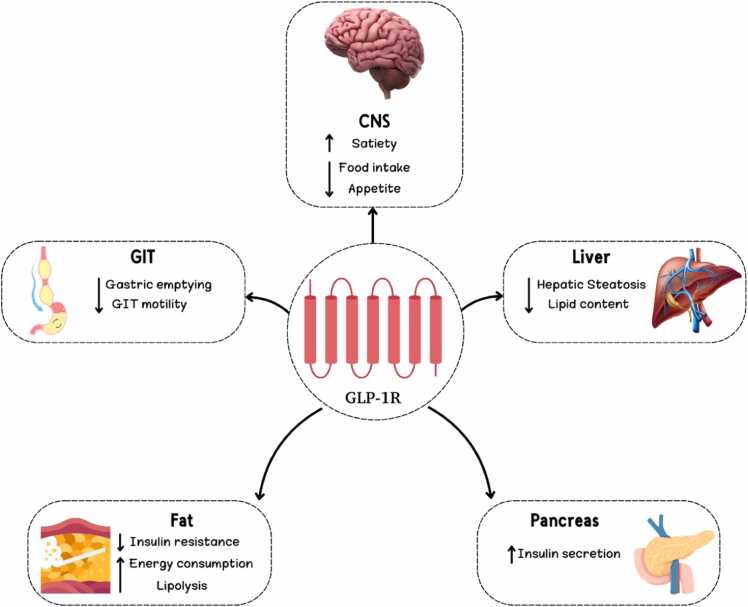
“Additional benefits include a decreased risk of metabolic and cardiovascular diseases and a decrease in hunger due to GLP-1R activation in the brain [134].”
Efficacy and Safety of the Once-Daily GLP-1 Receptor Agonist Lixisenatide in Monotherapy
Fonseca, V. A., Alvarado-Ruiz, R., Raccah, D., Boka, G., Miossec, P., Gerich, J. E., & on behalf of the EFC6018 GetGoal-Mono Study Investigators (2012) · Diabetes Care · doi:10.2337/dc11-1935 · Cited by 218
on behalf of the NN8022-1807 Investigators, Lean, M. E. J., Carraro, R., Finer, N., Hartvig, H., Lindegaard, M. L., Rössner, S., Van Gaal, L., & Astrup, A. (2014) · International Journal of Obesity · doi:10.1038/ijo.2013.149 · Cited by 210
GLP-1: Molecular mechanisms and outcomes of a complex signaling system
Smith, N. K., Hackett, T. A., Galli, A., & Flynn, C. R. (2019) · Neurochemistry International · doi:10.1016/j.neuint.2019.04.010 · Cited by 204
Frias, J. P., Bonora, E., Nevarez Ruiz, L., Li, Y. G., Yu, Z., Milicevic, Z., Malik, R., Bethel, M. A., & Cox, D. A. (2021) · Diabetes Care · doi:10.2337/dc20-1473 · Cited by 199
Winiarska, A., Knysak, M., Nabrdalik, K., Gumprecht, J., & Stompór, T. P. (2021) · International Journal of Molecular Sciences · doi:10.3390/ijms221910822 · Cited by 198
Understanding microRNA-mediated gene regulatory networks through mathematical modelling
Lai, X., Wolkenhauer, O., & Vera, J. (2016) · Nucleic Acids Research · doi:10.1093/nar/gkw550 · Cited by 196
Quoyer, J., Longuet, C., Broca, C., Linck, N., Costes, S., Varin, E. M., Bockaert, J., Bertrand, G., & Dalle, S. (2009) · Journal of Biological Chemistry · doi:10.1074/jbc.m109.067207 · Cited by 195
GLP-1 stimulates insulin secretion by PKC-dependent TRPM4 and TRPM5 activation
Shigeto, M., Ramracheya, R., Tarasov, A. I., Cha, C. Y., Chibalina, M. V., Hastoy, B., Philippaert, K., Reinbothe, T., Rorsman, N., Salehi, A., et al. (2015) · Journal of Clinical Investigation · doi:10.1172/jci81975 · Cited by 189 · cited 1×
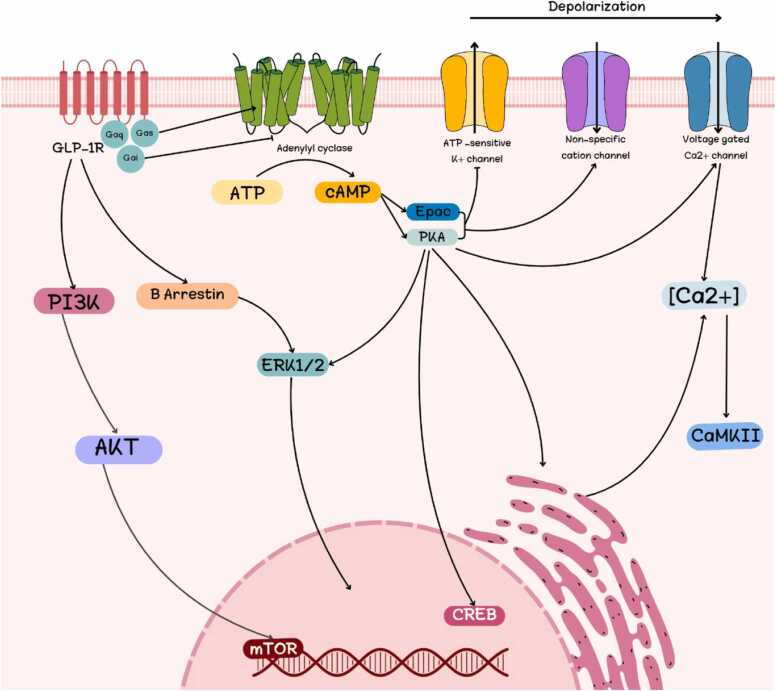
“…of GLP-1 through mechanisms that are dependent on PKC. GLP-1 ’ s capacity to induce phosphorylation in a PKC-dependent manner and the fact that the PKC activator can reproduce its effect on β cell electrical activity provide evidence that PKC is involved in GLP-1 ’ s stimulatory function [82].”
Biochemical and histological effects of exendin-4 (exenatide) on the rat pancreas
Nachnani, J. S., Bulchandani, D. G., Nookala, A., Herndon, B., Molteni, A., Pandya, P., Taylor, R., Quinn, T., Weide, L., & Alba, L. M. (2010) · Diabetologia · doi:10.1007/s00125-009-1515-4 · Cited by 189
Anti-diabetic drugs and weight loss in patients with type 2 diabetes
Lazzaroni, E., Ben Nasr, M., Loretelli, C., Pastore, I., Plebani, L., Lunati, M. E., Vallone, L., Bolla, A. M., Rossi, A., Montefusco, L., et al. (2021) · Pharmacological Research · doi:10.1016/j.phrs.2021.105782 · Cited by 182
Lipotoxicity in Kidney, Heart, and Skeletal Muscle Dysfunction
Nishi, H., Higashihara, T., & Inagi, R. (2019) · Nutrients · doi:10.3390/nu11071664 · Cited by 179
Glucagon-Like Peptide-1: Glucose Homeostasis and Beyond
Cho, Y. M., Fujita, Y., & Kieffer, T. J. (2013) · Annual Review of Physiology · doi:10.1146/annurev-physiol-021113-170315 · Cited by 178
GLP-1 receptor agonists and kidney protection
Greco, E., Russo, G., Giandalia, A., Viazzi, F., Pontremoli, R., & De Cosmo, S. (2019) · Medicina · doi:10.3390/medicina55060233 · Cited by 173
Ahrén, B., Leguizamo Dimas, A., Miossec, P., Saubadu, S., & Aronson, R. (2013) · Diabetes Care · doi:10.2337/dc12-2006 · Cited by 172
Rahman, M. M., Islam, M. R., Shohag, S., Hossain, M. E., Rahaman, M. S., Islam, F., Ahmed, M., Mitra, S., Khandaker, M. U., Idris, A. M., et al. (2022) · Molecules · doi:10.3390/molecules27051713 · Cited by 164
Chung, L. T. K., Hosaka, T., Yoshida, M., Harada, N., Sakaue, H., Sakai, T., & Nakaya, Y. (2009) · Biochemical and Biophysical Research Communications · doi:10.1016/j.bbrc.2009.10.015 · Cited by 163
Semaglutide as a promising antiobesity drug
Christou, G. A., Katsiki, N., Blundell, J., Fruhbeck, G., & Kiortsis, D. N. (2019) · Obesity Reviews · doi:10.1111/obr.12839 · Cited by 159
Jendle, J., Grunberger, G., Blevins, T., Giorgino, F., Hietpas, R. T., & Botros, F. T. (2016) · Diabetes/Metabolism Research and Reviews · doi:10.1002/dmrr.2810 · Cited by 158
GLP-1 receptor agonist promotes brown remodelling in mouse white adipose tissue through SIRT1
Xu, F., Lin, B., Zheng, X., Chen, Z., Cao, H., Xu, H., Liang, H., & Weng, J. (2016) · Diabetologia · doi:10.1007/s00125-016-3896-5 · Cited by 157
Mann, J. F. E., Hansen, T., Idorn, T., Leiter, L. A., Marso, S. P., Rossing, P., Seufert, J., Tadayon, S., & Vilsbøll, T. (2020) · The Lancet Diabetes & Endocrinology · doi:10.1016/s2213-8587(20)30313-2 · Cited by 157
Next generation GLP-1/GIP/glucagon triple agonists normalize body weight in obese mice
Knerr, P. J., Mowery, S. A., Douros, J. D., Premdjee, B., Hjøllund, K. R., He, Y., Kruse Hansen, A. M., Olsen, A. K., Perez-Tilve, D., DiMarchi, R. D., et al. (2022) · Molecular Metabolism · doi:10.1016/j.molmet.2022.101533 · Cited by 152 · cited 1×
“Studies on overweight mice show that GCGR activation distinguishes incretin receptor triple agonists from single or double agonists, making unimolecular poly-pharmacology a useful tool for treating obesity ’ s multiple pathways [296].”
Kang, G., Chepurny, O. G., Malester, B., Rindler, M. J., Rehmann, H., Bos, J. L., Schwede, F., Coetzee, W. A., & Holz, G. G. (2006) · The Journal of Physiology · doi:10.1113/jphysiol.2006.107391 · Cited by 151
Zhao, F., Zhou, Q., Cong, Z., Hang, K., Zou, X., Zhang, C., Chen, Y., Dai, A., Liang, A., Ming, Q., et al. (2022) · Nature Communications · doi:10.1038/s41467-022-28683-0 · Cited by 149
Liraglutide: A New Option for the Treatment of Obesity
Nuffer, W. A., & Trujillo, J. M. (2015) · Pharmacotherapy The Journal of Human Pharmacology and Drug Therapy · doi:10.1002/phar.1639 · Cited by 148
Glucagon Regulation of Energy Expenditure
Kleinert, M., Sachs, S., Habegger, K. M., Hofmann, S. M., & Müller, T. D. (2019) · International Journal of Molecular Sciences · doi:10.3390/ijms20215407 · Cited by 147
Do GLP-1–Based Therapies Increase Cancer Risk?
Nauck, M. A., & Friedrich, N. (2013) · Diabetes Care · doi:10.2337/dcs13-2004 · Cited by 145
Bolli, G. B., Munteanu, M., Dotsenko, S., Niemoeller, E., Boka, G., Wu, Y., & Hanefeld, M. (2014) · Diabetic Medicine · doi:10.1111/dme.12328 · Cited by 144
Nauck, M., Rizzo, M., Johnson, A., Bosch-Traberg, H., Madsen, J., & Cariou, B. (2016) · Diabetes Care · doi:10.2337/dc15-2479 · Cited by 143
Kooijman, S., Wang, Y., Parlevliet, E. T., Boon, M. R., Edelschaap, D., Snaterse, G., Pijl, H., Romijn, J. A., & Rensen, P. C. N. (2015) · Diabetologia · doi:10.1007/s00125-015-3727-0 · Cited by 140
Vrang, N., & Larsen, P. J. (2010) · Progress in Neurobiology · doi:10.1016/j.pneurobio.2010.07.003 · Cited by 139
Exendin-4, a GLP-1 Receptor Agonist, Attenuates Prostate Cancer Growth
Nomiyama, T., Kawanami, T., Irie, S., Hamaguchi, Y., Terawaki, Y., Murase, K., Tsutsumi, Y., Nagaishi, R., Tanabe, M., Morinaga, H., et al. (2014) · Diabetes · doi:10.2337/db13-1169 · Cited by 138
Molecular, pharmacological and clinical aspects of liraglutide, a once-daily human GLP-1 analogue
Russell-Jones, D. (2009) · Molecular and Cellular Endocrinology · doi:10.1016/j.mce.2008.11.018 · Cited by 137
Simonsen, L., Holst, J. J., & Deacon, C. F. (2006) · Diabetologia · doi:10.1007/s00125-005-0128-9 · Cited by 133
The Role of ERK1/2 in the Development of Diabetic Cardiomyopathy
Xu, Z., Sun, J., Tong, Q., Lin, Q., Qian, L.-B., Park, Y., & Zheng, Y. (2016) · International Journal of Molecular Sciences · doi:10.3390/ijms17122001 · Cited by 131
Rosenstock, J., Hanefeld, M., Shamanna, P., Min, K. W., Boka, G., Miossec, P., Zhou, T., Muehlen-Bartmer, I., & Ratner, R. E. (2014) · Journal of Diabetes and its Complications · doi:10.1016/j.jdiacomp.2014.01.012 · Cited by 130 · cited 1×
“Lixisenatide considerably decreased patients ’ body weight [245 – 247].”
Shang, C., Lin, H., Fang, X., Wang, Y., Jiang, Z., Qu, Y., Xiang, M., Shen, Z., Xin, L., Lu, Y., et al. (2021) · Food & Function · doi:10.1039/d1fo01935j · Cited by 129
Ramracheya, R., Chapman, C., Chibalina, M., Dou, H., Miranda, C., González, A., Moritoh, Y., Shigeto, M., Zhang, Q., Braun, M., et al. (2018) · Physiological Reports · doi:10.14814/phy2.13852 · Cited by 128
Effects of Exenatide Combined with Lifestyle Modification in Patients with Type 2 Diabetes
Apovian, C. M., Bergenstal, R. M., Cuddihy, R. M., Qu, Y., Lenox, S., Lewis, M. S., & Glass, L. C. (2010) · The American Journal of Medicine · doi:10.1016/j.amjmed.2009.11.019 · Cited by 127
Gault, V. A., Bhat, V. K., Irwin, N., & Flatt, P. R. (2013) · Journal of Biological Chemistry · doi:10.1074/jbc.m113.512046 · Cited by 123
Benefits of Liraglutide Treatment in Overweight and Obese Older Individuals With Prediabetes
Kim, S. H., Abbasi, F., Lamendola, C. A., Liu, A., Ariel, D., Schaaf, P., Grove, K., Tomasso, V., Ochoa, H., Liu, Y. V., et al. (2013) · Diabetes Care · doi:10.2337/dc13-0354 · Cited by 121
Berberine induces GLP-1 secretion through activation of bitter taste receptor pathways
Yu, Y., Hao, G., Zhang, Q., Hua, W., Wang, M., Zhou, W., Zong, S., Huang, M., & Wen, X. (2015) · Biochemical Pharmacology · doi:10.1016/j.bcp.2015.07.012 · Cited by 120
Barrington, P., Chien, J. Y., Showalter, H. D. H., Schneck, K., Cui, S., Tibaldi, F., Ellis, B., & Hardy, T. A. (2011) · Diabetes, Obesity and Metabolism · doi:10.1111/j.1463-1326.2011.01364.x · Cited by 120
GLP-1 receptor agonist as a modulator of innate immunity
Chen, J., Mei, A., Wei, Y., Li, C., Qian, H., Min, X., Yang, H., Dong, L., Rao, X., & Zhong, J. (2022) · Frontiers in Immunology · doi:10.3389/fimmu.2022.997578 · Cited by 120
Kwon, G., Pappan, K. L., Marshall, C. A., Schaffer, J. E., & McDaniel, M. L. (2004) · Journal of Biological Chemistry · doi:10.1074/jbc.m310330200 · Cited by 118
Ligumsky, H., Wolf, I., Israeli, S., Haimsohn, M., Ferber, S., Karasik, A., Kaufman, B., & Rubinek, T. (2011) · Breast Cancer Research and Treatment · doi:10.1007/s10549-011-1585-0 · Cited by 114
Samad, M. B., Mohsin, M. N. A. B., Razu, B. A., Hossain, M. T., Mahzabeen, S., Unnoor, N., Muna, I. A., Akhter, F., Kabir, A. U., & Hannan, J. M. A. (2017) · BMC Complementary and Alternative Medicine · doi:10.1186/s12906-017-1903-0 · Cited by 114
miRNAs regulated by estrogens, tamoxifen, and endocrine disruptors and their downstream gene targets
Klinge, C. M. (2015) · Molecular and Cellular Endocrinology · doi:10.1016/j.mce.2015.01.035 · Cited by 112
The gastrointestinal tract in hunger and satiety signalling
Tack, J. F., Verbeure, W., Mori, H., Schol, J., den Houte, K. V., Huang, I., Balsiger, L. M., Broeders, B., Colomier, E., Scarpellini, E., et al. (2021) · United European Gastroenterology Journal · doi:10.1002/ueg2.12097 · Cited by 106
Advances in Research on Type 2 Diabetes Mellitus Targets and Therapeutic Agents
Su, J., Luo, Y., Hu, S., Tang, L., & Ouyang, S. (2023) · International Journal of Molecular Sciences · doi:10.3390/ijms241713381 · Cited by 104
Tran, K., Park, Y. I., Pandya, S., Muliyil, N. J., Jensen, B. D., Huynh, K., & Nguyen, Q. P. H. (2017) · PubMed Central · Cited by 102
Exposure-response analyses of liraglutide 3.0 mg for weight management
Wilding, J. P. H., Overgaard, R. V., Jacobsen, L. V., Jensen, C. B., & le Roux, C. W. (2016) · Diabetes, Obesity and Metabolism · doi:10.1111/dom.12639 · Cited by 102
Andreozzi, F., Raciti, G. A., Nigro, C., Mannino, G. C., Procopio, T., Davalli, A. M., Beguinot, F., Sesti, G., Miele, C., & Folli, F. (2016) · Journal of Translational Medicine · doi:10.1186/s12967-016-0985-7 · Cited by 102
WICKI, A. N., Wild, D., Storch, D., Seemayer, C. A., Gotthardt, M., Béhé, M. P., Kneifel, S., Mihatsch, M. J., Reubi, J., Mäcke, H. R., et al. (2007) · Clinical Cancer Research · doi:10.1158/1078-0432.ccr-06-2965 · Cited by 99
Cao, C., Yang, S., & Zhou, Z. (2019) · Endocrine · doi:10.1007/s12020-019-02055-z · Cited by 99
Iwaya, C., Nomiyama, T., Komatsu, S., Kawanami, T., Tsutsumi, Y., Hamaguchi, Y., Horikawa, T., Yoshinaga, Y., Yamashita, S.-I., Tanaka, T., et al. (2017) · Endocrinology · doi:10.1210/en.2017-00461 · Cited by 96
Do GLP-1 Receptor Agonists Increase the Risk of Breast Cancer? A Systematic Review and Meta-analysis
Piccoli, G. F., Mesquita, L. A., Stein, C., Aziz, M. M., Zoldan, M., Degobi, N. A. H., Spiazzi, B. F., Junior, G. L. L., Colpani, V., & Gerchman, F. (2020) · The Journal of Clinical Endocrinology & Metabolism · doi:10.1210/clinem/dgaa891 · Cited by 96
Silva, M. L., Bernardo, A., Singh, J., & de Mesquita, M. F. (2022) · Nutrients · doi:10.3390/nu14132773 · Cited by 96
Elkind-Hirsch, K. E., Chappell, N., Seidemann, E., Storment, J., & Bellanger, D. (2021) · The Journal of Clinical Endocrinology & Metabolism · doi:10.1210/clinem/dgab408 · Cited by 96
Emerging glucagon-like peptide 1 receptor agonists for the treatment of obesity
Jepsen, M. M., & Christensen, M. B. (2021) · Expert Opinion on Emerging Drugs · doi:10.1080/14728214.2021.1947240 · Cited by 96
Perspectives in GLP-1 Research: New Targets, New Receptors
Cantini, G., Mannucci, E., & Luconi, M. (2016) · Trends in Endocrinology and Metabolism · doi:10.1016/j.tem.2016.03.017 · Cited by 95
Mohan, V., Khunti, K., Chan, S. P., Filho, F. F., Tran, N. Q., Ramaiya, K. L., Joshi, S., Mithal, A., Mbaye, M. N., Nicodemus, N. A., et al. (2019) · Diabetes Therapy · doi:10.1007/s13300-019-00733-9 · Cited by 91
Shi, L., Ji, Y., Jiang, X., Zhou, L., Xu, Y., Li, Y., Jiang, W., Meng, P., & Liu, X. (2015) · Cardiovascular Diabetology · doi:10.1186/s12933-015-0177-4 · Cited by 91
New Insights into Beta-Cell GLP-1 Receptor and cAMP Signaling
Tomás, A., Jones, B. J., & Leech, C. A. (2019) · Journal of Molecular Biology · doi:10.1016/j.jmb.2019.08.009 · Cited by 90
GLP-1 receptor agonists in the treatment of type 2 diabetes: role and clinical experience to date
Brunton, S., & Wysham, C. (2020) · Postgraduate Medicine · doi:10.1080/00325481.2020.1798099 · Cited by 89
Zhao, H., Wang, L., Wei, R., Xiu, D., Tao, M., Ke, J., Liu, Y., Yang, J., & Hong, T. (2014) · Diabetes, Obesity and Metabolism · doi:10.1111/dom.12291 · Cited by 88
Pinto, L. C. F., Falcetta, M. R. R., Rados, D. R. V., Leitão, C. B., & Gross, J. L. (2019) · Scientific Reports · doi:10.1038/s41598-019-38956-2 · Cited by 87
Cai, X., Li, J., Wang, M., She, M., Tang, Y., Li, H., Li, H., & Hui, H. (2017) · International Journal of Medical Sciences · doi:10.7150/ijms.20962 · Cited by 84
Striking the balance: GLP-1/glucagon co-agonism as a treatment strategy for obesity
Hope, D. C. D., Vincent, M. L., & Tan, T. M. M. (2021) · Frontiers in Endocrinology · doi:10.3389/fendo.2021.735019 · Cited by 81
miR-204 Controls Glucagon-Like Peptide 1 Receptor Expression and Agonist Function
JO, S., Chen, J., Xu, G., Grayson, T. B., Thielen, L. A., & Shalev, A. (2017) · Diabetes · doi:10.2337/db17-0506 · Cited by 81
The Sensory Mechanisms of Nutrient-Induced GLP-1 Secretion
Hjørne, A. P., Modvig, I. M., & Holst, J. J. (2022) · Metabolites · doi:10.3390/metabo12050420 · Cited by 79
Barnett, A. (2007) · Expert Opinion on Pharmacotherapy · doi:10.1517/14656566.8.15.2593 · Cited by 79
Li, Z., Li, S., Wang, N., Xue, P., & Li, Y. (2020) · Biomedicine & Pharmacotherapy · doi:10.1016/j.biopha.2020.110523 · Cited by 78
Proglucagon-Derived Peptides as Therapeutics
Lafferty, R. A., O'Harte, F. P. M., Irwin, N., Gault, V. A., & Flatt, P. R. (2021) · Frontiers in Endocrinology · doi:10.3389/fendo.2021.689678 · Cited by 76
Smits, M. M., Tonneijck, L., Muskiet, M. H. A., Kramer, M. H. H., Cahen, D. L., & van Raalte, D. H. (2016) · Diabetes, Obesity and Metabolism · doi:10.1111/dom.12593 · Cited by 74
GLP-1 Receptor Agonists in Neurodegeneration: Neurovascular Unit in the Spotlight
Monti, G., Moreira, D. G., Richner, M., Mutsaers, H. A. M., Ferreira, N., & Jan, A. (2022) · Cells · doi:10.3390/cells11132023 · Cited by 72
Basalay, M. V., Davidson, S. M., & Yellon, D. M. (2019) · Cardiovascular Drugs and Therapy · doi:10.1007/s10557-019-06915-8 · Cited by 68
Micro-RNA Implications in Type-1 Diabetes Mellitus: A Review of Literature
Margaritis, K., Margioula‐Siarkou, G., Giza, S., Kotanidou, E. P., Tsinopoulou, V. R., Christoforidis, A., & Galli‐Τsinopoulou, A. (2021) · International Journal of Molecular Sciences · doi:10.3390/ijms222212165 · Cited by 68
Yuan, H., Luo, Z., Ban, Z., Reiter, R. J., Ma, Q., Liang, Z., Yang, M., Li, X., & Li, L. (2022) · Food & Function · doi:10.1039/d1fo04077d · Cited by 68
The Role of Amino Acids in Endothelial Biology and Function
Li, M., Wu, Y., & Ye, L. (2022) · Cells · doi:10.3390/cells11081372 · Cited by 65
Burmeister, M. A., Ayala, J., Drucker, D. J., & Ayala, J. E. (2013) · American Journal of Physiology-Endocrinology and Metabolism · doi:10.1152/ajpendo.00446.2012 · Cited by 64
Zhou, M., Mok, M. T. S., Sun, H., Chan, A. W. H., Huang, Y., Cheng, A. S. L., & Xu, G. (2017) · Oncogene · doi:10.1038/onc.2017.38 · Cited by 62
Suzuki, Y., Zhang, H., Saito, N., Kojima, I., Urano, T., & Mogami, H. (2006) · Journal of Biological Chemistry · doi:10.1074/jbc.m604291200 · Cited by 61
ERK1 and ERK2 activation modulates diet-induced obesity in mice
Khan, A. S., Selvakumar, S., Dramane, G., Khelifi, D., & Khan, N. A. (2017) · Biochimie · doi:10.1016/j.biochi.2017.03.004 · Cited by 61
Zhang, L.-Q., Zhang, W., Li, T., Yang, T., Yuan, X., Zhou, Y., Zou, Q., Yang, H., Gao, F., Tian, Y., et al. (2021) · Neurobiology of Learning and Memory · doi:10.1016/j.nlm.2021.107463 · Cited by 61
Glucagon-Like Peptide 1 and Its Cleavage Products Are Renoprotective in Murine Diabetic Nephropathy
Moellmann, J., Klinkhammer, B. M., Onstein, J., Stöhr, R., Jankowski, V., Jankowski, J., Lebherz, C., Tacke, F., Marx, N., Boor, P., et al. (2018) · Diabetes · doi:10.2337/db17-1212 · Cited by 60
Pinelli, N. R., & Hurren, K. M. (2011) · Annals of Pharmacotherapy · doi:10.1345/aph.1q024 · Cited by 59
Mechanisms and clinical efficacy of lixisenatide for the management of type 2 diabetes
Horowitz, M., Rayner, C. K., & Jones, K. L. (2013) · Advances in Therapy · doi:10.1007/s12325-013-0009-4 · Cited by 58
AMP-Activated Protein Kinase: Do We Need Activators or Inhibitors to Treat or Prevent Cancer?
Russell, F. M., & Hardie, D. G. (2020) · International Journal of Molecular Sciences · doi:10.3390/ijms22010186 · Cited by 57
Li, Z., Ni, C.-L., Yao, Z., Chen, L.-M., & Niu, W.-Y. (2014) · Metabolism · doi:10.1016/j.metabol.2014.05.008 · Cited by 56
Nephroprotective effects of GLP-1 receptor agonists: where do we stand?
Mosterd, C. M., Bjornstad, P., & van Raalte, D. H. (2020) · Journal of Nephrology · doi:10.1007/s40620-020-00738-9 · Cited by 56
Exenatide once weekly for the treatment of type 2 diabetes
Malone, J., Trautmann, M., Wilhelm, K., Taylor, K., & Kendall, D. M. (2009) · Expert Opinion on Investigational Drugs · doi:10.1517/13543780902766802 · Cited by 55 · cited 1×
“Few scientific trials have examined EX-LAR for weight loss, and most involve T2D patients [289].”
Shang, J., Li, J., Keller, M. P., Hohmeier, H. E., Wang, Y., Feng, Y., Zhou, H. H., Shen, X., Rabaglia, M. R., Soni, M. S., et al. (2015) · Molecular Endocrinology · doi:10.1210/me.2014-1335 · Cited by 54
The pleiotropic of GLP-1/GLP-1R axis in central nervous system diseases
Zhang, L., Zhang, W., & Tian, X. (2023) · International Journal of Neuroscience · doi:10.1080/00207454.2021.1924707 · Cited by 54
Zhang, F., Chen, Z., Wu, D., Tian, L., Chen, Q., Ye, Y., Chen, W., Wu, X., Wu, P., Yuan, W., et al. (2021) · iScience · doi:10.1016/j.isci.2021.103382 · Cited by 54
Nasser, J. S., Altahoo, N., Almosawi, S. H., Alhermi, A., & Butler, A. E. (2024) · International Journal of Molecular Sciences · doi:10.3390/ijms25020903 · Cited by 53
Ye, Y., Zhong, X., Li, N., & Pan, T. (2019) · Obesity Research & Clinical Practice · doi:10.1016/j.orcp.2019.03.003 · Cited by 52
Kato, M., Nakanishi, T., Tani, T., & Tsuda, T. (2016) · Nutrition Research · doi:10.1016/j.nutres.2016.12.002 · Cited by 50
GLP-1/GIP analogs: potential impact in the landscape of obesity pharmacotherapy
Lafferty, R. A., Flatt, P. R., & Irwin, N. (2023) · Expert Opinion on Pharmacotherapy · doi:10.1080/14656566.2023.2192865 · Cited by 50
Ma, J., Shi, M., Zhang, X., Liu, X., Chen, J., Zhang, R., Wang, X., & Zhang, H. (2018) · International Journal of Molecular Medicine · doi:10.3892/ijmm.2018.3509 · Cited by 50
Britsch, S., Krippeit‐Drews, P., Lang, F. J. W., Gregor, M., & Drews, G. (1995) · Biochemical and Biophysical Research Communications · doi:10.1006/bbrc.1995.1149 · Cited by 49
Zhang, Y. L., Zhou, C., Li, X. F., Yang, M. N., Tao, L., Zheng, X. Y., & Jia, Y. S. (2019) · Obesity Science & Practice · doi:10.1002/osp4.342 · Cited by 49
GLP-1 contributes to increases in PGC-1α expression by downregulating miR-23a to reduce apoptosis
Wang, C., Li, Q., Wang, W., Guo, L., Guo, C. Y., Sun, Y., & Zhang, J. (2015) · Biochemical and Biophysical Research Communications · doi:10.1016/j.bbrc.2015.08.092 · Cited by 48
RANGANATH, L., NORRIS, F., MORGAN, L., WRIGHT, J., & MARKS, V. (1999) · Clinical Science · doi:10.1042/cs0960335 · Cited by 47
He, W., Wang, H., Zhao, C., Tian, X., Li, L., & Wang, H. (2019) · Journal of Cellular Physiology · doi:10.1002/jcp.29204 · Cited by 45
Cost-effectiveness analysis of 4 GLP-1RAs in the treatment of obesity in a US setting
Hu, Y., Zheng, S.-L., Ye, X.-L., Shi, J.-N., Zheng, X.-W., Pan, H.-S., Zhang, Y.-W., Yang, X.-L., & Huang, P. (2022) · Annals of Translational Medicine · doi:10.21037/atm-22-200 · Cited by 45
Zhu, Q., Luo, Y., Wen, Y., Wang, D., Li, J., & Fan, Z. (2023) · Biochemical and Biophysical Research Communications · doi:10.1016/j.bbrc.2023.01.049 · Cited by 44
Grieco, G. E., Besharat, Z. M., Licata, G., Fignani, D., Brusco, N., Nigi, L., Formichi, C., Pò, A., Sabato, C., Dardano, A., et al. (2022) · Translational research · doi:10.1016/j.trsl.2022.03.008 · Cited by 43
Therapies for inter-relating diabetes and obesity – GLP-1 and obesity
Iepsen, E. W., Torekov, S. S., & Holst, J. J. (2014) · Expert Opinion on Pharmacotherapy · doi:10.1517/14656566.2014.965678 · Cited by 43
miR-7 Regulates GLP-1-Mediated Insulin Release by Targeting β-Arrestin 1
Matarese, A., Gambardella, J., Lombardi, A., Wang, X., & Santulli, G. (2020) · Cells · doi:10.3390/cells9071621 · Cited by 43
Eelderink, C., Noort, M. W. J., Sözer, N., Koehorst, M., Holst, J. J., Deacon, C. F., Rehfeld, J. F., Poutanen, K. S., Vonk, R. J., Oudhuis, L. A. A. C. M., et al. (2016) · European Journal of Nutrition · doi:10.1007/s00394-016-1156-6 · Cited by 42
Zhu, E., Yang, Y., Zhang, J., Li, Y., Li, C., Chen, L., & Sun, B. (2016) · Oncotarget · doi:10.18632/oncotarget.13189 · Cited by 42
Cowart, K. (2020) · Annals of Pharmacotherapy · doi:10.1177/1060028019889064 · Cited by 42
Jamali, N., Jalali, M., Saffari‐Chaleshtori, J., Samare-Najaf, M., & Samareh, A. N. (2020) · Diabetes & Metabolic Syndrome Clinical Research & Reviews · doi:10.1016/j.dsx.2020.01.009 · Cited by 41
Rodrigues, T., Borges, P. D. N., Mar, L. A., Marques, D., Albano, M. N., Eickhoff, H., Carrêlo, C., Almeida, B., Pires, S., Abrantes, A. M., et al. (2020) · Pharmacological Research · doi:10.1016/j.phrs.2020.105198 · Cited by 41
von Scholten, B. J., Kreiner, F. F., Rasmussen, S., Rossing, P. R., & Idorn, T. (2022) · Therapeutic Advances in Endocrinology and Metabolism · doi:10.1177/20420188221112490 · Cited by 41
Cortez-Navarrete, M., Pérez-Rubio, K. G., & Escobedo-Gutiérrez, M. D. J. (2023) · Pharmaceuticals · doi:10.3390/ph16040515 · Cited by 39
Ni, Y., Xu, Z., Li, C., Zhu, Y., Liu, R., Zhang, F., Chang, H., Li, M., Sheng, L., Li, J. Z., et al. (2020) · Theranostics · doi:10.7150/thno.49354 · Cited by 39
Huang, H., Wang, L., Qian, F., Chen, X., Zhu, H., Yang, M., Zhang, C., Chu, M., Wang, X., & Huang, X. (2021) · Frontiers in Physiology · doi:10.3389/fphys.2021.660263 · Cited by 38
Mazzieri, A., Basta, G., Calafiore, R., & Luca, G. (2023) · Frontiers in Immunology · doi:10.3389/fimmu.2023.1163288 · Cited by 38
Treatment potential of the GLP-1 receptor agonists in type 2 diabetes mellitus: a review
Østergaard, L., Frandsen, C. S., & Madsbad, S. (2016) · Expert Review of Clinical Pharmacology · doi:10.1586/17512433.2016.1121808 · Cited by 38
Sélley, E., Kun, S., Szijártó, I. A., Kertész, M., Wittmann, I., & Molnár, G. A. (2016) · Hormone and Metabolic Research · doi:10.1055/s-0042-101794 · Cited by 37
Shigeoka, T., Nomiyama, T., Kawanami, T., Hamaguchi, Y., Horikawa, T., Tanaka, T., Irie, S., Motonaga, R., Hamanoue, N., Tanabe, M., et al. (2020) · Journal of Diabetes Investigation · doi:10.1111/jdi.13247 · Cited by 37
Research works printed but not linked: 3
- Wang, 2023, GLP−1 receptor agonists for the treatment of obesity: role as a promising approach, Front. Endocrinol., 14
- Rowlands, 2018, Pleiotropic Effects of GLP-1 and Analogs on Cell Signaling, Metabolism, and Function, Front. Endocrinol., 9, 10.3389/fendo.2018.00672 · DOI · Paper page
- Meloni, 2013, GLP-1 receptor activated insulin secretion from pancreatic β-cells: mechanism and glucose dependence, Diabetes Obes. Metab., 15, 15, 10.1111/j.1463-1326.2012.01663.x · DOI · Paper page
Cited by
Sorted by citations
Ngabea, M. A., & Dimeji, I. Y. (2025) · Biochemical and Biophysical Research Communications · doi:10.1016/j.bbrc.2025.152822 · Cited by 35
An Overview of Targeting Some Cancer Hallmarks with Plant Polyphenols: A Step Toward Precision
Hamdy, N. Μ., Amin, A., Abd-Ellatef, G. E. F., Abdalla, Y., Abdalla, A., Saqr, D. A., Lu, Y., Wu, W., El‐Din, M. I. G., & El-Shazly, M. (2026) · Sub-cellular biochemistry/Subcellular biochemistry · doi:10.1007/978-3-032-08530-6_8 · Cited by 19
Semaglutide Enhances Cellular Regeneration in Skin and Retinal Cells In Vitro
Anastasiou, I. A., Tentolouris, A., Sarantis, P., Katsaouni, A., Rebelos, E., Mourouzis, I. S., Pantos, C. I., & Tentolouris, N. (2025) · Pharmaceutics · doi:10.3390/pharmaceutics17091115 · Cited by 19
Tongta, S., Sungkaworn, T., & Pathomthongtaweechai, N. (2025) · International Journal of Molecular Sciences · doi:10.3390/ijms262210974 · Cited by 19
Yu, H., Davoudi, M., Sadegh‐Nejadi, S., Miao, X., Bagherieh, M., & Afrisham, R. (2025) · Journal of Translational Medicine · doi:10.1186/s12967-025-06461-y · Cited by 18
Metadata
- Authors
- AL-Noshokaty, T. M., Abdelhamid, R., Abdelmaksoud, N. M., Khaled, A., Hossam, M., Ahmed, R., Saber, T., Khaled, S., Elshaer, S. S., & Abulsoud, A. I.
- Affiliations
- Heliopolis University (EG)
- Al-Azhar University (EG)
- Corresponding author
- Abdelhamid, Rehab
- Venue
- Toxicology Reports
- Publisher
- Elsevier BV
- Published
- 2025-06
- Volume
- 14
- Pages
- 101895
- ISSN
- 2214-7500 (ISSN-L)
- PMC
- PMC11795145
- OpenAlex
- W4406560873
- Cited by
- 30
- References
- 308
- Citations by year
- 2026: 16 · 2025: 14
- FWCI
- 4.08
- Type
- journal article
- Language
- en
- Open access
- gold
- doi.org
- Licence
- Locations
- Toxicology Reports (publishedVersion, cc-by-nc)
- PubMed Central (publishedVersion, cc-by-nc)
- PubMed (publishedVersion)
- DOAJ (DOAJ: Directory of Open Access Journals) (submittedVersion, cc-by-sa)
- Topics
- Health Sciences › Medicine › Endocrinology, Diabetes and Metabolism › Diabetes Treatment and Management
- Life Sciences › Neuroscience › Endocrine and Autonomic Systems › Regulation of Appetite and Obesity
- Health Sciences › Medicine › Endocrinology, Diabetes and Metabolism › Pancreatic function and diabetes
- Keywords
- glucagon-like peptide-1, GLP-1 receptor agonists, glucose homeostasis, insulin secretion, satiety, type 2 diabetes, obesity, cancer, microRNA, ERK signaling, AMPK, cAMP signaling, MAPK signaling, protein kinase C, natural products, GLP-1 signaling
About these checks
Registry, retraction, Cites and statistics results are computed, not judged, with one exception: a printed reference that no index lists is read once by a model before it counts as a citation error. Claims are extracted by a model and kept only when their quote appears verbatim in the text; each cited source is then checked, with a model’s help, for whether it says what the claim relies on. Those verdicts can be wrong — read the claim’s quote and the cited source before relying on one.
Statistics and arithmetic are recomputed, not judged.
Confidence bands are shown only for fields calibrated on our annotated test set. None is calibrated yet, so no band is shown.
What counts as a claim ›How we measure confidence ›How we check this ›
Are you an author, or do you see a problem with this page? Request a review
