

New WHO prevalence estimates of mental disorders in conflict settings: a systematic review and meta-analysis
Open accessThe DOI matches its Crossref record; 31 of the 32 references it cites were found in a registry or an index.
Abstract
BACKGROUND: Existing WHO estimates of the prevalence of mental disorders in emergency settings are more than a decade old and do not reflect modern methods to gather existing data and derive estimates. We sought to update WHO estimates for the prevalence of mental disorders in conflict-affected settings and calculate the burden per 1000 population. METHODS: In this systematic review and meta-analysis, we updated a previous systematic review by searching MEDLINE (PubMed), PsycINFO, and Embase for studies published between Jan 1, 2000, and Aug 9, 2017, on the prevalence of depression, anxiety disorder, post-traumatic stress disorder, bipolar disorder, and schizophrenia. We also searched the grey literature, such as government reports, conference proceedings, and dissertations, to source additional data, and we searched datasets from existing literature reviews of the global prevalence of depression and anxiety and reference lists from the studies that were identified. We applied the Guidelines for Accurate and Transparent Health Estimates Reporting and used Bayesian meta-regression techniques that adjust for predictors of mental disorders to calculate new point prevalence estimates with 95% uncertainty intervals (UIs) in settings that had experienced conflict less than 10 years previously. FINDINGS: We estimated that the prevalence of mental disorders (depression, anxiety, post-traumatic stress disorder, bipolar disorder, and schizophrenia) was 22·1% (95% UI 18·8-25·7) at any point in time in the conflict-affected populations assessed. The mean comorbidity-adjusted, age-standardised point prevalence was 13·0% (95% UI 10·3-16·2) for mild forms of depression, anxiety, and post-traumatic stress disorder and 4·0% (95% UI 2·9-5·5) for moderate forms. The mean comorbidity-adjusted, age-standardised point prevalence for severe disorders (schizophrenia, bipolar disorder, severe depression, severe anxiety, and severe post-traumatic stress disorder) was 5·1% (95% UI 4·0-6·5). As only two studies provided epidemiological data for psychosis in conflict-affected populations, existing Global Burden of Disease Study estimates for schizophrenia and bipolar disorder were applied in these estimates for conflict-affected populations. INTERPRETATION: The burden of mental disorders is high in conflict-affected populations. Given the large numbers of people in need and the humanitarian imperative to reduce suffering, there is an urgent need to implement scalable mental health interventions to address this burden. FUNDING: WHO; Queensland Department of Health, Australia; and Bill & Melinda Gates Foundation.
Overview
The claims and statistics of this paper haven’t been checked yet.
Free: it reads the open-access text and checks the first 5 claims that cite a source we can check. Create a free account to check every claim.
Integrity signals
Registry
Cites
Statistics
Figures
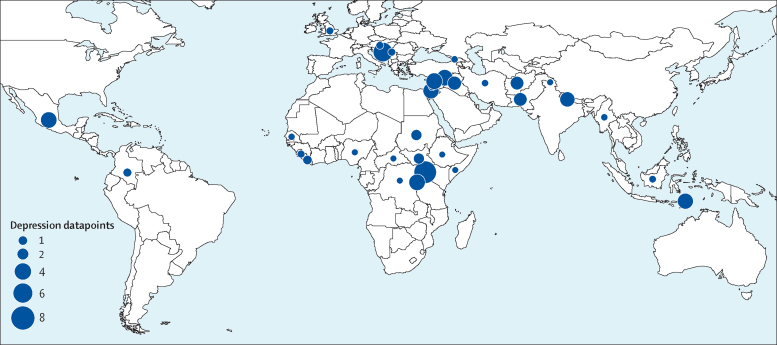
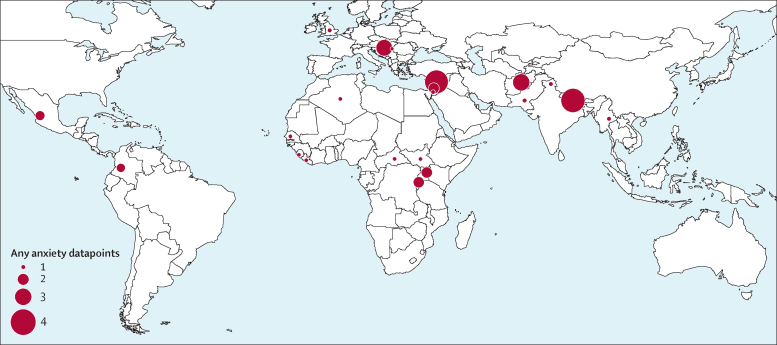
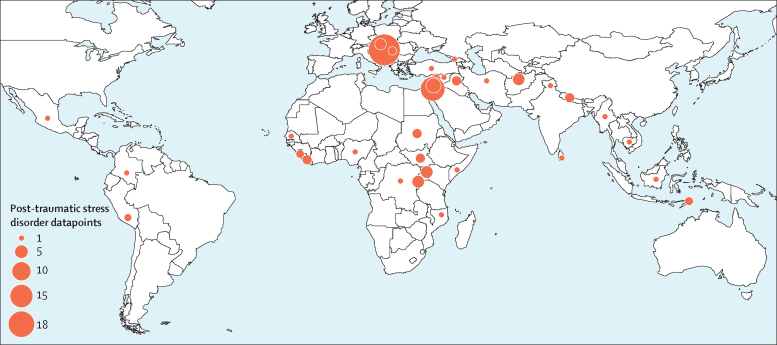
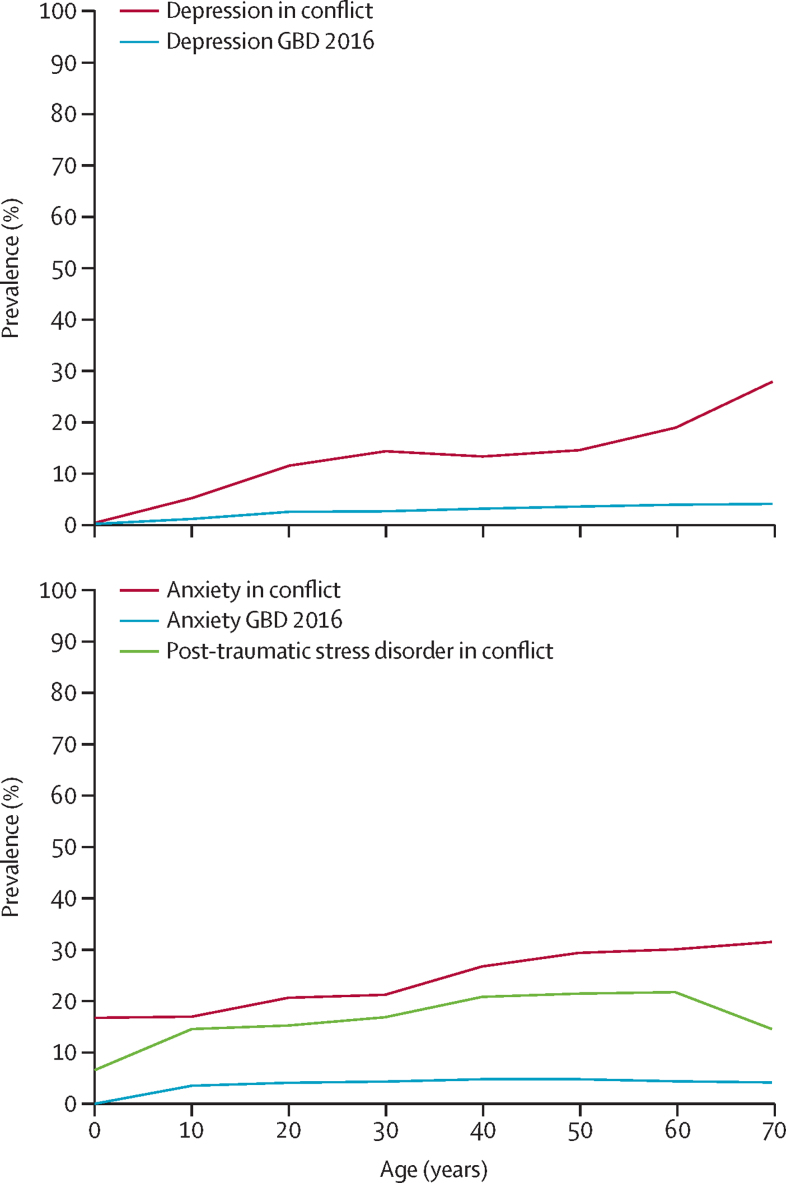
Verification
Claims the paper makes
The claims and statistics of this paper haven’t been checked yet.
Free: it reads the open-access text and checks the first 5 claims that cite a source we can check. Create a free account to check every claim.
Claims other papers make about this one
Each is checked against this paper’s own text: does it say what the citing paper says it does?
The source backs part of the claim, not all of it — or backs it for a different population, condition or comparison.
In the citing paper
“Conflict-affected populations are at elevated risk of psychological distress and a range of mental health disorders. 1”
From Guided self-help to reduce psychological distress in South Sudanese female refugees in Uganda: A cluster randomised trial (2020) · cites this paper as [1]
Experimental — accuracy not yet measuredThe source backs part of the claim, not all of it — or backs it for a different population, condition or comparison.
In the citing paper
“Recent estimates from WHO state that over 20% of refugees will experience mild or moderate mental disorders (e.g., depression, anxiety disorders, and post-traumatic stress disorder or PTSD), while about 4% may experience severe disorders, such as schizophrenia, bipolar disorder, and major depression (Charlson et al. 2019).”
From Throwing therapy at the problem mental health and humanitarian intervention in Palabek refugee settlement, northern Uganda (2023) · cites this paper as Charlson et al. 2019
Experimental — accuracy not yet measuredThe source backs part of the claim, not all of it — or backs it for a different population, condition or comparison.
In the citing paper
“with recent WHO estimates indicating that rates of common mental disorders among conflictaffected individuals may be as high as 22.1% (Charlson et al. 2019)”
From Throwing therapy at the problem mental health and humanitarian intervention in Palabek refugee settlement, northern Uganda (2023) · cites this paper as Charlson et al. 2019
Experimental — accuracy not yet measuredThe source backs part of the claim, not all of it — or backs it for a different population, condition or comparison.
In the citing paper
“A large body of literature points out that people suffering from severe mental disorders are particularly at risk of experiencing neglect, abuse, and abandonment during an emergency, as well as more likely to be severely impacted by an interruption in access to health services (Ostuzzi et al. 2017;Charlson et al. 2019).”
From Throwing therapy at the problem mental health and humanitarian intervention in Palabek refugee settlement, northern Uganda (2023) · cites this paper as Charlson et al. 2019
Experimental — accuracy not yet measuredThe source backs part of the claim, not all of it — or backs it for a different population, condition or comparison.
In the citing paper
“The first covariate identified the mean mortality rate in the previous ten years due to war and terrorism for each GBD location, considering the known association between conflict and elevated prevalence of major depressive disorder and anxiety disorders.12”
From Global, regional, and national burden of 12 mental disorders in 204 countries and territories, 1990-2019: a systematic analysis for the Global Burden of Disease Study 2019. (2022) · cites this paper as [12]
Experimental — accuracy not yet measured
8 more claims about this paper
Create a free account to see every claim other papers make about this one.
Self-check
Percentages, sums and reported differences re-computed from the paper’s own numbers.
The self-check needs the paper’s full text.
Citations
Cites
Vos, T., Abajobir, A. A., Abate, K. H., Abbafati, C., Abbas, K. M., Abd-Allah, F., Abdulkader, R. S., Abdulle, A. M., Abebo, T. A., Abera, S. F., et al. (2017) · The Lancet · doi:10.1016/s0140-6736(17)32154-2 · Cited by 13,220
Self-citationWhiteford, H. A., Degenhardt, L., Rehm, J., Baxter, A. J., Ferrari, A. J., Erskine, H. E., Charlson, F. J., Norman, R. E., Flaxman, A. D., Johns, N., et al. (2013) · The Lancet · doi:10.1016/s0140-6736(13)61611-6 · Cited by 6,006
Self-citationThe kappa statistic in reliability studies: use, interpretation, and sample size requirements
Sim, J., & Wright, C. C. (2005) · Physical Therapy · doi:10.1093/ptj/85.3.257 · Cited by 4,093
60,000 Disaster Victims Speak: Part I. An Empirical Review of the Empirical Literature, 1981–2001
Norris, F. H., Friedman, M. J., Watson, P. J., Byrne, C. M., Diaz, E., & Kaniasty, K. (2002) · Psychiatry: Interpersonal and Biological Processes · doi:10.1521/psyc.65.3.207.20173 · Cited by 3,128
Ferrari, A. J., Charlson, F. J., Norman, R. E., Patten, S. B., Freedman, G., Murray, C. J. L., Vos, T., & Whiteford, H. A. (2013) · PLoS Medicine · doi:10.1371/journal.pmed.1001547 · Cited by 3,115
Self-citationSteel, Z., Chey, T., Silove, D., Marnane, C., Bryant, R. A., & van Ommeren, M. (2009) · JAMA · doi:10.1001/jama.2009.1132 · Cited by 2,246
A Systematic Review of the Prevalence of Schizophrenia
Saha, S., Chant, D., Welham, J., & McGrath, J. (2005) · PLoS Medicine · doi:10.1371/journal.pmed.0020141 · Cited by 2,168
Charlson, F. J., Ferrari, A. J., Santomauro, D. F., Diminic, S., Stockings, E., Scott, J. G., McGrath, J. J., & Whiteford, H. A. (2018) · Schizophrenia Bulletin · doi:10.1093/schbul/sby058 · Cited by 1,647
Self-citationGlobal prevalence of anxiety disorders: a systematic review and meta-regression
Baxter, A. J., Scott, K. M., Vos, T., & Whiteford, H. A. (2013) · Psychological Medicine · doi:10.1017/s003329171200147x · Cited by 1,537
Self-citationFerrari, A. J., Somerville, A. J., Baxter, A. J., Norman, R., Patten, S. B., Vos, T., & Whiteford, H. A. (2013) · Psychological Medicine · doi:10.1017/s0033291712001511 · Cited by 1,230
Self-citation
Research works printed but not linked: 1
- Flaxman AD Vos T Murray CJL An integrative metaregression framework for descriptive epidemiology 2013 University of Washington Press Seattle, WA
Cited by
Items 601–700 of 1,005
Xiang, L., & Peng, Y. (2025) · International Journal of Molecular Sciences · doi:10.3390/ijms26062741 · Cited by 13
“Mental illnesses refer to a group of severe disorders that lead to brain dysfunction, causing significant public health concerns worldwide [6].”
Rahman, M. A., Sarkar, K. K., Aktaruzzaman, M., Mitra, T., Sarker, M. T., Abid, M. A., Mazumder, K., Barman, A. K., Molla, N. U., & Monjur-Al-Hossain, A. S. M. (2025) · Phytomedicine Plus · doi:10.1016/j.phyplu.2025.100792 · Cited by 9
Zhang, M., Hong, Y., Yu, W., Zhang, Y., Shen, Y., Cai, Z., Jia, R., Pang, Z., Huang, X., Huang, Y., et al. (2025) · International Immunopharmacology · doi:10.1016/j.intimp.2025.114513 · Cited by 8
Geospatial insights of health vulnerability during the Ukraine war
Haque, U., Tayebi, S., Bukhari, M. H., Wang, S., Fiedler, N. L., Ruano, A. L., Павлова, Ю., & Barrett, E. S. (2026) · Nature Health · doi:10.1038/s44360-026-00064-7 · Cited by 8
Castro, J. L. G., Landa, S. U., Puente-Martínez, A., Leiva, M. G., Rodríguez, G. A., & Páez, D. (2021) · Frontiers in Psychology · doi:10.3389/fpsyg.2021.741917 · Cited by 10
Mahmood, H. N., Ibrahim, H., Ismail, A. A., & Neuner, F. (2022) · International Journal of Environmental Research and Public Health · doi:10.3390/ijerph192214910 · Cited by 11
“Post-traumatic stress disorder (PTSD) and depression are the most prevalent and comorbid mental health problems in the aftermath of a traumatic event, particularly among war-affected populations, including refugees [11,12].”
BackgroundStill Standing Inside: A Local Idiom Related to Trauma among Namibian Speakers of Khoekhoegowab
Claudius, M., Shino, E. N., Job, S., Hofmann, D. V., & Thalmayer, A. G. (2022) · International Journal of Environmental Research and Public Health · doi:10.3390/ijerph192114323 · Cited by 12
Ventevogel, P., & Whitney, C. (2022) · Essential clinical social work series · doi:10.1007/978-3-031-12600-0_13 · Cited by 13
Can severity of a humanitarian crisis be quantified? Assessment of the INFORM severity index
Lopez, V. K., Nika, A., Blanton, C., Talley, L. E., & Garfield, R. (2023) · Globalization and Health · doi:10.1186/s12992-023-00907-y · Cited by 11
“Mental health disorders, namely post-traumatic stress disorder, depression, and anxiety, are common among the displaced [10].”
BackgroundHany, M., Aboudeeb, M. F., Shapiro-Koss, C., Agayby, A. S. S., & Torensma, B. (2023) · Obesity Surgery · doi:10.1007/s11695-023-06627-x · Cited by 8
Amitani, H., Nishi, R., Sagiyama, K., Fukumoto, T., Funakoshi, K., Takayanagi, N., Watanabe, H., Hirose, M., Tagawa, K., Ota, K., et al. (2023) · BMC Complementary Medicine and Therapies · doi:10.1186/s12906-023-04231-1 · Cited by 11
Akinduko, A., Salawu, S. O., Akinmoladun, A. C., Akindahunsi, A. A., & Osemwegie, O. O. (2023) · Journal of Ethnopharmacology · doi:10.1016/j.jep.2023.117597 · Cited by 12
Hana, R. A., Ramia, J. A., Burchert, S., Carswell, K., Cuijpers, P. J., Heim, E., Knaevelsrud, C., Noun, P., Sijbrandij, M., van Ommeren, M., et al. (2024) · JMIR Mental Health · doi:10.2196/55544 · Cited by 13
“They are at considerable risk of developing mental disorders such as depression, anxiety, and posttraumatic stress disorder and often in need of mental health services [2].”
BackgroundAbujaber, N., Ryan, M., McBride, K. A., Blum, P. T., Engels, M., Didenko, A., Green, H., de Matos, C. S. P., Whitton, S., & Vallières, F. (2024) · PLOS Global Public Health · doi:10.1371/journal.pgph.0002416 · Cited by 14
“Specifically, a greater prevalence of post-traumatic stress disorder (PTSD), depression, and psychosis, among other severe forms of psychological distress, have been observed within humanitarian settings [2].”
BackgroundCOVID-19 and persistent symptoms: implications for polycystic ovary syndrome and its management
Zhang, S., Wu, Y., Mprah, R., & Wang, M. (2024) · Frontiers in Endocrinology · doi:10.3389/fendo.2024.1434331 · Cited by 9
Sanguineti, M. C. D., Fonseca, L., Burgess, R. A., Concha, N., González, M., Juan, N. V. S., Carreño, M., Palacio, K. J., Sotto, M. F., & Jovchelovitch, S. (2024) · SSM - Mental Health · doi:10.1016/j.ssmmh.2024.100385 · Cited by 8
Análisis de la ansiedad y la depresión durante la pandemia del COVID-19 mediante Google Trends
León, F. G., & Hernández, L. M. (2021) · Ansiedad y Estrés · doi:10.5093/anyes2021a22 · Cited by 10
Gutiérrez, G., Gizzarelli, T., Moghimi, E., Vázquez, G. H., & Alavi, N. (2023) · Journal of Affective Disorders · doi:10.1016/j.jad.2023.09.005 · Cited by 9
Strategies to improve the quality and usefulness of mental health trials in humanitarian settings
Miller, K. E., Rasmussen, A., & Jordans, M. J. D. (2023) · The Lancet Psychiatry · doi:10.1016/s2215-0366(23)00273-0 · Cited by 9
Kaniuka, A. R., Cramer, R. J., Wilsey, C. N., Langhinrichsen‐Rohling, J., Mennicke, A. M., Patton, A., Zarwell, M., McLean, C. P., Harris, Y.-J., Sullivan, S., et al. (2022) · Frontiers in Psychiatry · doi:10.3389/fpsyt.2021.790468 · Cited by 9
Depression Among Portuguese Pregnant Women During Covid-19 Lockdown: A Cross Sectional Study
Vieira, F. P., Reis, J. M., Figueiredo, P. R., Lopes, P., Nascimento, M. J., Marques, C., & da Silva, P. C. (2022) · Maternal and Child Health Journal · doi:10.1007/s10995-022-03466-7 · Cited by 12
“In fact, previous studies established associations between worry, trauma and mental health issues during pregnancy (Charlson et al., 2019).”
BackgroundBah, A. J., Wurie, H. R., Samai, M., Horn, R., & Ager, A. (2025) · Journal of Affective Disorders Reports · doi:10.1016/j.jadr.2024.100852 · Cited by 7
Mental healthcare among displaced Congolese: policy and stakeholders' analysis
Mutombo, P. B., Lobukulu, G. L., & Walker, R. (2024) · Frontiers in Human Dynamics · doi:10.3389/fhumd.2023.1273937 · Cited by 9
Muñoz, A. C., Velasco-Rojano, Á. E., Rodríguez-Caballero, A., Abdalá, A. L., Prado-Solé, E., & Álvarez, M. G. (2024) · Gaceta Médica de México · doi:10.24875/gmm.23000294 · Cited by 11
Masri, R. E., Chaar, S., Elias, J., Meksassi, B., Ali, R., Roberts, B., Brown, F. L., Asmar, M. K., McKee, M., Chammay, R. E., et al. (2024) · PLOS Global Public Health · doi:10.1371/journal.pgph.0003318 · Cited by 7
“The global burden of mental illness among those displaced reflects their experiences of conflict, persecution, and human rights violations as well as the unstable environments in which they find themselves [2, 3].”
BackgroundMuhammad, T., Pai, M., Maurya, C., Srivastava, S., & Kumar, M. (2024) · PLoS ONE · doi:10.1371/journal.pone.0307371 · Cited by 8
Interactions between latent variables in count regression models
Kiefer, C., Wilker, S., & Mayer, A. (2024) · Behavior Research Methods · doi:10.3758/s13428-024-02483-4 · Cited by 7
“Since the burden of PTSD is much higher in post-conflict settings compared to industrialized countries (Charlson et al., 2019), research from this context is urgently needed to better understand factors central to trauma-associated psychopathology and its treatment in this context.”
BackgroundSociety-related Fears and Personal Mental Health
Mutz, M. (2024) · Applied Research in Quality of Life · doi:10.1007/s11482-024-10367-0 · Cited by 7
Risk Factors for Substance Use among University Students in Ukraine during Wartime
(2024) · ADIKTOLOGIE Journal · doi:10.35198/01-2024-002-0001 · Cited by 8
Hoffmann, K., Michalak, M., Kopciuch, D., Bryl, W., Kus, K., Nowakowska, E., & Paczkowska, A. (2024) · Healthcare · doi:10.3390/healthcare12181848 · Cited by 11
“However, it is also pointed out that each crisis can be treated as both a challenge and an opportunity to build resilient public health systems [14].”
BackgroundInfluentialGesesew, H. A., Tesfamicael, K., Mwanri, L., Atey, T. M., Gebremedhin, A. T., Gebremariam, K. T., Tesema, A. G., Hailu, S. G., Tesfay, F. H., Mruts, K. B., et al. (2024) · Journal of Affective Disorders · doi:10.1016/j.jad.2024.10.075 · Cited by 8
Shin, Y., Lee, S., & Lee, W. (2024) · PLoS ONE · doi:10.1371/journal.pone.0310248 · Cited by 7
“Mental health issues among Korean workers encompass a wide spectrum of disorders, such as anxiety, sleep disturbances, and depression, and more severe conditions, such as bipolar disorder and post-traumatic stress disorder (PTSD) [10].”
BackgroundPurgato, M., Bartucz, M. B., Turrini, G., Compri, B., Prina, E., Patania, F., Kucukozkan, E., Zubachova, A., Mňahončak, M., Čavojská, K., et al. (2024) · Cambridge Prisms Global Mental Health · doi:10.1017/gmh.2024.113 · Cited by 9
Chen, S., Rotenberg, S., & Kuper, H. (2025) · BMC Psychiatry · doi:10.1186/s12888-025-06795-3 · Cited by 8
“Another meta-analysis by Charlson et al. (2019) estimated that in conflict-affected populations, 22.1% of populations had mental disorders, with anxiety and PTSD being the most common [8].”
InfluentialFamily life under strain: the impact of forced migration on refugee parenting in reception centers
Johansen, J. D., Varvin, S., & Sagbakken, M. (2025) · Frontiers in Psychology · doi:10.3389/fpsyg.2025.1554692 · Cited by 11
Atta, M. H. R., Salama, E. A. A., & Menessy, R. F. M. (2025) · Journal of Psychiatric and Mental Health Nursing · doi:10.1111/jpm.13180 · Cited by 8
Jaworski, A., Szyszka, M., Sosińska, D., Tomaszewicz, N., Bednarchuk, R., Kulawik, K., & Piotrowski, P. (2025) · Frontiers in Public Health · doi:10.3389/fpubh.2025.1621003 · Cited by 14
Developing the Mental Health Sensitive School Concept: Insights from focus group discussions
Горбунова, В., Klymchuk, V., & Faryma, O. (2025) · PLOS mental health. · doi:10.1371/journal.pmen.0000368 · Cited by 8
Niyonsenga, J., Jansen, S., Rutembesa, E., Hermans, E. J., Monacelli, N., & Caricati, L. (2025) · European Journal of Psychotraumatology · doi:10.1080/20008066.2025.2582455 · Cited by 9
Yermakova, T., & Prusik, K. (2026) · Physical Culture Recreation and Rehabilitation · doi:10.15561/physcult.2026.0105 · Cited by 7
From Human Resources to Human Rights: Tools for Humanitarian Work Psychology
Reichman, W., & Carr, S. C. (2020) · Cambridge University Press eBooks · doi:10.1017/9781108348607.030 · Cited by 7
Tankink, M. T. A., Otto, B., & Mangen, P. O. (2022) · Intervention · doi:10.4103/intv.intv_15_21 · Cited by 7
Kyaw, K. W. Y., Platt, L., Bijl, M., Rathod, S. D., Naing, A. Y., & Roberts, B. (2023) · Harm Reduction Journal · doi:10.1186/s12954-023-00766-1 · Cited by 9
“7% among people affected by conflict; among our sample 1 in three participants reported symptoms of anxiety or depression, and prevalence and odds were higher among those who had been displaced due to armed conflict or war [16].”
BackgroundPerceived stress, anxiety and depression : Living along the border in Jammu and Kashmir
Pandey, S., Saxena, S., Joshi, P. C., & Mahajan, C. (2023) · International Journal of Social Psychiatry · doi:10.1177/00207640231168032 · Cited by 7
Self-citationKolińska, K., Paprocka-Lipińska, A., & Koliński, M. (2023) · European Journal of Translational and Clinical Medicine · doi:10.31373/ejtcm/162233 · Cited by 7
Masian, A. (2023) · Наукові перспективи (Naukovì perspektivi) · doi:10.52058/2708-7530-2023-7(37)-636-649 · Cited by 7
Wang, L., Liu, Y., & Xu, T. (2023) · Life · doi:10.3390/life13081711 · Cited by 10
“Introduction Depression has long been recognized worldwide as an important cause of mental and physical disability [1,2], and the WHO indicates that approximately 280 million people in the world suffer from depression [3,4].”
BackgroundPaphitis, S. A., Akilu, F., Chilambo, N., Iruayenama, A., Samaroo, X., Mustapha, A., Goldsmith, K., Ismail, O., Slovák, P., Ikpe, E., et al. (2023) · BJPsych Open · doi:10.1192/bjo.2023.575 · Cited by 10
War, mental health and philosophy as intellectual therapy
Danylova, T. (2023) · Humanitarian studios pedagogics psychology philosophy · doi:10.31548/hspedagog15(1).2024.89-96 · Cited by 8
Kreidie, L. H., Sakhi, S., Wardani, F., Sabah, I. A., & Anbar, K. (2024) · Journal of Social Service Research · doi:10.1080/01488376.2024.2349236 · Cited by 7
“Populations affected by conflict are disproportionately more susceptible to mild and severe psychological distress (World Health Organization, 2006), including post-traumatic stress disorder, depression, and anxiety (Charlson et al., 2019).”
Resting‐State Brain Dynamics Unique to Anxiety in Major Depressive Disorder
Du, Y., Luo, Q., Zou, Y., Nie, H., Li, Y., Xiaohui, L., Shang, H., & Peng, H. (2024) · Depression and Anxiety · doi:10.1155/2024/4636291 · Cited by 7
“Major depressive disorder (MDD) as a major cause for global morbidity and mortality imposes a signi fi cant economic burden on public health, especially for developing countries [1 – 3].”
CircKat6b Mediates the Antidepressant Effect of Esketamine by Regulating Astrocyte Function
Hu, N., Zheng, Y., Liu, X., Jia, J., Feng, J., Zhang, C., Liu, L., & Wang, X. (2024) · Molecular Neurobiology · doi:10.1007/s12035-024-04420-0 · Cited by 8
Predicting psychiatric risk: IgG N-glycosylation traits as biomarkers for mental health
Lv, Y., Chen, Y., Li, X., Huang, Q., Lu, R., Ye, J., Meng, W., Fan, C., & Mo, X. (2024) · Frontiers in Psychiatry · doi:10.3389/fpsyt.2024.1431942 · Cited by 8
Integrated bioinformatics and interaction analysis to advance chronotherapies for mental disorders
Bhatnagar, A., Raj, G., Das, S., Kannihalli, A., Rajakumara, E., Murray, G., & Ray, S. (2024) · Frontiers in Pharmacology · doi:10.3389/fphar.2024.1444342 · Cited by 7
“Mental disorders signi fi cantly contribute to the global disease burden, yet they remain among the most neglected areas in public health (Charlson et al., 2019).”
The Psychological Impact Among Syrian Refugees in Host Countries
Al-Hourani, D., Al-Wriekat, M., Llamas‐Ramos, R., & Llamas‐Ramos, I. (2025) · Healthcare · doi:10.3390/healthcare13050488 · Cited by 8
“[37].”
Tak1 in the astrocytes of mediobasal hypothalamus regulates anxiety‐like behavior in mice
Zhao, F., Zhang, T., Shen, Q., Yin, K., Wang, Y., & Zhang, G. (2020) · Glia · doi:10.1002/glia.23916 · Cited by 8
Colonização, Guerra e Saúde Mental: Fanon, Martín-Baró e as Implicações para a Psicologia Brasileira
da Costa, P. H. A., & Mendes, K. T. (2020) · Psicologia Teoria e Pesquisa · doi:10.1590/0102.3772e36nspe14 · Cited by 7
Christy, S., Siriwardhana, C., Lohmann, J., Roberts, B., & Smith, S. C. (2021) · Journal of Migration and Health · doi:10.1016/j.jmh.2021.100068 · Cited by 7
Dementia Symptoms among Senior Citizens Living in Geriatric Homes of Kathmandu Valley
Singh, D. R., Parajuli, P., Hug, J., Nath, D., Koirala, R., & Mandal, R. (2021) · Kathmandu University Medical Journal · doi:10.3126/kumj.v19i2.49645 · Cited by 7
Nemiro, A., Jones, T., Tulloch, O., & Snider, L. (2022) · Cambridge Prisms Global Mental Health · doi:10.1017/gmh.2022.6 · Cited by 9
“It is estimated that more than one in five people in post-conflict settings have depression, anxiety disorder, posttraumatic stress disorder (PTSD), bipolar disorder or schizophrenia, and that almost one in 10 people have a moderate or severe mental disorder (Charlson et al., 2019).”
BackgroundBond, L., Farrar, J., Borg, R. C., Keegan, K., Journeay, K., Hansen, N. B., Mac-Boima, E., Rassin, A., & Betancourt, T. S. (2022) · Implementation Science Communications · doi:10.1186/s43058-022-00259-5 · Cited by 8
Faktor Karakteristik dalam Kejadian Kekambuhan pada Pasien Skizofrenia
Putri, T. H., & Agustia, Y. (2022) · Jurnal Kesehatan · doi:10.26630/jk.v13i1.2696 · Cited by 10
Saleh, S. S., Mansour, R., Daou, T., Brome, D., & Naal, H. (2022) · Conflict and Health · doi:10.1186/s13031-022-00462-0 · Cited by 11
Reicherter, D., Wang, S.-R., Ohrtman, T. N., Ndukwe, N., Vaatainen, S., Alcalay, S., & Brown, L. M. (2022) · Psychological Injury and Law · doi:10.1007/s12207-022-09457-x · Cited by 8
“The World Health Organization (WHO) estimated, across studies from 2000 to 2017, that in such conflictaffected areas, the prevalence rate of mental health disorders, including PTSD, depression, and anxiety, is approximately 22% (Charlson et al., 2019).”
BackgroundAugustinavicius, J., Graef, V., Massazza, A., Engels, M., Eaton, J., Hill, K., Ungar, M. T., & Snider, L. (2022) · Intervention · doi:10.4103/intv.intv_39_21 · Cited by 8
Groupwork with Refugees and Survivors of Human Rights Abuses: The Power of Togetherness
Ewart-Biggs, R., Boyles, J., Lamb, K., & Horn, R. (2022) · Routledge eBooks · doi:10.4324/9781003192978 · Cited by 10
Kravets, V. G., McDonald, M., DeRosa, J., Hernández-Irizarry, R., Parker, R. M., Lamis, D. A., Powers, A. D., & Schenker, M. L. (2022) · The American Surgeon · doi:10.1177/00031348221121549 · Cited by 7
“A systemic review by Charlson et al 34 estimated that 68.6 million people in the United Nations are displaced by violence and con fl ict, the highest number since World War II.”
BackgroundInfluentialAssociations between Traumatic Experience and Resilience in Adolescent Refugees: A Scoping Review
Danga, S. D., Adebiyi, B. O., Koegler, E., Joseph, C., & Roman, N. V. (2022) · Youth · doi:10.3390/youth2040048 · Cited by 10
Hoffman, S. J., Vukovich, M. M., Fulkerson, J. A., Gewirtz, A. H., Robertson, C. L., Fredkove, W. M., & Gaugler, J. E. (2023) · Journal of Family Nursing · doi:10.1177/10748407231164747 · Cited by 13
“Approximately 40% of the global population of refugees are children, emphasizing the importance of attention to the experiences of war-affected youth (Charlson et al., 2019).”
BackgroundInfluentialMo, P. K. H., Xie, L., & Mak, W. W. S. (2023) · Health Promotion International · doi:10.1093/heapro/daad042 · Cited by 10
Impact of stress on adolescents during puberty (part 1)
Strashok, L. A., Rak, L. І., Danylenko, H. M., Yeshchenko, A. V., Kashina-Yarmak, V. L., Zavelya, E. M., & Isakova, M. Y. (2023) · CHILD`S HEALTH · doi:10.22141/2224-0551.18.5.2023.1616 · Cited by 12
Mental Health on Twitter in Turkey: Sentiment Analysis with Transformers
Alshammari, Q., & Akyüz, S. (2024) · Studies in systems, decision and control · doi:10.1007/978-3-031-46735-6_17 · Cited by 10
Lambert, J. E., Karugahe, W., & Baguma, P. K. (2024) · European Journal of Psychotraumatology · doi:10.1080/20008066.2024.2334190 · Cited by 10
“…refugees in Uganda (Ainamani et al., 2020; Bapolisi et al., 2020; Ssenyonga et al., 2012) has shown a higher prevalence of mental health disorders, including posttraumatic stress disorder (PTSD) and depression, than the global average for conflict-affected populations (Charlson et al., 2019).”
BackgroundBudosan, B., Castro, J., Kortusova, P., & Svobodová, I. (2023) · Intervention · doi:10.4103/intv.intv_19_23 · Cited by 5
Bian, Y., Yang, L., Zhang, B., Li, W., Li, Z., Li, W., & Zeng, L. (2020) · World Journal of Psychiatry · doi:10.5498/wjp.v10.i12.286 · Cited by 7
Shoib, S., Ullah, I., Handuleh, J. I. M., Arafat, S. M. Y., & Ramalho, R. (2021) · Asian Journal of Psychiatry · doi:10.1016/j.ajp.2021.102793 · Cited by 7
Kalaf, L., & Plante, P. (2019) · Canadian Journal of Art Therapy · doi:10.1080/08322473.2019.1684182 · Cited by 12
Akhter‐Khan, S. C., & Wai, K. M. (2020) · American Journal of Geriatric Psychiatry · doi:10.1016/j.jagp.2020.06.004 · Cited by 7
“:&&, && 2020 conflict.(3,4) In order to close this huge gap in care, we urgently need to make global mental health a priority, a human right.”
A Qualitative Approach to Informing Mental Health Programming in Central African Republic
Patel, S. G., Unanue, I., Crittenden, P., Kieschnick, D. W., Froming, K. B., Brown, L. M., Ntakarutimana, F., Lazaret, A. B., Dailami, M., & Froming, W. J. (2020) · International Perspectives in Psychology · doi:10.1037/ipp0000144 · Cited by 9
Alshehri, F. F., Alghamdi, S. A., Alrashoudi, A. M., Albednah, F. A., Alotaibi, A. B., Alojayri, A. M., Aloushan, A., & Ahmed, G. (2023) · Cureus · doi:10.7759/cureus.44327 · Cited by 8
“Additionally, a meta-analysis estimated that the prevalence of PTSD varies from 6.1% to 2% in mild and severe forms [3].”
BackgroundInfluentialNguyen‐Thi, P., Vo, T. K., Le, H. T., Nguyen, N. T. T., Nguyen, T. T., & Giau, V. V. (2024) · Pharmaceutical Research · doi:10.1007/s11095-024-03718-x · Cited by 8
“The World Health Organization (WHO) reported that within a few years, neurodegenerative diseases (NDs) will overtake cancer to become the second greatest cause of mortality, and 22.1% of the affected population worldwide were living with mental illnesses [2, 3].”
InfluentialAkhtar, A., de Graaff, A. M., Habashneh, R., Keyan, D., Abualhaija, A., Fanatseh, S., Faroun, M., Aqel, I. S., Dardas, L. A., Servili, C., et al. (2024) · JMIR Research Protocols · doi:10.2196/54585 · Cited by 8
“This need may be more pressing for conflict-affected populations, where the World Health Organization (WHO) estimates suggest around 1 in 5 people affected by conflict in the previous 10 years currently experience a mental disorder [7].”
Eneh, O. C., & Eneh, C. A. (2024) · Scientific Reports · doi:10.1038/s41598-024-74296-6 · Cited by 6
Priority setting for mental health in Gaza
Jamei, Y. A., & Barbui, C. (2024) · The Lancet Psychiatry · doi:10.1016/s2215-0366(24)00335-3 · Cited by 6
Hua, X., Hu, R., Chen, C., Sun, J., Feng, X., & Zhang, X.-J. (2025) · Journal of Exposure Science & Environmental Epidemiology · doi:10.1038/s41370-024-00741-3 · Cited by 6
“According to a meta-analysis, updated WHO estimates for the prevalence of anxiety was 21.2% [1].”
InfluentialGhazy, R. M., Mohammed, Y. Y., Tolba, B., Ahmed, H. A. A., Gebreal, A., Modawy, A. Y. F., Ahmed, M. F. E., Elehamer, N. M. K., Adam, M. F., Al-Qahtani, F. S., et al. (2025) · Medicine · doi:10.1097/md.0000000000041553 · Cited by 8
“[5,6] We included Sudanese adults aged 18 years or older who had witnessed the war either until the study period or briefly before being internally relocated.”
Jabari, Z., Eslami, M., Nadoushan, A. H. J., Goharinezhad, S., Tavallaei, M. J., Khodadoust, E., & Mahmoodi, S. M. H. (2025) · Frontiers in Psychiatry · doi:10.3389/fpsyt.2025.1538476 · Cited by 7
“These estimates suggest that mental health disorders among medical students contribute to a signi fi cant public health challenge, necessitating urgent interventions to address this burden (20, 21).”
Chaudhari, A. P., Chaudhari, A., Frans, S. O., Jayasuriya, R., & Tay, A. K. (2025) · Psychological Medicine · doi:10.1017/s0033291725000698 · Cited by 9
“FDPs face high risks of complex psychiatric and physical comorbidities due to exposure to conflict and related stressors (Steel et al., 2009; Charlson et al., 2019; Miller & Rasmussen, 2017; Uphoff et al., 2020; Abu Suhaiban, Grasser, & Javanbakht, 2019; Silove, Ventevogel, & Rees, 2017; Rohlof,…”
Enav, Y., & Mayer, Y. (2025) · Journal of Advanced Nursing · doi:10.1111/jan.17034 · Cited by 6
“…upon data obtained from the World Health Organisation estimates that one in five displaced individuals live with a severe mental health disorder (Charlson et al. 2019), with children being particularly vulnerable to developmental delays and maladaptive psychological responses (Hazer and…”
Ubels, T., Kinsbergen, S., Koch, D., Kanshabe, J., & Tolsma, J. (2025) · Conflict and Health · doi:10.1186/s13031-025-00682-0 · Cited by 6
“Research estimates that approximately one in five individuals in this population experience some form of mental health problems over time [1].”
Mallet, D., Ülgen, D. H., Grosse, J., Zanoletti, O., de Suduiraut, I. G., Monzel, A. S., D'Amico, D. F., Rinsch, C., Picard, M. A., Astori, S., et al. (2025) · Biological Psychiatry · doi:10.1016/j.biopsych.2025.07.020 · Cited by 12
Ahamed, S. K., Raut, S. B., James, F., Canales, J. J., Sohal, S. S., Caruso, V., & Johnson, L. R. (2025) · Neuroscience · doi:10.1016/j.neuroscience.2025.08.023 · Cited by 6
Electroacupuncture prevents depression via PINK1/Parkin-driven suppression of NLRP3 activation
Li, Z., Huang, J., Zhang, J., Tian, B., Guo, Y., Zhou, X., Mao, X., Wang, Z., Tian, F., Gou, C., et al. (2025) · Brain Research Bulletin · doi:10.1016/j.brainresbull.2025.111609 · Cited by 6
Ishtiaq, A., Kubra, K. T., Uzair, A., & Ali, A. (2025) · Spectrum of Operational Research. · doi:10.31181/sor41202762 · Cited by 8
“In this era, the challenges of mental health have become not only an individual problem but a global and social challenge [4,5].”
Mental health of adolescents during times of war
Lipskaya‐Velikovsky, L., Komemi, R., Gilboa, Y., & Nahum, M. (2026) · Psychiatry Research · doi:10.1016/j.psychres.2026.116957 · Cited by 6
Fréel, S., Punski‐Hoogervorst, J. L., Hoeboer, C. M., Ruzek, J. I., Beardmore, L., Olff, M., & Javakhishvili, J. D. (2026) · BMJ Global Health · doi:10.1136/bmjgh-2025-022708 · Cited by 8
Conflict (Rohingya, COVID-19, and coup) in Myanmar: unmet need of mental health
Shoib, S., Arafat, S. M. Y., & Thuzar, M. (2021) · Cambridge Prisms Global Mental Health · doi:10.1017/gmh.2021.22 · Cited by 6
The development of a contextually appropriate measure of psychological distress in Sierra Leone
Horn, R., Jailobaeva, K., Arakelyan, S., & Ager, A. (2021) · BMC Psychology · doi:10.1186/s40359-021-00610-w · Cited by 6
“Ventevogel and Faiz [6], amongst others [7, 8], have highlighted how the use of measures of mental health which have not been validated with the population with which they are used can create misleading findings, as they may give inflated estimates of distress as a result of conflating adaptive distress reactions with…”
BackgroundNtlantsana, V., Molebatsi, K., Mashaphu, S., Chiliza, B., & Akena, D. H. (2022) · BMJ Open · doi:10.1136/bmjopen-2021-052903 · Cited by 6
Musotsi, P., Koyiet, P. N., Khoshaba, N. B., Ali, A. H., Elias, F., Abdulmaleek, M. W., Simiyu, K., & Rosenkranz, E. (2022) · Intervention · doi:10.4103/intv.intv_7_22 · Cited by 6
Metadata
- Authors
- Charlson, F., van Ommeren, M., Flaxman, A., Cornett, J., Whiteford, H., & Saxena, S.
- Affiliations
- The University of Queensland (AU)
- University of Washington (US)
- Queensland Centre for Mental Health Research (AU)
- Harvard University (US)
- Venue
- The Lancet
- Publisher
- Elsevier BV
- Published
- 2019-07
- Volume
- 394
- Issue
- 10194
- Pages
- 240-248
- ISSN
- 0099-5355 (ISSN-L)
- 0140-6736
- PMC
- PMC6657025
- OpenAlex
- W2950709739
- Semantic Scholar
- 8667a4e02ed0ec6334728138d6e6a05d247d81e0
- Cited by
- 1,702
- References
- 32
- Citations by year
- 2026: 282 · 2025: 284 · 2024: 273 · 2023: 276 · 2022: 240 · 2021: 173 · 2020: 152 · 2019: 21
- FWCI
- 22.62
- Type
- journal article
- Language
- en
- Open access
- hybrid
- doi.org
- Licence
- cc-by
- www.elsevier.com/tdm/userlicense/1.0/ (tdm)
- creativecommons.org/licenses/by/4.0/ (vor)
- Locations
- The Lancet (publishedVersion, cc-by)
- Europe PMC (PubMed Central) (publishedVersion, cc-by)
- PubMed Central (publishedVersion, cc-by)
- PubMed (publishedVersion)
- Funders
- World Health Organization
- Queen Mary University of London
- United Nations High Commissioner for Refugees
- Topics
- Health Sciences › Medicine › Psychiatry and Mental health › Mental Health Treatment and Access
- Health Sciences › Health Professions › General Health Professions › Health and Conflict Studies
- Social Sciences › Psychology › Clinical Psychology › Migration, Health and Trauma
- Keywords
- mental illness, conflict-affected populations, war and mental health, depression, anxiety disorders, post-traumatic stress disorder, bipolar disorder, schizophrenia, psychosis, point prevalence, global prevalence estimates, Bayesian meta-regression, comorbidities, disease burden, armed conflict, internally displaced persons
- MeSH terms
- Anxiety Disorders, Mental Disorders, Bipolar Disorder, Depression, Humans, Schizophrenia, Stress Disorders, Post-Traumatic, Warfare, World Health Organization, Prevalence
About these checks
Registry, retraction, Cites and statistics results are computed, not judged, with one exception: a printed reference that no index lists is read once by a model before it counts as a citation error. Claims are extracted by a model and kept only when their quote appears verbatim in the text; each cited source is then checked, with a model’s help, for whether it says what the claim relies on. Those verdicts can be wrong — read the claim’s quote and the cited source before relying on one.
Statistics and arithmetic are recomputed, not judged.
Confidence bands are shown only for fields calibrated on our annotated test set. None is calibrated yet, so no band is shown.
What counts as a claim ›How we measure confidence ›How we check this ›
Are you an author, or do you see a problem with this page? Request a review
Data sources
Bibliographic data: Semantic Scholar, OpenAlex, Crossref.
Contains information from the Semantic Scholar Academic Graph Datasets, made available under the ODC Attribution License (ODC-BY 1.0).
Semantic Scholar’s data is described in: Kinney, R., et al. (2023). The Semantic Scholar Open Data Platform. arXiv:2301.10140.
