

New WHO prevalence estimates of mental disorders in conflict settings: a systematic review and meta-analysis
Open accessThe DOI matches its Crossref record; 31 of the 32 references it cites were found in a registry or an index.
Abstract
BACKGROUND: Existing WHO estimates of the prevalence of mental disorders in emergency settings are more than a decade old and do not reflect modern methods to gather existing data and derive estimates. We sought to update WHO estimates for the prevalence of mental disorders in conflict-affected settings and calculate the burden per 1000 population. METHODS: In this systematic review and meta-analysis, we updated a previous systematic review by searching MEDLINE (PubMed), PsycINFO, and Embase for studies published between Jan 1, 2000, and Aug 9, 2017, on the prevalence of depression, anxiety disorder, post-traumatic stress disorder, bipolar disorder, and schizophrenia. We also searched the grey literature, such as government reports, conference proceedings, and dissertations, to source additional data, and we searched datasets from existing literature reviews of the global prevalence of depression and anxiety and reference lists from the studies that were identified. We applied the Guidelines for Accurate and Transparent Health Estimates Reporting and used Bayesian meta-regression techniques that adjust for predictors of mental disorders to calculate new point prevalence estimates with 95% uncertainty intervals (UIs) in settings that had experienced conflict less than 10 years previously. FINDINGS: We estimated that the prevalence of mental disorders (depression, anxiety, post-traumatic stress disorder, bipolar disorder, and schizophrenia) was 22·1% (95% UI 18·8-25·7) at any point in time in the conflict-affected populations assessed. The mean comorbidity-adjusted, age-standardised point prevalence was 13·0% (95% UI 10·3-16·2) for mild forms of depression, anxiety, and post-traumatic stress disorder and 4·0% (95% UI 2·9-5·5) for moderate forms. The mean comorbidity-adjusted, age-standardised point prevalence for severe disorders (schizophrenia, bipolar disorder, severe depression, severe anxiety, and severe post-traumatic stress disorder) was 5·1% (95% UI 4·0-6·5). As only two studies provided epidemiological data for psychosis in conflict-affected populations, existing Global Burden of Disease Study estimates for schizophrenia and bipolar disorder were applied in these estimates for conflict-affected populations. INTERPRETATION: The burden of mental disorders is high in conflict-affected populations. Given the large numbers of people in need and the humanitarian imperative to reduce suffering, there is an urgent need to implement scalable mental health interventions to address this burden. FUNDING: WHO; Queensland Department of Health, Australia; and Bill & Melinda Gates Foundation.
Overview
The claims and statistics of this paper haven’t been checked yet.
Free: it reads the open-access text and checks the first 5 claims that cite a source we can check. Create a free account to check every claim.
Integrity signals
Registry
Cites
Statistics
Figures
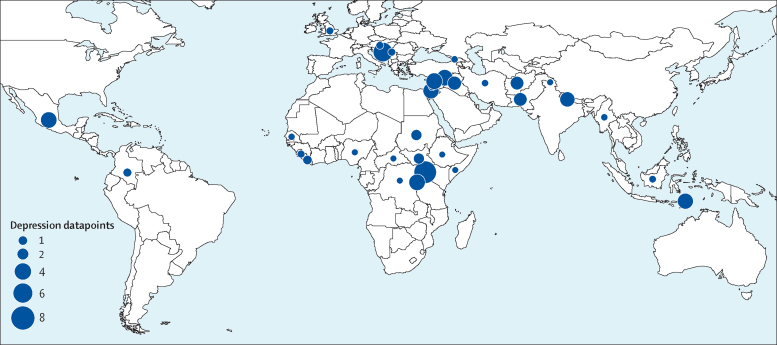
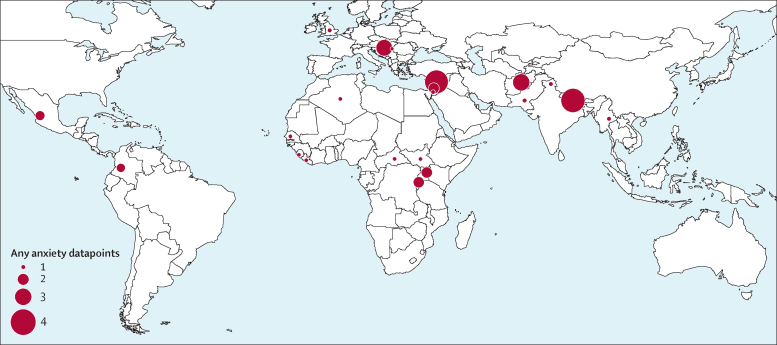
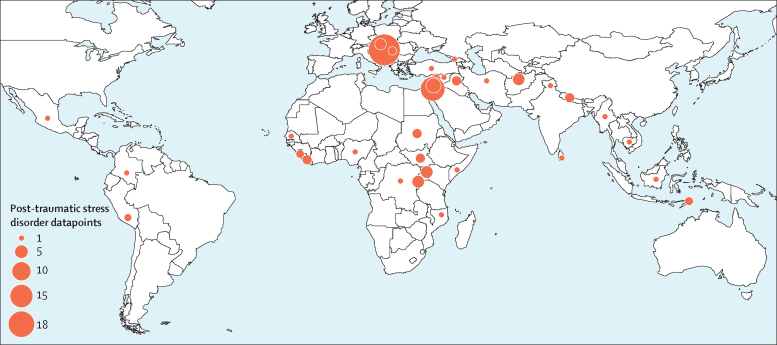
Verification
Claims the paper makes
The claims and statistics of this paper haven’t been checked yet.
Free: it reads the open-access text and checks the first 5 claims that cite a source we can check. Create a free account to check every claim.
Claims other papers make about this one
Each is checked against this paper’s own text: does it say what the citing paper says it does?
The source backs part of the claim, not all of it — or backs it for a different population, condition or comparison.
In the citing paper
“Conflict-affected populations are at elevated risk of psychological distress and a range of mental health disorders. 1”
From Guided self-help to reduce psychological distress in South Sudanese female refugees in Uganda: A cluster randomised trial (2020) · cites this paper as [1]
Experimental — accuracy not yet measuredThe source backs part of the claim, not all of it — or backs it for a different population, condition or comparison.
In the citing paper
“Recent estimates from WHO state that over 20% of refugees will experience mild or moderate mental disorders (e.g., depression, anxiety disorders, and post-traumatic stress disorder or PTSD), while about 4% may experience severe disorders, such as schizophrenia, bipolar disorder, and major depression (Charlson et al. 2019).”
From Throwing therapy at the problem mental health and humanitarian intervention in Palabek refugee settlement, northern Uganda (2023) · cites this paper as Charlson et al. 2019
Experimental — accuracy not yet measuredThe source backs part of the claim, not all of it — or backs it for a different population, condition or comparison.
In the citing paper
“with recent WHO estimates indicating that rates of common mental disorders among conflictaffected individuals may be as high as 22.1% (Charlson et al. 2019)”
From Throwing therapy at the problem mental health and humanitarian intervention in Palabek refugee settlement, northern Uganda (2023) · cites this paper as Charlson et al. 2019
Experimental — accuracy not yet measuredThe source backs part of the claim, not all of it — or backs it for a different population, condition or comparison.
In the citing paper
“A large body of literature points out that people suffering from severe mental disorders are particularly at risk of experiencing neglect, abuse, and abandonment during an emergency, as well as more likely to be severely impacted by an interruption in access to health services (Ostuzzi et al. 2017;Charlson et al. 2019).”
From Throwing therapy at the problem mental health and humanitarian intervention in Palabek refugee settlement, northern Uganda (2023) · cites this paper as Charlson et al. 2019
Experimental — accuracy not yet measuredThe source backs part of the claim, not all of it — or backs it for a different population, condition or comparison.
In the citing paper
“The first covariate identified the mean mortality rate in the previous ten years due to war and terrorism for each GBD location, considering the known association between conflict and elevated prevalence of major depressive disorder and anxiety disorders.12”
From Global, regional, and national burden of 12 mental disorders in 204 countries and territories, 1990-2019: a systematic analysis for the Global Burden of Disease Study 2019. (2022) · cites this paper as [12]
Experimental — accuracy not yet measured
8 more claims about this paper
Create a free account to see every claim other papers make about this one.
Self-check
Percentages, sums and reported differences re-computed from the paper’s own numbers.
The self-check needs the paper’s full text.
Citations
Cites
Vos, T., Abajobir, A. A., Abate, K. H., Abbafati, C., Abbas, K. M., Abd-Allah, F., Abdulkader, R. S., Abdulle, A. M., Abebo, T. A., Abera, S. F., et al. (2017) · The Lancet · doi:10.1016/s0140-6736(17)32154-2 · Cited by 13,220
Self-citationWhiteford, H. A., Degenhardt, L., Rehm, J., Baxter, A. J., Ferrari, A. J., Erskine, H. E., Charlson, F. J., Norman, R. E., Flaxman, A. D., Johns, N., et al. (2013) · The Lancet · doi:10.1016/s0140-6736(13)61611-6 · Cited by 6,006
Self-citationThe kappa statistic in reliability studies: use, interpretation, and sample size requirements
Sim, J., & Wright, C. C. (2005) · Physical Therapy · doi:10.1093/ptj/85.3.257 · Cited by 4,093
60,000 Disaster Victims Speak: Part I. An Empirical Review of the Empirical Literature, 1981–2001
Norris, F. H., Friedman, M. J., Watson, P. J., Byrne, C. M., Diaz, E., & Kaniasty, K. (2002) · Psychiatry: Interpersonal and Biological Processes · doi:10.1521/psyc.65.3.207.20173 · Cited by 3,128
Ferrari, A. J., Charlson, F. J., Norman, R. E., Patten, S. B., Freedman, G., Murray, C. J. L., Vos, T., & Whiteford, H. A. (2013) · PLoS Medicine · doi:10.1371/journal.pmed.1001547 · Cited by 3,115
Self-citationSteel, Z., Chey, T., Silove, D., Marnane, C., Bryant, R. A., & van Ommeren, M. (2009) · JAMA · doi:10.1001/jama.2009.1132 · Cited by 2,246
A Systematic Review of the Prevalence of Schizophrenia
Saha, S., Chant, D., Welham, J., & McGrath, J. (2005) · PLoS Medicine · doi:10.1371/journal.pmed.0020141 · Cited by 2,168
Charlson, F. J., Ferrari, A. J., Santomauro, D. F., Diminic, S., Stockings, E., Scott, J. G., McGrath, J. J., & Whiteford, H. A. (2018) · Schizophrenia Bulletin · doi:10.1093/schbul/sby058 · Cited by 1,647
Self-citationGlobal prevalence of anxiety disorders: a systematic review and meta-regression
Baxter, A. J., Scott, K. M., Vos, T., & Whiteford, H. A. (2013) · Psychological Medicine · doi:10.1017/s003329171200147x · Cited by 1,537
Self-citationFerrari, A. J., Somerville, A. J., Baxter, A. J., Norman, R., Patten, S. B., Vos, T., & Whiteford, H. A. (2013) · Psychological Medicine · doi:10.1017/s0033291712001511 · Cited by 1,230
Self-citation
Research works printed but not linked: 1
- Flaxman AD Vos T Murray CJL An integrative metaregression framework for descriptive epidemiology 2013 University of Washington Press Seattle, WA
Cited by
Items 201–300 of 1,005
Perera, C., McBride, K. A., Travers, Á., Tingsted Blum, P., Wiedemann, N., Dinesen, C., Bitanihirwe, B., & Vallières, F. (2021) · PLOS ONE · doi:10.1371/journal.pone.0256077 · Cited by 28
A longitudinal study of mental health before and during the COVID-19 pandemic in Syrian refugees
Akhtar, A., Bawaneh, A., Awwad, M., Al‐Hayek, H., Sijbrandij, M., Cuijpers, P. J., & Bryant, R. A. (2021) · European Journal of Psychotraumatology · doi:10.1080/20008198.2021.1991651 · Cited by 34
“Unsurprisingly, there is much evidence that people exposed to these conditions are at greater risk of common mental disorders, such as anxiety, depression, and posttraumatic stress disorder (PTSD) (Charlson et al., 2019).”
BackgroundLiu, J., Chen, T., Chen, M., Ma, Y., Ma, T., Gao, D., Li, Y., Ma, Q., Chen, L., Wang, X., et al. (2022) · Frontiers in Nutrition · doi:10.3389/fnut.2022.888671 · Cited by 37
“At present, the worldwide prevalence of depression and anxiety is increasing (5), and they are still serious problems for the growth and development of Chinese children and adolescents (6).”
BackgroundSelf-Help Plus for refugees and asylum seekers: an individual participant data meta-analysis
Karyotaki, E., Sijbrandij, M., Purgato, M., Acarturk, C., Lakin, D., Bailey, D., Peckham, E., Uygun, E., Tedeschi, F., Wancata, J., et al. (2023) · BMJ Mental Health · doi:10.1136/bmjment-2023-300672 · Cited by 30
Gui, J., Ding, R., Huang, D., Wang, L., Han, Z., Yang, X., Yang, J., Luo, H., & Jiang, L. (2023) · Chemosphere · doi:10.1016/j.chemosphere.2023.140085 · Cited by 34
Manafe, N., Mulungo, H., Ponda, F., dos Santos, P. F., Mandlate, F., Cumbe, V., Mocumbi, A. O., & Martins, M. D. R. O. (2024) · Frontiers in Public Health · doi:10.3389/fpubh.2024.1371598 · Cited by 37
“Epidemiological evidence shows that the burden of mental disorders is becoming higher, particularly in post-conflict and conflict-affected populations (7, 8).”
InfluentialMicroglial circ-UBE2K exacerbates depression by regulating parental gene UBE2K via targeting HNRNPU
Cai, Y., Ji, Y., Liu, Y., Zhang, D., Gong, Z., Li, L., Chen, X., Liang, C., Feng, S., Lu, J., et al. (2024) · Theranostics · doi:10.7150/thno.96890 · Cited by 33
Impact of War on Ukrainian University Students and Personnel: Repeated Cross-Sectional Study
Kurapov, A., Pavlenko, V., Дроздов, О., Корчакова, Н., & Павлова, Ю. (2024) · Journal of Loss and Trauma · doi:10.1080/15325024.2024.2433990 · Cited by 39
“To date, there is a noticeable dearth of research exploring the evolution of mental health in individuals enduring sustained or chronic conflict (Charlson et al., 2019).”
Scaling up mental health interventions in conflict zones
Roberts, B., & Fuhr, D. C. (2019) · The Lancet Public Health · doi:10.1016/s2468-2667(19)30179-3 · Cited by 33
Identifying and treating maternal mental health difficulties in Afghanistan: A feasibility study
Tomlinson, M., Chaudhery, D., Ahmadzai, H., Rodríguez Gómez, S., Bizouerne, C., van Heyningen, T., & Chopra, M. (2020) · International Journal of Mental Health Systems · doi:10.1186/s13033-020-00407-1 · Cited by 30
Raslan, N., Hamlet, A., & Kumari, V. (2021) · Conflict and Health · doi:10.1186/s13031-021-00350-z · Cited by 35
“1% of those living in FCAS will suffer from PTSD and depression, and research indicating that girls are more likely to exhibit symptoms of depression and anxiety [14, 23, 32, 45].”
BackgroundAhmadi, S. J., Musavi, Z., Samim, N., Sadeqi, M., & Jobson, L. (2022) · Frontiers in Psychiatry · doi:10.3389/fpsyt.2022.826633 · Cited by 34
A joint international collaboration to address the inevitable mental health crisis in Ukraine
Bai, W., Cai, H. X., Sha, S., Ng, C. H., Javed, A., Mari, J. D. J., Su, Z., Shinfuku, N., & Xiang, Y. (2022) · Nature Medicine · doi:10.1038/s41591-022-01828-w · Cited by 33
Mashhadi, N. S., Darand, M., Rouhani, M. H., Yahay, M., Feltham, B. A., & Saraf‐Bank, S. (2022) · Behavioural Brain Research · doi:10.1016/j.bbr.2022.114083 · Cited by 32
Vulnerability factors in conflict-related mental health
Østergaard, M. L. D., Canencio, D. M. A., Barajas, Y., Vélez-Botero, H., Modvig, J. S., & Brasholt, M. (2023) · Medicine Conflict & Survival · doi:10.1080/13623699.2022.2156232 · Cited by 35
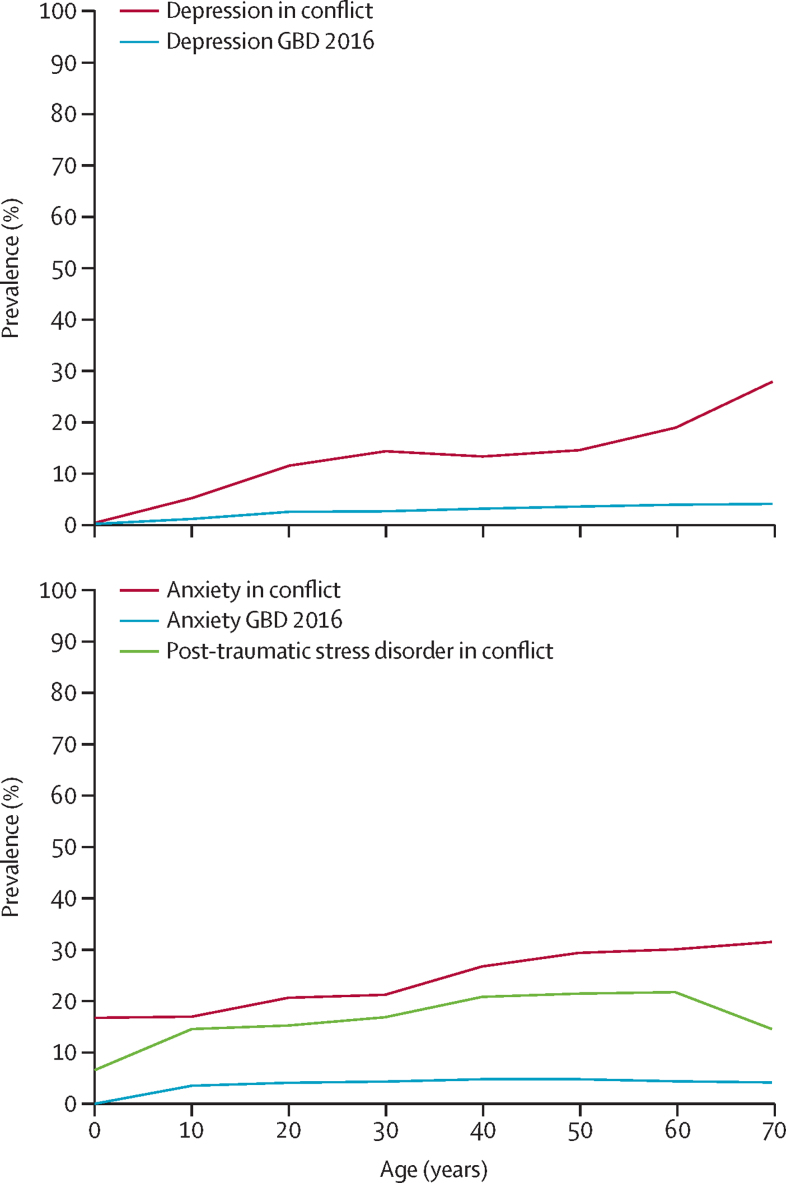
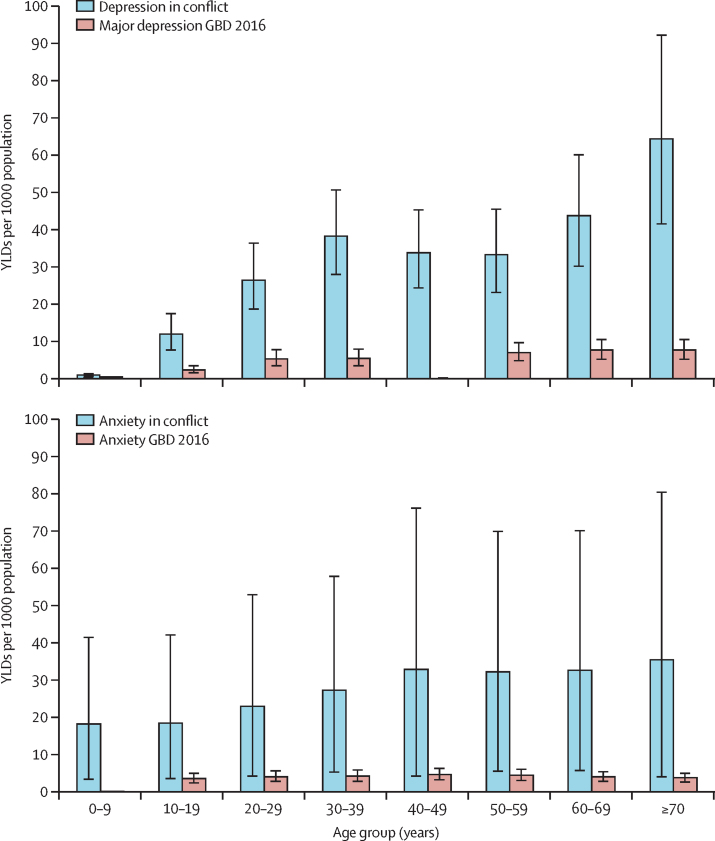
“Furthermore, the updated WHO estimates showed that trends of depression and anxiety prevalence in conflict affected populations increased with age (Charlson et al. 2019).”
BackgroundPhosphodiesterase and psychiatric disorders: a two-sample Mendelian randomization study
Jiang, M., Yan, W., Zhang, Y., Lu, Z., Lu, T., Zhang, D., Li, J., & Wang, L. (2023) · Journal of Translational Medicine · doi:10.1186/s12967-023-04368-0 · Cited by 30
“People with psychiatric disorder have cognitive, emotional or behavioral changes [9, 10].”
BackgroundThomas, F. C., Puente-Durán, S., Mutschler, C., & Monson, C. M. (2020) · Child and Adolescent Mental Health · doi:10.1111/camh.12435 · Cited by 37
Prevalence and associated factors of post-traumatic stress disorder in Lebanon: A literature review
Hajj, M. E. (2021) · Asian Journal of Psychiatry · doi:10.1016/j.ajp.2021.102800 · Cited by 37
Zhou, T., Li, M., Xiao, Z., Cai, J. Q., Zhao, W., Duan, J., Yang, Z., Guo, Z., Chen, Y., Cai, W., et al. (2021) · Frontiers in Oncology · doi:10.3389/fonc.2021.744251 · Cited by 36
Bouchard, J., Stiegler, N., Padmanabhanunni, A., & Pretorius, T. B. (2022) · Annales Médico-psychologiques revue psychiatrique · doi:10.1016/j.amp.2022.04.006 · Cited by 32
Cultural Adaptation of a Low-Intensity Group Psychological Intervention for Syrian Refugees
Akhtar, A., Engels, M., Bawaneh, A., Bird, M., Bryant, R., Cuijpers, P., Hansen, P., Al-Hayek, H., Ilkkursun, Z., Kurt, G., et al. (2021) · Intervention · doi:10.4103/intv.intv_38_20 · Cited by 28
“The prevalence of common mental disorders such as depression and anxiety increases more than double in a humanitarian crisis (Charlson et al., 2019).”
BackgroundRamirez-Mahaluf, J. P., Rozas-Serri, E., Ivanovic-Zuvic, F., Risco, L., & Vöhringer, P. A. (2020) · Frontiers in Psychiatry · doi:10.3389/fpsyt.2020.00070 · Cited by 28
Forsberg, J. T., & Schultz, J.-H. (2022) · International Journal of School & Educational Psychology · doi:10.1080/21683603.2022.2043209 · Cited by 39
“War conditions and ongoing conflicts have a major negative impact on children and youths’ lives and include mental health consequences (Charlson et al., 2019).”
BackgroundInfluentialScoping Review: Digital Mental Health Interventions for Children and Adolescents Affected by War
Danese, A., Martsenkovskyi, D., Remberk, B., Khalil, M. Y., Diggins, E., Keiller, E., Masood, S., Awah, I., Barbui, C., Beer, R., et al. (2024) · Journal of the American Academy of Child & Adolescent Psychiatry · doi:10.1016/j.jaac.2024.02.017 · Cited by 68
Zasiekina, L., Griffin, A., Blakemore, S., Hlova, I., & Bignardi, G. (2025) · European Journal of Psychotraumatology · doi:10.1080/20008066.2025.2497167 · Cited by 34
“Along with depression and anxiety, PTSD is among the most frequently reported mental disorders experienced by civilians living in regions affected by war (Charlson et al., 2019).”
Zughbur, M. R., Hamam, Y., Kagee, A., Hamam, M., Hijazi, Y. M., Hamam, M., Abuolwan, O., Sayeed, S., & Veronese, G. (2025) · Conflict and Health · doi:10.1186/s13031-025-00681-1 · Cited by 45
“Research has shown that individuals who experience multiple deaths are 3.5 times more likely to develop chronic depression [1, 40].”
InfluentialRoberts, B., Ekezie, W. C., Jobanputra, K., Smith, J., Ellithy, S., Cantor, D. J., Singh, N., & Patel, P. (2022) · Journal of Migration and Health · doi:10.1016/j.jmh.2022.100090 · Cited by 32
The Acceptance of Digital Health: What about Telepsychology and Telepsychiatry?
Alhur, A., & Alhur, A. A. (2022) · Jurnal Sistem Informasi · doi:10.21609/jsi.v18i2.1143 · Cited by 41
“About one in five individuals in post-conflict settings have psychological disorders (Charlson et al. 2019).”
BackgroundScaling-up problem management plus for refugees in Switzerland - a qualitative study
Spaaij, J., Fuhr, D. C., Akhtar, A., Casanova, L., Klein, T., Schick, M., Weilenmann, S., Roberts, B., & Morina, N. (2023) · BMC Health Services Research · doi:10.1186/s12913-023-09491-8 · Cited by 28
Boudieu, L., Mennetrier, M., Llorca, P., & Samalin, L. (2023) · Pharmaceutics · doi:10.3390/pharmaceutics15122773 · Cited by 32
“In 2019, the World Health Organization (WHO) estimated that 280 million people lived with major depressive disorder (MDD) (i.e., 3.8% of the global population) [1].”
BackgroundInfluentialUnderstanding complex causes of suicidal behaviour among graduates in Bangladesh
Tasfi, J. T., & Mostofa, S. M. (2024) · BMC Public Health · doi:10.1186/s12889-024-17989-x · Cited by 40
“The frequency of anxiety and PTSD following collective acts are equivalent to those experiencing terrorist attacks and armed conflicts, both in the general population and among victims of violence [88, 89, 90, 91].”
BackgroundVulnerable in silence: Paediatric health in the Ukrainian crisis
Awuah, W. A., Ng, J. C., Mehta, A., Yarlagadda, R., Khor, K. S., Abdul‐Rahman, T., Hussain, A., Kundu, M., Sen, M., & Hasan, M. M. (2022) · Annals of Medicine and Surgery · doi:10.1016/j.amsu.2022.104369 · Cited by 33
Purgato, M., Prina, E., Ceccarelli, C., Cadorin, C., Abdulmalik, J. O., Amaddeo, F., Arcari, L., Churchill, R., Jordans, M. J., Lund, C., et al. (2023) · Cochrane Database of Systematic Reviews · doi:10.1002/14651858.cd014722.pub2 · Cited by 27
Öz, B. O., & Kıvrak, A. C. (2023) · Archives de Pédiatrie · doi:10.1016/j.arcped.2023.02.003 · Cited by 31
Mohamed, E. Y., & Kheir, D. (2024) · Neuropsychiatric Disease and Treatment · doi:10.2147/ndt.s462342 · Cited by 28
Shmulewitz, D., Levitin, M. D., Skvirsky, V., Vider, M., Eliashar, R., Mikulincer, M., & Lev‐Ran, S. (2024) · Psychological Medicine · doi:10.1017/s0033291724002794 · Cited by 37
“For example, those who experience traumatic events and ongoing severe stress show greater prevalence of depression, anxiety and PTSD (Charlson et al., 2019; Coventry et al., 2020; Lee, Kim, & Kim, 2020; Pat-Horenczyk & Schiff, 2019; Rigutto, Sapara, & Agyapong, 2021); problematic use of internet or…”
Kurt, G., Acar, İ. H., İlkkurşun, Z., Yurtbakan, T., Acar, B., Uygun, E., & Acartürk, C. (2021) · International Journal of Intercultural Relations · doi:10.1016/j.ijintrel.2021.02.001 · Cited by 38
Dubreucq, J., Gabayet, F., Godin, O., André, M., Aouizerate, B., Capdevielle, D., Chéreau, I., Clauss, J. M. E., Coulon, N., d’Amato, T., et al. (2021) · Schizophrenia Bulletin · doi:10.1093/schbul/sbab114 · Cited by 33
Lin, J., Yang, R., Zhang, Y., Hou, Y., Yang, H., Zhou, X., Liu, T., Yang, Q., & Wang, Y. (2023) · Journal of Affective Disorders · doi:10.1016/j.jad.2023.03.046 · Cited by 28
Impact of Social Inequalities and Discrimination on Vulnerability to Crises
Carter, B. (2021) · OpenDocs (Institute of Development Studies) · doi:10.19088/k4d.2021.049 · Cited by 29
Cuijpers, P. J., Harrer, M., Miguel, C., Keshen, A. R., Karyotaki, E., & Linardon, J. (2024) · Eating Disorders · doi:10.1080/10640266.2024.2421057 · Cited by 29
“In other fields, for example in meta-analyses of prevalence rates of mental disorders, absolute rates are often pooled (Charlson et al., 2019; Kavousi et al., 2016; Rotenstein et al., 2016).”
Grasser, L. R., Haddad, L., Manji, S., Assari, S., Arfken, C. L., & Javanbakht, A. (2021) · Frontiers in Psychology · doi:10.3389/fpsyg.2021.574368 · Cited by 30
Women’s mental health in Iraq post-conflict
Lafta, R., & Merza, A. K. (2021) · Medicine Conflict & Survival · doi:10.1080/13623699.2021.1946903 · Cited by 27
“According to an analysis of 129 studies, one in five people in post-conflict settings suffers from a mental disorder (Charlson et al. 2019).”
MethodTsai, M.-K., Sytwu, H., Hsieh, T., Chien, W., Lai, C.-H., & Chen, H. (2022) · Journal of Inflammation Research · doi:10.2147/jir.s355314 · Cited by 28
“Mental disorders, especially depression and anxiety, are among the most common illnesses seen in primary care.(6,7) The coexistence of depression and anxiety with other medical disorders is a topic of clinical interest.”
BackgroundA path to post-trauma resilience: a mediation model of the flexibility sequence
Robinson, M., McGlinchey, E., Bonanno, G. A., Spikol, E., & Armour, C. (2022) · European Journal of Psychotraumatology · doi:10.1080/20008066.2022.2112823 · Cited by 29
“This method has been suggested to overestimate prevalence rates (Charlson et al., 2019); however, validated measures have been demonstrated to have moderate concordance with clinician diagnostic interviews (Roberts et al., 2021; Stuart et al., 2014).”
MethodTeshome, A. A., Abebe, E. C., Mengstie, M. A., Seid, M. A., Yitbarek, G. Y., Molla, Y. M., Baye, N. D., Yazie, T. S., Ayehu, G. W., & Taye, M. (2023) · Frontiers in Psychiatry · doi:10.3389/fpsyt.2023.1083138 · Cited by 34
Yuan, W., Chen, L., Wu, Y., Su, B., Liu, J., Zhang, Y., Chen, M., Ma, Y., Guo, T., Wang, X., et al. (2023) · Journal of Affective Disorders · doi:10.1016/j.jad.2023.06.029 · Cited by 27
Pham, C., Thomson, S. M., Chin, S., Vuillermin, P., O’Hely, M., Burgner, D. P., Tanner, S., Saffery, R., Mansell, T., Bong, S.-H., et al. (2023) · Molecular Psychiatry · doi:10.1038/s41380-023-02284-9 · Cited by 29
“Childhood mental disorders include mood disorders (i.e., depression and anxiety) and neurodevelopmental disorders such as attention de fi cit/hyperactivity disorder (ADHD) and autism spectrum disorder (ASD) [1, 2].”
BackgroundSingh, K., & Wendt, F. R. (2024) · Translational Psychiatry · doi:10.1038/s41398-024-02730-4 · Cited by 31
“Anxiety disorders are the most common mental health concern globally [22], and it ’ s estimated that 19.1% of US adults have an anxiety disorder [23].”
BackgroundInfluentialNdlovu, J. N., Lind, J., Patlán, A. B., Upadhaya, N., Leku, M. R., Akellot, J., Skovdal, M., Augustinavicius, J., & Tol, W. A. (2024) · BMC Health Services Research · doi:10.1186/s12913-024-11704-7 · Cited by 35
“There is a growing body of research that documents the psychological distress and social suffering faced by people affected by humanitarian crises [2].”
The impacts of war on health, human rights, and the environment—an overview
Levy, B. S. (2025) · Frontiers in Public Health · doi:10.3389/fpubh.2025.1547784 · Cited by 25
Mental health of children and young people in the WHO Europe region
Tarasenko, A., Josy, G., Minnis, H., Hall, J., Danese, A., Lau, J. Y. F., Cortese, S., Stringaris, A. K., Redlich, C., & Ougrin, D. (2025) · The Lancet Regional Health - Europe · doi:10.1016/j.lanepe.2025.101459 · Cited by 46
“53 There is a limited evidence base for treating large numbers of war-affected children and adolescents, especially those who remain inside the conflict zones.”
Wang, M., Sokol, R. L., Luan, H., Perron, B. E., Victor, B. G., & Wu, S. (2020) · Children and Youth Services Review · doi:10.1016/j.childyouth.2020.105304 · Cited by 28
de Jong, K., Martinmäki, S. E., Brake, H. T., Haagen, J. F. G., & Kleber, R. J. (2021) · Social Science & Medicine · doi:10.1016/j.socscimed.2021.114268 · Cited by 34
Shoib, S., Javed, S., Alamrawy, R. G., Arif, N., Das, S., Saeed, F., Handuleh, J. I. M., Shellah, D., Dazhamyar, A. R., & Chandradasa, M. (2021) · Asian Journal of Psychiatry · doi:10.1016/j.ajp.2021.102894 · Cited by 27
Young people, mental health, and civil conflict: Preliminary findings from Ethiopia's Tigray region
Favara, M., Hittmeyer, A., Porter, C., Singhal, S., & Woldehanna, T. (2022) · Psychiatry Research Communications · doi:10.1016/j.psycom.2022.100025 · Cited by 35
Olufadewa, I. I., Adesina, M. A., Oladele, R. I., & Ayorinde, T. A. (2022) · Journal of Migration and Health · doi:10.1016/j.jmh.2022.100121 · Cited by 31
Meaning-centered therapy in Ukraine's war refugees: An attempt to cope with the absurd?
Costanza, A., Amerio, A., Aguglia, A., Magnani, L., Huguelet, P., Serafini, G., Pompili, M., & Amore, M. (2022) · Frontiers in Psychology · doi:10.3389/fpsyg.2022.1067191 · Cited by 26
“These individuals are at a very high risk of developing a wide range of mental health disorders, including severe anxiety and depressive symptoms, post-traumatic stress disorder (PTSD), and suicidal ideation/behavior with likely long-term sequelae (Charlson et al., 2019; Javanbakht, 2022; Elvevåg andDeLisi, 2022).”
BackgroundВус, В., Shkoliar, M. V., Proskuriakov, S., & Fradelos, Ε. C. (2024) · Polski Merkuriusz Lekarski · doi:10.36740/merkur202403116 · Cited by 25
Jones, L., & Ventevogel, P. (2021) · World Psychiatry · doi:10.1002/wps.20808 · Cited by 24
Saner, R., & Yiu, L. S. (2020) · Cambridge University Press eBooks · doi:10.1017/9781108348607.008 · Cited by 25
The longitudinal association between moral injury appraisals and psychological outcomes in refugees
Nickerson, A., Byrow, Y., Hoffman, J., O'Donnell, M., Bryant, R. A., Mastrogiovanni, N., McMahon, T., Benson, G., Mau, V., & Liddell, B. J. (2022) · Psychological Medicine · doi:10.1017/s0033291720004262 · Cited by 24
“The psychological impact of exposure to war, persecution, and displacement is significant, with elevated rates of psychological disorders such as posttraumatic stress disorder (PTSD) being documented in refugees and asylum-seekers (Charlson et al., 2019; Steel et al., 2009).”
BackgroundChallenges to mental health services for refugees: a global perspective
Silove, D. M. (2021) · World Psychiatry · doi:10.1002/wps.20818 · Cited by 27
Fischer, L. C., Kölligan, V., Wieland, N., & Klein, M. C. (2021) · Frontiers in Public Health · doi:10.3389/fpubh.2021.557431 · Cited by 29
Mahla Daliri, B. O., Azhari, A., Khaki, S., Khaniki, S. H., & Moradi, A. (2021) · Clinical Orthopaedics and Related Research · doi:10.1097/corr.0000000000002057 · Cited by 26
“Similarly, the increasing global prevalence of depression and anxiety [4] may also disproportionately affect older women, according to the WHO [28]; psychological conditions have also become more common during the coronavirus19 pandemic [14].”
BackgroundThe mental health consequences of war in northern Ethiopia: why we should be concerned
Dadi, A. F. (2022) · The Lancet Psychiatry · doi:10.1016/s2215-0366(22)00013-x · Cited by 24
Tadi, N. F., Pillay, K., Ejoke, U. P., & Khumalo, I. P. (2022) · Frontiers in Psychology · doi:10.3389/fpsyg.2022.873292 · Cited by 20
Migliorini, L., Olcese, M., Cardinali, P., & Prestía, D. (2023) · Frontiers in Psychiatry · doi:10.3389/fpsyt.2023.1206304 · Cited by 34
Abuejheisheh, A. J., Haddad, R. H., Daghameen, F. M., Odatallah, T. M. S., Abuiraiah, S. A., Abusiryeh, S. R., Alsha’Er, J. A., Najajerh, S. S., Turkman, H. E., Salman, R., et al. (2024) · BMC Nursing · doi:10.1186/s12912-024-02442-6 · Cited by 24
“%) have depression, anxiety disorder, post-traumatic stress disorder, bipolar disorder, or schizophrenia, and they alarming rates of psychological distress among youth exposed to chronic violence and political instability [10].”
BackgroundMental health of resettled Syrian refugees: a practical cross-cultural guide for practitioners
Almoshmosh, N., Bahloul, H. J., Barkil-Oteo, A., Hassan, G., & Kirmayer, L. J. (2019) · The Journal of Mental Health Training Education and Practice · doi:10.1108/jmhtep-03-2019-0013 · Cited by 36
“These studies are consistent with a recent systematic review (Charlson et al., 2019), which estimated that approximately one-in-five people in post-conflict settings, Syria included, have psychiatric disorders including depression, anxiety disorder, PTSD, bipolar disorder or schizophrenia.”
ResultCao, Y., Zhao, F., Chen, J., Huang, T. L., Zeng, J., Wang, L., Sun, X., Miao, Y., Wang, S., & Chen, C. (2020) · Journal of Chromatography B · doi:10.1016/j.jchromb.2020.122129 · Cited by 23
Zhang, C. J. P., Wu, H., He, Z., Chan, N., Huang, J. V., Wang, H., Yin, Z., Akinwunmi, B. O., & Ming, W. (2020) · Psychiatric Research and Clinical Practice · doi:10.1176/appi.prcp.20200019 · Cited by 29
“Our results also echo the recent findings (23, 24) that the prevalence of mental disorders in emergency settings have been higher in past decades, indicating the potential of substantial population underdiagnosed and undertreated.”
ResultThakur, B., & Pathak, M. (2021) · Indian Journal of Community Medicine · doi:10.4103/ijcm.ijcm_1007_20 · Cited by 24
Adapting and Implementing Apps for Mental Healthcare
Zielasek, J., Reinhardt, I., Schmidt, L., & Gouzoulis‐Mayfrank, E. (2022) · Current Psychiatry Reports · doi:10.1007/s11920-022-01350-3 · Cited by 27
Schäfer, S. K., Kunzler, A. M., Lindner, S., Broll, J., Stoll, M., Stoffers‐Winterling, J., & Lieb, K. (2023) · European Journal of Psychotraumatology · doi:10.1080/20008066.2023.2196762 · Cited by 24
“including posttraumatic stress disorder (PTSD), anxiety and depressive disorders (Blackmore et al., 2020; Charlson et al., 2019; Morina et al., 2018).”
BackgroundZabłocka‐Żytka, L., & Lavdas, M. (2023) · Psychiatria Polska · doi:10.12740/pp/156157 · Cited by 23
“Większość opisanych trudności psychospołecznych jest charakterystyczna dla osób doświadczających silnego stresu, w tym stresu wojennego, i była obserwowana w innych populacjach [8].”
BackgroundGuerrero, Z., Melicharová, H., Kavanová, M., Prokop, D., Škvrňák, M., Kunc, M., Leontiyeva, Y., Vitíková, J., Spurný, M., Pilnáček, M., et al. (2023) · Psychiatry Research · doi:10.1016/j.psychres.2023.115552 · Cited by 30
“War and related traumatic, economic and social stressors are strong risk factors for mental health problems, especially for post-traumatic stress disorder (PTSD) and depression (Baxter et al., 2014; Kessler, 2000; Miller and Rasmussen, 2010; Sartorius, 2001; Steel et al., 2009).”
BackgroundMoritz, S., Scheunemann, J., Jelinek, L., Penney, D., Schmotz, S., Hoyer, L. N., Grudzień, D., & Aleksandrowicz, A. (2023) · Psychological Medicine · doi:10.1017/s0033291723003392 · Cited by 26
Shattered hierarchy: how the Gaza conflict demolished Maslow’s pyramid of needs
Alah, M. A. (2024) · Current Psychology · doi:10.1007/s12144-024-05784-1 · Cited by 26
“Mental health has also been severely affected, with an estimated 22.1% of the population in Gaza living with mental health disorders, including severe conditions like schizophrenia and severe depression (Charlson et al., 2019).”
InfluentialOuma, S., Tumwesigye, N. M., Ndejjo, R., & Abbo, C. (2021) · BMC Public Health · doi:10.1186/s12889-021-11207-8 · Cited by 27
Trends of depression and anxiety during massive civil unrest and COVID-19 in Hong Kong, 2019–2020
Hou, W. K., Li, T. W., Liang, L., Liu, H., Ettman, C. K., Hobfoll, S. E., Lee, T. M. C., & Galea, S. (2021) · Journal of Psychiatric Research · doi:10.1016/j.jpsychires.2021.11.037 · Cited by 24
“at any point in time in conflict-affected populations across the globe (Charlson et al., 2019).”
BackgroundThornton, T. (2022) · Cambridge University Press eBooks · doi:10.1017/9781108939836 · Cited by 26
Fabbri, C., Powell‐Jackson, T., Leurent, B., Rodrigues, K., Shayo, E. H., Barongo, V., & Devries, K. M. (2022) · Conflict and Health · doi:10.1186/s13031-022-00475-9 · Cited by 29
“These estimates were consistent with the WHO agestandardised prevalence rates of depression for displaced and conflict-affected populations [53].”
ResultScalable interventions for refugees
Bryant, R. A. (2023) · Cambridge Prisms Global Mental Health · doi:10.1017/gmh.2022.59 · Cited by 30
Ensuring equity in mental health and psychosocial support during the COVID-19 pandemic and beyond
Armijos, A., Bonz, A. G., Brown, F. L., Charlet, D., Cohen, F., Greene, M. C., Hermosilla, S., James, L. E., Roch, K. L., & Collaborative, M. I. S. L. (2023) · Conflict and Health · doi:10.1186/s13031-023-00500-5 · Cited by 21
“Introduction Populations affected by armed conflict and other humanitarian crises are at elevated risk for mental health problems [1].”
BackgroundScherer, N., Smythe, T., Hussein, R., Wapling, L., Hameed, S., Eaton, J., Kabaja, N., Kakuma, R., & Polack, S. (2023) · PLOS Global Public Health · doi:10.1371/journal.pgph.0001635 · Cited by 32
Chen, F., Li, L., Huang, M., Wang, Y., Wang, L., Jin, F., Yang, L., Gao, M., Li, L., Wang, Y., et al. (2024) · Phytomedicine · doi:10.1016/j.phymed.2024.155452 · Cited by 25
Li, Z., Li, J., Hu, Y., Yan, Y., Tang, S., Ma, R., & Li, L. (2024) · Environmental Research · doi:10.1016/j.envres.2024.118544 · Cited by 22
Ijiga, A. C., Balogun, T. K., Ahmadu, E. O., Klu, E., Olola, T. M., & Addo, G. (2024) · Magna Scientia Advanced Research and Reviews · doi:10.30574/msarr.2024.12.1.0174 · Cited by 52
“By working with international agencies, the U.S. allocates resources to fund mental health interventions targeting displaced youth and survivors of conflict as shown in Figure 4 (Charlson et al., 2019).”
Mentally Sick or Not—(Bio)Markers of Psychiatric Disorders Needed
Waszkiewicz, N. (2020) · Journal of Clinical Medicine · doi:10.3390/jcm9082375 · Cited by 28
“The mean comorbidity-adjusted, age-standardised point prevalence was 13.0% for mild forms of MDD, ANX, and PTSD, 4.0% for moderate forms, and 5.1% for severe disorders such as SCZ, BD, severe MDD, severe ANX, and severe PTSD [1].”
BackgroundInfluentialStudents' well‐being and school climate: A bibliometric analysis
Obeidat, B. F., Haimed, S., & AlKhaza’leh, M. S. (2024) · Review of Education · doi:10.1002/rev3.3486 · Cited by 32
Fuhr, D. C., Bogdanov, S., Tol, W. A., Nadkarni, A., & Roberts, B. (2021) · Intervention · doi:10.4103/intv.intv_27_20 · Cited by 28
Kasujja, R., Bangirana, P., Chiumento, A., Hasan, M. T., Jansen, S., Kagabo, D. M., Popa, M., Ventevogel, P., & White, R. G. (2022) · Conflict and Health · doi:10.1186/s13031-022-00447-z · Cited by 25
“In a recent meta-analysis of studies among adults living in areas that had experienced conflict less than 10 years previously [12] estimated a point prevalence of mental disorders of 22.”
BackgroundGreene, M. C., Bonz, A. G., Cristobal, M., Vega, C., Andersen, L. S., Angulo, A., Armijos, A., Guevara, M. E., Benavides, L., de la Cruz, A., et al. (2022) · Pilot and Feasibility Studies · doi:10.1186/s40814-022-01085-1 · Cited by 21
Salihu, D., Wong, E. M. L., Kwan, R. Y. C., Ho, G. W. K., Chutiyami, M., Surajo, K. S., Bello, U. M., Ibrahim, A. A., Ali, M. U., Wang, S., et al. (2022) · Psychiatry Research · doi:10.1016/j.psychres.2022.114700 · Cited by 27
Context, coping, and mental health in refugees living in protracted displacement
Nickerson, A., Hoffman, J., Keegan, D., Kashyap, S., Tricesaria, D., Pestalozzi, Z., Rachmah, R. A., Nandyatama, R. W., Khakbaz, M., Nilasari, N., et al. (2022) · Journal of Traumatic Stress · doi:10.1002/jts.22885 · Cited by 25
Guo, X., Tang, P., Hou, C., & Li, R. (2022) · Progress in Neuro-Psychopharmacology and Biological Psychiatry · doi:10.1016/j.pnpbp.2022.110694 · Cited by 23
Emergency care in post-conflict settings: a systematic literature review
Werner, K., Kak, M., Herbst, C. H., & Lin, T. K. (2023) · BMC Emergency Medicine · doi:10.1186/s12873-023-00775-0 · Cited by 27
Dissanayake, L., Jabir, S., Shepherd, T. A., Helliwell, T., Selvaratnam, L., Jayaweera, K., Abeysinghe, N., Mallen, C. D., & Sumathipala, A. (2023) · Child and Adolescent Psychiatry and Mental Health · doi:10.1186/s13034-023-00648-1 · Cited by 28
“The World Health Organisation (WHO) estimates that “among people who have experienced war or other conflicts in the previous 10 years, one in five (22%) will have depression, anxiety, post-traumatic stress disorder, bipolar disorder or schizophrenia” [2, 3].”
BackgroundMthiyane, N., Rapulana, A. M., Harling, G., Copas, A. J., & Shahmanesh, M. (2023) · BMJ Open · doi:10.1136/bmjopen-2022-066586 · Cited by 28
Metadata
- Authors
- Charlson, F., van Ommeren, M., Flaxman, A., Cornett, J., Whiteford, H., & Saxena, S.
- Affiliations
- The University of Queensland (AU)
- University of Washington (US)
- Queensland Centre for Mental Health Research (AU)
- Harvard University (US)
- Venue
- The Lancet
- Publisher
- Elsevier BV
- Published
- 2019-07
- Volume
- 394
- Issue
- 10194
- Pages
- 240-248
- ISSN
- 0099-5355 (ISSN-L)
- 0140-6736
- PMC
- PMC6657025
- OpenAlex
- W2950709739
- Semantic Scholar
- 8667a4e02ed0ec6334728138d6e6a05d247d81e0
- Cited by
- 1,702
- References
- 32
- Citations by year
- 2026: 282 · 2025: 284 · 2024: 273 · 2023: 276 · 2022: 240 · 2021: 173 · 2020: 152 · 2019: 21
- FWCI
- 22.62
- Type
- journal article
- Language
- en
- Open access
- hybrid
- doi.org
- Licence
- cc-by
- www.elsevier.com/tdm/userlicense/1.0/ (tdm)
- creativecommons.org/licenses/by/4.0/ (vor)
- Locations
- The Lancet (publishedVersion, cc-by)
- Europe PMC (PubMed Central) (publishedVersion, cc-by)
- PubMed Central (publishedVersion, cc-by)
- PubMed (publishedVersion)
- Funders
- World Health Organization
- Queen Mary University of London
- United Nations High Commissioner for Refugees
- Topics
- Health Sciences › Medicine › Psychiatry and Mental health › Mental Health Treatment and Access
- Health Sciences › Health Professions › General Health Professions › Health and Conflict Studies
- Social Sciences › Psychology › Clinical Psychology › Migration, Health and Trauma
- Keywords
- mental illness, conflict-affected populations, war and mental health, depression, anxiety disorders, post-traumatic stress disorder, bipolar disorder, schizophrenia, psychosis, point prevalence, global prevalence estimates, Bayesian meta-regression, comorbidities, disease burden, armed conflict, internally displaced persons
- MeSH terms
- Anxiety Disorders, Mental Disorders, Bipolar Disorder, Depression, Humans, Schizophrenia, Stress Disorders, Post-Traumatic, Warfare, World Health Organization, Prevalence
About these checks
Registry, retraction, Cites and statistics results are computed, not judged, with one exception: a printed reference that no index lists is read once by a model before it counts as a citation error. Claims are extracted by a model and kept only when their quote appears verbatim in the text; each cited source is then checked, with a model’s help, for whether it says what the claim relies on. Those verdicts can be wrong — read the claim’s quote and the cited source before relying on one.
Statistics and arithmetic are recomputed, not judged.
Confidence bands are shown only for fields calibrated on our annotated test set. None is calibrated yet, so no band is shown.
What counts as a claim ›How we measure confidence ›How we check this ›
Are you an author, or do you see a problem with this page? Request a review
Data sources
Bibliographic data: Semantic Scholar, OpenAlex, Crossref.
Contains information from the Semantic Scholar Academic Graph Datasets, made available under the ODC Attribution License (ODC-BY 1.0).
Semantic Scholar’s data is described in: Kinney, R., et al. (2023). The Semantic Scholar Open Data Platform. arXiv:2301.10140.
