

New WHO prevalence estimates of mental disorders in conflict settings: a systematic review and meta-analysis
Open accessThe DOI matches its Crossref record; 31 of the 32 references it cites were found in a registry or an index.
Abstract
BACKGROUND: Existing WHO estimates of the prevalence of mental disorders in emergency settings are more than a decade old and do not reflect modern methods to gather existing data and derive estimates. We sought to update WHO estimates for the prevalence of mental disorders in conflict-affected settings and calculate the burden per 1000 population. METHODS: In this systematic review and meta-analysis, we updated a previous systematic review by searching MEDLINE (PubMed), PsycINFO, and Embase for studies published between Jan 1, 2000, and Aug 9, 2017, on the prevalence of depression, anxiety disorder, post-traumatic stress disorder, bipolar disorder, and schizophrenia. We also searched the grey literature, such as government reports, conference proceedings, and dissertations, to source additional data, and we searched datasets from existing literature reviews of the global prevalence of depression and anxiety and reference lists from the studies that were identified. We applied the Guidelines for Accurate and Transparent Health Estimates Reporting and used Bayesian meta-regression techniques that adjust for predictors of mental disorders to calculate new point prevalence estimates with 95% uncertainty intervals (UIs) in settings that had experienced conflict less than 10 years previously. FINDINGS: We estimated that the prevalence of mental disorders (depression, anxiety, post-traumatic stress disorder, bipolar disorder, and schizophrenia) was 22·1% (95% UI 18·8-25·7) at any point in time in the conflict-affected populations assessed. The mean comorbidity-adjusted, age-standardised point prevalence was 13·0% (95% UI 10·3-16·2) for mild forms of depression, anxiety, and post-traumatic stress disorder and 4·0% (95% UI 2·9-5·5) for moderate forms. The mean comorbidity-adjusted, age-standardised point prevalence for severe disorders (schizophrenia, bipolar disorder, severe depression, severe anxiety, and severe post-traumatic stress disorder) was 5·1% (95% UI 4·0-6·5). As only two studies provided epidemiological data for psychosis in conflict-affected populations, existing Global Burden of Disease Study estimates for schizophrenia and bipolar disorder were applied in these estimates for conflict-affected populations. INTERPRETATION: The burden of mental disorders is high in conflict-affected populations. Given the large numbers of people in need and the humanitarian imperative to reduce suffering, there is an urgent need to implement scalable mental health interventions to address this burden. FUNDING: WHO; Queensland Department of Health, Australia; and Bill & Melinda Gates Foundation.
Overview
The claims and statistics of this paper haven’t been checked yet.
Free: it reads the open-access text and checks the first 5 claims that cite a source we can check. Create a free account to check every claim.
Integrity signals
Registry
Cites
Statistics
Figures
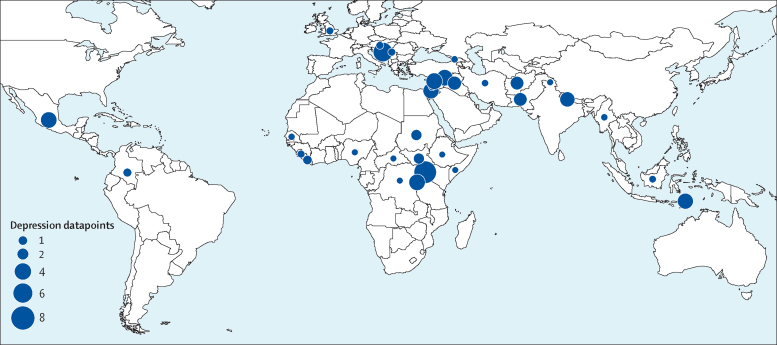
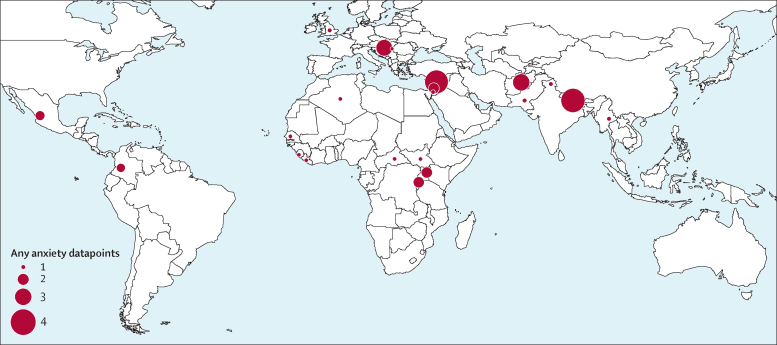
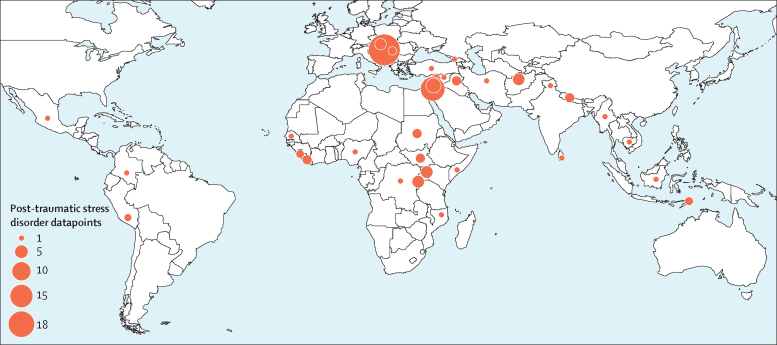
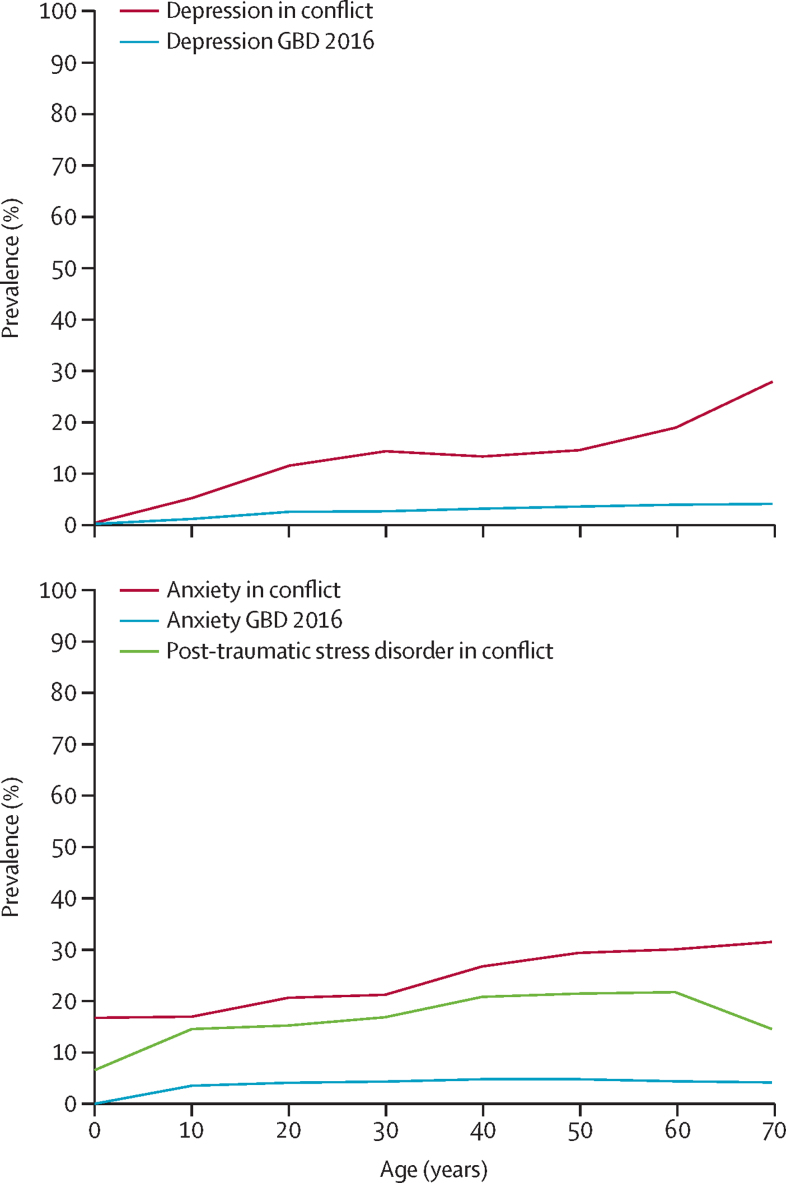
Verification
Claims the paper makes
The claims and statistics of this paper haven’t been checked yet.
Free: it reads the open-access text and checks the first 5 claims that cite a source we can check. Create a free account to check every claim.
Claims other papers make about this one
Each is checked against this paper’s own text: does it say what the citing paper says it does?
The source backs part of the claim, not all of it — or backs it for a different population, condition or comparison.
In the citing paper
“Conflict-affected populations are at elevated risk of psychological distress and a range of mental health disorders. 1”
From Guided self-help to reduce psychological distress in South Sudanese female refugees in Uganda: A cluster randomised trial (2020) · cites this paper as [1]
Experimental — accuracy not yet measuredThe source backs part of the claim, not all of it — or backs it for a different population, condition or comparison.
In the citing paper
“Recent estimates from WHO state that over 20% of refugees will experience mild or moderate mental disorders (e.g., depression, anxiety disorders, and post-traumatic stress disorder or PTSD), while about 4% may experience severe disorders, such as schizophrenia, bipolar disorder, and major depression (Charlson et al. 2019).”
From Throwing therapy at the problem mental health and humanitarian intervention in Palabek refugee settlement, northern Uganda (2023) · cites this paper as Charlson et al. 2019
Experimental — accuracy not yet measuredThe source backs part of the claim, not all of it — or backs it for a different population, condition or comparison.
In the citing paper
“with recent WHO estimates indicating that rates of common mental disorders among conflictaffected individuals may be as high as 22.1% (Charlson et al. 2019)”
From Throwing therapy at the problem mental health and humanitarian intervention in Palabek refugee settlement, northern Uganda (2023) · cites this paper as Charlson et al. 2019
Experimental — accuracy not yet measuredThe source backs part of the claim, not all of it — or backs it for a different population, condition or comparison.
In the citing paper
“A large body of literature points out that people suffering from severe mental disorders are particularly at risk of experiencing neglect, abuse, and abandonment during an emergency, as well as more likely to be severely impacted by an interruption in access to health services (Ostuzzi et al. 2017;Charlson et al. 2019).”
From Throwing therapy at the problem mental health and humanitarian intervention in Palabek refugee settlement, northern Uganda (2023) · cites this paper as Charlson et al. 2019
Experimental — accuracy not yet measuredThe source backs part of the claim, not all of it — or backs it for a different population, condition or comparison.
In the citing paper
“The first covariate identified the mean mortality rate in the previous ten years due to war and terrorism for each GBD location, considering the known association between conflict and elevated prevalence of major depressive disorder and anxiety disorders.12”
From Global, regional, and national burden of 12 mental disorders in 204 countries and territories, 1990-2019: a systematic analysis for the Global Burden of Disease Study 2019. (2022) · cites this paper as [12]
Experimental — accuracy not yet measured
8 more claims about this paper
Create a free account to see every claim other papers make about this one.
Self-check
Percentages, sums and reported differences re-computed from the paper’s own numbers.
The self-check needs the paper’s full text.
Citations
Cites
Vos, T., Abajobir, A. A., Abate, K. H., Abbafati, C., Abbas, K. M., Abd-Allah, F., Abdulkader, R. S., Abdulle, A. M., Abebo, T. A., Abera, S. F., et al. (2017) · The Lancet · doi:10.1016/s0140-6736(17)32154-2 · Cited by 13,220
Self-citationWhiteford, H. A., Degenhardt, L., Rehm, J., Baxter, A. J., Ferrari, A. J., Erskine, H. E., Charlson, F. J., Norman, R. E., Flaxman, A. D., Johns, N., et al. (2013) · The Lancet · doi:10.1016/s0140-6736(13)61611-6 · Cited by 6,006
Self-citationThe kappa statistic in reliability studies: use, interpretation, and sample size requirements
Sim, J., & Wright, C. C. (2005) · Physical Therapy · doi:10.1093/ptj/85.3.257 · Cited by 4,093
60,000 Disaster Victims Speak: Part I. An Empirical Review of the Empirical Literature, 1981–2001
Norris, F. H., Friedman, M. J., Watson, P. J., Byrne, C. M., Diaz, E., & Kaniasty, K. (2002) · Psychiatry: Interpersonal and Biological Processes · doi:10.1521/psyc.65.3.207.20173 · Cited by 3,128
Ferrari, A. J., Charlson, F. J., Norman, R. E., Patten, S. B., Freedman, G., Murray, C. J. L., Vos, T., & Whiteford, H. A. (2013) · PLoS Medicine · doi:10.1371/journal.pmed.1001547 · Cited by 3,115
Self-citationSteel, Z., Chey, T., Silove, D., Marnane, C., Bryant, R. A., & van Ommeren, M. (2009) · JAMA · doi:10.1001/jama.2009.1132 · Cited by 2,246
A Systematic Review of the Prevalence of Schizophrenia
Saha, S., Chant, D., Welham, J., & McGrath, J. (2005) · PLoS Medicine · doi:10.1371/journal.pmed.0020141 · Cited by 2,168
Charlson, F. J., Ferrari, A. J., Santomauro, D. F., Diminic, S., Stockings, E., Scott, J. G., McGrath, J. J., & Whiteford, H. A. (2018) · Schizophrenia Bulletin · doi:10.1093/schbul/sby058 · Cited by 1,647
Self-citationGlobal prevalence of anxiety disorders: a systematic review and meta-regression
Baxter, A. J., Scott, K. M., Vos, T., & Whiteford, H. A. (2013) · Psychological Medicine · doi:10.1017/s003329171200147x · Cited by 1,537
Self-citationFerrari, A. J., Somerville, A. J., Baxter, A. J., Norman, R., Patten, S. B., Vos, T., & Whiteford, H. A. (2013) · Psychological Medicine · doi:10.1017/s0033291712001511 · Cited by 1,230
Self-citation
Research works printed but not linked: 1
- Flaxman AD Vos T Murray CJL An integrative metaregression framework for descriptive epidemiology 2013 University of Washington Press Seattle, WA
Cited by
Items 801–900 of 1,005
Naharro, E. M. G., Fernández‐Sáez, J., Sillero, A. S., Tolo, P., & Ponce‐Blandón, J. A. (2025) · Healthcare · doi:10.3390/healthcare13030236 · Cited by 4
“This observation aligns with findings by Charlson et al. [23], who reported a peak prevalence of anxiety disorders in this demographic.”
Repercussions of the destruction of Gaza's sole psychiatric hospital
Shaheen, A. A., Ashour, Y., Joma, A. I., & Abuzerr, S. S. (2025) · Eastern Mediterranean Health Journal · doi:10.26719/2025.31.2.79 · Cited by 4
The Mental Health Status of College Students in Bangladesh and Associated Factors
Mondal, M. S. H. (2025) · Dr Sulaiman Al Habib Medical Journal · doi:10.4103/dshmj.dshmj_81_24 · Cited by 4
Helali, M. M., & Alwaely, S. A. (2025) · Journal of Posthumanism · doi:10.63332/joph.v5i1.621 · Cited by 4
“( Charlson, et al., 2019) This research seeks to examine the combined effect of integrating educational strategies and psychological interventions in understanding and addressing the learning difficulties faced by students in Jordanian schools.”
Guo, Z., Tan, Y., Lin, C., Li, H., Xie, Q., Lai, Z., Liang, X., Tan, L., & Jing, C. (2025) · Ecotoxicology and Environmental Safety · doi:10.1016/j.ecoenv.2025.118188 · Cited by 4
Liu, Z., Liu, Y., Yan, L., & Li, Q. (2025) · Journal of Affective Disorders · doi:10.1016/j.jad.2025.04.156 · Cited by 5
Ruciński, J., Kurowska, E., Myślińska, D., Grembecka, B., Piekarczyk, N., Necel, A., Kosznik-Kwaśnicka, K., & Majkutewicz, I. (2025) · International Journal of Molecular Sciences · doi:10.3390/ijms26094353 · Cited by 4
“The most frequently mentioned etiological factors include genetic predisposition, chronic abnormalities in the stress response and long-term inflammation, as well as gut microbiota dysfunctions [1–3].”
Mental health and violence against women in Afghanistan, India and Sri Lanka: a situation analysis
Quinlan-Davidson, M., Ahmad, A., Asher, L., Bhatia, U., Daruwalla, N., Devakumar, D., Nadkarni, A., Palfreyman, A., Saboor, L., Samanmalee, T. R., et al. (2025) · Global Health Research · doi:10.3310/gdom7555 · Cited by 4
Astori, V., Pomianoski, B. W., Vieira, D. L., Ellwanger, M. P., Messinger, M. F., & Baldez, D. P. (2025) · Child Psychiatry & Human Development · doi:10.1007/s10578-025-01904-5 · Cited by 4
Impact of crisis intervention on mental health in the context of specific civilian emergencies
Hu, X., Liu, J., Hao, B., & Lv, Y. (2025) · PLoS ONE · doi:10.1371/journal.pone.0331249 · Cited by 6
Zheng, C., Zeng, R., Wu, G., Hu, Y., & Yu, H. (2025) · Visual Neuroscience · doi:10.48130/vns-0025-0016 · Cited by 6
Li, J., Fang, D., Zhang, J., Zhang, H., Wang, Z., & Zhang, H. (2025) · Biological Psychology · doi:10.1016/j.biopsycho.2025.109132 · Cited by 5
Zhan, Y., Tong, Y., Jiao, T., Zhang, W., Wu, X., Wang, Z., & Zhang, G. (2025) · Journal of Affective Disorders · doi:10.1016/j.jad.2025.120463 · Cited by 8
Large language models in clinical psychiatry: Applications and optimization strategies
Wang, Y., Li, M.-D., Wang, S.-H., Fang, Y., Sun, J., Lü, L., & Yan, W. (2025) · World Journal of Psychiatry · doi:10.5498/wjp.v15.i11.108199 · Cited by 8
Itzhaky, L., & Mann, J. J. (2025) · Psychiatry Research · doi:10.1016/j.psychres.2025.116787 · Cited by 5
Brugger, C., Hamad, B. A. A., Hattendorf, J., Winkler, M. S., & Probst-Hensch, N. M. (2025) · EClinicalMedicine · doi:10.1016/j.eclinm.2025.103647 · Cited by 6
Screens of suffering: how Gaza war news impacts students’ minds and motivation
Khalili, F., Jabali, O. M., Saeedi, M., & Jabali, S. (2025) · BMC Public Health · doi:10.1186/s12889-025-25464-4 · Cited by 6
“Previous research on Palestinian and Syrian students has found that stress, anxiety, and depression impair concentration, motivation, and academic performance, leading to higher dropout rates and lower academic satisfaction [10, 11].”
Mental health treatment in conflict zones: global perspectives and regional experiences
Okasha, T. A., Aziz, K. A., & El‐Gabry, D. A. (2025) · International Review of Psychiatry · doi:10.1080/09540261.2025.2609623 · Cited by 4
Smith, A., Graña, J., Alibudbud, R. C., Persaud, A., Torales, J., Buadze, A., & Liebrenz, M. (2026) · Neuropsychiatrie (Deisenhofen) · doi:10.1007/s40211-025-00567-x · Cited by 4
Almohammadi, A. A. (2025) · International Journal for Humanitarian Studies · doi:10.4103/jahs_20250604_25 · Cited by 6
AbuZarifa, M., Hamam, Y., Alnajjar, A. Z., Hamam, M., AbuZarifa, M. B., Zughbur, M. R., Alnajjar, M. A., & Veronese, G. (2026) · Scientific Reports · doi:10.1038/s41598-025-31757-w · Cited by 4
Stanisławska–Kubiak, M., Wiśniewska-Szeplewicz, D., Andrusiewicz, M., Katolyk, H. V., Stanisławska, M., Malak, R. E., Stelcer, B., Czarnecka-Iwańczuk, M., Teusz, G., & Mojs, E. H. (2026) · Preventive Medicine Reports · doi:10.1016/j.pmedr.2026.103422 · Cited by 6
“Armed conflict, migration, and loss of safety increase the risk of depression and PTSD in children/adolescents, leading to emotional dysregulation, identity and interpersonal issues, as well as disrupted functioning (Charlson et al., 2019).”
Baker, I., Zrineh, A., Qadire, M. I. A., Ramadan, M., Sneineh, H. A., Kateeb, E. T., & Khatib, S. (2026) · Scientific Reports · doi:10.1038/s41598-026-44892-9 · Cited by 4
Social Company by a Receptive Mating Partner Facilitates Fear Extinction
Gao, F., Huang, J., Guan, Y., Huang, G., Li, W., He, X.-Y., Qiu, Z., Zhang, Y., Zhao, S., Li, J., et al. (2020) · Frontiers in Neuroscience · doi:10.3389/fnins.2020.00062 · Cited by 4
“Exposure therapy combined with pharmacotherapy represents an effective treatment for PTSD patients.”
BackgroundInfluentialSomatization and Functional Disorders in Migrants and Refugees
Benabdeljlil, M. (2021) · Sustainable development goals series · doi:10.1007/978-3-030-81058-0_25 · Cited by 4
Coulon, N., Grenon, M., Consigny, M., & Simson, J. (2022) · Frontiers in Psychiatry · doi:10.3389/fpsyt.2022.728133 · Cited by 5
“A WHO systematic review and meta-analysis of 96 studies (7), with a robust methodology, estimated the agestandardized prevalence for PTSD to be elevated in conflictaffected populations (15.”
BackgroundResultNickerson, A., Kashyap, S., Keegan, D., Edwards, B., Forrest, W., Bryant, R. A., O'Donnell, M. L., Felmingham, K. L., McFARLANE, A. C., Tol, W. A., et al. (2022) · Epidemiology and Psychiatric Sciences · doi:10.1017/s2045796022000324 · Cited by 5
Tay, A. K., Mohsin, M., Rees, S. J., & Silove, D. M. (2022) · Epidemiology and Psychiatric Sciences · doi:10.1017/s2045796022000257 · Cited by 4
Pierini, M. M., Boska, G. D. A., Claro, H. G., Luz, P. D. O., & de Oliveira, M. A. F. (2023) · Revista Latino-Americana de Enfermagem · doi:10.1590/1518-8345.6167.3848 · Cited by 4
“For more than a decade, the World Health Organization (WHO) has recommended that these services be preferentially carried out in the community context and by teams or specialized mental health services; however, these resources are still not sufficiently available or structured at the global level(3-5).”
BackgroundМЕНТАЛЬНЕ ЗДОРОВ’Я УКРАЇНЦІВ: ВИКЛИКИ ВОЄННОГО ЧАСУ
Chepurko, G., & Соболєв, А. (2023) · SCIENTIFIC PRACTICE: MODERN AND CLASSICAL RESEARCH METHODS · doi:10.36074/logos-26.05.2023.048 · Cited by 4
Mootz, J. J., Lima-Chantre, C., Sikkema, K. J., Greene, M. C., Lovero, K. L., Gouveia, L., Santos, P., Suleman, A., Comé, A. S., Feliciano, P., et al. (2023) · Psychiatric Services · doi:10.1176/appi.ps.202100552 · Cited by 6
Gender considerations for supportive supervision in humanitarian contexts: A qualitative study
O’Sullivan, E. J., Abujaber, N., Ryan, M., McBride, K. A., Blum, P. T., & Vallières, F. (2023) · Cambridge Prisms Global Mental Health · doi:10.1017/gmh.2023.33 · Cited by 5
Tamming, T., Otake, Y., Aburahma, S., Tan, M., Shishtawi, A. A., El-Daour, Y., Hamad, K. I., & Seita, A. (2023) · BMJ Open · doi:10.1136/bmjopen-2022-066552 · Cited by 8
dfg dfg dfg df dfg tfgh sgnh sgfh jfsgh adgh sjwyj r jyj qr ry jqr
g, F. D. G. D. D. D., & a, D. D. G. G. G. D. G. D. (2023) · Revista de Gestão e Secretariado (Management and Administrative Professional Review) · doi:10.7769/gesec.v14i10.2879 · Cited by 4
Glushkova, N., Ivankov, A., Trenina, V., Oshibayeva, A., Kalmatayeva, Z., Temirbekova, Z., Mamyrbekova, S. A., Davletov, K., Khismetova, Z. A., Kauysheva, A., et al. (2023) · Heliyon · doi:10.1016/j.heliyon.2023.e21065 · Cited by 4
“Furthermore, many experience such mental disorders for the first time in the aftermath of conflict-related trauma exposures [3].”
BackgroundJiang, Y. L., Yin, F., Lv, Z. Y., Hou, H. B., Yang, B. X., Liu, Q., Fu, S.-Y., Zhang, J., & Wang, X. Q. (2023) · International Journal of Social Psychiatry · doi:10.1177/00207640231207572 · Cited by 7
Impact of Political Violence on Health: The Case of Academics for Peace in Turkey
Davas, A., & Tanık, F. A. (2024) · International Journal of Social Determinants of Health and Health Services · doi:10.1177/27551938231226361 · Cited by 4
“13 The incidence of diseases diagnosed by physicians is also comparable to that of victims of mass trauma, torture, and other ill-treatment, 21 – 23 which is signi fi cantly higher than the same age group in Turkish society.”
Sánchez-Lafuente, C. L., Martinez‐Verbo, L., Johnston, J. N., Floyd, J., Esteller, M., Kalynchuk, L. E., Ausió, J., & Caruncho, H. J. (2024) · Neuroscience Letters · doi:10.1016/j.neulet.2024.137770 · Cited by 4
“Given the higher prevalence of depression in women [10] and the underlying sex differences in stress regulation [11], it becomes crucial to explore the sex-specific mechanisms governing reelin expression in vivo under both basal and chronic stress-induced conditions in stress-regulatory brain…”
BackgroundO'Carroll, A., Jeunesse, C. L., & Lawry, L. L. (2024) · CABI One Health · doi:10.1079/cabionehealth.2024.0009 · Cited by 5
Benson, J., Lakeberg, M., & Brand, T. (2024) · Globalization and Health · doi:10.1186/s12992-024-01042-y · Cited by 8
“This represents a considerable strength for digital health tools, considering the high burden of mental health issues found within crisis contexts [60, 61].”
BackgroundCommunal Riots and Its Psychological Impact: A Systematic Review Study in Indian Context
Irshad, S. (2024) · Psychology Research and Behavior Management · doi:10.2147/prbm.s455783 · Cited by 5
Abnormal trial-to-trial variability in P300 time-varying directed eeg network of schizophrenia
Yi, C., Li, F., Wang, J., Li, Y., Zhang, J., Chen, W., Jiang, L., Yao, D., Xu, P., He, B., et al. (2024) · Medical & Biological Engineering & Computing · doi:10.1007/s11517-024-03133-9 · Cited by 5
“About 0.3–0.7% (increase to 4.0–6.5% in conflict areas) of people suffer from it at some point in their life [2].”
InfluentialStudy on the antidepressant activity of (2R,6R; 2S,6S)-Hydroxynorketamine (HNK) and its derivatives
Zang, D., Yang, X., Wang, H., Li, Z., Ma, Y., Liu, J., Mei, X., Li, S. J., Feng, J., Shi, X., et al. (2024) · Clinics · doi:10.1016/j.clinsp.2024.100435 · Cited by 4
“As well as being a free anesthetic for general anesthesia, ketamine is also used to treat acute, chronic, cancerous, or perioperative pain, as well as pain associated with critical illness[10]. and has become an abused recreational drug [11].”
BackgroundTadesse, G., Yitayih, S., Gashaw, F., Fentahun, S., Amare, A., Kibralew, G., & Amare, T. (2024) · SAGE Open Medicine · doi:10.1177/20503121241259629 · Cited by 6
“50 Respondents who had depression had approximately three times higher odds of experiencing PTSD, when compared with their counterparts.”
BackgroundInfluentialZhou, L., Wu, Z., Li, Y., Lin, S., Xiao, L., Wang, H., & Wang, G. (2024) · Neurochemical Research · doi:10.1007/s11064-024-04231-8 · Cited by 4
“A prevalent mental illness known as major depressive dis - order (MDD) is characterized by a high occurrence among women [1 ].”
Valdes, V., Craighead, L. W., Nelson, C. A., & Enlow, M. B. (2024) · Research on Child and Adolescent Psychopathology · doi:10.1007/s10802-024-01250-5 · Cited by 5
“Anxiety disorders constitute a significant burden world-wide (Charlson et al., 2019).”
Kang, T. S., Head, M., Brackstone, K., Buchko, K., & Goodwin, R. B. (2024) · Psychiatry Research · doi:10.1016/j.psychres.2024.116238 · Cited by 8
Scheuring, J., & Bosqui, T. J. (2025) · Conflict and Health · doi:10.1186/s13031-025-00645-5 · Cited by 5
Caprioli, T., Zuluaga, M. I., Gabbay, M., Saldarriaga-Ruiz, G., Castaño-Pineda, Y., Montoya, E. M. L., Robertson, A., & Giebel, C. M. (2025) · Clinical Gerontologist · doi:10.1080/07317115.2025.2467921 · Cited by 4
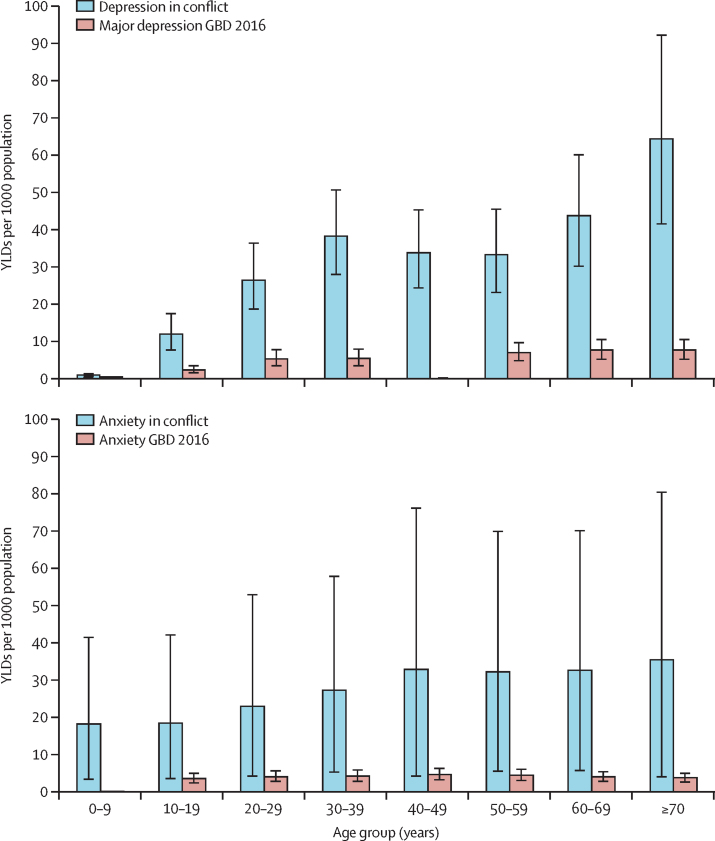
“Trends of depression and anxiety in people affected by conflict have been suggested to increase with age (Charlson et al., 2019), and a recent study found that older Colombians continue to feel traumatized from past stressful life events, including exposure to violence (Giebel et al., 2023).”
Hazardous Substance Use Among Refugees in Shared Accommodations: A Mixed-Methods Study
Lorenz, M. H., Uricher, J., Michalak, J., Heidenreich, T., & Laging, M. (2024) · Zeitschrift für Klinische Psychologie und Psychotherapie · doi:10.1026/1616-3443/a000778 · Cited by 6
Masik, N. P., Kylymchuk, V. V., Masik, O. I., Matviichuk, M. V., Mazur, O., Terekhovska, O. I., & Barabash, I. L. (2025) · INTERNATIONAL NEUROLOGICAL JOURNAL · doi:10.22141/2224-0713.21.1.2025.1144 · Cited by 6
“Children of War”: Difficulties of Socialization and Peculiarities of Perception of the World
Samokhvalova, A. G., Vishnevskaya, O. N., Tikhomirova, E. V., & Shipova, N. S. (2025) · Social Psychology and Society · doi:10.17759/sps.2025160106 · Cited by 6
Chen, X., Qiu, Z., Hu, C., & Liu, Z. (2025) · Frontiers in Psychiatry · doi:10.3389/fpsyt.2025.1568830 · Cited by 4
Li, Y., Lu, W., Li, M., She, R., He, M., Wang, S., & Chien, W. T. (2025) · International Journal of Social Psychiatry · doi:10.1177/00207640251338879 · Cited by 5
“For example, following the Iraq War, prolonged exposure to war-related trauma including bombings, forced migration, loss of family members, and the destruction of livelihoods has had lasting psychological consequences, including increased PTSD and depressive symptoms (Bolton, 2013).”
InfluentialQin, L., Zhao, B., Kang, M., Mao, T., Da, W., Che, Y., Wang, H., Li, Y., Feng, J., Gou, Y., et al. (2025) · The journal of nutrition health & aging · doi:10.1016/j.jnha.2025.100647 · Cited by 6
“A comprehensive assessment based on data from the World Health Organization (WHO) and governmental reports indicates a prevalence rate of 22.1% for mental disorders, including depression, anxiety, post-traumatic stress disorder (PTSD), bipolar disorder, and schizophrenia [2].”
InfluentialHuman Rights Developments from the Universal Declaration to the Present
McFarland, S. G., & Zamora, R. I. (2020) · Cambridge University Press eBooks · doi:10.1017/9781108348607.003 · Cited by 4
Kaloeti, D. V. S., Yuniarti, K. W., Siswadi, A. G. P., & Tuapattinaja, J. M. R. (2021) · Health Psychology Report · doi:10.5114/hpr.2021.110789 · Cited by 4
“Charlson et al. (2019) stated that anxiety disorders are the most abundant type of psychiatric disorder in the recent WHO estimation of prevalence of mental disorders.”
BackgroundKena, T., Bagra, I., Doke, G., Yubey, M., & KOTHAPALLI, J. (2022) · MAEDICA – a Journal of Clinical Medicine · doi:10.26574/maedica.2022.17.3.628 · Cited by 7
Anxiety and Metabolic Disorders: The Role of Botanicals
Trebesova, H., Orlandi, V., Boggia, R., & Grilli, M. (2023) · Current Issues in Molecular Biology · doi:10.3390/cimb45020068 · Cited by 4
Mutuyimana, C., Thoma, M. V., Maercker, A., Sezibera, V., & Heim, E. (2023) · South African Journal of Psychology · doi:10.1177/00812463231186269 · Cited by 6
“More than half of the participants did not meet the criteria for the psychopathologies screened, which is in line with research showing that not all people affected by conflict develop a mental disorder (Charlson et al., 2019).”
ResultTrust in higher guidance and suicidality in Afghan students under the Taliban regime
Mehrabi, A., Naghavi, A., Afsharzada, M. E., Afsharzada, M. S., Brailovskaia, J., & Teismann, T. (2023) · International Journal of Clinical and Health Psychology · doi:10.1016/j.ijchp.2023.100398 · Cited by 8
The burden of neurological diseases in conflict settings: Narrative review Gaza situation
Jaradat, J. H., Al-Tah, B., & Jankhout, S. (2024) · Qatar journal of public health. · doi:10.5339/qjph.2024.10 · Cited by 5
Re-living trauma near death: an integrative review using Grounded Theory narrative analysis
Johnston, N., Chapman, M., Gibson, J., Paterson, C. C., Turner, M. R., Strickland, K., Liu, W., Phillips, C. B., & Bail, K. S. (2024) · Palliative Care and Social Practice · doi:10.1177/26323524241277851 · Cited by 7
“11,16 Trauma involving interpersonal violence, particularly sexual violence, is highly associated with PTSD development.”
BackgroundTesfaye, E., Kassaw, C., & Agenagnew, L. (2020) · Psychiatry Journal · doi:10.1155/2020/7429567 · Cited by 4
“1%, and from this, more than half accounts for mood disorder (bipolar and depression) which is a recurrent chronic disorder characterized by fluctuations in mood state and energy [1].”
BackgroundDisasters, pandemics and mental health
Pain, C., & Lanius, R. A. (2020) · Canadian Medical Association Journal · doi:10.1503/cmaj.200736 · Cited by 4
Nastasi, B. K., & Naser, S. C. (2020) · Cambridge University Press eBooks · doi:10.1017/9781108348607.016 · Cited by 4
Gribble, R. S. F., Liese, B. H., & Wickremsinhe, M. (2021) · Cambridge Prisms Global Mental Health · doi:10.1017/gmh.2020.30 · Cited by 5
“The burden of some mental health disorders (depression, anxiety, post-traumatic stress disorder, bipolar disorder, and schizophrenia alone) in conflict-affected populations has an estimated prevalence of 22.1% at any point in time (Charlson et al., 2019).”
BackgroundInfluentialKyolo, S. K., Katuura, E., Bbosa, G. S., Mwebaza, N., Kibendelwa, Z. T., & Nakasujja, N. (2022) · Neuroscience & Medicine · doi:10.4236/nm.2022.131002 · Cited by 5
“1% in the conflict-affected populations [2].”
Klabbers, R. E., Ashaba, S., Stern, J., Faustin, Z. M., Tsai, A. C., Kasozi, J., Kambugu, A., Ventevogel, P., Bassett, I. V., & O’Laughlin, K. N. (2022) · Journal of Global Health Reports · doi:10.29392/001c.39600 · Cited by 7
Controversies in Posttraumatic Stress Disorder
Bryant, R. A. (2022) · Springer eBooks · doi:10.1007/978-3-031-14332-8_18 · Cited by 5
Torre, C. (2023) · Civil Wars · doi:10.1080/13698249.2023.2209485 · Cited by 4
“…over 20 per cent of refugees will experience mild or moderate mental disorders (e.g., depression, anxiety disorders, and post-traumatic stress disorder or PTSD), while about 4 per cent may experience severe disorders, such as schizophrenia, bipolar disorder, and major depression (Charlson et al .”
BackgroundMODERN APPROACHES TO THE THERAPY OF POST-TRAUMATIC STRESS DISORDER (LITERATURE REVIEW)
Klimova, I. Y., & Volnaya, Y. S. (2023) · Sibirskij medicinskij vestnik · doi:10.31549/2541-8289-2023-7-2-35-40 · Cited by 4
Mental Health and Human Rights
Marks, S. P., Verdeli, L., & Willis, S. (2020) · Cambridge University Press eBooks · doi:10.1017/9781108348607.013 · Cited by 8
Shmulewitz, D., Levitin, M. D., Skvirsky, V., Vider, M., Lev‐Ran, S., & Mikulincer, M. (2026) · medRxiv · doi:10.64898/2026.02.16.26346376 · Cited by 6
Vivalya, B. M. N., Vagheni, M. M., Piripiri, A. L., & Mbeva, J.-B. K. (2025) · The International Journal of Psychiatry in Medicine · doi:10.1177/00912174251316784 · Cited by 3
Kavidha, V., Munieswari, P., Shymala, R. T., & Sakthi Lakshmi, P. (2025) · Eastern Mediterranean Health Journal · doi:10.26719/2025.31.4.288 · Cited by 3
“A recent study suggests that 1 in 5 people living in conflict-affected regions in the previous 10 years will experience depression, anxiety, PTSD, bipolar disorder, or schizophrenia ( 8 ).”
Yaniv‐Rosenfeld, A., Ganor, O., Gaon, A., Yedidya, R., Azimi, L., Shmulevich, M., Mendlvoic, S., & Lurie, I. (2025) · Israel Journal of Health Policy Research · doi:10.1186/s13584-025-00701-8 · Cited by 3
“Emergency and mass-traumatic exposure events, such as terrorism and war, can have a devastating impact on the mental well-being of the directly and indirectly affected civilian population [4, 6].”
Jahan, S., Faruk, O., Kurt, G., Némorin, S., Zarate, A., Mozumder, M. K., Rosenbaum, S., & Wells, R. (2025) · Research Involvement and Engagement · doi:10.1186/s40900-025-00722-2 · Cited by 4
“These events are reflected in both short and long-term mental health consequences such as posttraumatic stress disorder (PTSD), symptoms of anxiety and depression as well as suicidal ideation [28, 30], all of which are typically seen among people affected by conflicts and displacement [31].”
Lasater, M. E., Woldeyes, G. M., Roch, K. L., Poku, O. B., Phan, X., Bhardwaj, A., Kassa, G., Solomon-Osborne, A., & Murray, S. M. (2025) · Global Health Action · doi:10.1080/16549716.2025.2563422 · Cited by 3
“Lastly, our findings, as well as the findings of the BFS cluster-randomized controlled trial in Bangladesh, reinforce the critical need for future programming to prioritize refresher trainings and ongoing supportive supervision to ensure high-quality implementation [14,30,46].”
Mapping war trauma: A machine learning approach to predict mental health impacts in Ukraine
Tayebi, S., Oti, A. S., Fathollahian, H., & Haque, U. (2025) · SSM - Population Health · doi:10.1016/j.ssmph.2025.101879 · Cited by 5
“…and Charlson et al. (2019) found that ’ unpredictable, intermittent ’ violence (specifically, aerial bombings or suicide attacks) leads to higher rates of acute stress reaction in comparison to prolonged sieges or conventional ground warfare (Charlson F et al., 2019; Sle-wa-Younan et al., 2015).”
Albernaz-Mariano, K. A., Malta, M. B., Bueno-de-Camargo, L. M., Duque, É. D. A., Novaes, L. S., Dragunas, G., de-Sousa-Peres, J. L., & Munhoz, C. D. (2025) · Translational Psychiatry · doi:10.1038/s41398-025-03716-6 · Cited by 3
“However, in the last decades, mental disorders have become the most incapacitating cause worldwide, mainly related to elevated, long-lasting daily stress exposure [1].”
Toren, O., Novoseller, T., Selig, D., On, M. B. B., & Madar, G. (2025) · Healthcare · doi:10.3390/healthcare13222994 · Cited by 3
“In comparison, the rate of anxiety among internally dis‑ placed persons (IDPs) in Mogadishu was found to be 43.7% [10,11].”
InfluentialJesuthasan, J., Moran, J. K., Döring‐Brandl, E. J., Abels, I., Kurmeyer, C., Starck, A., Stangier, U., Gutermann, J., Zier, U., Wollny, A., et al. (2025) · Frontiers in Psychiatry · doi:10.3389/fpsyt.2025.1627665 · Cited by 4
Chan, C. Y., Kwok, H. H. Y., Chien, W. T., Ip, F., Vargas, D. C., Yuen, S., Wong, B., Li, M. Y. Y., Hoi, B. P.-K., Chan, J. H. Y., et al. (2025) · BMC Public Health · doi:10.1186/s12889-025-25775-6 · Cited by 4
Quintero-Diaz, K. J., Lesmes, Ó. A. G., & Ramos, E. S. (2025) · International Journal of Environmental Research and Public Health · doi:10.3390/ijerph22121854 · Cited by 3
“Studies report that anxiety affected nearly 46 million people worldwide in 2017 [26], and in 2019, the WHO reported approximately 301 million individuals living with an anxiety disorder [3], representing a large share of the global burden [27–29] Sex differences were evident, with women accounting…”
Imtiaz, S., Khaleeq, N., Sanauddin, N., Afaq, S., Jennings, H. M., Tahir, A., Abdeali, M., Khan, Z., Khan, F., Zafar, R., et al. (2026) · Global Health Action · doi:10.1080/16549716.2025.2599011 · Cited by 6
“…higher prevalence rates than the global average – recent WHO estimates suggest that approximately 22.1% of individuals in such settings have a mental disorder at any given time, with 5.1% experiencing severe conditions such as psychosis, severe depression, or severe anxiety disorders [60].”
InfluentialSocial Determinants of Mental Health in Armed Conflict-affected Municipalities
León, D. C. R., Cano-Sierra, L., Reyes-Rivera, M.-J., Abitbol, P., García-Padilla, D., Forero-García, S. L., & López‐López, W. (2026) · Psychosocial Intervention · doi:10.5093/pi2026a1 · Cited by 7
“…than six decades and has resulted in more than 9.5 million victims, of which around 80% have been forcibly displaced and have survived other types of victimization (Charlson et al., 2019), causing numerous health impacts, especially regarding Mental Health (MH) (Médecins Sans Frontières, 2023).”
InfluentialIbrahim, M., Salad, A. M., Ndithia, J. M., Kato, F., Noor, Z., Hillow, M. A., & Malik, S. M. M. R. (2026) · Frontiers in Psychiatry · doi:10.3389/fpsyt.2025.1729539 · Cited by 3
Trauma-informed peacebuilding: a systematic mapping review of training programs
Dumke, L., Heumann-Schoop, S., Brandenburg, E., Behrendt, M., & Schäfer, I. (2026) · Conflict and Health · doi:10.1186/s13031-026-00773-6 · Cited by 3
“It is estimated that at least one in five individuals in conflict-affected settings experiences a mental health condition such as depression, anxiety, post-traumatic stress disorder (PTSD), bipolar disorder, or schizophrenia [1, 2].”
The silent crisis and forgotten war: mental health in Sudan amidst war and displacement
Elhusein, B., O’Brien, N., Taha, B., & Elzamzamy, K. (2026) · BJPsych International · doi:10.1192/bji.2026.10103 · Cited by 3
Qiu, X., Wen, L., Mao, H., Lang, X., Liu, J., & Zhang, X. (2026) · Journal of Affective Disorders · doi:10.1016/j.jad.2026.121778 · Cited by 3
Liu, M., Zeng, C., & Si, Z. (2026) · Pharmaceuticals · doi:10.3390/ph19040629 · Cited by 4
Mental health in the time of polycrisis: geopolitical determinants and modern psychiatry
Bhugra, D., Liebrenz, M., & Smith, A. J. (2026) · Frontiers in Psychiatry · doi:10.3389/fpsyt.2026.1813883 · Cited by 3
Torales, J. C., Barrios, I., Liebrenz, M., Smith, A. J., Caycho-Rodríguez, T., Ventriglio, A., & Castaldelli-Maia, J. M. (2026) · Acta Psychologica · doi:10.1016/j.actpsy.2026.106933 · Cited by 3
Children and Violence across the Life Span: A Global and Socioecological Perspective
Farrar, J., Thomson, D., & Betancourt, T. S. (2020) · Cambridge University Press eBooks · doi:10.1017/9781108348607.027 · Cited by 5
Punamäki, R.-L., Peltonen, K., Diab, M., & Qouta, S. R. (2021) · Journal on Education in Emergencies · doi:10.33682/004f-n6d4 · Cited by 4
“The research shows associations between children’s exposure to traumatic war events and increased posttraumatic stress disorder (PTSD), as well as symptoms of depression, anxiety, and dissociation (Charlson et al. 2019; Slone and Mann 2016).”
BackgroundArya, S., Kamyab, A., Sanatkar, S. A., Pourmehdiardebili, M., Ebrahimi, A., Kamyab, P., Alavi, K., Zarei, Z., & Ahmadkhaniha, H. (2023) · BMC Psychiatry · doi:10.1186/s12888-023-05234-5 · Cited by 3
“Consequently, researchers have been driven to explore both extrinsic and intrinsic factors contributing to the development of mental disorders [7].”
BackgroundThe war in Ukraine and the dynamics of PTSD and depression in Poles aged 50+
Szepietowska, E. M. (2023) · Psychiatria i Psychologia Kliniczna · doi:10.15557/pipk.2023.0021 · Cited by 4
Yongsi, H. B. N. (2024) · International Neuropsychiatric Disease Journal · doi:10.9734/indj/2024/v21i2428 · Cited by 3
Kaspar, R., Albrecht, A., Brijoux, T., Fey, J., Geithner, L., Oswald, V., Reissmann, M., Wagner, M. A., Wenner, J., Zank, S., et al. (2024) · Applied Research in Quality of Life · doi:10.1007/s11482-024-10301-4 · Cited by 3
“The prevalence of major depression and subclinical depressive symptoms continues to increase across older age groups (Charlson et al., 2019).”
Metadata
- Authors
- Charlson, F., van Ommeren, M., Flaxman, A., Cornett, J., Whiteford, H., & Saxena, S.
- Affiliations
- The University of Queensland (AU)
- University of Washington (US)
- Queensland Centre for Mental Health Research (AU)
- Harvard University (US)
- Venue
- The Lancet
- Publisher
- Elsevier BV
- Published
- 2019-07
- Volume
- 394
- Issue
- 10194
- Pages
- 240-248
- ISSN
- 0099-5355 (ISSN-L)
- 0140-6736
- PMC
- PMC6657025
- OpenAlex
- W2950709739
- Semantic Scholar
- 8667a4e02ed0ec6334728138d6e6a05d247d81e0
- Cited by
- 1,702
- References
- 32
- Citations by year
- 2026: 282 · 2025: 284 · 2024: 273 · 2023: 276 · 2022: 240 · 2021: 173 · 2020: 152 · 2019: 21
- FWCI
- 22.62
- Type
- journal article
- Language
- en
- Open access
- hybrid
- doi.org
- Licence
- cc-by
- www.elsevier.com/tdm/userlicense/1.0/ (tdm)
- creativecommons.org/licenses/by/4.0/ (vor)
- Locations
- The Lancet (publishedVersion, cc-by)
- Europe PMC (PubMed Central) (publishedVersion, cc-by)
- PubMed Central (publishedVersion, cc-by)
- PubMed (publishedVersion)
- Funders
- World Health Organization
- Queen Mary University of London
- United Nations High Commissioner for Refugees
- Topics
- Health Sciences › Medicine › Psychiatry and Mental health › Mental Health Treatment and Access
- Health Sciences › Health Professions › General Health Professions › Health and Conflict Studies
- Social Sciences › Psychology › Clinical Psychology › Migration, Health and Trauma
- Keywords
- mental illness, conflict-affected populations, war and mental health, depression, anxiety disorders, post-traumatic stress disorder, bipolar disorder, schizophrenia, psychosis, point prevalence, global prevalence estimates, Bayesian meta-regression, comorbidities, disease burden, armed conflict, internally displaced persons
- MeSH terms
- Anxiety Disorders, Mental Disorders, Bipolar Disorder, Depression, Humans, Schizophrenia, Stress Disorders, Post-Traumatic, Warfare, World Health Organization, Prevalence
About these checks
Registry, retraction, Cites and statistics results are computed, not judged, with one exception: a printed reference that no index lists is read once by a model before it counts as a citation error. Claims are extracted by a model and kept only when their quote appears verbatim in the text; each cited source is then checked, with a model’s help, for whether it says what the claim relies on. Those verdicts can be wrong — read the claim’s quote and the cited source before relying on one.
Statistics and arithmetic are recomputed, not judged.
Confidence bands are shown only for fields calibrated on our annotated test set. None is calibrated yet, so no band is shown.
What counts as a claim ›How we measure confidence ›How we check this ›
Are you an author, or do you see a problem with this page? Request a review
Data sources
Bibliographic data: Semantic Scholar, OpenAlex, Crossref.
Contains information from the Semantic Scholar Academic Graph Datasets, made available under the ODC Attribution License (ODC-BY 1.0).
Semantic Scholar’s data is described in: Kinney, R., et al. (2023). The Semantic Scholar Open Data Platform. arXiv:2301.10140.
