

New WHO prevalence estimates of mental disorders in conflict settings: a systematic review and meta-analysis
Open accessThe DOI matches its Crossref record; 31 of the 32 references it cites were found in a registry or an index.
Abstract
BACKGROUND: Existing WHO estimates of the prevalence of mental disorders in emergency settings are more than a decade old and do not reflect modern methods to gather existing data and derive estimates. We sought to update WHO estimates for the prevalence of mental disorders in conflict-affected settings and calculate the burden per 1000 population. METHODS: In this systematic review and meta-analysis, we updated a previous systematic review by searching MEDLINE (PubMed), PsycINFO, and Embase for studies published between Jan 1, 2000, and Aug 9, 2017, on the prevalence of depression, anxiety disorder, post-traumatic stress disorder, bipolar disorder, and schizophrenia. We also searched the grey literature, such as government reports, conference proceedings, and dissertations, to source additional data, and we searched datasets from existing literature reviews of the global prevalence of depression and anxiety and reference lists from the studies that were identified. We applied the Guidelines for Accurate and Transparent Health Estimates Reporting and used Bayesian meta-regression techniques that adjust for predictors of mental disorders to calculate new point prevalence estimates with 95% uncertainty intervals (UIs) in settings that had experienced conflict less than 10 years previously. FINDINGS: We estimated that the prevalence of mental disorders (depression, anxiety, post-traumatic stress disorder, bipolar disorder, and schizophrenia) was 22·1% (95% UI 18·8-25·7) at any point in time in the conflict-affected populations assessed. The mean comorbidity-adjusted, age-standardised point prevalence was 13·0% (95% UI 10·3-16·2) for mild forms of depression, anxiety, and post-traumatic stress disorder and 4·0% (95% UI 2·9-5·5) for moderate forms. The mean comorbidity-adjusted, age-standardised point prevalence for severe disorders (schizophrenia, bipolar disorder, severe depression, severe anxiety, and severe post-traumatic stress disorder) was 5·1% (95% UI 4·0-6·5). As only two studies provided epidemiological data for psychosis in conflict-affected populations, existing Global Burden of Disease Study estimates for schizophrenia and bipolar disorder were applied in these estimates for conflict-affected populations. INTERPRETATION: The burden of mental disorders is high in conflict-affected populations. Given the large numbers of people in need and the humanitarian imperative to reduce suffering, there is an urgent need to implement scalable mental health interventions to address this burden. FUNDING: WHO; Queensland Department of Health, Australia; and Bill & Melinda Gates Foundation.
Overview
The claims and statistics of this paper haven’t been checked yet.
Free: it reads the open-access text and checks the first 5 claims that cite a source we can check. Create a free account to check every claim.
Integrity signals
Registry
Cites
Statistics
Figures
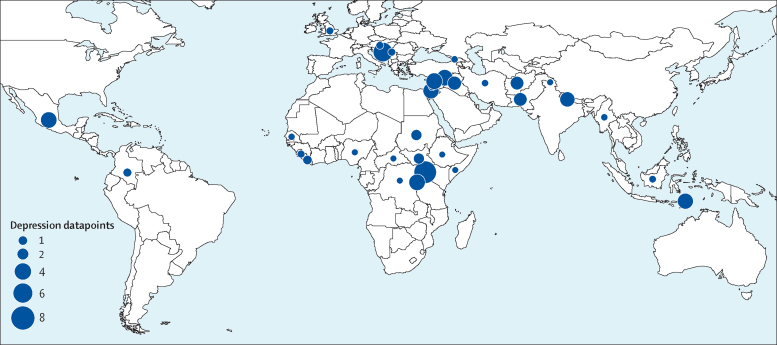
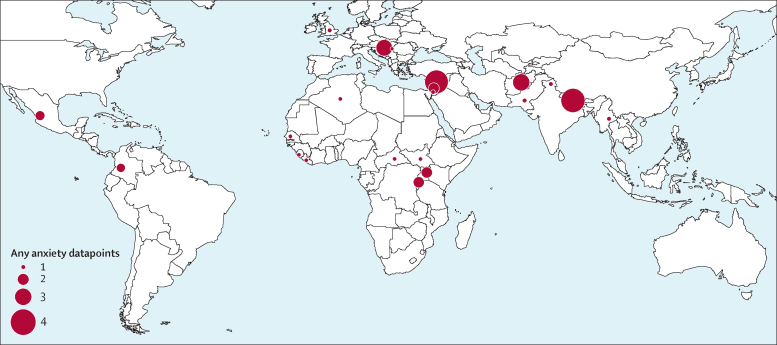
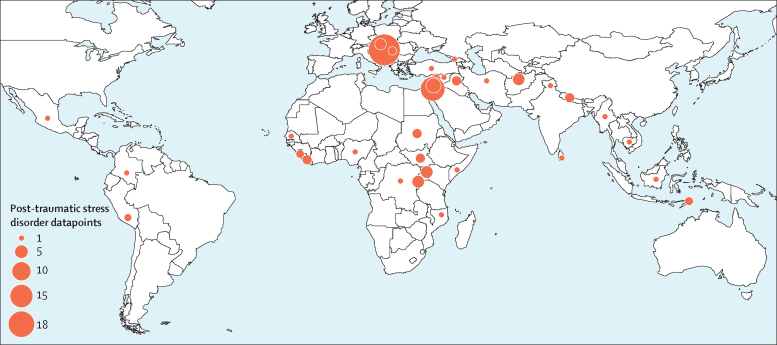
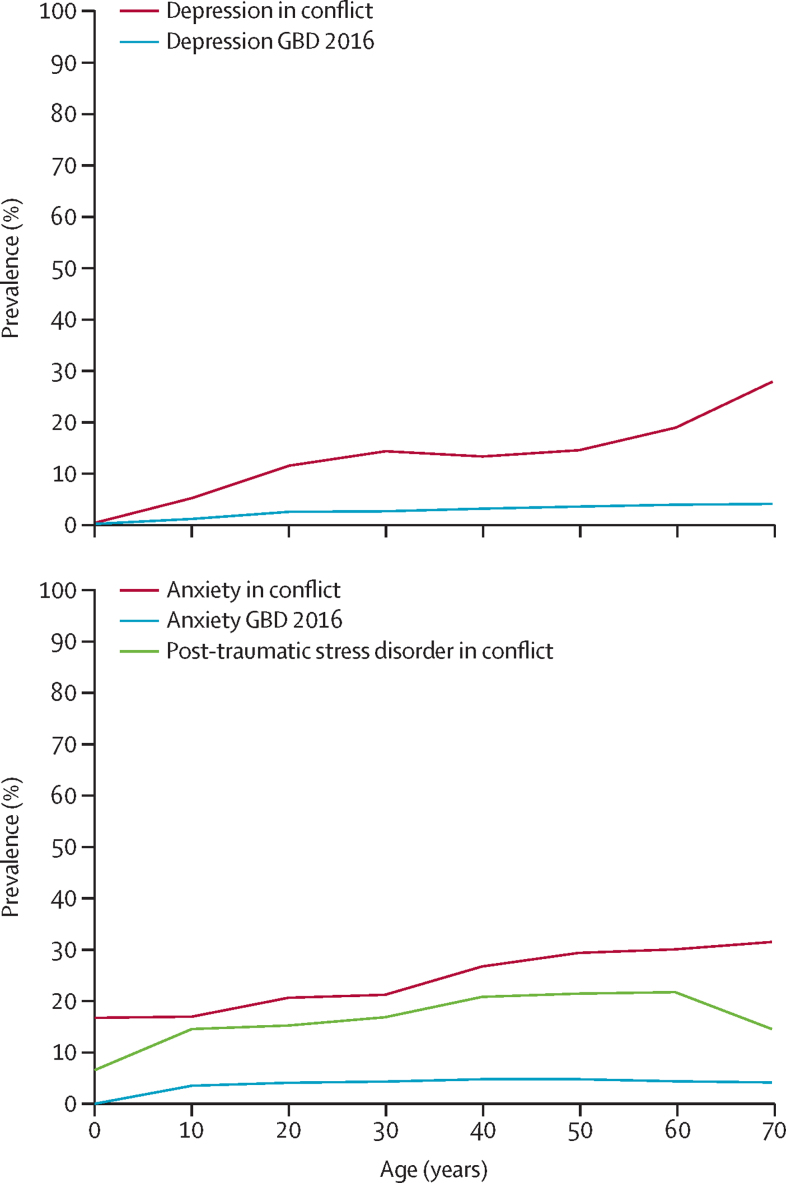
Verification
Claims the paper makes
The claims and statistics of this paper haven’t been checked yet.
Free: it reads the open-access text and checks the first 5 claims that cite a source we can check. Create a free account to check every claim.
Claims other papers make about this one
Each is checked against this paper’s own text: does it say what the citing paper says it does?
The source backs part of the claim, not all of it — or backs it for a different population, condition or comparison.
In the citing paper
“Conflict-affected populations are at elevated risk of psychological distress and a range of mental health disorders. 1”
From Guided self-help to reduce psychological distress in South Sudanese female refugees in Uganda: A cluster randomised trial (2020) · cites this paper as [1]
Experimental — accuracy not yet measuredThe source backs part of the claim, not all of it — or backs it for a different population, condition or comparison.
In the citing paper
“Recent estimates from WHO state that over 20% of refugees will experience mild or moderate mental disorders (e.g., depression, anxiety disorders, and post-traumatic stress disorder or PTSD), while about 4% may experience severe disorders, such as schizophrenia, bipolar disorder, and major depression (Charlson et al. 2019).”
From Throwing therapy at the problem mental health and humanitarian intervention in Palabek refugee settlement, northern Uganda (2023) · cites this paper as Charlson et al. 2019
Experimental — accuracy not yet measuredThe source backs part of the claim, not all of it — or backs it for a different population, condition or comparison.
In the citing paper
“with recent WHO estimates indicating that rates of common mental disorders among conflictaffected individuals may be as high as 22.1% (Charlson et al. 2019)”
From Throwing therapy at the problem mental health and humanitarian intervention in Palabek refugee settlement, northern Uganda (2023) · cites this paper as Charlson et al. 2019
Experimental — accuracy not yet measuredThe source backs part of the claim, not all of it — or backs it for a different population, condition or comparison.
In the citing paper
“A large body of literature points out that people suffering from severe mental disorders are particularly at risk of experiencing neglect, abuse, and abandonment during an emergency, as well as more likely to be severely impacted by an interruption in access to health services (Ostuzzi et al. 2017;Charlson et al. 2019).”
From Throwing therapy at the problem mental health and humanitarian intervention in Palabek refugee settlement, northern Uganda (2023) · cites this paper as Charlson et al. 2019
Experimental — accuracy not yet measuredThe source backs part of the claim, not all of it — or backs it for a different population, condition or comparison.
In the citing paper
“The first covariate identified the mean mortality rate in the previous ten years due to war and terrorism for each GBD location, considering the known association between conflict and elevated prevalence of major depressive disorder and anxiety disorders.12”
From Global, regional, and national burden of 12 mental disorders in 204 countries and territories, 1990-2019: a systematic analysis for the Global Burden of Disease Study 2019. (2022) · cites this paper as [12]
Experimental — accuracy not yet measured
8 more claims about this paper
Create a free account to see every claim other papers make about this one.
Self-check
Percentages, sums and reported differences re-computed from the paper’s own numbers.
The self-check needs the paper’s full text.
Citations
Cites
Vos, T., Abajobir, A. A., Abate, K. H., Abbafati, C., Abbas, K. M., Abd-Allah, F., Abdulkader, R. S., Abdulle, A. M., Abebo, T. A., Abera, S. F., et al. (2017) · The Lancet · doi:10.1016/s0140-6736(17)32154-2 · Cited by 13,220
Self-citationWhiteford, H. A., Degenhardt, L., Rehm, J., Baxter, A. J., Ferrari, A. J., Erskine, H. E., Charlson, F. J., Norman, R. E., Flaxman, A. D., Johns, N., et al. (2013) · The Lancet · doi:10.1016/s0140-6736(13)61611-6 · Cited by 6,006
Self-citationThe kappa statistic in reliability studies: use, interpretation, and sample size requirements
Sim, J., & Wright, C. C. (2005) · Physical Therapy · doi:10.1093/ptj/85.3.257 · Cited by 4,093
60,000 Disaster Victims Speak: Part I. An Empirical Review of the Empirical Literature, 1981–2001
Norris, F. H., Friedman, M. J., Watson, P. J., Byrne, C. M., Diaz, E., & Kaniasty, K. (2002) · Psychiatry: Interpersonal and Biological Processes · doi:10.1521/psyc.65.3.207.20173 · Cited by 3,128
Ferrari, A. J., Charlson, F. J., Norman, R. E., Patten, S. B., Freedman, G., Murray, C. J. L., Vos, T., & Whiteford, H. A. (2013) · PLoS Medicine · doi:10.1371/journal.pmed.1001547 · Cited by 3,115
Self-citationSteel, Z., Chey, T., Silove, D., Marnane, C., Bryant, R. A., & van Ommeren, M. (2009) · JAMA · doi:10.1001/jama.2009.1132 · Cited by 2,246
A Systematic Review of the Prevalence of Schizophrenia
Saha, S., Chant, D., Welham, J., & McGrath, J. (2005) · PLoS Medicine · doi:10.1371/journal.pmed.0020141 · Cited by 2,168
Charlson, F. J., Ferrari, A. J., Santomauro, D. F., Diminic, S., Stockings, E., Scott, J. G., McGrath, J. J., & Whiteford, H. A. (2018) · Schizophrenia Bulletin · doi:10.1093/schbul/sby058 · Cited by 1,647
Self-citationGlobal prevalence of anxiety disorders: a systematic review and meta-regression
Baxter, A. J., Scott, K. M., Vos, T., & Whiteford, H. A. (2013) · Psychological Medicine · doi:10.1017/s003329171200147x · Cited by 1,537
Self-citationFerrari, A. J., Somerville, A. J., Baxter, A. J., Norman, R., Patten, S. B., Vos, T., & Whiteford, H. A. (2013) · Psychological Medicine · doi:10.1017/s0033291712001511 · Cited by 1,230
Self-citation
Research works printed but not linked: 1
- Flaxman AD Vos T Murray CJL An integrative metaregression framework for descriptive epidemiology 2013 University of Washington Press Seattle, WA
Cited by
Items 101–200 of 1,005
Problems faced by Syrian refugees and asylum seekers in Switzerland
Kiselev, N., Pfaltz, M. C., Schick, M., Bird, M., Hansen, P., Sijbrandij, M., de Graaff, A. M., Schnyder, U., & Morina, N. (2020) · Swiss Medical Weekly · doi:10.4414/smw.2020.20381 · Cited by 65
Foka, S., Hadfield, K., Pluess, M., & Mareschal, I. (2020) · Development and Psychopathology · doi:10.1017/s0954579419001585 · Cited by 63
Implementation of Mental Health Services in Conflict and Post-conflict Zones: Lessons From Syria
Hamza, M. K., & Hicks, M. H. (2021) · Avicenna Journal of Medicine · doi:10.4103/ajm.ajm_141_20 · Cited by 61
“[4] One-third of Syrian refugees are children aged 11 or younger, and two-thirds are women or minors aged 0-17 years.[5] Questions faced in delivering mental healthcare to conflict-affected populations include: What is the scope of mental healthcare? How is it constructed and delivered? Who delivers it and with what q…”
BackgroundGray, B., Eaton, J., Christy, J., Duncan, J., Hanna, F., & Kasi, S. (2021) · International Journal of Disaster Risk Reduction · doi:10.1016/j.ijdrr.2021.102051 · Cited by 67
Ventevogel, P., Tarannum, S., Elshazly, M., & Harlass, S. (2019) · Intervention · doi:10.4103/intv.intv_34_19 · Cited by 60
Nissen, A., Sengoelge, M., & Solberg, Ø. (2021) · Frontiers in Public Health · doi:10.3389/fpubh.2021.717353 · Cited by 63
Informe mundial sobre la salud mental: Transformar la salud mental para todos
de la Salud, O. P. (2023) · Pan American Health Organization eBooks · doi:10.37774/9789275327715 · Cited by 104
Liu, X., Yang, F., Huang, N., Zhang, S., & Guo, J. (2024) · General Psychiatry · doi:10.1136/gpsych-2023-101288 · Cited by 67
“24 To substantiate the divergence in adolescent anxiety across nations, we investigated the interplay between healthcare accessibility, the ESG Index, the QoL Index and anxiety disorders.”
BackgroundBosqui, T. J. (2020) · Cambridge Prisms Global Mental Health · doi:10.1017/gmh.2020.20 · Cited by 56
“…health has been well established, with poorer mental health and a higher incidence of mental disorders documented during war and armed conflict (Charlson et al., 2019), political instability and anti-government protests (Kai Hou et al., 2015), natural disasters (Makwana, 2019), economic crises…”
BackgroundScherer, N., Hameed, S., Acartürk, C., Deniz, G., Sheikhani, A., Volkan, S., Örücü, A., Pivato, I., Akıncı, İ., Patterson, A., et al. (2020) · Epidemiology and Psychiatric Sciences · doi:10.1017/s2045796020001079 · Cited by 59
Jeffries, R., Abdi, H., Ali, M., Bhuiyan, A. T. M. R. H., El Shazly, M., Harlass, S., Ishtiak, A., Mazhar, M. K. A., Prajapati, M., Pang, Q. Y., et al. (2021) · PLoS ONE · doi:10.1371/journal.pone.0253013 · Cited by 47
“1% are for severe disorders (severe forms of depression, anxiety and post-traumatic stress disorder, schizophrenia, and bipolar disorder) [37].”
BackgroundProbable depression and suicidal ideation in Hong Kong amid massive civil unrest
Hou, W. K., Hall, B. J., Liang, L., Li, T. W., Liu, H., & Galea, S. (2021) · Annals of Epidemiology · doi:10.1016/j.annepidem.2020.09.006 · Cited by 50
A prevalence assessment of prolonged grief disorder in Syrian refugees
Bryant, R. A., Bawaneh, A., Giardinelli, L., Awwad, M., Al‐Hayek, H., & Akhtar, A. (2021) · World Psychiatry · doi:10.1002/wps.20876 · Cited by 50
Psychiatric disorders and Type 2 diabetes mellitus: A bidirectional Mendelian randomization
Tao, H., Fan, S., Zhu, T., You, L., Zheng, D., Yan, L., & Ren, M. (2022) · European Journal of Clinical Investigation · doi:10.1111/eci.13893 · Cited by 58
“16 More importantly, all MR analyses in our study needed to satisfy three basic assumptions:(1) instrumental variables are strongly correlated with exposures, (2) instrumental variables are independent of confounding factors (3) instrumental variables influence outcomes only through exposure.”
BackgroundMental health services in Ukraine during the early phases of the 2022 Russian invasion
Goto, R., Пінчук, І., Kolodezhny, O., Pimenova, N., & Skokauskas, N. (2022) · The British Journal of Psychiatry · doi:10.1192/bjp.2022.170 · Cited by 47
Oladapo, O. M., Ben‐Azu, B., Ajayi, A. M., Emokpae, O., Eneni, A.-E. O., Omogbiya, I. A., & Iwalewa, E. O. (2020) · Journal of Molecular Neuroscience · doi:10.1007/s12031-020-01664-y · Cited by 52
“…psychosocial stressinduced mental breakdowns in humans are predominantly common, with a lifespan predominance of 4–22.1% worldwide (Charlson et al. 2019), and contribute significantly to increased social disability among the global burden of diseases (Ferrari et al. 2013; Charlson et al. 2019).”
BackgroundInfluentialPfeiffer, E., Garbade, M., & Sachser, C. (2024) · Child and Adolescent Psychiatry and Mental Health · doi:10.1186/s13034-024-00715-1 · Cited by 66
“The burden of mental health disorders is known to be high in conflict-affected populations [1], but studies on prevalence rates of mental health disorders in war-affected children and adolescents are comparably rare and rates vary widely.”
BackgroundCannabinoid CB1 Receptor Involvement in the Actions of CBD on Anxiety and Coping Behaviors in Mice
Austrich-Olivares, A., García‐Gutiérrez, M. S., Illescas, L., Gasparyan, A., & Manzanares, J. (2022) · Pharmaceuticals · doi:10.3390/ph15040473 · Cited by 54
Kohrt, B. A., & Carruth, L. (2022) · Social Science & Medicine · doi:10.1016/j.socscimed.2020.113378 · Cited by 44
“2 chronic forms of malnutrition, increased risk of infectious diseases, increased rates of mental illness, and disruptions or gaps in care for chronic and non-communicable conditions (Charlson et al., 2019; Chen et al., 1999; Hammer et al., 2018; Jobanputra et al., 2016; Salama et al., 2004; Toole and Waldman, 1997).”
Association between perinatal pain and postpartum depression: A systematic review and meta-analysis
Mo, J., Ning, Z., Wang, X., Lv, F., Feng, J., & Pan, L. (2022) · Journal of Affective Disorders · doi:10.1016/j.jad.2022.06.010 · Cited by 48
Xiao, Y., Xie, T., Peng, J., Zhou, X., Long, J., Yang, M., Zhu, H., & Yang, J. Y. (2023) · BMC Psychology · doi:10.1186/s40359-023-01074-w · Cited by 64
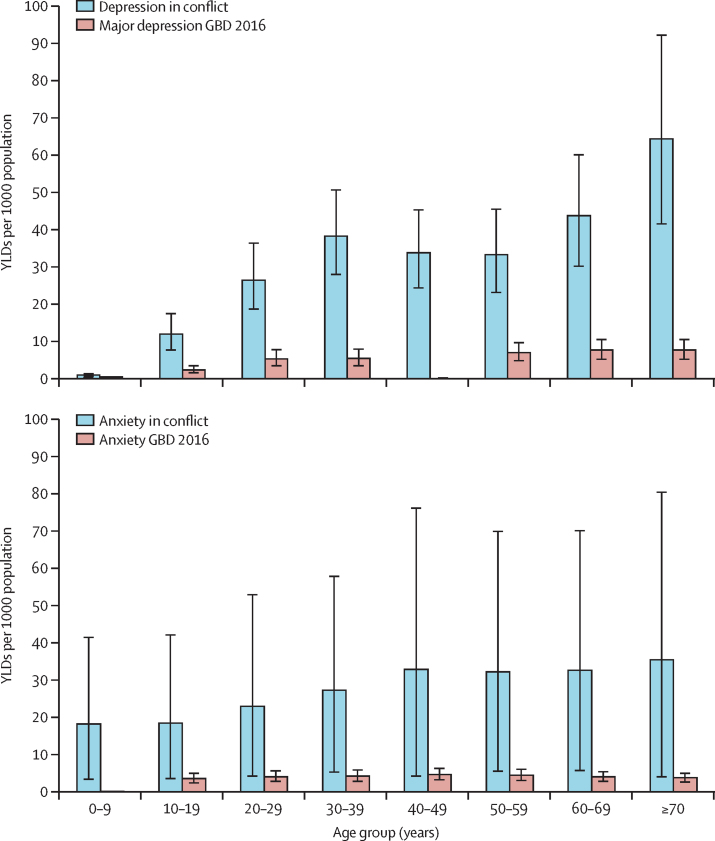
“For example, prevalence of depression and anxiety increases with age under conflict settings [38], while the severity of depression and anxiety decreases with age among breast cancer patients [39].”
BackgroundErrázuriz, A., Avello-Vega, D., Ramírez-Mahaluf, J. P., Torres, R., Crossley, N. A., Undurraga, E. A., & Jones, P. B. (2023) · The Lancet Regional Health - Americas · doi:10.1016/j.lana.2023.100587 · Cited by 71
Kurt, G., İlkkurşun, Z., Javanbakht, A., Uygun, E., Kahiloğulları, A. K., & Acartürk, C. (2021) · International Journal of Intercultural Relations · doi:10.1016/j.ijintrel.2021.09.009 · Cited by 50
“The other is via reducing stress reaction so that individuals become physiologically and psychologically less reactive to stressful situations (Cohen & Wills, 1985).”
Media-Induced War Trauma Amid Conflicts in Ukraine
Su, Z., McDonnell, D., Cheshmehzangi, A., Bentley, B. L., Aḥmad, J., Šegalo, S., da Veiga, C. P., & Xiang, Y. (2022) · Perspectives on Psychological Science · doi:10.1177/17456916221109609 · Cited by 51
“Recurring evidence shows that war trauma could often lead to severe and sustained health consequences on people’s physical and psychological health (Charlson et al., 2019; Howard et al., 2022; Roberts et al., 2019).”
BackgroundFerreira, M. D., Duarte, J. G., Veiga, F., Paiva‐Santos, A. C., & Pires, P. C. (2023) · Pharmaceutics · doi:10.3390/pharmaceutics15020678 · Cited by 54
Suicide rates and suicidal behaviour in displaced people: A systematic review
Cogo, E., Murray, M., Villanueva, G., Hamel, C., Garner, P., Senior, S. L., & Henschke, N. (2022) · PLoS ONE · doi:10.1371/journal.pone.0263797 · Cited by 53
“Refugees and other forcibly displaced people may be disproportionately affected by suicide risk [8, 9].”
BackgroundMkhize, M., van der Westhuizen, C., & Sorsdahl, K. R. (2024) · Comprehensive Psychiatry · doi:10.1016/j.comppsych.2024.152469 · Cited by 58
The Reactive Species Interactome in the Brain
Malard, E., Valable, S., Bernaudin, M., Pérès, E. A., & Châtre, L. (2021) · Antioxidants and Redox Signaling · doi:10.1089/ars.2020.8238 · Cited by 50
Drescher, A., Kiselev, N., Akhtar, A., Acarturk, C., Bryant, R. A., Ilkkursun, Z., von Känel, R., Miller, K. E., Pfaltz, M. C., Schick, M., et al. (2021) · BMC Public Health · doi:10.1186/s12889-021-10498-1 · Cited by 38
Lindegaard, T., Kashoush, F., Holm, S., Halaj, A., Berg, M., & Andersson, G. (2021) · BMC Psychiatry · doi:10.1186/s12888-021-03297-w · Cited by 42
Emudainohwo, J. O. T., Ben‐Azu, B., Adebayo, O. G., Aduema, W., Uruaka, C. I., Ajayi, A. M., Okpakpor, E. E., & Ozolua, R. I. (2022) · Journal of Molecular Neuroscience · doi:10.1007/s12031-022-02084-w · Cited by 50
“Several neuropsychiatric and neurodegenerative disease conditions such as depression, anxiety, schizophrenia, Parkinson’s disease, cognitive impairment, and additive or uncontrollable behaviors have been linked to sustained adverse psychosocial life experience and it is one of the main causes of psychological disabili…”
BackgroundBrown, F. L., Taha, K., Steen, F., Kane, J. C., Gillman, A., Aoun, M., Malik, A., Bryant, R. A., Sijbrandij, M., Chammay, R. E., et al. (2023) · BMC Psychiatry · doi:10.1186/s12888-023-04571-9 · Cited by 41
“It is estimated that one in five individuals in conflict-affected areas will have a diagnosable mental disorder, with the burden of disease of common mental disorders more than five times the global average [2].”
BackgroundUpregulation of KLK8 contributes to CUMS-induced hippocampal neuronal apoptosis by cleaving NCAM1
Xu, D., Du, J.-K., Liu, S., Zhang, H., Yang, L., Zhu, X., & Liu, Y. (2023) · Cell Death and Disease · doi:10.1038/s41419-023-05800-5 · Cited by 48
Greene, M. C., Likindikoki, S. L., Rees, S. J., Bonz, A. G., Kaysen, D. L., Misinzo, L., Njau, T., Kiluwa, S., Turner, R. M., Ventevogel, P., et al. (2021) · PLoS ONE · doi:10.1371/journal.pone.0252982 · Cited by 47
“1% of individuals in conflict-affected populations has a mental disorder at any point in time, which is approximately three times higher than non-conflict affected populations [2].”
BackgroundPurgato, M., Singh, R. K., Acartürk, C., & Cuijpers, P. J. (2021) · Epidemiology and Psychiatric Sciences · doi:10.1017/s2045796021000500 · Cited by 55
“A recent systematic review and meta-analysis across 129 studies by Charlson and colleagues estimated the prevalence of mental disorders in conflict settings, considering a 10-year frame (Charlson et al., 2019).”
Jiang, N., Wei, S., Zhang, Y., He, W., Pei, H., Huang, H. M., Wang, Q., & Liu, X. (2021) · Frontiers in Psychiatry · doi:10.3389/fpsyt.2021.688703 · Cited by 43
Böge, K., Karnouk, C., Hoell, A., Tschorn, M., Kamp‐Becker, I., Padberg, F., Übleis, A., Hasan, A., Falkai, P., Salize, H. J., et al. (2022) · The Lancet Regional Health - Europe · doi:10.1016/j.lanepe.2022.100413 · Cited by 49
Explanatory models and help-seeking for symptoms of PTSD and depression among Syrian refugees
Aarethun, V., Sandal, G. M., Guribye, E., Markova, V., & Bye, H. H. (2021) · Social Science & Medicine · doi:10.1016/j.socscimed.2021.113889 · Cited by 57
Chiumento, A., Rutayisire, T., Sarabwe, E., Hasan, M. T., Kasujja, R., Nabirinde, R., Mugarura, J., Kagabo, D. M., Bangirana, P., Jansen, S., et al. (2020) · Conflict and Health · doi:10.1186/s13031-020-00323-8 · Cited by 41
Refugee Mental Health, Global Health Policy, and the Syrian Crisis
Cratsley, K., Brooks, M. A., & Mackey, T. K. (2021) · Frontiers in Public Health · doi:10.3389/fpubh.2021.676000 · Cited by 53
The Relationship Between Greenspace Exposure and Psychopathology Symptoms: A Systematic Review
Tran, I., Sabol, O., & Mote, J. (2022) · Biological Psychiatry Global Open Science · doi:10.1016/j.bpsgos.2022.01.004 · Cited by 50
“Such experiences are associated with mental health concerns such as depression and are increasingly prevalent, with approximately 1 in 4 adults experiencing a mental health diagnosis at any given time (21,22).”
BackgroundPlazas, E., & Faraone, N. (2023) · Biomedicines · doi:10.3390/biomedicines11020461 · Cited by 47
“Mental disorders represent a substantial long-term challenge for the global health system, because of their rising prevalence, uncertain neuropathology, and lack of effective pharmacological treatments [3,4].”
BackgroundWar-Related Stress among Israeli College Students Following 7 October 2023 Terror Attack in Israel
Dopelt, K., & Houminer-Klepar, N. (2024) · European Journal of Investigation in Health Psychology and Education · doi:10.3390/ejihpe14080145 · Cited by 53
Mental health disorders and their impact on cardiovascular health disparities
Vaccarino, V., Prescott, E., Shah, A. J., Bremner, J. D., Raggi, P., Dobilienė, O., Gale, C. P., & Bugiardini, R. (2025) · The Lancet Regional Health - Europe · doi:10.1016/j.lanepe.2025.101373 · Cited by 57
Goldstein Ferber, S., Shoval, G., Zalsman, G., Mikulincer, M., & Weller, A. (2021) · Frontiers in Psychiatry · doi:10.3389/fpsyt.2021.680403 · Cited by 40
Forecasts regarding mental disorders in people in the post-war period
Spytska, L. V. (2024) · European Journal of Trauma & Dissociation · doi:10.1016/j.ejtd.2024.100378 · Cited by 40
The mental health consequences of interpersonal gun violence: A systematic review
Abba‐Aji, M., Koya, S. F., Abdalla, S. M., Ettman, C. K., Cohen, G. H., & Galea, S. (2024) · SSM - Mental Health · doi:10.1016/j.ssmmh.2024.100302 · Cited by 50
Acute Stress Disorder among 2022 Ukrainian war refugees: a cross-sectional study
Kordel, P., Rządeczka, M., Studenna-Skrukwa, M., Kwiatkowska-Moskalewicz, K., Goncharenko, O., & Moskalewicz, M. (2024) · Frontiers in Public Health · doi:10.3389/fpubh.2024.1280236 · Cited by 51
Ugwu, P. I., Ben‐Azu, B., Ugwu, S. U., Uruaka, C. I., Nworgu, C. C., Okorie, P. O., Okafor, K. O., Anachuna, K. K., Elendu, M. U., Ugwu, A. O., et al. (2022) · Brain Research Bulletin · doi:10.1016/j.brainresbull.2022.03.004 · Cited by 43
Atrial Fibrillation and Stress
Segan, L., Prabhu, S., Kalman, J. M., & Kistler, P. M. (2022) · JACC: Clinical Electrophysiology · doi:10.1016/j.jacep.2021.12.008 · Cited by 39
Logie, C. H., Berry, I., Okumu, M., Loutet, M. G., McNamee, C., Hakiza, R., Musoke, D. K., Mwima, S., Kyambadde, P., & Mbuagbaw, L. C. E. (2021) · Annals of Epidemiology · doi:10.1016/j.annepidem.2021.11.005 · Cited by 43
Lenferink, L. I. M., Liddell, B. J., Byrow, Y., O'Donnell, M. L., Bryant, R. A., Mau, V., McMahon, T., Benson, G. M., & Nickerson, A. (2021) · Journal of Psychiatric Research · doi:10.1016/j.jpsychires.2021.12.009 · Cited by 41
Schwartz, L., NAKONECHNA, M., Campbell, G., Brunner, D., Stadler, C., Schmid, M., Fegert, J. M., & Bürgin, D. (2022) · European Journal of Psychotraumatology · doi:10.1080/20008198.2022.2101759 · Cited by 52
“…in a conflict zone, and forced displacement are all creating or increasing the risk of experiencing numerous detrimental direct and indirect physical and mental health burdens, particularly for children (Bürgin et al., 2022; Charlson et al., 2019; World Health Organization, 2018; Yule, 2003).”
BackgroundMental Health Disorder Trends in Denmark According to Age, Calendar Period, and Birth Cohort
Momen, N. C., Beck, C., Lousdal, M. L., Agerbo, E., McGrath, J. J., Pedersen, C. B., Nordentoft, M., & Plana-Ripoll, O. (2025) · JAMA Psychiatry · doi:10.1001/jamapsychiatry.2024.3723 · Cited by 38
Nissen, A., Cauley, P., Saboonchi, F., Andersen, A. J., & Solberg, Ø. (2021) · European Journal of Psychotraumatology · doi:10.1080/20008198.2021.1994218 · Cited by 44
“Nonetheless, most reviews have found clear associations between PTEs and mental disorders (e.g. 7,11), even if some have not (Charlson et al., 2016, 2019).”
BackgroundResultInfluentialAkhtar, A., Malik, A., Ghatasheh, M., Aqel, I. S., Habashneh, R., Dawson, K. S., Watts, S., Jordans, M. J. D., Brown, F. L., Sijbrandij, M., et al. (2021) · European Journal of Psychotraumatology · doi:10.1080/20008198.2021.1901408 · Cited by 40
“Unsurprisingly, this population is significantly at risk of developing common mental disorders (Charlson et al., 2019).”
BackgroundKishita, N., Contreras, M. L., West, J., & Mioshi, E. (2020) · Journal of Contextual Behavioral Science · doi:10.1016/j.jcbs.2020.07.005 · Cited by 37
“These estimates are substantially higher than reported prevalence rates in the general population (Charlson et al., 2019).”
ResultBryant, R. A., Bawaneh, A., Awwad, M., Al-Hayek, H., Giardinelli, L., Whitney, C., Jordans, M. J. D., Cuijpers, P., Sijbrandij, M., Ventevogel, P., et al. (2022) · Epidemiology and Psychiatric Sciences · doi:10.1017/s2045796022000658 · Cited by 37
“Task-sharing interventions are typically implemented among populations exposed to ongoing stressors, including poverty, overcrowding, violence and other adversities, which is likely to increase psychological difficulties after completion of brief psychological interventions (Charlson et al., 2019).”
Measuring mental health in humanitarian crises: a practitioner’s guide to validity
Kohrt, B. A., & Kaiser, B. N. (2021) · Conflict and Health · doi:10.1186/s13031-021-00408-y · Cited by 41
“This is typically to assess the burden of mental health problems in a population after a humanitarian emergency [2].”
BackgroundInfluentialNissen, A., Hynek, K. A., Scales, D. A., Hilden, P. K., & Straiton, M. (2022) · BMC Psychiatry · doi:10.1186/s12888-022-04200-x · Cited by 39
Kang, T. S., Goodwin, R. B., Hamama‐Raz, Y., Leshem, E., & Ben‐Ezra, M. (2023) · Epidemiology and Psychiatric Sciences · doi:10.1017/s204579602300015x · Cited by 45
“As has been seen in othermilitary conflicts, this has had a serious deleterious impact on themental health of affected populations (Charlson et al., 2019; Mesa-Vieira et al., 2022).”
BackgroundThe Effect of Probiotic Supplementation on the Gut–Brain Axis in Psychiatric Patients
Sabit, H., Kassab, A., Alaa, D., Mohamed, S., Abdel-Ghany, S. E., mansy, M. I. A., Said, O. A. M., Khalifa, M. A., Hafiz, H., & Abushady, A. M. (2023) · Current Issues in Molecular Biology · doi:10.3390/cimb45050260 · Cited by 43
“Anxiety disorders, bipolar disorder, schizophrenia, autism spectrum disorders, conduct disorder, attention deficit hyperactivity disorder, eating disorders, idiopathic developmental intellectual disability, and a broad category of other mental diseases are examples of these disorders [3].”
BackgroundGebus, S., & Schultz, J.-H. (2023) · Teaching and Teacher Education · doi:10.1016/j.tate.2023.104416 · Cited by 41
Somatic distress among Syrian refugees in Istanbul, Turkey: A cross-sectional study
McGrath, M., Acartürk, C., Roberts, B., İlkkurşun, Z., Sondorp, E., Sijbrandij, M., Cuijpers, P. J., Ventevogel, P., McKee, M., & Fuhr, D. C. (2020) · Journal of Psychosomatic Research · doi:10.1016/j.jpsychores.2020.109993 · Cited by 39
Qouta, S., Vänskä, M., Diab, S. Y., & Punamäki, R. (2021) · Infant Behavior and Development · doi:10.1016/j.infbeh.2021.101532 · Cited by 46
Reaching the Unreached: Bridging Islam and Science to Treat the Mental Wounds of War
Zoellner, L., Bentley, J., Feeny, N., Klein, A., Dolezal, M. L., Angula, D. A., & Egeh, M. H. (2021) · Frontiers in Psychiatry · doi:10.3389/fpsyt.2021.599293 · Cited by 22
“Muslims in, and refugees from, war-torn regions like Somalia experience high trauma burden and are at an increased risk for posttraumatic stress disorder (PTSD) and related impairment (5, 6).”
BackgroundTaha, P. H., & Sijbrandij, M. (2021) · International Journal of Environmental Research and Public Health · doi:10.3390/ijerph18189779 · Cited by 45
“In general, the wars and conflicts impact on the mental health of the affected population [7].”
BackgroundCoping during socio-political uncertainty
Khoury-Malhame, M. E., Malhab, S. B., Chaaya, R., Sfeir, M., & Khoury, S. E. (2024) · Frontiers in Psychiatry · doi:10.3389/fpsyt.2023.1267603 · Cited by 40
The Lancet Psychiatry Commission on mental health in Ukraine
Пінчук, І., LEVENTHAL, B. L., Ladyk-Bryzghalova, A., Lien, L., Yachnik, Y., Dias, M. C., Вирченко, В., Szatmári, P., Protsenko, O. V., Chaimowitz, G. A., et al. (2024) · The Lancet Psychiatry · doi:10.1016/s2215-0366(24)00241-4 · Cited by 65
Prolonged grief in refugees, parenting behaviour and children’s mental health
Bryant, R. A., Edwards, B., Creamer, M. C., O'Donnell, M. L., Forbes, D., Felmingham, K. L., Silove, D. M., Steel, Z., McFARLANE, A. C., Hooff, M. V., et al. (2020) · Australian & New Zealand Journal of Psychiatry · doi:10.1177/0004867420967420 · Cited by 43
“Refugees are at elevated risk of a range of mental disorders, including posttraumatic stress disorder (PTSD), depression and anxiety (Charlson et al., 2019).”
BackgroundRyan, G. K., Bauer, A., Endale, T., Qureshi, O., Doukani, A., Pashoja, A. C., Brar, S. K., Eaton, J., & Bass, J. (2021) · Conflict and Health · doi:10.1186/s13031-021-00363-8 · Cited by 41
“A recent metaanalysis by Charlson et al. (2019) estimates a 22.1% point-prevalence for CMDs in conflict-affected populations, even after adjusting for comorbidity; over a third are moderate (4.0”
BackgroundInfluentialZhao, S., & Peng, L. (2021) · BMC Psychiatry · doi:10.1186/s12888-021-03334-8 · Cited by 41
Beksinska, A., Jama, Z., Kabuti, R., Kungu, M., Babu, H., Nyariki, E., Shah, P., Champions, M. F. S., Gwala, D., Oside, D., et al. (2021) · BMC Psychiatry · doi:10.1186/s12888-021-03515-5 · Cited by 46
“A recent systematic review of mental health problems in conflict settings reported that prevalence estimates of depression, PTSD, and anxiety are higher in conflict affected areas than amongst the general population [42].”
BackgroundDegenhardt, L. J., Bharat, C., Glantz, M. D., Bromet, E. J., Alonso, J., Bruffaerts, R., Bunting, B., de Girolamo, G., de Jonge, P., Florescu, S., et al. (2022) · Drug and Alcohol Dependence · doi:10.1016/j.drugalcdep.2022.109574 · Cited by 44
Self-citationTrends of mental health care utilization among US adults from 1999 to 2018
Wang, J., Qiu, Y., & Zhu, X. (2023) · BMC Psychiatry · doi:10.1186/s12888-023-05156-2 · Cited by 47
“0% of the global population were estimated to have mild depression before the COVID-19 pandemic [1].”
BackgroundPsychological well-being of Ukrainian students three months after the emerge of full-scale war
Пінчук, І., Solonskyi, A., Yachnik, Y., Kopchak, O. O., Klasa, K., Sobański, J. A., & Odintsova, T. A. (2024) · Psychiatria Polska · doi:10.12740/pp/177073 · Cited by 50
Calder, C. N., Kwan, A. T. H., Teopiz, K. M., Wong, S., Rosenblat, J. D., Mansur, R. B., Rhee, T. G., Ho, R., Cao, B., & McIntyre, R. S. (2024) · Journal of Affective Disorders · doi:10.1016/j.jad.2024.04.039 · Cited by 42
Cheung, T. C. C., Cheng, C. P. W., Fong, T. K. H., Sharew, N. T., Anders, R. L., Xiang, Y., Lam, S. C., & SR Nursing Working Group (2022) · Frontiers in Public Health · doi:10.3389/fpubh.2022.1004558 · Cited by 41
Woodward, A., Fuhr, D. C., Barry, A. S., Balabanova, D., Sondorp, E., Dieleman, M. A., Pratley, P., Schoenberger, S. F., McKee, M., İlkkurşun, Z., et al. (2023) · Open Research Europe · doi:10.12688/openreseurope.15293.1 · Cited by 39
Pfeiffer, E., Beer, R., Birgersson, A., Cabrera, N., Cohen, J. A., Deblinger, E., Garbade, M., Kirsch, V., Kostova, Z., Larsson, M., et al. (2023) · European Journal of Psychotraumatology · doi:10.1080/20008066.2023.2207422 · Cited by 35
Maconick, L., Ansbro, É., Ellithy, S., Jobanputra, K., Tarawneh, M., & Roberts, B. (2020) · Conflict and Health · doi:10.1186/s13031-020-00309-6 · Cited by 34
Kurt, G., Ventevogel, P., Ekhtiari, M., İlkkurşun, Z., Erşahin, M., Akbiyik, N., & Acartürk, C. (2022) · BJPsych Open · doi:10.1192/bjo.2022.573 · Cited by 42
Psychosocial factors associated with anxious depression
Zhou, E., Ma, S., Kang, L., Zhang, N., Wang, P., Wang, W., Nie, Z., Chen, M., Xu, J., Sun, S., et al. (2022) · Journal of Affective Disorders · doi:10.1016/j.jad.2022.11.028 · Cited by 34
“Major depressive disorder (MDD) is highly prevalent and incurs a major burden on both the individual and society (Charlson et al., 2019; Kessler et al., 2009; Levav and Rutz, 2002).”
Vargová, L., Jozefiaková, B., Lačný, M., & Adamkovic, M. (2024) · BMC Psychology · doi:10.1186/s40359-024-01687-9 · Cited by 49
“According to WHO estimates, the prevalence of mental disorders in a conflict affected population stands at 22.1%; with a 13% prevalence of mild depression, anxiety, and PTSD, and a 4% prevalence of their moderate forms [2, see also 3].”
BackgroundInfluentialNickerson, A., Hoffman, J., Keegan, D., Kashyap, S., Argadianti, R., Tricesaria, D., Pestalozzi, Z., Nandyatama, R., Khakbaz, M., Nilasari, N., et al. (2023) · Journal of Anxiety Disorders · doi:10.1016/j.janxdis.2023.102672 · Cited by 33
Godina-Flores, N. L., Gutiérrez‐Gómez, Y. Y., García‐Botello, M., López‐Cruz, L., Moreno‐García, C. F., & Aceves‐Martins, M. (2022) · Nutrition Reviews · doi:10.1093/nutrit/nuac083 · Cited by 44
“Mental health problems and emotional disorders are increasingly prevalent, disabling, and recurrent among young people.(1) The prevalence of anxiety has been reported to be higher for children and depression higher for adolescents.”
BackgroundKemp, C. G., Concepcion, T. L., Ahmed, H. U., Anwar, N., Baingana, F. K., Bennett, I. M., Bruni, A., Chisholm, D., Dawani, H., Marcia Erazo, B., et al. (2022) · PLoS ONE · doi:10.1371/journal.pone.0265570 · Cited by 37
“An estimated 22% of people in conflict-related humanitarian crises experience a mood, anxiety, or psychotic disorder [11].”
BackgroundBöttche, M., Wagner, B., Vöhringer, M., Heinrich, M., Stein, J., Selmo, P., Stammel, N., & Knaevelsrud, C. (2021) · European Journal of Psychotraumatology · doi:10.1080/20008198.2021.1943870 · Cited by 37
“7% anxiety disorders, (Charlson et al., 2019) as compared to global prevalence estimates (4.”
BackgroundResultInfluentialLifestyle medicine for anxiety symptoms: A meta-analysis of randomized controlled trials
Wong, V. W.-H., Ho, F. Y., Shi, N.-K., Sarris, J. J., Ng, C. H., & Tam, O. K.-Y. (2022) · Journal of Affective Disorders · doi:10.1016/j.jad.2022.04.151 · Cited by 42
Wang, Y., Zhang, X., Li, Y., Gui, J., Mei, Y., Yang, X., Liu, H., Guo, L., Li, J., Lei, Y., et al. (2023) · Frontiers in Psychiatry · doi:10.3389/fpsyt.2023.1153316 · Cited by 35
“Researchers conducted a meta-analysis in 2019 that showed life expectancy with disability per 1,000 people with depression and post-traumatic stress disorder was more than five times the current global average burden of disease (7).”
BackgroundCao, H., Wu, Y., Yin, H., Sun, Y., Yuan, H., & Tao, M. (2024) · JMIR Public Health and Surveillance · doi:10.2196/49609 · Cited by 39
Predictive Factors of Anxiety and Depression in Patients with Type 2 Diabetes Mellitus
Albai, O., Timar, B., Braha, A., & Timar, R. Z. (2024) · Journal of Clinical Medicine · doi:10.3390/jcm13103006 · Cited by 46
“Anxiety and depression disorders are the most common [4–6].”
BackgroundJayasinghe, S. (2024) · BMJ Global Health · doi:10.1136/bmjgh-2023-014749 · Cited by 36
Yasenok, V., Baumer, A. M., Петрашенко, В. О., Kaufmann, M., Frei, A. L., Rüegger, S., Ballouz, T., Loboda, A., Smiianov, V. A., Seifritz, E., et al. (2025) · BMJ Global Health · doi:10.1136/bmjgh-2025-019557 · Cited by 53
Trauma- and Stressor-Related Disorders
(2022) · American Psychiatric Association Publishing eBooks · doi:10.1176/appi.books.9780890425787.x07_trauma_and_stressor_related_disorders · Cited by 40
Definitions and Concepts of Stress
Manosso, L. M., Gasparini, C. R., Réus, G. Z., & Pavlovic, Z. M. (2022) · Springer eBooks · doi:10.1007/978-3-030-87480-3_2 · Cited by 46
Posttraumatic growth and posttraumatic stress – a network analysis among Syrian and Iraqi refugees
Kangaslampi, S., Peltonen, K., & Hall, J. (2022) · European Journal of Psychotraumatology · doi:10.1080/20008066.2022.2117902 · Cited by 42
“Meanwhile, PTSS reaching diagnostic levels have been reported for 15 – 31% of war-a ff ected populations and refugees (Blackmore et al., 2020; Charlson et al., 2019; Morina et al., 2018).”
Akhtar, A., Giardinelli, L., Bawaneh, A., Awwad, M., Al-Hayek, H., Whitney, C., Jordans, M. J. D., Sijbrandij, M., Cuijpers, P., Dawson, K., et al. (2021) · European Journal of Psychotraumatology · doi:10.1080/20008198.2021.1932295 · Cited by 31
Hajek, A., Gyasi, R. M., Pengpid, S., Peltzer, K., Kostev, K., Soysal, P., Smith, L., Jacob, L., Veronese, N., & König, H. (2025) · Epidemiology and Psychiatric Sciences · doi:10.1017/s2045796025000228 · Cited by 39
Paíga, P., Figueiredo, S. A., Correia, M., André, M., Barbosa, R., Jorge, S., & Delerue-Matos, C. M. (2025) · Journal of Xenobiotics · doi:10.3390/jox15030078 · Cited by 38
“The increasing prevalence of mental health disorders and the long-term prescription of medications for conditions such as depression and anxiety contribute to the widespread consumption of these medications and their high levels of presence in water sources [72,73].”
Metadata
- Authors
- Charlson, F., van Ommeren, M., Flaxman, A., Cornett, J., Whiteford, H., & Saxena, S.
- Affiliations
- The University of Queensland (AU)
- University of Washington (US)
- Queensland Centre for Mental Health Research (AU)
- Harvard University (US)
- Venue
- The Lancet
- Publisher
- Elsevier BV
- Published
- 2019-07
- Volume
- 394
- Issue
- 10194
- Pages
- 240-248
- ISSN
- 0099-5355 (ISSN-L)
- 0140-6736
- PMC
- PMC6657025
- OpenAlex
- W2950709739
- Semantic Scholar
- 8667a4e02ed0ec6334728138d6e6a05d247d81e0
- Cited by
- 1,702
- References
- 32
- Citations by year
- 2026: 282 · 2025: 284 · 2024: 273 · 2023: 276 · 2022: 240 · 2021: 173 · 2020: 152 · 2019: 21
- FWCI
- 22.62
- Type
- journal article
- Language
- en
- Open access
- hybrid
- doi.org
- Licence
- cc-by
- www.elsevier.com/tdm/userlicense/1.0/ (tdm)
- creativecommons.org/licenses/by/4.0/ (vor)
- Locations
- The Lancet (publishedVersion, cc-by)
- Europe PMC (PubMed Central) (publishedVersion, cc-by)
- PubMed Central (publishedVersion, cc-by)
- PubMed (publishedVersion)
- Funders
- World Health Organization
- Queen Mary University of London
- United Nations High Commissioner for Refugees
- Topics
- Health Sciences › Medicine › Psychiatry and Mental health › Mental Health Treatment and Access
- Health Sciences › Health Professions › General Health Professions › Health and Conflict Studies
- Social Sciences › Psychology › Clinical Psychology › Migration, Health and Trauma
- Keywords
- mental illness, conflict-affected populations, war and mental health, depression, anxiety disorders, post-traumatic stress disorder, bipolar disorder, schizophrenia, psychosis, point prevalence, global prevalence estimates, Bayesian meta-regression, comorbidities, disease burden, armed conflict, internally displaced persons
- MeSH terms
- Anxiety Disorders, Mental Disorders, Bipolar Disorder, Depression, Humans, Schizophrenia, Stress Disorders, Post-Traumatic, Warfare, World Health Organization, Prevalence
About these checks
Registry, retraction, Cites and statistics results are computed, not judged, with one exception: a printed reference that no index lists is read once by a model before it counts as a citation error. Claims are extracted by a model and kept only when their quote appears verbatim in the text; each cited source is then checked, with a model’s help, for whether it says what the claim relies on. Those verdicts can be wrong — read the claim’s quote and the cited source before relying on one.
Statistics and arithmetic are recomputed, not judged.
Confidence bands are shown only for fields calibrated on our annotated test set. None is calibrated yet, so no band is shown.
What counts as a claim ›How we measure confidence ›How we check this ›
Are you an author, or do you see a problem with this page? Request a review
Data sources
Bibliographic data: Semantic Scholar, OpenAlex, Crossref.
Contains information from the Semantic Scholar Academic Graph Datasets, made available under the ODC Attribution License (ODC-BY 1.0).
Semantic Scholar’s data is described in: Kinney, R., et al. (2023). The Semantic Scholar Open Data Platform. arXiv:2301.10140.
