

New WHO prevalence estimates of mental disorders in conflict settings: a systematic review and meta-analysis
Open accessThe DOI matches its Crossref record; 31 of the 32 references it cites were found in a registry or an index.
Abstract
BACKGROUND: Existing WHO estimates of the prevalence of mental disorders in emergency settings are more than a decade old and do not reflect modern methods to gather existing data and derive estimates. We sought to update WHO estimates for the prevalence of mental disorders in conflict-affected settings and calculate the burden per 1000 population. METHODS: In this systematic review and meta-analysis, we updated a previous systematic review by searching MEDLINE (PubMed), PsycINFO, and Embase for studies published between Jan 1, 2000, and Aug 9, 2017, on the prevalence of depression, anxiety disorder, post-traumatic stress disorder, bipolar disorder, and schizophrenia. We also searched the grey literature, such as government reports, conference proceedings, and dissertations, to source additional data, and we searched datasets from existing literature reviews of the global prevalence of depression and anxiety and reference lists from the studies that were identified. We applied the Guidelines for Accurate and Transparent Health Estimates Reporting and used Bayesian meta-regression techniques that adjust for predictors of mental disorders to calculate new point prevalence estimates with 95% uncertainty intervals (UIs) in settings that had experienced conflict less than 10 years previously. FINDINGS: We estimated that the prevalence of mental disorders (depression, anxiety, post-traumatic stress disorder, bipolar disorder, and schizophrenia) was 22·1% (95% UI 18·8-25·7) at any point in time in the conflict-affected populations assessed. The mean comorbidity-adjusted, age-standardised point prevalence was 13·0% (95% UI 10·3-16·2) for mild forms of depression, anxiety, and post-traumatic stress disorder and 4·0% (95% UI 2·9-5·5) for moderate forms. The mean comorbidity-adjusted, age-standardised point prevalence for severe disorders (schizophrenia, bipolar disorder, severe depression, severe anxiety, and severe post-traumatic stress disorder) was 5·1% (95% UI 4·0-6·5). As only two studies provided epidemiological data for psychosis in conflict-affected populations, existing Global Burden of Disease Study estimates for schizophrenia and bipolar disorder were applied in these estimates for conflict-affected populations. INTERPRETATION: The burden of mental disorders is high in conflict-affected populations. Given the large numbers of people in need and the humanitarian imperative to reduce suffering, there is an urgent need to implement scalable mental health interventions to address this burden. FUNDING: WHO; Queensland Department of Health, Australia; and Bill & Melinda Gates Foundation.
Overview
The claims and statistics of this paper haven’t been checked yet.
Free: it reads the open-access text and checks the first 5 claims that cite a source we can check. Create a free account to check every claim.
Integrity signals
Registry
Cites
Statistics
Figures
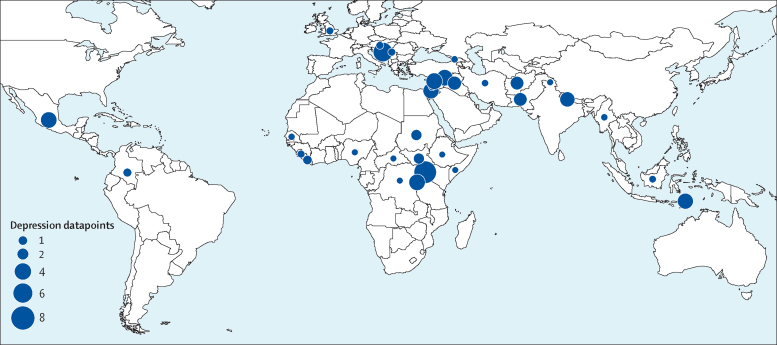
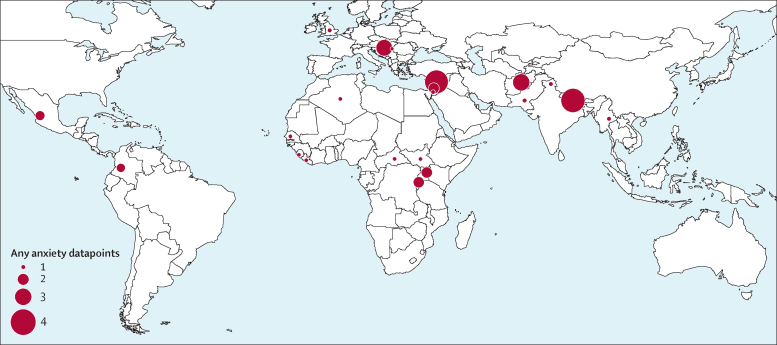
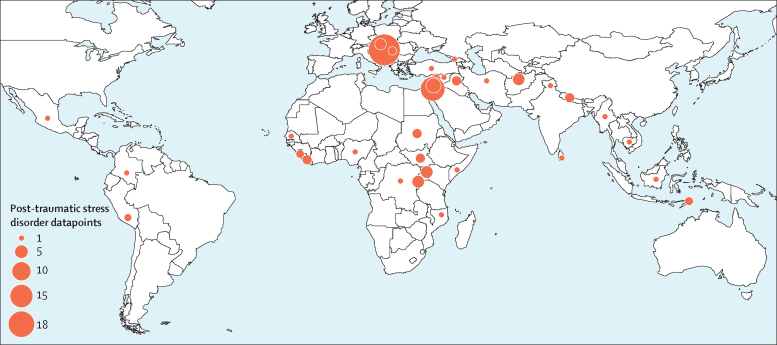
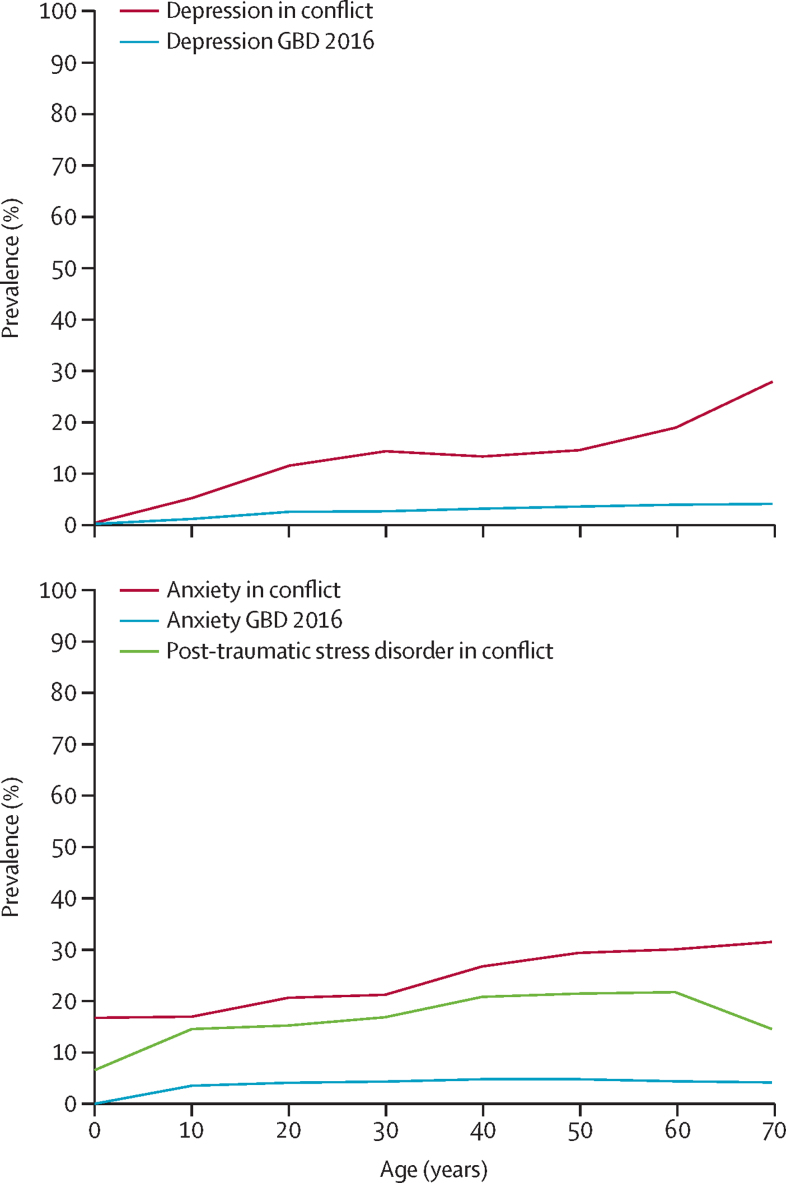
Verification
Claims the paper makes
The claims and statistics of this paper haven’t been checked yet.
Free: it reads the open-access text and checks the first 5 claims that cite a source we can check. Create a free account to check every claim.
Claims other papers make about this one
Each is checked against this paper’s own text: does it say what the citing paper says it does?
The source backs part of the claim, not all of it — or backs it for a different population, condition or comparison.
In the citing paper
“Conflict-affected populations are at elevated risk of psychological distress and a range of mental health disorders. 1”
From Guided self-help to reduce psychological distress in South Sudanese female refugees in Uganda: A cluster randomised trial (2020) · cites this paper as [1]
Experimental — accuracy not yet measuredThe source backs part of the claim, not all of it — or backs it for a different population, condition or comparison.
In the citing paper
“Recent estimates from WHO state that over 20% of refugees will experience mild or moderate mental disorders (e.g., depression, anxiety disorders, and post-traumatic stress disorder or PTSD), while about 4% may experience severe disorders, such as schizophrenia, bipolar disorder, and major depression (Charlson et al. 2019).”
From Throwing therapy at the problem mental health and humanitarian intervention in Palabek refugee settlement, northern Uganda (2023) · cites this paper as Charlson et al. 2019
Experimental — accuracy not yet measuredThe source backs part of the claim, not all of it — or backs it for a different population, condition or comparison.
In the citing paper
“with recent WHO estimates indicating that rates of common mental disorders among conflictaffected individuals may be as high as 22.1% (Charlson et al. 2019)”
From Throwing therapy at the problem mental health and humanitarian intervention in Palabek refugee settlement, northern Uganda (2023) · cites this paper as Charlson et al. 2019
Experimental — accuracy not yet measuredThe source backs part of the claim, not all of it — or backs it for a different population, condition or comparison.
In the citing paper
“A large body of literature points out that people suffering from severe mental disorders are particularly at risk of experiencing neglect, abuse, and abandonment during an emergency, as well as more likely to be severely impacted by an interruption in access to health services (Ostuzzi et al. 2017;Charlson et al. 2019).”
From Throwing therapy at the problem mental health and humanitarian intervention in Palabek refugee settlement, northern Uganda (2023) · cites this paper as Charlson et al. 2019
Experimental — accuracy not yet measuredThe source backs part of the claim, not all of it — or backs it for a different population, condition or comparison.
In the citing paper
“The first covariate identified the mean mortality rate in the previous ten years due to war and terrorism for each GBD location, considering the known association between conflict and elevated prevalence of major depressive disorder and anxiety disorders.12”
From Global, regional, and national burden of 12 mental disorders in 204 countries and territories, 1990-2019: a systematic analysis for the Global Burden of Disease Study 2019. (2022) · cites this paper as [12]
Experimental — accuracy not yet measured
8 more claims about this paper
Create a free account to see every claim other papers make about this one.
Self-check
Percentages, sums and reported differences re-computed from the paper’s own numbers.
The self-check needs the paper’s full text.
Citations
Cites
Vos, T., Abajobir, A. A., Abate, K. H., Abbafati, C., Abbas, K. M., Abd-Allah, F., Abdulkader, R. S., Abdulle, A. M., Abebo, T. A., Abera, S. F., et al. (2017) · The Lancet · doi:10.1016/s0140-6736(17)32154-2 · Cited by 13,220
Self-citationWhiteford, H. A., Degenhardt, L., Rehm, J., Baxter, A. J., Ferrari, A. J., Erskine, H. E., Charlson, F. J., Norman, R. E., Flaxman, A. D., Johns, N., et al. (2013) · The Lancet · doi:10.1016/s0140-6736(13)61611-6 · Cited by 6,006
Self-citationThe kappa statistic in reliability studies: use, interpretation, and sample size requirements
Sim, J., & Wright, C. C. (2005) · Physical Therapy · doi:10.1093/ptj/85.3.257 · Cited by 4,093
60,000 Disaster Victims Speak: Part I. An Empirical Review of the Empirical Literature, 1981–2001
Norris, F. H., Friedman, M. J., Watson, P. J., Byrne, C. M., Diaz, E., & Kaniasty, K. (2002) · Psychiatry: Interpersonal and Biological Processes · doi:10.1521/psyc.65.3.207.20173 · Cited by 3,128
Ferrari, A. J., Charlson, F. J., Norman, R. E., Patten, S. B., Freedman, G., Murray, C. J. L., Vos, T., & Whiteford, H. A. (2013) · PLoS Medicine · doi:10.1371/journal.pmed.1001547 · Cited by 3,115
Self-citationSteel, Z., Chey, T., Silove, D., Marnane, C., Bryant, R. A., & van Ommeren, M. (2009) · JAMA · doi:10.1001/jama.2009.1132 · Cited by 2,246
A Systematic Review of the Prevalence of Schizophrenia
Saha, S., Chant, D., Welham, J., & McGrath, J. (2005) · PLoS Medicine · doi:10.1371/journal.pmed.0020141 · Cited by 2,168
Charlson, F. J., Ferrari, A. J., Santomauro, D. F., Diminic, S., Stockings, E., Scott, J. G., McGrath, J. J., & Whiteford, H. A. (2018) · Schizophrenia Bulletin · doi:10.1093/schbul/sby058 · Cited by 1,647
Self-citationGlobal prevalence of anxiety disorders: a systematic review and meta-regression
Baxter, A. J., Scott, K. M., Vos, T., & Whiteford, H. A. (2013) · Psychological Medicine · doi:10.1017/s003329171200147x · Cited by 1,537
Self-citationFerrari, A. J., Somerville, A. J., Baxter, A. J., Norman, R., Patten, S. B., Vos, T., & Whiteford, H. A. (2013) · Psychological Medicine · doi:10.1017/s0033291712001511 · Cited by 1,230
Self-citation
Research works printed but not linked: 1
- Flaxman AD Vos T Murray CJL An integrative metaregression framework for descriptive epidemiology 2013 University of Washington Press Seattle, WA
Cited by
Items 701–800 of 1,003
Zhang, Z., Bao, S., Yan, D., Zhai, M., Qu, J., & Zhou, M. (2024) · Molecular Neurobiology · doi:10.1007/s12035-024-04456-2 · Cited by 6
“According to a report from the World Health Organization (WHO, https:// www. who. int/), millions of people worldwide are affected by psychiatric disorders, with the number of patients increasing every year [4].”
Fink, G., Melero‐Dominguez, M., Chembe, M., de Vernisy-Romero, D., Tembo, T., Bilima-Mulenga, T., Paul, R., Alegria, M. M., Parkerson, D., Rockers, P. C., et al. (2024) · The Lancet Psychiatry · doi:10.1016/s2215-0366(24)00256-6 · Cited by 8
Dozio, E., Feldman, M., Savelon, S. V., Bizouerne, C., Mansouri, M., Moro, M. R., & Radjack, R. (2024) · Child Care in Practice · doi:10.1080/13575279.2024.2402473 · Cited by 7
Nadkarni, A., Massazza, A., Tol, W. A., Bogdanov, S., Andersen, L. S., Moore, Q., Roberts, B., Weiss, H. A., Singh, S., Neuman, M., et al. (2025) · International Journal of Mental Health Systems · doi:10.1186/s13033-024-00656-4 · Cited by 10
Yasenok, V., Neumann, E., Raineri, A., Kopp, J., Rüegger, S., Ballouz, T., Kaufmann, M., Loboda, A., Smiianov, V. A., Baumer, A. M., et al. (2025) · International Journal of Public Health · doi:10.3389/ijph.2024.1607271 · Cited by 8
Tadesse, G., Nakie, G., Fentahun, S., Andualem, F., Tinsae, T., Kibralew, G., & Rtbey, G. (2025) · BMC Public Health · doi:10.1186/s12889-025-22232-2 · Cited by 7
“New World Health Organization (WHO) estimates indicate that 10.8% of people living in conflict-affected settings experienced depressive symptoms [10].”
InfluentialSprenkamp, K., Eckhardt, S., Zavolokina, L., & Schwabe, G. (2025) · Digital Government Research and Practice · doi:10.1145/3735140 · Cited by 10
Guiding policy and practice to address mental disorders in conflict settings
Duarte, C. S., & Greene, M. C. (2019) · The Lancet · doi:10.1016/s0140-6736(19)31141-9 · Cited by 6
Zhan, Z., Wang, X., Chen, Q., Xiao, Z., & Zhang, B. (2021) · BMJ Open · doi:10.1136/bmjopen-2020-043457 · Cited by 6
Zhang, W., Li, L., Li, J., Yu, H., Zheng, F., Yan, B., Cai, W., Chen, Y., Yin, L., Tang, D., et al. (2022) · Frontiers in Immunology · doi:10.3389/fimmu.2022.756928 · Cited by 6
Wood, M., Gerskowitch, C., Kayal, H., Ehntholt, K. A., & Blumberg, J. (2022) · International Review of Psychiatry · doi:10.1080/09540261.2022.2072191 · Cited by 8
“…of conflictaffected and refugee populations suggest elevated rates of Post-Traumatic Stress Disorder (PTSD), depression, anxiety disorders, chronic pain and other somatic complaints compared to global mean prevalence or prevalence in host populations (Charlson et al., 2019; Kirmayer et al., 2011).”
BackgroundOf Numbers and Moods: Screening for Mental Health Issues in a Rohingya Refugee Camp in Bangladesh
Christensen, L. R., & Ahsan, H. (2022) · Medical Anthropology · doi:10.1080/01459740.2022.2113396 · Cited by 6
“Although estimated rates of mental health issues in the aftermath of humanitarian crises vary depending on circumstances and research methods, a meta-analysis of surveys found rates of 15%–20% for depression and post-traumatic stress disorder in crisis-affected populations (Charlson et al. 2019).”
BackgroundTay, A. K., Mohsin, M., Foo, C. Y. S., Rees, S. J., & Silove, D. M. (2022) · Psychological Medicine · doi:10.1017/s0033291722003245 · Cited by 7
Rasheed, O. S., López‐Rodríguez, L., & Navas, M. (2022) · BMC Psychology · doi:10.1186/s40359-022-00973-8 · Cited by 10
“These results confirm the already established hypothesis that conflictaffected populations endure more significant psychological problems than people who have not been impacted by such hostilities [14, 18].”
BackgroundResultInfluentialDuffey, M. M., Patel, T., Koukaz, Y., Sepulveda, T., Barbour, K. D., Fredricks, K., & Weatherhead, J. E. (2022) · Frontiers in Tropical Diseases · doi:10.3389/fitd.2022.1095174 · Cited by 9
Robinson, M., McGlinchey, E., & Armour, C. (2023) · European Journal of Psychotraumatology · doi:10.1080/20008066.2023.2212551 · Cited by 6
“Mental health difficulties have been found to be a serious concern in post-conflict societies, with notably high prevalence rates of depression, anxiety, and posttraumatic stress disorder (PTSD) compared to global means (Charlson et al., 2019).”
BackgroundInfluentialFeatures of primary psychopathological disorders due to Coronavirus disease Covid-19
Maruta, N., Fedchenko, V. Y., Panko, T., Yavdak, I., Semikina, O., & LAPINSKA, O. (2023) · Ukrains kyi Visnyk Psykhonevrolohii · doi:10.36927/2079-0325-v31-is1-2023-9 · Cited by 8
Yamamoto, A., Tsukuda, B., Minami, S., Hayamizu, S., Naito, M., Koshikawa, Y., Funatsuki, T., Takano, C., Ogata, H., Takekita, Y., et al. (2023) · Neuropsychobiology · doi:10.1159/000531487 · Cited by 14
Elnakib, M. M., & Turner, M. (2023) · Women & Therapy · doi:10.1080/02703149.2023.2286056 · Cited by 6
“According to Charlson et al. (2019), depression and anxiety are two of the most prevalent negative experiences following natural disasters, terrorist attacks, armed conflicts, as well as collective social actions.”
BackgroundHuman Trafficking: Vulnerabilities, Human Rights Violations, and Psychological Consequences
Sidun, N. M., & Flores, Y. G. (2020) · Cambridge University Press eBooks · doi:10.1017/9781108348607.019 · Cited by 9
Mental Health Under Occupation: The Dilemmas of “Normalcy” in Palestine
Jabr, S., & Berger, E. (2021) · Springer eBooks · doi:10.1007/978-3-030-66296-7_17 · Cited by 6
Le dessin comme outil d’élaboration du traumatisme psychique dans un dispositif de soins en Afrique
Dozio, E., Caron, L., Gady, C., & Bizouerne, C. (2021) · L Autre · doi:10.3917/lautr.065.0172 · Cited by 8
Quality of diabetes care among patients with schizophrenia. A mixed-methods study
Aloudah, N. M., Almanea, H., Alotaibi, K., & Rubeaan, K. A. (2021) · Exploratory Research in Clinical and Social Pharmacy · doi:10.1016/j.rcsop.2021.100070 · Cited by 7
War-Related Mental Health Issues and Need for Yoga Intervention Studies: A Scoping Review
Anand, A., Ghani, A., Sharma, K., Kaur, G., Khosla, R., Devi, C., Podder, V., Sivapuram, M. S., Maity, K., & Kaur, H. (2021) · International Journal of Yoga · doi:10.4103/ijoy.ijoy_60_21 · Cited by 9
“1% of the conflict‐affected population is affected by depression, anxiety, PTSD, or other neurological disorders at any time point.[30] A study on stress in military volunteers found progressive deterioration in cognitive function during stressful combat‐like training (e.”
BackgroundInfluentialEthnic minority experiences of mental health services in the Netherlands: an exploratory study
Ilozumba, O., Koster, T. S., Syurina, E. V., & Ebuenyi, I. D. (2022) · BMC Research Notes · doi:10.1186/s13104-022-06159-0 · Cited by 12
The mental health of forcibly displaced couples
Mahmood, H. N., Ibrahim, H., Ismail, A. A., & Neuner, F. (2022) · Journal of Traumatic Stress · doi:10.1002/jts.22862 · Cited by 9
“For example, in a recent systematic review and meta-analysis of research in conflict-affected populations, Charlson et al. (2019) found that, although the prevalence rates of PTSD and depression were higher in women than men, the difference was only significant for depression.”
Brown, F. L., Yousef, H., Bleile, A. C. E., Mansour, H., Barrett, A., Ghatasheh, M., Puffer, E. S., Mansour, Z., Hayef, K., Kurdi, S., et al. (2024) · Cambridge Prisms Global Mental Health · doi:10.1017/gmh.2024.43 · Cited by 10
Human Rights and Reconciliation: Theoretical and Empirical Connections
Vélez, G., Twose, G. H. J., & López‐López, W. (2020) · Cambridge University Press eBooks · doi:10.1017/9781108348607.037 · Cited by 7
Social determinants of mental health
Yoon, A. S., Lee, H. J. D., & Moon, I. (2023) · Elsevier eBooks · doi:10.1016/b978-0-323-91497-0.00210-1 · Cited by 8
Rodríguez‐Landa, J. F., Scuteri, D., & Martínez-Mota, L. (2023) · Frontiers in Behavioral Neuroscience · doi:10.3389/fnbeh.2023.1153296 · Cited by 6
“According to reports by the World Health Organization, neuropsychiatric disorders, particularly anxiety and depression, are the leading cause of disability around the world (Charlson et al., 2019).”
BackgroundPersaud, A., & Ventriglio, A. (2023) · International Journal of Social Psychiatry · doi:10.1177/00207640231203529 · Cited by 6
A roadmap for healing Gaza’s battered health system
Balkhy, H. H., & Ghebreyesus, T. A. (2025) · Eastern Mediterranean Health Journal · doi:10.26719/2025.31.2.54 · Cited by 6
Gao, F., Jia, S., Yin, S., Yin, Z., Guan, W., Ding, F., Wang, X., & Wan, P. (2025) · BMC Psychiatry · doi:10.1186/s12888-025-07310-4 · Cited by 5
“These symptoms are recognized as prodromal markers of MDD, where sustained depressive states may transition individuals from health to subclinical status, ultimately progressing to full MDD diagnosis [7].”
El‐Haj‐Mohamad, R., Böttche, M., Vöhringer, M., Specht, F., Stammel, N., Nesterko, Y., Knaevelsrud, C., & Wagner, B. (2024) · Stress and Health · doi:10.1002/smi.3432 · Cited by 5
The ability of Psychosocial Care Centers specialized in Alcohol and Drugs to handle crises
Pierini, M. M., Boska, G. D. A., Claro, H. G., Luz, P. D. O., & de Oliveira, M. A. F. (2023) · Revista Latino-Americana de Enfermagem · doi:10.1590/1518-8345.6167.3849 · Cited by 5
Markey, K., Moloney, M., O’Donnell, C. A., Noonan, M., O’Donnell, C., Tuohy, T., MacFarlane, A. E., Huschke, S., Mohamed, A. H., & Doody, O. (2024) · Healthcare · doi:10.3390/healthcare12171742 · Cited by 12
“Recent World Health Organization (WHO) estimates put the prevalence of mental illness among conflict-affected populations at 22.1% (which equates to 1 in 5 people), which is much higher than previous estimates [4].”
BackgroundInfluentialSeekles, M. L., Kadima, J., Omumbu, P. O. L., Kukola, J., Kim, J., Bulambo, C. B., Mulamba, R. M., Nganda, M. M., & Dean, L. (2025) · PLOS Global Public Health · doi:10.1371/journal.pgph.0004057 · Cited by 5
“Prevalence of mental health conditions in a post-conflict setting [6], there is clearly a significant need for the development of currently lacking mental health services in the region.”
InfluentialBekeko, S. D., Mekonnen, F. A., & Teklu, R. E. (2025) · Frontiers in Psychiatry · doi:10.3389/fpsyt.2025.1544289 · Cited by 11
Younes, R. S., Moukarzel, C., Ibrahim, C. D., & Mzawak, M. A. (2025) · Social Sciences · doi:10.3390/socsci14110626 · Cited by 11
“Among conflict-affected populations, many develop posttraumatic stress disorder (PTSD), depression, and anxiety, among other psychological concerns (Aldabbour et al. 2025; Charlson et al. 2019).”
Alfayumi‐Zeadna, S., Bar, V., Neufeld‐Kroszynski, G., Reuveni, I., Maugami, V., & Bina, R. (2025) · Psychiatry Research · doi:10.1016/j.psychres.2025.116910 · Cited by 5
Duke, A. E. E., Harri, B. I., Iyamu, I. O., Obi‐Jeff, C., Dahiru, A. M. C., Ojo, T. M.-F., Musami, U. B., Said, J. M., Agyapong, V. I. O., Orji, R., et al. (2025) · Journal of Primary Care & Community Health · doi:10.1177/21501319251406840 · Cited by 6
“26 It is, however, lower than the rates often reported in protracted refugee settlements, where pooled prevalence of depression and PTSD often exceed 30%.”
Mental health of internally displaced persons: a meta-analysis
Kip, A., Nickerson, A., Specker, P., Langiu, A., Nguyen, T. M. T., Churbaji, D., & Nexhmedin Morina, B. (2026) · BMJ Global Health · doi:10.1136/bmjgh-2025-023173 · Cited by 6
“2 The considerable heterogeneity across studies limits the epidemiological interpretability of our pooled estimates at a global level.”
Salehinejad, M. A., Jouzdani, A. F., Bandeira, I. D., Bender, S., Bikson, M., Castelo-Branco, M. S., Kadosh, R. C., Costanzo, F., Croarkin, P. E., Desarkar, P., et al. (2026) · Neuroscience & Biobehavioral Reviews · doi:10.1016/j.neubiorev.2026.106808 · Cited by 8
Silove, D. M. (2022) · Torture Journal · doi:10.7146/torture.v32i1-2.131998 · Cited by 7
Kelly, J. T. D., Roth, D. N., Burl, T., Olakkengil, M., & VanRooyen, M. J. (2022) · Population and Environment · doi:10.1007/s11111-022-00412-1 · Cited by 5
“The effects of violent conflict on individuals and communities, including insecurity, stress, and psychological issues among individuals and communities have been documented (Charlson et al., 2019; Kelly, 2018; 2021; Somasundaram & Sivayokan, 2013).”
BackgroundFennig, M. (2024) · Transcultural Psychiatry · doi:10.1177/13634615231223884 · Cited by 5
“Among the most profound disruptive consequences of con fl ict and global forced displacement are mental health issues, in particular, mild and moderate forms of depression, anxiety, and post-traumatic stress disorder (Blackmore et al., 2020; Charlson et al., 2019).”
BackgroundGreene, M. C., Wimer, G., Larrea, M., Jimenez, I. M., Armijos, A., Angulo, A., Guevara, M. E., Vega, C., Heard, E., Demis, L. Y., et al. (2024) · Cambridge Prisms Global Mental Health · doi:10.1017/gmh.2024.29 · Cited by 10
Jordans, M. J. D., Koppenol‐Gonzalez, G. V., Bleile, A. C. E., Orech, B., Brian, A. J., & Verreault, K. (2024) · Journal of Clinical Child & Adolescent Psychology · doi:10.1080/15374416.2024.2344157 · Cited by 8
“The negative mental health impact of war, migration, and displacement on children and adolescents is both commonsensical and well established through research (Attanayake et al., 2009; Charlson et al., 2019).”
Yang, S., Hu, J., Chen, Y., Zhang, Z., Wang, J., & Zhu, G. (2024) · Neurobiology of Stress · doi:10.1016/j.ynstr.2024.100666 · Cited by 6
“A study published in the Lancet reported that the prevalence of PTSD was 15.3% in people living in conflict area settings (Charlson et al., 2019).”
InfluentialHendriks, T., Hassankhan, A., de Jong, J. T. V. M., & van Woerkom, M. (2024) · Mental Health & Prevention · doi:10.1016/j.mhp.2024.200366 · Cited by 6
Ndlovu, J. N., Ouizzane, S., Leku, M. R., Kalani, K., Sentongo, H., Nyangwen, B., Upadhaya, N., Skovdal, M., Augustinavicius, J., & Tol, W. A. (2024) · Implementation Research and Practice · doi:10.1177/26334895241288574 · Cited by 9
Seff, I., Roa, A. H., Atwebembere, R., Cottle, J., Meerdink, N., Monar, A., Castellar, D., & Stark, L. (2024) · SSM - Mental Health · doi:10.1016/j.ssmmh.2024.100383 · Cited by 8
Zheng, X., Xu, Z.-W., Zhao, J.-J., Hao, S., Xu, F.-Q., Ding, S., Liu, G.-Q., Yang, S.-F., Otsen, B., Zhu, W., et al. (2025) · BMC Geriatrics · doi:10.1186/s12877-024-05653-3 · Cited by 5
Tareke, M., Yirdaw, B. A., Mossie, T. B., Worku, A. G., Gelaye, B., & Azale, T. (2025) · International Journal of Social Psychiatry · doi:10.1177/00207640251323350 · Cited by 6
“%) people in war or conflict-affected areas will have depression, PTSD, anxiety, bipolar disorder, or schizophrenia (Charlson et al., 2019).”
Hanetz‐Gamliel, K., & Dollberg, D. G. (2025) · Stress and Health · doi:10.1002/smi.70025 · Cited by 6
Implementation of evidence-based psychotherapies for posttraumatic stress disorder in Azerbaijan
Ismayilova, J., Sloan, D. M., Marx, B. P., Chard, K. M., Ismayilov, F., Muradova, G., Sultanova, A., Mammadli, N., Guliyeva, G., & Ruzek, J. I. (2025) · European Journal of Psychotraumatology · doi:10.1080/20008066.2025.2484063 · Cited by 5
Elias, J., Meksassi, B., Brown, F. L., Masri, R. E., Ali, R., Chaar, S., Roberts, B., McKee, M., Asmar, M. K., Chammay, R. E., et al. (2025) · PLOS mental health. · doi:10.1371/journal.pmen.0000305 · Cited by 7
“The burden is even higher among crisis-affected populations, and that while treatments exist [9–11], the treatment gaps remains extremely higher (>80”
Liwayiding, A., Maimaiti, A., Pan, L., Huang, M., Yang, W., & Abudusalamu, R. (2025) · European journal of medical research · doi:10.1186/s40001-025-02752-8 · Cited by 5
“Approximately 22.1% of the global population is affected by psychiatric disorders, while autoimmune diseases show an increasing incidence and prevalence rate of 19.1 and 12.5% annually, respectively [2, 3].”
InfluentialMapping the brain: AI-driven radiomic approaches to mental disorders
Moumgiakmas, S. S., Vrochidou, Ε., & Papakostas, G. A. (2025) · Artificial Intelligence in Medicine · doi:10.1016/j.artmed.2025.103219 · Cited by 8
Wuermli, A. J., Hiott, C., Ugarte, E., Rahman, M. S., Elahi, M., Rahim, A., Dutta, G. K., Ahamed, M. S., Roy, B. R., Akhter, R. M., et al. (2025) · BMJ Open · doi:10.1136/bmjopen-2025-099052 · Cited by 7
Llosa, A. E., Martínez‐Viciana, C., Carreño, C., Evangelidou, S., Casas, G., Marquer, C., Moro, M. R., Falissard, B., & Grais, R. F. (2020) · International Journal of Methods in Psychiatric Research · doi:10.1002/mpr.1850 · Cited by 5
Quattrochi, J. P., Bisimwa, G. B., van der Windt, P. C., & Voors, M. J. (2022) · PNAS Nexus · doi:10.1093/pnasnexus/pgac101 · Cited by 13
“We also asked about levels of trust in (1) family members, (2) another family in the village, and (3) an IDP family in the village to go to the market on behalf of the respondent.”
BackgroundIm, H., George, N., & Swan, L. E. T. (2022) · Global Public Health · doi:10.1080/17441692.2022.2106378 · Cited by 9
“As well documented in previous research on the different patterns in predictors for PTSD versus depression (e.g. Cnossen et al., 2017; Farhood et al., 2016), for example, gender was one of the significant predictors for depression but not for PTSD in our study sample.”
ResultBouchard, J., Stiegler, N., Padmanabhanunni, A., & Pretorius, T. B. (2022) · Annales Médico-psychologiques revue psychiatrique · doi:10.1016/j.amp.2022.04.005 · Cited by 6
Forsberg, J. T., Dolan, C. T., & Schultz, J.-H. (2023) · Intervention · doi:10.4103/intv.intv_17_22 · Cited by 5
Araújo, E. D. O. M., Gavioli, E. C., Holanda, V. A. D., da Silva, V. C., Messias, T. B. O. N., Dutra, L. M. G., de Oliveira, M. C., Queiroga, R. D. C. R. D. E., Guerra, G. C. B., & Soares, J. K. B. (2023) · Behavioural Brain Research · doi:10.1016/j.bbr.2023.114477 · Cited by 5
Piskunowicz, M., Kołodziej, K., Altukhova, V., Wojtasik, J., Jaremko, T., & Borkowska, A. (2023) · Applied Psychology Health and Well-Being · doi:10.1111/aphw.12487 · Cited by 6
Martínez‐Torre, S., Sordo, L., Glaría, C. C., Llosa, A. E., Umar, R. D., Usman, J., & Benito, M. J. S. (2023) · EClinicalMedicine · doi:10.1016/j.eclinm.2023.102362 · Cited by 7
Qian, X., Zhang, Y., & Tan, H.-J. (2023) · Journal of Pharmacology and Pharmacotherapeutics · doi:10.1177/0976500x231224528 · Cited by 8
Tadesse, G., Gashaw, F., Amare, T., Fentahun, S., & Yitayih, S. (2024) · BJPsych Open · doi:10.1192/bjo.2024.71 · Cited by 5
Amodu, O. C., Janes, C. R., & Pangan, K. T. L. (2024) · Cambridge Prisms Global Mental Health · doi:10.1017/gmh.2024.110 · Cited by 5
“In 2017, the estimated prevalence rate of mental disorders in conflict-affected low-and middle-income settings was one in five people (Charlson et al., 2019).”
Martín-Dorta, W.-J., González, C. M. M., Díaz-Hernández, E. L., Brito-Brito, P. R., Fernández‐Gutiérrez, D. Á., Colichón, O.-M. R. D., Martín-García, A.-I., Pavés-Lorenzo, E., Rodríguez-Santos, M. C., García-Cabrera, J. F., et al. (2025) · Nursing Reports · doi:10.3390/nursrep15010027 · Cited by 6
“Women and children are among the most vulnerable demographic groups for mental health problems in conflict contexts [64,65], being at high risk of developing a range of disorders, including post-traumatic stress disorder (PTSD), anxiety, distress, depressive symptoms, and disturbed sleep [66,67].”
Peace in Colombia requires healing the scars of conflict on the mind and brain
Cardona, J. F., Trujillo, C., Miller, J., & Ibáñez, A. M. (2025) · Nature Medicine · doi:10.1038/s41591-025-03857-7 · Cited by 7
Social unrest and its impact on mental health
Gupta, N., & Bhargava, R. (2020) · Indian Journal of Social Psychiatry · doi:10.4103/ijsp.ijsp_27_20 · Cited by 19
“[10] On the other hand, the mental health impact of other traumatic events such as disasters, terrorist attacks, and armed conflicts has been much better documented.[11] A recent systematic review of mental disorders in conflict settings till 2018 found 52 studies from 20 countries and reported adverse mental health o…”
BackgroundPoverty and the Human Rights of Children and Youth through the Lenses of Psychology and Sociology
Gilles, J. K.-J., Pells, K., Morrow, V., & Ruck, M. D. (2020) · Cambridge University Press eBooks · doi:10.1017/9781108348607.007 · Cited by 5
Mitigating the global health threat of violent conflict: a preventive framework
Shapiro, D. L., & Hua, C. (2020) · BMJ Nutrition Prevention & Health · doi:10.1136/bmjnph-2020-000114 · Cited by 5
Wu, Z., Wang, G., Zhou, L., Sun, L., Xie, Y., & Xiao, L. (2021) · Neuroreport · doi:10.1097/wnr.0000000000001638 · Cited by 5
Hoseinzadeh, F., Miri, S., Foroughameri, G., Farokhzadian, J., & Shahrbabaki, M. E. (2022) · Social Work in Mental Health · doi:10.1080/15332985.2021.2024480 · Cited by 5
“According to a metaanalysis by the world health organization, the prevalence of mental disorders was 22.1% in emergency settings (Charlson et al., 2019).”
BackgroundInfluentialMassazza, A., Fuhr, D. C., Bogdanov, S., Tol, W. A., Roberts, B., Nadkarni, A., Akudrabo, G., Andersen, L. S., Dumchev, K. V., Karachevskyy, A., et al. (2021) · International Journal of Qualitative Methods · doi:10.1177/16094069211063031 · Cited by 5
“Populations affected by armed conflict are at higher risk for mental health problems (Charlson et al., 2019), and preliminary evidence indicates that this might be the case for alcohol use problems as well (Lo et al., 2017).”
BackgroundPraktische Aspekte der Ketaminbehandlung – Sicherheit, Kombinationstherapien und Komorbiditäten
Findeis, H., Ludwig, V. M., Mikoláš, P., Graff, J., Bauer, M., & Ritter, P. S. (2022) · Der Nervenarzt · doi:10.1007/s00115-021-01260-4 · Cited by 5
Kagabo, D. M., Bangirana, P., Burnside, G., Chiumento, A., Duarte, R. V., Gishoma, D., Girvan, M., Jansen, A., Jansen, S., Kasujja, R., et al. (2023) · European Journal of Psychotraumatology · doi:10.1080/20008066.2022.2151281 · Cited by 6
“An estimated one in five conflict-affected people (including internally displaced people and refugees) experience a mental disorder, which is about double that of non-affected populations (Charlson et al., 2019).”
BackgroundSensory modulation and trauma-related symptoms during rocket attacks
Charny, S., Cao, G., Gafter, L., Bar‐Shalita, T., & Lahav, Y. (2023) · European Journal of Psychotraumatology · doi:10.1080/20008066.2023.2213110 · Cited by 7
Sleep disorders and quality of life of medical students during martial law
Огоренко, В., & Shornikov, A. (2023) · Psychosomatic Medicine and General Practice · doi:10.26766/pmgp.v8i2.439 · Cited by 8
Hao, J., Tiles-Sar, N., Habtewold, T. D., Liemburg, E. J., Genetic Risk Outcome of Psychosis (GROUP) Investigators, de Haan, L., Schirmbeck, F. N., Simons, C. J. P., van Amelsvoort, T., Veling, W., et al. (2024) · Social Psychiatry and Psychiatric Epidemiology · doi:10.1007/s00127-024-02630-4 · Cited by 7
Sharma, V., & Kaur, S. (2020) · The Open Microbiology Journal · doi:10.2174/1874285802014010018 · Cited by 7
Wellbeing and mental health during the COVID-19 outbreak
Eaton, J. (2020) · Community Eye Health Journal · doi:10.56920/cehj.121 · Cited by 5
Baradaran, H., Gorgzadeh, N., Seraj, H., Asadi, A., Shamshirian, D., & Rezapour, M. (2020) · Open Access Macedonian Journal of Medical Sciences · doi:10.3889/oamjms.2020.5010 · Cited by 5
Dudgeon, P., Carey, T. A., Hammond, S., Hirvonen, T., Kyrios, M., Roufeil, L., & Smith, P. (2020) · Cambridge University Press eBooks · doi:10.1017/9781108348607.038 · Cited by 6
Monthly prevalence of generalized anxiety disorder during the COVID-19 pandemic in MexicoPreprint
Gaitán‐Rossi, P., Hernández, V. H. P., Vilar‐Compte, M., & Teruel, G. (2020) · PsyArXiv (OSF Preprints) · doi:10.31234/osf.io/t9n7k · Cited by 5
Ronzani, P., Stojetz, W., Stammel, N., Boettche, M., Zardetto, D., Fenzl, S., Salhab, M., Anderson, J. M., Finn, A., Aghajanian, A., et al. (2024) · medRxiv · doi:10.1101/2024.02.23.24303259 · Cited by 8
“14 Third, while there is growing awareness that conditions of scarcity and adversity can strongly affect decision-making and socio-economic outcomes via psychological channels including depression, 3 existing behavioral research has focused on poor populations in non-conflict settings.”
BackgroundDisability in Humanitarian and Conflict Settings
Shah, M. H., Wayn, D. K., & Ali, N. (2025) · Springer eBooks · doi:10.1007/978-3-031-40858-8_460-1 · Cited by 7
Social stress and affiliative touch: A tale of two affective states
Papantoniou, L. P., Vityk, O., & Tzanoulinou, S. (2026) · iScience · doi:10.1016/j.isci.2026.114833 · Cited by 4
“23 126–128 Biological age is another important factor at play and accumulating evidence indicates childhood and adolescence as developmental periods with higher probability of developing PTSD in the face of social adversities.”
Some trends of social and psychological maladaptation of medical university students in wartime
Пшук, Н. Г., Belov, O. O., Stukan, L., Ilnytskyi, G. O., Novytskyi, A. V., & Дроненко, В. Г. (2023) · Reports of Vinnytsia National Medical University · doi:10.31393/reports-vnmedical-2023-27(3)-14 · Cited by 5
“(2022) [3]), які обґрунтовують необхідність поглибленого вивчення особливостей дезадаптивних проявів в умовах воєнного часу, розробку адресних корекційних та профілактичних заходів з метою збереження психологічного здоров'я, а також соціально-психологічної адаптації українців, які зазнали впливу стресу війни.”
The impact of the Khartoum war on dental education
Hashim, N. T., Padmanabhan, V., Elsheikh, M., Gismalla, B. G., & Rehman, M. M. (2024) · Pan African Medical Journal · doi:10.11604/pamj.2024.48.119.44219 · Cited by 4
“The pressure of adapting to changes in their educational environment, concerns for personal safety, and worries about the future can contribute to their psychological distress [18,19].”
Melese, M., Maru, L., & Esubalew, D. (2024) · Frontiers in Psychiatry · doi:10.3389/fpsyt.2024.1359382 · Cited by 6
Liu, S., Hu, X., Jiang, M., Huang, N., Liang, H., Zheng, R., Wang, S., Qin, J., Zhang, Z., Huang, T., et al. (2024) · npj Cardiovascular Health · doi:10.1038/s44325-024-00023-9 · Cited by 9
Almeida-Souza, T. H., Silva, R. S., Franco, H. S., Santos, L. M., Melo, J. E. C., Silva, A. M. D. O. E., Menezes, E. D. C., dos Santos, J. R., Teixeira-Silva, F., Goes, T. C., et al. (2024) · Behavioural Brain Research · doi:10.1016/j.bbr.2024.115298 · Cited by 4
Landscape of intrinsically disordered proteins in mental disorder diseases
Zhang, X., Song, X., Hu, G., Yang, Y., Liu, R., Zhou, N., Basu, S., Qiao, D., & Hou, Q. (2024) · Computational and Structural Biotechnology Journal · doi:10.1016/j.csbj.2024.10.043 · Cited by 5
Naharro, E. M. G., Fernández‐Sáez, J., Sillero, A. S., Tolo, P., & Ponce‐Blandón, J. A. (2025) · Healthcare · doi:10.3390/healthcare13030236 · Cited by 4
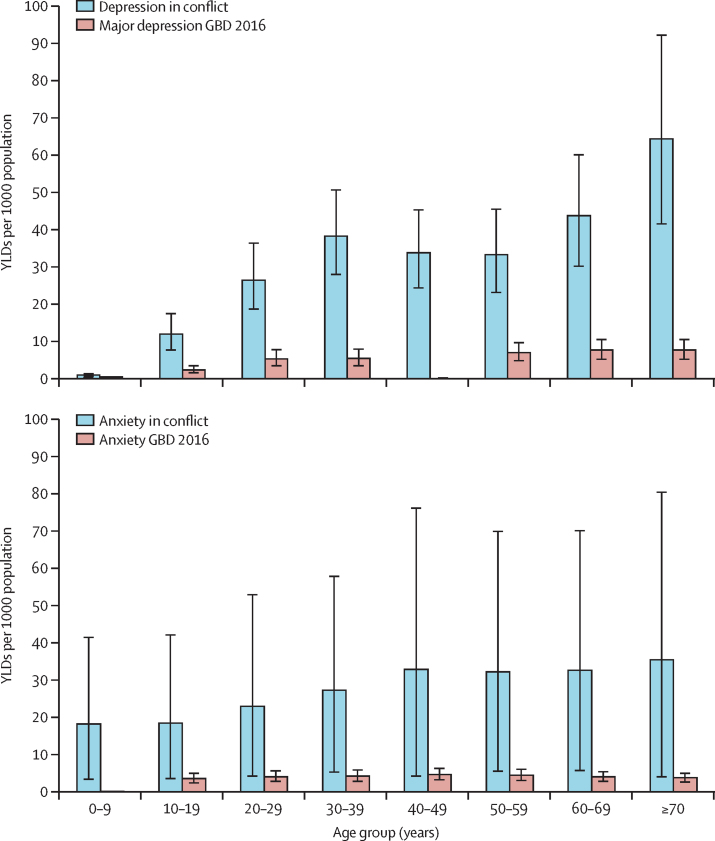
“This observation aligns with findings by Charlson et al. [23], who reported a peak prevalence of anxiety disorders in this demographic.”
Metadata
- Authors
- Charlson, F., van Ommeren, M., Flaxman, A., Cornett, J., Whiteford, H., & Saxena, S.
- Affiliations
- The University of Queensland (AU)
- University of Washington (US)
- Queensland Centre for Mental Health Research (AU)
- Harvard University (US)
- Venue
- The Lancet
- Publisher
- Elsevier BV
- Published
- 2019-07
- Volume
- 394
- Issue
- 10194
- Pages
- 240-248
- ISSN
- 0099-5355 (ISSN-L)
- 0140-6736
- PMC
- PMC6657025
- OpenAlex
- W2950709739
- Cited by
- 1,702
- References
- 32
- Citations by year
- 2026: 282 · 2025: 284 · 2024: 273 · 2023: 276 · 2022: 240 · 2021: 173 · 2020: 152 · 2019: 21
- FWCI
- 22.62
- Type
- journal article
- Language
- en
- Open access
- hybrid
- doi.org
- Licence
- cc-by
- www.elsevier.com/tdm/userlicense/1.0/ (tdm)
- creativecommons.org/licenses/by/4.0/ (vor)
- Locations
- The Lancet (publishedVersion, cc-by)
- Europe PMC (PubMed Central) (publishedVersion, cc-by)
- PubMed Central (publishedVersion, cc-by)
- PubMed (publishedVersion)
- Funders
- World Health Organization
- Queen Mary University of London
- United Nations High Commissioner for Refugees
- Topics
- Health Sciences › Medicine › Psychiatry and Mental health › Mental Health Treatment and Access
- Health Sciences › Health Professions › General Health Professions › Health and Conflict Studies
- Social Sciences › Psychology › Clinical Psychology › Migration, Health and Trauma
- Keywords
- mental illness, conflict-affected populations, war and mental health, depression, anxiety disorders, post-traumatic stress disorder, bipolar disorder, schizophrenia, psychosis, point prevalence, global prevalence estimates, Bayesian meta-regression, comorbidities, disease burden, armed conflict, internally displaced persons
- MeSH terms
- Anxiety Disorders, Mental Disorders, Bipolar Disorder, Depression, Humans, Schizophrenia, Stress Disorders, Post-Traumatic, Warfare, World Health Organization, Prevalence
About these checks
Registry, retraction, Cites and statistics results are computed, not judged, with one exception: a printed reference that no index lists is read once by a model before it counts as a citation error. Claims are extracted by a model and kept only when their quote appears verbatim in the text; each cited source is then checked, with a model’s help, for whether it says what the claim relies on. Those verdicts can be wrong — read the claim’s quote and the cited source before relying on one.
Statistics and arithmetic are recomputed, not judged.
Confidence bands are shown only for fields calibrated on our annotated test set. None is calibrated yet, so no band is shown.
What counts as a claim ›How we measure confidence ›How we check this ›
Are you an author, or do you see a problem with this page? Request a review
Data sources
Bibliographic data: Semantic Scholar, OpenAlex, Crossref.
Contains information from the Semantic Scholar Academic Graph Datasets, made available under the ODC Attribution License (ODC-BY 1.0).
Semantic Scholar’s data is described in: Kinney, R., et al. (2023). The Semantic Scholar Open Data Platform. arXiv:2301.10140.
