

New WHO prevalence estimates of mental disorders in conflict settings: a systematic review and meta-analysis
Open accessThe DOI matches its Crossref record; 31 of the 32 references it cites were found in a registry or an index.
Abstract
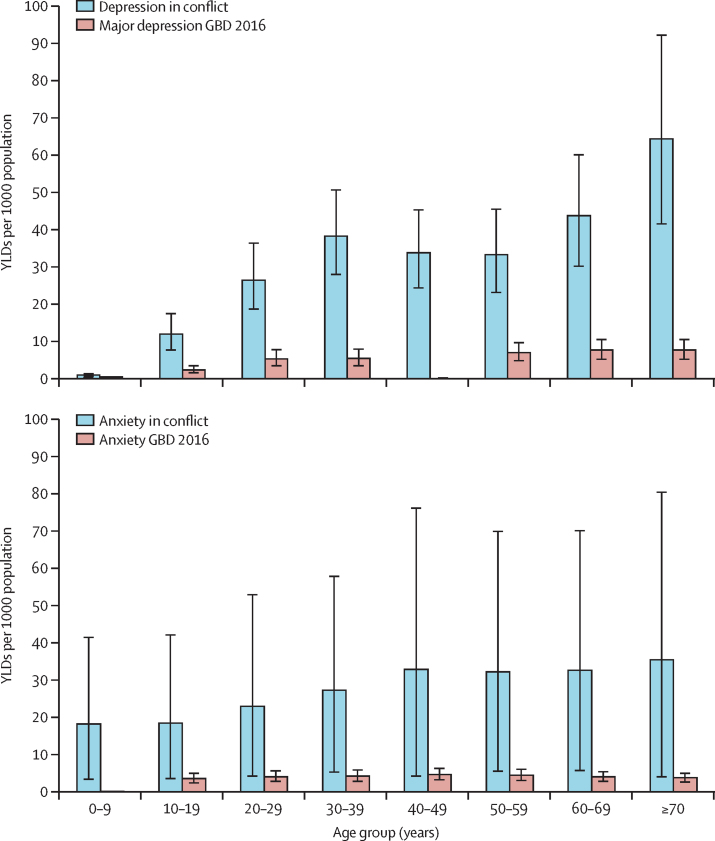
BACKGROUND: Existing WHO estimates of the prevalence of mental disorders in emergency settings are more than a decade old and do not reflect modern methods to gather existing data and derive estimates. We sought to update WHO estimates for the prevalence of mental disorders in conflict-affected settings and calculate the burden per 1000 population. METHODS: In this systematic review and meta-analysis, we updated a previous systematic review by searching MEDLINE (PubMed), PsycINFO, and Embase for studies published between Jan 1, 2000, and Aug 9, 2017, on the prevalence of depression, anxiety disorder, post-traumatic stress disorder, bipolar disorder, and schizophrenia. We also searched the grey literature, such as government reports, conference proceedings, and dissertations, to source additional data, and we searched datasets from existing literature reviews of the global prevalence of depression and anxiety and reference lists from the studies that were identified. We applied the Guidelines for Accurate and Transparent Health Estimates Reporting and used Bayesian meta-regression techniques that adjust for predictors of mental disorders to calculate new point prevalence estimates with 95% uncertainty intervals (UIs) in settings that had experienced conflict less than 10 years previously. FINDINGS: We estimated that the prevalence of mental disorders (depression, anxiety, post-traumatic stress disorder, bipolar disorder, and schizophrenia) was 22·1% (95% UI 18·8-25·7) at any point in time in the conflict-affected populations assessed. The mean comorbidity-adjusted, age-standardised point prevalence was 13·0% (95% UI 10·3-16·2) for mild forms of depression, anxiety, and post-traumatic stress disorder and 4·0% (95% UI 2·9-5·5) for moderate forms. The mean comorbidity-adjusted, age-standardised point prevalence for severe disorders (schizophrenia, bipolar disorder, severe depression, severe anxiety, and severe post-traumatic stress disorder) was 5·1% (95% UI 4·0-6·5). As only two studies provided epidemiological data for psychosis in conflict-affected populations, existing Global Burden of Disease Study estimates for schizophrenia and bipolar disorder were applied in these estimates for conflict-affected populations. INTERPRETATION: The burden of mental disorders is high in conflict-affected populations. Given the large numbers of people in need and the humanitarian imperative to reduce suffering, there is an urgent need to implement scalable mental health interventions to address this burden. FUNDING: WHO; Queensland Department of Health, Australia; and Bill & Melinda Gates Foundation.
Overview
The claims and statistics of this paper haven’t been checked yet.
Free: it reads the open-access text and checks the first 5 claims that cite a source we can check. Create a free account to check every claim.
Integrity signals
Registry
Cites
Statistics
Figures
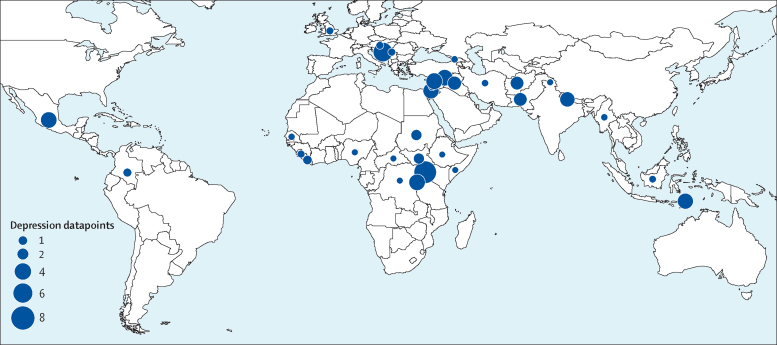
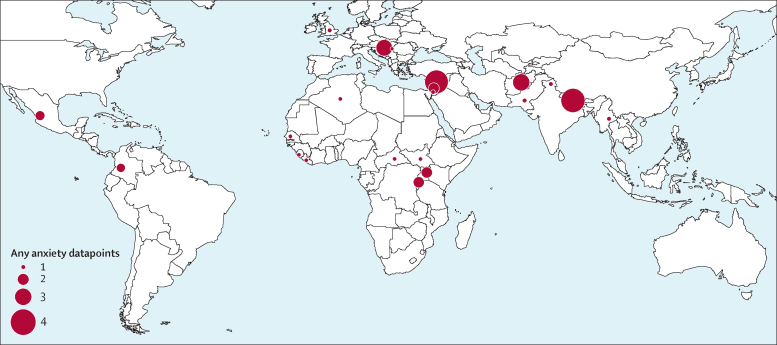
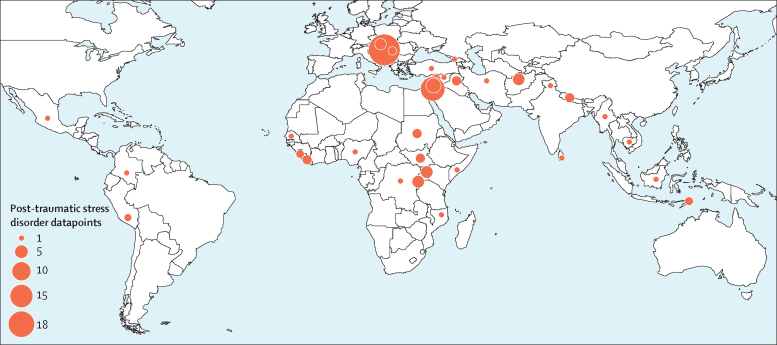
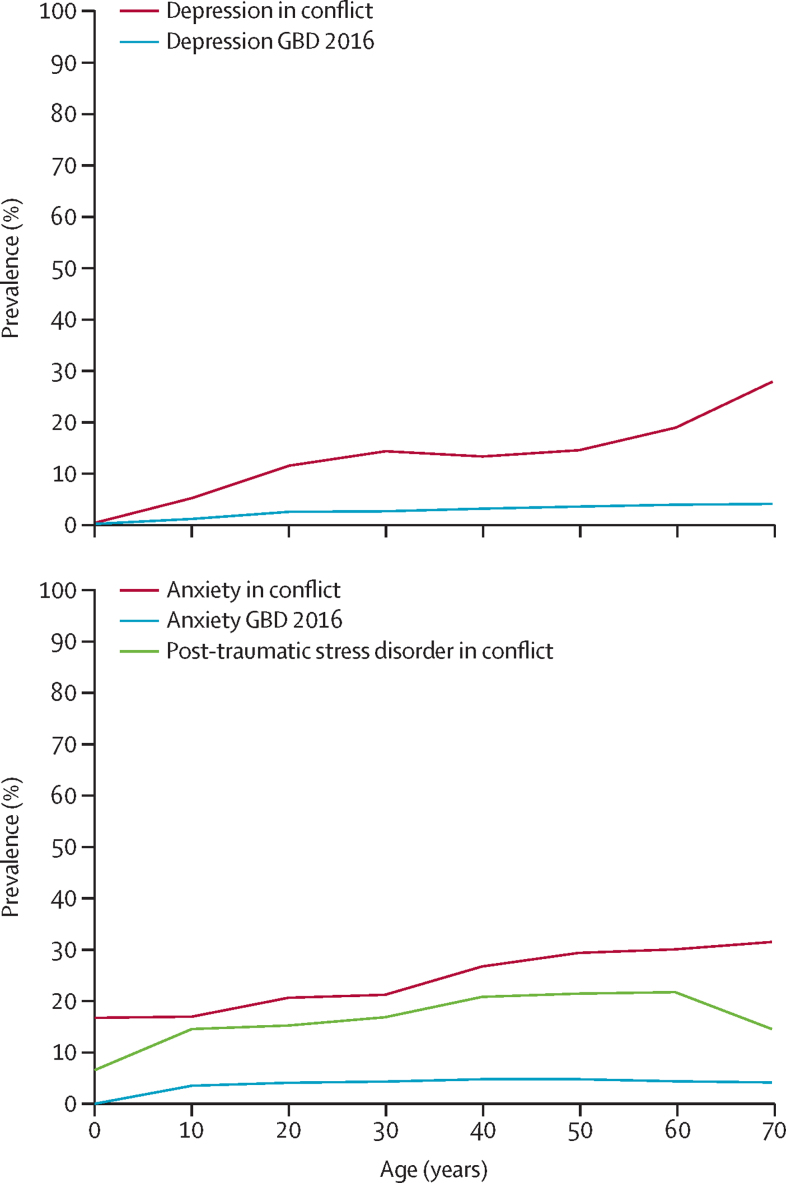
Verification
Claims the paper makes
The claims and statistics of this paper haven’t been checked yet.
Free: it reads the open-access text and checks the first 5 claims that cite a source we can check. Create a free account to check every claim.
Claims other papers make about this one
Each is checked against this paper’s own text: does it say what the citing paper says it does?
The source backs part of the claim, not all of it — or backs it for a different population, condition or comparison.
In the citing paper
“Conflict-affected populations are at elevated risk of psychological distress and a range of mental health disorders. 1”
From Guided self-help to reduce psychological distress in South Sudanese female refugees in Uganda: A cluster randomised trial (2020) · cites this paper as [1]
Experimental — accuracy not yet measuredThe source backs part of the claim, not all of it — or backs it for a different population, condition or comparison.
In the citing paper
“Recent estimates from WHO state that over 20% of refugees will experience mild or moderate mental disorders (e.g., depression, anxiety disorders, and post-traumatic stress disorder or PTSD), while about 4% may experience severe disorders, such as schizophrenia, bipolar disorder, and major depression (Charlson et al. 2019).”
From Throwing therapy at the problem mental health and humanitarian intervention in Palabek refugee settlement, northern Uganda (2023) · cites this paper as Charlson et al. 2019
Experimental — accuracy not yet measuredThe source backs part of the claim, not all of it — or backs it for a different population, condition or comparison.
In the citing paper
“with recent WHO estimates indicating that rates of common mental disorders among conflictaffected individuals may be as high as 22.1% (Charlson et al. 2019)”
From Throwing therapy at the problem mental health and humanitarian intervention in Palabek refugee settlement, northern Uganda (2023) · cites this paper as Charlson et al. 2019
Experimental — accuracy not yet measuredThe source backs part of the claim, not all of it — or backs it for a different population, condition or comparison.
In the citing paper
“A large body of literature points out that people suffering from severe mental disorders are particularly at risk of experiencing neglect, abuse, and abandonment during an emergency, as well as more likely to be severely impacted by an interruption in access to health services (Ostuzzi et al. 2017;Charlson et al. 2019).”
From Throwing therapy at the problem mental health and humanitarian intervention in Palabek refugee settlement, northern Uganda (2023) · cites this paper as Charlson et al. 2019
Experimental — accuracy not yet measuredThe source backs part of the claim, not all of it — or backs it for a different population, condition or comparison.
In the citing paper
“The first covariate identified the mean mortality rate in the previous ten years due to war and terrorism for each GBD location, considering the known association between conflict and elevated prevalence of major depressive disorder and anxiety disorders.12”
From Global, regional, and national burden of 12 mental disorders in 204 countries and territories, 1990-2019: a systematic analysis for the Global Burden of Disease Study 2019. (2022) · cites this paper as [12]
Experimental — accuracy not yet measured
8 more claims about this paper
Create a free account to see every claim other papers make about this one.
Self-check
Percentages, sums and reported differences re-computed from the paper’s own numbers.
The self-check needs the paper’s full text.
Citations
Cites
Vos, T., Abajobir, A. A., Abate, K. H., Abbafati, C., Abbas, K. M., Abd-Allah, F., Abdulkader, R. S., Abdulle, A. M., Abebo, T. A., Abera, S. F., et al. (2017) · The Lancet · doi:10.1016/s0140-6736(17)32154-2 · Cited by 13,220
Self-citationWhiteford, H. A., Degenhardt, L., Rehm, J., Baxter, A. J., Ferrari, A. J., Erskine, H. E., Charlson, F. J., Norman, R. E., Flaxman, A. D., Johns, N., et al. (2013) · The Lancet · doi:10.1016/s0140-6736(13)61611-6 · Cited by 6,006
Self-citationThe kappa statistic in reliability studies: use, interpretation, and sample size requirements
Sim, J., & Wright, C. C. (2005) · Physical Therapy · doi:10.1093/ptj/85.3.257 · Cited by 4,093
60,000 Disaster Victims Speak: Part I. An Empirical Review of the Empirical Literature, 1981–2001
Norris, F. H., Friedman, M. J., Watson, P. J., Byrne, C. M., Diaz, E., & Kaniasty, K. (2002) · Psychiatry: Interpersonal and Biological Processes · doi:10.1521/psyc.65.3.207.20173 · Cited by 3,128
Ferrari, A. J., Charlson, F. J., Norman, R. E., Patten, S. B., Freedman, G., Murray, C. J. L., Vos, T., & Whiteford, H. A. (2013) · PLoS Medicine · doi:10.1371/journal.pmed.1001547 · Cited by 3,115
Self-citationSteel, Z., Chey, T., Silove, D., Marnane, C., Bryant, R. A., & van Ommeren, M. (2009) · JAMA · doi:10.1001/jama.2009.1132 · Cited by 2,246
A Systematic Review of the Prevalence of Schizophrenia
Saha, S., Chant, D., Welham, J., & McGrath, J. (2005) · PLoS Medicine · doi:10.1371/journal.pmed.0020141 · Cited by 2,168
Charlson, F. J., Ferrari, A. J., Santomauro, D. F., Diminic, S., Stockings, E., Scott, J. G., McGrath, J. J., & Whiteford, H. A. (2018) · Schizophrenia Bulletin · doi:10.1093/schbul/sby058 · Cited by 1,647
Self-citationGlobal prevalence of anxiety disorders: a systematic review and meta-regression
Baxter, A. J., Scott, K. M., Vos, T., & Whiteford, H. A. (2013) · Psychological Medicine · doi:10.1017/s003329171200147x · Cited by 1,537
Self-citationFerrari, A. J., Somerville, A. J., Baxter, A. J., Norman, R., Patten, S. B., Vos, T., & Whiteford, H. A. (2013) · Psychological Medicine · doi:10.1017/s0033291712001511 · Cited by 1,230
Self-citation
Research works printed but not linked: 1
- Flaxman AD Vos T Murray CJL An integrative metaregression framework for descriptive epidemiology 2013 University of Washington Press Seattle, WA
Cited by
Items 501–600 of 1,003
Fan, H., Li, J., Dou, Y., Yan, Y., Wang, M., Yang, X. Q., & Ma, X. (2024) · Translational Psychiatry · doi:10.1038/s41398-024-03196-0 · Cited by 14
Hussein, M. F., Saleeb, M., Tolba, B., Mohamed, Y. Y., Gebreal, A., Mohamed, A., Al-Qahtani, F. S., Yasin, F. M. O., Alawed, O. A., & Ghazy, R. M. (2025) · BMC Psychology · doi:10.1186/s40359-025-02542-1 · Cited by 19
“[ 31, 32].”
Prina, E., Bano, B., Singh, R. K., Albanese, E., Trujillo, D., Sanguineti, M. C. D., Sorsdahl, K. R., Luitel, N. P., Garman, E. C., Purgato, M., et al. (2025) · BMJ Mental Health · doi:10.1136/bmjment-2025-301573 · Cited by 12
Vivalya, B. M. N., Kitoko, G. M. B., Nzanzu, A. K., Vagheni, M. M., Masuka, R. K., Mugizi, W., & Ashaba, S. (2020) · Psychiatry Journal · doi:10.1155/2020/9190214 · Cited by 11
“[2] who found an early onset among mental patients, especially female participants with history of traumatic event.”
BackgroundMental health in the Pacific: Urgency and opportunity
Ali, S., Williams, O. D., Chang, O., Shidhaye, R. R., Hunter, E. M., & Charlson, F. (2020) · Asia Pacific Viewpoint · doi:10.1111/apv.12286 · Cited by 15
Self-citationKoster, S. M., Koot, H. M., Malik, J. A., & Sijbrandij, M. (2022) · Journal of Traumatic Stress · doi:10.1002/jts.22772 · Cited by 15
Circadian Influences on the Habenula and Their Potential Contribution to Neuropsychiatric Disorders
Young, C. J., Lyons, D. J., & Piggins, H. D. (2022) · Frontiers in Behavioral Neuroscience · doi:10.3389/fnbeh.2021.815700 · Cited by 14
“This mental illness is the leading cause of disability globally (Charlson et al., 2019) and affects over 264 million people (GBD 2017 Disease Injury Incidence Prevalence Collaborators, 2018).”
BackgroundKaphzan, H., Noiman, M. S., & Negev, M. (2022) · Frontiers in Psychiatry · doi:10.3389/fpsyt.2022.829965 · Cited by 16
Sabey, C. (2022) · Health Policy and Planning · doi:10.1093/heapol/czac074 · Cited by 14
Exposure to socio-political unrest and wellbeing of older people in Hong Kong
Lai, D. W. L., Liu, E. H. S., Yan, E., Wong, G. H. Y., Li, J. J., & Lee, V. W. P. (2022) · BMC Geriatrics · doi:10.1186/s12877-022-03433-5 · Cited by 12
“Higher prevalence of depression and anxiety is also reported among older people affected by political conflict compared with their younger counterparts [8].”
BackgroundLobanov‐Rostovsky, S., & Kiss, L. (2022) · Cambridge Prisms Global Mental Health · doi:10.1017/gmh.2022.55 · Cited by 17
“Global prevalence of mental health disorders in these settings is estimated at 22.1% (Charlson et al., 2019).”
BackgroundInfluentialWoodward, A., de Graaff, A. M., Dieleman, M. A., Roberts, B., Fuhr, D. C., Broerse, J. E. W., Sijbrandij, M., Cuijpers, P. J., Ventevogel, P., Gerretsen, B., et al. (2022) · SSM - Mental Health · doi:10.1016/j.ssmmh.2022.100171 · Cited by 16
Corrao, G., Compagnoni, M. M., Barbato, A., D’Avanzo, B., Fiandra, T. D., Ferrara, L., Gaddini, A., Saponaro, A., Scondotto, S., Tozzi, V. D., et al. (2022) · Frontiers in Psychiatry · doi:10.3389/fpsyt.2022.1014193 · Cited by 11
Eye movement desensitization reprocessing as a treatment for PTSD in conflict-affected areas.
Wippich, A., Howatson, G., Allen, G., Farrell, D. P., Kiernan, M. D., & Scott, A. (2024) · Psychological Trauma Theory Research Practice and Policy · doi:10.1037/tra0001430 · Cited by 13
Ahmadi, S. J., Jobson, L., Musavi, Z., Rezwani, S. R., Amini, F. A., Earnest, A., Samim, N., Sarwary, S. A. A., Sarwary, S. A., & McAvoy, D. (2023) · JAMA Network Open · doi:10.1001/jamanetworkopen.2023.6086 · Cited by 14
Szyszkowska, J., & Bala, A. (2023) · International Journal of Psychophysiology · doi:10.1016/j.ijpsycho.2023.05.351 · Cited by 17
Gutiérrez, G., Meartsi, D., Nikjoo, N., Sajid, S., Moghimi, E., & Alavi, N. (2023) · International Journal of Mental Health and Addiction · doi:10.1007/s11469-023-01132-9 · Cited by 11
Davies, T., Daniels, I., Roelofse, M., Dean, C., Parker, J. S., Hanlon, C., Thornicroft, G., & Sorsdahl, K. R. (2023) · PLoS ONE · doi:10.1371/journal.pone.0290712 · Cited by 16
“Further, events at global and regional levels, such as the COVID-19 pandemic [2], climate change [3], and conflict situations are expected to further contribute to an increase in mental health conditions [4, 5].”
BackgroundHu, N., Chen, X., Chen, C., Liu, X., Yi, P., Xu, T., Jia, J., Feng, J., Zhang, C., & Wang, X. (2023) · Scientific Reports · doi:10.1038/s41598-023-43684-9 · Cited by 12
Fel, S., Jurek, K., & Lenart‐Kłoś, K. (2023) · Scientific Reports · doi:10.1038/s41598-023-49289-6 · Cited by 15
Deng, M., Yan, Y.-Z., Zhu, S., Zhou, K., Tan, S.-J., & Zeng, P. H. (2024) · Combinatorial Chemistry & High Throughput Screening · doi:10.2174/0113862073285198240322072301 · Cited by 12
Psychological and psychiatric care for Rohingya refugees in Bangladesh
Dyer, G. M., & Biswas, M. (2019) · Intervention · doi:10.4103/intv.intv_30_19 · Cited by 13
Keyan, D., Habashneh, R., Akhtar, A., El-Dardery, H., Faroun, M., Abualhaija, A., Aqel, I. S., Dardas, L. A., & Bryant, R. (2024) · BMJ Open · doi:10.1136/bmjopen-2023-078091 · Cited by 10
Fan, Y., Gao, J., Li, Y., Chen, X., Zhang, T., You, W., Xue, Y., & Shen, C. (2021) · Frontiers in Molecular Biosciences · doi:10.3389/fmolb.2021.785445 · Cited by 10
“Schizophrenia (SZ) is a severe chronic psychiatric disorder characterized by distorted thinking processes, hallucinations, delusions, and functional deterioration (Barnett, 2018; Charlson et al., 2019).”
BackgroundImpact of COVID-19 Pandemic on Mental Health among the Population in Jordan
Salameh, G., Marais, D., & Khoury, R. (2023) · International Journal of Environmental Research and Public Health · doi:10.3390/ijerph20146382 · Cited by 10
“This has put a huge strain on the health system and elevated the burden of mental health disorders, as it is well recognized that such a burden increases within post-emergency response areas and their displaced population [6].”
BackgroundMaternal Mental Health in Refugees and Migrants: a Comprehensive Systematic Review
Almeida, L. M., Moutinho, A. R., Siciliano, F., Leite, J., & Caldas, J. M. P. (2023) · Journal of International Migration and Integration / Revue de l integration et de la migration internationale · doi:10.1007/s12134-023-01071-3 · Cited by 15
“…for migrant women: low levels of social support, pre-migration histories, refugee or asylum-seeking immigrants, relationship quality, shorter length of time in host country, poorer physical health status, minority status, and higher support needs (Dennis et al., 2017; Charlson et al., 2019).”
Peycheva, A., Guevara, A. F., & Jordans, M. J. D. (2023) · SSM - Mental Health · doi:10.1016/j.ssmmh.2023.100284 · Cited by 13
Brown, F. L., Lee, C., Servili, C., Willhoite, A., van Ommeren, M., Hijazi, Z., Kieselbach, B. S., & Skeen, S. (2024) · Cambridge Prisms Global Mental Health · doi:10.1017/gmh.2024.57 · Cited by 17
Gulich, M. P., Fedorova, D., Petrenko, O. D., Vepsäläinen, H., & Erkkola, M. (2024) · Maternal and Child Nutrition · doi:10.1111/mcn.13729 · Cited by 17
“…war stress and mental disorders among conflict ‐ affected and displaced children (Attanayake et al., 2009; Blackmore et al., 2020; Bürgin et al., 2022; Charlson et al., 2019; Kadir et al., 2019; Samara et al., 2020), which can modify EB (Ajdukovic & Dean, 1998; Higgins Neyland et al., 2020), and…”
Fullerton, J. M., & Tesfaye, M. (2025) · Biological Psychiatry · doi:10.1016/j.biopsych.2025.02.008 · Cited by 11
“…differences may arise in the context of rapid societal changes (e.g., changes in governmental policy for the provision of social support or health care or a social context with escalating civil unrest) (59,60), which may have community-speci fi c impacts on clinical presentation and care seeking.”
Adepoju, O. E., Xu, L., Chavez, S., Dang, P., Tipton, M. E., Arguelles, M. P. P., Buttorff, G. J., & Wong, M. C. S. (2025) · The American Journal of Emergency Medicine · doi:10.1016/j.ajem.2025.02.038 · Cited by 10
Song, H., Yang, A., Wang, Y., Xu, R., & Hu, W. (2025) · Neurochemistry International · doi:10.1016/j.neuint.2025.105967 · Cited by 11
Liang, W., Hou, L., Wang, W., Wang, B., Sun, C., Zhang, Y., Li, Z., Shi, R. J., Zhou, W., Tang, Y., et al. (2025) · Molecular Psychiatry · doi:10.1038/s41380-025-03102-0 · Cited by 11
“It is estimated that about 5% of adults worldwide suffer from MDD, which severely affects individuals, families and society and results in a signi fi cant economic burden [1 – 3].”
Tao, S., Deng, R., Wei, M., Huang, Y., Sun, H., Yang, S., Li, S., Xiao, C., & Li, M. (2025) · Depression and Anxiety · doi:10.1155/da/5180077 · Cited by 11
“Major depressive disorder (MDD) is a prevalent mental disorder worldwide, affecting 5.3 % of the global population [1].”
InfluentialMo, X., Guo, S., He, D., Cheng, Q., Yang, Y., Wang, H., Ren, Y., Liu, L., & Xie, P. (2025) · Gut Pathogens · doi:10.1186/s13099-025-00739-8 · Cited by 10
“Major Depressive Disorder (MDD), as a prevalent mental disorder, has caused severe social harm and imposed a substantial economic burden worldwide, affecting approximately 5.3% of the global population [1–3].”
InfluentialAmin, R., Rahman, S. G., Dorner, T. E., Björkenstam, E., Helgesson, M., Nørredam, M. L., Sijbrandij, M., Alözkan, C., & Mittendorfer‐Rutz, E. (2020) · European Journal of Public Health · doi:10.1093/eurpub/ckaa140 · Cited by 11
Barrera-Herrera, A., Baeza-Rivera, M. J., Salazar-Fernández, C., & Manríquez-Robles, D. (2023) · International Journal of Environmental Research and Public Health · doi:10.3390/ijerph20064684 · Cited by 15
“It is important to consider that the decision to migrate has various motivations, both those related to the search for greater welfare, family reunification, and better labour and economic opportunities and those derived from socio-political conflicts in the countries of origin [27,28].”
Seidi, P. A.-M., Jaff, D., Abas, N. Q., Chung, E. O., Wilson, M. W., Potter, H., & Palmquist, A. E. L. (2023) · Medicine Conflict & Survival · doi:10.1080/13623699.2023.2188384 · Cited by 13
Study Protocol: Adolescents of Ukraine During the Russian Invasion (AUDRI) Cohort
Goto, R., Пінчук, І., Kolodezhny, O., Pimenova, N., & Skokauskas, N. (2023) · BMC Public Health · doi:10.1186/s12889-023-16070-3 · Cited by 12
The Effects of Social Determinants and Resilience on the Mental Health of Chilean Adolescents
Caqueo‐Urízar, A., Mena‐Chamorro, P., Henríquez, D., Alfonso Urzúa, M., & Irarrázaval, M. (2023) · Children · doi:10.3390/children10071213 · Cited by 15
“Although effective prevention and treatment options exist, access to effective care is limited for most people with mental disorders [3].”
BackgroundJiang, Y., Zhang, T., Yang, L., Du, Z., Wang, Q., Hou, J., Liu, Y., Song, Q., Zhao, J., & Wu, Y. (2023) · Behavioural Brain Research · doi:10.1016/j.bbr.2023.114598 · Cited by 11
Womersley, J. S., du Plessis, M., Greene, M. C., van den Heuvel, L. L., Kinyanda, E., & Seedat, S. (2023) · Cambridge Prisms Global Mental Health · doi:10.1017/gmh.2023.53 · Cited by 11
Thompson, N., Kyaw, K. W. Y., Singh, L., Cikomola, J. C., Singh, N. S., & Roberts, B. (2024) · Conflict and Health · doi:10.1186/s13031-024-00592-7 · Cited by 12
“These negative impacts risk compounding already elevated mental health needs among crisis-affected populations [38].”
BackgroundWoodward, A., Dieleman, M. A., Sondorp, E., Roberts, B., Fuhr, D. C., Ventevogel, P., Sijbrandij, M., & Broerse, J. E. W. (2021) · Intervention · doi:10.4103/intv.intv_29_20 · Cited by 15
Sun, Z., Bo, Q., Mao, Z., Li, F., He, F., Pao, C., Li, W., He, Y., Ma, X., & Wang, C. (2021) · Frontiers in Psychiatry · doi:10.3389/fpsyt.2021.566091 · Cited by 12
“HCs were excluded when encounter the following situations: (1) had any lifetime DSM-IV psychiatric disorder; (2) had severe physical diseases, such as neurological diseases, cardiovascular disease, hepatic or renal diseases; (3) had a family history of psychiatric diseases; (4) were or had a history of substance depen…”
BackgroundResultInfluentialThe Right to Mental Health in Yemen: A Distressed and Ignored Foundation for Peace.
Alhariri, W., Mcnally, A., & Knuckey, S. (2021) · PubMed Central · Cited by 37
Association between polygenic propensity for psychiatric disorders and nutrient intake
Hunjan, A. K., Hübel, C., Lin, Y., Eley, T. C., & Breen, G. D. (2021) · Communications Biology · doi:10.1038/s42003-021-02469-4 · Cited by 10
Papadopoulos, I., Lazzarino, R., Sakellaraki, O., Dadãu, V., Apostolara, P., Kuckert‐Wöstheinrich, A., Mauceri, M., & Kouta, C. (2021) · Journal of research in nursing · doi:10.1177/17449871211018736 · Cited by 10
“Evidence is available on the negative health consequences of war-related violence and migration hardship in survivors, in both children and parents (Browne et al., 2017; Charlson et al., 2019; Dimitry, 2012).”
BackgroundWeise, C., Grupp, F., Reese, J., Schade‐Brittinger, C., Ehring, T. W., Morina, N., Stangier, U., Steil, R., Johow, J., & Mewes, R. (2021) · BMJ Open · doi:10.1136/bmjopen-2020-047385 · Cited by 11
Shvartsur, R., Agam, G., Shnaider, A., Uzzan, S., Nassar, A., Jabarin, A., Abu‐Freha, N., Meir, K. S., & Azab, A. N. (2021) · Pharmaceutics · doi:10.3390/pharmaceutics13111827 · Cited by 12
“It affects 1–2% of the general population [1,2,6] and is recognized as one of the leading disability causes worldwide, associated with significant impairment in work, family, and social life, beyond the acute phases of the illness [2,7].”
BackgroundLeka, S., & Jain, A. (2025) · SSRN Electronic Journal · doi:10.2139/ssrn.5114626 · Cited by 10
Shifting to Remotely Delivered Mental Health Care: Quality Improvement in the COVID-19 Pandemic
Daigle, P., & Rudnick, A. (2020) · Psychiatry International · doi:10.3390/psychiatryint1010005 · Cited by 9
“Approximately a fifth of the general population in developed countries such as Canada experience at least one disruptive mental disorder in their lifetime [1], and even more experience mental health challenges in many developing countries [2].”
BackgroundKaryotaki, E., Sijbrandij, M., Purgato, M., Acarturk, C., Lakin, D., Bailey, D., Peckham, E., Uygun, E., Tedeschi, F., Wancata, J., et al. (2021) · European Journal of Psychotraumatology · doi:10.1080/20008198.2021.1930690 · Cited by 9
“…fortitude in the face of these difficulties, common mental disorders, like depression, are particularly prevalent in this population as a result of stressful experiences before, during, and after displacement (Blackmore et al., 2020; Charlson et al., 2019; Fazel et al., 2005; Steel et al., 2009).”
BackgroundBeckmann, J., Wenzel, T., Hautzinger, M., & Kizilhan, J. I. (2022) · Frontiers in Psychiatry · doi:10.3389/fpsyt.2022.947903 · Cited by 10
“The most frequent diagnoses in postconflict regions are posttraumatic stress disorder (PTSD; 3– 88%), Major Depression (MD; 5–80%) and anxiety disorders [1–81%; (15, 16)].”
BackgroundRometsch, C., Teufel, M., Skoda, E., Schweda, A., Cosci, F., Zipfel, S., Stengel, A., & Salewski, C. (2023) · Scientific Reports · doi:10.1038/s41598-023-42156-4 · Cited by 10
“Additionally, findings indicate that patients suffering from psychiatric disorders consider their mental constitution as cyclical and chronic 10 .”
BackgroundKasierska, M., Suwalska, J., Łojko, D., Jakubiak-Głowacka, M., Tobis, S., & Suwalska, A. (2023) · Sustainability · doi:10.3390/su151914230 · Cited by 13
Bai, J., Wei, J.-Q., Tian, Q., Xue, F., Zhang, W., & He, H. (2023) · Frontiers in Behavioral Neuroscience · doi:10.3389/fnbeh.2023.1292835 · Cited by 10
Psychological Problems in the Context of Political Violence in Afghan Children
Jobson, L., McAvoy, D., & Ahmadi, S. J. (2024) · Current Psychiatry Reports · doi:10.1007/s11920-024-01496-2 · Cited by 9
“Empirically addressing these questions is an imperative as child mental health has been identified as a humanitarian priority [13–15] and the needs of children in humanitarian settings continue to receive insufficient attention in the field of psychology and psychiatry [16].”
BackgroundWu, C., Yu, Y., Zhao, T., & Xie, H. (2024) · Scientific Reports · doi:10.1038/s41598-024-65966-6 · Cited by 10
“We selected the independent variants linked to depression-related traits by utilizing the PLINK clump command, employing thresholds below P 5E-6, and analyzing data from European populations.”
MethodFrasco, E., Sherr, L., & Burgess, R. A. (2024) · Journal of Community & Applied Social Psychology · doi:10.1002/casp.2848 · Cited by 11
Psychoactive substances for the treatment of neuropsychiatric disorders
Zhen, Z., Sun, X., Yuan, S., & Zhang, J. (2024) · Asian Journal of Psychiatry · doi:10.1016/j.ajp.2024.104193 · Cited by 12
Singh, S., Gambill, J. L., Attalla, M., Fatima, R., Gill, A. R., & Siddiqui, H. F. (2024) · Cureus · doi:10.7759/cureus.71651 · Cited by 13
Explanatory models and coping with alcohol misuse among conflict-affected men in Ukraine
Bogdanov, S., Koss, K., Hook, K., Moore, Q., van der Boor, C., Massazza, A., Fuhr, D. C., Roberts, B., May, C. R., Fedorets, O., et al. (2025) · SSM - Mental Health · doi:10.1016/j.ssmmh.2025.100398 · Cited by 12
Zhou, X., Zhang, L., Gao, W., Li, H., Guo, Q., Dai, J., Gao, F., & Wang, L. (2025) · Journal of Affective Disorders · doi:10.1016/j.jad.2025.02.012 · Cited by 10
Shan, Y., Liyuan, L., Wang, F., Lixiang, Y., Dongxu, L., Zheng, C., Qiufeng, H., Li, C., Li, S., & Zhi-gang, Y. (2025) · Journal of Affective Disorders · doi:10.1016/j.jad.2025.03.094 · Cited by 9
Pfeiffer, E., Garbade, M., Beer, R., Birgersson, A., Cabrera, N., Cohen, J. A., Deblinger, E., Gjini, R., Kirsch, V., Kostova, Z., et al. (2025) · European Psychiatry · doi:10.1192/j.eurpsy.2025.10032 · Cited by 14
Abo‐Rass, F., Nakash, O., AboJabel, H., Nishikawa, Y., & Gelaye, B. (2025) · Conflict and Health · doi:10.1186/s13031-025-00713-w · Cited by 9
“These studies highlight the widespread lack of access to mental health care in conflict-affected areas and underscore the urgent need for context-sensitive interventions, calling for greater attention to the psychological consequences of wars and conflicts [13, 16].”
Contact with Nature as Essential to the Human Experience: Reflections on Pandemic Confinement
Kazdin, A. E., & González, P. V. (2021) · Nature and Culture · doi:10.3167/nc.2020.160204 · Cited by 32
Health‐promoting behaviors among American and Lebanese nursing students
Davis, B., Badr, L. K., & Doumit, R. (2022) · Worldviews on Evidence-Based Nursing · doi:10.1111/wvn.12551 · Cited by 9
SAG, a sonic hedgehog signaling agonist, alleviates anxiety behavior in high-fat diet-fed mice
Sun, D., Deng, J., Wang, Y., Xie, J., Li, X., Li, X., Wang, X., Zhou, F., Qin, S., & Liu, X. (2023) · Brain Research Bulletin · doi:10.1016/j.brainresbull.2023.01.014 · Cited by 9
Jordans, M. J. D., Bakolis, I., Arnous, M., Koppenol‐Gonzalez, G. V., Tossyeh, F., Chen, A., & Miller, K. E. (2023) · Child Abuse & Neglect · doi:10.1016/j.chiabu.2023.106335 · Cited by 10
Music therapy and anxiety: A bibliometric review from 1993 to 2023
Lun, T., Chen, Y., Liu, J., Li, L., Yu, J., & Meng, X. (2024) · Medicine · doi:10.1097/md.0000000000037459 · Cited by 9
“[2,3] Both pathological and temporary anxiety experience will have negative affect on their physical and mental health in daily life, [4] such as nervousness, anxiety, fear, irritability and other symptoms.”
BackgroundIŞIK, E., Şişmanlar, Ş. G., & Tekeli‐Yeşil, S. (2024) · Transcultural Psychiatry · doi:10.1177/13634615241250216 · Cited by 11
“The prevalence of depression was 47.1%, which is above WHO estimations stating that depression rates range from 8.1 to 14.2% (Charlson et al., 2019).”
InfluentialDozio, E., Bizouerne, C., Wamba, V., & Atienza, N. (2024) · Frontiers in Child and Adolescent Psychiatry · doi:10.3389/frcha.2024.1320688 · Cited by 12
Trang, K., Hiott, C., Rahim, A., Rahman, S., & Wuermli, A. J. (2024) · Conflict and Health · doi:10.1186/s13031-024-00606-4 · Cited by 12
“One of five individuals affected by armed conflict and war are estimated to have a common mental disorder [8].”
BackgroundMental health interventions for humanitarian volunteers: a scoping review
Nasrullah, S. M., Refat, T., & Gustavsson, M. (2025) · BMJ Open · doi:10.1136/bmjopen-2024-095363 · Cited by 9
“13 A systematic review and meta-analysis on data from 22 studies involving 48170 participants linked ill mental health outcomes in the affected populations after disasters.”
Greene, M. C., Kane, J. C., Bolton, P. A., Murray, L. K., Wainberg, M. L., Yi, G. T., Sim, A. L., Puffer, E. S., Ismael, A., & Hall, B. J. (2020) · European Child & Adolescent Psychiatry · doi:10.1007/s00787-020-01635-z · Cited by 12
Prevalence of Mental Disorders in Abakaliki, Ebonyi State, Southeastern Nigeria
Njaka, S., & Chinwe, E. (2020) · Journal of the American Psychiatric Nurses Association · doi:10.1177/1078390320951910 · Cited by 13
“…with other continents of the world, but with the recent increase in the psychological stressors such as economic hardship, wars and terrorism (Charlson et al., 2019;Gustavson et al., 2018), low priority, and unclear mental health policy, mental disorders have taken a reverse turn in the…”
BackgroundGonzález‐Giraldo, Y., & Forero, D. A. (2020) · EXCLI journal · doi:10.17179/excli2020-2660 · Cited by 9
Superdiversity re-imagined: Applying superdiversity theory to research beyond migration studies
Kirwan, G. (2021) · Current Sociology · doi:10.1177/0011392120983346 · Cited by 12
“Furthermore, higher incidences of the major mental illnesses are estimated to occur in conflict zones (Charlson et al., 2019).”
BackgroundYamada, T., Sakisaka, K., Rodríguez, L. N. B., & Yamaoka, K. (2021) · International Journal of Environmental Research and Public Health · doi:10.3390/ijerph18084328 · Cited by 14
Knowledge, stigma, and beliefs toward mental illnesses among schoolteachers in Damascus
Latifeh, Y., Jaredh, M. W., Nasri, L., Shriedy, D., Al-Mahdi, A., & Murtada, M. W. (2021) · International Journal of Social Psychiatry · doi:10.1177/00207640211015701 · Cited by 11
“Furthermore, it is estimated that 22% of people living in conflict regions have psychiatric disorders (Charlson et al., 2019).”
BackgroundBian, Z., Li, H., Liu, Y., Cao, Y., Kang, Y., Yu, Y., Zhang, F., Li, C., Kang, Y., & Wang, F. (2021) · Neuropsychiatric Disease and Treatment · doi:10.2147/ndt.s318919 · Cited by 10
“Introduction Depression is a serious psychiatric illness that was predicted to be the premier burden of disease in the world by 2030.(1) Hypoxia plays a significant role in the pathogenesis and exacerbation of MDD.”
BackgroundWong, S. M. Y., Wong, C. W. C., Hui, C. L. M., Chan, S. K. W., Lee, E. H. M., Chang, W. C., Suen, Y. N., & Chen, E. Y. H. (2022) · Journal of Affective Disorders · doi:10.1016/j.jad.2022.01.002 · Cited by 9
Bhawana, K., Chellappan, X. B., & Rohilla, J. (2022) · Industrial Psychiatry Journal · doi:10.4103/ipj.ipj_190_20 · Cited by 10
Kunisawa, K., Shan, J., Lu, Q., Yang, Y., Kosuge, A., Kurahashi, H., Saito, K., Zou, L., Nabeshima, T., & Mouri, A. (2022) · Neurochemical Research · doi:10.1007/s11064-022-03692-z · Cited by 9
“Severe mental symptoms and high suicidal tendencies make them a heavy burden on society and individuals [2].”
BackgroundLiu, Y., Zhao, W., Lu, Y., Zhao, Y., Zhang, Y., Dai, M., Hai, S., Ge, N., Zhang, S., Huang, M., et al. (2022) · MedComm · doi:10.1002/mco2.165 · Cited by 10
“A total of 6,467 participants met the inclusion criteria: (1) age > 50 years; (2) no missing data on depression or anxiety; and (3) having human plasma samples at baseline in the WCHAT study.”
BackgroundWeissbecker, I., Ventevogel, P., Hanna, F., & Pathare, S. (2020) · Cambridge University Press eBooks · doi:10.1017/9781108348607.026 · Cited by 11
Human rights in countries of origin and the mental health of migrants to Canada
Joly, M.-P., & Wheaton, B. (2020) · SSM - Population Health · doi:10.1016/j.ssmph.2020.100571 · Cited by 11
“The Political Terror Scale (PTS) is a widely used indicator of states’ human rights violations that is increasingly being used in mental health research among conflict-affected populations (Charlson et al., 2019; Steel et al., 2009).”
BackgroundSubstance Abuse And Mental Health Disorder Among The Youth Living In Conflict Environment
Malla, M. A. (2021) · Journal of Mental Health Issues and Behavior · doi:10.55529/jmhib.11.12.22 · Cited by 11
Promoting physical activity for mental health in a refugee camp: the Skaramagas project
Adamakis, M. (2021) · British Journal of Sports Medicine · doi:10.1136/bjsports-2021-104636 · Cited by 9
Depression and anxiety during COVID-19 – Authors' reply
Santomauro, D. F., Whiteford, H., & Ferrari, A. J. (2022) · The Lancet · doi:10.1016/s0140-6736(21)02800-2 · Cited by 9
Self-citationSaleh, E. A., Klapprott, F., Heinz, A., & Kluge, U. (2023) · Substance Abuse Treatment Prevention and Policy · doi:10.1186/s13011-023-00576-5 · Cited by 10
“In line with the World Health Organization’s demand [71], decision makers should facilitate access to the labor market as a preventive intervention to promote refugees’ mental health [5].”
BackgroundSalelew, E., Assefa, Y. A., Getachew, R., Nenko, G., Fanta, B., Amare, T., Demilew, D., Dellie, E., Aschalew, A. Y., Asrade, G., et al. (2024) · BMC Women s Health · doi:10.1186/s12905-024-03161-5 · Cited by 12
“There is a high correlation between mothers’ and children’s vulnerability to the psychological consequences of war [3].”
BackgroundInfluentialYang, K., Wang, L., Shen, J., Chen, S., Liu, Y., & Chen, R. (2024) · Psychological Medicine · doi:10.1017/s0033291724002162 · Cited by 10
“Depression and anxiety are common mental disorders associated with increased comorbidities, premature death, and healthcare costs (Charlson et al., 2019; Patel et al., 2018).”
BackgroundRajkumari, B., Ingudam, D., Yengkokpam, C., Devi, O. G., & Yumnam, R. (2024) · Journal of Family Medicine and Primary Care · doi:10.4103/jfmpc.jfmpc_341_24 · Cited by 8
Ketamine and chronic treatment-resistant depression: real-world practice and after relapse
Jobnah, S., Latifeh, Y., Kabani, D. A., & Youssef, L. A. (2024) · BMC Psychiatry · doi:10.1186/s12888-024-06203-2 · Cited by 10
Sisenop, F., Chatarajupalli, P., Bain, P. A., Kaade, H., & Lindert, J. (2025) · Frontiers in Public Health · doi:10.3389/fpubh.2024.1454331 · Cited by 8
“…are among other socioeconomic conditions including low household income and poverty (7), food insecurity (8), unemployment and job insecurity (9), financial difficulties (5), violence, conflicts and traumatic events including access to basic human rights such as secure housing and healthcare (10).”
Yetim, O., Tamam, L., KÜÇÜKDAĞ, R., & Alleil, İ. S. (2025) · International Journal of Qualitative Studies on Health and Well-Being · doi:10.1080/17482631.2025.2467514 · Cited by 10
“In addition to social problems, maltreatment by families with a history of migration has also emerged as a source of stress for migrant adolescents (Charlson et al., 2019).”
Xiang, L., & Peng, Y. (2025) · International Journal of Molecular Sciences · doi:10.3390/ijms26062741 · Cited by 13
“Mental illnesses refer to a group of severe disorders that lead to brain dysfunction, causing significant public health concerns worldwide [6].”
Metadata
- Authors
- Charlson, F., van Ommeren, M., Flaxman, A., Cornett, J., Whiteford, H., & Saxena, S.
- Affiliations
- The University of Queensland (AU)
- University of Washington (US)
- Queensland Centre for Mental Health Research (AU)
- Harvard University (US)
- Venue
- The Lancet
- Publisher
- Elsevier BV
- Published
- 2019-07
- Volume
- 394
- Issue
- 10194
- Pages
- 240-248
- ISSN
- 0099-5355 (ISSN-L)
- 0140-6736
- PMC
- PMC6657025
- OpenAlex
- W2950709739
- Cited by
- 1,702
- References
- 32
- Citations by year
- 2026: 282 · 2025: 284 · 2024: 273 · 2023: 276 · 2022: 240 · 2021: 173 · 2020: 152 · 2019: 21
- FWCI
- 22.62
- Type
- journal article
- Language
- en
- Open access
- hybrid
- doi.org
- Licence
- cc-by
- www.elsevier.com/tdm/userlicense/1.0/ (tdm)
- creativecommons.org/licenses/by/4.0/ (vor)
- Locations
- The Lancet (publishedVersion, cc-by)
- Europe PMC (PubMed Central) (publishedVersion, cc-by)
- PubMed Central (publishedVersion, cc-by)
- PubMed (publishedVersion)
- Funders
- World Health Organization
- Queen Mary University of London
- United Nations High Commissioner for Refugees
- Topics
- Health Sciences › Medicine › Psychiatry and Mental health › Mental Health Treatment and Access
- Health Sciences › Health Professions › General Health Professions › Health and Conflict Studies
- Social Sciences › Psychology › Clinical Psychology › Migration, Health and Trauma
- Keywords
- mental illness, conflict-affected populations, war and mental health, depression, anxiety disorders, post-traumatic stress disorder, bipolar disorder, schizophrenia, psychosis, point prevalence, global prevalence estimates, Bayesian meta-regression, comorbidities, disease burden, armed conflict, internally displaced persons
- MeSH terms
- Anxiety Disorders, Mental Disorders, Bipolar Disorder, Depression, Humans, Schizophrenia, Stress Disorders, Post-Traumatic, Warfare, World Health Organization, Prevalence
About these checks
Registry, retraction, Cites and statistics results are computed, not judged, with one exception: a printed reference that no index lists is read once by a model before it counts as a citation error. Claims are extracted by a model and kept only when their quote appears verbatim in the text; each cited source is then checked, with a model’s help, for whether it says what the claim relies on. Those verdicts can be wrong — read the claim’s quote and the cited source before relying on one.
Statistics and arithmetic are recomputed, not judged.
Confidence bands are shown only for fields calibrated on our annotated test set. None is calibrated yet, so no band is shown.
What counts as a claim ›How we measure confidence ›How we check this ›
Are you an author, or do you see a problem with this page? Request a review
Data sources
Bibliographic data: Semantic Scholar, OpenAlex, Crossref.
Contains information from the Semantic Scholar Academic Graph Datasets, made available under the ODC Attribution License (ODC-BY 1.0).
Semantic Scholar’s data is described in: Kinney, R., et al. (2023). The Semantic Scholar Open Data Platform. arXiv:2301.10140.
