

Effectiveness of wearable activity trackers to increase physical activity and improve health: a systematic review of systematic reviews and meta-analyses.
Open accessThe DOI matches its Crossref record; 80 of the 80 references it cites were found in a registry or an index; 32 of the 50 sources its claims cite were checked for support.
Abstract
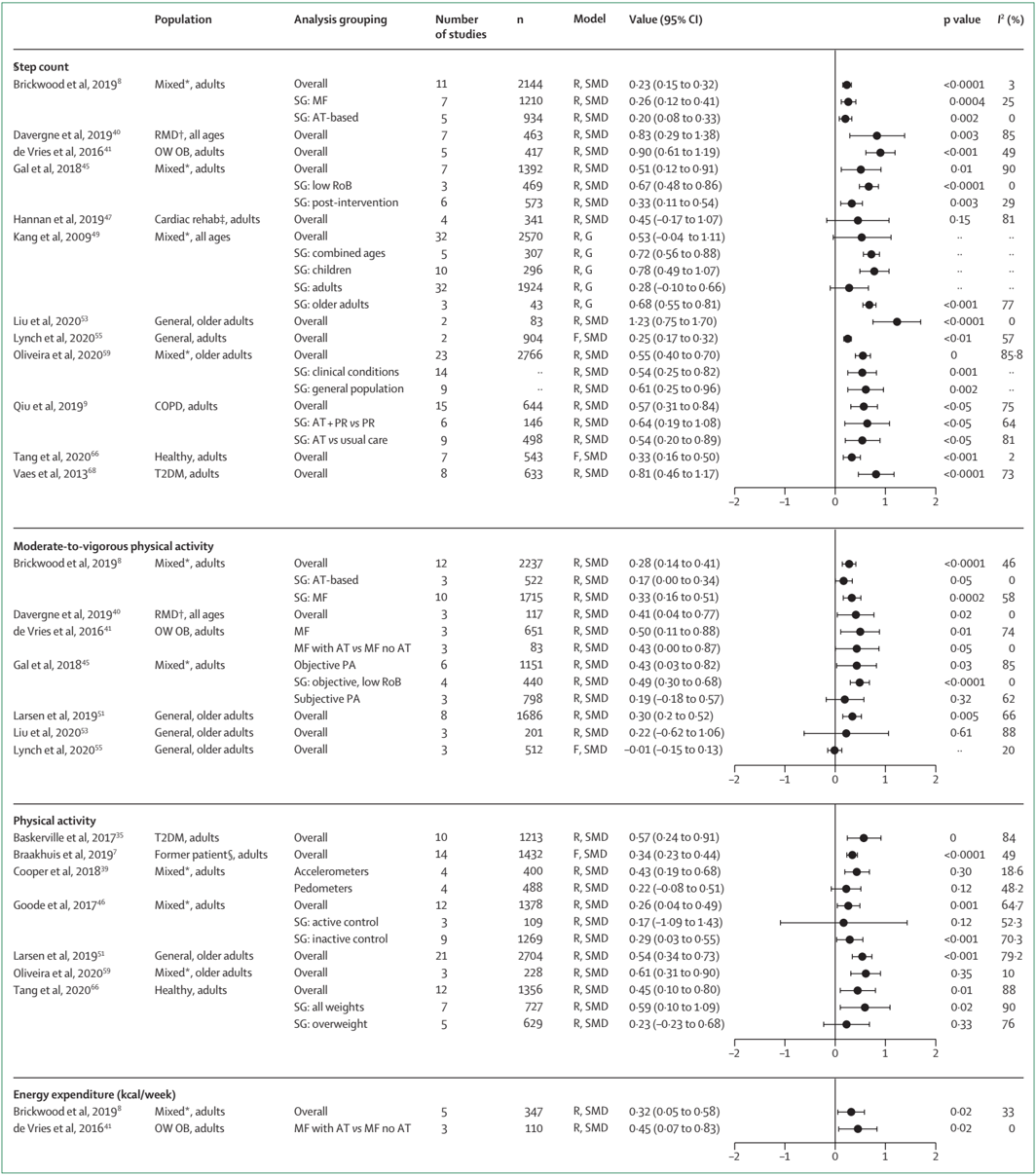
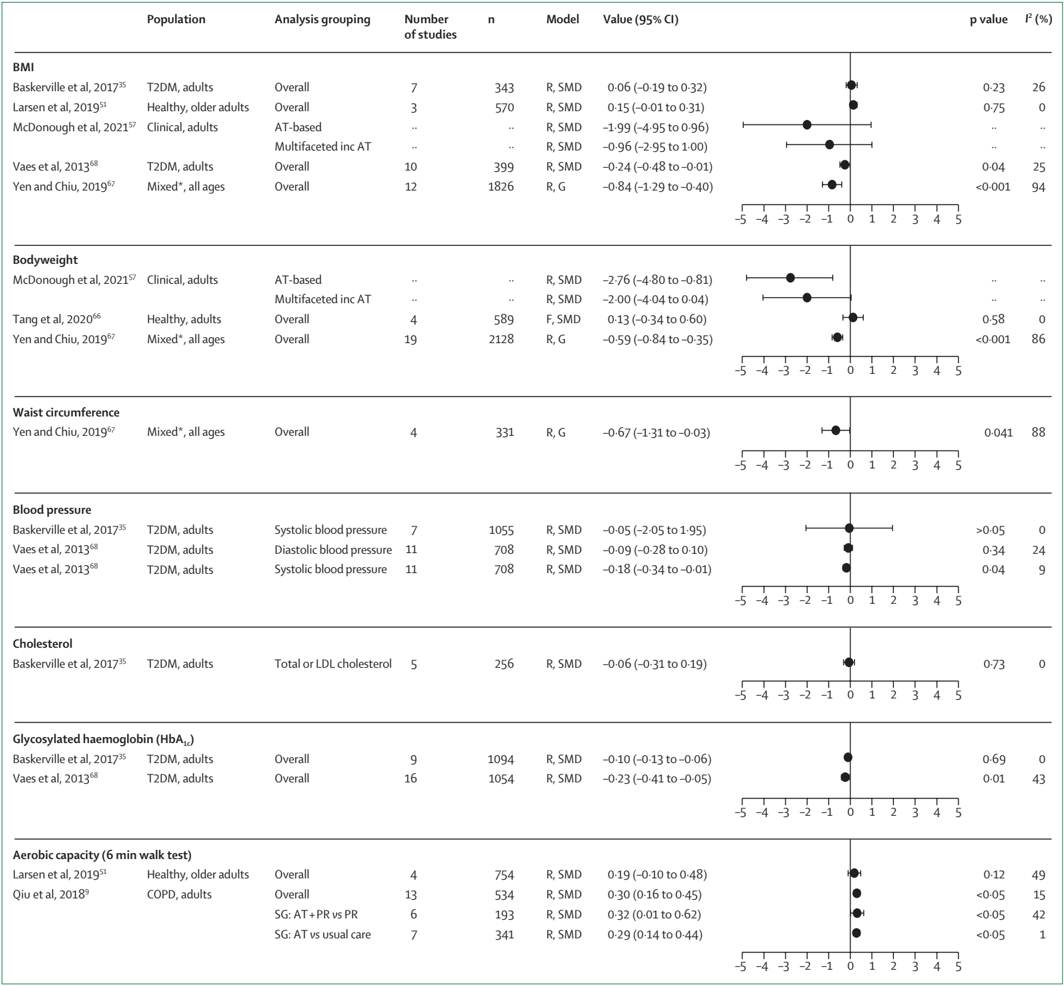
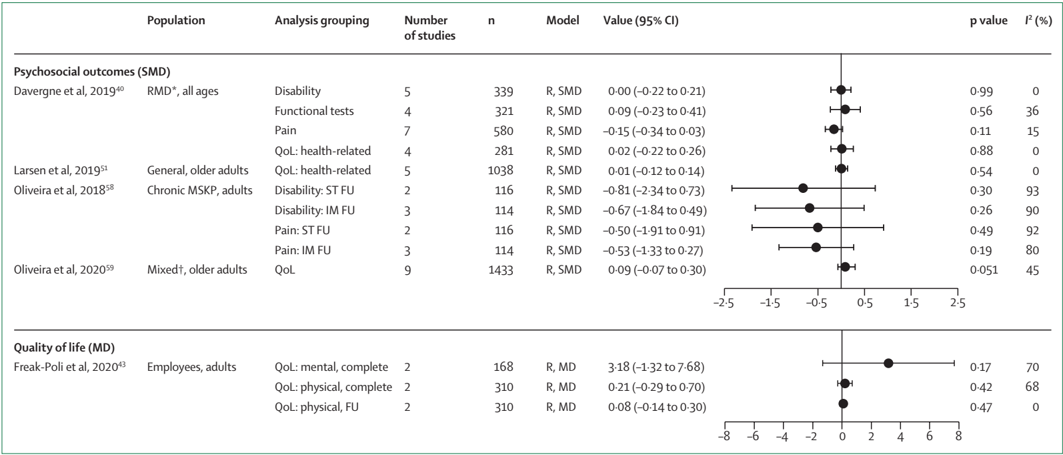
Wearable activity trackers offer an appealing, low-cost tool to address physical inactivity. This systematic review of systematic reviews and meta-analyses (umbrella review) aimed to examine the effectiveness of activity trackers for improving physical activity and related physiological and psychosocial outcomes in clinical and non-clinical populations. Seven databases (Embase, MEDLINE, Ovid Emcare, Scopus, SPORTDiscus, the Cochrane Library, and Web of Science) were searched from database inception to April 8, 2021. Systematic reviews of primary studies using activity trackers as interventions and reporting physical activity, physiological, or psychosocial outcomes were eligible for inclusion. In total, 39 systematic reviews and meta-analyses were identified, reporting results from 163 992 participants spanning all age groups, from both healthy and clinical populations. Taken together, the meta-analyses suggested activity trackers improved physical activity (standardised mean difference [SMD] 0·3-0·6), body composition (SMD 0·7-2·0), and fitness (SMD 0·3), equating to approximately 1800 extra steps per day, 40 min per day more walking, and reductions of approximately 1 kg in bodyweight. Effects for other physiological (blood pressure, cholesterol, and glycosylated haemoglobin) and psychosocial (quality of life and pain) outcomes were typically small and often non-significant. Activity trackers appear to be effective at increasing physical activity in a variety of age groups and clinical and non-clinical populations. The benefit is clinically important and is sustained over time. Based on the studies evaluated, there is sufficient evidence to recommend the use of activity trackers.
Overview
CoChat Summary
TL;DR
This umbrella review of 39 systematic reviews and meta-analyses found that wearable activity trackers increase physical activity and improve some body-composition and fitness outcomes across clinical and non-clinical populations. Effects on other physiological and psychosocial outcomes were generally small and often non-significant.
Key findings
- Activity trackers improved physical activity (SMD 0.3–0.6), body composition (SMD 0.7–2.0), and fitness (SMD 0.3), equating to approximately 1800 extra steps per day, 40 min per day more walking, and about 1 kg reduction in bodyweight.
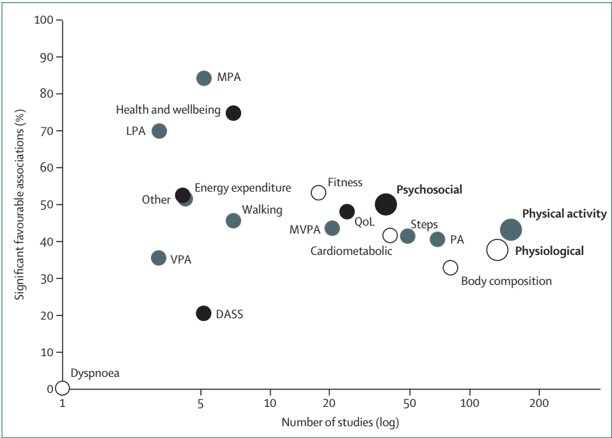
- Across all narratively synthesised studies, 41% showed significant favourable associations, 57% non-significant associations, and 3% significant unfavourable associations.
- Effects for blood pressure, cholesterol, glycosylated haemoglobin, quality of life, and pain were typically small and often non-significant; bodyweight, waist circumference, BMI, and aerobic capacity had the strongest evidence for improvement.
- The 39 reviews included 163,992 participants (abstract) and 390 unique component studies; corrected covered area was 2.3%, indicating slight overlap.
Methods
- Umbrella review reported per PRISMA and prospectively registered on PROSPERO (CRD42021246494); seven databases were searched from inception to April 8, 2021.
- Eligible studies were systematic reviews of experimental studies using wearable activity trackers as an intervention in any human population and reporting physical activity, physiological, or psychosocial outcomes; 39 reviews were included.
- Because of overlap among component studies, a meta-analysis of meta-analyses was not appropriate; findings were narratively synthesised with forest plots, AMSTAR 2 risk-of-bias appraisal, corrected covered area, and subgroup/sensitivity analyses.
Limitations
- The paper states that any umbrella review is limited by the included systematic reviews; populations were not exhaustive, most reviews were graded low or critically low confidence by AMSTAR 2, and a wide range of specific outcome metrics were used.
- The paper states that some included reviews contained some studies with inappropriate designs, which would probably underestimate effect sizes, and that few reviews examined wearable activity trackers alone.
- The paper states that most component randomised controlled trials were done in high-income countries, no systematic reviews addressed activity-tracker interventions in populations with mental health illnesses, and longer-term studies on physiological and broader psychosocial outcomes are needed.
Model-written summary. Check it against the paper before relying on it.
Integrity signals
Registry
Cites
Statistics
Figures
Verification
Claims the paper makes
18 Valid · 2 Not valid · 17 Not checked · 86 Own results and interpretations
Some cited sources support this claim and some don’t — read each source’s verdict below.
In the paper
“These improvements are relatively strong when considered in the broader field of physical activity interventions.”
§ Effectiveness of wearable activity trackers to increase physical activity and improve health: a systematic review of systematic reviews and meta-analyses > Discussion
What the sources say
- Partly supportedcites [69] Watson A, Timperio A, Brown H, Best K, Hesketh KD. Effect of classroom-based physical activity interventions on academic and physical activity outcomes: a systematic review and meta-analysis. Int J Behav Nutr Phys Act 2017; 14: 114. sourceExperimental — accuracy not yet measured
The Results (Academic-related outcomes; page unavailable) report improvements in on-task behaviour and some measures of academic achievement after classroom-based physical activity. Neither those results nor the Limitations section compares the size of these improvements with effects in the broader field of physical activity interventions, so the relative-strength claim is unsupported. (LLM, conf=0.78)
- Disputedcites [70] Conn VS, Hafdahl AR, Cooper PS, Brown LM, Lusk SL. Meta-analysis of workplace physical activity interventions. Am J Prev Med 2009; 37: 330-39. sourceExperimental — accuracy not yet measured
The Discussion describes the physical activity, fitness, and health benefits as modest, not relatively strong. It also reports that the physical activity effect was similar to one prior worksite synthesis and smaller than another; our copy provides no page number for these passages. (LLM, conf=0.87)
Checked by a reasoning model — may be wrong.
boosted- Asserted: passes — The authors put it forward as true.
- Checkable: passes — It can be checked against evidence.
- Load-bearing: passes — The paper’s conclusions depend on it.
- Based: passes — The paper gives a reason why it holds.
- Partly supported
Every source the paper cites for this claim was checked and supports it.
In the paper
“their use has been associated with increased physical activity.[7][8][9]”
§ Effectiveness of wearable activity trackers to increase physical activity and improve health: a systematic review of systematic reviews and meta-analyses > Introduction
What the sources say
- Supportedcites [7] Braakhuis HEM, Berger MAM, Bussmann JBJ. Effectiveness of healthcare interventions using objective feedback on physical activity: a systematic review and meta-analysis. J Rehabil Med 2019; 51: 151-59. source
The Discussion (page unavailable) states that the review's findings support an increase in physical activity with objective feedback from wearable monitors. The claim says “associated with,” rather than attributing the increase to trackers alone; the reviewed healthcare interventions often included other strategies. (LLM, conf=0.90)
- Supportedcites [8] Brickwood KJ, Watson G, O'Brien J, Williams AD. Consumer-based wearable activity trackers increase physical activity participation: systematic review and meta-analysis. JMIR Mhealth Uhealth 2019; 7: e11819. source
The Discussion’s “Physical Activity Participation” section reports significant improvements in daily steps, moderate-to-vigorous physical activity, and energy expenditure for participants in interventions that included a consumer-based wearable activity tracker, compared with controls. The paper notes that the quality of evidence was low or very low, but the citing sentence’s cautious wording—“associated with”—is consistent with its findings. (LLM, conf=0.93)
- Supportedcites [9] Qiu S, Cai X, Wang X, et al. Using step counters to promote physical activity and exercise capacity in patients with chronic obstructive pulmonary disease: a meta-analysis. Ther Adv Respir Dis 2018; 12: 1753466618787386. source
The Results section (‘Step counter use and physical activity’) reports that, across 15 randomized trials in patients with COPD, use of step counters significantly increased physical activity compared with controls. The Introduction identifies step counters as wearable devices that monitor physical activity, so the paper supports the stated association for this type of activity tracker. (LLM, conf=0.91)
plainstates an association- Asserted: passes — The authors put it forward as true.
- Checkable: passes — It can be checked against evidence.
- Load-bearing: passes — The paper’s conclusions depend on it.
- Based: passes — The paper gives a reason why it holds.
- Supported
Every source the paper cites for this claim was checked and supports it.
In the paper
“Wearable activity trackers promote behaviourchange techniques, such as self-monitoring and goal setting, 6”
§ Effectiveness of wearable activity trackers to increase physical activity and improve health: a systematic review of systematic reviews and meta-analyses > Introduction
What the sources say
- Supportedcites [6] Lyons EJ, Lewis ZH, Mayrsohn BG, Rowland JL. Behavior change techniques implemented in electronic lifestyle activity monitors: a systematic content analysis. J Med Internet Res 2014; 16: e192. source
The Results section reports that goal-setting and self-monitoring were found in all the activity-monitor systems studied. This supports the claim that wearable activity trackers provide these behaviour-change techniques. (LLM, conf=0.93)
plainstates a cause- Asserted: passes — The authors put it forward as true.
- Checkable: passes — It can be checked against evidence.
- Load-bearing: passes — The paper’s conclusions depend on it.
- Based: passes — The paper gives a reason why it holds.
- Supported
The cited sources support only part of this claim — read each source’s verdict below.
In the paper
“benefits for LDL cholesterol in populations of mixed disease (mean difference -0•32 mmol/L, 95% CI -0•51 to -0•12; appendix p 32), 42”
§ Effectiveness of wearable activity trackers to increase physical activity and improve health: a systematic review of systematic reviews and meta-analyses > Results according to risk of bias and population subgroups
What the sources say
- Partly supportedcites [42] Franssen WMA, Franssen GHLM, Spaas J, Solmi F, Eijnde BO. Can consumer wearable activity tracker-based interventions improve physical activity and cardiometabolic health in patients with chronic diseases? A systematic review and meta-analysis of randomised controlled trials. Int J Behav Nutr Phys Act 2020; 17: 57. sourceExperimental — accuracy not yet measured
The Results (Physical activity and cardiometabolic health; page unavailable) report a significant LDL-cholesterol reduction in participants with chronic diseases. However, the reported mean difference is −5.70 mg/dL (95% CI −9.24 to −2.15), approximately −0.15 mmol/L (95% CI −0.24 to −0.06), not the claimed −0.32 mmol/L (95% CI −0.51 to −0.12). (LLM, conf=0.90)
plainstates a cause- Asserted: passes — The authors put it forward as true.
- Checkable: passes — It can be checked against evidence.
- Load-bearing: passes — The paper’s conclusions depend on it.
- Based: passes — The paper gives a reason why it holds.
- Partly supported
The cited sources support only part of this claim — read each source’s verdict below.
In the paper
“They showed that the multifaceted interventions yielded effects around 50% larger than those using wearable activity trackers alone.”
§ Effectiveness of wearable activity trackers to increase physical activity and improve health: a systematic review of systematic reviews and meta-analyses > Review
What the sources say
- Partly supportedcites [8] Brickwood KJ, Watson G, O'Brien J, Williams AD. Consumer-based wearable activity trackers increase physical activity participation: systematic review and meta-analysis. JMIR Mhealth Uhealth 2019; 7: e11819. sourceExperimental — accuracy not yet measured
The Discussion (Physical Activity Participation; page unavailable) says multifaceted interventions had larger effects on physical activity participation than wearable-based interventions when each was compared with controls. It does not report an effect around 50% larger; the Results give MVPA effect sizes of 0.33 and 0.17, respectively. The comparison is therefore supported, but the claimed magnitude is not. (LLM, conf=0.88)
plainstates a cause- Asserted: passes — The authors put it forward as true.
- Checkable: passes — It can be checked against evidence.
- Load-bearing: unclear — It is unclear whether the paper’s conclusions depend on it.
- Based: passes — The paper gives a reason why it holds.
- Partly supported
57 more claims
Create a free account to see all 123 claims and every source verdict.
- It may state two separate claims as one. 49
- Probably not a substantial claim. 19
Claims other papers make about this one
Each is checked against this paper’s own text: does it say what the citing paper says it does?
The source backs part of the claim, not all of it — or backs it for a different population, condition or comparison.
In the citing paper
“Additional tools such as wearable activity trackers can encourage increased physical activity of an additional 1800 steps per day on average, or 0.5 to 1.5 kg of weight loss.76”
From Obesity Management in Adults: A Review (2023) · cites this paper as [76]
Experimental — accuracy not yet measuredThe source backs part of the claim, not all of it — or backs it for a different population, condition or comparison.
In the citing paper
“An umbrella review found little evidence that PA trackers improve HbA1c in people with T2D.15”
From Mobile Health Biometrics to Enhance Exercise and Physical Activity Adherence in Type 2 Diabetes (MOTIVATE-T2D): a decentralised feasibility randomised controlled trial delivered across the UK and Canada (2025) · cites this paper as [15]
Experimental — accuracy not yet measuredThe cited source says what the claim attributes to it.
In the citing paper
“Evidence from randomised controlled trials (RCTs) and systematic reviews indicates that fitness trackers are effective at increasing physical activity, as measured by daily steps and minutes of moderate-to-vigorous physical activities (MVPA) [17,24,25].”
From Economic evaluation of wearable fitness trackers versus metformin for preventing type 2 diabetes in the UK population (2025) · cites this paper as [25]
The cited source says what the claim attributes to it.
In the citing paper
“A systematic review of meta-analyses concludes that interventions using wearable devices increased step counts on average by around 1800 steps per day, walking time by about 40 min per day, and MVPA by nearly 6 min per day [25].”
From Economic evaluation of wearable fitness trackers versus metformin for preventing type 2 diabetes in the UK population (2025) · cites this paper as [25]
The cited source says what the claim attributes to it.
In the citing paper
“However, the effects of increasing PA via the use of PA trackers on outcomes relevant to the clinical management of T2D are unclear.”
2 more claims about this paper
Create a free account to see every claim other papers make about this one.
Self-check
Percentages, sums and reported differences re-computed from the paper’s own numbers.
Each contradiction between two passages listed here was confirmed by an independent check.
Rated minor: it would not touch a result — a value no result rests on, a p-value that stays on the same side of the significance level, or a conflict that is clerical, resolved elsewhere in the paper, or outside its own findings.
In the paper
§ Effectiveness of wearable activity trackers to increase physical activity and improve health: a systematic review of systematic reviews and meta-analyses > Results according to risk of bias and population subgroups
“the meta-analysis by Larsen and colleagues 51 found an effect size of 0•34”
§ Effectiveness of wearable activity trackers to increase physical activity and improve health: a systematic review of systematic reviews and meta-analyses > References
“51. Kirk MA, Amiri M, Pirbaglou M, Ritvo P. Wearable technology and physical activity behavior change in adults with chronic cardiometabolic disease: a systematic review and meta-analysis.”
Rated minor: it would not touch a result — a value no result rests on, a p-value that stays on the same side of the significance level, or a conflict that is clerical, resolved elsewhere in the paper, or outside its own findings.
In the paper
§ Effectiveness of wearable activity trackers to increase physical activity and improve health: a systematic review of systematic reviews and meta-analyses > Abstract
“In total, 39 systematic reviews and meta-analyses were identified, reporting results from 163 992 participants”
§ Effectiveness of wearable activity trackers to increase physical activity and improve health: a systematic review of systematic reviews and meta-analyses > Review
“The volume of included studies investigating the efficacy of wearable trackers is large-39 systematic reviews and 390 component experimental studies covering 163 841 participants (not accounting for overlap).”
Citations
Cites
Liberati, A., Altman, D. G., Tetzlaff, J., Mulrow, C., Gøtzsche, P. C., Ioannidis, J. P. A., Clarke, M., Devereaux, P. J., Kleijnen, J., & Moher, D. (2009) · PLoS Medicine · doi:10.1371/journal.pmed.1000100 · Cited by 28,164
Liberati, A., Altman, D. G., Tetzlaff, J., Mulrow, C., Gotzsche, P. C., Ioannidis, J. P. A., Clarke, M., Devereaux, P. J., Kleijnen, J., & Moher, D. (2009) · BMJ · doi:10.1136/bmj.b2700 · Cited by 17,648
Shea, B. J., Reeves, B. C., Wells, G., Thuku, M., Hamel, C., Moran, J., Moher, D., Tugwell, P., Welch, V., Kristjansson, E., et al. (2017) · BMJ · doi:10.1136/bmj.j4008 · Cited by 10,636
Lee, I.-M., Shiroma, E. J., Lobelo, F., Puska, P., Blair, S. N., & Katzmarzyk, P. T. (2012) · The Lancet · doi:10.1016/s0140-6736(12)61031-9 · Cited by 8,215
Cochrane Handbook for Systematic Reviews of Interventions
Higgins, J. P. T., Green, S., & Ben Van Den, A. (2020) · International Coaching Psychology Review · doi:10.53841/bpsicpr.2020.15.2.123 · Cited by 5,670
The well-built clinical question: A key to evidence-based decisions
(1995) · ACP Journal Club · doi:10.7326/acpjc-1995-123-3-a12 · Cited by 2,931
Analysing data and undertaking meta‐analyses
Deeks, J. J., Higgins, J. P., Altman, D. G., & on behalf of the Cochrane Statistical Methods Group (2019) · Cochrane Handbook for Systematic Reviews of Interventions · doi:10.1002/9781119536604.ch10 · Cited by 2,672
Aromataris, E., Fernandez, R., Godfrey, C. M., Holly, C., Khalil, H., & Tungpunkom, P. (2015) · International Journal of Evidence-Based Healthcare · doi:10.1097/xeb.0000000000000055 · Cited by 2,587
The economic burden of physical inactivity: a global analysis of major non-communicable diseases
Ding, D., Lawson, K. D., Kolbe-Alexander, T. L., Finkelstein, E. A., Katzmarzyk, P. T., van Mechelen, W., & Pratt, M. (2016) · The Lancet · doi:10.1016/s0140-6736(16)30383-x · Cited by 2,201
Using Pedometers to Increase Physical Activity and Improve Health: A Systematic Review
Bravata, D. M., Smith-Spangler, C., Sundaram, V., Gienger, A. L., Lin, N., Lewis, R., Stave, C. D., Olkin, I., & Sirard, J. R. (2007) · JAMA · doi:10.1001/jama.298.19.2296 · Cited by 2,064
Cited by
Items 201–300 of 564
Frömel, K., Groffik, D., Heidler, J., Mitáš, J., & Pratt, M. (2024) · Journal of Teaching in Physical Education · doi:10.1123/jtpe.2024-0042 · Cited by 5
Rethorst, C. D., Carmody, T. J., Argenbright, K. E., Vazquez, L., DeLuca, T., Mayes, T. L., Hamann, H. A., & Trivedi, M. H. (2024) · Journal of Behavioral Medicine · doi:10.1007/s10865-024-00518-x · Cited by 6
“While a recent meta-analysis suggests wearable trackers are effective as a stand-alone intervention strategy (Ferguson et al., 2022 ), it is possible that those effects are minimized when combined with other intervention compo - nents.”
Zeb, A., Verbrugghe, J., Neven, A., Burtin, C., Janssens, L., Meus, T., & Timmermans, A. A. A. (2024) · Workplace Health & Safety · doi:10.1177/21650799241291903 · Cited by 8
“…findings align with prior research studies that have demonstrated that wearable activity trackers and behavioral change strategies can significantly enhance physical activity among individuals (D’Amore et al., 2022; Ferguson et al., 2022; Lubans et al., 2009; Nuss et al., 2021; Tang et al., 2020).”
Düking, P., Robertson, S. J., Holmberg, H., Wolf, K.-H., & Sperlich, B. (2025) · Frontiers in Sports and Active Living · doi:10.3389/fspor.2024.1500563 · Cited by 8
Zhao, X., Duaso, M., Ghazaleh, H. A., Guo, X., & Forbes, A. (2025) · Journal of Clinical Nursing · doi:10.1111/jocn.17691 · Cited by 5
Szeto, K., Maher, C. A., Curtis, R., Singh, B., Cain, T., Beckett, D., & Ferguson, T. (2025) · Healthcare · doi:10.3390/healthcare13111215 · Cited by 7
“At the general population level, the popularity of WATs is substantial and continues to grow [11] and there is a large evidence base supporting their effectiveness for improving physical activity [16].”
Self-citationChukwuemeka, U. M., Nnalue, A. D., Obiekwe, S. J., Maruf, F. A., Anakor, A. C., Moses, M. O., Amaechi, C., Okonkwo, U. P., & Amaechi, I. A. (2025) · BMC Digital Health · doi:10.1186/s44247-025-00159-3 · Cited by 6
“Interventions and initiatives have increasingly incorporated such technology-based solutions (including the use of wearables, mobile app step counters, etc.) to complement broader PA promotion efforts [4–7].”
Rodríguez‐Gutiérrez, E., Torres-Costoso, A. I., Martínez‐García, I., de Arenas‐Arroyo, S. N., Medrano, M., Lucerón‐Lucas‐Torres, M., Sequí‐Domínguez, I., Álvarez‐Bueno, C., & Martínez‐Vizcaíno, V. (2023) · European Journal of Pediatrics · doi:10.1007/s00431-023-05333-1 · Cited by 5
He, Z., Zhao, G., Li, C., Xing, Y., Xu, A., Yang, J., & Wang, R. (2024) · BMJ Open · doi:10.1136/bmjopen-2023-080186 · Cited by 7
“22 23–26 However, these reviews primarily focused on PA, with intervention strategies predominantly targeting PA rather than ST, and often included diverse populations without specifically addressing healthy adults.”
Walker, K., Griffiths, C., & Willis, A. (2024) · Advances in Mental Health · doi:10.1080/18387357.2024.2302118 · Cited by 6
The Relationship between Monetary Incentives, Social Status, and Physical Activity
Gonzalez, N. I. V., Kee, J., Palma, M. A., & Pruitt, J. R. (2022) · Journal of Behavioral and Experimental Economics · doi:10.1016/j.socec.2023.102155 · Cited by 6
Malioukis, A., Snead, R. S., Marczika, J., Ambalavanan, R., Towett, G., & Mbogori-Kairichi, M. (2026) · Frontiers in Neurology · doi:10.3389/fneur.2026.1683517 · Cited by 4
Neves, B. D., Haghighi, E. D., Pereira, H. V., Costa, F., Carlos, J., Ferreira, D., Moreno, P., Ferreira, P. M., Machado, J., Goncalves, B., et al. (2023) · BMC Geriatrics · doi:10.1186/s12877-023-04511-y · Cited by 5
“A recent systematic review showed strong evidence of the positive impact of wearables on increasing physical activity among the general population, although effect on physiological and psychosocial measures was not clear [15].”
Kehar, M., Huerta‐Saenz, L., Strain, J., Kawesa, S., Yaraskavitch, J., Stine, J. G., & Longmuir, P. E. (2025) · Digestive Diseases and Sciences · doi:10.1007/s10620-025-08910-6 · Cited by 4
“Wearable activity trackers [31, 32] and gamification [33, 34] may present promising solutions for enhancing PA engagement.”
Working Women Walking Program: A Sequential Multiple Assignment Randomized Trial
Buchholz, S. W., Daniel, M. N., Kitsiou, S., Schoeny, M. E., Halloway, S., Johnson, T. J., Vispute, S., & Wilbur, J. (2025) · Journal of Physical Activity and Health · doi:10.1123/jpah.2024-0790 · Cited by 5
Theobald, P., Herold, F., Gronwald, T., & Müller, N. G. (2025) · Prävention und Gesundheitsförderung · doi:10.1007/s11553-025-01228-1 · Cited by 7
Gaffey, A. E., Hooker, S. A., Lampert, R., Gehi, A. K., & Rosman, L. (2025) · Current Cardiology Reports · doi:10.1007/s11886-025-02234-7 · Cited by 4
“A recent umbrella review of prior systematic reviews and meta-analyses found that wearables were associated with small-to-moderate increases in physical activity, modest reductions in body weight, and overall improvement in physical fitness [36].”
Deep learning for early detection of mild cognitive impairment using smart home ambient sensor data
Cook, D. J., & Schmitter‐Edgecombe, M. (2025) · The Clinical Neuropsychologist · doi:10.1080/13854046.2025.2570303 · Cited by 4
“This data can provide a more comprehensive understanding of cognitive and functional health within the everyday environment, as well as lifestyle factors that may negatively impact cognitive performance (Butler et al., 2025; Ferguson et al., 2022; Schmitter-Edgecombe et al., 2024).”
Núñez-Gaunaurd, A., & Raya, M. A. (2025) · JMIR mhealth and uhealth · doi:10.2196/80465 · Cited by 5
“Additionally, research on long-term adherence remains limited, particularly among marginalized youth [31,32].”
Is it Time to Better Harness Artificial Intelligence for Improving Lifestyle Behaviours?
Chaput, J., Lopes, M. V., LeBlanc, A. G., & Goldfield, G. S. (2026) · International Journal of Public Health · doi:10.3389/ijph.2026.1609519 · Cited by 4
Zhang, X., Yang, D., Chen, S., Wang, L., Li, X., Wang, Z., Meng, M., Li, X., Jiang, H., Hao, Y., et al. (2026) · Journal of Medical Internet Research · doi:10.2196/80827 · Cited by 4
Motivation and behavioral mechanisms of physical activity in community-dwelling elderly populations
Wei, J., & Wang, H. (2026) · Frontiers in Psychology · doi:10.3389/fpsyg.2026.1767861 · Cited by 4
Takano, K., Oba, T., Katahira, K., & Kimura, K. (2026) · INQUIRY The Journal of Health Care Organization Provision and Financing · doi:10.1177/00469580261442400 · Cited by 5
Tuominen, M., Koski, P., Axelin, A., Stenholm, S., & Leskinen, T. (2023) · Digital Health · doi:10.1177/20552076221147419 · Cited by 4
“5,8,9 10 – 14 However, based on meta-regressions included in the previous meta-analyses, variation in the effectiveness of previous interventions appears to be mainly attributable to differences in study duration, sample size, and nature of the control group, rather than to the type of wearable…”
BackgroundMethodRaab, A. (2023) · Current Issues in Sport Science (CISS) · doi:10.36950/2023.3ciss005 · Cited by 4
“…have the potential to encourage individuals to monitor health parameters such as heart rate, blood pressure, energy expenditure, oxygen saturation, sleep quality or number of daily steps, to motivate physical activity and to integrate regular exercise into daily life (Ferguson et al., 2022).”
BackgroundKeating, S. E., Brown, R. C. C., Sullivan, V., & Ball, L. (2024) · Australian Journal of General Practice · doi:10.31128/ajgp-05-23-6846 · Cited by 4
Physical Exercise in Kidney Renal Recipients: Where Have We Come?
Mosconi, G., Totti, V., Sella, G., Roi, G. S., Costa, A. N., Bellis, L., & Cardillo, M. (2024) · Kidney & Blood Pressure Research · doi:10.1159/000539996 · Cited by 6
Global Perspectives on Physical Activity: Navigating Cultural Influences for Health and Wellness
Zengaro, S. A., & Zengaro, F. (2024) · Advances in educational technologies and instructional design book series · doi:10.4018/979-8-3693-3952-7.ch020 · Cited by 5
Patel, D. (2024) · Elsevier eBooks · doi:10.1016/b978-0-443-23901-4.00001-5 · Cited by 5
Franco, I., Bianco, A., Prospero, L., Riezzo, G., Bonfiglio, C., Bagnato, C. B., Verrelli, N., Goscilo, F., D’Attoma, B., Ignazzi, A., et al. (2024) · Journal of Clinical Medicine · doi:10.3390/jcm13226684 · Cited by 4
Exercise and Fitness Quantification in Clinical Practice: Why and How; and Where Are We Going?
Riopel-Meunier, J., Piché, M., & Poirier, P. (2024) · Canadian Journal of Cardiology · doi:10.1016/j.cjca.2024.11.032 · Cited by 4
Eid, N. M. S., Al-ofi, E. A., Enani, S. M., Mosli, R. H., Saqr, R. R., Qutah, K. M., & Eid, S. M. S. (2024) · Telemedicine Reports · doi:10.1089/tmr.2024.0072 · Cited by 4
Inayama, Y., Yamaguchi, K., Mizuno, K., Tanaka‐Mizuno, S., Koike, A., Higashiyama, N., Taki, M., Yamanoi, K., Murakami, R., Hamanishi, J., et al. (2025) · JMIR Cancer · doi:10.2196/58093 · Cited by 7
“Further examination is needed to assess the long-term impact of surgical approaches on PA. Measuring PA has become increasingly accessible through the use of smartphones and other wearable devices [8].”
Wyatt, B., Forstmann, N., Badier, N., Hamy, A., Larochelambert, Q. D., Antero, J., Danino, A., Vercamer, V., de Villèle, P., Vittrant, B., et al. (2025) · Journal of Medical Internet Research · doi:10.2196/68199 · Cited by 6
Grady, M., Holt, E., Cameron, H., & Edelman, S. V. (2025) · Scientific Reports · doi:10.1038/s41598-025-93605-1 · Cited by 4
Scheffey, K., Aronson, J., Goncalves, Y., Greysen, R., Iwu, A., Kwong, P. L., Nezir, F., Small, D. S., & Glanz, K. (2025) · Contemporary Clinical Trials · doi:10.1016/j.cct.2025.107909 · Cited by 5
“Wearable devices that track daily PA can help to increase users’ daily activity, and may be linked to small improvements in health [23–28].”
Availability of Physical Activity Tracking Data from Wearable Devices for Glaucoma Patients
Bhanvadia, S. B., Meller, L. L. T., Madjedi, K. M., Weinreb, R. N., & Baxter, S. L. (2023) · Information · doi:10.3390/info14090493 · Cited by 4
“There has been an explosion in the utilization of wearable activity trackers, with an estimated 1444% increase in global shipping between 2014 and 2020, and nearly USD 2.8 billion spent worldwide on such devices in 2020 [13].”
BackgroundInfluentialSung, E.-R., Hassan, Z., & Allam, J. S. (2024) · Current Sleep Medicine Reports · doi:10.1007/s40675-024-00280-1 · Cited by 5
“Evidence suggests that wearable activity trackers result in a sustained increase in physical activity, which justifies a recent recommendation to use them [19].”
Digital Occupational Health: Opportunities and Challenges for the Workplace
Sallinen, M. (2024) · Journal of UOEH · doi:10.7888/juoeh.46.87 · Cited by 4
Mazharuddin, H. (2024) · Elsevier eBooks · doi:10.1016/b978-0-443-23901-4.00005-2 · Cited by 3
Primary School Pupils' Perceptions and Experiences of Wearable Technologies
Wort, G. K., Wiltshire, G., Sebire, S. J., Peacock, O., & Thompson, D. (2024) · Journal of School Health · doi:10.1111/josh.13509 · Cited by 3
Mohamed, S., Muhammad, S. A., Mohamed, A. A., Eldeen, A. A.-M. E., Alhaj, A. M., & Bulama, A. A. (2025) · Annals of Medicine and Surgery · doi:10.1097/ms9.0000000000002808 · Cited by 4
“Moreover, mobile applications, internet-based platforms and devices, such as activity bracelets, constitute essential behavioral strategies including goal marking, self-monitoring and self-directed feedback [ 67 ] .”
Wang, L., Zou, W., Wang, Y., Koh, D., Pa, W. A. M. W., & Gao, R. (2025) · Scientific Reports · doi:10.1038/s41598-025-85725-5 · Cited by 5
Vaishnav, A. G., & Desai, S. (2025) · Annals of Indian Academy of Neurology · doi:10.4103/aian.aian_156_25 · Cited by 5
Moody, S. C., Ross, L., Opitz, M., Hemmings, A., İnce, B., Bryson, C., Kuehne, C., Douglas, D., Phillips, M. D., Langhorne, V., et al. (2025) · European Eating Disorders Review · doi:10.1002/erv.70006 · Cited by 5
Huang, T., Liao, X., Zhang, Y., Wang, P., Li, P., Fang, J., & Shao, X. (2025) · Medicine · doi:10.1097/md.0000000000044372 · Cited by 5
“27] Studies [28–30] confirm the general benefits of physical activity for obesity management, and the effects vary significantly depending on both exercise intensity and modality (e.g., high-intensity continuous training [HICT] vs low-intensity steady-state training [LISS]).”
Humphreys, G., Jensen, S., & Gluchowski, A. (2026) · PLOS Digital Health · doi:10.1371/journal.pdig.0001136 · Cited by 3
Ray, R. K., Singh, A. K., & Dash, D. P. (2026) · Journal of Enterprise Information Management · doi:10.1108/jeim-05-2025-0403 · Cited by 3
Tendências do Fitness em Portugal para 2026
Franco, S. C. A., Ramos, L., Vieira, I., Santos‐Rocha, R., Ramalho, F., & Simões, V. (2026) · Retos · doi:10.47197/retos.v79.118608 · Cited by 4
“Estrada-Marcén Estrada-Marcén et al., 2020; Market Research Future, 2025; Mindbody, 2025) e parecem ser eficazes no aumento dos níveis de atividade física em diversos grupos etários e populações clínicas e não clínicas (Ferguson et al., 2022).”
Stamatakis, E., Koemel, N. A., Milton, K. E., Keadle, S. K., Florindo, A. A., Hamer, M., Hallal, P. C., & Ahmadi, M. N. (2026) · Journal of Physical Activity and Health · doi:10.1123/jpah.2026-0466 · Cited by 4
Grand challenges in physical neuroergonomics
Perrey, S. (2023) · Frontiers in Neuroergonomics · doi:10.3389/fnrgo.2023.1137854 · Cited by 4
“With increasingly available wearable technologies, activity trackers with 3-axial accelerometers used to assess physical work unobtrusively, objectively, continuously, and routinely can capture daily activity occurring in real life to improve physical activity and related physiological (Ferguson et al., 2022) and spor…”
BackgroundFeasibility and Preliminary Effectiveness of the INSPIRE Pilot Study for Adolescent Girls
Voskuil, V. R., Emmanuel, J., Magnuson, C., & Guidone, M. (2023) · Journal of Pediatric Health Care · doi:10.1016/j.pedhc.2023.09.001 · Cited by 4
Bogaers, R. I., Sluik, D., Helmhout, P. H., & Leijten, F. (2024) · International Journal of Environmental Research and Public Health · doi:10.3390/ijerph21050625 · Cited by 3
Tang, H. H. Y., Mok, E., Yeung, H. S., Wei, M. Y.-K., & Yeung, J. M. C. (2024) · European Journal of Surgical Oncology · doi:10.1016/j.ejso.2024.108376 · Cited by 5
Wearables and Activity Trackers Market Among University Students: A Narrative Review
Fehér, B., Gulàcsi, L., & Péntek, M. (2025) · IEEE International Conference on Computational Cybernetics (ICCC) · doi:10.1109/iccc64928.2025.10999137 · Cited by 5
Kanai, M., Onozato, N., Fujisawa, Y., Hamatani, T., Tateyama, K., Miki, T., Toda, T., Sugawara, T., & Hagiwara, Y. (2025) · Preventive Medicine · doi:10.1016/j.ypmed.2025.108327 · Cited by 4
Bireline, A., Hevel, D. J., & Davis, P. G. (2026) · JMIR Formative Research · doi:10.2196/75133 · Cited by 3
“Goal setting on wearables, in conjunction with the use of other features, parallels techniques used in evidence-based clinical interventions [41], and it has been suggested that their use has an equal effect on individuals of all ages and in clinical and nonclinical populations [2].”
Wearables in der Rheumatologie
Xiong, T., & Krusche, M. (2023) · Zeitschrift für Rheumatologie · doi:10.1007/s00393-023-01377-8 · Cited by 3
The acceptance and commitment therapy (ACT) reduce stress in patients with type 2 diabetes mellitus
Bistara, D. N., Susanti, S., Pranata, S., & Mustamu, A. C. (2023) · Scripta Medica · doi:10.5937/scriptamed54-45794 · Cited by 5
Gutierrez, M., Palacios, C. S., Narayanan, V. S., George, F., & Martínez, S. S. (2024) · International Journal of Environmental Research and Public Health · doi:10.3390/ijerph21070918 · Cited by 3
Szeto, K., Arnold, J. B., Horsfall, E. M., Sarro, M., Hewitt, A., & Maher, C. A. (2024) · JMIR mhealth and uhealth · doi:10.2196/55254 · Cited by 4
“Given its frequent mention and relevance in research [23,50], the team decided this item warranted rerating in the next round.”
BackgroundSelf-citationHamm-Faber, T. E., Vissers, K. C. P., Bronkhorst, E. M., Arnts, I., Gültuna, I., van Haren, F. G. A. M., Wensing, C., Engels, Y., & Henssen, D. J. H. A. (2025) · Neuromodulation Technology at the Neural Interface · doi:10.1016/j.neurom.2025.01.007 · Cited by 5
Hamm-Faber, T. E., Arnts, I., Henssen, D. J. H. A., van Gorp, E.-J. J. A. A., van Haren, F. G. A. M., van Dongen, R. T. M., Engels, Y., & Vissers, K. C. P. (2025) · Pain Practice · doi:10.1111/papr.70013 · Cited by 5
Zhu, Y., Lai, Y. K., Xie, Q., Wang, J. Z., You, F., & Zhao, X. (2025) · Health Communication · doi:10.1080/10410236.2025.2526020 · Cited by 3
“…and those who have been infected, health IT such as pedometers and wearable activity trackers have been shown to significantly improve the efficiency of monitoring PA (Ferguson et al., 2022), offering more effective ways to track health behaviors (Dallery et al., 2015; Dennison et al., 2013).”
A Review of Health Wearable-Based Physical Activity Interventions Among Children and Adolescents
Ryu, S., & Rodriguez-Gonzalez, P. (2023) · International Journal of Physical Activity and Health · doi:10.18122/ijpah.020206.boisestate · Cited by 3
“, self-monitoring and goal setting), can help increase physical activity and modest improvements in physiological outcomes such as reduced BMI, reduced blood pressure, and improved cardiorespiratory fitness, which might occur via an increase in physical activity (Ferguson et al., 2022).”
BackgroundChoma, E. A., Hayes, S., Lewis, B. A., Rothman, A. J., Wyman, J. F., Guan, W., & McMahon, S. (2023) · JMIR mhealth and uhealth · doi:10.2196/47891 · Cited by 5
“Results from recent systematic reviews of physical activity interventions that incorporate PAM use have indicated improved levels of physical activity for at least 6 months across a wide range of age groups, including older adults [20,21].”
BackgroundWhat moves truck drivers? A person-centered perspective on workplace physical activity promotion
Gawlik, A., Haberstock, S., Beckert, J., & Zepp, C. (2024) · International Journal of Occupational Safety and Ergonomics · doi:10.1080/10803548.2024.2315898 · Cited by 3
Walker, K., Griffiths, C., Yates, J., Birkett-Swan, L., Hina, F., & Ang, C. S. (2024) · Advances in Aging Research · doi:10.4236/aar.2024.133004 · Cited by 3
Innovative medicine and health management: A special session of The Innovation Conference 2024
Li, T., Huang, T., Xiao, N., & Dai, J. (2024) · The Innovation Medicine · doi:10.59717/j.xinn-med.2024.100088 · Cited by 3
Harris, P. T., & Maine, I. (2024) · PLoS ONE · doi:10.1371/journal.pone.0301983 · Cited by 2
Davies, N., & Slykerman, R. F. (2025) · Journal of Nutritional Science · doi:10.1017/jns.2025.10 · Cited by 2
Sagelv, E. H., Manskow, U. S., Antypas, K., Morseth, B., Aksetøy, I. A., Nes, B. M., Gagnon, M., & Zanaboni, P. (2025) · BMJ Open Sport & Exercise Medicine · doi:10.1136/bmjsem-2023-001816 · Cited by 2
“We believe that the physical activity measurement at base-line was influenced by social desirability bias, as indicated with device reactivity 36 as mentioned above.”
Gao, F., Chan-Yu, Y., Li, Z., Liu, Y., Liu, F., Liu, D., Yu, W., Chen, W., Wang, J., & Le, S. (2025) · Frontiers in Physiology · doi:10.3389/fphys.2025.1583703 · Cited by 2
Regression discontinuity in Time: Evaluating the impact of evolving digital health interventions
Thapa, I., Laforcade, P.-A., Bishop, F. K., Ferstad, J. O., Desai, M., Maahs, D. M., Prahalad, P., Zaharieva, D. P., Scheinker, D., & Johari, R. (2025) · International Journal of Medical Informatics · doi:10.1016/j.ijmedinf.2025.106050 · Cited by 6
Nagatomi, Y., Ide, T., Fujino, T., Tohyama, T., Higuchi, T., Nezu, T., Nagata, T., Hashimoto, T., Matsushima, S., Shinohara, K., et al. (2025) · CJC Open · doi:10.1016/j.cjco.2025.07.012 · Cited by 2
“These tools have been shown to enhance physical activity and exercise tolerance, 25 and mobile applications also are known to promote participation in CR. 26 To explore potential factors influencing adherence, we compared 3-month characteristics between the Adherence and Non-adherence groups;…”
Kawai, H., Imamura, K., Gong, R., Ejiri, M., & Obuchi, S. P. (2025) · JMIR Formative Research · doi:10.2196/73722 · Cited by 2
“A meta-analysis indicated that the use of activity trackers increased the number of steps taken per day and the moderate-to-vigorous physical activity duration [10].”
Han, Y., Wang, S., Zhang, Z., & Fan, J. (2025) · Frontiers in Sports and Active Living · doi:10.3389/fspor.2025.1691032 · Cited by 6
“These improvements will help promote the precise application of wearable sports equipment in the field of health promotion, particularly through personalized approaches identified in systematic reviews (43).”
Alageel, S., Alsukait, R. F., Alharbi, A., Bilal, L., Aldakhil, H., & Altwaijri, Y. A. (2025) · International Journal for Equity in Health · doi:10.1186/s12939-025-02654-5 · Cited by 3
“Studies have shown that wearable activity trackers can effectively increase physical activity levels across different groups, and these changes are sustainable over time [30].”
Sebastian, S. A., Padda, I., Bimal, T., Varma, S., Collins, J. S. P., Ahmad, Z., & Safarova, M. S. (2025) · Disease-a-Month · doi:10.1016/j.disamonth.2025.102043 · Cited by 3
Genetic susceptibility, walking activity and the risk of incident gout
Wu, Z., Hu, Y., Wang, Y., Zhang, Y., He, H., Zeng, C., Lei, G., & Wei, J. (2025) · Rheumatology · doi:10.1093/rheumatology/keaf690 · Cited by 2
Leo, C. G., Bodini, A., Tumolo, M. R., Sabina, S., Colella, R., Brancaccio, A., Recchia, V., & Mincarone, P. (2026) · Frontiers in Public Health · doi:10.3389/fpubh.2025.1717154 · Cited by 2
“Systematic reviews have highlighted the potential of AAL technologies to improve health outcomes in older adults, including changes in physiological parameters, symptoms, and clinical indicators (13–18).”
Liu, M., Kilbreath, S. L., Yee, J., Beith, J. M., & Dylke, E. S. (2026) · Cancers · doi:10.3390/cancers18020338 · Cited by 2
“Programme features evidenced to facilitate physical activity in other cancer services include remote delivery for increased reach and access [17], as well as self-monitoring to build towards self-management [18], which can be reinforced using wearable activity monitors [19].”
van Hattem, N. E., Rakers, M. M., Hiddink, E., le Cessie, S., Ja, E., den Heijer, F., Chavannes, N. H., van Os, H. J. A., Atsma, D. E., & Bonten, T. N. (2026) · European Heart Journal - Digital Health · doi:10.1093/ehjdh/ztag014 · Cited by 2
“28,29 However, this finding should be interpreted with caution due to the considerable proportion of missing data, partly resulting from participants using their own activity trackers or encountering technical issues with Bluetooth connectivity.”
Carbonera, R. P., Luft, A. A., Sobotyk, A. C., Recoba, K. D. L., Garcia, C. D., & Lukrafka, J. L. (2026) · Pediatric Nephrology · doi:10.1007/s00467-025-07123-3 · Cited by 2
Hodgson, W., Kirk, A. F., Lennon, M., Janssen, X., & Kennedy, D. (2026) · JMIR Diabetes · doi:10.2196/91073 · Cited by 2
“Patients referred to weight management services frequently disengage early; lack of ongoing feedback contributes to this attrition [17].”
Hamdani, N., Oliveira, J., Santana, P., Ferretti, G. M., Mehta, P., Stubbs, P. W., Sherrington, C., Verhagen, A. P., Tiedemann, A., & Saragiotto, B. T. (2026) · Journal of Orthopaedic and Sports Physical Therapy · doi:10.2519/jospt.2026.13825 · Cited by 2
Feedback from wearable devices accelerates recovery after breast cancer surgery
Latif, A., Janabi, N. A., Joshi, M., Bakri, N. A. C., Kwasnicki, R. M., Fusari, G., Shepherd, L. M., Darzi, A. W., & Leff, D. R. (2026) · European Journal of Surgical Oncology · doi:10.1016/j.ejso.2026.111784 · Cited by 2
Han, C., Wang, C., Sun, J., & Fang, T. (2026) · Frontiers in Psychology · doi:10.3389/fpsyg.2026.1795601 · Cited by 3
“Most programs rely on self-monitoring, goal setting, and feedback mechanisms—behavior change techniques known to enhance self-regulation (Ferguson et al., 2022).”
Bizhanova, Z., Burke, L. E., Brooks, M. M., Rockette‐Wagner, B., Kariuki, J. K., & Sereika, S. M. (2026) · Sensors · doi:10.3390/s26103256 · Cited by 2
“However, effects on percent body fat and WC were not consistently reported across included studies [7].”
InfluentialKim, H. S., & Chung, M.-Y. (2024) · Health Communication · doi:10.1080/10410236.2024.2343472 · Cited by 2
“On the one hand, findings from a meta-analysis of 39 studies indicate the positive effects of SWWs on physical activity for various age groups in both clinical and non-clinical settings (Ferguson et al., 2022).”
Pereira, N. G. D. S., dos Santos, A. M., & Shinjo, S. K. (2024) · Cureus · doi:10.7759/cureus.58948 · Cited by 3
“Ferguson et al. [24] demonstrated that the use of wearable devices is correlated with better physiological outcomes and improved quality of life, potentially attributable to increased physical activity.”
BackgroundSanders, J. P., Daley, A., Esliger, D., Roalfe, A. K., Colda, A., Turner, J., Hajdu, S., Potter, A., Humayun, M. A., Spiliotis, I., et al. (2024) · Trials · doi:10.1186/s13063-024-08513-y · Cited by 2
“In part, this reflects the intervention being delivered as an integrated package, and it reflects that there is already strong evidence based around the use of devices (wearables) to promote physical activity [31, 64].”
Digital Technology in the Management and Prevention of Diabetes
(2024) · Frontiers research topics · doi:10.3389/978-2-8325-5649-8 · Cited by 2
The use of mHealth Technologies in the Assessment and Treatment of Addictive Behaviors
Cuesta‐López, I., Weidberg, S. E., & Iza-Fernández, C. (2025) · Papeles del Psicólogo - Psychologist Papers · doi:10.70478/pap.psicol.2025.46.13 · Cited by 2
Gawron, N., Zębrowski, A., & Hintze, B. (2024) · Przegląd Psychologiczny · doi:10.31648/przegldpsychologiczny.9017 · Cited by 2
Spontaneous walking characteristics of patients with peripheral arterial disease
Heizmann, A.-N., Morel, A., Boissier, C., & Hello, C. L. (2024) · VASA · doi:10.1024/0301-1526/a001149 · Cited by 2
König, L. M. (2025) · Springer series on epidemiology and public health · doi:10.1007/978-3-031-90154-6_19 · Cited by 1
Progress and challenges in micro and nanofabrication of wearable sensors
Yuan, Q., Mao, B., Hao, H., & Qu, J. (2025) · Elsevier eBooks · doi:10.1016/b978-0-443-24790-3.00010-7 · Cited by 2
Rossen, J., Anderbro, T., Andermo, S., Bergman, P., Hagströmer, M., Jacobsson, M., Johansson, U., Kallings, L., Lönn, A., Regan, C., et al. (2025) · PLoS ONE · doi:10.1371/journal.pone.0333201 · Cited by 1
“Research has until now focused on short-term controlled efficacy trials and up-scaled long-term (> 12 months) implementation studies are rare [11,13,14,18].”
Reyes, E. P. G., Zhao, W., Kelly, R., Buchanan, G. R., & Waycott, J. (2025) · Australian Conference on Human-Computer Interaction (OzCHI) · doi:10.1145/3764687.3764695 · Cited by 3
Metadata
- Authors
- Ferguson, T., Olds, T., Curtis, R., Blake, H., Crozier, A. J., Dankiw, K., Dumuid, D., Kasai, D., O'Connor, E., Virgara, R., & Maher, C.
- Affiliations
- University of South Australia (AU)
- Corresponding author
- Maher, Carol
- ORCID
- Venue
- The Lancet Digital Health
- Publisher
- Elsevier BV
- Published
- 2022-08
- Volume
- 4
- Issue
- 8
- Pages
- e615-e626
- ISSN
- 2589-7500 (ISSN-L)
- OpenAlex
- W4285891242
- Semantic Scholar
- e4f38c44da2bf83fa39c30b60da1506cfddb9af0
- Cited by
- 605
- References
- 71
- Citations by year
- 2026: 198 · 2025: 169 · 2024: 161 · 2023: 70 · 2022: 6
- FWCI
- 16.74
- Type
- journal article
- Language
- en
- Open access
- gold
- doi.org
- Licence
- cc-by-nc-nd
- www.elsevier.com/tdm/userlicense/1.0/ (tdm)
- www.elsevier.com/legal/tdmrep-license (tdm)
- creativecommons.org/licenses/by-nc-nd/4.0/ (vor)
- Locations
- The Lancet Digital Health (publishedVersion, cc-by-nc-nd)
- PubMed (publishedVersion)
- UniSA Research Outputs Repository (University of South Australia) (acceptedVersion)
- Adelaide Research & Scholarship (AR&S) (University of Adelaide) (submittedVersion, cc-by-nc-nd)
- Topics
- Health Sciences › Medicine › Public Health, Environmental and Occupational Health › Physical Activity and Health
- Health Sciences › Health Professions › General Health Professions › Mobile Health and mHealth Applications
- Physical Sciences › Computer Science › Computer Vision and Pattern Recognition › Context-Aware Activity Recognition Systems
- Keywords
- wearable activity trackers, physical activity, physical inactivity, body composition, fitness, blood pressure, cholesterol, glycemic control, quality of life, pain, clinical populations, non-clinical population, step count, walking
- MeSH terms
- Fitness Trackers, Systematic Reviews as Topic, Humans, Quality of Life, Exercise
About these checks
Registry, retraction, Cites and statistics results are computed, not judged, with one exception: a printed reference that no index lists is read once by a model before it counts as a citation error. Claims are extracted by a model and kept only when their quote appears verbatim in the text; each cited source is then checked, with a model’s help, for whether it says what the claim relies on. Those verdicts can be wrong — read the claim’s quote and the cited source before relying on one.
The claim verdicts this report counts are experimental: their accuracy is not yet measured.
A language model drew the claims from the paper on 2026-10-09, under version 3 of the claim definition (model deepseek-v4.1-flash, prompt extract-v3).
A second model labelled each claim on 2026-10-09 (model jev-1.13-20260917, definition revision gold-guideline-v0.2).
Cited sources are checked with a language model’s help (gpt-6-sol).
Statistics and arithmetic are recomputed, not judged.
Confidence bands are shown only for fields calibrated on our annotated test set. None is calibrated yet, so no band is shown.
What counts as a claim ›How we measure confidence ›How we check this ›
Are you an author, or do you see a problem with this page? Request a review
Data sources
Bibliographic data: Semantic Scholar, OpenAlex, Crossref.
Contains information from the Semantic Scholar Academic Graph Datasets, made available under the ODC Attribution License (ODC-BY 1.0).
Semantic Scholar’s data is described in: Kinney, R., et al. (2023). The Semantic Scholar Open Data Platform. arXiv:2301.10140.
