

The case for the development and use of ecologically valid measures of executive function in experimental and clinical neuropsychology
Open accessThe DOI matches its Crossref record; 172 of the 173 references it cites were found in a registry or an index, and 1 are not checked yet; 10 of the 103 sources its claims cite were checked for support.
Abstract
This article considers the scientific process whereby new and better clinical tests of executive function might be developed, and what form they might take. We argue that many of the traditional tests of executive function most commonly in use (e.g., the Wisconsin Card Sorting Test; Stroop) are adaptations of procedures that emerged almost coincidentally from conceptual and experimental frameworks far removed from those currently in favour, and that the prolongation of their use has been encouraged by a sustained period of concentration on "construct-driven" experimentation in neuropsychology. This resulted from the special theoretical demands made by the field of executive function, but was not a necessary consequence, and may not even have been a useful one. Whilst useful, these tests may not therefore be optimal for their purpose. We consider as an alternative approach a function-led development programme which in principle could yield tasks better suited to the concerns of the clinician because of the transparency afforded by increased "representativeness" and "generalisability." We further argue that the requirement of such a programme to represent the interaction between the individual and situational context might also provide useful constraints for purely experimental investigations. We provide an example of such a programme with reference to the Multiple Errands and Six Element tests.
Verified 2026-11-25 · 1 reference not checked yet
Overview
CoChat Summary
## TL;DR
The paper argues that many widely used executive-function tests were not designed for their current clinical purposes and may be poor matches to real-world behavior. It advocates a “function-led” approach to building ecologically valid tasks, using examples such as the Multiple Errands Test and Six Element Test.
## Key findings
- Traditional executive-function tests such as the Wisconsin Card Sorting Test (WCST), Stroop, and Tower of London were developed from earlier experimental or conceptual frameworks, not for clinical assessment of everyday functioning.
- The authors argue that “ecological validity” should include both representativeness (similarity to real-world situations) and generalisability (predicting behavior outside the lab).
- The paper cites evidence that more naturalistic tasks can relate more closely to everyday problems than traditional tests: for example, Dawson et al. (2005a) found Multiple Errands performance correlated with everyday-function measures in 11 CVA patients and 11 healthy controls, with MET-AMPS-M correlations of 2.63 and 2.51 as reported in the text; Dawson et al. (2005b) reported correlations of between .5 and .8 in 30 people with acquired brain injury and 30 matched controls.
- Knight et al. (2002) reported inter-rater reliabilities for Multiple Errands measures of .81 to 1.00 and internal consistency (Cronbach’s alpha) of .77; Dawson et al. (2005b) reported hospital-version inter-class correlations of ≥ 0.90 in 30 controls and 30 people with acquired brain injury.
- In Alderman et al. (2003), the paper reports a group-level dissociation on the MET-SV in 50 patients total, with 19 rule breakers and 26 task failers; the contingency table shows 224 vs 65 rule breaks/task failures for rule breakers and 78 vs 171 for task failers.
## Methods
- Conceptual/review article: the paper synthesizes historical, theoretical, and psychometric arguments about executive-function testing rather than reporting a new empirical study.
- It uses examples from prior work, especially the Multiple Errands Test, Six Element Test, Wisconsin Card Sorting Test, and related lesion, imaging, and psychometric studies.
- The main analysis is a level-of-explanation argument distinguishing constructs, operations, and functions, and proposing a function-led route for developing and validating clinical tests.
## Limitations
- The paper explicitly notes that it is too early to tell whether the further theoretical investigations into constructs underpinning these functions will yield lab-type tasks of clinical utility.
- It also states that some of the supporting studies have small group sizes; for example, the Dawson et al. (2005a) correlation results are described as coming from 11 CVA patients and 11 healthy controls.
- Evident from the text: much of the evidence is indirect, drawn from prior studies and examples rather than from a single unified empirical dataset in this paper.
Model-written summary. Check it against the paper before relying on it.
Integrity signals
Registry
Cites
Statistics
Figures
Verification
Claims the paper makes
8 Valid · 14 Not valid · 57 Not checked · 56 Own results and interpretations
The cited sources that could be checked couldn’t confirm or dispute this claim.
In the paper
“But a further contributing problem has probably been the widely held assumption that tasks very close to real world situations will be psychometrically unsound. Recently, this has been shown not to be the case (e.g., Burgess et al., 1998; Knight et al., 2002; Wilson et al., 1998).”
What the sources say
- Could not verifycites Burgess et al., 1998 matched to “The ecological validity of tests of executive function” (1998) sourceExperimental — accuracy not yet measured
The Introduction identifies tests that formalize real-world activities, but does not assess whether those tests are psychometrically sound. The Executive Task Sensitivity section examines the sensitivity of the tests studied, not whether closely real-world tasks overcome the claimed psychometric concern. Searches for reliability and psychometric properties found no passage establishing that point. (LLM, conf=0.72)
- Not checked — no full text of the sourcecites Knight et al., 2002 matched to “Development of a simplified version of the multiple errands test for use in hospital settings” (2002) source
- Not checked — no full text of the sourcecites Wilson et al., 1998 matched to “The Development of an Ecologically Valid Test for Assessing Patients with a Dysexecutive Syndrome” (1998) source
plain- Asserted: passes — The authors put it forward as true.
- Checkable: passes — It can be checked against evidence.
- Load-bearing: passes — The paper’s conclusions depend on it.
- Based: passes — The paper gives a reason why it holds.
- Could not verify
Every source the paper cites for this claim was checked and supports it.
In the paper
“By contrast, people who fail to complete the set tasks tend to show negative symptoms, such as apathy and shallow affect.”
What the sources say
- Supportedcites Alderman et al. (2003) matched to “Ecological validity of a simplified version of the multiple errands shopping test” (2003) source
The Ecological Validity of the MET-SV section (p. 8) reports that Task Failers showed more symptoms of negative affect, specifically shallow affect and apathy. The Discussion (p. 11) likewise links task failures with carers’ observations of apathy and lack of emotion. (LLM, conf=0.95)
plainstates an association- Asserted: passes — The authors put it forward as true.
- Checkable: passes — It can be checked against evidence.
- Load-bearing: passes — The paper’s conclusions depend on it.
- Based: passes — The paper gives a reason why it holds.
- Supported
The cited sources support only part of this claim — read each source’s verdict below.
In the paper
“Finally, performance on tests with high 'representativeness' can be more predictive of performance on traditional tasks than are the traditional tasks themselves (Alderman et al., 2003; Burgess et al., 1998; Knight et al., 2002; Wilson et al., 1998).”
What the sources say
- Partly supportedcites Alderman et al., 2003 matched to “Ecological validity of a simplified version of the multiple errands shopping test” (2003) sourceExperimental — accuracy not yet measured
The Discussion (p. 9) says the MET-SV was more sensitive than many traditional executive tests, and the results on p. 9 link MET-SV errors to observed everyday executive symptoms in patients who passed traditional tests. That supports the broader point that a more ecologically valid test can reveal difficulties traditional tests miss. It does not support the specific claim that such tests better predict performance on traditional tasks than the traditional tasks themselves. (LLM, conf=0.85)
- Could not verifycites Burgess et al., 1998 matched to “The ecological validity of tests of executive function” (1998) sourceExperimental — accuracy not yet measured
The Introduction discusses ecologically valid tests, and the Results examine relationships between executive-test scores and behavioral symptoms. Neither reports that highly representative tests predict performance on traditional tasks better than traditional tasks do. Searches for “representativeness” and comparisons of predictive performance found no such result in our copy; page numbers were unavailable. (LLM, conf=0.72)
- Not checked — no full text of the sourcecites Knight et al., 2002 matched to “Development of a simplified version of the multiple errands test for use in hospital settings” (2002) source
plainstates an association- Asserted: passes — The authors put it forward as true.
- Checkable: passes — It can be checked against evidence.
- Load-bearing: passes — The paper’s conclusions depend on it.
- Based: passes — The paper gives a reason why it holds.
- Partly supported
The cited sources support only part of this claim — read each source’s verdict below.
In the paper
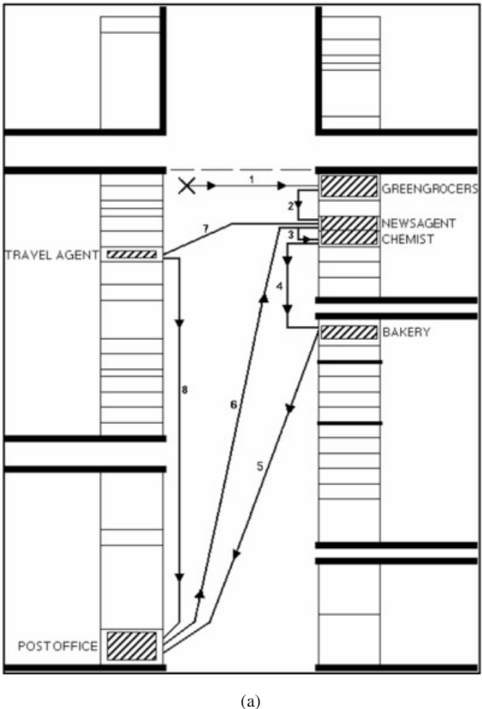
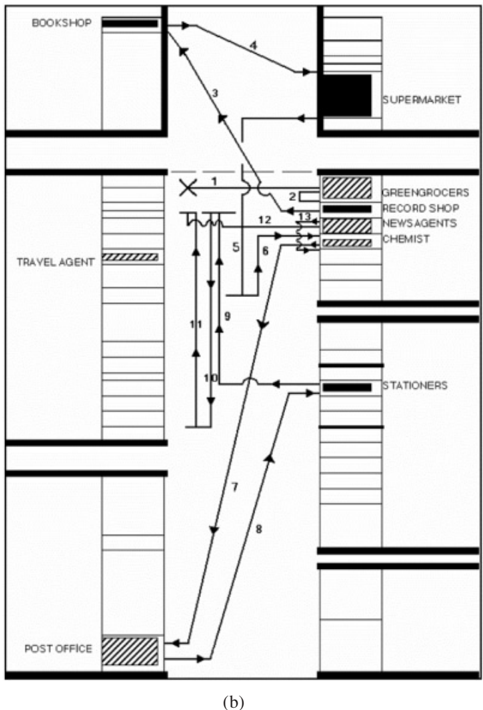
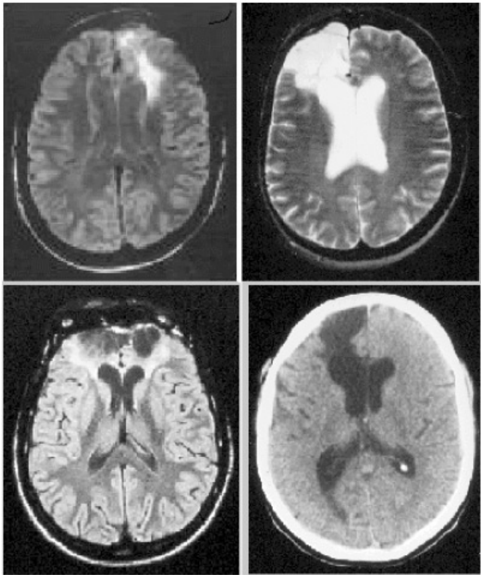
“These findings concurred with those from studies of patients with similar problems (e.g., Bird et al., 2004; Burgess, 2000b; Goldstein et al., 1993; Levine et al., 1998; 1999; see also Figure 3).”
What the sources say
- Not matchedcites Bird et al., 2004
An author–year citation the paper’s reference list doesn’t settle. We don’t search these by name.
- Not matchedcites Burgess, 2000b
More than one paper fits this citation.
- Supportedcites Goldstein et al., 1993 matched to “Unilateral frontal lobectomy can produce strategy application disorder.” (1993) source
The Abstract (pp. 274–276) reports a patient with impaired strategy application and everyday behaviour despite intact performance on standard neuropsychological tests. Goldstein et al. is therefore a study of a patient with the kind of problems the citing sentence identifies, although the sentence does not specify which findings are being compared. (LLM, conf=0.88)
plainstates an association- Asserted: passes — The authors put it forward as true.
- Checkable: passes — It can be checked against evidence.
- Load-bearing: unclear — It is unclear whether the paper’s conclusions depend on it.
- Based: passes — The paper gives a reason why it holds.
- Not matched
Every source the paper cites for this claim was checked and supports it.
In the paper
“'Rule-breakers' tend to show problems with control aspects of memory (e.g., show confabulation, temporal sequencing problems, and repetitive behaviour).”
What the sources say
- Supportedcites Alderman et al. (2003) matched to “Ecological validity of a simplified version of the multiple errands shopping test” (2003) source
The Discussion (p. 11) says patients who tend to break task rules are those whose carers notice memory-control disturbances, including confabulation, temporal-sequencing problems, and perseveration. Perseveration corresponds to the claim’s repetitive behaviour. (LLM, conf=0.93)
plainstates an association- Asserted: passes — The authors put it forward as true.
- Checkable: passes — It can be checked against evidence.
- Load-bearing: passes — The paper’s conclusions depend on it.
- Based: passes — The paper gives a reason why it holds.
- Supported
67 more claims
Create a free account to see all 135 claims and to verify the 6 references still open.
- It may state two separate claims as one. 28
- Probably not a substantial claim. 40
- The quote only partly states this claim. 1
Claims other papers make about this one
Each is checked against this paper’s own text: does it say what the citing paper says it does?
The source backs part of the claim, not all of it — or backs it for a different population, condition or comparison.
In the citing paper
“First, it is in this literature where the term EV is applied most frequently and where calls to action have been made for the development of new, more ' ecological ' tests of EF (e.g., Burgess et al., 2006; Spooner & Pachana, 2006).”
From Conceptualization of the term 'ecological validity' in neuropsychological research on executive function assessment: a systematic review and call to action (2024) · cites this paper as Burgess et al., 2006
Experimental — accuracy not yet measuredThe source backs part of the claim, not all of it — or backs it for a different population, condition or comparison.
In the citing paper
“However, their accuracy in assessing functional deficits in ADHD may be limited.”
From Enhancing Ecological Validity: Virtual Reality Assessment of Executive Functioning in Children and Adolescents with ADHD (2024) · cites this paper as [4]
Experimental — accuracy not yet measuredThe source backs part of the claim, not all of it — or backs it for a different population, condition or comparison.
In the citing paper
“Typically conducted in clinical or laboratory settings, these tests often evaluate specific skills in isolation, potentially overlooking interactions between different EFs and their relevance to daily activities [4,5].”
From Enhancing Ecological Validity: Virtual Reality Assessment of Executive Functioning in Children and Adolescents with ADHD (2024) · cites this paper as [4]
Experimental — accuracy not yet measured
2 more claims about this paper
Create a free account to see every claim other papers make about this one.
Citations
Cites
Studies of interference in serial verbal reactions
Stroop, J. R. (1935) · Journal of Experimental Psychology · doi:10.1037/h0054651 · Cited by 18,622
Miyake, A., Friedman, N. P., Emerson, M. J., Witzki, A. H., Howerter, A., & Wager, T. D. (2000) · Cognitive Psychology · doi:10.1006/cogp.1999.0734 · Cited by 15,798
Hutchins, E. (1995) · doi:10.7551/mitpress/1881.001.0001 · Cited by 10,801
The Sickness Impact Profile: Development and Final Revision of a Health Status Measure
Bergner, M., Bobbitt, R. A., Carter, W. B., & Gilson, B. S. (1981) · Medical Care · doi:10.1097/00005650-198108000-00001 · Cited by 4,619
Attention to Action: Willed and Automatic Control of Behavior
Norman, D. A., & Shallice, T. (1986) · Consciousness and Self-Regulation · doi:10.1007/978-1-4757-0629-1_1 · Cited by 4,455
From Neuropsychology to Mental Structure
Shallice, T. (1988) · doi:10.1017/cbo9780511526817 · Cited by 4,072
Understanding face recognition
Bruce, V., & Young, A. (1986) · British Journal of Psychology · doi:10.1111/j.2044-8295.1986.tb02199.x · Cited by 3,912
Specific impairments of planning
Shallice, T. (1982) · Philosophical Transactions of the Royal Society of London. B, Biological Sciences · doi:10.1098/rstb.1982.0082 · Cited by 3,741
Frith, C., & Frith, U. (2005) · Current Biology · doi:10.1016/j.cub.2005.08.041 · Cited by 3,481
Being There: Putting Brain, Body and World Together Again.
van Gelder, T., & Clark, A. (1998) · The Philosophical Review · doi:10.2307/2998391 · Cited by 3,128
Research works printed but not linked: 6
- Alderman, N., Evans, J.J., Emslie, H., Wilson, B.W., & Burgess, P.W. (1996). Zoo Map Test. In B.A. Wilson, N. Alderman, P.W. Burgess, H. Emslie, & J.J. Evans (Eds.), Behavioural assessment of the dysexecutive syndrome . Bury St. Edmunds: Thames Valley Test Company.
- Burgess, P.W., Alderman, N., Emslie, H., Evans, J.J., Wilson, B.A., &Shallice, T. (1996b). The simplified six element test. In B.A. Wilson, N. Alderman, P.W. Burgess, H. Emslie, & J.J. Evans (Eds.), Behavioural assessment of the dysexecutive syndrome . Bury St. Edmunds, U.K.: Thames Valley Test Company.
- Grady, C.L. (1999). Neuroimaging and activation of the frontal lobes. In B.L. Miller & J.L. Cummings (Eds.), The human frontal lobes: Function and disorders (pp. 196-230). New York: Guilford Press.
- Petrides, M. (1994). Frontal lobes and working memory: Evidence from investigations of the effects of cortical excisions in nonhuman primates. In F. Boller & J. Grafman (Eds.), Handbook of Neuropsychology , Vol. 9 (pp. 59-82). Amsterdam: Elsevier.
- Burgess, P.W., Alderman, N., Emslie, H., Evans, J.J., & Wilson, B.A. (1996a). The dysexecutive questionnaire. In B.A. Wilson, N. Alderman, P.W. Burgess, H. Emslie, & J.J. Evans (Eds.), Behavioural assessment of the dysexecutive syndrome . Bury St. Edmunds, U.K.: Thames Valley Test Company.
- Weigl, E. (1927). Zur Psychologie sogenannter Abstraktionsprozesse. Zeitschrift fur Psychologie, 103 , 2- 45. [Translated by M. Rioch and reprinted as: On the psychology of so-called processes of abstraction. Journal of Abnormal and Social Psychology , 36 , 3-33, 1948].
Cited by
Items 201–300 of 671
Crippa, A., Marzocchi, G. M., Piroddi, C., Besana, D., Giribone, S., Vio, C., Maschietto, D., Fornaro, E., Repossi, S., & Sora, M. L. (2014) · Journal of Attention Disorders · doi:10.1177/1087054714542000 · Cited by 35
Measurement Properties of the Multiple Errands Test: A Systematic Review
Rotenberg, S., Ruthralingam, M., Hnatiw, B., Neufeld, K., Yuzwa, K. E., Arbel, I., & DAWSON, D. R. (2020) · Archives of Physical Medicine and Rehabilitation · doi:10.1016/j.apmr.2020.01.019 · Cited by 33
Self-citationNeural basis of thinking: laboratory problems versus real‐world problems
Goel, V. (2010) · WIREs Cognitive Science · doi:10.1002/wcs.71 · Cited by 29
Štukovnik, V., Zidar, J., Podnar, S., & Repovš, G. (2010) · Journal of Clinical and Experimental Neuropsychology · doi:10.1080/13803391003749236 · Cited by 37
Using Virtual Reality to investigate multitasking ability in individuals with frontal lobe lesions
Denmark, T., Fish, J. E., Jansari, A. S., Tailor, J. K., Ashkan, K., & Morris, R. G. (2017) · Neuropsychological Rehabilitation · doi:10.1080/09602011.2017.1330695 · Cited by 31
Report on Social Desirability, Midpoint and Extreme Responding in TALIS 2013
van de Vijver, F. J. R., & He, J. (2014) · OECD education working papers · doi:10.1787/5jxswcfwt76h-en · Cited by 46
Validity and reliability of the Time Organisation and Participation Scale (TOPS)
Rosenblum, S. (2012) · Neuropsychological Rehabilitation · doi:10.1080/09602011.2011.640465 · Cited by 29
The NeuroPage system for children and adolescents with neurological deficits
Wilson, B. A., Emslie, H. C., Evans, J. J., Quirk, K., Watson, P., & Fish, J. E. (2009) · Developmental Neurorehabilitation · doi:10.3109/17518420903200573 · Cited by 28
Validez ecológica en la exploración de las funciones ejecutivas
García‐Molina, A., Ustárroz, J. T., & Roig-Rovira, T. (2007) · Anales de Psicología · Cited by 88
Multimodal immersive trail making-virtual reality paradigm to study cognitive-motor interactions
Plotnik, M., Ben‐Gal, O., Doniger, G. M., Gottlieb, A., Bahat, Y., Cohen, M., Kimel-Naor, S., Zeilig, G., & Beeri, M. S. (2021) · Journal of NeuroEngineering and Rehabilitation · doi:10.1186/s12984-021-00849-9 · Cited by 40
Montero-Hernandez, S. A., Orihuela‐Espina, F., Sucar, L. E., Pinti, P., Hamilton, A. F. D. C., Burgess, P. W., & Tachtsidis, I. (2018) · Algorithms · doi:10.3390/a11050070 · Cited by 31
Self-citationValls-Serrano, C., Verdejo‐García, A., & Caracuel, A. (2016) · Drug and Alcohol Dependence · doi:10.1016/j.drugalcdep.2016.02.027 · Cited by 32
Yerys, B. E., Wallace, G. L., Jankowski, K. F., Bollich, A., & Kenworthy, L. (2011) · Child Neuropsychology · doi:10.1080/09297049.2010.547462 · Cited by 26
Pinto, J. O., Dores, A. R., Peixoto, B., & Barbosa, F. (2025) · Applied Neuropsychology: Adult · doi:10.1080/23279095.2023.2170800 · Cited by 28
“While representativeness refers to the correspondence between the form and context of the assessment and the situations in natural contexts (Burgess et al., 2006), generalization concerns the degree to which performance on a neurocognitive test can be predictive of the behavior in natural…”
InfluentialMultitasking, working memory and remembering intentions
Logie, R. H., Law, A. S., Trawley, S. L., & Nissan, J. (2010) · Psychologica Belgica · doi:10.5334/pb-50-3-4-309 · Cited by 40
Erez, N., Weiss, P. L., Kizony, R., & Rand, D. (2013) · OTJR: Occupational Therapy Journal of Research · doi:10.3928/15394492-20130912-04 · Cited by 27
Martínez‐Pernía, D., Núñez-Huasaf, J., del Blanco, Á., Ruiz‐Tagle, A., Velásquez, J. D., Gomez, M. A. A., Blesius, C. R., Ibáñez, A. M., Fernández‐Manjón, B., & Slachevsky, A. (2017) · Journal of Biomedical Informatics · doi:10.1016/j.jbi.2017.08.012 · Cited by 31
den Bos, I. F., & van de Weijer‐Bergsma, E. (2019) · Memory · doi:10.1080/09658211.2019.1682170 · Cited by 45
Perceived and performance-based executive dysfunction in Parkinson’s disease
Lanni, K. E., Ross, J. M., Higginson, C. I., Dressler, E. M., Sigvardt, K. A., Zhang, L., Malhado-Chang, N., & Disbrow, E. A. (2014) · Journal of Clinical and Experimental Neuropsychology · doi:10.1080/13803395.2014.892059 · Cited by 41
Snyder, H. R., & Munakata, Y. (2013) · Journal of Experimental Child Psychology · doi:10.1016/j.jecp.2013.07.010 · Cited by 30
Miles, S., Nedeljkovic, M., & Phillipou, A. (2023) · Eating Disorders · doi:10.1080/10640266.2023.2206751 · Cited by 34
Test–retest consistency of Virtual Week: A task to investigate prospective memory
Mioni, G., Rendell, P. G., Stablum, F., Gamberini, L., & Bisiacchi, P. S. (2014) · Neuropsychological Rehabilitation · doi:10.1080/09602011.2014.941295 · Cited by 32
A Practice-Based Approach to Group Identification in Nonverbal Learning Disorders
Grodzinsky, G. M., Forbes, P. W., & Bernstein, J. H. (2010) · Child Neuropsychology · doi:10.1080/09297041003631444 · Cited by 35
Lithium and cognition in those with bipolar disorder
Paterson, A., & Parker, G. B. (2016) · International Clinical Psychopharmacology · doi:10.1097/yic.0000000000000152 · Cited by 30
Reliability and construct validity of a revised baycrest multiple errands test
Clark, A. J., Anderson, N. D., Nalder, E., Arshad, S., & Dawson, D. R. (2017) · Neuropsychological Rehabilitation · doi:10.1080/09602011.2015.1117981 · Cited by 25
Self-citationGiglioli, I. A. C., de-Juan-Ripoll, C., Parra, E., & Alcañíz, M. (2019) · Applied Neuropsychology Adult · doi:10.1080/23279095.2019.1607735 · Cited by 34
Fish, J. E., Manly, T., & Wilson, B. A. (2007) · Journal of the International Neuropsychological Society · doi:10.1017/s1355617708080120 · Cited by 32
Increased Set Shifting Costs in Fasted Healthy Volunteers
Bolton, H., Burgess, P. W., Gilbert, S. J., & Serpell, L. (2014) · PLoS ONE · doi:10.1371/journal.pone.0101946 · Cited by 29
Self-citationAbstracting meaning from complex information (gist reasoning) in adult traumatic brain injury
Vas, A., Spence, J. S., & Chapman, S. B. (2015) · Journal of Clinical and Experimental Neuropsychology · doi:10.1080/13803395.2014.994478 · Cited by 36
Ecologically Valid Assessments of Attention and Learning Engagement in Media Multitaskers
Lin, L., & Parsons, T. D. (2018) · TechTrends · doi:10.1007/s11528-018-0311-8 · Cited by 27
Age doesn’t matter much: hybrid visual and memory search is preserved in older adults
Wiegand, I., & Wolfe, J. M. (2019) · Aging Neuropsychology and Cognition · doi:10.1080/13825585.2019.1604941 · Cited by 26
Virtual Apartment-Based Stroop for assessing distractor inhibition in healthy aging
Parsons, T. D., & Barnett, M. D. (2017) · Applied Neuropsychology Adult · doi:10.1080/23279095.2017.1373281 · Cited by 31
Simpson, G. K., Koh, E.-S., Whiting, D. L., Wright, K. M., Simpson, T., Firth, R., Gillett, L. E., & Younan, K. (2015) · Frontiers in Oncology · doi:10.3389/fonc.2015.00078 · Cited by 28
Evidence of attentional impairments using virtual driving simulation in multiple sclerosis
Harand, C., Mondou, A., Chevanne, D., Bocca, M., & Defer, G. L. (2018) · Multiple Sclerosis and Related Disorders · doi:10.1016/j.msard.2018.08.005 · Cited by 29
Planning and problem-solving training for patients with schizophrenia: a randomized controlled trial
Rodewald, K., Rentrop, M., Holt, D. V., Roesch-Ely, D., Backenstraß, M., Funke, J., Weisbrod, M., & Kaiser, S. (2011) · BMC Psychiatry · doi:10.1186/1471-244x-11-73 · Cited by 32
Palombi, T., Galli, F., Giancamilli, F., D’Amico, M., Alivernini, F., Gallo, L., Neroni, P., Predazzi, M., Pietro, G. D., Lucidi, F., et al. (2023) · Scientific Reports · doi:10.1038/s41598-023-40510-0 · Cited by 30
The Instrumental Activity of Daily Living Profile in Aging: A Feasibility Study
Bier, N., Belchior, P. D. C., Paquette, G., Beauchemin, É., Lacasse-Champagne, A., Messier, C., Pellerin, M.-L., Petit, M., Mioshi, E., & Bottari, C. L. (2016) · Journal of Alzheimer s Disease · doi:10.3233/jad-150957 · Cited by 32
The interleaving of actions in everyday life multitasking demands
Frisch, S., Förstl, S., Legler, A., Schöpe, S., & Goebel, H. (2012) · Journal of Neuropsychology · doi:10.1111/j.1748-6653.2012.02026.x · Cited by 32
Validez ecológica y entornos multitarea en la evaluación de las funciones ejecutivas
González, I. B., Rodríguez, A. C., Martínez, G. C., Luna-Lario, P., Cardas, J., Ustárroz, J. T., & Díaz-Orueta, U. (2014) · Revista de Neurología · doi:10.33588/rn.5902.2013578 · Cited by 58
Development of the Daily Living Questionnaire (DLQ): A Factor Analysis Study
Rosenblum, S., Josman, N., & Toglia, J. P. (2017) · The Open Journal of Occupational Therapy · doi:10.15453/2168-6408.1326 · Cited by 25
Yerys, B. E., Wolff, B. C., Moody, E., Pennington, B. F., & Hepburn, S. L. (2012) · Journal of Autism and Developmental Disorders · doi:10.1007/s10803-012-1443-x · Cited by 25
“One disadvantage is that this simplified form of cognitive flexibility may lack ecological validity (Burgess et al. 2006).”
Ecological Validity of Pediatric Neuropsychological Measures: Current State and Future Directions
Olson, K. J., Jacobson, K. K., & Oot, P. V. (2012) · Applied Neuropsychology Child · doi:10.1080/21622965.2012.686330 · Cited by 31
Hørlyck, L. D., Obenhausen, K., Jansari, A. S., Ullum, H., & Miskowiak, K. W. (2020) · Journal of Affective Disorders · doi:10.1016/j.jad.2020.11.084 · Cited by 26
McDonald, S., Honan, C., Allen, S. K., El-Helou, R., Kelly, M., Kumfor, F., Piguet, O., Hazelton, J. L., Padgett, C., & Keage, H. A. D. (2018) · The Clinical Neuropsychologist · doi:10.1080/13854046.2017.1400106 · Cited by 24
“The importance of ecological validity, i.e. the ability to predict everyday function, in neuropsychological assessment is well recognized (Burgess et al., 2006; Chaytor & SchmitterEdgecombe, 2003), however, many tests are less than ideal in this regard (Silver, 2000).”
BackgroundCognitive heterogeneity among community-dwelling older adults with cerebral small vessel disease
Dey, A., Stamenova, V., Bacopulos, A., Jeyakumar, N., Turner, G. R., Black, S. E., & Levine, B. (2019) · Neurobiology of Aging · doi:10.1016/j.neurobiolaging.2018.12.011 · Cited by 26
Barker, L. A., Morton, N., Morrison, T. G., & McGuire, B. E. (2011) · Brain Injury · doi:10.3109/02699052.2011.597046 · Cited by 27
Schmitter-Edgecombe, M., Cunningham, R., McAlister, C., Arrotta, K., & Weakley, A. (2021) · Archives of Clinical Neuropsychology · doi:10.1093/arclin/acaa080 · Cited by 24
Cooking breakfast after a brain injury
Tanguay, A. F. N., Davidson, P. S. R., Nuñez, K. V. G., & Ferland, M. B. (2014) · Frontiers in Behavioral Neuroscience · doi:10.3389/fnbeh.2014.00272 · Cited by 31
Leontyev, A., Sun, S., Wolfe, M., & Yamauchi, T. (2018) · Frontiers in Psychology · doi:10.3389/fpsyg.2018.00496 · Cited by 27
Martyr, A., Boycheva, E., & Kudlicka, A. (2017) · Journal of Neuropsychology · doi:10.1111/jnp.12129 · Cited by 28
Scionti, N., & Marzocchi, G. M. (2021) · Child Neuropsychology · doi:10.1080/09297049.2020.1868419 · Cited by 26
The Russian version of the Oxford Cognitive Screen: Validation study on stroke survivors.
Shendyapina, M., Kuzmina, E., Kazymaev, S., Petrova, A. V., Demeyere, N., & Weekes, B. (2019) · Neuropsychology · doi:10.1037/neu0000491 · Cited by 27
Parsons, T. D., & Duffield, T. C. (2019) · The Clinical Neuropsychologist · doi:10.1080/13854046.2018.1523465 · Cited by 26
Goverover, Y., Toglia, J. P., & DeLuca, J. (2019) · Neuropsychological Rehabilitation · doi:10.1080/09602011.2019.1584573 · Cited by 24
Development of Additional Tasks for the Executive Function Performance Test
Hahn, B. J., Baum, C. M., Moore, J. L., Ehrlich‐Jones, L., Spoeri, S., Doherty, M., & Wolf, T. (2014) · American Journal of Occupational Therapy · doi:10.5014/ajot.2014.008565 · Cited by 25
Martínez‐Pernía, D., Olavarría, L., Fernández‐Manjón, B., Cabello, V., Henríquez, F., Robert, P. H., Alvarado, L., Barría, S., Antivilo-Bruna, A., Velásquez, J. D., et al. (2023) · Applied Neuropsychology Adult · doi:10.1080/23279095.2023.2174438 · Cited by 31
Self-citationZayat, E., Rempfer, M. V., Gajewski, B. J., & Brown, C. E. (2010) · Psychiatry Research · doi:10.1016/j.psychres.2010.11.011 · Cited by 22
Psychological Flexibility: Toward a Better Understanding of a Key Concept
Malo, R., Acier, D., & Bulteau, S. (2022) · Trends in Psychology · doi:10.1007/s43076-022-00188-1 · Cited by 41
Assessment of Executive Functions in Patients with Obsessive Compulsive Disorder by NeuroVR
Paglia, F. L., Cascia, C. L., Rizzo, R., Giuseppe, R., & Daniele, L. B. (2012) · Studies in health technology and informatics · doi:10.3233/978-1-61499-121-2-98 · Cited by 26
Rosenblum, S., Frisch, C., Deutsh-Castel, T., & Josman, N. (2015) · Neuropsychological Rehabilitation · doi:10.1080/09602011.2014.940980 · Cited by 22
Atypical moral judgment following traumatic brain injury
Martins, A. T., Faísca, L., Esteves, F. G., Muresan, A., & Reis, A. (2012) · Judgment and Decision Making · doi:10.1017/s1930297500002813 · Cited by 43
The cooking task: making a meal of executive functions
Doherty, T. A., Barker, L. A., Denniss, R. J., Jalil, A., & Beer, M. D. (2015) · Frontiers in Behavioral Neuroscience · doi:10.3389/fnbeh.2015.00022 · Cited by 31
Improving ecological validity in research on social cognition
Hermans, K. S. F. M., Achterhof, R., Myin‐Germeys, I., Kasanova, Z., Kirtley, O. J., & Schneider, M. (2019) · Elsevier eBooks · doi:10.1016/b978-0-12-815315-4.00010-0 · Cited by 42
Miles, S., Nedeljkovic, M., Sumner, P. J., & Phillipou, A. (2022) · Cognitive Neuropsychiatry · doi:10.1080/13546805.2022.2038554 · Cited by 23
Efectos de la actividad física sobre las funciones ejecutivas en una muestra de adolescentes
Martín-Martínez, I., Ríos, L. J. C., Reigal, R. E., Hernández-Mendo, A., de Mier, R. J.-R., & Guisado, R. (2015) · Anales de Psicología · doi:10.6018/analesps.31.3.171601 · Cited by 61
A Virtual Kitchen Protocol to Measure Everyday Memory Functioning for Meal Preparation
Barnett, M. D., Childers, L. G., & Parsons, T. D. (2021) · Brain Sciences · doi:10.3390/brainsci11050571 · Cited by 26
Understanding Mental Health and Cognitive Restructuring With Ecological Neuroscience
Crum, J. E., II (2021) · Frontiers in Psychiatry · doi:10.3389/fpsyt.2021.697095 · Cited by 26
The Plan-a-Day Approach to Measuring Planning Ability in Patients with Schizophrenia
Holt, D. V., Rodewald, K., Rentrop, M., Funke, J., Weisbrod, M., & Kaiser, S. (2011) · Journal of the International Neuropsychological Society · doi:10.1017/s1355617710001712 · Cited by 21
Metacognitive errors in change detection: Missing the gap between lab and life
Smilek, D., Eastwood, J. D., Reynolds, M. G., & Kingstone, A. F. (2006) · Consciousness and Cognition · doi:10.1016/j.concog.2006.04.001 · Cited by 21
Computer-based post-stroke rehabilitation of prospective memory.
Mitrović, A., Mathews, M., Ohlsson, S., Holland, J., & McKinlay, A. (2016) · Journal of Applied Research in Memory and Cognition · doi:10.1016/j.jarmac.2016.03.006 · Cited by 22
Immersive trail making: Construct validity of an ecological neuropsychological test
Plotnik, M., Doniger, G. M., Bahat, Y., Gottleib, A., Ben‐Gal, O., Arad, E., Kribus-Shmiel, L., Kimel-Naor, S., Zeilig, G., Beeri, M. S., et al. (2017) · International Conference on Virtual Rehabilitation · doi:10.1109/icvr.2017.8007501 · Cited by 21
Concurrent Validity of the Executive Function Performance Test in People with Mild Stroke
Cederfeldt, M., Widell, Y., Andersson, E. E., Dahlin‐Ivanoff, S., & Gosman‐Hedström, G. (2011) · British Journal of Occupational Therapy · doi:10.4276/030802211x13153015305673 · Cited by 25
Cognitive Assessment Trends in Home Health Care for Adults With Mild Stroke
Burns, S. P., & Neville, M. (2016) · American Journal of Occupational Therapy · doi:10.5014/ajot.2016.016543 · Cited by 20
Haugen, I., Stubberud, J., Haug, E., McGurk, S. R., Hovik, K. T., Ueland, T., & Øie, M. G. (2022) · BMC Psychiatry · doi:10.1186/s12888-022-04197-3 · Cited by 25
The Neuropsychology of Decision-Making
Vaidya, A. R., & Fellows, L. K. (2016) · Elsevier eBooks · doi:10.1016/b978-0-12-805308-9.00022-1 · Cited by 23
Seesjärvi, E., Puhakka, J., Aronen, E. T., Hering, A., Zuber, S., Merzon, L., Kliegel, M., Laine, M., & Salmi, J. (2023) · Psychological Research · doi:10.1007/s00426-022-01770-z · Cited by 19
“There is a call for tasks modeled after real-life functions, as these could provide better predictive validity and clinical applicability than tasks that target single cognitive domains (Burgess et al., 2006; Parsons et al., 2017).”
BackgroundFuture Applications of Real-World Neuroimaging to Clinical Psychology
Crum, J. E., II (2020) · Psychological Reports · doi:10.1177/0033294120926669 · Cited by 20
Benge, J. F., Caroselli, J. S., & Temple, R. (2007) · Brain Injury · doi:10.1080/02699050701311091 · Cited by 21
Omer, S., & Leonard, H. C. (2020) · Research in Developmental Disabilities · doi:10.1016/j.ridd.2020.103831 · Cited by 22
Novakovic-Agopian, T., Chen, A. J.-W., Rome, S., Rossi, A., Abrams, G., D’Esposito, M., Turner, G. R., McKim, R., Muir, J., Hills, N. K., et al. (2012) · Journal of Head Trauma Rehabilitation · doi:10.1097/htr.0b013e3182691b15 · Cited by 33
Ferraris, C., Ronga, I., Pratola, R., Coppo, G., Bosso, T., Falco, S., Amprimo, G., Pettiti, G., Priore, S. L., Priano, L., et al. (2022) · Sensors · doi:10.3390/s22239467 · Cited by 23
Efectos de la actividad física sobre las funciones ejecutivas en una muestra de adolescentes
Martín-Martínez, I., Ríos, L. J. C., Reigal, R. E., Hernández-Mendo, A., Juárez-Ruiz-de-Mier, R., & Guisado-Barrilao, R. (2015) · Digitum: Institutional Repository of the University of Murcia (University of Murcia) · doi:10.6018/analesps.32.1.171601 · Cited by 27
Suchy, Y., Niermeyer, M. A., Franchow, E. I., & Ziemnik, R. E. (2019) · Journal of the International Neuropsychological Society · doi:10.1017/s1355617719000328 · Cited by 20
Kim, J.-H., & Park, J. (2023) · Healthcare · doi:10.3390/healthcare11111544 · Cited by 22
Goal-Oriented Attention Self-Regulation (GOALS) training in older adults
Turner, G. R., Novakovic-Agopian, T., Kornblith, E. S., Adnan, A., Madore, M. R., Chen, A. J.-W., & D’Esposito, M. (2019) · Aging & Mental Health · doi:10.1080/13607863.2018.1534080 · Cited by 21
Corti, C., Oprandi, M. C., Chevignard, M., Jansari, A. S., Oldrati, V., Ferrari, E., Martignoni, M., Romaniello, R., Strazzer, S., & Bardoni, A. (2021) · Neuropsychology Review · doi:10.1007/s11065-021-09498-0 · Cited by 21
Dube, S. L., Sigmon, S. C., Althoff, R. R., Dittus, K. L., Gaalema, D. E., Ogden, D., Phillips, J. K., Ades, P. A., & Potter, A. (2020) · Applied Neuropsychology Adult · doi:10.1080/23279095.2020.1794869 · Cited by 24
O crescimento da avaliação neuropsicológica no Brasil: uma revisão sistemática
Ramos, A. A., & Hamdan, A. C. (2016) · Psicologia Ciência e Profissão · doi:10.1590/1982-3703001792013 · Cited by 79
Mansueto, G., van Nierop, M. M., Schruers, K. R. J., Alizadeh, B. Z., Bartels‐Velthuis, A. A., van Beveren, N. J. M., Bruggeman, R., Cahn, W., de Haan, L., Delespaul, P., et al. (2017) · Schizophrenia Research · doi:10.1016/j.schres.2017.04.003 · Cited by 22
Effects of computer-based training on children’s executive functions and academic achievement
Conesa, P. J., & Duñabeitia, J. A. (2021) · The Journal of Educational Research · doi:10.1080/00220671.2021.1998881 · Cited by 29
Camp, J. S., Karmiloff‐Smith, A., Thomas, M. S. C., & Farran, E. K. (2016) · Research in Developmental Disabilities · doi:10.1016/j.ridd.2016.07.006 · Cited by 23
Executive Function Deficits in Patients after Cerebellar Neurosurgery
Mak, M., Tyburski, E. M., Madany, Ł., Sokołowski, A., & Samochowiec, A. (2015) · Journal of the International Neuropsychological Society · doi:10.1017/s1355617715001174 · Cited by 22
Executive functioning in relation to coping in mild versus moderate-severe traumatic brain injury.
Rakers, S. E., Scheenen, M. E., Westerhof-Evers, H. J., de Koning, M. E., van der Horn, H. J., van der Naalt, J., & Spikman, J. M. (2018) · Neuropsychology · doi:10.1037/neu0000399 · Cited by 28
Sensitivity, specificity and predictive value of the BADS to anterior executive dysfunction
Emmanouel, A., Kessels, R. P. C., Mouza, E., & Fasotti, L. (2013) · Neuropsychological Rehabilitation · doi:10.1080/09602011.2013.863731 · Cited by 21
Cognitive inhibition impairments in presymptomatic C9orf72 carriers
Montembeault, M., Sayah, S., Rinaldi, D., Toullec, B. L., Bertrand, A., Funkiewiez, A., Saracino, D., Camuzat, A., Couratier, P., Chouly, M., et al. (2020) · Journal of Neurology Neurosurgery & Psychiatry · doi:10.1136/jnnp-2019-322242 · Cited by 27
Assessment of Executive Functions in Clinical Settings
Suchy, Y., Ziemnik, R. E., & Niermeyer, M. A. (2017) · Elsevier eBooks · doi:10.1016/b978-0-12-803676-1.00022-2 · Cited by 28
Higher cognitive load interferes with head-hand coordination: virtual reality-based study
Lustig, A., Wilf, M., Dudkiewicz, I., & Plotnik, M. (2023) · Scientific Reports · doi:10.1038/s41598-023-43337-x · Cited by 25
Daily Activities: The Impact of COPD and Cognitive Dysfunction
Brunette, A. M., Warner, K., Holm, K. E., Meschede, K., Wamboldt, F. S., Kozora, E., Moser, D. J., Make, B. J., Crapo, J. D., Moreau, K. L., et al. (2020) · Archives of Clinical Neuropsychology · doi:10.1093/arclin/acaa090 · Cited by 22
Use of the Multiple Errands Test – Simplified Version in the assessment of suboptimal effort
Castiel, M., Alderman, N., Jenkins, K. G., Knight, C., & Burgess, P. W. (2012) · Neuropsychological Rehabilitation · doi:10.1080/09602011.2012.686884 · Cited by 16
Self-citationKrawczyk, D. C., de la Plata, C. M., Schauer, G. F., Vas, A., Keebler, M. W., Tuthill, S., Gardner, C., Jantz, T., Yu, W., & Chapman, S. B. (2013) · Trials · doi:10.1186/1745-6215-14-29 · Cited by 17
Metadata
- Authors
- BURGESS, P. W., ALDERMAN, N., FORBES, C., COSTELLO, A., M-A.COATES, L., DAWSON, D. R., ANDERSON, N. D., GILBERT, S. J., DUMONTHEIL, I., & CHANNON, S.
- Affiliations
- University College London (GB)
- St Andrew's Healthcare (GB)
- King's College Hospital (GB)
- University of London (GB)
- University of Toronto (CA)
- ORCID
- Venue
- Journal of the International Neuropsychological Society
- Publisher
- Cambridge University Press (CUP)
- Published
- 2006-03
- Volume
- 12
- Issue
- 2
- Pages
- 194-209
- ISSN
- 1355-6177 (ISSN-L)
- 1469-7661
- OpenAlex
- W2161907647
- Semantic Scholar
- bf6f8d180fc2d91abf7650cc2125a620443f0f88
- Cited by
- 663
- References
- 173
- Citations by year
- 2026: 21 · 2025: 24 · 2024: 37 · 2023: 39 · 2022: 38 · 2021: 41 · 2020: 31 · 2019: 47 · 2018: 41 · 2017: 48 · 2016: 35 · 2015: 35 · 2014: 32 · 2013: 44 · 2012: 29
- FWCI
- 28.96
- Type
- journal article
- Language
- en
- Open access
- green
- discovery.ucl.ac.uk
- Locations
- Journal of the International Neuropsychological Society (publishedVersion)
- PubMed (publishedVersion)
- UCL Discovery (University College London) (submittedVersion)
- Funders
- Wellcome Trust (061171)
- Topics
- Social Sciences › Psychology › Experimental and Cognitive Psychology › Cognitive Functions and Memory
- Social Sciences › Psychology › Clinical Psychology › Historical and Modern Theater Studies
- Life Sciences › Neuroscience › Cognitive Neuroscience › Neural and Behavioral Psychology Studies
- Keywords
- executive function, test development, clinical neuropsychological assessment, Wisconsin Card Sorting Test, Stroop task, Multiple Errands Test, generalizability
- MeSH terms
- Cognition Disorders, Frontal Lobe, Humans, Neuropsychological Tests, Neuropsychology
About these checks
Registry, retraction, Cites and statistics results are computed, not judged, with one exception: a printed reference that no index lists is read once by a model before it counts as a citation error. Claims are extracted by a model and kept only when their quote appears verbatim in the text; each cited source is then checked, with a model’s help, for whether it says what the claim relies on. Those verdicts can be wrong — read the claim’s quote and the cited source before relying on one.
The claim verdicts this report counts are experimental: their accuracy is not yet measured.
A language model drew the claims from the paper on 2026-09-29, under version 3 of the claim definition (model deepseek-v4.1-flash, prompt extract-v3).
A second model labelled each claim on 2026-09-29 (model jev-1.13-20260917, definition revision gold-guideline-v0.2).
Cited sources are checked with a language model’s help (gpt-6-sol).
Statistics and arithmetic are recomputed, not judged.
Confidence bands are shown only for fields calibrated on our annotated test set. None is calibrated yet, so no band is shown.
What counts as a claim ›How we measure confidence ›How we check this ›
Are you an author, or do you see a problem with this page? Request a review
Data sources
Bibliographic data: Semantic Scholar, OpenAlex, Crossref.
Contains information from the Semantic Scholar Academic Graph Datasets, made available under the ODC Attribution License (ODC-BY 1.0).
Semantic Scholar’s data is described in: Kinney, R., et al. (2023). The Semantic Scholar Open Data Platform. arXiv:2301.10140.
