

The case for the development and use of ecologically valid measures of executive function in experimental and clinical neuropsychology
Open accessThe DOI matches its Crossref record; 172 of the 173 references it cites were found in a registry or an index, and 1 are not checked yet; 10 of the 103 sources its claims cite were checked for support.
Abstract
This article considers the scientific process whereby new and better clinical tests of executive function might be developed, and what form they might take. We argue that many of the traditional tests of executive function most commonly in use (e.g., the Wisconsin Card Sorting Test; Stroop) are adaptations of procedures that emerged almost coincidentally from conceptual and experimental frameworks far removed from those currently in favour, and that the prolongation of their use has been encouraged by a sustained period of concentration on "construct-driven" experimentation in neuropsychology. This resulted from the special theoretical demands made by the field of executive function, but was not a necessary consequence, and may not even have been a useful one. Whilst useful, these tests may not therefore be optimal for their purpose. We consider as an alternative approach a function-led development programme which in principle could yield tasks better suited to the concerns of the clinician because of the transparency afforded by increased "representativeness" and "generalisability." We further argue that the requirement of such a programme to represent the interaction between the individual and situational context might also provide useful constraints for purely experimental investigations. We provide an example of such a programme with reference to the Multiple Errands and Six Element tests.
Verified 2026-11-25 · 1 reference not checked yet
Overview
CoChat Summary
## TL;DR
The paper argues that many widely used executive-function tests were not designed for their current clinical purposes and may be poor matches to real-world behavior. It advocates a “function-led” approach to building ecologically valid tasks, using examples such as the Multiple Errands Test and Six Element Test.
## Key findings
- Traditional executive-function tests such as the Wisconsin Card Sorting Test (WCST), Stroop, and Tower of London were developed from earlier experimental or conceptual frameworks, not for clinical assessment of everyday functioning.
- The authors argue that “ecological validity” should include both representativeness (similarity to real-world situations) and generalisability (predicting behavior outside the lab).
- The paper cites evidence that more naturalistic tasks can relate more closely to everyday problems than traditional tests: for example, Dawson et al. (2005a) found Multiple Errands performance correlated with everyday-function measures in 11 CVA patients and 11 healthy controls, with MET-AMPS-M correlations of 2.63 and 2.51 as reported in the text; Dawson et al. (2005b) reported correlations of between .5 and .8 in 30 people with acquired brain injury and 30 matched controls.
- Knight et al. (2002) reported inter-rater reliabilities for Multiple Errands measures of .81 to 1.00 and internal consistency (Cronbach’s alpha) of .77; Dawson et al. (2005b) reported hospital-version inter-class correlations of ≥ 0.90 in 30 controls and 30 people with acquired brain injury.
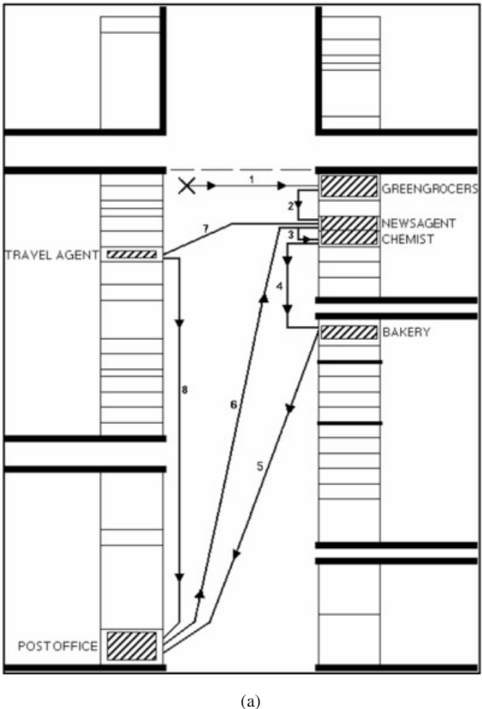
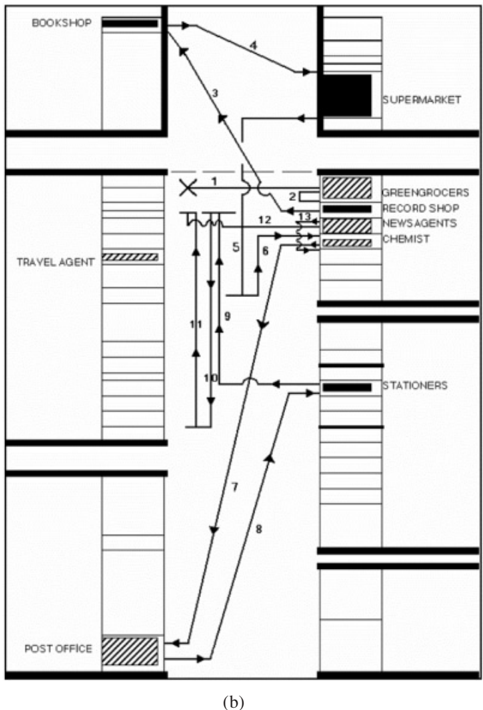
- In Alderman et al. (2003), the paper reports a group-level dissociation on the MET-SV in 50 patients total, with 19 rule breakers and 26 task failers; the contingency table shows 224 vs 65 rule breaks/task failures for rule breakers and 78 vs 171 for task failers.
## Methods
- Conceptual/review article: the paper synthesizes historical, theoretical, and psychometric arguments about executive-function testing rather than reporting a new empirical study.
- It uses examples from prior work, especially the Multiple Errands Test, Six Element Test, Wisconsin Card Sorting Test, and related lesion, imaging, and psychometric studies.
- The main analysis is a level-of-explanation argument distinguishing constructs, operations, and functions, and proposing a function-led route for developing and validating clinical tests.
## Limitations
- The paper explicitly notes that it is too early to tell whether the further theoretical investigations into constructs underpinning these functions will yield lab-type tasks of clinical utility.
- It also states that some of the supporting studies have small group sizes; for example, the Dawson et al. (2005a) correlation results are described as coming from 11 CVA patients and 11 healthy controls.
- Evident from the text: much of the evidence is indirect, drawn from prior studies and examples rather than from a single unified empirical dataset in this paper.
Model-written summary. Check it against the paper before relying on it.
Integrity signals
Registry
Cites
Statistics
Figures
Verification
Claims the paper makes
8 Valid · 14 Not valid · 57 Not checked · 56 Own results and interpretations
The cited sources that could be checked couldn’t confirm or dispute this claim.
In the paper
“But a further contributing problem has probably been the widely held assumption that tasks very close to real world situations will be psychometrically unsound. Recently, this has been shown not to be the case (e.g., Burgess et al., 1998; Knight et al., 2002; Wilson et al., 1998).”
What the sources say
- Could not verifycites Burgess et al., 1998 matched to “The ecological validity of tests of executive function” (1998) sourceExperimental — accuracy not yet measured
The Introduction identifies tests that formalize real-world activities, but does not assess whether those tests are psychometrically sound. The Executive Task Sensitivity section examines the sensitivity of the tests studied, not whether closely real-world tasks overcome the claimed psychometric concern. Searches for reliability and psychometric properties found no passage establishing that point. (LLM, conf=0.72)
- Not checked — no full text of the sourcecites Knight et al., 2002 matched to “Development of a simplified version of the multiple errands test for use in hospital settings” (2002) source
- Not checked — no full text of the sourcecites Wilson et al., 1998 matched to “The Development of an Ecologically Valid Test for Assessing Patients with a Dysexecutive Syndrome” (1998) source
plain- Asserted: passes — The authors put it forward as true.
- Checkable: passes — It can be checked against evidence.
- Load-bearing: passes — The paper’s conclusions depend on it.
- Based: passes — The paper gives a reason why it holds.
- Could not verify
Every source the paper cites for this claim was checked and supports it.
In the paper
“By contrast, people who fail to complete the set tasks tend to show negative symptoms, such as apathy and shallow affect.”
What the sources say
- Supportedcites Alderman et al. (2003) matched to “Ecological validity of a simplified version of the multiple errands shopping test” (2003) source
The Ecological Validity of the MET-SV section (p. 8) reports that Task Failers showed more symptoms of negative affect, specifically shallow affect and apathy. The Discussion (p. 11) likewise links task failures with carers’ observations of apathy and lack of emotion. (LLM, conf=0.95)
plainstates an association- Asserted: passes — The authors put it forward as true.
- Checkable: passes — It can be checked against evidence.
- Load-bearing: passes — The paper’s conclusions depend on it.
- Based: passes — The paper gives a reason why it holds.
- Supported
The cited sources support only part of this claim — read each source’s verdict below.
In the paper
“Finally, performance on tests with high 'representativeness' can be more predictive of performance on traditional tasks than are the traditional tasks themselves (Alderman et al., 2003; Burgess et al., 1998; Knight et al., 2002; Wilson et al., 1998).”
What the sources say
- Partly supportedcites Alderman et al., 2003 matched to “Ecological validity of a simplified version of the multiple errands shopping test” (2003) sourceExperimental — accuracy not yet measured
The Discussion (p. 9) says the MET-SV was more sensitive than many traditional executive tests, and the results on p. 9 link MET-SV errors to observed everyday executive symptoms in patients who passed traditional tests. That supports the broader point that a more ecologically valid test can reveal difficulties traditional tests miss. It does not support the specific claim that such tests better predict performance on traditional tasks than the traditional tasks themselves. (LLM, conf=0.85)
- Could not verifycites Burgess et al., 1998 matched to “The ecological validity of tests of executive function” (1998) sourceExperimental — accuracy not yet measured
The Introduction discusses ecologically valid tests, and the Results examine relationships between executive-test scores and behavioral symptoms. Neither reports that highly representative tests predict performance on traditional tasks better than traditional tasks do. Searches for “representativeness” and comparisons of predictive performance found no such result in our copy; page numbers were unavailable. (LLM, conf=0.72)
- Not checked — no full text of the sourcecites Knight et al., 2002 matched to “Development of a simplified version of the multiple errands test for use in hospital settings” (2002) source
plainstates an association- Asserted: passes — The authors put it forward as true.
- Checkable: passes — It can be checked against evidence.
- Load-bearing: passes — The paper’s conclusions depend on it.
- Based: passes — The paper gives a reason why it holds.
- Partly supported
The cited sources support only part of this claim — read each source’s verdict below.
In the paper
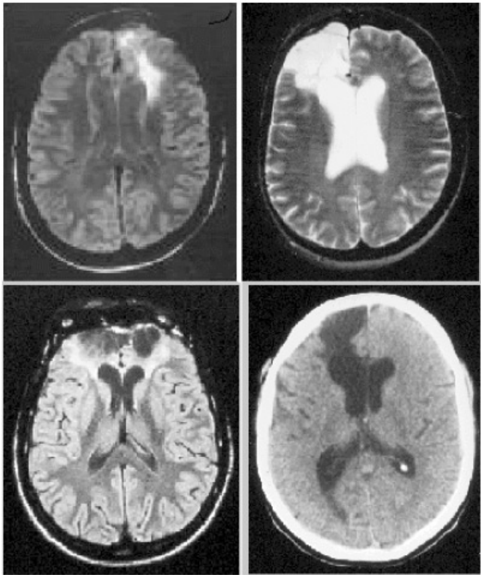
“These findings concurred with those from studies of patients with similar problems (e.g., Bird et al., 2004; Burgess, 2000b; Goldstein et al., 1993; Levine et al., 1998; 1999; see also Figure 3).”
What the sources say
- Not matchedcites Bird et al., 2004
An author–year citation the paper’s reference list doesn’t settle. We don’t search these by name.
- Not matchedcites Burgess, 2000b
More than one paper fits this citation.
- Supportedcites Goldstein et al., 1993 matched to “Unilateral frontal lobectomy can produce strategy application disorder.” (1993) source
The Abstract (pp. 274–276) reports a patient with impaired strategy application and everyday behaviour despite intact performance on standard neuropsychological tests. Goldstein et al. is therefore a study of a patient with the kind of problems the citing sentence identifies, although the sentence does not specify which findings are being compared. (LLM, conf=0.88)
plainstates an association- Asserted: passes — The authors put it forward as true.
- Checkable: passes — It can be checked against evidence.
- Load-bearing: unclear — It is unclear whether the paper’s conclusions depend on it.
- Based: passes — The paper gives a reason why it holds.
- Not matched
Every source the paper cites for this claim was checked and supports it.
In the paper
“'Rule-breakers' tend to show problems with control aspects of memory (e.g., show confabulation, temporal sequencing problems, and repetitive behaviour).”
What the sources say
- Supportedcites Alderman et al. (2003) matched to “Ecological validity of a simplified version of the multiple errands shopping test” (2003) source
The Discussion (p. 11) says patients who tend to break task rules are those whose carers notice memory-control disturbances, including confabulation, temporal-sequencing problems, and perseveration. Perseveration corresponds to the claim’s repetitive behaviour. (LLM, conf=0.93)
plainstates an association- Asserted: passes — The authors put it forward as true.
- Checkable: passes — It can be checked against evidence.
- Load-bearing: passes — The paper’s conclusions depend on it.
- Based: passes — The paper gives a reason why it holds.
- Supported
67 more claims
Create a free account to see all 135 claims and to verify the 6 references still open.
- It may state two separate claims as one. 28
- Probably not a substantial claim. 40
- The quote only partly states this claim. 1
Claims other papers make about this one
Each is checked against this paper’s own text: does it say what the citing paper says it does?
The source backs part of the claim, not all of it — or backs it for a different population, condition or comparison.
In the citing paper
“First, it is in this literature where the term EV is applied most frequently and where calls to action have been made for the development of new, more ' ecological ' tests of EF (e.g., Burgess et al., 2006; Spooner & Pachana, 2006).”
From Conceptualization of the term 'ecological validity' in neuropsychological research on executive function assessment: a systematic review and call to action (2024) · cites this paper as Burgess et al., 2006
Experimental — accuracy not yet measuredThe source backs part of the claim, not all of it — or backs it for a different population, condition or comparison.
In the citing paper
“However, their accuracy in assessing functional deficits in ADHD may be limited.”
From Enhancing Ecological Validity: Virtual Reality Assessment of Executive Functioning in Children and Adolescents with ADHD (2024) · cites this paper as [4]
Experimental — accuracy not yet measuredThe source backs part of the claim, not all of it — or backs it for a different population, condition or comparison.
In the citing paper
“Typically conducted in clinical or laboratory settings, these tests often evaluate specific skills in isolation, potentially overlooking interactions between different EFs and their relevance to daily activities [4,5].”
From Enhancing Ecological Validity: Virtual Reality Assessment of Executive Functioning in Children and Adolescents with ADHD (2024) · cites this paper as [4]
Experimental — accuracy not yet measured
2 more claims about this paper
Create a free account to see every claim other papers make about this one.
Citations
Cites
Studies of interference in serial verbal reactions
Stroop, J. R. (1935) · Journal of Experimental Psychology · doi:10.1037/h0054651 · Cited by 18,622
Miyake, A., Friedman, N. P., Emerson, M. J., Witzki, A. H., Howerter, A., & Wager, T. D. (2000) · Cognitive Psychology · doi:10.1006/cogp.1999.0734 · Cited by 15,798
Hutchins, E. (1995) · doi:10.7551/mitpress/1881.001.0001 · Cited by 10,801
The Sickness Impact Profile: Development and Final Revision of a Health Status Measure
Bergner, M., Bobbitt, R. A., Carter, W. B., & Gilson, B. S. (1981) · Medical Care · doi:10.1097/00005650-198108000-00001 · Cited by 4,619
Attention to Action: Willed and Automatic Control of Behavior
Norman, D. A., & Shallice, T. (1986) · Consciousness and Self-Regulation · doi:10.1007/978-1-4757-0629-1_1 · Cited by 4,455
From Neuropsychology to Mental Structure
Shallice, T. (1988) · doi:10.1017/cbo9780511526817 · Cited by 4,072
Understanding face recognition
Bruce, V., & Young, A. (1986) · British Journal of Psychology · doi:10.1111/j.2044-8295.1986.tb02199.x · Cited by 3,912
Specific impairments of planning
Shallice, T. (1982) · Philosophical Transactions of the Royal Society of London. B, Biological Sciences · doi:10.1098/rstb.1982.0082 · Cited by 3,741
Frith, C., & Frith, U. (2005) · Current Biology · doi:10.1016/j.cub.2005.08.041 · Cited by 3,481
Being There: Putting Brain, Body and World Together Again.
van Gelder, T., & Clark, A. (1998) · The Philosophical Review · doi:10.2307/2998391 · Cited by 3,128
Perception and the Representative Design of Psychological Experiments
Brunswik, E. (1956) · doi:10.1525/9780520350519 · Cited by 2,974
A Modified Card Sorting Test Sensitive to Frontal Lobe Defects
Nelson, H. E. (1976) · Cortex · doi:10.1016/s0010-9452(76)80035-4 · Cited by 2,454 · cited 2×
“…life problems and traditional tests of executive function (Cognitive Estimates [Shallice & Evans, 1978]; Modified Wisconsin Card- Sorting [MWCST; Nelson, 1976]; Tower of London Test [Shallice, 1982]; Verbal Fluency [Miller, 1984]) as well as a version of the Multiple Errands Test adapted for…”
MethodExploring the Central Executive
Baddeley, A. (1996) · The Quarterly Journal of Experimental Psychology Section A · doi:10.1080/713755608 · Cited by 2,390
Development and neurophysiology of mentalizing
Frith, U., & Frith, C. D. (2003) · Philosophical Transactions of the Royal Society of London. Series B: Biological Sciences · doi:10.1098/rstb.2002.1218 · Cited by 2,306 · cited 4×
“Frith, C.D. & Frith, U. (2003). Development and neurophysiology of mentalizing.”
BackgroundInfluentialGrant, D. A., & Berg, E. (1948) · Journal of Experimental Psychology · doi:10.1037/h0059831 · Cited by 2,244
Effects of Different Brain Lesions on Card Sorting: The Role of the Frontal Lobes
MILNER, B. (1963) · Archives of Neurology · doi:10.1001/archneur.1963.00460070100010 · Cited by 2,217 · cited 1×
“This is largely attributable to the effect of a study by Milner (1963) who, more than 40 years since the original demonstration of sorting impairments, administered the Grant & Berg procedure to a group of neurological patients, with virtually the only modification being to give the test twice in…”
BackgroundCohen, J. D., Dunbar, K., & McClelland, J. L. (1990) · Psychological Review · doi:10.1037//0033-295x.97.3.332 · Cited by 2,139
DEFICITS IN STRATEGY APPLICATION FOLLOWING FRONTAL LOBE DAMAGE IN MAN
SHALLICE, T., & BURGESS, P. W. (1991) · Brain · doi:10.1093/brain/114.2.727 · Cited by 2,017 · cited 1×
“One example comes from our own lab, where we started investigations into how the brain supports multitasking (a function) by first considering patients who showed behavioural disorganisation in everyday life (Shallice & Burgess, 1991a; 1991b; see also Eslinger & Damasio, 1985).”
BackgroundSelf-citationPrinciples of Frontal Lobe Function
(2002) · Oxford University Press eBooks · doi:10.1093/acprof:oso/9780195134971.001.0001 · Cited by 1,665
Context, cortex, and dopamine: A connectionist approach to behavior and biology in schizophrenia.
Cohen, J. D., & Servan-Schreiber, D. (1992) · Psychological Review · doi:10.1037/0033-295x.99.1.45 · Cited by 1,479
Severe disturbance of higher cognition after bilateral frontal lobe ablation: Patient EVR
Eslinger, P. J., & Damasio, A. R. (1985) · Neurology · doi:10.1212/wnl.35.12.1731 · Cited by 1,426 · cited 1×
“One example comes from our own lab, where we started investigations into how the brain supports multitasking (a function) by first considering patients who showed behavioural disorganisation in everyday life (Shallice & Burgess, 1991a; 1991b; see also Eslinger & Damasio, 1985).”
BackgroundA neuronal model of a global workspace in effortful cognitive tasks
Dehaene, S., Kerszberg, M., & Changeux, J.-P. (1998) · Proceedings of the National Academy of Sciences · doi:10.1073/pnas.95.24.14529 · Cited by 1,347
Frontal Lobe Function and Dysfunction
(1991) · doi:10.1093/oso/9780195062847.001.0001 · Cited by 1,233
Anterior prefrontal cortex: insights into function from anatomy and neuroimaging
Ramnani, N., & Owen, A. M. (2004) · Nature Reviews Neuroscience · doi:10.1038/nrn1343 · Cited by 1,170 · cited 1×
“(This latter point is especially germane to the following discussion about the abilities supported by rostral PFC processes, since one theory of the role of this region in human cognition suggests that it is involved when two or more other processes have to be coordinated: Ramnani & Owen, 2004.)”
BackgroundBehavioural Assessment of the Dysexecutive Syndrome
(2004) · Methodology Of Frontal And Executive Function · doi:10.4324/9780203344187-15 · Cited by 1,149
Self-citationGoldman-Rakic, P. S. (1996) · Philosophical Transactions of the Royal Society of London. Series B: Biological Sciences · doi:10.1098/rstb.1996.0129 · Cited by 1,072
Chaytor, N., & Schmitter-Edgecombe, M. (2003) · Neuropsychology Review · doi:10.1023/b:nerv.0000009483.91468.fb · Cited by 1,055 · cited 1×
“…results (the degree to which poor performance on the test will be predictive of problems outside the laboratory; for recent examples of this use see Chaytor & Schmitter-Edgecombe, 2003; Clark et al., 2000; Coughlan et al., 2004; Farias et al., 2003; Gioia & Isquith, 2004; Higginson et al., 2000;…”
BackgroundPerret, E. (1974) · Neuropsychologia · doi:10.1016/0028-3932(74)90047-5 · Cited by 1,007
Rivermead Behavioural Memory Test: Præsentation og vurdering af en ny psykologisk prøve
COUR, P. L., & GALLAGHER, K. (1990) · Nordisk Psykologi · doi:10.1080/00291463.1990.10636996 · Cited by 988
The Frontal Lobes and Voluntary Action
Passingham, R. (1993) · doi:10.1093/oso/9780198521853.001.0001 · Cited by 970
Domain specificity in face perception
Kanwisher, N. (2000) · Nature Neuroscience · doi:10.1038/77664 · Cited by 968 · cited 2×
“And although more recently, the debate concerning how people identify faces has taken a more complex stance, contrasting these “domainspecific” accounts with “domain-general” ones, where visual recognition proceeds through the operation of resources which are specialised for a particular form of processing that can op…”
BackgroundKirsh, D. (1995) · Artificial Intelligence · doi:10.1016/0004-3702(94)00017-u · Cited by 935
The ecological validity of tests of executive function
BURGESS, P. W., ALDERMAN, N., EVANS, J., EMSLIE, H., & WILSON, B. A. (1998) · Journal of the International Neuropsychological Society · doi:10.1017/s1355617798466037 · Cited by 932
Self-citationAbstract and concrete behavior an experimental study with special tests.
Goldstein, K., & Scheerer, M. (1941) · Psychological Monographs · doi:10.1037/h0093487 · Cited by 879
Response suppression, initiation and strategy use following frontal lobe lesions
Burgess, P. W., & Shallice, T. (1996) · Neuropsychologia · doi:10.1016/0028-3932(95)00104-2 · Cited by 854 · cited 1×
“In one context, the absence of a behaviour can be a useful thing—for example, withholding a behaviour in a motor inhibition task—but in another may be evidence of dysfunction—say, inability to produce a word in the Hayling Sentence Completion Task part 2 (Burgess & Shallice, 1996).”
BackgroundSelf-citation(1964) · McGraw-Hill eBooks · Cited by 838
An Introduction to General Systems Thinking
Weinberg, G. M. (1975) · CERN Document Server (European Organization for Nuclear Research) · Cited by 736
The cognitive and neuroanatomical correlates of multitasking
Burgess, P. W., Veitch, E., de Lacy Costello, A., & Shallice, T. (2000) · Neuropsychologia · doi:10.1016/s0028-3932(99)00134-7 · Cited by 708
Self-citationThe Involvement of the Frontal Lobes in Cognitive Estimation
Shallice, T., & Evans, M. E. (1978) · Cortex · doi:10.1016/s0010-9452(78)80055-0 · Cited by 704
Functional Specialization within Rostral Prefrontal Cortex (Area 10): A Meta-analysis
Gilbert, S. J., Spengler, S., Simons, J. S., Steele, J. D., Lawrie, S. M., Frith, C. D., & Burgess, P. W. (2006) · Journal of Cognitive Neuroscience · doi:10.1162/jocn.2006.18.6.932 · Cited by 683
Self-citationLEVINE, B., ROBERTSON, I. H., CLARE, L., CARTER, G., HONG, J., WILSON, B. A., DUNCAN, J., & STUSS, D. T. (2000) · Journal of the International Neuropsychological Society · doi:10.1017/s1355617700633052 · Cited by 659
Architecture of the Prefrontal Cortex and the Central Executive
GOLDMAN‐RAKIC, P. S. (1995) · Annals of the New York Academy of Sciences · doi:10.1111/j.1749-6632.1995.tb38132.x · Cited by 644
Being There: Putting Brain, Body, and World Together Again
Clark, A. (1996) · The MIT Press eBooks · doi:10.7551/mitpress/1552.001.0001 · Cited by 597
Stuss, D. T., Levine, B., Alexander, M. P., Hong, J., Palumbo, C., Hamer, L., Murphy, K. J., & Izukawa, D. (2000) · Neuropsychologia · doi:10.1016/s0028-3932(99)00093-7 · Cited by 596
The domain of supervisory processes and temporal organization of behaviour
Shallice, T., & Burgess, P. (1996) · Philosophical Transactions of the Royal Society of London. Series B: Biological Sciences · doi:10.1098/rstb.1996.0124 · Cited by 581
Self-citationBrain regions involved in prospective memory as determined by positron emission tomography
Burgess, P. W., Quayle, A., & Frith, C. D. (2001) · Neuropsychologia · doi:10.1016/s0028-3932(00)00149-4 · Cited by 575 · cited 2×
“…involved in the realisation of a delayed intention, i.e., prospective memory) were investigated in a series of functional imaging experiments (Burgess et al., 2001; 2003; Okuda et al., 2004) which confirmed a role for rostral PFC (principally BA 10) in certain forms of prospective memory.”
BackgroundSelf-citationFluid intelligence after frontal lobe lesions
Duncan, J., Burgess, P., & Emslie, H. (1995) · Neuropsychologia · doi:10.1016/0028-3932(94)00124-8 · Cited by 537 · cited 2×
“The most obvious example of a theory of the " central processing " kind is Duncan's (e.g., Duncan, 2005; Duncan et al., 1995) contention that " executive processes " are synonymous with Spearman's g, and his recent " adaptive coding " model is a clever theory extending this assertion by addressing…”
BackgroundSelf-citationA Multidisciplinary Approach to Anterior Attentional Functionsa
STUSS, D. T., SHALLICE, T., ALEXANDER, M. P., & PICTON, T. W. (1995) · Annals of the New York Academy of Sciences · doi:10.1111/j.1749-6632.1995.tb38140.x · Cited by 516
Are the frontal lobes implicated in “planning” functions? Interpreting data from the Tower of Hanoi
Goel, V., & Grafman, J. (1995) · Neuropsychologia · doi:10.1016/0028-3932(95)90866-p · Cited by 510 · cited 1×
“" However, it is now doubtful that the reasons for task failure in frontal lobe patients could be characterised as a planning impairment (e.g., Goel & Grafman, 1995; Morris et al., 1997; see Burgess et al., 2005a for review).”
BackgroundThe domain of supervisory processes and the temporal organization of behaviour
Shallice, T., & Burgess, P. (1998) · The Prefrontal CortexExecutive and Cognitive Functions · doi:10.1093/acprof:oso/9780198524410.003.0003 · Cited by 497
Self-citationCohen, J. D., Braver, T. S., & O´Reilly, R. (1996) · Philosophical Transactions of the Royal Society of London. Series B: Biological Sciences · doi:10.1098/rstb.1996.0138 · Cited by 487 · cited 1×
“For instance the theory of Cohen and colleagues (e.g., Cohen & Servan-Schreiber, 1992; Cohen et al., 1990, 1998) holds that their single system may underpin both active memory and behavioural inhibition, determined by the current context, and they specifically state that their own theory is…”
BackgroundStuss, D. T., Floden, D., Alexander, M. P., Levine, B., & Katz, D. (2001) · Neuropsychologia · doi:10.1016/s0028-3932(01)00013-6 · Cited by 464
Specialized systems for the processing of mnemonic information within the primate frontal cortex
Petrides, M. (1996) · Philosophical Transactions of the Royal Society of London. Series B: Biological Sciences · doi:10.1098/rstb.1996.0130 · Cited by 441
An Introduction to General Systems Thinking.
Losty, P. A., & Weinberg, G. M. (1976) · Journal of the Royal Statistical Society. Series A (General) · doi:10.2307/2344360 · Cited by 439
Recovery from the passage of an iron bar through the head
Harlow, J. M., & Miller, E. (1993) · History of Psychiatry · doi:10.1177/0957154x9300401406 · Cited by 432
Burgess, P. W., Scott, S. K., & Frith, C. D. (2003) · Neuropsychologia · doi:10.1016/s0028-3932(02)00327-5 · Cited by 415
Self-citationEcological assessment of executive function in traumatic brain injury
Gioia, G. A., & Isquith, P. K. (2004) · Developmental Neuropsychology · doi:10.1080/87565641.2004.9651925 · Cited by 407
Theory and Methodology in Executive Function Research
(2004) · Methodology Of Frontal And Executive Function · doi:10.4324/9780203344187-8 · Cited by 406
Self-citationRecovery from the passage of an iron bar through the head
Harlow, J. M. (1993) · History of Psychiatry · doi:10.1177/0957154x9300401407 · Cited by 400
The psychology of Egon Brunswik
Hammond, K. R., & Brunswik, E. (1966) · Medical Entomology and Zoology · Cited by 386
Higher-Order Cognitive Impairments and Frontal Lobe Lesions in Man
Shallice, T., & Burgess, P. (1991) · Frontal Lobe Function and Dysfunction · doi:10.1093/oso/9780195062847.003.0006 · Cited by 368
Self-citationStrategy application disorder: the role of the frontal lobes in human multitasking
Burgess, P. W. (2000) · Psychological Research · doi:10.1007/s004269900006 · Cited by 368
Self-citationThe impact of extensive medial frontal lobe damage on 'Theory of Mind' and cognition
Bird, C. M. (2004) · Brain · doi:10.1093/brain/awh108 · Cited by 361
Less effective executive functioning after one night's sleep deprivation
NILSSON, J. P., SÖDERSTRÖM, M., KARLSSON, A. U., LEKANDER, M., ÅKERSTEDT, T., LINDROTH, N. E., & AXELSSON, J. (2005) · Journal of Sleep Research · doi:10.1111/j.1365-2869.2005.00442.x · Cited by 360
Jacobsen, C. F. (1936) · Cited by 354
Passage of an Iron Rod through the Head
(1848) · The Boston Medical and Surgical Journal · doi:10.1056/nejm184812130392001 · Cited by 352
Ecological validity of a simplified version of the multiple errands shopping test
ALDERMAN, N., BURGESS, P. W., KNIGHT, C., & HENMAN, C. (2003) · Journal of the International Neuropsychological Society · doi:10.1017/s1355617703910046 · Cited by 337 · cited 13×
“, Alderman et al., 2003, Jelicic et al., 2001; Kafer & Hunter, 1997; Knight et al., 2002), their “generalisability” (Burgess et al., 1998), and their correlations with other executive function tests (Duncan et al., 1997). Moreover, the study of differences in patterns of failure on the two tests are revealing patterns…”
BackgroundResultInfluentialSelf-citationManly, T., Hawkins, K., Evans, J., Woldt, K., & Robertson, I. H. (2002) · Neuropsychologia · doi:10.1016/s0028-3932(01)00094-x · Cited by 330
Differential components of prospective memory?Evidence from fMRI
SIMONS, J., SCHOLVINCK, M., GILBERT, S., FRITH, C., & BURGESS, P. (2006) · Neuropsychologia · doi:10.1016/j.neuropsychologia.2006.01.005 · Cited by 307
Self-citationTHE ORIGINS OF UTILIZATION BEHAVIOUR
SHALLICE, T., BURGESS, P. W., SCHON, F., & BAXTER, D. M. (1989) · Brain · doi:10.1093/brain/112.6.1587 · Cited by 301
Self-citationConsciousness and self-regulation: Advances in research
Schwartz, G. E. (1977) · Pain · doi:10.1016/0304-3959(77)90067-7 · Cited by 301
Assessment of Motor and Process Skills
National Cancer Institute (2020) · Definitions · doi:10.32388/0srs5h · Cited by 300
Supervisory control of action and thought selection.
Shallice, T., & Burgess, P. W. (1993) · UCL Discovery (University College London) · Cited by 286
Self-citationThe Development of an Ecologically Valid Test for Assessing Patients with a Dysexecutive Syndrome
Wilson, B. A., Evans, J. J., Emslie, H., Alderman, N., & Burgess, P. (1998) · Neuropsychological Rehabilitation · doi:10.1080/713755570 · Cited by 285 · cited 3×
“Finally, performance on tests with high " representativeness " can be more predictive of performance on traditional tasks than are the traditional tasks themselves (Alderman et al., 2003; Burgess et al., 1998; Knight et al., 2002; Wilson et al., 1998).”
BackgroundResultSelf-citationThe Prefrontal Cortex: Anatomy, Physiology, and Neuropsychology of the Frontal Lobe, 3rd ed.
SPINKS, R. (2000) · American Journal of Psychiatry · doi:10.1176/appi.ajp.157.6.1038 · Cited by 283
Owen, A. M., Herrod, N. J., Menon, D. K., Clark, J. C., Downey, S. P. M. J., Carpenter, T. A., Minhas, P. S., Turkheimer, F. E., Williams, E. J., Robbins, T. W., et al. (1999) · European Journal of Neuroscience · doi:10.1046/j.1460-9568.1999.00449.x · Cited by 282
Frontal Lobe Deficits after Head Injury: Unity and Diversity of Function
Duncan Roger Johnson Michaela Swale, J. (1997) · Cognitive Neuropsychology · doi:10.1080/026432997381420 · Cited by 275 · cited 2×
“, 1998), and their correlations with other executive function tests (Duncan et al., 1997).”
BackgroundA study of the performance of patients with frontal lobe lesions in a financial planning task
Goel, V (1997) · Brain · doi:10.1093/brain/120.10.1805 · Cited by 256
Association Pathways of the Prefrontal Cortex and Functional Observations
Petrides, M., & Pandya, D. N. (2002) · Principles of Frontal Lobe Function · doi:10.1093/acprof:oso/9780195134971.003.0003 · Cited by 251
Attention, researchers! It Is time to take a look at the real world
Kingstone, A., Smilek, D., Ristic, J., Kelland Friesen, C., & Eastwood, J. D. (2003) · Current Directions in Psychological Science · doi:10.1111/1467-8721.01255 · Cited by 236 · cited 1×
“Interestingly, Kingstone and colleagues, investigating attention in healthy people, have reached a similar position (e.g., Kingstone et al., 2003, 2005).”
BackgroundLeichnetz, G. R. (1986) · Journal of Comparative Neurology · doi:10.1002/cne.902540403 · Cited by 234 · cited 1×
“Anatomical support, for instance, comes from the absence of direct pathways between prefrontal cortex and motor cortex (Leichnetz, 1986; Passingham, 1993, p. 125).”
BackgroundWard, L. M. (2001) · The MIT Press eBooks · doi:10.7551/mitpress/2525.001.0001 · Cited by 231
The Cognitive Psychology of Planning
(2004) · Psychology Press eBooks · doi:10.4324/9780203493564 · Cited by 223
Kliegel, M., McDaniel, M. A., & Einstein, G. O. (2000) · Memory & Cognition · doi:10.3758/bf03209352 · Cited by 222
Towers of Hanoi and London: Contribution of Working Memory and Inhibition to Performance
Welsh, M. C., Satterlee-Cartmell, T., & Stine, M. (1999) · Brain and Cognition · doi:10.1006/brcg.1999.1123 · Cited by 220 · cited 1×
“Moreover , the task is multicomponential (Carlin et al., 2000; Hodgson et al., 2000), psychometrically complex (Welsh et al., 1999, 2000) and the frontal lobe contribution to the task may be better characterised as mental imagery (Rowe et al., 2001) and goal conflict resolution (Morris et al.,…”
BackgroundThe assessment of executive functions: coming out of the office
Manchester, D., Priestley, N., & Jackson, H. (2004) · Brain Injury · doi:10.1080/02699050410001672387 · Cited by 219 · cited 1×
“Such an approach may have many scientific and clinical advantages, and address recent criticisms of existing assessment procedures (e.g., Manchester et al., 2004).”
BackgroundMiller, E. (1984) · British Journal of Clinical Psychology · doi:10.1111/j.2044-8260.1984.tb00626.x · Cited by 219 · cited 1×
“…of executive function (Cognitive Estimates [Shallice & Evans, 1978]; Modified Wisconsin Card- Sorting [MWCST; Nelson, 1976]; Tower of London Test [Shallice, 1982]; Verbal Fluency [Miller, 1984]) as well as a version of the Multiple Errands Test adapted for use in a typical hospital environment.”
MethodAssessment of the dysexecutive syndrome in schizophrenia
EVANS, J. J., CHUA, S. E., McKENNA, P. J., & WILSON, B. A. (1997) · Psychological Medicine · doi:10.1017/s0033291797004790 · Cited by 212
Clark, C., Prior, M., & Kinsella, G. J. (2000) · Journal of Abnormal Child Psychology · doi:10.1023/a:1005176320912 · Cited by 211 · cited 3×
“…2003; Levine et al., 2000; schizophrenia, Evans et al., 1997; depression , Channon & Green, 1999; ADHD and Oppositional Defiant0Conduct Disorder, Clark et al., 2000; drug abuse, Zakzanis & Young, 2001; sleep deprivation, Nilsson et al., 2005; normal ageing, Garden et al., 2001; " intensive care…”
BackgroundDevelopment of a simplified version of the multiple errands test for use in hospital settings
Knight, C., Alderman, N., & Burgess, P. W. (2002) · Neuropsychological Rehabilitation · doi:10.1080/09602010244000039 · Cited by 197
Self-citationA Role for the Hippocampus in Card Sorting?
Corcoran, R., & Upton, D. (1993) · Cortex · doi:10.1016/s0010-9452(13)80182-7 · Cited by 195 · cited 1×
“However this finding has never to our knowledge been entirely replicated, either by Milner or by any other investigator, although there are many failures to replicate (see, e.g., Anderson et al., 1995; Corcoran & Upton, 1993; van den Broek et al., 1993).”
ResultFarias, S. (2003) · Archives of Clinical Neuropsychology · doi:10.1016/s0887-6177(02)00159-2 · Cited by 194
Physiology of Executive Functions: The Perception-Action Cycle
Fuster, J. M. (2002) · Oxford University Press eBooks · doi:10.1093/acprof:oso/9780195134971.003.0006 · Cited by 194
ROLE OF THE RIGHT PREFRONTAL CORTEX IN ILL-STRUCTURED PLANNING
Goel, V., & Grafman, J. (2000) · Cognitive Neuropsychology · doi:10.1080/026432900410775 · Cited by 194 · cited 2×
“In this way, the task is, like many situations outside the laboratory, quite " open-ended " or " ill-structured " (Goel & Grafman, 2000).”
BackgroundGilbert, S. J., Frith, C. D., & Burgess, P. W. (2005) · European Journal of Neuroscience · doi:10.1111/j.1460-9568.2005.03981.x · Cited by 193 · cited 2×
“…valence of stimulusoriented or stimulus-independent thought in nonroutine circumstances, and tested the hypothesis of BA 10 involvement in a variety of indicators for such a construct in a series of neuroimaging experiments (Gilbert et al., 2005, 2006; Simons et al., 2005a, 2005b, in press).”
BackgroundSelf-citationTHE FRONTAL LOBE IN MAN: A CLINICAL STUDY OF MAXIMUM REMOVALS
PENFIELD, W., & EVANS, J. (1935) · Brain · doi:10.1093/brain/58.1.115 · Cited by 193
Report of case of bilateral frontal lobe defect.
Ackerly, S., & Benton, A. L. (1948) · PubMed · Cited by 191
Behavioural assessment of the dysexecutive syndrome
Wilson, B., Evans, J., Alderman, N., Burgess, P. W., & Emslie, H. C. (1997) · UCL Discovery (University College London) · Cited by 190
Self-citationA Neuronal Model of a Global Workspace in Effortful Cognitive Tasks
DEHAENE, S., KERSZBERG, M., & CHANGEUX, J. (2001) · Annals of the New York Academy of Sciences · doi:10.1111/j.1749-6632.2001.tb05714.x · Cited by 190 · cited 1×
“(For further evidence see also computational accounts, e.g., Dehaene et al., 1998, and representational accounts, e.g., The field of executive function has been dominated by these construct-level, " macro " theories for the last 20 years in particular .”
BackgroundSocial cognition after head injury: Sarcasm and theory of mind
Channon, S., Pellijeff, Å., & Rule, A. (2004) · Brain and Language · doi:10.1016/j.bandl.2004.09.002 · Cited by 189
Self-citationTHE PRIMATE FRONTAL CORTEX – EXECUTIVE OF THE BRAIN
PRIBRAM, K. H. (1973) · Psychophysiology of the Frontal Lobes · doi:10.1016/b978-0-12-564340-5.50019-6 · Cited by 178 · cited 2×
“…involvement in even the simplest tasks has overthrown the old view of the frontal lobes as " functionally silent, " and now no leading theoretician of whom we are aware would maintain that the frontal lobes do not support " executive " (Pribram, 1973) abilities that are critical to human cognition.”
BackgroundEfland, A. D. (2002) · Cited by 174
Dissociating linguistic and nonlinguistic gestural communication in the brain
MacSweeney, M., Campbell, R., Woll, B., Giampietro, V., David, A. S., McGuire, P. K., Calvert, G. A., & Brammer, M. J. (2004) · NeuroImage · doi:10.1016/j.neuroimage.2004.03.015 · Cited by 168
Fractionation of the Supervisory System
Shallice, T. (2002) · Principles of Frontal Lobe Function · doi:10.1093/acprof:oso/9780195134971.003.0017 · Cited by 167
FORTIN, S., GODBOUT, L., & BRAUN, C. (2003) · Cortex · doi:10.1016/s0010-9452(08)70109-6 · Cited by 165
Assessment of executive dysfunction during activities of daily living in schizophrenia
Semkovska, M., Bédard, M., Godbout, L., Limoge, F., & Stip, É. (2003) · Schizophrenia Research · doi:10.1016/j.schres.2003.07.005 · Cited by 160
Imaging the mental components of a planning task
Rowe, J. B., Owen, A. M., Johnsrude, I. S., & Passingham, R. E. (2001) · Neuropsychologia · doi:10.1016/s0028-3932(00)00109-3 · Cited by 151 · cited 1×
“…et al., 2000; Hodgson et al., 2000), psychometrically complex (Welsh et al., 1999, 2000) and the frontal lobe contribution to the task may be better characterised as mental imagery (Rowe et al., 2001) and goal conflict resolution (Morris et al., 1997) rather than planning-specific functions.”
BackgroundAnterior prefrontal cortex and the recollection of contextual information
Simons, J. S., Owen, A. M., Fletcher, P. C., & Burgess, P. W. (2005) · Neuropsychologia · doi:10.1016/j.neuropsychologia.2005.02.004 · Cited by 146
Self-citationLEVINE, B., STUSS, D. T., MILBERG, W. P., ALEXANDER, M. P., SCHWARTZ, M., & MACDONALD, R. (1998) · Journal of the International Neuropsychological Society · doi:10.1017/s1355617798002471 · Cited by 145 · cited 1×
“These findings concurred with those from studies of patients with similar problems (e.g., Bird et al., 2004; Burgess, 2000b; Goldstein et al., 1993; Levine et al., 1998; 1999; see also Figure 3 ).”
ResultProlonged cognitive dysfunction in survivors of critical illness
Sukantarat, K. T., Burgess, P. W., Williamson, R. C. N., & Brett, S. J. (2005) · Anaesthesia · doi:10.1111/j.1365-2044.2005.04148.x · Cited by 144
Self-citationThe gateway hypothesis of rostral prefrontal cortex (area 10) function
Burgess, P. W., Simons, J. S., Dumontheil, I., & Gilbert, S. J. (2005) · Measuring the Mind: Speed, control, and age · doi:10.1093/acprof:oso/9780198566427.003.0009 · Cited by 139
Self-citationThe ecological validity of TASIT: A test of social perception
McDonald, S., Flanagan, S., Martin, I., & Saunders, C. (2004) · Neuropsychological Rehabilitation · doi:10.1080/09602010343000237 · Cited by 138
Planning impairments in frontal lobe dementia and frontal lobe lesion patients
Carlin, D., Bonerba, J., Phipps, M., Alexander, G., Shapiro, M., & Grafman, J. (2000) · Neuropsychologia · doi:10.1016/s0028-3932(99)00102-5 · Cited by 136 · cited 2×
“Moreover, the task is multicomponential (Carlin et al., 2000; Hodgson et al., 2000), psychometrically complex (Welsh et al.”
BackgroundAnderson, C. V., Bigler, E. D., & Blatter, D. D. (1995) · Journal of Clinical and Experimental Neuropsychology · doi:10.1080/01688639508402438 · Cited by 136 · cited 1×
“However this finding has never to our knowledge been entirely replicated, either by Milner or by any other investigator, although there are many failures to replicate (see, e.g., Anderson et al., 1995; Corcoran & Upton, 1993; van den Broek et al., 1993).”
ResultStuss, D. T., Binns, M. A., Murphy, K. J., & Alexander, M. P. (2002) · Neuropsychology · doi:10.1037//0894-4105.16.4.500 · Cited by 126
Channon, S., & Green, P. S. S. (1999) · Journal of Neurology, Neurosurgery & Psychiatry · doi:10.1136/jnnp.66.2.162 · Cited by 123
Self-citationPerformance-related activity in medial rostral prefrontal cortex (area 10) during low-demand tasks.
Gilbert, S. J., Simons, J. S., Frith, C. D., & Burgess, P. W. (2006) · Journal of Experimental Psychology: Human Perception and Performance · doi:10.1037/0096-1523.32.1.45 · Cited by 122
Self-citationDistinct Roles for Lateral and Medial Anterior Prefrontal Cortex in Contextual Recollection
Simons, J. S., Gilbert, S. J., Owen, A. M., Fletcher, P. C., & Burgess, P. W. (2005) · Journal of Neurophysiology · doi:10.1152/jn.01200.2004 · Cited by 122
Self-citationMemory impairment in abstinent MDMA (“Ecstasy”) users: A longitudinal investigation
Zakzanis, K. K., & Young, D. A. (2001) · Neurology · doi:10.1212/wnl.56.7.966 · Cited by 121
The Ecological Validity of Clinical Tests of Memory and Attention in Multiple Sclerosis
Higginson, C. (2000) · Archives of Clinical Neuropsychology · doi:10.1016/s0887-6177(99)00004-9 · Cited by 116
The Structured Event Complex and the Human Prefrontal Cortex
Grafman, J. (2002) · Principles of Frontal Lobe Function · doi:10.1093/acprof:oso/9780195134971.003.0019 · Cited by 115
Cognitive Focus through Adaptive Neural Coding in the Primate Prefrontal Cortex
Duncan, J., & Miller, E. K. (2002) · Principles of Frontal Lobe Function · doi:10.1093/acprof:oso/9780195134971.003.0018 · Cited by 112
Unilateral frontal lobectomy can produce strategy application disorder.
Goldstein, L. H., Bernard, S., Fenwick, P. B., Burgess, P. W., & McNeil, J. (1993) · Journal of Neurology, Neurosurgery & Psychiatry · doi:10.1136/jnnp.56.3.274 · Cited by 109 · cited 3×
“These findings concurred with those from studies of patients with similar problems (e.g., Bird et al., 2004; Burgess, 2000b; Goldstein et al., 1993; Levine et al., 1998; 1999; see also Figure 3 ).”
BackgroundResultSelf-citationSpecialized systems for the processing of mnemonic information within the primate frontal cortex
Petrides, M. (1998) · Oxford University Press eBooks · doi:10.1093/acprof:oso/9780198524410.003.0008 · Cited by 105
Ecological validity of measures of executive functioning
Odhuba, R. A., van den Broek, M. D., & Johns, L. C. (2005) · British Journal of Clinical Psychology · doi:10.1348/014466505x29431 · Cited by 104
(1997) · Bristol Research (University of Bristol) · Cited by 97
The Cerebellum and Parietal Cortex Play a Specific Role in Coordination: A Pet Study
Ramnani, N., Toni, I., Passingham, R. E., & Haggard, P. (2001) · NeuroImage · doi:10.1006/nimg.2001.0885 · Cited by 97
Functional Architecture of the Dorsolateral Prefrontal Cortex in Monkeys and Humans
Goldman-Rakic, P. S., & Leung, H.-C. (2002) · Principles of Frontal Lobe Function · doi:10.1093/acprof:oso/9780195134971.003.0005 · Cited by 93
The Strategic Control of Gaze Direction in the Tower of London Task
Hodgson, T. L., Bajwa, A., Owen, A. M., & Kennard, C. (2000) · Journal of Cognitive Neuroscience · doi:10.1162/089892900562499 · Cited by 93 · cited 2×
“Moreover, the task is multicomponential (Carlin et al., 2000; Hodgson et al., 2000), psychometrically complex (Welsh et al.”
BackgroundReal-World Multitasking from a Cognitive Neuroscience Perspective
(2000) · Control of Cognitive Processes · doi:10.7551/mitpress/1481.003.0030 · Cited by 92
Kibby, M. (1998) · Archives of Clinical Neuropsychology · doi:10.1016/s0887-6177(97)00038-3 · Cited by 90
Utility of the Modified Wisconsin Card Sorting Test in neuropsychological assessment
van den Broek, M. D., Bradshaw, C. M., & Szabadi, E. (1993) · British Journal of Clinical Psychology · doi:10.1111/j.2044-8260.1993.tb01064.x · Cited by 88 · cited 1×
“This attitude persisted well into the 1960s: For example, Teuber (1964), one of the leading authorities of the time, referred to the functions of the frontal lobes as a " riddle.”
BackgroundOn testing the face validity of planning/problem-solving tasks in a normal population
KAFER, K. L., & HUNTER, M. (1997) · Journal of the International Neuropsychological Society · doi:10.1017/s1355617797001082 · Cited by 87
Goldman-rakic, P. S. (1998) · The Prefrontal CortexExecutive and Cognitive Functions · doi:10.1093/acprof:oso/9780198524410.003.0007 · Cited by 86
Ventral frontal contribution to self-regulation: Convergence of episodic memory and inhibition
Levine, B., Freedman, M., Dawson, D., Black, S., & Stuss, D. T. (1999) · Neurocase · doi:10.1080/13554799908402731 · Cited by 86
Self-citationMarenco, S., Coppola, R., Daniel, D. G., Zigun, J. R., & Weinberger, D. R. (1993) · Psychiatry Research: Neuroimaging · doi:10.1016/0925-4927(93)90029-h · Cited by 84 · cited 1×
“These results are congruent with those from recent functional imaging studies that show a network of frontal and nonfrontal brain regions to be involved in WCST performance (e.g., Marenco et al., 1993; Mentzel et al., 1998), and similar results from careful human lesion work (Stuss et al., 2000).”
ResultNormal Greeble Learning in a Severe Case of Developmental Prosopagnosia
Duchaine, B., Dingle, K., Butterworth, E., & Nakayama, K. (2004) · Neuron · doi:10.1016/j.neuron.2004.08.006 · Cited by 83
Spatial patterns in the control of human arm movement.
Haggard, P., & Richardson, J. (1996) · Journal of Experimental Psychology Human Perception & Performance · doi:10.1037//0096-1523.22.1.42 · Cited by 83
Behavioural Assessment of Dysexecutive Syndrome for Children (BADS-C)
(2013) · British Psychological Society eBooks · doi:10.53841/bpstest.2013.badsc · Cited by 80
Cybernetic principles of learning and educational design
Majer, K. (1968) · Journal of School Psychology · doi:10.1016/0022-4405(68)90022-8 · Cited by 76
Morris, R. (1997) · Neuropsychologia · doi:10.1016/s0028-3932(97)00009-2 · Cited by 74
Duchaine, B., Wendt, T. N., New, J., & Kulomäki, T. (2003) · Neurocase · doi:10.1076/neur.9.5.380.16556 · Cited by 70
Midlife aging, open-ended planning, and laboratory measures of executive function.
Garden, S. E., Phillips, L. H., & MacPherson, S. E. (2001) · Neuropsychology · doi:10.1037/0894-4105.15.4.472 · Cited by 66 · cited 3×
“In fact, the origin of the association between sorting tasks and frontal lobe function can be traced to Gelb and Goldstein (1920), who first developed sorting procedures for assessment of brain damage following the First World War. They adapted for clinical use the methods that had been used by Ach and his colleagues…”
BackgroundPrinciples of the Rehabilitation of Frontal Lobe Function
(2002) · doi:10.1093/acprof:oso/9780195134971.003.0033 · Cited by 65
Self-citationSevere disturbance of higher cognition after bilateral frontal lobe ablation: Patient EVR
Eslinger, P., & Damasio, A. (1986) · Journal of Head Trauma Rehabilitation · doi:10.1097/00001199-198609000-00012 · Cited by 62
A study of cerebral function in learning. The frontal lobes
Jacobsen, C. F. (1931) · The Journal of Comparative Neurology · doi:10.1002/cne.900520205 · Cited by 60
Burgess, P. W., & Alderman, N. (2003) · Wiley eBooks · doi:10.1002/0470013338.ch9 · Cited by 58
Self-citationThe Prefrontal Region: Its Early History
Benton, A. L. (1991) · Frontal Lobe Function and Dysfunction · doi:10.1093/oso/9780195062847.003.0001 · Cited by 55
Cognitive stimulation with the Wisconsin Card Sorting Test: functional MR imaging at 1.5 T.
Mentzel, H. J., Gaser, C., Volz, H. P., Rzanny, R., Häger, F., Sauer, H., & Kaiser, W. A. (1998) · Radiology · doi:10.1148/radiology.207.2.9577487 · Cited by 49
Factorial structure of the Wisconsin Card Sorting Test
Greve, K. W., Brooks, J., Crouch, J. A., Williams, M. C., & Rice, W. J. (1997) · British Journal of Clinical Psychology · doi:10.1111/j.2044-8260.1997.tb01414.x · Cited by 47
(2004) · Cited by 43
Behavioural Assessment of the Dysexecutive Syndrome for Children
Emslie, H. C., Burden, V., Nimmo‐Smith, I., Wilson, B. A., & Wilson, C. S. (2003) · PsycTESTS Dataset · doi:10.1037/t89186-000 · Cited by 42
McKenzie, K. G. (1937) · American Journal of Psychiatry · doi:10.1176/ajp.94.3.745 · Cited by 39
Delayed alternation performance in patients with cerebral lesions
Chorover, S. L., & Cole, M. (1966) · Neuropsychologia · doi:10.1016/0028-3932(66)90016-9 · Cited by 36 · cited 1×
“Moreover, the origin of these tasks is perhaps more opportunistic than might be supposed, taking four main forms: (1) Animal work, where the leap to human clinical neuropsychological applications has, with a few arguable exceptions (e.g., Chorover & Cole, 1966) not been extensive.”
BackgroundThe search for specific planning processes
(2004) · The Cognitive Psychology of Planning · doi:10.4324/9780203493564-27 · Cited by 32
Self-citationThe gateway hypothesis of rostral PFC function
Burgess, P. W., Simons, J. S., Dumontheil, I., & Gilbert, S. J. (2004) · UCL Discovery (University College London) · Cited by 31
Self-citationTowers of Hanoi and London: Is the Nonshared Variance Due to Differences in Task Administration?
Welsh, M. C., Revilla, V., Strongin, D., & Kepler, M. (2000) · Perceptual and Motor Skills · doi:10.2466/pms.2000.90.2.562 · Cited by 30
(1948) · PubMed · Cited by 30
Jelícic, M., Henquet, C., Derix, M. M. A., & Jolles, J. (2001) · International Journal of Neuroscience · doi:10.3109/00207450108994222 · Cited by 28
Cohen, J. D., Braver, T. S., & OʼReilly, R. C. (1998) · The Prefrontal CortexExecutive and Cognitive Functions · doi:10.1093/acprof:oso/9780198524410.003.0014 · Cited by 24
Prefrontal cortex and Spearman's g
Duncan, J. (2005) · Oxford University Press eBooks · doi:10.1093/acprof:oso/9780198566427.003.0010 · Cited by 23
Cognitive ethology: giving real life to attention research
Kingstone, A. F., Smilek, D., Birmingham, E., Cameron, D., & Bischof, W. F. (2005) · Oxford University Press eBooks · doi:10.1093/acprof:oso/9780198566427.003.0014 · Cited by 20
The search for specific planning processes
Burgess, P. W., Simons, J. S., Coates, L., & Channon, S. (2005) · UCL Discovery (University College London) · Cited by 17
Self-citationMarenco, S., Coppola, R., Daniel, D. G., Zigun, J. R., & Weinberger, D. R. (1993) · Psychiatry Research · doi:10.1016/0165-1781(93)80012-t · Cited by 17
Rostral Prefrontal Brain Regions (Area 10): A Gateway between Inner Thought and the External World?
Burgess, P. W., Gilbert, S. J., Okuda, J., & Simons, J. S. (2006) · The MIT Press eBooks · doi:10.7551/mitpress/2457.003.0021 · Cited by 15
Self-citationInference and Explanation in Cognitive Neuropsychology
(2003) · doi:10.1016/s0010-9452(08)70099-6 · Cited by 14
Crowe, S. F., Mahony, K., & Jackson, M. (2003) · Archives of Clinical Neuropsychology · doi:10.1016/j.acn.2003.09.002 · Cited by 10
Ventral Frontal Contribution to Self-regulation: Convergence of Episodic Memory and Inhibition
Levine, B. (1999) · Neurocase · doi:10.1093/neucas/5.3.263 · Cited by 6
Organisation of time-and-event-based intentions in rostral prefrontal cortex
(2004) · Cited by 4
Self-citationBehavioral memory impairment in abstinent MDMA (Ecstasy) users
Zakzanis, K. (2000) · Archives of Clinical Neuropsychology · doi:10.1016/s0887-6177(00)80197-3
Kirsh, D. (1996) · Computational Theories of Interaction and Agency · doi:10.7551/mitpress/2026.003.0012
Research works printed but not linked: 6
- Alderman, N., Evans, J.J., Emslie, H., Wilson, B.W., & Burgess, P.W. (1996). Zoo Map Test. In B.A. Wilson, N. Alderman, P.W. Burgess, H. Emslie, & J.J. Evans (Eds.), Behavioural assessment of the dysexecutive syndrome . Bury St. Edmunds: Thames Valley Test Company.
- Burgess, P.W., Alderman, N., Emslie, H., Evans, J.J., Wilson, B.A., &Shallice, T. (1996b). The simplified six element test. In B.A. Wilson, N. Alderman, P.W. Burgess, H. Emslie, & J.J. Evans (Eds.), Behavioural assessment of the dysexecutive syndrome . Bury St. Edmunds, U.K.: Thames Valley Test Company.
- Grady, C.L. (1999). Neuroimaging and activation of the frontal lobes. In B.L. Miller & J.L. Cummings (Eds.), The human frontal lobes: Function and disorders (pp. 196-230). New York: Guilford Press.
- Petrides, M. (1994). Frontal lobes and working memory: Evidence from investigations of the effects of cortical excisions in nonhuman primates. In F. Boller & J. Grafman (Eds.), Handbook of Neuropsychology , Vol. 9 (pp. 59-82). Amsterdam: Elsevier.
- Burgess, P.W., Alderman, N., Emslie, H., Evans, J.J., & Wilson, B.A. (1996a). The dysexecutive questionnaire. In B.A. Wilson, N. Alderman, P.W. Burgess, H. Emslie, & J.J. Evans (Eds.), Behavioural assessment of the dysexecutive syndrome . Bury St. Edmunds, U.K.: Thames Valley Test Company.
- Weigl, E. (1927). Zur Psychologie sogenannter Abstraktionsprozesse. Zeitschrift fur Psychologie, 103 , 2- 45. [Translated by M. Rioch and reprinted as: On the psychology of so-called processes of abstraction. Journal of Abnormal and Social Psychology , 36 , 3-33, 1948].
Cited by
Damage to the prefrontal cortex increases utilitarian moral judgements
Koenigs, M., Young, L., Adolphs, R., Tranel, D., Cushman, F., Hauser, M., & Damasio, A. (2007) · Nature · doi:10.1038/nature05631 · Cited by 1,545
Pinti, P., Tachtsidis, I., Hamilton, A., Hirsch, J., Aichelburg, C., Gilbert, S., & Burgess, P. W. (2020) · Annals of the New York Academy of Sciences · doi:10.1111/nyas.13948 · Cited by 1,336
Self-citationClassification of traumatic brain injury for targeted therapies
Saatman, K. E., Duhaime, A.-C., Bullock, R., Maas, A. I. R., Valadka, A., & Manley, G. T. (2008) · Journal of Neurotrauma · doi:10.1089/neu.2008.0586 · Cited by 1,141
“However, neuropsychological tests have been criticized for their lack of “ecological validity” (Burgess et al., 2006); that is, performance on a test often bears little relationship to the person’s day-to-day function.”
Parsons, T. D. (2015) · Frontiers in Human Neuroscience · doi:10.3389/fnhum.2015.00660 · Cited by 837
Neural Substrates of Spontaneous Musical Performance: An fMRI Study of Jazz Improvisation
Limb, C. J., & Braun, A. R. (2008) · PLoS ONE · doi:10.1371/journal.pone.0001679 · Cited by 773
Metadata
- Authors
- BURGESS, P. W., ALDERMAN, N., FORBES, C., COSTELLO, A., M-A.COATES, L., DAWSON, D. R., ANDERSON, N. D., GILBERT, S. J., DUMONTHEIL, I., & CHANNON, S.
- Affiliations
- University College London (GB)
- St Andrew's Healthcare (GB)
- King's College Hospital (GB)
- University of London (GB)
- University of Toronto (CA)
- ORCID
- Venue
- Journal of the International Neuropsychological Society
- Publisher
- Cambridge University Press (CUP)
- Published
- 2006-03
- Volume
- 12
- Issue
- 2
- Pages
- 194-209
- ISSN
- 1355-6177 (ISSN-L)
- 1469-7661
- OpenAlex
- W2161907647
- Semantic Scholar
- bf6f8d180fc2d91abf7650cc2125a620443f0f88
- Cited by
- 663
- References
- 173
- Citations by year
- 2026: 21 · 2025: 24 · 2024: 37 · 2023: 39 · 2022: 38 · 2021: 41 · 2020: 31 · 2019: 47 · 2018: 41 · 2017: 48 · 2016: 35 · 2015: 35 · 2014: 32 · 2013: 44 · 2012: 29
- FWCI
- 28.96
- Type
- journal article
- Language
- en
- Open access
- green
- discovery.ucl.ac.uk
- Locations
- Journal of the International Neuropsychological Society (publishedVersion)
- PubMed (publishedVersion)
- UCL Discovery (University College London) (submittedVersion)
- Funders
- Wellcome Trust (061171)
- Topics
- Social Sciences › Psychology › Experimental and Cognitive Psychology › Cognitive Functions and Memory
- Social Sciences › Psychology › Clinical Psychology › Historical and Modern Theater Studies
- Life Sciences › Neuroscience › Cognitive Neuroscience › Neural and Behavioral Psychology Studies
- Keywords
- executive function, test development, clinical neuropsychological assessment, Wisconsin Card Sorting Test, Stroop task, Multiple Errands Test, generalizability
- MeSH terms
- Cognition Disorders, Frontal Lobe, Humans, Neuropsychological Tests, Neuropsychology
About these checks
Registry, retraction, Cites and statistics results are computed, not judged, with one exception: a printed reference that no index lists is read once by a model before it counts as a citation error. Claims are extracted by a model and kept only when their quote appears verbatim in the text; each cited source is then checked, with a model’s help, for whether it says what the claim relies on. Those verdicts can be wrong — read the claim’s quote and the cited source before relying on one.
The claim verdicts this report counts are experimental: their accuracy is not yet measured.
A language model drew the claims from the paper on 2026-09-29, under version 3 of the claim definition (model deepseek-v4.1-flash, prompt extract-v3).
A second model labelled each claim on 2026-09-29 (model jev-1.13-20260917, definition revision gold-guideline-v0.2).
Cited sources are checked with a language model’s help (gpt-6-sol).
Statistics and arithmetic are recomputed, not judged.
Confidence bands are shown only for fields calibrated on our annotated test set. None is calibrated yet, so no band is shown.
What counts as a claim ›How we measure confidence ›How we check this ›
Are you an author, or do you see a problem with this page? Request a review
Data sources
Bibliographic data: Semantic Scholar, OpenAlex, Crossref.
Contains information from the Semantic Scholar Academic Graph Datasets, made available under the ODC Attribution License (ODC-BY 1.0).
Semantic Scholar’s data is described in: Kinney, R., et al. (2023). The Semantic Scholar Open Data Platform. arXiv:2301.10140.
