

Efficacy and acceptability of psychosocial interventions in asylum seekers and refugees: systematic review and meta-analysis
Open accessThe DOI matches its Crossref record; 85 of the 87 references it cites were found in a registry or an index; 13 of the 24 sources its claims cite were checked for support.
Abstract
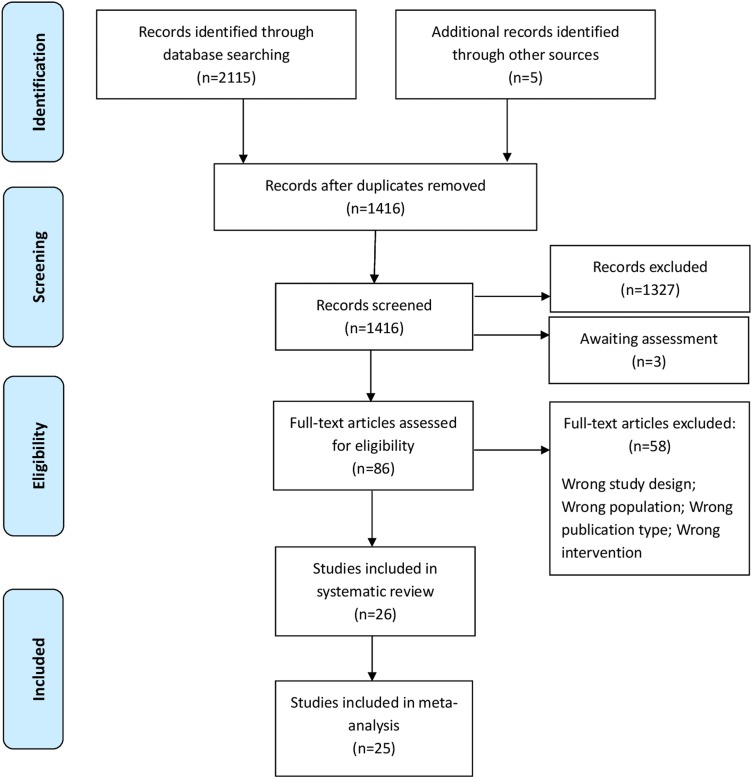
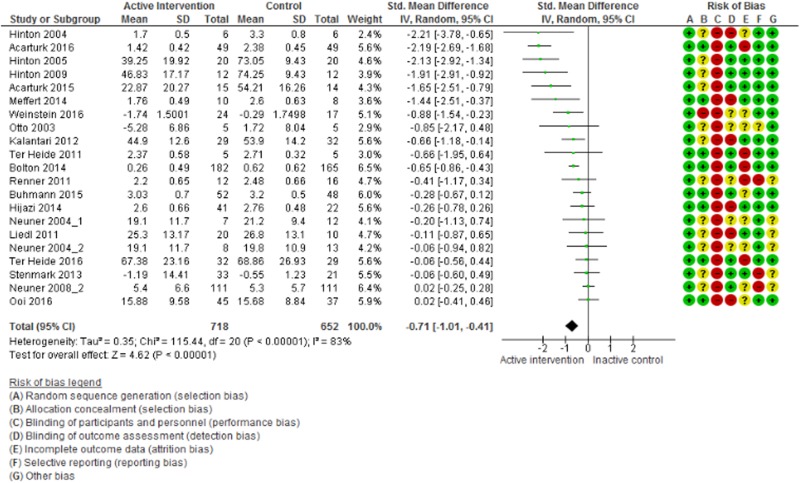
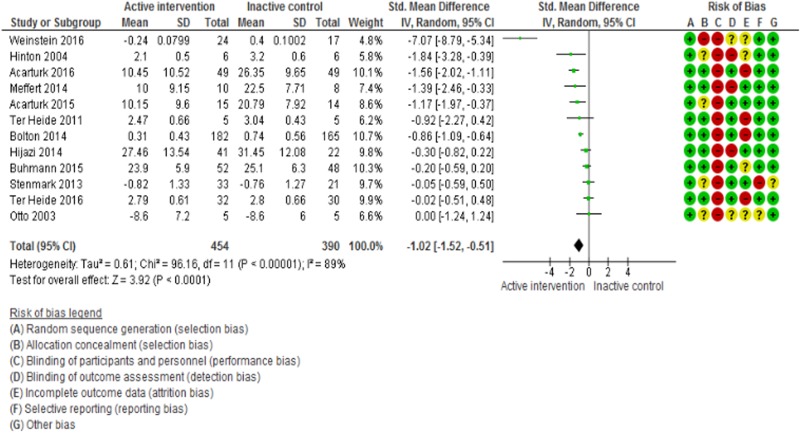
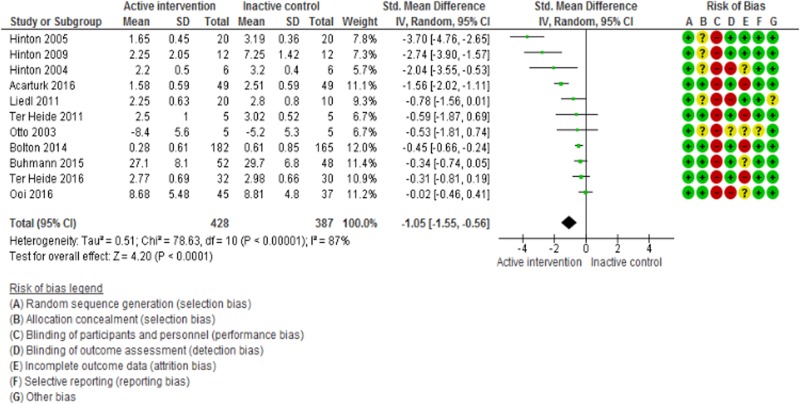
Aims In the past few years, there has been an unprecedented increase in the number of forcibly displaced migrants worldwide, of which a substantial proportion is refugees and asylum seekers. Refugees and asylum seekers may experience high levels of psychological distress, and show high rates of mental health conditions. It is therefore timely and particularly relevant to assess whether current evidence supports the provision of psychosocial interventions for this population. We conducted a systematic review and meta-analysis of randomised controlled trials (RCTs) assessing the efficacy and acceptability of psychosocial interventions compared with control conditions (treatment as usual/no treatment, waiting list, psychological placebo) aimed at reducing mental health problems in distressed refugees and asylum seekers.Methods We used Cochrane procedures for conducting a systematic review and meta-analysis of RCTs. We searched for published and unpublished RCTs assessing the efficacy and acceptability of psychosocial interventions in adults and children asylum seekers and refugees with psychological distress. Post-traumatic stress disorder (PTSD), depressive and anxiety symptoms at post-intervention were the primary outcomes. Secondary outcomes include: PTSD, depressive and anxiety symptoms at follow-up, functioning, quality of life and dropouts due to any reason.Results We included 26 studies with 1959 participants. Meta-analysis of RCTs revealed that psychosocial interventions have a clinically significant beneficial effect on PTSD (standardised mean difference [SMD] = -0.71; 95% confidence interval [CI] -1.01 to -0.41; I2 = 83%; 95% CI 78-88; 20 studies, 1370 participants; moderate quality evidence), depression (SMD = -1.02; 95% CI -1.52 to -0.51; I2 = 89%; 95% CI 82-93; 12 studies, 844 participants; moderate quality evidence) and anxiety outcomes (SMD = -1.05; 95% CI -1.55 to -0.56; I2 = 87%; 95% CI 79-92; 11 studies, 815 participants; moderate quality evidence). This beneficial effect was maintained at 1 month or longer follow-up, which is extremely important for populations exposed to ongoing post-migration stressors. For the other secondary outcomes, we identified a non-significant trend in favour of psychosocial interventions. Most evidence supported interventions based on cognitive behavioural therapies with a trauma-focused component. Limitations of this review include the limited number of studies collected, with a relatively low total number of participants, and the limited available data for positive outcomes like functioning and quality of life.Conclusions Considering the epidemiological relevance of psychological distress and mental health conditions in refugees and asylum seekers, and in view of the existing data on the effectiveness of psychosocial interventions, these interventions should be routinely made available as part of the health care of distressed refugees and asylum seekers. Evidence-based guidelines and implementation packages should be developed accordingly. Copyright © Cambridge University Press 2019.
Overview
CoChat Summary
TL;DR
This systematic review and meta-analysis of 26 RCTs with 1,959 participants found that psychosocial interventions reduced PTSD, depression, and anxiety symptoms in asylum seekers and refugees, with effects maintained at follow-up. The evidence was strongest for trauma-focused CBT-based interventions, while functioning and quality of life did not differ from controls.
Key findings
- Across 26 studies (1,959 participants), psychosocial interventions improved PTSD symptoms versus controls: SMD = −0.71 (95% CI −1.01 to −0.41; 20 studies, 1,370 participants; moderate-quality evidence).
- They also reduced depressive symptoms: SMD = −1.02 (95% CI −1.52 to −0.51; 12 studies, 844 participants; moderate-quality evidence) and anxiety symptoms: SMD = −1.05 (95% CI −1.55 to −0.56; 11 studies, 815 participants; moderate-quality evidence).
- Benefits were maintained at follow-up: PTSD SMD = −1.08 (11 studies, 711 participants), depression SMD = −1.28 (8 studies, 371 participants), anxiety SMD = −0.49 (3 studies, 171 participants).
- Treatment acceptability was similar to control conditions: dropout RR = 0.96 (95% CI 0.82–1.13; 23 studies, 1,636 participants). Functioning and quality of life showed no significant differences from control.
Methods
- Systematic review and meta-analysis of randomized controlled trials, following Cochrane procedures and registered in PROSPERO (CRD42017071523).
- Searched CENTRAL, CINAHL, EMBASE, PILOTS, PsycINFO, PubMed, Web of Science, plus grey literature, through September 2017; included studies in any language involving adults and children asylum seekers/refugees with psychological distress.
- Primary analysis pooled post-intervention PTSD, depression, and anxiety outcomes using random-effects meta-analysis; secondary analyses covered follow-up outcomes, dropout, functioning, and quality of life, with subgroup analyses by intervention type, age, setting, control condition, and risk of bias.
Limitations
- The paper states that the review was limited by the relatively small number of studies and participants, limited data on positive outcomes such as functioning and quality of life, and overall moderate to low quality of included studies.
- The authors state that follow-up periods were not very long, leaving uncertainty about long-term effects, and that substantial heterogeneity remained even after subgroup analyses.
- Evident from the text: most studies were at high risk of bias on two or three items, and the review could not fully examine important variables such as time since resettlement, legal status (refugee vs asylum seeker), or pharmacological treatment.
Model-written summary. Check it against the paper before relying on it.
Integrity signals
Registry
Cites
Statistics
Figures
Verification
Claims the paper makes
11 Valid · 3 Not valid · 3 Not checked · 49 Own results and interpretations
The cited sources support only part of this claim — read each source’s verdict below.
In the paper
“exposure to extreme stressors, including major losses and potentially traumatic events such as torture and war exposure, are disproportionately experienced by refugees and asylum seekers before and during displacement”
§ Efficacy and acceptability of psychosocial interventions in asylum seekers and refugees: systematic review and meta-analysis > Introduction
What the sources say
- Partly supportedcites Bogic et al., 2012 matched to “Factors associated with mental disorders in long-settled war refugees: refugees from the former Yugoslavia in Germany, Italy and the UK” (2012) sourceExperimental — accuracy not yet measured
The Results report frequent war-related traumatic events and migration stressors among refugees from the former Yugoslavia, and note that torture was reported in the sample. The paper does not establish that refugees and asylum seekers experience these stressors disproportionately compared with other groups, or specifically document major losses before and during displacement. (LLM, conf=0.83)
- Not checked — no full text of the sourcecites Priebe et al., 2016
plainstates an association- Asserted: passes — The authors put it forward as true.
- Checkable: passes — It can be checked against evidence.
- Load-bearing: unclear — It is unclear whether the paper’s conclusions depend on it.
- Based: passes — The paper gives a reason why it holds.
- Partly supported
The cited sources support only part of this claim — read each source’s verdict below.
In the paper
“existing reviews are narrative or focused on selected populations of asylum seekers or refugees, for example those with a formal diagnosis of PTSD, or only those displaced and resettled in particular settings only”
§ Efficacy and acceptability of psychosocial interventions in asylum seekers and refugees: systematic review and meta-analysis > Introduction
What the sources say
- Partly supportedcites Nosè et al., 2017 matched to “Psychosocial interventions for post-traumatic stress disorder in refugees and asylum seekers resettled in high-income countries: Systematic review and meta-analysis” (2017) sourceExperimental — accuracy not yet measured
The Introduction (page unavailable) identifies earlier narrative and systematic reviews, and the Discussion (page unavailable) describes a qualitative review of PTSD treatment among refugees and asylum seekers. It does not establish that those earlier reviews required a formal PTSD diagnosis or were limited to particular resettlement settings; the two reviews described in the Discussion covered participants irrespective of setting. (LLM, conf=0.82)
- Not matchedcites Tribe et al., 2017
An author–year citation the paper’s reference list doesn’t settle. We don’t search these by name.
- Not checked — no full text of the sourcecites Thompson et al., 2018 matched to “Psychological interventions for post-traumatic stress disorder in refugees and asylum seekers: A systematic review and meta-analysis” (2018) source
plain- Asserted: passes — The authors put it forward as true.
- Checkable: passes — It can be checked against evidence.
- Load-bearing: passes — The paper’s conclusions depend on it.
- Based: passes — The paper gives a reason why it holds.
- Partly supported
Every source the paper cites for this claim was checked and supports it.
In the paper
“These findings are not consistent with the previous systematic review by Nosè et al., which showed efficacy of NET for PTSD experienced by asylum seekers and refugees”
§ Efficacy and acceptability of psychosocial interventions in asylum seekers and refugees: systematic review and meta-analysis > Discussion
What the sources say
- Supportedcites Nosè et al., 2017 matched to “Psychosocial interventions for post-traumatic stress disorder in refugees and asylum seekers resettled in high-income countries: Systematic review and meta-analysis” (2017) source
The Discussion states that five randomized trials supported the effectiveness of narrative exposure therapy (NET), with a relatively large effect and reasonably low heterogeneity. The review concerns PTSD in refugees and asylum seekers resettled in high-income countries, though it cautions that the evidence is limited in quality. (LLM, conf=0.90)
plain- Asserted: passes — The authors put it forward as true.
- Checkable: passes — It can be checked against evidence.
- Load-bearing: passes — The paper’s conclusions depend on it.
- Based: passes — The paper gives a reason why it holds.
- Supported
The cited sources support only part of this claim — read each source’s verdict below.
In the paper
“Randomised controlled trials (RCTs) suggest that psychosocial interventions, that is interventions with a focus on the interrelation between social circumstances and peoples’ thoughts, emotions and behaviours, may be helpful in treating some mental disorders in asylum seekers and refugees”
§ Efficacy and acceptability of psychosocial interventions in asylum seekers and refugees: systematic review and meta-analysis > Introduction
What the sources say
- Partly supportedcites Nosè et al., 2017 matched to “Psychosocial interventions for post-traumatic stress disorder in refugees and asylum seekers resettled in high-income countries: Systematic review and meta-analysis” (2017) sourceExperimental — accuracy not yet measured
The Introduction describes a review of RCTs and controlled trials in adult refugees and asylum seekers with PTSD resettled in high-income countries. The Results report reductions in PTSD and depressive symptoms after psychosocial interventions. This supports the cautious claim that such interventions may help, but the citing sentence omits the study’s population and setting limits. (LLM, conf=0.82)
hedgedstates a possible cause- Asserted: passes — The authors put it forward as true.
- Checkable: passes — It can be checked against evidence.
- Load-bearing: passes — The paper’s conclusions depend on it.
- Based: passes — The paper gives a reason why it holds.
- Partly supported
The paper states this without a source or data behind it here, so there is nothing to check it against. The quote shows it is in the paper.
In the paper
“Most evidence supported interventions based on cognitive behavioural therapies with a trauma-focused component.”
§ Efficacy and acceptability of psychosocial interventions in asylum seekers and refugees: systematic review and meta-analysis > Abstract > Results
- Asserted: passes — The authors put it forward as true.
- Checkable: passes — It can be checked against evidence.
- Load-bearing: passes — The paper’s conclusions depend on it.
- Based: unclear — It is unclear why the paper says it holds.
36 more claims
Create a free account to see all 66 claims and to verify the 1 reference still open.
- It may state two separate claims as one. 15
- Probably not a substantial claim. 11
- The quote only partly states this claim. 1
Claims other papers make about this one
Each is checked against this paper’s own text: does it say what the citing paper says it does?
The source backs part of the claim, not all of it — or backs it for a different population, condition or comparison.
In the citing paper
“Experiences before, during, and after flight increase psychological distress and the risk of various mental disorders, with a recent umbrella review identifying depression, anxiety, and post-traumatic stress disorder (PTSD) as the most common mental disorders among refugees, accounting for up to 40% of all mental disorders in this population (Turrini et al., 2019).”
From Smartphone-delivered mental health care interventions for refugees: A systematic review of the literature (2023) · cites this paper as Turrini et al., 2019
Experimental — accuracy not yet measuredThe source backs part of the claim, not all of it — or backs it for a different population, condition or comparison.
In the citing paper
“Similarly, previous reviews have shown that psychosocial interventions, and especially narrative exposure therapy, are effective for PTSD among refugees in both global and high-income settings [148, 149].”
From Psychological and pharmacological interventions for posttraumatic stress disorder and comorbid mental health problems following complex traumatic events: Systematic review and component network meta-analysis (2020) · cites this paper as [148]
Experimental — accuracy not yet measuredThe source backs part of the claim, not all of it — or backs it for a different population, condition or comparison.
In the citing paper
“Trauma-focused therapies have demonstrated efficacy in reducing symptoms of PTSD, depression, and anxiety”
From A brief transdiagnostic psychological intervention for Afghan asylum seekers and refugees in Austria: A randomized controlled trial (2020) · cites this paper as [15]
Experimental — accuracy not yet measuredThe source backs part of the claim, not all of it — or backs it for a different population, condition or comparison.
In the citing paper
“The treatment evidence base for help-seeking refugees and asylum seekers is sparse and limited mainly to trauma-specific treatments [13–16]”
From A brief transdiagnostic psychological intervention for Afghan asylum seekers and refugees in Austria: A randomized controlled trial (2020) · cites this paper as [15]
Experimental — accuracy not yet measuredThe source backs part of the claim, not all of it — or backs it for a different population, condition or comparison.
In the citing paper
“Although the efficacy of gPM+ and other task-shifting programs have been shown, there is a scarcity of effective programs that address the needs of children [13].”
From Effectiveness of a brief group behavioral intervention for common mental disorders in Syrian refugees in Jordan: a randomized controlled trial (2022) · cites this paper as [13]
Experimental — accuracy not yet measured
3 more claims about this paper
Create a free account to see every claim other papers make about this one.
Self-check
Percentages, sums and reported differences re-computed from the paper’s own numbers.
Self-check results appear here once an independent check has confirmed them.
Cited works that were retracted
Works this paper cites that were later retracted, from the retraction notices publishers deposit. Major when the notice came out before this paper was published.
Rated major: it would touch a result — a value a result rests on, reported and recomputed p-values on opposite sides of the significance level, two passages that conflict with no sign which is right, or a cited work retracted before this paper was published.
In the paper
“…et al., 2004, 2005, 2009; Neuner et al., 2004, 2008, 2010; Baker and Jones, 2006; Weine et al., 2008; Ruf et al., 2010; Adenauer et al., 2011; Liedl et al., 2011; Renner et al., 2011; Ter Heide et al., 2011, 2016; Kalantari et al., 2012; Stenmark et al., 2013; Bolton et al., 2014; Hijazi et…”
Cited work 10.1111/j.1526-4637.2010.01040.x · retracted 2013-10-01 · notice 10.1111/pme.12240 · this paper published 2019-02-11
Citations
Cites
1 retracted
Liedl, A., Müller, J., Morina, N., Karl, A., Denke, C., & Knaevelsrud, C. (2011) · Pain Medicine · doi:10.1111/j.1526-4637.2010.01040.x · Cited by 69 · cited 2×
“…et al., 2004, 2005, 2009; Neuner et al., 2004, 2008, 2010; Baker and Jones, 2006; Weine et al., 2008; Ruf et al., 2010; Adenauer et al., 2011; Liedl et al., 2011; Renner et al., 2011; Ter Heide et al., 2011, 2016; Kalantari et al., 2012; Stenmark et al., 2013; Bolton et al., 2014; Hijazi et…”
RetractedPreferred Reporting Items for Systematic Reviews and Meta-Analyses: the PRISMA statement
Moher, D., Liberati, A., Tetzlaff, J., Altman, D. G., & for the PRISMA Group (2009) · BMJ · doi:10.1136/bmj.b2535 · Cited by 83,823
Preferred reporting items for systematic reviews and meta-analyses: the PRISMA Statement.
(2009) · PubMed Central · Cited by 44,859
Hamilton, M. (1960) · Journal of Neurology, Neurosurgery & Psychiatry · doi:10.1136/jnnp.23.1.56 · Cited by 32,817 · cited 3×
“For depressive symptoms, data were extracted from the Hamilton Depression Rating Scale (HDRS) (Hamilton, 1960) or Beck Depression Inventory-II (BDI-II) (Beck et al.”
MethodDermyshi, E., Wang, Y., Yan, C., Hong, W., Qiu, G., Gong, X., & Zhang, T. (2017) · Neonatology · doi:10.1159/000454668 · Cited by 24,451
Preferred Reporting Items for Systematic Reviews and Meta-Analyses: The PRISMA Statement
Moher, D., Liberati, A., Tetzlaff, J., & Altman, D. G. (2009) · Journal of Clinical Epidemiology · doi:10.1016/j.jclinepi.2009.06.005 · Cited by 19,575
The assessment of anxiety states by rating
HAMILTON, M. (1959) · British Journal of Medical Psychology · doi:10.1111/j.2044-8341.1959.tb00467.x · Cited by 11,455 · cited 3×
“For anxiety symptoms, data were extracted from the Hamilton Rating Scale for Anxiety (HRSA) (Hamilton, 1959) or from any other anxiety rating scale with 2 G.”
MethodGRADE guidelines: 1. Introduction—GRADE evidence profiles and summary of findings tables
Guyatt, G., Oxman, A. D., Akl, E. A., Kunz, R., Vist, G., Brozek, J., Norris, S., Falck-Ytter, Y., Glasziou, P., & deBeer, H. (2011) · Journal of Clinical Epidemiology · doi:10.1016/j.jclinepi.2010.04.026 · Cited by 10,681 · cited 2×
“Additionally, in order to produce a tabular synoptic overview of the main review findings and quality, easily understandable for patients, policy makers, research planners, guideline developers and other stakeholders, data were summarised according to the methodology described by the GRADE working group (Guyatt et al.…”
MethodBorenstein, M., Hedges, L. V., Higgins, J. P. T., & Rothstein, H. R. (2021) · doi:10.1002/9781119558378 · Cited by 9,799
Social Relationships and Mortality Risk: A Meta-analytic Review
Holt-Lunstad, J., Smith, T. B., & Layton, J. B. (2010) · PLoS Medicine · doi:10.1371/journal.pmed.1000316 · Cited by 7,272
Research works printed but not linked: 5
- Higgins J and Green S (2011) Cochrane Handbook for Systematic Reviews of Interventions Version 5.1.0. Chichester: Wiley Available at http://handbook-5-1.cochrane.org/.
- RevMan; version 5.3.5; Review Manager (RevMan) [Computer program]. Version 5.3 (2014) Copenhagen: The Nordic Cochrane Centre: The Cochrane Collaboration.
- Beck AT, Steer RA and Brown GK (1996) BDI-II, Beck Depression Inventory: Manual. Boston: Harcourt Brace.
- United Nations High Commissioner for Refugees (UNHCR) (2006) The State of the World's Refugees 2006: Human Displacement in the new Millennium. Oxford: Oxford University Press.
- United Nations General Assembly (1951) Convention Relating to the Status of Refugees. Geneva: United Nations High Commissioner for Refugees Available at http://www.unhcr.org/3b66c2aa10 (Accessed 3 April 2018).
Cited by
Henkelmann, J.-R., de Best, S., Deckers, C., Jensen, K., Shahab, M., Elzinga, B., & Molendijk, M. (2020) · BJPsych Open · doi:10.1192/bjo.2020.54 · Cited by 388
Coventry, P. A., Meader, N., Melton, H., Temple, M., Dale, H., Wright, K., Cloitre, M., Karatzias, T., Bisson, J., Roberts, N. P., et al. (2020) · PLoS Medicine · doi:10.1371/journal.pmed.1003262 · Cited by 358
“Similarly, previous reviews have shown that psychosocial interventions, and especially narrative exposure therapy, are effective for PTSD among refugees in both global and high-income settings [148, 149].”
Self-citationBarbui, C., Purgato, M., Abdulmalik, J., Acarturk, C., Eaton, J., Gastaldon, C., Gureje, O., Hanlon, C., Jordans, M., Lund, C., et al. (2020) · The Lancet Psychiatry · doi:10.1016/s2215-0366(19)30511-5 · Cited by 349
Self-citationMesa-Vieira, C., Haas, A. D., Buitrago-Garcia, D., Roa-Diaz, Z. M., Minder, B., Gamba, M., Salvador, D., Gomez, D., Lewis, M., Gonzalez-Jaramillo, W. C., et al. (2022) · The Lancet Public Health · doi:10.1016/s2468-2667(22)00061-5 · Cited by 227
Carpiniello, B. (2023) · International Journal of Environmental Research and Public Health · doi:10.3390/ijerph20042840 · Cited by 195
“Unfortunately, the encouraging evidence in favour of the efficacy and acceptability of psychosocial interventions in asylum seekers and refugees is limited to adult populations [56].”
Backgroundvan Ginneken, N., Chin, W. Y., Lim, Y. C., Ussif, A., Singh, R., Shahmalak, U., Purgato, M., Rojas-García, A., Uphoff, E., McMullen, S., et al. (2021) · Cochrane Database of Systematic Reviews · doi:10.1002/14651858.cd009149.pub3 · Cited by 188
Self-citationRanjbar, N. E., Erb, M., Mohammad, O., & Moreno, F. (2020) · FOCUS The Journal of Lifelong Learning in Psychiatry · doi:10.1176/appi.focus.20190027 · Cited by 175
“the use of interventions that are more accessible: “brief, basic, group and non-specialist–delivered versions of these evidencebased psychosocial treatments” [italics added] (52).”
Purgato, M., Carswell, K., Tedeschi, F., Acarturk, C., Anttila, M., Au, T., Bajbouj, M., Baumgartner, J., Biondi, M., Churchill, R., et al. (2021) · Psychotherapy and Psychosomatics · doi:10.1159/000517504 · Cited by 132
Self-citationUphoff, E., Robertson, L., Cabieses, B., Villalón, F., Purgato, M., Churchill, R. C., & Barbui, C. (2020) · Cochrane Database of Systematic Reviews · doi:10.1002/14651858.cd013458.pub2 · Cited by 170
“Two reviews with metaanalyses assessed the risk of publication bias (Nosè 2017; Turrini 2019).”
BackgroundMethodResultInfluentialSelf-citationBryant, R. A., Bawaneh, A., Awwad, M., Al-Hayek, H., Giardinelli, L., Whitney, C., Jordans, M. J. D., Cuijpers, P., Sijbrandij, M., Ventevogel, P., et al. (2022) · PLoS Medicine · doi:10.1371/journal.pmed.1003949 · Cited by 123
“In the context of elevated rates of mental health problems in refugee children [13], and the PLOS MEDICINE Treatment of Common Mental Disorders in Refugees”
BackgroundSelf-citationTroup, J., Fuhr, D. C., Woodward, A., Sondorp, E., & Roberts, B. (2021) · International Journal of Mental Health Systems · doi:10.1186/s13033-020-00431-1 · Cited by 140
de Graaff, A. M., Cuijpers, P., McDaid, D., Park, A., Woodward, A., Bryant, R. A., Fuhr, D. C., Kieft, B., Minkenberg, E., & Sijbrandij, M. (2020) · Epidemiology and Psychiatric Sciences · doi:10.1017/s2045796020000724 · Cited by 109
“Furthermore, we added the WHODAS measure of overall psychosocial functioning to look beyond mental health and psychosocial problems, something often not included in the evaluation of psychosocial interventions for refugees (Turrini et al., 2019).”
BackgroundMethodSelf-citationAcarturk, C., Uygun, E., Ilkkursun, Z., Yurtbakan, T., Kurt, G., Adam-Troian, J., Senay, I., Bryant, R., Cuijpers, P., Kiselev, N., et al. (2022) · BMC Psychiatry · doi:10.1186/s12888-021-03645-w · Cited by 93
“Psychosocial interventions are effective in decreasing symptoms of post-traumatic stress disorder (PTSD), depression, and anxiety among refugees [19].”
BackgroundSelf-citationA Self-Help App for Syrian Refugees With Posttraumatic Stress (Sanadak): Randomized Controlled Trial
Röhr, S., Jung, F. U., Pabst, A., Grochtdreis, T., Dams, J., Nagl, M., Renner, A., Hoffmann, R., König, H.-H., Kersting, A., et al. (2021) · JMIR mhealth and uhealth · doi:10.2196/24807 · Cited by 92
“Regarding face-to-face interventions, systematic reviews and meta-analyses found cognitive behavioral therapy, eye movement desensitization and reprocessing treatment and narrative exposure therapy [48,49] as well as psychosocial interventions [50] beneficial for certain populations of refugees; however, this evidence…”
BackgroundAddressing war trauma in Ukrainian refugees before it is too late
Javanbakht, A. (2022) · European Journal of Psychotraumatology · doi:10.1080/20008066.2022.2104009 · Cited by 85
“cial interventions have been proven effective in reducing symptoms of refugees and asylum seekers (Turrini et al., 2019).”
BackgroundA decennial review of psychotraumatology: what did we learn and where are we going?
Olff, M., Amstadter, A., Armour, C., Birkeland, M. S., Bui, E., Cloitre, M., Ehlers, A., Ford, J. D., Greene, T., Hansen, M., et al. (2019) · European Journal of Psychotraumatology · doi:10.1080/20008198.2019.1672948 · Cited by 78
“ize findings in systematic reviews andmeta-analyses and to derive first recommendations (Turrini et al., 2019).”
BackgroundKip, A., Priebe, S., Holling, H., & Morina, N. (2020) · Clinical Psychology & Psychotherapy · doi:10.1002/cpp.2446 · Cited by 77
Posttraumatic Stress Disorder in Refugees
Bryant, R. A., Nickerson, A., Morina, N., & Liddell, B. J. (2023) · Annual Review of Clinical Psychology · doi:10.1146/annurev-clinpsy-080921-080359 · Cited by 105
van der Boor, C. F., Amos, R., Nevitt, S., Dowrick, C., & White, R. G. (2020) · Conflict and Health · doi:10.1186/s13031-020-00292-y · Cited by 68
Self-citationMental health in refugee children
Dangmann, C., Dybdahl, R., & Solberg, Ø. (2022) · Current Opinion in Psychology · doi:10.1016/j.copsyc.2022.101460 · Cited by 68
“However, there is uncertainty on the efficacy of these methods in refugee children and in some humanitarian settings it might not be appropriate [33,68].”
BackgroundRaut, S. B., Marathe, P. A., van Eijk, L., Eri, R. D., Ravindran, M., Benedek, D. M., Ursano, R. J., Canales, J. J., & Johnson, L. R. (2022) · Pharmacology & Therapeutics · doi:10.1016/j.pharmthera.2022.108195 · Cited by 84
Addressing Mental Health Concerns in Refugees and Displaced Populations: Is Enough Being Done?
Grasser, L. R. (2022) · Risk Management and Healthcare Policy · doi:10.2147/rmhp.s270233 · Cited by 85
Kananian, S., Soltani, Y., Hinton, D. E., & Stangier, U. (2020) · Journal of Traumatic Stress · doi:10.1002/jts.22615 · Cited by 76
A network meta-analysis of psychosocial interventions for refugees and asylum seekers with PTSD
Turrini, G., Tedeschi, F., Cuijpers, P. J., Giovane, C. D., Kip, A., Morina, N., Nosè, M., Ostuzzi, G., Purgato, M., Ricciardi, C., et al. (2021) · BMJ Global Health · doi:10.1136/bmjgh-2021-005029 · Cited by 76
“…investigated the efficacy of psychosocial interventions specifically adapted to meet the needs of adult refugees and asylum seekers with PTSD. 19–23 A major shortcoming of existing systematic reviews and meta-analyses is the use of standard pairwise meta-analytical approaches that does not…”
Self-citationPurgato, M., Richards, J. A., Prina, E., Kip, A., Piccolo, L. D., Michencigh, G., Rimondini, M., Rudi, D., Vitali, F., Carta, M. G., et al. (2021) · Psychology of sport and exercise · doi:10.1016/j.psychsport.2021.101901 · Cited by 72
Self-citationTay, A. K., Mung, H. K., Miah, M. A. A., Balasundaram, S., Ventevogel, P., Badrudduza, M., Khan, S., Morgan, K., Rees, S., Mohsin, M., et al. (2020) · PLoS Medicine · doi:10.1371/journal.pmed.1003073 · Cited by 55
“Randomised controlled trials (RCTs) comparing 2 active psychotherapies are relatively rare in the refugee mental health and the wider general trauma field [22].”
BackgroundAizik-Reebs, A., Yuval, K., Hadash, Y., Gebremariam, S. G., & Bernstein, A. (2021) · Clinical Psychological Science · doi:10.1177/2167702621998641 · Cited by 68
“Given the well-documented barriers to the implementation of effective mental health interventions for refugees and asylum-seeker populations around the world (Patel et al., 2018; Singla et al., 2017; Turrini et al., 2019), the observed findings may ultimately have public health significance.”
BackgroundPromotion of Resilience in Migrants: A Systematic Review of Study and Psychosocial Intervention
Ciaramella, M., Monacelli, N., & Cocimano, L. C. E. (2021) · Journal of Immigrant and Minority Health · doi:10.1007/s10903-021-01247-y · Cited by 76
Beck, B. D., Meyer, S., Simonsen, E. H., Søgaard, U., Petersen, I., Arnfred, S., Tellier, T. C., & Moe, T. (2021) · European Journal of Psychotraumatology · doi:10.1080/20008198.2021.1930960 · Cited by 68
Raut, S. B., Canales, J. J., Ravindran, M., Eri, R. D., Benedek, D. M., Ursano, R. J., & Johnson, L. R. (2022) · Journal of Psychiatric Research · doi:10.1016/j.jpsychires.2022.03.045 · Cited by 54
Purgato, M., Carswell, K., Acarturk, C., Au, T., Akbai, S., Anttila, M., Baumgartner, J., Bailey, D., Biondi, M., Bird, M., et al. (2019) · BMJ Open · doi:10.1136/bmjopen-2019-030259 · Cited by 45
Self-citationEl-Haj-Mohamad, R., Nohr, L., Niemeyer, H., Böttche, M., & Knaevelsrud, C. (2023) · Cambridge Prisms Global Mental Health · doi:10.1017/gmh.2022.61 · Cited by 40
“…distress and the risk of various mental disorders, with a recent umbrella review identifying depression, anxiety, and post-traumatic stress disorder (PTSD) as the most common mental disorders among refugees, accounting for up to 40% of all mental disorders in this population (Turrini et al., 2019).”
Xu, C., Fan, S., Tian, Y., Liu, F., Furuya-Kanamori, L., Clark, J., Zhang, C., Li, S., Lin, L., Chu, H., et al. (2025) · BMJ · doi:10.1136/bmj-2024-082068 · Cited by 39
Refugee Mental Health, Global Health Policy, and the Syrian Crisis
Cratsley, K., Brooks, M. A., & Mackey, T. K. (2021) · Frontiers in Public Health · doi:10.3389/fpubh.2021.676000 · Cited by 53
Gkintoni, E., Kourkoutas, E., Yotsidi, V., Stavrou, P. D., & Prinianaki, D. (2024) · Children · doi:10.3390/children11050579 · Cited by 37
“Researchers in the study [40] analyzed various interventions, including TF-CBT, and highlighted its effectiveness compared to other therapies like EMDR and play therapy across different age groups.”
BackgroundMethodInfluentialIm, H., Swan, L. E. T., Warsame, A. H., & Isse, M. M. (2020) · International Journal of Social Psychiatry · doi:10.1177/0020764020978685 · Cited by 42
“In fact, as multiple systematic review and meta-analysis studies on focused psychosocial programs (Barbui et al., 2020; Pfefferbaum et al., 2019; Purgato et al., 2018; Turrini et al., 2019; Uppendahl et al., 2019) have revealed, multilevel approaches that encompass environmental conditions (e.”
Rafieifar, M., & Macgowan, M. J. (2021) · Research on Social Work Practice · doi:10.1177/10497315211022812 · Cited by 40
“…Critical Low NA Moderate Moderate Critical Moderate Critical Thabet et al. (2005) Serious Serious Serious Critical Critical Serious Serious Critical Ugurlu et al. (2016) Critical Serious NA Serious Serious Critical Serious Critical Van der Gucht et al. (2019) Serious Moderate NA Serious Critical…”
BackgroundMethodInfluentialPredicting and preventing dropout in research, assessment and treatment with refugees
Semmlinger, V., & Ehring, T. W. (2021) · Clinical Psychology & Psychotherapy · doi:10.1002/cpp.2672 · Cited by 46
Predictors of treatment outcomes for trauma-affected refugees - results from two randomised trials
Sonne, C., Mortensen, E. L., Silove, D., Palic, S., & Carlsson, J. (2021) · Journal of Affective Disorders · doi:10.1016/j.jad.2020.12.095 · Cited by 31
Charles, A., Thompson, D. M., Nixdorf, R., Ryan, G. K., Shamba, D., Kalha, J., Moran, G. S., Hiltensperger, R., Mahlke, C., Puschner, B., et al. (2020) · The British Journal of Psychiatry · doi:10.1192/bjp.2019.264 · Cited by 34
Self-Help Plus for refugees and asylum seekers: an individual participant data meta-analysis
Karyotaki, E., Sijbrandij, M., Purgato, M., Acarturk, C., Lakin, D., Bailey, D., Peckham, E., Uygun, E., Tedeschi, F., Wancata, J., et al. (2023) · BMJ Mental Health · doi:10.1136/bmjment-2023-300672 · Cited by 30
“28 We should note that these previous meta-analytical findings have mainly been drawn from studies focusing on relatively higher-intensity treatments, probably more tailored to individual patient needs, delivered by skilled therapists.”
BackgroundResultSelf-citationKnefel, M., Kantor, V., Nicholson, A. A., Schiess-Jokanovic, J., Weindl, D., Schäfer, I., & Lueger-Schuster, B. (2020) · Trials · doi:10.1186/s13063-019-3839-9 · Cited by 29
Opaas, M., Wentzel‐Larsen, T., & Varvin, S. (2020) · PLoS ONE · doi:10.1371/journal.pone.0244730 · Cited by 32
“Researchers in the field of refugee mental health have underlined the need to do more research into refugees’ optimal health outcomes, the mechanisms of improvement and chronicity, the durability of treatment effects, and to not only focus on PTSD, but to study a wider scope of therapy outcome, including improvement i…”
BackgroundZehetmair, C., Nagy, E., Leetz, C., Cranz, A., Kindermann, D., Reddemann, L., & Nikendei, C. (2020) · Journal of Medical Internet Research · doi:10.2196/17906 · Cited by 31
“Multiple studies support trauma exposure approaches like narrative exposure therapy, trauma-focused cognitive behavioral therapy (CBT), and eye movement desensitization and reprocessing to address PTSD symptoms in the refugee population [1,3,4].”
BackgroundJordans, M. J. D., Brown, F. L., Kane, J. C., Taha, K., Steen, F., Ali, R., Elias, J., Meksassi, B., Aoun, M., Greene, M. C., et al. (2023) · Comprehensive Psychiatry · doi:10.1016/j.comppsych.2023.152424 · Cited by 34
Self-citationSchieß-Jokanovic, J., Knefel, M., Kantor, V., Weindl, D., Schäfer, I., & Lueger‐Schuster, B. (2022) · Conflict and Health · doi:10.1186/s13031-022-00455-z · Cited by 29
“Psychosocial interventions have already been shown to be effective in several studies [66].”
ResultNguyen, A. J., Lasater, M. E., Lee, C., Mallawaarachchi, I. V., Joshua, K., Bassett, L., & Gelsdorf, K. H. (2023) · Journal of Migration and Health · doi:10.1016/j.jmh.2023.100168 · Cited by 44
“Lastly, reference lists of previous systematic reviews (Jordans et al., 2016; Purgato et al., 2018; Haroz et al., 2020; Bangpan et al., 2019; Turrini et al., 2019) and included reports were hand searched.”
BackgroundMahon, D. (2022) · Trauma Care · doi:10.3390/traumacare2010005 · Cited by 26
Tay, A. K., Miah, M. A. A., Khan, S. T., Badrudduza, M., Morgan, K., Balasundaram, S., & Silove, D. M. (2019) · Epidemiology and Psychiatric Sciences · doi:10.1017/s2045796019000416 · Cited by 30
“(Steel et al., 2009; Turrini et al., 2019).”
von Hammerstein, C., Khazaal, Y., Dupuis, M., Aubin, H.-J., Benyamina, A., Luquiens, A., & Romo, L. (2019) · BMJ Open · doi:10.1136/bmjopen-2018-026839 · Cited by 24
Acartürk, C., Kurt, G., İlkkurşun, Z., de Graaff, A. M., Bryant, R. A., Cuijpers, P. J., Fuhr, D. C., McDaid, D., Park, A. L., Sijbrandij, M., et al. (2024) · Epidemiology and Psychiatric Sciences · doi:10.1017/s2045796024000453 · Cited by 43
Self-citationBackhaus, S., Blackwell, A., & Gardner, F. E. M. (2024) · Child Abuse & Neglect · doi:10.1016/j.chiabu.2024.106850 · Cited by 41
van der Boor, C., Dowrick, C. F., & White, R. G. (2020) · Journal of Ethnic and Migration Studies · doi:10.1080/1369183x.2020.1852074 · Cited by 31
“Systematic reviews looking at the mental health of AS&R populations clearly identify the comparative lack of intervention studies measuring well-being and quality of life (QoL) in high, low and middle-income countries (Bosqui & Marshoud, 2018; Turrini et al. 2019).”
BackgroundSelf-citationMcDermott, L., Hameed, I., & Lau‐Zhu, A. (2024) · Trauma Violence & Abuse · doi:10.1177/15248380241262262 · Cited by 35
Orang, T. M., Missmahl, I., Thöle, A.-M., Valensise, L., Brenner, A. E., Gardisi, M., Peter, H., & Kluge, U. (2022) · Clinical Psychology & Psychotherapy · doi:10.1002/cpp.2728 · Cited by 25
Schäfer, S. K., Kunzler, A. M., Lindner, S., Broll, J., Stoll, M., Stoffers‐Winterling, J., & Lieb, K. (2023) · European Journal of Psychotraumatology · doi:10.1080/20008066.2023.2196762 · Cited by 24
Misuse of Pregabalin: a qualitative study from a patient’s perspective
Servais, L., Huberland, V., & Richelle, L. (2023) · BMC Public Health · doi:10.1186/s12889-023-16051-6 · Cited by 24
Anisman, H., Doubad, D., Asokumar, A., & Matheson, K. (2024) · Neuroscience & Biobehavioral Reviews · doi:10.1016/j.neubiorev.2024.105859 · Cited by 32
Turrini, G., Purgato, M., Cadorin, C., Bartucz, M. B., Cristofalo, D., Gastaldon, C., Nosè, M., Ostuzzi, G., Papola, D., Prina, E., et al. (2024) · The Lancet Regional Health - Europe · doi:10.1016/j.lanepe.2024.101152 · Cited by 39
Self-citationSteil, R., Lechner‐Meichsner, F., Johow, J., Krüger-Gottschalk, A., Mewes, R., Reese, J., Schumm, H., Weise, C., Morina, N., & Ehring, T. W. (2021) · European Journal of Psychotraumatology · doi:10.1080/20008198.2021.1872967 · Cited by 25
“…have shown trauma-focused psychotherapy to be effective with medium to large effects (Kip, Priebe, Holling, & Morina, 2020; Lambert & Alhassoon, 2015; Morina, Malek, Nickerson, & Bryant, 2017; Nosè et al., 2017; Thompson, Vidgen, & Roberts, 2018; Tribe, Sendt, & Tracy, 2019; Turrini et al., 2019).”
Scalable interventions for refugees
Bryant, R. A. (2023) · Cambridge Prisms Global Mental Health · doi:10.1017/gmh.2022.59 · Cited by 30
Bilal, M. M., Elnour, S. M. B., Elmahdi, Z. Z. M., & Ahmed, E. M. M. (2024) · International Journal of Social Psychiatry · doi:10.1177/00207640231221101 · Cited by 23
Zabłocka‐Żytka, L., & Lavdas, M. (2023) · Psychiatria Polska · doi:10.12740/pp/156157 · Cited by 23
“Przegląd systematyczny i metaanaliza Turrini i wsp. [25] (2019) dostarcza z kolei wielu dowodów na skuteczność interwencji psychospołecznych, które w dużej mierze angażowały rówieśników i niewyspecjalizowanych pracowników.”
Access to Healthcare Among US Adult Refugees: A Systematic Qualitative Review
Ho, C. H., Denton, A. H., Blackstone, S. R., Saif, N. T., MacIntyre, K., Ozkaynak, M., Valdez, R. S., & Hauck, F. R. (2023) · Journal of Immigrant and Minority Health · doi:10.1007/s10903-023-01477-2 · Cited by 22
“We also excluded studies addressing mental health, as there are several recent systematic reviews that have explored refugees’ barriers and facilitators to accessing and utilizing mental health services [17, 23–27].”
BackgroundWhite, R. G., & van der Boor, C. (2021) · Epidemiology and Psychiatric Sciences · doi:10.1017/s2045796021000263 · Cited by 22
Self-citationBenjamin, L., Gillard, S., Nielsen, J. J., da Silva, M. E. P., & Sin, J. (2025) · Trauma Violence & Abuse · doi:10.1177/15248380251320982 · Cited by 31
Macgowan, M. J., Naseh, M., & Rafieifar, M. (2022) · Research on Social Work Practice · doi:10.1177/10497315221082223 · Cited by 25
Meaning-centered therapy in Ukraine's war refugees: An attempt to cope with the absurd?
Costanza, A., Amerio, A., Aguglia, A., Magnani, L., Huguelet, P., Serafini, G., Pompili, M., & Amore, M. (2022) · Frontiers in Psychology · doi:10.3389/fpsyg.2022.1067191 · Cited by 26
Purgato, M., Turrini, G., Tedeschi, F., Serra, R., Tarsitani, L., Compri, B., Muriago, G., Cadorin, C., Ostuzzi, G., Nicaise, P., et al. (2023) · Frontiers in Public Health · doi:10.3389/fpubh.2023.1100546 · Cited by 20
Self-citationNosè, M., Tarsitani, L., Tedeschi, F., Lotito, C., Massetti, A. P., Purgato, M., Roselli, V., Todini, L., Turrini, G., & Barbui, C. (2020) · BMC Psychiatry · doi:10.1186/s12888-020-02988-0 · Cited by 25
Self-citationSolberg, Ø., Sengoelge, M., Johnson-Singh, C. M., Vaez, M., Eriksson, A.-K., & Saboonchi, F. (2021) · Social Psychiatry and Psychiatric Epidemiology · doi:10.1007/s00127-021-02050-8 · Cited by 20
“In fact, a recent systematic review and meta-analysis found that psychosocial interventions with a trauma focus provided significant beneficial effects on PTSD, depression and anxiety outcomes in refugees and asylum-seekers [58].”
BackgroundSilva, P., & Pereira, H. (2023) · Behavioral Sciences · doi:10.3390/bs13070579 · Cited by 40
Mental Health in the Transit Context: Evidence from 10 Countries
Gargano, M. C., Ajduković, D., & Marković, M. V. (2022) · International Journal of Environmental Research and Public Health · doi:10.3390/ijerph19063476 · Cited by 20
Seruwagi, G. K., Nakidde, C., Lugada, E., Ssematiko, M., Ddamulira, D. P., Masaba, A., Luswata, B., Ochen, E. A., Okot, B. J., Muhangi, D., et al. (2022) · Conflict and Health · doi:10.1186/s13031-022-00451-3 · Cited by 25
Promoting mental health in migrants: a GHQ12-evaluation of a community health program in Sweden
Wrede, O., Löve, J., Jonasson, J. M., Panneh, M., & Priebe, G. E. (2021) · BMC Public Health · doi:10.1186/s12889-021-10284-z · Cited by 24
“We hypothesise that this trend could reflect the negative influence of long waiting for asylum decisions on applicants’ mental health [20, 22, 35].”
BackgroundHoehne, E., Böge, K., Karnouk, C., Tschorn, M., Banaschewski, T., Hoell, A., Sukale, T., Plener, P. L., Schneider, F. W., Padberg, F., et al. (2023) · European Child & Adolescent Psychiatry · doi:10.1007/s00787-023-02179-8 · Cited by 19
Mayer, Y., Ilan, R., Slone, M., & Lurie, I. (2020) · Children and Youth Services Review · doi:10.1016/j.childyouth.2020.105244 · Cited by 18
Mahon, D. (2022) · Mental Health and Social Inclusion · doi:10.1108/mhsi-12-2021-0085 · Cited by 16
Weine, S. M., Arënliu, A., Görmez, V., Lagenecker, S., & Demirtaş, H. (2021) · Conflict and Health · doi:10.1186/s13031-021-00365-6 · Cited by 15
Abi Ramia, J., Abi Hana, R., Noun, P., Cuijpers, P., Carswell, K., van't Hof, E., Heim, E., Zoghbi, E., Sijbrandij, M., & El Chammay, R. (2024) · Frontiers in Public Health · doi:10.3389/fpubh.2023.1293187 · Cited by 15
Bruhn, M., Attardo, H. L., Kromann-Larsen, M., Trevino, C. S., Eplov, L. F., Hjorthøj, C. R., & Carlsson, J. M. (2022) · Trials · doi:10.1186/s13063-022-06774-z · Cited by 17
“Two meta-analyses found that psychosocial interventions improve PTSD and depressive and anxiety symptoms for refugees and asylum-seekers resettled in high-income countries [14, 15].”
BackgroundRawlinson, R., Aslam, R. W., Burnside, G., Chiumento, A., Eriksson-Lee, M., Humphreys, A., Khan, N., Lawrence, D., Mahzir, I., McCluskey, R., et al. (2020) · Trials · doi:10.1186/s13063-020-04310-5 · Cited by 15
Self-citationPurgato, M., Tedeschi, F., Turrini, G., Acartürk, C., Anttila, M., Augustinavicious, J., Baumgartner, J. S., Bryant, R. A., Churchill, R. C., İlkkurşun, Z., et al. (2022) · European Journal of Psychotraumatology · doi:10.1080/20008066.2022.2128270 · Cited by 13
Self-citationBrown, F. L., Lee, C., Servili, C., Willhoite, A., van Ommeren, M., Hijazi, Z., Kieselbach, B. S., & Skeen, S. (2024) · Cambridge Prisms Global Mental Health · doi:10.1017/gmh.2024.57 · Cited by 17
“Recent meta-analyses and umbrella reviews have found limited evidence of effective approaches for children in LMICs (Barbui et al., 2020) and refugee and asylum seeking populations (Turrini et al., 2019) with even less evidence for the middle childhood age range in particular (Purgato et al., 2018).”
BackgroundSelf-citationDaniel, N., Liu, X., Thomas, E. T., Eraneva-Dibb, E., Ahmad, A.-M., & Heneghan, C. J. (2024) · European Journal of Psychotraumatology · doi:10.1080/20008066.2024.2389702 · Cited by 18
de Graaff, A. M., Cuijpers, P. J., Elsawy, M., Hunaidy, S., Kieft, B., Gorgis, N., Twisk, J. W. R., Zakarian, Y., Bouman, T. K., Lommen, M. J. J., et al. (2024) · Epidemiology and Psychiatric Sciences · doi:10.1017/s2045796024000519 · Cited by 17
“However, only 8 out of 26 studies included follow-up assessments longer than 3 months after the intervention (Turrini et al. , 2019).”
BackgroundMethodSelf-citationUsing Imagery Rescripting to Treat Posttraumatic Stress Disorder in Refugees: A Case Study
Lechner‐Meichsner, F., Ehring, T. W., Krüger-Gottschalk, A., Morina, N., Plankl, C., & Steil, R. (2022) · Cognitive and Behavioral Practice · doi:10.1016/j.cbpra.2022.06.002 · Cited by 15
Eye movement desensitization reprocessing as a treatment for PTSD in conflict-affected areas.
Wippich, A., Howatson, G., Allen, G., Farrell, D. P., Kiernan, M. D., & Scott, A. (2024) · Psychological Trauma Theory Research Practice and Policy · doi:10.1037/tra0001430 · Cited by 13
The Psychosocial Condition of Syrian Children Facing a Precarious Future
Shuayb, M., & Ahmad, N. (2021) · Refuge Canada s Journal on Refuge · doi:10.25071/1920-7336.40654 · Cited by 10
“Yet there is little evidence on the impact of psychosocial interventions on refugee children (Turrini et al., 2019; Fazel, 2018).”
BackgroundLuttenberger, K., Baggenstos, B., Najem, C., Sifri, C., Lewczuk, P., Radegast, A., & Rosenbaum, S. (2024) · Conflict and Health · doi:10.1186/s13031-024-00615-3 · Cited by 18
“The results are in line with previous literature from both high-and low-resource contexts [9, 56–58].”
ResultSandahl, H., Carlsson, J. M., Sonne, C., Mortensen, E. L., Jennum, P., & Baandrup, L. (2021) · SLEEP · doi:10.1093/sleep/zsab063 · Cited by 12
Opaas, M., & Hartmann, E. (2021) · PubMed Central · doi:10.1097/nmd.0000000000001396 · Cited by 4
“…posttraumatic stress disorder (PTSD) and depression for those receiving the intervention compared with control conditions (e.g., treatment as usual [TAU]) (e.g., Kip et al., 2020; Lambert and Alhassoon, 2015; Raghuraman et al., 2021; Thompson et al., 2018; Tribe et al., 2019, Turrini et al., 2019).”
BackgroundMental Health and Service Use of Migrants in Contact with the Public Psychiatry System in Paris
Tortelli, A., Perquier, F., Melchior, M., Lair, F., Encatassamy, F., Masson, C., K’ourio, H., Gourévitch, R., & Mercuel, A. (2020) · International Journal of Environmental Research and Public Health · doi:10.3390/ijerph17249397 · Cited by 12
“Moreover, there is a need to promote accessible interventions aiming to manage stress [66] and to support the attainment of social resources, such as language skills and social networks, which also contribute to reducing psychosocial distress and enhancing resilience [56,67].”
BackgroundGraef-Calliess, I. T., Erdmann, L., Mohwinkel, V., Özkan, I., Finkelstein, D., Loos, K., Penteker, G., & Trilesnik, B. (2023) · International Review of Psychiatry · doi:10.1080/09540261.2022.2164181 · Cited by 9
Rocca, B. D., Bello, R., Carbone, M., Pezzella, P., Toni, C., Sampogna, G., Tarsitani, L., Luciano, M., & Fiorillo, A. (2023) · International Journal of Social Psychiatry · doi:10.1177/00207640231214964 · Cited by 19
“…and adolescents, is crucial for reducing the risk of developing common mental disorders, promoting social inclusion and improving mental health and well-being (M. Fazel & Betancourt, 2018; Onoja et al., 2020; Pejušković & Vukčević-Marković, 2020; Peterson et al., 2020; Turrini et al., 2019).”
BackgroundDue, C., Gartley, T., & Ziersch, A. M. (2024) · Australian Psychologist · doi:10.1080/00050067.2024.2343745 · Cited by 11
Tran, V. M., Fozouni, L., Denkinger, J. K., Rometsch, C., Junne, F., Vinck, P., & Pham, P. N. (2021) · BMC Psychiatry · doi:10.1186/s12888-021-03335-7 · Cited by 13
“Previous studies have well established the benefit of psychosocial interventions for refugees experiencing PTSD symptoms [48, 49].”
BackgroundDowllah, I. M., & Melville, C. A. (2023) · Journal of Health Psychology · doi:10.1177/13591053231199254 · Cited by 9
“…and refugees who have PTSD, according to five systematic reviews published since 2018 (Kip et al., 2020; Naseh et al., 2019; Thompson et al., 2018; Turrini et al., 2019, 2021) looked at the impact of psychosocial interventions on PTSD outcomes in asylum seekers, and refugees relocated to LMICs,…”
Blignault, I., Saab, H., Youssef, H. A. M., Baddah, H., Giourgas, K., & Woodland, L. (2023) · International Journal of Environmental Research and Public Health · doi:10.3390/ijerph20166608 · Cited by 11
Jiang, W., Shi, G., Li, Y., Lu, C., Guo, L., & Zhang, W. (2023) · Psychiatry Research · doi:10.1016/j.psychres.2023.115197 · Cited by 10
Metadata
- Authors
- Turrini, G., Purgato, M., Acarturk, C., Anttila, M., Au, T., Ballette, F., Bird, M., Carswell, K., Churchill, R., Cuijpers, P., Hall, J., Hansen, L. J., Kösters, M., Lantta, T., Nosè, M., Ostuzzi, G., Sijbrandij, M., Tedeschi, F., Valimaki, M., Wancata, J., White, R., van Ommeren, M., & Barbui, C.
- Affiliations
- University of Verona (IT)
- University of Turku (FI)
- World Health Organization (CH)
- Azienda ULSS 8 Berica (IT)
- International Federation of Red Cross and Red Crescent Societies (CH)
- University of York (GB)
- Amsterdam Public Health (NL)
- Universität Ulm (DE)
- Hong Kong Polytechnic University (HK)
- Medical University of Vienna (AT)
- University of Liverpool (GB)
- Corresponding author
- Turrini, G.
- ORCID
- Venue
- Epidemiology and Psychiatric Sciences
- Publisher
- Cambridge University Press (CUP)
- Published
- 2019-02-11
- Volume
- 28
- Issue
- 04
- Pages
- 376-388
- ISSN
- 2045-7960 (ISSN-L)
- 2045-7979
- PMC
- PMC6669989
- OpenAlex
- W2913439682
- Cited by
- 258
- References
- 87
- Citations by year
- 2026: 17 · 2025: 30 · 2024: 41 · 2023: 36 · 2022: 60 · 2021: 35 · 2020: 31 · 2019: 7
- FWCI
- 5.24
- Type
- journal article
- Language
- en
- Open access
- hybrid
- doi.org
- Locations
- Epidemiology and Psychiatric Sciences (publishedVersion, cc-by)
- Europe PMC (PubMed Central) (publishedVersion, cc-by)
- PubMed Central (publishedVersion, cc-by)
- VU Research Portal (publishedVersion, other-oa)
- PubMed (publishedVersion)
- White Rose Research Online (University of Leeds, The University of Sheffield, University of York) (submittedVersion)
- Istanbul Şehir University Institutional Repository (Istanbul Şehir University) (submittedVersion)
- PolyU Institutional Research Archive (Hong Kong Polytechnic University) (submittedVersion, cc-by)
- Data Archiving and Networked Services (DANS) (submittedVersion, other-oa)
- Topics
- Social Sciences › Psychology › Clinical Psychology › Migration, Health and Trauma
- Social Sciences › Psychology › Clinical Psychology › Posttraumatic Stress Disorder Research
- Health Sciences › Medicine › Public Health, Environmental and Occupational Health › Maternal Mental Health During Pregnancy and Postpartum
- Keywords
- psychosocial interventions, asylum seekers, refugees, forced displacement, psychological distress, post-traumatic stress disorder, depression, anxiety, treatment efficacy, acceptability, cognitive behavioral therapy, trauma-focused psychotherapy, psychoeducation, quality of life, functioning, dropout, follow-up outcomes, refugee mental health services
- MeSH terms
- Anxiety, Depression, Female, Humans, Male, Mental Health, Patient Acceptance of Health Care, Psychotherapy, Refugees, Stress Disorders, Post-Traumatic, Stress, Psychological, Randomized Controlled Trials as Topic, Outcome Assessment, Health Care
About these checks
Registry, retraction, Cites and statistics results are computed, not judged, with one exception: a printed reference that no index lists is read once by a model before it counts as a citation error. Claims are extracted by a model and kept only when their quote appears verbatim in the text; each cited source is then checked, with a model’s help, for whether it says what the claim relies on. Those verdicts can be wrong — read the claim’s quote and the cited source before relying on one.
The claim verdicts this report counts are experimental: their accuracy is not yet measured.
A language model drew the claims from the paper on 2026-10-11, under version 3 of the claim definition (model deepseek-v4.1-flash, prompt extract-v3).
A second model labelled each claim on 2026-10-11 (model jev-1.13-20260917, definition revision gold-guideline-v0.2).
Cited sources are checked with a language model’s help (gpt-6-sol).
Statistics and arithmetic are recomputed, not judged.
Confidence bands are shown only for fields calibrated on our annotated test set. None is calibrated yet, so no band is shown.
What counts as a claim ›How we measure confidence ›How we check this ›
Are you an author, or do you see a problem with this page? Request a review
Data sources
Bibliographic data: Semantic Scholar, OpenAlex, Crossref.
Contains information from the Semantic Scholar Academic Graph Datasets, made available under the ODC Attribution License (ODC-BY 1.0).
Semantic Scholar’s data is described in: Kinney, R., et al. (2023). The Semantic Scholar Open Data Platform. arXiv:2301.10140.
