

The DOI matches its Crossref record; 9 of the 9 references it cites were found in a registry or an index.
MicroRNA-124 mediates the cholinergic anti-inflammatory action through inhibiting the production of pro-inflammatory cytokines
Overview
The claims and statistics of this paper haven’t been checked yet.
Run the check — free, no account needed. It reads the open-access text and checks the sources it cites.
Integrity signals
Registry
Cites
Statistics
Figures
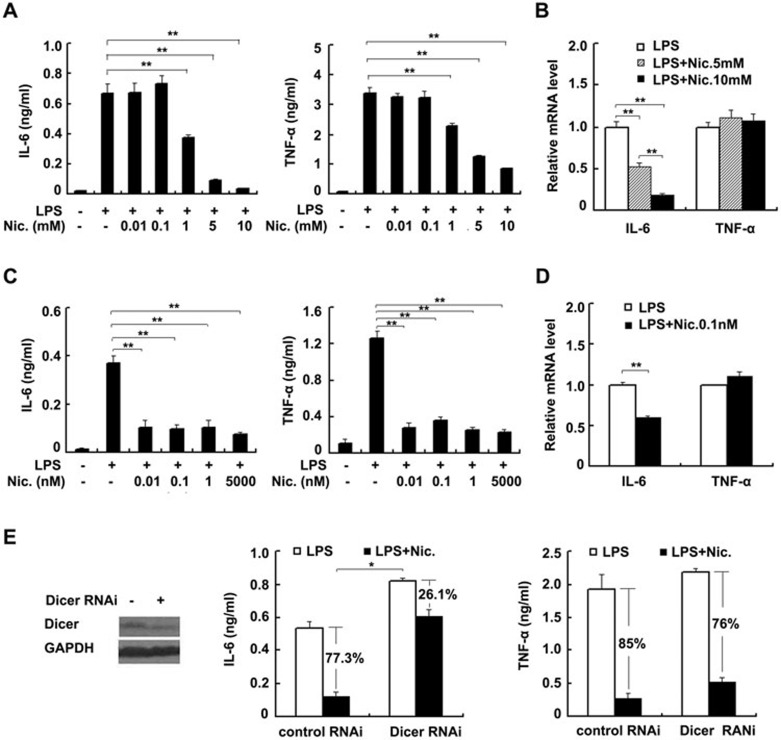
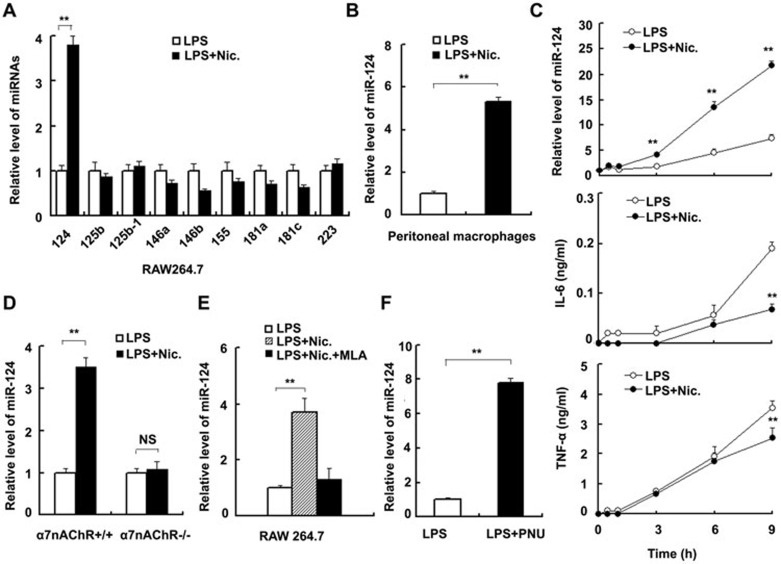
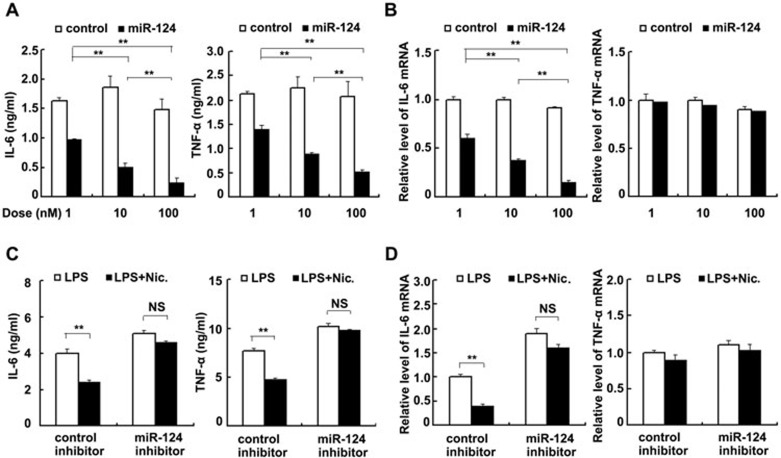
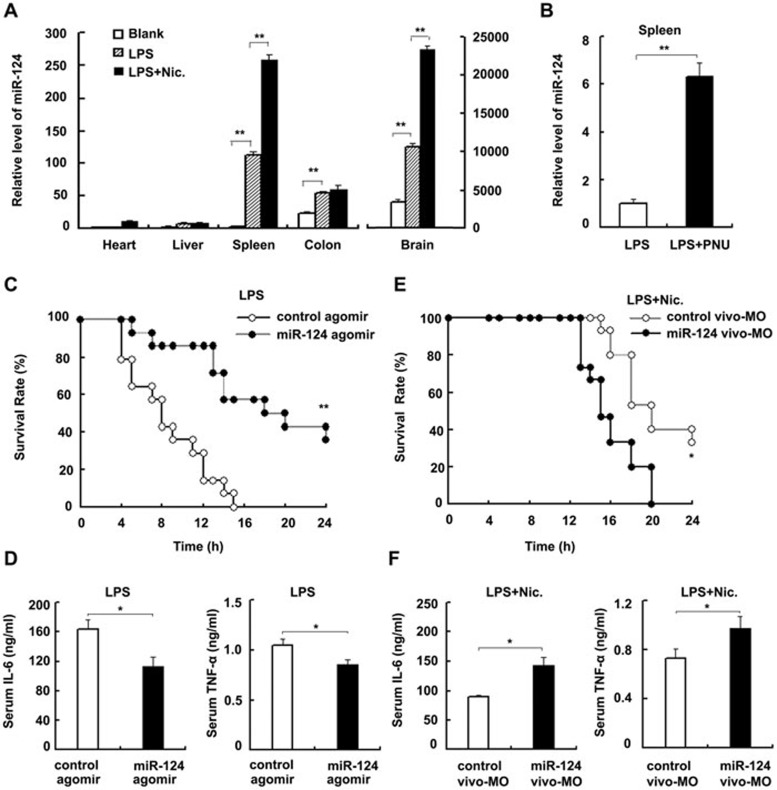
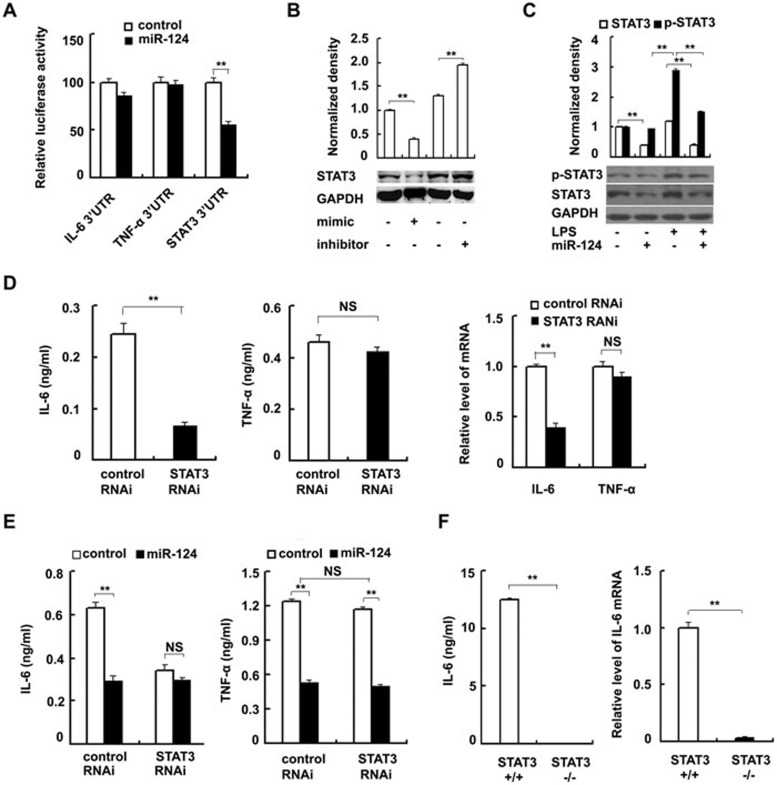
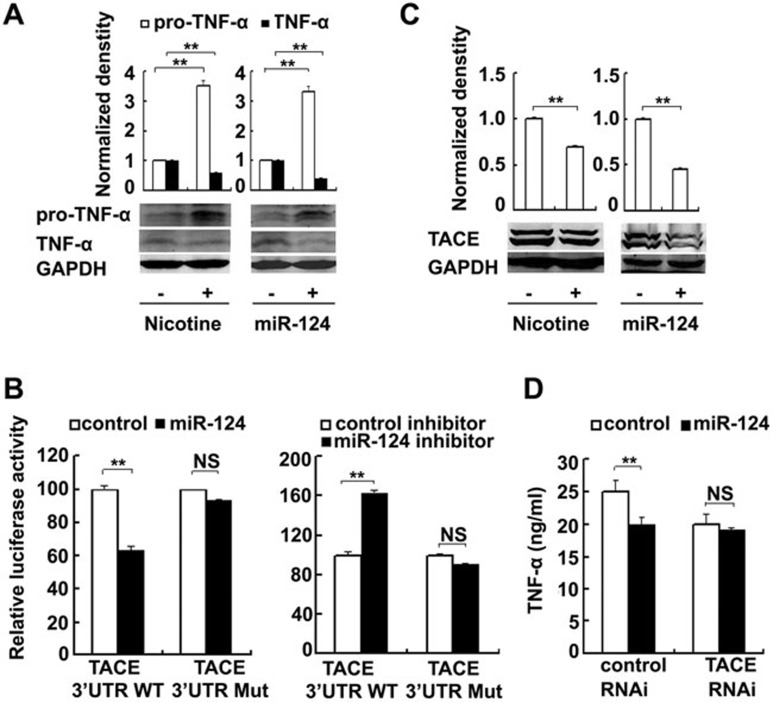
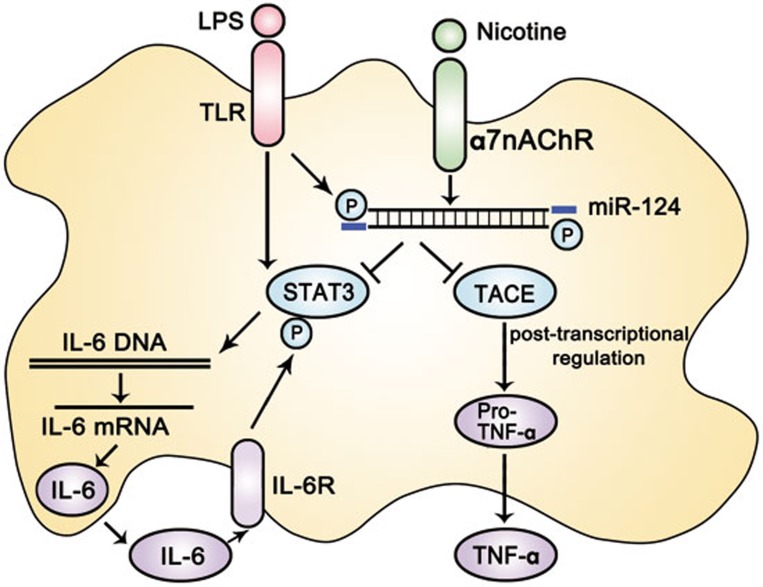
Verification
Claims the paper makes
The claims and statistics of this paper haven’t been checked yet.
Run the check — free, no account needed. It reads the open-access text and checks the sources it cites.
Claims other papers make about this one
Each is checked against this paper’s own text: does it say what the citing paper says it does?
In the citing paper
“In addition, miR-124 directly targeted signal transducer and activator of transcription 3 (STAT3) and TNF-α converting enzyme and then inhibited LPS-induced TNF-α and IL-6 production (Sun et al. 2013).”
From MiR-124 and MiR-155 as Therapeutic Targets in Microglia-Mediated Inflammation in Multiple Sclerosis (2025) · cites this paper as Sun et al. 2013
Self-check
Percentages, sums and reported differences re-computed from the paper’s own numbers.
The self-check needs the paper’s full text.
Citations
Cites
Origin and physiological roles of inflammation
Medzhitov, R. (2008) · Nature · doi:10.1038/nature07201 · Cited by 6,618
Nicotinic acetylcholine receptor α7 subunit is an essential regulator of inflammation
Wang, H., Yu, M., Ochani, M., Amella, C. A., Tanovic, M., Susarla, S., Li, J. H., Wang, H., Yang, H., Ulloa, L., et al. (2003) · Nature · doi:10.1038/nature01339 · Cited by 3,228
Cholinergic agonists inhibit HMGB1 release and improve survival in experimental sepsis
Wang, H., Liao, H., Ochani, M., Justiniani, M., Lin, X., Yang, L., Al-Abed, Y., Wang, H., Metz, C., Miller, E. J., et al. (2004) · Nature Medicine · doi:10.1038/nm1124 · Cited by 1,170
de Jonge, W. J., van der Zanden, E. P., The, F. O., Bijlsma, M. F., van Westerloo, D. J., Bennink, R. J., Berthoud, H.-R., Uematsu, S., Akira, S., van den Wijngaard, R. M., et al. (2005) · Nature Immunology · doi:10.1038/ni1229 · Cited by 1,074
Ponomarev, E. D., Veremeyko, T., Barteneva, N., Krichevsky, A. M., & Weiner, H. L. (2011) · Nature Medicine · doi:10.1038/nm.2266 · Cited by 787
Huston, J. M., Ochani, M., Rosas-Ballina, M., Liao, H., Ochani, K., Pavlov, V. A., Gallowitsch-Puerta, M., Ashok, M., Czura, C. J., Foxwell, B., et al. (2006) · The Journal of Experimental Medicine · doi:10.1084/jem.20052362 · Cited by 683
The E3 ubiquitin ligase Nrdp1 'preferentially' promotes TLR-mediated production of type I interferon
Wang, C., Chen, T., Zhang, J., Yang, M., Li, N., Xu, X., & Cao, X. (2009) · Nature Immunology · doi:10.1038/ni.1742 · Cited by 317
YU, Z., ZHANG, W., & KONE, B. C. (2002) · Biochemical Journal · doi:10.1042/bj20020588 · Cited by 255
Huang, W.-L., Yeh, H.-H., Lin, C.-C., Lai, W.-W., Chang, J.-Y., Chang, W.-T., & Su, W.-C. (2010) · Molecular Cancer · doi:10.1186/1476-4598-9-309 · Cited by 86
Research works printed but not linked: 42
- Nathan C . Points of control in inflammation. Nature 2002; 420:846–852. · DOI · Paper page
- Webster JI, Tonelli L, Sternberg EM . Neuroendocrine regulation of immunity. Annu Rev Immunol 2002; 20:125–163. · DOI · Paper page
- Borovikova LV, Ivanova S, Zhang M, et al. Vagus nerve stimulation attenuates the systemic inflammatory response to endotoxin. Nature 2000; 405:458–462. · DOI · Paper page
- Ulloa L . The vagus nerve and the nicotinic anti-inflammatory pathway. Nat Rev Drug Discov 2005; 4:673–684. · DOI
- Rosas-Ballina M, Olofsson PS, Ochani M, et al. Acetylcholine-synthesizing T cells relay neural signals in a vagus nerve circuit. Science 2011; 334:98–101. · DOI · Paper page
- Pena G, Cai B, Ramos L, Vida G, Deitch EA, Ulloa L . Cholinergic regulatory lymphocytes re-establish neuromodulation of innate immune responses in sepsis. J Immunol 2011; 187:718–725. · DOI
- Marrero MB, Bencherif M, Lippiello PM, Lucas R . Application of alpha7 nicotinic acetylcholine receptor agonists in inflammatory diseases: an overview. Pharm Res 2011; 28:413–416. · DOI
- Zhao M, He X, Bi XY, Yu XJ, Gil Wier W, Zang WJ . Vagal stimulation triggers peripheral vascular protection through the cholinergic anti-inflammatory pathway in a rat model of myocardial ischemia/reperfusion. Basic Res Cardiol 2013; 108:345. · DOI
- Wessler I, Kirkpatrick CJ . Acetylcholine beyond neurons: The non-neuronal cholinergic system in humans. Br J Pharmacol 2008; 154:1558–1571. · DOI
- Khiroug L, Giniatullin R, Klein RC, Fayuk D, Yakel JL . Functional mapping and Ca2+ regulation of nicotinic acetylcholine receptor channels in rat hippocampal CA1 neurons. J Neurosci 2003; 23:9024–9031. · DOI
- Bitner RS, Bunnelle WH, Anderson DJ, et al. Broad-spectrum efficacy across cognitive domains by alpha7 nicotinic acetylcholine receptor agonism correlates with activation of ERK/2 and CREB phosphorylation pathways. J Neurosci 2007; 27:10578–10587. · DOI
- Huang Y, Shen XJ, Zou Q, Wang SP, Tang SM, Zhang GZ . Biological functions of microRNAs: a review. J Physiol Biochem 2011; 67:129–139. · DOI
- Karginov FV, Conaco C, Xuan Z, et al. A biochemical approach to identifying microRNA targets. Proc Natl Acad Sci USA 2007; 104:19291–19296. · DOI · Paper page
- O'Connell RM, Rao DS, Baltimore D . MicroRNA regulation of inflammatory responses. Annu Rev Immunol 2012; 30:295–312. · DOI · Paper page
- Suzuki HI, Yamagata K, Sugimoto K, Iwamoto T, Kato S, Miyazono K . Modulation of microRNA processing by p53. Nature 2009; 460:529–533. · DOI
- Waldburger JM, Boyle DL, Pavlov VA, Tracey KJ, Firestein GS . Acetylcholine regulation of synoviocyte cytokine expression by the alpha7 nicotinic receptor. Arthritis Rheum 2008; 58:3439–3449. · DOI
- Tsitsiou E, Lindsay MA . MicroRNAs and the immune response. Curr Opin Pharmacol 2009; 9:514–520. · DOI
- Tili E, Michaille JJ, Cimino A, et al. Modulation of mir-155 and mir-125b levels following lipopolysaccharide/TNF-alpha stimulation and their possible roles in regulating the response to endotoxin shock. J Immunol 2007; 179:5082–5089. · DOI · Paper page
- Quinn SR, O'Neill LA . A trio of microRNAs that control Toll-like receptor signalling. Int Immunol 2011; 23:421–425. · DOI · Paper page
- Rosas-Ballina M, Ochani M, Parrish WR, et al. Splenic nerve is required for cholinergic antiinflammatory pathway control of TNF in endotoxemia. Proc Natl Acad Sci USA 2008; 105:11008–11013. · DOI
- Moss ML, Jin SL, Milla ME, et al. Cloning of a disintegrin metalloproteinase that processes precursor tumour-necrosis factor-alpha. Nature 1997; 385:733–736. · DOI · Paper page
- Smookler DS, Mohammed FF, Kassiri Z, Duncan GS, Mak TW, Khokha R . Tissue inhibitor of metalloproteinase 3 regulates TNF-dependent systemic inflammation. J Immunol 2006; 176:721–725. · DOI
- Horiuchi K, Kimura T, Miyamoto T, et al. Cutting edge: TNF-alpha-converting enzyme (TACE/ADAM17) inactivation in mouse myeloid cells prevents lethality from endotoxin shock. J Immunol 2007; 179:2686–2689. · DOI
- Hotchkiss RS, Karl IE . The pathophysiology and treatment of sepsis. N Engl J Med 2003; 348:138–150. · DOI
- Feldmann M . Development of anti-TNF therapy for rheumatoid arthritis. Nat Rev Immunol 2002; 2:364–371. · DOI
- Van Assche G, Rutgeerts P . Anti-TNF agents in crohn's disease. Expert Opin Investig Drugs 2000; 9:103–111. · DOI
- Sims JE, Smith DE . The IL-1 family: regulators of immunity. Nat Rev Immunol 2010; 10:89–102. · DOI
- Fry DE . Sepsis, systemic inflammatory response, and multiple organ dysfunction: the mystery continues. Am Surg 2012; 78:1–8. · DOI
- Andersson U, Tracey KJ . Reflex principles of immunological homeostasis. Annu Rev Immunol 2012; 30:313–335. · DOI · Paper page
- Lakhan SE, Kirchgessner A . Anti-inflammatory effects of nicotine in obesity and ulcerative colitis. J Transl Med 2011; 9:129. · DOI
- Lindenblatt C, Schulze-Osthoff K, Totzke G . Iκbζ expression is regulated by miR-124a. Cell Cycle 2009; 8:2019–2023. · DOI
- Yamamoto M, Yamazaki S, Uematsu S, et al. Regulation of Toll/IL-1-receptor-mediated gene expression by the inducible nuclear protein IkappaBzeta. Nature 2004; 430:218–222. · DOI
- Li Q, Zhou XD, Kolosov VP, Perelman JM . Nicotine reduces TNF-α expression through a α7 nAChR/MyD88/NF-κb pathway in HBE16 airway epithelial cells. Cell Physiol Biochem 2011; 27:605–612. · DOI
- Park SY, Baik YH, Cho JH, Kim S, Lee KS, Han JS . Inhibition of lipopolysaccharide-induced nitric oxide synthesis by nicotine through S6K1-p42/44 MAPK pathway and STAT3 (Ser 727) phosphorylation in Raw 264.7 cells. Cytokine 2008; 44:126–134. · DOI
- Chatterjee PK, Al-Abed Y, Sherry B, Metz CN . Cholinergic agonists regulate JAK2/STAT3 signaling to suppress endothelial cell activation. Am J Physiol Cell Physiol 2009; 297:C1294–C1306. · DOI
- Pena G, Cai B, Liu J, et al. Unphosphorylated STAT3 modulates α7 nicotinic receptor signaling and cytokine production in sepsis. Eur J Immunol 2010; 40:2580–2589. · DOI
- Samavati L, Rastogi R, Du W, Huttemann M, Fite A, Franchi L . STAT3 tyrosine phosphorylation is critical for interleukin 1 beta and interleukin-6 production in response to lipopolysaccharide and live bacteria. Mol Immunol 2009; 46:1867–1877. · DOI
- Lee C, Lim HK, Sakong J, Lee YS, Kim JR, Baek SH . Janus kinase-signal transducer and activator of transcription mediates phosphatidic acid-induced interleukin (IL)-1beta and IL-6 production. Mol Pharmacol 2006; 69:1041–1047. · DOI
- Lee H, Herrmann A, Deng JH, et al. Persistently activated Stat3 maintains constitutive NF-kappaB activity in tumors. Cancer Cell 2009; 15:283–293. · DOI · Paper page
- Cai B, Li J, Wang J, et al. microRNA-124 regulates cardiomyocyte differentiation of bone marrow-derived mesenchymal stem cells via targeting STAT3 signaling. Stem Cells 2012; 30:1746–1755. · DOI
- Hatziapostolou M, Polytarchou C, Aggelidou E, et al. An HNF4α-miRNA inflammatory feedback circuit regulates hepatocellular oncogenesis. Cell 2011; 147:1233–1247. · DOI
- Hou J, Wang P, Lin L, et al. MicroRNA-146a feedback inhibits RIG-I-dependent type I IFN production in macrophages by targeting TRAF6, IRAK1, and IRAK2. J Immunol 2009; 183:2150–2158. · DOI · Paper page
Cited by
Sorted by citations
Bonaz, B., Sinniger, V., & Pellissier, S. (2017) · Frontiers in Immunology · doi:10.3389/fimmu.2017.01452 · Cited by 405
An updated role of microRNA-124 in central nervous system disorders: a review
Sun, Y., Luo, Z.-M., Guo, X.-M., Su, D.-F., & Liu, X. (2015) · Frontiers in Cellular Neuroscience · doi:10.3389/fncel.2015.00193 · Cited by 223
Self-citationVagus nerve stimulation: a new promising therapeutic tool in inflammatory bowel disease
Bonaz, B., Sinniger, V., & Pellissier, S. (2017) · Journal of Internal Medicine · doi:10.1111/joim.12611 · Cited by 213
MicroRNA-124 loaded nanoparticles enhance brain repair in Parkinson's disease
Saraiva, C., Paiva, J., Santos, T., Ferreira, L., & Bernardino, L. (2016) · Journal of Controlled Release · doi:10.1016/j.jconrel.2016.06.005 · Cited by 169
MiR-146a modulates macrophage polarization by inhibiting Notch1 pathway in RAW264.7 macrophages
Huang, C., Liu, X.-J., QunZhou, Xie, J., Ma, T.-T., Meng, X.-M., & Li, J. (2016) · International Immunopharmacology · doi:10.1016/j.intimp.2016.01.009 · Cited by 160
Self-citation
Metadata
- Authors
- Sun, Y., Li, Q., Gui, H., Xu, D.-P., Yang, Y.-L., Su, D.-F., & Liu, X.
- Venue
- Cell Research
- Published
- 2013-08-27
- Volume
- 23
- Issue
- 11
- Pages
- 1270-1283
- ISSN
- 1001-0602
- 1748-7838
- PMC
- PMC3817544
- Cited by
- 230
- References
- 9
- Language
- en
About these checks
Registry, retraction, Cites and statistics results are computed, not judged, with one exception: a printed reference that no index lists is read once by a model before it counts as a citation error. Claims are extracted by a model and kept only when their quote appears verbatim in the text; each cited source is then checked, with a model’s help, for whether it says what the claim relies on. Those verdicts can be wrong — read the claim’s quote and the cited source before relying on one.
Statistics and arithmetic are recomputed, not judged.
Confidence bands are shown only for fields calibrated on our annotated test set. None is calibrated yet, so no band is shown.
What counts as a claim ›How we measure confidence ›How we check this ›
Are you an author, or do you see a problem with this page? Request a review
