

Live biotherapeutic products: the importance of a defined regulatory framework
Open accessThe DOI matches its Crossref record; 30 of the 30 references it cites were found in a registry or an index.
Abstract
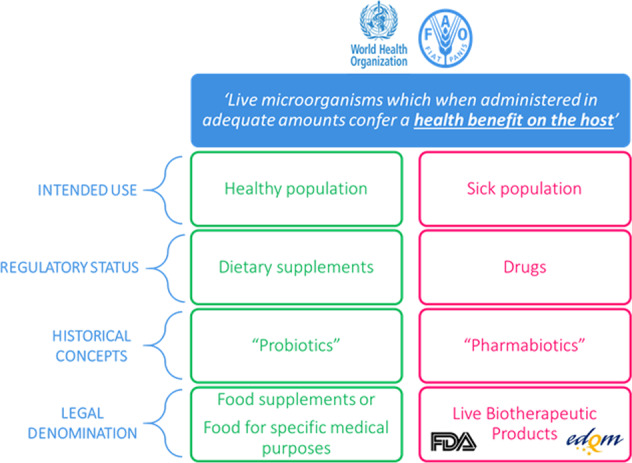
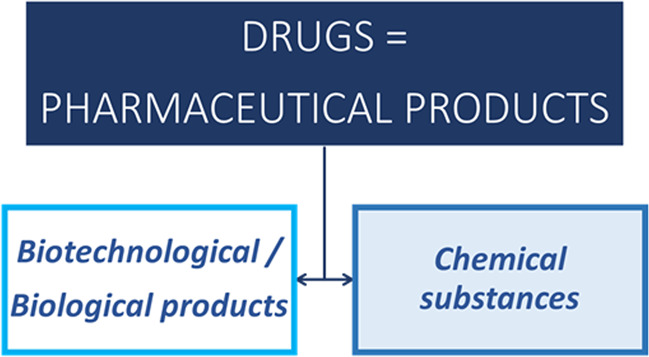
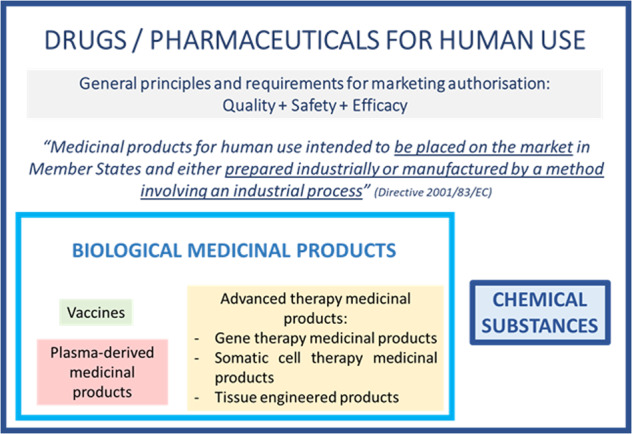
Probiotics have been defined as “Live microorganisms that when administered in adequate amounts confer a health benefit on the host”. This definition covers a wide range of applications, target populations and (combinations of) microorganisms. Improved knowledge on the importance of the microbiota in terms of health and disease has further diversified the potential scope of a probiotic intervention, whether intended to reach the market as a food, a food supplement or a drug, depending on the intended use. However, the increased interest in the clinical application of probiotics may require specific attention given their administration in a diseased population. In addition to safety, the impact of the type of product, in terms of quality, production method and, e.g., the acceptance of side effects, is now part of the current regulatory constraints for developers. In the European Union, foods are regulated by the European Food Safety Authority and drugs by the European Medicines Agency; in the United States, the Food and Drug Administration (FDA) deals with both categories. More recently, the FDA has defined a new “live biotherapeutic products” (LBP) category, clarifying pharmaceutical expectations. Since 2019, the quality requirements for this category of drug products have also been clarified by the European Pharmacopoeia (Ph. Eur.). Similar to all products intended to prevent or treat diseases, LBPs will have to be registered as medicinal products to reach the market in the US and in Europe. In this area, regulatory authorities and the pharmaceutical industry will routinely use guidelines of the “International Council for Harmonization of Technical Requirements for Pharmaceuticals for Human Use” (ICH). Although ICH guidelines are not legally binding, they provide very important recommendations, recognized by almost all drug authorities in the world. In this review, we discuss some aspects of this regulatory framework, especially focusing on products with an intended use in a diseased or vulnerable target population.
Overview
The claims and statistics of this paper haven’t been checked yet.
Free: it reads the open-access text and checks the first 5 claims that cite a source we can check. Create a free account to check every claim.
Integrity signals
Registry
Cites
Statistics
Figures
Verification
Claims the paper makes
The claims and statistics of this paper haven’t been checked yet.
Free: it reads the open-access text and checks the first 5 claims that cite a source we can check. Create a free account to check every claim.
Claims other papers make about this one
Each is checked against this paper’s own text: does it say what the citing paper says it does?
The source backs part of the claim, not all of it — or backs it for a different population, condition or comparison.
In the citing paper
“Probiotics marketed as foods or dietary supplements are subject to food and consumer product safety legislation. In contrast, live biotherapeutic products, intended to treat or prevent diseases, are regulated as biological medicinal products. This means that they must undergo rigorous safety, efficacy, and quality testing similar to that applied to pharmaceuticals [29,30].”
From Current Concepts in Probiotic Safety and Efficacy (2026) · cites this paper as [30]
Experimental — accuracy not yet measured
Self-check
Percentages, sums and reported differences re-computed from the paper’s own numbers.
The self-check needs the paper’s full text.
Citations
Cites
1 retracted
Badehnoosh, B., Karamali, M., Zarrati, M., Jamilian, M., Bahmani, F., Tajabadi-Ebrahimi, M., Jafari, P., Rahmani, E., & Asemi, Z. (2018) · The Journal of Maternal-Fetal & Neonatal Medicine · doi:10.1080/14767058.2017.1310193 · Cited by 130
RetractedAbraham, J. (2010) · Handbook of Transnational Economic Governance Regimes · doi:10.1163/ej.9789004163300.i-1081.897 · Cited by 2,582
The impact of diet and lifestyle on gut microbiota and human health
Conlon, M., & Bird, A. (2014) · Nutrients · doi:10.3390/nu7010017 · Cited by 1,567
Diet and the evolution of human amylase gene copy number variation
Perry, G. H., Dominy, N. J., Claw, K. G., Lee, A. S., Fiegler, H., Redon, R., Werner, J., Villanea, F. A., Mountain, J. L., Misra, R., et al. (2007) · Nature Genetics · doi:10.1038/ng2123 · Cited by 1,465
The Human Gut Microbiome: From Association to Modulation
Schmidt, T. S. B., Raes, J., & Bork, P. (2018) · Cell · doi:10.1016/j.cell.2018.02.044 · Cited by 845
Baber, N. (1994) · British Journal of Clinical Pharmacology · doi:10.1111/j.1365-2125.1994.tb05705.x · Cited by 759
The human gut microbiome: ecology and recent evolutionary changes
Walter, J., & Ley, R. (2011) · Annual Review of Microbiology · doi:10.1146/annurev-micro-090110-102830 · Cited by 720
Our gut microbiome: The evolving inner self
Kundu, P., Blacher, E., Elinav, E., & Pettersson, S. (2017) · Cell · doi:10.1016/j.cell.2017.11.024 · Cited by 633
Towards a better understanding of Lactobacillus rhamnosus GG - host interactions
Segers, M. E., & Lebeer, S. (2014) · Microbial Cell Factories · doi:10.1186/1475-2859-13-s1-s7 · Cited by 500
(EFSA), E. F. S. A. (2007) · EFSA Journal · doi:10.2903/j.efsa.2007.587 · Cited by 479
Research works printed but not linked: 4
- ICH. Guideline M3(R2) International Conference on Harmonisation of Technical Requirements for Registration of Pharmaceuticals For Human Use. 10.1163/ej.9789004163300.i-1081.897 (ICH, 2010). · DOI · Paper page
- ICH. Guideline Q11 International Conference on Harmonisation of Technical Requirements for Registration of Pharmaceuticals For Human Use. 10.1163/ej.9789004163300.i-1081.897 (ICH, 2010). · DOI · Paper page
- ICH. Guideline Q8 (R2) International Conference on Harmonisation of Technical Requirements for Registration of Pharmaceuticals for Human Use. 10.1163/ej.9789004163300.i-1081.897 (ICH, 2010). · DOI · Paper page
- ICH. Guideline S6(R1)International Conference on Harmonisation of Technical Requirements for Registration of Pharmaceuticals for Human Use. 10.1163/ej.9789004163300.i-1081.897 (ICH, 2010). · DOI · Paper page
Cited by
Items 201–300 of 330
Li, L., Feng, L., Li, Q., Zhou, Y., Liu, S., Song, H., Kang, S., Chen, H., Cong, H., & Liu, S. (2026) · Microbial Biotechnology · doi:10.1111/1751-7915.70330 · Cited by 4
Designing biomaterial-based oral protein drug-delivery systems for therapeutics
Zheng, C., Lin, X., Zhou, K., Yang, J., Sun, C., & Lv, L. (2026) · Materials & Design · doi:10.1016/j.matdes.2026.115933 · Cited by 2
Abouelkhair, A. A., Abutaleb, N. S., Stolz, B. J., & Seleem, M. N. (2026) · Microbiology Spectrum · doi:10.1128/spectrum.02900-25 · Cited by 3
“However, FMT remains limited by high cost, concerns regarding pathogen transmission, particularly in immunocompromised patients, variability in donor material, and insufficient long-term safety data, and it is not approved for acute CDI treatment or for pediatric patients (36, 37).”
Koh, E. J. X., Lim, S. J., Hu, W. S. L., & Sofian‐Seng, N. (2026) · Food Bioscience · doi:10.1016/j.fbio.2026.109233 · Cited by 2
Pharmaco-microdynamics (PMD): Redefining dose, exposure, and control for living drug carriers
Abdullah, M., Jayadevan, K., Therayil, A., Kumaraguruparan, N., Kavyasree, P. K. V., Dilna, P., & Faiza, A. (2026) · Annales Pharmaceutiques Françaises · doi:10.1016/j.pharma.2026.06.002 · Cited by 2
Javadi, M. M., Ahmadbeigi, G., Ataollahi, H., Boroomand, S., Kia, S. K., Soleimani, N., Zia-Jahromi, N., & Hedayati, M. (2026) · Biomedicine & Pharmacotherapy · doi:10.1016/j.biopha.2026.119745 · Cited by 3
YS Flora®, a Comprehensive and Multi-Purpose Collection of Human Gut Microbiome
Hong, M., Cho, S., Choi, K., Kim, G., & Yoon, S. S. (2023) · Current Topic in Lactic Acid Bacteria and Probiotics · doi:10.35732/ctlabp.2023.9.2.68 · Cited by 2
Immune Boosting Effect of Limosilactobacillus Reuteri in Immunocompetent C57BL/6J Mice
Jung, H., Lee, H. H., Kang, H., & Cho, H. (2024) · Journal of Medicinal Food · doi:10.1089/jmf.2024.k.0085 · Cited by 2
Cui, H., Zhang, Y., Hua, Y., Hollenbeck, R. G., Nyasae, L. K., Wang, Y., Han, Y., Yang, Z., Feng, H., & Hoag, S. W. (2025) · AAPS PharmSciTech · doi:10.1208/s12249-025-03050-6 · Cited by 2
“Unlike probiotics that are typically governed as health or food supplements, this new category emphasizes their pharmaceutical potential, mandating substantial clinical evidence to substantiate their effectiveness in treating specific diseases [1–4].”
Calaça, P. R. D. A., da Silva, E. C., de Melo, F. P., Santos, D. D. S., Aragão, A. B. L., Silva, P. E. D. C. E., Barros, M. R., Porto, A. L. F., & Cavalcanti, M. T. H. (2020) · Research Society and Development · doi:10.33448/rsd-v9i10.8853 · Cited by 4
Interplay between probiotics and prebiotics for human nutrition and health
Voss, G. B., Machado, D., Barbosa, J. C., Campos, D. A., Gomes, A., & Pintado, M. (2022) · Elsevier eBooks · doi:10.1016/b978-0-323-89908-6.00027-3 · Cited by 2
Microbe–Host Metabolic Interaction: Probiotic Approach
Parvathy, K. R. K., Mallick, B., Unpaprom, Y., Maniam, G. P., Govindan, N., & Balasubramanian, P. (2022) · Springer eBooks · doi:10.1007/978-981-19-3979-2_9 · Cited by 2
Adulteration and Safety Issues in Nutraceuticals and Functional Foods
Egea, M. B., Filho, J. G. D. O., Gautério, G. V., dos Santos, D. C., Ferreira, F. P., Rodrigues, C. A. P., Coutinho, G. S. M., & Lemes, A. C. (2022) · Royal Society of Chemistry eBooks · doi:10.1039/9781839168048-00155 · Cited by 4
Microbial Therapeutics in Liver Disease
Bajaj, J. S., & Khoruts, A. (2021) · Elsevier eBooks · doi:10.1016/b978-0-12-820472-6.00193-6 · Cited by 2
SAFETY DEMONSTRATION OF FOOD AND FEED CULTURES
Bourdichon, F., Fontana, A., Patrone, V., & Morelli, L. (2023) · Wiley eBooks · doi:10.1002/9781119850007.ch10 · Cited by 2
Krause, L., Boyd, J. A., Vivian, C., Krueger, A., Loayza, J. J. J., Ljungberg, J. K., Zhou, J., Rabellino, A., Nyeverecz, B., Nissen, M. D., et al. (2024) · bioRxiv (Cold Spring Harbor Laboratory) · doi:10.1101/2024.10.22.619608 · Cited by 3
“Single strain therapeutics are also advantageous from a regulatory perspective by simplifying manufacturing and stability, and demonstration of safety, efficacy and mechanism of action 60,61 .”
BackgroundPatents, bioproducts, commercialization, social, ethical, and economic policies on microbiome
Michael, O. S., Adetunji, J. B., Akinwale, E. O., Oluranti, O. I., Ajayi, O. O., Adetunji, C. O., Soladoye, A. O., & Oyewole, O. A. (2024) · Elsevier eBooks · doi:10.1016/b978-0-323-91190-0.00008-4 · Cited by 2
Endo, H. M., Bandeca, S. C. S., Olchanheski, L. R., Schemczssen-Graeff, Z., & Pileggi, M. (2024) · Life Sciences · doi:10.1016/j.lfs.2024.122784 · Cited by 2
Pande, S., & Sabale, V. (2025) · doi:10.38124/ijisrt/25apr1139 · Cited by 2
Microbiota-Targeted Therapies for Colorectal Cancer: Current Challenges and Future Directions
Sadhana, H., Santosh, K. A., Balaji, P. G., & Yadav, A. K. (2025) · Cancer drug discovery and develogment/Cancer drug discovery and development · doi:10.1007/978-3-031-86065-2_17 · Cited by 1
Gut power for better health: microbial therapeutics
Quigley, E. M. M. (2025) · Current Opinion in Gastroenterology · doi:10.1097/mog.0000000000001136 · Cited by 1
Living probiotics-loaded wound matrices prepared by microchip electrospinning
Gerulis, O., Lanno, G.-M., Putrinš, M., Moor, M., Niemczyk-Soczynska, B., Kowalczyk, T., Błoński, S., Tenson, T., Korczyk, P. M., & Kogermann, K. (2025) · Materials Today Bio · doi:10.1016/j.mtbio.2025.102403 · Cited by 5
Clinical challenges and technological breakthroughs in helminthic therapy for diabetes
Zhu, Y., Fei, X., Wang, R., Wang, J., Li, X., Zhang, Y., Xu, J., Zhao, Q., Chen, K., Zhang, X., et al. (2025) · Frontiers in Immunology · doi:10.3389/fimmu.2025.1642707 · Cited by 2
“Regulatory guidance emphasizes stringent requirements for identity, purity, potency, viability, and stability, with well-de fi ned Chemistry, Manufacturing, and Controls (CMC) procedures to ensure batch-to-batch consistency, traceability, and freedom from adventitious agents (256, 257).”
Biscaglia, G., Gentile, A., Parente, P., Calvo, A., Fontana, R., Continisio, A., Brina, A. L. P. D., Ciardiello, D., McIlwain, G., Latiano, A., et al. (2025) · Nutrients · doi:10.3390/nu17233788 · Cited by 1
“Looking ahead, live biotherapeutic products (LBPs) may represent a controlled alternative or complement to FMT [67].”
Zhang, W., Zhang, M., Xie, J., Huang, H., Schmitz‐Esser, S., Li, W., Liu, H., & Li, D. (2025) · Scientific Reports · doi:10.1038/s41598-025-25645-6 · Cited by 2
“These may include antibiotic combinations therapies, bacteriophage therapy, antibiotic adjuvants, probiotics, monoclonal antibodies, and vaccines 85–87 .”
Guilbaud, J., Fadhlaoui, K., Chalançon, S., Beyssac, E., Laine, E., & Garrait, G. (2025) · BMC Microbiology · doi:10.1186/s12866-025-04524-0 · Cited by 1
“The distinction lies in the demonstrated biological activity to treat or prevent a specific disease [4–7].”
Aleksovski, A., Hosseini, H., Alkhafaji, H., Leite, M., Sagasta, A., & Leopold, V. (2025) · Arhiv za farmaciju · doi:10.5937/arhfarm75-61941 · Cited by 1
Etter, E. L., Miller, A., Little, T. S., Potluru, S. S., Venkatraman, S., & Nguyen, J. (2026) · RSC Pharmaceutics · doi:10.1039/d5pm00288e · Cited by 2
Live biotherapeutics and nutraceuticals: Exploring the differences and synergies
Jyoti, Padhi, S., & Rai, A. K. (2026) · Progress in molecular biology and translational science · doi:10.1016/bs.pmbts.2026.01.031 · Cited by 1
Liu, H., Yang, L., Huang, S., He, Y., Xie, Y., Jing, Y., Hu, B., Li, Z., Li, Z., & Li, Z. (2026) · Probiotics and Antimicrobial Proteins · doi:10.1007/s12602-026-10952-9 · Cited by 2
Dai, Q., Duan, Z., Fang, C., & Chen, R. (2026) · Frontiers in Pharmacology · doi:10.3389/fphar.2026.1735614 · Cited by 2
Dangi, S., Liew, D. S., Subramaniyan, V., & Narayanan, K. (2026) · Microbial Cell Factories · doi:10.1186/s12934-026-02944-9 · Cited by 1
“…toward the use of E. coli for the delivery of therapeutic proteins have to be performed within well-defined regulatory frameworks, such as FDA guidance on Live Biotherapeutic Products, NIH recombinant DNA guidelines, EMA LBP requirements, and OECD GMO principles on risk assessment [168, 169].”
Use of in vitro co-culture models to inform bacterial engineering for the treatment of solid tumours
Foschini, S., Wright, J. A., Woods, S. L., & de Nys, R. (2026) · npj Biomedical Innovations. · doi:10.1038/s44385-026-00075-9 · Cited by 1
Polysaccharide-based live hydrogels for probiotic intestinal and wound therapy
Xu, J., Huang, Y., Liu, Y., Xiao, H., & Seidi, F. (2026) · International Journal of Biological Macromolecules · doi:10.1016/j.ijbiomac.2026.151723 · Cited by 2
Zhang, X., Xu, Z., You, Y., Xie, L., Jiang, Y., Chen, J., Xu, Z., Xu, F., & Zhou, D. (2026) · PLoS ONE · doi:10.1371/journal.pone.0344960 · Cited by 1
“Probiotics are live microorganisms that confer benefits to hosts when consumed in adequate amounts (FAO/WHO) [11,12]; they are widely used in the food and medical industries [13,14].”
Microbial extracellular vesicles in the lung: friends in health, agents in disease
Pagnini, M., Conti, M., Puddu, G., Daverio, M., Celi, A., Bazzan, E., & Neri, T. (2026) · Extracellular Vesicles and Circulating Nucleic Acids · doi:10.20517/evcna.2025.139 · Cited by 1
Immunomodulatory microbials for cancer immunotherapy: A mini review
Hou, Y., Shi, Y., & Yang, Y. (2026) · Chinese Chemical Letters · doi:10.1016/j.cclet.2026.112912 · Cited by 1
The dual role of the microbiome in chronic wound management
Deng, R., Qian, J., Liu, Y., Bu, Q., 曹廷军, Gao, M., & Huang, Z. (2026) · Cell Communication and Signaling · doi:10.1186/s12964-026-02937-6 · Cited by 2
“Gaps persist in product consistency, dosing, safety evaluation, and post-marketing surveillance [190].”
Transplantation of encapsulated fecal microbiota: research progress and future trends
Lin, M.-L., & Gao, H. (2026) · World Journal of Pediatrics · doi:10.1007/s12519-026-01056-z · Cited by 1
Saikia, T., Das, S., Rajak, P., & Kalita, J. M. (2026) · International Immunopharmacology · doi:10.1016/j.intimp.2026.117032 · Cited by 1
Clister, D., Chandra, Q. M., Tan, M.-S., Gunawan, M. C., Bibi, A., Ahmed, A., Bastian, M., Meesakul, P., Cao, S., Kim, B., et al. (2026) · Journal of Nutrition · doi:10.1016/j.tjnut.2026.101596 · Cited by 1
Abouelkhair, A. A., Abutaleb, N. S., Caswell, C. C., & Seleem, M. N. (2026) · Gut Pathogens · doi:10.1186/s13099-026-00842-4 · Cited by 1
“However, FMT has limitations, including a risk of infection transmission, variability in donor material, and unclear long-term safety [24, 25].”
Engineering Bacteria for Medicine: Delivery, Diagnosis, and Therapy
Xia, S., Fu, G., Ding, X., Yang, W., Bai, R., Cai, Y., Zhang, J. X., Wei, Y., Han, C., Gao, Y., et al. (2026) · iMetaMed · doi:10.1002/imm3.70046 · Cited by 3
Microbiome dysbiosis and its modulation in cancer development, prevention and therapy
Dixit, S., Welker, A., Ortiz, D., Athanasouli, M., & Stein‐Thoeringer, C. K. (2026) · Frontiers in Oncology · doi:10.3389/fonc.2026.1852716 · Cited by 1
Kuhl, G. C., Devoy, C., Abbas, M., Morais, E. D. S., & Tangney, M. (2026) · Pharmaceutics · doi:10.3390/pharmaceutics18080915 · Cited by 2
“In parallel, agencies such as the FDA, EMA, and ICH increasingly classify LBPs as biological medicinal products that require rigorous demonstration of genetic stability, biosafety, environmental containment, and quality control throughout development and manufacturing [1,14,23].”
Nomiri, S., Yazdani, F., Heidary, H., Sadeghi, A., Tarzemani, S., Sadeghloo, Z., Niasar, M. S., Tillotson, G., Safarpour, H., & Raeisi, H. (2026) · Probiotics and Antimicrobial Proteins · doi:10.1007/s12602-026-11164-x · Cited by 1
Dhandapani, V., Santharam, M. A., Chettimada, A., & Adkar‐Purushothama, C. R. (2026) · Springer eBooks · doi:10.1007/978-981-92-0002-3_18 · Cited by 2
Hussain, A., Ilyas, R., Tasleem, S., Mojgani, N., Shah, H., & Ali, S. A. (2026) · Next Nanotechnology · doi:10.1016/j.nxnano.2026.100685 · Cited by 2
Babu, P., Prakash, V., Subhash, S., Vanuopadath, M., Haripriyan, J., Rajan, K., Anu, A. G., Padmakumar, S., Kumar, G. B., Nair, B. G., et al. (2026) · Frontiers in Cellular and Infection Microbiology · doi:10.3389/fcimb.2026.1905445 · Cited by 1
“Close and continuous collaboration between researchers, industry stakeholders, and regulatory agencies is therefore essential to develop appropriate, scienti fi cally sound, and adaptable frameworks for evaluating the safety, ef fi cacy, and quality of LBPs, ensuring patient safety while fostering innovation in this rap…”
InfluentialZhuang, X., Li, X., Yang, Z., & Dai, X. (2026) · Microorganisms · doi:10.3390/microorganisms14091865 · Cited by 1
Guha, L., Malik, J. A., & Bose, B. (2026) · Journal of Controlled Release · doi:10.1016/j.jconrel.2026.115274 · Cited by 1
Food or pharma: the name does make a difference
Cordaillat‐Simmons, M., Rouanet, A., & Pot, B. (2021) · Elsevier eBooks · doi:10.1016/b978-0-12-823733-5.00005-2 · Cited by 1
Self-citationModern Perspectives in Controlling Human Diseases through Probiotic Intervention
Das, J. D., Akhila, V. S., Paul, M., Shankar, A., Joseph, I., & Thomas, S. (2022) · Springer eBooks · doi:10.1007/978-981-16-7672-7_8 · Cited by 1
Microbiome studies and twin research
Sung, J., Park, H. A., & Lee, S. J. (2022) · Elsevier eBooks · doi:10.1016/b978-0-12-821514-2.00010-6 · Cited by 1
Probiotics, Prebiotics, Synbiotics, Postbiotics and Other Biotics. What's Next?
Requena, T., & Pérez‐Martínez, G. (2021) · Elsevier eBooks · doi:10.1016/b978-0-12-819265-8.00094-2 · Cited by 1
Palmieri, F., Trompette, A., Shanmuganathan, A., Bouchard, A., Pernot, J., Junier, T., Kelliher, J. M., Chain, P. S. G., Harris, J. F., Vallat, A., et al. (2025) · bioRxiv (Cold Spring Harbor Laboratory) · doi:10.1101/2025.03.27.645790 · Cited by 1
Updates in the Role of Pre- and Probiotics in Health and Disease: Where Do We Stand Today?
Humphry, N. (2022) · EMJ Gastroenterology · doi:10.33590/emjgastroenterol/10075567
Pot, B., & Wolters, M. (2022) · Wageningen Academic Publishers eBooks · doi:10.3920/978-90-8686-933-6_11 · Cited by 1
Self-citationFixing the Damage: The Evolution of Probiotics from Fermented Food to Biotherapeutic Products
de Freitas, P. N. N., Silva, C. R., Constantin, P. P., Pileggi, S. A. V., Vicari, M. R., & Pileggi, M. (2023) · Springer eBooks · doi:10.1007/978-3-031-24942-6_12
Kim, M., Kim, S., Jeon, J., Moon, S. J., Kwak, Y., Na, J. Y., Lee, S., Park, K.-M., Kim, H., Lee, S., et al. (2024) · Korean Journal of Physiology and Pharmacology · doi:10.4196/kjpp.2024.28.2.153
“As awareness about the importance of gut microbes has increased, the selected microbes have been evaluated for use as therapeutic agents, such as live biotherapeutic products (LBPs) [14-16].”
Quality Control and Evaluation of Synbiotics Nutraceutical Product
Soni, A. G., Joshi, R., Soni, D., Kaur, C. D., Saraf, S., & Singh, P. K. (2024) · Springer eBooks · doi:10.1007/978-981-99-5575-6_31
Interfacial-engineered living drugs with “ON/OFF” switching for oral delivery
Feng, P., Bai, X., Ma, X., Kong, H., & Yang, R. (2024) · Nanoscale · doi:10.1039/d4nr01927j
“Probiotics, as vital living drugs, are known to play a critical role in maintaining the homeostasis of the gastrointestinal tract 7 .”
BackgroundKebede, B., & Tilahun, A. (2024) · American Journal of Bioscience and Bioengineering · doi:10.11648/j.bio.20241206.12
JPEN Journal Club 89. Signal‐finding studies
Koretz, R. L. (2024) · Journal of Parenteral and Enteral Nutrition · doi:10.1002/jpen.2709
Profiling the Gut Microbiome: Practice and Potential
Karabekmez, M. E., & Sak, K. V. (2024) · Elsevier eBooks · doi:10.1016/b978-0-323-95502-7.00260-8
Nair, V. G., Chellappan, D. R., Durai, R. D., Yamajala, R. B. R. D., Narbhavi, D., Anupriya, M. G., Prabhusaran, N., & Nagarajan, S. (2025) · bioRxiv (Cold Spring Harbor Laboratory) · doi:10.1101/2025.01.24.634779 · Cited by 1
Ramanathan, J. (2025) · Springer eBooks · doi:10.1007/978-3-031-80029-0_10
Can probiotics be protective and growth-promoting to coffee plants?
de Freitas, G. P., Patrício, F. R. A., Vargas, R. C., & Bettiol, W. (2025) · World Journal of Microbiology and Biotechnology · doi:10.1007/s11274-025-04465-w
“They are defined by Food and Agriculture Organization (FAO) as “live microorganisms that, when administered in adequate amounts, confer health benefits to the host” (Cordaillat-Simmons et al. 2020 ).”
Jeong, S. H., Vasavada, S. P., Lashner, B. A., & Werneburg, G. T. (2025) · Urology · doi:10.1016/j.urology.2025.07.006
The gut microbiota effect on obesity and associated metabolic disorders: A Review
Thamer, R. (2025) · Pharaonic Journal of Science · doi:10.71428/pjs.2025.0103
Microbial bioactive molecules applications
Musini, A., Pokala, B., Akhila, K., Lasya, N., Kehkashaan, L., Siddiqua, A., Deepu, P. G., & Zahoorullah, S. (2025) · Elsevier eBooks · doi:10.1016/b978-0-443-36320-7.00018-1
Probióticos: Seguros e Eficazes?
Gomes, A. R. D., Gonçalves, C. A. F., Santos, N. M. D. S., Costa, C. D. S., & Calou, I. B. F. (2025) · Cuadernos de Educación y Desarrollo · doi:10.55905/cuadv17n11-013
Integration of Microbial Systems in NSCLC Emerging Paradigms in Diagnosis and Treatment
Sharma, S., Roy, A., & Prasad, H. K. (2025) · IGI Global eBooks · doi:10.4018/979-8-3373-2096-0.ch004
Clinical applications of live biotherapeutics: Current trends and future prospects
Konar, D. (2026) · Progress in molecular biology and translational science · doi:10.1016/bs.pmbts.2026.01.003 · Cited by 1
Live biotherapeutics in cancer therapy
Mishra, R., Kumar, S. S., Panda, T. S., Mahapatra, S., & Prasad, P. (2026) · Progress in molecular biology and translational science · doi:10.1016/bs.pmbts.2026.01.002 · Cited by 3
Indole toxicity on removal of uremic toxin p-cresol, in-vitro study of Thauera aminoaromatica S2Preprint
Wang, P.-H., Saingam, P., Rasyid, R., Godfrey, B. J., Himmelfarb, J., & Winkler, M. K. H. (2026) · bioRxiv (Cold Spring Harbor Laboratory) · doi:10.64898/2026.01.30.702922
Recent advances of microbial medicine to prevent and treat cardiovascular disease
Mahajan, S., Anagha, N. K., & Banerjee, S. K. (2026) · Progress in molecular biology and translational science · doi:10.1016/bs.pmbts.2026.01.028
Biological treatments for zoonotic salmonellosis: an evolving therapeutic landscape
Ma, S., Liu, X., Shen, M., Deng, S., Ding, C., Yang, X., Zhang, L., & Jia, X. (2026) · Frontiers in Microbiology · doi:10.3389/fmicb.2026.1769519 · Cited by 1
Targeting the gut microbiota as a treatment for obesity and cancer cachexia
Giannakogeorgou, A., van den Ende, T., Verhaar, B. J. H., de Clercq, N. C., van Laarhoven, H. W. M., & Nieuwdorp, M. (2025) · Expert Opinion on Emerging Drugs · doi:10.1080/14728214.2026.2650180 · Cited by 1
“Challenges in the development and administration of LBPs revolve around quality, safety and efficacy, as the viability of live microorganisms may be affected by both host-related and environmental factors that may affect engraftment and host-microbiome interactions [122].”
Modulating microbial intake helps to maintain the gut microbiome diversity
Marquioni, V. M., Hofacker, A.-C., Villavicencio, J. V., & Bansept, F. (2026) · Communications Biology · doi:10.1038/s42003-026-09867-6
Gut microbiome modulation in allergic rhinitis: from current evidence to emerging therapies
Yong, S.-J. A., Lee, A. P., Subramaniyan, V., Long, C. M., Husain, S., Reginald, K., & Ser, H. (2026) · Frontiers in Allergy · doi:10.3389/falgy.2026.1761840
Impact du microbiome intestinal sur la cholestérolémie : concepts et applications
Bourgin, M. (2021) · theses.fr (ABES) · doi:10.70675/5ef61a78z31c7z44fazafa1zd4a5749a4aaf
Multi-strain probiotics for Canadian preterm infants: a call for action
Alshaikh, B. N., Ting, J. Y., Kumaran, K., Osiovich, H. C., Bacchini, F., Shah, P. S., & Beltempo, M. (2026) · Paediatrics & Child Health · doi:10.1093/pch/pxag020
The Gut Microbiome in Liver Cirrhosis: Stage-Specific Alterations and Therapeutic Strategies
Yang, C., Song, Y., & Yu, C. (2026) · Infectious Microbes & Diseases · doi:10.1097/im9.0000000000000211
Sikdar, S., Kim, D., Wang, T., Benaoudia, S., Rajwani, J., Ellestad, K. K., Douglas, P., Filandrová, R., Verhey, T. B., Ellestad, K. I., et al. (2026) · bioRxiv (Cold Spring Harbor Laboratory) · doi:10.64898/2026.04.23.720410
Probiotics in the Prevention and Management of Antibiotic-Resistant Infections
Marzi, M., & Tunç, A. K. (2026) · Fenerbahçe Üniversitesi Sağlık Bilimleri Dergisi · doi:10.56061/fbujohs.1817657
Prebiotics, Probiotics, and Postbiotics in Therapy
Sobti, R. C., Negi, R. K., & Rana, A. (2026) · Springer eBooks · doi:10.1007/978-981-95-9031-5_6
Development strategies for engineered live biotherapeutic products for metabolic diseases
Yun, S., Choi, K.-S., Min, H., Jo, Y. K., & Jang, S. (2026) · Critical Reviews in Biotechnology · doi:10.1080/07388551.2026.2653692 · Cited by 1
Murtazin, A. A., Islamgulov, A. K., & Malievsky, V. A. (2026) · Consilium Medicum · doi:10.26442/20751753.2026.5.203517
Aleksovski, A., Hosseini, H., & Alkhafaji, H. (2026) · Ars Pharmaceutica (Internet) · doi:10.30827/ars.v67i3.36176
Gottipamula, S., & Venkataramana, N. K. (2026) · Current Stem Cell Reports · doi:10.1007/s40778-026-00259-4
“Consequently, manufacturers must satisfy regulatory requirements spanning both categories, including compli - ance with 21 CFR Parts 4, 210/211, 600-680, and 1271 in the United States [92 ].”
Spore-Forming Probiotic-Embedded Biomaterials for Targeted Gut Microplastic Biodegradation
Nicolas, G. M., Yuan, T., Rukmana, A., Zhang, Z., Qiao, R., & Ma, S. (2026) · ACS Pharmacology & Translational Science · doi:10.1021/acsptsci.6c00183 · Cited by 1
Su, X., Xiang, Y., Zhao, H., Li, O., Zhang, L., & Guo, B. (2026) · Frontiers in Microbiology · doi:10.3389/fmicb.2026.1839030 · Cited by 1
Next Generation Probiotics Challenges: A Road to use as Live Bio-Therapeutics
and, H. R., Zaidi, A., & Rashid, H. (2026) · Current Microbiology · doi:10.1007/s00284-026-05044-4 · Cited by 1
Liu, R., & Wang, J. (2026) · Frontiers in Microbiology · doi:10.3389/fmicb.2026.1797486
Jinhu, G., Li, Y., Yang, Y., & Wang, B. (2026) · Frontiers in Immunology · doi:10.3389/fimmu.2026.1878878
“Regulatory agencies (e.g., FDA, EMA) have begun issuing guidance on live biotherapeutic products (239, 240); we encourage investigators to engage early with regulators to de fi ne product speci fi cations for personalized BCIT.”
The Microbiome in the Development and Treatment of Inflammatory Bowel Disease
Zhetkenev, S., Konovalov, R., Akhmetkaliyev, A., & Sonnenberg-Riethmacher, E. (2026) · Biomedicines · doi:10.3390/biomedicines14081754
Chen, W.-M., Sun, M.-Y., Ye, J., Tan, D.-C., Zhang, Z.-Y., & Liu, J. (2026) · Frontiers in Cellular and Infection Microbiology · doi:10.3389/fcimb.2026.1812973
Sharma, R., Thakur, A., Sharma, S., Prabhakar, P. K., Sharma, R., & Jeet, K. (2026) · Springer eBooks · doi:10.1007/978-981-92-0477-9_11
Metadata
- Authors
- Cordaillat-Simmons, M., Rouanet, A., & Pot, B.
- Affiliations
- Vrije Universiteit Brussel (BE)
- Corresponding author
- Pot, Bruno
- Venue
- Experimental & Molecular Medicine
- Published
- 2020-09
- Volume
- 52
- Issue
- 9
- Pages
- 1397-1406
- ISSN
- 1226-3613 (ISSN-L)
- 2092-6413
- PMC
- PMC8080583
- OpenAlex
- W3083900288
- Semantic Scholar
- ea22382a319b860c1acf2487f6d82958fd3cad33
- Cited by
- 328
- References
- 29
- Citations by year
- 2026: 99 · 2025: 85 · 2024: 53 · 2023: 36 · 2022: 32 · 2021: 20 · 2020: 3
- FWCI
- 1.92
- Type
- journal article
- Language
- en
- Open access
- gold
- doi.org
- Licence
- cc-by
- creativecommons.org/licenses/by/4.0 (tdm)
- creativecommons.org/licenses/by/4.0 (vor, 9 d)
- Locations
- Experimental & Molecular Medicine (publishedVersion, cc-by)
- PubMed Central (publishedVersion, cc-by)
- PubMed (publishedVersion)
- DOAJ (DOAJ: Directory of Open Access Journals) (submittedVersion, cc-by-sa)
- Topics
- Life Sciences › Agricultural and Biological Sciences › Food Science › Probiotics and Fermented Foods
- Health Sciences › Medicine › Public Health, Environmental and Occupational Health › Healthcare Regulation
- Health Sciences › Nursing › Issues, ethics and legal aspects › Biomedical Ethics and Regulation
- Keywords
- live biotherapeutic products, probiotics, regulatory framework, ICH guidelines, non-functional requirements, European Pharmacopoeia, FDA, European Medicines Agency, EFSA, microbiota, drug registration, vulnerable populations
- MeSH terms
- Drug Development, Animals, Biological Products, Biological Therapy, Humans, Legislation, Drug, Guidelines as Topic, Probiotics
About these checks
Registry, retraction, Cites and statistics results are computed, not judged, with one exception: a printed reference that no index lists is read once by a model before it counts as a citation error. Claims are extracted by a model and kept only when their quote appears verbatim in the text; each cited source is then checked, with a model’s help, for whether it says what the claim relies on. Those verdicts can be wrong — read the claim’s quote and the cited source before relying on one.
Statistics and arithmetic are recomputed, not judged.
Confidence bands are shown only for fields calibrated on our annotated test set. None is calibrated yet, so no band is shown.
What counts as a claim ›How we measure confidence ›How we check this ›
Are you an author, or do you see a problem with this page? Request a review
Data sources
Bibliographic data: Semantic Scholar, OpenAlex, Crossref.
Contains information from the Semantic Scholar Academic Graph Datasets, made available under the ODC Attribution License (ODC-BY 1.0).
Semantic Scholar’s data is described in: Kinney, R., et al. (2023). The Semantic Scholar Open Data Platform. arXiv:2301.10140.
