

The blood-brain barrier in aging and neurodegeneration
Open accessThe DOI matches its Crossref record; 213 of the 213 references it cites were found in a registry or an index.
Abstract
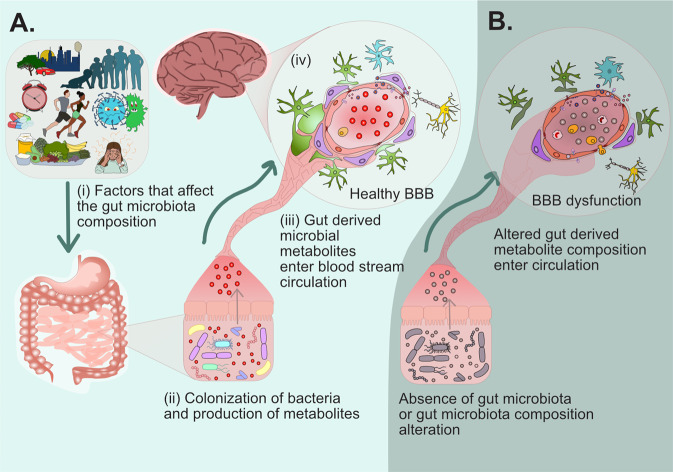
The blood-brain barrier (BBB) is vital for maintaining brain homeostasis by enabling an exquisite control of exchange of compounds between the blood and the brain parenchyma. Moreover, the BBB prevents unwanted toxins and pathogens from entering the brain. This barrier, however, breaks down with age and further disruption is a hallmark of many age-related disorders. Several drugs have been explored, thus far, to protect or restore BBB function. With the recent connection between the BBB and gut microbiota, microbial-derived metabolites have been explored for their capabilities to protect and restore BBB physiology. This review, will focus on the vital components that make up the BBB, dissect levels of disruption of the barrier, and discuss current drugs and therapeutics that maintain barrier integrity and the recent discoveries of effects microbial-derived metabolites have on BBB physiology.
Overview
The claims and statistics of this paper haven’t been checked yet.
Free: it reads the open-access text and checks the first 5 claims that cite a source we can check. Create a free account to check every claim.
Integrity signals
Registry
Cites
Statistics
Figures
Verification
Claims the paper makes
The claims and statistics of this paper haven’t been checked yet.
Free: it reads the open-access text and checks the first 5 claims that cite a source we can check. Create a free account to check every claim.
Claims other papers make about this one
Each is checked against this paper’s own text: does it say what the citing paper says it does?
The source backs part of the claim, not all of it — or backs it for a different population, condition or comparison.
In the citing paper
“Moreover, numerous studies have shown an increased BBB permeability in aged mice, which facilitates the infiltration of peripheral immune cells into the CNS.117,118”
From Role of neuroinflammation in neurodegeneration development (2023) · cites this paper as [117]
Experimental — accuracy not yet measuredThe cited source says what the claim attributes to it.
In the citing paper
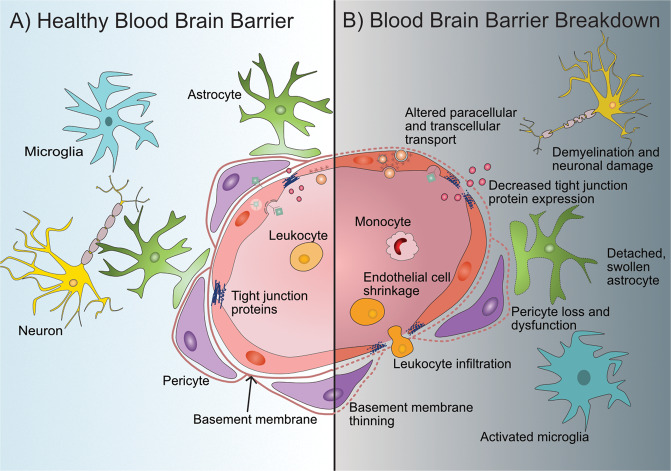
“These can include increased paracellular permeability by loss of TJs, degradation of ECs and pericytes, modification in thickness of the basement membrane, astrocyte degeneration, changes in the expression of transporters/receptors present in the BBB, and so forth [41].”
From Advances in Strategies to Transport Nanoparticles Across the Blood–Brain Barrier for Drug Delivery into the Brain for the Treatment of Alzheimer’s Disease (2026) · cites this paper as [41]
In the citing paper
“BBB disruption is well characterized in other neurodegenerative diseases, including PD, ALS, FTD, and HD.”
From Microbiota–gut–brain axis and its therapeutic applications in neurodegenerative diseases (2024) · cites this paper as [658]
In the citing paper
“Compromised BBB initiates the infiltration of peripheral immune cells and triggers microglial and astrocytic activation, ultimately resulting in synaptic and neuronal loss.”
From Microbiota–gut–brain axis and its therapeutic applications in neurodegenerative diseases (2024) · cites this paper as [658]
In the citing paper
“The structure and function of the BBB also undergo significant alterations with ageing, which contribute to the progression of neurodegenerative diseases and cognitive decline.153”
From Antiageing strategy for neurodegenerative diseases: from mechanisms to clinical advances (2025) · cites this paper as [153]
Self-check
Percentages, sums and reported differences re-computed from the paper’s own numbers.
The self-check needs the paper’s full text.
Citations
Cites
1 retracted
RETRACTED ARTICLE: Pericyte loss influences Alzheimer-like neurodegeneration in mice
Sagare, A. P., Bell, R. D., Zhao, Z., Ma, Q., Winkler, E. A., Ramanathan, A., & Zlokovic, B. V. (2013) · Nature Communications · doi:10.1038/ncomms3932 · Cited by 589 · cited 1×
“Importantly, pericytes play an important role in cerebrovascular malfunction in Alzheimer’s disease (AD) [41].”
BackgroundRetractedRosen, D. R., Siddique, T., Patterson, D., Figlewicz, D. A., Sapp, P., Hentati, A., Donaldson, D., Goto, J., O'Regan, J. P., Deng, H.-X., et al. (1993) · Nature · doi:10.1038/362059a0 · Cited by 7,062 · cited 2×
“Activated protein C downregulates SOD1 in SOD1 mutant mice, reduces blood-spinal cord barrier permeability, and slows disease progression [130].”
BackgroundAstrocyte-endothelial interactions at the blood-brain barrier
Abbott, N. J., Rönnbäck, L., & Hansson, E. (2006) · Nature Reviews Neuroscience · doi:10.1038/nrn1824 · Cited by 5,595 · cited 11×
“Both cell types can also respond to TGF-β through TGF-β receptor.”
BackgroundInfluentialCryan, J. F., O'Riordan, K. J., Cowan, C. S. M., Sandhu, K. V., Bastiaanssen, T. F. S., Boehme, M., Codagnone, M. G., Cussotto, S., Fulling, C., Golubeva, A. V., et al. (2019) · Physiological Reviews · doi:10.1152/physrev.00018.2018 · Cited by 5,286 · cited 3×
“SCFAs have previously been implicated in processes such as gastrointestinal function, blood-pressure regulation, circadian rhythm, and immune function, and more recently explored for the effects on BBB physiology [143].”
BackgroundInfluentialSelf-citationDaneman, R., & Prat, A. (2015) · Cold Spring Harbor Perspectives in Biology · doi:10.1101/cshperspect.a020412 · Cited by 3,437 · cited 3×
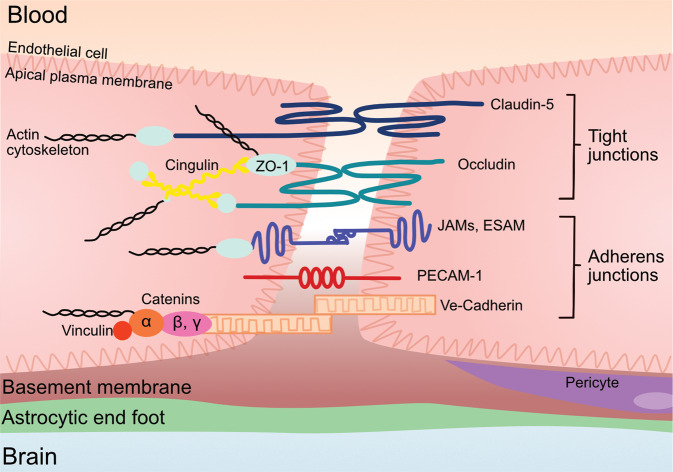
“The basement membrane is composed of both an inner vascular basement membrane, which is secreted by endothelial cells and pericytes and an outer parenchymal basement membrane, which is secreted by astrocytes [1].”
BackgroundThe Blood-Brain Barrier in Health and Chronic Neurodegenerative Disorders
Zlokovic, B. V. (2008) · Neuron · doi:10.1016/j.neuron.2008.01.003 · Cited by 3,280
Neuroinflammation and microglial activation in Alzheimer disease: where do we go from here?
Leng, F., & Edison, P. (2021) · Nature Reviews Neurology · doi:10.1038/s41582-020-00435-y · Cited by 3,179
Blood–brain barrier breakdown in Alzheimer disease and other neurodegenerative disorders
Sweeney, M. D., Sagare, A. P., & Zlokovic, B. V. (2018) · Nature Reviews Neurology · doi:10.1038/nrneurol.2017.188 · Cited by 3,076 · cited 2×
“An increase in BBB permeability is commonly observed via enhanced accumulation of blood-derived proteins in the brains of post-mortem AD patients [101] and supported by the reduction of tight junction proteins [102].”
BackgroundPericytes regulate the blood–brain barrier
Armulik, A., Genové, G., Mäe, M., Nisancioglu, M. H., Wallgard, E., Niaudet, C., He, L., Norlin, J., Lindblom, P., Strittmatter, K., et al. (2010) · Nature · doi:10.1038/nature09522 · Cited by 2,843 · cited 2×
“The co-cultures are useful as the presence of either astrocytes or pericytes or both cells together with brain endothelial cells improves the BBB characteristics [36, 38, 39, 113, 114].”
BackgroundThe gut microbiota influences blood-brain barrier permeability in mice
Braniste, V., Al-Asmakh, M., Kowal, C., Anuar, F., Abbaspour, A., Tóth, M., Korecka, A., Bakocevic, N., Ng, L. G., Kundu, P., et al. (2014) · Science Translational Medicine · doi:10.1126/scitranslmed.3009759 · Cited by 2,530 · cited 1×
“The relationship between BBB integrity and the gut microbiota is evident in germ free mice models which lack a microbiota and have increased BBB permeability and altered tight junction protein expression effects, which continue from in utero into adulthood [147].”
Background
Research works printed but not linked: 1
- Obermeier B Daneman R Ransohoff RM Development, maintenance and disruption of the blood-brain barrier Nat Med 2013 19 1584 1596 10.1038/nm.3407 24309662 PMC4080800 · DOI · Paper page
Cited by
Items 101–200 of 736
Nanoscale drug formulations for the treatment of Alzheimer's disease progression
Liqin, L., He, H., Du, B., & He, Y. (2025) · RSC Advances · doi:10.1039/d4ra08128e · Cited by 42
Influence of biological sex on neuroinflammatory dynamics in the aging brain
Müller, L., Benedetto, S. D., & Müller, V. (2025) · Frontiers in Aging Neuroscience · doi:10.3389/fnagi.2025.1670175 · Cited by 42
“As a result, SASP factors can promote microglial priming, astrocyte reactivity, and endothelial dysfunction within the CNS, even in the absence of direct infection or injury (Di Benedetto et al., 2017; Alkhalifa et al., 2023; Huang et al., 2021; Knox et al., 2022).”
Sullivan, J. M., Bagnell, A. M., Alevy, J., Avila, E. M., Mihaljević, L., Saavedra-Rivera, P. C., Kong, L., Huh, J. S., McCray, B. A., Aisenberg, W. H., et al. (2024) · Science Translational Medicine · doi:10.1126/scitranslmed.adk1358 · Cited by 30
“Inhibition of TRPV4 in endothelial cells by GSK219 may normalize RhoA activation and thereby enable junctional complex reassembly through endogenous repair pathways ( 53 ).”
BackgroundLiu, Z., & Song, S. (2025) · Genes · doi:10.3390/genes16020135 · Cited by 37
“With an aging global population, the prevalence of these conditions is rising sharply. progression [5,6].”
Overview of blood-brain barrier dysfunction in methamphetamine abuse
Pang, L., & Wang, Y. (2023) · Biomedicine & Pharmacotherapy · doi:10.1016/j.biopha.2023.114478 · Cited by 38
Liu, R., Collier, J. M., Abdul‐Rahman, N., Capuk, O., Zhang, Z., & Begum, G. (2024) · Aging and Disease · doi:10.14336/ad.2023.1201 · Cited by 44
“Many cerebrovascular pathologies are closely associated with BBB dysfunction, where changes at the BBB can lead to or enhance disease development [12, 13].”
BackgroundShort-chain fatty acid on blood-brain barrier and glial function in ischemic stroke
Mathias, K., Machado, R. S., Stork, S. D. S., Martins, C. D., dos Santos, D., Lippert, F. W., Prophiro, J. S., & Petronilho, F. C. (2024) · Life Sciences · doi:10.1016/j.lfs.2024.122979 · Cited by 30
Greenberg, E. F., Voorbach, M. J., Smith, A. G., Reuter, D. R., Zhuang, Y., Wang, J.-Q., Wooten, D., Asque, E., Hu, M., Hoft, C., et al. (2024) · Heliyon · doi:10.1016/j.heliyon.2024.e36483 · Cited by 34
Comprehensive analysis of the cerebrospinal fluid and serum metabolome in neurological diseases
Otto, C., Kalantzis, R., Kübler, D., Kühn, A. A., Böld, T., Regler, A., Strathmeyer, S., Wittmann, J., Ruprecht, K., & Heelemann, S. (2024) · Journal of Neuroinflammation · doi:10.1186/s12974-024-03218-0 · Cited by 34
Jiang, H., Zhang, C., Lin, M., Yin, Y., Deng, S., Liu, W., Zhuo, B., Tian, G., Du, Y., & Meng, Z. (2024) · Ageing Research Reviews · doi:10.1016/j.arr.2024.102536 · Cited by 37
Vrillon, A., Ashton, N. J., Bouaziz-Amar, É., Mouton‐Liger, F., Cognat, E., Dumurgier, J., Lilamand, M., Karikari, T. K., Prévot, V., Zetterberg, H., et al. (2025) · EBioMedicine · doi:10.1016/j.ebiom.2025.105694 · Cited by 31
Gulej, R., Patai, R., Ungvari, A., Kállai, A., Tarantini, S., Yabluchanskiy, A., Huffman, D. M., Conboy, M. J., Conboy, I. M., Kivimäki, M., et al. (2025) · GeroScience · doi:10.1007/s11357-025-01657-y · Cited by 32
Ravi, A., Umapathy, S., & Pan, I. (2025) · Cellular and Molecular Neurobiology · doi:10.1007/s10571-025-01609-2 · Cited by 39
“The loss of SCFAs, particularly butyrate, impairs the integrity of tight junction proteins that maintain both the intestinal and BBB barriers (Knox et al. 2022).”
Paciolla, C., Manganelli, M., Chiano, M. D., Montenegro, F., Gallone, A., Sallustio, F., & Guida, G. (2025) · Cells · doi:10.3390/cells14221823 · Cited by 42
“This systemic inflammation, as established, subsequently compromises the integrity of the BBB, whose permeability is similarly controlled by tight junction proteins [91].”
Plasmalogens inhibit neuroinflammation and promote cognitive function
Hossain, M. S., Mawatari, S., & Fujino, T. (2022) · Brain Research Bulletin · doi:10.1016/j.brainresbull.2022.11.005 · Cited by 31
Slota, J. A., Sajesh, B. V., Frost, K. F., Medina, S. J., & Booth, S. A. (2022) · Acta Neuropathologica Communications · doi:10.1186/s40478-022-01450-4 · Cited by 30
Pharmacokinetics of Antibacterial Agents in the Elderly: The Body of Evidence
Butranova, O. I., Ushkalova, E. A., Zyryanov, S. K., Станиславович, Ч. М., & Александровна, Б. Е. (2023) · Biomedicines · doi:10.3390/biomedicines11061633 · Cited by 37
Circadian Rhythms of the Blood-Brain Barrier and Drug Delivery
Kim, M., Keep, R. F., & Zhang, S. (2024) · Circulation Research · doi:10.1161/circresaha.123.323521 · Cited by 30
Beyond wrecking a wall: revisiting the concept of blood–brain barrier breakdown in ischemic stroke
Castillo-González, J., & González‐Rey, E. (2024) · Neural Regeneration Research · doi:10.4103/nrr.nrr-d-24-00392 · Cited by 39
Endothelial-Ercc1 DNA repair deficiency provokes blood-brain barrier dysfunction
Hansen, C. E., Vacondio, D., van der Molen, L., Jüttner, A. A., Fung, W. K., Karsten, M., van het Hof, B., Fontijn, R. D., Kooij, G., Witte, M. E., et al. (2025) · Cell Death & Disease · doi:10.1038/s41419-024-07306-0 · Cited by 27
Antonioni, A., Raho, E. M., Lorenzo, F. D., Manzoli, L., Flacco, M. E., & Koch, G. (2025) · Journal of Neurology · doi:10.1007/s00415-025-12996-3 · Cited by 36
Ma, C., Ye, Y., Shi, X., Li, N., Mu, Z., Tan, T., Yin, H., Dai, J., Liu, Y., & Chen, H. (2025) · Alzheimer s Research & Therapy · doi:10.1186/s13195-025-01787-7 · Cited by 29
“However, accumulating evidence suggests that BBB dysfunction is an early and critical event in AD pathogenesis [8].”
Noel, R. L., Batts, A. J., Ji, R., Pouliopoulos, A. N., Bae, S., Kline-Schoder, A. R., & Konofagou, E. E. (2023) · Scientific Reports · doi:10.1038/s41598-023-30466-6 · Cited by 27
ROS attenuates TET2-dependent ZO-1 epigenetic expression in cerebral vascular endothelial cells
Wang, L., Mao, B., Fan, K., Sun, R., Zhang, J., Liang, H., & Liu, Y. (2022) · Fluids and Barriers of the CNS · doi:10.1186/s12987-022-00370-8 · Cited by 27
“BBB disruption, supported by the reduction of tight junction proteins, is a hallmark of a number of neurodegenerative diseases, such as AD, Parkinson’s disease (PD), amyotrophic lateral sclerosis (ALS), multiple sclerosis (MS), and Huntington’s disease (HD) [29, 30].”
BackgroundSIGMAR1 Confers Innate Resilience against Neurodegeneration
Couly, S., Yasui, Y., & Su, T. (2023) · International Journal of Molecular Sciences · doi:10.3390/ijms24097767 · Cited by 31
“BBB disruption has been well characterized in several neurodegenerative disorders [77].”
BackgroundAlhowail, A. H. (2023) · Behavioural Brain Research · doi:10.1016/j.bbr.2023.114714 · Cited by 29
Mechanisms by which microbiome-derived metabolites exert their impacts on neurodegeneration
Kern, L., Mastandrea, I., Melekhova, A., & Elinav, E. (2024) · Cell chemical biology · doi:10.1016/j.chembiol.2024.08.014 · Cited by 29
Traumatic brain injury: Bridging pathophysiological insights and precision treatment strategies
Lu, Y., Jin, J., Zhang, H., Lu, Q., Zhang, Y., Liu, C., Liang, Y., Tian, S., Zhao, Y., & Fan, H. (2025) · Neural Regeneration Research · doi:10.4103/nrr.nrr-d-24-01398 · Cited by 32
Bharadwaj, P., Roullin, G., & Chain, J. L. (2025) · Nanoscale · doi:10.1039/d5nr02548f · Cited by 41
Harnessing BDNF Signaling to Promote Resilience in Aging
Faraji, J., & Metz, G. A. S. (2024) · Aging and Disease · doi:10.14336/ad.2024.0961 · Cited by 29
“The system and its vulnerability to aging-related changes have been recently discussed extensively by others [138, 236].”
Hudson, H. R., Sun, X., & Orr, M. E. (2025) · Neurotherapeutics · doi:10.1016/j.neurot.2024.e00519 · Cited by 34
“Age-and pathology-related increases in BBB permeability may allow greater access to the brain [162].”
Alaqel, S. I., Imran, M., Khan, A., & Nayeem, N. (2025) · Biogerontology · doi:10.1007/s10522-025-10209-y · Cited by 30
“In aging brains, hypertension exacerbates BBB dysfunction (Knox et al. 2022b).”
Synthesis and Anticancer Activity of Indole-Functionalized Derivatives of Betulin
Rzepka, Z., Bębenek, E., Chrobak, E., & Wrześniok, D. M. (2022) · Pharmaceutics · doi:10.3390/pharmaceutics14112372 · Cited by 26
“The BBB maintains brain homeostasis and functions of the central nervous system [57].”
BackgroundOrtega, J. A., de Aguiar, G. P. S., Chandravanshi, P., Levy, N., Engel, E., & Álvarez, Z. (2024) · Wiley Interdisciplinary Reviews Nanomedicine and Nanobiotechnology · doi:10.1002/wnan.1962 · Cited by 28
Exploiting sound for emerging applications of extracellular vesicles
Wu, Z., Cai, H., Tian, C., Ao, Z., Jiang, L., & Guo, F. (2023) · Nano Research · doi:10.1007/s12274-023-5840-6 · Cited by 25
Yuan, H., Sun, D., Ji, Y., Meng, B., Lu, B., Liu, R., Xing, X., Wang, R., & Chen, J. (2023) · Brain Research Bulletin · doi:10.1016/j.brainresbull.2023.110799 · Cited by 28
Complement C3aR signaling: Immune and metabolic modulation and its impact on Alzheimer's disease
Gedam, M., & Zheng, H. (2024) · European Journal of Immunology · doi:10.1002/eji.202350815 · Cited by 27
The possible role of cerebrolysin in the management of vascular dementia: Leveraging concepts
Al-Kuraishy, H. M., Al-Gareeb, A. I., Zekry, S. H., Alruwaili, M., Alexiou, A. T., Papadakis, M., & Batiha, G. E. (2025) · Neuroscience · doi:10.1016/j.neuroscience.2025.01.040 · Cited by 28
McGeachan, R. I., Meftah, S., Taylor, L. W., Catterson, J. H., Negro, D., Bonthron, C., Holt, K., Tulloch, J., Rose, J. L., Gobbo, F., et al. (2025) · Nature Communications · doi:10.1038/s41467-025-58879-z · Cited by 26
Microglial Polarization and Therapeutic Strategies in Post-stroke Neuroinflammation
Chan, T. Y. H., Yu, B., Hung, T. K., Wong, J. S. Y., & Lo, B. (2025) · Neurology and Therapy · doi:10.1007/s40120-025-00825-8 · Cited by 29
Neuropharmacology of synaptic plasticity: pathways to cognitive resilience in healthy aging
Goel, F., Singh, P., Nand, S., & Yadav, D. K. (2026) · 3 Biotech · doi:10.1007/s13205-025-04673-z · Cited by 27
Sun, R., Feng, J., & Wang, J. (2023) · Aging and Disease · doi:10.14336/ad.2023.0621 · Cited by 28
“Recent studies have shown that the physiological effects of the BBB diminish with aging and are undermined by many age-related diseases, including Alzheimer’s disease, Parkinson’s disease, Age-related Macular Degeneration and Diabetic Retinopathy and so on [52].”
BackgroundMetabolites of Life: Phosphate
Błaszczyk, J. W. (2023) · Metabolites · doi:10.3390/metabo13070860 · Cited by 30
“tions become more detrimental when exposed to a second hit, such as inflammation [48].”
BackgroundInfluentialBlood-brain barrier biomarkers
Zapata-Acevedo, J. F., Mantilla-Galindo, A., Vargas-Sánchez, K., & González-Reyes, R. E. (2024) · Advances in clinical chemistry · doi:10.1016/bs.acc.2024.04.004 · Cited by 29
Microglia contact cerebral vasculature through gaps between astrocyte endfeet
Morris, G. P., Foster, C. G., Sutherland, B. A., & Grubb, S. (2024) · Journal of Cerebral Blood Flow & Metabolism · doi:10.1177/0271678x241280775 · Cited by 26
“60 Finally, it is well understood that both astrocytes and microglia undergo significant morphological and functional changes in response to brain injuries.”
Chen, J. X. Y., Vipin, A., Sandhu, G. K., Leow, Y. J., Zailan, F. Z., Tanoto, P., Lee, E. S., Lee, K. L., Cheung, C., & Kandiah, N. (2025) · The Journal of Prevention of Alzheimer s Disease · doi:10.1016/j.tjpad.2024.100029 · Cited by 26
Neuroimmune dynamics and brain aging: mechanisms and consequences
Müller, L., Benedetto, S. D., & Müller, V. (2025) · Frontiers in Aging Neuroscience · doi:10.3389/fnagi.2025.1715045 · Cited by 24
Blood–Brain Barrier: Structure, Function, Diseases, and Drug Delivery Systems
He, Y., Qu, M., Yu, L., He, L., Lu, Y., Hong, J., Sun, M., Yang, H., Mi, W., Guo, H., et al. (2026) · MedComm · doi:10.1002/mco2.70712 · Cited by 33
Nucleic acid-based therapeutics for the treatment of central nervous system disorders
McCartan, R., Khorkova, O., Volmar, C., & Wahlestedt, C. (2023) · Frontiers in Genetics · doi:10.3389/fgene.2023.1250276 · Cited by 25
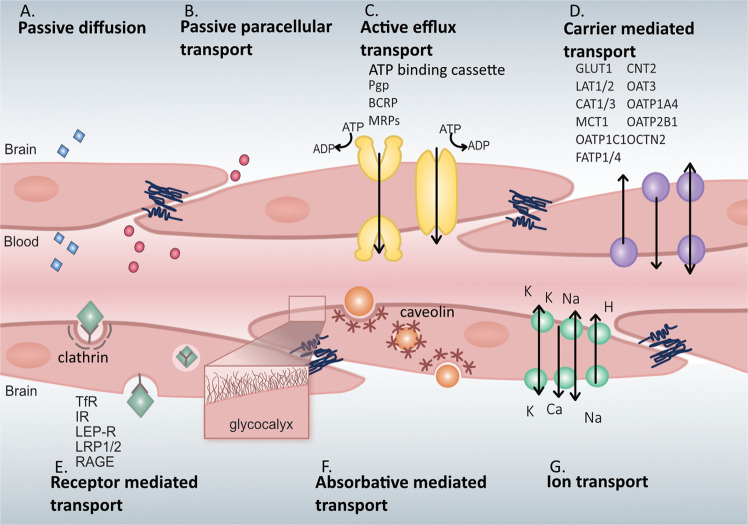
“Lastly, absorptive-mediated transport is a mechanism by which cationic molecules can bind to the luminal surface of endothelial cells and be taken up by the cell and transported across the BBB (Knox et al., 2022).”
BackgroundThe missing hallmark of health: psychosocial adaptation
López-Otín, C., & Kroemer, G. (2024) · Cell Stress · doi:10.15698/cst2024.03.294 · Cited by 32
“BBB assures the exclusion of mobile immune cells and pro-inflammatory factors, the transport mechanisms from the periphery into the brain and the active export of toxic metabolites and waste products from the brain [52].”
BackgroundNetzahualcoyotzi, C., Santillán‐Cigales, J. J., Adalid-Peralta, L. V., & Velasco, I. (2024) · Journal of Neurochemistry · doi:10.1111/jnc.16106 · Cited by 26
“However, the characteristics of NVU breakdown can be further exacerbated in neurodegenerative disorders such as AD, PD, amyotrophic lateral sclerosis, multiple sclerosis, and Huntington's disease (Knox et al., 2022 ).”
Redox imbalance and metabolic defects in the context of Alzheimer disease
Domenico, F. D., Lanzillotta, C., & Perluigi, M. (2024) · FEBS Letters · doi:10.1002/1873-3468.14840 · Cited by 24
Do microbes play a role in Alzheimer's disease?
Williams, Z. A. P., Láng, L., Nicolas, S., Clarke, G. A., Cryan, J. F., Vauzour, D., & Nolan, Y. M. (2024) · Microbial Biotechnology · doi:10.1111/1751-7915.14462 · Cited by 22
“…deposition of A β , and consequent neuroin-flammation and AD progression occurs in response to the presence of microbes in the brain, neuroinflammation may also arise from systemic infections (perhaps due to a weakened immune system) (Knox et al., 2022) or microbial dysbiosis (Thapa et al., 2023).”
BackgroundSelf-citationArterial Spin Labeling: Key Concepts and Progress Towards Use as a Clinical Tool
Jaafar, N., & Alsop, D. C. (2024) · Magnetic Resonance in Medical Sciences · doi:10.2463/mrms.rev.2024-0013 · Cited by 27
“104 The capability to noninvasively image BBB damage would help advance understanding of its role in aging and neurologic disease.”
BackgroundBalakrishnan, R., Kang, S.-I., Lee, J. Y., Rho, Y., Kim, B.-K., & Choi, D. (2024) · Aging and Disease · doi:10.14336/ad.2024.1362 · Cited by 39
“Moreover, these cells possess the capability to assimilate information from adjacent glial, neuronal, vascular, and immunological entities, thereby influencing neural excitability and the processes of synaptic formation [91].”
Non‐Invasive Diagnosis of Moyamoya Disease Using Serum Metabolic Fingerprints and Machine Learning
Weng, R., Xu, Y., Gao, X., Cao, L., Su, J., Yang, H., Li, H., Ding, C., Pu, J., Zhang, M., et al. (2024) · Advanced Science · doi:10.1002/advs.202405580 · Cited by 26
Molecular Motors in Blood–Brain Barrier Maintenance by Astrocytes
Sobral, A. F., Costa, I. D., Teixeira, V., Silva, R. V. D. S., & Barbosa, D. J. (2025) · Brain Sciences · doi:10.3390/brainsci15030279 · Cited by 26
“…[30]. corroborated by Lewandowski, who concluded that the entry of some molecules into the brain is prevented by brain capillaries [30] Over the 20th century, electron microscopy and molecular biology studies have revealed that the BBB has indeed a complex cellular and molecular composition…”
InfluentialZhang, W., Refaat, A., Li, H., Zhu, D., Tong, Z., Nicolazzo, J. A., Peng, B., Bai, H., Esser, L., & Voelcker, N. H. (2025) · Advanced Functional Materials · doi:10.1002/adfm.202425165 · Cited by 30
Microbiome influences on neuro-immune interactions in neurodegenerative disease
Menees, K. B., Otero, B. A., & Tansey, M. G. (2022) · International review of neurobiology · doi:10.1016/bs.irn.2022.07.006 · Cited by 27
Hu, X., Wang, Y., Du, W., Liang, L., Wang, W., & Jin, X. (2022) · Oxidative Medicine and Cellular Longevity · doi:10.1155/2022/7762078 · Cited by 23
“[52], and BBB impairment is a cause rather than a consequence in aging-related neurodegenerative diseases Oligodendrocyte”
RetractedVascular endothelial cells: a fundamental approach for brain waste clearance
Wei, H., Jiang, H., Zhou, Y., Xiao, X., Zhou, C., & Ji, X. (2022) · Brain · doi:10.1093/brain/awac495 · Cited by 23
Alqudah, A. M. M., Aljabali, A. A. A., Gammoh, O., & Tambuwala, M. M. (2024) · Journal of Nanoparticle Research · doi:10.1007/s11051-024-05983-8 · Cited by 24
Research Progress on the Strategies for Crossing the Blood–Brain Barrier
Qiao, L., Du, X., Wang, H., Wang, Z., Gao, S.-J., & Chun-Qin, Z. (2024) · Molecular Pharmaceutics · doi:10.1021/acs.molpharmaceut.4c00447 · Cited by 26
The role of reactive oxygen species in the regulation of the blood-brain barrier
Shuvalova, M. L., Dmitrieva, A., Belousov, V. V., & Nosov, G. (2024) · Tissue Barriers · doi:10.1080/21688370.2024.2361202 · Cited by 26
Sleep deprivation-induced shifts in gut microbiota: Implications for neurological disorders
Wankhede, N. L., Kale, M. B., Kyada, A., Rekha, M. M., Chaudhary, K., Naidu, K. S., Rahangdale, S. R., Shende, P. V., Taksande, B. G., Khalid, M., et al. (2024) · Neuroscience · doi:10.1016/j.neuroscience.2024.11.070 · Cited by 24
Innate and adaptive immunity in neurodegenerative disease
Huang, Y., Zhang, G., Li, S., Feng, J., & Zhang, Z. (2025) · Cellular and Molecular Life Sciences · doi:10.1007/s00018-024-05533-4 · Cited by 26
Patricio-Martínez, A., Patricio, F., Macuil-Chapuli, E., Martínez-Juárez, E. Á., Flores-Díaz, S., Cedillo-Ramirez, M. L., & Limón, I. D. (2025) · Frontiers in Neuroscience · doi:10.3389/fnins.2025.1598011 · Cited by 28
Postbiotics: A Promising Approach to Combat Age-Related Diseases
Hamdi, A., Lloyd, C., Eri, R. D., & Van, T. T. H. (2025) · Life · doi:10.3390/life15081190 · Cited by 27
“Furthermore, transforming growth factor-β secreted by regulatory T-/B-cells promotes osteoclast (bone-forming cells) differentiation, making the gut microbiome essential in modulating the balance between bone formation and resorption balance [275].”
Associations of the Lipidome with Ageing, Cognitive Decline and Exercise Behaviours
Kadyrov, M., Whiley, L., Brown, B. M., Erickson, K. I., & Holmes, E. C. (2022) · Metabolites · doi:10.3390/metabo12090822 · Cited by 25
Yu, Y., Weiss, R. M., & Wei, S. (2024) · Journal of the American Heart Association · doi:10.1161/jaha.123.032533 · Cited by 22
“38 Further studies involving female or aged animals are warranted to determine whether sex differences or aging plays a role in IL-17A–mediated BBB disruption in the PVN in HF.”
Marques, D., Moura-Louro, D., Silva, I. P., Matos, S., dos Santos, C. N., & Figueira, I. (2024) · Neurochemistry International · doi:10.1016/j.neuint.2024.105836 · Cited by 22
O’Halloran, L., Akinsete, O., Kogan, A. L., Wrona, M., & Mahdi, A. F. (2025) · Frontiers in Pharmacology · doi:10.3389/fphar.2025.1637602 · Cited by 26
Microglial targeted therapy relieves cognitive impairment caused by Cntnap4 deficiency
Zhang, W., Chen, H., Ding, L., Huang, J., Zhang, M., Liu, Y., Ma, R., Zheng, S., Gong, J., Piña-Crespo, J., et al. (2023) · Exploration · doi:10.1002/exp.20220160 · Cited by 33
Inhibition of MMP-2 and MMP-9 attenuates surgery-induced cognitive impairment in aged mice
Ji, Y., Huang, W., Chen, Y., Zhang, X., Wu, F., Tang, W., Lu, Z., & Huang, C. (2023) · Brain Research Bulletin · doi:10.1016/j.brainresbull.2023.110810 · Cited by 23
Microbiota-Gut-Brain Axis in Age-Related Neurodegenerative Diseases
Nie, T., Li, Y., Tang, F., Duan, Y., Nepovimová, E., Kuča, K., Wu, Q., & Wei, W. (2024) · Current Neuropharmacology · doi:10.2174/1570159x23666241101093436 · Cited by 25
“Dysfunction of the BBB occurs in patients with ND and is characterized by various changes in BBB cell populations [67, 68].”
Different Mechanisms in Doxorubicin-Induced Neurotoxicity: Impact of BRCA Mutations
Bhatt, K. S., Singh, A., Marwaha, G. S., Ravendranathan, N., Sandhu, I. S., Kim, K., Singh, E., Frisbee, J. C., & Singh, K. K. (2025) · International Journal of Molecular Sciences · doi:10.3390/ijms26104736 · Cited by 19
“Oxidative stress and inflammation primarily disrupt the BBB, leading to the expression of adhesion molecules and the recruitment of immune cells, which can further damage the BBB [167,169].”
Pineiro‐Alonso, L., Rubio-Prego, I., Lobyntseva, A., González‐Freire, E., Langer, R., & Alonso, M. J. (2025) · Advanced Drug Delivery Reviews · doi:10.1016/j.addr.2025.115606 · Cited by 24
Role of Blood-Brain barrier in bacterial translocation
Aborode, A. T., Adesola, R. O., Scott, G. Y., Adepoju, V. A., Akan, O. D., Ogunyemi, A. D., Adetunji, A. P.-G., Arogundade, F. Q., Kwaku, S. D., Emmanuel, A. O., et al. (2025) · Neuroscience · doi:10.1016/j.neuroscience.2025.06.037 · Cited by 20
Pan, T.-T., Sun, Y., Shi, Y.-F., Zhao, M., Khan, N. U., Chen, H., Ji, W., Li, J., Han, L., & Ma, Q. (2025) · Alzheimer s Research & Therapy · doi:10.1186/s13195-025-01840-5 · Cited by 21
“BBB dysfunction is associated with not only the loss of its structural components, such as vascular endothelial cells, astrocytes, pericytes, and junctional complexes, including tight junctions and adherens junctions, but also the aberrant expression of BBB transporters and/ or receptors [19, 25].”
Zhou, Y.-T., Xu, Y.-N., Ren, X., & Zhang, X. (2023) · Food and Chemical Toxicology · doi:10.1016/j.fct.2023.113692 · Cited by 20
The role of exosomes in central nervous system tissue regeneration and repair
Wang, J., & Yang, L. (2023) · Biomedical Materials · doi:10.1088/1748-605x/ace39c · Cited by 21
(2023) · doi:10.1111/jnc.15985
“These detrimental effects to BBB permeability and integrity can then contribute to the development of neuroinflammatory diseases of the CNS, such as AD (Daneman & Prat, 2015; Knox et al., 2022).”
Effect of Human Milk Oligosaccharides on Learning and Memory in Mice with Alzheimer’s Disease
Gao, H., Fang, B., Sun, Z., Du, X., Guo, H., Zhao, L., & Zhang, M. (2023) · Journal of Agricultural and Food Chemistry · doi:10.1021/acs.jafc.3c05949 · Cited by 20
Optogenetic and chemogenetic approaches for modeling neurological disorders in vivo
Krut’, V. G., Kalinichenko, A. L., Maltsev, D. I., Jappy, D., Shevchenko, E. K., Podgorny, O. V., & Belousov, V. V. (2024) · Progress in Neurobiology · doi:10.1016/j.pneurobio.2024.102600 · Cited by 20
Hossen, F., Sun, G. Y., & Lee, J. C. (2024) · Free Radical Biology and Medicine · doi:10.1016/j.freeradbiomed.2024.05.044 · Cited by 20
Gao, F., Du, W., Guo, C., Geng, P., Liu, W.-C., & Jin, X. (2024) · Biomedicine & Pharmacotherapy · doi:10.1016/j.biopha.2024.117337 · Cited by 22
Cannabis Use and Cognitive Functioning Across the Lifespan
Meier, M. H., Olive, M. F., Jenks, O. A., & Wernik, S. R. (2024) · Current Addiction Reports · doi:10.1007/s40429-024-00571-1 · Cited by 20
“…a higher percentage of body fat (which is relevant because THC is stored in fat and gradually released into the bloodstream [32]), and reduced integrity of the blood–brain barrier [33, 34], which could increase older adults’ risk of cannabis-related cognitive impairment relative to younger adults.”
Engendered nanoparticles for treatment of brain tumors
Soleymani, S., Asgari, K., Mobarakshahi, A., Aghaeipour, A., Doroudian, M., Soezi, M., Beladi, A., & MacLoughlin, R. J. (2025) · Oncology Research Featuring Preclinical and Clinical Cancer Therapeutics · doi:10.32604/or.2024.053069 · Cited by 20
Vollhardt, A., Frölich, L., Stockbauer, A., Danek, A., Schmitz, C., & Wahl, A.-S. (2025) · Neurobiology of Disease · doi:10.1016/j.nbd.2025.106845 · Cited by 19
Liver-expressed antimicrobial peptide 2 elevation contributes to age-associated cognitive decline
Tian, J., Guo, L., Wang, T., Jia, K., Swerdlow, R. H., Zigman, J. M., & Du, H. (2023) · JCI Insight · doi:10.1172/jci.insight.166175 · Cited by 16
“Lastly, given the age-associated damages in the blood-brain barrier (BBB) (83, 84), it is likely that advanced aging renders the hippocam-”
BackgroundInfluentialProtective effects of apigenin in neurodegeneration: An update on the potential mechanisms
Mohammadkhanizadeh, A., Sheibani, M., Taherkhani, S., Nourabadi, D., Mohamadi-Zarch, S.-M., Nikbakht, F., & Azizi, Y. (2025) · Brain Disorders · doi:10.1016/j.dscb.2025.100189 · Cited by 20
Sun, Z., Sun, Z.-X., Zhao, Y. F., Zhang, L., Xie, F., Wang, X., Li, J., Zhou, M., Feng, H., & Qian, L. (2025) · Fluids and Barriers of the CNS · doi:10.1186/s12987-025-00639-8 · Cited by 21
“Microvascular disruption is a remarkable feature of stress–induced cognitive impairments, and specifically, defective blood ‒ brain barrier (BBB) function appears to be a key driver of pathology [5–7].”
Emerging roles of transfer RNA fragments in the CNS
Winek, K., & Soreq, H. (2025) · Brain · doi:10.1093/brain/awaf130 · Cited by 24
“163 BBB permeability is increased in conditions such as ageing or CNS disease 164 and CSF provides some information about the brain health and pathological changes, correspondingly offering diagnostic possibilities.”
Pericytes: The forgotten controllers of a functional blood–brain barrier
Roedel, M., Brooks, N., & Lamb, T. J. (2025) · PLoS Pathogens · doi:10.1371/journal.ppat.1013145 · Cited by 20
“Neurological infection disrupts pericyte function resulting in BBB disruption and this may underpin the correlations of infections with stroke, neurodegeneration, and long-lasting neurological dysfunction [1].”
Haro-Martínez, E., Muscolino, E., Moral, N., Durán, J., & Fornaguera, C. (2025) · Drug Delivery and Translational Research · doi:10.1007/s13346-025-01887-9 · Cited by 24
“Indeed, neuroinflammation, a common feature in NDs, alters interactions of astrocytes and pericytes with BECs and changes the expression of tight junction proteins, thus modifying para-cellular and transcellular transport [22].”
Blood-Brain barrier disruption in long COVID and cognitive correlates: A cross-sectional MRI study
Rubin, L. H., Shi, W., Azola, A. M., Bhattacharyya, A., Dastgheyb, R. M., Wu, J., Penna, C. R. R., Parker, H., Santiuste, I., Ehrenspeck, A., et al. (2025) · Brain Behavior and Immunity · doi:10.1016/j.bbi.2025.07.024 · Cited by 18
Chagnot, A., & Montagne, A. (2025) · Current Biology · doi:10.1016/j.cub.2025.06.061 · Cited by 16
The role of Microbiota in the Pathogenesis of Alzheimer’s Disease
Sharma, A., & Martins, I. J. (2023) · Acta Scientifci Nutritional Health · doi:10.31080/asnh.2023.07.1272 · Cited by 27
Unravelling the signaling power of pollutants
Manzano-Covarrubias, A. L., Yan, H., Luu, M. D. A., Gadjdjoe, P. S., Dolga, A. M., & Schmidt, M. (2023) · Trends in Pharmacological Sciences · doi:10.1016/j.tips.2023.09.002 · Cited by 20
Hoyer-Kimura, C. H., Hay, M., Konhilas, J. P., Morrison, H. W., Methajit, M., Strom, J. G., Polt, R. L., Salcedo, V., Fricks, J. P., Kalya, A., et al. (2023) · Aging and Disease · doi:10.14336/ad.2023.0928 · Cited by 31
“Impaired NVC has been previously linked to increased BBB permeability due to endothelial damage [90].”
Background
Metadata
- Authors
- Knox, E. G., Aburto, M. R., Clarke, G., Cryan, J. F., & O’Driscoll, C. M.
- Affiliations
- University College Cork (IE)
- Venue
- Molecular Psychiatry
- Published
- 2022-03-31
- Volume
- 27
- Issue
- 6
- Pages
- 2659-2673
- ISSN
- 1359-4184 (ISSN-L)
- 1476-5578
- PMC
- PMC9156404
- OpenAlex
- W4220819957
- Semantic Scholar
- 83f5f22ce6fc91638ce39819b8f1d03e829b7c72
- Cited by
- 738
- References
- 213
- Citations by year
- 2026: 199 · 2025: 233 · 2024: 183 · 2023: 96 · 2022: 27
- FWCI
- 13.86
- Type
- journal article
- Language
- en
- Open access
- hybrid
- doi.org
- Licence
- cc-by
- creativecommons.org/licenses/by/4.0 (tdm)
- creativecommons.org/licenses/by/4.0 (vor)
- Locations
- Molecular Psychiatry (publishedVersion, cc-by)
- PubMed Central (publishedVersion, cc-by)
- PubMed (publishedVersion)
- Lenus, The Irish Health Repository (Dr Steevens Hospital Library) (submittedVersion)
- Funders
- European Office of Aerospace Research and Development, Air Force Office of Scientific Research and 711 Human Performance Wing, Air Force Research Laboratory
- Science Foundation Ireland (SFI/12/RC/2273-P2)
- Topics
- Life Sciences › Neuroscience › Neurology › Barrier Structure and Function Studies
- Health Sciences › Medicine › Oncology › Drug Transport and Resistance Mechanisms
- Health Sciences › Medicine › Clinical Neurology › Cerebrospinal fluid and hydrocephalus
- Keywords
- blood-brain barrier, aging, neurodegeneration, blood-brain barrier disruption, brain homeostasis, gut microbiota, microbial metabolites
- MeSH terms
- Biological Transport, Blood-Brain Barrier, Brain, Homeostasis
About these checks
Registry, retraction, Cites and statistics results are computed, not judged, with one exception: a printed reference that no index lists is read once by a model before it counts as a citation error. Claims are extracted by a model and kept only when their quote appears verbatim in the text; each cited source is then checked, with a model’s help, for whether it says what the claim relies on. Those verdicts can be wrong — read the claim’s quote and the cited source before relying on one.
Statistics and arithmetic are recomputed, not judged.
Confidence bands are shown only for fields calibrated on our annotated test set. None is calibrated yet, so no band is shown.
What counts as a claim ›How we measure confidence ›How we check this ›
Are you an author, or do you see a problem with this page? Request a review
Data sources
Bibliographic data: Semantic Scholar, OpenAlex, Crossref.
Contains information from the Semantic Scholar Academic Graph Datasets, made available under the ODC Attribution License (ODC-BY 1.0).
Semantic Scholar’s data is described in: Kinney, R., et al. (2023). The Semantic Scholar Open Data Platform. arXiv:2301.10140.
