

The blood-brain barrier in aging and neurodegeneration
Open accessThe DOI matches its Crossref record; 213 of the 213 references it cites were found in a registry or an index.
Abstract
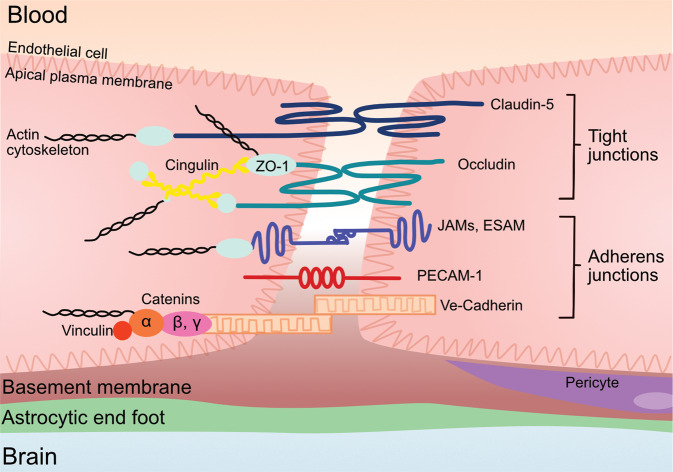
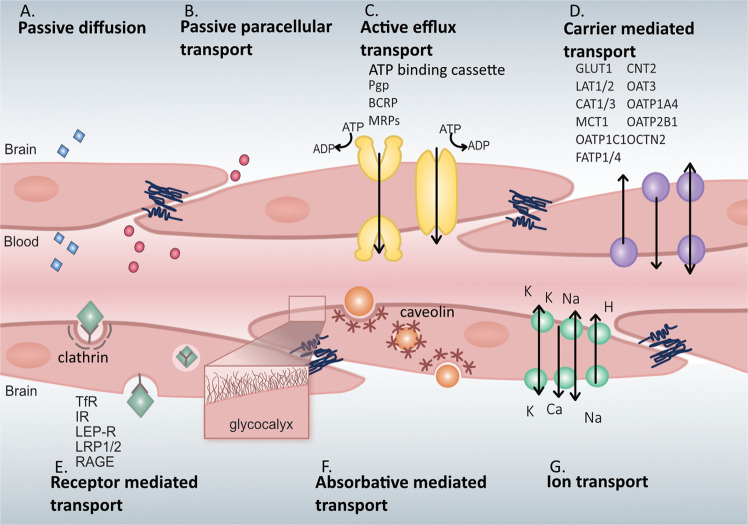
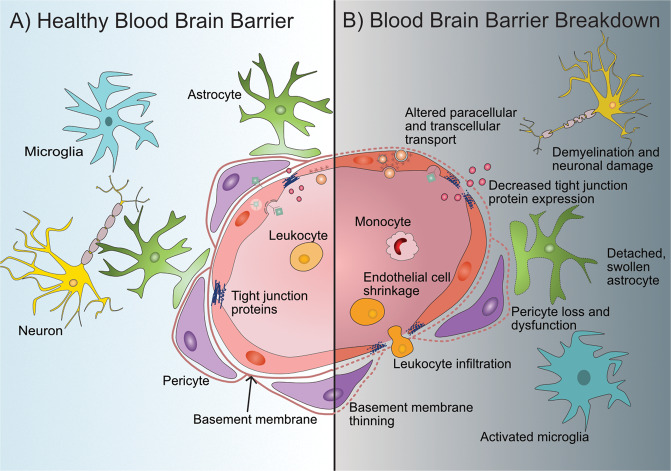
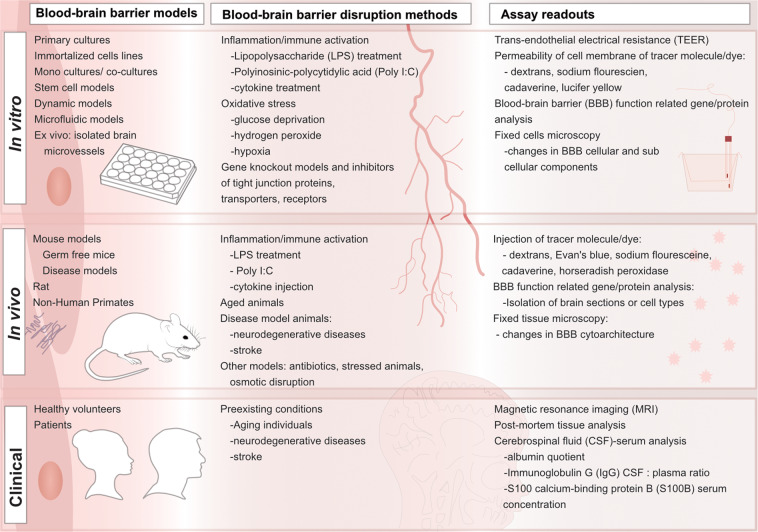
The blood-brain barrier (BBB) is vital for maintaining brain homeostasis by enabling an exquisite control of exchange of compounds between the blood and the brain parenchyma. Moreover, the BBB prevents unwanted toxins and pathogens from entering the brain. This barrier, however, breaks down with age and further disruption is a hallmark of many age-related disorders. Several drugs have been explored, thus far, to protect or restore BBB function. With the recent connection between the BBB and gut microbiota, microbial-derived metabolites have been explored for their capabilities to protect and restore BBB physiology. This review, will focus on the vital components that make up the BBB, dissect levels of disruption of the barrier, and discuss current drugs and therapeutics that maintain barrier integrity and the recent discoveries of effects microbial-derived metabolites have on BBB physiology.
Overview
The claims and statistics of this paper haven’t been checked yet.
Free: it reads the open-access text and checks the first 5 claims that cite a source we can check. Create a free account to check every claim.
Integrity signals
Registry
Cites
Statistics
Figures
Verification
Claims the paper makes
The claims and statistics of this paper haven’t been checked yet.
Free: it reads the open-access text and checks the first 5 claims that cite a source we can check. Create a free account to check every claim.
Claims other papers make about this one
Each is checked against this paper’s own text: does it say what the citing paper says it does?
The source backs part of the claim, not all of it — or backs it for a different population, condition or comparison.
In the citing paper
“Moreover, numerous studies have shown an increased BBB permeability in aged mice, which facilitates the infiltration of peripheral immune cells into the CNS.117,118”
From Role of neuroinflammation in neurodegeneration development (2023) · cites this paper as [117]
Experimental — accuracy not yet measuredThe cited source says what the claim attributes to it.
In the citing paper
“These can include increased paracellular permeability by loss of TJs, degradation of ECs and pericytes, modification in thickness of the basement membrane, astrocyte degeneration, changes in the expression of transporters/receptors present in the BBB, and so forth [41].”
From Advances in Strategies to Transport Nanoparticles Across the Blood–Brain Barrier for Drug Delivery into the Brain for the Treatment of Alzheimer’s Disease (2026) · cites this paper as [41]
In the citing paper
“BBB disruption is well characterized in other neurodegenerative diseases, including PD, ALS, FTD, and HD.”
From Microbiota–gut–brain axis and its therapeutic applications in neurodegenerative diseases (2024) · cites this paper as [658]
In the citing paper
“Compromised BBB initiates the infiltration of peripheral immune cells and triggers microglial and astrocytic activation, ultimately resulting in synaptic and neuronal loss.”
From Microbiota–gut–brain axis and its therapeutic applications in neurodegenerative diseases (2024) · cites this paper as [658]
In the citing paper
“The structure and function of the BBB also undergo significant alterations with ageing, which contribute to the progression of neurodegenerative diseases and cognitive decline.153”
From Antiageing strategy for neurodegenerative diseases: from mechanisms to clinical advances (2025) · cites this paper as [153]
Self-check
Percentages, sums and reported differences re-computed from the paper’s own numbers.
The self-check needs the paper’s full text.
Citations
Cites
1 retracted
RETRACTED ARTICLE: Pericyte loss influences Alzheimer-like neurodegeneration in mice
Sagare, A. P., Bell, R. D., Zhao, Z., Ma, Q., Winkler, E. A., Ramanathan, A., & Zlokovic, B. V. (2013) · Nature Communications · doi:10.1038/ncomms3932 · Cited by 589 · cited 1×
“Importantly, pericytes play an important role in cerebrovascular malfunction in Alzheimer’s disease (AD) [41].”
BackgroundRetractedRosen, D. R., Siddique, T., Patterson, D., Figlewicz, D. A., Sapp, P., Hentati, A., Donaldson, D., Goto, J., O'Regan, J. P., Deng, H.-X., et al. (1993) · Nature · doi:10.1038/362059a0 · Cited by 7,062 · cited 2×
“Activated protein C downregulates SOD1 in SOD1 mutant mice, reduces blood-spinal cord barrier permeability, and slows disease progression [130].”
BackgroundAstrocyte-endothelial interactions at the blood-brain barrier
Abbott, N. J., Rönnbäck, L., & Hansson, E. (2006) · Nature Reviews Neuroscience · doi:10.1038/nrn1824 · Cited by 5,595 · cited 11×
“Both cell types can also respond to TGF-β through TGF-β receptor.”
BackgroundInfluentialCryan, J. F., O'Riordan, K. J., Cowan, C. S. M., Sandhu, K. V., Bastiaanssen, T. F. S., Boehme, M., Codagnone, M. G., Cussotto, S., Fulling, C., Golubeva, A. V., et al. (2019) · Physiological Reviews · doi:10.1152/physrev.00018.2018 · Cited by 5,286 · cited 3×
“SCFAs have previously been implicated in processes such as gastrointestinal function, blood-pressure regulation, circadian rhythm, and immune function, and more recently explored for the effects on BBB physiology [143].”
BackgroundInfluentialSelf-citationDaneman, R., & Prat, A. (2015) · Cold Spring Harbor Perspectives in Biology · doi:10.1101/cshperspect.a020412 · Cited by 3,437 · cited 3×
“The basement membrane is composed of both an inner vascular basement membrane, which is secreted by endothelial cells and pericytes and an outer parenchymal basement membrane, which is secreted by astrocytes [1].”
BackgroundThe Blood-Brain Barrier in Health and Chronic Neurodegenerative Disorders
Zlokovic, B. V. (2008) · Neuron · doi:10.1016/j.neuron.2008.01.003 · Cited by 3,280
Neuroinflammation and microglial activation in Alzheimer disease: where do we go from here?
Leng, F., & Edison, P. (2021) · Nature Reviews Neurology · doi:10.1038/s41582-020-00435-y · Cited by 3,179
Blood–brain barrier breakdown in Alzheimer disease and other neurodegenerative disorders
Sweeney, M. D., Sagare, A. P., & Zlokovic, B. V. (2018) · Nature Reviews Neurology · doi:10.1038/nrneurol.2017.188 · Cited by 3,076 · cited 2×
“An increase in BBB permeability is commonly observed via enhanced accumulation of blood-derived proteins in the brains of post-mortem AD patients [101] and supported by the reduction of tight junction proteins [102].”
BackgroundPericytes regulate the blood–brain barrier
Armulik, A., Genové, G., Mäe, M., Nisancioglu, M. H., Wallgard, E., Niaudet, C., He, L., Norlin, J., Lindblom, P., Strittmatter, K., et al. (2010) · Nature · doi:10.1038/nature09522 · Cited by 2,843 · cited 2×
“The co-cultures are useful as the presence of either astrocytes or pericytes or both cells together with brain endothelial cells improves the BBB characteristics [36, 38, 39, 113, 114].”
BackgroundThe gut microbiota influences blood-brain barrier permeability in mice
Braniste, V., Al-Asmakh, M., Kowal, C., Anuar, F., Abbaspour, A., Tóth, M., Korecka, A., Bakocevic, N., Ng, L. G., Kundu, P., et al. (2014) · Science Translational Medicine · doi:10.1126/scitranslmed.3009759 · Cited by 2,530 · cited 1×
“The relationship between BBB integrity and the gut microbiota is evident in germ free mice models which lack a microbiota and have increased BBB permeability and altered tight junction protein expression effects, which continue from in utero into adulthood [147].”
Background
Research works printed but not linked: 1
- Obermeier B Daneman R Ransohoff RM Development, maintenance and disruption of the blood-brain barrier Nat Med 2013 19 1584 1596 10.1038/nm.3407 24309662 PMC4080800 · DOI · Paper page
Cited by
Items 501–600 of 736
Peptide-Based Delivery Systems: Selected Insights into Cell-Penetrating Peptides
Adam, H., Abdollahi, S., & Musaimi, O. A. (2026) · ACS Chemical Neuroscience · doi:10.1021/acschemneuro.6c00266 · Cited by 3
Liu, C., Zhu, Z., Lin, H., Bush, W. S., Jenq, R. R., Cominelli, F., Pillai, J. A., Haines, J. L., Zhu, X., Xu, R., et al. (2026) · Frontiers in Molecular Biosciences · doi:10.3389/fmolb.2026.1735332 · Cited by 2
“Shared features such as cholesterol dysregulation (Varma et al., 2021; Nunes et al., 2022), mitochondrial dysfunction (Dewanjee et al., 2022; Amorim et al., 2022), depression (Dafsari and Jessen, 2020; Zenebe et al., 2021 Li et al., 2023; Bowirrat, 2022; Knox et al., 2022).”
Liu, J., Daugherty, A. M., Dahle, C. L., Ghisletta, P., & Raz, N. (2026) · GeroScience · doi:10.1007/s11357-026-02360-2 · Cited by 3
Brain health across the lifespan and the impact of nutrition, exercise, microbiota, and sleep
Shin, A. C., Haque, Z. F., Galyean, S., Hefner, M., Esmaeili, M., Lawrence, J. J., & Watkins, B. A. (2026) · Ageing Research Reviews · doi:10.1016/j.arr.2026.103245 · Cited by 3
Proteomics of Deep Cervical Lymph Nodes After Experimental Traumatic Brain Injury
Puhakka, N., Gupta, S. D., Leskinen, S., Heiskanen, M., Nättinen, J. E., Aapola, U., Uusitalo, H. M. T., & Pitkänen, A. (2023) · Neurotrauma Reports · doi:10.1089/neur.2023.0008 · Cited by 4
“Levels of ZO-1 are closely associated with the degree of BBB damage and an indicator of BBB destruction (reviewed previously 22 ).”
BackgroundOzkızılcık, A., Sharma, A., Feng, L., Muresanu, D. F., Tian, Z. R., Lafuente, J. V., Buzoianu, A. D., Nozari, A., Wiklund, L., & Sharma, H. S. (2023) · International review of neurobiology · doi:10.1016/bs.irn.2023.07.001 · Cited by 2
O’Connell, G. C., Smothers, C. G., Wang, J., Ruksakulpiwat, S., & Armentrout, B. L. (2024) · Neuroscience · doi:10.1016/j.neuroscience.2024.05.017 · Cited by 2
A circadian clock regulates the blood-brain barrier across phylogeny
Avila, A., & Zhang, S. (2024) · Vitamins and hormones · doi:10.1016/bs.vh.2024.04.004 · Cited by 2
Nonarteritic Anterior Ischemic Optic Neuropathy and the Risk of Dementia: A Nationwide Cohort Study
Kim, J., Han, K., Jung, J., Park, K., & Oh, S. Y. (2024) · Neurology · doi:10.1212/wnl.0000000000209657 · Cited by 2
Genetic and molecular basis of neurodegenerative diseases
Yogi, S., Sangeeth, A., Chimata, A. V., Padma, R., & Singh, A. K. (2024) · Elsevier eBooks · doi:10.1016/b978-0-443-23826-0.00002-7 · Cited by 2
Targeted Brain Delivery of Therapeutics
Malaiya, A., Kewat, R., Paliwal, S. R., & Paliwal, R. (2024) · Springer eBooks · doi:10.1007/978-981-97-4970-6_13 · Cited by 2
Wu, S., Qi, Y., Jiang, C., & Zheng, J. (2025) · Expert Opinion on Drug Safety · doi:10.1080/14740338.2024.2448205 · Cited by 3
“In addition, as a feature during normal aging [24], the deterioration in the morphology and function of blood–brain barrier was common in elderly patients, which may lead to the penetration of more aducanu-mab into the brain [25].”
Diabetes Mellitus Impairs Blood‐Brain Barrier Integrality and Microglial Reactivity
Liu, S., Hao, J., Yu, T., Tuchin, V. V., Li, J., Li, D., & Zhu, D. Y. (2025) · Journal of Biophotonics · doi:10.1002/jbio.202400482 · Cited by 3
“The insufficiency to restore damaged vessel may aggravate the damage to neurons, and even impair memory and cognitive function [46–48].”
La, Q. D., Baloch, A., & Lo, D. F. (2025) · Aging and Cancer · doi:10.1002/aac2.70002 · Cited by 3
“The BBB’s weakened integrity makes the aged brain especially susceptible because it allows tumor cells to enter while restricting the immune system’s capacity to eliminate them [13].”
InfluentialJoseph, C. R., Melin, D., Wanner, L. K., Hartman, B., Badelita, J., Conser, L., Kline, H., Pradhan, P., & Love, K. (2025) · International Journal of Molecular Sciences · doi:10.3390/ijms26115040 · Cited by 3
“The BBB is under constant assault via the inflammatory influences produced by the multiple risk factors mentioned above, which increase with age [54–56].”
Lai, G., Bevilacqua, L., Giuliani, M. E., Bigossi, G., Marcozzi, S., Casoli, T., Abbrescia, P., Frigeri, A., Malavolta, M., & Balietti, M. (2025) · GeroScience · doi:10.1007/s11357-025-01797-1 · Cited by 5
“This may lead to neuroinflammation, neuronal damage, and cognitive decline [27].”
Neurovascular Restoration by Treadmill Exercise Attenuates Age-Related Cognitive Decline in Mice
Lee, J. M., Sung, D.-E., Choi, Y. J., Yeo, S. G., & Kim, Y. (2025) · International Neurourology Journal · doi:10.5213/inj.2550118.059 · Cited by 2
“When aging compromises the BBB, its permeability increases, allowing potentially harmful substances such as toxins and inflammatory molecules to enter the brain from the bloodstream [16, 17].”
Upregulation of girdin delays endothelial cell apoptosis via promoting engulfment of platelets
Lan, Y., Dong, M., Li, Y., Diao, Y., Chen, Z., & Wu, Z. (2023) · Molecular Biology Reports · doi:10.1007/s11033-023-08625-9 · Cited by 2
Tuberculous Meningitis: an Update on the Pathogenesis and Neuroimmunology
Hokeness, S., Lanni, F., Glycenfer, J., Obregón‐Henao, A., & Henao-Tamayo, M. I. (2024) · Current Tropical Medicine Reports · doi:10.1007/s40475-023-00310-y · Cited by 2
“The blood–brain barrier (BBB), a specialized vasculature that facilitates the movement of leukocytes in/out of the CNS, is also subject to age-related changes throughout gestation, postnatally, and old age [42, 43].”
Bioelectronic Devices for Targeted Drug Delivery and Monitoring of Microbial Electrogenesis
Roy, A. (2023) · Linköping studies in science and technology. Dissertations · doi:10.3384/9789180751551 · Cited by 1
Zhan, T., Li, R., Shen, J., Chen, X., & Liu, P. (2025) · Pharmacognosy Magazine · doi:10.1177/09731296251313639 · Cited by 1
“Under normal physiological conditions, the BBB provides nutrients to brain tissue while preventing harmful substances from entering, ultimately maintaining the stability of central nervous system cells (Knox et al., 2022).”
Species-specific blood–brain barrier permeability in amphibians
Antesberger, S., Stiening, B., Forsthofer, M., Joven, A., Eroğlu, E., Huber, J., Heß, M., Straka, H., & Sánchez-González, R. (2025) · BMC Biology · doi:10.1186/s12915-025-02145-7 · Cited by 1
Snijders, G. J. L., & Gigase, F. A. J. (2025) · Handbook of clinical neurology · doi:10.1016/b978-0-443-19102-2.00010-7 · Cited by 1
BIOMETALS IN NEURODEGENERATIVE DISEASES: THEIR BENEFICIAL AND DETRIMENTAL ROLES IN BRAIN HEALTH.
Akingbade, T. O., Ojo, E. A., & Adebisi, O. P. (2025) · Greener Journal of Biomedical and Health Sciences · doi:10.15580/gjbhs.2025.1.032425045 · Cited by 2
“…the formation of reactive oxygen species, increased oxidative stress, caused neuroinflammation, and led to neuronal death (Branca et The blood-brain barrier partly maintains the homeostasis of the brain via its control over the exchange of materials across the brain parenchyma (Knox et al., 2022).”
He, J., Ran, M., & Tam, K. Y. (2025) · Brain Research · doi:10.1016/j.brainres.2025.149804 · Cited by 1
Mahon, K., Abo-Ismail, M. K., Auten, E., Manjarín, R., & Maj, M. A. (2025) · Biomedicines · doi:10.3390/biomedicines13071567 · Cited by 1
“Activation of NOTCH3 and NOTCH4 receptors initiate the transcription of genes controlling the function and integrity of the BBB [79], and a decline in Notch signaling has been associated with age-related human brain vascular deficiencies, BBB disruption, and NDs [80–82].”
Neuroimmunology in ageing and longevity: a special collection issue of Biogerontology
Kaur, G., Fülöp, T., Konar, A., & Singh, J. (2025) · Biogerontology · doi:10.1007/s10522-025-10284-1 · Cited by 2
“Ageing-related progressive decline in neurovascular units and BBB integrity poses as one key risk factor for stroke (Knox et al. 2022).”
Polymeric Nanocarriers for Enhanced Blood-Brain Barrier Permeation in Neurological Drug Delivery
Talele, C., Aundhia, C. J., Talele, D. R., Shah, N., Kumari, M., & Sadhu, P. (2025) · Micro and Nanosystems · doi:10.2174/0118764029366173250706232958 · Cited by 1
Wendt, T. S., Andersson, H., Arkelius, K., & Ansar, S. (2026) · Fluids and Barriers of the CNS · doi:10.1186/s12987-026-00798-2 · Cited by 1
Krahel, W. D., Chodkowski, M., Bartak, M., Ostrowska, A., Godlewski, M. M., Adamczyk, M., Krzyżowska, M., & Cymerys, J. (2025) · Cells · doi:10.3390/cells14191493 · Cited by 1
“The blood–brain barrier (BBB) is essential for maintaining central nervous system (CNS) homeostasis, and its disruption is increasingly recognised as a contributing factor in both acute and chronic neurological diseases [54,55].”
Zhang, X., & Zhang, Z. (2025) · Genes & Diseases · doi:10.1016/j.gendis.2025.101891 · Cited by 1
Neurophysiological and neuroinflammatory adaptations to seizure activity in aging
Janvier, A., Cresto, N., Nistreanu, C., Génin, A., Moujellil-Legagneur, T., Mathias, M., Vitalis, M., Fabene, P. F., Parrella, E., Zussy, C., et al. (2025) · Neurobiology of Disease · doi:10.1016/j.nbd.2025.107177 · Cited by 1
Liu, Y., Zhang, J., Jiang, S., Zhang, S., & Feng, G. (2025) · Analytical Chemistry · doi:10.1021/acs.analchem.5c05215 · Cited by 3
Automated Assessment of Retinal Vascular Integrity Across Species
O’Callaghan, J., Hudson, N., Hanley, N., Reddy, A., Naylor, A., Hopkins, A., O'Riordan, M. M., O’Leary, F., Harford, D. A., Holohan, R., et al. (2025) · Investigative Ophthalmology & Visual Science · doi:10.1167/iovs.66.15.46 · Cited by 1
“21 Additionally, BBB disruption has been shown to be compromised in the aging brain and likely predisposes to cognitive decline and ultimately dementia.”
Yu, H., Josi, R. R., Khanna, A., & Khismatullin, D. B. (2025) · Cells · doi:10.3390/cells15010055 · Cited by 1
“In aged individuals, reduced integrity of the blood–brain barrier (BBB) [61], combined with nondestructive transcytosis across the BBB [62,63], may facilitate LDL accumulation within the brain, where it can subsequently be oxidized by astrocytes [64].”
Tuft Cells in the Gut Limit Cognitive Disorders by Regulating Gut Homeostasis
Chen, L., Yang, Y., Zhang, Y., Yang, X., Zhang, X., Chen, L., Li, W., Zhang, S. L., Xiong, R., Wang, J., et al. (2026) · Cellular and Molecular Gastroenterology and Hepatology · doi:10.1016/j.jcmgh.2026.101747 · Cited by 2
“79 Beyond the gut, tuft cells reside in multiple organs, including the lung, nasal cavity, sinuses, auditory tube, thymus, and pancreas.”
Xi, Y., Zhang, Z., Lin, Z., Peng, K., Chen, S., Zhu, Q., & Cao, Y. (2026) · Frontiers in Public Health · doi:10.3389/fpubh.2026.1745443 · Cited by 1
“After crossing the blood–brain barrier, they accumulate in the central nervous system, disrupting neural development and affecting sensory, motor, and cognitive functions (60, 61).”
Wang, X., Xie, R., Li, M., Zhao, Z., Liu, Z., Wang, B., & Liu, X. (2026) · Frontiers in Neurology · doi:10.3389/fneur.2026.1718794 · Cited by 1
Response to immune-based augmentation treatment for depression: a potential role of immunosenescence
Assche, E. V., Hohoff, C., Wissing, S. M., Steinbach, L., & Baune, B. T. (2026) · Neuroscience Applied · doi:10.1016/j.nsa.2026.106986 · Cited by 1
Thompson, S. D., Rugel, C. L., Haller, M. R., Curtin, J. L., Dayanidhi, S., & Lavasani, M. (2026) · Aging Cell · doi:10.1111/acel.70408 · Cited by 1
Fang, Q., Qin, C., Peng, Y., Xu, Z., Li, D., & Hu, S. (2026) · Journal of Future Foods · doi:10.1016/j.jfutfo.2026.02.009 · Cited by 1
Emerging use of bio-nanomaterials for brain pathologies
Noor, L., Singh, M. S., Upadhyay, A. K., & Joshi, V. (2026) · Nanotoxicology · doi:10.1080/17435390.2026.2634094 · Cited by 1
“…and polymers, such as chitosan, poly-lactic acid (PlA), and poly(lactic-co-glycolic) acid (PlGA) are used to develop NPs (Jhaveri et al. 2021; Knox et al. 2022; Makadia and Siegel 2011). these materials have varying effects on both the efficiency of drug encapsulation and subsequent in vivo…”
Impact of Age at Onset on Relapse and Disability in AQP4-IgG Neuromyelitis Optica Spectrum Disorder
Siriratnam, P., Jokubaitis, V. G., van der Walt, A., Sanfilippo, P. G., Zhu, C., Etemadifar, M., Altintas, A., Al-Asmi, A. R., Laureys, G., Meca-Lallana, J. E., et al. (2026) · Neurology · doi:10.1212/wnl.0000000000214707 · Cited by 1
Metronidazole-induced encephalopathy in a patient with primary Sjögren disease
Yamamoto, S., Yoshida, S., Hashimoto, A., Fueki, A., Otaka, H., Saito, K., Matsuda, N., Asano, T., Sato, S., Kanai, K., et al. (2026) · Modern Rheumatology Case Reports · doi:10.1093/mrcr/rxag019 · Cited by 1
Wu, Y., Chen, C., Long, F. Y., Ding, L., Hu, Z., Wei, L., Chen, Y., Wang, L., Qu, Y., Shi, W., et al. (2026) · Ecotoxicology and Environmental Safety · doi:10.1016/j.ecoenv.2026.119987 · Cited by 1
Li, N., & Li, F. (2026) · Advanced ultrasound in diagnosis and therapy · doi:10.26599/audt.2026.250050 · Cited by 1
Precision nanomedicines in glioblastoma therapy and challenges remain
Mazahir, F. (2026) · Next Nanotechnology · doi:10.1016/j.nxnano.2026.100431 · Cited by 1
A Random Forest Regression Model for Predicting Blood–Brain Barrier Permeability
Yu, X. (2026) · Journal of the Chinese Chemical Society · doi:10.1002/jccs.70196 · Cited by 1
Uti, D. E., Alum, E. U., Okpe, J. M., Egbung, J. E., & Mbah, J. O. (2026) · Tissue and Cell · doi:10.1016/j.tice.2026.103524 · Cited by 1
Microbiota as a regulator of brain vulnerability across lifespan and disease contexts
Santerre, M., Shcherbik, N., & Sawaya, B. E. (2026) · Journal of Neuroinflammation · doi:10.1186/s12974-026-03824-0 · Cited by 1
“SCFAs normally reinforce barrier stability; their depletion therefore creates a dual vulnerability in peripheral and central compartments [25].”
Jung, M., Pan, X., Sweeney, A., Passmore, A. P., McGuinness, B., McAuley, D. F., Beverland, D., Heslegrave, A., Schott, J. M., Zetterberg, H., et al. (2026) · Molecular Neurobiology · doi:10.1007/s12035-026-05847-3 · Cited by 1
Nutritional modulation of the glymphatic system: mechanistic insights and clinical implications
Ko, J. W., & Jeon, S. (2026) · Critical Reviews in Food Science and Nutrition · doi:10.1080/10408398.2026.2659866 · Cited by 1
“Conversely, BBB breakdown induced by inflammation, ischemia, or aging disrupts peri-vascular architecture and compromises glymphatic clearance capacity (Verheggen et al. 2018; Knox et al. 2022).”
Friend or foe? Glial–vascular interactions in health and neurodegenerative disease
McQuaid, C., Sewell, M. D. E., & Montagne, A. (2026) · Pharmacological Reviews · doi:10.1016/j.pharmr.2026.100143 · Cited by 2
“66 The primary signaling pathways in EC — pericyte interactions under physiological conditions include neurogenic locus notch homolog protein 3 (NOTCH3)-Jagged1, platelet-derived growth factor receptor ß (PDGFR ß )-PDGF-BB, N-cadherin, Tie2-angiopoietin, transforming growth factor ß (TGF-ß…”
Negri, S., Milan, M., Rudraboina, R., Ihuoma, J., Tavakol, S., Troyano‐Rodriguez, E., Kordestan, K. V., Csiszar, A., Yabluchanskiy, A., Youssef, I., et al. (2026) · Journal of Cerebral Blood Flow & Metabolism · doi:10.1177/0271678x261447782 · Cited by 1
Nalepa, M., Skweres, A., & Węgrzynowicz, M. (2026) · Free Radical Biology and Medicine · doi:10.1016/j.freeradbiomed.2026.05.285 · Cited by 1
König, L., Khin, M., Puris, E., Petralla, S., Gericke, B., & Fricker, G. (2026) · European Journal of Pharmaceutics and Biopharmaceutics · doi:10.1016/j.ejpb.2026.115111 · Cited by 1
Majdič, G. (2026) · Frontiers in Neuroscience · doi:10.3389/fnins.2026.1815976 · Cited by 1
Guan, Y., Cheng, C. H., Khanna, S., Fader, C., Ohene, Y., Wells, J. A., & Koo, B. (2026) · Journal of Neuroinflammation · doi:10.1186/s12974-026-03888-y · Cited by 1
“Pericytes are densely distributed in hippocampal capillaries and are particularly vulnerable to age-related oxidative stress and APOE4-mediated degeneration [72].”
Hanin, A., Quadrio, I., Beaudeux, J., & Lamari, F. (2026) · Journal of Neurology · doi:10.1007/s00415-026-13896-w · Cited by 2
Sun, Y., Zhang, Y., Guan, T., Yang, X., Liu, Q. S., Zhou, B., Xu, L., Zhou, Q., & Jiang, G. (2026) · Environment International · doi:10.1016/j.envint.2026.110355 · Cited by 1
Aging in a highly polluted world: challenges and solutions to prevent Alzheimer’s disease
Domingo, J. L. (2026) · Archives of Toxicology · doi:10.1007/s00204-026-04469-x · Cited by 2
“In turn, Delcourt et al. ( 2024 ) found the first observational evidence of an association between PFAS accumulation in human CNS tissue and markers of AD, providing translational support for the experimental data.”
InfluentialNevins, S., McLoughlin, C. D., Ko, W., Choi, H. K., Conklin, B., Stein, J. B., Hou, Y., Kim, H., Khulbe, R., & Lee, K. (2026) · Advanced Functional Materials · doi:10.1002/adfm.76374 · Cited by 1
Aryl Hydrocarbon Receptor Signaling in Aging: A Key Modulator of Brain Homeostasis
Juárez-Solano, H., Martínez‐Coria, H., Pérez‐Osorio, I. N., Hernández-Esquivel, R. A., & Torres-Ramos, M. (2026) · Molecular Neurobiology · doi:10.1007/s12035-026-05874-0 · Cited by 1
Kim, G., Lee, J. D., Park, J., Kim, K., & Khang, D. (2026) · Journal of Nanobiotechnology · doi:10.1186/s12951-026-04715-5 · Cited by 2
“CMT offers several advantages, including high substrate specificity, metabolic compatibility and low systemic toxicity [16, 57, 59].”
Lund, L. H., & Pitt, B. (2026) · European Heart Journal · doi:10.1093/eurheartj/ehag450 · Cited by 1
“7 In the elderly, there is also a decrease in the P-glycoprotein transport system that normally extrudes aldosterone from the CNS. 8 These factors contribute to an increase in aldosterone crossing the BBB and activation of CNS MRs, which are expressed in the microvasculature, hippocampus, and…”
Baranovskaya, N. V., Panichev, A. M., Стрепетов, Д. А., Seryodkin, I. V., Chekryzhov, I. Y., Макаревич, Р. А., Агеева, Е. В., & Anastasia, S. (2026) · Biological Trace Element Research · doi:10.1007/s12011-026-05221-3 · Cited by 1
Teng, Y., Luo, C., Xu, Q., Mu, J., Teng, L., Qian, H., Huang, Y., Liu, M., Zhang, L., Park, J. W., et al. (2026) · Translational Neurodegeneration · doi:10.1186/s40035-026-00565-1 · Cited by 1
“Aged mice have an attenuated BBB barrier function [59, 60], which allows trafficking of more P-Mit to the brains of aged mice.”
Huang, L., Liu, Z., Zhang, Q., Xie, W., Li, G., Yan, J., Qin, M., & Wang, X. (2026) · International Journal of Biological Macromolecules · doi:10.1016/j.ijbiomac.2026.153517 · Cited by 3
Wang, H., Lv, X., Sun, Y., Gu, Z.-C., Lin, M., Guan, L., Wang, Q.-F., & Wang, S.-M. (2026) · Frontiers in Immunology · doi:10.3389/fimmu.2026.1884606 · Cited by 2
“Obesity-associated AdEVs also down-regulate cerebrovascular tight junction proteins claudin-5 and occludin, increasing blood – brain barrier permeability and accelerating central neuroin fl ammation (57).”
Bis(styryl)benzene Probes for Targeting Early-Stage Amyloid-β Aggregates in Alzheimer’s Disease
GUTIERREZ, C. G., Mina, M., An, J., Bhowmik, S., Xu, K., Salaiza, J. A., Chen, K., Sayed, T. E., & Mirica, L. M. (2026) · ACS Chemical Neuroscience · doi:10.1021/acschemneuro.6c00429 · Cited by 1
Fawzy, M. N. (2026) · Inflammopharmacology · doi:10.1007/s10787-026-02363-7 · Cited by 2
“However, in the aging and degenerating brain, the BBB becomes progressively compromised (Knox et al. 2022).”
Hypophosphatasia: current concepts in diagnosis and management of a rare metabolic disorder
Vidal, M., Gill, T., Keen, R. W., & Bubbear, J. S. (2026) · Exploration of Musculoskeletal Diseases · doi:10.37349/emd.2026.1007135 · Cited by 1
Brain Aging and Cellular Senescence Trigger Neuroimmunological Dysregulation and Neurodegeneration
Vega-García, A., Apolinar, L. M., Feria-Romero, I. A., Campos‐Bedolla, P., Alberto, G.-G. C., Luna‐Munguía, H., Sofía, R.-H., & Orozco-Suárez, S. A. (2026) · Brain Sciences · doi:10.3390/brainsci16101019 · Cited by 1
“This shows that senescent cells can protect themselves from immune surveillance and subsequent elimination, leading to their accumulation in tissues with aging [384].”
The role of Circadian rhythm in blood-brain barrier permeability
Dai, Z. (2023) · Highlights in Science Engineering and Technology · doi:10.54097/hset.v54i.9809 · Cited by 1
“Another study [9] investigated the effects of targeting the circadian clock in a mouse model of multiple sclerosis.”
BackgroundBlood-brain barrier as guardian of brain youth (lecture)
Баландин, А. А., Timganova, G. S., & Баландина, И. А. (2024) · Regional blood circulation and microcirculation · doi:10.24884/1682-6655-2024-23-2-84-90 · Cited by 2
Derrick, H. A., Anstey, M., Clohessy, P., & Gibbs, T. (2024) · Cureus · doi:10.7759/cureus.69696 · Cited by 1
“The BBB is also known to breakdown with age [19].”
BackgroundThe Guardian of the Brain: Understanding the Blood–Brain Barrier and its Role in CNS Drug Discovery
Rohfleisch, L., & Mishuris, B. (2024) · Springer eBooks · doi:10.1007/978-3-031-61992-2_5 · Cited by 1
Discovery of the therapeutic potential of naltriben against glutamate-induced neurotoxicity
Ahn, H., Lee, H., Choi, W., Lee, H., Lee, K.-G., Youn, I., Hur, W., Han, S., & Song, C. (2025) · Neurochemistry International · doi:10.1016/j.neuint.2025.105928 · Cited by 1
Menon, A. J., Monisha, S., & Issac, T. G. (2025) · Asian Journal of Psychiatry · doi:10.1016/j.ajp.2025.104364 · Cited by 2
Proteomic Signatures of Epigenetic Age in African Green Monkey Cerebrospinal Fluid and Plasma
Elsworth, J. D., Neutzner, A., Roux, J., Gordevičius, J., Milčiūtė, M., Dzikiti, L. N., Wakeman, D. R., Danielsson, B., Ağca, C., & Lawrence, M. S. (2025) · Aging Cell · doi:10.1111/acel.70168 · Cited by 1
Li, Q., Guo, Y., Zhao, X., Wang, D., & Zhou, Z. (2023) · Research Square · doi:10.21203/rs.3.rs-2479732/v1 · Cited by 1
Intraventricular Dimethyl Sulfoxide (Dmso) Induces Hydrocephalus in MicePreprint
Castañeyra-Ruiz, L., Ledbetter, J., Lee, S., Rangel, A., Torres, E., Romero, B., & Muhonen, M. G. (2023) · SSRN Electronic Journal · doi:10.2139/ssrn.4624554 · Cited by 1
Perinatal Brain Injury Triggers Niche-Specific Changes to Cellular BiogeographyPreprint
Tahmasian, N., Feng, M. Y., Arbabi, K., Rusu, B., Cao, W., Kukreja, B., Lubotzky, A., Wainberg, M., Tripathy, S. J., & Kalish, B. T. (2024) · bioRxiv (Cold Spring Harbor Laboratory) · doi:10.1101/2024.02.25.581974 · Cited by 1
“Thus, vascular cells may represent an important source of inflammatory signaling leading to increased microglial activation after perinatal HX. 47–50 In addition, in the cortex, we found that HX induced an upregulation of Sst expression in interneurons and an upregulation of Sstr2 expression in…”
BackgroundPericytes mediate neurovascular remodeling in chronic arterial hypertensionPreprint
Morton, L., Garza, A. P., Dębska–Vielhaber, G., Villafuerte, L. E., Henneicke, S., Arndt, P., Meuth, S. G., Schreiber, S., & Dunay, I. R. (2024) · bioRxiv (Cold Spring Harbor Laboratory) · doi:10.1101/2024.05.13.594041 · Cited by 1
Shao, X., Shou, Q., Felix, K., Ojogho, B., Jiang, X., Gold, B. T., Herting, M. M., Goldwaser, E. L., Kochunov, P., Hong, L. E., et al. (2024) · eLife · doi:10.7554/elife.96155.2.sa0
Leasure, J. W., Mai, T., Fogel, A. V., Danos-Diaz, P., Wang, L., Sanborn, M. A., Ye, Z., Kim, Y.-M., Wang, X., Flores, J., et al. (2024) · bioRxiv (Cold Spring Harbor Laboratory) · doi:10.1101/2024.11.05.622172 · Cited by 2
Neck, S. D., Penrice-Randal, R., Neves, L. X., Seehusen, F., Sharma, P., Helminger, B., Kirby, A., Mega, D., Erdmann, M., Zanella, M., et al. (2025) · bioRxiv (Cold Spring Harbor Laboratory) · doi:10.1101/2025.02.07.637145 · Cited by 2
Age-related microbiome metabolites alter RNA splicing and chromatin accessibility in the brainPreprint
Chakraborty, M., Shi, S. M., Porter, I. E., Richard, D. J., Marinov, G. K., Murthy, M. N., Moore, A. A., Blum, J. L. E., Natarajan, A., Jahng, J. W. S., et al. (2025) · bioRxiv (Cold Spring Harbor Laboratory) · doi:10.1101/2025.10.03.680371 · Cited by 4
“This is significant because blood metabolites enable the proper functioning of host organs; when their levels change, this can have profound effects on physiology 15–17 .”
Single-cell, multi-region profiling of the macaque brain across the lifespan
Yang, W., Watkins, K., DeCasien, A. R., O’Neill, M. B., Bohlen, M. O., O’Day, D. R., Smith, E. A., Duran, M., 邱, 承., Meleshko, A., et al. (2026) · Cell · doi:10.1101/2025.10.31.685880 · Cited by 3
Pericyte loss impairs BBB and cognitive function in aged mice after anesthesia/surgeryPreprint
Yuan, H., Sun, D., Ji, Y., Meng, B., Lu, B., Liu, R., Xing, X., Wang, R., & Chen, J. (2023) · Research Square · doi:10.21203/rs.3.rs-2560117/v1
Glial Cells in Alzheimer’s Disease: Insights from Patient-Derived Models
Verkerke, M. L. (2023) · Utrecht University Repository (Utrecht University) · doi:10.33540/1838
Dejbakht, M., Akhzari, M., Jalili, S., Faraji, F., & Barazesh, M. (2023) · Current Drug Research Reviews · doi:10.2174/2589977516666230915103730 · Cited by 1
An in vivo platform to identify pathogenic lociPreprint
Yamada, S., Ou, T., Nachadalingam, S. G., Yang, S., & Johnson, A. N. (2023) · bioRxiv (Cold Spring Harbor Laboratory) · doi:10.1101/2023.11.01.565153
“Tight junctions play an essential role in maintaining the blood brain barrier, and in preventing neurodegeneration (Knox et al., 2022).”
BackgroundCharlotte, L., Lemarchand, E., Roussel, B. D., & Vivien, D. (2024) · Pratique Neurologique - FMC · doi:10.1016/j.praneu.2024.01.004 · Cited by 1
Microbiota–brain interactions in aging and neurodegeneration
Foster, J. A., & Clarke, G. A. (2024) · Elsevier eBooks · doi:10.1016/b978-0-12-814800-6.00009-1
Self-citation(2024) · Frontiers research topics · doi:10.3389/978-2-8325-4801-1
From bench to bedside: US-Japan Collaborative Workshop on the NVU
Borlongan, C., Esposito, E., Corales, L. G., Hattori, Y., Hayashi, Y., Ihara, M., Iliff, J. J., Kisler, K., Kitazume, S., Koizumi, S., et al. (2024) · The Journal of Physiological Sciences · doi:10.1186/s12576-024-00917-4
Eshak, D., & Arumugam, M. P. (2024) · SSRN Electronic Journal · doi:10.2139/ssrn.4852041
Kim, T., Kim, B. J., Woo, H. G., Lee, K., Park, S., Chang, D., & Heo, S. H. (2024) · medRxiv · doi:10.1101/2024.06.16.24309010
“17,18 Another study also found that the BBB becomes more permeable with normal aging.”
Background
Metadata
- Authors
- Knox, E. G., Aburto, M. R., Clarke, G., Cryan, J. F., & O’Driscoll, C. M.
- Affiliations
- University College Cork (IE)
- Venue
- Molecular Psychiatry
- Published
- 2022-03-31
- Volume
- 27
- Issue
- 6
- Pages
- 2659-2673
- ISSN
- 1359-4184 (ISSN-L)
- 1476-5578
- PMC
- PMC9156404
- OpenAlex
- W4220819957
- Semantic Scholar
- 83f5f22ce6fc91638ce39819b8f1d03e829b7c72
- Cited by
- 738
- References
- 213
- Citations by year
- 2026: 199 · 2025: 233 · 2024: 183 · 2023: 96 · 2022: 27
- FWCI
- 13.86
- Type
- journal article
- Language
- en
- Open access
- hybrid
- doi.org
- Licence
- cc-by
- creativecommons.org/licenses/by/4.0 (tdm)
- creativecommons.org/licenses/by/4.0 (vor)
- Locations
- Molecular Psychiatry (publishedVersion, cc-by)
- PubMed Central (publishedVersion, cc-by)
- PubMed (publishedVersion)
- Lenus, The Irish Health Repository (Dr Steevens Hospital Library) (submittedVersion)
- Funders
- European Office of Aerospace Research and Development, Air Force Office of Scientific Research and 711 Human Performance Wing, Air Force Research Laboratory
- Science Foundation Ireland (SFI/12/RC/2273-P2)
- Topics
- Life Sciences › Neuroscience › Neurology › Barrier Structure and Function Studies
- Health Sciences › Medicine › Oncology › Drug Transport and Resistance Mechanisms
- Health Sciences › Medicine › Clinical Neurology › Cerebrospinal fluid and hydrocephalus
- Keywords
- blood-brain barrier, aging, neurodegeneration, blood-brain barrier disruption, brain homeostasis, gut microbiota, microbial metabolites
- MeSH terms
- Biological Transport, Blood-Brain Barrier, Brain, Homeostasis
About these checks
Registry, retraction, Cites and statistics results are computed, not judged, with one exception: a printed reference that no index lists is read once by a model before it counts as a citation error. Claims are extracted by a model and kept only when their quote appears verbatim in the text; each cited source is then checked, with a model’s help, for whether it says what the claim relies on. Those verdicts can be wrong — read the claim’s quote and the cited source before relying on one.
Statistics and arithmetic are recomputed, not judged.
Confidence bands are shown only for fields calibrated on our annotated test set. None is calibrated yet, so no band is shown.
What counts as a claim ›How we measure confidence ›How we check this ›
Are you an author, or do you see a problem with this page? Request a review
Data sources
Bibliographic data: Semantic Scholar, OpenAlex, Crossref.
Contains information from the Semantic Scholar Academic Graph Datasets, made available under the ODC Attribution License (ODC-BY 1.0).
Semantic Scholar’s data is described in: Kinney, R., et al. (2023). The Semantic Scholar Open Data Platform. arXiv:2301.10140.
