

The blood-brain barrier in aging and neurodegeneration
Open accessThe DOI matches its Crossref record; 213 of the 213 references it cites were found in a registry or an index.
Abstract
The blood-brain barrier (BBB) is vital for maintaining brain homeostasis by enabling an exquisite control of exchange of compounds between the blood and the brain parenchyma. Moreover, the BBB prevents unwanted toxins and pathogens from entering the brain. This barrier, however, breaks down with age and further disruption is a hallmark of many age-related disorders. Several drugs have been explored, thus far, to protect or restore BBB function. With the recent connection between the BBB and gut microbiota, microbial-derived metabolites have been explored for their capabilities to protect and restore BBB physiology. This review, will focus on the vital components that make up the BBB, dissect levels of disruption of the barrier, and discuss current drugs and therapeutics that maintain barrier integrity and the recent discoveries of effects microbial-derived metabolites have on BBB physiology.
Overview
The claims and statistics of this paper haven’t been checked yet.
Free: it reads the open-access text and checks the first 5 claims that cite a source we can check. Create a free account to check every claim.
Integrity signals
Registry
Cites
Statistics
Figures
Verification
Claims the paper makes
The claims and statistics of this paper haven’t been checked yet.
Free: it reads the open-access text and checks the first 5 claims that cite a source we can check. Create a free account to check every claim.
Claims other papers make about this one
Each is checked against this paper’s own text: does it say what the citing paper says it does?
The source backs part of the claim, not all of it — or backs it for a different population, condition or comparison.
In the citing paper
“Moreover, numerous studies have shown an increased BBB permeability in aged mice, which facilitates the infiltration of peripheral immune cells into the CNS.117,118”
From Role of neuroinflammation in neurodegeneration development (2023) · cites this paper as [117]
Experimental — accuracy not yet measuredThe cited source says what the claim attributes to it.
In the citing paper
“These can include increased paracellular permeability by loss of TJs, degradation of ECs and pericytes, modification in thickness of the basement membrane, astrocyte degeneration, changes in the expression of transporters/receptors present in the BBB, and so forth [41].”
From Advances in Strategies to Transport Nanoparticles Across the Blood–Brain Barrier for Drug Delivery into the Brain for the Treatment of Alzheimer’s Disease (2026) · cites this paper as [41]
In the citing paper
“BBB disruption is well characterized in other neurodegenerative diseases, including PD, ALS, FTD, and HD.”
From Microbiota–gut–brain axis and its therapeutic applications in neurodegenerative diseases (2024) · cites this paper as [658]
In the citing paper
“Compromised BBB initiates the infiltration of peripheral immune cells and triggers microglial and astrocytic activation, ultimately resulting in synaptic and neuronal loss.”
From Microbiota–gut–brain axis and its therapeutic applications in neurodegenerative diseases (2024) · cites this paper as [658]
In the citing paper
“The structure and function of the BBB also undergo significant alterations with ageing, which contribute to the progression of neurodegenerative diseases and cognitive decline.153”
From Antiageing strategy for neurodegenerative diseases: from mechanisms to clinical advances (2025) · cites this paper as [153]
Self-check
Percentages, sums and reported differences re-computed from the paper’s own numbers.
The self-check needs the paper’s full text.
Citations
Cites
1 retracted
RETRACTED ARTICLE: Pericyte loss influences Alzheimer-like neurodegeneration in mice
Sagare, A. P., Bell, R. D., Zhao, Z., Ma, Q., Winkler, E. A., Ramanathan, A., & Zlokovic, B. V. (2013) · Nature Communications · doi:10.1038/ncomms3932 · Cited by 589 · cited 1×
“Importantly, pericytes play an important role in cerebrovascular malfunction in Alzheimer’s disease (AD) [41].”
BackgroundRetractedRosen, D. R., Siddique, T., Patterson, D., Figlewicz, D. A., Sapp, P., Hentati, A., Donaldson, D., Goto, J., O'Regan, J. P., Deng, H.-X., et al. (1993) · Nature · doi:10.1038/362059a0 · Cited by 7,062 · cited 2×
“Activated protein C downregulates SOD1 in SOD1 mutant mice, reduces blood-spinal cord barrier permeability, and slows disease progression [130].”
BackgroundAstrocyte-endothelial interactions at the blood-brain barrier
Abbott, N. J., Rönnbäck, L., & Hansson, E. (2006) · Nature Reviews Neuroscience · doi:10.1038/nrn1824 · Cited by 5,595 · cited 11×
“Both cell types can also respond to TGF-β through TGF-β receptor.”
BackgroundInfluentialCryan, J. F., O'Riordan, K. J., Cowan, C. S. M., Sandhu, K. V., Bastiaanssen, T. F. S., Boehme, M., Codagnone, M. G., Cussotto, S., Fulling, C., Golubeva, A. V., et al. (2019) · Physiological Reviews · doi:10.1152/physrev.00018.2018 · Cited by 5,286 · cited 3×
“SCFAs have previously been implicated in processes such as gastrointestinal function, blood-pressure regulation, circadian rhythm, and immune function, and more recently explored for the effects on BBB physiology [143].”
BackgroundInfluentialSelf-citationDaneman, R., & Prat, A. (2015) · Cold Spring Harbor Perspectives in Biology · doi:10.1101/cshperspect.a020412 · Cited by 3,437 · cited 3×
“The basement membrane is composed of both an inner vascular basement membrane, which is secreted by endothelial cells and pericytes and an outer parenchymal basement membrane, which is secreted by astrocytes [1].”
BackgroundThe Blood-Brain Barrier in Health and Chronic Neurodegenerative Disorders
Zlokovic, B. V. (2008) · Neuron · doi:10.1016/j.neuron.2008.01.003 · Cited by 3,280
Neuroinflammation and microglial activation in Alzheimer disease: where do we go from here?
Leng, F., & Edison, P. (2021) · Nature Reviews Neurology · doi:10.1038/s41582-020-00435-y · Cited by 3,179
Blood–brain barrier breakdown in Alzheimer disease and other neurodegenerative disorders
Sweeney, M. D., Sagare, A. P., & Zlokovic, B. V. (2018) · Nature Reviews Neurology · doi:10.1038/nrneurol.2017.188 · Cited by 3,076 · cited 2×
“An increase in BBB permeability is commonly observed via enhanced accumulation of blood-derived proteins in the brains of post-mortem AD patients [101] and supported by the reduction of tight junction proteins [102].”
BackgroundPericytes regulate the blood–brain barrier
Armulik, A., Genové, G., Mäe, M., Nisancioglu, M. H., Wallgard, E., Niaudet, C., He, L., Norlin, J., Lindblom, P., Strittmatter, K., et al. (2010) · Nature · doi:10.1038/nature09522 · Cited by 2,843 · cited 2×
“The co-cultures are useful as the presence of either astrocytes or pericytes or both cells together with brain endothelial cells improves the BBB characteristics [36, 38, 39, 113, 114].”
BackgroundThe gut microbiota influences blood-brain barrier permeability in mice
Braniste, V., Al-Asmakh, M., Kowal, C., Anuar, F., Abbaspour, A., Tóth, M., Korecka, A., Bakocevic, N., Ng, L. G., Kundu, P., et al. (2014) · Science Translational Medicine · doi:10.1126/scitranslmed.3009759 · Cited by 2,530 · cited 1×
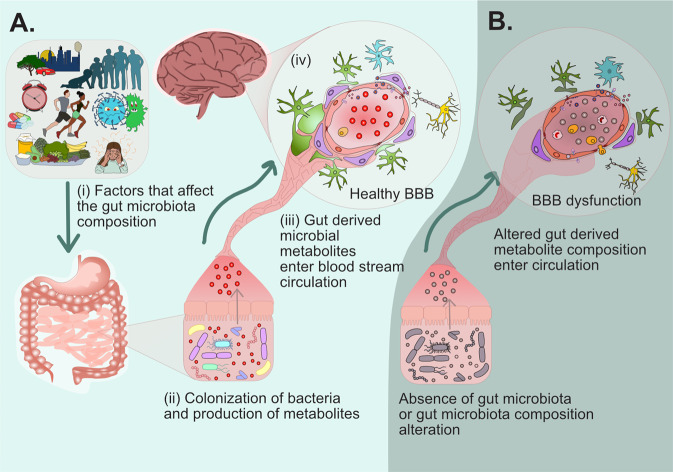
“The relationship between BBB integrity and the gut microbiota is evident in germ free mice models which lack a microbiota and have increased BBB permeability and altered tight junction protein expression effects, which continue from in utero into adulthood [147].”
Background
Research works printed but not linked: 1
- Obermeier B Daneman R Ransohoff RM Development, maintenance and disruption of the blood-brain barrier Nat Med 2013 19 1584 1596 10.1038/nm.3407 24309662 PMC4080800 · DOI · Paper page
Cited by
Role of neuroinflammation in neurodegeneration development
Zhang, W., Xiao, D., Mao, Q., & Xia, H. (2023) · Signal Transduction and Targeted Therapy · doi:10.1038/s41392-023-01486-5 · Cited by 1,668
Microbiota–gut–brain axis and its therapeutic applications in neurodegenerative diseases
Loh, J. S., Mak, W. Q., Tan, L. K. S., Ng, C. X., Chan, H. H., Yeow, S. H., Foo, J. B., Ong, Y. S., How, C. W., & Khaw, K. Y. (2024) · Signal Transduction and Targeted Therapy · doi:10.1038/s41392-024-01743-1 · Cited by 1,193
Induced pluripotent stem cells (iPSCs): molecular mechanisms of induction and applications
Cerneckis, J., Cai, H., & Shi, Y. (2024) · Signal Transduction and Targeted Therapy · doi:10.1038/s41392-024-01809-0 · Cited by 452
Functionalized Nanomaterials Capable of Crossing the Blood–Brain Barrier
Zha, S., Liu, H., Li, H., Li, H., Wong, K.-L., & All, A. H. (2024) · ACS Nano · doi:10.1021/acsnano.3c10674 · Cited by 378
“21 Tight junctions consist of many different proteins in the cerebral microvasculature, including specific transmembrane and intra-cellular proteins.”
BackgroundInfluentialAburto, M. R., & Cryan, J. F. (2024) · Nature Reviews Gastroenterology & Hepatology · doi:10.1038/s41575-023-00890-0 · Cited by 359
Self-citationInoue, Y., Shue, F., Bu, G., & Kanekiyo, T. (2023) · Molecular Neurodegeneration · doi:10.1186/s13024-023-00640-5 · Cited by 329
Blood–Brain Barrier Breakdown in Alzheimer’s Disease: Mechanisms and Targeted Strategies
Alkhalifa, A. E., Al-Ghraiybah, N. F., Odum, J., Shunnarah, J. G., Austin, N., & Kaddoumi, A. (2023) · International Journal of Molecular Sciences · doi:10.3390/ijms242216288 · Cited by 212
“The disruption could be mediated by carrying genes such as ApoE ε 4, inflammation, stress, and the accumulation of time-dependent compounds such as reactive oxygen species (ROS) or A β in AD [54,55].”
BackgroundTranscriptional and epigenetic decoding of the microglial aging process
Li, X., Li, Y., Jin, Y., Zhang, Y., Wu, J., Xu, Z., Huang, Y., Cai, L., Gao, S., Liu, T., et al. (2023) · Nature Aging · doi:10.1038/s43587-023-00479-x · Cited by 207
“Dysfunction or breakdown of the BBB results in the entry of neurotoxic factors, leading to neuroinflammation 96 .”
Chen, T., Dai, Y., Hu, C., Lin, Z., Wang, S., Yang, J., Zeng, L., Li, S., & Li, W. (2024) · Fluids and Barriers of the CNS · doi:10.1186/s12987-024-00557-1 · Cited by 189
“The ATP-binding cassette (ABC) transporters, including P-glycoprotein (P-gp) and breast cancer resistance protein (BCRP), expressed on the luminal endothelial plasma membrane, are pivotal in CNS phar-maco-resistance [24, 30–32].”
BackgroundInfluentialMultifunctional nanotheranostics for near infrared optical imaging-guided treatment of brain tumors
Zhang, L., Liu, Y., Huang, H., Xie, H., Zhang, B., Xia, W., & Guo, B. (2022) · Advanced Drug Delivery Reviews · doi:10.1016/j.addr.2022.114536 · Cited by 176
Antiageing strategy for neurodegenerative diseases: from mechanisms to clinical advances
Jiang, Q., Liu, J., Huang, S., Wang, X.-Y., Chen, X., Liu, G.-H., Ye, K., Song, W., Masters, C. L., Wang, J., et al. (2025) · Signal Transduction and Targeted Therapy · doi:10.1038/s41392-025-02145-7 · Cited by 165
“153 A key change is the increased permeability of the BBB. 154 The enhanced permeability facilitates the easier entry of potentially detrimental substances, such as toxins and pathogens, into the brain.”
Lu, S., Zhao, Q., Guan, Y., Sun, Z., Li, W., Guo, S., & Zhang, A. (2024) · Biomedicine & Pharmacotherapy · doi:10.1016/j.biopha.2024.117207 · Cited by 159
Precision drug delivery to the central nervous system using engineered nanoparticles
Gao, J., Xia, Z. J., Gunasekar, S., Jiang, C., Karp, J. M., & Joshi, N. (2024) · Nature Reviews Materials · doi:10.1038/s41578-024-00695-w · Cited by 186
“For instance, the brain endothelium of patients with AD or HD is marked with a decrease in GLUT1 and LRP expression levels 184 .”
Mitophagy and cGAS–STING crosstalk in neuroinflammation
Zhou, X., Wang, J., Yu, L., Qiao, G., Qin, D., Yuen-Kwan Law, B., Ren, F., Wu, J., & Wu, A. (2024) · Acta Pharmaceutica Sinica B · doi:10.1016/j.apsb.2024.05.012 · Cited by 131
Balasubramanian, R., Schneider, E., Gunnigle, E., Cotter, P. D., & Cryan, J. F. (2024) · Neuroscience & Biobehavioral Reviews · doi:10.1016/j.neubiorev.2024.105562 · Cited by 153
Self-citationA metabolomic profile of biological aging in 250,341 individuals from the UK Biobank
Zhang, S., Wang, Z., Wang, Y., Zhu, Y., Zhou, Q., Jian, X., Zhao, G., Qiu, J., Xia, K., Tang, B., et al. (2024) · Nature Communications · doi:10.1038/s41467-024-52310-9 · Cited by 152
“This observation might suggest that parts of the nervous system, relative to other organ systems, are not as well re fl ected in systemic metabolomic pro fi les, potentially due to the blood – brain barrier 48 .”
Pérez-López, A., Torres‐Suárez, A. I., Martín‐Sabroso, C., & Aparicio-Blanco, J. (2023) · Advanced Drug Delivery Reviews · doi:10.1016/j.addr.2023.114816 · Cited by 132
Pesticide exposure and the microbiota-gut-brain axis
Matsuzaki, R., Gunnigle, E., Geissen, V., Clarke, G. A., Nagpal, J. K., & Cryan, J. F. (2023) · The ISME Journal · doi:10.1038/s41396-023-01450-9 · Cited by 137
“In contrast to the gut, the brain is protected by the highly selective blood brain barrier (BBB) in order to closely regulate what enters the central nervous system [82].”
BackgroundSelf-citationKim, S., Jung, U. J., & Kim, S. R. (2025) · Journal of Clinical Medicine · doi:10.3390/jcm14020386 · Cited by 152
Cai, Y., Zhang, Y., Leng, S., Ma, Y., Jiang, Q., Wen, Q., Ju, S., & Hu, J. (2024) · Neurobiology of Disease · doi:10.1016/j.nbd.2024.106426 · Cited by 135
“Furthermore, reactive change astrocyte morphology would plausibly lead to an additional slowing of glymphatic flow (Mogensen et al., 2021).”
BackgroundCrossing the blood–brain barrier: emerging therapeutic strategies for neurological disease
Pedder, J. H., Sonabend, A. M., Cearns, M. D., Michael, B. D., Zakaria, R., Heimberger, A. B., Jenkinson, M. D., & Dickens, D. (2025) · The Lancet Neurology · doi:10.1016/s1474-4422(24)00476-9 · Cited by 127
Knox, E. G., Aburto, M. R., Tessier, C., Nagpal, J., Clarke, G., O’Driscoll, C. M., & Cryan, J. F. (2022) · iScience · doi:10.1016/j.isci.2022.105648 · Cited by 97
Self-citationObesity-induced blood-brain barrier dysfunction: phenotypes and mechanisms
Feng, Z., Fang, C., Ma, Y., & Chang, J. (2024) · Journal of Neuroinflammation · doi:10.1186/s12974-024-03104-9 · Cited by 116
“This dynamic barrier ensures the stability of brain microenvironment, protects against neurotoxins, and facilitates proper neuronal function [10, 11].”
BackgroundExosomes as therapeutic and drug delivery vehicle for neurodegenerative diseases
Nouri, Z., Barfar, A., Perseh, S., Motasadizadeh, H., Maghsoudian, S., Fatahi, Y., Nouri, K., Yektakasmaei, M. P., Dinarvand, R., & Atyabi, F. (2024) · Journal of Nanobiotechnology · doi:10.1186/s12951-024-02681-4 · Cited by 114
“Most drugs designed to affect the brain often encounter difficulties in crossing the BBB successfully [5].”
BackgroundThe blood–brain barrier: a help and a hindrance
Rust, R., Yin, H. R., Buil, B. A., Sagare, A. P., & Kisler, K. (2025) · Brain · doi:10.1093/brain/awaf068 · Cited by 120
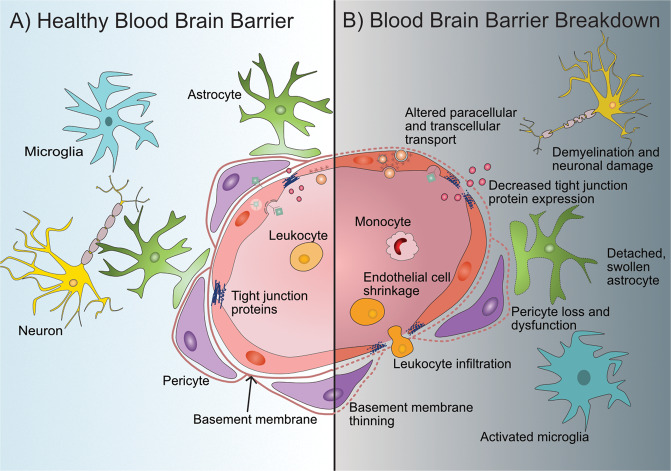
“7,118,123,124 Changes in BBB leakage occur in various brain regions including hippocampus, cortex, corpus callosum with reduced expression of key tight junction proteins (claudin-5, ZO-1 and occludin), as shown both in humans and mice.”
Mitochondrial malfunction and atrophy of astrocytes in the aged human cerebral cortex
Popov, A., Brazhe, N., Morozova, K., Yashin, K., Bychkov, M., Nosova, O., Sutyagina, O., Brazhe, A., Parshina, E., Li, L., et al. (2023) · Nature Communications · doi:10.1038/s41467-023-44192-0 · Cited by 95
Application of lignin and lignin-based composites in different tissue engineering fields
Liu, Y., Wang, X., Wu, Q., Pei, W., Teo, M. J., Chen, Z. S., & Huang, C. (2022) · International Journal of Biological Macromolecules · doi:10.1016/j.ijbiomac.2022.09.267 · Cited by 101
Unlocking gut-liver-brain axis communication metabolites: energy metabolism, immunity and barriers
Sun, X., Shukla, M., Wang, W., & Li, S. (2024) · npj Biofilms and Microbiomes · doi:10.1038/s41522-024-00610-9 · Cited by 118
Zhu, G., Zhao, J., Wang, G., & Chen, W. (2023) · Journal of Agricultural and Food Chemistry · doi:10.1021/acs.jafc.3c00652 · Cited by 84
Xu, Q., Sun, L., Chen, Q., Jiao, C., Wang, Y., Li, H., Xie, J., Zhu, F., Wang, J., Zhang, W., et al. (2024) · Brain Behavior and Immunity · doi:10.1016/j.bbi.2024.04.002 · Cited by 93
Jurcău, M. C., Jurcău, A., Cristian, A., Hogea, V. O., Diaconu, R. G., & Nunkoo, V. S. (2024) · International Journal of Molecular Sciences · doi:10.3390/ijms251910535 · Cited by 104
“Nonetheless, inhibition with normal aging of the brain-to-blood transporter of low-density lipoprotein receptor-related protein-1 (LRP-1) leads to decreased efflux of amyloid beta (A β ) peptide and is one of the mechanisms leading to A β accumulation in the brain [188].”
BackgroundWu, Y., Bogale, T. A., Koıstınaho, J., Pizzi, M., Rõlova, T., & Bellucci, A. (2024) · Acta Neuropathologica · doi:10.1007/s00401-024-02696-z · Cited by 93
Duan, W.-X., Wang, F., Liu, J., & Liu, C. (2023) · Neuroscience Bulletin · doi:10.1007/s12264-023-01123-9 · Cited by 95
“The integrity of the BBB is destroyed in PD patients, with decreased expression of tight junction proteins (TJPs) [86, 87]. α-syn aggregation can also increase BBB permeability and accelerate the pathological development of PD [88, 89].”
BackgroundDissecting the human leptomeninges at single-cell resolution
Kearns, N. A., Iatrou, A., Flood, D. J., De Tissera, S., Mullaney, Z. M., Xu, J., Gaiteri, C., Bennett, D. A., & Wang, Y. (2023) · Nature Communications · doi:10.1038/s41467-023-42825-y · Cited by 75
“Following karyotyping, we selected 12 lines without clonal abnormalities (Supplementary Data 1, Supplementary Fig.”
InfluentialPonce-Lopez, T. (2025) · International Journal of Molecular Sciences · doi:10.3390/ijms26094209 · Cited by 75
“It is a critical The BBB is an essential component of the cerebro-vascular system. function of brain blood microvessels to maintain CNS homeostasis [ It is a critical function of brain blood microvessels to maintain CNS homeostasis [146,147].”
Wasén, C., Beauchamp, L. C., Vincentini, J., Li, S., LeServe, D. S., Gauthier, C. D., Lopes, J. R., Moreira, T. G., Ekwudo, M. N., Yin, Z., et al. (2024) · Nature Communications · doi:10.1038/s41467-024-47683-w · Cited by 88
“Thisis important because the gut and brain barriers may become more permeable for bacterial products with age, and transgenic models in which mice develop plaques at a very young age may not be ideal models of the gut-brain connection in age-related diseases 32,33 .”
Blood-brain barrier permeability in the ischemic stroke: An update
Mathias, K., Machado, R. S., Stork, S. D. S., dos Santos, D., Joaquim, L. D. S., Generoso, J. S., Danielski, L. G., Barichello, T., Prophiro, J. S., & Petronilho, F. C. (2023) · Microvascular Research · doi:10.1016/j.mvr.2023.104621 · Cited by 87
Pathological and Inflammatory Consequences of Aging
García‐Domínguez, M. (2025) · Biomolecules · doi:10.3390/biom15030404 · Cited by 91
“As the BBB integrity declines with age, peripheral inflammatory mediators and immune cells are able to infiltrate the CNS [225].”
Liposomes: An emerging carrier for targeting Alzheimer's and Parkinson's diseases
Pandian, S. R. K., Vijayakumar, K. K., Murugesan, S., & Kunjiappan, S. (2022) · Heliyon · doi:10.1016/j.heliyon.2022.e09575 · Cited by 87
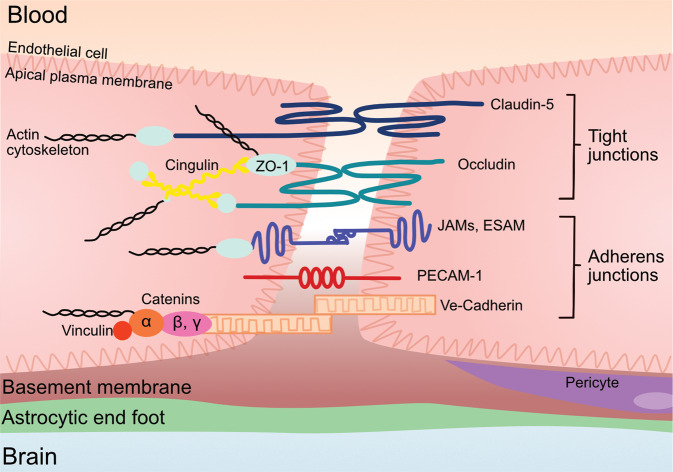
“BBB contains brain capillary endothelial cells connected through tight junctions, which restricts paracellular transport and prevents the brain from harmful stimuli [14, 15, 16].”
BackgroundNand, S., Tiwari, N. K., Singh, P., Singh, S. P., Mishra, D., Imran, M., Singh, S., Hooshmandi, E., Vamanu, E., Singh, S. K., et al. (2022) · Oxidative Medicine and Cellular Longevity · doi:10.1155/2022/3012778 · Cited by 73
“The blood-brain barrier (BBB) is mainly responsible for preventing harmful substances from entering the CNS [12 – 14].”
InfluentialAgeing in the brain: mechanisms and rejuvenating strategies
Gaspar-Silva, F., Trigo, D., & Magalhães, J. (2023) · Cellular and Molecular Life Sciences · doi:10.1007/s00018-023-04832-6 · Cited by 93
“3), leaving the brain less protected, with evidence suggesting that normal breakdown (due to healthy ageing) is only detrimental following an exposure to secondary stress, such as inflammation, following which cognitive decline emerges [173].”
BackgroundMechanobiology of the blood-brain barrier during development, disease and ageing
Konig, S., Jayarajan, V., Wray, S., Kamm, R. D., & Moeendarbary, E. (2025) · Nature Communications · doi:10.1038/s41467-025-61888-7 · Cited by 80
“It has long been established that ageing brings about changes in the brain vasculature, including the BBB, and in the surrounding brain environment 126,127 .”
Khalil, A., Barras, A., Boukherroub, R., Tseng, C., Devos, D., Burnouf, T., Neuhaus, W., & Szunerits, S. (2024) · Nanoscale Horizons · doi:10.1039/d3nh00306j · Cited by 64
Chaves, J. C. S., Dando, S. J., White, A. R., & Oikari, L. E. (2024) · Biochimica et Biophysica Acta (BBA) - Molecular Basis of Disease · doi:10.1016/j.bbadis.2023.166967 · Cited by 62
Rare genetic variation in fibronectin 1 (FN1) protects against APOEε4 in Alzheimer’s disease
Bhattarai, P., Gunasekaran, T. I., Belloy, M. E., Reyes‐Dumeyer, D., Jülich, D., Tayran, H., Yılmaz, E., Flaherty, D., Turgutalp, B., Sukumar, G., et al. (2024) · Acta Neuropathologica · doi:10.1007/s00401-024-02721-1 · Cited by 75
Functions and dysfunctions of oligodendrocytes in neurodegenerative diseases
Han, S.-W., Gim, Y., Jang, E., & Hur, E. (2022) · Frontiers in Cellular Neuroscience · doi:10.3389/fncel.2022.1083159 · Cited by 72
“Given the involvement of synaptic loss (Subramanian and Tremblay, 2021), BBB breakdown (Knox et al., 2022), and chronic inflammation (Stephenson et al.”
BackgroundAstrocytes, reactive astrogliosis, and glial scar formation in traumatic brain injury
Cieri, M. B., & Ramos, A. J. (2024) · Neural Regeneration Research · doi:10.4103/nrr.nrr-d-23-02091 · Cited by 80
Wang, Y., Du, W., Hu, X., Yu, X., Guo, C., Jin, X., & Wang, W. (2023) · Acta Pharmaceutica Sinica B · doi:10.1016/j.apsb.2023.08.009 · Cited by 62
Endothelial Cell Senescence Effect on the Blood-Brain Barrier in Stroke and Cognitive Impairment
Real, M. G. C., Falcione, S. R., Boghozian, R., Clarke, M., Todoran, R., Pierre, A. S., Zhang, Y., Joy, T., & Jickling, G. C. (2024) · Neurology · doi:10.1212/wnl.0000000000210063 · Cited by 70
The Neurolipid Atlas: a lipidomics resource for neurodegenerative diseases
Feringa, F. M., Koppes-den Hertog, S. J., Wang, L. Y., Derks, R. J. E., Kruijff, I., Erlebach, L., Heijneman, J., Miramontes, R., Pömpner, N., Blomberg, N., et al. (2025) · Nature Metabolism · doi:10.1038/s42255-025-01365-z · Cited by 56
Recent advances in blood-brain barrier-on-a-chip models
Vetter, J., Palagi, I., Waisman, A., & Blaeser, A. (2025) · Acta Biomaterialia · doi:10.1016/j.actbio.2025.03.041 · Cited by 64
Puech, C., Badran, M., Runion, A. R., Barrow, M. B., Cataldo, K., & Gozal, D. (2023) · International Journal of Molecular Sciences · doi:10.3390/ijms24129880 · Cited by 62
Extracellular vesicles: New horizons in neurodegeneration
Chen, J., Tian, C., Xiong, X., Yang, Y., & Zhang, J. (2025) · eBioMedicine · doi:10.1016/j.ebiom.2025.105605 · Cited by 53
“70,71 In a mouse model of periodontitis, Elashiry et al. demonstrated that increased BBB permeability enabled gingiva-derived exosomes to traverse the BBB.”
Cicognola, C., Mattsson-Carlgren, N., van Westen, D., Zetterberg, H., Blennow, K., Palmqvist, S., Ahmadi, K., Strandberg, O., Stomrud, E., Janelidze, S., et al. (2023) · Neurology · doi:10.1212/wnl.0000000000207358 · Cited by 50
“We also know that BBB damage increases with age and that aging is the strongest risk factor for AD dementia.(7,8) However, it is still unclear howCSF PDGFRβ relates to aging in general and aging and key pathologic changes of AD in particular: Different studies show varying associations of CSF PDGFRβ with age and Aβ an…”
BackgroundNanomaterials as Microglia Modulators in the Treatment of Central Nervous System Disorders
Battaglini, M., Marino, A., Montorsi, M., Carmignani, A., Ceccarelli, M. C., & Ciofani, G. (2024) · Advanced Healthcare Materials · doi:10.1002/adhm.202304180 · Cited by 58
Levard, D., Seillier, C., Bellemain-Sagnard, M., Fournier, A. P., Lemarchand, E., Dembech, C., Riou, G., McDade, K., Smith, C., McQuaid, C., et al. (2024) · Nature Neuroscience · doi:10.1038/s41593-024-01695-3 · Cited by 60
“We observed a significant increase in gadolinium extravasation in aged mice, in agreement with previous findings in mice and humans describing BBB disruption in healthy aging 28 .”
Naomi, R., Yazid, M. D., Teoh, S. H., Balan, S. S., Halim, S., Kumar, J., Bahari, H., & Embong, H. (2023) · Antioxidants · doi:10.3390/antiox12051054 · Cited by 59
“Along with neurodegenerative diseases, such as Alzheimer’s, Parkinson, amyotrophic lateral sclerosis, multiple sclerosis, and Huntington’s disease [48], virus infection (ex.”
BackgroundImpact of Microbiome–Brain Communication on Neuroinflammation and Neurodegeneration
Stolzer, I., Scherer, E., Süß, P., Rothhammer, V., Winner, B., Neurath, M. F., & Günther, C. (2023) · International Journal of Molecular Sciences · doi:10.3390/ijms241914925 · Cited by 50
Wang, L., Gu, M., Zhang, X., Kong, T., Liao, J., Zhang, D., & Li, J. (2025) · Advanced Science · doi:10.1002/advs.202413367 · Cited by 59
Zhu, Y., Verkhratsky, A., Chen, H., & Yi, C. (2025) · Acta Physiologica · doi:10.1111/apha.14283 · Cited by 54
Nanophotonic-enhanced photoacoustic imaging for brain tumor detection
Rizwan, A., Sridharan, B., Park, J. H., Kim, D., Vial, J., Kyhm, J., & Lim, H. G. (2025) · Journal of Nanobiotechnology · doi:10.1186/s12951-025-03204-5 · Cited by 54
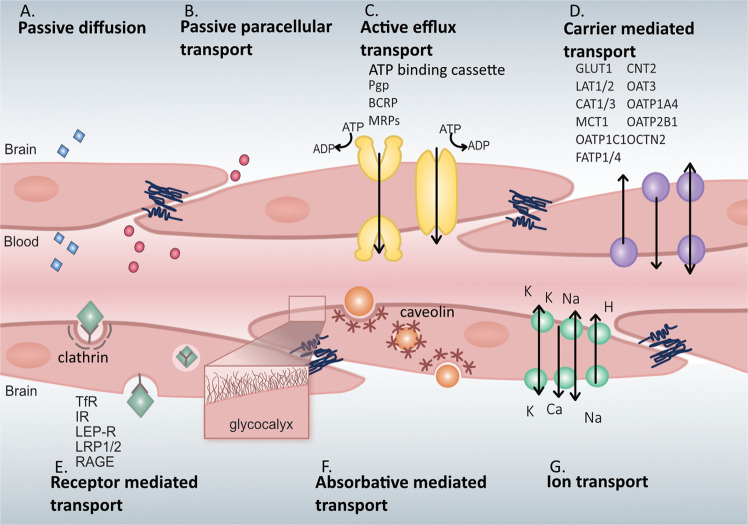
“Just lipophilic, electro-neu-tral molecules, and nutrients under 400–600 Da can passively diffuse into the brain [19, 80].”
Song, Y., Deng, Q., Li, J., Chen, R., Li, D., Wang, S., Jing, B., & Zhou, X. Y. (2025) · Carbohydrate Polymers · doi:10.1016/j.carbpol.2025.123960 · Cited by 52
Chanda, F., Lin, K.-X., Chaurembo, A. I., Huang, J.-Y., Zhang, H., Deng, W., Xu, Y.-J., Li, Y., Fu, L.-D., Cui, H., et al. (2024) · The Science of The Total Environment · doi:10.1016/j.scitotenv.2024.176255 · Cited by 52
Głowacka, P., Oszajca, K., Pudlarz, A. M., Szemraj, J., & Witusik‐Perkowska, M. (2024) · Nutrients · doi:10.3390/nu16142244 · Cited by 60
“…common in vegetables and fruits, has been noted to not only protect BBB integrity, and exert anti-inflammatory effect on a human neural cell line, but also to promote neurogenesis an ischemic stroke mouse It has recently been under investigation as a potential ND therapeutic [90,169,170]. model.”
BackgroundInfluentialNicolas, S., Dohm-Hansen, S., Lavelle, A., Bastiaanssen, T. F. S., English, J. A., Cryan, J. F., & Nolan, Y. M. (2024) · Translational Psychiatry · doi:10.1038/s41398-024-02904-0 · Cited by 53
Self-citationUnveiling the impact of aging on BBB and Alzheimer's disease: Factors and therapeutic implications
Nelson, V. K., Jha, N. K., Nuli, M. V., Gupta, S. K., Kanna, S., Gahtani, R. M., Hani, U., Singh, A. K., Abomughaid, M. M., Abomughayedh, A. M., et al. (2024) · Ageing Research Reviews · doi:10.1016/j.arr.2024.102224 · Cited by 48
Kumar, V., Banerjee, A., & Roy, K. (2024) · Journal of Chemical Information and Modeling · doi:10.1021/acs.jcim.4c00433 · Cited by 43
Polymer-based nanocarriers to transport therapeutic biomacromolecules across the blood-brain barrier
Romero‐Ben, E., Goswami, U., Soto-Cruz, J., Mansoori-Kermani, A., Mishra, D., Martín‐Saldaña, S., Ugartemendia, J. M., Sosnik, A., Calderón, M., Beloqui, A., et al. (2025) · Acta Biomaterialia · doi:10.1016/j.actbio.2025.02.065 · Cited by 50
Imaging blood–brain barrier disruption in neuroinflammation and Alzheimer’s disease
Lee, R., & Funk, K. E. (2023) · Frontiers in Aging Neuroscience · doi:10.3389/fnagi.2023.1144036 · Cited by 49
“Because of the compact arrangement of the ECs and low rates of vascular transcytosis, passage of solutes through the BBB is restricted, relying on the expression of specific transporters on ECs (Cabezas et al., 2014; Daneman and Prat, 2015; Knox et al., 2022).”
BackgroundInfluentialSlykerman, R. F., Davies, N., Vlčková, K., O’Riordan, K. J., Bassett, S. A., Dekker, J., Schellekens, H., Hyland, N. P., Clarke, G. A., & Patterson, E. (2025) · Microbial Biotechnology · doi:10.1111/1751-7915.70079 · Cited by 50
Self-citationBashir, B., Gulati, M., Vishwas, S., Gupta, G., Dhanasekaran, M., Paudel, K. R., Chellappan, D. K., Anand, K., Negi, P., Singh, P. K., et al. (2025) · Ageing Research Reviews · doi:10.1016/j.arr.2025.102689 · Cited by 49
Iron Deposition in Brain: Does Aging Matter?
Ficiarà, E., Stura, I., & Guiot, C. (2022) · International Journal of Molecular Sciences · doi:10.3390/ijms231710018 · Cited by 44
“Interestingly, the BBB, which is vital for maintaining brain homeostasis, breaks down with age and further disruption is a hallmark of many age-related disorders [57].”
BackgroundNovel human iPSC models of neuroinflammation in neurodegenerative disease and regenerative medicine
Summers, R. A., Fagiani, F., Rowitch, D. H., Absinta, M., & Reich, D. S. (2024) · Trends in Immunology · doi:10.1016/j.it.2024.08.004 · Cited by 39
Claudin-5 and occludin levels in patients with psychiatric disorders − A systematic review
Maridaki, Z., Syrros, G., Delichatsiou, S. G., Warsh, J. J., & Konstantinou, G. (2024) · Brain Behavior and Immunity · doi:10.1016/j.bbi.2024.11.006 · Cited by 46
The gut microbiota is important for the maintenance of blood–cerebrospinal fluid barrier integrity
Knox, E. G., Lynch, C. M. K., Lee, Y., O’Driscoll, C. M., Clarke, G. A., Cryan, J. F., & Aburto, M. R. (2022) · European Journal of Neuroscience · doi:10.1111/ejn.15878 · Cited by 40
Self-citationSun, B., Li, L., Harris, O. A., & Luo, J. (2025) · Translational Neurodegeneration · doi:10.1186/s40035-025-00478-5 · Cited by 46
“BBB permeability is a key indicator of its integrity, reflecting paracellular and transcellular transport [25].”
The dual nature of neuroinflammation in networked brain
Müller, L., Benedetto, S. D., & Müller, V. (2025) · Frontiers in Immunology · doi:10.3389/fimmu.2025.1659947 · Cited by 51
“Under physiological conditions, peripheral immune cells are largely excluded from the parenchyma, but antigen-presenting signals and cytokine gradients cross the BBB, informing systemic immune tone (13 – 15).”
Seeking the Psilocybiome: Psychedelics meet the microbiota-gut-brain axis
Kelly, J. R., Clarke, G. A., Harkin, A., Corr, S. C., Galvin, S. D., Pradeep, V., Cryan, J. F., O’Keane, V., & Dinan, T. G. (2022) · International Journal of Clinical and Health Psychology · doi:10.1016/j.ijchp.2022.100349 · Cited by 45
Self-citationVarghese, S. M., Patel, S., Nandan, A., Jose, A., Ghosh, S., Sah, R. K., Menon, B., Athira, K. V., & Chakravarty, S. (2024) · Molecular Neurobiology · doi:10.1007/s12035-024-04205-5 · Cited by 42
Kim, E.-H., Baek, S. M., Park, H., Bian, Y., Chung, H. Y., & Bae, O. (2024) · Ecotoxicology and Environmental Safety · doi:10.1016/j.ecoenv.2024.117471 · Cited by 46
Exploring human brain development and disease using assembloids
Wu, S., & Nowakowski, T. J. (2025) · Neuron · doi:10.1016/j.neuron.2025.02.010 · Cited by 41
Blood-brain barrier pathology in cerebral small vessel disease
Jia, R., Guardia, G. S., & Kiliaan, A. J. (2023) · Neural Regeneration Research · doi:10.4103/1673-5374.385864 · Cited by 47
Gastaldi, V. D., Wilke, J. B. H., Weidinger, C. A., Walter, C., Barnkothe, N., Teegen, B., Luessi, F., STÖCKER, W., Lühder, F., Begemann, M., et al. (2022) · Brain Behavior and Immunity · doi:10.1016/j.bbi.2022.10.016 · Cited by 39
“This phenomenon is in good agreement with our earlier findings in ApoE KO mice (Pan et al., 2021) and may well be explained by the chronically leaky BBB. Brain-directed AB can under these circumstances readily cross the dysfunctional BBB and specifically bind to brain tissue, which acts as ꞌimmunoprecipitatorꞌ, as dem…”
InfluentialThe role of CD56bright NK cells in neurodegenerative disorders
Rodriguez-Mogeda, C., van Ansenwoude, C. M. J., van der Molen, L. H., Strijbis, E. M. M., Mebius, R. E., & de Vries, H. E. (2024) · Journal of Neuroinflammation · doi:10.1186/s12974-024-03040-8 · Cited by 43
“The BBB is composed of brain endothelial cells that line the vessels and are closely connected by tight junction and adhe-rens junction proteins [90, 91].”
BackgroundZhu, G., Guo, M., Zhao, J., Zhang, H., Wang, G., & Chen, W. (2022) · Frontiers in Immunology · doi:10.3389/fimmu.2022.1013664 · Cited by 39
“Numerous microbiota-derived metabolites are able to cross the BBB and thus, enter the brain and affect brain function (8).”
BackgroundBarberio, C., Withers, A. M., Mishra, Y., Couraud, P., Romero, I. A., Weksler, B. B., & Owens, R. M. (2022) · Frontiers in Cellular Neuroscience · doi:10.3389/fncel.2022.1065193 · Cited by 40
“The BBB contributes to the prevention of pathogens and cells of the immune system from accessing the brain parenchyma and triggering neuroinflammation (Knox et al., 2022).”
BackgroundGenetically modified non-human primate models for research on neurodegenerative diseases
Pan, M.-T., 暨南大学粤港澳中枢神经再生研究院, 广., Zhang, H., Li, X., & Guo, X. (2024) · 动物学研究 · doi:10.24272/j.issn.2095-8137.2023.197 · Cited by 41
Ferroptosis and pathogenesis of neuritic plaques in Alzheimer disease
Streit, W. J., Phan, L. T., & Bechmann, I. (2024) · Pharmacological Reviews · doi:10.1124/pharmrev.123.000823 · Cited by 40
Shao, X., Shou, Q., Felix, K., Ojogho, B., Jiang, X., Gold, B. T., Herting, M. M., Goldwaser, E. L., Kochunov, P., Hong, E. L., et al. (2024) · eLife · doi:10.7554/elife.96155.3 · Cited by 60
Gut Microbiome Modulation of Glutamate Dynamics: Implications for Brain Health and Neurotoxicity
Gruenbaum, B. F., Merchant, K. S., Zlotnik, A. A., & Boyko, M. (2024) · Nutrients · doi:10.3390/nu16244405 · Cited by 40
“Genetic predispositions, such as polymorphisms in genes encoding tight junction proteins [36], and environmental factors, including chronic diseases, infections, exposure to toxins, and aging [37], can compromise BBB integrity, further amplifying its permeability and disrupting Glu homeostasis [34].”
Nanotechnology to Overcome Blood–Brain Barrier Permeability and Damage in Neurodegenerative Diseases
Jiménez, A., Estudillo, E., Guzmán‐Ruiz, M. A., Herrera, N., Victoria-Acosta, G., Cortés-Malagón, E. M., & López-Ornelas, A. (2025) · Pharmaceutics · doi:10.3390/pharmaceutics17030281 · Cited by 42
“Under these conditions, pathological processes such as neuro-inflammation and oxidative stress can cause damage to BECs and pericytes, a reduction in TJ proteins, and changes in transport across the BBB [14].”
Bridging the brain and gut: neuroimmune mechanisms of neuroinflammation and therapeutic insights
Müller, L., & Benedetto, S. D. (2025) · Frontiers in Cellular Neuroscience · doi:10.3389/fncel.2025.1590002 · Cited by 41
Ailioaie, L. M., Ailioaie, C., & Litscher, G. (2023) · Pharmaceutics · doi:10.3390/pharmaceutics15030916 · Cited by 44
“(7) Ion transporters regulate the ions between the barrier and include sodium pumps, calcium transporters, and potassium channels [198].”
BackgroundReview of neurotoxicity of T-2 toxin
Wang, Y., Wang, B., Wang, P., Hua, Z., Zhang, S., Wang, X., Yang, X., & Zhang, C. (2024) · Mycotoxin Research · doi:10.1007/s12550-024-00518-5 · Cited by 32
“The blood–brain barrier (BBB) is composed of microvascular endothelial cells of the brain, the basement membrane, microglia astrocytes, and pericytes, which play a protective role between plasma and brain tissue (Candelario-Jalil et al. 2022; Knox et al. 2022).”
Attalla, K. Z., Hassan, D. H., Teaima, M. H. M., Yousry, C., El-Nabarawi, M. A., Said, M. A., & Elhabal, S. F. (2025) · Pharmaceuticals · doi:10.3390/ph18030421 · Cited by 32
“Chemotherapy in GBM is particularly ineffective because of the fast proliferation of GBM cells and the restricted entry of systemically administered drugs into the brain tissue due to the blood–brain barrier (BBB) [2,3].”
Spatial transcriptomics of the aging mouse brain reveals origins of inflammation in the white matter
Wang, L., Cui, C., Lee, C. T., Bodogai, M., Yang, N., Shi, C., Irfanoglu, M. O., Occean, J. R., Afrin, S., Sarker, N., et al. (2025) · Nature Communications · doi:10.1038/s41467-025-58466-2 · Cited by 46
“Alternatively, or simultaneously, age-related BBB deterioration can cause peripheral immune cell in fi ltration and an aggravated in fl am-matory response 10 .”
Scarpetta, V., Bodaleo, F. J., Salio, C., Agarwal, A., Sassoé‐Pognetto, M., & Patrizi, A. (2023) · Fluids and Barriers of the CNS · doi:10.1186/s12987-023-00420-9 · Cited by 33
“We, here, suggest that minor but critical TJ morphological rearrangements can be responsible for functional barrier permeability, as already been shown for the blood–brain barrier and also for other organs, such as the intestine [44, 45].”
BackgroundHansra, G. K., Jayasena, T., Hosoki, S., Poljak, A., Lam, B. C. P., Rust, R., Sagare, A. P., Zloković, B. V., Thalamuthu, A., & Sachdev, P. S. (2024) · Cerebral Circulation - Cognition and Behavior · doi:10.1016/j.cccb.2024.100216 · Cited by 49
“Even though some BBB breakdown occurs with normal ageing [5], it has been found to be more pronounced in individuals with mild cognitive impairment, suggesting its association with early cognitive impairment [6].”
BackgroundKossowska, M., Olejniczak, S., Karbowiak, M., Mosiej, W., Zielińska, D., & Brzezicka, A. (2024) · Nutrients · doi:10.3390/nu16060852 · Cited by 42
“Thus, with age, the CNS loses its homeostatic function as a result of age-related gut microbiota changes [5].”
BackgroundFrom Microcirculation to Aging-Related Diseases: A Focus on Endothelial SIRT1
Law, M., Wang, P., Zhou, Z.-Y., & Wang, Y. (2024) · Pharmaceuticals · doi:10.3390/ph17111495 · Cited by 42
“BBB dysfunction is also a major contributor to neurodegeneration [75], and improvement in hippocampal microvascular BBB function reduces chronic hypoperfusion-Pharmaceuticals induced cognitive impairment [76].”
Metadata
- Authors
- Knox, E. G., Aburto, M. R., Clarke, G., Cryan, J. F., & O’Driscoll, C. M.
- Affiliations
- University College Cork (IE)
- Venue
- Molecular Psychiatry
- Published
- 2022-03-31
- Volume
- 27
- Issue
- 6
- Pages
- 2659-2673
- ISSN
- 1359-4184 (ISSN-L)
- 1476-5578
- PMC
- PMC9156404
- OpenAlex
- W4220819957
- Semantic Scholar
- 83f5f22ce6fc91638ce39819b8f1d03e829b7c72
- Cited by
- 738
- References
- 213
- Citations by year
- 2026: 199 · 2025: 233 · 2024: 183 · 2023: 96 · 2022: 27
- FWCI
- 13.86
- Type
- journal article
- Language
- en
- Open access
- hybrid
- doi.org
- Licence
- cc-by
- creativecommons.org/licenses/by/4.0 (tdm)
- creativecommons.org/licenses/by/4.0 (vor)
- Locations
- Molecular Psychiatry (publishedVersion, cc-by)
- PubMed Central (publishedVersion, cc-by)
- PubMed (publishedVersion)
- Lenus, The Irish Health Repository (Dr Steevens Hospital Library) (submittedVersion)
- Funders
- European Office of Aerospace Research and Development, Air Force Office of Scientific Research and 711 Human Performance Wing, Air Force Research Laboratory
- Science Foundation Ireland (SFI/12/RC/2273-P2)
- Topics
- Life Sciences › Neuroscience › Neurology › Barrier Structure and Function Studies
- Health Sciences › Medicine › Oncology › Drug Transport and Resistance Mechanisms
- Health Sciences › Medicine › Clinical Neurology › Cerebrospinal fluid and hydrocephalus
- Keywords
- blood-brain barrier, aging, neurodegeneration, blood-brain barrier disruption, brain homeostasis, gut microbiota, microbial metabolites
- MeSH terms
- Biological Transport, Blood-Brain Barrier, Brain, Homeostasis
About these checks
Registry, retraction, Cites and statistics results are computed, not judged, with one exception: a printed reference that no index lists is read once by a model before it counts as a citation error. Claims are extracted by a model and kept only when their quote appears verbatim in the text; each cited source is then checked, with a model’s help, for whether it says what the claim relies on. Those verdicts can be wrong — read the claim’s quote and the cited source before relying on one.
Statistics and arithmetic are recomputed, not judged.
Confidence bands are shown only for fields calibrated on our annotated test set. None is calibrated yet, so no band is shown.
What counts as a claim ›How we measure confidence ›How we check this ›
Are you an author, or do you see a problem with this page? Request a review
Data sources
Bibliographic data: Semantic Scholar, OpenAlex, Crossref.
Contains information from the Semantic Scholar Academic Graph Datasets, made available under the ODC Attribution License (ODC-BY 1.0).
Semantic Scholar’s data is described in: Kinney, R., et al. (2023). The Semantic Scholar Open Data Platform. arXiv:2301.10140.
