

The blood-brain barrier in aging and neurodegeneration
Open accessThe DOI matches its Crossref record; 213 of the 213 references it cites were found in a registry or an index.
Abstract
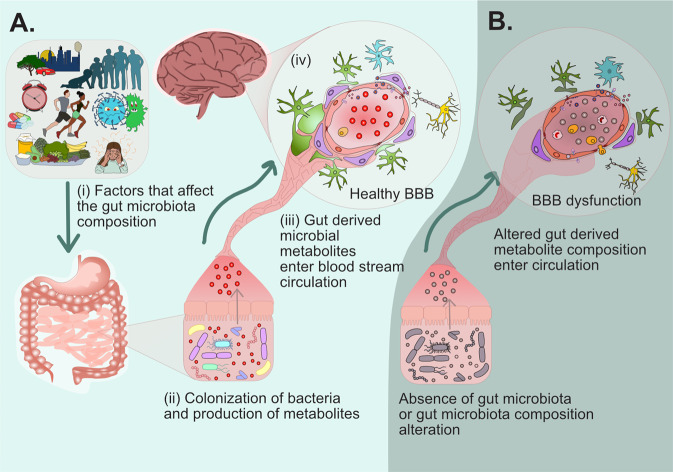
The blood-brain barrier (BBB) is vital for maintaining brain homeostasis by enabling an exquisite control of exchange of compounds between the blood and the brain parenchyma. Moreover, the BBB prevents unwanted toxins and pathogens from entering the brain. This barrier, however, breaks down with age and further disruption is a hallmark of many age-related disorders. Several drugs have been explored, thus far, to protect or restore BBB function. With the recent connection between the BBB and gut microbiota, microbial-derived metabolites have been explored for their capabilities to protect and restore BBB physiology. This review, will focus on the vital components that make up the BBB, dissect levels of disruption of the barrier, and discuss current drugs and therapeutics that maintain barrier integrity and the recent discoveries of effects microbial-derived metabolites have on BBB physiology.
Overview
The claims and statistics of this paper haven’t been checked yet.
Free: it reads the open-access text and checks the first 5 claims that cite a source we can check. Create a free account to check every claim.
Integrity signals
Registry
Cites
Statistics
Figures
Verification
Claims the paper makes
The claims and statistics of this paper haven’t been checked yet.
Free: it reads the open-access text and checks the first 5 claims that cite a source we can check. Create a free account to check every claim.
Claims other papers make about this one
Each is checked against this paper’s own text: does it say what the citing paper says it does?
The source backs part of the claim, not all of it — or backs it for a different population, condition or comparison.
In the citing paper
“Moreover, numerous studies have shown an increased BBB permeability in aged mice, which facilitates the infiltration of peripheral immune cells into the CNS.117,118”
From Role of neuroinflammation in neurodegeneration development (2023) · cites this paper as [117]
Experimental — accuracy not yet measuredThe cited source says what the claim attributes to it.
In the citing paper
“These can include increased paracellular permeability by loss of TJs, degradation of ECs and pericytes, modification in thickness of the basement membrane, astrocyte degeneration, changes in the expression of transporters/receptors present in the BBB, and so forth [41].”
From Advances in Strategies to Transport Nanoparticles Across the Blood–Brain Barrier for Drug Delivery into the Brain for the Treatment of Alzheimer’s Disease (2026) · cites this paper as [41]
In the citing paper
“BBB disruption is well characterized in other neurodegenerative diseases, including PD, ALS, FTD, and HD.”
From Microbiota–gut–brain axis and its therapeutic applications in neurodegenerative diseases (2024) · cites this paper as [658]
In the citing paper
“Compromised BBB initiates the infiltration of peripheral immune cells and triggers microglial and astrocytic activation, ultimately resulting in synaptic and neuronal loss.”
From Microbiota–gut–brain axis and its therapeutic applications in neurodegenerative diseases (2024) · cites this paper as [658]
In the citing paper
“The structure and function of the BBB also undergo significant alterations with ageing, which contribute to the progression of neurodegenerative diseases and cognitive decline.153”
From Antiageing strategy for neurodegenerative diseases: from mechanisms to clinical advances (2025) · cites this paper as [153]
Self-check
Percentages, sums and reported differences re-computed from the paper’s own numbers.
The self-check needs the paper’s full text.
Citations
Cites
1 retracted
RETRACTED ARTICLE: Pericyte loss influences Alzheimer-like neurodegeneration in mice
Sagare, A. P., Bell, R. D., Zhao, Z., Ma, Q., Winkler, E. A., Ramanathan, A., & Zlokovic, B. V. (2013) · Nature Communications · doi:10.1038/ncomms3932 · Cited by 589 · cited 1×
“Importantly, pericytes play an important role in cerebrovascular malfunction in Alzheimer’s disease (AD) [41].”
BackgroundRetractedRosen, D. R., Siddique, T., Patterson, D., Figlewicz, D. A., Sapp, P., Hentati, A., Donaldson, D., Goto, J., O'Regan, J. P., Deng, H.-X., et al. (1993) · Nature · doi:10.1038/362059a0 · Cited by 7,062 · cited 2×
“Activated protein C downregulates SOD1 in SOD1 mutant mice, reduces blood-spinal cord barrier permeability, and slows disease progression [130].”
BackgroundAstrocyte-endothelial interactions at the blood-brain barrier
Abbott, N. J., Rönnbäck, L., & Hansson, E. (2006) · Nature Reviews Neuroscience · doi:10.1038/nrn1824 · Cited by 5,595 · cited 11×
“Both cell types can also respond to TGF-β through TGF-β receptor.”
BackgroundInfluentialCryan, J. F., O'Riordan, K. J., Cowan, C. S. M., Sandhu, K. V., Bastiaanssen, T. F. S., Boehme, M., Codagnone, M. G., Cussotto, S., Fulling, C., Golubeva, A. V., et al. (2019) · Physiological Reviews · doi:10.1152/physrev.00018.2018 · Cited by 5,286 · cited 3×
“SCFAs have previously been implicated in processes such as gastrointestinal function, blood-pressure regulation, circadian rhythm, and immune function, and more recently explored for the effects on BBB physiology [143].”
BackgroundInfluentialSelf-citationDaneman, R., & Prat, A. (2015) · Cold Spring Harbor Perspectives in Biology · doi:10.1101/cshperspect.a020412 · Cited by 3,437 · cited 3×
“The basement membrane is composed of both an inner vascular basement membrane, which is secreted by endothelial cells and pericytes and an outer parenchymal basement membrane, which is secreted by astrocytes [1].”
BackgroundThe Blood-Brain Barrier in Health and Chronic Neurodegenerative Disorders
Zlokovic, B. V. (2008) · Neuron · doi:10.1016/j.neuron.2008.01.003 · Cited by 3,280
Neuroinflammation and microglial activation in Alzheimer disease: where do we go from here?
Leng, F., & Edison, P. (2021) · Nature Reviews Neurology · doi:10.1038/s41582-020-00435-y · Cited by 3,179
Blood–brain barrier breakdown in Alzheimer disease and other neurodegenerative disorders
Sweeney, M. D., Sagare, A. P., & Zlokovic, B. V. (2018) · Nature Reviews Neurology · doi:10.1038/nrneurol.2017.188 · Cited by 3,076 · cited 2×
“An increase in BBB permeability is commonly observed via enhanced accumulation of blood-derived proteins in the brains of post-mortem AD patients [101] and supported by the reduction of tight junction proteins [102].”
BackgroundPericytes regulate the blood–brain barrier
Armulik, A., Genové, G., Mäe, M., Nisancioglu, M. H., Wallgard, E., Niaudet, C., He, L., Norlin, J., Lindblom, P., Strittmatter, K., et al. (2010) · Nature · doi:10.1038/nature09522 · Cited by 2,843 · cited 2×
“The co-cultures are useful as the presence of either astrocytes or pericytes or both cells together with brain endothelial cells improves the BBB characteristics [36, 38, 39, 113, 114].”
BackgroundThe gut microbiota influences blood-brain barrier permeability in mice
Braniste, V., Al-Asmakh, M., Kowal, C., Anuar, F., Abbaspour, A., Tóth, M., Korecka, A., Bakocevic, N., Ng, L. G., Kundu, P., et al. (2014) · Science Translational Medicine · doi:10.1126/scitranslmed.3009759 · Cited by 2,530 · cited 1×
“The relationship between BBB integrity and the gut microbiota is evident in germ free mice models which lack a microbiota and have increased BBB permeability and altered tight junction protein expression effects, which continue from in utero into adulthood [147].”
Background
Research works printed but not linked: 1
- Obermeier B Daneman R Ransohoff RM Development, maintenance and disruption of the blood-brain barrier Nat Med 2013 19 1584 1596 10.1038/nm.3407 24309662 PMC4080800 · DOI · Paper page
Cited by
Items 201–300 of 736
Ling, Y., Chi, N., Pan, L. H., Wang, Y.-F., Wu, C., Lirng, J., Fuh, J., Wang, S., & Chen, S. (2023) · The Journal of Headache and Pain · doi:10.1186/s10194-023-01694-y · Cited by 17
Alster, P., Otto‐Ślusarczyk, D., Kutyłowski, M., Migda, B., Wiercińska‐Drapało, A., Jabłońska, J., Struga, M., & Madetko‐Alster, N. (2024) · Frontiers in Immunology · doi:10.3389/fimmu.2024.1458713 · Cited by 17
Unraveling the Gut‐Brain‐Immune Interplay in Herpes Simplex Virus‐Associated Neurodegeneration
Bautista, J., Ávila‐Coello, D., Hidalgo‐Tinoco, C., Bueno‐Miño, J., & López‐Cortés, A. (2025) · Journal of Medical Virology · doi:10.1002/jmv.70504 · Cited by 16
Maladaptive trained immunity in viral infections
Sviridov, D., Netea, M. G., & Bukrinsky, M. (2025) · Journal of Clinical Investigation · doi:10.1172/jci192469 · Cited by 17
González-Gallego, J., Völgyi, K., Müller, S. A., Antesberger, S., Todorov, M. I., Malik, R., Grimalt-Mirada, R., Gonçalves, C. C., Schifferer, M., Kislinger, G., et al. (2025) · Nature Neuroscience · doi:10.1038/s41593-025-02123-w · Cited by 24
“Malfunction of the BBB critically contributes to both neurovascular and neurodegenerative disease 5 .”
Lahariya, R., Anand, G., Kumari, B., & Priyadarshi, K. (2026) · Journal of Neuroimmunology · doi:10.1016/j.jneuroim.2026.578870 · Cited by 24
The Influence of the Gut Microbiota on Alzheimer's Disease: A Narrative Review
Yin, J.-T., Xu, X., Jin, C.-Y., Yuan, X., & Wang, X. (2023) · Journal of Integrative Neuroscience · doi:10.31083/j.jin2202038 · Cited by 15
“There is evidence that deterioration of the BBB morphology and function occurs in many neurodegenerative diseases and is considered a marker of cognitive decline [83].”
BackgroundBei, J., Miranda-Morales, E. G., Gan, Q., Qiu, Y., Husseinzadeh, S., Liew, J. Y., Chang, Q., Krishnan, B., Gaitas, A., Yuan, S., et al. (2023) · Journal of Alzheimer s Disease · doi:10.3233/jad-230347 · Cited by 22
Gu, Q., Wang, L., King, T. Z., Chen, H., Zhang, L. J., Ni, J., & Mao, H. (2024) · Cancer Imaging · doi:10.1186/s40644-024-00797-2 · Cited by 23
Patai, R., Patel, K., Csík, B., Gulej, R., Nagaraja, R. Y., Nagy, D., Chandragiri, S. S., Shanmugarama, S., Kordestan, K. V., Nagykaldi, M., et al. (2025) · GeroScience · doi:10.1007/s11357-025-01634-5 · Cited by 18
Age-Related Alterations of Cerebral Autoregulation
Ungvari, A., Kállai, A., Stankovics, L., Lendvai-Emmert, D., Gulej, R., Pal, E., Patai, R., Csik, B., Fekete, M., Lipecz, Á., et al. (2025) · Life · doi:10.3390/life15111669 · Cited by 14
“The loss or attenuation of this protective mechanism with aging or disease increases the vulnerability of the microvas-culature to structural damage, BBB disruption, and the development of cerebral small vessel disease [4].”
Exercise and the blood–brain barrier: Mechanistic insights and therapeutic implications
Sun, Z.-X., Xie, F., Zhao, Y. F., Wang, X., Sun, Z.-W., Qian, L., & Feng, H. (2025) · Neurobiology of Disease · doi:10.1016/j.nbd.2025.107166 · Cited by 18
Bader, J. M., Makarov, C., Richter, S., Strauss, M. T., Held, F., Wahle, M., Lorenz, M., Pöschl, L., Skowronek, P., Thielert, M., et al. (2026) · Cell · doi:10.1016/j.cell.2026.01.017 · Cited by 16
Hallmarks of healthy cognitive aging: Inter-individual differences in aging trajectories
Abrous, D. N., Blin, N., Boraxbekk, C., Catheline, G., Fitzsimons, C. P., Hilscher, M. M., Lemoine, M., Lopes, L. V., Maass, A., Nilsson, M., et al. (2026) · Ageing Research Reviews · doi:10.1016/j.arr.2026.103102 · Cited by 29
Need for a Paradigm Shift in the Treatment of Ischemic Stroke: The Blood-Brain Barrier
Alonso-Alonso, M. L., Sampedro‐Viana, A., Fernández‐Rodicio, S., Bazarra‐Barreiros, M., Ouro, A., Sobrino, T., Campos, F., Castillo, J., Hervella, P., & Iglesias‐Rey, R. (2022) · International Journal of Molecular Sciences · doi:10.3390/ijms23169486 · Cited by 14
Microglial morphology in the somatosensory cortex across lifespan. A quantitative study
Godeanu, S., Clarke, D., Stopper, L., Deftu, A., Popa‐Wagner, A., Bălşeanu, T. A., Scheller, A., & Cătălin, B. (2023) · Developmental Dynamics · doi:10.1002/dvdy.582 · Cited by 17
“In older mice, the proliferation might be an indirect consequence of age-induced dysfunction of the blood-brain barrier (BBB).(47) We know now that BBB changes associated with aged can have also pathological causes such as infections,(48) lifestyle(49,50) or even neurodegenerative pathologies.”
BackgroundZhu, G., Guo, M., Zhao, J., Zhang, H., Wang, G., & Chen, W. (2023) · Food Science and Human Wellness · doi:10.26599/fshw.2022.9250084 · Cited by 16
The battle of lipid-based nanocarriers against blood-brain barrier: a critical review
Abla, K. K., & Mehanna, M. M. (2023) · Journal of drug targeting · doi:10.1080/1061186x.2023.2247583 · Cited by 19
Chen, N., Wan, X., Wang, M., Li, Y., Wang, X., Zeng, L., Zhou, J., Zhang, Y., Cheng, S., & Shen, Y. (2024) · Environmental Pollution · doi:10.1016/j.envpol.2024.123625 · Cited by 13
Nagori, K., Nakhate, K. T., Yadav, K., Thakur, A., Ajazuddin, M., & Pradhan, M. (2024) · Inorganic Chemistry Communications · doi:10.1016/j.inoche.2024.113604 · Cited by 17
Microbial metabolites tune amygdala neuronal hyperexcitability and anxiety-linked behaviors
Yu, W., Xiao, Y., Jayaraman, A., Yen, Y.-C., Lee, H. U., Pettersson, S., & Je, H. S. (2025) · EMBO Molecular Medicine · doi:10.1038/s44321-024-00179-y · Cited by 17
“…research has suggested the role of three potential pathways — the nerve-mediated direct neural connection between the gut and the brain, systemic microbial modulation across the BBB, and endocrine modulation across the BBB by speci fi c microbial metabolites (Kundu et al, 2017; Knox et al, 2022).”
Xu, Z., Ji, Y., Chen, W., Gan, J., Chen, Z., Li, R., Lin, X., Dou, J., Wang, Y., Liu, S., et al. (2025) · Alzheimer s & Dementia · doi:10.1002/alz.14529 · Cited by 17
“21 Also, ASL is unable to assess paracellular BBB permeability, which is critical for evaluating the paracellular leakage of blood-derived neurotoxic proteins and inorganic solutes across the BBB. Accurately evaluating BBB permeability to both water and contrast agent may provide valuable insights into the heterogeneo…”
InfluentialContribution of brain pericytes to neuroinflammation following repetitive head trauma
Cembran, A., Eisenbaum, M., Paris, D., MULLAN, M. J., Crawford, F., Ferguson, S., & Bachmeier, C. J. (2025) · Journal of Inflammation · doi:10.1186/s12950-025-00439-9 · Cited by 16
“Indeed, the BBB plays a vital role in maintaining central nervous system (CNS) functioning and homeostasis [36], and BBB impairment has been widely observed in neurodegeneration [16].”
The heart-brain crosstalk in age related cardiovascular and neurodegenerative diseases
Fahim, M. A., Yao, Y., Tipparaju, S. M., & Xuan, W. (2025) · Fluids and Barriers of the CNS · doi:10.1186/s12987-025-00700-6 · Cited by 18
Immunometabolism Reframes Alzheimer’s Disease: From Systemic Dysmetabolism to Glial Rewiring
Bach, D., & Nguyen, L. L. (2026) · Cellular and Molecular Neurobiology · doi:10.1007/s10571-026-01691-0 · Cited by 18
“Mechanistically, endothelial GLUT1 downregulation cur-tails glucose entry; and while BBB lactate transport can be altered in models, consistent human evidence for reduced BBB MCT1 is lacking (Winkler et al. 2015; Montagne et al. 2017; Knox et al. 2022 ).”
Ihuoma, J., Milan, M., Negri, S., Troyano‐Rodriguez, E., Rudraboina, R., Kosmider, A., Awasthi, S., Csiszar, A., Ungvari, Z. I., Yabluchanskiy, A., et al. (2026) · Redox Biology · doi:10.1016/j.redox.2026.104118 · Cited by 19
Gruenbaum, B. F., Zlotnik, A. A., Oleshko, A., Matalon, F., Shiyntum, H. N., Frenkel, A., & Boyko, M. (2024) · Nutrients · doi:10.3390/nu16060901 · Cited by 15
The Role of Aging in Intracerebral Hemorrhage
Huang, B., Chen, A., Sun, Y., & He, Q. (2024) · Brain Sciences · doi:10.3390/brainsci14060613 · Cited by 18
“It is noteworthy that in the elderly, especially those with neurodegenerative diseases such as AD and Parkinson’s Disease (PD), the disruption of the BBB is more pronounced [86].”
BackgroundSARS-CoV-2 infection in microglia and its sequelae: What do we know so far?
Luo, E. Y., Chang, R. C., & Gilbert‐Jaramillo, J. (2024) · Brain Behavior & Immunity - Health · doi:10.1016/j.bbih.2024.100888 · Cited by 17
Brain inflammaging in the pathogenesis of late-life depression
Ishizuka, T., Nagata, W., Nakagawa, K., & Takahashi, S. (2024) · Human Cell · doi:10.1007/s13577-024-01132-4 · Cited by 14
“The blood–brain barrier (BBB) between the blood and the central nervous system (CNS) plays a crucial role in protecting the CNS from the invasion of toxins, pathogens, immune cells, or ion dysregulation, thus preserving the environment for CNS homeostasis [27, 28].”
Adscheid, S. A., Türeli, A. E., Günday-Türeli, N., & Schneider, M. (2024) · Beilstein Journal of Nanotechnology · doi:10.3762/bjnano.15.113 · Cited by 14
Protective Effects of Bifidobacterium Breve MCC1274 as a Novel Therapy for Alzheimer’s Disease
Abdelhamid, M., Counts, S., Zhou, C., Hida, H., Kim, J., Michikawa, M., & Jung, C. (2025) · Nutrients · doi:10.3390/nu17030558 · Cited by 18
“A disrupted BBB is a critical factor in neu-Nutrients rodegenerative diseases like AD [30].”
Update on the role of T cells in cognitive impairment
Ruiz‐Fernández, I., Sánchez‐Díaz, R., Ortega‐Sollero, E., & Martín, P. (2023) · British Journal of Pharmacology · doi:10.1111/bph.16214 · Cited by 17
“This facilitates the recruitment of immune cells into the brain parenchyma via diapedesis, granting access to antigen-presenting cells and effector cells, thereby amplifying the inflammatory cascade (Erickson & Banks, 2019; Knox et al., 2022).”
BackgroundShao, X., Shou, Q., Felix, K., Ojogho, B., Jiang, X., Gold, B. T., Herting, M. M., Goldwaser, E. L., Kochunov, P. V., Hong, E. L., et al. (2024) · eLife · doi:10.7554/elife.96155 · Cited by 13
Hyperglycemia-induced blood-brain barrier dysfunction: Mechanisms and therapeutic interventions
Chen, C., Xu, X., Lu, J., Xiang, Y., Shi, L., & Liu, D. (2025) · Microvascular Research · doi:10.1016/j.mvr.2025.104820 · Cited by 19
Blood‑brain barrier dysfunction in schizophrenia: Mechanisms and implications (Review)
Lv, S., & Luo, C. (2025) · International Journal of Molecular Medicine · doi:10.3892/ijmm.2025.5594 · Cited by 20
“Beyond its barrier function, the BBB serves an active role in modulating neuroimmune signaling and maintaining neuronal homeostasis, making its integrity critical for brain health (9).”
Phased blood-brain barrier disruption in ischaemic stroke: implications for therapy?
Blase, A., di Girasole, C. G., Benjamin, L. A., & Turowski, P. (2025) · Fluids and Barriers of the CNS · doi:10.1186/s12987-025-00701-5 · Cited by 20
“In the context of stroke, BBB dysfunction is not only a consequence of vascular injury but Fluids and Barriers of the CNS † Alissia Blase and Costanza Giovene di Girasole contributed equally to this manuscript. be part of ageing [8, 9].”
Nanocarriers based therapy and diagnosis of brain diseases: cross the blood-brain barrier
An, L., Zhang, J., Wang, X., Ge, Y., Sun, K., Dong, J., Wang, P., Li, W., Li, M., Hu, X., et al. (2025) · Science and Technology of Advanced Materials · doi:10.1080/14686996.2025.2554048 · Cited by 14
“They also participate in the repair process of the BBB by migration, proliferation, and differentiation [51].”
Role of Blood–Brain Barrier Permeability in Delirium Pathophysiology and Treatment
Gruenbaum, B. F., Zlotnik, A. A., Dubilеt, M., Negev, S., Zeldetz, V., Merchant, K. S., & Boyko, M. (2025) · Anesthesiology · doi:10.1097/aln.0000000000005722 · Cited by 14
Estudillo, E., López-Ornelas, A., Rodríguez-Oviedo, A., Cruz, N. G. D. L., Vargas-Hernández, M. A., & Jiménez, A. (2023) · Neural Regeneration Research · doi:10.4103/1673-5374.373672 · Cited by 16
“MMPs are known to degrade tight junctions and basal membranes, causing BECs damage and detachment, pericyte loss, astrocytic endfeet detachment, and thus BBB damage (Knox et al., 2022).”
BackgroundLuarte, A., Nardocci, G., Chakraborty, A., Bátiz, L. F., Pino‐Lagos, K., & Wyneken, Ú. (2023) · Pharmacological Research · doi:10.1016/j.phrs.2023.106833 · Cited by 14
GDF11 and aging biology - controversies resolved and pending
Driss, L. B., Lian, J., Walker, R. G., Howard, J. A., Thompson, T. B., Rubin, L. L., Wagers, A. J., & Lee, R. T. (2023) · The Journal of Cardiovascular Aging · doi:10.20517/jca.2023.23 · Cited by 15
“GDF8 is only expressed in skeletal muscle and plays an evolutionarily conserved role in postnatal skeletal muscle growth, limiting both the number and size of individual muscle fibers [35] .”
BackgroundCheng, X., Potenza, D. M., Brenna, A., Ajalbert, G., Yang, Z., & Ming, X. (2024) · Aging and Disease · doi:10.14336/ad.2023.1225 · Cited by 22
“This age-associated increase in BBB sensitivity to stressors is suggested to play an important role in neurodegenerative diseases [1, 2, 17].”
H2S prevents the disruption of the blood-brain barrier in rats with prenatal hyperhomocysteinemia
Yakovlev, A. V., Деттерер, А. С., Yakovleva, O. V., Hermann, A., & Ситдикова, Г. Ф. (2024) · Journal of Pharmacological Sciences · doi:10.1016/j.jphs.2024.05.001 · Cited by 13
Eltanameli, B., Piñeiro-Llanes, J., & Cristofoletti, R. (2024) · Expert Opinion on Drug Metabolism & Toxicology · doi:10.1080/17425255.2024.2366390 · Cited by 12
“Dysfunction of the BBB is implicated in several neurological disorders, including neurodegenerative diseases [68,69] and inflammatory conditions [70,71], highlighting its critical role in neurological health.”
BackgroundMelendez, J., Sung, Y. J., Orr, M. E., Yoo, A. S. J., Schindler, S. E., Cruchaga, C., & Bateman, R. J. (2024) · Aging Cell · doi:10.1111/acel.14230 · Cited by 11
“The composition of cerebrospinal fluid (CSF) also changes with age: total protein turnover slows (Chen et al., 2012), the blood–brain barrier becomes more permeable to molecules from plasma (Knox et al., 2022), and expression in the choroid plexus is altered (Tahira et al., 2021).”
Evolving insights into erythrocytes in synucleinopathies
Yang, Y., Nie, X., Wang, Y., Sun, J., Gao, X., & Zhang, J. (2024) · Trends in Neurosciences · doi:10.1016/j.tins.2024.06.005 · Cited by 15
Hassan, A., Huang, Y., Mahjabina, Sudiro, O. H., Wang, X., He, J., Wei, Y., Liao, X., & Wang, G. (2024) · iMetaOmics. · doi:10.1002/imo2.33 · Cited by 16
“Various NDs are accompanied by disruption of the BBB, leading to neuro ‐ inflammation, neuronal dysfunction, and neurodegeneration [191, 192].”
Morton, L., Garza, A. P., Dębska–Vielhaber, G., Villafuerte, L. E., Henneicke, S., Arndt, P., Meuth, S. G., Schreiber, S., & Dunay, I. R. (2024) · Journal of the American Heart Association · doi:10.1161/jaha.124.038457 · Cited by 16
Zhou, X., Azimi, M., Handin, N., Riselli, A. M., Vora, B., Chun, E., Dang, Z., Huang, E. J., Yee, S. W., Artursson, P., et al. (2025) · Scientific Reports · doi:10.1038/s41598-025-31224-6 · Cited by 15
Bhattarai, P., Yılmaz, E., Cakir, E. Ö., Yüceer, H., Lee, A., Ma, Y., Çelikkaya, H., Coşacak, M. İ., Haage, V. C., Wang, X., et al. (2025) · bioRxiv (Cold Spring Harbor Laboratory) · doi:10.1101/2025.01.24.634732 · Cited by 13
Denis, H. L., Jacquet, A. D. R., Alpaugh, M., Panisset, M., Barker, R. A., Boilard, É., & Cicchetti, F. (2025) · Fluids and Barriers of the CNS · doi:10.1186/s12987-025-00646-9 · Cited by 14
“As individuals age, transport across the BBB is altered, which may impact the neuronal microenvironment and allow systemic substances to enter the brain and contribute to neuroinflammation [53].”
Molecular Windows into the Brain: Advances in BBB-Penetrable NIR Fluorescent Imaging Probes
Niu, H., Xue, X., Xu, M., Sun, B., Li, S., Xie, M., Long, X., & Wang, S. (2025) · ACS Applied Materials & Interfaces · doi:10.1021/acsami.5c09651 · Cited by 14
Qiu, B., Pompe, S., Xenaki, K. T., Maggio, A. D., Henegouwen, P. M. P. V. B. E., Oliveira, S., Mastrobattista, E., & Caiazzo, M. (2025) · Journal of Controlled Release · doi:10.1016/j.jconrel.2025.114257 · Cited by 15
León-Arcia, K., Andrade-Guerrero, J., Martínez-Orozco, H., Villegas-Rojas, M. M., Pérez-Segura, I., Ramírez, I. L., Vilches‐Flores, A., Guerra‐Crespo, M., Díaz-Miranda, S. Y., & Soto-Rojas, L. O. (2025) · Ageing Research Reviews · doi:10.1016/j.arr.2025.102918 · Cited by 15
Nose-to-brain translocation of inhaled ultrafine elongated particles: facts and mysteries
Graham, U. M., Pinto, J. M., Weuve, J., Dozier, A., Rogers, R. D., Nag, S., Schneider, J. A., Kaufman, J. D., Bennett, D. A. A., & Oberdörster, G. (2025) · Frontiers in Toxicology · doi:10.3389/ftox.2025.1655149 · Cited by 15
Disease pathology signatures in a mouse model of Mucopolysaccharidosis type IIIB
Petrova, R., Patil, A. R., Trinh, V., McElroy, K. E., Bhakta, M., Tien, J., Wilson, D. S., Warren, L. L., & Stratton, J. (2023) · Scientific Reports · doi:10.1038/s41598-023-42431-4 · Cited by 15
Hanafy, A. S., Lamprecht, A., & Dietrich, D. (2023) · Fluids and Barriers of the CNS · doi:10.1186/s12987-023-00492-7 · Cited by 12
“Expression studies in different in vitro and in vivo models showed that some TJ proteins are downregulated in AD including claudin-5, occludin and ZO-1, as reviewed elsewhere [38].”
BackgroundChakraborty, P., Bhattacharyya, C., Sahu, R., Dua, T. K., Kandimalla, R. J. L., & Dewanjee, S. (2023) · Journal of Drug Delivery Science and Technology · doi:10.1016/j.jddst.2023.105267 · Cited by 13
Maazouzi, M., Rasheed, M., Mbarek, L., Wang, X., Liang, J., Ma, H., Chen, Z., & Deng, Y. (2025) · Journal of Neurochemistry · doi:10.1111/jnc.70031 · Cited by 12
Chang, Y., Lee, C.-W., Lin, H.-C., HU, W.-E., Lin, C., Wu, Y., & Shih, Y. (2025) · Medicine & Science in Sports & Exercise · doi:10.1249/mss.0000000000003696 · Cited by 11
Petrisko, T. J., Gargus, M. D., Chu, S., Selvan, P., Whiteson, K., & Tenner, A. J. (2023) · Journal of Neuroinflammation · doi:10.1186/s12974-023-02885-9 · Cited by 12
“It is likely through a combination of these mechanisms [9, 22], along with age-related reductions in both gut intestinal barrier [23] and blood–brain barrier integrity [24], that the microbiome modulates the inflammatory environment in the brain, thereby affecting cognition and behavior.”
BackgroundMicroglial STING is a central safeguard against neurological decline with age
Sulka, K. B., Carroll, K. A., Sawden, M., Hopkins, J. W., Smolgovsky, S. A., Bayer, A. L., Reed, E. R., Tai, A., Alcaide, P., Haydon, P. G., et al. (2025) · Cell Reports · doi:10.1016/j.celrep.2025.115749 · Cited by 15
Kantawala, B., Shariff, S., Ramadan, N., Fawaz, V., Hassan, Y., Mugisha, N., Yenkoyan, K. B., Nazir, A., & Uwishema, O. (2024) · Annals of Medicine and Surgery · doi:10.1097/ms9.0000000000001887 · Cited by 15
“For instance, researchers have tested potential treatments for brain tumours using these systems and have seen better drug penetration through the BBB, resulting in more successful therapies [69,74] .”
BackgroundScholpa, N. E., Simmons, E. C., Thompson, A. D., Carroll, S. S., & Schnellmann, R. G. (2024) · Frontiers in Cellular Neuroscience · doi:10.3389/fncel.2024.1365158 · Cited by 9
“Furthermore, blood–CNS barrier breakdown occurs naturally with aging, which, while not associated with negative consequences itself, may become more disadvantageous when exposed to a secondary offense, such as inflammation (Knox et al., 2022).”
BackgroundKorszun, J., Krysiak, Z. J., Saluk, J., Niemcewicz, M., & Zdanowski, R. (2024) · Cellular and Molecular Neurobiology · doi:10.1007/s10571-024-01473-6 · Cited by 11
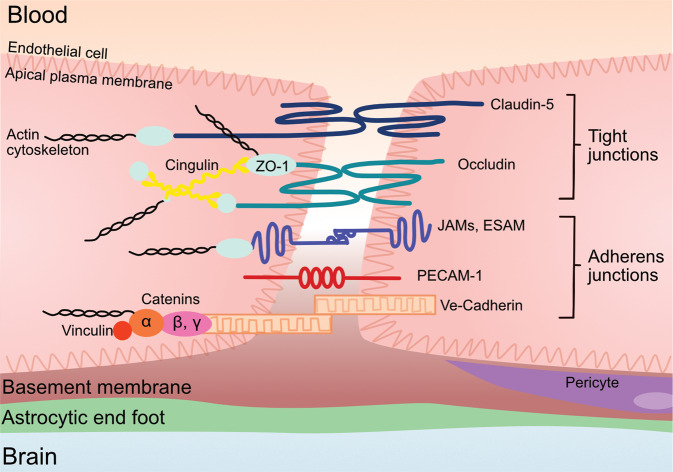
“AJs proteins include: transcellular components, Ve-cadherin, platelet endothelial cell adhesion molecule-1 (PECAM-1), endothelial cell-selective adhesion molecule (ESAM), and JAMs (Knox et al. 2022).”
BackgroundMethodInfluentialTong, H., Capuano, A. W., Mehta, R. I., Sood, A., Bennett, D. A., Ahima, R. S., Arnold, S. E., & Arvanitakis, Z. (2024) · Annals of Clinical and Translational Neurology · doi:10.1002/acn3.52132 · Cited by 10
“It is now recognized that BBB disruption is common in both healthy aging itself 43 and in patients with hypertension.”
BackgroundThe emerging links between immunosenescence in innate immune system and neurocryptococcosis
Soraci, L., Beccacece, A., Princiotto, M., Savedra, E. V., Gambuzza, M. E., Aguennouz, M., Corsonello, A., Luciani, F., Muglia, L., Filicetti, E., et al. (2024) · Frontiers in Immunology · doi:10.3389/fimmu.2024.1410090 · Cited by 11
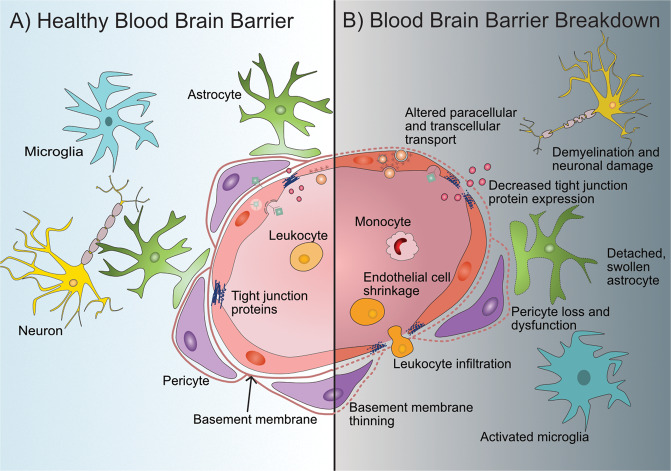
“…leukocyte-endothelial cell interactions increase BBB permeability inducing the production of pro-in fl ammatory mediators such as reactive oxygen species and cytokines, which determine the alterations in paracellular and transcellular transport and decreased tight junction proteins expression (92).”
BackgroundNeurovascular dysfunction in psychiatric disorders: Underlying mechanisms and therapeutic approaches
Sanches, E. S., Simões, D. M., Baptista, F. I., & Silva, A. P. (2024) · European Journal of Clinical Investigation · doi:10.1111/eci.14319 · Cited by 11
“7,8 Neurovascular alterations are well known to be associated with cerebrovascular diseases, including stroke 9 and small vessel disease, as well as with vascular cognitive disorders 10,11 and several neurodegenerative conditions, such as Alzheimer's disease (AD), Parkinson's disease (PD) and…”
Zhou, Y., Yang, Y., Tian, R., & Cheang, W. S. (2025) · Scientific Reports · doi:10.1038/s41598-025-85144-6 · Cited by 12
Song, Y., Zhang, X., Han, X., Wang, G., Wang, M., Wu, H. M., & Wu, X. (2025) · Journal of Ethnopharmacology · doi:10.1016/j.jep.2025.119448 · Cited by 10
Olejnik, P., Golenia, A., & Małyszko, J. (2025) · International Journal of Molecular Sciences · doi:10.3390/ijms26041590 · Cited by 15
“However, when accompanied by factors such as neuroinflammation, BBB dysfunction may contribute to cognitive decline [52].”
Chaudhary, S., Chao, H. H., Agarwal, K., Gupta, S., & Li, C. R. (2025) · Neuroscience & Biobehavioral Reviews · doi:10.1016/j.neubiorev.2025.106270 · Cited by 13
Anderson, K. N., Keogh, M. J., & Gosse, L. (2025) · Nature and Science of Sleep · doi:10.2147/nss.s478860 · Cited by 15
“97,98 A recent meta-analysis of seventeen studies looking at PD patients with and without OSA studied a combined sample of 1448 patients and found the prevalence of any level of OSA as 45%.”
Glial Cells and Aging: From the CNS to the Cerebellum
Sala, G. L., & Farini, D. (2025) · International Journal of Molecular Sciences · doi:10.3390/ijms26157553 · Cited by 13
“Structural changes in the NVU include mislocalization of astrocyte endfeets, reduced coverage of pericytes, and endothelial tight junction breakdown, resulting in BBB leakage [145].”
Popa‐Wagner, A., Hermann, D. M., Doeppner, T. R., Surugiu, R., & Pîrșcoveanu, D. F. V. (2025) · Journal of Cerebral Blood Flow & Metabolism · doi:10.1177/0271678x251365020 · Cited by 19
“23 As the BBB weakens, its permeability increases, allowing neurotoxic substances, inflammatory mediators, and immune cells to infiltrate the central nervous system, thereby exacerbating neuroinflammation and neuronal damage.”
Biologics as Therapeutical Agents Under Perspective Clinical Studies for Alzheimer’s Disease
Li, H., Shen, X., Zhang, B., & Zhu, Z. (2025) · Molecules · doi:10.3390/molecules30173479 · Cited by 12
“In aging and AD, increasing evidence points to early and progressive BBB disruption [80].”
Age-associated systemic factors change central and peripheral immunity in adult male mice
van Olst, L., Kamermans, A., van der Pol, S. M. A., Rodríguez, E., Hulshof, L. A., van Dijk, R. E., Vonk, D., Schouten, M., Witte, M. E., de Vries, H. E., et al. (2023) · Brain Behavior and Immunity · doi:10.1016/j.bbi.2023.05.004 · Cited by 10
Investigation of Potential Drug Targets for Cholesterol Regulation to Treat Alzheimer’s Disease
Passero, M., Zhai, T., & Huang, Z. J. (2023) · International Journal of Environmental Research and Public Health · doi:10.3390/ijerph20136217 · Cited by 11
“As a person ages, his/her brain cholesterol synthesis rate declines and the blood brain barrier loses its integrity [17].”
BackgroundSmall RNA Profiles of Brain Tissue-Derived Extracellular Vesicles in Alzheimer’s Disease
Huang, Y., Driedonks, T. A. P., Cheng, L., Turchinovich, A. A., Pletniková, O., Redding‐Ochoa, J., Troncoso, J. C., Hill, A. F., Mahairaki, V., Zheng, L., et al. (2024) · Journal of Alzheimer s Disease · doi:10.3233/jad-230872 · Cited by 14
Osuna‐Ramos, J. F., Camberos-Barraza, J., Torres-Mondragón, L. E., Rábago-Monzón, Á. R., Camacho-Zamora, A., Valdez-Flores, M. A., Angulo‐Rojo, C., Guadrón‐Llanos, A. M., Picos-Cárdenas, V. J., Calderón-Zamora, L., et al. (2023) · International Journal of Molecular Sciences · doi:10.3390/ijms242417458 · Cited by 14
“Given that glymphatic dysfunction can lead to the accumulation of waste products in the brain and contribute to the genesis of neurodegenerative diseases [29], the integrity and functionality of the BBB are crucial for the clearance of these waste products from the brain parenchyma.”
BackgroundPecorella, G., Rosa, F. D., Licchelli, M., Panese, G., Carugno, J. T., Morciano, A., & Tinelli, A. (2024) · International Journal of Gynecology & Obstetrics · doi:10.1002/ijgo.15464 · Cited by 11
“16 Proinflammatory cytokines IL-1 and TNF α can induce COX-2 upregulation in neurovascular endothelial cells, leading to local prostaglandin synthesis and disruption of BBB permeability.”
Şimşek, H., & Uçar, A. (2024) · Clinical Nutrition Open Science · doi:10.1016/j.nutos.2024.05.012 · Cited by 12
Modeling neurodegenerative diseases using non-human primates: advances and challenges
Li, B., He, D., Li, X., & Guo, X. (2022) · Ageing and Neurodegenerative Diseases · doi:10.20517/and.2022.14 · Cited by 13
Microfluidics for brain endothelial cell-astrocyte interactions
Sanapathi, J., Vipparthi, P., Mishra, S., Sosnik, A., & Kumarasamy, M. (2023) · Organs-on-a-Chip · doi:10.1016/j.ooc.2023.100033 · Cited by 11
Zanardi, A., Nardini, I., Raia, S., Conti, A., Ferrini, B., D’Adamo, P., Gilberti, E., Palma, G. D., Belloli, S., Monterisi, C., et al. (2024) · Communications Biology · doi:10.1038/s42003-024-05820-7 · Cited by 10
Kumar, V., Banerjee, A., & Roy, K. (2024) · Molecular Systems Design & Engineering · doi:10.1039/d4me00056k · Cited by 10
Taha, E., Nour, S. A. E.-K., Mamdouh, W., & Naguib, M. J. (2024) · International Journal of Pharmaceutics · doi:10.1016/j.ijpharm.2024.124230 · Cited by 9
Inoue, Y., Ren, Y., Zhang, S., Bamkole, M. A., Islam, N. N., Selvaraj, M., Lü, W., Caulfield, T. R., Li, Y., & Kanekiyo, T. (2024) · Frontiers in Cellular Neuroscience · doi:10.3389/fncel.2024.1368018 · Cited by 13
“…(Morita et al., 1999; Bauer et al., 2014), leading to harmful plasma protein leakage such as fibrinogen and plasmin protease into the brain parenchyma resulting in glial activation, demyelination, and neurodegeneration (Knox et al., 2022), underscoring the detrimental effects on brain function.”
BackgroundD’Aversa, E., Salvatori, F., Vaccarezza, M., Antonica, B., Grisafi, M., Singh, A. V., Secchiero, P., Zauli, G., Tisato, V., & Gemmati, D. (2024) · Cells · doi:10.3390/cells13161316 · Cited by 11
“They include dietary habits, gut micro-biome, and cigarette smoke [56–59], as well as a complex genetic scenario with more than 230 trait loci described in genome-wide association studies (GWAS) based on single nucleotide polymorphisms (SNPs) [25,60], besides several other studies [61–65].”
BackgroundTruncated mini LRP1 transports cargo from luminal to basolateral side across the blood brain barrier
Fritzen, L., Wienken, K., Wagner, L., Kurtyka, M., Vogel, K., Körbelin, J., Weggen, S., Fricker, G., & Pietrzik, C. U. (2024) · Fluids and Barriers of the CNS · doi:10.1186/s12987-024-00573-1 · Cited by 11
“…junctions, a different class of junction proteins known as adherens, including cadher-ins, catenins and junctional adhesion molecules (JAMs) are involved in the formation, stabilization, and organization of the intercellular junctions at the endothelium, mostly at the basolateral membrane [49, 50].”
BackgroundKurmann, L., Azzarito, G., Leeners, B., Rosselli, M., & Dubey, R. K. (2024) · International Journal of Molecular Sciences · doi:10.3390/ijms252111416 · Cited by 10
“…disorders like Alzheimer’s disease, stroke, multiple sclerosis, trauma hemorrhagic shock and chronic obstructive pulmonary disease, to name a few [7–9,12 ,17 The migration of PCs away from capillary ECs plays a critical role in the pathophysiology associated with capillary leakage, including BBB…”
BackgroundInfluentialJoseph, C. R. (2024) · International Journal of Molecular Sciences · doi:10.3390/ijms252111522 · Cited by 11
“This question has profound implications for treatment of the underpinnings of other diseases such as neurogenerative diseases where the loss of BBB integrity is the nexus of their development [63,79–84].”
BackgroundPEGylated liposomes via ATRP for brain drug delivery
Chen, L., Zhang, Z., Simonsen, M. R., Owens, T., Khorooshi, R., & Wu, C. (2025) · Journal of Liposome Research · doi:10.1080/08982104.2025.2485428 · Cited by 10
“…the BBB is a highly selective structure that limits the passage of substances larger than 400 Da, restricting access for most therapeutic agents [8–10]. liposomes have shown potential in addressing this challenge, as they can facilitate drug transport across the BBB, making them a promising…”
Eid, H. M., Sadek, R. A., Ali, A. A., El‐Ela, F. I. A., & Farouk, H. O. (2025) · Journal of Drug Delivery Science and Technology · doi:10.1016/j.jddst.2025.107078 · Cited by 10
The Anti-Inflammatory Actions of Soluble Klotho in Brain Aging and Its Main Associated Diseases
López-Valdés, H. E., Hernández-Lucas, M., Rodríguez-Fabián, G. D. J., Esteban-Román, N. F., Gutiérrez-Juárez, R., Arrieta‐Cruz, I., & Martínez‐Coria, H. (2025) · International Journal of Molecular Sciences · doi:10.3390/ijms26178551 · Cited by 10
“All of these events result in an increase in proinflammatory cytokines (e.g., IL-1 β , IL-2, IL-6, TNF), activation of microglia and astrocytes, leukocyte infiltration, and increased oxidative stress [75].”
De, R., Shi, S., & Kim, K. (2025) · Advanced Science · doi:10.1002/advs.202517004 · Cited by 20
Zhu, T.-T., Liu, P., Hashimoto, K., & Yang, J. (2026) · Molecular Psychiatry · doi:10.1038/s41380-026-03603-6 · Cited by 14
“Key hazards include immunogenicity (complement activation, cytokine release) and off-target accumulation, necessitating rational surface engineering and testing in immune-competent preclinical models [210, 211].”
Unraveling the gut microbiota-brain axis: Mechanisms, pathophysiology, and therapeutic opportunities
Jiang, C., Nageeb, W. M., Batool, S., Hashish, A., Alkhawagah, S. M., Ibrahim, H. A. A., Zhu, W., Che, C., Li, X., Jin, M., et al. (2026) · iScience · doi:10.1016/j.isci.2026.116224 · Cited by 14
“71,72 Dysbio-sis caused IB disruption which leads to LPS translocation causing systemic inflammation affecting BBB permeability eventually causing neuroinflammation.”
Lynch, C. M. K., Nagpal, J. K., Luczynski, P., Neufeld, K. M., Dinan, T. G., Clarke, G. A., & Cryan, J. F. (2024) · Elsevier eBooks · doi:10.1016/b978-0-323-99971-7.00012-6 · Cited by 10
Self-citation
Metadata
- Authors
- Knox, E. G., Aburto, M. R., Clarke, G., Cryan, J. F., & O’Driscoll, C. M.
- Affiliations
- University College Cork (IE)
- Venue
- Molecular Psychiatry
- Published
- 2022-03-31
- Volume
- 27
- Issue
- 6
- Pages
- 2659-2673
- ISSN
- 1359-4184 (ISSN-L)
- 1476-5578
- PMC
- PMC9156404
- OpenAlex
- W4220819957
- Semantic Scholar
- 83f5f22ce6fc91638ce39819b8f1d03e829b7c72
- Cited by
- 738
- References
- 213
- Citations by year
- 2026: 199 · 2025: 233 · 2024: 183 · 2023: 96 · 2022: 27
- FWCI
- 13.86
- Type
- journal article
- Language
- en
- Open access
- hybrid
- doi.org
- Licence
- cc-by
- creativecommons.org/licenses/by/4.0 (tdm)
- creativecommons.org/licenses/by/4.0 (vor)
- Locations
- Molecular Psychiatry (publishedVersion, cc-by)
- PubMed Central (publishedVersion, cc-by)
- PubMed (publishedVersion)
- Lenus, The Irish Health Repository (Dr Steevens Hospital Library) (submittedVersion)
- Funders
- European Office of Aerospace Research and Development, Air Force Office of Scientific Research and 711 Human Performance Wing, Air Force Research Laboratory
- Science Foundation Ireland (SFI/12/RC/2273-P2)
- Topics
- Life Sciences › Neuroscience › Neurology › Barrier Structure and Function Studies
- Health Sciences › Medicine › Oncology › Drug Transport and Resistance Mechanisms
- Health Sciences › Medicine › Clinical Neurology › Cerebrospinal fluid and hydrocephalus
- Keywords
- blood-brain barrier, aging, neurodegeneration, blood-brain barrier disruption, brain homeostasis, gut microbiota, microbial metabolites
- MeSH terms
- Biological Transport, Blood-Brain Barrier, Brain, Homeostasis
About these checks
Registry, retraction, Cites and statistics results are computed, not judged, with one exception: a printed reference that no index lists is read once by a model before it counts as a citation error. Claims are extracted by a model and kept only when their quote appears verbatim in the text; each cited source is then checked, with a model’s help, for whether it says what the claim relies on. Those verdicts can be wrong — read the claim’s quote and the cited source before relying on one.
Statistics and arithmetic are recomputed, not judged.
Confidence bands are shown only for fields calibrated on our annotated test set. None is calibrated yet, so no band is shown.
What counts as a claim ›How we measure confidence ›How we check this ›
Are you an author, or do you see a problem with this page? Request a review
Data sources
Bibliographic data: Semantic Scholar, OpenAlex, Crossref.
Contains information from the Semantic Scholar Academic Graph Datasets, made available under the ODC Attribution License (ODC-BY 1.0).
Semantic Scholar’s data is described in: Kinney, R., et al. (2023). The Semantic Scholar Open Data Platform. arXiv:2301.10140.
