

The blood-brain barrier in aging and neurodegeneration
Open accessThe DOI matches its Crossref record; 213 of the 213 references it cites were found in a registry or an index.
Abstract
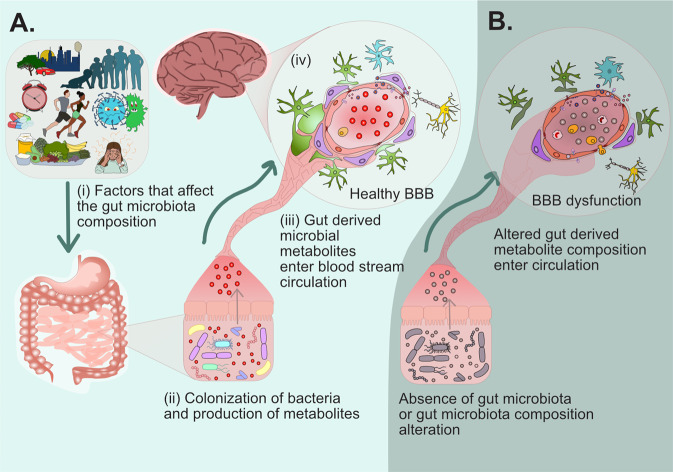
The blood-brain barrier (BBB) is vital for maintaining brain homeostasis by enabling an exquisite control of exchange of compounds between the blood and the brain parenchyma. Moreover, the BBB prevents unwanted toxins and pathogens from entering the brain. This barrier, however, breaks down with age and further disruption is a hallmark of many age-related disorders. Several drugs have been explored, thus far, to protect or restore BBB function. With the recent connection between the BBB and gut microbiota, microbial-derived metabolites have been explored for their capabilities to protect and restore BBB physiology. This review, will focus on the vital components that make up the BBB, dissect levels of disruption of the barrier, and discuss current drugs and therapeutics that maintain barrier integrity and the recent discoveries of effects microbial-derived metabolites have on BBB physiology.
Overview
The claims and statistics of this paper haven’t been checked yet.
Free: it reads the open-access text and checks the first 5 claims that cite a source we can check. Create a free account to check every claim.
Integrity signals
Registry
Cites
Statistics
Figures
Verification
Claims the paper makes
The claims and statistics of this paper haven’t been checked yet.
Free: it reads the open-access text and checks the first 5 claims that cite a source we can check. Create a free account to check every claim.
Claims other papers make about this one
Each is checked against this paper’s own text: does it say what the citing paper says it does?
The source backs part of the claim, not all of it — or backs it for a different population, condition or comparison.
In the citing paper
“Moreover, numerous studies have shown an increased BBB permeability in aged mice, which facilitates the infiltration of peripheral immune cells into the CNS.117,118”
From Role of neuroinflammation in neurodegeneration development (2023) · cites this paper as [117]
Experimental — accuracy not yet measuredThe cited source says what the claim attributes to it.
In the citing paper
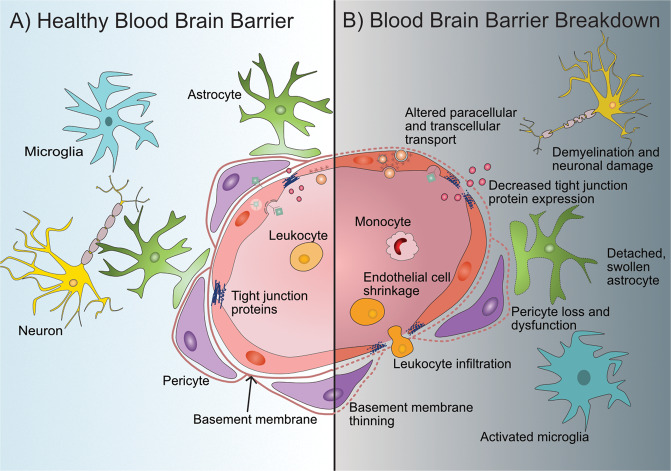
“These can include increased paracellular permeability by loss of TJs, degradation of ECs and pericytes, modification in thickness of the basement membrane, astrocyte degeneration, changes in the expression of transporters/receptors present in the BBB, and so forth [41].”
From Advances in Strategies to Transport Nanoparticles Across the Blood–Brain Barrier for Drug Delivery into the Brain for the Treatment of Alzheimer’s Disease (2026) · cites this paper as [41]
In the citing paper
“BBB disruption is well characterized in other neurodegenerative diseases, including PD, ALS, FTD, and HD.”
From Microbiota–gut–brain axis and its therapeutic applications in neurodegenerative diseases (2024) · cites this paper as [658]
In the citing paper
“Compromised BBB initiates the infiltration of peripheral immune cells and triggers microglial and astrocytic activation, ultimately resulting in synaptic and neuronal loss.”
From Microbiota–gut–brain axis and its therapeutic applications in neurodegenerative diseases (2024) · cites this paper as [658]
In the citing paper
“The structure and function of the BBB also undergo significant alterations with ageing, which contribute to the progression of neurodegenerative diseases and cognitive decline.153”
From Antiageing strategy for neurodegenerative diseases: from mechanisms to clinical advances (2025) · cites this paper as [153]
Self-check
Percentages, sums and reported differences re-computed from the paper’s own numbers.
The self-check needs the paper’s full text.
Citations
Cites
1 retracted
RETRACTED ARTICLE: Pericyte loss influences Alzheimer-like neurodegeneration in mice
Sagare, A. P., Bell, R. D., Zhao, Z., Ma, Q., Winkler, E. A., Ramanathan, A., & Zlokovic, B. V. (2013) · Nature Communications · doi:10.1038/ncomms3932 · Cited by 589 · cited 1×
“Importantly, pericytes play an important role in cerebrovascular malfunction in Alzheimer’s disease (AD) [41].”
BackgroundRetractedRosen, D. R., Siddique, T., Patterson, D., Figlewicz, D. A., Sapp, P., Hentati, A., Donaldson, D., Goto, J., O'Regan, J. P., Deng, H.-X., et al. (1993) · Nature · doi:10.1038/362059a0 · Cited by 7,062 · cited 2×
“Activated protein C downregulates SOD1 in SOD1 mutant mice, reduces blood-spinal cord barrier permeability, and slows disease progression [130].”
BackgroundAstrocyte-endothelial interactions at the blood-brain barrier
Abbott, N. J., Rönnbäck, L., & Hansson, E. (2006) · Nature Reviews Neuroscience · doi:10.1038/nrn1824 · Cited by 5,595 · cited 11×
“Both cell types can also respond to TGF-β through TGF-β receptor.”
BackgroundInfluentialCryan, J. F., O'Riordan, K. J., Cowan, C. S. M., Sandhu, K. V., Bastiaanssen, T. F. S., Boehme, M., Codagnone, M. G., Cussotto, S., Fulling, C., Golubeva, A. V., et al. (2019) · Physiological Reviews · doi:10.1152/physrev.00018.2018 · Cited by 5,286 · cited 3×
“SCFAs have previously been implicated in processes such as gastrointestinal function, blood-pressure regulation, circadian rhythm, and immune function, and more recently explored for the effects on BBB physiology [143].”
BackgroundInfluentialSelf-citationDaneman, R., & Prat, A. (2015) · Cold Spring Harbor Perspectives in Biology · doi:10.1101/cshperspect.a020412 · Cited by 3,437 · cited 3×
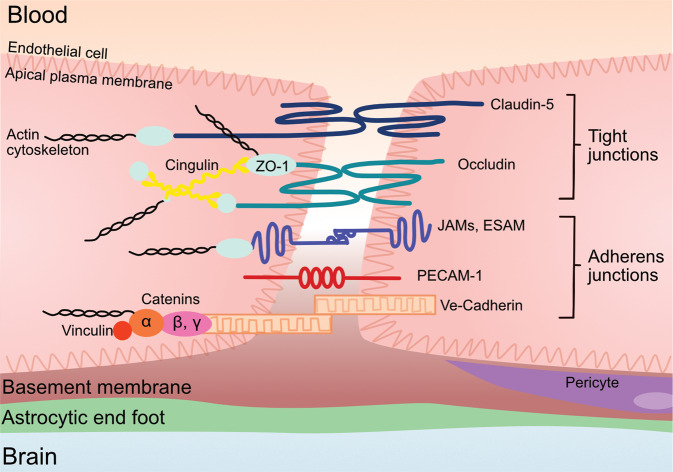
“The basement membrane is composed of both an inner vascular basement membrane, which is secreted by endothelial cells and pericytes and an outer parenchymal basement membrane, which is secreted by astrocytes [1].”
BackgroundThe Blood-Brain Barrier in Health and Chronic Neurodegenerative Disorders
Zlokovic, B. V. (2008) · Neuron · doi:10.1016/j.neuron.2008.01.003 · Cited by 3,280
Neuroinflammation and microglial activation in Alzheimer disease: where do we go from here?
Leng, F., & Edison, P. (2021) · Nature Reviews Neurology · doi:10.1038/s41582-020-00435-y · Cited by 3,179
Blood–brain barrier breakdown in Alzheimer disease and other neurodegenerative disorders
Sweeney, M. D., Sagare, A. P., & Zlokovic, B. V. (2018) · Nature Reviews Neurology · doi:10.1038/nrneurol.2017.188 · Cited by 3,076 · cited 2×
“An increase in BBB permeability is commonly observed via enhanced accumulation of blood-derived proteins in the brains of post-mortem AD patients [101] and supported by the reduction of tight junction proteins [102].”
BackgroundPericytes regulate the blood–brain barrier
Armulik, A., Genové, G., Mäe, M., Nisancioglu, M. H., Wallgard, E., Niaudet, C., He, L., Norlin, J., Lindblom, P., Strittmatter, K., et al. (2010) · Nature · doi:10.1038/nature09522 · Cited by 2,843 · cited 2×
“The co-cultures are useful as the presence of either astrocytes or pericytes or both cells together with brain endothelial cells improves the BBB characteristics [36, 38, 39, 113, 114].”
BackgroundThe gut microbiota influences blood-brain barrier permeability in mice
Braniste, V., Al-Asmakh, M., Kowal, C., Anuar, F., Abbaspour, A., Tóth, M., Korecka, A., Bakocevic, N., Ng, L. G., Kundu, P., et al. (2014) · Science Translational Medicine · doi:10.1126/scitranslmed.3009759 · Cited by 2,530 · cited 1×
“The relationship between BBB integrity and the gut microbiota is evident in germ free mice models which lack a microbiota and have increased BBB permeability and altered tight junction protein expression effects, which continue from in utero into adulthood [147].”
Background
Research works printed but not linked: 1
- Obermeier B Daneman R Ransohoff RM Development, maintenance and disruption of the blood-brain barrier Nat Med 2013 19 1584 1596 10.1038/nm.3407 24309662 PMC4080800 · DOI · Paper page
Cited by
Items 301–400 of 736
Guan, Z., Liu, Q., Wang, Y., Xiao, F., & Zhao, G. (2024) · Medicine Plus · doi:10.1016/j.medp.2024.100047 · Cited by 9
CmPn/CmP Signaling Networks in the Maintenance of the Blood Vessel Barrier
Gnanasekaran, R., Aickareth, J., Hawwar, M., Sanchez, N., Croft, J., & Zhang, J. (2023) · Journal of Personalized Medicine · doi:10.3390/jpm13050751 · Cited by 9
Lee, J. M., Lee, J. H., Kim, S., Sim, T. H., & Kim, Y. (2023) · Scientific Reports · doi:10.1038/s41598-023-35833-x · Cited by 10
Chehadi, A. C., Pereira de Lima, E., Detregiachi, C. R. P., Santos de Argollo Haber, R., Catharin, V. M. C. S., Fornari Laurindo, L., Engracia Valenti, V., Machado Galhardi, C., Tanaka, M., & Maria Barbalho, S. (2026) · International Journal of Molecular Sciences · doi:10.3390/ijms27010465 · Cited by 8
“Together, the data suggest that berberine and albiflorin represent promising candidates for modulating Trp metabolism, suppressing neuroinflammation, and enhancing cognitive resilience, warranting rigorous clinical validation to confirm their therapeutic potential [279,280].”
Intraventricular dimethyl sulfoxide (DMSO) induces hydrocephalus in a dose-dependent pattern
Castañeyra-Ruiz, L., Ledbetter, J., Lee, S., Rangel, A., Torres, E., Romero, B., & Muhonen, M. G. (2024) · Heliyon · doi:10.1016/j.heliyon.2024.e27295 · Cited by 10
“Astrocytes are associated with VZ disruption and play a fundamental role in the blood-brain barrier permeability [48], which is increased periventricularly in hydrocephalus [49].”
BackgroundMazahir, F., Alam, M. I., & Yadav, A. K. (2024) · Ageing Research Reviews · doi:10.1016/j.arr.2024.102318 · Cited by 11
Carneiro, R. D. S., da Costa, M. H. D. A., SANTOS, J. Z. L. V., Mendes, A. N., Uchôa, V. T., & LOPES, L. D. S. (2025) · Biocell · doi:10.32604/biocell.2024.058405 · Cited by 8
“…of this imbalance is the high levels of pro-in fl ammatory cytokines associated with the activation of microglia and the consequent increase in the permeability of the blood-brain barrier, facilitating the entry of toxins and accelerating the progression of diseases such as Alzheimer ’ s [90,91].”
Exploring Lymph Node Stroma Ageing: Immune Implications and Future Directions
Ng, Y. Y., & Tay, A. K. P. (2025) · Aging Cell · doi:10.1111/acel.70000 · Cited by 10
Astroglia’s role in synchronized spontaneous neuronal activity: from physiology to pathology
Ammothumkandy, A., Cayce, A., Shariq, M., & Bonaguidi, M. A. (2025) · Frontiers in Cellular Neuroscience · doi:10.3389/fncel.2025.1544460 · Cited by 8
“…to all these brain disorders and the subsequent acquired epilepsy (Klein et al., 2018) are Blood brain barrier (BBB) leakage (Gorter et al., 2019; Knox et al., 2022), oxidative stress (Fesharaki-Zadeh, 2022; Patel, 2002; Zilberter et al., 2022) and neuroinflammation (Chen Y. et al., 2023; Mishra…”
Emerging Insights into Brain Inflammation: Stem-Cell-Based Approaches for Regenerative Medicine
Karam, M., Ortega-Gascó, A., & Tornero, D. (2025) · International Journal of Molecular Sciences · doi:10.3390/ijms26073275 · Cited by 12
Sun, L. V., Xu, M., Zhou, C., Cao, S.-D., Zhang, X., Guan, S.-Q., Sang, W.-X., & Li, X. (2025) · World Journal of Psychiatry · doi:10.5498/wjp.v15.i6.103661 · Cited by 9
Microbiome: A Key Regulator of Body-Brain Interactions
O’Riordan, K. J., Aburto, M. R., Nagpal, J. K., Clarke, G. A., & Cryan, J. F. (2025) · Advances in experimental medicine and biology · doi:10.1007/978-3-031-89525-8_6 · Cited by 10
Self-citationJian-fen, W., Wu, H., Zhou, F., Wang, Y., Wang, C., & Ji, J. (2025) · Cancer Gene Therapy · doi:10.1038/s41417-025-00916-6 · Cited by 10
“BBB dysfunction is closely linked to many CNS disorders, including acute injury, chronic neurodegeneration and brain tumors [12, 13].”
Targeting PD ‐ L1 for Ischemic Stroke Recovery: Age‐Dependent Modulation of Immune and BBB Pathways
Hang, H., Xu, C., Wang, L., Liu, C., Zhang, R., Wu, G., & Zhao, H. (2025) · CNS Neuroscience & Therapeutics · doi:10.1111/cns.70523 · Cited by 9
“Additionally, the aging blood–brain barrier (BBB) is more susceptible to damage, leading to increased permeability, inflammatory infiltration, and cerebral edema, further impeding recovery [10].”
Shared Mechanisms in Dementia and Depression: The Modulatory Role of Physical Exercise
de Souza, P. B., Rodrigues, A. L. S., & Felice, F. G. D. (2025) · Journal of Neurochemistry · doi:10.1111/jnc.70185 · Cited by 15
Nanoparticles Navigating the Intranasal Route: Innovative Approaches in Neurodegenerative Diseases
Borbolla‐Jiménez, F. V., Gutiérrez-Ruíz, S. C., Hernández‐Parra, H., Peña‐Corona, S. I., Tamez-González, A., Rivas-Amores, R. D., Magaña, J. J., & Leyva‐Gómez, G. (2025) · Journal of Nanotechnology · doi:10.1155/jnt/7697122 · Cited by 11
Wu, Q., Cong, P., Li, Z., Zhang, Y., Wu, H., Zhang, Q., Li, Y., Li, T., Miao, Q., Zheng, Y., et al. (2025) · Advanced Science · doi:10.1002/advs.202502034 · Cited by 12
Microbial tryptophan metabolites modulate blood-brain and gut barriers in vitro
Rosell‐Cardona, C., Knox, E. G., Sánchez-Díaz, P., Leigh, S., Tirelli, E., Goodson, M. S., Kelley‐Loughnane, N., Aburto, M. R., Kittel‐Schneider, S., Cryan, J. F., et al. (2025) · Neuroscience Applied · doi:10.1016/j.nsa.2025.106876 · Cited by 11
Self-citationQu, J., Jiang, X. S., Ma, Y., Sheng, X., Changyi, P., Wang, Y., Xu, Q., Li, R., Wang, P., Qian, D., et al. (2026) · Journal of Hazardous Materials · doi:10.1016/j.jhazmat.2026.141087 · Cited by 10
Cadoret, A., Dion‐Albert, L., Amrani, S., Caron, L., Théberge, M., Turmel, A., Lebel, M., & Ménard, C. (2023) · Behavioural Brain Research · doi:10.1016/j.bbr.2023.114443 · Cited by 9
Xia, Y., Hu, L., Ren, K., Han, X., Sun, Y., & Li, D. (2024) · Journal of Hazardous Materials · doi:10.1016/j.jhazmat.2024.136739 · Cited by 10
Pharmacologic Management of Heart Failure with Preserved Ejection Fraction (HFpEF) in Older Adults
Hashemi, A., Kwak, M. J., & Goyal, P. (2025) · Drugs & Aging · doi:10.1007/s40266-024-01165-2 · Cited by 8
Modulation of Brain Cholesterol Metabolism through CYP46A1 Overexpression for Rett Syndrome
Audouard, E., Khefif, N., Gillet-Legrand, B., Nobilleau, F., Bouazizi, O., Stanga, S., Despres, G., Alves, S., Lamazière, A., Cartier, N., et al. (2024) · Pharmaceutics · doi:10.3390/pharmaceutics16060756 · Cited by 7
“In addition, the permeability of the BBB is altered during healthy aging and neurodegenerative disorders [45,46], which can also favor the transduction of the vector in the CNS.”
BackgroundKnox, E. G., Sánchez-Díaz, P., Buttimer, C., Leigh, S., Vlčková, K., Hill, C., Kennedy, E., O’Regan, J., McSweeney, S. L., Goulding, D., et al. (2025) · Journal of Functional Foods · doi:10.1016/j.jff.2025.106661 · Cited by 8
Self-citationAdaptive immunity in the pathogenesis and treatments of Parkinson’s disease
Du, X., Akter, S., Oludipe, D. B., Sil, S., Zhang, C., Gendelman, H. E., & Mosley, R. L. (2025) · NeuroImmune Pharmacology and Therapeutics · doi:10.1515/nipt-2025-0008 · Cited by 8
“The resulting systemic inflammation has been shown to increase blood-brain barrier (BBB) permeability, allowing pro-inflammatory mediators to enter the CNS, disrupting Treg function, and intensifying neuroin-flammation [57–59].”
Russo, A. P., Pastorello, Y., Dénes, L., Brînzaniuc, K., Krupiński, J., & SLEVIN, M. A. (2025) · International Journal of Molecular Sciences · doi:10.3390/ijms26136237 · Cited by 9
“A variety of factors can induce BBB dysfunction and breakdown in AD, such as A β peptides, which induce endothelial dysfunction, leading to increased BBB permeability, chronic activation of microglia and astrocytes, cerebral amyloid angiopathy, and elevated oxidative stress [61,73].”
Frick, M. A., Woodruff, J. L., Caudillo, Y. M., Pikel, K., Rehm, J. V., Maciejewska, N., Grillo, C. A., Reagan, L. P., & Fadel, J. R. (2025) · Journal of Neurochemistry · doi:10.1111/jnc.70175 · Cited by 7
Trempel, M. A., Du, Y., Widom, L. P., Reitz, E. E., Feidler, A. M., Kasap, P., Engelhardt, B., Gaborski, T. R., Gelbard, H. A., Terrando, N., et al. (2025) · Materials Today Bio · doi:10.1016/j.mtbio.2025.102361 · Cited by 12
“It also presents the potential to model a ‘meta ’ -stable barrier which has similar baseline barrier properties to the our ‘healthy ’ model, but is more sensitive to inflammatory stimulation which could be useful in modeling diseases where the BBB is more sensitive to systemic inflammation [6,46].”
Targeting angiogenesis: Effects and mechanisms of action of ginsenosides
Lu, Y.-W., Zhang, J., Chen, C., Lin, H.-M., & Li, W. (2025) · Phytomedicine · doi:10.1016/j.phymed.2025.157353 · Cited by 7
Hydrogel-based microfluidic model of the blood-brain barrier: progress and future perspectives
Guo, F., Chen, J., Wang, L., Li, M., Lv, Q., Wang, J., Hong, W., & Yang, G. (2025) · Fluids and Barriers of the CNS · doi:10.1186/s12987-025-00727-9 · Cited by 7
“One critical obstacle in treating brain diseases is the BBB, a physiological barrier that significantly impedes the delivery of therapeutic drugs to the central nervous system (CNS) due to its selective permeability [4, 5].”
Targeting Alzheimer's pathophysiology with carbon dots: from mechanisms to therapy
Tripathi, S., Singh, R., Jaiswal, S., Sethi, M., Rana, R., Mishra, K., & Chourasia, M. K. (2026) · Journal of Materials Chemistry B · doi:10.1039/d5tb02134k · Cited by 8
Functionalized albumin nanoparticles: A multifunctional platform for enhanced brain drug delivery
Mohammad, H., Darwish, M., Katona, G., & Csóka, I. (2025) · Materials Today Bio · doi:10.1016/j.mtbio.2025.102616 · Cited by 11
“This mechanism is essential for transporting macromolecules, therapeutic proteins, and nanoparticles, with the extent dependent on BBB physiological state [17].”
A 3D gut-brain-vascular platform for bidirectional crosstalk in gut-neuropathogenesis
Tran, M., Jeong, H. W., An, M., Been, C., Jamsranjav, A., Kwak, S. M., Lee, L. P., & Cho, H. (2026) · Nature Communications · doi:10.1038/s41467-026-69318-y · Cited by 12
Rethinking early Alzheimer’s disease: An impaired internal model updating disorder?
Antonioni, A. (2026) · Neuroscience & Biobehavioral Reviews · doi:10.1016/j.neubiorev.2026.106790 · Cited by 9
Living Under the Volcano: Effects on the Nervous System and Human Health
Navarro‐Sempere, A., Cobo, R., Camarinho, R., Garcia, P., Rodrigues, A., García, M., & Segovia, Y. (2025) · Environments · doi:10.3390/environments12020049 · Cited by 9
MMP-1, UCH-L1, and 20S Proteasome as Potential Biomarkers Supporting the Diagnosis of Brain Glioma
Ołdak, Ł., Chludzińska-Kasperuk, S., Milewska, P., Grubczak, K., Reszeć, J., & Gorodkiewicz, E. (2022) · Biomolecules · doi:10.3390/biom12101477 · Cited by 7
“This can be explained by the fact that the tests were carried out on blood plasma, and the blood–brain barrier (BBB) was probably not sufficiently damaged to enable the proteins being measured to cross it freely and enter the bloodstream [26].”
BackgroundShao, X., Shou, Q., Felix, K., Ojogho, B., Jiang, X., Gold, B. T., Herting, M. M., Goldwaser, E. L., Kochunov, P., Hong, L. E., et al. (2024) · eLife · doi:10.7554/elife.96155.2 · Cited by 13
Transient Receptor Potential Channels in the Healthy and Diseased Blood–Brain Barrier
Rezzani, R., Favero, G., Gianò, M., Pinto, D., Labanca, M., Noorden, C. J. F. V., & Rinaldi, F. (2024) · Journal of Histochemistry & Cytochemistry · doi:10.1369/00221554241246032 · Cited by 6
Special Issue ‘Advances in Neurodegenerative Diseases Research and Therapy 2.0’
Mitra, S. (2024) · International Journal of Molecular Sciences · doi:10.3390/ijms25094709 · Cited by 6
“Although the BBB has been associated in protecting the brain from peripheral insults, BBB disruption occurs during various stages of different NDs [19], and this may allow molecules like thrombin to invade brain tissue.”
BackgroundBursts of brain erosion: seizures and age-dependent neurological vulnerability
Cresto, N., Givalois, L., Badaut, J., Janvier, A., Génin, A., Audinat, É., Brewster, A. L., & Marchi, N. (2024) · Trends in Molecular Medicine · doi:10.1016/j.molmed.2024.11.003 · Cited by 8
Harnessing brain-derived extracellular vesicles to support RDoC-based drug development
Magaraggia, I., Krauskopf, J., Ramaekers, J. G., You, Y., de Nijs, L., Briedé, J. J., & Schreiber, R. (2024) · Neuroscience Applied · doi:10.1016/j.nsa.2024.105406 · Cited by 7
Puranik, N., & Song, M. (2025) · CNS & Neurological Disorders - Drug Targets · doi:10.2174/0118715273355336250226055826 · Cited by 10
Advances in 3D bioprinting for modeling the blood-brain barrier in neurodegenerative diseases
Tan, S., Qiu, L., Lee, J. W. L., & Zeng, L. (2025) · Frontiers in Molecular Biosciences · doi:10.3389/fmolb.2025.1703403 · Cited by 8
Grandi, R., Gulati, V., Islam, M. S., Ekpo, O. E., & Chitranshi, N. (2025) · Brain Research · doi:10.1016/j.brainres.2025.150046 · Cited by 8
Lee, E., Kim, S., Zhu, C., Acquarone, E., Kim, S., Lo, A., Omar, O. M., Taddese, M., Gradinaru, V., Murphy, P. A., et al. (2026) · Cell Reports · doi:10.1016/j.celrep.2025.116621 · Cited by 8
Microvascular pathology in the spinal cord of severe spinal muscular atrophy patients
Allardyce, H., Lanz, H., Lawrence, B. D., Crawford, T. O., Sumner, C. J., & Parson, S. H. (2026) · Acta Neuropathologica Communications · doi:10.1186/s40478-026-02232-y · Cited by 7
Negrete-Diaz, F., Martinez-Rodriguez, S., Guedan-Duran, A., Romero-Lopez, A., & Panetsos, F. (2026) · Pharmacological Research · doi:10.1016/j.phrs.2026.108245 · Cited by 11
Exercise mimetics: molecular mechanisms, biological and therapeutic effects
Zhang, J., Shao, Q., 程腾, Lin, J., Tang, Y., Lu, H., Zhang, Y., Yu, Z., & Cao, L. (2026) · Molecular Biomedicine · doi:10.1186/s43556-026-00483-8 · Cited by 8
“These vascular benefits are further augmented by increased BBB permeability, which facilitates the delivery of neurotrophic factors and metabolic substrates to the aging brain [214].”
Pragya, Bisht, S., & Parashar, P. (2024) · AAPS PharmSciTech · doi:10.1208/s12249-024-02929-0 · Cited by 7
“These viable wagons can permeate BBB owing to lipophilic nature, small particle size as well as have modified release pattern, non-toxic nature, biocompatibility and are economic for patient population [7–9].”
Bian, P., Zhang, H., Ye, C., Luo, C., Jiang, H., Wang, Y., Dong, Y., Yang, J., Zhang, F., Wang, X., et al. (2024) · Journal of Neuroinflammation · doi:10.1186/s12974-024-03225-1 · Cited by 6
“This finding has promising prospects because of the expansion of elderly populations with increased BBB degeneration, who are more susceptible to viral infections [26].”
BackgroundIn vivo trafficking of cancer-derived exosomes and their role in metastasis
Wei, S., Shelton, S. E., Chen, Y., & Huang, K. (2025) · Extracellular Vesicle · doi:10.1016/j.vesic.2024.100063 · Cited by 7
Diabetes and cortical thickness in ethnically diverse cognitively normal older adults
Tsiknia, A. A., Tennant, V. R., Lee, N. N., Hall, B. J., Vintimilla, R., Hazra, N., Kothapalli, D., Toga, A. W., O’Bryant, S. E., Nandy, R. R., et al. (2025) · Alzheimer s & Dementia Diagnosis Assessment & Disease Monitoring · doi:10.1002/dad2.70088 · Cited by 11
“37 The evidence linking BBB damage to neurodegeneration is substantial and has been thoroughly reviewed by Knox et al. 38 We found that the relationship between T2DM and thinner cortex was likely driven by hyperglycemia rather than by hyperinsulinemia.”
Luo, S., Lyu, Z., Ge, L., Li, Y., Liu, Y., Yuan, Y., Zhao, R., Huang, L., Zhao, J., Huang, H., et al. (2023) · Shock · doi:10.1097/shk.0000000000002139 · Cited by 7
“The BBB is formed by brain microvascular endothelial cells, supported by astrocyte end feet and pericytes (28).”
BackgroundExtracellular Vesicles Play a Central Role in Cerebral Venous Disease‐Associated Brain Atrophy
Wang, J., Li, J., Luo, D., Huang, M., Ao, D., Liu, X., Wang, X., Ge, W., & Zhu, Y. (2023) · Advanced Science · doi:10.1002/advs.202301574 · Cited by 5
Microbial and immune factors regulate brain maintenance and aging
Travier, L., Singh, R., Fernández, D. S., & Deczkowska, A. (2022) · Current Opinion in Neurobiology · doi:10.1016/j.conb.2022.102607 · Cited by 7
Age-Related Decline in BBB Function is More Pronounced in Males than FemalesPreprint
Shao, X., Shou, Q., Felix, K., Ojogho, B., Jiang, X., Gold, B. T., Herting, M. M., Goldwaser, E. L., Kochunov, P., Hong, L. E., et al. (2024) · eLife · doi:10.7554/elife.96155.1 · Cited by 7
Centrosomes and cilia in neurodegeneration: Main actors or mere spectators?
Lattao, R. (2025) · Open Biology · doi:10.1098/rsob.240317 · Cited by 5
Discovery of plasma biomarkers related to blood-brain barrier dysregulation in Alzheimer’s disease
Dan, Y. R., & Chiam, K. (2024) · Frontiers in Bioinformatics · doi:10.3389/fbinf.2024.1463001 · Cited by 5
Beura, S. K., Maharaj, S., Kumari, N., Yadav, R., Sahu, M., Khilar, L. R., Yadav, N., Sahoo, G., Panigrahi, A. R., Yadav, P., et al. (2024) · Nanotechnology in the life sciences · doi:10.1007/978-3-031-72467-1_14 · Cited by 7
Ebner, B. A., Erdahl, S. A., Lundgreen, C. S., Vassilaki, M. E., Kremers, W. K., Knopman, D. S., Petersen, R. C., Berry, D. J., Lewallen, D. G., Jannetto, P. J., et al. (2025) · Acta Neuropathologica · doi:10.1007/s00401-025-02856-9 · Cited by 8
Garg, G., Trisal, A., & Singh, A. K. (2025) · Neuroscience · doi:10.1016/j.neuroscience.2025.03.020 · Cited by 8
Volatile oil of Acori tatarinowii rhizoma: potential candidate drugs for mitigating dementia
Bu, Y., Li, S., Ye, T., Wang, Y., Song, M., & Chen, J. (2025) · Frontiers in Pharmacology · doi:10.3389/fphar.2025.1552801 · Cited by 8
Temporal impact of sepsis on Alzheimer's disease pathology and neuroinflammation
Vo, Q., Nacionales, D. C., McFarland, K. N., Gorski, C., Barrios, E. L., Park, G., Moldawer, L. L., Casadesús, G., Nagpal, R., Efron, P. A., et al. (2025) · Progress in Neurobiology · doi:10.1016/j.pneurobio.2025.102775 · Cited by 6
Bowirrat, A., Pinhasov, A., Bowirrat, A., & Badgaiyan, R. D. (2025) · International Journal of Molecular Sciences · doi:10.3390/ijms26178253 · Cited by 8
“These effects have been identified in neuroinflammatory conditions associated with neurodegenerative diseases and CNS infections, as well as with inflammation typical in healthy aging [20,40].”
Tea and Blood–Brain Barrier Homeostasis: Potential Mechanisms and Improvement Strategies
Yue, R., Wen, H., He, L., Liu, Y., Zeng, L., & Luo, L. (2025) · Food Frontiers · doi:10.1002/fft2.70125 · Cited by 6
Mora, A., Girolamo, F., Marzullo, A., Annese, T., Giorgis, M. D., Signorelli, F., Messina, R., Ingravallo, G., Virgintino, D., Errede, M., et al. (2025) · Fluids and Barriers of the CNS · doi:10.1186/s12987-025-00707-z · Cited by 6
Lipid and polymeric nanocarriers for siRNA delivery to the brain
Koirala, S., & Cheng, K. (2025) · Journal of Controlled Release · doi:10.1016/j.jconrel.2025.114286 · Cited by 9
Chen, J., Zhang, X., Sun, J., Zhi, Y., Xie, Z., Guan, Y., Zhang, Z., & Wu, C. (2025) · Journal of Nanobiotechnology · doi:10.1186/s12951-025-03709-z · Cited by 8
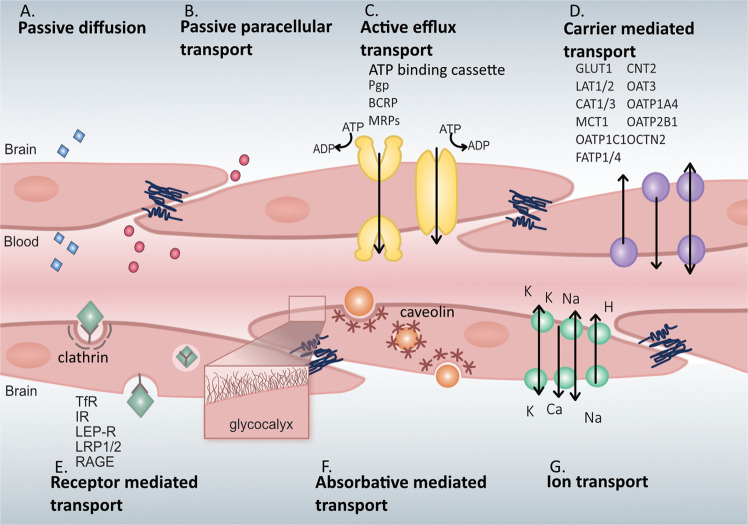
“The mechanism of passive transport lies in the substance’s concentration gradient; that is, the compounds are transported along the concentration gradient, and the transmembrane transport direction is from high concentration to low concentration [76].”
Stem cell-free therapy for healthy brain aging: Mechanisms, challenges, and prospects
Joshi, J. M., Verma, S. S., Seetharam, R. N., & Singh, A. K. (2025) · Biomedicine & Pharmacotherapy · doi:10.1016/j.biopha.2025.118676 · Cited by 6
Chen, Y., Sun, X., Xi, Y., Luo, Z., Lai, H., Zhu, D., Zhang, Y., Xu, F., Li, J., Zhou, J., et al. (2025) · Acta Pharmaceutica Sinica B · doi:10.1016/j.apsb.2025.10.016 · Cited by 10
“In addition, increased leukocyte extravasation into the brain parenchyma due to BBB disruption exhibits pathogenic properties for MS 145 .”
Zhao, X., & He, Z. (2025) · Neuroscience Research · doi:10.1016/j.neures.2025.104979 · Cited by 5
Exercise as a modulator of gut microbiota for improvement of sleep quality: a narrative review
Zhao, B., Sun, J., Xiang, L., & Su, Z. (2025) · Frontiers in Neuroscience · doi:10.3389/fnins.2025.1639099 · Cited by 6
“It protects the CNS from circulatory effects (Knox et al., 2022).”
Evolving insights into the identity and function of dark microglia
Flury, A., St-Pierre, M.-K., Ayata, P., & Tremblay, M.-È. (2026) · Trends in Neurosciences · doi:10.1016/j.tins.2025.11.002 · Cited by 8
Mitochondrial Transfer to Endothelial Cells: Mechanisms, Evidence, and Therapeutic Potential
Im, G., & Melero‐Martin, J. M. (2026) · Circulation Research · doi:10.1161/circresaha.125.326982 · Cited by 7
Modeling human neurodegenerative disorders in Drosophila: strategies and translational opportunities
Mohamed, S. A., & Badr, O. A. M. (2026) · Molecular Biology Reports · doi:10.1007/s11033-026-11844-5 · Cited by 5
Glymphatic system impairment in neurological disorders: potential mechanisms and therapeutic targets
Wang, N., Liu, Z. H., Wang, Y., Cao, F., & Xu, D. (2026) · Molecular Biomedicine · doi:10.1186/s43556-026-00489-2 · Cited by 6
“By precisely regulating solute exchange between the systemic circulation and the ISF, the BBB serves as a selective interface that restricts the entry of toxins, pathogens, and other harmful substances, maintaining the homeostatic milieu requisite for efficient glymphatic circulation [32].”
Oliveros, A., Poleschuk, M., Cole, P. D., Boison, D., & Jang, M. (2023) · International review of neurobiology · doi:10.1016/bs.irn.2023.08.003 · Cited by 8
Cho, E.-H., Seo, E., Hong, S., & Kim, S. (2024) · International Journal of Molecular Sciences · doi:10.3390/ijms252312505 · Cited by 7
Biological mechanisms and immunotherapy of brain metastases in non-small cell lung cancer
Jiang, S., Guo, F., & Li, L. (2025) · Biochimica et Biophysica Acta (BBA) - Reviews on Cancer · doi:10.1016/j.bbcan.2025.189320 · Cited by 7
The MDM2-p53 axis regulates norrin/frizzled4 signaling and blood-CNS barrier function
Levey, J., Abedin, M. J., Zhang, C., Odame, E., Zhang, L., Jo, H., Douglas, K., Roehrich, H., Chen, Z., & Junge, H. J. (2025) · Science Signaling · doi:10.1126/scisignal.adt0983 · Cited by 5
Telomerase Depletion Accelerates Ageing of the Zebrafish Brain
Martins, R. R., Besse, S., Ellis, P. S., Sevil, R., Hartopp, N., Purse, C., Everett‐Brown, G., Evans, O., Mughal, N., Wahib, M. H. F., et al. (2025) · Aging Cell · doi:10.1111/acel.70280 · Cited by 5
Litvinova, M. V., Трофимов, А. Н., Shabanov, P. D., Aa, L., Бычков, Э. Р., Arseniev, N. A., & Tyukavin, A. I. (2023) · Pharmacy Formulas · doi:10.17816/phf120109 · Cited by 5
Blood-brain-barrier modeling with tissue chips for research applications in space and on Earth
Yau, A., Jogdand, A. H., & Chen, Y. (2023) · Frontiers in Space Technologies · doi:10.3389/frspt.2023.1176943 · Cited by 9
“Furthermore, BBB plays a crucial role in maintaining homeostasis of the brain by regulating the exchange of substances between the bloodstream and the brain (Knox et al., 2022).”
BackgroundAsteroid impact: the potential of astrocytes to modulate human neural networks within organoids
Lavekar, S. S., Patel, M. D., Parra, M. D. M., & Krencik, R. (2023) · Frontiers in Neuroscience · doi:10.3389/fnins.2023.1305921 · Cited by 5
“…barrier and is mainly composed of collagens, laminins, fibronectins, and heparin sulfate proteoglycans (HSPGs) among others (Banks et al., 2021; Knox et al., 2022); (b) the interstitial matrix that allows diffusion between cells and is composed of hyaluronan, chondroitin sulfate proteoglycans…”
BackgroundBreast adenocarcinoma cells adhere stronger to brain pericytes than to endothelial cells
Csonti, K., Fazakas, C., Molnár, K., Wilhelm, I., Krizbai, I. A., & Végh, A. G. (2024) · Colloids and Surfaces B Biointerfaces · doi:10.1016/j.colsurfb.2024.113751 · Cited by 7
Chunowski, P., Migda, B., Madetko‐Alster, N., Migda, A. M., Kutyłowski, M., Królicki, L., & Alster, P. (2024) · Frontiers in Neurology · doi:10.3389/fneur.2024.1464524 · Cited by 7
“However, this deterioration is significantly amplified in numerous neurodegenerative conditions and serves as a prominent sign of cognitive impairment or even dementia (46).”
BackgroundFrontiers of Neurodegenerative Disease Treatment: Targeting Immune Cells in Brain Border Regions
Satyanarayanan, S. K., Han, Z., Xiao, J., Yuan, Q., Yung, W., Ke, Y., Chang, R. C., Zhu, M. H., Su, H., Su, K. P., et al. (2024) · Brain Behavior and Immunity · doi:10.1016/j.bbi.2024.10.007 · Cited by 5
Microvessel isolation protocol for RNA visualization and profiling
Naranjo, O., Osborne, O., Torices, S., Schmidlin, S., Tiburcio, D., Park, M., & Toborek, M. J. (2024) · Scientific Reports · doi:10.1038/s41598-024-77501-8 · Cited by 5
“Nevertheless, the blood-brain barrier undergoes alterations during natural aging, distinct from those associated with AD 10 , but the structural changes in the brain vessels (such as a decrease in vessel size) did not demonstrate an influence on the isolation procedure.”
BackgroundLi, H., Xu, D., Cai, W., Liu, J., Bing, Z., & Zhang, Q. (2024) · Advanced Healthcare Materials · doi:10.1002/adhm.202403096 · Cited by 9
Neurochemical mechanisms of perfluoroalkyl substances (PFAS) neurotoxic action
Brown-Leung, J. M., & Cannon, J. R. (2023) · Advances in neurotoxicology · doi:10.1016/bs.ant.2023.08.002 · Cited by 8
Rathnam, S. S., Deepak, T., Sahoo, B. N., Meena, T., Singh, Y., & Joshi, A. (2023) · Journal of Pharmacology and Experimental Therapeutics · doi:10.1124/jpet.123.001689 · Cited by 7
Thisayakorn, P., Thipakorn, Y., Tantavisut, S., Sirivichayakul, S., Vojdani, A., & Maes, M. H. J. (2024) · Frontiers in Neurology · doi:10.3389/fneur.2024.1294689 · Cited by 7
Chen, X., Luo, J., Song, M., Pan, L., Qu, Z., Huang, B., Yu, S., & Shu, H. (2024) · Frontiers in Aging Neuroscience · doi:10.3389/fnagi.2024.1342366 · Cited by 7
Pashaei, S., Shabani, S., Mohammadi, S., Morozova‐Roche, L. A., Salari, N., Rahimi, Z., & Khodarahmi, R. (2024) · Neurochemical Research · doi:10.1007/s11064-024-04253-2 · Cited by 4
de Rezende, V. L., da Costa, M. D. A., Martins, C. D., Mathias, K., Gonçalves, C. L., Barichello, T., & Petronilho, F. C. (2025) · Neurochemical Research · doi:10.1007/s11064-025-04361-7 · Cited by 7
Bamel, K., Panwar, A., Kumar, M., Kumar, S., Sharma, V., & Sharma, A. K. (2025) · Brain Disorders · doi:10.1016/j.dscb.2025.100232 · Cited by 6
Chengebroyen, N., Seelan, A., Thajudeen, K. Y., Alshehri, S. A., Biswas, A., Adur, I., Sundararajan, V., Sudhakaran, S. L., & Singh, H. (2025) · Frontiers in Pharmacology · doi:10.3389/fphar.2025.1630475 · Cited by 8
Sagar, R., Huang, Y., Dong, D., Boyd, R. J., Ahmed, W., Witwer, K. W., & Mahairaki, V. (2025) · Journal of Extracellular Biology · doi:10.1002/jex2.70074 · Cited by 4
“…is not fully understood, but is known to involve complex relationships between various molecular pathways, including neuroinflammation, blood-brain barrier disruption, metabolism dysregulation and gene-environment interactions (Mattson 2004; Knox et al. 2022; Preeti et al. 2022; Boyd et al. 2022).”
Edwards, N. C., Lao, P. J., Alshikho, M. J., Ericsson, O. M., Rizvi, B. M., Petersen, M. E., O’Bryant, S. E., Aguilar, L. F., Simoes, S., Mapstone, M. E., et al. (2025) · Alzheimer s & Dementia · doi:10.1002/alz.70726 · Cited by 6
“40 In individuals with DS, disruption of the BBB occurs earlier in life than in the neurotypical population 40,41 and is exacerbated by amyloid-beta precursor protein coding gene (APP) overexpression.”
A Review on the Pathophysiology of Alzheimer’s Disease
Agarwal, U., Kapoor, G. T., & Tonk, R. K. (2025) · Current Protein and Peptide Science · doi:10.2174/0113892037416859250915091846 · Cited by 5
Metadata
- Authors
- Knox, E. G., Aburto, M. R., Clarke, G., Cryan, J. F., & O’Driscoll, C. M.
- Affiliations
- University College Cork (IE)
- Venue
- Molecular Psychiatry
- Published
- 2022-03-31
- Volume
- 27
- Issue
- 6
- Pages
- 2659-2673
- ISSN
- 1359-4184 (ISSN-L)
- 1476-5578
- PMC
- PMC9156404
- OpenAlex
- W4220819957
- Semantic Scholar
- 83f5f22ce6fc91638ce39819b8f1d03e829b7c72
- Cited by
- 738
- References
- 213
- Citations by year
- 2026: 199 · 2025: 233 · 2024: 183 · 2023: 96 · 2022: 27
- FWCI
- 13.86
- Type
- journal article
- Language
- en
- Open access
- hybrid
- doi.org
- Licence
- cc-by
- creativecommons.org/licenses/by/4.0 (tdm)
- creativecommons.org/licenses/by/4.0 (vor)
- Locations
- Molecular Psychiatry (publishedVersion, cc-by)
- PubMed Central (publishedVersion, cc-by)
- PubMed (publishedVersion)
- Lenus, The Irish Health Repository (Dr Steevens Hospital Library) (submittedVersion)
- Funders
- European Office of Aerospace Research and Development, Air Force Office of Scientific Research and 711 Human Performance Wing, Air Force Research Laboratory
- Science Foundation Ireland (SFI/12/RC/2273-P2)
- Topics
- Life Sciences › Neuroscience › Neurology › Barrier Structure and Function Studies
- Health Sciences › Medicine › Oncology › Drug Transport and Resistance Mechanisms
- Health Sciences › Medicine › Clinical Neurology › Cerebrospinal fluid and hydrocephalus
- Keywords
- blood-brain barrier, aging, neurodegeneration, blood-brain barrier disruption, brain homeostasis, gut microbiota, microbial metabolites
- MeSH terms
- Biological Transport, Blood-Brain Barrier, Brain, Homeostasis
About these checks
Registry, retraction, Cites and statistics results are computed, not judged, with one exception: a printed reference that no index lists is read once by a model before it counts as a citation error. Claims are extracted by a model and kept only when their quote appears verbatim in the text; each cited source is then checked, with a model’s help, for whether it says what the claim relies on. Those verdicts can be wrong — read the claim’s quote and the cited source before relying on one.
Statistics and arithmetic are recomputed, not judged.
Confidence bands are shown only for fields calibrated on our annotated test set. None is calibrated yet, so no band is shown.
What counts as a claim ›How we measure confidence ›How we check this ›
Are you an author, or do you see a problem with this page? Request a review
Data sources
Bibliographic data: Semantic Scholar, OpenAlex, Crossref.
Contains information from the Semantic Scholar Academic Graph Datasets, made available under the ODC Attribution License (ODC-BY 1.0).
Semantic Scholar’s data is described in: Kinney, R., et al. (2023). The Semantic Scholar Open Data Platform. arXiv:2301.10140.
