

The blood-brain barrier in aging and neurodegeneration
Open accessThe DOI matches its Crossref record; 213 of the 213 references it cites were found in a registry or an index.
Abstract
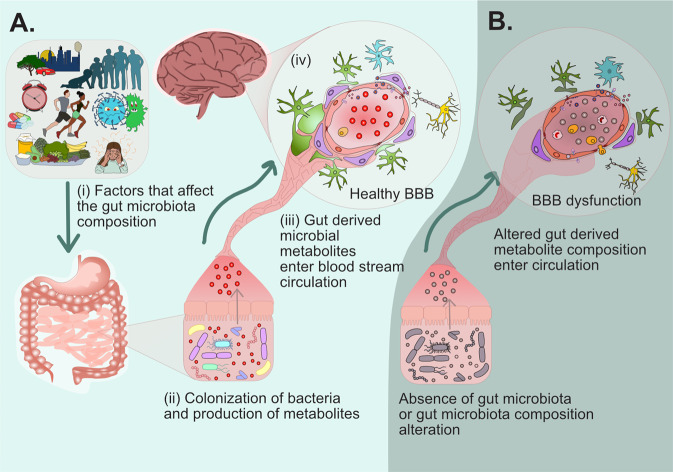
The blood-brain barrier (BBB) is vital for maintaining brain homeostasis by enabling an exquisite control of exchange of compounds between the blood and the brain parenchyma. Moreover, the BBB prevents unwanted toxins and pathogens from entering the brain. This barrier, however, breaks down with age and further disruption is a hallmark of many age-related disorders. Several drugs have been explored, thus far, to protect or restore BBB function. With the recent connection between the BBB and gut microbiota, microbial-derived metabolites have been explored for their capabilities to protect and restore BBB physiology. This review, will focus on the vital components that make up the BBB, dissect levels of disruption of the barrier, and discuss current drugs and therapeutics that maintain barrier integrity and the recent discoveries of effects microbial-derived metabolites have on BBB physiology.
Overview
The claims and statistics of this paper haven’t been checked yet.
Free: it reads the open-access text and checks the first 5 claims that cite a source we can check. Create a free account to check every claim.
Integrity signals
Registry
Cites
Statistics
Figures
Verification
Claims the paper makes
The claims and statistics of this paper haven’t been checked yet.
Free: it reads the open-access text and checks the first 5 claims that cite a source we can check. Create a free account to check every claim.
Claims other papers make about this one
Each is checked against this paper’s own text: does it say what the citing paper says it does?
The source backs part of the claim, not all of it — or backs it for a different population, condition or comparison.
In the citing paper
“Moreover, numerous studies have shown an increased BBB permeability in aged mice, which facilitates the infiltration of peripheral immune cells into the CNS.117,118”
From Role of neuroinflammation in neurodegeneration development (2023) · cites this paper as [117]
Experimental — accuracy not yet measuredThe cited source says what the claim attributes to it.
In the citing paper
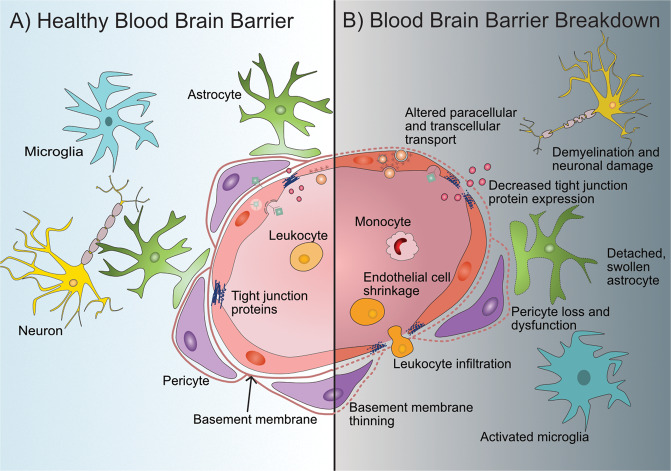
“These can include increased paracellular permeability by loss of TJs, degradation of ECs and pericytes, modification in thickness of the basement membrane, astrocyte degeneration, changes in the expression of transporters/receptors present in the BBB, and so forth [41].”
From Advances in Strategies to Transport Nanoparticles Across the Blood–Brain Barrier for Drug Delivery into the Brain for the Treatment of Alzheimer’s Disease (2026) · cites this paper as [41]
In the citing paper
“BBB disruption is well characterized in other neurodegenerative diseases, including PD, ALS, FTD, and HD.”
From Microbiota–gut–brain axis and its therapeutic applications in neurodegenerative diseases (2024) · cites this paper as [658]
In the citing paper
“Compromised BBB initiates the infiltration of peripheral immune cells and triggers microglial and astrocytic activation, ultimately resulting in synaptic and neuronal loss.”
From Microbiota–gut–brain axis and its therapeutic applications in neurodegenerative diseases (2024) · cites this paper as [658]
In the citing paper
“The structure and function of the BBB also undergo significant alterations with ageing, which contribute to the progression of neurodegenerative diseases and cognitive decline.153”
From Antiageing strategy for neurodegenerative diseases: from mechanisms to clinical advances (2025) · cites this paper as [153]
Self-check
Percentages, sums and reported differences re-computed from the paper’s own numbers.
The self-check needs the paper’s full text.
Citations
Cites
1 retracted
RETRACTED ARTICLE: Pericyte loss influences Alzheimer-like neurodegeneration in mice
Sagare, A. P., Bell, R. D., Zhao, Z., Ma, Q., Winkler, E. A., Ramanathan, A., & Zlokovic, B. V. (2013) · Nature Communications · doi:10.1038/ncomms3932 · Cited by 589 · cited 1×
“Importantly, pericytes play an important role in cerebrovascular malfunction in Alzheimer’s disease (AD) [41].”
BackgroundRetractedRosen, D. R., Siddique, T., Patterson, D., Figlewicz, D. A., Sapp, P., Hentati, A., Donaldson, D., Goto, J., O'Regan, J. P., Deng, H.-X., et al. (1993) · Nature · doi:10.1038/362059a0 · Cited by 7,062 · cited 2×
“Activated protein C downregulates SOD1 in SOD1 mutant mice, reduces blood-spinal cord barrier permeability, and slows disease progression [130].”
BackgroundAstrocyte-endothelial interactions at the blood-brain barrier
Abbott, N. J., Rönnbäck, L., & Hansson, E. (2006) · Nature Reviews Neuroscience · doi:10.1038/nrn1824 · Cited by 5,595 · cited 11×
“Both cell types can also respond to TGF-β through TGF-β receptor.”
BackgroundInfluentialCryan, J. F., O'Riordan, K. J., Cowan, C. S. M., Sandhu, K. V., Bastiaanssen, T. F. S., Boehme, M., Codagnone, M. G., Cussotto, S., Fulling, C., Golubeva, A. V., et al. (2019) · Physiological Reviews · doi:10.1152/physrev.00018.2018 · Cited by 5,286 · cited 3×
“SCFAs have previously been implicated in processes such as gastrointestinal function, blood-pressure regulation, circadian rhythm, and immune function, and more recently explored for the effects on BBB physiology [143].”
BackgroundInfluentialSelf-citationDaneman, R., & Prat, A. (2015) · Cold Spring Harbor Perspectives in Biology · doi:10.1101/cshperspect.a020412 · Cited by 3,437 · cited 3×
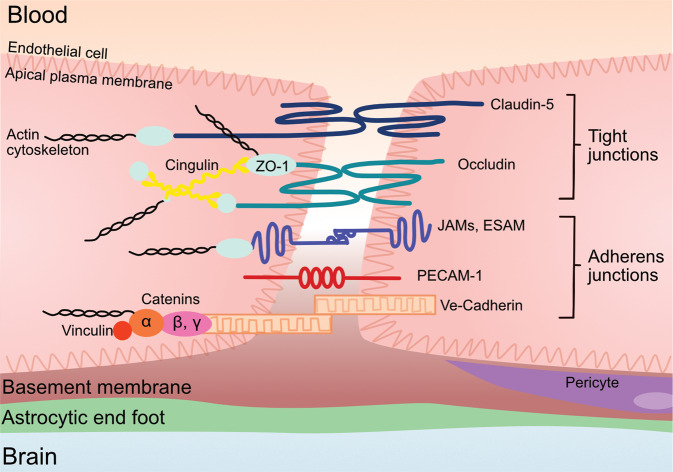
“The basement membrane is composed of both an inner vascular basement membrane, which is secreted by endothelial cells and pericytes and an outer parenchymal basement membrane, which is secreted by astrocytes [1].”
BackgroundThe Blood-Brain Barrier in Health and Chronic Neurodegenerative Disorders
Zlokovic, B. V. (2008) · Neuron · doi:10.1016/j.neuron.2008.01.003 · Cited by 3,280
Neuroinflammation and microglial activation in Alzheimer disease: where do we go from here?
Leng, F., & Edison, P. (2021) · Nature Reviews Neurology · doi:10.1038/s41582-020-00435-y · Cited by 3,179
Blood–brain barrier breakdown in Alzheimer disease and other neurodegenerative disorders
Sweeney, M. D., Sagare, A. P., & Zlokovic, B. V. (2018) · Nature Reviews Neurology · doi:10.1038/nrneurol.2017.188 · Cited by 3,076 · cited 2×
“An increase in BBB permeability is commonly observed via enhanced accumulation of blood-derived proteins in the brains of post-mortem AD patients [101] and supported by the reduction of tight junction proteins [102].”
BackgroundPericytes regulate the blood–brain barrier
Armulik, A., Genové, G., Mäe, M., Nisancioglu, M. H., Wallgard, E., Niaudet, C., He, L., Norlin, J., Lindblom, P., Strittmatter, K., et al. (2010) · Nature · doi:10.1038/nature09522 · Cited by 2,843 · cited 2×
“The co-cultures are useful as the presence of either astrocytes or pericytes or both cells together with brain endothelial cells improves the BBB characteristics [36, 38, 39, 113, 114].”
BackgroundThe gut microbiota influences blood-brain barrier permeability in mice
Braniste, V., Al-Asmakh, M., Kowal, C., Anuar, F., Abbaspour, A., Tóth, M., Korecka, A., Bakocevic, N., Ng, L. G., Kundu, P., et al. (2014) · Science Translational Medicine · doi:10.1126/scitranslmed.3009759 · Cited by 2,530 · cited 1×
“The relationship between BBB integrity and the gut microbiota is evident in germ free mice models which lack a microbiota and have increased BBB permeability and altered tight junction protein expression effects, which continue from in utero into adulthood [147].”
Background
Research works printed but not linked: 1
- Obermeier B Daneman R Ransohoff RM Development, maintenance and disruption of the blood-brain barrier Nat Med 2013 19 1584 1596 10.1038/nm.3407 24309662 PMC4080800 · DOI · Paper page
Cited by
Items 601–700 of 736
The Dilemma of Insulin Delivery into the Brain: A Comprehensive Review
Hatami, H., Askari, V. R., Rahimi, V. B., Hasnain, M. S., & Nayak, A. K. (2024) · Current Drug Delivery · doi:10.2174/0115672018305677240611080910 · Cited by 1
Quigley, T. P., & Amdam, G. V. (2024) · bioRxiv (Cold Spring Harbor Laboratory) · doi:10.1101/2024.09.27.615259
Pathogens Driving Central Nervous System Immunopathology
Drevets, D. A., Laman, J. D., & Leenen, P. J. M. (2024) · Elsevier eBooks · doi:10.1016/b978-0-128-24465-4.00073-9
Structural and Molecular Imaging of Aging Brain
Ghonim, M., Ghonim, M., Redden, H. W. K., Gharavi, D., Mamidi, R. S., Patel, D., Mirbod, M., Revheim, M.-E. R., Werner, T. J., Newberg, A. B., et al. (2024) · PET Clinics · doi:10.1016/j.cpet.2024.09.007 · Cited by 1
Moar, K., Deepika, & Maurya, P. K. (2024) · Elsevier eBooks · doi:10.1016/b978-0-12-818851-4.00012-5
Recent Advances in Blood Brain Barrier on Chip ModelsPreprint
Vetter, J., Palagi, I., Waisman, A., & Blaeser, A. (2024) · SSRN Electronic Journal · doi:10.2139/ssrn.5047806
Immune Transformations for Therapeutic Gain in Neurodegenerative Disease
Sapkota, R., & Mosley, R. L. (2024) · Springer eBooks · doi:10.1007/978-3-031-68237-7_50
Research Progress on Platelet-Derived Growth Factor and Blood-Brain Barrier
汪, 怡. (2025) · Advances in Clinical Medicine · doi:10.12677/acm.2025.151040
Aging and ischemic stroke: mechanisms, trends, and strategies for improved outcomes
Kokaia, Z., & Martínez-Curiel, R. (2025) · Ageing & Longevity · doi:10.47855/jal9020-2025-2-7 · Cited by 1
Generation of a Three-dimensional Human Neurovascular Unit Model in a Microfluidic ChipPreprint
Qiu, B., Pompe, S., Xenaki, K. T., Henegouwen, P. M. P. V. B. E., Oliveira, S., Mastrobattista, E., & Caiazzo, M. (2025) · bioRxiv (Cold Spring Harbor Laboratory) · doi:10.1101/2025.04.13.648605
Pople, C. B., Huang, Y., Meng, Y., & Lipsman, N. (2025) · Springer eBooks · doi:10.1007/978-3-031-80173-0_6
Epstein-Barr virus and Helicobacter pylori Coinfection Drives Gut and Brain Barrier DysfunctionPreprint
Saini, V., Singh, S., Baral, B., Sinha, P., Singh, A., Gaudin, R., Parmar, H. S., & Jha, H. C. (2025) · bioRxiv (Cold Spring Harbor Laboratory) · doi:10.1101/2025.05.20.655045
Molecular Imaging of Blood-Brain Barrier Permeability in Preclinical Models Using PET and SPECT
Mudimela, S., Narahari, K. V., Barichello, T., & Giridharan, V. V. (2025) · Neuromethods · doi:10.1007/978-1-0716-4474-4_16
Blood Brain Barrier and Nanotechnology for Neurodegenerative Disorders
Tripathi, S. M., Mishra, S. K., Malviya, R., & Ojha, S. (2025) · BENTHAM SCIENCE PUBLISHERS eBooks · doi:10.2174/9789815324846125010007 · Cited by 1
Brain cholesterol metabolites cause significant neurodegeneration in human iPSC-derived neuronsPreprint
Feng, Y., Mazumder, B., Konno, T., Hui, E., Brockhoff, M., Davì, V., Lü, M., Ward, E., Stephens, A. D., Dai, W., et al. (2025) · bioRxiv (Cold Spring Harbor Laboratory) · doi:10.1101/2025.06.10.656594 · Cited by 1
“In contrast, 27-HC is predominantly produced in the liver by CYP27A1 and can enter the brain by crossing the BBB 6 .”
Sharma, P., & Dhamija, R. K. (2025) · Biochemistry and Biophysics Reports · doi:10.1016/j.bbrep.2025.102113
“Blood sampling, particularly in studies investigating proteins that cross the BBB, offers a potential non-invasive diagnostic approach [19].”
Klimek, M., Westhoff, D., & Ottens, T. H. (2025) · Springer eBooks · doi:10.1007/978-981-96-6178-7_2
Tahir, A., Balasubramanian, H. B., Kahr, D., Haage, F., & Zille, M. (2025) · bioRxiv (Cold Spring Harbor Laboratory) · doi:10.1101/2025.08.14.670255 · Cited by 1
Neuroinflammation links the neurogenic and neurodegenerative phenotypes of Nrmt1 -/- micePreprint
Catlin, J. P., Fraher, S., Alexander, J. J., & Tooley, C. E. S. (2025) · bioRxiv (Cold Spring Harbor Laboratory) · doi:10.1101/2025.09.02.673860
Telmisartan Ameliorates Blood‐Brain Barrier Disruption in a High‐Salt Diet Mouse Model
He, Z., Gao, J., & Guo, H. (2025) · Journal of Biochemical and Molecular Toxicology · doi:10.1002/jbt.70474 · Cited by 1
Therapeutics Potential of Animal-Based Fermented Foods
Paul, V., Reji, S., & Rajesh, S. (2025) · Springer eBooks · doi:10.1007/978-3-032-00575-5_14
Ávila, J., Hernández, F., & Viña, J. (2025) · Geromedicine · doi:10.70401/geromedicine.2025.0006 · Cited by 1
The current landscape of prospective proteomics research into dementia using blood-based samples
Meineche, J. T., Wierer, M., & Jensen, M. K. (2025) · Current Opinion in Lipidology · doi:10.1097/mol.0000000000001019
Cognitive Impairment Mechanism and Acupuncture Research Progress in Cerebral Small Vessel Disease
周, 心. (2025) · Journal of Clinical Personalized Medicine · doi:10.12677/jcpm.2025.46485
Imaging natural variations of BBB function
Wang, D. J. J., & Shao, X. (2025) · Elsevier eBooks · doi:10.1016/b978-0-443-32974-6.00003-3
Shin, Y. J., Wei, L., Hong, S., Ren, C., Jeffrey, M. Z., Cardenas, J., Higgins, H., Ho, N., Evitts, K. M., Smith, J. D., et al. (2025) · bioRxiv (Cold Spring Harbor Laboratory) · doi:10.64898/2025.12.11.692686
“The BBB is comprised of brain microvascular endothelial cells (ECs) at the innermost layer, connected by tight and adherens junctions, and perivascular cells, forming a selective barrier that regulates molecular exchange between bloodstream and brain parenchyma (6, 7).”
Al-Mayahi, S., Andersson, M. L., Mo, M., Ptacek, S. G., Xu, H., Wikström, E., & Eriksdotter, M. (2025) · Journal of Alzheimer s Disease · doi:10.1177/13872877251406309
Lu, W. P., Li, Y., Liao, X., Hu, H., Zhang, B., Liang, L., & Gao, H. (2025) · Nutrients · doi:10.3390/nu17243958 · Cited by 1
“Meanwhile, gut microbial metabolites, such as short-chain fatty acids (SCFAs), can cross the BBB and influence brain function, with evidence suggesting they ameliorate cognitive decline by elevating levels of BDNF and serotonin (5-HT) [24,25].”
Fritzen, L., Wienken, K., Wagner, L., Kurtyka, M., Vogel, K., Körbelin, J., Weggen, S., Fricker, G., & Pietrzik, C. U. (2024) · Figshare · doi:10.6084/m9.figshare.27049039
Fritzen, L., Wienken, K., Wagner, L., Kurtyka, M., Vogel, K., Körbelin, J., Weggen, S., Fricker, G., & Pietrzik, C. U. (2024) · Figshare · doi:10.6084/m9.figshare.27049054
Hanafy, A. S., Lamprecht, A., & Dietrich, D. (2023) · Figshare · doi:10.6084/m9.figshare.24628136
Fritzen, L., Wienken, K., Wagner, L., Kurtyka, M., Vogel, K., Körbelin, J., Weggen, S., Fricker, G., & Pietrzik, C. U. (2024) · Figshare · doi:10.6084/m9.figshare.27049060
Otto, C., Kalantzis, R., Kübler, D., Kühn, A. A., Böld, T., Regler, A., Strathmeyer, S., Wittmann, J. J., Ruprecht, K., & Heelemann, S. (2024) · Figshare · doi:10.6084/m9.figshare.27115999
Slota, J. A., Sajesh, B. V., Frost, K. F., Medina, S. J., & Booth, S. A. (2022) · Figshare · doi:10.6084/m9.figshare.21532645
Fritzen, L., Wienken, K., Wagner, L., Kurtyka, M., Vogel, K., Körbelin, J., Weggen, S., Fricker, G., & Pietrzik, C. U. (2024) · Figshare · doi:10.6084/m9.figshare.27049048
Wang, L., Mao, B., Fan, K., Sun, R., Zhang, J., Liang, H., & Liu, Y. (2022) · Figshare · doi:10.6084/m9.figshare.21069708
Fritzen, L., Wienken, K., Wagner, L., Kurtyka, M., Vogel, K., Körbelin, J., Weggen, S., Fricker, G., & Pietrzik, C. U. (2024) · Figshare · doi:10.6084/m9.figshare.27049051
Fritzen, L., Wienken, K., Wagner, L., Kurtyka, M., Vogel, K., Körbelin, J., Weggen, S., Fricker, G., & Pietrzik, C. U. (2024) · Figshare · doi:10.6084/m9.figshare.27049045
Fritzen, L., Wienken, K., Wagner, L., Kurtyka, M., Vogel, K., Körbelin, J., Weggen, S., Fricker, G., & Pietrzik, C. U. (2024) · Figshare · doi:10.6084/m9.figshare.27049063
Fritzen, L., Wienken, K., Wagner, L., Kurtyka, M., Vogel, K., Körbelin, J., Weggen, S., Fricker, G., & Pietrzik, C. U. (2024) · Figshare · doi:10.6084/m9.figshare.27049042
Fritzen, L., Wienken, K., Wagner, L., Kurtyka, M., Vogel, K., Körbelin, J., Weggen, S., Fricker, G., & Pietrzik, C. U. (2024) · Figshare · doi:10.6084/m9.figshare.27049057
Cadmium exposure at low environmental levels induces cognitive decline in aged male mice
Lim, G., Lee, H. Y., Jarrell, Z. R., Kang, S. S., Jones, D. P., & Go, Y.-M. (2025) · NeuroToxicology · doi:10.1016/j.neuro.2025.103376
Spatiotemporal video of blood-brain barrier disruption in neuroinflammatory disorders
Xu, Y., Zhang, Z., & Feng, K. (2026) · Frontiers in Physiology · doi:10.3389/fphys.2025.1633126
Sun, J., Yuan, C., Xu, J., Zhu, J., Wang, N., Liu, Y., Wei, Q., Fang, W., Chen, Z., Wang, C., et al. (2026) · medRxiv · doi:10.64898/2026.01.10.26343600
Shan, S., Chen, W., Wu, W., Zhang, W., Liu, J., Liao, W., Wen, Y., & Zhao, C. (2026) · Journal of Agricultural and Food Chemistry · doi:10.1021/acs.jafc.5c13346
Sato, F., Fujii, A., Katagiri, S., Uchiumi, Y., Gotoh, M., Miyamoto, Y., Ishikawa, M., Kawashima, Y., Nakajima, D., Konno, R., et al. (2026) · Journal of Neuroinflammation · doi:10.1186/s12974-026-03704-7
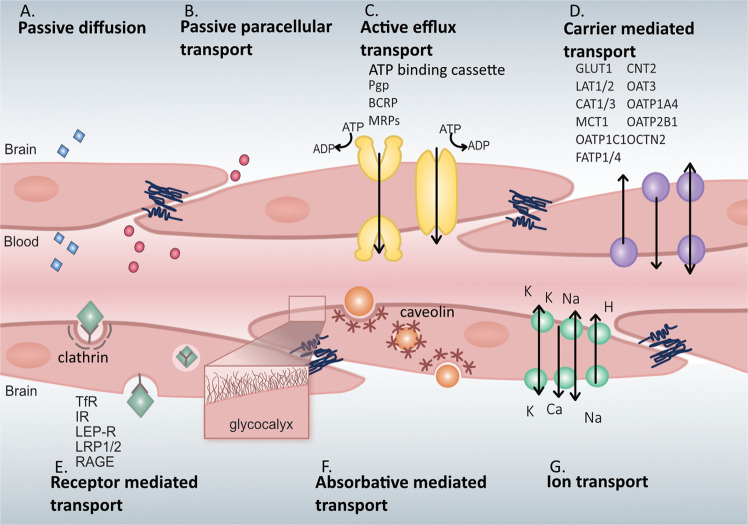
“In general, the BBB contributes to a highly controlled selective permeability through strong tight junctions, transporters, and selective endocytosis in endothelial cells, which are dysregulated during aging [52].”
Hunter, S. N., Wang, M. F., Thomas, B. N., Filiano, A. J., & Muddiman, D. C. (2026) · Analytical and Bioanalytical Chemistry · doi:10.1007/s00216-026-06326-3 · Cited by 1
“Inflammation is a key driving factor of blood-brain barrier (BBB) disruption and breakdown; the BBB is responsible for maintaining homeostasis by strictly regulating the movement of compounds between the blood and brain [53].”
Gautam, A. S., & Singh, R. K. (2026) · Journal of Biochemical and Molecular Toxicology · doi:10.1002/jbt.70721
Russo, G., Sips, F. L. P., Catozzi, S., Bambury, P., Janus, A., Torchia, M., Salvatore, V. D., Emili, L., Röshammar, D., Pappalardo, F., et al. (2026) · International Journal of Molecular Sciences · doi:10.3390/ijms27031349
“Hallmarks of neurodegenerative diseases include protein misfolding and aggregation, mitochondrial dysfunction and oxidative stress, neuroinflammation, and blood–brain barrier (BBB) dysfunction [1,5–8].”
ApoE-directed CpG nano-immunoadjuvant ameliorates Alzheimer's-like pathology in mice
Huang, X., Sun, Y.-Y., Qin, Y.-R., Chen, H., Pan, T.-T., Zhao, S., Cai, Q., Zhang, X., Nie, X.-D., Feng, L., et al. (2026) · Journal of Controlled Release · doi:10.1016/j.jconrel.2026.114687 · Cited by 1
Soraci, L., Biscetti, L., Corsonello, A., Savedra, E. V., Gembillo, G., Luciani, F., Beccacece, A., Princiotto, M., Nicastri, E., Ponzetta, L., et al. (2026) · Pharmaceuticals · doi:10.3390/ph19020302 · Cited by 1
“…impairment which is typically observed during WNV encephalitis, often exacerbated by age-related endothelial dysfunction and neuroinflammation, may render the cerebral pharmacokinetics of drugs able to cross the BBB unpredictable, thereby complicating dose optimization and safety assessment [164].”
Eser, M., Yazıcı, C., Kandemir, Ü., Üçel, U. İ., Bozkurt, M. F., Özkay, Ü. D., & Can, Ö. D. (2026) · Research in Veterinary Science · doi:10.1016/j.rvsc.2026.106105
Quantitative Analysis of Blood to CSF Exchange over 24 Hours Following Intravenous Contrast MRIPreprint
Meyer, B. P., Ray, L., Pedersen, T. J., Carneiro, K. A., Kernagis, D., Seidler, R. D., Hays, J., Iliff, J. J., & Levendovszky, S. R. (2026) · Research Square · doi:10.21203/rs.3.rs-8875356/v1
Xu, B., Wang, X., Liu, S., Guo, Y., Dong, Q., Tao, Y., Zhang, M., Ni, P., & Xie, Y. (2026) · Brain Research Bulletin · doi:10.1016/j.brainresbull.2026.111824
Peng, Y., Dong, H., Luo, Y., Zhou, W., Liu, L., Chen, M., Liu, N., Che, J., Hu, F., Cheng, Y., et al. (2026) · The Journal of Prevention of Alzheimer s Disease · doi:10.1016/j.tjpad.2026.100536
Novás, M., Matos, M. J., & Chai, C. L. L. (2026) · Expert Opinion on Drug Discovery · doi:10.1080/17460441.2026.2646603 · Cited by 1
“Under conditions of neurodegeneration, in particular, protein aggregation, neuroinflammation and chronic aging, this barrier becomes compromised, allowing molecules and immune cells to infiltrate the brain, potentially causing damage to CNS tissue [67].”
A zebrafish multimodal toolbox to study the blood-brain barrier in health and disease
Bakker, N., Snijders, E. E., Hogendorp, E. F. E. E., Noorden, C. J. F. V., Lou, L., Vanhollebeke, M., Vanhollebeke, B., Grootemaat, A. E., van der Wel, N. N., Schlingemann, R. O., et al. (2026) · Scientific Reports · doi:10.1038/s41598-026-39616-y
“Therefore, future research using adult zebrafish may be more appropriate for investigating inner BRB and BBB dysfunction in the context of established human disease 36,37 .”
Öncü, G., Koçer, A., & Saybaşılı, H. (2026) · Toxicology Reports · doi:10.1016/j.toxrep.2026.102240
Adipose tissue-derived extracellular vesicles as drivers of endothelial dysfunction in obesity
Lintsen, D., Schuetz, L. T., Lins, P. M. P., Bronckaers, A., Verboven, K., Wouters, K., & Broux, B. (2026) · Trends in Endocrinology and Metabolism · doi:10.1016/j.tem.2026.01.006
Exosomes as vectors across the blood–brain barrier in neurological research
Singh, Y., Shukla, R., Vishaka, K., Banerjee, A., Patel, D., Ojha, A., & Singh, R. K. (2026) · Elsevier eBooks · doi:10.1016/b978-0-443-36390-0.00017-8
Quigley, T. P., & Amdam, G. V. (2026) · PLoS ONE · doi:10.1371/journal.pone.0343142
“Increases in blood-brain barrier transcellular permeability are observed with aging across multiple animal species including humans [25,47,48].”
Saeedy, D. A., Hawkins, E., Dozmorov, M. G., Tripathi, O. S., Mahdiani, S., Jahr, F. M., AlAzzeh, O., Deshpande, L. S., & McClay, J. L. (2026) · Journal of Molecular Neuroscience · doi:10.1007/s12031-026-02506-z
“Given its role in the cerebral vasculature, Ang-2 upregulation may provide a mechanistic link between cerebral vascular permeability abnormalities seen in PD and other neurodegenerative disorders (Gray and Woulfe 2015; Knox et al. 2022).”
Effect of blood flow-derived forces on human brain microvasculature in a 3D microvessel-on-chip.
Ramón-Lozano, C. (2023) · theses.fr (ABES) · doi:10.70675/72702be5z3b70z4399z8f41z69d0e5736345
Cai, Y., Han, S., Zhao, M., Xiang, X., Zhang, Y., Zhang, L., Lai, Q., Wang, J., & Liao, L. (2026) · Journal of Oral Microbiology · doi:10.1080/20002297.2026.2652170 · Cited by 1
“It prevents neuronal injury by inhibiting the entry of toxic substances from the bloodstream into the brain [68].”
Blood-brain barrier breakdown in traumatic brain injury: current insights and future directions
Wu, H., Zheng, J., Xu, W., Zhou, F., Lenahan, C., Giamas, G., Wang, C., Zhang, J., & Ji, J. (2026) · Cancer Gene Therapy · doi:10.1038/s41417-026-01027-6
“Ultrastructural analysis revealed that the BBB is formed by a tightly packed layer of specialized endothelial cells [13].”
InfluentialTillement, A., Németh, E., David, L., Cenesiz, D., Neumayer, U., Fousse, M., Liu, Y., Schulz‐Schaeffer, W., Fassbender, K. C., Detappe, A., et al. (2026) · Research · doi:10.34133/research.1283 · Cited by 1
“We reveal that CSF element composition undergoes systematic age-related changes independent of serum trends, correlating with blood–brain barrier (BBB) permeability alterations accompanying normal aging [ 16 ].”
InfluentialHamad, R. S., Saber, S., Farrag, A. A., Eissa, H., Elmorsy, E. A., El-kott, A. F., AlShehri, M. A., Al-Shahari, E. A., Eltantawy, W., Ali, M. A. M., et al. (2026) · Tissue and Cell · doi:10.1016/j.tice.2026.103539 · Cited by 1
Xu, H., Li, Q., Luo, Y., & Zhu, H. (2026) · Journal of Translational Medicine · doi:10.1186/s12967-026-08156-4
“Disrupted BBB integrity not only allows neurotoxic plasma proteins like fibrinogen to enter and damage synapses and oligodendrocytes but also impairs waste clearance, promoting accumulation of neurotoxic metabolites [110].”
Gut Dysbiosis in Alzheimer’s Disease: Insights from the Microbiome
Kiran, N. S., Yashaswini, C., Chatterjee, A., & Prajapati, B. G. (2026) · Springer eBooks · doi:10.1007/978-981-95-7494-0_11
Kamble, V., Kolekar, K. A., Dabhole, S., Bashir, B., Kumbhar, P., Disouza, J., & Patravale, V. B. (2026) · Journal of Drug Delivery Science and Technology · doi:10.1016/j.jddst.2026.108479
BBB dynamics: the lifespan perspective
Ren, X. S. (2026) · Scientific Reports · doi:10.1038/s41598-026-49410-5
Ozone in neurodegeneration: An environmental toxicant or a therapeutic hormetin?
Vinciguerra, C., Cernera, M., Comegna, M., Amoroso, M. R., Franco, G. R., Bellia, L., Stefano, F. D., Castaldo, A., Corbi, G., Rengo, G., et al. (2026) · NeuroToxicology · doi:10.1016/j.neuro.2026.103471 · Cited by 1
Brain shuttle target expression levels vary by individual, not by brain region, disease, age, or sexPreprint
Santa-Maria, A. R., Shahriar, S., Chandrasekhar, V., Luteijn, E., Horber, R., Hornstein, S., Tkachev, S. L., Levy, T. M., Gregoretti, I. V., Simpson, C. M., et al. (2026) · bioRxiv (Cold Spring Harbor Laboratory) · doi:10.64898/2026.05.21.726908
The clinical utility of blood-based biomarkers of Alzheimer’s disease: Triumphs and pitfalls
Mir, M. M., Mir, G. M., Majid, A., Alharthi, M. H., & Alshahrani, A. M. (2026) · International review of neurobiology · doi:10.1016/bs.irn.2026.05.008
Zhang, J., Zhang, M., Zhengyang, Z., Xie, M., Wei, M., Liu, S., Wu, Y., Tao, S., Lv, Q., Ma, X., et al. (2026) · Molecular Psychiatry · doi:10.1038/s41380-026-03669-2
Ye, X., Jing, X., Li, Z., Jia, L., Zhong, F., & Luo, X.-G. (2026) · Microbiological Research · doi:10.1016/j.micres.2026.128587
Li, J., Zheng, R., Xiong, X., Shang, H., & Wang, P. (2026) · The American Journal of Chinese Medicine · doi:10.1142/s0192415x26500412
Polystyrene nanoplastic-induced neurotoxicity and potential mechanisms: a review
Wang, W., Liu, X., Yuncheng, B., Wu, J., Zhang, Y., Xing, H., Li, M. Y., & Bao, T. (2026) · Environmental Chemistry Letters · doi:10.1007/s10311-026-01910-6 · Cited by 1
Engineered nanoparticles for mitigating nervous system infections
Negahdary, M., Verma, S. S., & Draz, M. S. (2026) · Coordination Chemistry Reviews · doi:10.1016/j.ccr.2026.218202
Bernardo-Cervantes, A. G., & Castañeda‐Cabral, J. L. (2026) · Neurophysiology · doi:10.1007/s11062-026-10026-0 · Cited by 1
Zhou, X., Chen, H., Wang, C., Li, Y., Lin, D., Song, J., & Suo, H. (2026) · Journal of Future Foods · doi:10.1016/j.jfutfo.2026.06.017
Nzobokela, J., Muchaili, L., Mangimela, J. K., Kirabo, A., & Masenga, S. K. (2026) · Physiological Reports · doi:10.14814/phy2.71003
The nano-intervention in Huntington’s disease: A theragnostic approach
Kumar, A., Dewangan, J. P., Kumar, S., Parveen, S., Sahebkar, A., Kesharwani, P., & Shukla, R. (2026) · Neuroscience · doi:10.1016/j.neuroscience.2026.07.022 · Cited by 1
Wang, J., Cao, X., & Wan, M. (2026) · Journal of Clinical Investigation · doi:10.1172/jci207273 · Cited by 1
Reframing brain aging: neuroinflammation as an interconnected network process
Müller, L., Benedetto, S. D., & Müller, V. (2026) · Frontiers in Aging · doi:10.3389/fragi.2026.1858763 · Cited by 1
“In humans, imaging and biomarker studies have reported associations between systemic inflammatory markers and measures of cognitive function or brain structure, although causal relationships remain difficult to establish (Knox et al., 2022; Gonzalez-Bautista et al., 2025; Mar et al., 2015).”
Reversing brain aging: Targeting energy metabolism in endogenous neural stem cells
Chen, C., Wang, J., Yu, J., Zhou, Y., Liu, L., Liu, J., & Wang, L. (2026) · Interdisciplinary medicine · doi:10.1002/inmd.70159
Maalouly, G., Tekle, G.-A. A., Achkar, G. A., & Farès, N. (2026) · Molecules · doi:10.3390/molecules31142514 · Cited by 1
“Recent investigations have highlighted various inflammatory mediators, including complement components and pro-inflammatory cytokines, that undermine BBB integrity, leading to neuroinflammation and the exacerbation of psychiatric diseases [12,13].”
Diggs, M. D., Ballmann, C. G., Houston, J. T., & Allendorfer, J. B. (2026) · Frontiers in Rehabilitation Sciences · doi:10.3389/fresc.2026.1870241
Shandilya, A., Giri, C. K., Arwind, D. A., Ravichandiran, V., Singh, S., & Parihar, V. K. (2026) · The Journal of Steroid Biochemistry and Molecular Biology · doi:10.1016/j.jsbmb.2026.107089
Saha, A., Shi, W., Elsharydah, M. N., Schaffert, J., Kaufman, J. R., Leary, J., Jin, A., Almandoz, J. P., Lu, H., & Thomas, B. P. (2026) · Fluids and Barriers of the CNS · doi:10.1186/s12987-026-00843-0
“It is critical for maintaining the brain’s microenvironment and shielding neural tissue from circulating toxins [9].”
Ren, Y., Li, Y., Wang, L., Fan, M., & Ren, Y. (2026) · Food Bioscience · doi:10.1016/j.fbio.2026.109591
Song, K., Gu, X., Sun, N., Xie, R., Chen, Z., Wang, Z., Li, Y., & Meng, L. (2026) · Biology · doi:10.3390/biology15151235
“In addition, BBB/NVU dysfunction associated with aging and NDDs may alter the brain distribution, clearance, and safety of these materials [270,271].”
Zhou, X. Y., Zhang, Y., Kong, Q., Wang, Z., Luo, Y., Huang, H., Qu, W., Yu, Z., & Luo, X. (2026) · Pharmaceutics · doi:10.3390/pharmaceutics18080916 · Cited by 2
“This distinctive configuration effectively limits the movement of most therapeutic compounds, with estimates suggesting that around 99% of small-molecule medications and nearly all large-molecule biologics cannot penetrate the BBB to achieve effective concentrations in the brain tissue [60].”
What Is the Role of Endothelial Cells in Cerebral Blood Flow Dysregulation in Small Vessel Disease?
Benarroch, E. E. (2026) · Neurology · doi:10.1212/wnl.0000000000218477
Moncion, K., Rodrigues, L., Bon, A., Sutoski, A., Sikorska, K., Allison, E. Y., Abreu, J., Golchi, S., Arbour, N., Gauthier, C. J., et al. (2026) · BMJ Open · doi:10.1136/bmjopen-2026-123336
Shao, Y., Han, J., & Hu, S. (2026) · Molecular Neurobiology · doi:10.1007/s12035-026-06094-2
Hu, H., & Wang, Y. (2026) · Journal of Functional Biomaterials · doi:10.3390/jfb17080377
“…alter BBB integrity and transporter expression; emerging PBPK models account for such disease-specific changes by adjusting permeability coefficients, transporter levels, or including inflammation-mediated effects, thereby improving prediction accuracy for therapeutics under those conditions [45].”
The emerging role of NADPH oxidases (NOX) in Alzheimer’s disease pathogenesis
Yadav, A., Verma, H., Kumari, S., Gangwar, P., Rao, R., Yadav, B., Kaur, S., Dhiman, M., & Mantha, A. K. (2026) · Neuroscience · doi:10.1016/j.neuroscience.2026.08.004
Das, S. K., Mamatha, K., Nerune, S. M., Parveen, A., & Karak, P. (2026) · Frontiers in Nutrition · doi:10.3389/fnut.2026.1895218
Metadata
- Authors
- Knox, E. G., Aburto, M. R., Clarke, G., Cryan, J. F., & O’Driscoll, C. M.
- Affiliations
- University College Cork (IE)
- Venue
- Molecular Psychiatry
- Published
- 2022-03-31
- Volume
- 27
- Issue
- 6
- Pages
- 2659-2673
- ISSN
- 1359-4184 (ISSN-L)
- 1476-5578
- PMC
- PMC9156404
- OpenAlex
- W4220819957
- Semantic Scholar
- 83f5f22ce6fc91638ce39819b8f1d03e829b7c72
- Cited by
- 738
- References
- 213
- Citations by year
- 2026: 199 · 2025: 233 · 2024: 183 · 2023: 96 · 2022: 27
- FWCI
- 13.86
- Type
- journal article
- Language
- en
- Open access
- hybrid
- doi.org
- Licence
- cc-by
- creativecommons.org/licenses/by/4.0 (tdm)
- creativecommons.org/licenses/by/4.0 (vor)
- Locations
- Molecular Psychiatry (publishedVersion, cc-by)
- PubMed Central (publishedVersion, cc-by)
- PubMed (publishedVersion)
- Lenus, The Irish Health Repository (Dr Steevens Hospital Library) (submittedVersion)
- Funders
- European Office of Aerospace Research and Development, Air Force Office of Scientific Research and 711 Human Performance Wing, Air Force Research Laboratory
- Science Foundation Ireland (SFI/12/RC/2273-P2)
- Topics
- Life Sciences › Neuroscience › Neurology › Barrier Structure and Function Studies
- Health Sciences › Medicine › Oncology › Drug Transport and Resistance Mechanisms
- Health Sciences › Medicine › Clinical Neurology › Cerebrospinal fluid and hydrocephalus
- Keywords
- blood-brain barrier, aging, neurodegeneration, blood-brain barrier disruption, brain homeostasis, gut microbiota, microbial metabolites
- MeSH terms
- Biological Transport, Blood-Brain Barrier, Brain, Homeostasis
About these checks
Registry, retraction, Cites and statistics results are computed, not judged, with one exception: a printed reference that no index lists is read once by a model before it counts as a citation error. Claims are extracted by a model and kept only when their quote appears verbatim in the text; each cited source is then checked, with a model’s help, for whether it says what the claim relies on. Those verdicts can be wrong — read the claim’s quote and the cited source before relying on one.
Statistics and arithmetic are recomputed, not judged.
Confidence bands are shown only for fields calibrated on our annotated test set. None is calibrated yet, so no band is shown.
What counts as a claim ›How we measure confidence ›How we check this ›
Are you an author, or do you see a problem with this page? Request a review
Data sources
Bibliographic data: Semantic Scholar, OpenAlex, Crossref.
Contains information from the Semantic Scholar Academic Graph Datasets, made available under the ODC Attribution License (ODC-BY 1.0).
Semantic Scholar’s data is described in: Kinney, R., et al. (2023). The Semantic Scholar Open Data Platform. arXiv:2301.10140.
