

Design and validation of novel brain-penetrant HCN channel inhibitors to ameliorate social stress-induced susceptible phenotype
Open accessThe DOI matches its Crossref record; 86 of the 86 references it cites were found in a registry or an index.
Abstract
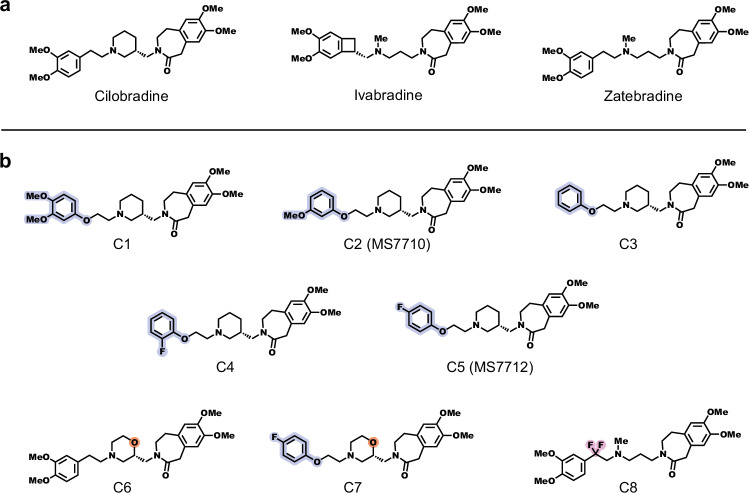
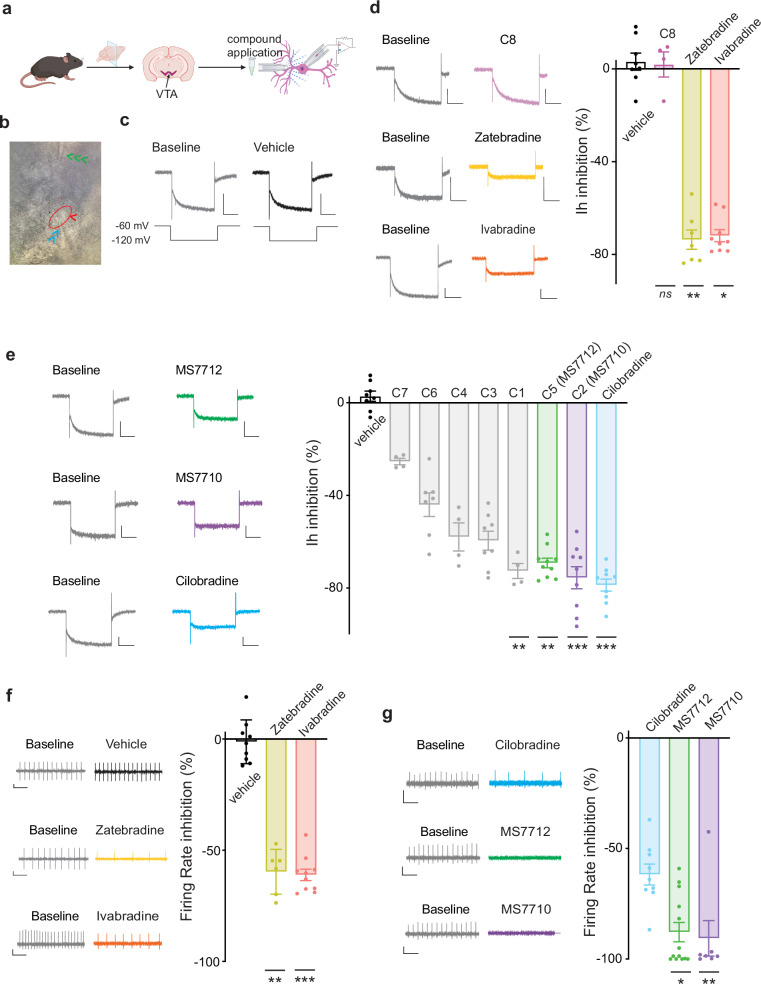
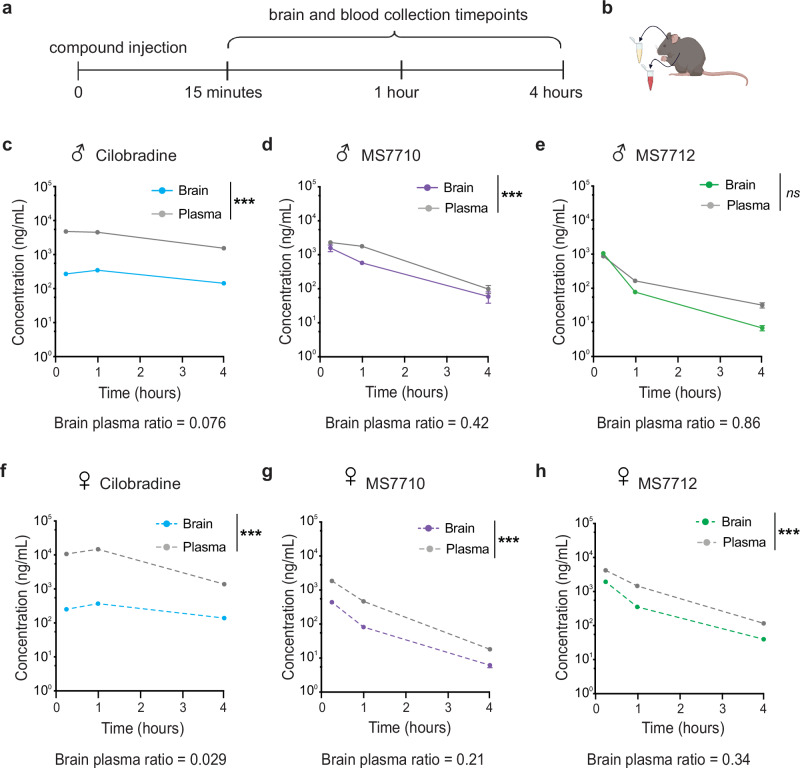
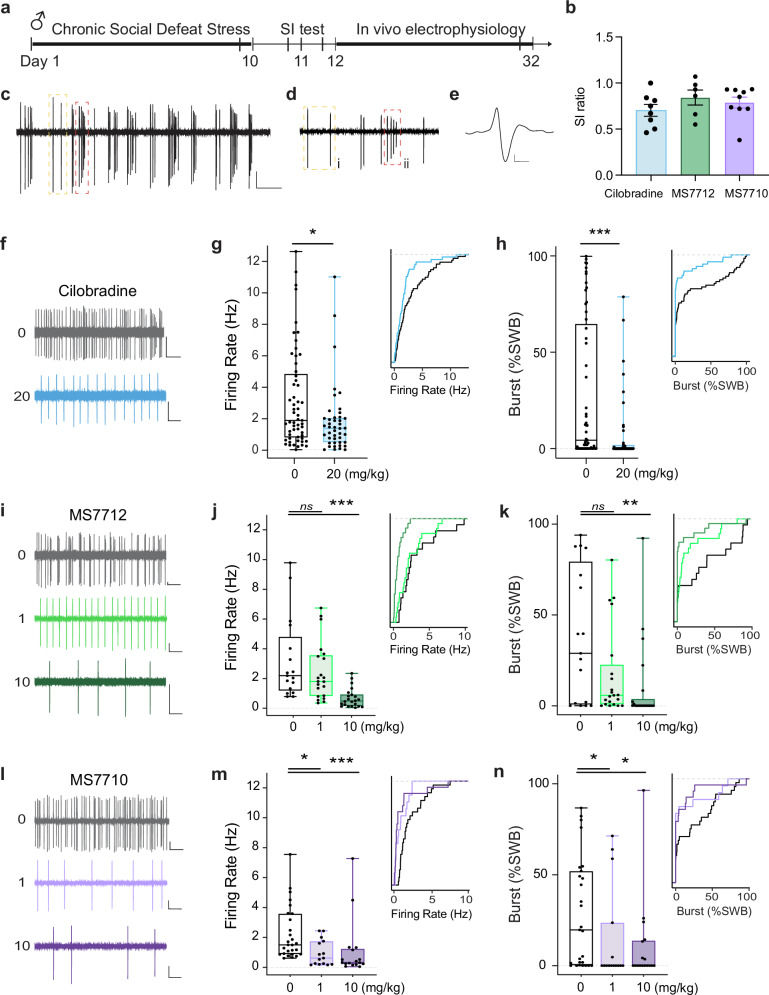
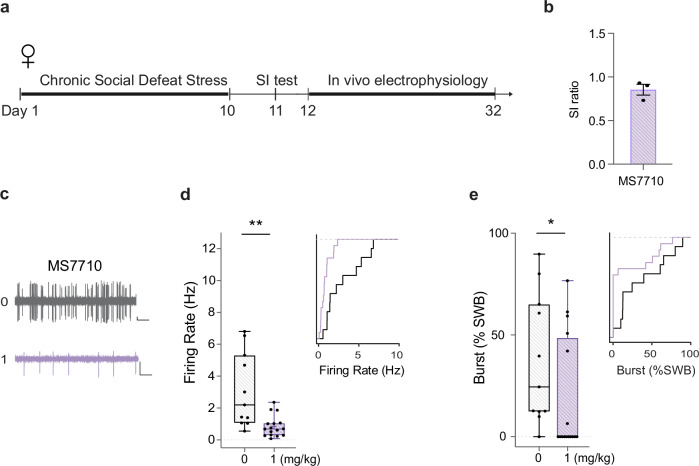
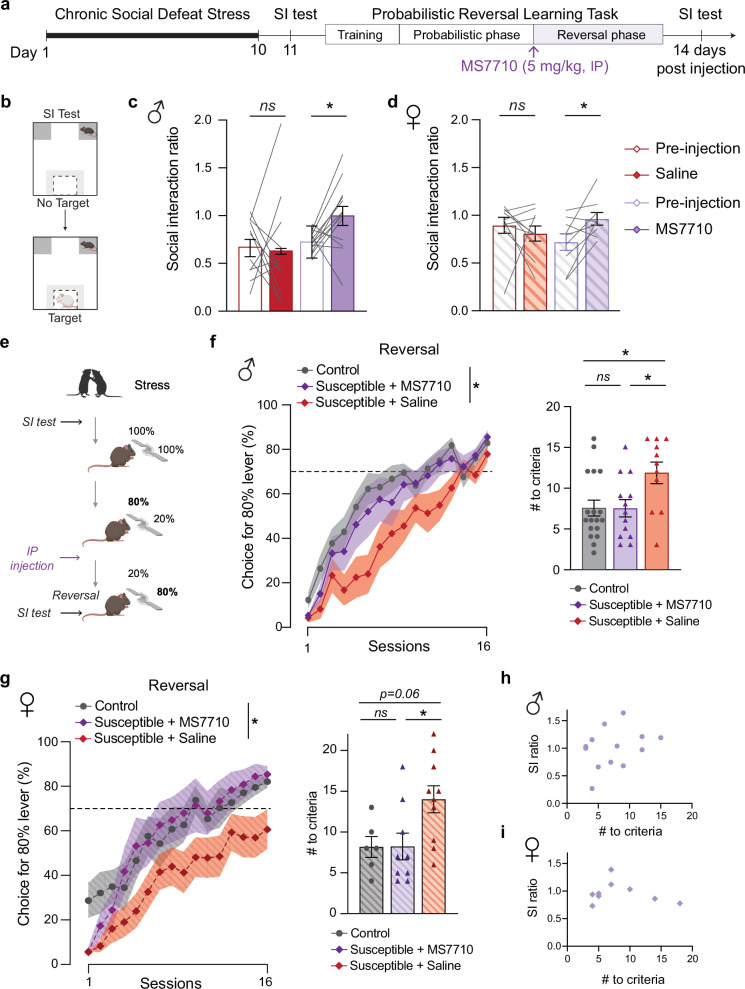
Major Depressive Disorder (MDD) is a devastating, multifactorial disease with limited pharmacological treatment options. Patients with MDD exhibit alterations in their dopamine (DA) signaling pathways through the midbrain ventral tegmental area (VTA). A similar observation is also detected in preclinical models of stress - mice exhibit behavioral and physiological impairments following chronic social defeat stress (CSDS). Prior studies demonstrate that CSDS-susceptible mice have increased VTA DA neuronal excitability, in part driven by an upregulation in hyperpolarization-activated, cyclic nucleotide-gated (HCN) channels. Inhibiting HCN channels with known inhibitors such as Cilobradine alleviates the negative behavioral effects of CSDS. Here, we aimed to identify Cilobradine analogs with improved neural tropism and inhibitory efficacy. Two compounds, MS7710 and MS7712 , differing by their left-hand side moieties, have a similar, potent inhibitory effect on VTA DA I h currents as compared to Cilobradine, and a greater inhibitory effect than Cilobradine on VTA DA firing rate. We demonstrate that MS7710 and MS7712 have superior brain/plasma concentration ratios as compared to Cilobradine. They were efficacious at inhibiting VTA DA neuron firing rate and bursting activity in CSDS-susceptible male mice at lower doses than Cilobradine, which was recapitulated in female CSDS-susceptible mice with MS7710 . Finally, we define that a single intraperitoneal injection of MS7710 ameliorates CSDS-induced social interaction deficits and reward-associated cognitive inflexibility for at least two weeks in male and female mice. These findings yield a novel HCN channel inhibitor with improved neural tropism and stress-alleviating effects that could provide a basis for future antidepressant drug discovery.
Overview
The claims and statistics of this paper haven’t been checked yet.
Free: it reads the open-access text and checks the first 5 claims that cite a source we can check. Create a free account to check every claim.
Integrity signals
Registry
Cites
Statistics
Figures
Verification
Claims the paper makes
The claims and statistics of this paper haven’t been checked yet.
Free: it reads the open-access text and checks the first 5 claims that cite a source we can check. Create a free account to check every claim.
Claims other papers make about this one
Each is checked against this paper’s own text: does it say what the citing paper says it does?
The cited source doesn’t support the claim as written.
In the citing paper
“By contrast, antagonizing HCN channels in ventral tegmental dopamine neurons or blocking HCN in basolateral amygdala prolongs inhibition and heightens anxiety, cautioning against indiscriminate blockade [283,288].”
From Synaptic Plasticity—Intrinsic Excitability and Antidepressant Discovery (2026) · cites this paper as [283]
Checked by a reasoning model — may be wrong.
Experimental — accuracy not yet measuredThe source backs part of the claim, not all of it — or backs it for a different population, condition or comparison.
In the citing paper
“In post-stroke mice, hippocampal HCN1 inhibition lowers Ih, suppresses NOD-, LRR-, and pyrin domain–containing protein 3 (NLRP3) signaling, and ameliorates depression- and anxiety-like phenotypes; chronic hippocampal cAMP elevation similarly reduces HCN surface expression and rescues stress-induced cognitive deficits, consistent with a network shift away from internally oriented attractor states [”
From Synaptic Plasticity—Intrinsic Excitability and Antidepressant Discovery (2026) · cites this paper as [283]
Experimental — accuracy not yet measuredThe source backs part of the claim, not all of it — or backs it for a different population, condition or comparison.
In the citing paper
“Across preclinical systems, convergent evidence indicates that tempering Ih via partial HCN downregulation can normalize large-scale dynamics associated with perseverative self-focus [282,283,284].”
From Synaptic Plasticity—Intrinsic Excitability and Antidepressant Discovery (2026) · cites this paper as [283]
Experimental — accuracy not yet measuredThe source backs part of the claim, not all of it — or backs it for a different population, condition or comparison.
In the citing paper
“In post-stroke mice, hippocampal HCN1 inhibition lowers Ih, suppresses NOD-, LRR-, and pyrin domain–containing protein 3 (NLRP3) signaling, and ameliorates depression- and anxiety-like phenotypes; chronic hippocampal cAMP elevation similarly reduces HCN surface expression and rescues stress-induced cognitive deficits, consistent with a network shift away from internally oriented attractor states [”
From Synaptic Plasticity—Intrinsic Excitability and Antidepressant Discovery (2026) · cites this paper as [283]
Experimental — accuracy not yet measuredThe cited source says what the claim attributes to it.
In the citing paper
“A brain-penetrant HCN blocker produces antidepressant-like effects, supporting target validity while underscoring the need for dose-limited, partial modulation [283,288].”
From Synaptic Plasticity—Intrinsic Excitability and Antidepressant Discovery (2026) · cites this paper as [283]
Self-check
Percentages, sums and reported differences re-computed from the paper’s own numbers.
The self-check needs the paper’s full text.
Citations
Cites
Rush, A. J., Trivedi, M. H., Wisniewski, S. R., Nierenberg, A. A., Stewart, J. W., Warden, D., Niederehe, G., Thase, M. E., Lavori, P. W., Lebowitz, B. D., et al. (2006) · American Journal of Psychiatry · doi:10.1176/ajp.2006.163.11.1905 · Cited by 5,643 · cited 1×
“Yet the majority of MDD patients do not respond adequately to their fi rst antidepressant, and approximately one-third remain unresponsive to current antidepressants and are considered treatment-resistant [11].”
Dopamine in motivational control: rewarding, aversive, and alerting
Bromberg-Martin, E. S., Matsumoto, M., & Hikosaka, O. (2010) · Neuron · doi:10.1016/j.neuron.2010.11.022 · Cited by 2,396
Krishnan, V., Han, M.-H., Graham, D. L., Berton, O., Renthal, W., Russo, S. J., LaPlant, Q., Graham, A., Lutter, M., Lagace, D. C., et al. (2007) · Cell · doi:10.1016/j.cell.2007.09.018 · Cited by 2,307
Self-citationWhy is depression more common among women than among men?
Kuehner, C. (2017) · The Lancet Psychiatry · doi:10.1016/s2215-0366(16)30263-2 · Cited by 1,752
A standardized protocol for repeated social defeat stress in mice
Golden, S. A., Covington, H. E., Berton, O., & Russo, S. J. (2011) · Nature Protocols · doi:10.1038/nprot.2011.361 · Cited by 1,581 · cited 2×
“The CSDS paradigm was performed as previously established [47, 48].”
Self-citationDavid, D. J., Samuels, B. A., Rainer, Q., Wang, J.-W., Marsteller, D., Mendez, I., Drew, M., Craig, D. A., Guiard, B. P., Guilloux, J.-P., et al. (2009) · Neuron · doi:10.1016/j.neuron.2009.04.017 · Cited by 1,267
Self-citationRapid regulation of depression-related behaviours by control of midbrain dopamine neurons
Chaudhury, D., Walsh, J. J., Friedman, A. K., Juarez, B., Ku, S. M., Koo, J. W., Ferguson, D., Tsai, H.-C., Pomeranz, L., Christoffel, D. J., et al. (2013) · Nature · doi:10.1038/nature11713 · Cited by 1,156
Self-citationFloresco, S. B., West, A. R., Ash, B., Moore, H., & Grace, A. A. (2003) · Nature Neuroscience · doi:10.1038/nn1103 · Cited by 1,106
Wager, T. T., Hou, X., Verhoest, P. R., & Villalobos, A. (2010) · ACS Chemical Neuroscience · doi:10.1021/cn100008c · Cited by 1,063 · cited 2×
“Cilobradine ’ s analogs exhibited a variety of effects; 11 demonstrated less than half the ef fi cacy of Cilobradine, while 6, 4 , and 3 improved upon 11 ’ s ef fi cacy but were less ef fi cacious than Cilobradine.”
Dopamine reward prediction-error signalling: A two-component response
Schultz, W. (2016) · Nature Reviews Neuroscience · doi:10.1038/nrn.2015.26 · Cited by 1,036
Social stress induces neurovascular pathology promoting depression
Menard, C., Pfau, M. L., Hodes, G. E., Kana, V., Wang, V. X., Bouchard, S., Takahashi, A., Flanigan, M. E., Aleyasin, H., LeClair, K. B., et al. (2017) · Nature Neuroscience · doi:10.1038/s41593-017-0010-3 · Cited by 1,028
Self-citationUnique properties of mesoprefrontal neurons within a dual mesocorticolimbic dopamine system
Lammel, S., Hetzel, A., Häckel, O., Jones, I., Liss, B., & Roeper, J. (2008) · Neuron · doi:10.1016/j.neuron.2008.01.022 · Cited by 976
Grace, A. A., & Bunney, B. S. (1983) · Neuroscience · doi:10.1016/0306-4522(83)90135-5 · Cited by 934
Phasic excitation of dopamine neurons in ventral VTA by noxious stimuli
Brischoux, F., Chakraborty, S., Brierley, D. I., & Ungless, M. A. (2009) · Proceedings of the National Academy of Sciences · doi:10.1073/pnas.0811507106 · Cited by 801 · cited 1×
“Putative DA neurons were identi fi ed by established anatomical and electrophysiological criteria (see Supplement 1) and a fi ring rate between 0.5 – 10 Hz with discrete bursting activity (0.3 – 5 kHz band-pass) [53, 56 – 60].”
InfluentialReduced hedonic capacity in major depressive disorder: evidence from a probabilistic reward task
Pizzagalli, D. A., Iosifescu, D., Hallett, L. A., Ratner, K. G., & Fava, M. (2008) · Journal of Psychiatric Research · doi:10.1016/j.jpsychires.2008.03.001 · Cited by 780
(2000) · PubMed · Cited by 685
Central nervous system multiparameter optimization desirability: Application in drug discovery
Wager, T. T., Hou, X., Verhoest, P. R., & Villalobos, A. (2016) · ACS Chemical Neuroscience · doi:10.1021/acschemneuro.6b00029 · Cited by 653
Social Functioning in Depression: A Review
Hirschfeld, R. M. A., Montgomery, S. A., Keller, M. B., Kasper, S., Schatzberg, A. F., Moller, H.-J., Healy, D., Baldwin, D., Humble, M., Versiani, M., et al. (2000) · The Journal of Clinical Psychiatry · doi:10.4088/jcp.v61n0405 · Cited by 586
Self-citationImmunohistochemical localization of Ih channel subunits, HCN1–4, in the rat brain
Notomi, T., & Shigemoto, R. (2004) · Journal of Comparative Neurology · doi:10.1002/cne.11039 · Cited by 558
Life stressors as risk factors in depression.
Mazure, C. M. (1998) · Clinical Psychology: Science and Practice · doi:10.1111/j.1468-2850.1998.tb00151.x · Cited by 535
Gender differences in stress response: Role of developmental and biological determinants
Balhara, Y. S., Verma, R., & Gupta, C. (2011) · Industrial Psychiatry Journal · doi:10.4103/0972-6748.98407 · Cited by 506
Enhancing depression mechanisms in midbrain dopamine neurons achieves homeostatic resilience
Friedman, A. K., Walsh, J. J., Juarez, B., Ku, S. M., Chaudhury, D., Wang, J., Li, X., Dietz, D. M., Pan, N., Vialou, V. F., et al. (2014) · Science · doi:10.1126/science.1249240 · Cited by 484
Self-citationReduced Reward Learning Predicts Outcome in Major Depressive Disorder
Vrieze, E., Pizzagalli, D. A., Demyttenaere, K., Hompes, T., Sienaert, P., de Boer, P., Schmidt, M., & Claes, S. (2013) · Biological Psychiatry · doi:10.1016/j.biopsych.2012.10.014 · Cited by 441
Implication of the hypothalamic-pituitary-adrenal axis in the physiopathology of depression
Barden, N. (2004) · Journal of Psychiatry and Neuroscience · doi:10.1139/jpn.0421 · Cited by 416
Dopaminergic reward system: a short integrative review
Arias-Carrión, O., Stamelou, M., Murillo-Rodríguez, E., Menéndez-González, M., & Pöppel, E. (2010) · International Archives of Medicine · doi:10.1186/1755-7682-3-24 · Cited by 416 · cited 1×
“Notably, studies have shown that human patients with depression show DA neuron dysregulation in the ventral tegmental area (VTA) of the brain, which is a hub of activity in the mesolimbic, or reward, pathway [4, 5].”
Cao, J.-L., Covington, H. E., Friedman, A. K., Wilkinson, M. B., Walsh, J. J., Cooper, D. C., Nestler, E. J., & Han, M.-H. (2010) · The Journal of Neuroscience · doi:10.1523/jneurosci.3177-10.2010 · Cited by 402
Self-citationNational Institute of Mental Health (NIMH)
(2008) · Encyclopedia of Global Health · doi:10.4135/9781412963855.n834 · Cited by 348
Cognitive dysfunction in depression: Neurocircuitry and new therapeutic strategies
Murrough, J. W., Iacoviello, B., Neumeister, A., Charney, D. S., & Iosifescu, D. V. (2011) · Neurobiology of Learning and Memory · doi:10.1016/j.nlm.2011.06.006 · Cited by 307 · cited 1×
“Antidepressant drugs targeting monoamine reuptake inhibitors, a main pharmacological treatment for depression, act to alleviate stress-induced behaviors in both human and rodent models [7 – 10].”
Hierarchical Control of Dopamine Neuron-Firing Patterns by Nicotinic Receptors
Mameli-Engvall, M., Evrard, A., Pons, S., Maskos, U., Svensson, T. H., Changeux, J.-P., & Faure, P. (2006) · Neuron · doi:10.1016/j.neuron.2006.05.007 · Cited by 296
Dion-Albert, L., Cadoret, A., Doney, E., Kaufmann, F. N., Dudek, K. A., Daigle, B., Parise, L. F., Cathomas, F., Samba, N., Hudson, N., et al. (2022) · Nature Communications · doi:10.1038/s41467-021-27604-x · Cited by 281
Self-citationSocial Defeat as an Animal Model for Depression
Hollis, F., & Kabbaj, M. (2014) · ILAR Journal · doi:10.1093/ilar/ilu002 · Cited by 273 · cited 1×
“This model allows researchers to examine how a stressful experience in mice leads to symptoms such as social and reward processing impairments and reduced motivation, which mirrors human responses to stress and associated depression symptoms [31, 33, 35, 45].”
Establishment of a repeated social defeat stress model in female mice
Takahashi, A., Chung, J.-R., Zhang, S., Zhang, H., Grossman, Y., Aleyasin, H., Flanigan, M. E., Pfau, M. L., Menard, C., Dumitriu, D., et al. (2017) · Scientific Reports · doi:10.1038/s41598-017-12811-8 · Cited by 256 · cited 2×
“The CSDS paradigm was performed as previously established [47, 48].”
Self-citationA Novel Method for Chronic Social Defeat Stress in Female Mice
Harris, A. Z., Atsak, P., Bretton, Z. H., Holt, E. S., Alam, R., Morton, M. P., Abbas, A. I., Leonardo, E. D., Bolkan, S. S., Hen, R., et al. (2018) · Neuropsychopharmacology · doi:10.1038/npp.2017.259 · Cited by 249 · cited 1×
“This model allows researchers to examine how a stressful experience in mice leads to symptoms such as social and reward processing impairments and reduced motivation, which mirrors human responses to stress and associated depression symptoms [31, 33, 35, 45].”
HCN channels: Function and clinical implications
Benarroch, E. E. (2013) · Neurology · doi:10.1212/wnl.0b013e31827dec42 · Cited by 245
Barbui, C., Cipriani, A., Patel, V., Ayuso-Mateos, J. L., & van Ommeren, M. (2011) · British Journal of Psychiatry · doi:10.1192/bjp.bp.109.076448 · Cited by 218
Chronic stress triggers social aversion via glucocorticoid receptor in dopaminoceptive neurons
Barik, J., Marti, F., Morel, C., Fernandez, S. P., Lanteri, C., Godeheu, G., Tassin, J.-P., Mombereau, C., Faure, P., & Tronche, F. (2013) · Science · doi:10.1126/science.1226767 · Cited by 214 · cited 1×
“We fi rst designed analogs of existing HCN inhibitors to improve BBB permeability and increase the neural tropism of the compounds.”
Self-citationBlunted reward responsiveness in remitted depression
Pechtel, P., Dutra, S. J., Goetz, E. L., & Pizzagalli, D. A. (2013) · Journal of Psychiatric Research · doi:10.1016/j.jpsychires.2013.08.011 · Cited by 192
Properties of ivabradine‐induced block of HCN1 and HCN4 pacemaker channels
Bucchi, A., Tognati, A., Milanesi, R., Baruscotti, M., & DiFrancesco, D. (2006) · The Journal of Physiology · doi:10.1113/jphysiol.2005.100776 · Cited by 175
Neural Substrates of Depression and Resilience
Han, M.-H., & Nestler, E. J. (2017) · Neurotherapeutics · doi:10.1007/s13311-017-0527-x · Cited by 173 · cited 2×
“These susceptible mice also exhibit a signi fi cant upregulation of the I h current in their VTA DA neurons, which increases the spontaneous tonic and bursting activity of these neurons [9, 25, 35].”
Self-citationKCNQ channel openers reverse depressive symptoms via an active resilience mechanism
Friedman, A. K., Juarez, B., Ku, S. M., Zhang, H., Calizo, R. C., Walsh, J. J., Chaudhury, D., Zhang, S., Hawkins, A., Dietz, D. M., et al. (2016) · Nature Communications · doi:10.1038/ncomms11671 · Cited by 172 · cited 1×
“We fi rst designed analogs of existing HCN inhibitors to improve BBB permeability and increase the neural tropism of the compounds.”
Self-citationMorel, C., Montgomery, S. E., Li, L., Durand-de Cuttoli, R., Teichman, E. M., Juarez, B., Tzavaras, N., Ku, S. M., Flanigan, M. E., Cai, M., et al. (2022) · Nature Communications · doi:10.1038/s41467-022-29155-1 · Cited by 169
Self-citationVenzala, E., García-García, A. L., Elizalde, N., Delagrange, P., & Tordera, R. M. (2012) · Psychopharmacology · doi:10.1007/s00213-012-2754-5 · Cited by 165
Kim, C. S., Chang, P. Y., & Johnston, D. (2012) · Neuron · doi:10.1016/j.neuron.2012.05.027 · Cited by 158 · cited 1×
“Recent studies have identi fi ed the hyperpolarization-activated, cyclic nucleotide-gated (HCN) Na + /K + ion channel as a key contributor of VTA DA dysregulation in mouse models for depression, and thus represents a promising pharmacological target [19 – 22].”
If Inhibition with Ivabradine: Electrophysiological Effects and Safety
Savelieva, I., & Camm, A. J. (2008) · Drug Safety · doi:10.2165/00002018-200831020-00001 · Cited by 158 · cited 1×
“Yet, current HCN inhibitors lack ideal ef fi cacy due to their limited or unknown BBB permeability [39, 40].”
Alternatively Spliced Isoforms of TRIP8b Differentially Control h Channel Trafficking and Function
Lewis, A. S., Schwartz, E., Savio Chan, C., Noam, Y., Shin, M., Wadman, W. J., James Surmeier, D., Baram, T. Z., Macdonald, R. L., & Chetkovich, D. M. (2009) · The Journal of Neuroscience · doi:10.1523/jneurosci.0856-09.2009 · Cited by 149
Heterogeneity of dopamine neuron activity across traits and states
Marinelli, M., & McCutcheon, J. E. (2014) · Neuroscience · doi:10.1016/j.neuroscience.2014.07.034 · Cited by 143 · cited 1×
“Notably, MS7710 treatment in control male and female mice did not alter social interaction behaviors (Supplement 2, Fig.”
The Role of Blood-Brain Barrier Studies in the Pharmaceutical Industry
Reichel, A. (2006) · Current Drug Metabolism · doi:10.2174/138920006775541525 · Cited by 142
Loryan, I., Reichel, A., Feng, B., Bundgaard, C., Shaffer, C., Kalvass, C., Bednarczyk, D., Morrison, D., Lesuisse, D., Hoppe, E., et al. (2022) · Pharmaceutical Research · doi:10.1007/s11095-022-03246-6 · Cited by 142
Nicotine consumption is regulated by a human polymorphism in dopamine neurons
Morel, C., Fattore, L., Pons, S., Hay, Y. A., Marti, F., Lambolez, B., De Biasi, M., Lathrop, M., Fratta, W., Maskos, U., et al. (2014) · Molecular Psychiatry · doi:10.1038/mp.2013.158 · Cited by 123 · cited 2×
“Putative DA neurons were identi fi ed by established anatomical and electrophysiological criteria (see Supplement 1) and a fi ring rate between 0.5 – 10 Hz with discrete bursting activity (0.3 – 5 kHz band-pass) [53, 56 – 60].”
InfluentialSelf-citationYoung, G. T., Emery, E. C., Mooney, E. R., Tsantoulas, C., & McNaughton, P. A. (2014) · Pain · doi:10.1016/j.pain.2014.05.021 · Cited by 123
Translational assessment of reward and motivational deficits in psychiatric disorders
Der-Avakian, A., Barnes, S. A., Markou, A., & Pizzagalli, D. A. (2015) · Current topics in behavioral neurosciences · doi:10.1007/7854_2015_5004 · Cited by 122
Kronman, H., Torres-Berrío, A., Sidoli, S., Issler, O., Godino, A., Ramakrishnan, A., Mews, P., Lardner, C. K., Parise, E. M., Walker, D. M., et al. (2021) · Nature Neuroscience · doi:10.1038/s41593-021-00814-8 · Cited by 108
The heterogeneity of ventral tegmental area neurons: Projection functions in a mood-related context
Walsh, J. J., & Han, M. H. (2014) · Neuroscience · doi:10.1016/j.neuroscience.2014.06.006 · Cited by 106 · cited 1×
“In particular, the expression of HCN in the DA neurons of the VTA - a critical hub of reward and motivation – has been associated with a variety of neuropsychiatric disorders, such as depression [26 – 30].”
Self-citationGoethals, M., Raes, A., & van Bogaert, P. P. (1993) · Circulation · doi:10.1161/01.cir.88.5.2389 · Cited by 101
Dalton, G. L., Phillips, A. G., & Floresco, S. B. (2014) · The Journal of Neuroscience · doi:10.1523/jneurosci.5058-13.2014 · Cited by 95 · cited 1×
“The PRLT adapted from [49 – 51] was performed in water-restricted mice post-CSDS, see supplement S1 for detailed protocol.”
Educating Religious Leaders Increases Male Circumcision Rates in Tanzania
Friedrich, M. J. (2017) · JAMA · doi:10.1001/jama.2017.3828 · Cited by 95
Edinoff, A. N., Odisho, A. S., Lewis, K., Kaskas, A., Hunt, G., Cornett, E. M., Kaye, A. D., Kaye, A., Morgan, J., Barrilleaux, P. S., et al. (2021) · Frontiers in Psychiatry · doi:10.3389/fpsyt.2021.699740 · Cited by 94 · cited 1×
“…underscores the need for novel, quicker-acting and long-lasting treatment strategies for MDD. Recent breakthrough drugs Esketamine and Brexanolone are rapid-acting, long-lasting, and act on the glutamatergic and GABAergic systems, respectively, as opposed to monoamine transporters [12, 13].”
Midbrain circuit regulation of individual alcohol drinking behaviors in mice
Juarez, B., Morel, C., Ku, S. M., Liu, Y., Zhang, H., Montgomery, S. E., Gregoire, H., Ribeiro, E., Crumiller, M., Roman-Ortiz, C., et al. (2017) · Nature Communications · doi:10.1038/s41467-017-02365-8 · Cited by 92
Self-citation(1984) · PubMed · Cited by 91
Defining Valid Chronic Stress Models for Depression With Female Rodents
Lopez, J., & Bagot, R. C. (2021) · Biological Psychiatry · doi:10.1016/j.biopsych.2021.03.010 · Cited by 86
Nicotinic receptors mediate stress-nicotine detrimental interplay via dopamine cells’ activity
Morel, C., Fernandez, S. P., Pantouli, F., Meye, F. J., Marti, F., Tolu, S., Parnaudeau, S., Marie, H., Tronche, F., Maskos, U., et al. (2018) · Molecular Psychiatry · doi:10.1038/mp.2017.145 · Cited by 83
Self-citationEsketamine: A Novel Option for Treatment-Resistant Depression
Bozymski, K. M., Crouse, E. L., Titus-Lay, E. N., Ott, C. A., Nofziger, J. L., & Kirkwood, C. K. (2020) · Annals of Pharmacotherapy · doi:10.1177/1060028019892644 · Cited by 82
Tan, A., Costi, S., Morris, L. S., Van Dam, N. T., Kautz, M., Whitton, A. E., Friedman, A. K., Collins, K. A., Ahle, G., Chadha, N., et al. (2020) · Molecular Psychiatry · doi:10.1038/s41380-018-0283-2 · Cited by 80
Self-citationZhang, S., Zhang, H., Ku, S. M., Juarez, B., Morel, C., Tzavaras, N., Montgomery, S., Hodes, G. E., Brancato, A., Russo, S. J., et al. (2018) · Neuroscience · doi:10.1016/j.neuroscience.2018.02.021 · Cited by 70
Self-citationBrain–blood ratio: implications in brain drug delivery
Kulkarni, A. D., Patel, H., Surana, S. J., Belgamwar, V. S., & Pardeshi, C. V. (2015) · Expert Opinion on Drug Delivery · doi:10.1517/17425247.2016.1092519 · Cited by 65 · cited 1×
“The SI test measures the social interaction of the CSDS-susceptible mice with an unfamiliar mouse (Fig.”
Use-dependent blockade of cardiac pacemaker current (If) by cilobradine and zatebradine
Van Bogaert, P. P., & Pittoors, F. (2003) · European Journal of Pharmacology · doi:10.1016/j.ejphar.2003.08.083 · Cited by 64
HCN Channel Targets for Novel Antidepressant Treatment
Ku, S. M., & Han, M.-H. (2017) · Neurotherapeutics · doi:10.1007/s13311-017-0538-7 · Cited by 54 · cited 4×
“Dysregulation of HCN channels in the nervous system has been associated with multiple brain dysfunctions and mood disorders such as anxiety and depression [9, 19, 23, 25, 26].”
InfluentialSelf-citationHan, Y., Heuermann, R. J., Lyman, K. A., Fisher, D., Ismail, Q.-A., & Chetkovich, D. M. (2017) · Molecular Psychiatry · doi:10.1038/mp.2016.99 · Cited by 53
A concurrent excitation and inhibition of dopaminergic subpopulations in response to nicotine
Eddine, R., Valverde, S., Tolu, S., Dautan, D., Hay, A., Morel, C., Cui, Y., Lambolez, B., Venance, L., Marti, F., et al. (2015) · Scientific Reports · doi:10.1038/srep08184 · Cited by 42 · cited 1×
“This operant behavioral task, which employs saccharine solution as a reward, requires the mice to associate maximum probabilities of reward delivery with a lever and to fl exibly adapt their strategy when contingencies change.”
Self-citationIon Channel Dysfunction and Neuroinflammation in Migraine and Depression
Eren‐Koçak, E., & Dalkara, T. (2021) · Frontiers in Pharmacology · doi:10.3389/fphar.2021.777607 · Cited by 42
Sabella, D. (2018) · AJN, American Journal of Nursing · doi:10.1097/01.naj.0000544978.56301.f6 · Cited by 42
Chen, C., Wang, L., Rong, X., Wang, W., & Wang, X. (2014) · Acta Pharmaceutica Sinica B · doi:10.1016/j.apsb.2014.12.004 · Cited by 41
Metha, J. A., Brian, M. L., Oberrauch, S., Barnes, S. A., Featherby, T. J., Bossaerts, P. L., Murawski, C., Hoyer, D., & Jacobson, L. H. (2020) · Frontiers in Behavioral Neuroscience · doi:10.3389/fnbeh.2019.00270 · Cited by 41
Ortiz, V., Campos, R. C., Fofo, H., Fernández, S. P., & Barik, J. (2022) · Neuropsychopharmacology · doi:10.1038/s41386-022-01314-4 · Cited by 32
Ion channels as potential targets for the treatment of depression.
Lodge, N. J., & Li, Y.-W. (2008) · PubMed · Cited by 31
If Inhibition in Cardiovascular Diseases
Thollon, C., & Vilaine, J. (2010) · Advances in pharmacology · doi:10.1016/s1054-3589(10)59003-3 · Cited by 29
Wilkinson, M. P., Grogan, J. P., Mellor, J. R., & Robinson, E. S. J. (2020) · Brain and Neuroscience Advances · doi:10.1177/2398212820907177 · Cited by 23
Morris, L. S., Mehta, M., Ahn, C., Corniquel, M. B., Verma, G., Delman, B. N., Hof, P. R., Jacob, Y., Balchandani, P., & Murrough, J. W. (2022) · NeuroImage · doi:10.1016/j.neuroimage.2022.119704 · Cited by 20 · cited 2×
“Notably, studies have shown that human patients with depression show DA neuron dysregulation in the ventral tegmental area (VTA) of the brain, which is a hub of activity in the mesolimbic, or reward, pathway [4, 5].”
Cai, M., Zhu, Y., Shanley, M. R., Morel, C., Ku, S. M., Zhang, H., Shen, Y., Friedman, A. K., & Han, M.-H. (2023) · Neurobiology of Stress · doi:10.1016/j.ynstr.2023.100565 · Cited by 18
Self-citationAntidepressant Effects of (S)-Ketamine through a Reduction of Hyperpolarization-Activated Current I
Kim, C. S., & Johnston, D. (2020) · iScience · doi:10.1016/j.isci.2020.101239 · Cited by 16
Antidepressant-like activity of a brain penetrant HCN channel inhibitor in mice
Pinares-Garcia, P., Spyrou, J., McKenzie, C. E., Forster, I. C., Soh, M. S., Mohamed Syazwan, E., Atif, M., & Reid, C. A. (2023) · Frontiers in Pharmacology · doi:10.3389/fphar.2023.1159527 · Cited by 15 · cited 1×
“Modulation of dopamine activity through HCN channel functions has revealed its potency as a novel treatment for stress-induced behavioral and physiological alterations [19, 26, 42 – 44].”
Inhibition of TRPC1, TRPM4 and CHRNA6 ion channels ameliorates depression-like behavior in rats
Kavuran, İ. B., Etem, E. Ö., & Tektemur, A. (2022) · Behavioural Brain Research · doi:10.1016/j.bbr.2022.113765 · Cited by 12
Mesolimbic Neural Response Dynamics Predict Future Individual Alcohol Drinking in Mice
Montgomery, S. E., Li, L., Russo, S. J., Calipari, E. S., Nestler, E. J., Morel, C., & Han, M. (2023) · Biological Psychiatry · doi:10.1016/j.biopsych.2023.11.019 · Cited by 11 · cited 2×
“Single-unit, juxtacellular in vivo recordings of VTA putative DA neuron activity in anesthetized mice were conducted as previously described [52 – 55].”
Self-citationThalman, S. W., Powell, D. K., Ubele, M. F., Norris, C. M., Head, E., & Lin, A. (2019) · Frontiers in Neuroscience · doi:10.3389/fnins.2019.01189 · Cited by 7
Sripusanapan, A., Yanpiset, P., Sriwichaiin, S., Siri‐Angkul, N., Chattipakorn, S. C., & Chattipakorn, N. (2024) · Acta Physiologica · doi:10.1111/apha.14085 · Cited by 7
Goethals, M., Raes, A., & Bogaert, P. P. V. (1993) · Cited by 3
Research works printed but not linked: 2
- 2. Friedrich MJ. Depression Is the leading cause of disability around the world. JAMA. 2017;317:1517.
- 41. Savelieva I, Camm AJ. Novel if current inhibitor ivabradine: safety considerations. Heart Rate Slowing Curr Inhibition. 2006;43:79-96.
Cited by
Sex‐Specific Adaptations to VTA Circuits Following Subchronic Stress
Bouarab, C., Wynalda, M., Thompson, B. V., Khurana, A., Cody, C. R., Kisner, A., & Polter, A. M. (2025) · European Journal of Neuroscience · doi:10.1111/ejn.70153 · Cited by 18
“…results suggest potential synaptic mechanisms for regulation of VTA dopaminergic firing following SCVS, stress-linked alterations in dopaminergic firing can also be linked to intrinsic mechanisms such as changes in HCN channels (Cao et al. 2010; Zhong et al. 2017; Teichman et al. 2025).”
Margolis, E. B. (2025) · bioRxiv (Cold Spring Harbor Laboratory) · doi:10.1101/2025.08.09.669424 · Cited by 3
Synaptic Plasticity—Intrinsic Excitability and Antidepressant Discovery
Tanaka, M. (2026) · Biomedicines · doi:10.3390/biomedicines14061265
Kim, C. S., Kim, J., & Michael, S. (2026) · Translational Psychiatry · doi:10.1038/s41398-026-03871-4 · Cited by 1
“…linked to a range of stress-related outcomes in other rodent models, including chronic unpredictable stress and chronic social defeat stress [16 – 19], where they in fl uence neuronal excitability, key molecular markers including brain-derived neurotrophic factor and mammalian target of…”
Channel Dysfunction as the Basis for Comorbidities in Multiple Sclerosis and Depression
Rychlik, N., Jüngling, K., Meuth, S. G., Budde, T., & Méndez‐Couz, M. (2026) · Archiv der Pharmazie · doi:10.1002/ardp.70273 · Cited by 1
Metadata
- Authors
- Teichman, E. M., Hu, J., Lin, H.-Y., Fisher-Foye, R. L., Blando, A., Hu, X., Kaniskan, H. Ü., Montgomery, S. E., Cai, M., Parise, L. F., Wang, J., Russo, S. J., Han, M.-H., Jin, J., & Morel, C.
- Affiliations
- Icahn School of Medicine at Mount Sinai (US)
- James J. Peters VA Medical Center (US)
- Chinese Academy of Sciences (CN)
- Tisch Cancer Institute (US)
- Corresponding author
- Han, Ming-Hu
- Jin, Jian
- Morel, Carole
- ORCID
- Venue
- Molecular Psychiatry
- Published
- 2025-04-08
- Volume
- 30
- Issue
- 9
- Pages
- 3937-3950
- ISSN
- 1359-4184 (ISSN-L)
- 1476-5578
- PMC
- PMC12339378
- OpenAlex
- W4409256954
- Cited by
- 5
- References
- 86
- Citations by year
- 2026: 3 · 2025: 2
- FWCI
- 2.81
- Type
- journal article
- Language
- en
- Open access
- hybrid
- doi.org
- Licence
- cc-by-nc-nd
- creativecommons.org/licenses/by-nc-nd/4.0 (tdm)
- creativecommons.org/licenses/by-nc-nd/4.0 (vor)
- Locations
- Molecular Psychiatry (publishedVersion, cc-by-nc-nd)
- PubMed Central (publishedVersion, cc-by-nc-nd)
- PubMed (publishedVersion)
- Funders
- U.S. Department of Health & Human Services | NIH | National Institute of Mental Health (R01MH120637, R01MH120514, F31MH131358, R01MH133299, R01MH104559, R01MH127820)
- U.S. Department of Veterans Affairs (I01BX005722)
- U.S. Department of Health & Human Services | NIH | National Institute of General Medical Sciences (1S10OD025132, 1S10OD028504)
- Topics
- Health Sciences › Medicine › Pharmacology (medical) › Treatment of Major Depression
- Life Sciences › Neuroscience › Cellular and Molecular Neuroscience › Neurotransmitter Receptor Influence on Behavior
- Life Sciences › Neuroscience › Cellular and Molecular Neuroscience › Neuroscience and Neuropharmacology Research
- Keywords
- major depressive disorder, chronic social defeat stress, ventral tegmental area, brain penetration, social interaction deficits, cognitive inflexibility, antidepressant drug discovery, sex differences
- MeSH terms
- Social Defeat, Animals, Brain, Major Depressive Disorder, Disease Models, Animal, Dopamine, Male, Mice, Inbred C57BL, Phenotype, Stress, Psychological, Ventral Tegmental Area, Mice, Dopaminergic Neurons, Hyperpolarization-Activated Cyclic Nucleotide-Gated Channels
About these checks
Registry, retraction, Cites and statistics results are computed, not judged, with one exception: a printed reference that no index lists is read once by a model before it counts as a citation error. Claims are extracted by a model and kept only when their quote appears verbatim in the text; each cited source is then checked, with a model’s help, for whether it says what the claim relies on. Those verdicts can be wrong — read the claim’s quote and the cited source before relying on one.
Statistics and arithmetic are recomputed, not judged.
Confidence bands are shown only for fields calibrated on our annotated test set. None is calibrated yet, so no band is shown.
What counts as a claim ›How we measure confidence ›How we check this ›
Are you an author, or do you see a problem with this page? Request a review
Data sources
Bibliographic data: Semantic Scholar, OpenAlex, Crossref.
Contains information from the Semantic Scholar Academic Graph Datasets, made available under the ODC Attribution License (ODC-BY 1.0).
Semantic Scholar’s data is described in: Kinney, R., et al. (2023). The Semantic Scholar Open Data Platform. arXiv:2301.10140.
