

The role of prefrontal cortex in cognitive control and executive function
Open accessThe DOI matches its Crossref record; 262 of the 267 references it cites were found in a registry or an index; 145 of the 304 sources its claims cite were checked for support.
Abstract
Concepts of cognitive control (CC) and executive function (EF) are defined in terms of their relationships with goal-directed behavior versus habits and controlled versus automatic processing, and related to the functions of the prefrontal cortex (PFC) and related regions and networks. A psychometric approach shows unity and diversity in CC constructs, with 3 components in the most commonly studied constructs: general or common CC and components specific to mental set shifting and working memory updating. These constructs are considered against the cellular and systems neurobiology of PFC and what is known of its functional neuroanatomical or network organization based on lesioning, neurochemical, and neuroimaging approaches across species. CC is also considered in the context of motivation, as "cool" and "hot" forms. Its Common CC component is shown to be distinct from general intelligence (g) and closely related to response inhibition. Impairments in CC are considered as possible causes of psychiatric symptoms and consequences of disorders. The relationships of CC with the general factor of psychopathology (p) and dimensional constructs such as impulsivity in large scale developmental and adult populations are considered, as well as implications for genetic studies and RDoC approaches to psychiatric classification.
Overview
CoChat Summary
## TL;DR
This review argues that cognitive control (CC) and executive function (EF) are both unified and fractionated: common processes exist, but distinct components such as working memory updating, mental set shifting, response inhibition, and hot versus cool control also show separability. It also links these CC/EF processes to prefrontal cortex (PFC) networks, neurochemistry, and transdiagnostic psychopathology, emphasizing that CC deficits are broadly relevant to mental health but are not identical to intelligence or impulsivity.
## Key findings
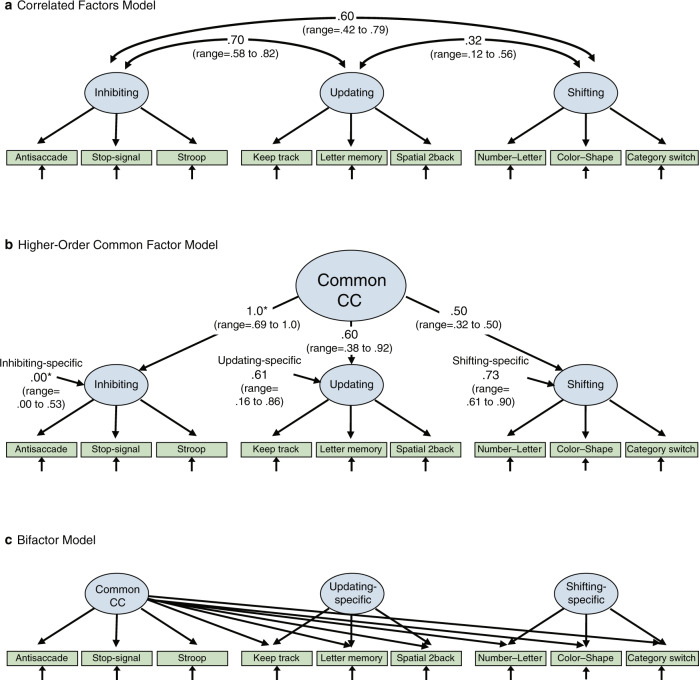
- Psychometric studies of CC/EF repeatedly find unity and diversity: in Miyake et al.’s model, correlations among the latent factors for inhibition, updating, and shifting were r = 0.42–0.63, while individual task correlations were only r = –0.05 to 0.34.
- The paper argues that the Common CC factor is closely related to response inhibition and is distinct from general intelligence (g), although intelligence still correlates substantially with common CC; reported correlations with common CC range from r = 0.53–0.91, but are only r = 0.53–0.68 in adult latent-variable samples.
- Neurobiological evidence supports both shared and distinct PFC contributions: lesion and neuroimaging studies dissociate dlPFC (working memory and some switching) from OFC/vlPFC (reversal learning and extra-dimensional set-shifting), and identify networks including the fronto-parietal network (FPN), cingulo-opercular network (CON), and default mode network (DMN).
- Across disorders, CC deficits are transdiagnostic and related to the p factor; the paper reports that common CC is associated with p at r = –0.16 to –0.56, and cites meta-analyses linking CC deficits to MDD, PTSD, OCD, bipolar disorder, schizophrenia, ADHD, conduct disorder/antisocial personality disorder, and substance use disorders.
## Methods
- This is a narrative review that synthesizes evidence from psychometric latent-variable studies, lesion studies, fMRI/meta-analyses, resting-state/connectivity studies, neurochemical/pharmacological work, and genetic/twin/family studies.
- The review draws on samples ranging from college students in psychometric work to patients with focal lesions, healthy children and adults, and large adult datasets; one cited imaging study included N = 251 healthy adults, and one meta-analysis included 193 fMRI studies of executive function.
- Main analysis is conceptual synthesis: it compares competing models of CC/EF organization, PFC specialization, and their links to psychopathology, rather than reporting a new empirical dataset.
## Limitations
- The paper explicitly notes that the neurobiological underpinnings of the p factor are not well understood and that its psychological interpretation varies.
- It repeatedly indicates that causal direction remains unclear for CC–psychopathology and CC–substance use associations; some evidence suggests shared genetic/environmental influences, but bidirectional effects are also plausible.
- Evident from the text: this is a review, so it does not present new original data and cannot resolve inconsistencies across studies or establish causal mechanisms on its own.
Model-written summary. Check it against the paper before relying on it.
Integrity signals
Registry
Cites
Statistics
Figures
Verification
Claims the paper makes
75 Valid · 4 Not valid · 74 Not checked · 49 Own results and interpretations
At least one cited source doesn’t support this claim or points to a different paper, and none confirmed it — see the verdicts below.
In the paper
“By contrast, the Predicted Response Outcome model [117] uses as its basis unsigned prediction errors of any type, whether appetitive or aversive outcomes, and whether negative (unexpected omission of expected outcome) or positive (unexpected occurrence of outcome) “surprise,” over multiple time-scales to directly affect actions (and not stimulus representations).”
§ The role of prefrontal cortex in cognitive control and executive function > Fractionation and integration of CC within PFC > Fractionation of CC
What the sources say
- Disputedcites [117] Alexander WH Brown JW Medial prefrontal cortex as an action-outcome predictor Nat Neurosci 2011 14 1338 44 21926982 PMC3183374 sourceExperimental — accuracy not yet measured
Split into 2 atoms — 0 confirmed, 1 partially supported, 1 disputed, 0 misattributed, 0 unverifiable. Expand the claim to see per-atom verdicts.
Checked by a reasoning model — may be wrong.
plainstates a cause- Asserted: passes — The authors put it forward as true.
- Checkable: passes — It can be checked against evidence.
- Load-bearing: passes — The paper’s conclusions depend on it.
- Based: passes — The paper gives a reason why it holds.
- Disputed
The cited sources support only part of this claim — read each source’s verdict below.
In the paper
“The cellular physiology of these regions is characterized by rapid firing and properties of neural plasticity that may enable such functions as goal maintenance in working memory and the flexible functioning of an MD network [24–27].”
§ The role of prefrontal cortex in cognitive control and executive function > Psychological organization of CC
What the sources say
- Not checked — no full text of the sourcecites [24] Fuster JM Unit activity in prefrontal cortex during delayed-response performance: neuronal correlates of transient memory J Neurophysiol 1973 36 61 78 4196203 source
- Not checked — no full text of the sourcecites [25] Funahashi S Bruce CJ Goldman-Rakic PS Mnemonic coding of visual space in the monkey’s dorsolateral prefrontal cortex J Neurophysiol 1989 61 331 49 2918358 source
- Not checked — no full text of the sourcecites [26] Shinomoto S Miyazaki Y Tamura H Fujita I Regional and laminar differences in in vivo firing patterns of primate cortical neurons J Neurophysiol 2005 94 567 75 15758054 source
- Partly supportedcites [27] Rodriguez G Sarazin M Clemente A Holden S Paz JT Delord B Conditional bistability, a generic cellular mnemonic mechanism for robust and flexible working memory computations J Neurosci 2018 38 5209 19 29712783 PMC6705937 sourceExperimental — accuracy not yet measured
The Discussion (page unavailable) proposes that intrinsic plasticity and spike-mediated mechanisms contribute to flexible, persistent activity during prefrontal working memory. It does not establish rapid firing as a defining property of granular prefrontal regions or discuss a multiple-demand network, so those parts of the attributed claim are unsupported. (LLM, conf=0.84)
hedgedstates a possible cause- Asserted: passes — The authors put it forward as true.
- Checkable: passes — It can be checked against evidence.
- Load-bearing: unclear — It is unclear whether the paper’s conclusions depend on it.
- Based: passes — The paper gives a reason why it holds.
The cited sources support only part of this claim — read each source’s verdict below.
In the paper
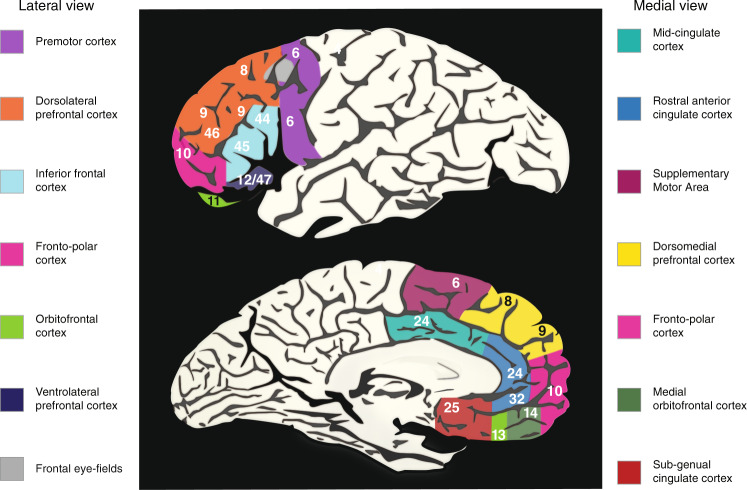
“Moreover, PFC functions probably depend on specializations of dendritic branching and spine density of pyramidal cells, especially in the cycloarchitectonically distinct regions of the granular PFC (Fig. 2) [21–23].”
§ The role of prefrontal cortex in cognitive control and executive function > Psychological organization of CC
What the sources say
- Partly supportedcites [21] Elston G Benavides-Piccione R Elston A Manger P Defelipe J Pyramidal cells in prefrontal cortex of primates: marked differences in neuronal structure among species Front Neuroanat 2011 5 2 21347276 PMC3039119 sourceExperimental — accuracy not yet measured
The Abstract links differences in pyramidal-cell branching and spine development across cortical areas to the functions those cells perform. The Discussion includes one dorsolateral granular prefrontal area (12vl) in a comparison, but the study examines inferotemporal cortex and does not establish that prefrontal functions depend especially on specializations across distinct granular prefrontal regions. Page numbers were not available in our copy. (LLM, conf=0.82)
- Not checked — no full text of the sourcecites [22] Semendeferi K Teffer K Buxhoeveden DP Park MS Bludau S Amunts K Spatial organization of neurons in the frontal pole sets humans apart from great apes Cereb Cortex 2011 21 1485 97 21098620 source
- Not checked — no full text of the sourcecites [23] Allman JM Watson KK Tetreault NA Hakeem AY Intuition and autism: a possible role for Von Economo neurons Trends Cogn Sci 2005 9 367 73 16002323 source
hedgedstates a possible cause- Asserted: passes — The authors put it forward as true.
- Checkable: passes — It can be checked against evidence.
- Load-bearing: unclear — It is unclear whether the paper’s conclusions depend on it.
- Based: passes — The paper gives a reason why it holds.
- Partly supported
The cited sources support only part of this claim — read each source’s verdict below.
In the paper
“There are also distinct functions within nodes of the FPN, where some of the “manipulation” sub-processes of working memory are mediated by parietal cortex, for example, including representations and operations relevant for mental arithmetic [76] and mental rotation [77].”
§ The role of prefrontal cortex in cognitive control and executive function > Fractionation and integration of CC within PFC > Fractionation of CC
What the sources say
- Partly supportedcites [76] Chochon F Cohen L Moortele PF van de, Dehaene S Differential contributions of the left and right inferior parietal lobules to number processing J Cogn Neurosci 1999 11 617 30 10601743 sourceExperimental — accuracy not yet measured
The Conclusion (p. 11) reports that both parietal regions contribute to mental arithmetic and describes parietal involvement in manipulating numerical quantity, supporting the part attributed to citation [76]. But the discussion of working memory (A Parieto-Fronto-Cingular Network for Number Processing, p. 7) links it especially to prefrontal and anterior cingulate activation; it does not establish that parietal cortex mediates a working-memory manipulation sub-process. Mental rotation is attached to a different citation, [77], and is not assessed here. (LLM, conf=0.83)
- Partly supportedcites [77] Georgopoulos AP Pellizzer G The mental and the neural: psychological and neural studies of mental rotation and memory scanning Neuropsychologia. 1995 33 1531 47 8584184 sourceExperimental — accuracy not yet measured
The paper reviews neural evidence for mental rotation, but it does not establish the parietal-cortex role attributed to it here. In “Neural bases for visuomotor and visual mental rotations” (p. 9), it reports motor-cortex activity during visuomotor mental rotation and says no other brain areas were explored in that task. The mental-arithmetic example has a separate citation and is not assessed here. (LLM, conf=0.86)
plainstates a cause- Asserted: passes — The authors put it forward as true.
- Checkable: passes — It can be checked against evidence.
- Load-bearing: unclear — It is unclear whether the paper’s conclusions depend on it.
- Based: passes — The paper gives a reason why it holds.
- Partly supported
The cited sources support only part of this claim — read each source’s verdict below.
In the paper
“Research with children suggests separability of hot and cool CC in terms of their relations with each other and with other measures [50, 52–57].”
§ The role of prefrontal cortex in cognitive control and executive function > Psychological organization of CC
What the sources say
- Not checked — no full text of the sourcecites [50] Zelazo PD Carlson SM Hot and cool executive function in childhood and adolescence: development and plasticity Child Dev Perspect 2012 6 354 60 source
- Partly supportedcites [52] Poon K Hot and cool executive functions in adolescence: development and contributions to important developmental outcomes Front Psychol 2018 8 2311 29367850 PMC5767838 sourceExperimental — accuracy not yet measured
The Relations among Cool and Hot Executive Function Tests section reports no significant correlation between hot and cool measures, and the Academic Performance and Psychological Adjustment sections report different associations with those outcomes. The study supports separability, but its participants were adolescents aged 12–17 (Methodology: Participants), not a sample specifically of younger children. No page numbers are available in our copy. (LLM, conf=0.83)
- Not checked — no full text of the sourcecites [53] Botdorf M Rosenbaum GM Patrianakos J Steinberg L Chein JM Adolescent risk-taking is predicted by individual differences in cognitive control over emotional, but not non-emotional, response conflict Cogn Emot 2017 31 972 9 27050317 source
- Supportedcites [54] Kim S Nordling JK Yoon JE Boldt LJ Kochanska G Effortful control in “hot” and “cool” tasks differentially predicts children’s behavior problems and academic performance J Abnorm Child Psychol 2013 41 43 56 22798038 PMC3737587 source
The Results (Confirmatory Factor Analysis Comparing Measurement Models; page not available) report that a model separating hot and cool functions fit the children's data well, while a single-factor model fit significantly worse. The Results (Structural Equation Models; page not available) also report different relations with other measures: hot effortful control predicted behavior problems, whereas a cool-task measure predicted academic performance. A second-order unidimensional model also fit, consistent with the citing sentence's cautious 'suggests' wording. (LLM, conf=0.88)
- Not checked — no full text of the sourcecites [55] Hongwanishkul D Happaney KR Lee WSC Zelazo PD Assessment of hot and cool executive function in young children: age-related changes and individual differences Dev Neuropsychol 2005 28 617 44 16144430 source
- Partly supportedcites [56] Harden KP Kretsch N Mann FD Herzhoff K Tackett JL Steinberg L Beyond dual systems: a genetically-informed, latent factor model of behavioral and self-report measures related to adolescent risk-taking Dev Cogn Neurosci 2017 25 221 34 28082127 PMC6886471 sourceExperimental — accuracy not yet measured
The Discussion section “Cognitive (Dys)control and the ability-personality distinction” reports that cognitive dyscontrol and premeditation were separable and had different relationships with IQ. That supports the general point about distinct control-related measures, but the paper does not identify these as hot and cool cognitive control or establish that distinction in children; its findings concern adolescents. (LLM, conf=0.82)
- Supportedcites [57] Willoughby M Kupersmidt J Voegler-Lee M Bryant D Contributions of hot and cool self-regulation to preschool disruptive behavior and academic achievement Dev Neuropsychol 2011 36 162 80 21347919 PMC5555639 source
The Discussion (p. null) reports that preschool children's performance on self-regulatory tasks was better represented by a two-factor (hot vs. cool) model than a single undifferentiated factor, with the two latent factors only moderately correlated (φ = .47) — separability in their relation to each other. The same section and the Conclusion state that cool regulation was uniquely associated with academic achievement while hot regulation was uniquely associated with inattentive-overactive behavior — separability in their relations with other measures. The paper frames the constructs as hot/cool self-regulation rather than 'cognitive control,' but the content attributed matches; the claim is one citation among several ([50, 52–57]) and this source supports it. (LLM, conf=0.90)
hedgedstates an association- Asserted: passes — The authors put it forward as true.
- Checkable: passes — It can be checked against evidence.
- Load-bearing: unclear — It is unclear whether the paper’s conclusions depend on it.
- Based: passes — The paper gives a reason why it holds.
101 more claims · 45 with their cited sources checked
Create a free account to see all 202 claims and to verify the 2 references still open.
- It may state two separate claims as one. 70
- Probably not a substantial claim. 29
Claims other papers make about this one
Each is checked against this paper’s own text: does it say what the citing paper says it does?
The source backs part of the claim, not all of it — or backs it for a different population, condition or comparison.
In the citing paper
“Cognitive flexibility builds on working memory and inhibitory control and includes attentional shifting, strategy updating, response to feedback, reversal learning, task switching, exploration, and creative problem-solving (8, 24, 25).”
From Neural mechanisms underlying cognitive inflexibility in obsessive-compulsive disorder: a review (2026) · cites this paper as [25]
Experimental — accuracy not yet measuredThe cited source says what the claim attributes to it.
In the citing paper
“l-dlPFC is integral to higher-order cognition (i.e., executive function) [10,11], which modulates episodic memory in MCI by way of enhancing encoding and facilitating retrieval [12–14].”
From A phase I trial of accelerated intermittent theta burst rTMS for amnestic MCI (2024) · cites this paper as [11]
The check wasn’t confident either way, so it gives no verdict — never disputed.
In the citing paper
“This is in contrast with individuals with bilateral basolateral amygdala lesions, who have no problem recalling dreams, although their dreams are shorter and simpler (they also have more positive and less negative emotions)205.”
From Consciousness and sleep (2024) · cites this paper as [205]
Experimental — accuracy not yet measuredIn the citing paper
“For example, representations and algorithms in digital technologies can model how brain systems are organized and work, suggesting sound theoretical connections between neuroscience and digital technologies used in e-learning [119-122].”
From Leveraging AI in E-Learning: Personalized Learning and Adaptive Assessment through Cognitive Neuropsychology—A Systematic Analysis (2024) · cites this paper as [122]
In the citing paper
“The PFC serves as a hub for cognitive regulation, coordinating activity across cortical and subcortical regions to support complex, goal-directed behaviour and tasks.”
From Sleep deprivation and memory: A neurobiological perspective (2026) · cites this paper as Friedman and Robbins, 2021
Citations
Cites
Items 201–262 of 262
Walshaw, P. D., Alloy, L. B., & Sabb, F. W. (2010) · Neuropsychology Review · doi:10.1007/s11065-009-9126-x · Cited by 99 · cited 2×
“Indeed, meta-analyses suggest transdiagnostic associations of CC deficits with psychiatric disorders, including major depressive disorder, post-traumatic stress disorder [187], obsessive-compulsive disorder [188], bipolar disorder [189], schizophrenia [190], ADHD [191, 192], conduct disorder and antisocial personality…”
BackgroundDeterministic functions of cortical acetylcholine
Sarter, M., Lustig, C., Howe, W. M., Gritton, H., & Berry, A. S. (2014) · European Journal of Neuroscience · doi:10.1111/ejn.12515 · Cited by 98 · cited 1×
“The possibility of “top-down” or local control of the cholinergic system [133] or the catecholamine system [134] by PFC circuitry may also provide mechanisms for the allocation of “cognitive effort”.”
BackgroundAhmari, S. E., & Rauch, S. L. (2022) · Neuropsychopharmacology · doi:10.1038/s41386-021-01130-2 · Cited by 95
Snyder, H. R., Friedman, N. P., & Hankin, B. L. (2021) · Assessment · doi:10.1177/1073191120965694 · Cited by 94
Self-citationStrong genetic overlap between executive functions and intelligence.
Engelhardt, L. E., Mann, F. D., Briley, D. A., Church, J. A., Harden, K. P., & Tucker-Drob, E. M. (2016) · Journal of Experimental Psychology: General · doi:10.1037/xge0000195 · Cited by 91
Johnson, S. L., Elliott, M. V., & Carver, C. S. (2020) · Biological Psychiatry · doi:10.1016/j.biopsych.2019.08.018 · Cited by 90 · cited 3×
“For example, the p factor has been proposed to reflect negative emotionality, disordered thinking, and/or poor CC, particularly impulse control (inhibitory control) over positive and negative emotions [2, 20, 195, 198].”
BackgroundResultIssues in the Conceptualization and Assessment of Hot Executive Functions in Childhood
Welsh, M., & Peterson, E. (2014) · Journal of the International Neuropsychological Society · doi:10.1017/s1355617713001379 · Cited by 89 · cited 1×
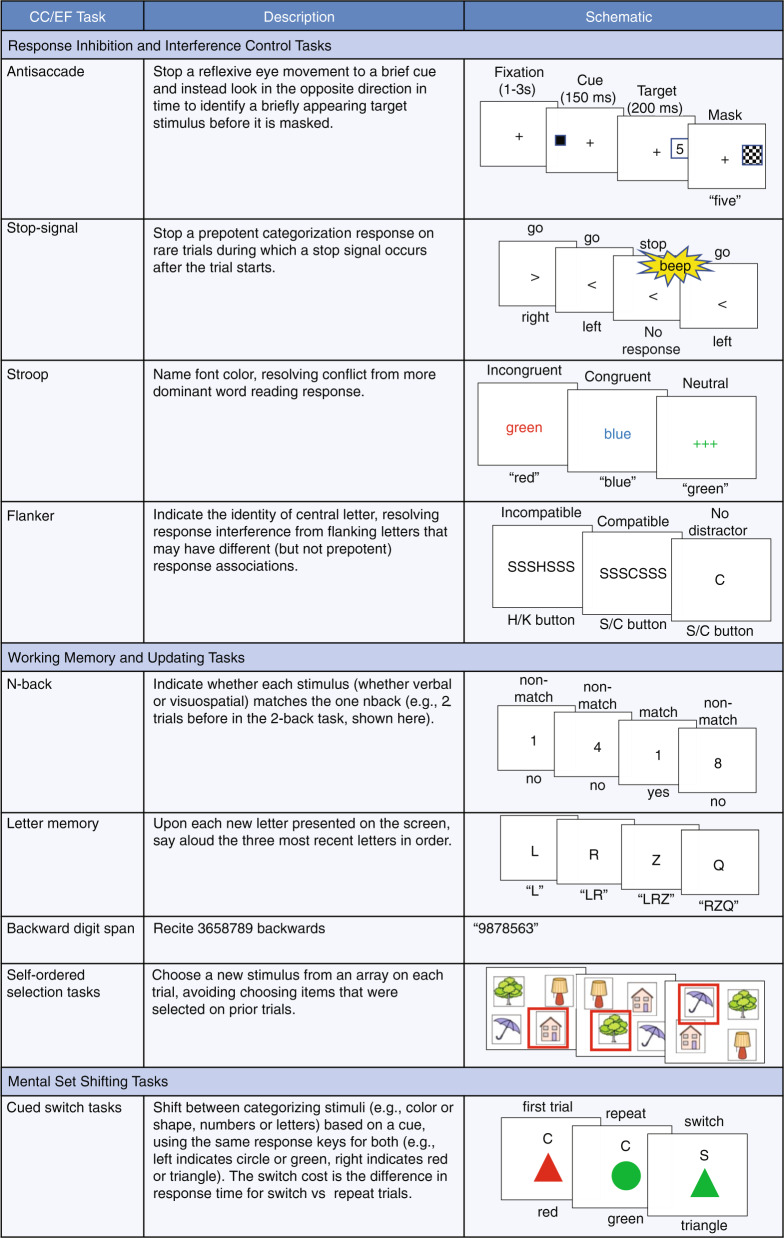
“Hot CC can also be measured with tasks that do not have a cool analogue, such as gambling tasks and delay of gratification tasks [50, 51] (Fig.”
BackgroundReineberg, A. E., & Banich, M. T. (2016) · Human Brain Mapping · doi:10.1002/hbm.23219 · Cited by 88
Genetic Associations Between Executive Functions and a General Factor of Psychopathology
Harden, K. P., Engelhardt, L. E., Mann, F. D., Patterson, M. W., Grotzinger, A. D., Savicki, S. L., Thibodeaux, M. L., Freis, S. M., Tackett, J. L., Church, J. A., et al. (2020) · Journal of the American Academy of Child & Adolescent Psychiatry · doi:10.1016/j.jaac.2019.05.006 · Cited by 87 · cited 1×
“However, there is some evidence for correlated environmental influences in addition to correlated genetic influences for a common CC factor with depression symptoms in a middle-aged male twin sample [222] and for a common CC factor with a p factor in children and adolescents [200].”
BackgroundThe neural architecture of executive functions is established by middle childhood
Engelhardt, L. E., Harden, K. P., Tucker-Drob, E. M., & Church, J. A. (2019) · NeuroImage · doi:10.1016/j.neuroimage.2018.10.024 · Cited by 87 · cited 2×
“, during inhibiting, updating, and shifting tasks), either with data estimated within one study [135, 138, 139] or with meta-analytic techniques [137, 140, 141], suggest that both children and adults recruit a common set of regions within the FPN and CON during diverse EF tasks.”
BackgroundResultCausal evidence for lateral prefrontal cortex dynamics supporting cognitive control
Nee, D. E., & D'Esposito, M. (2017) · eLife · doi:10.7554/elife.28040 · Cited by 87
Surprise, value and control in anterior cingulate cortex during speeded decision-making
Vassena, E., Deraeve, J., & Alexander, W. H. (2020) · Nature Human Behaviour · doi:10.1038/s41562-019-0801-5 · Cited by 87 · cited 1×
“A recent fMRI test of speeded value-based decision-making that could distinguish amongst the predictions made by the various models has favored the Predicted Response Outcome model over the Expected Value of Control and Choice Difficulty alternatives [123].”
ResultTwin studies to GWAS: there and back again
Friedman, N. P., Banich, M. T., & Keller, M. C. (2021) · Trends in Cognitive Sciences · doi:10.1016/j.tics.2021.06.007 · Cited by 86 · cited 1×
“Though resulting measures are typically crude compared to the measures included in smaller studies [240], the trade-off between phenotype depth and sample size may be effective for gene discovery [241], as demonstrated by a recent preliminary report [242] of a GWAS for the Common CC factor.”
BackgroundSelf-citationExecutive functions and substance use: Relations in late adolescence and early adulthood.
Gustavson, D. E., Stallings, M. C., Corley, R. P., Miyake, A., Hewitt, J. K., & Friedman, N. P. (2017) · Journal of Abnormal Psychology · doi:10.1037/abn0000250 · Cited by 84 · cited 1×
“Twin studies suggest that associations between psychopathology/substance use and CC are attributable largely to shared genetic influences [157, 221].”
BackgroundSelf-citationDevelopmental transformations in the structure of executive functions
Hartung, J., Engelhardt, L. E., Thibodeaux, M. L., Harden, K. P., & Tucker-Drob, E. M. (2020) · Journal of Experimental Child Psychology · doi:10.1016/j.jecp.2019.104681 · Cited by 78
Shared Predisposition in the Association Between Cannabis Use and Subcortical Brain Structure
Pagliaccio, D., Barch, D. M., Bogdan, R., Wood, P. K., Lynskey, M. T., Heath, A. C., & Agrawal, A. (2015) · JAMA Psychiatry · doi:10.1001/jamapsychiatry.2015.1054 · Cited by 77
Smolker, H. R., Depue, B. E., Reineberg, A. E., Orr, J. M., & Banich, M. T. (2015) · Brain Structure and Function · doi:10.1007/s00429-014-0723-y · Cited by 77 · cited 1×
“[147] found that a Common CC factor was related to changes in gray matter and cortical folding in the broad vmPFC area, typically associated with the goal-directed system, whereas the specific aspects of updating of working memory and cognitive shifting were related specifically to dlPFC and vlPFC, respectively.”
BackgroundHarden, K. P., Kretsch, N., Mann, F. D., Herzhoff, K., Tackett, J. L., Steinberg, L., & Tucker-Drob, E. M. (2017) · Developmental Cognitive Neuroscience · doi:10.1016/j.dcn.2016.12.007 · Cited by 77
All My Circuits: Using Multiple Electrodes to Understand Functioning Neural Networks
Miller, E. K., & Wilson, M. A. (2008) · Neuron · doi:10.1016/j.neuron.2008.10.033 · Cited by 76
Gustavson, D. E., Panizzon, M. S., Franz, C. E., Reynolds, C. A., Corley, R. P., Hewitt, J. K., Lyons, M. J., Kremen, W. S., & Friedman, N. P. (2019) · Journal of Experimental Psychology: General · doi:10.1037/xge0000589 · Cited by 75 · cited 3×
“Studies that have tested the relations of some of these candidate CC components have found that they are correlated with the more commonly examined CC processes but also show some separability [233, 247, 248].”
BackgroundSelf-citationMoore, T. M., Kaczkurkin, A. N., Durham, E. L., Jeong, H. J., McDowell, M. G., Dupont, R. M., Applegate, B., Tackett, J. L., Cardenas-Iniguez, C., Kardan, O., et al. (2020) · Journal of Abnormal Psychology · doi:10.1037/abn0000601 · Cited by 72
Xu, M., Xu, G., & Yang, Y. (2016) · Frontiers in Behavioral Neuroscience · doi:10.3389/fnbeh.2016.00220 · Cited by 71
A framework for executive function in the late elementary years.
Cirino, P. T., Ahmed, Y., Miciak, J., Taylor, W. P., Gerst, E. H., & Barnes, M. A. (2018) · Neuropsychology · doi:10.1037/neu0000427 · Cited by 71
Control without Controllers: Toward a Distributed Neuroscience of Executive Control
Eisenreich, B. R., Akaishi, R., & Hayden, B. Y. (2017) · Journal of Cognitive Neuroscience · doi:10.1162/jocn_a_01139 · Cited by 68 · cited 1×
“Yet a further view would argue that CC is emergent from network processing in the brain, and there is no particular network area that mediates control (see [17, 18]).”
BackgroundBotdorf, M., Rosenbaum, G. M., Patrianakos, J., Steinberg, L., & Chein, J. M. (2017) · Cognition and Emotion · doi:10.1080/02699931.2016.1168285 · Cited by 67
Friedman, N. P., Hatoum, A. S., Gustavson, D. E., Corley, R. P., Hewitt, J. K., & Young, S. E. (2020) · Clinical Psychological Science · doi:10.1177/2167702619898814 · Cited by 66 · cited 5×
“Twin studies suggest that associations between psychopathology/substance use and CC are attributable largely to shared genetic influences [157, 221].”
BackgroundInfluentialSelf-citationAdolescent drinking and brain morphometry: A co-twin control analysis
Wilson, S., Malone, S. M., Thomas, K. M., & Iacono, W. G. (2015) · Developmental Cognitive Neuroscience · doi:10.1016/j.dcn.2015.07.005 · Cited by 64
The mental and the neural: Psychological and neural studies of mental rotation and memory scanning
Georgopoulos, A. P., & Pellizzer, G. (1995) · Neuropsychologia · doi:10.1016/0028-3932(95)00079-i · Cited by 63 · cited 1×
“There are also distinct functions within nodes of the FPN, where some of the “manipulation” sub-processes of working memory are mediated by parietal cortex, for example, including representations and operations relevant for mental arithmetic [76] and mental rotation [77].”
BackgroundRegional and Laminar Differences in In Vivo Firing Patterns of Primate Cortical Neurons
Shinomoto, S., Miyazaki, Y., Tamura, H., & Fujita, I. (2005) · Journal of Neurophysiology · doi:10.1152/jn.00896.2004 · Cited by 61
Foraging with the frontal cortex: A cross-species evaluation of reward-guided behavior
Rudebeck, P. H., & Izquierdo, A. (2021) · Neuropsychopharmacology · doi:10.1038/s41386-021-01140-0 · Cited by 61 · cited 1×
“Such motivational and evaluation functions are the province of PFC regions including the OFC (BA 11,12,13,14) and ACC (BA 24 and 32) ([7]; see also reviews by Monosov & Rushworth, this issue, and Rudebek & Izquierdo, this issue [111, 112]), as well as the neuromodulatory influences of the ascending monoaminergic syste…”
BackgroundQuestionnaires and task-based measures assess different aspects of self-regulation: Both are needed
Friedman, N. P., & Banich, M. T. (2019) · Proceedings of the National Academy of Sciences · doi:10.1073/pnas.1915315116 · Cited by 57 · cited 1×
“However, some evidence suggests that task-based and self-report measures of CC may best be considered separable constructs that are both relevant to mental health [209, 213], because they independently predict psychopathology in multiple regressions [157, 214, 215].”
BackgroundSelf-citationDissociable roles of prefrontal subregions in self-ordered working memory performance
Chase, H. W., Clark, L., Sahakian, B. J., Bullmore, E. T., & Robbins, T. W. (2008) · Neuropsychologia · doi:10.1016/j.neuropsychologia.2008.04.021 · Cited by 56 · cited 1×
“It is notable, for example, that patients with lesions in this area also exhibit deficits in spatial working memory performance [98], consistent with the MD model of lateral PFC function.”
ResultSelf-citationMonosov, I. E., & Rushworth, M. F. S. (2021) · Neuropsychopharmacology · doi:10.1038/s41386-021-01079-2 · Cited by 56
Ross, J. M., Ellingson, J. M., Rhee, S. H., Hewitt, J. K., Corley, R. P., Lessem, J. M., & Friedman, N. P. (2020) · Drug and Alcohol Dependence · doi:10.1016/j.drugalcdep.2019.107712 · Cited by 54
Self-citationGenetic and environmental architecture of executive functions in midlife.
Gustavson, D. E., Panizzon, M. S., Franz, C. E., Friedman, N. P., Reynolds, C. A., Jacobson, K. C., Xian, H., Lyons, M. J., & Kremen, W. S. (2018) · Neuropsychology · doi:10.1037/neu0000389 · Cited by 53 · cited 3×
“In addition to correlating with common CC, intelligence also significantly correlates with the variance that is unique to working memory processes (working memory updating and/or capacity) [41, 158].”
BackgroundSelf-citationDo executive functions explain the covariance between internalizing and externalizing behaviors?
Hatoum, A. S., Rhee, S. H., Corley, R. P., Hewitt, J. K., & Friedman, N. P. (2018) · Development and Psychopathology · doi:10.1017/s0954579417001602 · Cited by 53
Self-citationKorponay, C., Dentico, D., Kral, T., Ly, M., Kruis, A., Goldman, R., Lutz, A., & Davidson, R. J. (2017) · NeuroImage · doi:10.1016/j.neuroimage.2017.06.015 · Cited by 52 · cited 1×
“, selfreport measures have been correlated with medial PFC morphology, whereas CC tasks typically activate more lateral PFC [216].”
BackgroundBrown, J. W., & Alexander, W. H. (2017) · Journal of Cognitive Neuroscience · doi:10.1162/jocn_a_01140 · Cited by 49 · cited 3×
“The latter computational model has recently been suggested to capture the most important functions of the entire PFC [122].”
BackgroundMultimodal neural correlates of cognitive control in the Human Connectome Project
Lerman-Sinkoff, D. B., Sui, J., Rachakonda, S., Kandala, S., Calhoun, V. D., & Barch, D. M. (2017) · NeuroImage · doi:10.1016/j.neuroimage.2017.08.081 · Cited by 47 · cited 7×
“They found that CC was related to two components, one of which included variation related to visual network activity and insular gray matter volume, and the other of which included activity of the FPN and gray matter thickness in the CON [150].”
BackgroundMethodInfluentialMcGrath, L. M., Braaten, E. B., Doty, N. D., Willoughby, B. L., Wilson, H. K., O'Donnell, E. H., Colvin, M. K., Ditmars, H. L., Blais, J. E., Hill, E. N., et al. (2016) · Journal of Child Psychology and Psychiatry · doi:10.1111/jcpp.12463 · Cited by 43
Neuroanatomical Correlates of the Unity and Diversity Model of Executive Function in Young Adults
Smolker, H. R., Friedman, N. P., Hewitt, J. K., & Banich, M. T. (2018) · Frontiers in Human Neuroscience · doi:10.3389/fnhum.2018.00283 · Cited by 42 · cited 1×
“A later study [148] in a large group (N= 251) of healthy adults approximately a decade older, and employing a larger test battery, did not confirm all of these associations, possibly because of an important developmental factor.”
ResultSelf-citationThe p factor in children: Relationships with executive functions and effortful control
Shields, A. N., Reardon, K. W., Brandes, C. M., & Tackett, J. L. (2019) · Journal of Research in Personality · doi:10.1016/j.jrp.2019.103853 · Cited by 41
Elston, G. N., Oga, T., Okamoto, T., & Fujita, I. (2011) · Frontiers in Neuroanatomy · doi:10.3389/fnana.2011.00042 · Cited by 40
Ellingson, J. M., Corley, R., Hewitt, J. K., & Friedman, N. P. (2019) · Addiction · doi:10.1111/add.14489 · Cited by 37 · cited 1×
“However, some evidence suggests that task-based and self-report measures of CC may best be considered separable constructs that are both relevant to mental health [209, 213], because they independently predict psychopathology in multiple regressions [157, 214, 215].”
BackgroundSelf-citationBanich, M. T., Smolker, H. R., Snyder, H. R., Lewis‐Peacock, J. A., Godinez, D. A., Wager, T. D., & Hankin, B. L. (2019) · Neuropsychologia · doi:10.1016/j.neuropsychologia.2018.12.006 · Cited by 31
On Task: How Our Brain Gets Things Done
Badre, D. (2020) · Cited by 31
Rostral Prefrontal Cortex (Brodmann Area 10)
Burgess, P. W., & Wu, H.-C. (2013) · Principles of Frontal Lobe Function · doi:10.1093/med/9780199837755.003.0037 · Cited by 26
Harper, J., Malone, S. M., Wilson, S., Hunt, R. H., Thomas, K. M., & Iacono, W. G. (2021) · Biological Psychiatry · doi:10.1016/j.biopsych.2021.01.006 · Cited by 26 · cited 1×
“However, a recent co-twin-control study of young adults [227] found that the association of alcohol, but not cannabis, misuse with reduced cortical thickness of central executive and salience networks was consistent with causal effects of alcohol exposure as well as pre-existing genetic associations of cortical thickn…”
BackgroundGustavson, D. E., Franz, C. E., Panizzon, M. S., Reynolds, C. A., Xian, H., Jacobson, K. C., Toomey, R., Lyons, M. J., & Kremen, W. S. (2019) · Clinical Psychological Science · doi:10.1177/2167702618805075 · Cited by 22 · cited 1×
“However, there is some evidence for correlated environmental influences in addition to correlated genetic influences for a common CC factor with depression symptoms in a middle-aged male twin sample [222] and for a common CC factor with a p factor in children and adolescents [200].”
BackgroundDavies, G., Lam, M., Harris, S. E., Trampush, J. W., Michelle Luciano, A., Hill, W. D., Hagenaars, S. P., Ritchie, S. J., Marioni, R. E., Fawns‐Ritchie, C., et al. (2019) · Leiden Repository (Leiden University) · Cited by 21
The Mid-Dorsolateral Prefronto-Parietal Network and the Epoptic Process
Petrides, M. (2013) · Principles of Frontal Lobe Function · doi:10.1093/med/9780199837755.003.0008 · Cited by 20 · cited 1×
“, [74]) have interpreted the role of the “mid-dorsal” (BA-9/46) PFC to mediate CC processes, such as the monitoring or tagging of recently selected items, as in self-ordered or n-back tasks, rather than the passive maintenance of information (see also [75] for a meta-analysis).”
BackgroundEvidence for an internal promoter in the Escherichia coli threonine operon
Girons, I. S., & Margarita, D. (1985) · Journal of Bacteriology · doi:10.1128/jb.161.1.461-462.1985 · Cited by 16
Rodriguez, G., Sarazin, M., Clemente, A., Holden, S., Paz, J. T., & Delord, B. (2018) · The Journal of Neuroscience · doi:10.1523/jneurosci.1992-17.2017 · Cited by 15
McKenna, R., Rushe, T., & Woodcock, K. A. (2017) · Frontiers in Human Neuroscience · doi:10.3389/fnhum.2017.00154 · Cited by 13 · cited 1×
“, during inhibiting, updating, and shifting tasks), either with data estimated within one study [135, 138, 139] or with meta-analytic techniques [137, 140, 141], suggest that both children and adults recruit a common set of regions within the FPN and CON during diverse EF tasks.”
ResultBadre, D. (2020) · Princeton University Press eBooks · doi:10.1515/9780691212340 · Cited by 11
Moore, T. M., Kaczkurkin, A., Durham, E. L., Jeong, H., McDowell, M., Dupont, R. M., Applegate, B., Tackett, J., Cardenas-Iniguez, C., Kardan, O., et al. (2020) · bioRxiv · doi:10.1101/2020.04.27.064303 · Cited by 9
Adaptive Neural Coding in Frontal and Parietal Cortex
Duncan, J., & Miller, E. K. (2013) · Principles of Frontal Lobe Function · doi:10.1093/med/9780199837755.003.0023 · Cited by 8
Brain Networks for Cognitive Control: Four Unresolved Questions
Badre, D. (2021) · The MIT Press eBooks · doi:10.7551/mitpress/13875.003.0018 · Cited by 7
The Neurochemical Modulation of Prefrontal Control Processes
Robbins, T. W., & Kehagia, A. A. (2017) · The Wiley Handbook of Cognitive Control · doi:10.1002/9781118920497.ch19 · Cited by 4 · cited 1×
“An extensive literature in human and experimental animals has shown that CC is susceptible to pharmacological intervention and hence to neuromodulation by the ascending monoaminergic and cholinergic systems [126, 127] (see also Cools & Arnsten, this issue [113]).”
BackgroundSelf-citationMotivation, Control, and Human Prefrontal Executive Function
Koechlin, É. (2013) · Oxford University Press eBooks · doi:10.1093/med/9780199837755.003.0022 · Cited by 3 · cited 2×
“Thus, for example, Koechlin [47] firmly distinguishes between CC and “motivational control.””
BackgroundOn Neuropsychological Studies of Prefrontal Cortex
Shallice, T., & Gillingham, S. M. (2013) · Principles of Frontal Lobe Function · doi:10.1093/med/9780199837755.003.0034 · Cited by 2
Intrusive Thinking: From Molecules to Free Will
Kalivas, P. W., & Paulus, M. P. (2021) · Intrusive Thinking · doi:10.7551/mitpress/13875.003.0005
Cited by
Zhai, C., Wibowo, S., & Li, L. D. (2024) · Smart Learning Environments · doi:10.1186/s40561-024-00316-7 · Cited by 1,567
“…for academic rigor and avoiding laziness, suggesting that disengagement from challenging cognitive tasks could potentially weaken activities in key neural regions: the ventromedial prefrontal cortex (vmPFC) and the amygdala and prefrontal cortex (PFC) and the hippocampus (Friedman & Robbins, 2022).”
BackgroundHalkiopoulos, C., & Gkintoni, E. (2024) · Electronics · doi:10.3390/electronics13183762 · Cited by 328
“For example, representations and algorithms in digital technologies can model how brain systems are organized and work, suggesting sound theoretical connections between neuroscience and digital technologies used in e-learning [119–122].”
Kringelbach, M. L., Perl, Y. S., Tagliazucchi, E., & Deco, G. (2023) · Science Advances · doi:10.1126/sciadv.ade6049 · Cited by 105
Physical exercise, cognition, and brain health in aging
Boa Sorte Silva, N. C., Barha, C. K., Erickson, K. I., Kramer, A. F., & Liu-Ambrose, T. (2024) · Trends in Neurosciences · doi:10.1016/j.tins.2024.04.004 · Cited by 119
Du, J., DiNicola, L. M., Angeli, P. A., Saadon‐Grosman, N., Sun, W., Kaiser, S., Ladopoulou, J., Xue, A., Yeo, B. T. T., Eldaief, M. C., et al. (2024) · Journal of Neurophysiology · doi:10.1152/jn.00308.2023 · Cited by 148
Metadata
- Authors
- Friedman, N. P., & Robbins, T. W.
- Affiliations
- University of Colorado Boulder (US)
- University of Cambridge (GB)
- Corresponding author
- Friedman, Naomi P.
- Robbins, Trevor W.
- Venue
- Neuropsychopharmacology
- Published
- 2021-08-18
- Volume
- 47
- Issue
- 1
- Pages
- 72-89
- ISSN
- 0893-133X (ISSN-L)
- 1740-634X
- PMC
- PMC8617292
- OpenAlex
- W3195973239
- Cited by
- 1,737
- References
- 267
- Citations by year
- 2026: 457 · 2025: 561 · 2024: 388 · 2023: 221 · 2022: 97 · 2021: 12
- FWCI
- 26.47
- Type
- journal article
- Language
- en
- Open access
- hybrid
- doi.org
- Licence
- cc-by
- creativecommons.org/licenses/by/4.0 (tdm)
- creativecommons.org/licenses/by/4.0 (vor)
- Locations
- Neuropsychopharmacology (publishedVersion, cc-by)
- PubMed Central (publishedVersion, cc-by)
- PubMed (publishedVersion)
- Apollo (University of Cambridge) (submittedVersion, cc-by)
- Apollo
- Funders
- U.S. Department of Health & Human Services | NIH | National Institute on Drug Abuse (DA046413, DA042742, DA051018)
- U.S. Department of Health & Human Services | NIH | National Institute of Mental Health (MH117131)
- U.S. Department of Health & Human Services | NIH | National Institute on Aging (AG046938)
- National Research Foundation (Singapore) CREATE Grant to the University of Cambridge and Nanyang Technological University for the Centre of Lifelong Learning and Individualised Cognition (CLIC).
- Topics
- Life Sciences › Neuroscience › Cognitive Neuroscience › Neural and Behavioral Psychology Studies
- Social Sciences › Psychology › Clinical Psychology › Historical and Modern Theater Studies
- Life Sciences › Neuroscience › Cellular and Molecular Neuroscience › Neurotransmitter Receptor Influence on Behavior
- Keywords
- prefrontal cortex, cognitive control, executive function, mental set shifting, working memory updating, response inhibition, motivation, general intelligence, general psychopathology factor, impulsivity, mental illness, psychiatric classification, Research Domain Criteria
- MeSH terms
- Adult, Cognition, Humans, Intelligence, Memory, Short-Term, Prefrontal Cortex, Executive Function
About these checks
Registry, retraction, Cites and statistics results are computed, not judged, with one exception: a printed reference that no index lists is read once by a model before it counts as a citation error. Claims are extracted by a model and kept only when their quote appears verbatim in the text; each cited source is then checked, with a model’s help, for whether it says what the claim relies on. Those verdicts can be wrong — read the claim’s quote and the cited source before relying on one.
The claim verdicts this report counts are experimental: their accuracy is not yet measured.
A language model drew the claims from the paper on 2026-09-28, under version 3 of the claim definition (model deepseek-v4.1-flash, prompt extract-v3).
A second model labelled each claim on 2026-09-28 (model jev-1.13-20260917, definition revision gold-guideline-v0.2).
Cited sources are checked with a language model’s help (gpt-6-sol and qwen3.8-omni-flash).
Statistics and arithmetic are recomputed, not judged.
Confidence bands are shown only for fields calibrated on our annotated test set. None is calibrated yet, so no band is shown.
What counts as a claim ›How we measure confidence ›How we check this ›
Are you an author, or do you see a problem with this page? Request a review
Data sources
Bibliographic data: Semantic Scholar, OpenAlex, Crossref.
Contains information from the Semantic Scholar Academic Graph Datasets, made available under the ODC Attribution License (ODC-BY 1.0).
Semantic Scholar’s data is described in: Kinney, R., et al. (2023). The Semantic Scholar Open Data Platform. arXiv:2301.10140.
