

The role of prefrontal cortex in cognitive control and executive function
Open accessThe DOI matches its Crossref record; 262 of the 267 references it cites were found in a registry or an index; 145 of the 304 sources its claims cite were checked for support.
Abstract
Concepts of cognitive control (CC) and executive function (EF) are defined in terms of their relationships with goal-directed behavior versus habits and controlled versus automatic processing, and related to the functions of the prefrontal cortex (PFC) and related regions and networks. A psychometric approach shows unity and diversity in CC constructs, with 3 components in the most commonly studied constructs: general or common CC and components specific to mental set shifting and working memory updating. These constructs are considered against the cellular and systems neurobiology of PFC and what is known of its functional neuroanatomical or network organization based on lesioning, neurochemical, and neuroimaging approaches across species. CC is also considered in the context of motivation, as "cool" and "hot" forms. Its Common CC component is shown to be distinct from general intelligence (g) and closely related to response inhibition. Impairments in CC are considered as possible causes of psychiatric symptoms and consequences of disorders. The relationships of CC with the general factor of psychopathology (p) and dimensional constructs such as impulsivity in large scale developmental and adult populations are considered, as well as implications for genetic studies and RDoC approaches to psychiatric classification.
Overview
CoChat Summary
## TL;DR
This review argues that cognitive control (CC) and executive function (EF) are both unified and fractionated: common processes exist, but distinct components such as working memory updating, mental set shifting, response inhibition, and hot versus cool control also show separability. It also links these CC/EF processes to prefrontal cortex (PFC) networks, neurochemistry, and transdiagnostic psychopathology, emphasizing that CC deficits are broadly relevant to mental health but are not identical to intelligence or impulsivity.
## Key findings
- Psychometric studies of CC/EF repeatedly find unity and diversity: in Miyake et al.’s model, correlations among the latent factors for inhibition, updating, and shifting were r = 0.42–0.63, while individual task correlations were only r = –0.05 to 0.34.
- The paper argues that the Common CC factor is closely related to response inhibition and is distinct from general intelligence (g), although intelligence still correlates substantially with common CC; reported correlations with common CC range from r = 0.53–0.91, but are only r = 0.53–0.68 in adult latent-variable samples.
- Neurobiological evidence supports both shared and distinct PFC contributions: lesion and neuroimaging studies dissociate dlPFC (working memory and some switching) from OFC/vlPFC (reversal learning and extra-dimensional set-shifting), and identify networks including the fronto-parietal network (FPN), cingulo-opercular network (CON), and default mode network (DMN).
- Across disorders, CC deficits are transdiagnostic and related to the p factor; the paper reports that common CC is associated with p at r = –0.16 to –0.56, and cites meta-analyses linking CC deficits to MDD, PTSD, OCD, bipolar disorder, schizophrenia, ADHD, conduct disorder/antisocial personality disorder, and substance use disorders.
## Methods
- This is a narrative review that synthesizes evidence from psychometric latent-variable studies, lesion studies, fMRI/meta-analyses, resting-state/connectivity studies, neurochemical/pharmacological work, and genetic/twin/family studies.
- The review draws on samples ranging from college students in psychometric work to patients with focal lesions, healthy children and adults, and large adult datasets; one cited imaging study included N = 251 healthy adults, and one meta-analysis included 193 fMRI studies of executive function.
- Main analysis is conceptual synthesis: it compares competing models of CC/EF organization, PFC specialization, and their links to psychopathology, rather than reporting a new empirical dataset.
## Limitations
- The paper explicitly notes that the neurobiological underpinnings of the p factor are not well understood and that its psychological interpretation varies.
- It repeatedly indicates that causal direction remains unclear for CC–psychopathology and CC–substance use associations; some evidence suggests shared genetic/environmental influences, but bidirectional effects are also plausible.
- Evident from the text: this is a review, so it does not present new original data and cannot resolve inconsistencies across studies or establish causal mechanisms on its own.
Model-written summary. Check it against the paper before relying on it.
Integrity signals
Registry
Cites
Statistics
Figures
Verification
Claims the paper makes
75 Valid · 4 Not valid · 74 Not checked · 49 Own results and interpretations
At least one cited source doesn’t support this claim or points to a different paper, and none confirmed it — see the verdicts below.
In the paper
“By contrast, the Predicted Response Outcome model [117] uses as its basis unsigned prediction errors of any type, whether appetitive or aversive outcomes, and whether negative (unexpected omission of expected outcome) or positive (unexpected occurrence of outcome) “surprise,” over multiple time-scales to directly affect actions (and not stimulus representations).”
§ The role of prefrontal cortex in cognitive control and executive function > Fractionation and integration of CC within PFC > Fractionation of CC
What the sources say
- Disputedcites [117] Alexander WH Brown JW Medial prefrontal cortex as an action-outcome predictor Nat Neurosci 2011 14 1338 44 21926982 PMC3183374 sourceExperimental — accuracy not yet measured
Split into 2 atoms — 0 confirmed, 1 partially supported, 1 disputed, 0 misattributed, 0 unverifiable. Expand the claim to see per-atom verdicts.
Checked by a reasoning model — may be wrong.
plainstates a cause- Asserted: passes — The authors put it forward as true.
- Checkable: passes — It can be checked against evidence.
- Load-bearing: passes — The paper’s conclusions depend on it.
- Based: passes — The paper gives a reason why it holds.
- Disputed
The cited sources support only part of this claim — read each source’s verdict below.
In the paper
“The cellular physiology of these regions is characterized by rapid firing and properties of neural plasticity that may enable such functions as goal maintenance in working memory and the flexible functioning of an MD network [24–27].”
§ The role of prefrontal cortex in cognitive control and executive function > Psychological organization of CC
What the sources say
- Not checked — no full text of the sourcecites [24] Fuster JM Unit activity in prefrontal cortex during delayed-response performance: neuronal correlates of transient memory J Neurophysiol 1973 36 61 78 4196203 source
- Not checked — no full text of the sourcecites [25] Funahashi S Bruce CJ Goldman-Rakic PS Mnemonic coding of visual space in the monkey’s dorsolateral prefrontal cortex J Neurophysiol 1989 61 331 49 2918358 source
- Not checked — no full text of the sourcecites [26] Shinomoto S Miyazaki Y Tamura H Fujita I Regional and laminar differences in in vivo firing patterns of primate cortical neurons J Neurophysiol 2005 94 567 75 15758054 source
- Partly supportedcites [27] Rodriguez G Sarazin M Clemente A Holden S Paz JT Delord B Conditional bistability, a generic cellular mnemonic mechanism for robust and flexible working memory computations J Neurosci 2018 38 5209 19 29712783 PMC6705937 sourceExperimental — accuracy not yet measured
The Discussion (page unavailable) proposes that intrinsic plasticity and spike-mediated mechanisms contribute to flexible, persistent activity during prefrontal working memory. It does not establish rapid firing as a defining property of granular prefrontal regions or discuss a multiple-demand network, so those parts of the attributed claim are unsupported. (LLM, conf=0.84)
hedgedstates a possible cause- Asserted: passes — The authors put it forward as true.
- Checkable: passes — It can be checked against evidence.
- Load-bearing: unclear — It is unclear whether the paper’s conclusions depend on it.
- Based: passes — The paper gives a reason why it holds.
The cited sources support only part of this claim — read each source’s verdict below.
In the paper
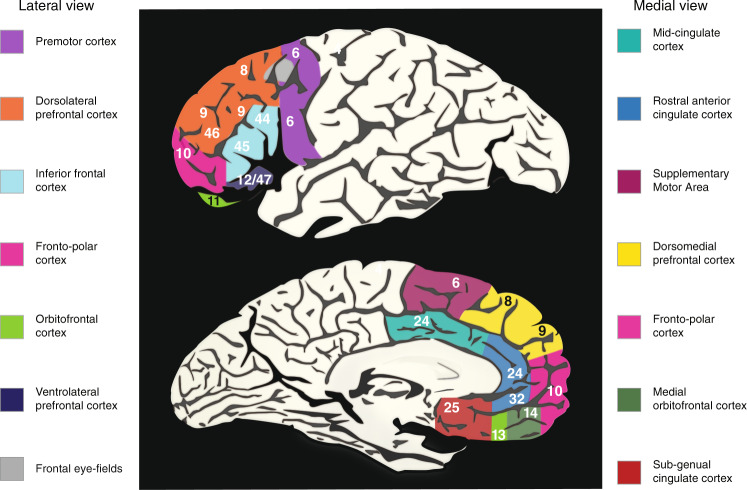
“Moreover, PFC functions probably depend on specializations of dendritic branching and spine density of pyramidal cells, especially in the cycloarchitectonically distinct regions of the granular PFC (Fig. 2) [21–23].”
§ The role of prefrontal cortex in cognitive control and executive function > Psychological organization of CC
What the sources say
- Partly supportedcites [21] Elston G Benavides-Piccione R Elston A Manger P Defelipe J Pyramidal cells in prefrontal cortex of primates: marked differences in neuronal structure among species Front Neuroanat 2011 5 2 21347276 PMC3039119 sourceExperimental — accuracy not yet measured
The Abstract links differences in pyramidal-cell branching and spine development across cortical areas to the functions those cells perform. The Discussion includes one dorsolateral granular prefrontal area (12vl) in a comparison, but the study examines inferotemporal cortex and does not establish that prefrontal functions depend especially on specializations across distinct granular prefrontal regions. Page numbers were not available in our copy. (LLM, conf=0.82)
- Not checked — no full text of the sourcecites [22] Semendeferi K Teffer K Buxhoeveden DP Park MS Bludau S Amunts K Spatial organization of neurons in the frontal pole sets humans apart from great apes Cereb Cortex 2011 21 1485 97 21098620 source
- Not checked — no full text of the sourcecites [23] Allman JM Watson KK Tetreault NA Hakeem AY Intuition and autism: a possible role for Von Economo neurons Trends Cogn Sci 2005 9 367 73 16002323 source
hedgedstates a possible cause- Asserted: passes — The authors put it forward as true.
- Checkable: passes — It can be checked against evidence.
- Load-bearing: unclear — It is unclear whether the paper’s conclusions depend on it.
- Based: passes — The paper gives a reason why it holds.
- Partly supported
The cited sources support only part of this claim — read each source’s verdict below.
In the paper
“There are also distinct functions within nodes of the FPN, where some of the “manipulation” sub-processes of working memory are mediated by parietal cortex, for example, including representations and operations relevant for mental arithmetic [76] and mental rotation [77].”
§ The role of prefrontal cortex in cognitive control and executive function > Fractionation and integration of CC within PFC > Fractionation of CC
What the sources say
- Partly supportedcites [76] Chochon F Cohen L Moortele PF van de, Dehaene S Differential contributions of the left and right inferior parietal lobules to number processing J Cogn Neurosci 1999 11 617 30 10601743 sourceExperimental — accuracy not yet measured
The Conclusion (p. 11) reports that both parietal regions contribute to mental arithmetic and describes parietal involvement in manipulating numerical quantity, supporting the part attributed to citation [76]. But the discussion of working memory (A Parieto-Fronto-Cingular Network for Number Processing, p. 7) links it especially to prefrontal and anterior cingulate activation; it does not establish that parietal cortex mediates a working-memory manipulation sub-process. Mental rotation is attached to a different citation, [77], and is not assessed here. (LLM, conf=0.83)
- Partly supportedcites [77] Georgopoulos AP Pellizzer G The mental and the neural: psychological and neural studies of mental rotation and memory scanning Neuropsychologia. 1995 33 1531 47 8584184 sourceExperimental — accuracy not yet measured
The paper reviews neural evidence for mental rotation, but it does not establish the parietal-cortex role attributed to it here. In “Neural bases for visuomotor and visual mental rotations” (p. 9), it reports motor-cortex activity during visuomotor mental rotation and says no other brain areas were explored in that task. The mental-arithmetic example has a separate citation and is not assessed here. (LLM, conf=0.86)
plainstates a cause- Asserted: passes — The authors put it forward as true.
- Checkable: passes — It can be checked against evidence.
- Load-bearing: unclear — It is unclear whether the paper’s conclusions depend on it.
- Based: passes — The paper gives a reason why it holds.
- Partly supported
The cited sources support only part of this claim — read each source’s verdict below.
In the paper
“Research with children suggests separability of hot and cool CC in terms of their relations with each other and with other measures [50, 52–57].”
§ The role of prefrontal cortex in cognitive control and executive function > Psychological organization of CC
What the sources say
- Not checked — no full text of the sourcecites [50] Zelazo PD Carlson SM Hot and cool executive function in childhood and adolescence: development and plasticity Child Dev Perspect 2012 6 354 60 source
- Partly supportedcites [52] Poon K Hot and cool executive functions in adolescence: development and contributions to important developmental outcomes Front Psychol 2018 8 2311 29367850 PMC5767838 sourceExperimental — accuracy not yet measured
The Relations among Cool and Hot Executive Function Tests section reports no significant correlation between hot and cool measures, and the Academic Performance and Psychological Adjustment sections report different associations with those outcomes. The study supports separability, but its participants were adolescents aged 12–17 (Methodology: Participants), not a sample specifically of younger children. No page numbers are available in our copy. (LLM, conf=0.83)
- Not checked — no full text of the sourcecites [53] Botdorf M Rosenbaum GM Patrianakos J Steinberg L Chein JM Adolescent risk-taking is predicted by individual differences in cognitive control over emotional, but not non-emotional, response conflict Cogn Emot 2017 31 972 9 27050317 source
- Supportedcites [54] Kim S Nordling JK Yoon JE Boldt LJ Kochanska G Effortful control in “hot” and “cool” tasks differentially predicts children’s behavior problems and academic performance J Abnorm Child Psychol 2013 41 43 56 22798038 PMC3737587 source
The Results (Confirmatory Factor Analysis Comparing Measurement Models; page not available) report that a model separating hot and cool functions fit the children's data well, while a single-factor model fit significantly worse. The Results (Structural Equation Models; page not available) also report different relations with other measures: hot effortful control predicted behavior problems, whereas a cool-task measure predicted academic performance. A second-order unidimensional model also fit, consistent with the citing sentence's cautious 'suggests' wording. (LLM, conf=0.88)
- Not checked — no full text of the sourcecites [55] Hongwanishkul D Happaney KR Lee WSC Zelazo PD Assessment of hot and cool executive function in young children: age-related changes and individual differences Dev Neuropsychol 2005 28 617 44 16144430 source
- Partly supportedcites [56] Harden KP Kretsch N Mann FD Herzhoff K Tackett JL Steinberg L Beyond dual systems: a genetically-informed, latent factor model of behavioral and self-report measures related to adolescent risk-taking Dev Cogn Neurosci 2017 25 221 34 28082127 PMC6886471 sourceExperimental — accuracy not yet measured
The Discussion section “Cognitive (Dys)control and the ability-personality distinction” reports that cognitive dyscontrol and premeditation were separable and had different relationships with IQ. That supports the general point about distinct control-related measures, but the paper does not identify these as hot and cool cognitive control or establish that distinction in children; its findings concern adolescents. (LLM, conf=0.82)
- Supportedcites [57] Willoughby M Kupersmidt J Voegler-Lee M Bryant D Contributions of hot and cool self-regulation to preschool disruptive behavior and academic achievement Dev Neuropsychol 2011 36 162 80 21347919 PMC5555639 source
The Discussion (p. null) reports that preschool children's performance on self-regulatory tasks was better represented by a two-factor (hot vs. cool) model than a single undifferentiated factor, with the two latent factors only moderately correlated (φ = .47) — separability in their relation to each other. The same section and the Conclusion state that cool regulation was uniquely associated with academic achievement while hot regulation was uniquely associated with inattentive-overactive behavior — separability in their relations with other measures. The paper frames the constructs as hot/cool self-regulation rather than 'cognitive control,' but the content attributed matches; the claim is one citation among several ([50, 52–57]) and this source supports it. (LLM, conf=0.90)
hedgedstates an association- Asserted: passes — The authors put it forward as true.
- Checkable: passes — It can be checked against evidence.
- Load-bearing: unclear — It is unclear whether the paper’s conclusions depend on it.
- Based: passes — The paper gives a reason why it holds.
101 more claims · 45 with their cited sources checked
Create a free account to see all 202 claims and to verify the 2 references still open.
- It may state two separate claims as one. 70
- Probably not a substantial claim. 29
Claims other papers make about this one
Each is checked against this paper’s own text: does it say what the citing paper says it does?
The source backs part of the claim, not all of it — or backs it for a different population, condition or comparison.
In the citing paper
“Cognitive flexibility builds on working memory and inhibitory control and includes attentional shifting, strategy updating, response to feedback, reversal learning, task switching, exploration, and creative problem-solving (8, 24, 25).”
From Neural mechanisms underlying cognitive inflexibility in obsessive-compulsive disorder: a review (2026) · cites this paper as [25]
Experimental — accuracy not yet measuredThe cited source says what the claim attributes to it.
In the citing paper
“l-dlPFC is integral to higher-order cognition (i.e., executive function) [10,11], which modulates episodic memory in MCI by way of enhancing encoding and facilitating retrieval [12–14].”
From A phase I trial of accelerated intermittent theta burst rTMS for amnestic MCI (2024) · cites this paper as [11]
The check wasn’t confident either way, so it gives no verdict — never disputed.
In the citing paper
“This is in contrast with individuals with bilateral basolateral amygdala lesions, who have no problem recalling dreams, although their dreams are shorter and simpler (they also have more positive and less negative emotions)205.”
From Consciousness and sleep (2024) · cites this paper as [205]
Experimental — accuracy not yet measuredIn the citing paper
“For example, representations and algorithms in digital technologies can model how brain systems are organized and work, suggesting sound theoretical connections between neuroscience and digital technologies used in e-learning [119-122].”
From Leveraging AI in E-Learning: Personalized Learning and Adaptive Assessment through Cognitive Neuropsychology—A Systematic Analysis (2024) · cites this paper as [122]
In the citing paper
“The PFC serves as a hub for cognitive regulation, coordinating activity across cortical and subcortical regions to support complex, goal-directed behaviour and tasks.”
From Sleep deprivation and memory: A neurobiological perspective (2026) · cites this paper as Friedman and Robbins, 2021
Citations
Cites
Miyake, A., Friedman, N. P., Emerson, M. J., Witzki, A. H., Howerter, A., & Wager, T. D. (2000) · Cognitive Psychology · doi:10.1006/cogp.1999.0734 · Cited by 15,798 · cited 5×
“, sequencing subgoals) to result in more complex postulated CC functions like planning [33].”
BackgroundMethodInfluentialSelf-citationDiamond, A. (2013) · Annual Review of Psychology · doi:10.1146/annurev-psych-113011-143750 · Cited by 13,268
An Integrative Theory of Prefrontal Cortex Function
Miller, E. K., & Cohen, J. D. (2001) · Annual Review of Neuroscience · doi:10.1146/annurev.neuro.24.1.167 · Cited by 12,803 · cited 5×
“Specifically, building on Desimone and Duncan’s [170] model of such competitive dynamics during visual attention, Miller and Cohen argued that prefrontal goal representations enable weak stimulus-response mappings to out-compete more habitual ones when appropriate: Goal representations bias competition by boosting act…”
BackgroundMethodInfluentialMetacognition and cognitive monitoring: A new area of cognitive–developmental inquiry
Flavell, J. H. (1979) · American Psychologist · doi:10.1037/0003-066x.34.10.906 · Cited by 11,282 · cited 1×
“, impulsiveness); and metacognition [249] including social aspects (e.”
BackgroundNeural Mechanisms of Selective Visual Attention
Desimone, R., & Duncan, J. (1995) · Annual Review of Neuroscience · doi:10.1146/annurev.ne.18.030195.001205 · Cited by 8,388 · cited 3×
“Specifically, building on Desimone and Duncan’s [170] model of such competitive dynamics during visual attention, Miller and Cohen argued that prefrontal goal representations enable weak stimulus-response mappings to out-compete more habitual ones when appropriate: Goal representations bias competition by boosting act…”
BackgroundDissociable intrinsic connectivity networks for salience processing and executive control
Seeley, W. W., Menon, V., Schatzberg, A. F., Keller, J., Glover, G. H., Kenna, H., Reiss, A. L., & Greicius, M. D. (2007) · The Journal of Neuroscience · doi:10.1523/jneurosci.5587-06.2007 · Cited by 7,426 · cited 1×
“However, neuroimaging studies comparing CC tasks with non-emotional and emotional stimuli find that they involve similar CC regions [58, 59] (dorsal ACC, anterior insula, and lateral and medial PFC), but tasks with emotional conflict also recruit distinct neural regions related to salience and emotional processing (am…”
BackgroundInsensitivity to future consequences following damage to human prefrontal cortex
Bechara, A., Damasio, A. R., Damasio, H., & Anderson, S. W. (1994) · Cognition · doi:10.1016/0010-0277(94)90018-3 · Cited by 6,128 · cited 2×
“Subsequent work established that such deficits were caused by extensive damage to the orbitofrontal and ventromedial (vm)PFC, extending into the frontal pole (BA-10) [109, 110].”
BackgroundControlled and automatic human information processing: I. Detection, search, and attention.
Schneider, W., & Shiffrin, R. M. (1977) · Psychological Review · doi:10.1037/0033-295x.84.1.1 · Cited by 5,902 · cited 1×
“This process has many similarities with the distinction between controlled and automatic responding [6], which approximately aligns with the learning theory distinction between goal-directed and habitual responding [7].”
ResultSaliency, switching, attention and control: a network model of insula function
Menon, V., & Uddin, L. Q. (2010) · Brain Structure and Function · doi:10.1007/s00429-010-0262-0 · Cited by 5,592 · cited 1×
“However, neuroimaging studies comparing CC tasks with non-emotional and emotional stimuli find that they involve similar CC regions [58, 59] (dorsal ACC, anterior insula, and lateral and medial PFC), but tasks with emotional conflict also recruit distinct neural regions related to salience and emotional processing (am…”
BackgroundLarge-scale brain networks and psychopathology: a unifying triple network model
Menon, V. (2011) · Trends in Cognitive Sciences · doi:10.1016/j.tics.2011.08.003 · Cited by 4,168
Holroyd, C. B., & Coles, M. G. H. (2002) · Psychological Review · doi:10.1037/0033-295x.109.4.679 · Cited by 4,027 · cited 1×
“For example, dopamine receptors in the PFC have been related hypothetically to three main elements of CC: gating; maintaining and relaying motor commands; and producing error learning signals [116, 124, 125].”
BackgroundBuniello, A., MacArthur, J. A. L., Cerezo, M., Harris, L. W., Hayhurst, J., Malangone, C., McMahon, A., Morales, J., Mountjoy, E., Sollis, E., et al. (2019) · Nucleic Acids Research · doi:10.1093/nar/gky1120 · Cited by 4,000
Willcutt, E. G., Doyle, A. E., Nigg, J. T., Faraone, S. V., & Pennington, B. F. (2005) · Biological Psychiatry · doi:10.1016/j.biopsych.2005.02.006 · Cited by 3,568 · cited 1×
“, [175, 176]) or lack of self-restraint [177], even when controlling for intelligence.”
BackgroundThe NimStim set of facial expressions: Judgments from untrained research participants.
Tottenham, N., Tanaka, J. W., Leon, A. C., McCarry, T., Nurse, M., Hare, T. A., Marcus, D. J., Westerlund, A., Casey, B., & Nelson, C. (2009) · Psychiatry Research · doi:10.1016/j.psychres.2008.05.006 · Cited by 3,454 · cited 1×
“The faces included in the emotional n-back illustration are taken from the NimStim set of models who have granted permission to publish their images in scientific journals [246].”
BackgroundAnterior Cingulate Cortex, Error Detection, and the Online Monitoring of Performance
Carter, C. S., Braver, T. S., Barch, D. M., Botvinick, M. M., Noll, D., & Cohen, J. D. (1998) · Science · doi:10.1126/science.280.5364.747 · Cited by 3,273 · cited 13×
“Such motivational and evaluation functions are the province of PFC regions including the OFC (BA 11,12,13,14) and ACC (BA 24 and 32) ([7]; see also reviews by Monosov & Rushworth, this issue, and Rudebek & Izquierdo, this issue [111, 112]), as well as the neuromodulatory influences of the ascending monoaminergic syste…”
BackgroundMethodInfluentialInhibition and the right inferior frontal cortex
Aron, A. R., Robbins, T. W., & Poldrack, R. A. (2004) · Trends in Cognitive Sciences · doi:10.1016/j.tics.2004.02.010 · Cited by 3,197 · cited 1×
“If response-inhibition-specific neural processes, such as global motor suppression [93, 168], do not show large individual differences, then task performance may be more driven by whether those processes are triggered in the first place.”
BackgroundSelf-citationEmotional processing in anterior cingulate and medial prefrontal cortex
Etkin, A., Egner, T., & Kalisch, R. (2011) · Trends in Cognitive Sciences · doi:10.1016/j.tics.2010.11.004 · Cited by 3,059
Monsell, S. (2003) · Trends in Cognitive Sciences · doi:10.1016/s1364-6613(03)00028-7 · Cited by 2,984
The Obsessive-Compulsive Inventory: Development and validation of a short version.
Foa, E. B., Huppert, J. D., Leiberg, S., Langner, R., Kichic, R., Hajcak, G., & Salkovskis, P. M. (2002) · Psychological Assessment · doi:10.1037/1040-3590.14.4.485 · Cited by 2,959 · cited 2×
“, as measured by the Apathy Motivation Index [217]) or compulsivity (as measured by the Obsessive-Compulsive Inventory, OCI [218]) will be beset by similar issues is as yet unclear.”
MethodAnterior Cingulate Conflict Monitoring and Adjustments in Control
Kerns, J. G., Cohen, J. D., MacDonald, A. W., Cho, R. Y., Stenger, V. A., & Carter, C. S. (2004) · Science · doi:10.1126/science.1089910 · Cited by 2,891 · cited 1×
“The theory was supported by an fMRI study showing that ACC activation was accompanied by activations of the dorsolateral (dl) PFC associated with top-down adjustments of response control [10].”
Mnemonic coding of visual space in the monkey's dorsolateral prefrontal cortex
Funahashi, S., Bruce, C. J., & Goldman-Rakic, P. S. (1989) · Journal of Neurophysiology · doi:10.1152/jn.1989.61.2.331 · Cited by 2,685
The variable nature of cognitive control: a dual mechanisms framework
Braver, T. S. (2012) · Trends in Cognitive Sciences · doi:10.1016/j.tics.2011.12.010 · Cited by 2,482 · cited 2×
“The goal maintenance/biasing perspective is incorporated into several other CC frameworks, such as the executive attention framework [172] and the dual mechanisms of CC framework [121].”
BackgroundMethodThe p Factor: One General Psychopathology Factor in the Structure of Psychiatric Disorders?
Caspi, A., Houts, R. M., Belsky, D. W., Goldman-Mellor, S. J., Harrington, H., Israel, S., Meier, M. H., Ramrakha, S., Shalev, I., Poulton, R., et al. (2014) · Clinical Psychological Science · doi:10.1177/2167702613497473 · Cited by 2,449 · cited 2×
“With respect to CC, the transdiagnostic associations of CC with psychopathology support the notion that the p factor may partly reflect CC deficits [1, 2, 197], although there may also be specific CC deficits associated with particular disorders or clusters of disorders (e.”
The emotional Stroop task and psychopathology
Williams, J. M. G., Mathews, A., & MacLeod, C. (1996) · Psychological Bulletin · doi:10.1037/0033-2909.120.1.3 · Cited by 2,420 · cited 1×
“, “failure”) [48] or categorizing the emotional valence of words (e.”
BackgroundInhibitory Processes in Attention, Memory and Language
Carr, T. H., & Dagenbach, D. (1994) · Medical Entomology and Zoology · Cited by 2,364
The expected value of control: an integrative theory of anterior cingulate cortex function
Shenhav, A., Botvinick, M. M., & Cohen, J. D. (2013) · Neuron · doi:10.1016/j.neuron.2013.07.007 · Cited by 2,321 · cited 1×
“It has proven to be a difficult task to accommodate all of these empirical phenomena in one computational model; how therefore can such a diversity of functions most parsimoniously be explained? Notable have been attempts to incorporate effortful and cost-benefit factors, as in the Expected Value of Control model [118…”
BackgroundThe relations among inhibition and interference control functions: A latent-variable analysis.
Friedman, N. P., & Miyake, A. (2004) · Journal of Experimental Psychology: General · doi:10.1037/0096-3445.133.1.101 · Cited by 2,309 · cited 2×
“Similarly, mental set shifting tasks could be characterized as requiring inhibition to ignore information irrelevant to the current task set [161], as well as to suppress the no-longer-relevant task set when switching sets [162].”
BackgroundSelf-citationEffects of Different Brain Lesions on Card Sorting: The Role of the Frontal Lobes
MILNER, B. (1963) · Archives of Neurology · doi:10.1001/archneur.1963.00460070100010 · Cited by 2,217 · cited 1×
“1), originally implicated both OFC and dlPFC [81], on the basis of lesion studies in humans and monkeys.”
BackgroundInhibition and the right inferior frontal cortex: one decade on
Aron, A. R., Robbins, T. W., & Poldrack, R. A. (2014) · Trends in Cognitive Sciences · doi:10.1016/j.tics.2013.12.003 · Cited by 2,166 · cited 2×
“A good deal of evidence from a variety of methodologies, including fMRI and disruptive TMS, has supported this general correlation of RIFG dysfunction with impaired response inhibition [93], but the question has remained whether this region specifically mediates response inhibition or other aspects of performance (e.”
BackgroundSelf-citationNigg, J. T. (2000) · Psychological Bulletin · doi:10.1037/0033-2909.126.2.220 · Cited by 1,941 · cited 1×
“However, this characterization relies on the assumption that processes described with similar terms (such as “inhibition”) are in fact similar, an assumption that may not be valid [163].”
BackgroundNeuroimaging studies of working memory:
Wager, T. D., & Smith, E. E. (2003) · Cognitive, Affective, & Behavioral Neuroscience · doi:10.3758/cabn.3.4.255 · Cited by 1,889
The multiple-demand (MD) system of the primate brain: mental programs for intelligent behaviour
Duncan, J. (2010) · Trends in Cognitive Sciences · doi:10.1016/j.tics.2010.01.004 · Cited by 1,846 · cited 8×
“Specifically, building on Desimone and Duncan’s [170] model of such competitive dynamics during visual attention, Miller and Cohen argued that prefrontal goal representations enable weak stimulus-response mappings to out-compete more habitual ones when appropriate: Goal representations bias competition by boosting act…”
BackgroundInfluentialFriedman, N. P., & Miyake, A. (2017) · Cortex · doi:10.1016/j.cortex.2016.04.023 · Cited by 1,834 · cited 3×
“To the extent that keeping goals highly active and proactively biasing ongoing processing influences stopping, performance may be more determined by these global processes rather than inhibitionspecific ones [29, 97, 169].”
BackgroundSelf-citationBalleine, B. W., & O'Doherty, J. P. (2010) · Neuropsychopharmacology · doi:10.1038/npp.2009.131 · Cited by 1,775 · cited 3×
“Such motivational and evaluation functions are the province of PFC regions including the OFC (BA 11,12,13,14) and ACC (BA 24 and 32) ([7]; see also reviews by Monosov & Rushworth, this issue, and Rudebek & Izquierdo, this issue [111, 112]), as well as the neuromodulatory influences of the ascending monoaminergic syste…”
BackgroundResultA Core System for the Implementation of Task Sets
Dosenbach, N. U. F., Visscher, K. M., Palmer, E. D., Miezin, F. M., Wenger, K. K., Kang, H. C., Burgund, E. D., Grimes, A. L., Schlaggar, B. L., & Petersen, S. E. (2006) · Neuron · doi:10.1016/j.neuron.2006.04.031 · Cited by 1,772
Stop-signal inhibition disrupted by damage to right inferior frontal gyrus in humans
Aron, A. R., Fletcher, P. C., Bullmore, E. T., Sahakian, B. J., & Robbins, T. W. (2003) · Nature Neuroscience · doi:10.1038/nn1003 · Cited by 1,771 · cited 1×
“[91] applied the lesion approach method to a single paradigm, the stop-signal task [92], in group of patients with variable volumes of damage to different sectors of the PFC.”
MethodSelf-citationNiendam, T. A., Laird, A. R., Ray, K. L., Dean, Y. M., Glahn, D. C., & Carter, C. S. (2012) · Cognitive, Affective, & Behavioral Neuroscience · doi:10.3758/s13415-011-0083-5 · Cited by 1,700 · cited 3×
“‘s [137] meta-analytic study of 193 neuroimaging fMRI studies of EF showed broad patterns of activation across the lateral and medial PFC, including regions BA-9 and BA-46 (dlPFC) and BA-32 (rostral ACC), as well as both superior and inferior regions of the parietal lobes for tasks with predominantly working memory, f…”
BackgroundMethodResultThe elusive nature of executive functions: a review of our current understanding.
Jurado, M. B., & Rosselli, M. (2007) · Neuropsychology Review · doi:10.1007/s11065-007-9040-z · Cited by 1,684
Inverted-U–Shaped Dopamine Actions on Human Working Memory and Cognitive Control
Cools, R., & D'Esposito, M. (2011) · Biological Psychiatry · doi:10.1016/j.biopsych.2011.03.028 · Cited by 1,673 · cited 1×
“A particular issue is how CC operates in different states of the internal or external environment, for example, following stress, that may alter the neurochemical ambience and functioning of the PFC and produce curvilinear, “inverted U-shaped,” functions of performance efficacy [19].”
BackgroundInfluentialAron, A. R., & Poldrack, R. A. (2006) · The Journal of Neuroscience · doi:10.1523/jneurosci.4682-05.2006 · Cited by 1,630 · cited 1×
“Early on, Aron and Poldrack [100] proposed a specific circuit for response braking that included the hyperdirect projection from RIFG to the subthalamic nucleus (STN), so it could perhaps be argued that among its various functions, via part of its extensive pattern of connections, the “hub” that is the RIFG has specif…”
BackgroundIndividual differences in executive functions are almost entirely genetic in origin.
Friedman, N. P., Miyake, A., Young, S. E., DeFries, J. C., Corley, R. P., & Hewitt, J. K. (2008) · Journal of Experimental Psychology: General · doi:10.1037/0096-3445.137.2.201 · Cited by 1,547 · cited 4×
“b A higher-order “Common” CC factor can also be used to model the correlations among the factors [39, 158].”
BackgroundInfluentialSelf-citationOn the ability to inhibit simple and choice reaction time responses: A model and a method.
Logan, G. D., Cowan, W. B., & Davis, K. A. (1984) · Journal of Experimental Psychology: Human Perception and Performance · doi:10.1037/0096-1523.10.2.276 · Cited by 1,542
Dissociation in prefrontal cortex of affective and attentional shifts
Dias, R., Robbins, T. W., & Roberts, A. C. (1996) · Nature · doi:10.1038/380069a0 · Cited by 1,527 · cited 1×
“A modern lesion study [82] in the marmoset showed that excitotoxic, cell body (i.”
BackgroundSelf-citationLeft ventrolateral prefrontal cortex and the cognitive control of memory
Badre, D., & Wagner, A. D. (2007) · Neuropsychologia · doi:10.1016/j.neuropsychologia.2007.06.015 · Cited by 1,471 · cited 1×
“Existing evidence suggests that the complementary left inferior frontal cortex regions play a role in semantic memory retrieval [107], as well as constituting Broca’s area (BA-44/45).”
BackgroundSevere disturbance of higher cognition after bilateral frontal lobe ablation: Patient EVR
Eslinger, P. J., & Damasio, A. R. (1985) · Neurology · doi:10.1212/wnl.35.12.1731 · Cited by 1,426
A controlled-attention view of working-memory capacity.
Kane, M. J., Bleckley, M. K., Conway, A. R. A., & Engle, R. W. (2001) · Journal of Experimental Psychology: General · doi:10.1037/0096-3445.130.2.169 · Cited by 1,414 · cited 1×
“The goal maintenance/biasing perspective is incorporated into several other CC frameworks, such as the executive attention framework [172] and the dual mechanisms of CC framework [121].”
MethodIdentification of a Common Neurobiological Substrate for Mental Illness
Goodkind, M., Eickhoff, S. B., Oathes, D. J., Jiang, Y., Chang, A., Jones-Hagata, L. B., Ortega, B. N., Zaiko, Y. V., Roach, E. L., Korgaonkar, M. S., et al. (2015) · JAMA Psychiatry · doi:10.1001/jamapsychiatry.2014.2206 · Cited by 1,404 · cited 1×
“In particular, multiple psychiatric disorders are associated with hypoactivation of the FPN and CON during CC tasks [2, 204], alterations in functional connectivity of these networks at rest [3, 205], and alterations in gray matter volume in nodes of these networks, including the dorsal ACC, insula, and dorsomedial an…”
BackgroundHot and Cool Executive Function in Childhood and Adolescence: Development and Plasticity
Zelazo, P. D., & Carlson, S. M. (2012) · Child Development Perspectives · doi:10.1111/j.1750-8606.2012.00246.x · Cited by 1,403 · cited 1×
“Hot CC can also be measured with tasks that do not have a cool analogue, such as gambling tasks and delay of gratification tasks [50, 51] (Fig.”
BackgroundCuthbert, B. N. (2014) · World Psychiatry · doi:10.1002/wps.20087 · Cited by 1,377 · cited 1×
“Such refinements could perhaps enhance genetic studies, as well as improve new nosological systems such as United States’ National Institute of Mental Health’s Research Domain Criteria (RDoC) [231], a research framework that advocates examining mental disorders from the perspective of basic dimensions of functioning,…”
BackgroundEtkin, A., Egner, T., Peraza, D. M., Kandel, E. R., & Hirsch, J. (2006) · Neuron · doi:10.1016/j.neuron.2006.07.029 · Cited by 1,360
Savage, J. E., Jansen, P. R., Stringer, S., Watanabe, K., Bryois, J., de Leeuw, C. A., Nagel, M., Awasthi, S., Barr, P. B., Coleman, J. R. I., et al. (2018) · Nature Genetics · doi:10.1038/s41588-018-0152-6 · Cited by 1,267
Drug addiction: updating actions to habits to compulsions ten years on
Everitt, B. J., & Robbins, T. W. (2016) · Annual Review of Psychology · doi:10.1146/annurev-psych-122414-033457 · Cited by 1,225 · cited 1×
“One hypothesis concerning addiction is that it results from a general impairment in goal-directed behavior, leading to more pronounced habitual tendencies, and exacerbated by a loss of top-down control, to contribute to compulsive drug-seeking [183].”
BackgroundSelf-citationWorking memory capacity and its relation to general intelligence
Conway, A. R. A., Kane, M. J., & Engle, R. W. (2003) · Trends in Cognitive Sciences · doi:10.1016/j.tics.2003.10.005 · Cited by 1,223 · cited 1×
“Rather, intelligence may be related to both common CC and working memory-specific processes, consistent with earlier research showing that intelligence and particularly reasoning ability are strongly related to working memory capacity [178, 179].”
ResultCyders, M. A., Smith, G. T., Spillane, N. S., Fischer, S., Annus, A. M., & Peterson, C. (2007) · Psychological Assessment · doi:10.1037/1040-3590.19.1.107 · Cited by 1,193 · cited 1×
“At the behavioral level, such emotional impulse control is often measured with self-report measures of impulsivity and emotional urgency, such as those assessed with the UPPS-P impulsivity scale [207].”
MethodThe Neural Basis of Inhibition in Cognitive Control
Aron, A. R. (2007) · The Neuroscientist · doi:10.1177/1073858407299288 · Cited by 1,098 · cited 1×
“That is, one could describe most if not all CC processes as requiring some sort of inhibition [159].”
BackgroundGoldman-Rakic, P. S. (1996) · Philosophical Transactions of the Royal Society of London. Series B: Biological Sciences · doi:10.1098/rstb.1996.0129 · Cited by 1,072 · cited 1×
“Goldman-Rakic [71] in particular suggested that the dlPFC (BA-46 /sulcus principalis) mediated the maintenance of spatial information in memory in preparation for action.”
BackgroundA meta-analysis of the convergent validity of self-control measures
Duckworth, A. L., & Kern, M. L. (2011) · Journal of Research in Personality · doi:10.1016/j.jrp.2011.02.004 · Cited by 1,031
Morgan, A. B., & Lilienfeld, S. O. (2000) · Clinical Psychology Review · doi:10.1016/s0272-7358(98)00096-8 · Cited by 1,027 · cited 1×
“Indeed, meta-analyses suggest transdiagnostic associations of CC deficits with psychiatric disorders, including major depressive disorder, post-traumatic stress disorder [187], obsessive-compulsive disorder [188], bipolar disorder [189], schizophrenia [190], ADHD [191, 192], conduct disorder and antisocial personality…”
BackgroundMedial prefrontal cortex as an action-outcome predictor
Alexander, W. H., & Brown, J. W. (2011) · Nature Neuroscience · doi:10.1038/nn.2921 · Cited by 1,000 · cited 1×
“By contrast, the Predicted Response Outcome model [117] uses as its basis unsigned prediction errors of any type, whether appetitive or aversive outcomes, and whether negative (unexpected omission of expected outcome) or positive (unexpected occurrence of outcome) “surprise,” over multiple time-scales to directly affe…”
MethodFuster, J. M. (1973) · Journal of Neurophysiology · doi:10.1152/jn.1973.36.1.61 · Cited by 995 · cited 1×
“In the case of working memory, the lateral frontal cortex in primates, already implicated in the spatial delayed response task, was known to contain cells that exhibited activity in delay periods [24] in response to stimuli in a number of sensory modalities.”
BackgroundThe conception of the ABCD study: From substance use to a broad NIH collaboration
Volkow, N. D., Koob, G. F., Croyle, R. T., Bianchi, D. W., Gordon, J. A., Koroshetz, W. J., Pérez-Stable, E. J., Riley, W. T., Bloch, M. H., Conway, K., et al. (2018) · Developmental Cognitive Neuroscience · doi:10.1016/j.dcn.2017.10.002 · Cited by 970 · cited 1×
“As developmental studies are also likely to be of increasing importance for determining the factors influencing the etiology of mental disorders, large scale longitudinal studies of CC/EF, combined with sensitive clinical scales, trait questionnaires, neuroimaging, and genotyping, as for example, in the National Insti…”
BackgroundWorking Memory and Intelligence: The Same or Different Constructs?
Ackerman, P. L., Beier, M. E., & Boyle, M. O. (2005) · Psychological Bulletin · doi:10.1037/0033-2909.131.1.30 · Cited by 969 · cited 1×
“Rather, intelligence may be related to both common CC and working memory-specific processes, consistent with earlier research showing that intelligence and particularly reasoning ability are strongly related to working memory capacity [178, 179].”
ResultBroad domain generality in focal regions of frontal and parietal cortex
Fedorenko, E., Duncan, J., & Kanwisher, N. (2013) · Proceedings of the National Academy of Sciences · doi:10.1073/pnas.1315235110 · Cited by 952 · cited 3×
“The FPN and CON are functionally separable brain networks that enable flexible adaptive control and sustained taskset maintenance [142]; together, they form the MD network [143], a set of brain regions that is active during a range of tasks that require goal-directed behavior [139].”
BackgroundMethodResultSnyder, H. R., Miyake, A., & Hankin, B. L. (2015) · Frontiers in Psychology · doi:10.3389/fpsyg.2015.00328 · Cited by 946 · cited 3×
“With respect to CC, the transdiagnostic associations of CC with psychopathology support the notion that the p factor may partly reflect CC deficits [1, 2, 197], although there may also be specific CC deficits associated with particular disorders or clusters of disorders (e.”
BackgroundAll for One and One for All: Mental Disorders in One Dimension
Caspi, A., & Moffitt, T. E. (2018) · American Journal of Psychiatry · doi:10.1176/appi.ajp.2018.17121383 · Cited by 918 · cited 5×
“That is, its neurobiological underpinnings are not well understood and its psychological interpretation varies [20, 195].”
BackgroundInfluentialCools, R. (2001) · Cerebral Cortex · doi:10.1093/cercor/11.12.1136 · Cited by 906 · cited 1×
“In patients with Parkinson’s disease, therapeutic doses of L-Dopa appear to improve working memory and task-set switching but impair reversal learning and decision-making [130].”
BackgroundThe genetic architecture of the human cerebral cortex
Grasby, K. L., Jahanshad, N., Painter, J. N., Colodro-Conde, L., Bralten, J., Hibar, D. P., Lind, P. A., Pizzagalli, F., Ching, C. R. K., McMahon, M. A. B., et al. (2020) · Science · doi:10.1126/science.aay6690 · Cited by 876 · cited 6×
“Though resulting measures are typically crude compared to the measures included in smaller studies [240], the trade-off between phenotype depth and sample size may be effective for gene discovery [241], as demonstrated by a recent preliminary report [242] of a GWAS for the Common CC factor.”
BackgroundInfluentialAn adaptive coding model of neural function in prefrontal cortex
Duncan, J. (2001) · Nature Reviews Neuroscience · doi:10.1038/35097575 · Cited by 874
(1964) · McGraw-Hill eBooks · Cited by 838
Wiebe, S. A., Espy, K. A., & Charak, D. (2008) · Developmental Psychology · doi:10.1037/0012-1649.44.2.575 · Cited by 829
Frazier, T. W., Demaree, H. A., & Youngstrom, E. A. (2004) · Neuropsychology · doi:10.1037/0894-4105.18.3.543 · Cited by 792 · cited 2×
“Indeed, meta-analyses suggest transdiagnostic associations of CC deficits with psychiatric disorders, including major depressive disorder, post-traumatic stress disorder [187], obsessive-compulsive disorder [188], bipolar disorder [189], schizophrenia [190], ADHD [191, 192], conduct disorder and antisocial personality…”
BackgroundDynamic reconfiguration of frontal brain networks during executive cognition in humans
Braun, U., Schäfer, A., Walter, H., Erk, S., Romanczuk-Seiferth, N., Haddad, L., Schweiger, J. I., Grimm, O., Heinz, A., Tost, H., et al. (2015) · Proceedings of the National Academy of Sciences · doi:10.1073/pnas.1422487112 · Cited by 791 · cited 1×
“Moreover, the extent to which brain network connectivity changes in response to cognitive demands is associated with better performance on different CC tasks [154, 155], suggesting that task-based neural flexibility may facilitate Common CC through adaptive control [156].”
BackgroundFunctions of the Frontal Lobes: Relation to Executive Functions
Stuss, D. T. (2011) · Journal of the International Neuropsychological Society · doi:10.1017/s1355617711000695 · Cited by 784
The Segregation and Integration of Distinct Brain Networks and Their Relationship to Cognition
Cohen, J. R., & D'Esposito, M. (2016) · The Journal of Neuroscience · doi:10.1523/jneurosci.2965-15.2016 · Cited by 765 · cited 1×
“Moreover, the extent to which brain network connectivity changes in response to cognitive demands is associated with better performance on different CC tasks [154, 155], suggesting that task-based neural flexibility may facilitate Common CC through adaptive control [156].”
BackgroundChanging internal constraints on action: The role of backward inhibition.
Mayr, U., & Keele, S. W. (2000) · Journal of Experimental Psychology General · doi:10.1037//0096-3445.129.1.4 · Cited by 717 · cited 1×
“Similarly, mental set shifting tasks could be characterized as requiring inhibition to ignore information irrelevant to the current task set [161], as well as to suppress the no-longer-relevant task set when switching sets [162].”
BackgroundA unified framework for inhibitory control
Munakata, Y., Herd, S. A., Chatham, C. H., Depue, B. E., Banich, M. T., & O’Reilly, R. C. (2011) · Trends in Cognitive Sciences · doi:10.1016/j.tics.2011.07.011 · Cited by 699 · cited 2×
“To the extent that keeping goals highly active and proactively biasing ongoing processing influences stopping, performance may be more determined by these global processes rather than inhibitionspecific ones [29, 97, 169].”
BackgroundCognitive and behavioural flexibility: Neural mechanisms and clinical considerations
Uddin, L. Q. (2021) · Nature Reviews Neuroscience · doi:10.1038/s41583-021-00428-w · Cited by 698 · cited 1×
“Thus, mechanisms underlying cognitive flexibility overlap anatomically with those of updating working memory to some extent, but likely also depend on some specialized circuitry [90].”
BackgroundDavies, G., Lam, M., Harris, S. E., Trampush, J. W., Luciano, M., Hill, W. D., Hagenaars, S. P., Ritchie, S. J., Marioni, R. E., Fawns-Ritchie, C., et al. (2018) · Nature Communications · doi:10.1038/s41467-018-04362-x · Cited by 686
Hongwanishkul, D., Happaney, K. R., Lee, W. S. C., & Zelazo, P. D. (2005) · Developmental Neuropsychology · doi:10.1207/s15326942dn2802_4 · Cited by 654
The role of PFC networks in cognitive control and executive function
Menon, V., & D’Esposito, M. (2022) · Neuropsychopharmacology · doi:10.1038/s41386-021-01152-w · Cited by 654
Solanto, M. V., Abikoff, H., Sonuga-Barke, E., Schachar, R., Logan, G. D., Wigal, T., Hechtman, L., Hinshaw, S., & Turkel, E. (2001) · Journal of Abnormal Child Psychology · doi:10.1023/a:1010329714819 · Cited by 639 · cited 1×
“Given that different “objective” measures of impulsivity often fail to inter-correlate themselves [229], and there is also neural evidence of dissociation [230], it is likely that impulsivity, like CC and inhibition, is a multi-dimensional construct that includes a family of related but separable processes and underly…”
BackgroundAge-Related Impairment in Executive Functioning: Updating, Inhibition, Shifting, and Access
Fisk, J. E., & Sharp, C. A. (2004) · Journal of Clinical and Experimental Neuropsychology · doi:10.1080/13803390490510680 · Cited by 634 · cited 2×
“Studies that have tested the relations of some of these candidate CC components have found that they are correlated with the more commonly examined CC processes but also show some separability [233, 247, 248].”
BackgroundSharma, L., Markon, K. E., & Clark, L. A. (2014) · Psychological Bulletin · doi:10.1037/a0034418 · Cited by 630 · cited 1×
“However, some evidence suggests that task-based and self-report measures of CC may best be considered separable constructs that are both relevant to mental health [209, 213], because they independently predict psychopathology in multiple regressions [157, 214, 215].”
BackgroundBorder, R., Johnson, E. C., Evans, L. M., Smolen, A., Berley, N., Sullivan, P. F., & Keller, M. C. (2019) · American Journal of Psychiatry · doi:10.1176/appi.ajp.2018.18070881 · Cited by 629 · cited 1×
“Though resulting measures are typically crude compared to the measures included in smaller studies [240], the trade-off between phenotype depth and sample size may be effective for gene discovery [241], as demonstrated by a recent preliminary report [242] of a GWAS for the Common CC factor.”
BackgroundGlobal Connectivity of Prefrontal Cortex Predicts Cognitive Control and Intelligence
Cole, M. W., Yarkoni, T., Repovs, G., Anticevic, A., & Braver, T. S. (2012) · Journal of Neuroscience · doi:10.1523/jneurosci.0536-12.2012 · Cited by 613 · cited 1×
“Stronger global or specific connectivity of the dlPFC to other regions throughout the brain has been associated with better performance on diverse CC tasks or factors [151, 152].”
BackgroundNonsocial and social cognition in schizophrenia: current evidence and future directions
Green, M. F., Horan, W. P., & Lee, J. (2019) · World Psychiatry · doi:10.1002/wps.20624 · Cited by 612 · cited 1×
“In schizophrenia, negative symptoms have been related to impaired goal-directed behavior [180] and positive symptoms such as delusions and hallucinations to deficits in reality monitoring [181], although there is an additional domain of symptoms in schizophrenia of cognitive impairment that includes major working memo…”
BackgroundYuan, P., & Raz, N. (2014) · Neuroscience & Biobehavioral Reviews · doi:10.1016/j.neubiorev.2014.02.005 · Cited by 608 · cited 1×
“A meta-analysis of healthy adults [149] found that better performance on individual CC tasks was associated with larger PFC volume and greater PFC thickness, particularly for lateral PFC, although there was significant heterogeneity in the strength of association that was related to the particular tasks examined as we…”
BackgroundFractionating impulsivity: neuropsychiatric implications
Dalley, J. W., & Robbins, T. W. (2017) · Nature Reviews Neuroscience · doi:10.1038/nrn.2017.8 · Cited by 607 · cited 1×
“Given that different “objective” measures of impulsivity often fail to inter-correlate themselves [229], and there is also neural evidence of dissociation [230], it is likely that impulsivity, like CC and inhibition, is a multi-dimensional construct that includes a family of related but separable processes and underly…”
BackgroundSelf-citationDifferential Contributions of the Left and Right Inferior Parietal Lobules to Number Processing
Chochon, F., Cohen, L., Moortele, P. F. V. D., & Dehaene, S. (1999) · Journal of Cognitive Neuroscience · doi:10.1162/089892999563689 · Cited by 591 · cited 1×
“There are also distinct functions within nodes of the FPN, where some of the “manipulation” sub-processes of working memory are mediated by parietal cortex, for example, including representations and operations relevant for mental arithmetic [76] and mental rotation [77].”
BackgroundMotivation and cognitive control in the human prefrontal cortex
Kouneiher, F., Charron, S., & Koechlin, E. (2009) · Nature Neuroscience · doi:10.1038/nn.2321 · Cited by 590 · cited 1×
“An important consideration is the extent to which hierarchical CC processing maps onto a hierarchical lateral PFC system and how motivational processes interact with it to achieve integration of these dual forms of control [67].”
BackgroundCharacterizing a psychiatric symptom dimension related to deficits in goal-directed control
Gillan, C. M., Kosinski, M., Whelan, R., Phelps, E. A., & Daw, N. D. (2016) · eLife · doi:10.7554/elife.11305 · Cited by 586 · cited 1×
“One potentially important approach has been to combine computational paradigms such as the two-stage Markov decision-making task with latent factors including compulsivity from an analysis of multiple questionnaires used in impulsive-compulsive disorders [219].”
BackgroundNeurochemical Modulation of Response Inhibition and Probabilistic Learning in Humans
Chamberlain, S. R., Müller, U., Blackwell, A. D., Clark, L., Robbins, T. W., & Sahakian, B. J. (2006) · Science · doi:10.1126/science.1121218 · Cited by 573 · cited 1×
“In human studies, the noradrenergic reuptake inhibitor atomoxetine enhanced stop-signal performance but had no effect on probabilistic learning known to engage OFC mechanisms, whereas the selective serotonin reuptake inhibitor citalopram had the reverse pattern of effects [132].”
BackgroundSelf-citationIs there a dysexecutive syndrome?
Stuss, D. T., & Alexander, M. P. (2007) · Philosophical Transactions of the Royal Society B: Biological Sciences · doi:10.1098/rstb.2007.2096 · Cited by 557 · cited 2×
“Rather, Stuss and Alexander [250] proposed that inhibition emerged as a combination of these three processes.”
BackgroundDias, R., Robbins, T. W., & Roberts, A. C. (1997) · The Journal of Neuroscience · doi:10.1523/jneurosci.17-23-09285.1997 · Cited by 555
Self-citationDeficits in behavioural inhibition in substance abuse and addiction: a meta-analysis.
Smith, J. L., Mattick, R. P., Jamadar, S. D., & Iredale, J. M. (2014) · Drug and Alcohol Dependence · doi:10.1016/j.drugalcdep.2014.08.009 · Cited by 546 · cited 1×
“Indeed, meta-analyses suggest transdiagnostic associations of CC deficits with psychiatric disorders, including major depressive disorder, post-traumatic stress disorder [187], obsessive-compulsive disorder [188], bipolar disorder [189], schizophrenia [190], ADHD [191, 192], conduct disorder and antisocial personality…”
BackgroundAbnormal Brain Structure Implicated in Stimulant Drug Addiction
Ersche, K. D., Jones, P. S., Williams, G. B., Turton, A. J., Robbins, T. W., & Bullmore, E. T. (2012) · Science · doi:10.1126/science.1214463 · Cited by 546 · cited 10×
“A meta-analysis of the large number of relevant fMRI studies has shown two main peak BOLD activations, one within the insular cortex, apparently coincident with initial processing of the STOP signal, and a subsequent peak focused more in the RIFG, and plausibly associated with the production of the response.”
BackgroundInfluentialSelf-citationA Meta-analysis of Executive Components of Working Memory
Nee, D. E., Brown, J. W., Askren, M. K., Berman, M. G., Demiralp, E., Krawitz, A., & Jonides, J. (2013) · Cerebral Cortex · doi:10.1093/cercor/bhs007 · Cited by 544 · cited 1×
“, during inhibiting, updating, and shifting tasks), either with data estimated within one study [135, 138, 139] or with meta-analytic techniques [137, 140, 141], suggest that both children and adults recruit a common set of regions within the FPN and CON during diverse EF tasks.”
ResultDistinct frontal systems for response inhibition, attentional capture, and error processing
Sharp, D. J., Bonnelle, V., De Boissezon, X., Beckmann, C. F., James, S. G., Patel, M. C., & Mehta, M. A. (2010) · Proceedings of the National Academy of Sciences · doi:10.1073/pnas.1000175107 · Cited by 535
Dopamine and Cognitive Control in Prefrontal Cortex
Ott, T., & Nieder, A. (2019) · Trends in Cognitive Sciences · doi:10.1016/j.tics.2018.12.006 · Cited by 530 · cited 1×
“For example, dopamine receptors in the PFC have been related hypothetically to three main elements of CC: gating; maintaining and relaying motor commands; and producing error learning signals [116, 124, 125].”
BackgroundSniekers, S., Stringer, S., Watanabe, K., Jansen, P. R., Coleman, J. R. I., Krapohl, E., Taskesen, E., Hammerschlag, A. R., Okbay, A., Zabaneh, D., et al. (2017) · Nature Genetics · doi:10.1038/ng.3869 · Cited by 490
Intuition and autism: a possible role for Von Economo neurons
Allman, J. M., Watson, K. K., Tetreault, N. A., & Hakeem, A. Y. (2005) · Trends in Cognitive Sciences · doi:10.1016/j.tics.2005.06.008 · Cited by 484
Logue, S. F., & Gould, T. J. (2014) · Pharmacology Biochemistry and Behavior · doi:10.1016/j.pbb.2013.08.007 · Cited by 477 · cited 1×
“An extensive literature in human and experimental animals has shown that CC is susceptible to pharmacological intervention and hence to neuromodulation by the ascending monoaminergic and cholinergic systems [126, 127] (see also Cools & Arnsten, this issue [113]).”
BackgroundExploration of the neural substrates of executive functioning by functional neuroimaging
Collette, F., Hogge, M., Salmon, E., & Van der Linden, M. (2006) · Neuroscience · doi:10.1016/j.neuroscience.2005.05.035 · Cited by 464
Role of the Lateral Prefrontal Cortex in Executive Behavioral Control
Tanji, J., & Hoshi, E. (2008) · Physiological Reviews · doi:10.1152/physrev.00014.2007 · Cited by 447 · cited 1×
“The following sections selectively survey findings from the enormous literature on these issues (see also reviews by Tanji & Hoshi [68] and Badre [69]).”
BackgroundZelazo, P. D., & Lyons, K. E. (2012) · Child Development Perspectives · doi:10.1111/j.1750-8606.2012.00241.x · Cited by 446
Kimberg, D. Y., & Farah, M. J. (1993) · Journal of Experimental Psychology: General · doi:10.1037/0096-3445.122.4.411 · Cited by 442
Linked dimensions of psychopathology and connectivity in functional brain networks
Xia, C. H., Ma, Z., Ciric, R., Gu, S., Betzel, R. F., Kaczkurkin, A. N., Calkins, M. E., Cook, P. A., García de la Garza, A., Vandekar, S. N., et al. (2018) · Nature Communications · doi:10.1038/s41467-018-05317-y · Cited by 437 · cited 1×
“In particular, multiple psychiatric disorders are associated with hypoactivation of the FPN and CON during CC tasks [2, 204], alterations in functional connectivity of these networks at rest [3, 205], and alterations in gray matter volume in nodes of these networks, including the dorsal ACC, insula, and dorsomedial an…”
BackgroundRoberts, A., De Salvia, M., Wilkinson, L., Collins, P., Muir, J., Everitt, B., & Robbins, T. (1994) · The Journal of Neuroscience · doi:10.1523/jneurosci.14-05-02531.1994 · Cited by 415 · cited 1×
“For example, dopamine depletion in the marmoset PFC impaired spatial delayed response whilst enhancing extra-dimensional shifting [128].”
BackgroundSelf-citationExploring the unity and diversity of the neural substrates of executive functioning
Collette, F., Van der Linden, M., Laureys, S., Delfiore, G., Degueldre, C., Luxen, A., & Salmon, E. (2005) · Human Brain Mapping · doi:10.1002/hbm.20118 · Cited by 409 · cited 1×
“, during inhibiting, updating, and shifting tasks), either with data estimated within one study [135, 138, 139] or with meta-analytic techniques [137, 140, 141], suggest that both children and adults recruit a common set of regions within the FPN and CON during diverse EF tasks.”
ResultBaum, G. L., Ciric, R., Roalf, D. R., Betzel, R. F., Moore, T. M., Shinohara, R. T., Kahn, A. E., Vandekar, S. N., Rupert, P. E., Quarmley, M., et al. (2017) · Current Biology · doi:10.1016/j.cub.2017.04.051 · Cited by 401 · cited 1×
“A large study of participants aged 8–22 years [153] found that higher scores on a CC factor were related to higher modularity of white matter brain networks (stronger connections within networks and weaker connections between networks), particularly the FPN, and modularity mediated age-related increases in CC scores.”
BackgroundMacLeod, C. M., Dodd, M. D., Sheard, E. D., Wilson, D. E., & Bibi, U. (2003) · Psychology of Learning and Motivation · doi:10.1016/s0079-7421(03)01014-4 · Cited by 394
An interactive framework for examining prefrontal cognitive processes
Roberts, R. J., & Pennington, B. F. (1996) · Developmental Neuropsychology · doi:10.1080/87565649609540642 · Cited by 392 · cited 1×
“This proposal that unity captures goal maintenance and biasing [29] is in fact a classic conception of CC and frontal lobe function [8, 170, 171].”
BackgroundActive maintenance in prefrontal area 46 creates distractor-resistant memory
Sakai, K., Rowe, J. B., & Passingham, R. E. (2002) · Nature Neuroscience · doi:10.1038/nn846 · Cited by 390
The successor representation in human reinforcement learning
Momennejad, I., Russek, E. M., Cheong, J. H., Botvinick, M. M., Daw, N. D., & Gershman, S. J. (2017) · Nature Human Behaviour · doi:10.1038/s41562-017-0180-8 · Cited by 390 · cited 1×
“A recent computational formulation [186] has suggested an intermediate type of control mode relying on model-based and modelfree computations guided by “successor representations’“ that enable behavior to be both flexibly goal-directed but also efficiently model free.”
Aron, A. R., Monsell, S., Sahakian, B. J., & Robbins, T. W. (2004) · Brain · doi:10.1093/brain/awh169 · Cited by 372 · cited 1×
“The latter are caused by the required reconfiguration of task sets and interference between them, and exaggerated by damage to PFC regions, especially to the right and left inferior frontal cortex [87].”
BackgroundSelf-citationTransdiagnostic impairment of cognitive control in mental illness
McTeague, L. M., Goodkind, M. S., & Etkin, A. (2016) · Journal of Psychiatric Research · doi:10.1016/j.jpsychires.2016.08.001 · Cited by 368 · cited 4×
“With respect to CC, the transdiagnostic associations of CC with psychopathology support the notion that the p factor may partly reflect CC deficits [1, 2, 197], although there may also be specific CC deficits associated with particular disorders or clusters of disorders (e.”
BackgroundResultInfluentialCommon Dysfunction of Large-Scale Neurocognitive Networks Across Psychiatric Disorders
Sha, Z., Wager, T. D., Mechelli, A., & He, Y. (2019) · Biological Psychiatry · doi:10.1016/j.biopsych.2018.11.011 · Cited by 367 · cited 2×
“When integrated with findings that these same patterns are associated with poorer performance on CC tasks [2, 3], these results are consistent with the conclusion that CC and mental health share neural substrates, and that disruptions of these neural substrates may account for increased p and decreased common CC funct…”
BackgroundResultCai, W., Ryali, S., Chen, T., Li, C.-S. R., & Menon, V. (2014) · The Journal of Neuroscience · doi:10.1523/jneurosci.3048-14.2014 · Cited by 362 · cited 1×
“A possible solution of the issue may depend on sophisticated network analyses [99].”
BackgroundPrefrontal Serotonin Depletion Affects Reversal Learning But Not Attentional Set Shifting
Clarke, H. F., Walker, S. C., Crofts, H. S., Dalley, J. W., Robbins, T. W., & Roberts, A. C. (2005) · The Journal of Neuroscience · doi:10.1523/jneurosci.3690-04.2005 · Cited by 358 · cited 1×
“On the other hand, serotonin depletion of the OFC in marmosets impaired reversal learning without affecting extradimensional set-shifting [131].”
BackgroundSelf-citationFriedman, N. P., Miyake, A., Robinson, J. L., & Hewitt, J. K. (2011) · Developmental Psychology · doi:10.1037/a0023750 · Cited by 357 · cited 1×
“, [175, 176]) or lack of self-restraint [177], even when controlling for intelligence.”
BackgroundSelf-citationDopamine promotes cognitive effort by biasing the benefits versus costs of cognitive work
Westbrook, A., van den Bosch, R., Määttä, J. I., Hofmans, L., Papadopetraki, D., Cools, R., & Frank, M. J. (2020) · Science · doi:10.1126/science.aaz5891 · Cited by 356 · cited 1×
“The possibility of “top-down” or local control of the cholinergic system [133] or the catecholamine system [134] by PFC circuitry may also provide mechanisms for the allocation of “cognitive effort”.”
BackgroundGoal-directed learning and obsessive-compulsive disorder
Gillan, C. M., & Robbins, T. W. (2014) · Philosophical Transactions of the Royal Society B: Biological Sciences · doi:10.1098/rstb.2013.0475 · Cited by 348 · cited 1×
“An analogous mechanism has been proposed to account for other forms of compulsive behavior, such as checking or washing in obsessive-compulsive disorder [184].”
BackgroundSelf-citationFloresco, S. B. (2013) · Frontiers in Neuroscience · doi:10.3389/fnins.2013.00062 · Cited by 336 · cited 1×
“Floresco [129] reviews data suggesting that dopamine D1 receptors are more implicated in working memory, whereas D2 receptors promote cognitive flexibility in rodents.”
BackgroundSniekers, S., Stringer, S., Watanabe, K., Jansen, P. R., Coleman, J. R. I., Krapohl, E., Taskesen, E., Hammerschlag, A. R., Okbay, A., Zabaneh, D., et al. (2017) · Nature Genetics · doi:10.1038/ng1017-1558c · Cited by 333
Fractionating Attentional Control Using Event-Related fMRI
Hampshire, A., & Owen, A. M. (2005) · Cerebral Cortex · doi:10.1093/cercor/bhj116 · Cited by 329 · cited 1×
“Functional neuroimaging studies in humans confirm that these two tests of cognitive flexibility implicate different PFC regions, lateral PFC in the case of set-shifting (compared with intradimensional shifts) and OFC regions in the case of reversal learning occurring after negative feedback [85].”
BackgroundMann-Wrobel, M. C., Carreno, J. T., & Dickinson, D. (2011) · Bipolar Disorders · doi:10.1111/j.1399-5618.2011.00935.x · Cited by 328 · cited 1×
“Indeed, meta-analyses suggest transdiagnostic associations of CC deficits with psychiatric disorders, including major depressive disorder, post-traumatic stress disorder [187], obsessive-compulsive disorder [188], bipolar disorder [189], schizophrenia [190], ADHD [191, 192], conduct disorder and antisocial personality…”
BackgroundSnyder, H. R., Kaiser, R. H., Warren, S. L., & Heller, W. (2015) · Clinical Psychological Science · doi:10.1177/2167702614534210 · Cited by 325 · cited 1×
“Indeed, meta-analyses suggest transdiagnostic associations of CC deficits with psychiatric disorders, including major depressive disorder, post-traumatic stress disorder [187], obsessive-compulsive disorder [188], bipolar disorder [189], schizophrenia [190], ADHD [191, 192], conduct disorder and antisocial personality…”
Behavioral components of impulsivity.
Stahl, C., Voss, A., Schmitz, F., Nuszbaum, M., Tüscher, O., Lieb, K., & Klauer, K. C. (2014) · Journal of Experimental Psychology: General · doi:10.1037/a0033981 · Cited by 319
Hill, W. D., Marioni, R. E., Maghzian, O., Ritchie, S. J., Hagenaars, S. P., McIntosh, A. M., Gale, C. R., Davies, G., & Deary, I. J. (2019) · Molecular Psychiatry · doi:10.1038/s41380-017-0001-5 · Cited by 311
The structure of psychopathology in adolescence and its common personality and cognitive correlates.
Castellanos-Ryan, N., The IMAGEN Consortium, Brière, F. N., O'Leary-Barrett, M., Banaschewski, T., Bokde, A., Bromberg, U., Büchel, C., Flor, H., Frouin, V., et al. (2016) · Journal of Abnormal Psychology · doi:10.1037/abn0000193 · Cited by 299 · cited 1×
“However, some evidence suggests that task-based and self-report measures of CC may best be considered separable constructs that are both relevant to mental health [209, 213], because they independently predict psychopathology in multiple regressions [157, 214, 215].”
BackgroundSelf-citationFriedman, N. P., Miyake, A., Altamirano, L. J., Corley, R. P., Young, S. E., Rhea, S. A., & Hewitt, J. K. (2016) · Developmental Psychology · doi:10.1037/dev0000075 · Cited by 294 · cited 1×
“Several independent twin studies [36, 39, 41, 157, 233] have yielded evidence that at the latent variable level, CC constructs are moderately to highly heritable and, importantly, that the separability of working memory updating and mental set shifting from the common CC factor is largely attributable to different gen…”
BackgroundSelf-citationPetrides, M. (2000) · The Journal of Neuroscience · doi:10.1523/jneurosci.20-19-07496.2000 · Cited by 290 · cited 1×
“Thus, it was shown from other electrophysiological evidence as well as human functional imaging that the anterior inferotemporal/perirhinal and parietal cortex also exhibited maintenance operations [72], although the dlPFC did appear to have important roles in resisting interference (e.”
Vaghi, M. M., Vértes, P. E., Kitzbichler, M. G., Apergis-Schoute, A. M., van der Flier, F. E., Fineberg, N. A., Sule, A., Zaman, R., Voon, V., Kundu, P., et al. (2017) · Biological Psychiatry · doi:10.1016/j.biopsych.2016.08.009 · Cited by 290 · cited 1×
“Another, resting state, study of patients with OCD and healthy controls showed that the ability to perform the extra-dimensional shift task was related to functional connectivity between the ventrolateral PFC and the caudate nucleus, whereas performance of a visuospatial planning task implicated activity in a distinct…”
BackgroundSelf-citationHenry, J., & Crawford, J. (2005) · Cognitive Neuropsychiatry · doi:10.1080/13546800344000309 · Cited by 280 · cited 1×
“Indeed, meta-analyses suggest transdiagnostic associations of CC deficits with psychiatric disorders, including major depressive disorder, post-traumatic stress disorder [187], obsessive-compulsive disorder [188], bipolar disorder [189], schizophrenia [190], ADHD [191, 192], conduct disorder and antisocial personality…”
BackgroundThe role of executive function in posttraumatic stress disorder: A systematic review
Polak, A. R., Witteveen, A. B., Reitsma, J. B., & Olff, M. (2012) · Journal of Affective Disorders · doi:10.1016/j.jad.2012.01.001 · Cited by 277 · cited 1×
“Indeed, meta-analyses suggest transdiagnostic associations of CC deficits with psychiatric disorders, including major depressive disorder, post-traumatic stress disorder [187], obsessive-compulsive disorder [188], bipolar disorder [189], schizophrenia [190], ADHD [191, 192], conduct disorder and antisocial personality…”
BackgroundAnterior cingulate engagement in a foraging context reflects choice difficulty, not foraging value
Shenhav, A., Straccia, M. A., Cohen, J. D., & Botvinick, M. M. (2014) · Nature Neuroscience · doi:10.1038/nn.3771 · Cited by 277 · cited 1×
“It has proven to be a difficult task to accommodate all of these empirical phenomena in one computational model; how therefore can such a diversity of functions most parsimoniously be explained? Notable have been attempts to incorporate effortful and cost-benefit factors, as in the Expected Value of Control model [118…”
BackgroundFrontal Lobe Deficits after Head Injury: Unity and Diversity of Function
Duncan Roger Johnson Michaela Swale, J. (1997) · Cognitive Neuropsychology · doi:10.1080/026432997381420 · Cited by 275 · cited 4×
“Similarly, Duncan and colleagues [32] reiterated this unity and diversity term to describe frontal lobe deficits after head injury: They observed uniformly low correlations among frontal lobe tests, yet a common element of “goal neglect, or disregard of a known task requirement” (p.”
BackgroundInfluentialRae, C. L., Hughes, L. E., Anderson, M. C., & Rowe, J. B. (2015) · The Journal of Neuroscience · doi:10.1523/jneurosci.3093-13.2015 · Cited by 274
Dodds, C. M., Morein-Zamir, S., & Robbins, T. W. (2011) · Cerebral Cortex · doi:10.1093/cercor/bhq187 · Cited by 270 · cited 1×
“The concept of diversity as well as unity of PFC functions can be illustrated in a typical fMRI study [144] which had defined task components of response inhibition and cognitive flexibility, finding increased BOLD activity in the FPN including both the RIFG region and in the parietal cortex.”
BackgroundSelf-citationKim, S., Nordling, J. K., Yoon, J. E., Boldt, L. J., & Kochanska, G. (2013) · Journal of Abnormal Child Psychology · doi:10.1007/s10802-012-9661-4 · Cited by 267
Willoughby, M., Kupersmidt, J., Voegler-Lee, M., & Bryant, D. (2011) · Developmental Neuropsychology · doi:10.1080/87565641.2010.549980 · Cited by 267
Distinct Subtypes of Apathy Revealed by the Apathy Motivation Index
Ang, Y.-S., Lockwood, P., Apps, M. A. J., Muhammed, K., & Husain, M. (2017) · PLOS ONE · doi:10.1371/journal.pone.0169938 · Cited by 255 · cited 2×
“, as measured by the Apathy Motivation Index [217]) or compulsivity (as measured by the Obsessive-Compulsive Inventory, OCI [218]) will be beset by similar issues is as yet unclear.”
MethodMultiple signals in anterior cingulate cortex
Kolling, N., Behrens, T., Wittmann, M., & Rushworth, M. (2016) · Current Opinion in Neurobiology · doi:10.1016/j.conb.2015.12.007 · Cited by 249 · cited 14×
“Such motivational and evaluation functions are the province of PFC regions including the OFC (BA 11,12,13,14) and ACC (BA 24 and 32) ([7]; see also reviews by Monosov & Rushworth, this issue, and Rudebek & Izquierdo, this issue [111, 112]), as well as the neuromodulatory influences of the ascending monoaminergic syste…”
BackgroundInfluential(1972) · PubMed · Cited by 241
Evolution of prefrontal cortex
Preuss, T. M., & Wise, S. P. (2022) · Neuropsychopharmacology · doi:10.1038/s41386-021-01076-5 · Cited by 241
Memory Maintenance and Inhibitory Control Differentiate from Early Childhood to Adolescence
Shing, Y. L., Lindenberger, U., Diamond, A., Li, S.-C., & Davidson, M. C. (2010) · Developmental Neuropsychology · doi:10.1080/87565641.2010.508546 · Cited by 239
Who Comes First? The Role of the Prefrontal and Parietal Cortex in Cognitive Control
Brass, M., Ullsperger, M., Knoesche, T. R., Cramon, D. Y. V., & Phillips, N. A. (2005) · Journal of Cognitive Neuroscience · doi:10.1162/0898929054985400 · Cited by 236 · cited 1×
“By combining fMRI methods with the measurement of evoked response potentials (ERP), it is possible to track the time-course of FPN control processes: Frontal dipoles contributed prior to parietal dipoles in a task involving updating working memory to bias processing of stimulus-response mappings mediated by the pariet…”
MethodA functional network perspective on response inhibition and attentional control
Erika-Florence, M., Leech, R., & Hampshire, A. (2014) · Nature Communications · doi:10.1038/ncomms5073 · Cited by 234
Greater Attention Problems During Childhood Predict Poorer Executive Functioning in Late Adolescence
Friedman, N. P., Haberstick, B. C., Willcutt, E. G., Miyake, A., Young, S. E., Corley, R. P., & Hewitt, J. K. (2007) · Psychological Science · doi:10.1111/j.1467-9280.2007.01997.x · Cited by 229 · cited 1×
“, [175, 176]) or lack of self-restraint [177], even when controlling for intelligence.”
BackgroundSelf-citationThe neural mechanisms of hallucinations: A quantitative meta-analysis of neuroimaging studies
Zmigrod, L., Garrison, J. R., Carr, J., & Simons, J. S. (2016) · Neuroscience & Biobehavioral Reviews · doi:10.1016/j.neubiorev.2016.05.037 · Cited by 226
Shanmugan, S., Wolf, D. H., Calkins, M. E., Moore, T. M., Ruparel, K., Hopson, R. D., Vandekar, S. N., Roalf, D. R., Elliott, M. A., Jackson, C., et al. (2016) · American Journal of Psychiatry · doi:10.1176/appi.ajp.2015.15060725 · Cited by 219 · cited 1×
“In particular, multiple psychiatric disorders are associated with hypoactivation of the FPN and CON during CC tasks [2, 204], alterations in functional connectivity of these networks at rest [3, 205], and alterations in gray matter volume in nodes of these networks, including the dorsal ACC, insula, and dorsomedial an…”
BackgroundCommon and Distinct Mechanisms of Cognitive Flexibility in Prefrontal Cortex
Kim, C., Johnson, N. F., Cilles, S. E., & Gold, B. T. (2011) · The Journal of Neuroscience · doi:10.1523/jneurosci.5923-10.2011 · Cited by 216 · cited 2×
“Functional neuroimaging studies with several forms of task set switching that isolated perceptual versus response-related aspects of switching highlighted the right inferior junction and posterior parietal cortex as domain general zones for switching [88, 89].”
BackgroundHedden, T., & Yoon, C. (2006) · Neuropsychology · doi:10.1037/0894-4105.20.5.511 · Cited by 212 · cited 1×
“Even though the same inhibition term is used to describe these requirements, those processes may be dissociable [161, 164], and in some cases, may not involve inhibition (i.”
BackgroundHung, Y., Gaillard, S. L., Yarmak, P., & Arsalidou, M. (2018) · Human Brain Mapping · doi:10.1002/hbm.24232 · Cited by 212
Contrasting network and modular perspectives on inhibitory control
Hampshire, A., & Sharp, D. J. (2015) · Trends in Cognitive Sciences · doi:10.1016/j.tics.2015.06.006 · Cited by 210 · cited 1×
“To the extent that keeping goals highly active and proactively biasing ongoing processing influences stopping, performance may be more determined by these global processes rather than inhibitionspecific ones [29, 97, 169].”
BackgroundSpatial Organization of Neurons in the Frontal Pole Sets Humans Apart from Great Apes
Semendeferi, K., Teffer, K., Buxhoeveden, D. P., Park, M. S., Bludau, S., Amunts, K., Travis, K., & Buckwalter, J. (2011) · Cerebral Cortex · doi:10.1093/cercor/bhq191 · Cited by 210
Reineberg, A. E., Andrews-Hanna, J. R., Depue, B. E., Friedman, N. P., & Banich, M. T. (2015) · NeuroImage · doi:10.1016/j.neuroimage.2014.09.045 · Cited by 206
Self-citationPoon, K. (2018) · Frontiers in Psychology · doi:10.3389/fpsyg.2017.02311 · Cited by 206
MicroRNA-125b Induces Metastasis by Targeting STARD13 in MCF-7 and MDA-MB-231 Breast Cancer Cells
Tang, F., Zhang, R., He, Y., Zou, M., Guo, L., & Xi, T. (2012) · PLoS ONE · doi:10.1371/journal.pone.0035435 · Cited by 203
Cools, R., & Arnsten, A. F. T. (2022) · Neuropsychopharmacology · doi:10.1038/s41386-021-01100-8 · Cited by 202
Corticostriatal Control of Goal-Directed Action Is Impaired in Schizophrenia
Morris, R. W., Quail, S., Griffiths, K. R., Green, M. J., & Balleine, B. W. (2015) · Biological Psychiatry · doi:10.1016/j.biopsych.2014.06.005 · Cited by 197 · cited 1×
“In schizophrenia, negative symptoms have been related to impaired goal-directed behavior [180] and positive symptoms such as delusions and hallucinations to deficits in reality monitoring [181], although there is an additional domain of symptoms in schizophrenia of cognitive impairment that includes major working memo…”
BackgroundHippocampal GABA enables inhibitory control over unwanted thoughts
Schmitz, T. W., Correia, M. M., Ferreira, C. S., Prescot, A. P., & Anderson, M. C. (2017) · Nature Communications · doi:10.1038/s41467-017-00956-z · Cited by 191 · cited 1×
“The emotional inhibition task engaged the OFC and amygdala, whereas a think-no-think task involved the hippocampus, congruent with the work of Anderson [104, 105], who has consistently shown that memory retrieval can be inhibited by a dlPFC pathway to the hippocampus, via relays in the midtemporal lobe or retrosplenia…”
ResultGratton, C., Sun, H., & Petersen, S. E. (2018) · Psychophysiology · doi:10.1111/psyp.13032 · Cited by 191
Hierarchical models of psychopathology: empirical support, implications, and remaining issues
Lahey, B. B., Moore, T. M., Kaczkurkin, A. N., & Zald, D. H. (2021) · World Psychiatry · doi:10.1002/wps.20824 · Cited by 188 · cited 6×
“That is, its neurobiological underpinnings are not well understood and its psychological interpretation varies [20, 195].”
BackgroundInfluentialNeural Systems Supporting the Control of Affective and Cognitive Conflicts
Ochsner, K. N., Hughes, B., Robertson, E. R., Cooper, J. C., & Gabrieli, J. D. E. (2009) · Journal of Cognitive Neuroscience · doi:10.1162/jocn.2009.21129 · Cited by 185
Cognitive control reflects context monitoring, not motoric stopping, in response inhibition
Chatham, C. H., Claus, E. D., Kim, A., Curran, T., Banich, M. T., & Munakata, Y. (2012) · PLoS ONE · doi:10.1371/journal.pone.0031546 · Cited by 182 · cited 1×
“For example, in stop-signal tasks, the stop goal is only relevant on a subset of trials in which a signal occurs, so performance may partially depend on being able to quickly recognize the relevance of the signal and stop the response [95].”
BackgroundImplications of Infant Cognition for Executive Functions at Age 11
Rose, S. A., Feldman, J. F., & Jankowski, J. J. (2012) · Psychological Science · doi:10.1177/0956797612444902 · Cited by 182
Cognitive Control: Core Constructs and Current Considerations
Cohen, J. D. (2017) · The Wiley Handbook of Cognitive Control · doi:10.1002/9781118920497.ch1 · Cited by 179 · cited 1×
“CC is a term usually associated with the healthy functioning of the PFC and related regions such as the cingulate cortex [5].”
BackgroundImpact of adolescent marijuana use on intelligence: Results from two longitudinal twin studies
Jackson, N. J., Isen, J. D., Khoddam, R., Irons, D., Tuvblad, C., Iacono, W. G., McGue, M., Raine, A., & Baker, L. A. (2016) · Proceedings of the National Academy of Sciences · doi:10.1073/pnas.1516648113 · Cited by 178
Removal of information from working memory: A specific updating process
Ecker, U. K. H., Lewandowsky, S., & Oberauer, K. (2013) · Journal of Memory and Language · doi:10.1016/j.jml.2013.09.003 · Cited by 170 · cited 1×
“For example, measures of working memory capacity and updating can include separable subfunctions like maintenance and removal of items in working memory [45].”
BackgroundDepue, B. E., Orr, J. M., Smolker, H. R., Naaz, F., & Banich, M. T. (2016) · Cerebral Cortex · doi:10.1093/cercor/bhu324 · Cited by 160 · cited 2×
“This match raises the possibility that the right lateral frontal cortex controls a general inhibitory mechanism that does not simply brake actions, but can also inhibit cognitive and emotional outputs [103].”
BackgroundPurging of Memories from Conscious Awareness Tracked in the Human Brain
Levy, B. J., & Anderson, M. C. (2012) · The Journal of Neuroscience · doi:10.1523/jneurosci.2640-12.2012 · Cited by 160 · cited 1×
“The emotional inhibition task engaged the OFC and amygdala, whereas a think-no-think task involved the hippocampus, congruent with the work of Anderson [104, 105], who has consistently shown that memory retrieval can be inhibited by a dlPFC pathway to the hippocampus, via relays in the midtemporal lobe or retrosplenia…”
ResultSong, S., Zilverstand, A., Song, H., d’Oleire Uquillas, F., Wang, Y., Xie, C., Cheng, L., & Zou, Z. (2017) · Scientific Reports · doi:10.1038/s41598-017-02266-2 · Cited by 160
Chapter 19 Dopamine, cognitive control, and schizophrenia: the gating model
Braver, T. S., & Cohen, J. D. (1999) · Progress in Brain Research · doi:10.1016/s0079-6123(08)63082-4 · Cited by 159 · cited 1×
“For example, dopamine receptors in the PFC have been related hypothetically to three main elements of CC: gating; maintaining and relaying motor commands; and producing error learning signals [116, 124, 125].”
BackgroundToward a comprehensive understanding of executive cognitive function in implicit racial bias.
Ito, T. A., Friedman, N. P., Bartholow, B. D., Correll, J., Loersch, C., Altamirano, L. J., & Miyake, A. (2015) · Journal of Personality and Social Psychology · doi:10.1037/a0038557 · Cited by 159 · cited 2×
“3c), there are updating-specific and shifting-specific factors, but there is no evidence for a response inhibition-specific factor [37, 38, 157].”
BackgroundSelf-citationDecoding cognitive control in human parietal cortex
Esterman, M., Chiu, Y.-C., Tamber-Rosenau, B. J., & Yantis, S. (2009) · Proceedings of the National Academy of Sciences · doi:10.1073/pnas.0903593106 · Cited by 158 · cited 1×
“Functional neuroimaging studies with several forms of task set switching that isolated perceptual versus response-related aspects of switching highlighted the right inferior junction and posterior parietal cortex as domain general zones for switching [88, 89].”
BackgroundPatterning of frontal cortex subdivisions by Fgf17
Cholfin, J. A., & Rubenstein, J. L. R. (2007) · Proceedings of the National Academy of Sciences · doi:10.1073/pnas.0702225104 · Cited by 154 · cited 1×
“Structurally, there is evidence of differential genetic regulation of different PFC regions; for example, development of the mouse dorsal (and not ventral) PFC is especially sensitive to the fibroblast growth factor family of genes [232].”
BackgroundGWAS for executive function and processing speed suggests involvement of the CADM2 gene
Ibrahim-Verbaas, C. A., Bressler, J., Debette, S., Schuur, M., Smith, A. V., Bis, J. C., Davies, G., Trompet, S., Smith, J. A., Wolf, C., et al. (2016) · Molecular Psychiatry · doi:10.1038/mp.2015.37 · Cited by 147 · cited 1×
“The largest GWAS of CC to date [239] included individual CC tests such as the Stroop task with samples smaller than 11,000 individuals, and did not yield any significant associations.”
MethodElston (2011) · Frontiers in Neuroanatomy · doi:10.3389/fnana.2011.00002 · Cited by 143
Crittenden, B. M., Mitchell, D. J., & Duncan, J. (2016) · The Journal of Neuroscience · doi:10.1523/jneurosci.4590-15.2016 · Cited by 143 · cited 1×
“The FPN and CON are functionally separable brain networks that enable flexible adaptive control and sustained taskset maintenance [142]; together, they form the MD network [143], a set of brain regions that is active during a range of tasks that require goal-directed behavior [139].”
BackgroundComputational Models of Anterior Cingulate Cortex: At the Crossroads between Prediction and Effort
Vassena, E., Holroyd, C. B., & Alexander, W. H. (2017) · Frontiers in Neuroscience · doi:10.3389/fnins.2017.00316 · Cited by 140 · cited 1×
“ACC activity is enhanced under conditions not only of conflict, but also cognitive effort and choice difficulty [115].”
BackgroundTranslating cognition from animals to humans
Keeler, J. F., & Robbins, T. W. (2011) · Biochemical Pharmacology · doi:10.1016/j.bcp.2010.12.028 · Cited by 137 · cited 1×
“(An apparently similar neural dissociation of these deficits has subsequently also been shown in both rats and mice, as well as in humans [83]).”
BackgroundSelf-citationGenes Unite Executive Functions in Childhood
Engelhardt, L. E., Briley, D. A., Mann, F. D., Harden, K. P., & Tucker-Drob, E. M. (2015) · Psychological Science · doi:10.1177/0956797615577209 · Cited by 136 · cited 2×
“b A higher-order “Common” CC factor can also be used to model the correlations among the factors [39, 158].”
BackgroundThe relationship between self-report and lab task conceptualizations of impulsivity
Cyders, M. A., & Coskunpinar, A. (2012) · Journal of Research in Personality · doi:10.1016/j.jrp.2011.11.005 · Cited by 136
Cromheeke, S., & Mueller, S. C. (2014) · Brain Structure and Function · doi:10.1007/s00429-013-0549-z · Cited by 132
The association between executive functioning and psychopathology: general or specific?
Bloemen, A. J. P., Oldehinkel, A. J., Laceulle, O. M., Ormel, J., Rommelse, N. N. J., & Hartman, C. A. (2018) · Psychological Medicine · doi:10.1017/s0033291717003269 · Cited by 131
Meier, M. H., Caspi, A., Danese, A., Fisher, H. L., Houts, R., Arseneault, L., & Moffitt, T. E. (2018) · Addiction · doi:10.1111/add.13946 · Cited by 129
Castiglione, A., Wagner, J., Anderson, M., & Aron, A. R. (2019) · Cerebral Cortex · doi:10.1093/cercor/bhz017 · Cited by 129 · cited 1×
“” In the stop-signal task there is also a right frontal electrophysiological signature of increased beta power for successful versus stop trials, which is matched by a similar signal during a requirement to stop an unwanted thought coming to mind [102].”
BackgroundPrefrontal connectomics: From anatomy to human imaging
Haber, S. N., Liu, H., Seidlitz, J., & Bullmore, E. (2022) · Neuropsychopharmacology · doi:10.1038/s41386-021-01156-6 · Cited by 129
A neural network model of individual differences in task switching abilities
Herd, S. A., O׳Reilly, R. C., Hazy, T. E., Chatham, C. H., Brant, A. M., & Friedman, N. P. (2014) · Neuropsychologia · doi:10.1016/j.neuropsychologia.2014.04.014 · Cited by 128 · cited 1×
“An alternative proposal is that the unity component reflects individual differences in the ability to actively maintain goals and use those goals to bias ongoing processing [29, 97, 167].”
BackgroundSelf-citationDevelopmental Differences in the Structure of Executive Function in Middle Childhood and Adolescence
Xu, F., Han, Y., Sabbagh, M. A., Wang, T., Ren, X., & Li, C. (2013) · PLoS ONE · doi:10.1371/journal.pone.0077770 · Cited by 128
Advances in modeling learning and decision-making in neuroscience
Collins, A. G. E., & Shenhav, A. (2021) · Neuropsychopharmacology · doi:10.1038/s41386-021-01126-y · Cited by 125
Snyder, H. R., Friedman, N. P., & Hankin, B. L. (2019) · Cognitive Therapy and Research · doi:10.1007/s10608-019-10016-z · Cited by 121
Self-citationPanikratova, Y. R., Vlasova, R. M., Akhutina, T. V., Korneev, A. A., Sinitsyn, V. E., & Pechenkova, E. V. (2020) · International Journal of Psychophysiology · doi:10.1016/j.ijpsycho.2020.02.013 · Cited by 119 · cited 1×
“Stronger global or specific connectivity of the dlPFC to other regions throughout the brain has been associated with better performance on diverse CC tasks or factors [151, 152].”
BackgroundHatoum, A. S., Morrison, C. L., Mitchell, E. C., Lam, M., Benca-Bachman, C. E., Reineberg, A. E., Palmer, R. H. C., Evans, L. M., Keller, M. C., & Friedman, N. P. (2019) · doi:10.1101/674515 · Cited by 115 · cited 1×
“Though resulting measures are typically crude compared to the measures included in smaller studies [240], the trade-off between phenotype depth and sample size may be effective for gene discovery [241], as demonstrated by a recent preliminary report [242] of a GWAS for the Common CC factor.”
BackgroundSelf-citation(2022) · doi:10.1016/j.biopsych.2022.06.034 · Cited by 115
Self-citationFournier-Vicente, S., Larigauderie, P., & Gaonac’h, D. (2008) · Acta Psychologica · doi:10.1016/j.actpsy.2008.04.004 · Cited by 113 · cited 2×
“Studies that have tested the relations of some of these candidate CC components have found that they are correlated with the more commonly examined CC processes but also show some separability [233, 247, 248].”
BackgroundIntegrative frontal-parietal dynamics supporting cognitive control
Nee, D. E. (2021) · eLife · doi:10.7554/elife.57244 · Cited by 112 · cited 1×
“However, causal analyses employing theta-burst transcranial magnetic stimulation (TMS) to reduce cortical excitability of infra-PFC connections have suggested that the “hub” or “apex” where these control influences over attention to the present, external world and the future, “internal” one, are integrated in mid-late…”
BackgroundAnderson, M. C., & Floresco, S. B. (2022) · Neuropsychopharmacology · doi:10.1038/s41386-021-01131-1 · Cited by 105
Fleming, K. A., Heintzelman, S. J., & Bartholow, B. D. (2016) · Journal of Personality · doi:10.1111/jopy.12163 · Cited by 100 · cited 2×
“3c), there are updating-specific and shifting-specific factors, but there is no evidence for a response inhibition-specific factor [37, 38, 157].”
Background
Cited by
Zhai, C., Wibowo, S., & Li, L. D. (2024) · Smart Learning Environments · doi:10.1186/s40561-024-00316-7 · Cited by 1,567
“…for academic rigor and avoiding laziness, suggesting that disengagement from challenging cognitive tasks could potentially weaken activities in key neural regions: the ventromedial prefrontal cortex (vmPFC) and the amygdala and prefrontal cortex (PFC) and the hippocampus (Friedman & Robbins, 2022).”
BackgroundHalkiopoulos, C., & Gkintoni, E. (2024) · Electronics · doi:10.3390/electronics13183762 · Cited by 328
“For example, representations and algorithms in digital technologies can model how brain systems are organized and work, suggesting sound theoretical connections between neuroscience and digital technologies used in e-learning [119–122].”
Kringelbach, M. L., Perl, Y. S., Tagliazucchi, E., & Deco, G. (2023) · Science Advances · doi:10.1126/sciadv.ade6049 · Cited by 105
Physical exercise, cognition, and brain health in aging
Boa Sorte Silva, N. C., Barha, C. K., Erickson, K. I., Kramer, A. F., & Liu-Ambrose, T. (2024) · Trends in Neurosciences · doi:10.1016/j.tins.2024.04.004 · Cited by 119
Du, J., DiNicola, L. M., Angeli, P. A., Saadon‐Grosman, N., Sun, W., Kaiser, S., Ladopoulou, J., Xue, A., Yeo, B. T. T., Eldaief, M. C., et al. (2024) · Journal of Neurophysiology · doi:10.1152/jn.00308.2023 · Cited by 148
Metadata
- Authors
- Friedman, N. P., & Robbins, T. W.
- Affiliations
- University of Colorado Boulder (US)
- University of Cambridge (GB)
- Corresponding author
- Friedman, Naomi P.
- Robbins, Trevor W.
- Venue
- Neuropsychopharmacology
- Published
- 2021-08-18
- Volume
- 47
- Issue
- 1
- Pages
- 72-89
- ISSN
- 0893-133X (ISSN-L)
- 1740-634X
- PMC
- PMC8617292
- OpenAlex
- W3195973239
- Cited by
- 1,737
- References
- 267
- Citations by year
- 2026: 457 · 2025: 561 · 2024: 388 · 2023: 221 · 2022: 97 · 2021: 12
- FWCI
- 26.47
- Type
- journal article
- Language
- en
- Open access
- hybrid
- doi.org
- Licence
- cc-by
- creativecommons.org/licenses/by/4.0 (tdm)
- creativecommons.org/licenses/by/4.0 (vor)
- Locations
- Neuropsychopharmacology (publishedVersion, cc-by)
- PubMed Central (publishedVersion, cc-by)
- PubMed (publishedVersion)
- Apollo (University of Cambridge) (submittedVersion, cc-by)
- Apollo
- Funders
- U.S. Department of Health & Human Services | NIH | National Institute on Drug Abuse (DA046413, DA042742, DA051018)
- U.S. Department of Health & Human Services | NIH | National Institute of Mental Health (MH117131)
- U.S. Department of Health & Human Services | NIH | National Institute on Aging (AG046938)
- National Research Foundation (Singapore) CREATE Grant to the University of Cambridge and Nanyang Technological University for the Centre of Lifelong Learning and Individualised Cognition (CLIC).
- Topics
- Life Sciences › Neuroscience › Cognitive Neuroscience › Neural and Behavioral Psychology Studies
- Social Sciences › Psychology › Clinical Psychology › Historical and Modern Theater Studies
- Life Sciences › Neuroscience › Cellular and Molecular Neuroscience › Neurotransmitter Receptor Influence on Behavior
- Keywords
- prefrontal cortex, cognitive control, executive function, mental set shifting, working memory updating, response inhibition, motivation, general intelligence, general psychopathology factor, impulsivity, mental illness, psychiatric classification, Research Domain Criteria
- MeSH terms
- Adult, Cognition, Humans, Intelligence, Memory, Short-Term, Prefrontal Cortex, Executive Function
About these checks
Registry, retraction, Cites and statistics results are computed, not judged, with one exception: a printed reference that no index lists is read once by a model before it counts as a citation error. Claims are extracted by a model and kept only when their quote appears verbatim in the text; each cited source is then checked, with a model’s help, for whether it says what the claim relies on. Those verdicts can be wrong — read the claim’s quote and the cited source before relying on one.
The claim verdicts this report counts are experimental: their accuracy is not yet measured.
A language model drew the claims from the paper on 2026-09-28, under version 3 of the claim definition (model deepseek-v4.1-flash, prompt extract-v3).
A second model labelled each claim on 2026-09-28 (model jev-1.13-20260917, definition revision gold-guideline-v0.2).
Cited sources are checked with a language model’s help (gpt-6-sol and qwen3.8-omni-flash).
Statistics and arithmetic are recomputed, not judged.
Confidence bands are shown only for fields calibrated on our annotated test set. None is calibrated yet, so no band is shown.
What counts as a claim ›How we measure confidence ›How we check this ›
Are you an author, or do you see a problem with this page? Request a review
Data sources
Bibliographic data: Semantic Scholar, OpenAlex, Crossref.
Contains information from the Semantic Scholar Academic Graph Datasets, made available under the ODC Attribution License (ODC-BY 1.0).
Semantic Scholar’s data is described in: Kinney, R., et al. (2023). The Semantic Scholar Open Data Platform. arXiv:2301.10140.
