

The DOI matches its Crossref record; 756 of the 760 references it cites were found in a registry or an index.
FGF/FGFR signaling in health and disease
Open accessAbstract
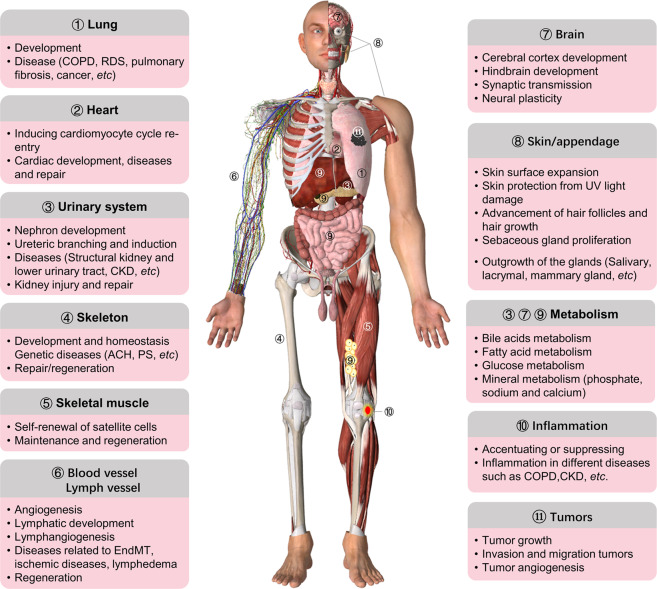
Growing evidences suggest that the fibroblast growth factor/FGF receptor (FGF/FGFR) signaling has crucial roles in a multitude of processes during embryonic development and adult homeostasis by regulating cellular lineage commitment, differentiation, proliferation, and apoptosis of various types of cells. In this review, we provide a comprehensive overview of the current understanding of FGF signaling and its roles in organ development, injury repair, and the pathophysiology of spectrum of diseases, which is a consequence of FGF signaling dysregulation, including cancers and chronic kidney disease (CKD). In this context, the agonists and antagonists for FGF-FGFRs might have therapeutic benefits in multiple systems.
Overview
The claims and statistics of this paper haven’t been checked yet.
Run the check — free, no account needed. It reads the open-access text and checks the sources it cites.
Integrity signals
Registry
Cites
Statistics
Figures
Verification
Claims the paper makes
The claims and statistics of this paper haven’t been checked yet.
Run the check — free, no account needed. It reads the open-access text and checks the sources it cites.
Claims other papers make about this one
Each is checked against this paper’s own text: does it say what the citing paper says it does?
The source backs part of the claim, not all of it — or backs it for a different population, condition or comparison.
In the citing paper
“We then assessed the expression of known FGFR3 ligands56,57 and found concomitant enrichment of FGFR3 and its ligands FGF20 and FGF23 in eGFP+ Paneth-like cells, accompanied by elevated p-FGFR3 levels (Figures 5D, S6D, and S6E).”
From Paneth-like transition drives resistance to dual targeting of KRAS and EGFR in colorectal cancer (2026) · cites this paper as [57]
Experimental — accuracy not yet measured
Self-check
Percentages, sums and reported differences re-computed from the paper’s own numbers.
The self-check needs the paper’s full text.
Citations
Cites
5 retracted
Yan, D., Chen, D., Cool, S. M., van Wijnen, A. J., Mikecz, K., Murphy, G., & Im, H. (2011) · Arthritis Research & Therapy · doi:10.1186/ar3441 · Cited by 146
RetractedIm, H., Li, X., Muddasani, P., Kim, G., Davis, F. J., Rangan, J., Forsyth, C. B., Ellman, M. B., & Thonar, E. J. ‐. A. (2007) · Journal of Cellular Physiology · doi:10.1002/jcp.21317 · Cited by 98
RetractedBasu, M., Mukhopadhyay, S., Chatterjee, U., & Roy, S. S. (2013) · Journal of Biological Chemistry · doi:10.1074/jbc.m113.535427 · Cited by 42
RetractedFgfr2 is integral for bladder mesenchyme patterning and function
Walker, K. A., Ikeda, Y., Zabbarova, I. V., Schaefer, C., Bushnell, D. S., de Groat, W. C., Kanai, A., & Bates, C. M. (2015) · American Journal of Physiology-Renal Physiology · doi:10.1152/ajprenal.00624.2014 · Cited by 16
RetractedTang, Z.-F., & Li, H.-Y. (2018) · PubMed · doi:10.26355/eurrev_201804_14838 · Cited by 11
RetractedThe metabolic phenotype in obesity: Fat mass, body fat distribution, and adipose tissue function
Goossens, G. H. (2017) · Obesity Facts · doi:10.1159/000471488 · Cited by 8,481
Origin and physiological roles of inflammation
Medzhitov, R. (2008) · Nature · doi:10.1038/nature07201 · Cited by 6,618
Fibroblast growth factor signalling: from development to cancer
Turner, N. C., & Grose, R. P. (2010) · Nature reviews. Cancer · doi:10.1038/nrc2780 · Cited by 2,768
Role of platelet-derived growth factors in physiology and medicinePreprint
Andræ, J., Gallini, R., & Betsholtz, C. (2008) · Genes & Development · doi:10.1101/gad.1653708 · Cited by 2,534
What we talk about when we talk about fat
Rosen, E. D., & Spiegelman, B. M. (2014) · Cell · doi:10.1016/j.cell.2013.12.012 · Cited by 2,373
Endothelial-to-mesenchymal transition contributes to cardiac fibrosis
Zeisberg, E. M., Tarnavski, O., Zeisberg, M., Dorfman, A. L., McMullen, J. R., Gustafsson, E., Chandraker, A. K., Yuan, X., Pu, W. T., Roberts, A. B., et al. (2007) · Nature Medicine · doi:10.1038/nm1613 · Cited by 2,251
FGF-21 as a novel metabolic regulator
Kharitonenkov, A., Shiyanova, T. L., Koester, A., Ford, A. M., Micanovic, R., Galbreath, E. J., Sandusky, G. E., Hammond, L. J., Moyers, J. S., Owens, R. A., et al. (2005) · Journal of Clinical Investigation · doi:10.1172/jci23606 · Cited by 2,125
The Fibroblast Growth Factor signaling pathway
Ornitz, D. M., & Itoh, N. (2015) · WIREs Developmental Biology · doi:10.1002/wdev.176 · Cited by 2,050
FGF-23 Is a Potent Regulator of Vitamin D Metabolism and Phosphate Homeostasis
Shimada, T., Hasegawa, H., Yamazaki, Y., Muto, T., Hino, R., Takeuchi, Y., Fujita, T., Nakahara, K., Fukumoto, S., & Yamashita, T. (2004) · Journal of Bone and Mineral Research · doi:10.1359/jbmr.0301264 · Cited by 1,883
Fibroblast growth factor 15 functions as an enterohepatic signal to regulate bile acid homeostasis
Inagaki, T., Choi, M., Moschetta, A., Peng, L., Cummins, C. L., McDonald, J. G., Luo, G., Jones, S. A., Goodwin, B., Richardson, J. A., et al. (2005) · Cell Metabolism · doi:10.1016/j.cmet.2005.09.001 · Cited by 1,865
Klotho converts canonical FGF receptor into a specific receptor for FGF23
Urakawa, I., Yamazaki, Y., Shimada, T., Iijima, K., Hasegawa, H., Okawa, K., Fujita, T., Fukumoto, S., & Yamashita, T. (2006) · Nature · doi:10.1038/nature05315 · Cited by 1,865
Cholangiocarcinoma — evolving concepts and therapeutic strategies
Ilyas, S. I., Khan, S. A., Hallemeier, C. L., Kelley, R. K., & Gores, G. J. (2018) · Nature Reviews Clinical Oncology · doi:10.1038/nrclinonc.2017.157 · Cited by 1,626
Inagaki, T., Dutchak, P., Zhao, G., Ding, X., Gautron, L., Parameswara, V., Li, Y., Goetz, R., Mohammadi, M., Esser, V., et al. (2007) · Cell Metabolism · doi:10.1016/j.cmet.2007.05.003 · Cited by 1,504
Badman, M. K., Pissios, P., Kennedy, A. R., Koukos, G., Flier, J. S., & Maratos-Flier, E. (2007) · Cell Metabolism · doi:10.1016/j.cmet.2007.05.002 · Cited by 1,495
Hunter, D. J., Kraft, P. L., Jacobs, K. B., Cox, D. G., Yeager, M., Hankinson, S. E., Wacholder, S., Wang, Z., Welch, R. A., Hutchinson, A. A., et al. (2007) · Nature Genetics · doi:10.1038/ng2075 · Cited by 1,487
FGF21 regulates PGC-1α and browning of white adipose tissues in adaptive thermogenesis
Fisher, F. M., Kleiner, S., Douris, N., Fox, E. C., Mepani, R. J., Verdeguer, F., Wu, J., Kharitonenkov, A., Flier, J. S., Maratos-Flier, E., et al. (2012) · Genes & Development · doi:10.1101/gad.177857.111 · Cited by 1,478 · cited 2×
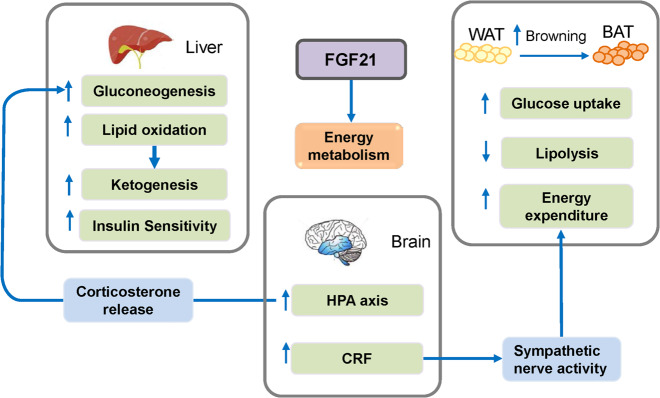
“FGF21 improves the expression of UCP1 in WAT by upregulating PGC-1α protein level and promoting browning of WAT in adaptive thermogenesis.(559,566) FGF21 knockout mice show diminished browning of WAT and a decreased adaption to chronic cold exposure.”
BackgroundAutosomal dominant hypophosphataemic rickets is associated with mutations in FGF23
White, K., Evans, W. E., O'Riordan, J., Speer, M., Econs, M., Lorenz-Depiereux, B., Grabowski, M., Meitinger, T., & Strom, T. (2000) · Nature Genetics · doi:10.1038/81664 · Cited by 1,467
Evidence That Human Cardiac Myocytes Divide after Myocardial Infarction
Beltrami, A. P., Urbanek, K., Kajstura, J., Yan, S., Finato, N., Bussani, R., Nadal‐Ginard, B., Silvestri, F., Leri, A., Beltrami, C. A., et al. (2001) · New England Journal of Medicine · doi:10.1056/nejm200106073442303 · Cited by 1,426
Cloning and characterization of FGF23 as a causative factor of tumor-induced osteomalacia
Shimada, T., Mizutani, S., Muto, T., Yoneya, T., Hino, R., Takeda, S., Takeuchi, Y., Fujita, T., Fukumoto, S., & Yamashita, T. (2001) · Proceedings of the National Academy of Sciences of the United States of America · doi:10.1073/pnas.101545198 · Cited by 1,391
Fgf10 is essential for limb and lung formation
Sekine, K., Ohuchi, H., Fujiwara, M., Yamasaki, M., Yoshizawa, T., Sato, T., Yagishita, N., Matsui, D., Koga, Y., Itoh, N., et al. (1999) · Nature Genetics · doi:10.1038/5096 · Cited by 1,283
Fibroblast growth factor/fibroblast growth factor receptor system in angiogenesis
Presta, M., Dell’Era, P., Mitola, S. M. F., Moroni, E., Ronca, R., & Rusnati, M. (2005) · Cytokine & Growth Factor Reviews · doi:10.1016/j.cytogfr.2005.01.004 · Cited by 1,283
Isakova, T., on behalf of the Chronic Renal Insufficiency Cohort (CRIC) Study Group, WAHL, P. W., Vargas, G. S., Gutiérrez, O. M., Scialla, J. J., Xie, H., Appleby, D. H., Nessel, L. C., Bellovich, K. A., et al. (2011) · Kidney International · doi:10.1038/ki.2011.47 · Cited by 1,271
The Molecular Basis of G Protein–Coupled Receptor Activation
Weis, W. I., & Kobilka, B. K. (2018) · Annual Review of Biochemistry · doi:10.1146/annurev-biochem-060614-033910 · Cited by 1,227
Feng, J. Q., Ward, L. M., Liu, S., Lu, Y., Xie, Y., Yuan, B., Yu, X., Rauch, F., Davis, S. I., Zhang, S., et al. (2006) · Nature Genetics · doi:10.1038/ng1905 · Cited by 1,199 · cited 2×
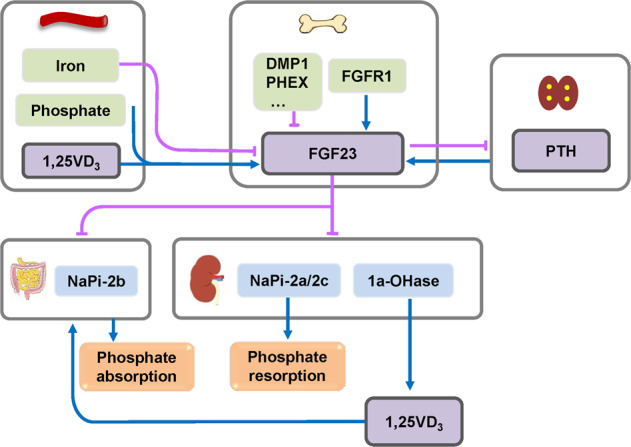
“Both DMP1 and PHEX knockout mice exhibit hypophosphatemic rickets and increased FGF23 expression.(594,596) Although PHEX is a peptidase expressed in the bone, it can inhibit the expression FGF23 without regulating FGF23 degradation.”
BackgroundSelf-citationSchlessinger, J., Plotnikov, A. N., Ibrahimi, O. A., Eliseenkova, A. V., Yeh, B. K., Yayon, A., Linhardt, R. J., & Mohammadi, M. (2000) · Molecular Cell · doi:10.1016/s1097-2765(00)00073-3 · Cited by 1,199
Xu, J., Lloyd, D. J., Hale, C., Stanislaus, S., Chen, M., Sivits, G., Vonderfecht, S., Hecht, R., Li, Y.-S., Lindberg, R. A., et al. (2009) · Diabetes · doi:10.2337/db08-0392 · Cited by 1,151
In vivo genome editing improves muscle function in a mouse model of Duchenne muscular dystrophy
Nelson, C. E., Hakim, C. H., Ousterout, D. G., Thakore, P. I., Moreb, E. A., Rivera, R. M. C., Madhavan, S., Pan, X., Ran, F. A., Yan, W. X., et al. (2016) · Science · doi:10.1126/science.aad5143 · Cited by 1,144
Francis, F., Hennig, S., Korn, B., Reinhardt, R., de Jong, P., Poustka, A. J., Lehrach, H. R., Rowe, P. S., Goulding, J. N., Summerfield, T. C., et al. (1995) · Nature Genetics · doi:10.1038/ng1095-130 · Cited by 1,095
Fibroblast growth factor receptor 3 is a negative regulator of bone growth.
Deng, C.-X., Wynshaw-Boris, A., Zhou, F., Kuo, A., & Leder, P. (1996) · Cell · doi:10.1016/s0092-8674(00)81069-7 · Cited by 1,095
Transcriptional control of the inflammatory response
Medzhitov, R., & Horng, T. (2009) · Nature Reviews Immunology · doi:10.1038/nri2634 · Cited by 1,035
Fibroblast Growth Factor 21 Corrects Obesity in Mice
Coskun, T., Bina, H. A., Schneider, M. A., Dunbar, J. D., Hu, C. C., Chen, Y., Moller, D. E., & Kharitonenkov, A. (2008) · Endocrinology · doi:10.1210/en.2008-0816 · Cited by 1,031
Cross, M. J., & Claesson, L. (2001) · Trends in Pharmacological Sciences · doi:10.1016/s0165-6147(00)01676-x · Cited by 1,000
The parathyroid is a target organ for FGF23 in rats
Ben‐Dov, I. Z., Galitzer, H., Lavi-Moshayoff, V., Goetz, R. M., Kuro‐o, M., Mohammadi, M., Sirkis, R., Naveh‐Many, T., & Silver, J. (2007) · Journal of Clinical Investigation · doi:10.1172/jci32409 · Cited by 951
Genome editing with Cas9 in adult mice corrects a disease mutation and phenotype
Yin, H., Xue, W., Chen, S., Bogorad, R. L., Benedetti, E., Grompe, M., Koteliansky, V., Sharp, P. A., Jacks, T., & Anderson, D. G. (2014) · Nature Biotechnology · doi:10.1038/nbt.2884 · Cited by 951
Rando, T. A., & Blau, H. M. (1994) · The Journal of Cell Biology · doi:10.1083/jcb.125.6.1275 · Cited by 944
Zhang, X., Yeung, D. C. Y., Karpisek, M., Stejskal, D., Zhou, Z.-G., Liu, F., Wong, R. L. C., Chow, W.-S., Tso, A. W. K., Lam, K. S. L., et al. (2008) · Diabetes · doi:10.2337/db07-1476 · Cited by 908
The effects of LY2405319, an FGF21 analog, in obese human subjects with type 2 diabetes
Gaich, G., Chien, J. Y., Fu, H., Glass, L. C., Deeg, M. A., Holland, W. L., Kharitonenkov, A., Bumol, T., Schilske, H. K., & Moller, D. E. (2013) · Cell Metabolism · doi:10.1016/j.cmet.2013.08.005 · Cited by 885
Skeletal overgrowth and deafness in mice lacking fibroblast growth factor receptor 3
Colvin, J. S., Bohne, B. A., Harding, G. W., McEwen, D. G., & Ornitz, D. M. (1996) · Nature Genetics · doi:10.1038/ng0496-390 · Cited by 868
Moerlooze, L. D., Spencer‐Dene, B., Revest, J., Hajihosseini, M. K., Rosewell, I. R., & Dickson, C. (2000) · Development · doi:10.1242/dev.127.3.483 · Cited by 863
The Arterial Pole of the Mouse Heart Forms from Fgf10-Expressing Cells in Pharyngeal Mesoderm
Kelly, R. G., Brown, N. A., & BUCKINGHAM, M. E. (2001) · Developmental Cell · doi:10.1016/s1534-5807(01)00040-5 · Cited by 854
The aged niche disrupts muscle stem cell quiescence
Chakkalakal, J. V., Jones, K. M., Basson, M. A., & Brack, A. S. (2012) · Nature · doi:10.1038/nature11438 · Cited by 851
Therapeutic antibodies for autoimmunity and inflammation
Chan, A. C., & Carter, P. J. (2010) · Nature reviews. Immunology · doi:10.1038/nri2761 · Cited by 846
c-kit+ cells minimally contribute cardiomyocytes to the heart
van Berlo, J. H., Kanisicak, O., Maillet, M., Vagnozzi, R. J., Karch, J. M., Lin, S. J., Middleton, R., Marbán, E., & Molkentin, J. D. (2014) · Nature · doi:10.1038/nature13309 · Cited by 794
fgfr-1 is required for embryonic growth and mesodermal patterning during mouse gastrulation.Preprint
Yamaguchi, T. P., Harpal, K., Henkemeyer, M. J., & Rossant, J. (1994) · Genes & Development · doi:10.1101/gad.8.24.3032 · Cited by 776
Murine FGFR-1 is required for early postimplantation growth and axial organization.Preprint
Deng, C.-X., Wynshaw-Boris, A., Shen, M. M., Daugherty, C., Ornitz, D., & Leder, P. (1994) · Genes & Development · doi:10.1101/gad.8.24.3045 · Cited by 775
Engineering adeno-associated viruses for clinical gene therapy
Kotterman, M. A., & Schaffer, D. V. (2014) · Nature Reviews Genetics · doi:10.1038/nrg3742 · Cited by 761
Frequent activating mutations of FGFR3 in human bladder and cervix carcinomas
Cappellen, D., de Oliveira, C. C. B., Ricol, D., de Medina, S. D., Bourdin, J., Sastre-Garau, X., Chopin, D., Thiery, J., & Radvanyi, F. (1999) · Nature Genetics · doi:10.1038/12615 · Cited by 743
The Klotho proteins in health and disease
Kuro-o, M. (2019) · Nature Reviews Nephrology · doi:10.1038/s41581-018-0078-3 · Cited by 707
Potthoff, M. J., Inagaki, T., Satapati, S., Ding, X., He, T., Goetz, R., Mohammadi, M., Finck, B. N., Mangelsdorf, D. J., Kliewer, S. A., et al. (2009) · Proceedings of the National Academy of Sciences · doi:10.1073/pnas.0904187106 · Cited by 704
Fon Tacer, K., Bookout, A. L., Ding, X., Kurosu, H., John, G. B., Wang, L., Goetz, R., Mohammadi, M., Kuro-o, M., Mangelsdorf, D. J., et al. (2010) · Molecular Endocrinology · doi:10.1210/me.2010-0142 · Cited by 700
Lin, Z., Tian, H., Lam, K. S. L., Lin, S., Hoo, R. C. L., Konishi, M., Itoh, N., Wang, Y., Bornstein, S. R., Xu, A., et al. (2013) · Cell Metabolism · doi:10.1016/j.cmet.2013.04.005 · Cited by 691
Endothelial to Mesenchymal Transition: Role in Physiology and in the Pathogenesis of Human Diseases
Piera-Velázquez, S., & Jiménez, S. A. (2019) · Physiological Reviews · doi:10.1152/physrev.00021.2018 · Cited by 688
Functions of heparan sulfate proteoglycans in cell signaling during development
Lin, X. (2004) · Development · doi:10.1242/dev.01522 · Cited by 678
Conversion of vascular endothelial cells into multipotent stem-like cells
Medici, D., Shore, E. M., Lounev, V. Y., Kaplan, F. S., Kalluri, R., & Olsen, B. R. (2010) · Nature Medicine · doi:10.1038/nm.2252 · Cited by 678
FGF10 acts as a major ligand for FGF receptor 2 IIIb in mouse multi-organ development.
Ohuchi, H., Hori, Y., Yamasaki, M., Harada, H., Sekine, K., Kato, S., & Itoh, N. (2000) · Biochemical and Biophysical Research Communications - BBRC · doi:10.1006/bbrc.2000.3721 · Cited by 663
Cause of Death in Patients with Reduced Kidney Function
Thompson, S., James, M. T., Wiebe, N., Hemmelgarn, B. R., Manns, B., Klarenbach, S. W., & Tonelli, M. A. (2015) · Journal of the American Society of Nephrology · doi:10.1681/asn.2014070714 · Cited by 662
Yu, K., Xu, J.-S., Liu, Z.-H., Šošić, D., Shao, J.-S., Olson, E., Towler, D., & Ornitz, D. (2003) · Development · doi:10.1242/dev.00491 · Cited by 654
Pharmacological Treatment of Coronary Artery Disease With Recombinant Fibroblast Growth Factor-2
Simons, M., Annex, B. H., Laham, R. J., Kleiman, N. S., Henry, T. D., Dauerman, H. L., Udelson, J. E., Gervino, E. V., Pike, M. C., Whitehouse, M. J., et al. (2002) · Circulation · doi:10.1161/hc0802.104407 · Cited by 646
Regulation of Fracture Repair by Growth Factors
Bolander, M. E. (1992) · Experimental Biology and Medicine · doi:10.3181/00379727-200-43410a · Cited by 637
FGF19 as a Postprandial, Insulin-Independent Activator of Hepatic Protein and Glycogen Synthesis
Kir, S., Beddow, S. A., Samuel, V. T., Miller, P., Previs, S. F., Suino-Powell, K., Xu, H. E., Shulman, G. I., Kliewer, S. A., & Mangelsdorf, D. J. (2011) · Science · doi:10.1126/science.1198363 · Cited by 637
Cellular and molecular mechanisms in kidney fibrosis
Duffield, J. S. (2014) · Journal of Clinical Investigation · doi:10.1172/jci72267 · Cited by 631
Thermogenic Activation Induces FGF21 Expression and Release in Brown Adipose Tissue
Hondares, E., Iglesias, R., Giralt, A., Gonzalez, F. J., Giralt, M., Mampel, T., & Villarroya, F. (2011) · Journal of Biological Chemistry · doi:10.1074/jbc.m110.215889 · Cited by 623
Correction of a genetic disease in mouse via use of CRISPR-Cas9
Wu, Y., Liang, D., Wang, Y., Bai, M., Tang, W., Bao, S., Yan, Z., Li, D., & Li, J. (2013) · Cell stem cell · doi:10.1016/j.stem.2013.10.016 · Cited by 614
A common mutation in the fibroblast growth factor receptor 1 gene in Pfeiffer syndrome
Muenke, M., Schell, U., Hehr, A., Robin, N. H., Losken, H. W., Schinzel, A., Pulleyn, L. J., Rutland, P., Reardon, W., Malcolm, S., et al. (1994) · Nature Genetics · doi:10.1038/ng1194-269 · Cited by 614
Beck, L., Karaplis, A. C., Amizuka, N., Hewson, A. S., Ozawa, H., & Tenenhouse, H. S. (1998) · Proceedings of the National Academy of Sciences · doi:10.1073/pnas.95.9.5372 · Cited by 607
Tavormina, P. L., Shiang, R., Thompson, L. M., Zhu, Y., Wilkin, D. J., Lachman, R. S., Wilcox, W. R., Rimoin, D. L., Cohn, D. H., & Wasmuth, J. J. (1995) · Nature Genetics · doi:10.1038/ng0395-321 · Cited by 602
Exploring mechanisms of FGF signalling through the lens of structural biology
Goetz, R. M., & Mohammadi, M. (2013) · Nature Reviews Molecular Cell Biology · doi:10.1038/nrm3528 · Cited by 597
p38 MAP kinase inhibition enables proliferation of adult mammalian cardiomyocytesPreprint
Engel, F. B., Schebesta, M., Duong, M. T., Lü, G., Ren, S. V., Madwed, J. B., Jiang, H., Wang, Y., & Keating, M. T. (2005) · Genes & Development · doi:10.1101/gad.1306705 · Cited by 595
Vacca, A., Ribatti, D., Presta, M., Minischetti, M., Iurlaro, M., Ria, R., Albini, A., Bussolino, F., & Dammacco, F. (1999) · Blood · doi:10.1182/blood.v93.9.3064 · Cited by 593
Circulating FGF21 Is Liver Derived and Enhances Glucose Uptake During Refeeding and Overfeeding
Markan, K. R., Naber, M. C., Ameka, M. K., Anderegg, M. D., Mangelsdorf, D. J., Kliewer, S. A., Mohammadi, M., & Potthoff, M. J. (2014) · Diabetes · doi:10.2337/db14-0595 · Cited by 590
Taraboletti, G., D’Ascenzo, S., Borsotti, P., Giavazzi, R., Pavan, A., & Dolo, V. (2002) · American Journal Of Pathology · doi:10.1016/s0002-9440(10)64887-0 · Cited by 588
Activation of the FGF receptor underlies neurite outgrowth stimulated by L1, N-CAM, and N-cadherin
Williams, E. J., Furness, J., Walsh, F. S., & Doherty, P. (1994) · Neuron · doi:10.1016/0896-6273(94)90027-2 · Cited by 585
Fu, L., John, L. M., Adams, S. H., Yu, X. X., Tomlinson, E., Renz, M. E., Williams, P. M., Soriano, R. H., Corpuz, R. T., Moffat, B., et al. (2004) · Endocrinology · doi:10.1210/en.2003-1671 · Cited by 584
Tomlinson, E., Fu, L., John, L., Hultgren, B., Huang, X., Renz, M., Stephan, J. P., Tsai, S. P., Powell-Braxton, L., French, D., et al. (2002) · Endocrinology · doi:10.1210/endo.143.5.8850 · Cited by 576
Bernet, J. D., Doles, J. D., Hall, J. K., Kelly Tanaka, K., Carter, T. A., & Olwin, B. B. (2014) · Nature Medicine · doi:10.1038/nm.3465 · Cited by 573
Goyal, L., Saha, S. K., Liu, L. Y., Siravegna, G., Leshchiner, I., Ahronian, L. G., Lennerz, J. K., Vu, P., Deshpande, V., Kambadakone, A. R., et al. (2016) · Cancer Discovery · doi:10.1158/2159-8290.cd-16-1000 · Cited by 567
A dual AAV system enables the Cas9-mediated correction of a metabolic liver disease in newborn mice
Yang, Y., Wang, L., Bell, P., McMenamin, D., He, Z., White, J., Yu, H., Xu, C., Morizono, H., Musunuru, K., et al. (2016) · Nature Biotechnology · doi:10.1038/nbt.3469 · Cited by 556
Goetz, R. M., Beenken, A., Ibrahimi, O. A., Kalinina, J., Olsen, S. K., Eliseenkova, A. V., Xu, C.-F., Neubert, T. A., Zhang, F., Linhardt, R. J., et al. (2007) · Molecular and Cellular Biology · doi:10.1128/mcb.02249-06 · Cited by 550
FGF21 regulates metabolism and circadian behavior by acting on the nervous system
Bookout, A. L., de Groot, M. H. M., Owen, B. M., Lee, S., Gautron, L., Lawrence, H. L., Ding, X., Elmquist, J. K., Takahashi, J. S., Mangelsdorf, D. J., et al. (2013) · Nature Medicine · doi:10.1038/nm.3249 · Cited by 545
Dutchak, P. A., Katafuchi, T., Bookout, A. L., Choi, J. H., Yu, R. T., Mangelsdorf, D. J., & Kliewer, S. A. (2012) · Cell · doi:10.1016/j.cell.2011.11.062 · Cited by 537
Satellite-cell pool size does matter: Defining the myogenic potency of aging skeletal muscle
Shefer, G., de Mark, D. P. V., Richardson, J. B., & Yablonka‐Reuveni, Z. (2006) · Developmental Biology · doi:10.1016/j.ydbio.2006.02.022 · Cited by 526
FGF21 acts centrally to induce sympathetic nerve activity, energy expenditure, and weight loss
Owen, B. M., Ding, X., Morgan, D. A., Coate, K. C., Bookout, A. L., Rahmouni, K., Kliewer, S. A., & Mangelsdorf, D. J. (2014) · Cell Metabolism · doi:10.1016/j.cmet.2014.07.012 · Cited by 523
Functions and regulations of fibroblast growth factor signaling during embryonic development
Thisse, B., & Thisse, C. (2005) · Developmental Biology · doi:10.1016/j.ydbio.2005.09.011 · Cited by 508
Gavine, P. R., Mooney, L. M., Kilgour, E., Thomas, A. P., Al-Kadhimi, K. J., Beck, S., Rooney, C., Coleman, T., Baker, D., Mellor, M. J., et al. (2012) · Cancer Research · doi:10.1158/0008-5472.can-11-3034 · Cited by 507
Molecular Signature of Quiescent Satellite Cells in Adult Skeletal Muscle
Fukada, S.-I., Uezumi, A., Ikemoto, M., Masuda, S., Segawa, M., Tanimura, N., Yamamoto, H., Miyagoe-Suzuki, Y., & Takeda, S. (2007) · Stem Cells · doi:10.1634/stemcells.2007-0019 · Cited by 506
Regulation of Fibroblastic Growth Factor 23 Expression but Not Degradation by PHEX
Liu, S., Guo, R., Simpson, L. G., Xiao, Z.-S., Burnham, C. E., & Quarles, L. D. (2003) · Journal of Biological Chemistry · doi:10.1074/jbc.m304544200 · Cited by 505
Coordination of chondrogenesis and osteogenesis by fibroblast growth factor 18.Preprint
Liu, Z.-H., Xu, J.-S., Colvin, J. S., & Ornitz, D. (2002) · Genes & Development · doi:10.1101/gad.965602 · Cited by 501
α-Klotho is a non-enzymatic molecular scaffold for FGF23 hormone signalling
Chen, G., Yang, L., Goetz, R. M., Fu, L., Jayaraman, S., Hu, M. C., Moe, O. W., Liang, G., Li, X., & Mohammadi, M. (2018) · Nature · doi:10.1038/nature25451 · Cited by 501
Larsson, T. E., Marsell, R., Schipani, E., Ohlsson, C., Ljunggren, Ö., Tenenhouse, H. S., Jüppner, H., & Jonsson, K. B. (2004) · Endocrinology · doi:10.1210/en.2003-1768 · Cited by 497
FGFR-3 and FGFR-4 function cooperatively to direct alveogenesis in the murine lung
Weinstein, M. B., Xu, X., Ohyama, K., & Deng, C. (1998) · Development · doi:10.1242/dev.125.18.3615 · Cited by 496
Pathogenic role of Fgf23 in Hyp mice
Liu, S., Zhou, J., Tang, W., Jiang, X., Rowe, D. W., & Quarles, L. D. (2006) · American Journal of Physiology-Endocrinology and Metabolism · doi:10.1152/ajpendo.00008.2006 · Cited by 494
Minina, E., Kreschel, C., Naski, M., Ornitz, D., & Vortkamp, A. (2002) · Developmental Cell · doi:10.1016/s1534-5807(02)00261-7 · Cited by 489
Autosomal-dominant hypophosphatemic rickets (ADHR) mutations stabilize FGF-23
White, K. E., Carn, G., Lorenz‐Depiereux, B., Benet‐Pagès, A., Strom, T. M., & Econs, M. J. (2001) · Kidney International · doi:10.1046/j.1523-1755.2001.00064.x · Cited by 488
Ohbayashi, N., Shibayama, M., Kurotaki, Y., Imanishi, M., Fujimori, T., Itoh, N., & Takada, S. (2002) · Genes & Development · doi:10.1101/gad.965702 · Cited by 487
An FGF23 missense mutation causes familial tumoral calcinosis with hyperphosphatemia.
Benet-Pagès, A., Orlik, P., Strom, T., & Lorenz-Depiereux, B. (2005) · Human Molecular Genetics · doi:10.1093/hmg/ddi034 · Cited by 486
Clegg, C. H., Linkhart, T. A., Olwin, B. B., & Hauschka, S. D. (1987) · The Journal of Cell Biology · doi:10.1083/jcb.105.2.949 · Cited by 478
Circulating FGF-23 Is Regulated by 1α,25-Dihydroxyvitamin D3 and Phosphorus in Vivo
Saitô, H., Maeda, A., Ohtomo, S., Hirata, M., Kusano, K., Kato, S., Ogata, E., Segawa, H., Miyamoto, K., & Fukushima, N. (2004) · Journal of Biological Chemistry · doi:10.1074/jbc.m408903200 · Cited by 468
Somatic Mutations of the Protein Kinase Gene Family in Human Lung Cancer
Davies, H. R., Hunter, C., Smith, R., Stephens, P., Greenman, C., Bignell, G. R., Teague, J. W., Butler, A. P., Edkins, S., Stevens, C., et al. (2005) · Cancer Research · doi:10.1158/0008-5472.can-05-1855 · Cited by 464
Pietras, K., Pahler, J. C., Bergers, G., & Hanahan, D. (2008) · PLoS Medicine · doi:10.1371/journal.pmed.0050019 · Cited by 452
Eph Receptor Signaling and EphrinsPreprint
Lisabeth, E. M., Falivelli, G., & Pasquale, E. B. (2013) · Cold Spring Harbor Perspectives in Biology · doi:10.1101/cshperspect.a009159 · Cited by 448
Shimada, T., Muto, T., Urakawa, I., Yoneya, T., Yamazaki, Y., Okawa, K., Takeuchi, Y., Fujita, T., Fukumoto, S., & Yamashita, T. (2002) · Endocrinology · doi:10.1210/endo.143.8.8795 · Cited by 439
Gattineni, J., Bates, C. M., Twombley, K. E., Dwarakanath, V. N., Robinson, M. L., Goetz, R. M., Mohammadi, M., & Baum, M. G. (2009) · American Journal of Physiology-Renal Physiology · doi:10.1152/ajprenal.90742.2008 · Cited by 438
Sawey, E. T., Chanrion, M., Cai, C., Wu, G., Zhang, J., Zender, L., Zhao, A. S., Busuttil, R. W., Yee, H. T., Stein, L. D., et al. (2011) · Cancer Cell · doi:10.1016/j.ccr.2011.01.040 · Cited by 437
Nogová, L., Sequist, L. V. D., Pérez-García, J. M., André, F., Delord, J., Hidalgo, M. M., Schellens, J. H. M., Cassier, P. A., Camidge, D. R., Schüler, M., et al. (2017) · Journal of Clinical Oncology · doi:10.1200/jco.2016.67.2048 · Cited by 434
Generation of lung organoids from human pluripotent stem cells in vitro
Miller, A. J., Dye, B. R., Ferrer-Torres, D., Hill, D. R., Overeem, A. W., Shea, L. D., & Spence, J. R. (2019) · Nature Protocols · doi:10.1038/s41596-018-0104-8 · Cited by 431
FGF15/19 Regulates Hepatic Glucose Metabolism by Inhibiting the CREB-PGC-1α Pathway
Potthoff, M. J., Boney-Montoya, J., Choi, M., He, T., Sunny, N. E., Satapati, S., Suino-Powell, K., Xu, H. E., Gerard, R. D., Finck, B. N., et al. (2011) · Cell Metabolism · doi:10.1016/j.cmet.2011.03.019 · Cited by 431
Shimada, T., Urakawa, I., Yamazaki, Y., Hasegawa, H., Hino, R., Yoneya, T., Takeuchi, Y., Fujita, T., Fukumoto, S., & Yamashita, T. (2004) · Biochemical and Biophysical Research Communications · doi:10.1016/j.bbrc.2003.12.102 · Cited by 429
Peters, K. G., Werner, S., Liao, X. C., Wert, S. E., Whitsett, J. A., & Williams, L. T. (1994) · The EMBO Journal · doi:10.1002/j.1460-2075.1994.tb06631.x · Cited by 427
Wei, W., Dutchak, P. A., Wang, X., Ding, X., Wang, X., Bookout, A. L., Goetz, R., Mohammadi, M., Gerard, R. D., Dechow, P. C., et al. (2012) · Proceedings of the National Academy of Sciences · doi:10.1073/pnas.1200797109 · Cited by 426
Therapeutic potential of the endocrine fibroblast growth factors FGF19, FGF21 and FGF23
Degirolamo, C., Sabbà, C., & Moschetta, A. (2016) · Nature Reviews Drug Discovery · doi:10.1038/nrd.2015.9 · Cited by 424 · cited 1×
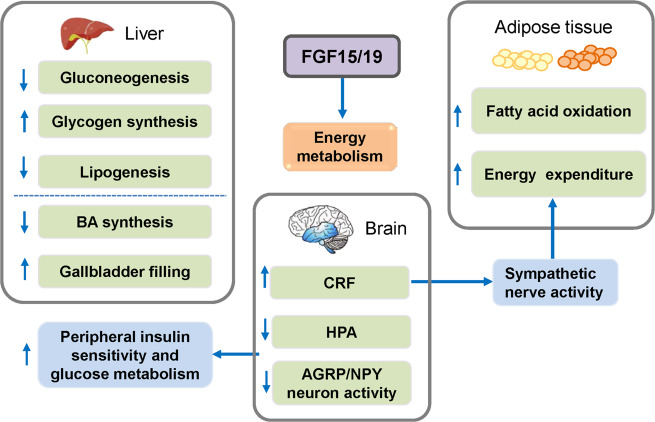
“Endocrine FGFs, encoded by FGF19 subfamily gene, which bind and activate FGFRs with the Klotho family protein, regulate a wide range of metabolic processes.(692) Based on the structure–function principle, separating mitogenic and metabolic activities of FGF19 through mutagenesis of five N-terminal and heparin-binding…”
BackgroundSong, K., Li, T., Owsley, E., Strom, S. C., & Chiang, J. Y. L. (2008) · Hepatology · doi:10.1002/hep.22627 · Cited by 424
Shalhoub, V., Shatzen, E. M., Ward, S. C., Davis, J., Stevens, J. L., Bi, V., Renshaw, L., Hawkins, N., Wang, W., Chen, C., et al. (2012) · Journal of Clinical Investigation · doi:10.1172/jci61405 · Cited by 417
Bachmann, M., Kukkurainen, S., Hytönen, V. P., & Wehrle‐Haller, B. (2019) · Physiological Reviews · doi:10.1152/physrev.00036.2018 · Cited by 416
Lavine, K. J., Yu, K., White, A. C., Zhang, X.-Q., Smith, C. S., Partanen, J., & Ornitz, D. (2005) · Developmental Cell · doi:10.1016/j.devcel.2004.12.002 · Cited by 414
Inhibition of Growth Hormone Signaling by the Fasting-Induced Hormone FGF21
Inagaki, T., Lin, V. Y., Goetz, R., Mohammadi, M., Mangelsdorf, D. J., & Kliewer, S. A. (2008) · Cell Metabolism · doi:10.1016/j.cmet.2008.05.006 · Cited by 409
Integration of FGF and TWIST in calvarial bone and suture development
Rice, D. P. C., Åberg, T., Chan, Y.-S., Tang, Z., Kettunen, P. J., Pakarinen, L., Maxson, R. E., & Thesleff, I. (2000) · Development · doi:10.1242/dev.127.9.1845 · Cited by 407
How Cytokine Networks Fuel Inflammation: Toward a cytokine-based disease taxonomy
Schett, G., Elewaut, D., McInnes, I. B., Dayer, J.-M., & Neurath, M. F. (2013) · Nature Medicine · doi:10.1038/nm.3260 · Cited by 406
Cornelison, D., Filla, M. S., Stanley, H. M., Rapraeger, A. C., & Olwin, B. B. (2001) · Developmental Biology · doi:10.1006/dbio.2001.0416 · Cited by 399
Decreased FGF8 signaling causes deficiency of gonadotropin-releasing hormone in humans and mice
Falardeau, J., Chung, W. C. J., Beenken, A., Raivio, T., Plummer, L., Sidis, Y., Jacobson-Dickman, E. E., Eliseenkova, A. V., Ma, J., Dwyer, A., et al. (2008) · Journal of Clinical Investigation · doi:10.1172/jci34538 · Cited by 397
Cadherin Adhesion and Mechanotransduction
Leckband, D. E., & de Rooij, J. (2014) · Annual Review of Cell and Developmental Biology · doi:10.1146/annurev-cellbio-100913-013212 · Cited by 394
Developmental expression of two murine fibroblast growth factor receptors, fig and bek
Orr‐Urtreger, A., Givol, D., Yayon, A., Yarden, Y., & Lonai, P. (1991) · Development · doi:10.1242/dev.113.4.1419 · Cited by 393
Goetz, R. M., Nakada, Y., Hu, M. C., Kurosu, H., Wang, L., Nakatani, T., Shi, M., Eliseenkova, A. V., Razzaque, M. S., Moe, O. W., et al. (2009) · Proceedings of the National Academy of Sciences · doi:10.1073/pnas.0902006107 · Cited by 391
Tabernero, J. M., Bahleda, R., Dienstmann, R., Infante, J. R., Mita, A. C., Italiano, A., Calvo, E., Moreno, V., Adamo, B., Gazzah, A., et al. (2015) · Journal of Clinical Oncology · doi:10.1200/jco.2014.60.7341 · Cited by 390
Self-citationFibroblast growth factor 2 control of vascular tone
Zhou, M., Sutliff, R. L., Paul, R. J., Lorenz, J. N., Hoying, J. B., Haudenschild, C. C., Yin, M., Coffin, J. D., Kong, L. X., Kranias, E. G., et al. (1998) · Nature Medicine · doi:10.1038/nm0298-201 · Cited by 384
Farrow, E., Yu, X., Summers, L. J., Davis, S. I., Fleet, J. C., Allen, M. R., Robling, A. G., Stayrook, K. R., Jideonwo, V. N., Magers, M. J., et al. (2011) · Proceedings of the National Academy of Sciences · doi:10.1073/pnas.1110905108 · Cited by 380
Engel, F. B., Hsieh, P. C. H., Lee, R. T., & Keating, M. T. (2006) · Proceedings of the National Academy of Sciences · doi:10.1073/pnas.0607382103 · Cited by 371
FGF-dependent metabolic control of vascular development
Yu, P., Wilhelm, K., Dubrac, A., Tung, J. K., Alves, T. C., Fang, J. S., Xie, Y., Zhu, J., Chen, Z., Smet, F. D., et al. (2017) · Nature · doi:10.1038/nature22322 · Cited by 366
Self-citationSingh, S., Grabner, A., Yanucil, C., Schramm, K. J., Czaya, B. A., Krick, S., Czaja, M. J., Bartz, R., Abraham, R., Marco, G. S. D., et al. (2016) · Kidney International · doi:10.1016/j.kint.2016.05.019 · Cited by 365
FGF signaling in the developing endochondral skeleton
Ornitz, D. M. (2005) · Cytokine & Growth Factor Reviews · doi:10.1016/j.cytogfr.2005.02.003 · Cited by 363
Fibroblast growth factor receptors as treatment targets in clinical oncology
Katoh, M. (2018) · Nature Reviews Clinical Oncology · doi:10.1038/s41571-018-0115-y · Cited by 362
Fahmy, R. G., Dass, C. R., Sun, L., Chesterman, C. N., & Khachigian, L. M. (2003) · Nature Medicine · doi:10.1038/nm905 · Cited by 359
Hochberg, M. C., Guermazi, A., Guehring, H., Aydemir, A., Wax, S. D., Fleuranceau-Morel, P., Bihlet, A. R., Byrjalsen, I., Andersen, J. R., & Eckstein, F. (2019) · JAMA · doi:10.1001/jama.2019.14735 · Cited by 355
Shea, K. L., Xiang, W., LaPorta, V. S., Licht, J. D., Keller, C., Basson, M. A., & Brack, A. S. (2010) · Cell stem cell · doi:10.1016/j.stem.2009.12.015 · Cited by 351
Inactivation of FGF8 in early mesoderm reveals an essential role in kidney development
Perantoni, A. O., Timofeeva, O. A., Naillat, F., Richman, C., Pajni-Underwood, S., Wilson, C. P., Vainio, S. J., Dove, L. F., & Lewandoski, M. B. (2005) · Development · doi:10.1242/dev.01945 · Cited by 346
Perera, T. P. S., Jovcheva, E., Mévellec, L., Vialard, J. E., Lange, D. D., Verhulst, T., Paulussen, C., Ven, K. V. D., King, P., Freyne, E. J. E., et al. (2017) · Molecular Cancer Therapeutics · doi:10.1158/1535-7163.mct-16-0589 · Cited by 346
Self-citationDrug-sensitive FGFR2 mutations in endometrial carcinoma
Dutt, A., Salvesen, H. B., Chen, T.-H., Ramos, A. H., Onofrio, R. C., Hatton, C., Nicoletti, R., Winckler, W., Grewal, R., Hanna, M., et al. (2008) · Proceedings of the National Academy of Sciences · doi:10.1073/pnas.0803379105 · Cited by 345
Colvin, J. S., White, A. C., Pratt, S. J. P., & Ornitz, D. M. (2001) · Development · doi:10.1242/dev.128.11.2095 · Cited by 338
Farrokhi, F., Abedi, N., Beyene, J., Kurdyak, P., & Jassal, S. V. (2014) · American Journal of Kidney Diseases · doi:10.1053/j.ajkd.2013.08.024 · Cited by 336
STRESS signaling pathways that modulate cardiac myocyte apoptosis
Baines, C. P., & Molkentin, J. D. (2004) · Journal of Molecular and Cellular Cardiology · doi:10.1016/j.yjmcc.2004.11.004 · Cited by 334
Nikol, S., Baumgärtner, I., BELLE, E. V., Diehm, C., Visonà, A., Capogrossi, M. C., Ferreira-Maldent, N., Gallino, A., Wyatt, M. G., Wijesinghe, L. D., et al. (2008) · Molecular Therapy · doi:10.1038/mt.2008.33 · Cited by 330
FGF9 and FGF20 Maintain the Stemness of Nephron Progenitors in Mice and Man
Barak, H., Huh, S., Chen, S., Jeanpierre, C., Martinovic, J., Parisot, M., Bôle‐Feysot, C., Nitschké, P., Salomon, R., Antignac, C., et al. (2012) · Developmental Cell · doi:10.1016/j.devcel.2012.04.018 · Cited by 329
Bai, X., Miao, D., Li, J., Goltzman, D., & Karaplis, A. C. (2004) · Endocrinology · doi:10.1210/en.2004-0233 · Cited by 329
Therapeutic angiogenesis in cardiovascular disease
Simons, M., & Ware, J. A. (2003) · Nature Reviews Drug Discovery · doi:10.1038/nrd1226 · Cited by 328
Mutations that Cause Osteoglophonic Dysplasia Define Novel Roles for FGFR1 in Bone Elongation
White, K. E., Cabral, J. M., Davis, S. I., Fishburn, T., Evans, W., Ichikawa, S., Fields, J., Yu, X., Shaw, N. J., McLellan, N., et al. (2005) · The American Journal of Human Genetics · doi:10.1086/427956 · Cited by 328
A role for FGF-6 in skeletal muscle regenerationPreprint
Floß, T., Arnold, H.-H., & Braun, T. W. (1997) · Genes & Development · doi:10.1101/gad.11.16.2040 · Cited by 328
FGF23 regulates renal sodium handling and blood pressure
Andrukhova, O., Slavić, S., Тихоновна, С. А., Zeitz, U., Shalhoub, V., Lanske, B., Pohl, E. E., & Erben, R. G. (2014) · EMBO Molecular Medicine · doi:10.1002/emmm.201303716 · Cited by 327
Miller, D. L., Ortega, S., Bashayan, O., Basch, R. S., & Basilico, C. (2000) · Molecular and Cellular Biology · doi:10.1128/mcb.20.6.2260-2268.2000 · Cited by 326
Resident c-kit+ cells in the heart are not cardiac stem cells
Sultana, N., Zhang, L., Yan, J., Chen, J., Cai, W., Razzaque, S., Jeong, D., Sheng, W., Bu, L., Xu, M., et al. (2015) · Nature Communications · doi:10.1038/ncomms9701 · Cited by 326
Taylor, J. G., Cheuk, A., Tsang, P. S., Chung, J., Song, Y., Desai, K. D., Yu, Y., Chen, Q., Shah, K. J., Youngblood, V., et al. (2009) · Journal of Clinical Investigation · doi:10.1172/jci39703 · Cited by 321
Interaction between FGF and BMP signaling pathways regulates development of metanephric mesenchymePreprint
Dudley, A. T., Godin, R. E., & Robertson, E. J. (1999) · Genes & Development · doi:10.1101/gad.13.12.1601 · Cited by 320
FGF21 as Modulator of Metabolism in Health and Disease
Tezze, C., Romanello, V., & Sandri, M. (2019) · Frontiers in Physiology · doi:10.3389/fphys.2019.00419 · Cited by 319
Targeting FGFR with Dovitinib (TKI258): Preclinical and Clinical Data in Breast Cancer
André, F., Bachelot, T., Campone, M., Dalenc, F., Pérez-García, J. M., Hurvitz, S. A., Turner, N. C., Rugo, H. S., Smith, J. W., Deudon, S., et al. (2013) · Clinical Cancer Research · doi:10.1158/1078-0432.ccr-13-0190 · Cited by 315
MyoD−/− Satellite Cells in Single-Fiber Culture Are Differentiation Defective and MRF4 Deficient
Cornelison, D., Olwin, B. B., Rudnicki, M. A., & Wold, B. J. (2000) · Developmental Biology · doi:10.1006/dbio.2000.9682 · Cited by 314
Heparan Sulfate: Biosynthesis, Structure, and Function
Li, J.-P., & Kusche‐Gullberg, M. (2016) · International review of cytology · doi:10.1016/bs.ircmb.2016.02.009 · Cited by 312
Iruela‐Arispe, M. L., Lombardo, M., Krutzsch, H. C., Lawler, J., & Roberts, D. D. (1999) · Circulation · doi:10.1161/01.cir.100.13.1423 · Cited by 308
Iseki, S., Wilkie, A. O. M., & Morriss-Kay, G. M. (1999) · Development · doi:10.1242/dev.126.24.5611 · Cited by 305
Chen, P.-Y., Qin, L., Barnes, C., Charisse, K., Yi, T., Zhang, X., Ali, R., Medina, P. P., Yu, J., Slack, F. J., et al. (2012) · Cell Reports · doi:10.1016/j.celrep.2012.10.021 · Cited by 304
Identification of Sef, a novel modulator of FGF signalling
Tsang, M., Friesel, R., Kudoh, T., & Dawid, I. B. (2002) · Nature Cell Biology · doi:10.1038/ncb749 · Cited by 304
Chamorro, M., Schwartz, D. R., Vonica, A., Brivanlou, A. H., Cho, K. R., & VARMUS, H. E. (2004) · The EMBO Journal · doi:10.1038/sj.emboj.7600460 · Cited by 300
Liang, Q., Zhong, L., Zhang, J., Wang, Y., Bornstein, S. R., Triggle, C. R., Ding, H., Lam, K. S. L., & Xu, A. (2014) · Diabetes · doi:10.2337/db14-0541 · Cited by 299
Coffin, J. D., Florkiewicz, R. Z., Neumann, J. C., Mort-Hopkins, T., Dorn, G. W., Lightfoot, P. S., German, R. Z., Howles, P. N., Kier, A. B., & O’Toole, B. A. (1995) · Molecular Biology of the Cell · doi:10.1091/mbc.6.12.1861 · Cited by 299
Detection, Characterization, and Inhibition of FGFR–TACC Fusions in IDH Wild-type Glioma
Stefano, A. L. D., Fucci, A., Frattini, V., Labussière, M., Mokhtari, K., Zoppoli, P., Marie, Y., Bruno, A., Boisselier, B., Giry, M., et al. (2015) · Clinical Cancer Research · doi:10.1158/1078-0432.ccr-14-2199 · Cited by 297
Self-citationEph Receptors and Ephrins: Therapeutic Opportunities
Barquilla, A., & Pasquale, E. B. (2014) · The Annual Review of Pharmacology and Toxicology · doi:10.1146/annurev-pharmtox-011112-140226 · Cited by 295
Nissen, L. J., Cao, R., Hedlund, E., Wang, Z., Zhao, X., Wetterskog, D., Funa, K., Bråkenhielm, E., & Cao, Y. (2007) · Journal of Clinical Investigation · doi:10.1172/jci32479 · Cited by 294
Sef is a spatial regulator for Ras/MAP kinase signaling.
Torii, S., Kusakabe, M., Yamamoto, T., Maekawa, M., & Nishida, E. (2004) · Developmental Cell · doi:10.1016/j.devcel.2004.05.019 · Cited by 292
Trudel, S., Li, Z., Wei, E. N., Wiesmann, M., Chang, H., Chen, C. I., Reece, D. E., Heise, C. C., & Stewart, A. K. (2004) · Blood · doi:10.1182/blood-2004-10-3913 · Cited by 292
Role of FGF/FGFR signaling in skeletal development and homeostasis: learning from mouse models
Su, N. Y., Jin, M. Y., & Chen, L. (2014) · Bone Research · doi:10.1038/boneres.2014.3 · Cited by 291
Self-citationIdentification of a hormonal basis for gallbladder filling
Choi, M., Moschetta, A., Bookout, A. L., Peng, L., Umetani, M., Holmstrom, S. R., Suino-Powell, K. M., Xu, H. E., Richardson, J. A., Gerard, R. D., et al. (2006) · Nature Medicine · doi:10.1038/nm1501 · Cited by 290
Sarruf, D. A., Thaler, J. P., Morton, G. J., German, J. P., Fischer, J. D., Ogimoto, K., & Schwartz, M. W. (2010) · Diabetes · doi:10.2337/db09-1878 · Cited by 287
A PPARγ-FGF1 axis is required for adaptive adipose remodelling and metabolic homeostasis
Jonker, J., Suh, J. M., Atkins, A., Ahmadian, M., Li, P., Whyte, J., He, M., Juguilon, H., Yin, Y.-Q., Phillips, C. T., et al. (2012) · Nature · doi:10.1038/nature10998 · Cited by 286
Wang, Y., & Becker, D. (1997) · Nature Medicine · doi:10.1038/nm0897-887 · Cited by 284
Olwin, B. B., & Hauschka, S. D. (1986) · Biochemistry · doi:10.1021/bi00360a001 · Cited by 284
FGF23 signaling impairs neutrophil recruitment and host defense during CKD
Rossaint, J., Oehmichen, J., Aken, H. V., Reuter, S., Pavenstädt, H. J., Meersch, M., Unruh, M. L., & Zarbock, A. (2016) · Journal of Clinical Investigation · doi:10.1172/jci83470 · Cited by 282
Nikolić, M., Caritg, O., Jeng, Q., Johnson, J.-A., Sun, D., Howell, K. J., Brady, J., Laresgoiti, U., Allen, G. E., Butler, R., et al. (2017) · eLife · doi:10.7554/elife.26575 · Cited by 280
Schmahl, J., Kim, Y., Colvin, J. S., Ornitz, D., & Capel, B. (2004) · Development · doi:10.1242/dev.01239 · Cited by 279
Molecular Mechanisms of Fibroblast Growth Factor Signaling in Physiology and PathologyPreprint
Belov, A. A., & Mohammadi, M. (2013) · Cold Spring Harbor Perspectives in Biology · doi:10.1101/cshperspect.a015958 · Cited by 278
Adhesion molecule signalling: not always a sticky business
Cavallaro, U., & Dejana, E. (2011) · Nature Reviews Molecular Cell Biology · doi:10.1038/nrm3068 · Cited by 277
Skeletal secretion of FGF-23 regulates phosphate and vitamin D metabolism
Quarles, L. D. (2012) · Nature Reviews Endocrinology · doi:10.1038/nrendo.2011.218 · Cited by 276
Cancer progression and tumor cell motility are associated with the FGFR4 Arg(388) allele.
Bange, J., Prechtl, D., Cheburkin, Y. V., Specht, K., Harbeck, N., Schmitt, M., Knyazeva, T., Müller, S., Gärtner, S., Sures, I., et al. (2002) · PubMed · Cited by 275
Role of heparan sulfate in fibroblast growth factor signalling: a structural view
Pellegrini, L. (2001) · Current Opinion in Structural Biology · doi:10.1016/s0959-440x(00)00258-x · Cited by 274
FGFR1 Emerges as a Potential Therapeutic Target for Lobular Breast Carcinomas
Reis-Filho, J. S., Simpson, P. T., Turner, N. C., Lambros, M. B., Jones, C., Mackay, A. G., Grigoriadis, A. E., Sarrió, D., Savage, K., Dexter, T., et al. (2006) · Clinical Cancer Research · doi:10.1158/1078-0432.ccr-06-1164 · Cited by 274
Lohmander, S. L., Hellot, S., Dreher, D., Krantz, E. F. W., Kruger, D., Guermazi, A., & Eckstein, F. (2014) · Arthritis & Rheumatology · doi:10.1002/art.38614 · Cited by 274
FGFR2 -Amplified Gastric Cancer Cell Lines Require FGFR2 and Erbb3 Signaling for Growth and Survival
Kunii, K., Davis, L. J., Gorenstein, J., Hatch, H., Yashiro, M., Bacco, A. D., Elbi, C., & Lutterbach, B. A. (2008) · Cancer Research · doi:10.1158/0008-5472.can-07-5229 · Cited by 273
The p38α/β MAPK functions as a molecular switch to activate the quiescent satellite cell
Jones, N. C., Tyner, K. J., Nibarger, L., Stanley, H. M., Cornelison, D., Fedorov, Y. V., & Olwin, B. B. (2005) · The Journal of Cell Biology · doi:10.1083/jcb.200408066 · Cited by 272
Kratochwil, K., Galcerán, J., Tontsch, S., Roth, W., & Grosschedl, R. (2002) · Genes & Development · doi:10.1101/gad.1035602 · Cited by 270
Regulation of growth factor signaling by FRS2 family docking/scaffold adaptor proteins
Gotoh, N. (2008) · Cancer Science · doi:10.1111/j.1349-7006.2008.00840.x · Cited by 269
Troy, A., Cadwallader, A. B., Fedorov, Y., Tyner, K., Tanaka, K. K., & Olwin, B. B. (2012) · Cell Stem Cell · doi:10.1016/j.stem.2012.05.025 · Cited by 268
Miraoui, H., Dwyer, A. A., Sykiotis, G. P., Plummer, L., Chung, W., Feng, B., Beenken, A., Clarke, J., Pers, T. H., Dworzynski, P., et al. (2013) · The American Journal of Human Genetics · doi:10.1016/j.ajhg.2013.04.008 · Cited by 267
Desnoyers, L. R., Pai, R., Ferrando, R., Hotzel, K., Le, T., Ross, J., Carano, R., D'Souza, A., Qing, J., Mohtashemi, I., et al. (2008) · Oncogene · doi:10.1038/sj.onc.1210623 · Cited by 266
Fibroblast growth factor 21 protects the heart from oxidative stress
Planavila, A., Redondo‐Angulo, I., Ribas‐Aulinas, F., Garrabou, G., Casademont, J., Giralt, M., & Villarroya, F. (2014) · Cardiovascular Research · doi:10.1093/cvr/cvu263 · Cited by 265
Therapeutic Effects of Anti-FGF23 Antibodies in Hypophosphatemic Rickets/Osteomalacia
Aono, Y., Yamazaki, Y., Yasutake, J., Kawata, T., Hasegawa, H., Urakawa, I., Fujita, T., Wada, M., Yamashita, T., Fukumoto, S., et al. (2009) · Journal of Bone and Mineral Research · doi:10.1359/jbmr.090509 · Cited by 264
Steinberg, Z. L., Myers, C., Heim, V. M., Lathrop, C. A., Rebustini, I. T., Stewart, J. S., Larsen, M., & Hoffman, M. P. (2005) · Development · doi:10.1242/dev.01690 · Cited by 264
Fibroblast Growth Factor in the Extracellular Matrix of Dystrophic (mdx) Mouse Muscle
DiMario, J. X., Buffinger, N., Yamada, S., & Strohman, R. C. (1989) · Science · doi:10.1126/science.2717945 · Cited by 262
Revest, J., Spencer‐Dene, B., Kerr, K., Moerlooze, L. D., Rosewell, I. R., & Dickson, C. (2001) · Developmental Biology · doi:10.1006/dbio.2000.0144 · Cited by 262
Muscle satellite cell heterogeneity and self-renewal
Motohashi, N., & Asakura, A. (2014) · Frontiers in Cell and Developmental Biology · doi:10.3389/fcell.2014.00001 · Cited by 262
Research works printed but not linked: 1
- Wang, Y. & Becker, D. Antisense targeting of basic fibroblast growth factor and fibroblast growth factor receptor-1 in human melanomas blocks intratumoral angiogenesis and tumor growth. Nat. Med. 3, 887–893 (1997). · DOI
Cited by
Sorted by citations
Fibroblasts: Origins, definitions, and functions in health and disease
Plikus, M. V., Wang, X., Sinha, S., Forte, E., Thompson, S. M., Herzog, E. L., Driskell, R. R., Rosenthal, N. A., Biernaskie, J. A., & Horsley, V. (2021) · Cell · doi:10.1016/j.cell.2021.06.024 · Cited by 1,247
The role of biomarkers in diagnosis of COVID-19 – A systematic review
Kermali, M., Khalsa, R. K., Pillai, K., Ismail, Z., & Harky, A. (2020) · Life Sciences · doi:10.1016/j.lfs.2020.117788 · Cited by 689
Molecular targeted therapy for anticancer treatment
Min, H.-Y., & Lee, H.-Y. (2022) · Experimental & Molecular Medicine · doi:10.1038/s12276-022-00864-3 · Cited by 569
Targeting cytokine and chemokine signaling pathways for cancer therapy
Yi, M., Li, T., Niu, M., Zhang, H., Wu, Y., Wu, K., & Dai, Z. (2024) · Signal Transduction and Targeted Therapy · doi:10.1038/s41392-024-01868-3 · Cited by 528
COVID-19 and multiorgan failure: A narrative review on potential mechanisms
Mokhtari, T., Hassani, F., Ghaffari, N., Ebrahimi, B., Yarahmadi, A., & Hassanzadeh, G. (2020) · Journal of Molecular Histology · doi:10.1007/s10735-020-09915-3 · Cited by 449
Metadata
- Authors
- Xie, Y., Su, N., Yang, J., Tan, Q., Huang, S., Jin, M., Ni, Z., Zhang, B., Zhang, D., Luo, F., Chen, H., Sun, X., Feng, J. Q., Qi, H., & Chen, L.
- Affiliations
- Army Medical University (CN)
- Texas A&M University (US)
- Corresponding author
- Xie, Yangli
- ORCID
- Venue
- Signal Transduction and Targeted Therapy
- Published
- 2020-09-02
- Volume
- 5
- Issue
- 1
- Pages
- 181-181
- ISSN
- 2059-3635 (ISSN-L)
- PMC
- PMC7468161
- OpenAlex
- W3082979654
- Cited by
- 904
- References
- 760
- Citations by year
- 2026: 148 · 2025: 190 · 2024: 205 · 2023: 151 · 2022: 124 · 2021: 76 · 2020: 9
- FWCI
- 8.62
- Type
- journal article
- Language
- en
- Open access
- gold
- doi.org
- Locations
- Signal Transduction and Targeted Therapy (publishedVersion, cc-by)
- PubMed Central (publishedVersion, cc-by)
- PubMed (publishedVersion)
- Funders
- National Natural Science Foundation of China (81772306, IRT1216, 81991513, 81530071, 2018YFA0800802, 81721001)
- National Key Research and Development Program of China (2018YFA0800802)
- Topics
- Life Sciences › Biochemistry, Genetics and Molecular Biology › Molecular Biology › Fibroblast Growth Factor Research
- Life Sciences › Biochemistry, Genetics and Molecular Biology › Molecular Biology › Connective Tissue Growth Factor Research
- Life Sciences › Biochemistry, Genetics and Molecular Biology › Developmental Biology › Congenital limb and hand anomalies
- Keywords
- fibroblast growth factor, fibroblast growth factor receptor, FGF/FGFR signaling, organogenesis, tissue repair, cancer, chronic kidney disease, therapeutic target, cell differentiation, apoptosis
- MeSH terms
- Cell Differentiation, Fibroblast Growth Factors, Homeostasis, Humans, Neoplasms, Signal Transduction, Apoptosis, Receptors, Fibroblast Growth Factor, Embryonic Development, Cell Proliferation
About these checks
Registry, retraction, Cites and statistics results are computed, not judged, with one exception: a printed reference that no index lists is read once by a model before it counts as a citation error. Claims are extracted by a model and kept only when their quote appears verbatim in the text; each cited source is then checked, with a model’s help, for whether it says what the claim relies on. Those verdicts can be wrong — read the claim’s quote and the cited source before relying on one.
Statistics and arithmetic are recomputed, not judged.
Confidence bands are shown only for fields calibrated on our annotated test set. None is calibrated yet, so no band is shown.
What counts as a claim ›How we measure confidence ›How we check this ›
Are you an author, or do you see a problem with this page? Request a review
