

Targeting TGFβ signal transduction for cancer therapy
Open accessThe DOI matches its Crossref record; 329 of the 330 references it cites were found in a registry or an index.
Abstract
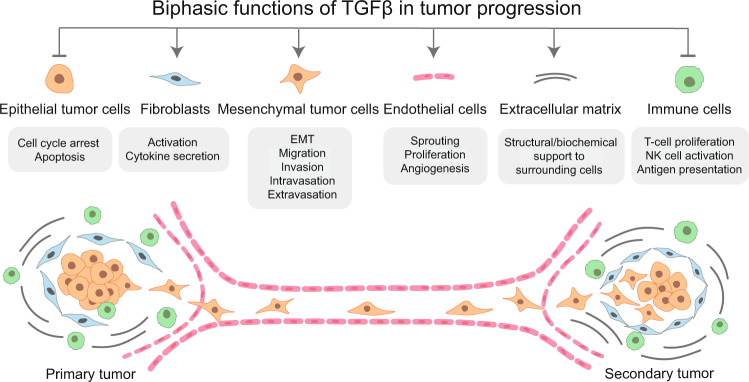
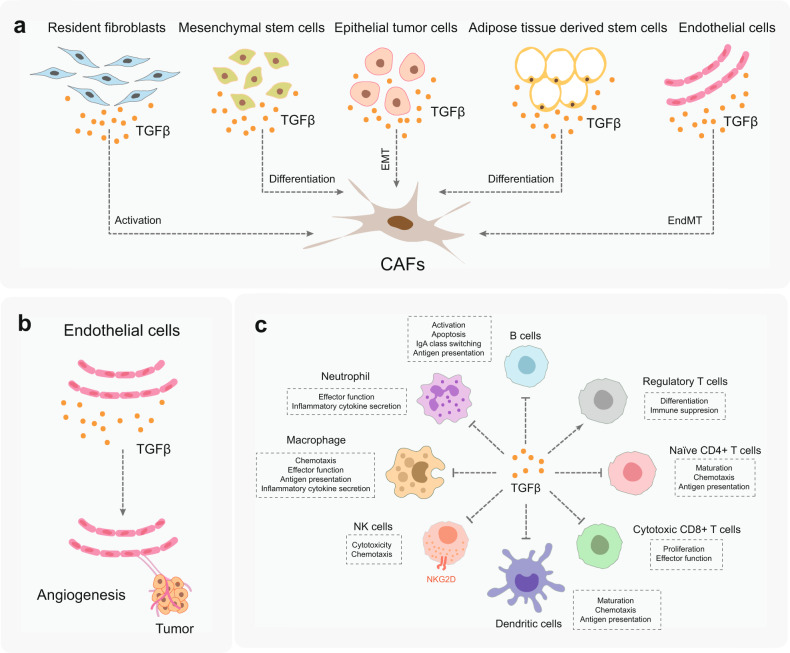
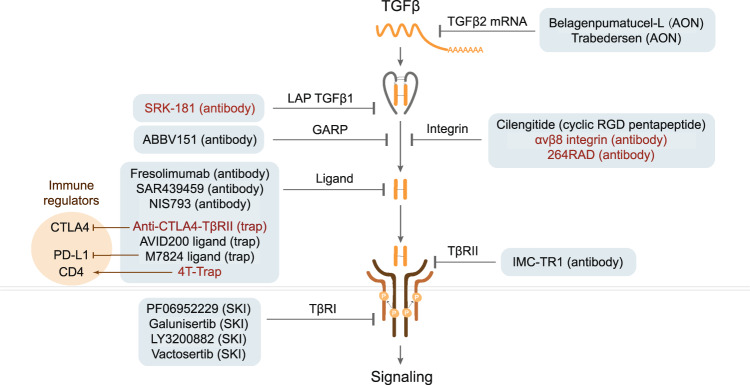
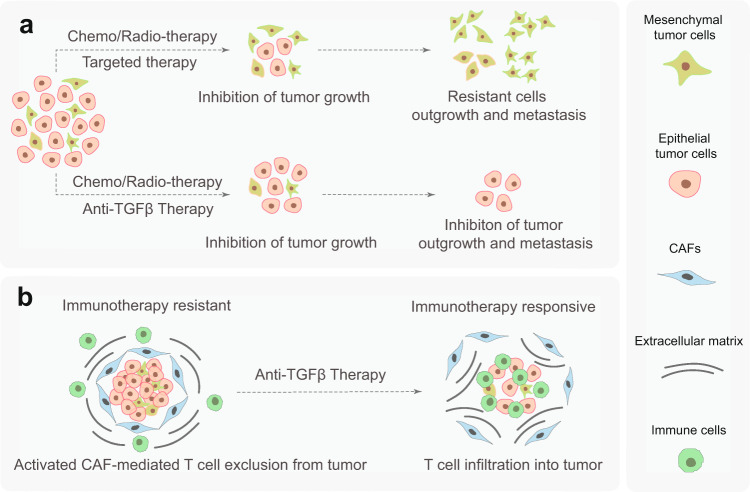
Transforming growth factor-β (TGFβ) family members are structurally and functionally related cytokines that have diverse effects on the regulation of cell fate during embryonic development and in the maintenance of adult tissue homeostasis. Dysregulation of TGFβ family signaling can lead to a plethora of developmental disorders and diseases, including cancer, immune dysfunction, and fibrosis. In this review, we focus on TGFβ, a well-characterized family member that has a dichotomous role in cancer progression, acting in early stages as a tumor suppressor and in late stages as a tumor promoter. The functions of TGFβ are not limited to the regulation of proliferation, differentiation, apoptosis, epithelial-mesenchymal transition, and metastasis of cancer cells. Recent reports have related TGFβ to effects on cells that are present in the tumor microenvironment through the stimulation of extracellular matrix deposition, promotion of angiogenesis, and suppression of the anti-tumor immune reaction. The pro-oncogenic roles of TGFβ have attracted considerable attention because their intervention provides a therapeutic approach for cancer patients. However, the critical function of TGFβ in maintaining tissue homeostasis makes targeting TGFβ a challenge. Here, we review the pleiotropic functions of TGFβ in cancer initiation and progression, summarize the recent clinical advancements regarding TGFβ signaling interventions for cancer treatment, and discuss the remaining challenges and opportunities related to targeting this pathway. We provide a perspective on synergistic therapies that combine anti-TGFβ therapy with cytotoxic chemotherapy, targeted therapy, radiotherapy, or immunotherapy.
Overview
The claims and statistics of this paper haven’t been checked yet.
Free: it reads the open-access text and checks the first 5 claims that cite a source we can check. Create a free account to check every claim.
Integrity signals
Registry
Cites
Statistics
Figures
Verification
Claims the paper makes
The claims and statistics of this paper haven’t been checked yet.
Free: it reads the open-access text and checks the first 5 claims that cite a source we can check. Create a free account to check every claim.
Claims other papers make about this one
Each is checked against this paper’s own text: does it say what the citing paper says it does?
The cited source says what the claim attributes to it.
In the citing paper
“TGF‐β therapeutics have recently shown great promise with the use of TGF‐β‐neutralizing antibodies and ligand traps, which inhibit the binding of TGF‐β with its receptors [155].”
From Tumor microenvironment signaling and therapeutics in cancer progression (2023) · cites this paper as [155]
Self-check
Percentages, sums and reported differences re-computed from the paper’s own numbers.
The self-check needs the paper’s full text.
Citations
Cites
PD-1 and PD-L1 Immune Checkpoint Blockade to Treat Breast Cancer
Hartkopf, A. D., Taran, F.-A., Wallwiener, M., Walter, C. B., Krämer, B., Grischke, E.-M., & Brucker, S. Y. (2016) · Breast Care · doi:10.1159/000453569 · Cited by 30,845
The blockade of immune checkpoints in cancer immunotherapy
Pardoll, D. M. (2012) · Nature Reviews Cancer · doi:10.1038/nrc3239 · Cited by 13,838 · cited 1×
“PD-L1 is a transmembrane ligand expressed on the surface of cancer cells, tumor-infiltrating DCs and macrophages, and binds to PD-1 receptor located in the plasma membrane of cytotoxic CD8 T cells to suppress effector T cell antitumor function.(272) CTLA4 is a a Chemo/Radio-therapy”
BackgroundMolecular mechanisms of epithelial–mesenchymal transition
Lamouille, S., Xu, J., & Derynck, R. (2014) · Nature Reviews Molecular Cell Biology · doi:10.1038/nrm3758 · Cited by 8,091
Cell Signaling by Receptor Tyrosine Kinases
Lemmon, M. A., & Schlessinger, J. (2010) · Cell · doi:10.1016/j.cell.2010.06.011 · Cited by 7,929
Structural absorption by barbule microstructures of super black bird of paradise feathers
McCoy, D. E., Feo, T., Harvey, T. A., & Prum, R. O. (2018) · Nature Communications · doi:10.1038/s41467-017-02088-w · Cited by 7,424
Lehmann, B. D., Bauer, J. A., Chen, X., Sanders, M. E., Chakravarthy, A. B., Shyr, Y., & Pietenpol, J. A. (2011) · Journal of Clinical Investigation · doi:10.1172/jci45014 · Cited by 5,592
TGFβ attenuates tumour response to PD-L1 blockade by contributing to exclusion of T cells
Mariathasan, S., Turley, S. J., Nickles, D., Castiglioni, A., Yuen, K., Wang, Y., Kadel III, E. E., Koeppen, H., Astarita, J. L., Cubas, R., et al. (2018) · Nature · doi:10.1038/nature25501 · Cited by 5,400 · cited 1×
“TGFβ has also been found to drive immune response evasion and attenuate the tumor response to anti-PD-L1 therapy by contributing to the exclusion of CD8 effector T cells.(275,276) In addition, the unsuccessful antitumor activity of chimeric antigen receptor (CAR) T cell therapy has been attributed in part to TGFβ-indu…”
BackgroundPredictive correlates of response to the anti-PD-L1 antibody MPDL3280A in cancer patients
Herbst, R. S., Soria, J.-C., Kowanetz, M., Fine, G. D., Hamid, O., Gordon, M. S., Sosman, J. A., McDermott, D. F., Powderly, J. D., Gettinger, S. N., et al. (2014) · Nature · doi:10.1038/nature14011 · Cited by 5,231 · cited 1×
“However, only 15% of patients respond to immunotherapy.(274) Anti-PD-1 therapy not only initiates a tumor rejection program, but also induces a competing TGFβ-driven immunosuppressive program.”
BackgroundThe biology and function of fibroblasts in cancer
Kalluri, R. (2016) · Nature Reviews Cancer · doi:10.1038/nrc.2016.73 · Cited by 4,366
Enhancement of Antitumor Immunity by CTLA-4 Blockade
Leach, D. R., Krummel, M. F., & Allison, J. P. (1996) · Science · doi:10.1126/science.271.5256.1734 · Cited by 3,955 · cited 1×
“receptor expressed on Treg cells and downregulates immune responses.(273) Immune checkpoint inhibitors (ICIs) are currently at the forefront of cancer therapy, as they display successful longlasting antitumor efficacy, even for certain metastatic cancers.”
Background
Research works printed but not linked: 3
- Derynck, R., Muthusamy, B. P. & Saeteurn, K. Y. Signaling pathway cooperation in TGF-β-induced epithelial-mesenchymal transition. Curr. Opin. Cell Biol. 31, 56–66 (2014). · DOI · Paper page
- Kim, H. S. et al. A phase I study of TGF-β inhibitor, vactosertib in combination with imatinib in patients with advanced desmoid tumor (aggressive fibromatosis). J. Clin. Oncol. 38, e11557 (2020). · DOI
- Derynck, R. & Budi, E. H. J. Ss Specificity, versatility, and control of TGF-β family signaling. Sci. Signal 12, eaav5183 (2019). · DOI · Paper page
Cited by
Items 201–300 of 426
Tao, K., Yamazaki, F., Kubo, T., Sunami, K., Kumamoto, T., Arakawa, A., Sugiyama, M., Watanabe, Y., Nakajima, M., Shirakawa, N., et al. (2023) · JCO Precision Oncology · doi:10.1200/po.22.00266 · Cited by 8
Cardiac RGS7 and RGS11 drive TGFβ1 ‐dependent liver damage following chemotherapy exposure
Das, K., Basak, M., Mahata, T., Biswas, S., Mukherjee, S., Kumar, P., Moniruzzaman, M., Stewart, A., & Maity, B. (2023) · The FASEB Journal · doi:10.1096/fj.202300094r · Cited by 7
Barbaro, K., Innocenzi, E., Monteleone, V., Marcoccia, D., Altigeri, A., Zepparoni, A., Caciolo, D., Alimonti, C., Mollari, M., Ghisellini, P., et al. (2025) · Frontiers in Toxicology · doi:10.3389/ftox.2025.1547640 · Cited by 6
Wu, B. X., Kreatsoulas, D. C., Çam, H., Bolyard, C. M., Chang, Y., Mandula, J. K., Welsh, P. W., Wang, Z., Li, A., Weltge, P., et al. (2025) · Neuro-Oncology · doi:10.1093/neuonc/noaf195 · Cited by 8
Fan, C., Cats, D., Selle, M., Khorosjutina, O., Dhanjal, S., Schmierer, B., Mei, H., ten Dijke, P., & Wang, Q. (2025) · Nucleic Acids Research · doi:10.1093/nar/gkaf841 · Cited by 8
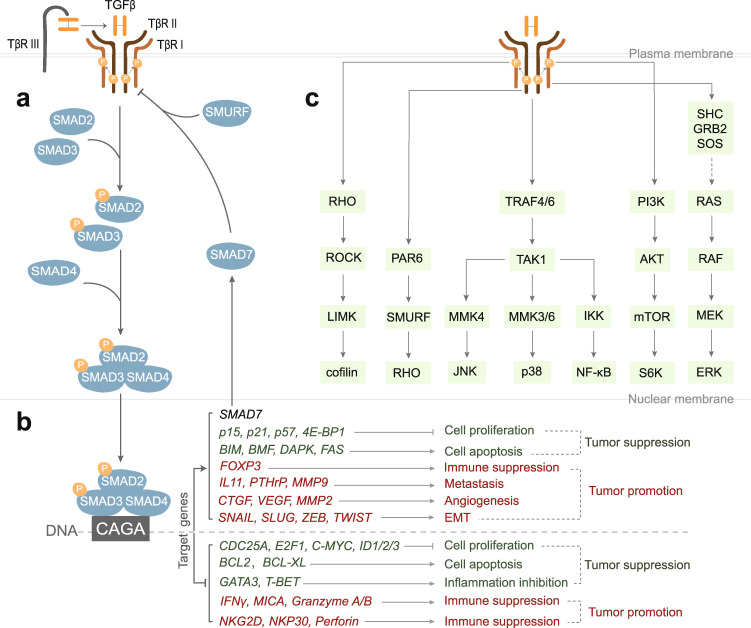
“The activated SMAD2 and SMAD3 form complexes with SMAD4, which translocate to the nucleus to regulate the transcription of target genes, such as PAI-1 , CTGF , and SMAD7 [ 9 ].”
Mir, P. A., Kumar, N., Gupta, S. K., Kaur, A., Farooq, S., Sandhu, G. S., & Kumar, A. (2025) · Frontiers in Oncology · doi:10.3389/fonc.2025.1645438 · Cited by 8
Strategies to target PD-1/PD-L1 in the tumor microenvironment
Kui, Y., Tong, F., Zhang, R., Dong, X., & Wang, J. (2026) · Cellular Oncology · doi:10.1007/s13402-026-01181-x · Cited by 11
Aleman, J., Young, C. D., Karam, S. D., & Wang, X. (2022) · Molecular Carcinogenesis · doi:10.1002/mc.23417 · Cited by 10
“Despite the current obstacles,(87,88) hope persists that targeting this cytokine in combination with other therapeutics may be efficacious.(86) The TGF‐β receptor 1 inhibitor, galunisertnib, showed potential to sensitize HNSCC cells to RT.”
BackgroundLi, Y., Liu, H., Zhao, X., Tang, X., Shan, P., & Zhang, H. (2024) · European Journal of Medicinal Chemistry · doi:10.1016/j.ejmech.2024.116220 · Cited by 6
Tan, C. H., Lim, S., & Sim, K. S. (2025) · Biochemical Genetics · doi:10.1007/s10528-025-11041-2 · Cited by 9
“…(e.g., fresolimumab), antisense oligonucleotide (e.g., trabedersen), or TGF-β receptor inhibitors (e.g., galunisertib) could reverse the chemoresistance in CRC cells to 5-FU, inhibit apoptotic cell death and metastasis, and ultimately prevent tumor recurrence after treatment (Liu et al. 2021).”
Korleski, J., Sall, S., Luly, K. M., Johnson, M. K., Johnson, A. L., Khela, H. S., Lal, B., Taylor, T., Ashby, J. M., Alonso, H., et al. (2025) · Signal Transduction and Targeted Therapy · doi:10.1038/s41392-025-02223-w · Cited by 9
Paradiso, F., Quintela, M., Lenna, S., Serpelloni, S., James, D., Caserta, S., Conlan, R. S., Francis, L. W., & Taraballi, F. (2022) · Macromolecular Bioscience · doi:10.1002/mabi.202100450 · Cited by 7
Low Transforming Growth Factor-β Pathway Activity in Cervical Adenocarcinomas
Marvin, D. L., Spaans, V. M., de Kroon, C. D., Slieker, R. C., Khelil, M., ten Dijke, P., Ritsma, L., & Jordanova, E. S. (2022) · Frontiers in Oncology · doi:10.3389/fonc.2022.797453 · Cited by 7
Network motifs and hypermotifs in TGFβ-induced epithelial to mesenchymal transition and metastasis
Bhavani, G. S., & Palanisamy, A. (2023) · Frontiers in Systems Biology · doi:10.3389/fsysb.2023.1099951 · Cited by 6
The prometastatic relevance of tumor‐infiltrating B lymphocytes in laryngeal squamous cell carcinoma
Missale, F., Bugatti, M., Marchi, F., Mandelli, G., Bruni, M., Palmerini, G., Monti, M., Bozzola, A. M., Arena, G., Guastini, L., et al. (2023) · Clinical & Translational Immunology · doi:10.1002/cti2.1445 · Cited by 6
“Despite the fact that several molecules targeting the TGFb pathway were designed and multiple trials conducted in the last 15 years, there is still no clinical approval of these compounds beyond clinical trials.(63,64) As these drugs do not exert a direct cytotoxic effect on cancer cells, ongoing studies are testing t…”
BackgroundTFEB: a double-edged sword for tumor metastasis
Hu, J.-H., Li, S.-Y., Yu, L., Guan, Z.-R., Jiang, Y.-P., Hu, D., Wang, H., Zhao, L., Zhou, Z.-H., Yan, Y.-X., et al. (2023) · Journal of Molecular Medicine · doi:10.1007/s00109-023-02337-0 · Cited by 7
TGF-β: The Apex Predator of Immune Checkpoints
Oronsky, B. T., Cabrales, P., Alizadeh, B., Caroen, S. Z., Stirn, M., Williams, J., & Reid, T. R. (2023) · Future Oncology · doi:10.2217/fon-2023-0491 · Cited by 8
Ding, J., Zhou, H., Huang, Y.-F., Peng, J., Huang, H., Hao, Y., Zong, Z., & Ning, Z. (2022) · Biomolecules · doi:10.3390/biom12121877 · Cited by 8
“Based on the above-mentioned features, TGFβ-targeting agents have been identified as promising anticancer drugs, but their clinical translation is limited due to the unduly multifunctional roles of TGF-β in cancerous and normal cells [8].”
BackgroundSwain, S., Narayan, R. K., & Mishra, P. (2024) · Frontiers in Cell and Developmental Biology · doi:10.3389/fcell.2024.1461278 · Cited by 8
Shen, C., Cao, R., Zhou, Q., Zhou, T., Wu, T., Gao, W., Wang, G., Feng, G., Qiao, L., & Wang, T. (2025) · Oncogene · doi:10.1038/s41388-025-03500-2 · Cited by 5
GARP-expressing Tregs as a source of immunosuppressive TGF-β1 in human tumors
Meerbeeck, P. V., Maatougui, D., de Streel, G., Vaherto, N., Marbaix, É., Nana, F. A., den Eynde, M. V., Devaux, A., Carrasco, J., Noël, A., et al. (2025) · Cancer Immunology Immunotherapy · doi:10.1007/s00262-025-04157-2 · Cited by 8
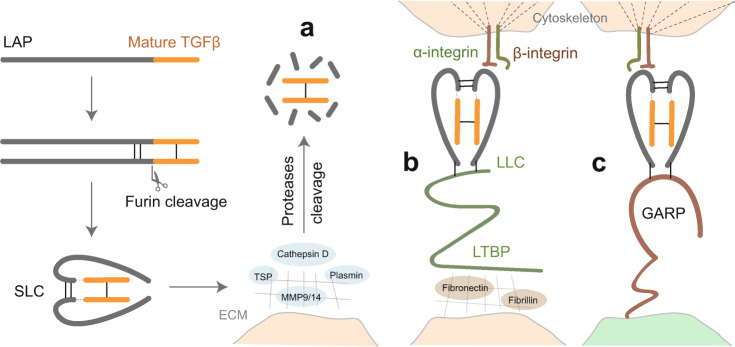
“Most inhibit the serine–threonine kinase activity of the ubiquitously expressed TβR (small molecule inhibitors), or target mature TGF-β1, 2 and 3 after their release from LAP (soluble TβRs or anti-TGF-β mAbs) [18, 19].”
Autocrine TGFβ2 enforces a transcriptionally hybrid cell state in Ewing sarcoma
Wrenn, E. D., Harris, J. C., Apfelbaum, A. A., Valenti, J. R., Lipson, P. A., Walter, S. I., Garcia, N. M., Miyaki, A., Chen, S. C., Olson, J. M., et al. (2026) · Science Advances · doi:10.1126/sciadv.ady0550 · Cited by 8
TGF-β, to target or not to target; to prevent thyroid cancer progression?
Karnik, I., Sutherland, R., Elson, J. L., Aspinall, S. R., & Meeson, A. P. (2022) · Biochimica et Biophysica Acta (BBA) - Reviews on Cancer · doi:10.1016/j.bbcan.2022.188752 · Cited by 6
Choi, J., Choi, J., Lee, H. W., Seo, D., Lkhagvasuren, G., Kim, J.-W., Seo, S., Lee, K., & Lee, K. (2023) · BMB Reports · doi:10.5483/bmbrep.2022-0180 · Cited by 5
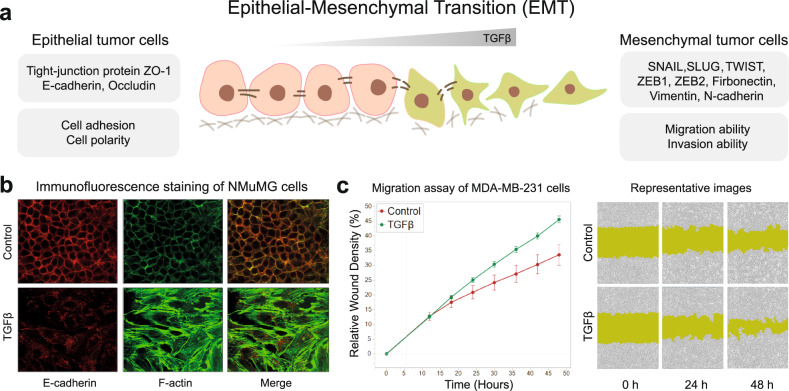
“The TGF-β/SMAD signaling pathway is well known to play an important role in inducing EMT through the up-regulation of EMT-TFs, such as snail family transcriptional repressor 1/2 (SNAI1/2), zinc-finger E-box-binding homeobox 1/2 (ZEB1/2), and TWIST1/2, which have been widely accepted as representative EMT inducers that…”
BackgroundAhn, B., Park, C., Kim, M. S., Lee, J. M., Choi, J. H., Kim, H. Y., Lee, G. K., Yu, N., Lee, Y., & Han, J. (2023) · Cancer Research and Treatment · doi:10.4143/crt.2023.482 · Cited by 8
“fibroblasts, stimulating angiogenesis, and suppressing the immune system [19].”
BackgroundTulsian, K., Thakker, D., & Vyas, V. K. (2025) · International Journal of Biological Macromolecules · doi:10.1016/j.ijbiomac.2025.141364 · Cited by 6
Song, E. J., Kim, W.-S., Han, Y.-H., Lee, C. M., Moon, E.-J., Kim, H. J., & Kang, N. S. (2025) · International Journal of Biological Macromolecules · doi:10.1016/j.ijbiomac.2025.144216 · Cited by 5
Chaperone-mediated Autophagy Regulates Cell Growth by Targeting SMAD3 in Glioma
Liu, H., Yong, Y., Li, X., Ye, P., Tao, K. X., Peng, G., Mo, M., Guo, W., Chen, X., Luo, Y., et al. (2022) · Neuroscience Bulletin · doi:10.1007/s12264-022-00818-9 · Cited by 8
Li, C., Ma, J., Groenewoud, A., Ren, J., Liu, S., Snaar-Jagalska, E. B., & ten Dijke, P. (2022) · Methods in molecular biology · doi:10.1007/978-1-0716-2277-3_6 · Cited by 6
“This explains the severe toxicities that are observed when TGF-β signaling is entirely blocked by directly inhibiting ligand/receptor function or transforming growth factor β type I receptor (T β RI) kinase activity [20–22], despite indeed showing clinical anti-cancer benefit [23–25].”
BackgroundA Regulatory Network Analysis of the Importance of USP15 in Breast Cancer Metastasis and Prognosis
Ling, J., Qin, C., Li, T., Wang, B., Cai, W., Ma, L., Wang, Y., Chen, J., & Xu, F. (2022) · Journal of Oncology · doi:10.1155/2022/1427726 · Cited by 6
PET imaging with [68Ga]-labeled TGFβ-targeting peptide in a mouse PANC-1 tumor model
Li, Y. H., Zhao, H., Hu, S., Zhang, X., Chen, H. B., & Zheng, Q. (2023) · Frontiers in Oncology · doi:10.3389/fonc.2023.1228281 · Cited by 7
Duch, P., Díaz‐Valdivia, N., Gabasa, M., Ikemori, R., Arshakyan, M., Fernández‐Nogueira, P., Llorente, A., Teixidó, C., Ramírez, J., Pereda, J., et al. (2024) · Cancer Science · doi:10.1111/cas.16141 · Cited by 6
Cellular Signal Transductions and Their Inhibitors Derived from Deep-Sea Organisms
Wang, L., & Umezawa, K. (2021) · Marine Drugs · doi:10.3390/md19040205 · Cited by 5
“TGF-β also accelerates the epidermal mesenchymal transition (EMT) that enhances malignancy in cancer cells [10].”
BackgroundALK5 kinase inhibitors in drug discovery: Structural insights and therapeutic applications
Guo, F.-Y., Li, S., Zhang, C., & Jin, C. H. (2025) · European Journal of Medicinal Chemistry · doi:10.1016/j.ejmech.2025.118045 · Cited by 4
Wang, Q., Tjokrodirijo, R. T. N., Mei, H., van Veelen, P. A., ten Dijke, P., & Fan, C. (2025) · Cell Death and Differentiation · doi:10.1038/s41418-025-01597-2 · Cited by 6
“…whereby they induce the transcription of target genes, such as SERPINE1 (encoding plasminogen activator inhibitor 1, PAI-1), CCN2 (encoding connective tissue growth factor, CTGF), and SNAI1 (encoding SNAIL transcriptional repressor 1, SNAI1) to regulate cellular processes like EMT [12, 13].”
Pan, Y., Han, Y., Qian, Z.-Y., Zhang, X. M., Wang, T., Cai, Z., Chen, H., Li, Y., Liao, K. L., Zheng, Y., et al. (2025) · Nature Communications · doi:10.1038/s41467-025-64997-5 · Cited by 4
“Currently, anti-TGF β agents are being tested in combination with chemotherapy, radiotherapy, and immune checkpoint inhibitors 18,42,43 .”
Building the bridges: molecular mechanisms of tunneling nanotube formation
Brou, C., & Zurzolo, C. (2026) · Cellular and Molecular Life Sciences · doi:10.1007/s00018-026-06097-1 · Cited by 6
“Chondrocytes under oxidative stress can acquire mitochon - dria from mesenchymal stromal cells to restore bioenerget - ics [19 , 20].”
Li, Y., Liu, S., Wang, Z., Wang, X., Xu, J., Yao, K., Zhang, R., Lu, C., Wu, Z., & Hu, L. (2024) · Physical Chemistry Chemical Physics · doi:10.1039/d4cp02480j · Cited by 4
Lin, G., Zheng, R.-Q., Xu, Z., Xing, S., Wu, H.-F., Xie, Y., Huang, H., & Liu, Y. (2025) · Phytomedicine · doi:10.1016/j.phymed.2025.156468 · Cited by 4
Yadav, N., Xiao, A., Zhong, Q., Kumar, P., Konduru, G. V., Hart, W. L., Lazzara, M. J., & Purow, B. W. (2025) · Journal of Neuro-Oncology · doi:10.1007/s11060-025-05089-8 · Cited by 7
“5a-c, S5) [7, 49–51].”
Mattia, E. D., Canzonieri, V., Polesel, J., Mezzalira, S., Fratte, C. D., Dreussi, E., Roncato, R., Bignucolo, A., Innocente, R., Belluco, C., et al. (2021) · Frontiers in Pharmacology · doi:10.3389/fphar.2021.778781 · Cited by 6
“, CD8 T lymphocytes and natural killers) (Vanpouille-Box et al., 2015; Wennerberg et al., 2017; Farhood et al., 2020; Liu et al., 2021).”
BackgroundInfluentialMatossian, M. D., Chen, N., & Nanda, R. (2023) · Current Breast Cancer Reports · doi:10.1007/s12609-023-00492-4 · Cited by 4
Design and synthesis of novel thiazole-derivatives as potent ALK5 inhibitors
Arai, M., Hanada, M., Moriyama, H., Ohmoto, H., Miyake, T., Naka, K., & Sawa, M. (2024) · Bioorganic & Medicinal Chemistry Letters · doi:10.1016/j.bmcl.2024.129797 · Cited by 4
Wu, S., Cheng, Q., Shi, Y., Wang, K., Chen, Z., Li, X., Jiang, P., Cheng, Z., Yang, Z., & Liao, B. (2025) · Journal of Translational Medicine · doi:10.1186/s12967-025-06229-4 · Cited by 4
“Furthermore, TGF-β1 itself can directly upregulate p21 [21–23].”
Targeting Cancer-associated Fibroblasts (CAFs) to Optimize Radiation Responses
O’Fee, K., Burley, A., Stewart, S., & Wilkins, A. C. (2025) · The Cancer Journal · doi:10.1097/ppo.0000000000000776 · Cited by 8
Ogasawara, M., Yamasaki-Yashiki, S., Hamada, M., Yamaguchi-Miyamoto, T., Kawasuji, T., Honda, H., Yanagibashi, T., Ikutani, M., Watanabe, Y., Fujimoto, R., et al. (2022) · Biological and Pharmaceutical Bulletin · doi:10.1248/bpb.b21-00921 · Cited by 5
Spatial patterns of the cap-binding complex eIF4F in human melanoma cells
Tang, X., Pu, Y., Peng, H., Li, K., Faouzi, S., Lu, T., Pu, D., Cerezo, M., Xu, J., Li, L., et al. (2023) · Computational and Structural Biotechnology Journal · doi:10.1016/j.csbj.2023.01.040 · Cited by 4
“Translation of these mRNAs may be associated with melanoma cell chemoresistance since the COX2 and TGFB pathways are implicated in melanoma drug resistance [27,47].”
Cui, J., Zeng, F., Tang, M., & Yin, S. (2025) · Frontiers in Cell and Developmental Biology · doi:10.3389/fcell.2025.1449624 · Cited by 4
Su, Y., Thelen, A. M., Wirth, L. V., Jenkins, C. M., Mak, S. R., Chen, D. G., Gottardo, R., & Greenberg, P. D. (2025) · Proceedings of the National Academy of Sciences · doi:10.1073/pnas.2516951122 · Cited by 5
“Compared to alternative targeting approaches, this IFP offers unique advantages for overcoming TGF - β –mediated immuno-suppression, which is a major barrier in many epithelial cancers, including pancreatic, colorectal, prostate, and breast tumors ( 29 ).”
How do you mend inactive tumor suppressor mutants? You glue them!
Hata, A., & Lagna, G. (2021) · Cell chemical biology · doi:10.1016/j.chembiol.2021.04.023 · Cited by 3
Romo, A., Rodríguez, T. M., Yu, G., & Dewey, R. A. (2023) · Cancer Gene Therapy · doi:10.1038/s41417-023-00694-z · Cited by 3
“TGF-β remains an appealing and challenging target in cancer treatment, particularly when combined with chemotherapy, targeted therapy, radiotherapy, or immunotherapy [24].”
Moulaeian, M., Ferdousmakan, S., Banihashemi, S., Homayounfar, S., Pasupulla, A. P., & Malekzadegan, Y. (2024) · Heliyon · doi:10.1016/j.heliyon.2024.e40297 · Cited by 4
Targeting breast tumor extracellular matrix and stroma utilizing nanoparticles
Muhammad, F. A., Altalbawy, F. M. A., Mandaliya, V. B., Saraswat, S. K., Rekha, M. M., Aulakh, D., Chahar, M., Mahdi, M. S., Jaber, M., & Alhadrawi, M. (2024) · Clinical & Translational Oncology · doi:10.1007/s12094-024-03793-x · Cited by 3
“This can be achieved by blocking signaling pathways involved in CAF differentiation, such as TGF-β or PDGF signaling [85, 93].”
Zhang, J., Yin, Y., Wang, B., Chen, J., Yang, H., Li, T., & Chen, Y. (2025) · European Journal of Medicinal Chemistry · doi:10.1016/j.ejmech.2025.117442 · Cited by 4
Immunotherapy With Curative Intent Radiotherapy for Patients With Cancers of the Head and Neck
Hill, J., & Schoenfeld, J. D. (2025) · Seminars in Radiation Oncology · doi:10.1016/j.semradonc.2025.02.005 · Cited by 3
PET/CT imaging of esophageal cancer targeting tumor cell specific αvβ6-integrin expression
Bendová, K. D., Groll, T., Neužilová, B., Krasulová, K., Nový, Z., Reissig, F., Steiger, K., Boxberg, M., Eppard, E., Wuestemann, J., et al. (2025) · European Journal of Nuclear Medicine and Molecular Imaging · doi:10.1007/s00259-025-07408-7 · Cited by 4
“…promotes infiltrative growth and tumor malignancy by augmenting cellular transformation, epithelial-mesenchymal-transition driven invasion, metastasis [10], and particularly mediates suppression of the antitumor immune reaction by inhibiting cytotoxic T-cells and natu-ral killer (NK) cells [11].”
Alabi, F. A., Okpalanwaka, I. F., Oyegbesan, A., Okoyeocha, E. O. M., Oladejo, M., & Imodoye, S. O. (2025) · MedComm – Oncology · doi:10.1002/mog2.70027 · Cited by 9
Stewart, V. D., Cadieux, J., Thulasiram, M. R., Douglas, T. C., Drewnik, D. A., Selamat, S., Lao, Y., Spicer, V., & Hannila, S. S. (2022) · FEBS Letters · doi:10.1002/1873-3468.14496 · Cited by 3
Serum Cytokine and miRNA Levels Are Differently Expressed in Right- and Left-Sided Colon Cancer
Nunzio, V. D., Donghia, R., Pesole, P. L., Coletta, S., Calò, N., & Notarnicola, M. (2023) · Journal of Clinical Medicine · doi:10.3390/jcm12185986 · Cited by 3
“TGF-β is an inflammatory cytokine that regulates tissue growth and elevated levels of TGF-β are connected to advanced CRC stages [15].”
BackgroundSun, R., Li, J., Li, Y., Wang, H.-Z., Dal, E., Wang, M., & Li, Y. (2023) · World Journal of Gastroenterology · doi:10.3748/wjg.v29.i44.5919 · Cited by 3
“A recent study showed that alterations in TGF-β signaling may result in immunocompromise, fibrosis, and carcinogenesis[32].”
Shin, S. C., Vickman, R. E., Filimon, B., Yang, Y., Hu, Z., Mangold, K. A., Prabhakar, B. S., Schreiber, H. W., & Xu, W. (2024) · Cancer Gene Therapy · doi:10.1038/s41417-024-00735-1 · Cited by 3
Unraveling a hidden player in lymphovascular invasion in bladder cancer
Wolf, B., & Jain, R. K. (2024) · Cancer Cell · doi:10.1016/j.ccell.2024.02.007 · Cited by 4
Zhou, X., Qu, X., Li, Z., Duan, Y., Zhu, Y., Wang, J., Han, X., Zhang, J., Luo, J., & Luo, X. (2025) · Genes & Diseases · doi:10.1016/j.gendis.2025.101630 · Cited by 6
Wojas‐Krawczyk, K., Krawczyk, P. A., Gil, M., & Strzemski, M. (2021) · Cancers · doi:10.3390/cancers13112836 · Cited by 5
Editorial: TGF-β and BMP signaling in cancer
Yan, X., Zhang, L., Miyazawa, K., & ten Dijke, P. (2022) · Frontiers in Cell and Developmental Biology · doi:10.3389/fcell.2022.1012326 · Cited by 3
“Recently, however, we see a renewed interest in targeting this pathway by (selectively) interfering with the TGF-β-induced immune suppression as it may allow for more effective immune checkpoint inhibitor therapy (Battle and Massagué, 2019; Liu et al., 2021).”
BackgroundLiu, W., He, H., Zhang, X., Hou, T., & Li, H. (2024) · Food Bioscience · doi:10.1016/j.fbio.2024.104106 · Cited by 2
Hanada, K., Saito, Y., Takagi, T., Go, M., Nakano, Y., Inagawa, T., Hirai, H., Fruttiger, M., Itoh, S., & Itoh, F. (2024) · iScience · doi:10.1016/j.isci.2024.111502 · Cited by 6
Generation and Application of Reactive Oxygen Radicals in Cancer Treatment
Patial, T., Sharma, N., Sharma, K., & Mishra, V. (2024) · ChemistrySelect · doi:10.1002/slct.202403648 · Cited by 2
Liu, S., Wang, F., Zhang, C., Jiang, H., & Liu, C. (2025) · Bioorganic Chemistry · doi:10.1016/j.bioorg.2025.108156 · Cited by 3
Altaf, A., Kawashima, J., Khalil, M., Stecko, H., Rashid, Z., Kalady, M. F., & Pawlik, T. M. (2025) · European Journal of Surgical Oncology · doi:10.1016/j.ejso.2025.109718 · Cited by 3
Liao, C., Hundscheid, J. H. M., Crawford, J., ten Dijke, P., Coornaert, B., & Danen, E. H. J. (2025) · Materials Today Bio · doi:10.1016/j.mtbio.2025.101800 · Cited by 5
Cheng, W., Zheng, Y., Tang, Q., Qi, L., Shi, Z., Yu, Q., Li, M., Wei, X., Zhou, Y., & Jiang, X. (2025) · Journal of Medicinal Chemistry · doi:10.1021/acs.jmedchem.4c02938 · Cited by 4
Zhang, W., Qi, L., Cheng, W., Wang, X., Hong, Y., Dong, R., Yuan, W., & Zhang, D. (2025) · Bioorganic Chemistry · doi:10.1016/j.bioorg.2025.108667 · Cited by 2
Luo, H., Wang, L., Gao, H., Zhou, D., Qiu, Y., Yang, L., Li, J., Du, D., Huang, X., Zhao, Y. X., et al. (2025) · Biomedicines · doi:10.3390/biomedicines13071667 · Cited by 2
“As TGF-β levels rise, EMT leads to epithelial tumor cells losing adhesion, polarity, and tight junctions by reducing tight junction proteins such as Zonula Occludens-1, E-cadherin, and Occludin, thus acquiring a highly migratory and invasive mesenchymal phenotype [34].”
Zhang, X., Tong, X., Hou, R., Wang, P., Mo, Y., & Zhang, L. (2025) · Inflammopharmacology · doi:10.1007/s10787-025-01927-3 · Cited by 3
“…EndMT-inducing factors, and animal models have shown that they reverse the process of pulmonary vascular pericardial interstitial transformation (Liu et al. 2021);For high-risk populations with diabetes, RAGE antagonists (e.g., Azeliragon) block the AGEs-RAGE axis-mediated TGF-β1/BMPR2…”
Cammarota, A. L., Carrizzo, A., Marco, M. D., Bukvić, N., Romano, F. J., Rosati, A., & Chetta, M. (2025) · International Journal of Molecular Sciences · doi:10.3390/ijms26209933 · Cited by 2
“However, in later stages, TGF-β switches to promoting tumor growth [96].”
Huang, H., & Ouyang, J. (2025) · Oncology Letters · doi:10.3892/ol.2025.15358 · Cited by 3
“Second, key down‑ stream nodes can be targeted, e.g., with YAP/TAZ‑TEAD complex blockers (71), dual PI3K/mTOR inhibitors (72), Ras/Raf/MAPK inhibitors (73) or neutralizing antibodies to decrease ligand‑receptor binding (74,75).”
Loss of ALK4 promotes cancer progression through regulating TGF-β receptor N-glycosylation
Zhang, M., Chen, J., Leupold, M. C., Guo, J. D., Shen, X., Shirley, C. A., Khella, C. A., Mehta, R. N., O’Brien, E. T., Gatza, M. L., et al. (2025) · Nature Communications · doi:10.1038/s41467-025-67563-1 · Cited by 2
A paracrine-to-autocrine shunt of GREM1 fuels colorectal cancer metastasis via ACVR1C
Zhou, H., Jin, Q., Fu, Z., Yang, Y., Gao, Y., Wang, N., Zhao, B., Gui, L., Li, J., Zhu, Z., et al. (2026) · Molecular Cancer · doi:10.1186/s12943-025-02554-w · Cited by 2
“While the TGFβ superfamily is a promising therapeutic axis [42], its intertwined and overarching roles in development and physiology make selective targeting difficult due to systemic toxicity [43, 44].”
Çakırsoy, D., Nordin, J. Z., Andaloussi, S. E., & Alici, E. (2026) · Frontiers in Immunology · doi:10.3389/fimmu.2026.1726590 · Cited by 2
“Therefore, anti-TGF-b therapy may be especially bene fi cial for subgroups of patients with malignancies that have a mesenchymal phenotype (111, 121).”
Liu, Q., Zeng, X., He, Y., Zhou, L., Tang, Y., Liu, S., Wang, X., Shen, S., Ji, J., Liu, Z., et al. (2026) · Frontiers in Immunology · doi:10.3389/fimmu.2026.1788149 · Cited by 3
Lu, X., Zhang, Z., Zhang, Y., Wang, L., Hu, Y., Wang, Y., Chen, J., & Zhang, J. (2026) · Acta Tropica · doi:10.1016/j.actatropica.2026.108125 · Cited by 3
TGF-β: A master regulator of tissue-resident macrophage identity and function
Döring, C.-L., Henneke, P., & Kolter, J. (2026) · Trends in Immunology · doi:10.1016/j.it.2026.05.003 · Cited by 2
Pelletier, M. R., Yang, J., Joshi, M., Grauel, A. L., Abecunas, C., Altzerinakou, M., Zhou, Z., Zhu, X., Clark, K., Li, L., et al. (2026) · Clinical Cancer Research · doi:10.1158/1078-0432.ccr-26-0805 · Cited by 3
“This concept has been extensively validated in preclinical models and has supported the exploration of therapeutic strategies aimed at reducing TGF β activity in patients with established disease (39).”
Therapeutic potential for coxib-nitric oxide releasing hybrids in cancer treatment
Giordani, A., Poce, G., Consalvi, S., Maramai, S., Saletti, M., Rossi, A., Patrignani, P., Biava, M., & Anzini, M. (2023) · Elsevier eBooks · doi:10.1016/b978-0-443-13342-8.00009-0 · Cited by 3
Enhancing the Treating Efficacy of Immunotherapy through the Restructure of Tumor Microenvironment
Gong, B., Jia, W., Zhou, Y., Xu, Y., Ya, W., & Gao, H. (2023) · Advanced NanoBiomed Research · doi:10.1002/anbr.202300061 · Cited by 2
Metformin relieves bone cancer pain by reducing TGFβRI-TRPV1 signaling in rats
Zhou, F. J., Qian, H., Wang, K., Gu, Y.-J., Liu, P.-L., Zhang, L., Chen, L., Yu, S., Chen, Y., & Zhang, H. (2024) · Heliyon · doi:10.1016/j.heliyon.2024.e34991 · Cited by 3
“TGF β is thought to be produced as a result of bone loss and cancer growth [46 – 48].”
BackgroundElnagar, M. M., Abou‐El‐Sherbini, K. S., Samir, S., Sharmoukh, W., Abdel-aziz, M. S., & Shaker, Y. M. (2024) · ChemMedChem · doi:10.1002/cmdc.202400680 · Cited by 2
Dynamic allostery: a novel mechanism regulating autocrine and paracrine TGF-β signalling
Ungefroren, H., & Marquardt, J. U. (2025) · Signal Transduction and Targeted Therapy · doi:10.1038/s41392-024-02099-2 · Cited by 2
Johansson, A., Kalliara, E., Belfrage, E., Alling, T., Pyl, P. T., Gerdtsson, A. S., Gullberg, U., Porwit‐MacDonald, A., Drott, K., & Ek, S. (2025) · Biomedicines · doi:10.3390/biomedicines13010186 · Cited by 2
PDCD10/CCM3, a potential target for pancreatic ductal adenocarcinoma?
Ungefroren, H. (2025) · Clinical Science · doi:10.1042/cs20241916 · Cited by 2
Targeting E3 ubiquitin ligases: a new frontier in idiopathic pulmonary fibrosis treatment
Zhang, K., Yuan, H., & Shi, L. (2025) · Frontiers in Immunology · doi:10.3389/fimmu.2025.1618424 · Cited by 7
Togni, C., Rom, E., Burghardt, I., Roth, P., Rushing, E. J., Weller, M., & Gramatzki, D. (2022) · Journal of Neuropathology & Experimental Neurology · doi:10.1093/jnen/nlac007 · Cited by 2
Pan-cancer analysis of BRK1 as a potential immunotherapeutic target
Wang, X., Tang, Y., Liu, R., Li, W., Liu, S., & Zhou, X. (2023) · Biotechnology and Genetic Engineering Reviews · doi:10.1080/02648725.2023.2196179 · Cited by 2
“TGF-β may have direct inhibitory effects on malignant cells and may increase the production or activity in a range of tumor growth factors and angiogenic factors (David & Massague, 2018; S. Liu et al., 2021).”
Letson, J., Ren, G., Zheng, X., Sweef, O., Corcino, Y. L., & Furuta, S. (2024) · Journal of Biological Chemistry · doi:10.1016/j.jbc.2024.108011 · Cited by 2
Yan, H., Mao, A., Li, D., Pérez‐Baena, M. J., Jiménez‐Navas, A., Wang, D., Hong, R., Cai, W., Pérez‐Losada, J., Jen, K., et al. (2024) · medRxiv · doi:10.1101/2024.11.17.24317411 · Cited by 3
Study Progress on TGF-β Promoting the Development of Pancreatic Cancer
刘, 蔚. (2022) · Advances in Clinical Medicine · doi:10.12677/acm.2022.12121644 · Cited by 2
Clinical development complexity of TGF-β inhibition: From fibrosis to cancer immunotherapy
Gallo-Oller, G., Guillén-Antonini, M. I., & Dotor, J. (2025) · International review of cytology · doi:10.1016/bs.ircmb.2025.01.005 · Cited by 3
Cancer Immunotherapies: Navigating the Immune Landscape
Kumar, R., Maleme, J. F., Kumar, S., Sudhakar, K., Telange, D. R., Maiti, O., Sahoo, P., Aljabali, A. A. A., Mishra, V., & Mishra, Y. (2025) · Current Cancer Drug Targets · doi:10.2174/0115680096346735250218110708 · Cited by 1
Okabe, K., Tanaka, T., Shindo, T., Kyoda, Y., Nishida, S., Hashimoto, K., Kobayashi, K., & Masumori, N. (2025) · Current Oncology · doi:10.3390/curroncol32070391 · Cited by 1
“Both TGF-β and CDKN2A are key regulators of epithelial-to-mesenchymal transition (EMT) [44,45].”
Metadata
- Authors
- Liu, S., Ren, J., & ten Dijke, P.
- Affiliations
- Leiden University Medical Center (NL)
- ORCID
- Liu, Sijia
- Venue
- Signal Transduction and Targeted Therapy
- Published
- 2021-01-08
- Volume
- 6
- Issue
- 1
- Pages
- 8-8
- ISSN
- 2059-3635 (ISSN-L)
- PMC
- PMC7791126
- OpenAlex
- W3119664087
- Cited by
- 413
- References
- 330
- Citations by year
- 2026: 56 · 2025: 95 · 2024: 89 · 2023: 74 · 2022: 58 · 2021: 41
- FWCI
- 7.19
- Type
- journal article
- Language
- en
- Open access
- gold
- doi.org
- Licence
- cc-by
- creativecommons.org/licenses/by/4.0 (tdm)
- creativecommons.org/licenses/by/4.0 (vor)
- Locations
- Signal Transduction and Targeted Therapy (publishedVersion, cc-by)
- PubMed Central (publishedVersion, cc-by)
- PubMed (publishedVersion)
- Leiden Repository (Leiden University) (submittedVersion, cc-by)
- Data Archiving and Networked Services (DANS) (submittedVersion, cc-by)
- DOAJ (DOAJ: Directory of Open Access Journals) (submittedVersion, cc-by-sa)
- Funders
- Cancer Genomics Centre
- Topics
- Life Sciences › Biochemistry, Genetics and Molecular Biology › Molecular Biology › TGF-β signaling in diseases
- Life Sciences › Biochemistry, Genetics and Molecular Biology › Molecular Biology › Kruppel-like factors research
- Life Sciences › Biochemistry, Genetics and Molecular Biology › Molecular Biology › Mechanisms of cancer metastasis
- Keywords
- TGF-beta signaling, cancer therapy, tumor suppressor, tumor promoters, epithelial-mesenchymal transition, metastasis, tumor microenvironment, extracellular matrix deposition, angiogenesis, combination therapy, chemotherapy, targeted therapy, radiotherapy, immunotherapy
- MeSH terms
- Humans, Neoplasm Proteins, Neoplasms, Signal Transduction, Transforming Growth Factor beta, Epithelial-Mesenchymal Transition, Tumor Microenvironment, Carcinogenesis
About these checks
Registry, retraction, Cites and statistics results are computed, not judged, with one exception: a printed reference that no index lists is read once by a model before it counts as a citation error. Claims are extracted by a model and kept only when their quote appears verbatim in the text; each cited source is then checked, with a model’s help, for whether it says what the claim relies on. Those verdicts can be wrong — read the claim’s quote and the cited source before relying on one.
Statistics and arithmetic are recomputed, not judged.
Confidence bands are shown only for fields calibrated on our annotated test set. None is calibrated yet, so no band is shown.
What counts as a claim ›How we measure confidence ›How we check this ›
Are you an author, or do you see a problem with this page? Request a review
Data sources
Bibliographic data: Semantic Scholar, OpenAlex, Crossref.
Contains information from the Semantic Scholar Academic Graph Datasets, made available under the ODC Attribution License (ODC-BY 1.0).
Semantic Scholar’s data is described in: Kinney, R., et al. (2023). The Semantic Scholar Open Data Platform. arXiv:2301.10140.
