

Targeting TGFβ signal transduction for cancer therapy
Open accessThe DOI matches its Crossref record; 329 of the 330 references it cites were found in a registry or an index.
Abstract
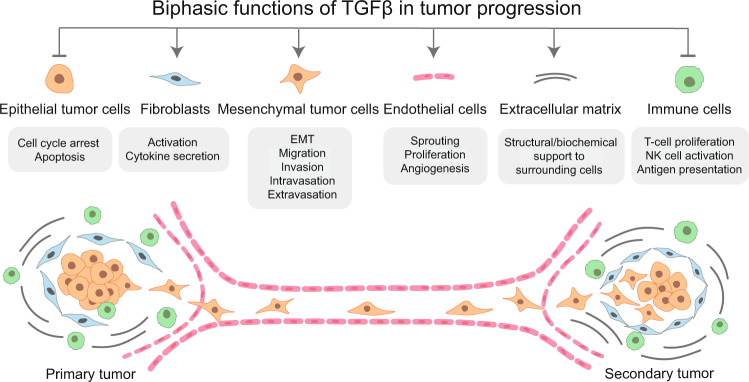
Transforming growth factor-β (TGFβ) family members are structurally and functionally related cytokines that have diverse effects on the regulation of cell fate during embryonic development and in the maintenance of adult tissue homeostasis. Dysregulation of TGFβ family signaling can lead to a plethora of developmental disorders and diseases, including cancer, immune dysfunction, and fibrosis. In this review, we focus on TGFβ, a well-characterized family member that has a dichotomous role in cancer progression, acting in early stages as a tumor suppressor and in late stages as a tumor promoter. The functions of TGFβ are not limited to the regulation of proliferation, differentiation, apoptosis, epithelial-mesenchymal transition, and metastasis of cancer cells. Recent reports have related TGFβ to effects on cells that are present in the tumor microenvironment through the stimulation of extracellular matrix deposition, promotion of angiogenesis, and suppression of the anti-tumor immune reaction. The pro-oncogenic roles of TGFβ have attracted considerable attention because their intervention provides a therapeutic approach for cancer patients. However, the critical function of TGFβ in maintaining tissue homeostasis makes targeting TGFβ a challenge. Here, we review the pleiotropic functions of TGFβ in cancer initiation and progression, summarize the recent clinical advancements regarding TGFβ signaling interventions for cancer treatment, and discuss the remaining challenges and opportunities related to targeting this pathway. We provide a perspective on synergistic therapies that combine anti-TGFβ therapy with cytotoxic chemotherapy, targeted therapy, radiotherapy, or immunotherapy.
Overview
The claims and statistics of this paper haven’t been checked yet.
Free: it reads the open-access text and checks the first 5 claims that cite a source we can check. Create a free account to check every claim.
Integrity signals
Registry
Cites
Statistics
Figures
Verification
Claims the paper makes
The claims and statistics of this paper haven’t been checked yet.
Free: it reads the open-access text and checks the first 5 claims that cite a source we can check. Create a free account to check every claim.
Claims other papers make about this one
Each is checked against this paper’s own text: does it say what the citing paper says it does?
The cited source says what the claim attributes to it.
In the citing paper
“TGF‐β therapeutics have recently shown great promise with the use of TGF‐β‐neutralizing antibodies and ligand traps, which inhibit the binding of TGF‐β with its receptors [155].”
From Tumor microenvironment signaling and therapeutics in cancer progression (2023) · cites this paper as [155]
Self-check
Percentages, sums and reported differences re-computed from the paper’s own numbers.
The self-check needs the paper’s full text.
Citations
Cites
PD-1 and PD-L1 Immune Checkpoint Blockade to Treat Breast Cancer
Hartkopf, A. D., Taran, F.-A., Wallwiener, M., Walter, C. B., Krämer, B., Grischke, E.-M., & Brucker, S. Y. (2016) · Breast Care · doi:10.1159/000453569 · Cited by 30,845
The blockade of immune checkpoints in cancer immunotherapy
Pardoll, D. M. (2012) · Nature Reviews Cancer · doi:10.1038/nrc3239 · Cited by 13,838 · cited 1×
“PD-L1 is a transmembrane ligand expressed on the surface of cancer cells, tumor-infiltrating DCs and macrophages, and binds to PD-1 receptor located in the plasma membrane of cytotoxic CD8 T cells to suppress effector T cell antitumor function.(272) CTLA4 is a a Chemo/Radio-therapy”
BackgroundMolecular mechanisms of epithelial–mesenchymal transition
Lamouille, S., Xu, J., & Derynck, R. (2014) · Nature Reviews Molecular Cell Biology · doi:10.1038/nrm3758 · Cited by 8,091
Cell Signaling by Receptor Tyrosine Kinases
Lemmon, M. A., & Schlessinger, J. (2010) · Cell · doi:10.1016/j.cell.2010.06.011 · Cited by 7,929
Structural absorption by barbule microstructures of super black bird of paradise feathers
McCoy, D. E., Feo, T., Harvey, T. A., & Prum, R. O. (2018) · Nature Communications · doi:10.1038/s41467-017-02088-w · Cited by 7,424
Lehmann, B. D., Bauer, J. A., Chen, X., Sanders, M. E., Chakravarthy, A. B., Shyr, Y., & Pietenpol, J. A. (2011) · Journal of Clinical Investigation · doi:10.1172/jci45014 · Cited by 5,592
TGFβ attenuates tumour response to PD-L1 blockade by contributing to exclusion of T cells
Mariathasan, S., Turley, S. J., Nickles, D., Castiglioni, A., Yuen, K., Wang, Y., Kadel III, E. E., Koeppen, H., Astarita, J. L., Cubas, R., et al. (2018) · Nature · doi:10.1038/nature25501 · Cited by 5,400 · cited 1×
“TGFβ has also been found to drive immune response evasion and attenuate the tumor response to anti-PD-L1 therapy by contributing to the exclusion of CD8 effector T cells.(275,276) In addition, the unsuccessful antitumor activity of chimeric antigen receptor (CAR) T cell therapy has been attributed in part to TGFβ-indu…”
BackgroundPredictive correlates of response to the anti-PD-L1 antibody MPDL3280A in cancer patients
Herbst, R. S., Soria, J.-C., Kowanetz, M., Fine, G. D., Hamid, O., Gordon, M. S., Sosman, J. A., McDermott, D. F., Powderly, J. D., Gettinger, S. N., et al. (2014) · Nature · doi:10.1038/nature14011 · Cited by 5,231 · cited 1×
“However, only 15% of patients respond to immunotherapy.(274) Anti-PD-1 therapy not only initiates a tumor rejection program, but also induces a competing TGFβ-driven immunosuppressive program.”
BackgroundThe biology and function of fibroblasts in cancer
Kalluri, R. (2016) · Nature Reviews Cancer · doi:10.1038/nrc.2016.73 · Cited by 4,366
Enhancement of Antitumor Immunity by CTLA-4 Blockade
Leach, D. R., Krummel, M. F., & Allison, J. P. (1996) · Science · doi:10.1126/science.271.5256.1734 · Cited by 3,955 · cited 1×
“receptor expressed on Treg cells and downregulates immune responses.(273) Immune checkpoint inhibitors (ICIs) are currently at the forefront of cancer therapy, as they display successful longlasting antitumor efficacy, even for certain metastatic cancers.”
Background
Research works printed but not linked: 3
- Derynck, R., Muthusamy, B. P. & Saeteurn, K. Y. Signaling pathway cooperation in TGF-β-induced epithelial-mesenchymal transition. Curr. Opin. Cell Biol. 31, 56–66 (2014). · DOI · Paper page
- Kim, H. S. et al. A phase I study of TGF-β inhibitor, vactosertib in combination with imatinib in patients with advanced desmoid tumor (aggressive fibromatosis). J. Clin. Oncol. 38, e11557 (2020). · DOI
- Derynck, R. & Budi, E. H. J. Ss Specificity, versatility, and control of TGF-β family signaling. Sci. Signal 12, eaav5183 (2019). · DOI · Paper page
Cited by
Targeting TGF-β signal transduction for fibrosis and cancer therapy
Peng, D., Fu, M., Wang, M., Wei, Y., & Wei, X. (2022) · Molecular Cancer · doi:10.1186/s12943-022-01569-x · Cited by 1,065
“In recent years, scientists found that overexpressed TGF-β causes a plethora of metabolic disorders and dysfunction, and promotes epithelial-mesenchymal transition (EMT) and excessive deposition of ECM [5, 6], which causes immune dysfunction, fibrosis, and cancers [7].”
BackgroundHarnessing cytokines and chemokines for cancer therapy
Propper, D. J., & Balkwill, F. R. (2022) · Nature Reviews Clinical Oncology · doi:10.1038/s41571-021-00588-9 · Cited by 989
Dynamic EMT: a multi‐tool for tumor progression
Brabletz, S., Schuhwerk, H., Brabletz, T., & Stemmler, M. P. (2021) · The EMBO Journal · doi:10.15252/embj.2021108647 · Cited by 761
Radiotherapy combined with immunotherapy: the dawn of cancer treatment
Zhang, Z., Liu, X., Chen, D., & Yu, J. (2022) · Signal Transduction and Targeted Therapy · doi:10.1038/s41392-022-01102-y · Cited by 670
Zhang, M., Ma, Y., Ye, X., Zhang, N., Pan, L., & Wang, B. (2023) · Signal Transduction and Targeted Therapy · doi:10.1038/s41392-023-01464-x · Cited by 522
Zhang, H., Yue, X., Chen, Z., Liu, C., Wu, W., Zhang, N., Liu, Z., Yang, L., Jiang, Q., Cheng, Q., et al. (2023) · Molecular Cancer · doi:10.1186/s12943-023-01860-5 · Cited by 424
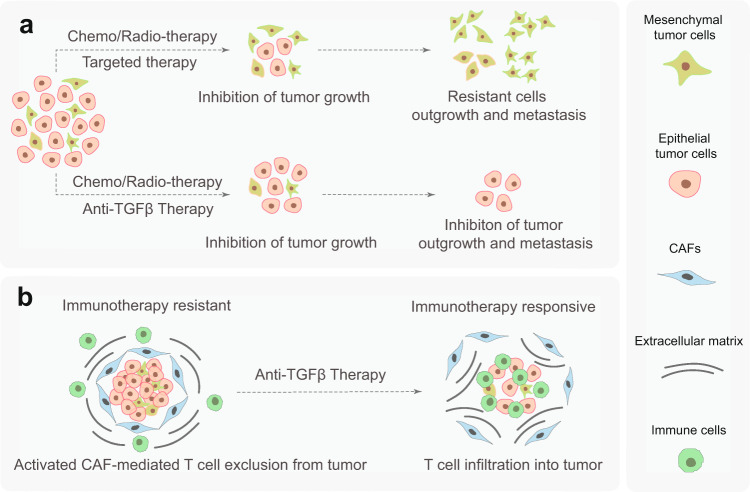
“…in BC stimulates the conversion of NFs to CAFs, and gene ZNF32 prevents NF-to-CAF conversion by directly binding to the TGFB1 promoter to inhibit the transcription process; (5) the hyperactivity of TGF-β signaling pathway in CAF is often associated with immunotherapy failure [229–234].”
BackgroundTumor microenvironment: barrier or opportunity towards effective cancer therapy
Tiwari, A., Trivedi, R., & Lin, S.-Y. (2022) · Journal of Biomedical Science · doi:10.1186/s12929-022-00866-3 · Cited by 377
Hepatocellular carcinoma: signaling pathways and therapeutic advances
Zheng, J., Wang, S., Xia, L., Sun, Z., Chan, K. M., Bernards, R., Qin, W., Chen, J., Xia, Q., & Jin, H. (2025) · Signal Transduction and Targeted Therapy · doi:10.1038/s41392-024-02075-w · Cited by 341
Transforming growth factor-β in myocardial disease
Frangogiannis, N. G. (2022) · Nature Reviews Cardiology · doi:10.1038/s41569-021-00646-w · Cited by 344
Tumor microenvironment signaling and therapeutics in cancer progression
Goenka, A., Khan, F., Verma, B., Sinha, P., Dmello, C. C., Jogalekar, M. P., Gangadaran, P., & Ahn, B. (2023) · Cancer Communications · doi:10.1002/cac2.12416 · Cited by 323
“Moreover, dosing strategies to bypass cellular toxicity or specifically target TGF-β isoforms that are maximally linked to cancer progression hold promise in clinics to avoid the cytotoxicity of TGF-β inhibitors [155].”
BackgroundMa, C., Yang, C., Peng, A., Sun, T., Ji, X., Mi, J., Wei, L., Shen, S., & Feng, Q. (2023) · Molecular Cancer · doi:10.1186/s12943-023-01876-x · Cited by 284
“We collected relevant ligands based on previous findings [32] (Table S10) and identified a series of LRIs involved in this process, such as TGFB1- (CX CR4 + ITGAV + TGFBR2 + TGFBR1 + ITGB5 + SDC2 + SM AD3 + ITGB8), TGFB2-(TGFBR2 + TGFBR1 + ACVR1), TGFB3-(ITGB1 + TGFBR2 + ITGB5 + TGFBR1), CSF1(CSF1R + SIRPA), IL34-CSF1…”
TGF-β signaling in the tumor metabolic microenvironment and targeted therapies
Shi, X., Yang, J., Deng, S., Xu, H., Wu, D., Zeng, Q., Wang, S., Hu, T., Wu, F., & Zhou, H. (2022) · Journal of Hematology & Oncology · doi:10.1186/s13045-022-01349-6 · Cited by 262
“Paradoxical TGF-β functions are celland context-dependent with a specific molecular mechanism [9, 10].”
BackgroundChronic inflammation, cancer development and immunotherapy
Wen, Y., Zhu, Y., Zhang, C., Yang, X., Gao, Y., Li, M., Yang, H., Liu, T., & Tang, H. (2022) · Frontiers in Pharmacology · doi:10.3389/fphar.2022.1040163 · Cited by 229
“…GC1008 (also known as Fresolimumab) is one of the most characterized monoclonal anti-TGF-β1-3 antibodies, showing an acceptable safety and antitumor activity for patients with malignant melanoma or renal carcinoma in a phase one clinical trial (Morris et al., 2014; Liu, Ren and ten Dijke 2021).”
BackgroundExploiting innate immunity for cancer immunotherapy
Yi, M., Li, T., Niu, M., Mei, Q., Zhao, B., Chu, Q., Dai, Z., & Wu, K. (2023) · Molecular Cancer · doi:10.1186/s12943-023-01885-w · Cited by 225
Adaptive Mechanisms of Tumor Therapy Resistance Driven by Tumor Microenvironment
Wu, P., Gao, W., Su, M., Nice, E. C., Zhang, W., Lin, J., & Xie, N. (2021) · Frontiers in Cell and Developmental Biology · doi:10.3389/fcell.2021.641469 · Cited by 209
TGF-β Signaling in Liver, Pancreas, and Gastrointestinal Diseases and Cancer
Gough, N. R., Xiang, X., & Mishra, L. (2021) · Gastroenterology · doi:10.1053/j.gastro.2021.04.064 · Cited by 202
Integrins in cancer: Emerging mechanisms and therapeutic opportunities
Liu, F., Wu, Q., Dong, Z., & Liu, K. (2023) · Pharmacology & Therapeutics · doi:10.1016/j.pharmthera.2023.108458 · Cited by 189
WNT signaling and cancer stemness
Katoh, M., & Katoh, M. (2022) · Essays in Biochemistry · doi:10.1042/ebc20220016 · Cited by 179
Wang, H., Li, N., Liu, Q., Guo, J., Pan, Q., Cheng, B., Xu, J., Dong, B., Yang, G., Yang, B., et al. (2023) · Cancer Cell · doi:10.1016/j.ccell.2023.05.016 · Cited by 171
The translational challenges of precision oncology
Pich, O., Bailey, C., Watkins, T. B. K., Zaccaria, S., Jamal‐Hanjani, M., & Swanton, C. (2022) · Cancer Cell · doi:10.1016/j.ccell.2022.04.002 · Cited by 123
The tumor microenvironment: shaping cancer progression and treatment response
Desai, S. A., Patel, V. P., Bhosle, K. P., Nagare, S. D., & Thombare, K. C. (2025) · Journal of Chemotherapy · doi:10.1080/1120009x.2023.2300224 · Cited by 106
Chen, S., Lei, L., Li, Z., Chen, F., Huang, Y., Jiang, G., Guo, X., Zhao, Z., Liu, H., Wang, H., et al. (2022) · Experimental & Molecular Medicine · doi:10.1038/s12276-022-00753-9 · Cited by 116
Revilla, S. A., Kranenburg, O., & Coffer, P. J. (2022) · Frontiers in Immunology · doi:10.3389/fimmu.2022.903564 · Cited by 116
“MDSCs secrete cytokines and express immunosuppressive molecules at their surface that can inhibit T cells, B cells, and NK cells while promoting Treg cells and tumor-associated macrophages (TAMs) (24, 25).”
BackgroundThe TGF-β Pathway: A Pharmacological Target in Hepatocellular Carcinoma?
Gonzalez‐Sanchez, E., Vaquero, J., Fernández‐Barrena, M. G., Lasarte, J. J., Avila, M. A., Sarobe, P., Reig, M., Calvo, M., & Fabregat, I. (2021) · Cancers · doi:10.3390/cancers13133248 · Cited by 109
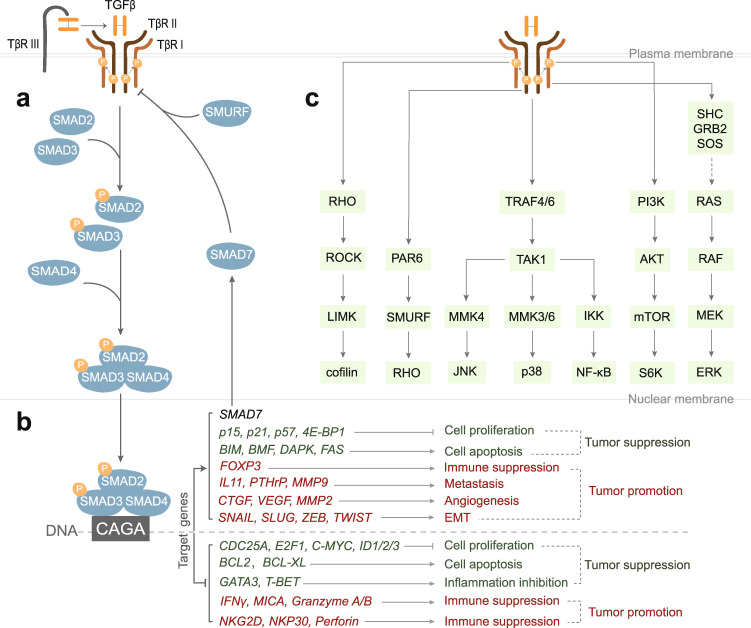
“In addition to the SMAD pathway, TGF-β can also initiate multiple non-SMAD or noncanonical signaling pathways (Figure 1A) [10,11].”
BackgroundInfluentialTGF-β signaling networks in the tumor microenvironment
Chan, M. K.-K., Chung, J. Y.-F., Tang, P. C.-T., Chan, A. S.-W., Ho, J. Y.-Y., Lin, T. P.-T., Chen, J., Leung, K.-T., To, K.-F., Lan, H.-Y., et al. (2022) · Cancer Letters · doi:10.1016/j.canlet.2022.215925 · Cited by 90
Qian, C., Liu, C., Liu, W., Zhou, R., & Zhao, L. (2023) · Frontiers in Immunology · doi:10.3389/fimmu.2023.1291530 · Cited by 101
Li, Y., Fan, W., Link, F., Wang, S., & Dooley, S. (2022) · JHEP Reports · doi:10.1016/j.jhepr.2021.100397 · Cited by 79
“processes, ii) predictive biomarkers from tissue and blood signatures to stratify patients that may benefit from TGF-b targeting,(193,194) iii) careful dosing or pulsatile treatment windows, and iv) a selection of potential targets from specific branches of TGFb signalling pathways as is nicely summarised in the revie…”
BackgroundMethodInfluentialLinking tumour angiogenesis and tumour immunity
Kabir, A. U., Subramanian, M., Kwon, Y., & Choi, K. (2025) · Nature reviews. Immunology · doi:10.1038/s41577-025-01211-z · Cited by 110
Plant and mammalian-derived extracellular vesicles: a new therapeutic approach for the future
Sall, I. M., & Tăbăran, F. (2023) · Frontiers in Bioengineering and Biotechnology · doi:10.3389/fbioe.2023.1215650 · Cited by 101
TGF-beta signaling in cancer radiotherapy
Wang, J., Xu, Z., Wang, Z., Du, G., & Lun, L. (2021) · Cytokine · doi:10.1016/j.cyto.2021.155709 · Cited by 91
Roles of Podoplanin in Malignant Progression of Tumor
Suzuki, H., Kaneko, M. K., & Kato, Y. (2022) · Cells · doi:10.3390/cells11030575 · Cited by 104
“Since TGF-β crucially suppresses the immune system, TGF-β inhibitors are currently on clinical trials in advanced solid tumors combined with immune checkpoint inhibitors [131].”
BackgroundThe Synergistic Cooperation between TGF-β and Hypoxia in Cancer and Fibrosis
Mallikarjuna, P., Zhou, Y., & Landström, M. (2022) · Biomolecules · doi:10.3390/biom12050635 · Cited by 90
“The activity of the nuclear Smad complex for the regulation of gene transcription is highly versatile and dependent on the physiological context (Figure 1A); for excellent reviews for further reading, see [3,5,24,38,39].”
BackgroundCorrelation between Oxidative Stress and Transforming Growth Factor-Beta in Cancers
Chung, J., Huda, M. N., Shin, Y., Han, S., Akter, S., Kang, I., Ha, J., Choe, W., Choi, T. G., & Kim, S. S. (2021) · International Journal of Molecular Sciences · doi:10.3390/ijms222413181 · Cited by 75
Role of growth differentiation factor 15 in cancer cachexia (Review)
Ling, T., Zhang, J., Ding, F., & Ma, L. (2023) · Oncology Letters · doi:10.3892/ol.2023.14049 · Cited by 72
“They are categorized into four main subfamilies based on sequence similarity, namely bone morphogenetic proteins/GDFs, activins/inhibins/nodal, TGF‐βs and others (84).”
BackgroundThe TGF-β Family in Glioblastoma
Cancela, I. G., & Caja, L. (2024) · International Journal of Molecular Sciences · doi:10.3390/ijms25021067 · Cited by 77
“The dual inhibition of α v β 3 integrin and T β RI in the GBM microenvironment suppresses endothelial cell proliferation and M2 macrophage polarization, which is an interesting adjuvant therapeutic target in GBM treatment [114].”
BackgroundInfluentialTissue mechanics in tumor heterogeneity and aggression
Finger, A., Hendley, A. M., Figueroa, D. A., Velozo, H. G., & Weaver, V. M. (2025) · Trends in cancer · doi:10.1016/j.trecan.2025.04.004 · Cited by 76
“Pharmacological approaches to inhibit TGF-β or TGFBR inhibition have shown beneficial responses in animal models [85] and may improve radiation response in patients [204,205] (NCT02581787, NCT01401062).”
Molecular pathways and therapeutic targets linked to triple-negative breast cancer (TNBC)
Mustafa, M., Abbas, K., Alam, M., Ahmad, W., Moinuddin, M., Usmani, N., Siddiqui, S. A., & Habib, S. (2023) · Molecular and Cellular Biochemistry · doi:10.1007/s11010-023-04772-6 · Cited by 67
Transforming Growth Factor-β: An Agent of Change in the Tumor Microenvironment
Stuelten, C. H., & Zhang, Y. E. (2021) · Frontiers in Cell and Developmental Biology · doi:10.3389/fcell.2021.764727 · Cited by 61
Rastogi, S., Mishra, S. S., Arora, M. K., Kaithwas, G., Banerjee, S., Ravichandiran, V., Roy, S., & Singh, L. (2023) · Pharmacology & Therapeutics · doi:10.1016/j.pharmthera.2023.108519 · Cited by 58
Exploring TGF-β Signaling in Cancer Progression: Prospects and Therapeutic Strategies
Sheikh, K., Amjad, M., Irfan, M., Anjum, S., Majeed, T., Riaz, M. U., Jassim, A. Y., Sharif, E., & Ibrahim, W. N. (2025) · OncoTargets and Therapy · doi:10.2147/ott.s493643 · Cited by 68
Gungor, M. Z., Uysal, M., & Şentürk, Ş. (2022) · Cancers · doi:10.3390/cancers14040940 · Cited by 58
Timperi, E., Croizer, H., Khantakova, D., Rana, M., Molgora, M., Guerriero, J. L., Mechta-Grigoriou, F., & Romano, E. (2024) · Clinical Cancer Research · doi:10.1158/1078-0432.ccr-24-1690 · Cited by 49
Hepatocellular Carcinoma: Old and Emerging Therapeutic Targets
Pessino, G., Scotti, C., Maggi, M., & Immuno-Hub Consortium (2024) · Cancers · doi:10.3390/cancers16050901 · Cited by 53
“…available approaches to target this difficult-to-treat cancer and summarized potential emerging protein targets, summarized in Tables 2 and 3, with the understanding that much work remains to be done to gain a clearer view of the global situation to establish more effective targeting strategies.”
Orlando, G., Adorisio, S., Delfino, D. V., Chiavaroli, A., Brunetti, L., Recinella, L., Leone, S., D’Antonio, M., Zengin, G., Acquaviva, A., et al. (2021) · Antibiotics · doi:10.3390/antibiotics10030334 · Cited by 49
Engineering strategies for broad application of TCR-T- and CAR-T-cell therapies
Watanabe, K., & Nishikawa, H. (2021) · International Immunology · doi:10.1093/intimm/dxab052 · Cited by 52
Hamouda, S. B., & Essafi‐Benkhadir, K. (2023) · International Journal of Molecular Sciences · doi:10.3390/ijms24065600 · Cited by 53
TGF-β mediated drug resistance in solid cancer
Turati, M., Mousset, A., Issa, N., Turtoï, A., & Ronca, R. (2023) · Cytokine & Growth Factor Reviews · doi:10.1016/j.cytogfr.2023.04.001 · Cited by 50
Group Young Researchers in Inflammatory Carcinogenesis, Wandmacher, A. M., Mehdorn, A., & Sebens, S. (2021) · Cancers · doi:10.3390/cancers13194932 · Cited by 55
Tewari, D., Priya, A., Bishayee, A., & Bishayee, A. (2022) · Clinical and Translational Medicine · doi:10.1002/ctm2.795 · Cited by 46
Kondo, Y., Suzuki, S., Takahara, T., Ono, S., Goto, M., Miyabe, S., Sugita, Y., Ogawa, T., Ito, H., Satou, A., et al. (2021) · Cancer Science · doi:10.1111/cas.15081 · Cited by 45
Integrated analysis reveals the molecular features of fibrosis in triple-negative breast cancer
Ding, J.-H., Xiao, Y., Zhao, S., Xu, Y., Xiao, Y.-L., Shao, Z., Jiang, Y., & Di, G. (2022) · Molecular Therapy — Oncolytics · doi:10.1016/j.omto.2022.02.003 · Cited by 50
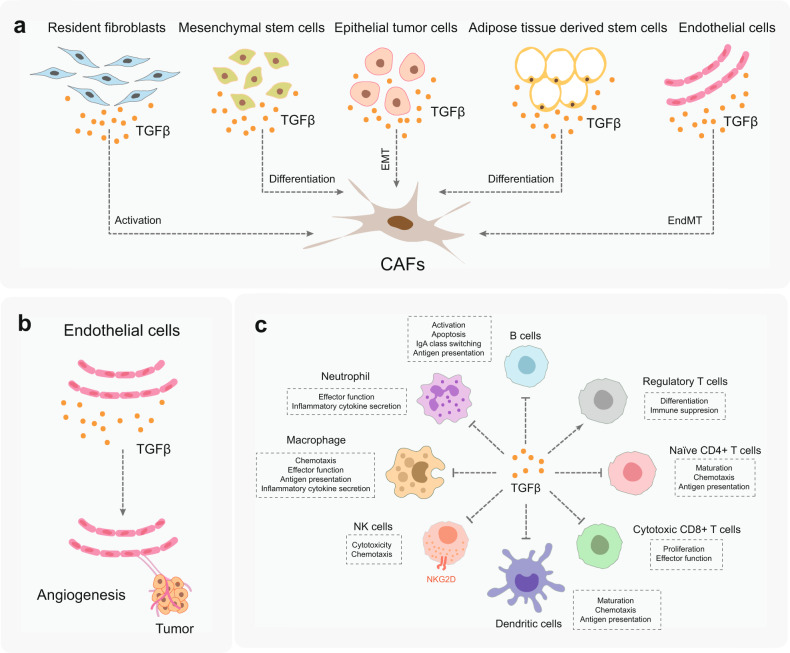
“TGF-b is able to activate or differentiate resident fibroblasts and endothelial cells into CAFs in the TME and suppress the function of immune cells such as cytotoxic CD8 T cells or antitumor macrophages.(44) The above theories present prospects for targeting TGF-b against TNBCs with high fibrosis.”
BackgroundCircRNAs: Pivotal modulators of TGF-β signalling in cancer pathogenesis
Bhat, A. A., Gupta, G., Dahiya, R., Thapa, R., Gahtori, A., Shahwan, M. J., Jakhmola, V., Tiwari, A., Kumar, M., Dureja, H., et al. (2024) · Non-coding RNA Research · doi:10.1016/j.ncrna.2024.01.013 · Cited by 42
“This pathway encompasses a family of structurally related ligands, including TGF-β 1, TGF-β 2, and TGF-β 3, which elicit signals via a receptor complex consisting of serine/threonine kinase receptors of types I (T β RI) and II (T β RII) [13].”
BackgroundA Roadmap of CAR-T-Cell Therapy in Glioblastoma: Challenges and Future Perspectives
Montoya, M., Gallus, M., Phyu, S. M., Haegelin, J., de Groot, J., & Okada, H. (2024) · Cells · doi:10.3390/cells13090726 · Cited by 48
Ma, Z. J., Jia, X., Yan, J. Y., Wang, H., Feng, B., Xing, H., & Jia, Y. (2021) · World Journal of Gastrointestinal Oncology · doi:10.4251/wjgo.v13.i12.2129 · Cited by 39
Transforming growth factor-β signaling: from tumor microenvironment to anticancer therapy
Chan, M. K., Chan, E. L.-Y., Ji, Z. Z., Chan, A. S. W., Li, C., Leung, K. T., To, K., & Tang, P. M. (2023) · Exploration of Targeted Anti-tumor Therapy · doi:10.37349/etat.2023.00137 · Cited by 45
Luo, L., Zhang, B., Tao, F., Chen, Z., Ye, Q., Zhao, X., & Wu, J. (2023) · ACS Nano · doi:10.1021/acsnano.3c00295 · Cited by 40
Thioamides in medicinal chemistry and as small molecule therapeutic agents
Huang, G., Cierpicki, T., & Grembecka, J. E. (2024) · European Journal of Medicinal Chemistry · doi:10.1016/j.ejmech.2024.116732 · Cited by 41
He, T., Yuan, C., & Zhao, C. (2021) · Biomedicine & Pharmacotherapy · doi:10.1016/j.biopha.2021.112127 · Cited by 38
Smad4 sequestered in SFPQ condensates prevents TGF-β tumor-suppressive signaling
Xiao, M., Wang, F., Chen, N., Zhang, H., Cao, J., Yu, Y., Zhao, B., Ji, J., Xu, P., Li, L., et al. (2023) · Developmental Cell · doi:10.1016/j.devcel.2023.11.020 · Cited by 44
Clinical Progresses and Challenges of Bispecific Antibodies for the Treatment of Solid Tumors
Gu, Y., & Zhao, Q. (2024) · Molecular Diagnosis & Therapy · doi:10.1007/s40291-024-00734-w · Cited by 43
“For instance, targeting TGF-β signaling pathways can potentially reduce the immunosuppressive barrier [202], allowing for better penetration and function of BsAbs.”
BackgroundZhang, C.-Y., Liu, S., & Yang, M. J. (2022) · World Journal of Gastroenterology · doi:10.3748/wjg.v28.i48.6827 · Cited by 40
BMP signaling in cancer stemness and differentiation
Zhou, W. Z., Yan, K. H., & Xi, Q. (2023) · Cell Regeneration · doi:10.1186/s13619-023-00181-8 · Cited by 41
“These ligands belong to the transforming growth factor (TGF)-β superfamily (Derynck et al. 2021; Liu et al. 2021).”
BackgroundNakazawa, Y., Miyano, M., Tsukamoto, S., Kogai, H., Yamamoto, A., Iso, K., Inoue, S., Yamane, Y., Yabe, Y., Umihara, H., et al. (2024) · Nature Communications · doi:10.1038/s41467-024-46167-1 · Cited by 44
“STAT3, a key signaling molecule in CAFs, is functionally coupled to BRD2/4, and diffused EBET payloads from PDAC signal inhibitors targeting the tumor stroma or microenvironment, but so far the ef fi cacy of these inhibitors has been very limited 47,48 .”
Perspectives on Immunotherapy of Metastatic Colorectal Cancer
Dai, Y., Zhao, W., Yue, L., Dai, X., Rong, D., Wu, F., Gu, J., & Qian, X. (2021) · Frontiers in Oncology · doi:10.3389/fonc.2021.659964 · Cited by 39
Yang, K., Xie, Y., Xue, L., Li, F., Luo, C., Liang, W., Zhang, H., Li, Y., Ren, Y., Zhao, M., et al. (2023) · Journal of Translational Medicine · doi:10.1186/s12967-022-03863-0 · Cited by 39
“TGF-β1, as an important cytokine, plays a crucial role in the development and therapy of tumors [22].”
BackgroundKieu, T., Pierre, L., Dérangère, V., Perrey, S., Truntzer, C., Jalil, A., Causse, S., Groetz, E., Dumont, A., Guyard, L., et al. (2022) · Cell Death and Disease · doi:10.1038/s41419-022-05209-6 · Cited by 40
“Furthermore, dosing of anti-TGF-β signaling drugs must be personalized due to possible cardiac and cutaneous side effects [31, 32].”
BackgroundMethod(Im)maturity in Tumor Ecosystem
Mortezaee, K., & Majidpoor, J. (2022) · Frontiers in Oncology · doi:10.3389/fonc.2021.813897 · Cited by 38
Ramundo, V., Giribaldi, G., & Aldieri, E. (2021) · Cancers · doi:10.3390/cancers13123093 · Cited by 42
TRIM37 orchestrates renal cell carcinoma progression via histone H2A ubiquitination-dependent manner
Miao, C., Liang, C., Li, P., Liu, B., Qin, C., Yuan, H., Liu, Y., Zhu, J., Cui, Y., Xu, A., et al. (2021) · Journal of Experimental & Clinical Cancer Research · doi:10.1186/s13046-021-01980-0 · Cited by 35
“However, we should notice that TGFβ1 signaling has a dichotomous role in tumorigenesis, acting as a tumor suppressor in early stages and tumor promoter in late stages [47].”
BackgroundLong non-coding RNA MIR4435-2HG: a key molecule in progression of cancer and non-cancerous disorders
Ghasemian, M., Rajabibazl, M., Sahebi, U., Sadeghi, S., Maleki, R., Hashemnia, V., & Mirfakhraie, R. (2022) · Cancer Cell International · doi:10.1186/s12935-022-02633-8 · Cited by 36
Ielpo, S., Barberini, F., Moghaddam, F. D., Pesce, S., Cencioni, C., Spallotta, F., Ninno, A. D., Businaro, L., Marcenaro, E., Bei, R., et al. (2024) · Cancer Treatment Reviews · doi:10.1016/j.ctrv.2024.102843 · Cited by 36
Ahuja, S., & Zaheer, S. (2023) · Cell Biology International · doi:10.1002/cbin.12097 · Cited by 37
“…pathways via TGF ‐ β are executed to promote fibrosis and cancer, so it is difficult to develop a targeted therapy to curtail various signaling pathways at one time, hence it is important to study precise downstream TGF ‐ β stimulated factors for specific malignancy is essential (Liu et al., 2021).”
BackgroundRadioresistance of Human Cancers: Clinical Implications of Genetic Expression Signatures
de Mey, S., Dufait, I., & Ridder, M. D. (2021) · Frontiers in Oncology · doi:10.3389/fonc.2021.761901 · Cited by 36
“Members of the TGF-b family are key regulators of embryonic development, tissue homeostasis, and regeneration, and their malfunction has been implicated in cancer, fibrosis, immune diseases and many other pathologies (122).”
BackgroundGenome-Editing-Mediated Restructuring of Tumor Immune Microenvironment for Prevention of Metastasis
Kim, D.-Y., Wu, Y., Shim, G., & Oh, Y. (2021) · ACS Nano · doi:10.1021/acsnano.1c05420 · Cited by 32
Exploring the potential of TGFβ as a diagnostic marker and therapeutic target against cancer
Garg, P. K., Pareek, S., Kulkarni, P., Horne, D., Salgia, R., & Singhal, S. S. (2024) · Biochemical Pharmacology · doi:10.1016/j.bcp.2024.116646 · Cited by 35
TGF-β links glycolysis and immunosuppression in glioblastoma.
Gong, L., Li, J., Xu, D., Wang, J., & Zou, J. (2021) · PubMed · doi:10.14670/hh-18-366 · Cited by 44
Qayoom, H., Alkhanani, M., Almilaibary, A., Alsagaby, S. A., & Mir, M. A. (2023) · Saudi Journal of Biological Sciences · doi:10.1016/j.sjbs.2023.103705 · Cited by 32
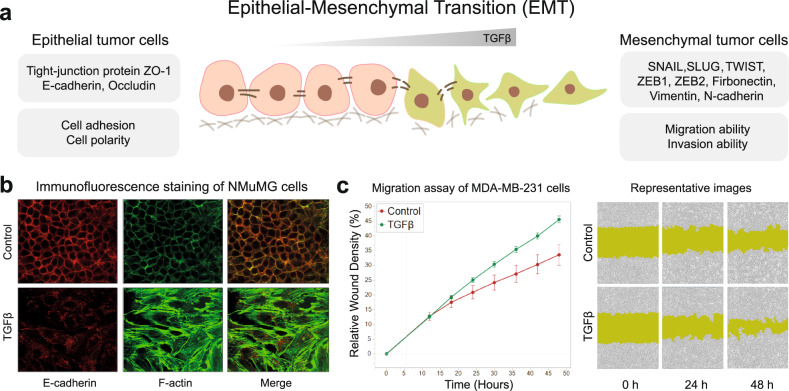
“…TGF-b supports the epithelial-mesenchymal transition (EMT) and excessive ECM formation, and it also leads to a variety of biochemical anomalies and malfunctions, including fibrosis, immune failure, and cancers (Chakravarthy et al., 2018, Su et al., 2020, Liu et al., 2021, Qayoom et al., 2023.”
BackgroundTargeting anticancer immunity in oral cancer: Drugs, products, and nanoparticles
Qin, L., & Wu, J. (2023) · Environmental Research · doi:10.1016/j.envres.2023.116751 · Cited by 30
The role of the tumor matrix environment in progression of head and neck cancer
Saint, A., & Obberghen‐Schilling, E. V. (2021) · Current Opinion in Oncology · doi:10.1097/cco.0000000000000730 · Cited by 31
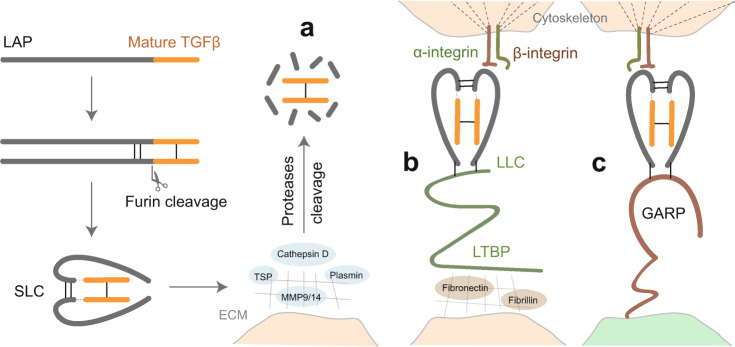
“TGFb is deposited in the ECM as a latent complex that requires cell- or protease-driven activation for release of the mature protein, as described in [56,57].”
BackgroundKaweme, N. M., & Zhou, F. (2021) · Frontiers in Immunology · doi:10.3389/fimmu.2021.683381 · Cited by 30
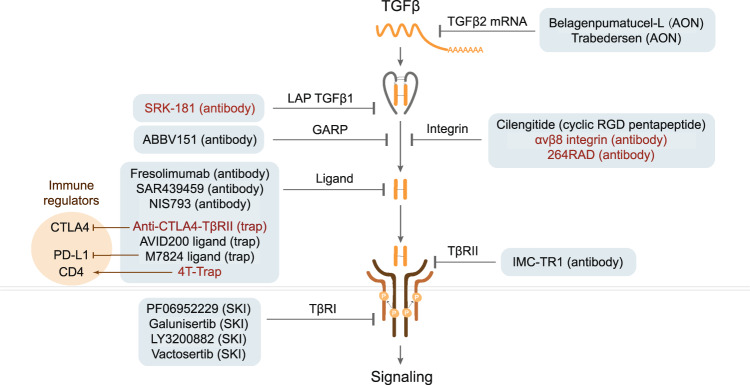
“TGFb inhibition with neutralizing antibodies, ligand traps, small-molecule kinase inhibitors, and antisense oligonucleotides are currently under investigation (118).”
BackgroundNatani, S., Sruthi, K. K., Asha, S. M., Khilar, P., Lakshmi, P. S. V., & Ummanni, R. (2022) · Cellular Signalling · doi:10.1016/j.cellsig.2021.110240 · Cited by 30
Lian, G., Wan, Y., Mak, T. S., Wang, Q., Zhang, J., Chen, J., Wang, Z., Li, M., Tang, P. M., Huang, X., et al. (2022) · Biomaterials · doi:10.1016/j.biomaterials.2022.121730 · Cited by 29
Nanoparticle-based immunotherapy of pancreatic cancer
Nzeteu, G. A. N., Gibbs, B. F., Kotnik, N., Troja, A., Bockhorn, M., & Meyer, N. H. (2022) · Frontiers in Molecular Biosciences · doi:10.3389/fmolb.2022.948898 · Cited by 31
Anoikis in phenotypic reprogramming of the prostate tumor microenvironment
Nepali, P. R., & Kyprianou, N. (2023) · Frontiers in Endocrinology · doi:10.3389/fendo.2023.1160267 · Cited by 28
“Galunisertib which selectively binds to TGFbR1 and inhibits its kinase activity has shown pre-clinical promise and Phase 1/2 clinical trials are underway for its use in metastatic disease in a variety of cancers including prostate, pancreatic cancer and glioblastoma (117).”
BackgroundWheless, M. C., Agarwal, R., Goff, L. W., Lockney, N. A., Padmanabhan, C., & Heumann, T. R. (2024) · Current Treatment Options in Oncology · doi:10.1007/s11864-023-01153-5 · Cited by 36
“Infiltration of cancer-associated fibroblasts occurs by aberrant activation of TFG-β which both suppresses immune cells in the tumor microenvironment and also promotes angiogenesis [16].”
BackgroundChen, E., Zeng, Z., & Zhou, W. (2024) · Biochimica et Biophysica Acta (BBA) - Reviews on Cancer · doi:10.1016/j.bbcan.2024.189198 · Cited by 36
Ralph, S. J., & Reynolds, M. J. (2022) · Cancer Immunology Immunotherapy · doi:10.1007/s00262-022-03248-8 · Cited by 30
“Other changes in the developing TME such as hypoxia, lactate production and modified cytokine production also help to establish immunosuppression and evasion favoring more aggressive tumor progression, particularly given that high TGFβ production by advanced stage breast cancer cells is strongly immunosuppressive [75,…”
BackgroundDynamics of epithelial–mesenchymal plasticity driving cancer drug resistance
Bangarh, R., Saini, R. V., Saini, A. K., Singh, T., Joshi, H., Ramniwas, S., Shahwan, M. J., & Tuli, H. S. (2024) · Cancer Pathogenesis and Therapy · doi:10.1016/j.cpt.2024.07.002 · Cited by 27
Liu, X., Xu, J., Shen, B., Xu, J., & Jiang, J. (2023) · Cell Death and Disease · doi:10.1038/s41419-023-05871-4 · Cited by 28
Civita, E. L., Liotti, A., Cennamo, M., Crocetto, F., Ferro, M., Liguoro, P., Cimmino, A., Imbimbo, C., Bèguinot, F., Formisano, P., et al. (2021) · Biomedicines · doi:10.3390/biomedicines9111692 · Cited by 25
“Notably, there are several anti-cancer pharmacological agents that target the TGF-β pathway that have already been tested in clinical trials for advanced PCa [46].”
BackgroundMechanobiological Strategies to Augment Cancer Treatment
Kumari, A., Veena, S., Luha, R., & Tijore, A. (2023) · ACS Omega · doi:10.1021/acsomega.3c06451 · Cited by 24
Tian, W., Chu, X., Tanzhu, G., & Zhou, R. (2023) · Journal of Translational Medicine · doi:10.1186/s12967-023-04089-4 · Cited by 29
“[36] revealed that astrocytes overexpressed interleukin-10 and transforming growth factor β (TGFβ) in company with microglia or macrophages, and the antiinflammatory cytokines could further lead to resistance to immunotherapy and radiotherapy [37, 38].”
BackgroundThe role of angiogenic growth factors in the immune microenvironment of glioma
Ge, Z., Zhang, Q., Lin, W. J., Jiang, X., & Zhang, Y. (2023) · Frontiers in Oncology · doi:10.3389/fonc.2023.1254694 · Cited by 25
“TGF-b is classified as AGFs because of its pro-angiogenic effect through stimulating endothelial cell and cancer-associated fibroblast proliferation, migration and sprouting both directly or indirectly (121, 122).”
BackgroundBakrim, S., Hachlafi, N. E., Khalid, A., Abdalla, A. N., Omari, N. E., Aboulaghras, S., Sakran, A. M. E. A., Goh, K. W., Ming, L. C., Razi, P., et al. (2024) · Biomedicine & Pharmacotherapy · doi:10.1016/j.biopha.2024.116886 · Cited by 27
Zhang, Z., Yu, X., Wen, L., Wang, J., Li, Z., Zhang, Y., Cheng, J., Kan, R., Zhang, W., Shen, Y., et al. (2025) · Cell Death and Disease · doi:10.1038/s41419-025-07646-5 · Cited by 27
“Whereas, systemic inhibition of TGF-β leads to unexpected side effects and safety concerns due to highly pleiotropic functions, thus hindering the translational application of TGF-β antagonists into clinic [20, 21].”
Song, J., Zhou, Y., Yakymovych, I., Schmidt, A., Li, C., Heldin, C., & Landström, M. (2022) · EBioMedicine · doi:10.1016/j.ebiom.2022.104155 · Cited by 23
Barakat, R., Chatterjee, J., Mu, R., Qi, X., Gu, X., Smirnov, I., Cobb, O. M., Gao, K., Barnes, A., Kipnis, J., et al. (2024) · Nature Communications · doi:10.1038/s41467-024-54569-4 · Cited by 27
Gao, T. M., Li, J., Cheng, T., Wang, X., Wang, M., Xu, Z., Yang, M., He, X., Xing, J., & Liu, S. (2024) · Cell Death and Disease · doi:10.1038/s41419-024-07311-3 · Cited by 25
Liu, L., Wan, W., Chang, Y., Ao, L., Xu, Y., & Xu, X. (2025) · Journal of Experimental & Clinical Cancer Research · doi:10.1186/s13046-025-03527-z · Cited by 35
“First, CAFs can promote breast cancer invasion through the TGF-β signaling pathway [181], and intervention in this pathway is a promising therapeutic approach [182].”
Arany, P. R. (2021) · Photobiomodulation Photomedicine and Laser Surgery · doi:10.1089/photob.2021.0109 · Cited by 32
Metadata
- Authors
- Liu, S., Ren, J., & ten Dijke, P.
- Affiliations
- Leiden University Medical Center (NL)
- ORCID
- Liu, Sijia
- Venue
- Signal Transduction and Targeted Therapy
- Published
- 2021-01-08
- Volume
- 6
- Issue
- 1
- Pages
- 8-8
- ISSN
- 2059-3635 (ISSN-L)
- PMC
- PMC7791126
- OpenAlex
- W3119664087
- Cited by
- 413
- References
- 330
- Citations by year
- 2026: 56 · 2025: 95 · 2024: 89 · 2023: 74 · 2022: 58 · 2021: 41
- FWCI
- 7.19
- Type
- journal article
- Language
- en
- Open access
- gold
- doi.org
- Licence
- cc-by
- creativecommons.org/licenses/by/4.0 (tdm)
- creativecommons.org/licenses/by/4.0 (vor)
- Locations
- Signal Transduction and Targeted Therapy (publishedVersion, cc-by)
- PubMed Central (publishedVersion, cc-by)
- PubMed (publishedVersion)
- Leiden Repository (Leiden University) (submittedVersion, cc-by)
- Data Archiving and Networked Services (DANS) (submittedVersion, cc-by)
- DOAJ (DOAJ: Directory of Open Access Journals) (submittedVersion, cc-by-sa)
- Funders
- Cancer Genomics Centre
- Topics
- Life Sciences › Biochemistry, Genetics and Molecular Biology › Molecular Biology › TGF-β signaling in diseases
- Life Sciences › Biochemistry, Genetics and Molecular Biology › Molecular Biology › Kruppel-like factors research
- Life Sciences › Biochemistry, Genetics and Molecular Biology › Molecular Biology › Mechanisms of cancer metastasis
- Keywords
- TGF-beta signaling, cancer therapy, tumor suppressor, tumor promoters, epithelial-mesenchymal transition, metastasis, tumor microenvironment, extracellular matrix deposition, angiogenesis, combination therapy, chemotherapy, targeted therapy, radiotherapy, immunotherapy
- MeSH terms
- Humans, Neoplasm Proteins, Neoplasms, Signal Transduction, Transforming Growth Factor beta, Epithelial-Mesenchymal Transition, Tumor Microenvironment, Carcinogenesis
About these checks
Registry, retraction, Cites and statistics results are computed, not judged, with one exception: a printed reference that no index lists is read once by a model before it counts as a citation error. Claims are extracted by a model and kept only when their quote appears verbatim in the text; each cited source is then checked, with a model’s help, for whether it says what the claim relies on. Those verdicts can be wrong — read the claim’s quote and the cited source before relying on one.
Statistics and arithmetic are recomputed, not judged.
Confidence bands are shown only for fields calibrated on our annotated test set. None is calibrated yet, so no band is shown.
What counts as a claim ›How we measure confidence ›How we check this ›
Are you an author, or do you see a problem with this page? Request a review
Data sources
Bibliographic data: Semantic Scholar, OpenAlex, Crossref.
Contains information from the Semantic Scholar Academic Graph Datasets, made available under the ODC Attribution License (ODC-BY 1.0).
Semantic Scholar’s data is described in: Kinney, R., et al. (2023). The Semantic Scholar Open Data Platform. arXiv:2301.10140.
