

Intercellular mitochondrial transfer as a means of tissue revitalization
Open accessThe DOI matches its Crossref record; 178 of the 180 references it cites were found in a registry or an index.
Abstract
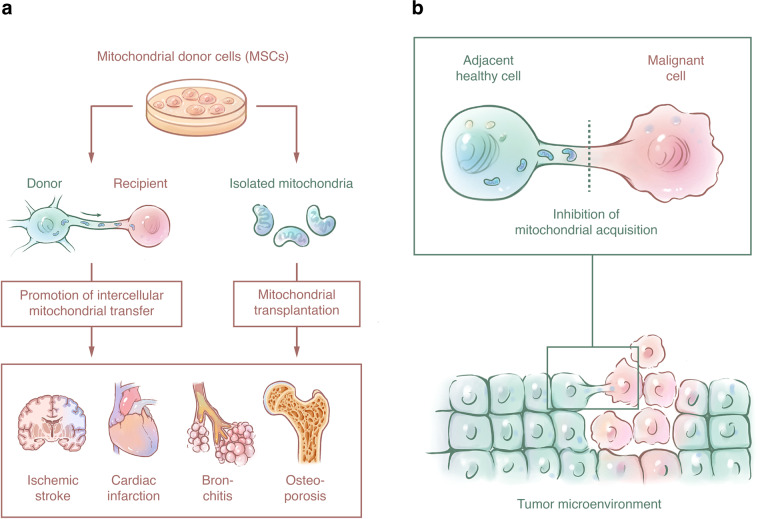
As the crucial powerhouse for cell metabolism and tissue survival, the mitochondrion frequently undergoes morphological or positional changes when responding to various stresses and energy demands. In addition to intracellular changes, mitochondria can also be transferred intercellularly. Besides restoring stressed cells and damaged tissues due to mitochondrial dysfunction, the intercellular mitochondrial transfer also occurs under physiological conditions. In this review, the phenomenon of mitochondrial transfer is described according to its function under both physiological and pathological conditions, including tissue homeostasis, damaged tissue repair, tumor progression, and immunoregulation. Then, the mechanisms that contribute to this process are summarized, such as the trigger factors and transfer routes. Furthermore, various perspectives are explored to better understand the mysteries of cell–cell mitochondrial trafficking. In addition, potential therapeutic strategies for mitochondria-targeted application to rescue tissue damage and degeneration, as well as the inhibition of tumor progression, are discussed.
Overview
The claims and statistics of this paper haven’t been checked yet.
Free: it reads the open-access text and checks the first 5 claims that cite a source we can check. Create a free account to check every claim.
Integrity signals
Registry
Cites
Statistics
Figures
Verification
Claims the paper makes
The claims and statistics of this paper haven’t been checked yet.
Free: it reads the open-access text and checks the first 5 claims that cite a source we can check. Create a free account to check every claim.
Claims other papers make about this one
Each is checked against this paper’s own text: does it say what the citing paper says it does?
The source backs part of the claim, not all of it — or backs it for a different population, condition or comparison.
In the citing paper
“The aberrant mitochondrial exchange between cells has been implicated in the pathogenesis of several neurological diseases including stroke and acute respiratory distress syndrome [9, 10, 11].”
From Aerobic exercise improves astrocyte mitochondrial quality and transfer to neurons in a mouse model of Alzheimer's disease (2025) · cites this paper as [9]
Experimental — accuracy not yet measuredThe cited source says what the claim attributes to it.
In the citing paper
“The release of extracellular mitochondria with preserved functions and their subsequent recapture by other cells might enable the restoration of mitochondrial functions in the recipient cells33,280–282.”
From The role of mitochondria in rheumatic diseases (2022) · cites this paper as [280]
Self-check
Percentages, sums and reported differences re-computed from the paper’s own numbers.
The self-check needs the paper’s full text.
Citations
Cites
How mitochondria produce reactive oxygen species
Murphy, M. P. (2009) · Biochemical Journal · doi:10.1042/bj20081386 · Cited by 8,207 · cited 2×
“17 Under physiological conditions, these byproducts can be decomposed by antioxidant enzymes such as superoxide dismutase (SOD), catalase (CAT), or glutathione peroxidase (GPx) to reduce the detrimental effect of ROS as well as control cellular homeostasis.(17) However, under different pathological conditions, cells s…”
BackgroundAccessories to the Crime: Functions of Cells Recruited to the Tumor Microenvironment
Hanahan, D., & Coussens, L. M. (2012) · Cancer Cell · doi:10.1016/j.ccr.2012.02.022 · Cited by 4,632
Circulating mitochondrial DAMPs cause inflammatory responses to injury
Zhang, Q., Raoof, M., Chen, Y., Sumi, Y., Sursal, T., Junger, W., Brohi, K., Itagaki, K., & Hauser, C. J. (2010) · Nature · doi:10.1038/nature08780 · Cited by 3,812 · cited 1×
“Mitochondrial damage-associated molecular patterns (DAMPs), such as mtDNA, N-formyl peptides, and mitochondrial proteins released from damaged cells, will be recognized by immune cells (neutrophils and monocytes/macrophages) and result in an immune response.(109,110) Thus, mitochondria can be considered not only as se…”
BackgroundMitochondrial diseases in man and mouse
Wallace, D. C. (1999) · Science · doi:10.1126/science.283.5407.1482 · Cited by 3,060 · cited 1×
“Thus, cardiovascular mitochondrial dysfunction or mtDNA mutations induced by increased oxidative and nitro-oxidative stress are closely associated with cardiovascular diseases.(3,52,53) Ischemia is a major cause of myocardial damage and apoptosis because blocking the oxygen supply to CMs generally leads to mitochondri…”
BackgroundSpillantini, M. G., Crowther, R. A., Jakes, R., Hasegawa, M., & Goedert, M. (1998) · Proceedings of the National Academy of Sciences · doi:10.1073/pnas.95.11.6469 · Cited by 2,868
Influence of tumour micro-environment heterogeneity on therapeutic response
Junttila, M. R., & de Sauvage, F. J. (2013) · Nature · doi:10.1038/nature12626 · Cited by 2,694 · cited 1×
“Specifically, one significant factor that leads to intratumoral heterogeneity is that the TME contains many nonmalignant cells, including CAFs, MSCs, and immune cells that are recruited to the tumor site.(80,102) Intercellular Intercellular mitochondrial transfer as a means of tissue revitalization Liu et al.”
BackgroundBonewald, L. F. (2011) · Journal of Bone and Mineral Research · doi:10.1002/jbmr.320 · Cited by 2,287 · cited 2×
“Osteocytes embedded in the bone matrix are connected by dendritic networks and coordinate the function of osteoblasts and osteoclasts.(72) Thus, it is critical to maintain the survival of osteocytes under deleterious conditions, including mechanical loading, hormone stimulation, and other stressors, during their long…”
BackgroundER Tubules Mark Sites of Mitochondrial Division
Friedman, J. R., Lackner, L. L., West, M., DiBenedetto, J. R., Nunnari, J., & Voeltz, G. K. (2011) · Science · doi:10.1126/science.1207385 · Cited by 2,072 · cited 1×
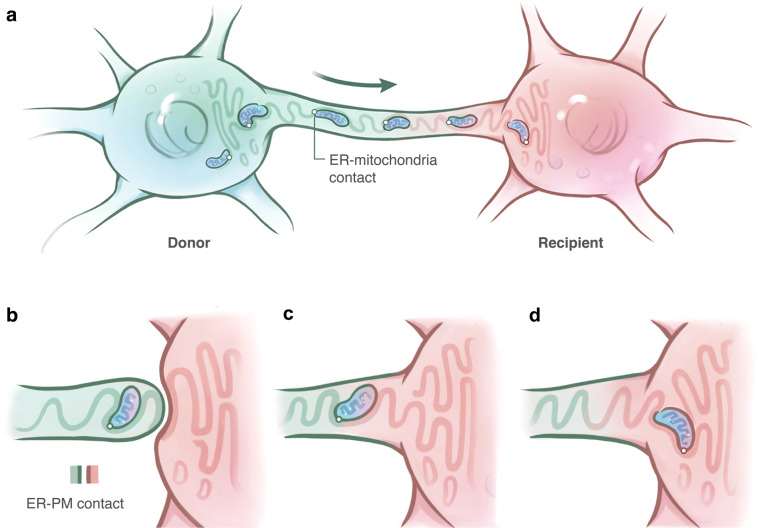
“It has been shown that ER–mitochondria contact coordinates mitochondrial division.(168,169) Thus, it is tempting to speculate that ER also participates in the intercellular degradation of stressed mitochondria in an unknown manner.”
BackgroundNanotubular Highways for Intercellular Organelle Transport
Rustom, A., Saffrich, R., Markovic, I., Walther, P., & Gerdes, H.-H. (2004) · Science · doi:10.1126/science.1093133 · Cited by 2,038
Cardiac progenitor cells from adult myocardium: Homing, differentiation, and fusion after infarction
Oh, H., Bradfute, S. B., Gallardo, T. D., Nakamura, T., Gaussin, V., Mishina, Y., Pocius, J., Michael, L. H., Behringer, R. R., Garry, D. J., et al. (2003) · Proceedings of the National Academy of Sciences · doi:10.1073/pnas.2132126100 · Cited by 1,743
Cited by
Items 101–200 of 433
Hassanpour, P., Sadeghsoltani, F., Haiaty, S., Zakeri, Z., Saghebasl, S., Izadpanah, M., Boroumand, S., Mota, A., Rahmati, M., Rahbarghazi, R., et al. (2024) · International Journal of Biological Macromolecules · doi:10.1016/j.ijbiomac.2024.129633 · Cited by 38
ROCK inhibitor enhances mitochondrial transfer via tunneling nanotubes in retinal pigment epithelium
Yuan, J., Chen, F.-X., Jiang, D. Y., Xu, Z., Zhang, H., & Jin, Z. (2024) · Theranostics · doi:10.7150/thno.96508 · Cited by 35
Platelet extracellular vesicles and the secretory interactome join forces in health and disease
Boilard, É., & Bellio, M. (2022) · Immunological Reviews · doi:10.1111/imr.13119 · Cited by 35
The Role of Oxidative Stress in Periodontitis
Bullón, P., Giampieri, F., Bullón, B., & Battino, M. A. (2025) · Journal of Periodontal Research · doi:10.1111/jre.70016 · Cited by 40
Dong, Z., Liu, S., Liu, X., He, D., Chu, Q., Zhong, L., Yu, X., & Fu, X. (2025) · Biomaterials · doi:10.1016/j.biomaterials.2025.123563 · Cited by 37
Irisin Protects Musculoskeletal Homeostasis via a Mitochondrial Quality Control Mechanism
Zhao, C., Wu, Y., Zhu, S., Liu, H., & Xu, S. (2024) · International Journal of Molecular Sciences · doi:10.3390/ijms251810116 · Cited by 37
“Mitochondria play an essential role in skeletal muscle, not only participating in energy metabolism but also involved in various biological processes such as cell signaling, cell death, and more [4,5].”
BackgroundVelmurugan, G. V., Vekaria, H. J., Patel, S. P., Sullivan, P. G., & Hubbard, W. B. (2024) · Journal of Cerebral Blood Flow & Metabolism · doi:10.1177/0271678x241306054 · Cited by 38
Hayden, M. R. (2022) · International Journal of Molecular Sciences · doi:10.3390/ijms23094820 · Cited by 34
Mesenchymal stromal/stem cells and bronchopulmonary dysplasia
Zhang, S., Mulder, C., Riddle, S. R., Song, R., & Yue, D. (2023) · Frontiers in Cell and Developmental Biology · doi:10.3389/fcell.2023.1247339 · Cited by 32
Effect of N-Acetylcysteine on Cisplatin Toxicity: A Review of the Literature
Zavala-Valencia, A. C., Velasco‐Hidalgo, L., Martínez‐Avalos, A., Castillejos-López, M. D. J., & Espíndola, L. M. T. (2024) · Biologics · doi:10.2147/btt.s438150 · Cited by 35
“47,64,66,67 however, the precise mechanism by which NAC carries out this action has not yet been determined.”
BackgroundClemente‐Suárez, V. J., Rubio-Zarapuz, A., Belinchón-deMiguel, P., Beltrán-Velasco, A. I., Martín-Rodríguez, A., & Tornero-Aguilera, J. F. (2024) · Cells · doi:10.3390/cells13231940 · Cited by 31
Therapeutic implications of mitochondrial transfer on stem cell fate in regenerative medicine
Liu, Y., Dissanayaka, W. L., & Yiu, C. K. Y. (2025) · Journal of Translational Medicine · doi:10.1186/s12967-025-06472-9 · Cited by 34
“As undifferentiated stem cells are considered the most ideal candidates for mitochondrial donation, ethical issues, species origin and cell types must be taken into consideration when choosing a donor source [152].”
Wang, J., Li, R., & Li, Q. (2026) · Redox Biology · doi:10.1016/j.redox.2026.104019 · Cited by 32
“This gap remains a major impediment to clinical translation, as highlighted in several seminal analyses [43].”
Cai, J., Chen, Y., She, Y., He, X., Feng, H., Sun, H., Yin, M., Gao, J., Sheng, C., Li, Q., et al. (2025) · Brain Pathology · doi:10.1111/bpa.13316 · Cited by 30
“The aberrant mitochondrial exchange between cells has been implicated in the pathogenesis of several neurological diseases including stroke and acute respiratory distress syndrome [9 – 11].”
Self-citationMitochondrial transfer from mesenchymal stem cells: Mechanisms and functions
Liu, Q., Zhang, X., Zhu, T., Xu, Z., Dong, Y., & Chen, B. (2024) · Mitochondrion · doi:10.1016/j.mito.2024.101950 · Cited by 30
Tomasello, D. L., Barrasa, M. I., Mankus, D. V., Alarcon, K. I., Lytton‐Jean, A. K. R., Liu, X. S., & Jaenisch, R. (2024) · Scientific Reports · doi:10.1038/s41598-024-71040-y · Cited by 31
Role of mitochondria transmission in ischemic stroke: Friend or foe?
Yang, L., Wei, X., Liao, Z., Chen, B., Zeng, G., & Mei, Z. (2025) · Redox Biology · doi:10.1016/j.redox.2025.103868 · Cited by 31
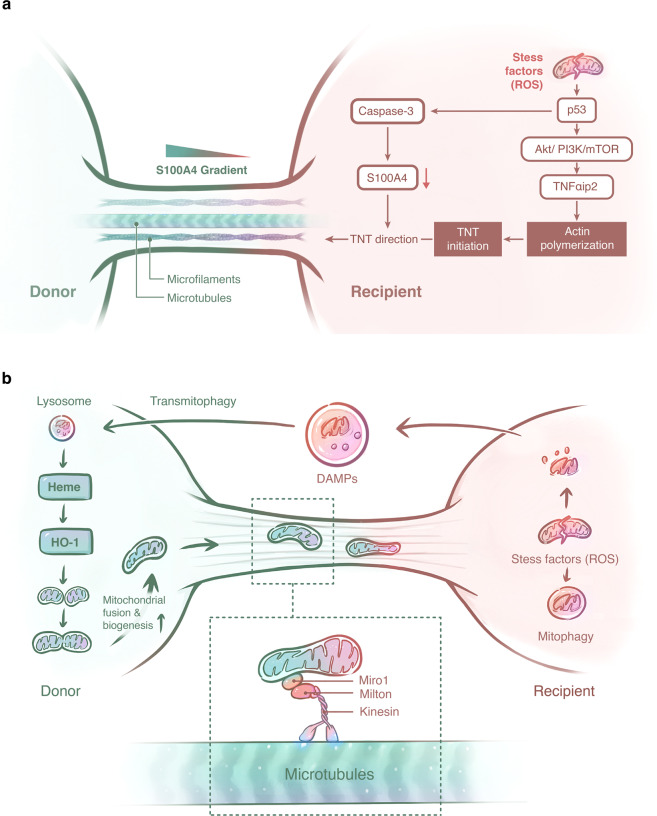
“Crucially, compared to ROS-free recipient cells, ROS-producing cells exhibit not only higher TNTs formation efficiency but also increased internalization of exogenous mitochondria within 24 h post-OGD/R, correlating with rising ROS levels [11,43,156,157].”
Liu, B., Zhao, T., Li, Y., Han, Y., Xu, Y., Yang, H. Q., Wang, S., Zhao, Y., Li, P., & Wang, Y. (2022) · Phytotherapy Research · doi:10.1002/ptr.7450 · Cited by 30
Yang, G., Dong, C., Wu, Z., Wu, P., Cao, Y., Li, L., Zhang, J., & Wu, X. (2025) · Bioactive Materials · doi:10.1016/j.bioactmat.2025.02.036 · Cited by 38
“The transport and exchange of endogenous mitochondria via TNTs are considered crucial for cellular stress responses, damage repair, and intercellular energy homeostasis [42].”
Wang, M., Wang, W., Chopp, M., Zhang, Z. G., & Zhang, Y. (2025) · Journal of Cerebral Blood Flow & Metabolism · doi:10.1177/0271678x251338971 · Cited by 33
“1,7,8 Cells that rely less on mitochondrial respiration, such as glycolytic tumor cells and stem cells, are more likely to engage in mitochondrial transfer.”
Duroux-Richard, I., Apparailly, F., & Khoury, M. (2021) · Frontiers in Physiology · doi:10.3389/fphys.2021.738140 · Cited by 29
Multifaceted mitochondrial as a novel therapeutic target in dry eye: insights and interventions
Ouyang, W., Yan, D., Hu, J., & Liu, Z. (2024) · Cell Death Discovery · doi:10.1038/s41420-024-02159-0 · Cited by 30
“3) In recent years, scholars have discovered that cells can form tunneling nanotubes (TNTs) to facilitate intercellular communication, enabling mitochondrial transfer between different cells to maintain metabolic balance [91].”
BackgroundWang, Q., Unwalla, H. J., & Rahman, I. (2022) · Mitochondrion · doi:10.1016/j.mito.2022.01.003 · Cited by 30
Dong, T., Li, Y., Jin, S., Yang, F., Xiong, R., Dai, Y.-Q., Song, X., & Guan, C. (2025) · Stem Cell Research & Therapy · doi:10.1186/s13287-025-04182-z · Cited by 29
“In one study, researchers were able to transfer functional mitochondria from healthy donor cells to damaged cells, restoring their bioenergetic capacity and reducing oxidative stress [160].”
Mitochondrial transfer in endothelial cells and vascular health
Im, G., & Melero‐Martin, J. M. (2025) · Trends in Cell Biology · doi:10.1016/j.tcb.2025.04.004 · Cited by 31
González-Chapa, J. A., Macêdo, M. B., & Lood, C. (2023) · Rambam Maimonides Medical Journal · doi:10.5041/rmmj.10493 · Cited by 30
Huai, Q., Zhu, C., Zhang, X., Dai, H., Li, X., & Wang, H. (2023) · Cell & Bioscience · doi:10.1186/s13578-023-01122-3 · Cited by 28
“Currently, mitochondrial transfer has gained considerable attention due to its critical roles in tissue homeostasis and development [79].”
BackgroundMitochondrial extracellular vesicles, autoimmunity and myocarditis
Florio, D. N. D., Beetler, D. J., McCabe, E. J., Sin, J., Ikezu, T., & Fairweather, D. (2024) · Frontiers in Immunology · doi:10.3389/fimmu.2024.1374796 · Cited by 30
“Thus, transfer of healthy intact mitochondria within EVs represents a novel and potentially viable therapy for patients with mitochondrial damage or dysfunction (97, 98).”
BackgroundPost-acute ischemic stroke hyperglycemia aggravates destruction of the blood-brain barrier
Xu, T., Yang, J., Yao, X., Wang, X., Gao, X., Sun, J., Zhou, C., & Huang, Y. (2023) · Neural Regeneration Research · doi:10.4103/1673-5374.385851 · Cited by 26
“Intercellular mitochondrial transfer can help in restoring cells stressed by mitochondrial dysfunction (Liu et al., 2021).”
Self-citationSarmah, D., Datta, A., Rana, N., Suthar, P., Gupta, V., Kaur, H., Ghosh, B., Levoux, J., Rodriguez, A., Yavagal, D. R., et al. (2024) · Free Radical Biology and Medicine · doi:10.1016/j.freeradbiomed.2024.09.022 · Cited by 27
Mitochondrial dysfunction and Alzheimer’s disease: pathogenesis of mitochondrial transfer
Wei, Y., Du, X., Guo, H., Han, J., & Liu, M. (2024) · Frontiers in Aging Neuroscience · doi:10.3389/fnagi.2024.1517965 · Cited by 28
Targeting mitochondrial transfer: a new horizon in cardiovascular disease treatment
Zuo, B., Li, X., Xu, D., Zhao, L., Yang, Y., Luan, Y., & Zhang, B. (2024) · Journal of Translational Medicine · doi:10.1186/s12967-024-05979-x · Cited by 26
López-Molina, L., Pereda-Velarde, A., Franco, N. D., Aerts, I., Sebastiá, E. M., Valls‐Roca, L., Guitart‐Mampel, M., Garrabou, G., & Ginés, S. (2025) · Cell Communication and Signaling · doi:10.1186/s12964-025-02341-6 · Cited by 26
“This process, known as trans-mitophagy, has been described under both physiological and pathological conditions as a mechanism to maintain tissue homeostasis and support tissue repair [74, 75].”
Soukar, J., Singh, K. A., Aviles, A., Hargett, S. E., Kaur, H. P., Foster, S., Roy, S., Zhao, F., Gohil, V. M., Singh, I., et al. (2025) · Proceedings of the National Academy of Sciences · doi:10.1073/pnas.2505237122 · Cited by 26
Huang, H., Oo, T. T., Apaijai, N., Chattipakorn, N., & Chattipakorn, S. C. (2023) · Molecular Neurobiology · doi:10.1007/s12035-022-03200-y · Cited by 26
“Several possibilities have been reported regarding the mechanisms of intercellular mitochondrial transfer, including tunneling nanotubes (TNTs), extracellular vesicles (EVs), gap junctions, and cell fusion [24, 25].”
BackgroundInfluentialFarhana, A., Alsrhani, A., Khan, Y. S., & Rasheed, Z. (2023) · Cancers · doi:10.3390/cancers15153836 · Cited by 27
“Such cells acquire mitochondria through cellular transfer to restore defective OXPHOS [112].”
BackgroundInfluentialMitochondria transfer as a potential therapeutic mechanism in Alzheimer’s disease-like pathology
Mishra, M., Raik, S., Rattan, V., & Bhattacharyya, S. (2023) · Brain Research · doi:10.1016/j.brainres.2023.148544 · Cited by 25
Na, J., Shi, Q., Yang, Z., Liu, Y., Chen, X., Wang, Z., Zheng, L., & Fan, Y. (2024) · The FASEB Journal · doi:10.1096/fj.202302178r · Cited by 27
“61 The mitochondrial transfer can rescue the dysfunctional mitochondria in recipient cells and reprogram differentiated cells.”
BackgroundTransfer and fates of damaged mitochondria: role in health and disease
Li, H., Sun, W., Gong, W., & Han, Y. (2024) · FEBS Journal · doi:10.1111/febs.17119 · Cited by 29
“Under pathological conditions, mitochondrial transfer restores stressed cells and ameliorates damaged tissues resulting from mitochondrial dysfunction [13].”
InfluentialLi, H., Yu, H., Liu, D., Liao, P., Gao, C., Zhou, J., Mei, J., Yao, Z., Ding, P., Yao, M., et al. (2024) · PLoS Biology · doi:10.1371/journal.pbio.3002753 · Cited by 26
Self-citationZheng, X., Wang, J., Zhou, H., Chai, Y., Li, Z., Chen, M., Yang, Z., Xu, C., Lei, C., He, Y., et al. (2025) · Bioactive Materials · doi:10.1016/j.bioactmat.2025.01.031 · Cited by 36
“Mitochondrial transfer has recently emerged as a therapeutic approach, demonstrating the ability to rapidly restore bioenergetic homeostasis in damaged cells [27 – 30].”
Zhang, Q., Shen, Y., Zhang, H., Li, X., Yang, S., Dai, C., Yu, X., Lou, J., Zhang, C., Feng, J., et al. (2025) · Science Advances · doi:10.1126/sciadv.adj1896 · Cited by 26
Self-citationTian, K., Xiong, T., Zeng, D., Huang, Z., Liu, R., & Luo, F. (2025) · Redox Biology · doi:10.1016/j.redox.2025.103941 · Cited by 26
“These cells establish a communicative nexus with both OBs and OCs, responding to various signals, including hormonal and mechanical stimuli, to precipitate skeletal remodeling [29].”
Wang, X., Yang, W., Wang, L., Zheng, L. W., & Choi, W. S. (2023) · Toxicology and Applied Pharmacology · doi:10.1016/j.taap.2023.116751 · Cited by 24
Progranulin deficiency in the brain: the interplay between neuronal and non-neuronal cells
Gawęda-Walerych, K., Aragona, V., Lodato, S., Sitek, E. J., Narożańska, E., & Buratti, E. (2025) · Translational Neurodegeneration · doi:10.1186/s40035-025-00475-8 · Cited by 23
“Recent research has highlighted that mitochondria can be transferred bidi-rectionally between donor and recipient cells for degradation or to increase survival (reviewed by [301]).”
Mitochondrial Transplantation/Transfer: Promising Therapeutic Strategies for Spinal Cord Injury
Xiong, X., Zhou, C., Yu, Y., Xie, Q., Xia, L., Li, Q., Lin, H., Zhang, S., & Liang, W. (2025) · Journal of Orthopaedic Translation · doi:10.1016/j.jot.2025.04.017 · Cited by 26
“Among these mechanisms, tunneling nanotubes (TNTs) and mitochondrial vesicles are involved in long-distance signaling, whereas gap junctions and cell fusion focus on local communication and overall cellular integration, respectively [54,55,77] (Table 1 and Fig.”
Farkhad, N. K., Reihani, H., Sedaghat, A., Moghadam, A. A., Moghaddam, A. B., & Tavakol‐Afshari, J. (2021) · Regenerative Therapy · doi:10.1016/j.reth.2021.05.007 · Cited by 23
Gelsomino, L., Barone, I., Caruso, A., Giordano, F., Brindisi, M., Morello, G., Accattatis, F. M., Panza, S., Cappello, A. R., Bonofiglio, D., et al. (2022) · International Journal of Molecular Sciences · doi:10.3390/ijms232112941 · Cited by 22
“The described molecular mechanisms of mitochondrial transfer indicate that tunneling nanotubes and larger extracellular microvesicles formed by blebbing of the cellular membrane are the most popular paths of intercellular mitochondrial transport [53].”
BackgroundZhang, Y., Xu, T., Xie, J., Wu, H. J., Hu, W., & Yuan, X. (2024) · Cell Communication and Signaling · doi:10.1186/s12964-024-01617-7 · Cited by 22
“In recent years, it has gradually emerged as a new therapy for cell injury [33–37].”
BackgroundSubirá, J., Soriano, M. J., del Castillo, L. M., & Santos, M. J. D. L. (2025) · Human Reproduction · doi:10.1093/humrep/deaf034 · Cited by 21
Organelle-tuning condition robustly fabricates energetic mitochondria for cartilage regeneration
Chen, X., Zhou, Y., Yao, W., Gao, C., Sha, Z., Yi, J., Wang, J., Liu, X., Dai, C., Zhang, Y., et al. (2025) · Bone Research · doi:10.1038/s41413-025-00411-6 · Cited by 21
“20 However, despite the broad potential application, a signi fi cant challenge remains in harvesting safe and healthy mitochondria resources.”
Mitochondria relay cholesterol signal exacerbates osteoarthritis in mice
Ma, Y., Pang, Y., Liu, C., Tian, Y., Zheng, K., Yao, M., Liu, X., Cao, R., Zhao, Y., Zheng, Z., et al. (2025) · Nature Communications · doi:10.1038/s41467-025-65689-w · Cited by 24
Self-citationNeeds, H. I., Wilkinson, K. A., Henley, J. M., & Collinson, I. R. (2023) · Journal of Cell Science · doi:10.1242/jcs.260993 · Cited by 21
Caicedo, A., Morales, E., Moyano, A., Peñaherrera, S., Peña-Cisneros, J., Benavides-Almeida, A., Pérez-Meza, Á. A., Haro-Vinueza, A., Ruiz, C., Robayo, P., et al. (2023) · Pharmacological Research · doi:10.1016/j.phrs.2023.107018 · Cited by 23
Engineered Mitochondrial Transplantation as An Anti-Aging Therapy
Zhao, R. Z., Dong, C., Liang, Q. Y., Gao, J., Sun, C. C., Gu, Z., & Zhu, Y. (2024) · Aging and Disease · doi:10.14336/ad.2024.0231 · Cited by 27
“This process is referred to as mitochondrial exocytosis (release of mitochondria) and endocytosis (uptake of mitochondria) [69].”
Self-citationGao, C., Dai, Y., Spezza, P. A., Boasiako, P. A., Tang, A., Rasquinha, G., Zhong, H., Shao, B., Liu, Y., Shi, P. A., et al. (2025) · Journal of Clinical Investigation · doi:10.1172/jci189801 · Cited by 21
“…has been demonstrated between MSCs and various cell types, such as hematopoietic stem and progenitor cells, immune cells, or alveolar epithelia (3–7), whether mature MKs can also transfer mitochondria to MSCs, leading to the production of platelets with low baseline activation, has not been…”
Falzoni, S., Vultaggio-Poma, V., Chiozzi, P., Tarantini, M., Adinolfi, E., Boldrini, P., Giuliani, A. L., Morciano, G., Tang, Y., Górecki, D. C., et al. (2024) · Function · doi:10.1093/function/zqae019 · Cited by 24
“41 This mechanism appears to fulfill different needs, such as disposal of damaged mitochondria but also refur-bishment of stressed cells with healthy mitochondria.”
BackgroundHuang, X., Luodan, A., Gao, H., He, J., Ge, L., Cha, Z., Gong, H., Lin, X., Li, H., Tang, Y., et al. (2024) · iScience · doi:10.1016/j.isci.2024.110309 · Cited by 21
“21 22–25 In the retina, intravitreal injec-tionofinducedpluripotentstemcell-derived MSCstransferfunctionalmitochondriatothedamagedretinalganglion,photoreceptor,andRPE cellstoimproveretinalfunction.”
Tian, Z., Wang, X., Chen, S., Guo, Z., Di, J., & Xiang, C. (2025) · International Journal of Nanomedicine · doi:10.2147/ijn.s505591 · Cited by 20
“138,139 This process has a regulatory effect on macrophage function.”
Xiong, H., Qiu, H., Wang, C., Qiu, Y., Tan, S., Chen, K., Zhao, F., & Song, J. (2024) · Materials Today Bio · doi:10.1016/j.mtbio.2024.101175 · Cited by 27
“Mitochondrial transfer refers to the translocation of mitochondria from one cell to other cells via specialized structures under both physiological and pathological circumstances [28,29].”
BackgroundMitochondrial Transplantation: A Novel Therapy for Liver Ischemia/Reperfusion Injury
Mukkala, A. N., David, B. A., Ailenberg, M., Liang, J., Vaswani, C. M., Karakas, D., Goldfarb, R., Barbour, W., Gasner, A., Wu, R. S., et al. (2025) · Annals of Surgery · doi:10.1097/sla.0000000000006655 · Cited by 21
Deciphering Mitochondria: Unveiling Their Roles in Mechanosensing and Mechanotransduction
Yu, J., Huang, Y., Qin, Y., Zhu, J., Zhao, T., Wu, H., Ye, X., Qin, X., Li, S., Chen, Y., et al. (2025) · Research · doi:10.34133/research.0816 · Cited by 24
“The transfer of mitochondria from donor cells to recipient cells is closely related to rescue respiration, tissue repair, and tumor progression [ 35 ].”
Self-citationJiang, D., Xu, W., Peng, F., Sun, Y., Pan, C., Yu, J., Zheng, Q., & Chen, W. (2023) · Experimental Eye Research · doi:10.1016/j.exer.2023.109497 · Cited by 19
Wang, Y., Liu, N.-H., Hu, L., Yang, J., Han, M., Zhou, T., Xing, L., & Jiang, H. (2024) · Acta Pharmaceutica Sinica B · doi:10.1016/j.apsb.2024.08.007 · Cited by 18
“It is reported that the transfer of mitochondria between healthy and damaged cells through various mechanisms is a spontaneous way to replenish functional mitochondria in damaged cells and rescue damaged cells 12,13 .”
The promise of mitochondria in the treatment of glioblastoma: a brief review
Liang, Z., Zhao, S., Liu, Y., & Cheng, C. (2025) · Discover Oncology · doi:10.1007/s12672-025-01891-y · Cited by 18
“However, the association of mitochondrial transfer with this phenomenon remains inconclusive [124].”
Zhang, Z., Zhao, X., Zhang, X., Wan, S., An, P., Zhu, Y., Luo, Y., & Luo, J. (2025) · Journal of Advanced Research · doi:10.1016/j.jare.2025.07.021 · Cited by 21
“Increasing evidence indicates that spontaneous intercellular mitochondrial transfer occurs in the cardiovascular system to maintain tissue homeostasis and development [206,207].”
Targeting mitochondrial quality control of T cells: Regulating the immune response in HCC
Xia, Y., Gao, B., & Zhang, X. (2022) · Frontiers in Oncology · doi:10.3389/fonc.2022.993437 · Cited by 18
“Recipient cells generally gain favorable metabolism via intrinsic regulation of mitochondria (11).”
BackgroundLibring, S., Berestesky, E. D., & Reinhart‐King, C. A. (2024) · Clinical & Experimental Metastasis · doi:10.1007/s10585-024-10269-3 · Cited by 19
Sharma, A., Srivastava, R., Gnyawali, S. C., Bhasme, P., Anthony, A. J., Xuan, Y., Trinidad, J. C., Sen, C. K., Clemmer, D. E., Roy, S., et al. (2024) · ACS Nano · doi:10.1021/acsnano.4c07610 · Cited by 18
Bjerring, J. S., Khodour, Y., Peterson, E. A., Sachs, P. C., & Bruno, R. D. (2025) · FEBS Journal · doi:10.1111/febs.70002 · Cited by 18
“Various somatic and stem cell types can exchange mitochondria and other cellular content, providing a critical role in tissue homeostasis, damaged tissue repair, and tumor progression under physiological conditions [17,21].”
Azan, N. I. N., Karim, N. A., Sulaiman, N. S., Ng, M. H., Najib, A. M., Hassan, H., & Alias, E. (2026) · Biomedicines · doi:10.3390/biomedicines14010100 · Cited by 21
“The transfer of mitochondria from one cell to another is a natural biological phenomenon in multicellular organisms that can occur in physiological and pathological conditions [107].”
Mitochondrial transplantation and transfer: The promising method for diseases
Kubat, G. B. (2023) · TURKISH JOURNAL OF BIOLOGY · doi:10.55730/1300-0152.2665 · Cited by 18
“The natural mitochondrial transfer appears to promote multifunctional cellular functioning as well as tissue regeneration in pathological situations of different physiological systems (Liu et al., 2021).”
BackgroundReinitiating lung development: a novel approach in the management of bronchopulmonary dysplasia
Cui, X., & Fu, J. (2024) · Respiratory Research · doi:10.1186/s12931-024-02996-8 · Cited by 19
“The crosstalk between mitochondrial networks and other cell signaling pathways may influence MSC development, migration, and paracrine signaling during airway branching [28].”
BackgroundPlatelet Extracellular Vesicles as Natural Delivery Vehicles for Mitochondrial Dysfunction Therapy?
Yeh, H. C., Gupta, K., Lu, Y.-H., Srinivasan, A., Delila, L., Yen, N. T. H., Nyam‐Erdene, A., & Burnouf, T. (2025) · ACS Biomaterials Science & Engineering · doi:10.1021/acsbiomaterials.5c00473 · Cited by 17
Connexin 43 Role in Mitochondrial Transfer and Homeostasis in the Central Nervous System
Gervasi, A., D’Aprile, S., Denaro, S., Amorini, A. M., Vicario, N., & Parenti, R. (2025) · Journal of Cellular Physiology · doi:10.1002/jcp.70086 · Cited by 16
“GJ coupling mediated by Cx43 occurs between developing neurons, astrocytes and microglia, where all cells utilize GJs to communicate and regulate key processes (Chew et al. 2010).”
Zhang, X., Wang, C., Zhou, Z., & Zhang, Q. (2023) · Cell Proliferation · doi:10.1111/cpr.13530 · Cited by 16
“19,20 Basedonthis, we formulatethe hypothesis that healthy DPSCs could promote functional recovery of injured DPSCsandpulprepairthroughmitochondrialtransfer.”
BackgroundMitochondria Transplantation Promotes Corneal Epithelial Wound Healing
Raz, D., Ben‐Yaakov, K., Levi, M., Bertolin, M., Ferrari, S., Ponzin, D., Busin, M., Leiba, H., Marcovich, A. L., Eisenberg‐Lerner, A., et al. (2024) · Investigative Ophthalmology & Visual Science · doi:10.1167/iovs.65.6.14 · Cited by 16
Mitochondria-loading erythrocytes transfer mitochondria to ameliorate inflammatory bone loss
Cheng, S., Lu, Z., Wang, W., Zhang, M.-J., Yang, Q.-C., Wang, W. D., Wang, K., Sun, Z., & Zhang, L. (2025) · Acta Biomaterialia · doi:10.1016/j.actbio.2025.02.024 · Cited by 18
Wang, X., Guo, Z., Chen, L., Sun, J., Kwan, K. Y.-H., Jones, M. E. B., Li, Y. M., Hu, Y., Wang, X., Makvandi, P., et al. (2025) · Advanced Science · doi:10.1002/advs.202500128 · Cited by 19
Mesenchymal stem cell‐mediated mitochondrial transfer regulates the fate of B lymphocytes
Somova, V., Jaborova, N., Porubská, B., Vašek, D., Fikarová, N., Převorovský, M., Nahácka, Z., Neužil, J., & Krulová, M. (2025) · European Journal of Clinical Investigation · doi:10.1111/eci.70073 · Cited by 17
“8,28,29 These include increased ATP production, improved cellular bioenergetics, DNA repair, regulation of the Bax/Bcl-2 balance, reduction of oxidative stress and increased resistance to cellular stress.”
Zhong, H., Pan, R., Ouyang, Y., Xiao, T., Gu, W., Yang, H., Wang, H., Li, H., Peng, T., & Chen, P. (2026) · Molecular Cancer · doi:10.1186/s12943-026-02571-3 · Cited by 20
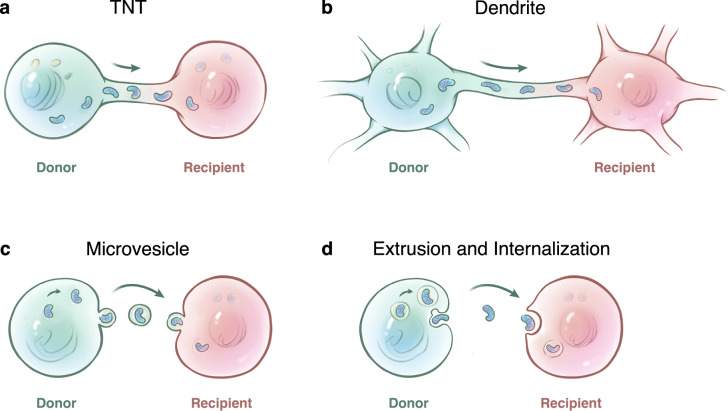
“Mitochondria can be transferred via nanotubes, microvesicles, or direct extrusion to support recipient cell metabolism, regulate immunity, or dispose of damaged organelles [36, 118, 119].”
Lu, J., Dou, K., Geng, Z., & Wang, Z. (2023) · Sensors and Actuators B Chemical · doi:10.1016/j.snb.2023.134043 · Cited by 16
Guo, H. J., Chen, L.-Q., Zou, Z., Cheng, S., Hu, Y., Mao, L., Tian, H., & Mei, X. (2024) · European Journal of Pharmacology · doi:10.1016/j.ejphar.2024.176368 · Cited by 15
Barutta, F., Corbetta, B., Bellini, S., Gambino, R., Bruno, S., Kimura, S., Hase, K., Ohno, H., & Gruden, G. (2024) · Clinical Science · doi:10.1042/cs20242064 · Cited by 15
“Although TNTs are generally considered as the prevalent mechanism of intercellular mitochondrial transfer, other mechanisms have also been described, such as extracellular vesicles, fusion, and extrusion/internalisation [63].”
Jang, G., Oh, J., Jun, E., Lee, J. L., Kwon, J. Y., Kim, J., Lee, S., Kim, S. C., Cho, S., & Lee, C. (2022) · npj Genomic Medicine · doi:10.1038/s41525-022-00333-w · Cited by 16
Hydrogen Peroxide Promotes the Production of Radiation-Derived EVs Containing Mitochondrial Proteins
Miller, C. E., Xu, F., Zhao, Y., Luo, W., Zhong, W., Meyer, K. K., Jayswal, R. D., Weiss, H. L., Clair, W. H. S., Clair, D. K. S., et al. (2022) · Antioxidants · doi:10.3390/antiox11112119 · Cited by 17
“This can happen in a variety of ways such as tunneling nanotubing, dendritic transfer, naked mitochondrial particles, and extracellular vesicles [28,29].”
BackgroundBourebaba, L., Kornicka‐Garbowska, K., Galuppo, L. D., & Marycz, K. (2022) · Stem Cell Reviews and Reports · doi:10.1007/s12015-022-10357-5 · Cited by 14
“Intercellular mitochondrial transfer occurs not only in the pathological condition but also in the physiological process among cells to maintain the homeostasis and development of tissue [38].”
BackgroundOrganelle Communication: Joined in Sickness and in Health
Bravo, R., López‐Crisosto, C., Criollo, A., Inagi, R., & Lavandero, S. (2023) · Physiology · doi:10.1152/physiol.00024.2022 · Cited by 15
Harutyunyan, T. A. (2023) · Mutagenesis · doi:10.1093/mutage/gead031 · Cited by 14
Leonov, S. V., Dorfman, A., Pershikova, E., Inyang, O., Alhaddad, L., Wang, Y., Pustovalova, M. V., & Merkher, Y. (2024) · Cancers · doi:10.3390/cancers16122235 · Cited by 14
“…cytoplasmic content and mitochondria to healthy human bronchial epithelial cells with comparable efficiency through unidirectional transfer [108] H9c2 rat heart myoblast cells and L929 mouse fibroblast cells were treated with uncoated or fluorescently coated mitochondria obtained from HeLa…”
MethodXu, M., Zhu, J., Wang, Z., Yan, J., & Zhou, X. (2024) · Mitochondrion · doi:10.1016/j.mito.2024.101924 · Cited by 15
Mitochondrial transfer in the progression and treatment of cardiac disease
Huang, Y., Li, W., Sun, H., Guo, X., Zhou, Y., Liu, J., Liu, F., & Fan, Y. (2024) · Life Sciences · doi:10.1016/j.lfs.2024.123119 · Cited by 14
Self-citationMitochondrial dynamics reveal potential to facilitate axonal regeneration after spinal cord injury
Wang, K., Chen, X., Liu, M., Li, Y., Zhu, Y., Zhou, T., Tao, W., Ma, Y., Guo, Y., Wang, L., et al. (2025) · Journal of Translational Medicine · doi:10.1186/s12967-025-06611-2 · Cited by 15
“Three primary mediators of mitochondrial transfer have been identified: tunneling nanotubes (TNTs), extracellular microvesicles (EVs), and gap junctions (GJs) [137, 138].”
Harnessing Mitochondrial Transplantation to Target Vascular Inflammation in Cardiovascular Health
Matiuto, N., Applewhite, B. C., Habash, N. M., Martins, A., Wang, B., & Jiang, B. (2025) · JACC Basic to Translational Science · doi:10.1016/j.jacbts.2025.101331 · Cited by 15
Emerging roles of mitochondria in animal regeneration
Zhao, Y. S., Gao, C., Pan, X., & Lei, K. (2023) · Cell Regeneration · doi:10.1186/s13619-023-00158-7 · Cited by 18
“Mitochondria and mitoDAMPs can also be released from live or dying cells to be functional factors in sensing damage and regeneration (Brestoff et al. 2021; Liu et al. 2021; Niethammer 2016; Westhaver et al. 2022; Zhang et al. 2010).”
BackgroundDe novo detection of somatic variants in high-quality long-read single-cell RNA sequencing data
Dondi, A., Borgsmüller, N., Ferreira, P., Haas, B. J., Jacob, F., Heinzelmann-Schwarz, V., & Beerenwinkel, N. (2025) · Genome Research · doi:10.1101/gr.279281.124 · Cited by 16
“A conclusive answer to whether those are only technical artifacts or also originate from a biological mechanism, e.g., microenvironment revi-talization (Liu et al. 2021; Zampieri et al. 2021), will require further investigation.”
Defective macrophage efferocytosis in advanced atherosclerotic plaque and mitochondrial therapy
Li, W., Huang, Y., Liu, J., Zhou, Y., Sun, H., Fan, Y., & Liu, F. (2024) · Life Sciences · doi:10.1016/j.lfs.2024.123204 · Cited by 14
Self-citationKim, H., Woo, S., Cho, H. B., Lee, S., Cho, C. W., Park, J., Youn, S., So, G., Kang, S., Hwang, S., et al. (2025) · Advanced Science · doi:10.1002/advs.202412621 · Cited by 19
Metabolic crosstalk between platelets and cancer: Mechanisms, functions, and therapeutic potential
Chen, Z., Lin, X., Yu, Y., Zhang, S., & Xue, R. (2025) · Seminars in Cancer Biology · doi:10.1016/j.semcancer.2025.02.001 · Cited by 13
Yang, D., Li, J., Li, Z., Zhao, M., Wang, D., Sun, Z., Wen, P., Gou, F., Dai, Y., Ji, Y., et al. (2023) · Frontiers in Molecular Neuroscience · doi:10.3389/fnmol.2023.1163981 · Cited by 13
“transplantation is gradually becoming an innovative treatment to cure several neurodegenerative diseases including PD and AD, displaying good efficacy in both cellular and animal models (McCully et al., 2017; Lim, 2020; Liu et al., 2021).”
Background
Metadata
- Authors
- Liu, D., Gao, Y., Liu, J., Huang, Y., Yin, J., Feng, Y., Shi, L., Meloni, B. P., Zhang, C., Zheng, M., & Gao, J.
- Affiliations
- The University of Western Australia (AU)
- Fudan University (CN)
- Shanghai Jiao Tong University (CN)
- Zhejiang University (CN)
- Perron Institute for Neurological and Translational Science (AU)
- Corresponding author
- Zhang, Changqing
- Zheng, Minghao
- Gao, Junjie
- ORCID
- Venue
- Signal Transduction and Targeted Therapy
- Published
- 2021-02-16
- Volume
- 6
- Issue
- 1
- Pages
- 65-65
- ISSN
- 2059-3635 (ISSN-L)
- PMC
- PMC7884415
- OpenAlex
- W3130924806
- Semantic Scholar
- 5c86d8cb4d8bc2069719d23bc2b62ae8fad37b1b
- Cited by
- 403
- References
- 178
- Citations by year
- 2026: 73 · 2025: 97 · 2024: 98 · 2023: 67 · 2022: 46 · 2021: 21
- FWCI
- 6.08
- Type
- journal article
- Language
- en
- Open access
- gold
- doi.org
- Licence
- cc-by
- creativecommons.org/licenses/by/4.0 (tdm)
- creativecommons.org/licenses/by/4.0 (vor)
- Locations
- Signal Transduction and Targeted Therapy (publishedVersion, cc-by)
- PubMed Central (publishedVersion, cc-by)
- PubMed (publishedVersion)
- UWA Profiles and Research Repository (UWA) (submittedVersion, cc-by)
- DOAJ (DOAJ: Directory of Open Access Journals) (submittedVersion, cc-by-sa)
- Funders
- National Natural Science Foundation of China (81672143, 81820108020)
- China Scholarship Council
- Topics
- Life Sciences › Biochemistry, Genetics and Molecular Biology › Molecular Biology › Mitochondrial Function and Pathology
- Life Sciences › Biochemistry, Genetics and Molecular Biology › Cell Biology › Autophagy in Disease and Therapy
- Life Sciences › Biochemistry, Genetics and Molecular Biology › Cell Biology › Mesenchymal stem cell research
- Keywords
- intercellular mitochondrial transfer, mitochondrial trafficking, tissue homeostasis, tissue repair, mitochondrial dysfunction, tumor progression, immune regulation, mitochondrial-targeted therapy, tissue degeneration, intercellular communication
- MeSH terms
- DNA, Mitochondrial, Energy Metabolism, Humans, Mitochondria, Mesenchymal Stem Cells
About these checks
Registry, retraction, Cites and statistics results are computed, not judged, with one exception: a printed reference that no index lists is read once by a model before it counts as a citation error. Claims are extracted by a model and kept only when their quote appears verbatim in the text; each cited source is then checked, with a model’s help, for whether it says what the claim relies on. Those verdicts can be wrong — read the claim’s quote and the cited source before relying on one.
Statistics and arithmetic are recomputed, not judged.
Confidence bands are shown only for fields calibrated on our annotated test set. None is calibrated yet, so no band is shown.
What counts as a claim ›How we measure confidence ›How we check this ›
Are you an author, or do you see a problem with this page? Request a review
Data sources
Bibliographic data: Semantic Scholar, OpenAlex, Crossref.
Contains information from the Semantic Scholar Academic Graph Datasets, made available under the ODC Attribution License (ODC-BY 1.0).
Semantic Scholar’s data is described in: Kinney, R., et al. (2023). The Semantic Scholar Open Data Platform. arXiv:2301.10140.
