

Intercellular mitochondrial transfer as a means of tissue revitalization
Open accessThe DOI matches its Crossref record; 178 of the 180 references it cites were found in a registry or an index.
Abstract
As the crucial powerhouse for cell metabolism and tissue survival, the mitochondrion frequently undergoes morphological or positional changes when responding to various stresses and energy demands. In addition to intracellular changes, mitochondria can also be transferred intercellularly. Besides restoring stressed cells and damaged tissues due to mitochondrial dysfunction, the intercellular mitochondrial transfer also occurs under physiological conditions. In this review, the phenomenon of mitochondrial transfer is described according to its function under both physiological and pathological conditions, including tissue homeostasis, damaged tissue repair, tumor progression, and immunoregulation. Then, the mechanisms that contribute to this process are summarized, such as the trigger factors and transfer routes. Furthermore, various perspectives are explored to better understand the mysteries of cell–cell mitochondrial trafficking. In addition, potential therapeutic strategies for mitochondria-targeted application to rescue tissue damage and degeneration, as well as the inhibition of tumor progression, are discussed.
Overview
The claims and statistics of this paper haven’t been checked yet.
Free: it reads the open-access text and checks the first 5 claims that cite a source we can check. Create a free account to check every claim.
Integrity signals
Registry
Cites
Statistics
Figures
Verification
Claims the paper makes
The claims and statistics of this paper haven’t been checked yet.
Free: it reads the open-access text and checks the first 5 claims that cite a source we can check. Create a free account to check every claim.
Claims other papers make about this one
Each is checked against this paper’s own text: does it say what the citing paper says it does?
The source backs part of the claim, not all of it — or backs it for a different population, condition or comparison.
In the citing paper
“The aberrant mitochondrial exchange between cells has been implicated in the pathogenesis of several neurological diseases including stroke and acute respiratory distress syndrome [9, 10, 11].”
From Aerobic exercise improves astrocyte mitochondrial quality and transfer to neurons in a mouse model of Alzheimer's disease (2025) · cites this paper as [9]
Experimental — accuracy not yet measuredThe cited source says what the claim attributes to it.
In the citing paper
“The release of extracellular mitochondria with preserved functions and their subsequent recapture by other cells might enable the restoration of mitochondrial functions in the recipient cells33,280–282.”
From The role of mitochondria in rheumatic diseases (2022) · cites this paper as [280]
Self-check
Percentages, sums and reported differences re-computed from the paper’s own numbers.
The self-check needs the paper’s full text.
Citations
Cites
How mitochondria produce reactive oxygen species
Murphy, M. P. (2009) · Biochemical Journal · doi:10.1042/bj20081386 · Cited by 8,207 · cited 2×
“17 Under physiological conditions, these byproducts can be decomposed by antioxidant enzymes such as superoxide dismutase (SOD), catalase (CAT), or glutathione peroxidase (GPx) to reduce the detrimental effect of ROS as well as control cellular homeostasis.(17) However, under different pathological conditions, cells s…”
BackgroundAccessories to the Crime: Functions of Cells Recruited to the Tumor Microenvironment
Hanahan, D., & Coussens, L. M. (2012) · Cancer Cell · doi:10.1016/j.ccr.2012.02.022 · Cited by 4,632
Circulating mitochondrial DAMPs cause inflammatory responses to injury
Zhang, Q., Raoof, M., Chen, Y., Sumi, Y., Sursal, T., Junger, W., Brohi, K., Itagaki, K., & Hauser, C. J. (2010) · Nature · doi:10.1038/nature08780 · Cited by 3,812 · cited 1×
“Mitochondrial damage-associated molecular patterns (DAMPs), such as mtDNA, N-formyl peptides, and mitochondrial proteins released from damaged cells, will be recognized by immune cells (neutrophils and monocytes/macrophages) and result in an immune response.(109,110) Thus, mitochondria can be considered not only as se…”
BackgroundMitochondrial diseases in man and mouse
Wallace, D. C. (1999) · Science · doi:10.1126/science.283.5407.1482 · Cited by 3,060 · cited 1×
“Thus, cardiovascular mitochondrial dysfunction or mtDNA mutations induced by increased oxidative and nitro-oxidative stress are closely associated with cardiovascular diseases.(3,52,53) Ischemia is a major cause of myocardial damage and apoptosis because blocking the oxygen supply to CMs generally leads to mitochondri…”
BackgroundSpillantini, M. G., Crowther, R. A., Jakes, R., Hasegawa, M., & Goedert, M. (1998) · Proceedings of the National Academy of Sciences · doi:10.1073/pnas.95.11.6469 · Cited by 2,868
Influence of tumour micro-environment heterogeneity on therapeutic response
Junttila, M. R., & de Sauvage, F. J. (2013) · Nature · doi:10.1038/nature12626 · Cited by 2,694 · cited 1×
“Specifically, one significant factor that leads to intratumoral heterogeneity is that the TME contains many nonmalignant cells, including CAFs, MSCs, and immune cells that are recruited to the tumor site.(80,102) Intercellular Intercellular mitochondrial transfer as a means of tissue revitalization Liu et al.”
BackgroundBonewald, L. F. (2011) · Journal of Bone and Mineral Research · doi:10.1002/jbmr.320 · Cited by 2,287 · cited 2×
“Osteocytes embedded in the bone matrix are connected by dendritic networks and coordinate the function of osteoblasts and osteoclasts.(72) Thus, it is critical to maintain the survival of osteocytes under deleterious conditions, including mechanical loading, hormone stimulation, and other stressors, during their long…”
BackgroundER Tubules Mark Sites of Mitochondrial Division
Friedman, J. R., Lackner, L. L., West, M., DiBenedetto, J. R., Nunnari, J., & Voeltz, G. K. (2011) · Science · doi:10.1126/science.1207385 · Cited by 2,072 · cited 1×
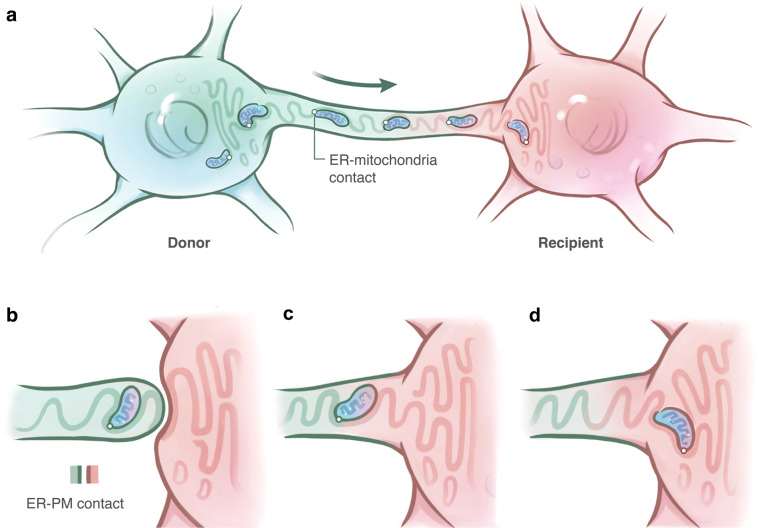
“It has been shown that ER–mitochondria contact coordinates mitochondrial division.(168,169) Thus, it is tempting to speculate that ER also participates in the intercellular degradation of stressed mitochondria in an unknown manner.”
BackgroundNanotubular Highways for Intercellular Organelle Transport
Rustom, A., Saffrich, R., Markovic, I., Walther, P., & Gerdes, H.-H. (2004) · Science · doi:10.1126/science.1093133 · Cited by 2,038
Cardiac progenitor cells from adult myocardium: Homing, differentiation, and fusion after infarction
Oh, H., Bradfute, S. B., Gallardo, T. D., Nakamura, T., Gaussin, V., Mishina, Y., Pocius, J., Michael, L. H., Behringer, R. R., Garry, D. J., et al. (2003) · Proceedings of the National Academy of Sciences · doi:10.1073/pnas.2132126100 · Cited by 1,743
Cited by
Items 201–300 of 433
Lin, Y.-H., Lin, K.-L., Wang, X.-W., Lee, J., Wang, F., Wang, P.-W., Lan, M., Liou, C., & Lin, T. (2024) · Mitochondrion · doi:10.1016/j.mito.2024.101856 · Cited by 15
The Emerging Role of Brain Mitochondria in Fear and Anxiety
Chioino, A., & Sandi, C. (2024) · Current topics in behavioral neurosciences · doi:10.1007/7854_2024_537 · Cited by 13
Nuerlan, G., Yu, M., Wang, X., Zhang, Y., Li, Y., Zhang, K., Pan, L., Ozathaley, A., Wu, Y., Li, Q., et al. (2024) · Nano Research · doi:10.26599/nr.2025.94907375 · Cited by 13
Mechanical Force Promotes Mitochondrial Transfer From Macrophages to BMSCs to Enhance Bone Formation
Li, Y., Yan, Z., Dai, Y., Cai, H., Chen, Y., Chen, Y., Jin, R., Sun, W. S., & Wang, H. (2025) · Cell Proliferation · doi:10.1111/cpr.70121 · Cited by 15
The hidden driver of osteoporosis: mitochondria-dominated inflammation
Yan, B., Ju, W., Xue, H., Xu, Z., Qiu, D., & Tan, G. (2025) · Cell Communication and Signaling · doi:10.1186/s12964-025-02453-z · Cited by 13
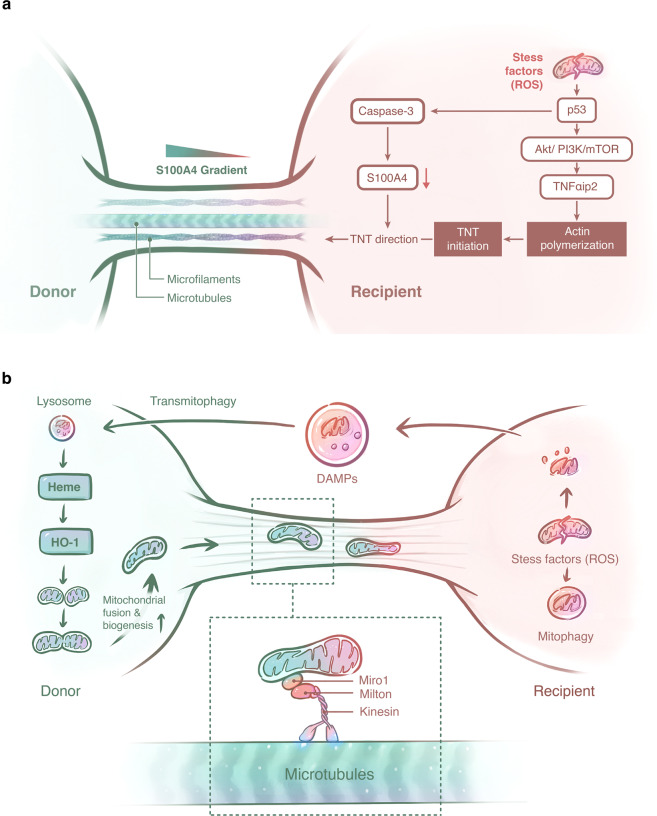
“This chemotactic gradient can facilitate a directed extension of TNTs from S100A4 low-expression initiating cells to high-expression target cells, thereby navigating mitochondrial transport pathways precisely [114].”
Mitochondrial quality control in human ageing and longevity
Picca, A., & Ferrucci, L. (2026) · Nature Metabolism · doi:10.1038/s42255-026-01563-3 · Cited by 13
“Mitochondria can be exchanged between mammalian cells via tunnelling nanotubes, extracellular vesicles, gap junctions and related structures, supplying recipient cells with functional organelles and restoring bioenergetic capacity 62 .”
Pushing boundaries: mechanisms enabling bacterial pathogens to spread between cells
Raab, J. E., Hamilton, D. J., Harju, T. B., Huynh, T. N. T., & Russo, B. C. (2024) · Infection and Immunity · doi:10.1128/iai.00524-23 · Cited by 12
“Mitochondria can move between cells by tunneling nanotubules (175).”
BackgroundMarshall, A. S., & Jones, N. S. (2021) · Biology · doi:10.3390/biology10060503 · Cited by 13
Considerations for Developing Mitochondrial Transplantation Techniques for Individualized Medicine
Neikirk, K., Stephens, D. C., Beasley, H. K., Marshall, A. G., Gaddy, J. A., Damo, S. M., & Hinton, A. O., Jr. (2024) · BioTechniques · doi:10.2144/btn-2023-0072 · Cited by 13
Yonemitsu, M. A., Sevigny, J. K., Vandepas, L. E., Dimond, J. L., Giersch, R. M., Gurney‐Smith, H., Abbott, C. L., Supernault, J., Withler, R. E., Smith, P. D., et al. (2025) · Molecular Ecology · doi:10.1111/mec.17682 · Cited by 11
“…that this sort of parasexual recombination may be important for the evolution of human cancers (Miroshnychenko et al. 2021), and human cancer cells have been shown to take up functional mitochondria from cancer-associated host cells in multiple studies (Griessinger et al. 2017; Liu et al. 2021).”
Development of a Microfluidic System for Mitochondrial Extraction, Purification, and Analysis
Ajmal, R., Zhang, W., Liu, H., Bai, H., Cao, L., Peng, B., & Li, L. (2025) · ACS Applied Materials & Interfaces · doi:10.1021/acsami.4c18415 · Cited by 11
Connecting the dots: Mitochondrial transfer in immunity, inflammation, and cancer
Artusa, V., Luca, L. D., Clerici, M., & Trabattoni, D. (2025) · Immunology Letters · doi:10.1016/j.imlet.2025.106992 · Cited by 11
Mitochondria Transfer in Mesenchymal Stem Cells: Unraveling the Mechanism and Therapeutic Potential
Chen, J., Xie, Z., Zhou, H., Ou, Y., Tan, W., Zhang, A., Li, Y., & Fan, X. (2025) · Current Stem Cell Research & Therapy · doi:10.2174/011574888x362739250416153254 · Cited by 12
“Alveolar macrophages will enhance phagocytic abilities after receiving mitochondria from MSCs, and exogenous mitochondria can facilitate macrophage differentiation into the anti-inflammatory phenotype [51, 53].”
InfluentialMitochondria and pluripotency: from established models to emerging roles in adult stem cells
Labusca, L. S., & Zară-Dănceanu, C.-M. (2025) · Frontiers in Bioengineering and Biotechnology · doi:10.3389/fbioe.2025.1654593 · Cited by 11
Chen, B., Chen, X., Li, J., Hu, R., Yang, L., Li, H., Liu, X., Cannon, R. D., Saffery, R., Novakovic, B., et al. (2025) · Cell Reports · doi:10.1016/j.celrep.2025.116505 · Cited by 13
Building the case for mitochondrial transplantation as an anti-aging cardiovascular therapy
Headley, C. A., & Tsao, P. S. (2023) · Frontiers in Cardiovascular Medicine · doi:10.3389/fcvm.2023.1141124 · Cited by 11
Subramaniam, M. D., Chirayath, R. B., Iyer, M., Nair, A. P., & Vellingiri, B. (2022) · International Ophthalmology · doi:10.1007/s10792-022-02267-9 · Cited by 11
“Similarly, a different study highlights how transfer of mitochondria from one cell to another can rescue aerobic respiration [101], focusing on actively transporting the somatic cells and adult stem cells in mammalian cells using mitochondria which is not functional [102].”
BackgroundRole of autophagy in angiogenic potential of vascular pericytes
Milani, S. Z., Rezabakhsh, A., Karimipour, M., Salimi, L., Mardi, N., Narmi, M. T., Sadeghsoltani, F., Valioğlu, F., & Rahbarghazi, R. (2024) · Frontiers in Cell and Developmental Biology · doi:10.3389/fcell.2024.1347857 · Cited by 10
“In line with these statements, astrocytesare potent glial cells to take injured mitochondria from injured neurons for disposal and recycling, resulting in neuronal resistance and viability under ischemic conditions (Hayakawa et al., 2016; Liu et al., 2021).”
ResultZhang, X., Zhang, P., Zhu, Y., Lou, J., Wu, P., Wang, Y., Wang, Z., Liu, Q., Lu, B., Li, Q., et al. (2025) · Journal of Nanobiotechnology · doi:10.1186/s12951-025-03480-1 · Cited by 11
“For orthopedic surgery, more than half of sarcopenia patients are at risk for implant dislocation and infection due to decreased muscle tissue coverage [4].”
Li, X., Su, J., Liu, X., Lü, W., & Deng, Z. (2025) · BMC Musculoskeletal Disorders · doi:10.1186/s12891-025-08529-8 · Cited by 9
“However, there is a lack of evidence to demonstrate that stem cell therapy of bone resorption is related to mitochondrial transfer [25].”
Shin, H. R., Lee, G., & Kim, K. H. (2025) · Frontiers in Bioscience-Landmark · doi:10.31083/fbl37006 · Cited by 10
Huang, X., Lin, Z., Ruan, M., Huang, P., Ding, H., Pan, H., Cao, J., Ma, C., Zhao, Q., Guo, W., et al. (2025) · Materials Today Bio · doi:10.1016/j.mtbio.2025.102196 · Cited by 11
“Intercellular mitochondrial transfer, which is a natural rescue mechanism where healthy cells donate mitochondria to compromised counterparts, has emerged as a potent strategy for restoring OXPHOS, mitigating oxidative damage, and rejuvenating cellular function [17,18].”
Che, Y., Shimizu, Y., Hayashi, T., Suzuki, J., Pu, Z., Tsuzuki, K., Narita, S., Yura, Y., Shibata, R., & Murohara, T. (2025) · Angiogenesis · doi:10.1007/s10456-025-10001-z · Cited by 9
Chen, Y., Shi, H., Xiao, M., Pan, H., Yu, X., Zhu, Y., Yang, J., Wang, W., Xu, J., Yu, X., et al. (2026) · Biomarker Research · doi:10.1186/s40364-026-00902-6 · Cited by 11
The Pathophysiological Significance of “Mitochondrial Ejection” from Cells
Fan, Q., Maejima, Y., Wei, L., Nakagama, S., Shiheido‐Watanabe, Y., & Sasano, T. (2022) · Biomolecules · doi:10.3390/biom12121770 · Cited by 9
Zhang, L., Qiang, W., Li, M.-Q., Si-Jia, W., Jia, W., Wang, R., Shu-Wei, B., Qian‐Feng, W., & Wang, H. (2024) · Nanomedicine · doi:10.1080/17435889.2024.2393075 · Cited by 9
“Int erc ellular transfer has been shown to occur through direct c ell-c ell c ontacts (i.e., tunneling nanotubules (TNTs)) or through microvesicles (including Evs.) from donor cells [ 29 ].”
BackgroundDexamethasone enhances venetoclax-induced apoptosis in acute myeloid leukemia cells
Wang, H., Zhou, J., Ma, X., Jiao, C., Chen, E., Wu, Z., Zhang, Y., Pan, M., Cui, J., Luan, C., et al. (2023) · Medical Oncology · doi:10.1007/s12032-023-02056-z · Cited by 9
“Several previous studies have reported that mitochondria transfer could be stimulated by different factors, including hypoxia, H2O2, and other inducers [17].”
BackgroundYang, W., Abe, S., & Tabata, Y. (2023) · Regenerative Therapy · doi:10.1016/j.reth.2023.06.011 · Cited by 10
“The intact healthy mitochondria are transferred from donated cells to recipient cells through four routes, tunneling nanotubes (TNT), extracellular vesicles (EV), gap junction channels (GCJs), and cell fusion [6,8].”
BackgroundUnraveling the complex roles of macrophages in obese adipose tissue: an overview
Peng, C. S., Chen, J., Wu, R., Jiang, H., & Li, J. X. (2024) · Frontiers of Medicine · doi:10.1007/s11684-023-1033-7 · Cited by 10
Liu, Q., Cong, R., Yu, J., Zhang, X., Tu, J., Dong, Y., Jiang, L., & Chen, B. (2025) · Materials & Design · doi:10.1016/j.matdes.2025.114557 · Cited by 8
Biomaterial design strategies for enhancing mitochondrial transplantation therapy
Kang, S., Zhang, Y., Li, H., Peng, S., Lyu, D., Zhou, C., Ding, S., Feng, Z., Huang, P., Zhang, C., et al. (2025) · BMEMat · doi:10.1002/bmm2.70046 · Cited by 12
Self-citationZhang, W., Zhang, D.-D., Wang, X., Li, C., Li, F.-Q., Liu, X.-L., Zhang, S.-Z., Sun, W., Li, L., Wang, H.-B., et al. (2025) · Nature Communications · doi:10.1038/s41467-025-67707-3 · Cited by 8
Self-citationMitochondria transfer in glioblastoma
Storevik, S., Augustsson, M. T., Moreino, S. S., Köppe, H., Watson, D. C., Bayık, D., Fernandez, C. D. L. P., Serapiglia, A. M., Panicker, N., Lathia, J. D., et al. (2026) · Neuro-Oncology · doi:10.1093/neuonc/noag038 · Cited by 8
Sato, K., & Kawakami, H. (2023) · Oxygen · doi:10.3390/oxygen3040026 · Cited by 9
“Therefore, intercellular mitochondrial transfer and artificial mitochondrial transfer have been expected for novel therapeutic approaches for COPD [38,39].”
BackgroundProtocol for detecting mitochondria extracellular vesicles of brown adipose tissue in mice
Tortolici, F., Biagio, C. D., Lettieri‐Barbato, D., & Aquilano, K. (2024) · STAR Protocols · doi:10.1016/j.xpro.2024.103161 · Cited by 8
Meng, S.-C., Bai, M., Ma, C., Han, B., Duan, M., Zhang, L., Guo, J., Shi, C., Li, K., & He, M. (2025) · Neuroprotection/Neuroprotection (Chichester, England. Print) · doi:10.1002/nep3.70004 · Cited by 9
“40 Free mitochondria were uptaked by the target cell such as macropinocytosis, which may involve the dynamic changes of the cytoskeleton and remodeling of the cell membrane.”
Mitochondrion in Pulmonary Disease: Small Organelle but Big Function
Wang, J., Wu, H., Gao, J., & Zhang, T. (2025) · Small Methods · doi:10.1002/smtd.202500674 · Cited by 7
Self-citationCytokines and Madness: A Unifying Hypothesis of Schizophrenia Involving Interleukin-22
Sfera, A., Thomas, K. A., & Anton, J. (2024) · International Journal of Molecular Sciences · doi:10.3390/ijms252212110 · Cited by 7
“Mitochondrial transplantation has been attempted in animal models of SCZ but not in humans [67,68].”
Pang, Y.-L., Fang, S.-Y., Huang, C.-C., Lin, M., Roan, J., Tsai, K., & Lam, C. (2025) · Shock · doi:10.1097/shk.0000000000002579 · Cited by 8
“However, the exact mechanisms for selective migration or homing of free functional mitochondria to the injured tissues or cells are still not fully clarified (20).”
Predicting and Understanding the Pathology of Single Nucleotide Variants in Human COQ Genes
Wang, S., Jain, A., Novales, N. A., Nashner, A. N., Tran, F., & Clarke, C. F. (2022) · Antioxidants · doi:10.3390/antiox11122308 · Cited by 9
Mycobacterial infection alters host mitochondrial activity
Mohareer, K., & Banerjee, S. (2023) · International review of cytology · doi:10.1016/bs.ircmb.2023.01.007 · Cited by 7
Nam, Y., Song, Y., Seo, S. J., Ko, G. R., Lee, S. H., Cha, E., Kwak, S. M., Kim, S., Shin, M., Jin, Y., et al. (2024) · MedComm · doi:10.1002/mco2.70005 · Cited by 7
Correcting abnormal mitochondrial dynamics to facilitate tumor treatment
Yang, B., Lin, Y., & Shen, Y. (2023) · Mitochondrial Communications · doi:10.1016/j.mitoco.2023.07.001 · Cited by 7
Mitochondrial transfer and implications for muscle function in idiopathic inflammatory myopathies
González-Chapa, J. A., Macêdo, M. B., Naddaf, E., Saketkoo, L. A., & Lood, C. (2023) · Clinical and Experimental Rheumatology · doi:10.55563/clinexprheumatol/5lfq5x · Cited by 8
Cerveró-Varona, A., Prencipe, G., Peserico, A., Canciello, A., House, A. H., Santos, H. A., Perugini, M., Sulcanese, L., Takano, C., Miki, T., et al. (2025) · iScience · doi:10.1016/j.isci.2025.111830 · Cited by 6
“55,56 It may support, as recently demonstrated, the exogenous replacement of damaged mitochondria, thereby rescuing mitochondrial defects.”
Wang, H., Zhou, M., Ruan, Y., Shen, Y., Qin, Z., Wu, X., Ling, H., Ye, W., Wang, Y., & Gan, X. (2025) · Chemical Engineering Journal · doi:10.1016/j.cej.2025.163130 · Cited by 14
A biomimetic senotherapy replenishing MAT2A promotes wound regeneration in preclinical models
Lv, D., Ren, L., Zhao, Z., Rong, Y., Chen, M., Yang, H., Yin, R. H., Zeng, R., Chao, H., Li, X., et al. (2025) · Nature Communications · doi:10.1038/s41467-025-65659-2 · Cited by 6
Zhou, Z., Zhang, P., Jiang, Y., Xu, Y., Liu, F., Chen, X., Chen, D., Tang, W., Liao, R., & Liu, L. (2025) · Free Radical Biology and Medicine · doi:10.1016/j.freeradbiomed.2025.11.061 · Cited by 7
Cells destroy donated mitochondria to build blood vessels
Evans, C. S. (2024) · Nature · doi:10.1038/d41586-024-01233-y · Cited by 6
Mitochondrial Transfer in the Neurovascular Unit, Not Only for Energy Rescue: A Systematic Review
Zhou, D., Yang, S., Wu, J., Li, Y., Jin, H., Luo, Y., Zhang, F., Jiang, J., Hu, B., & Zhou, Y. (2024) · Aging and Disease · doi:10.14336/ad.2024.0461 · Cited by 13
“Moreover, clinical cases of mitochondrial transplantation in children with myocardial infarction have encouraged the consideration of mitochondrial transfer as an emerging tissue revitalization tool in neurological diseases [116, 7].”
Cherry, A. D. (2022) · Current Opinion in Anaesthesiology · doi:10.1097/aco.0000000000001202 · Cited by 6
“More recently, in 2004, another external process for modulating mitochondrial function was identified: the exchange of mitochondria between cells through a mechanism of intercellular organelle transfer [6].”
BackgroundMitochondrial therapy: a vision of the outlooks for treatment of main twenty-first-century diseases
Kit, O. I., Frantsiyants, E. M., Neskubina, I. V., Shikhlyarova, A. I., & Kaplieva, I. V. (2022) · Cardiometry · doi:10.18137/cardiometry.2022.22.1827 · Cited by 6
“Neutrophils can displace the mitochondrial content, including oxidized mitochondrial nucleoids [25].”
BackgroundInfluentialUshiki, T., Mochizuki, T., Suzuki, K., Kamimura, M., Ishiguro, H., Suwabe, T., Watanabe, S., Omori, G., Yamamoto, N., & Kawase, T. (2023) · Frontiers in Bioengineering and Biotechnology · doi:10.3389/fbioe.2023.1255860 · Cited by 6
“However, we focused on the recently proposed concept of intercellular mitochondrial transfer (Liu et al., 2021) and examined platelet ATP levels as biomarkers of PRP quality in this study.”
BackgroundMariani, A., Guichard, A., Sebbagh, A. C., Andrade, A. C., Dache, Z. A. A., Ribes, C., Ayollo, D., Karoui, M., Lavieu, G., Gazeau, F., et al. (2025) · Scientific Reports · doi:10.1038/s41598-025-13887-3 · Cited by 5
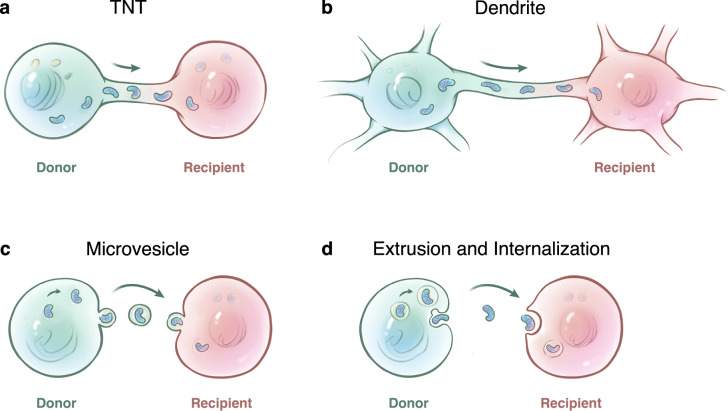
“Moreover, intercellular mitochondrial transfer has been proposed as a physiological mechanism for tissue revitalization, occurring via tunneling nanotubes, intercellular dendrites, vesicular cargo, or direct extrusion from donor cells followed by internalization by recipient cells 40,41 .”
Mitochondrial transplantation in lung diseases: From mechanisms to application prospects
Wu, H., Zhao, Q., Zhao, Y., Bai, J., Pan, J., & Huang, S. (2025) · Genes & Diseases · doi:10.1016/j.gendis.2025.101856 · Cited by 6
“85 Regrettably, we have not yet found relevant evidence to prove the accuracy of his claim.”
Hayashi, T., Shimizu, Y., Ota, H., Sakakibara, K., Luo, H., Shibata, T., Che, Y., Liu, T., Shibata, R., Tsai, R. C., et al. (2025) · JACC Asia · doi:10.1016/j.jacasi.2025.09.022 · Cited by 5
Chrościcki, P., Kasak, N., Dymkowska, D., Turos-Korgul, L., Cysewski, D., Chumak, V., Stępnik, D., Kusio-Kobiałka, M., Kominek, A., Lebiedzińska, M., et al. (2025) · Cell Communication and Signaling · doi:10.1186/s12964-025-02564-7 · Cited by 5
“Recently, also direct horizontal transfer of mitochondria was proposed to be a potential protective mechanism related to immune evasion in cancers [38], tissue revitalization [39] and tumorigenic potential in mitochondrial DNA-deficient cancer cells [40].”
The role of mitochondrial transfer in lung disease
Yang, K., Luo, M., & Dong, W. (2025) · Respiratory Research · doi:10.1186/s12931-025-03408-1 · Cited by 5
“Mitochondria can also be transferred independently of carriers, such as TNTs, EVs, and GJCs. Specifically, donor cells extrude mitochondria into the extracellular environment under stress, and recipient cells receive mitochondria through internalization [40].”
Du, Y., Peng, Y., Yang, Y., Yang, Z., Gao, D., Li, J., Lin, M., & Qi, X. (2025) · Acta Biomaterialia · doi:10.1016/j.actbio.2025.12.048 · Cited by 5
Chen, J., Chu, X., Wu, Y., Su, L., Wang, M., Zhao, X., Wei, X., Xia, G., Xia, H., Lin, S., et al. (2026) · Neoplasia · doi:10.1016/j.neo.2026.101291 · Cited by 5
“Recent studies have expanded the concept of mitochondrial dynamics beyond intracellular morphological changes to encompass intercellular mitochondrial transfer along cytoskeletal networks and between cells [128].”
Lethal effects of mitochondria via microfluidics
Kim, H., Ahn, Y., Moon, C. M., Kang, J. L., Woo, M., & Kim, M. (2022) · Bioengineering & Translational Medicine · doi:10.1002/btm2.10461 · Cited by 5
“In addition, they have been implicated as one mechanism by which mitochondria can be transferred from one cell to another.(8) The speed of mitochondrial migration through tunneling nanotubes is about 80–1400 nm/s.”
BackgroundEzan, P., Hardy, E., Bemelmans, A., Taiel, M., Dossi, E., & Rouach, N. (2024) · Neurobiology of Disease · doi:10.1016/j.nbd.2024.106681 · Cited by 5
“…retinal damage is unlikely to result from an enhanced transfer of the AAV2 vector, which has been shown to selectively target the GCL, there is growing literature documenting how healthy cells can donate functional mitochondria to cells facing mitochondrial dysfunction (Liu et al., 2021).”
BackgroundBioactive Therapies for Degenerative Disc Disease: Challenges and Innovations
Fidai, A. B., Cardenas, A., Ikwuegbuenyi, C. A., Robayo, A., Willett, N., Hussain, I., Härtl, R., & Bonassar, L. J. (2025) · World Neurosurgery · doi:10.1016/j.wneu.2025.124132 · Cited by 5
“27,28 In the degenerative state, IVD cells possess dysfunctional mitochondria, leading to the accumulation of harmful reactive oxygen species and ultimately cellular senescence.”
Stem Cell Delivery Routes: From Preclinical Models to Clinical Applications
Fagoonee, S. (2021) · BENTHAM SCIENCE PUBLISHERS eBooks · doi:10.2174/97898150401041210101 · Cited by 5
Mitochondrial Transfer to Host Cells from Ex Vivo Expanded Donor Hematopoietic Stem Cells
Kawano, H., Kawano, Y., Smith, C. O., LaMere, M. W., McArthur, M. J., Becker, M. W., Ballinger, S. W., Gojo, S., Eliseev, R. A., & Calvi, L. M. (2023) · Cells · doi:10.3390/cells12111473 · Cited by 5
Sfera, A., Thomas, K. A., Ogunjale, I. A., Jafri, N., & Bota, P. G. (2024) · Journal of Clinical Medicine · doi:10.3390/jcm13061691 · Cited by 6
“Early studies on mitochondrial transplantation from the 1980s utilized co-incubation of various cell types with naked mitochondria, hoping that cells would internalize the organelles from the extracellular environment [202–204].”
BackgroundProgress of Bone Marrow Mesenchymal Stem Cell Mitochondrial Transfer in Organ Injury Repair
Yang, X.-Z., Ning, K., Wang, D., & Xu, H. (2023) · Stem Cells and Development · doi:10.1089/scd.2023.0019 · Cited by 5
“It has been shown that TNTs can transfer organelles, membrane components, and cytoplasmic molecules between neighbor cells [9].”
Pinky, P. P., Wang, Z.-M., Khare, P., Jhaveri, J. R., Sullivan, A., Basudkar, V., Rao, K., Lawrence, A., Pingali, A., Dave, K. M., et al. (2025) · Extracellular Vesicle · doi:10.1016/j.vesic.2025.100100 · Cited by 4
Li, Z., Zhu, X., Liao, W., Jiang, R., Sang, E., Zhu, J., Sun, G., Lu, Z., Wang, C., Jiang, Y., et al. (2026) · Redox Biology · doi:10.1016/j.redox.2026.104106 · Cited by 4
“The body inherently possesses an endogenous mitochondrial transfer mechanism, which mainly includes intercellular tunnel nanotubes (TNTs), mitochondrial extracellular vesicles (Mito-EVs), and transport mediated by free mitochondria [6 – 8].”
Mechanisms and therapeutic potential of mitochondrial-targeted therapies in bone repair
Xu, N., Ma, W. H., Liu, G., & Yang, F. (2026) · Annals of Medicine · doi:10.1080/07853890.2026.2641277 · Cited by 4
“Instead of directly administering mitochondria or their components, a highly promising alternative strategy involves pharmacologically targeting the endogenous cellular signaling pathways that naturally govern mitochondrial transfer [99].”
Targeting cancer signaling pathways and their therapeutic strategies
Salem, M. M., & Mohamed, T. M. (2026) · Discover Oncology · doi:10.1007/s12672-026-04708-8 · Cited by 4
“Other molecules implicated in TNT production and mitochondrial fission, including Rho GTPases, may potentially be considered for therapeutic targeting [71].”
Mitochondrial transfer as a driver of immune microenvironment remodeling
Zhang, X., Zhang, D., Guo, J., Shi, C., & Gong, Z. (2026) · Frontiers in Immunology · doi:10.3389/fimmu.2026.1743261 · Cited by 4
“Exosomes originate from the fusion of multivesicular endosomes with the plasma membrane and primarily transport lipids, proteins, various RNA species, and occasionally mitochondrial DNA (mtDNA) (19).”
Intercellular Mitochondrial Transfer and Mitochondrial Transplantation in Cardiovascular Disease
Farhid, F., Heydari, F., Hamblin, M. R., Masoudifar, S., Sahebkar, A., & Naghinezhad, J. (2026) · Canadian Journal of Cardiology · doi:10.1016/j.cjca.2026.06.032 · Cited by 9
Zhang, H., Wang, S., Wu, P., Hu, Z., Chen, Y., Guan, Y., & Pang, J. (2025) · Journal of the National Cancer Center · doi:10.1016/j.jncc.2025.02.007 · Cited by 8
Lo, H. L., Huang, Y., Lin, Y., Li, W., Wu, S. C., Chou, P., & Lu, C. (2025) · Bone and Joint Research · doi:10.1302/2046-3758.149.bjr-2025-0186 · Cited by 4
Self-citationSerteyn, D. A., Storms, N., Mouithys-Mickalad, A. A., Sandersen, C., Niesten, A., Duysens, J., Graide, H., Ceusters, J. D., & Franck, T. J. (2024) · Animals · doi:10.3390/ani14182681 · Cited by 4
“MSCs can transfer entire mitochondria or fragments via extracellular vesicles (EVs) or nanotubules [35].”
BackgroundLi, H., Li, Z., Zhang, X., Lin, Y., Zhang, T., Gan, L., & Mu, D. (2024) · Stem Cell Research & Therapy · doi:10.1186/s13287-024-03938-3 · Cited by 4
“Research suggests that the primary mechanism by which exogenous mitochondria enter target cells is likely through endocytosis [18, 32].”
BackgroundIn vitro and In vivo Evaluation of the Antidiabetic Activity of Solidago virgaurea Extracts
Zhu, L., Zehra, S. A., Bhattarai, P., Zhang, J., Liu, Y., Parveen, Z., & Sajid, M. (2022) · Current Bioactive Compounds · doi:10.2174/1573407218666220615143502 · Cited by 4
Macrophages and stem/progenitor cells interplay in adipose tissue and skeletal muscle: a review
Kloc, M., Uosef, A., Ubelaker, H. V., Kubiak, J. Z., & Ghobrial, R. M. (2023) · Stem Cell Investigation · doi:10.21037/sci-2023-009 · Cited by 4
“Transfer of mitochondria between macrophages and stem cells via TNTs or vesicles can improve metabolism, muscle progenitors’ proliferation, and stem cell differentiation potential ( Figure 4 ) (97-99).”
Megakaryocytes as mitochondria factories: potential donors for mitochondria transplantation
Mercure, É., Pelletier, M., & Boilard, É. (2025) · Current Opinion in Hematology · doi:10.1097/moh.0000000000000889 · Cited by 3
Gao, B., Shen, C., Lv, K., Li, X., Zhang, Y., Shi, F., Diao, H., & Yao, H. C. (2025) · Journal of Zhejiang University SCIENCE B · doi:10.1631/jzus.b2300928 · Cited by 3
“The transfer of healthy mitochondria from MSCs to injured target cells is an ongoing research topic (Liu et al., 2021).”
Tran, N. L. K., van Blitterswijk, M., Springer, W., McLean, P. J., Peña, E. G. M., Savica, R., & Ross, O. A. (2025) · Med · doi:10.1016/j.medj.2025.100880 · Cited by 3
Iron‐related intercellular communication in the liver: Main players and mechanisms
Fonseca, Ó., Oliveira, P. J., Muckenthaler, M. U., Moreira, A. C., & Gomes, M. S. (2026) · European Journal of Clinical Investigation · doi:10.1111/eci.70168 · Cited by 4
“114,115 Mitochondria may be transferred from one cell to another through EVs, 114 tun-nelling nanotubes (TNTs) 119 and gap junctions.”
Pharmaceutical Roots to Mitochondrial Routes: Targeting Neurodegeneration
Sood, A., & Mehrotra, A. (2026) · Pharmaceutical Research · doi:10.1007/s11095-025-04004-0 · Cited by 3
“Although, the mechanism involved in such transfer is still unknown but it may occur through formation of tunneling nanotubes (TNTs) or via extracellular vesicles (EVs) formation [149].”
Yunusova, N. V., Svarovsky, D. A., Kaigorodova, E., Добродеев, А. Ю., Sisakian, V., & TAMKOVICH, S. N. (2026) · Current Issues in Molecular Biology · doi:10.3390/cimb48020217 · Cited by 3
“…in vitro/in vivo models simulating immunoregulatory interactions, intercellular interactions in the musculoskeletal system, stroke, heart attack, various neurodegenerative diseases, stromal-tumor relationships, the formation of chemo-and radioresistance, resistance to targeted drugs [9–14].”
Liang, S. Q., Wang, Q., Zhang, M., Song, X., Zhang, Y., Wang, H., Feng, Y., Li, R. Y., Xia, W., Xu, L., et al. (2026) · Cancer Letters · doi:10.1016/j.canlet.2026.218324 · Cited by 4
Self-citationMitochondria transfer in tissue homeostasis and diseases
Qin, L., Gan, D., Chen, Z., Xu, Z., Wu, M., Gao, B., Yufeng, L. O. N. G., Mou, X., Li, W., Yi, W., et al. (2026) · International Journal of Biological Sciences · doi:10.7150/ijbs.129709 · Cited by 3
“Mitochondria transfer serves multiple functions, including restoring mitochondrial metabolism, maintaining donor cell quality control, promoting tissue homeostasis, and promoting tissue remodeling[77].”
InfluentialArumugam, P., Heim, C. E., Fallet, R. W., Shinde, D., Thomas, V. C., Argüello, R. J., & Kielian, T. (2026) · Cell Reports · doi:10.1016/j.celrep.2026.117057 · Cited by 3
“20,28,31 Our study demonstrates that G-MDSC respiratory capacity can be enhanced by mitochondrial transfer from M Φ s that requires cell-cell contact and is partially facilitated by TNTs.”
InfluentialMECHANISMS OF NATURAL MITOCHONDRIAL TRANSFER IN HEALTH AND IN CANCER
Kit, O. I., Frantsiyants, E. M., Shikhlyarova, A. I., & Neskubina, I. V. (2023) · Ulyanovsk Medico-biological Journal · doi:10.34014/2227-1848-2023-3-14-29 · Cited by 3
Angiogenic activity of mitochondria; beyond the sole bioenergetic organelle
Sadeghsoltani, F., Hassanpour, P., Safari, M., Haiaty, S., Rahbarghazi, R., Rahmati, M., & Mota, A. (2024) · Journal of Cellular Physiology · doi:10.1002/jcp.31185 · Cited by 3
“Exosome transfer is significantly altered under physiological and pathological conditions that can affect the exchanges of mitochondrial materials parallel with mitochondrial dynamic and deformability abilities (Blagov et al., 2022; Liu et al., 2021).”
BackgroundFunctional transformation of macrophage mitochondria in cardiovascular diseases
Wei, J., Peng, M.-Y., & Lu, H.-X. (2024) · Molecular and Cellular Biochemistry · doi:10.1007/s11010-024-05049-2 · Cited by 3
“When stimulated by ischemia, hypoxia, aging and oxidative stress, mitochondria will reduce mitochondrial membrane potential due to damage [54–56].”
The Mitochondrial Transplantation: A New Frontier in Plastic Surgery
Li, H., & Mu, D. (2024) · Journal of Craniofacial Surgery · doi:10.1097/scs.0000000000010706 · Cited by 3
“12 Ischemic damage and energy depletion link to disrupted mitochondrial function, crucial for tissue balance and cell survival.”
Salloum‐Asfar, S., Engelke, R., Mousa, H., Goswami, N., Thompson, I. R., Palangi, F., Kamal, K., Al-Noubi, M. N., Schmidt, F., Abdulla, S. A., et al. (2021) · Stem Cells International · doi:10.1155/2021/8274936 · Cited by 3
“Since damaged mitochondria induce microtubule disassembly and reducing levels of energy metabolism and intracellular material transport [62, 63], we have sorted out all quantified mitochondrial proteins in the proteomic data (Supplementary Fig.”
BackgroundThe past, present, and close future of mitochondria as a therapeutic agent
Maya, R., Valdivieso, A., Robayo, P., & Caicedo, A. (2024) · Elsevier eBooks · doi:10.1016/b978-0-443-18858-9.00025-1 · Cited by 2
Lohrasbi, A., Arjmand, A., Kamranfar, F., Aghsami, M., & Pourahmad, J. (2025) · Iranian journal of pharmaceutical research · doi:10.5812/ijpr-159628 · Cited by 2
“The association between mitochondrial dysfunction and a wide range of pathological changes and diseases has been well-documented (26).”
Platelet-derived mitochondria attenuate muscle atrophy following rotator cuff tears in a rat model
Wang, X., Gao, X., Deng, C., Ding, X., Chen, Y., Huang, J., Li, X., & Shi, Y. (2025) · Journal of Shoulder and Elbow Surgery · doi:10.1016/j.jse.2025.01.031 · Cited by 2
Nishiyama, K., Kasahara, T., Kawabata, H., Tsujino, T., Kitamura, Y., Watanabe, T., Nakamura, M., Mochizuki, T., Ushiki, T., & Kawase, T. (2025) · International Journal of Molecular Sciences · doi:10.3390/ijms26125504 · Cited by 2
“Among the four proposed mechanisms [46], “microvesicle” and “extrusion and internalization” may be excluded from the possible central mechanisms of mitochondrial transfer under these experimental conditions.”
Chen, H., Peng, L., Wang, T., Li, T., Zhong, M., Zhang, L., Sun, X., Zhou, H., Liu, Y., Liao, W., et al. (2025) · Advanced Functional Materials · doi:10.1002/adfm.202425946 · Cited by 2
New insight into the risk stratification and treatment priority of breast cancer: TMT scoring system
Qi, Z., Yang, Y., Wang, Z., Li, S., Li, D., Chen, L., Feng, M., Zhou, C., Chen, X., Hao, B., et al. (2026) · International Journal of Surgery · doi:10.1097/js9.0000000000004615 · Cited by 3
“Intercellular mitochondrial transfer is a widespread phenomenon observed across various cell types under both physiological and pathological conditions [ 17 , 36 ] .”
Self-citationLin, F., Liu, J., Ding, Y., Ma, K., Meng, Q., Zhou, X., Zhang, Q., Hu, H., Liu, Z., & Liang, X. (2026) · Materials Today Bio · doi:10.1016/j.mtbio.2026.103023 · Cited by 2
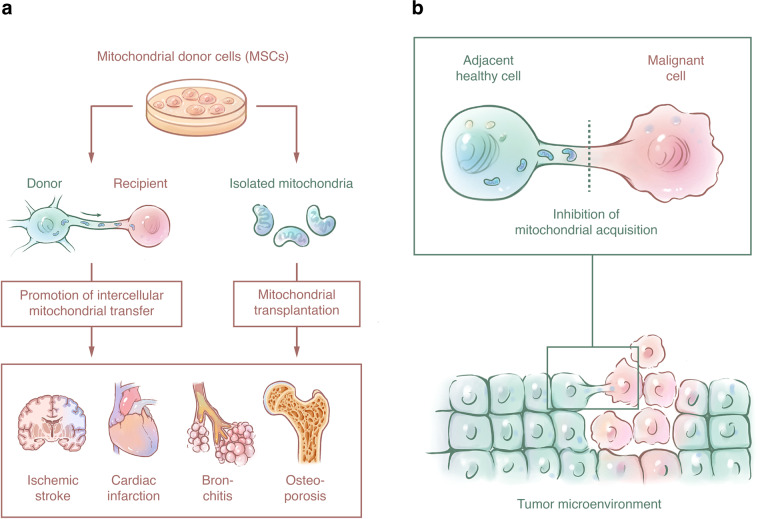
“Mitochondrial transplantation, traditionally aimed at replenishing cellular bioenergetics via uptake by recipient cells, has shown potential in mitigating oxidative stress and cellular dysfunction in injured tissues [13,19].”
Self-citation
Metadata
- Authors
- Liu, D., Gao, Y., Liu, J., Huang, Y., Yin, J., Feng, Y., Shi, L., Meloni, B. P., Zhang, C., Zheng, M., & Gao, J.
- Affiliations
- The University of Western Australia (AU)
- Fudan University (CN)
- Shanghai Jiao Tong University (CN)
- Zhejiang University (CN)
- Perron Institute for Neurological and Translational Science (AU)
- Corresponding author
- Zhang, Changqing
- Zheng, Minghao
- Gao, Junjie
- ORCID
- Venue
- Signal Transduction and Targeted Therapy
- Published
- 2021-02-16
- Volume
- 6
- Issue
- 1
- Pages
- 65-65
- ISSN
- 2059-3635 (ISSN-L)
- PMC
- PMC7884415
- OpenAlex
- W3130924806
- Semantic Scholar
- 5c86d8cb4d8bc2069719d23bc2b62ae8fad37b1b
- Cited by
- 403
- References
- 178
- Citations by year
- 2026: 73 · 2025: 97 · 2024: 98 · 2023: 67 · 2022: 46 · 2021: 21
- FWCI
- 6.08
- Type
- journal article
- Language
- en
- Open access
- gold
- doi.org
- Licence
- cc-by
- creativecommons.org/licenses/by/4.0 (tdm)
- creativecommons.org/licenses/by/4.0 (vor)
- Locations
- Signal Transduction and Targeted Therapy (publishedVersion, cc-by)
- PubMed Central (publishedVersion, cc-by)
- PubMed (publishedVersion)
- UWA Profiles and Research Repository (UWA) (submittedVersion, cc-by)
- DOAJ (DOAJ: Directory of Open Access Journals) (submittedVersion, cc-by-sa)
- Funders
- National Natural Science Foundation of China (81672143, 81820108020)
- China Scholarship Council
- Topics
- Life Sciences › Biochemistry, Genetics and Molecular Biology › Molecular Biology › Mitochondrial Function and Pathology
- Life Sciences › Biochemistry, Genetics and Molecular Biology › Cell Biology › Autophagy in Disease and Therapy
- Life Sciences › Biochemistry, Genetics and Molecular Biology › Cell Biology › Mesenchymal stem cell research
- Keywords
- intercellular mitochondrial transfer, mitochondrial trafficking, tissue homeostasis, tissue repair, mitochondrial dysfunction, tumor progression, immune regulation, mitochondrial-targeted therapy, tissue degeneration, intercellular communication
- MeSH terms
- DNA, Mitochondrial, Energy Metabolism, Humans, Mitochondria, Mesenchymal Stem Cells
About these checks
Registry, retraction, Cites and statistics results are computed, not judged, with one exception: a printed reference that no index lists is read once by a model before it counts as a citation error. Claims are extracted by a model and kept only when their quote appears verbatim in the text; each cited source is then checked, with a model’s help, for whether it says what the claim relies on. Those verdicts can be wrong — read the claim’s quote and the cited source before relying on one.
Statistics and arithmetic are recomputed, not judged.
Confidence bands are shown only for fields calibrated on our annotated test set. None is calibrated yet, so no band is shown.
What counts as a claim ›How we measure confidence ›How we check this ›
Are you an author, or do you see a problem with this page? Request a review
Data sources
Bibliographic data: Semantic Scholar, OpenAlex, Crossref.
Contains information from the Semantic Scholar Academic Graph Datasets, made available under the ODC Attribution License (ODC-BY 1.0).
Semantic Scholar’s data is described in: Kinney, R., et al. (2023). The Semantic Scholar Open Data Platform. arXiv:2301.10140.
