

Intercellular mitochondrial transfer as a means of tissue revitalization
Open accessThe DOI matches its Crossref record; 178 of the 180 references it cites were found in a registry or an index.
Abstract
As the crucial powerhouse for cell metabolism and tissue survival, the mitochondrion frequently undergoes morphological or positional changes when responding to various stresses and energy demands. In addition to intracellular changes, mitochondria can also be transferred intercellularly. Besides restoring stressed cells and damaged tissues due to mitochondrial dysfunction, the intercellular mitochondrial transfer also occurs under physiological conditions. In this review, the phenomenon of mitochondrial transfer is described according to its function under both physiological and pathological conditions, including tissue homeostasis, damaged tissue repair, tumor progression, and immunoregulation. Then, the mechanisms that contribute to this process are summarized, such as the trigger factors and transfer routes. Furthermore, various perspectives are explored to better understand the mysteries of cell–cell mitochondrial trafficking. In addition, potential therapeutic strategies for mitochondria-targeted application to rescue tissue damage and degeneration, as well as the inhibition of tumor progression, are discussed.
Overview
The claims and statistics of this paper haven’t been checked yet.
Free: it reads the open-access text and checks the first 5 claims that cite a source we can check. Create a free account to check every claim.
Integrity signals
Registry
Cites
Statistics
Figures
Verification
Claims the paper makes
The claims and statistics of this paper haven’t been checked yet.
Free: it reads the open-access text and checks the first 5 claims that cite a source we can check. Create a free account to check every claim.
Claims other papers make about this one
Each is checked against this paper’s own text: does it say what the citing paper says it does?
The source backs part of the claim, not all of it — or backs it for a different population, condition or comparison.
In the citing paper
“The aberrant mitochondrial exchange between cells has been implicated in the pathogenesis of several neurological diseases including stroke and acute respiratory distress syndrome [9, 10, 11].”
From Aerobic exercise improves astrocyte mitochondrial quality and transfer to neurons in a mouse model of Alzheimer's disease (2025) · cites this paper as [9]
Experimental — accuracy not yet measuredThe cited source says what the claim attributes to it.
In the citing paper
“The release of extracellular mitochondria with preserved functions and their subsequent recapture by other cells might enable the restoration of mitochondrial functions in the recipient cells33,280–282.”
From The role of mitochondria in rheumatic diseases (2022) · cites this paper as [280]
Self-check
Percentages, sums and reported differences re-computed from the paper’s own numbers.
The self-check needs the paper’s full text.
Citations
Cites
How mitochondria produce reactive oxygen species
Murphy, M. P. (2009) · Biochemical Journal · doi:10.1042/bj20081386 · Cited by 8,207 · cited 2×
“17 Under physiological conditions, these byproducts can be decomposed by antioxidant enzymes such as superoxide dismutase (SOD), catalase (CAT), or glutathione peroxidase (GPx) to reduce the detrimental effect of ROS as well as control cellular homeostasis.(17) However, under different pathological conditions, cells s…”
BackgroundAccessories to the Crime: Functions of Cells Recruited to the Tumor Microenvironment
Hanahan, D., & Coussens, L. M. (2012) · Cancer Cell · doi:10.1016/j.ccr.2012.02.022 · Cited by 4,632
Circulating mitochondrial DAMPs cause inflammatory responses to injury
Zhang, Q., Raoof, M., Chen, Y., Sumi, Y., Sursal, T., Junger, W., Brohi, K., Itagaki, K., & Hauser, C. J. (2010) · Nature · doi:10.1038/nature08780 · Cited by 3,812 · cited 1×
“Mitochondrial damage-associated molecular patterns (DAMPs), such as mtDNA, N-formyl peptides, and mitochondrial proteins released from damaged cells, will be recognized by immune cells (neutrophils and monocytes/macrophages) and result in an immune response.(109,110) Thus, mitochondria can be considered not only as se…”
BackgroundMitochondrial diseases in man and mouse
Wallace, D. C. (1999) · Science · doi:10.1126/science.283.5407.1482 · Cited by 3,060 · cited 1×
“Thus, cardiovascular mitochondrial dysfunction or mtDNA mutations induced by increased oxidative and nitro-oxidative stress are closely associated with cardiovascular diseases.(3,52,53) Ischemia is a major cause of myocardial damage and apoptosis because blocking the oxygen supply to CMs generally leads to mitochondri…”
BackgroundSpillantini, M. G., Crowther, R. A., Jakes, R., Hasegawa, M., & Goedert, M. (1998) · Proceedings of the National Academy of Sciences · doi:10.1073/pnas.95.11.6469 · Cited by 2,868
Influence of tumour micro-environment heterogeneity on therapeutic response
Junttila, M. R., & de Sauvage, F. J. (2013) · Nature · doi:10.1038/nature12626 · Cited by 2,694 · cited 1×
“Specifically, one significant factor that leads to intratumoral heterogeneity is that the TME contains many nonmalignant cells, including CAFs, MSCs, and immune cells that are recruited to the tumor site.(80,102) Intercellular Intercellular mitochondrial transfer as a means of tissue revitalization Liu et al.”
BackgroundBonewald, L. F. (2011) · Journal of Bone and Mineral Research · doi:10.1002/jbmr.320 · Cited by 2,287 · cited 2×
“Osteocytes embedded in the bone matrix are connected by dendritic networks and coordinate the function of osteoblasts and osteoclasts.(72) Thus, it is critical to maintain the survival of osteocytes under deleterious conditions, including mechanical loading, hormone stimulation, and other stressors, during their long…”
BackgroundER Tubules Mark Sites of Mitochondrial Division
Friedman, J. R., Lackner, L. L., West, M., DiBenedetto, J. R., Nunnari, J., & Voeltz, G. K. (2011) · Science · doi:10.1126/science.1207385 · Cited by 2,072 · cited 1×
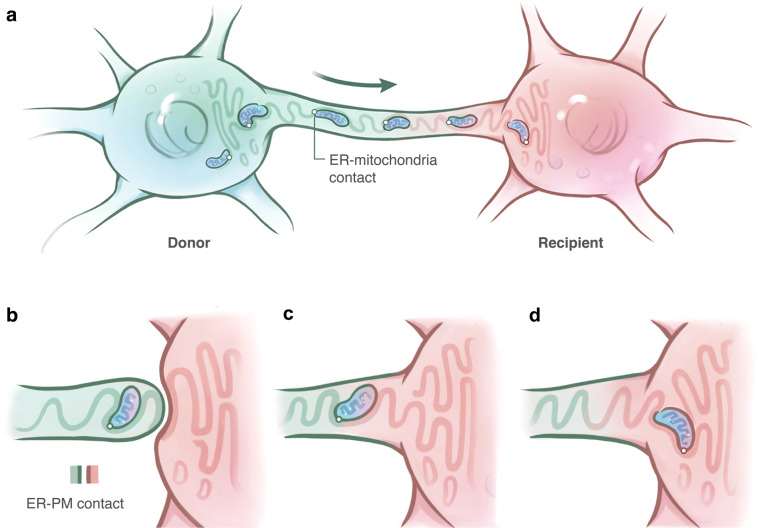
“It has been shown that ER–mitochondria contact coordinates mitochondrial division.(168,169) Thus, it is tempting to speculate that ER also participates in the intercellular degradation of stressed mitochondria in an unknown manner.”
BackgroundNanotubular Highways for Intercellular Organelle Transport
Rustom, A., Saffrich, R., Markovic, I., Walther, P., & Gerdes, H.-H. (2004) · Science · doi:10.1126/science.1093133 · Cited by 2,038
Cardiac progenitor cells from adult myocardium: Homing, differentiation, and fusion after infarction
Oh, H., Bradfute, S. B., Gallardo, T. D., Nakamura, T., Gaussin, V., Mishina, Y., Pocius, J., Michael, L. H., Behringer, R. R., Garry, D. J., et al. (2003) · Proceedings of the National Academy of Sciences · doi:10.1073/pnas.2132126100 · Cited by 1,743
Cited by
Mitochondrial metabolism and cancer therapeutic innovation
Du, H., Xu, T., Yu, S., Wu, S., & Zhang, J. (2025) · Signal Transduction and Targeted Therapy · doi:10.1038/s41392-025-02311-x · Cited by 216
“321 Through diverse pathways, including TNTs, cell fusion, and phagocytosis, mitochondria achieve precise cross-cellular transfer.”
Mitochondrial adaptation in cancer drug resistance: prevalence, mechanisms, and management
Jin, P., Jiang, J., Zhou, L., Huang, Z., Nice, E. C., Huang, C., & Fu, L. (2022) · Journal of Hematology & Oncology · doi:10.1186/s13045-022-01313-4 · Cited by 273
Mitochondrial diseases: from molecular mechanisms to therapeutic advances
Wen, H., Deng, H., Li, B., Chen, J., Zhu, J., Zhang, X., Yoshida, S., & Zhou, Y. (2025) · Signal Transduction and Targeted Therapy · doi:10.1038/s41392-024-02044-3 · Cited by 222
Mitochondrial transfer/transplantation: an emerging therapeutic approach for multiple diseases
Liu, Z., Sun, Y., Qi, Z., Cao, L., & Ding, S. (2022) · Cell & Bioscience · doi:10.1186/s13578-022-00805-7 · Cited by 231
“Accumulative evidence suggests that mitochondrial transfer can reduce chondrogenic stress and positively affect bone [7, 50, 147].”
BackgroundRecommendations for mitochondria transfer and transplantation nomenclature and characterization
Brestoff, J. R., Singh, K. K., Aquilano, K., Becker, L. B., Berridge, M. V., Boilard, E., Caicedo, A., Crewe, C., Enríquez, J. A., Gao, J., et al. (2025) · Nature Metabolism · doi:10.1038/s42255-024-01200-x · Cited by 170
“Several recent reviews have discussed the molecular mechanisms of these mitochondria transfer pathways 63–65 , therefore this section focuses on the nomenclature used to describe these pathways.”
Self-citationAlvites, R., Branquinho, M., Sousa, A. C., Lopes, B., Sousa, P., & Maurício, A. C. (2022) · Pharmaceutics · doi:10.3390/pharmaceutics14020381 · Cited by 174
“This transfer can have several effects on the recipient cell, namely increasing its protection against injuries by hypoxia, oxidative stress, and radiation, but also allowing the resumption of aerobic respiration after recovery of the mitochondrial membrane potential [120].”
BackgroundTanaka, M., Szabó, Á., Spekker, E., Polyák, H., Tóth, F., & Vécsei, L. (2022) · Cells · doi:10.3390/cells11162607 · Cited by 153
“Mitochondria can be even transferred from cell to cell [37].”
BackgroundPINK1 drives production of mtDNA-containing extracellular vesicles to promote invasiveness
Rabas, N., Palmer, S., Mitchell, L., Ismail, S., Gohlke, A., Riley, J. S., Tait, S. W. G., Gammage, P., Soares, L. L., Macpherson, I. R., et al. (2021) · Journal of Cell Biology · doi:10.1083/jcb.202006049 · Cited by 141
“Intercellular transfer of functional mitochondria has been reported to increase aerobic respiration in recipient cells (reviewed in Liu et al., 2021).”
Zhang, H., Yu, X., Ye, J., Li, H., Hu, J., Tan, Y., Fang, Y., Akbay, E. A., Yu, F., Weng, C., et al. (2023) · Cancer Cell · doi:10.1016/j.ccell.2023.09.003 · Cited by 144
Foo, J. B., Looi, Q. H., Chong, P. P., Hassan, N. H., Yeo, G. E. C., Ng, C. Y., Koh, B., How, C. W., Lee, S. H., & Law, J. X. (2021) · Stem Cells International · doi:10.1155/2021/2616807 · Cited by 158
“The mitochondrial transfer has a prominent role in protecting the recipient cells from oxidative stress, radiation injury, and hypoxic injury as well as recovering themitochondrial membrane potential and aerobic respiration and modulating the host immune response [74, 75].”
BackgroundMitochondrial Transfer Regulates Cell Fate Through Metabolic Remodeling in Osteoporosis
Cai, W., Zhang, J., Yu, Y., Ni, Y., Yan, W., Cheng, Y., Han, L., Xiao, L., Ma, X., Wei, H., et al. (2022) · Advanced Science · doi:10.1002/advs.202204871 · Cited by 153
A break in mitochondrial endosymbiosis as a basis for inflammatory diseases
Murphy, M. P., & O’Neill, L. A. J. (2024) · Nature · doi:10.1038/s41586-023-06866-z · Cited by 138
“It may also be the case that damaged mitochondria can trigger the activation of mitochondrial transfer from either healthy cells or stem cells 135 .”
Huang, T., Lin, R., Su, Y., Sun, H., Zheng, X., Zhang, J., Lu, X., Zhao, B.-Q., Jiang, X., Huang, L., et al. (2023) · Nature Communications · doi:10.1038/s41467-023-41529-7 · Cited by 139
Self-citationKalyanaraman, B. (2022) · Redox Biology · doi:10.1016/j.redox.2022.102497 · Cited by 139
Mitochondrial transplantation as a promising therapy for mitochondrial diseases
Zhang, T.-G., & Miao, C. (2022) · Acta Pharmaceutica Sinica B · doi:10.1016/j.apsb.2022.10.008 · Cited by 134
The Functions, Methods, and Mobility of Mitochondrial Transfer Between Cells
Qin, Y., Jiang, X., Yang, Q., Zhao, J., Zhou, Q., & Zhou, Y. (2021) · Frontiers in Oncology · doi:10.3389/fonc.2021.672781 · Cited by 137
“Significantly, the most common donor cells in mitochondrial transcellular transfer are stem cells, such asWJMSCs, BMMSCs and iPSC-MSCs (Table 1), which indicates that this process may play a crucial role in stem cell therapy (5).”
BackgroundMitochondria on the move: Horizontal mitochondrial transfer in disease and health
Dong, L., Rohlena, J., Zobalová, R., Nahácka, Z., Rodriguez, A., Berridge, M. V., & Neužil, J. (2023) · The Journal of Cell Biology · doi:10.1083/jcb.202211044 · Cited by 127
Dave, K. M., Stolz, D. B., Venna, V. R., Quaicoe, V. A., Maniskas, M. E., Reynolds, M. J., Babidhan, R., Dobbins, D. X., Farinelli, M. N., Sullivan, A., et al. (2021) · Journal of Controlled Release · doi:10.1016/j.jconrel.2023.01.025 · Cited by 121
Renal damage induced by cadmium and its possible therapy by mitochondrial transplantation
Cruz, E. Y. H., Amador‐Martínez, I., Aranda‐Rivera, A. K., Cruz‐Gregorio, A., & Pedraza‐Chaverrí, J. (2022) · Chemico-Biological Interactions · doi:10.1016/j.cbi.2022.109961 · Cited by 125
Transferred mitochondria accumulate reactive oxygen species, promoting proliferation
Kidwell, C. U., Casalini, J. R., Pradeep, S., Scherer, S. D., Greiner, D., Bayık, D., Watson, D. C., Olson, G. S., Lathia, J. D., Johnson, J. S., et al. (2023) · eLife · doi:10.7554/elife.85494 · Cited by 122
“…al., 2015 ; Saha et al., 2022 ; Crewe et al., 2021 ; Korpershoek et al., 2022 ; Liu et al., 2022 ; van der Vlist et al., 2022 ; Yang et al., 2022 ; Liu et al., 2021 ), allowing recipient cells to adapt to stressors or changes in the environment, prompting the development of methods targeting…”
Mitochondria transplantation between living cells
Gäbelein, C. G., Feng, Q., Sarajlic, E., Zambelli, T., Guillaume-Gentil, O. J., Kornmann, B., & Vorholt, J. A. (2022) · PLoS Biology · doi:10.1371/journal.pbio.3001576 · Cited by 117
O’Brien, C., Ozen, M. O., Ikeda, G., Vaskova, E. A., Jung, J. H., Bayardo, N., Santoso, M. R., Shi, L., Wahlquist, C., Jiang, Z., et al. (2021) · JACC CardioOncology · doi:10.1016/j.jaccao.2021.05.006 · Cited by 108
Self-citationValenti, D., Vacca, R. A., Moro, L., & Atlante, A. (2021) · International Journal of Molecular Sciences · doi:10.3390/ijms22158312 · Cited by 103
“Naked mitochondria or mitochondrial components can also be extruded and internalized without carrier, through processes of exocytosis and endocytosis [15].”
BackgroundBiotechnological approaches and therapeutic potential of mitochondria transfer and transplantation
Kubat, G. B., Picone, P., Tuncay, E., Aryan, L., Girgenti, A., Palumbo, L., Türkel, İ., Akat, F., Singh, K. K., & Nuzzo, D. (2025) · Nature Communications · doi:10.1038/s41467-025-61239-6 · Cited by 105
“Comprehensive documentationand comparativestudiesof tissue-andspecies-speci fi c effects are necessary to establish standardized and optimized transplantation practices 129,153 .”
Mitochondrial Transfer as a Novel Therapeutic Approach in Disease Diagnosis and Treatment
Clemente‐Suárez, V. J., Martín-Rodríguez, A., Sepulveda, R. A. Y., & Tornero-Aguilera, J. F. (2023) · International Journal of Molecular Sciences · doi:10.3390/ijms24108848 · Cited by 107
“Recent evidence suggests that pathological α-syn aggregates can bind with high affinity to mitochondria, resulting in toxicity and mitochondrial dysfunction [28].”
BackgroundInfluentialNeuron-astrocyte transmitophagy is altered in Alzheimer's disease
Lampinen, R., Belaya, I., Saveleva, L., Liddell, J. R., Rait, D., Huuskonen, M. T., Giniatullina, R., Sorvari, A., Soppela, L., Mikhailov, N., et al. (2022) · Neurobiology of Disease · doi:10.1016/j.nbd.2022.105753 · Cited by 97
“transfer, however, the TNTs are described as the main intercellular mitochondrial transfer route in the majority of the previously published studies in pathological conditions as reviewed by (Liu et al., 2021).”
Seal, S., Carreras-Puigvert, J., Trapotsi, M.-A., Yang, H., Spjuth, O., & Bender, A. (2022) · Communications Biology · doi:10.1038/s42003-022-03763-5 · Cited by 89
Court, A. C., Vega-Letter, A. M., Parra-Crisóstomo, E., Velarde, F., García, C., Ortoloff, A., Vernal, R., Pradenas, C., Luz‐Crawford, P., Khoury, M., et al. (2024) · Theranostics · doi:10.7150/thno.96723 · Cited by 95
“Under metabolic stress, intercellular MT transfer can restore bioenergetics and maintain the viability of recipient cells, including chondrocytes [23].”
BackgroundMitochondrial regulation and white adipose tissue homeostasis
Zhu, Q., An, Y., & Scherer, P. E. (2021) · Trends in Cell Biology · doi:10.1016/j.tcb.2021.10.008 · Cited by 93
Mechanisms behind therapeutic potentials of mesenchymal stem cell mitochondria transfer/delivery
Malekpour, K., Hazrati, A., Soudi, S., & Hashemi, S. M. (2023) · Journal of Controlled Release · doi:10.1016/j.jconrel.2023.01.059 · Cited by 88
Mitochondrial transfer between cell crosstalk – An emerging role in mitochondrial quality control
Liu, Y., Fu, T., Li, G., Li, B., Luo, G., Li, N., & Geng, Q. (2023) · Ageing Research Reviews · doi:10.1016/j.arr.2023.102038 · Cited by 88
Goliwas, K. F., Libring, S., Berestesky, E. D., Gholizadeh, S., Schwager, S. C., Frost, A. R., Gaborski, T. R., Zhang, J., & Reinhart‐King, C. A. (2023) · Journal of Cell Science · doi:10.1242/jcs.260419 · Cited by 89
Bi, Y., Guo, X., Zhang, M., Zhu, K., Shi, C., Fan, B., Wu, Y., Yang, Z., & Ji, G. (2021) · Stem Cell Research & Therapy · doi:10.1186/s13287-021-02663-5 · Cited by 82
“MSC mitochondria transfer has been widely reported in the cardiovascular, respiratory, neurological, and renal systems [26, 29].”
BackgroundThe role of mitochondria in rheumatic diseases
Becker, Y. L. C., Duvvuri, B., Fortin, P. R., Lood, C., & Boilard, E. (2022) · Nature Reviews Rheumatology · doi:10.1038/s41584-022-00834-z · Cited by 81
Hayashida, K., Takegawa, R., Endo, Y., Yin, T., Choudhary, R. C., Aoki, T., Nishikimi, M., Murao, A., Nakamura, E., Shoaib, M., et al. (2023) · BMC Medicine · doi:10.1186/s12916-023-02759-0 · Cited by 80
Role of pericytes in blood–brain barrier preservation during ischemia through tunneling nanotubes
Pisani, F., Castagnola, V., Simone, L., Loiacono, F., Svelto, M., & Benfenati, F. (2022) · Cell Death and Disease · doi:10.1038/s41419-022-05025-y · Cited by 78
“In particular, it has been shown that the intercellular mitochondria transfer participates in tissue homeostasis under physiological conditions and contributes to the repair of injured tissues [46].”
BackgroundEngineered mitochondria in diseases: mechanisms, strategies, and applications
Li, M., Wu, L., Si, H., Wu, Y., Liu, Y., Zeng, Y., & Shen, B. (2025) · Signal Transduction and Targeted Therapy · doi:10.1038/s41392-024-02081-y · Cited by 80
“326,327 Transfer between differentiated cells: Mitochondrial transfer is mainly observed in vitro in cultures of the same cell type (for example, mitochondria between normal rat kidney cells by TNT 328 ) or in cocultures of different types of cells (for example, mitochondria exchange between…”
Jain, R., Begum, N., Tryphena, K. P., Singh, S. B., Srivastava, S., Nand, S., Vamanu, E., & Khatri, D. K. (2023) · Biomedicine & Pharmacotherapy · doi:10.1016/j.biopha.2023.114268 · Cited by 75
Tan, Y. L., Eng, S. P., Hafez, P., Karim, N. A., Law, J. X., & Ng, M. H. (2022) · Stem Cells Translational Medicine · doi:10.1093/stcltm/szac044 · Cited by 74
Cancer cells reprogram to metastatic state through the acquisition of platelet mitochondria
Zhang, W., Zhou, H., Li, H., Mou, H., Yinwang, E., Xue, Y., Wang, S., Zhang, Y., Wang, Z., Chen, T., et al. (2023) · Cell Reports · doi:10.1016/j.celrep.2023.113147 · Cited by 75
Self-citationMitochondrial transplantation as a novel therapeutic strategy for cardiovascular diseases
Sun, M., Jiang, W., Mu, N., Zhang, Z., Yu, L., & Ma, H. (2023) · Journal of Translational Medicine · doi:10.1186/s12967-023-04203-6 · Cited by 74
“Accumulating evidence suggests that intercellular mitochondrial transfer occurs spontaneously in the cardiovascular system to maintain tissue homeostasis and development [7, 31].”
BackgroundMitochondrial transfer from Adipose stem cells to breast cancer cells drives multi-drug resistance
Vecchio, V. D., Rehman, A., Panda, S. K., Torsiello, M., Marigliano, M., Nicoletti, M. M., Ferraro, G. A., Falco, V. D., Lappano, R., Lieto, E., et al. (2024) · Journal of Experimental & Clinical Cancer Research · doi:10.1186/s13046-024-03087-8 · Cited by 74
“Connection via TNTs allows the trafficking of macro-molecules and/or of entire organelles, in particular mitochondria, between MSCs and cancer cells [38–40].”
BackgroundLiu, D., Liao, P., Li, H., Tong, S., Wang, B., Lu, Y., Gao, Y., Huang, Y., Zhou, H., Shi, L., et al. (2024) · Science Advances · doi:10.1126/sciadv.adk2913 · Cited by 81
“It has been reported that mitochondria are capable of shuttling between cells by intercellular transfer, to restore tissue function in the context of physical damage or physiological imbalance ( 19 – 21 ).”
Self-citationIorio, R., Petricca, S., Mattei, V., & Monache, S. D. (2024) · Journal of Translational Medicine · doi:10.1186/s12967-024-05047-4 · Cited by 71
“The mitochondrial donation from mesenchymal stromal/stem cells (MSCs) has gained increasing attention in recent years [26], suggesting its potential in stem cell therapy [21].”
BackgroundIrwin, R. M., Thomas, M. A., Fahey, M. J., Mayán, M. D., Smyth, J. W., & Delco, M. L. (2024) · Stem Cell Research & Therapy · doi:10.1186/s13287-024-03932-9 · Cited by 68
“In addition to Cx43, other proteins have been identified as regulators of mitochondrial transfer between MSCs and other cell types, such as Miro1 [20, 22, 23].”
BackgroundSalmina, A. B., Kharitonova, E. V., Gorina, Y. V., Тепляшина, Е. А., Malinovskaya, N. A., Хилажева, Е. Д., Mosiagina, A. I., Morgun, A. V., Shuvaev, А. N., Salmin, V. V., et al. (2021) · International Journal of Molecular Sciences · doi:10.3390/ijms22094661 · Cited by 66
“Therefore, even usually CD38 effects in glial cells are thought to be linked to the control of intracellular NAD+ pool, new data on the role of CD38 in mediating the cell-to-cell transfer of donor mitochondria, expanding opportunities of utilizing intercellular communication for diminishing the neurological dysfunctio…”
BackgroundSun, J., Lo, H. T. J., Fan, L., Yiu, T. L., Shakoor, A., Li, G., Lee, W., & Sun, D. B. (2022) · Science Advances · doi:10.1126/sciadv.abp9245 · Cited by 63
“It is evidenced that spontaneous transfer of mitochondria can occur in nature between healthy and damaged cells via different mechanisms, which is believed to protect the damaged cells and restore their cellular function (15).”
BackgroundChi, A., Yang, B., Dai, H., Li, X., Mo, J., Gao, Y., Chen, Z., Feng, X. G., Ma, M., Li, Y., et al. (2024) · Nature Communications · doi:10.1038/s41467-024-46190-2 · Cited by 63
Self-citationOsteocyte mitochondria regulate angiogenesis of transcortical vessels
Liao, P., Chen, L., Zhou, H., Mei, J., Chen, Z., Wang, B., Feng, J. Q., Li, G., Tong, S., Zhou, J., et al. (2024) · Nature Communications · doi:10.1038/s41467-024-46095-0 · Cited by 64
Self-citationDelivery of mitochondria via extracellular vesicles – A new horizon in drug delivery
Manickam, D. S. (2022) · Journal of Controlled Release · doi:10.1016/j.jconrel.2022.01.045 · Cited by 62
Mitochondrial dynamics and metabolism across skin cells: implications for skin homeostasis and aging
Martic, I., Papaccio, F., Bellei, B., & Cavinato, M. S. (2023) · Frontiers in Physiology · doi:10.3389/fphys.2023.1284410 · Cited by 65
“Besides restoring stressed cells and damaged tissues due to mitochondrial dysfunction, intercellular mitochondrial transfer also occurs under physiological and pathological conditions (Liu et al., 2021).”
BackgroundLysosome-Mitochondrial Crosstalk in Cellular Stress and Disease
Kiraly, S., Stanley, J., & Eden, E. R. (2025) · Antioxidants · doi:10.3390/antiox14020125 · Cited by 63
Mitochondrial genetics through the lens of single-cell multi-omics
Nitsch, L., Lareau, C. A., & Ludwig, L. S. (2024) · Nature Genetics · doi:10.1038/s41588-024-01794-8 · Cited by 59
“Recent literature further suggests the horizontal mitochondrial transfer between cells in distinct situations, including tumor progression or tissue repair 59,60 , which could potentially confound clonal tracing applications.”
Therapeutic applications of mitochondrial transplantation
Ülger, Ö., & Kubat, G. B. (2022) · Biochimie · doi:10.1016/j.biochi.2022.01.002 · Cited by 59
Cell‐Based Therapies for Degenerative Musculoskeletal Diseases
Yin, P., Jiang, Y., Fang, X., Wang, D., Li, Y., Chen, M., Deng, H., Tang, P., & Zhang, L. (2023) · Advanced Science · doi:10.1002/advs.202207050 · Cited by 63
Yang, H., Yang, Y., Kiskin, F. N., Shen, M., & Zhang, J. Z. (2023) · Stem Cell Research & Therapy · doi:10.1186/s13287-023-03470-w · Cited by 58
“The development of methods involving intercellular mitochondrial transfer provides the possibility that transferring mitochondria from adult CMs into hiPSC-CMs might promote the generation of adult-like hiPSC-CMs [150–152].”
MethodMitochondrial Transplantation: A Novel Therapeutic Approach for Treating Diseases
Miao, X., Jiang, P., Wang, Z., Kong, W., & Feng, L. (2025) · MedComm · doi:10.1002/mco2.70253 · Cited by 61
Osteocyte mitochondria inhibit tumor development via STING-dependent antitumor immunity
Zhou, H., Zhang, W., Li, H., Xu, F., Yinwang, E., Xue, Y., Chen, T., Wang, S., Wang, Z., Sun, H., et al. (2024) · Science Advances · doi:10.1126/sciadv.adi4298 · Cited by 61
“The mitochondrion is the most complex and multifunctional organelle within eukaryotic cells, and the exchanges of such organelle directly modulate cellular status in recipient cells including oxidative phosphorylation (OXPHOS) functions, reactive oxygen species (ROS), and mtDNA copy number ( 45 ).”
BackgroundSelf-citationThe role of mitochondria in tumor metastasis and advances in mitochondria-targeted cancer therapy
Chen, F., Xue, Y., Zhang, W., Zhou, H., Zhou, Z., Chen, T., Yinwang, E., Li, H., Ye, Z., Gao, J., et al. (2024) · Cancer and Metastasis Reviews · doi:10.1007/s10555-024-10211-9 · Cited by 58
Self-citationThe relevance of organelle interactions in cellular senescence
Huang, J., Meng, P., Wang, C., Zhang, Y., & Zhou, L. (2022) · Theranostics · doi:10.7150/thno.70588 · Cited by 57
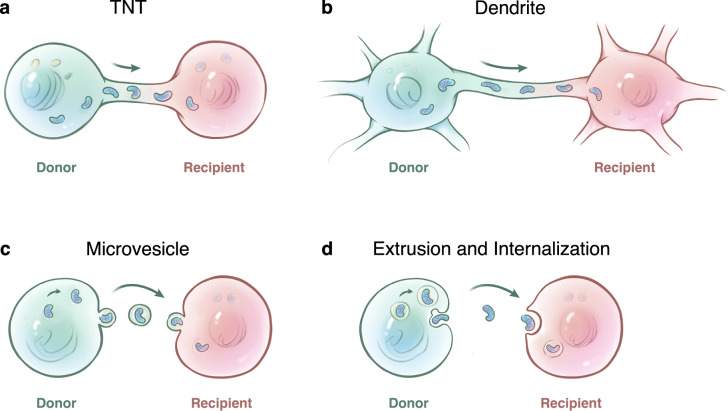
“(TNTs), dendrites and microvesicles, and extrusion and internalization [165].”
BackgroundInfluentialCone photoreceptors transfer damaged mitochondria to Müller glia
Hutto, R. A., Rutter, K. M., Giarmarco, M. M., Parker, E. D., Chambers, Z. S., & Brockerhoff, S. E. (2023) · Cell Reports · doi:10.1016/j.celrep.2023.112115 · Cited by 57
“25 The lack of stress-induced microglia activation in our study suggests that a direct connection, either vesicular or tubular, may facilitate transport of mitochondria from cones to MGs.”
A new paradigm in intracellular immunology: Mitochondria emerging as leading immune organelles
Xu, K., Saaoud, F., Shao, Y., Lu, Y., Yang, Q., Jiang, X., Wang, H., & Yang, X. (2024) · Redox Biology · doi:10.1016/j.redox.2024.103331 · Cited by 56
“Additionally, whole mitochondria can act as intercellular signals, facilitating tissue homeostasis, repair, immunoregulation, and even influencing tumor progression through cell-to-cell transfer [57].”
Xu, J., Shi, C., Yuan, F., Ding, Y., Xie, Y., Liu, Y., Zhu, F., Lü, H., Duan, C., Hu, J., et al. (2023) · Bioactive Materials · doi:10.1016/j.bioactmat.2023.10.016 · Cited by 64
“Mitochondria can also be transferred intercellu-larly under physiological conditions, indicating their survival ability in recipient cells and paving the way for mitochondrial transplantation therapy [12].”
BackgroundTakeda, Y., Harada, Y., Yoshikawa, T., & Dai, P. (2023) · International Journal of Molecular Sciences · doi:10.3390/ijms24021352 · Cited by 54
“Emerging evidence suggests that mitochondria in white adipocytes coordinate energetic synchronization through cell-to-cell communication by intercellular mitochondrial transfer and extracellular vesicle (EV) production in WAT [17,18].”
BackgroundSagar, S., Faizan, M. I., Chaudhary, N., Singh, V., Singh, P., Gheware, A., Sharma, K., Azmi, I., Singh, V. P., Kharya, G., et al. (2023) · Cell Death and Disease · doi:10.1038/s41419-023-05810-3 · Cited by 52
Wang, Y., Hu, L., Liu, N.-H., Yang, J.-S., Xing, L., Jeong, J., Li, L., & Jiang, H. (2024) · ACS Nano · doi:10.1021/acsnano.4c10328 · Cited by 54
Mitochondrial transplantation: A promising therapy for mitochondrial disorders
Jiao, Q., Li, X., & Chen, Y. (2024) · International Journal of Pharmaceutics · doi:10.1016/j.ijpharm.2024.124194 · Cited by 53
Targeting mitochondrial transfer as a promising therapeutic strategy
Li, B., Li, B., Qiao, X., Meng, W., Xie, Y., Gong, J., Fan, Y., Zhao, Z., & Li, L. (2025) · Trends in Molecular Medicine · doi:10.1016/j.molmed.2025.04.002 · Cited by 51
Learning about biological evolution: A special case of intentional conceptual change
Southerland, S. A., & Sinatra, G. M. (2003) · Cited by 54
Macrophages as Emerging Key Players in Mitochondrial Transfers
Pang, Y., Zhang, C., & Gao, J. (2021) · Frontiers in Cell and Developmental Biology · doi:10.3389/fcell.2021.747377 · Cited by 49
Self-citationThe hallmarks of aging in Ataxia-Telangiectasia
Aguado, J., Gómez‐Inclán, C., Leeson, H. C., Lavin, M. F., Shiloh, Y., & Wolvetang, E. J. (2022) · Ageing Research Reviews · doi:10.1016/j.arr.2022.101653 · Cited by 49
The Potential Use of Mitochondrial Extracellular Vesicles as Biomarkers or Therapeutical Tools
Sanz‐Ros, J., Mas‐Bargues, C., Romero-García, N., Huete-Acevedo, J., Dromant, M., & Borrás, C. (2023) · International Journal of Molecular Sciences · doi:10.3390/ijms24087005 · Cited by 47
Cai, W., Mao, S., Wang, Y., Gao, B., Zhao, J., Li, Y., Chen, Y., Zhang, D., Yang, J., & Yang, G. (2024) · Advanced Science · doi:10.1002/advs.202406287 · Cited by 54
Muscle mitochondrial transplantation can rescue and maintain cellular homeostasis
Bhattacharya, D., Slavin, M. B., & Hood, D. A. (2023) · American Journal of Physiology-Cell Physiology · doi:10.1152/ajpcell.00212.2023 · Cited by 48
Mitochondrial transfer from immune to tumor cells enables lymph node metastasis
Terasaki, A., Bhatnagar, K., Weiner, A. T., Tan, Y., Szeifert, V., Huang, H.-L., Wiggers, L., Rodrigues, V., Rada, C. C., Shankar, V., et al. (2026) · Cell Metabolism · doi:10.1016/j.cmet.2025.12.014 · Cited by 49
Therapeutic Effects of Mesenchymal Stromal Cells Require Mitochondrial Transfer and Quality Control
Mukkala, A. N., Jerkic, M., Khan, Z., Szaszi, K., Kapus, A., & Rotstein, O. (2023) · International Journal of Molecular Sciences · doi:10.3390/ijms242115788 · Cited by 45
“It is well-established that Mt are dynamic organelles that undergo frequent changes in response to cellular demands [106].”
BackgroundBodenstein, D. F., Siebiger, G., Zhao, Y., Clasky, A. J., Mukkala, A. N., Beroncal, E. L., Banh, L., Aslostovar, L., Brijbassi, S., Hogan, S. E., et al. (2024) · Stem Cell Research & Therapy · doi:10.1186/s13287-024-03771-8 · Cited by 45
He, X., Zhong, L., Wang, N., Zhao, B., Wang, Y., Wu, X., Zheng, C., Ruan, Y., Hou, J., Luo, Y., et al. (2024) · Advanced Science · doi:10.1002/advs.202404994 · Cited by 48
Mitophagy’s impacts on cancer and neurodegenerative diseases: implications for future therapies
Huang, J. B., Pham, V. T., Fu, S., Huang, G., Liu, Y., & Zheng, L. (2025) · Journal of Hematology & Oncology · doi:10.1186/s13045-025-01727-w · Cited by 45
“Beyond restoring bioenergetics, MT also has the potential to reprogram the metabolic state of recipient cells, further influencing tumor progression [129–138].”
Chen, Y., Yang, F., Chu, Y., Yun, Z., Yan, Y., & Jin, J. (2022) · Journal of Translational Medicine · doi:10.1186/s12967-022-03693-0 · Cited by 47
Kim, G., Han, D., & Lee, J. H. (2023) · Antioxidants · doi:10.3390/antiox12040902 · Cited by 47
“Mitochondria or mtDNA are trafficked into the damaged cell to repair the dysfunctional mitochondria [24,25].”
BackgroundLim, H. J., Yoon, H., Kim, H., Kang, Y.-W., Kim, J., Kim, O. Y., Lee, E.-Y., Twizere, J., Rak, J. W., & Kim, D. (2021) · Frontiers in Cell and Developmental Biology · doi:10.3389/fcell.2021.734950 · Cited by 48
Jin, P., Pan, Q., Lin, Y., Dong, Y., Zhu, J., Liu, T., Zhu, W., & Cheng, B. (2023) · Oxidative Medicine and Cellular Longevity · doi:10.1155/2023/2345279 · Cited by 45
“…reported that intercellular mitochondrial transfer can not only occur in the central nervous system, cardiovascular system, and respiratory system but also to contribute to multifunctional cellular activity and thereby have an impact on tumor therapy resistance and in fl ammation regulation [10].”
BackgroundInfluentialEugenín, E. A., Camporesi, E. M., & Peracchia, C. (2022) · International Journal of Molecular Sciences · doi:10.3390/ijms23116133 · Cited by 42
He, Q., Li, P., Han, L., Yang, C. G., Jiang, M., Wang, Y., Han, X., Cao, Y., Liu, X., & Wu, W. (2024) · American Journal of Physiology-Lung Cellular and Molecular Physiology · doi:10.1152/ajplung.00362.2023 · Cited by 42
Extracellular vesicles as carriers for mitochondria: Biological functions and clinical applications
Liao, Z., Tong, B., Ke, W., Cao, Y., Wu, X., & Lei, M. (2024) · Mitochondrion · doi:10.1016/j.mito.2024.101935 · Cited by 42
Qiao, X., Huang, N. K., Meng, W., Liu, Y., Li, J., Li, C., Wang, W., Lai, Y., Zhao, Y., Ma, Z., et al. (2024) · Cell Reports · doi:10.1016/j.celrep.2024.114652 · Cited by 39
Mechanism and prospects of mitochondrial transplantation for spinal cord injury treatment
Wang, Q., Wang, X., Shang, Z., & Zhao, L. (2024) · Stem Cell Research & Therapy · doi:10.1186/s13287-024-04077-5 · Cited by 40
Adlimoghaddam, A., Benson, T., & Albensi, B. C. (2022) · Molecular Neurobiology · doi:10.1007/s12035-022-02937-w · Cited by 41
“Mitochondrial transfusion therapy is a novel strategy that involves the transfer of functional mitochondria into defective brain cells for preventing age-related decline [19, 20].”
BackgroundGap Junction-Dependent and -Independent Functions of Connexin43 in Biology
Zhu, Y. (2022) · Biology · doi:10.3390/biology11020283 · Cited by 44
Intercellular mitochondrial transfer alleviates pyroptosis in dental pulp damage
Wang, K., Zhou, L., Mao, H., Liu, J., Chen, Z., & Zhang, L. (2023) · Cell Proliferation · doi:10.1111/cpr.13442 · Cited by 39
“BMSCs are the active mitochondrial donor cells for various cell types.(23) To explore whether BMSCs could donate their mitochondria to mDPC6T cells, mBMSCs were subjected to coculture with healthy”
Self-citationMichita, R. T., Tran, L. B., Bark, S. J., Kumar, D., Toner, S. A., Jose, J., Mysorekar, I. U., & Narayanan, A. (2025) · Nature Communications · doi:10.1038/s41467-025-56927-2 · Cited by 39
“While mitochondria transfer between cells through TNTs has been documented in various physiological and pathological conditions, its role in viral infections remains incompletely understood 43,98,99 .”
Metabolic therapy and bioenergetic analysis: The missing piece of the puzzle
Duraj, T., Carrión-Navarro, J., Seyfried, T. N., Garcia‐Romero, N., & Ayuso‐Sacido, Á. (2021) · Molecular Metabolism · doi:10.1016/j.molmet.2021.101389 · Cited by 42
“Although the functional effects of all mtDNA mutations have not been fully elucidated [310,311], mitochondrial intercellular transfer and transplantation experiments hold the promise of restoring oxidative function, reversing cancer proliferation and overcoming therapeutic resistance [312 e 315].”
Zaninello, M., & Bean, C. (2023) · Biomolecules · doi:10.3390/biom13060938 · Cited by 37
“Multiple studies show that the intercellular mitochondrial transfer from healthy donor cells rescues the damage in injured cells [105].”
BackgroundAharoni-Simon, M., Ben‐Yaakov, K., Sharvit-Bader, M., Raz, D., Haim, Y., Ghannam, W., Porat, N., Leiba, H., Marcovich, A. L., Eisenberg‐Lerner, A., et al. (2022) · Scientific Reports · doi:10.1038/s41598-022-08747-3 · Cited by 38
Challenges and perspectives of tendon-derived cell therapy for tendinopathy: from bench to bedside
Chen, Z., Chen, P., Zheng, M., Gao, J., Liu, D., Wang, A., Zheng, Q., Leys, T., Tai, A. C. P., & Zheng, M. (2022) · Stem Cell Research & Therapy · doi:10.1186/s13287-022-03113-6 · Cited by 38
“The mitochondrial transfer rejuvenates the target cells by relieving their oxidative stress, hypoxia stress and other cellular stresses [179].”
BackgroundSelf-citationAPOE expression and secretion are modulated by mitochondrial dysfunction
Wynne, M. E., Ogunbona, O., Lane, A. R., Gokhale, A., Zlatic, S. A., Xu, C., Wen, Z., Duong, D. M., Rayaprolu, S., Ivanova, A., et al. (2023) · eLife · doi:10.7554/elife.85779 · Cited by 35
“These non- cell-autonomous mechanisms, mostly elicited after cellular or mitochondrial damage, encompass intercellular transfer of mitochondria to secretion of endocrine and paracrine factors ( D’Acunzo et al., 2021 ; Durieux et al., 2011 ; Hayakawa et al., 2016 ; Liu et al., 2021 ).”
BackgroundMitochondrial transplantation strategies in multifaceted induction of cancer cell death
Cruz‐Gregorio, A., Aranda‐Rivera, A. K., Amador‐Martínez, I., & Maycotte, P. (2023) · Life Sciences · doi:10.1016/j.lfs.2023.122098 · Cited by 36
Endometrial organoids: a reservoir of functional mitochondria for uterine repair
Hwang, S., Lee, D., Lee, G., Ahn, J., Lee, Y., Koo, H. S., & Kang, Y. (2024) · Theranostics · doi:10.7150/thno.90538 · Cited by 36
Mitochondrial transfer - a novel promising approach for the treatment of metabolic diseases
Chen, R., & Chen, J. (2024) · Frontiers in Endocrinology · doi:10.3389/fendo.2023.1346441 · Cited by 38
“The commonly used differential centrifugation-based method suffers from low purity and is time-consuming (60, 108).”
BackgroundMethod
Metadata
- Authors
- Liu, D., Gao, Y., Liu, J., Huang, Y., Yin, J., Feng, Y., Shi, L., Meloni, B. P., Zhang, C., Zheng, M., & Gao, J.
- Affiliations
- The University of Western Australia (AU)
- Fudan University (CN)
- Shanghai Jiao Tong University (CN)
- Zhejiang University (CN)
- Perron Institute for Neurological and Translational Science (AU)
- Corresponding author
- Zhang, Changqing
- Zheng, Minghao
- Gao, Junjie
- ORCID
- Venue
- Signal Transduction and Targeted Therapy
- Published
- 2021-02-16
- Volume
- 6
- Issue
- 1
- Pages
- 65-65
- ISSN
- 2059-3635 (ISSN-L)
- PMC
- PMC7884415
- OpenAlex
- W3130924806
- Semantic Scholar
- 5c86d8cb4d8bc2069719d23bc2b62ae8fad37b1b
- Cited by
- 403
- References
- 178
- Citations by year
- 2026: 73 · 2025: 97 · 2024: 98 · 2023: 67 · 2022: 46 · 2021: 21
- FWCI
- 6.08
- Type
- journal article
- Language
- en
- Open access
- gold
- doi.org
- Licence
- cc-by
- creativecommons.org/licenses/by/4.0 (tdm)
- creativecommons.org/licenses/by/4.0 (vor)
- Locations
- Signal Transduction and Targeted Therapy (publishedVersion, cc-by)
- PubMed Central (publishedVersion, cc-by)
- PubMed (publishedVersion)
- UWA Profiles and Research Repository (UWA) (submittedVersion, cc-by)
- DOAJ (DOAJ: Directory of Open Access Journals) (submittedVersion, cc-by-sa)
- Funders
- National Natural Science Foundation of China (81672143, 81820108020)
- China Scholarship Council
- Topics
- Life Sciences › Biochemistry, Genetics and Molecular Biology › Molecular Biology › Mitochondrial Function and Pathology
- Life Sciences › Biochemistry, Genetics and Molecular Biology › Cell Biology › Autophagy in Disease and Therapy
- Life Sciences › Biochemistry, Genetics and Molecular Biology › Cell Biology › Mesenchymal stem cell research
- Keywords
- intercellular mitochondrial transfer, mitochondrial trafficking, tissue homeostasis, tissue repair, mitochondrial dysfunction, tumor progression, immune regulation, mitochondrial-targeted therapy, tissue degeneration, intercellular communication
- MeSH terms
- DNA, Mitochondrial, Energy Metabolism, Humans, Mitochondria, Mesenchymal Stem Cells
About these checks
Registry, retraction, Cites and statistics results are computed, not judged, with one exception: a printed reference that no index lists is read once by a model before it counts as a citation error. Claims are extracted by a model and kept only when their quote appears verbatim in the text; each cited source is then checked, with a model’s help, for whether it says what the claim relies on. Those verdicts can be wrong — read the claim’s quote and the cited source before relying on one.
Statistics and arithmetic are recomputed, not judged.
Confidence bands are shown only for fields calibrated on our annotated test set. None is calibrated yet, so no band is shown.
What counts as a claim ›How we measure confidence ›How we check this ›
Are you an author, or do you see a problem with this page? Request a review
Data sources
Bibliographic data: Semantic Scholar, OpenAlex, Crossref.
Contains information from the Semantic Scholar Academic Graph Datasets, made available under the ODC Attribution License (ODC-BY 1.0).
Semantic Scholar’s data is described in: Kinney, R., et al. (2023). The Semantic Scholar Open Data Platform. arXiv:2301.10140.
