

The DOI matches its Crossref record; 560 of the 561 references it cites were found in a registry or an index.
PROTACs: great opportunities for academia and industry (an update from 2020 to 2021)
Open accessAbstract
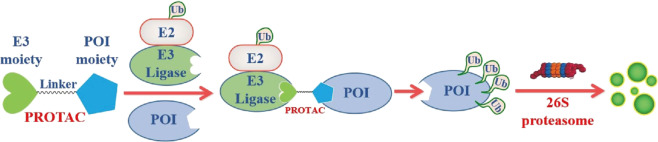
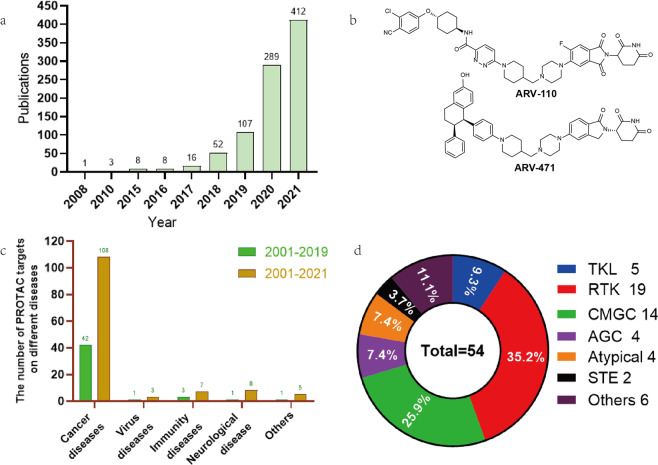
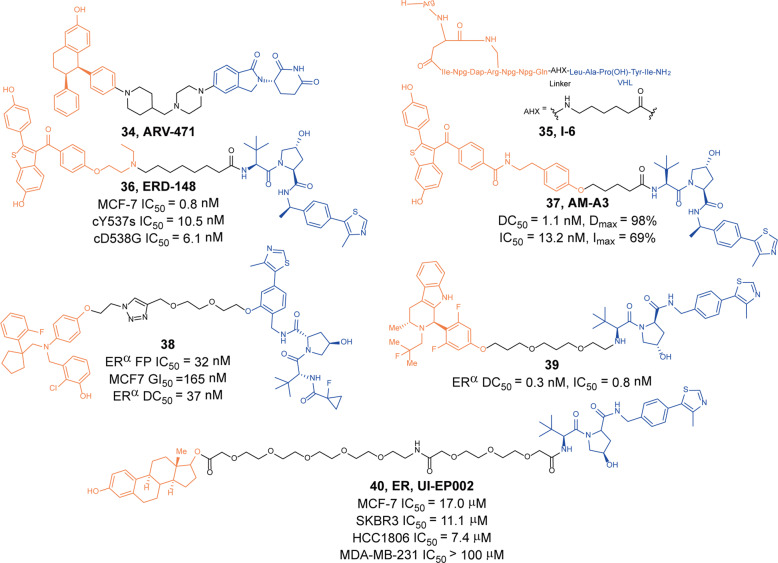
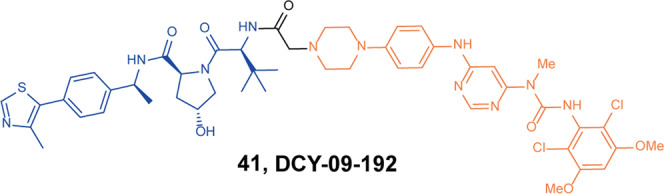
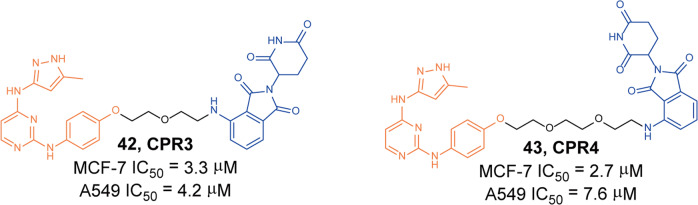
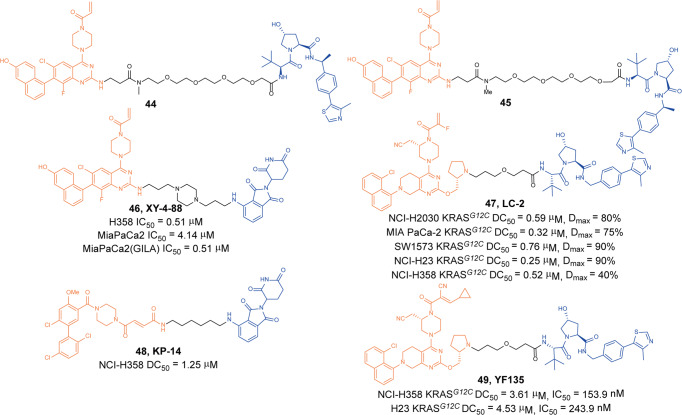
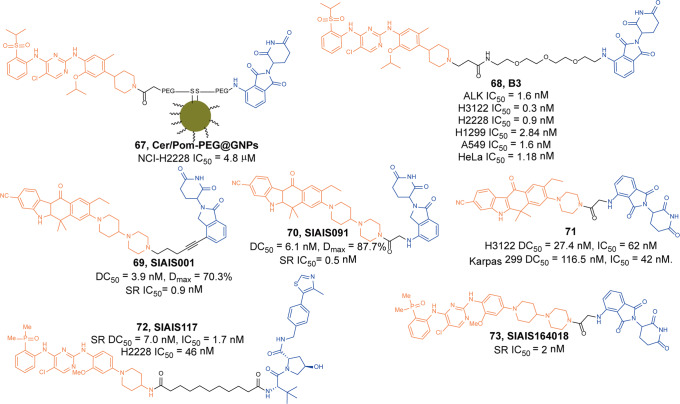
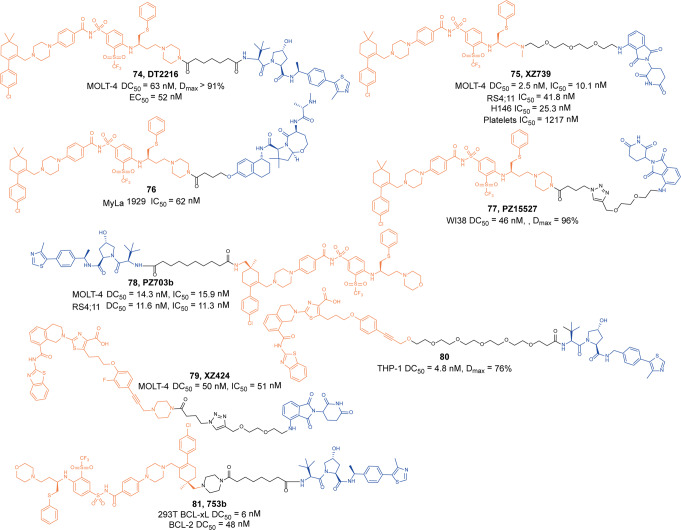
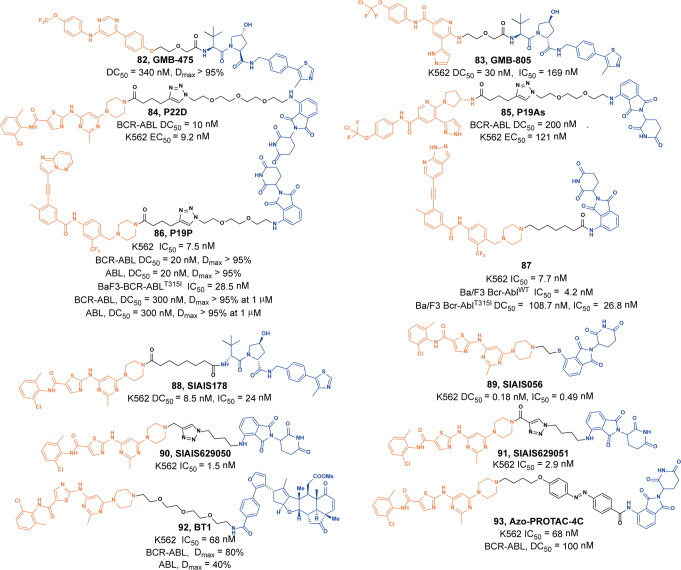
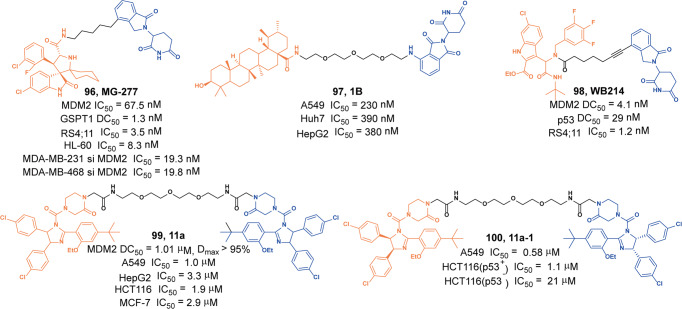
PROteolysis TArgeting Chimeras (PROTACs) technology is a new protein-degradation strategy that has emerged in recent years. It uses bifunctional small molecules to induce the ubiquitination and degradation of target proteins through the ubiquitin–proteasome system. PROTACs can not only be used as potential clinical treatments for diseases such as cancer, immune disorders, viral infections, and neurodegenerative diseases, but also provide unique chemical knockdown tools for biological research in a catalytic, reversible, and rapid manner. In 2019, our group published a review article “PROTACs: great opportunities for academia and industry” in the journal, summarizing the representative compounds of PROTACs reported before the end of 2019. In the past 2 years, the entire field of protein degradation has experienced rapid development, including not only a large increase in the number of research papers on protein-degradation technology but also a rapid increase in the number of small-molecule degraders that have entered the clinical and will enter the clinical stage. In addition to PROTAC and molecular glue technology, other new degradation technologies are also developing rapidly. In this article, we mainly summarize and review the representative PROTACs of related targets published in 2020–2021 to present to researchers the exciting developments in the field of protein degradation. The problems that need to be solved in this field will also be briefly introduced.
Overview
The claims and statistics of this paper haven’t been checked yet.
Run the check — free, no account needed. It reads the open-access text and checks the sources it cites.
Integrity signals
Registry
Cites
Statistics
Figures



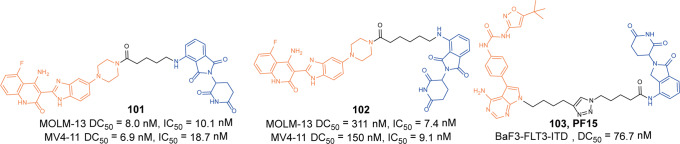
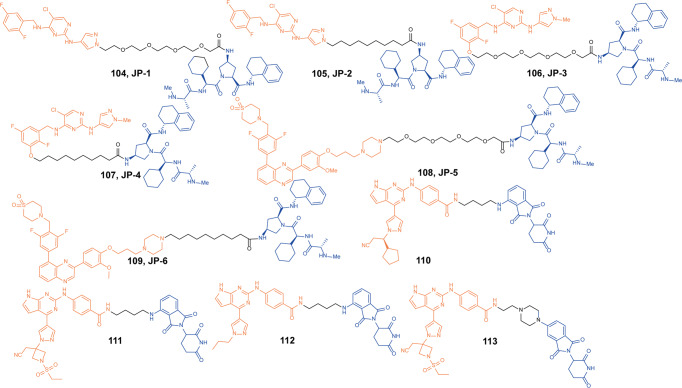
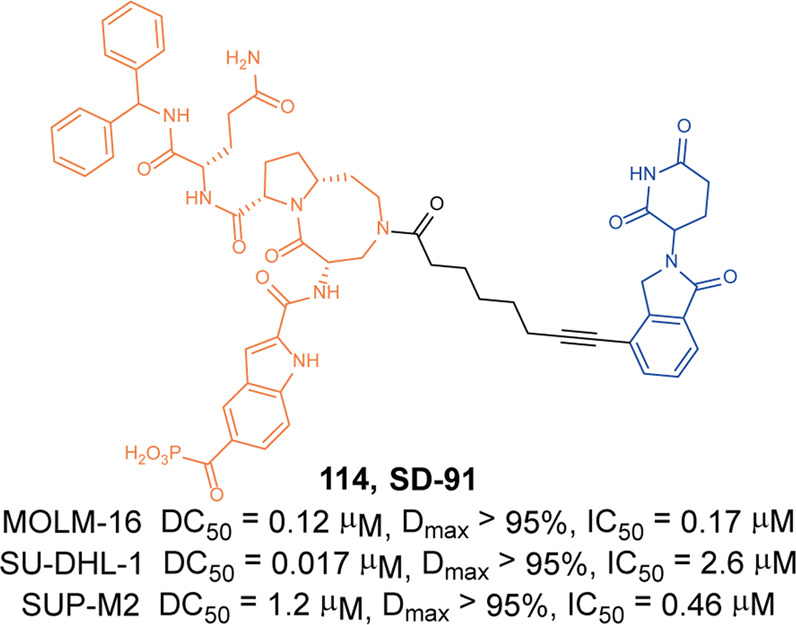
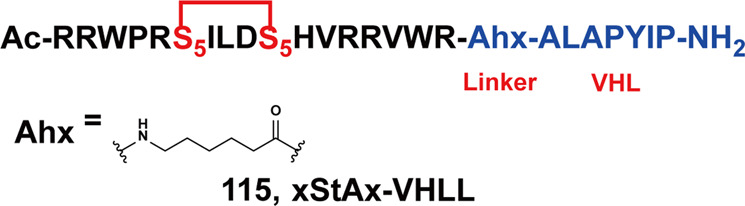


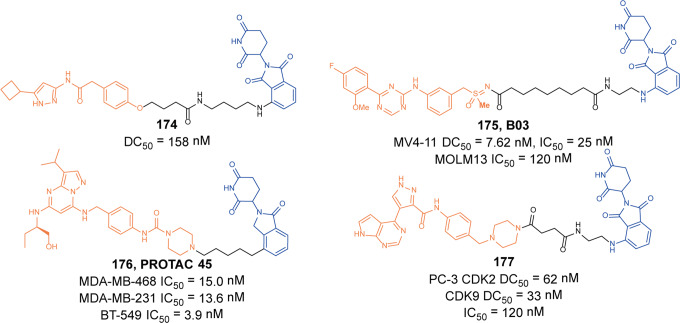

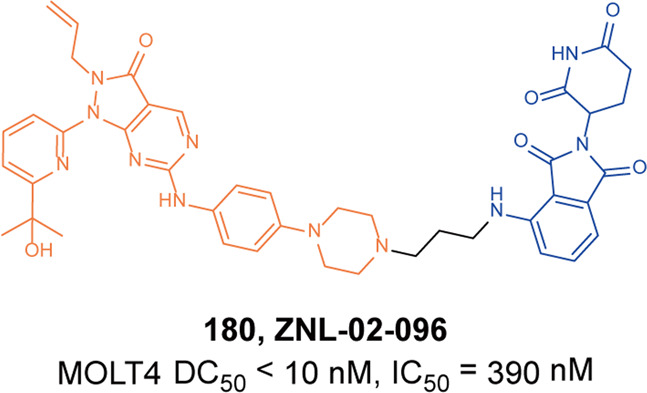
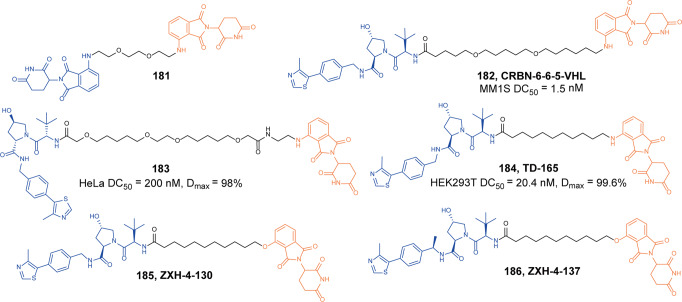
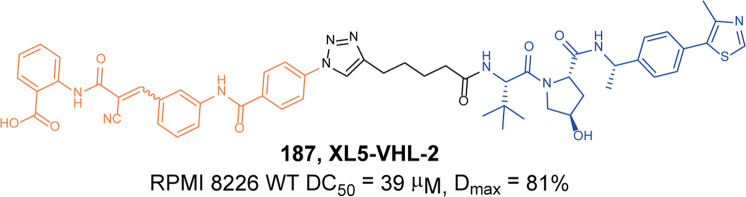



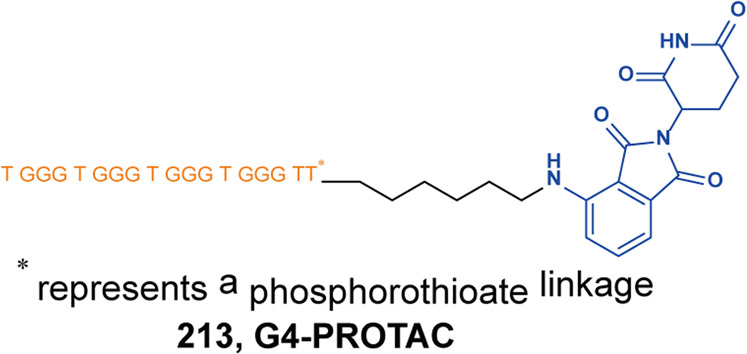
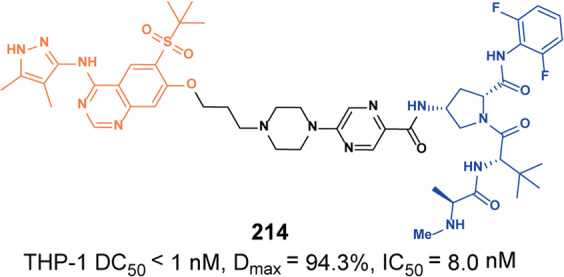
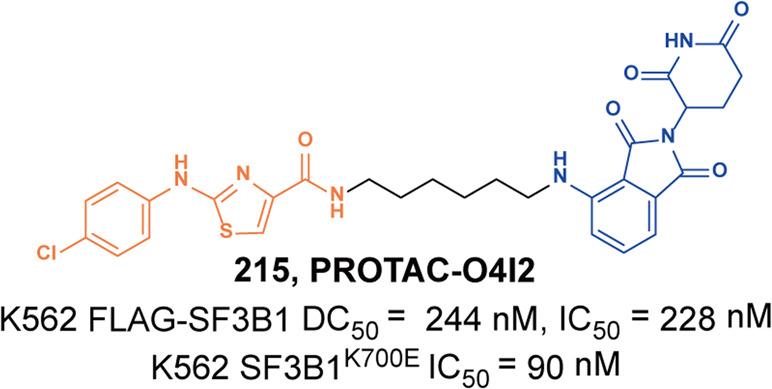
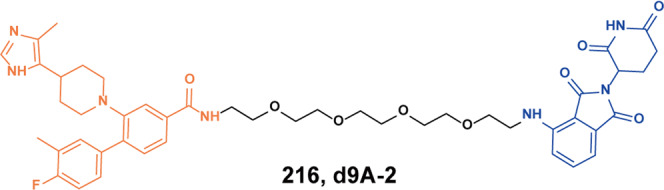
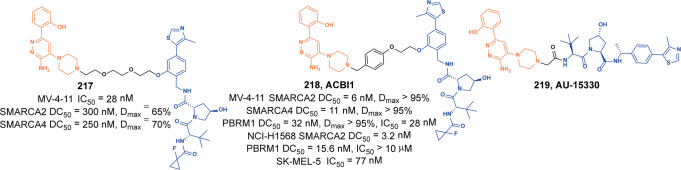
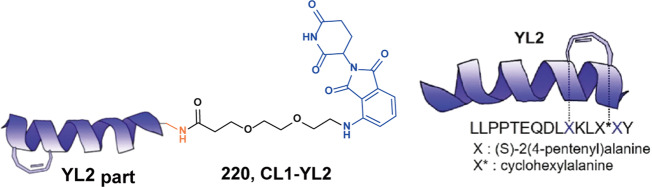
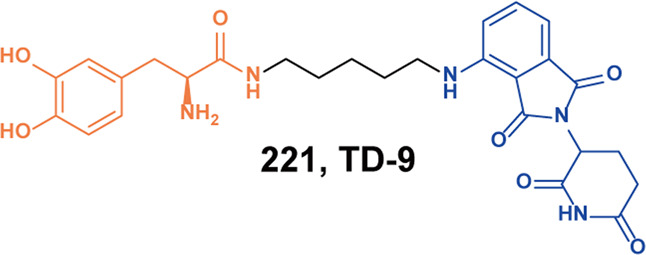
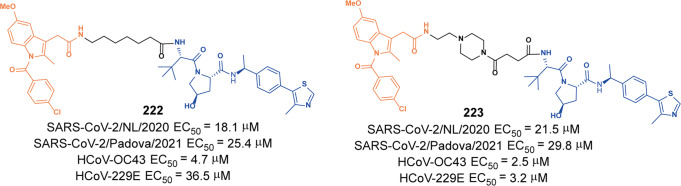

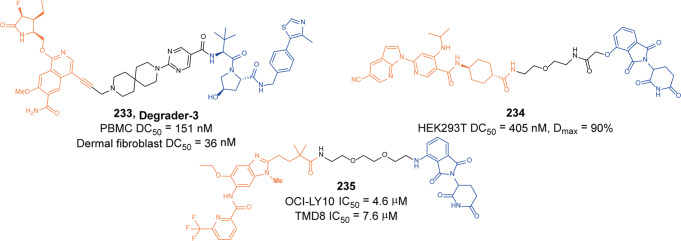
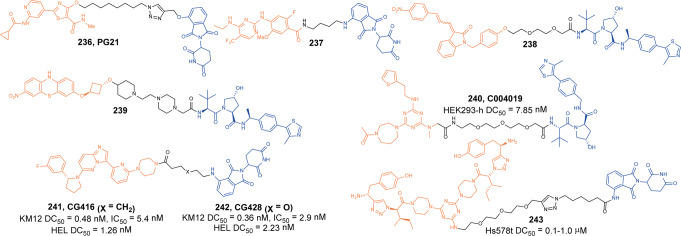
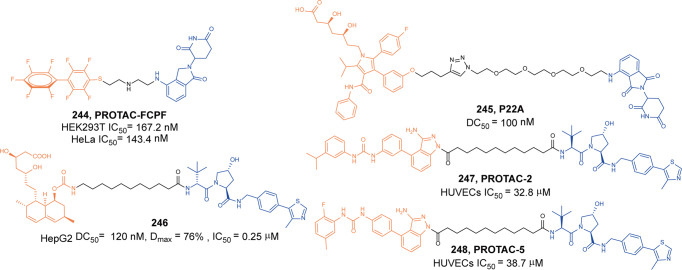
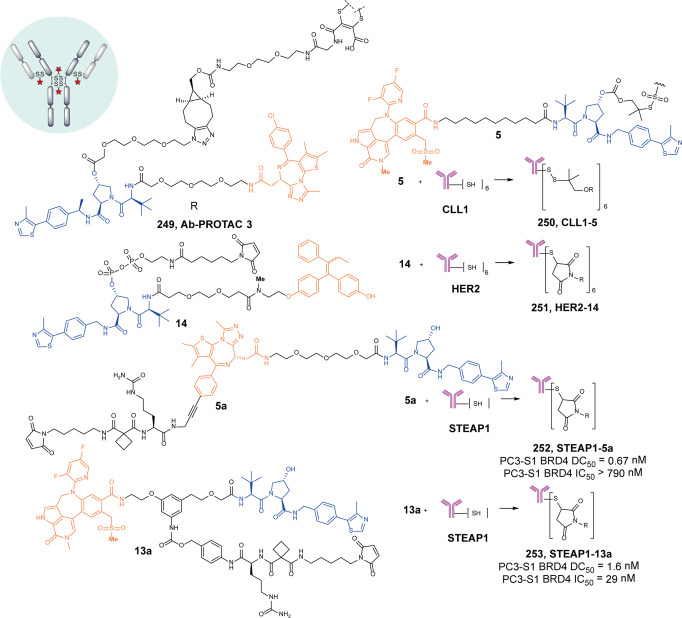
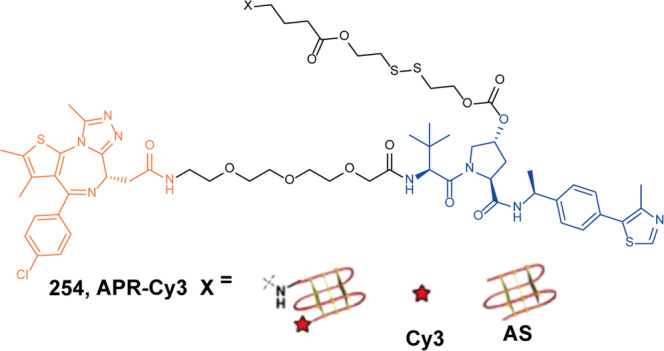
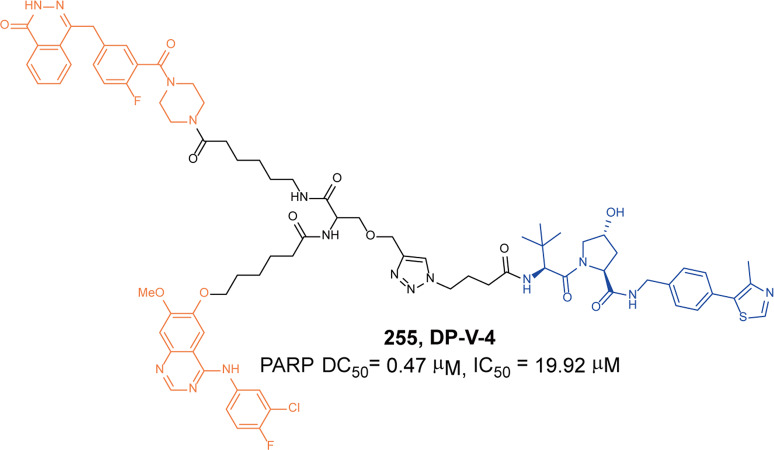
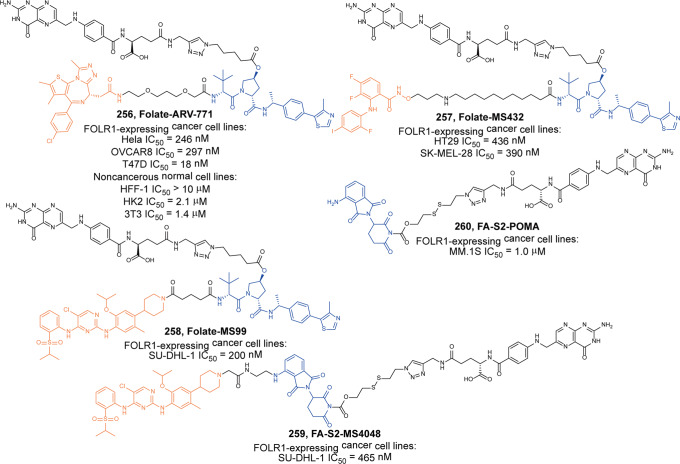
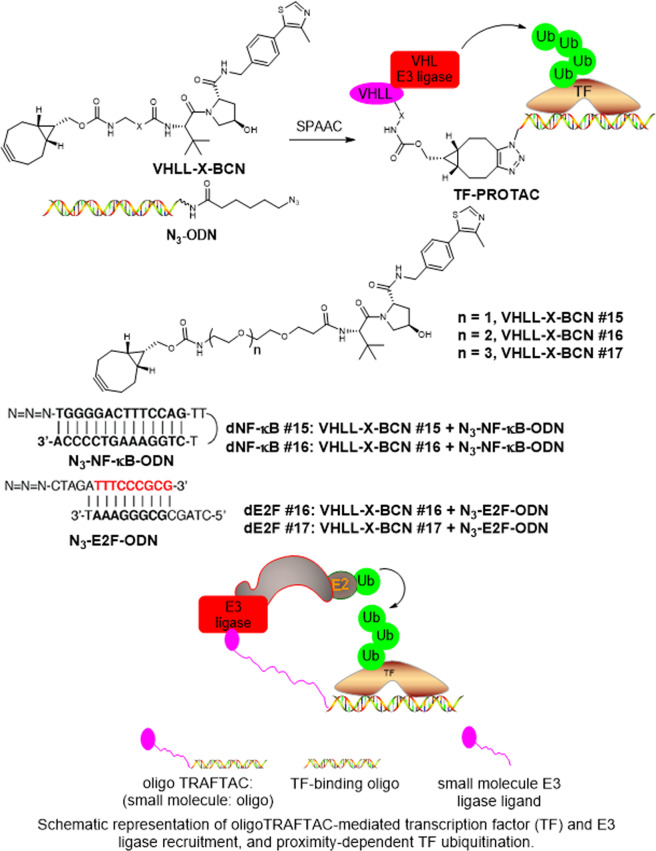
Verification
Claims the paper makes
The claims and statistics of this paper haven’t been checked yet.
Run the check — free, no account needed. It reads the open-access text and checks the sources it cites.
Claims other papers make about this one
Each is checked against this paper’s own text: does it say what the citing paper says it does?
In the citing paper
“Protein regulation can be categorized into two primary classes based on the disease mechanism: protein degradation and protein stabilization.476”
From Recent advances in targeting the “undruggable” proteins: from drug discovery to clinical trials (2023) · cites this paper as [476]
Self-check
Percentages, sums and reported differences re-computed from the paper’s own numbers.
The self-check needs the paper’s full text.
Citations
Cites
The protein kinase complement of the human genome
Manning, G., Whyte, D. B., Martinez, R., Hunter, T., & Sudarsanam, S. (2002) · Science · doi:10.1126/science.1075762 · Cited by 8,145
The new frontier of genome engineering with CRISPR-Cas9
Doudna, J. A., & Charpentier, E. (2014) · Science · doi:10.1126/science.1258096 · Cited by 7,062
Wnt/β-catenin signaling and disease
Clevers, H., & Nusse, R. (2012) · Cell · doi:10.1016/j.cell.2012.05.012 · Cited by 5,554
Cell cycle, CDKs and cancer: a changing paradigm
Malumbres, M., & Barbacid, M. (2009) · Nature Reviews Cancer · doi:10.1038/nrc2602 · Cited by 3,957
Failure of blood-island formation and vasculogenesis in Flk-1-deficient mice
Shalaby, F., Rossant, J., Yamaguchi, T. P., Gertsenstein, M., Wu, X.-F., Breitman, M. L., & Schuh, A. C. (1995) · Nature · doi:10.1038/376062a0 · Cited by 3,931
Tumour heterogeneity and resistance to cancer therapies
Dagogo-Jack, I., & Shaw, A. T. (2018) · Nature Reviews Clinical Oncology · doi:10.1038/nrclinonc.2017.166 · Cited by 3,846
Blume-Jensen, P., & Hunter, T. (2001) · Nature · doi:10.1038/35077225 · Cited by 3,738
Vascular-specific growth factors and blood vessel formation
Yancopoulos, G. D., Davis, S., Gale, N. W., Rudge, J. S., Wiegand, S. J., & Holash, J. (2000) · Nature · doi:10.1038/35025215 · Cited by 3,699
Transcriptional silencing and longevity protein Sir2 is an NAD-dependent histone deacetylase
Imai, S.-I., Armstrong, C. M., Kaeberlein, M., & Guarente, L. (2000) · Nature · doi:10.1038/35001622 · Cited by 3,510
Intensive Lipid Lowering with Atorvastatin in Patients with Stable Coronary Disease
LaRosa, J. C., Grundy, S. M., Waters, D. D., Shear, C., Barter, P., Fruchart, J.-C., Gotto, A. M., Greten, H., Kastelein, J. J. P., Shepherd, J., et al. (2005) · New England Journal of Medicine · doi:10.1056/nejmoa050461 · Cited by 3,489
Research works printed but not linked: 5
- Georg, E. W. et al. Phthalimide conjugation as a strategy for in vivo target protein degradation. Science 348, 1376–1381 (2015). · DOI · Paper page
- Yang, C. et al. Acquired CDK6 amplification promotes breast cancer resistance to CDK4/6 inhibitors and loss of ER signaling and dependence. Oncogene 36, 2255–2264 (2016). · DOI
- Zhou, B. et al. Discovery of a small-molecule degrader of bromodomain and extra-terminal(BET) proteins with picomolar cellular potencies and capable of achieving tumor regression. J. Med. Chem. 61, 462–481 (2018). · DOI
- Raina, K. et al. PROTAC-induced BET protein degradation as a therapy for castration-resistant prostate cancer. Proc. Natl Acad. Sci. USA 113, 7124–7129 (2016). · DOI · Paper page
- Mu, X. P., Bai, L. T., Xu, Y. J., Wang, J. Y. & Lu, H. B. Protein targeting chimeric molecules specific for dual bromodomain 4(BRD4) and Polo-like kinase 1(PLK1) proteins in acute myeloidleukemia cells. Biochem. Biophys. Res. Commun. 521, 833–839 (2019). · DOI
Cited by
Sorted by citations
Items 101–200 of 286
Targeting the KRAS Oncogene for Patients with Metastatic Colorectal Cancer
Miao, R., Yu, J. B., & Kim, R. D. (2025) · Cancers · doi:10.3390/cancers17091512 · Cited by 19
Xie, S., Zhu, J., Zhan, F., Feng, D., He, C., Liu, L., Xie, J., Liu, J. Y., Zhong, M., Zhang, X., et al. (2025) · Journal of Medicinal Chemistry · doi:10.1021/acs.jmedchem.5c00488 · Cited by 17
Zhang, T., Luu, M. D. A., Dolga, A. M., Eisel, U. L. M., & Schmidt, M. (2023) · Frontiers in Physiology · doi:10.3389/fphys.2023.1207280 · Cited by 16
Wilms, G., Schofield, K., Maddern, S., Foley, C., Shaw, Y., Smith, B. E., Basantes, L. E., Schwandt, K., Babendreyer, A., Chavez, T., et al. (2024) · Journal of Medicinal Chemistry · doi:10.1021/acs.jmedchem.4c01130 · Cited by 19
Varışlı, L., Dancik, G. M., Tolan, V., & Vlahopoulos, S. (2023) · Cancers · doi:10.3390/cancers15215242 · Cited by 15
Developing selective PI3K degraders to modulate both kinase and non-kinase functions
Yang, Z., Tong, Y., Liu, Y., Liu, Q., Ni, Z., He, Y., & Rao, Y. (2024) · Chinese Chemical Letters · doi:10.1016/j.cclet.2024.109577 · Cited by 16
Self-citationDiscovery of the first ataxia telangiectasia and Rad3-related (ATR) degraders for cancer treatment
Huang, L. H., Shao, J., Lai, W., Gu, H., Yang, J., Shi, S., Wufoyrwoth, S., Song, Z., Zou, Y., Xu, Y., et al. (2024) · European Journal of Medicinal Chemistry · doi:10.1016/j.ejmech.2024.116159 · Cited by 16
Nickel‐Catalyzed Suzuki–Miyaura Cross‐Coupling Reaction of Aliphatic Alcohol Derivatives
Wong, C. D., Bradford, L. C., Hirbawi, N., & Jarvo, E. R. (2025) · Angewandte Chemie International Edition · doi:10.1002/anie.202509657 · Cited by 15
Small-Molecule Approaches to Target Transcription Factors
Cui, H., Stilgenbauer, M., & Koehler, A. N. (2024) · Annual Review of Cancer Biology · doi:10.1146/annurev-cancerbio-062722-012209 · Cited by 19
Feng, Z., Xie, D., Qiu, F., Huang, J., Wang, Z., & Liang, C. (2024) · European Journal of Medicinal Chemistry · doi:10.1016/j.ejmech.2024.117027 · Cited by 15
Dong, B., Qi, W., Chen, Y., Zhang, Y., Gu, S., Zhao, J., Zhou, Q., Shen, J., & Xie, L. (2024) · Advanced Science · doi:10.1002/advs.202411579 · Cited by 14
Targeted degradation of specific TEAD paralogs by small molecule degraders
Chen, H., Gridnev, A., Schlamowitz, N. S., Hu, W., Dey, K., Zheng, G., & Misra, J. R. (2024) · Heliyon · doi:10.1016/j.heliyon.2024.e37829 · Cited by 14
Zhou, Q., Wang, W., & Deng, C. (2025) · Molecular Neurobiology · doi:10.1007/s12035-025-04838-0 · Cited by 18
Rao, Z., Li, K., Hong, J.-E., Chen, D., Ding, B., Li, J., Qi, X., Hu, J., Yang, B., He, Q., et al. (2023) · European Journal of Medicinal Chemistry · doi:10.1016/j.ejmech.2023.115248 · Cited by 15
Pang, X., Cui, D., Lv, B., & Wang, C. (2024) · Journal of Medicinal Chemistry · doi:10.1021/acs.jmedchem.3c02135 · Cited by 14
PROteolysis‐Targeting Chimeras (PROTACs) in leukemia: overview and future perspectives
Vicente, A. T. S., & Salvador, J. A. R. (2024) · MedComm · doi:10.1002/mco2.575 · Cited by 14
Belling the “cat”: Wnt/β-catenin signaling and its significance in future cancer therapies
Goyal, A., Murkute, S. L., Bhowmik, S., Prasad, C. P., & Mohapatra, P. (2024) · Biochimica et Biophysica Acta (BBA) - Reviews on Cancer · doi:10.1016/j.bbcan.2024.189195 · Cited by 14
Jiang, Q., Hu, Y., Liu, Q., Tang, Y., Wu, X., Liu, J., Tu, G., Li, G., Lin, X., Qu, M., et al. (2023) · Journal of drug targeting · doi:10.1080/1061186x.2023.2185247 · Cited by 14
Mo, M., Wang, F., Zhang, H., Zhang, Y., Yang, C. J., Shang, J., & Zhu, Z. (2025) · Angewandte Chemie International Edition · doi:10.1002/anie.202501857 · Cited by 13
Regulation of MAPK Signaling Pathways by the Large HERC Ubiquitin Ligases
Sala-Gaston, J., Costa‑Sastre, L., Pedrazza, L., Martinez-Martinez, A., Ventura, F., & Rosa, J. L. (2023) · International Journal of Molecular Sciences · doi:10.3390/ijms24054906 · Cited by 13
Discovery of a Promising CBP/p300 Degrader XYD129 for the Treatment of Acute Myeloid Leukemia
Wu, T., Hu, J., Zhao, X., Zhang, C., Dong, R., Hu, Q., Xu, H., Shen, H., Zhang, X., Zhang, Y., et al. (2024) · Journal of Medicinal Chemistry · doi:10.1021/acs.jmedchem.4c00335 · Cited by 14
An instructive attempt on developing aptamer-constructed PROTAC for breast cancer treatment
Zhang, Y., Mi, D., & Chen, Y. (2022) · Molecular Therapy — Nucleic Acids · doi:10.1016/j.omtn.2022.10.008 · Cited by 13
Advances in the potential roles of Cullin-RING ligases in regulating autoimmune diseases
Zhang, X., Liu, Y., Zhang, T., Tan, Y., Dai, X., Yang, Y., & Zhang, X. (2023) · Frontiers in Immunology · doi:10.3389/fimmu.2023.1125224 · Cited by 15
Self-citationStructural Optimization of Decoy Oligonucleotide-Based PROTAC That Degrades the Estrogen Receptor
Naganuma, M., Ohoka, N., Tsuji, G., Inoué, T., Naito, M., & Demizu, Y. (2023) · Bioconjugate Chemistry · doi:10.1021/acs.bioconjchem.3c00332 · Cited by 14
Rodriguez, L. A., Kallert, E., Husmann, J.-Å., Schaubruch, K., Meisel, K. I. S., Schwickert, M., Hoba, S. N., Heermann, R., & Kersten, C. (2025) · Journal of Medicinal Chemistry · doi:10.1021/acs.jmedchem.5c00339 · Cited by 12
Zhao, Y., Liu, D., Yang, W., He, W., Yan, J., & Yao, L. (2025) · Journal of Nanobiotechnology · doi:10.1186/s12951-025-03171-x · Cited by 12
Recent advances in PROTAC-based antiviral and antibacterial therapeutics
Zhou, C., Yang, S., Wang, J. J., Pan, W., Yao, H., Li, G., & Niu, M. (2025) · Bioorganic Chemistry · doi:10.1016/j.bioorg.2025.108437 · Cited by 12
Pan, P., He, Y., Geng, T., Li, Z., Li, Z., & Meng, X. (2023) · International Journal of Molecular Sciences · doi:10.3390/ijms242216290 · Cited by 11
Self-citationA comprehensive primer and review of PROTACs and their In Silico design
Zattoni, J., Vottero, P., Carena, G., Uliveto, C., Pozzati, G., Morabito, B., Gitari, E., Tuszyński, J. A., & Aminpour, M. (2025) · Computer Methods and Programs in Biomedicine · doi:10.1016/j.cmpb.2025.108687 · Cited by 14
HSP90 Mediates Targeted Degradation of Nonclient Protein PARP1 for Breast Cancer Treatment
Liu, W., Liu, J., Shu, H., Zhang, L., Yin, X., Xu, X., You, Q., & Wang, L. (2025) · Journal of Medicinal Chemistry · doi:10.1021/acs.jmedchem.5c00409 · Cited by 10
Pichlak, M., Sobierajski, T., Błażewska, K. M., & Gendaszewska‐Darmach, E. (2023) · Journal of Enzyme Inhibition and Medicinal Chemistry · doi:10.1080/14756366.2023.2254012 · Cited by 10
First-in-class metallo-PROTAC as an effective degrader of select Pt-binding proteins
O'Dowd, P., Sullivan, G. P., Rodrigues, D. A., Chonghaile, T. N., & Griffith, D. M. (2023) · Chemical Communications · doi:10.1039/d3cc03340f · Cited by 9
The U.S. FDA approved cardiovascular drugs from 2011 to 2023: A medicinal chemistry perspective
Jiang, Y., Liu, P., Qiu, Z., Zhou, M., Cheng, M., & Yang, T. (2024) · European Journal of Medicinal Chemistry · doi:10.1016/j.ejmech.2024.116593 · Cited by 10
Wang, Z., Yue, S., Chen, X., Li, J., Zhu, P., Chen, H., Qiu, F., Xie, D., Liang, Y., Li, D., et al. (2024) · Journal of Medicinal Chemistry · doi:10.1021/acs.jmedchem.4c01228 · Cited by 11
Rational design and discovery of potent PROTAC degraders of ASK1: a targeted therapy in MASH
Sarkar, H. S., Sen, A., Hoque, I., Dastidar, U. G., Pal, S., Sarkar, D., Chakrabarti, P., & Talukdar, A. (2025) · RSC Medicinal Chemistry · doi:10.1039/d5md00252d · Cited by 10
Singh, H., & Agrawal, D. K. (2022) · Future Medicinal Chemistry · doi:10.4155/fmc-2022-0149 · Cited by 10
Delivering on Cell‐Selective Protein Degradation Using Chemically Tailored PROTACs
Yao, R., Luo, T., & Wang, M. (2023) · ChemBioChem · doi:10.1002/cbic.202300413 · Cited by 9
Wang, X., Ju, Z., Liu, S., Qi, F., Xin, C., Li, X., Gao, Y. P., Dan, F., Qu, Y., Ren, Z., et al. (2025) · European Journal of Medicinal Chemistry · doi:10.1016/j.ejmech.2025.117750 · Cited by 9
NF-κB fingerprinting reveals heterogeneous NF-κB composition in diffuse large B-cell lymphoma
Jayawant, E. S., Pack, A., Clark, H., Kennedy, E., Ghodke, A., Jones, J. R., Pepper, C. J., Pepper, A. G. S., & Mitchell, S. A. (2023) · Frontiers in Oncology · doi:10.3389/fonc.2023.1181660 · Cited by 9
PROTACs targeting epigenetic proteins
Zhang, C., He, Y., Sun, X., Wei, W., Liu, Y., & Rao, Y. (2023) · Acta Materia Medica · doi:10.15212/amm-2023-0039 · Cited by 13
Self-citationWang, X., Su, L., Niu, C., Li, X., Wang, R., Li, B., Liu, S., & Xu, Y. (2024) · Drug Development Research · doi:10.1002/ddr.22241 · Cited by 8
Peng, R., Liu, X., Chen, C., Guo, R., & Min, J. (2024) · RSC Medicinal Chemistry · doi:10.1039/d4md00961d · Cited by 8
Discovery of the first potent ROR1 degrader for the treatment of non-small cell lung cancer
Li, J., Li, L., Hou, C., Tian, Z., Zhou, Y., Zhang, J., Ren, X., Wang, Z., Huang, W., Ding, K., et al. (2025) · European Journal of Medicinal Chemistry · doi:10.1016/j.ejmech.2025.117325 · Cited by 8
The next generation of EGFR inhibitors: a patenting perspective of PROTACs based EGFR degraders
Li, P., Li, B., Yang, N., Xu, T., & Zheng, Z. (2023) · Expert Opinion on Therapeutic Patents · doi:10.1080/13543776.2023.2262176 · Cited by 8
Proximity-Induced Pharmacology for Amyloid-Related Diseases
Bertran‐Mostazo, A., Putriūtė, G., Álvarez-Berbel, I., Busquets, M. A., Galdeano, C., Espargaró, A., & Sabaté, R. (2024) · Cells · doi:10.3390/cells13050449 · Cited by 7
Synthesis, SAR, and application of JQ1 analogs as PROTACs for cancer therapy
De, S., Sahu, R., Palei, S., & Nanda, L. N. (2024) · Bioorganic & Medicinal Chemistry · doi:10.1016/j.bmc.2024.117875 · Cited by 9
PROTACs in the treatment of viral diseases
Bhole, R. P., Kute, P. R., & Gurav, S. S. (2025) · Future Medicinal Chemistry · doi:10.1080/17568919.2025.2453418 · Cited by 8
Wang, L., Yang, H., Wang, C., Wang, M., Huang, J., Nyunt, T., Osorio, C., Sun, S., Pacifici, M., Lefebvre, V., et al. (2024) · The FASEB Journal · doi:10.1096/fj.202400642r · Cited by 7
BRAF V600E ‐PROTAC versus inhibitors in melanoma cells: Deep transcriptomic characterization
Alhassan, S., Elmageed, Z. Y. A., Errami, Y., Wang, G., Abi‐Rached, J., Kandil, E. H., & Zerfaoui, M. (2025) · Clinical and Translational Medicine · doi:10.1002/ctm2.70251 · Cited by 8
Exploring the clinical trials, regulatory insights, and challenges of PROTACs in oncology
Sowndharya, M., Joga, R., Gandhi, K., Yerram, S., Raghuvanshi, R. S., & Srivastava, S. (2025) · Seminars in Oncology · doi:10.1016/j.seminoncol.2025.152339 · Cited by 8
Zhou, D., Zuo, Y., & Pan, Z. (2023) · Journal of Medicinal Chemistry · doi:10.1021/acs.jmedchem.2c02078 · Cited by 8
Bai, F., Tian, S., Tang, Y., Li, F., & Li, Z. (2024) · Research Square · doi:10.21203/rs.3.rs-5021266/v1 · Cited by 7
Lin, Y., Liu, J., Tian, X., Wang, J., Su, H., Xiang, J., Cao, T., Wang, Y., Xie, Q., & Yu, X. (2025) · European Journal of Medicinal Chemistry · doi:10.1016/j.ejmech.2025.117420 · Cited by 6
The Expanding E3 Ligase-Ligand Landscape for PROTAC Technology
Li, Z., Huang, X., Zhao, X., Zhang, Y., & Li, P. (2025) · Targets · doi:10.3390/targets3040030 · Cited by 9
Harnessing Multiplexed Proteolysis-Targeting Chimera for Comprehensive Influenza A Virus Targeting
Liu, Y., Yu, C., Li, J., Zhang, M., Feng, S., Tian, Z., Wang, Z., Pang, D., & Liu, S. (2025) · Journal of the American Chemical Society · doi:10.1021/jacs.5c09384 · Cited by 6
Self-citationComputational Modeling of PROTAC Ternary Complexes as Ensembles Using SILCS-xTAC
Nordquist, E. B., Zhao, M., Yu, W., & MacKerell, A. D. (2025) · Journal of Chemical Information and Modeling · doi:10.1021/acs.jcim.5c02045 · Cited by 7
Emerging perspectives in proteostasis: bridging mechanisms and therapeutics for human diseases
Borlepawar, A., Neu, M., Ma, Z., Deshpande, A., Bühringer, H., Hajieva, P., Frey, N., & Rangrez, A. Y. (2026) · Signal Transduction and Targeted Therapy · doi:10.1038/s41392-026-02714-4 · Cited by 7
Li, K., Dong, G., Wu, S., & Sheng, C. (2024) · Chinese Chemical Letters · doi:10.1016/j.cclet.2024.110280 · Cited by 6
Wang, Y., Xie, B., Deng, X., Dong, C., & Zhou, H. (2025) · Journal of Medicinal Chemistry · doi:10.1021/acs.jmedchem.5c00495 · Cited by 5
Engineering Polymeric Nano-PROTAC for Targeted Protein Degradation and Cancer Therapy
Saeed, M., Amina, Z., Xu, Z., & Yu, H. (2026) · Polymer science & technology. · doi:10.1021/polymscitech.5c00122 · Cited by 5
Chen, T.-Q., Huang, H., Zhu, S.-X., Chen, X.-T., Pu, K., Wang, D., An, Y., Lian, J.-Y., Sun, Y., Chen, Y., et al. (2024) · Experimental Hematology and Oncology · doi:10.1186/s40164-024-00488-5 · Cited by 5
Chemical inducers of proximity: precision tools for apoptosis in transcriptional regulation
Huang, K. (2024) · Signal Transduction and Targeted Therapy · doi:10.1038/s41392-024-02089-4 · Cited by 5
Recent advances in degraders engaging lysosomal pathways and related nanomedicine
Lu, R., Ni, X., Diao, S., Wu, Y., & Zhang, L. (2025) · European Journal of Medicinal Chemistry · doi:10.1016/j.ejmech.2025.117701 · Cited by 6
Wang, Y., He, Y., You, Q., & Wang, L. (2024) · Drug Discovery Today · doi:10.1016/j.drudis.2024.104194 · Cited by 5
Self-citationBRD4 as an emerging epigenetic therapeutic target for inflammatory bowel disease
Ma, Z., Bolinger, A. A., Pinchuk, I. V., Tian, B., & Zhou, J. (2024) · Advances in pharmacology · doi:10.1016/bs.apha.2024.10.008 · Cited by 5
Myogenesis gone awry: the role of developmental pathways in rhabdomyosarcoma
Gustafson, A. L., Durbin, A. D., Artinger, K., & Ford, H. L. (2025) · Frontiers in Cell and Developmental Biology · doi:10.3389/fcell.2024.1521523 · Cited by 7
Vicente, A. T. S., & Salvador, J. A. R. (2023) · Expert Opinion on Therapeutic Patents · doi:10.1080/13543776.2023.2240025 · Cited by 5
A long march for targeted protein degradation in the new era: expanding E3 ligases
Mi, D., Huang, A. D., Jingfeng, S., & Chen, Y. (2024) · Future Medicinal Chemistry · doi:10.1080/17568919.2024.2409618 · Cited by 5
Non-enzymatic protein targeting agents as a promising strategy for cancer treatment
Ambrose, M., Lee, J., Syed, A., Ahmed, Z., & Peng, G. (2025) · Frontiers in Drug Discovery · doi:10.3389/fddsv.2025.1520734 · Cited by 4
Developing potent anti-inflammatory IRAK4-targeting PROTACs with simplified CRBN ligands
Li, Z., Song, P., Liu, Y., Sun, X., Zhai, X., & Rao, Y. (2025) · Chinese Chemical Letters · doi:10.1016/j.cclet.2025.111033 · Cited by 5
Self-citationMighty mini-PROTACs: an emerging class of degraders
Chen, X., Liao, K., Yuan, J., Zhang, J., & Rao, H. (2025) · European Journal of Medicinal Chemistry · doi:10.1016/j.ejmech.2025.118202 · Cited by 4
Shehzadi, K., Ran, Y., Kalsoom, I., Dong, J., Gao, P., Irfan, M., Yu, M., Meng, Z., & Liang, J. (2025) · Journal of Medicinal Chemistry · doi:10.1021/acs.jmedchem.5c02065 · Cited by 5
Targeted protein degradation: species, diseases and efficient utilization
Yue, T., He, J., & Hou, J. (2025) · Journal of Translational Medicine · doi:10.1186/s12967-025-07610-z · Cited by 5
Zhang, Y., Li, L., Xu, J., Che, C.-C., Jia, J., Lu, H., You, Q., & Xu, X. (2026) · Molecules · doi:10.3390/molecules31030459 · Cited by 4
Wang, Z., Lin, S., Dong, X., Cao, J., Zhao, R., Wu, L., & Shen, S. (2026) · Journal of Medicinal Chemistry · doi:10.1021/acs.jmedchem.5c03270 · Cited by 4
PROTACs in targeted protein degradation: Advances in development and AI-enhanced drug discovery
Du, M., Liu, T., Wang, W., Fan, S., Tian, M., Du, Q., Wang, Z., Li, X., Liu, X., Xia, Q., et al. (2026) · European Journal of Medicinal Chemistry Reports · doi:10.1016/j.ejmcr.2026.100332 · Cited by 4
Advanced nanotechnologies for protein modulation: From Nano-PROTAC to Nano-APROM
Wang, J., Hu, X., Zhang, J., Wang, C., Dai, H., Lu(杨露), Y., Li, F., & Ling, D. (2026) · Journal of Controlled Release · doi:10.1016/j.jconrel.2026.114901 · Cited by 4
Cancer stem cells and drug resistance in cancer: molecular mechanisms and therapeutic targets
Hamdy, H., 李有洲, Li, C. J., Li, Z., Liu, X. W., Sun, E., Safwat, D., Shen, J., Li, H., & Sun, J. (2026) · Molecular Biomedicine · doi:10.1186/s43556-026-00516-2 · Cited by 4
P16INK4A drives RB1 degradation by UTP14A-catalyzed K810 ubiquitination
Weng, W., Zhang, B., & Deng, D. (2024) · iScience · doi:10.1016/j.isci.2024.110882 · Cited by 4
An appraisal at a glance of metallome and disease biomarkers
López, R., Pereira, F. J., & Aller, A. J. (2025) · European Journal of Medicinal Chemistry · doi:10.1016/j.ejmech.2025.117931 · Cited by 4
Bhusal, S., & Valsson, Ó. (2025) · Physical Chemistry Chemical Physics · doi:10.1039/d5cp02530c · Cited by 4
PROTAC® technology and potential for its application in infection control
Zakharova, M., & Чудинов, М. В. (2024) · Fine Chemical Technologies · doi:10.32362/2410-6593-2024-19-3-214-231 · Cited by 4
Mahajan, A. A., Panzade, G., Bhuniya, T., Das, P., Bhattacharjee, B., Das, S., Chowdhury, A., Chakraborty, K., Guha, S., Samant, A., et al. (2024) · Current Problems in Cancer · doi:10.1016/j.currproblcancer.2024.101172 · Cited by 4
Zhang, X., Li, S., SONG, M., Chen, Y., Chang, L., Liu, Z., Dai, H., Wang, Y., Yang, G., JIANG, Y., et al. (2024) · Oncology Research Featuring Preclinical and Clinical Cancer Therapeutics · doi:10.32604/or.2024.046231 · Cited by 5
PROTACs improve selectivity for targeted proteins
Liu, L., Guan, X., Zhuo, J., Wu, X., & Han, X. (2025) · Acta Materia Medica · doi:10.15212/amm-2025-0015 · Cited by 3
c-FLIP as a master regulator of immune homeostasis and disease mechanisms
Urbini, E., Adamo, A., Hu, Y., Giacobazzi, L., Dusi, S., Sanctis, F. D., Carbone, C., Gibellini, D., Pilotto, S., Corbo, V., et al. (2026) · Cell Death and Disease · doi:10.1038/s41419-026-08771-5 · Cited by 6
PROTAC technology: clinical applications, future challenges, and innovative strategies
Liu, F., Zhang, Y., Xu, Y., & Xishan, W. (2026) · Bioorganic Chemistry · doi:10.1016/j.bioorg.2026.110045 · Cited by 4
New Generation of PROTACs: Advancement in Light‐Responsive and Self‐Assembled PROTACs
Sapkota, N., Xing, Q., & Geng, J. (2024) · ChemistrySelect · doi:10.1002/slct.202403333 · Cited by 3
Advancing brain tumor therapy: unveiling the potential of PROTACs for targeted protein degradation
Ibrahim, S., Khan, M. U., Noreen, S., Firdous, S., Khurram, I., Rehman, R., Javed, M. A., & Ali, Q. (2025) · Cytotechnology · doi:10.1007/s10616-025-00716-8 · Cited by 3
Rahman, M. K., Marzullo, B. P., Holman, S. W., Barrow, M. P., Ray, A. D., & O’Connor, P. B. (2024) · Journal of the American Society for Mass Spectrometry · doi:10.1021/jasms.3c00342 · Cited by 4
Plesniak, M. P., Taylor, E. K., Eisele, F., Kourra, C. M. B. K., Michaelides, I. N., Oram, A., Wernevik, J., Valencia, Z. S., Rowbottom, H., Mann, N., et al. (2023) · ChemRxiv · doi:10.26434/chemrxiv-2023-dz9l7 · Cited by 3
Predicting PROTAC-targeted Degradation and Designing Androgen Receptor Degraders with AiPROTACPreprint
Zhang, L., Sun, R., Li, X., Ren, C., Long, Y., Tan, W., Wang, X., Zou, K., Yang, X., Wu, M., et al. (2025) · bioRxiv (Cold Spring Harbor Laboratory) · doi:10.1101/2025.02.26.640266 · Cited by 5
N-Degron PROTACs as a Potential Therapeutic Approach for Chronic Myeloid Leukemia
Hohman, G., & Eldeeb, M. A. (2025) · Anti-Cancer Agents in Medicinal Chemistry · doi:10.2174/0118715206367166241230111659 · Cited by 2
Bioorthogonal Chemistry: An Emerging Strategy for Targeted Protein Degradation
Zhou, P., Li, J., Xu, J., Ren, Y., & Xu, S. (2025) · Chemistry - A European Journal · doi:10.1002/chem.202502876 · Cited by 2
Chen, D., Hu, J., Yu, Y. S., Li, K., Wang, T., Wang, Z., Yuan, Y., Shao, X., Ying, M., Yang, B., et al. (2025) · Journal of Medicinal Chemistry · doi:10.1021/acs.jmedchem.5c02232 · Cited by 2
Unveiling BCL-xL-specific PROTAC efficiency and dissociation pathways using native mass spectrometry
Gadallah, M. I., Nonhof, K. L., Nayak, D., Zhang, P., Dioli, O. E., Zheng, G., Olsen, S. K., Zhou, D., & Brodbelt, J. S. (2026) · Chemical Science · doi:10.1039/d5sc07400b · Cited by 4
Chen, H., Zhao, J., Qiu, F., Wang, Z., Li, J., Zhang, L., Lü, A., & Liang, C. (2026) · Journal of Extracellular Vesicles · doi:10.1002/jev2.70268 · Cited by 2
Photocatalytic Multiple Deuteration of Polyethylene Glycol Derivatives Using Deuterium Oxide
Ogasahara, R., Mae, M., Matsuura, K., Yoshimura, S., Ishimoto, T., Udagawa, T., Harada, K., Fujioka, H., Kamiya, M., Asada, R., et al. (2024) · Chemistry - A European Journal · doi:10.1002/chem.202404204 · Cited by 2
Smith, C. L. C., Hajisadeghian, M., van Noort, G. J. V. D. H., Deery, M. J., Pinto-Fernández, A., Kessler, B. M., & Artavanis‐Tsakonas, K. (2025) · PLoS Pathogens · doi:10.1371/journal.ppat.1013032 · Cited by 2
Zhu, J., Zhan, F., Xie, J., Fang, T., Sun, Y., Zhan, F., Gao, T. X., Liu, J. Y., Feng, J., Zhou, P., et al. (2025) · Bioorganic Chemistry · doi:10.1016/j.bioorg.2025.108876 · Cited by 2
Metadata
- Authors
- He, M., Cao, C., Ni, Z., Liu, Y., Song, P., Hao, S., He, Y., Sun, X., & Rao, Y.
- Affiliations
- Tsinghua University (CN)
- Zhengzhou University (CN)
- Corresponding author
- Rao, Yu
- Venue
- Signal Transduction and Targeted Therapy
- Published
- 2022-06-09
- Volume
- 7
- Issue
- 1
- Pages
- 181-181
- ISSN
- 2059-3635 (ISSN-L)
- PMC
- PMC9178337
- OpenAlex
- W4281795388
- Cited by
- 283
- References
- 559
- Citations by year
- 2026: 50 · 2025: 82 · 2024: 84 · 2023: 50 · 2022: 17
- FWCI
- 6.14
- Type
- journal article
- Language
- en
- Open access
- gold
- doi.org
- Locations
- Signal Transduction and Targeted Therapy (publishedVersion, cc-by)
- PubMed Central (publishedVersion, cc-by)
- PubMed (publishedVersion)
- DOAJ (DOAJ: Directory of Open Access Journals) (submittedVersion)
- Funders
- National Natural Science Foundation of China (#82125034, #81773567, 2021YFA1302100, 2020YFE0202200)
- China Postdoctoral Science Foundation
- Topics
- Life Sciences › Biochemistry, Genetics and Molecular Biology › Molecular Biology › Protein Degradation and Inhibitors
- Life Sciences › Biochemistry, Genetics and Molecular Biology › Molecular Biology › Ubiquitin and proteasome pathways
- Physical Sciences › Chemistry › Organic Chemistry › Chemical Synthesis and Analysis
- Keywords
- PROTACs, protein degradation, bifunctional small molecules, ubiquitination, ubiquitin-proteasome system, molecular glues, small-molecule degraders, clinical development, cancer therapy
- MeSH terms
- Ubiquitin-Protein Ligases, Proteasome Endopeptidase Complex, Proteolysis
About these checks
Registry, retraction, Cites and statistics results are computed, not judged, with one exception: a printed reference that no index lists is read once by a model before it counts as a citation error. Claims are extracted by a model and kept only when their quote appears verbatim in the text; each cited source is then checked, with a model’s help, for whether it says what the claim relies on. Those verdicts can be wrong — read the claim’s quote and the cited source before relying on one.
Statistics and arithmetic are recomputed, not judged.
Confidence bands are shown only for fields calibrated on our annotated test set. None is calibrated yet, so no band is shown.
What counts as a claim ›How we measure confidence ›How we check this ›
Are you an author, or do you see a problem with this page? Request a review
