

Hypoxic microenvironment in cancer: molecular mechanisms and therapeutic interventions
Open accessThe DOI matches its Crossref record; 464 of the 465 references it cites were found in a registry or an index.
Abstract
Having a hypoxic microenvironment is a common and salient feature of most solid tumors. Hypoxia has a profound effect on the biological behavior and malignant phenotype of cancer cells, mediates the effects of cancer chemotherapy, radiotherapy, and immunotherapy through complex mechanisms, and is closely associated with poor prognosis in various cancer patients. Accumulating studies have demonstrated that through normalization of the tumor vasculature, nanoparticle carriers and biocarriers can effectively increase the oxygen concentration in the tumor microenvironment, improve drug delivery and the efficacy of radiotherapy. They also increase infiltration of innate and adaptive anti-tumor immune cells to enhance the efficacy of immunotherapy. Furthermore, drugs targeting key genes associated with hypoxia, including hypoxia tracers, hypoxia-activated prodrugs, and drugs targeting hypoxia-inducible factors and downstream targets, can be used for visualization and quantitative analysis of tumor hypoxia and antitumor activity. However, the relationship between hypoxia and cancer is an area of research that requires further exploration. Here, we investigated the potential factors in the development of hypoxia in cancer, changes in signaling pathways that occur in cancer cells to adapt to hypoxic environments, the mechanisms of hypoxia-induced cancer immune tolerance, chemotherapeutic tolerance, and enhanced radiation tolerance, as well as the insights and applications of hypoxia in cancer therapy.
Overview
The claims and statistics of this paper haven’t been checked yet.
Free: it reads the open-access text and checks the first 5 claims that cite a source we can check. Create a free account to check every claim.
Integrity signals
Registry
Cites
Statistics
Figures
Verification
Claims the paper makes
The claims and statistics of this paper haven’t been checked yet.
Free: it reads the open-access text and checks the first 5 claims that cite a source we can check. Create a free account to check every claim.
Claims other papers make about this one
Each is checked against this paper’s own text: does it say what the citing paper says it does?
The source backs part of the claim, not all of it — or backs it for a different population, condition or comparison.
In the citing paper
“Solid tumors and their metastases typically manifest regions of hypoxia due to the rapid proliferation of tumor cells that frequently outstrips their oxygen supply, coupled with irregular and dysfunctional tumor vasculature [2].”
From The HIF Axes in Cancer - Angiogenesis, Metabolism and Immune-Modulation (2025) · cites this paper as [2]
Experimental — accuracy not yet measuredThe source backs part of the claim, not all of it — or backs it for a different population, condition or comparison.
In the citing paper
“Furthermore, hypoxia promotes self-renewal by activation of Wnt and Notch signaling pathways and embryonic stem cell transcription factors, and it modulates differentiation of tumor cells and tumor-associated stromal cells [86,87,88].”
From Mechanisms and Strategies to Overcome Drug Resistance in Colorectal Cancer (2025) · cites this paper as [86]
Experimental — accuracy not yet measuredThe source backs part of the claim, not all of it — or backs it for a different population, condition or comparison.
In the citing paper
“Hypoxia-inducible factors form the core regulatory axis governing cellular responses to hypoxic and oxidative stress, integrating redox signals with metabolic, vascular, and immune responses through genome-wide transcriptional reprogramming [[216], [217], [218], [219]].”
From HIF inhibition: Current strategies and clinical challenges (2026) · cites this paper as [218]
Experimental — accuracy not yet measuredThe cited source says what the claim attributes to it.
In the citing paper
“HIF-associated changes are major contributory factors to the unique tumor microenvironment (TME) that favors tumor growth and drives resistance to therapy [2].”
From The HIF Axes in Cancer - Angiogenesis, Metabolism and Immune-Modulation (2025) · cites this paper as [2]
The cited source says what the claim attributes to it.
In the citing paper
“For example, TAMs accumulate in hypoxic areas and the TME through HIF-1α activation, promoting TAM adaptation to hypoxia [2, 72].”
From The HIF Axes in Cancer - Angiogenesis, Metabolism and Immune-Modulation (2025) · cites this paper as [2]
Self-check
Percentages, sums and reported differences re-computed from the paper’s own numbers.
The self-check needs the paper’s full text.
Citations
Cites
1 retracted
Items 201–400 of 465
Nordsmark, M., Alsner, J., Keller, J., Nielsen, O. S., Jensen, O. M., Horsman, M. R., & Overgaard, J. (2001) · British Journal of Cancer · doi:10.1054/bjoc.2001.1728 · Cited by 226
Hennequin, A., Derangère, V., Boidot, R., Apetoh, L., Vincent, J., Orry, D., Fraisse, J., Causeret, S., Martin, F., Arnould, L., et al. (2016) · OncoImmunology · doi:10.1080/2162402x.2015.1054598 · Cited by 226 · cited 1×
“Large numbers of CD20+ B cell follicles and Foxp3+ low-infiltrating cells are associated with cancer survival and better recurrence-free survival outcomes in cancer patients, including gastric and pancreatic cancers.(259,260) Activation of HIF in B cells modulates immune responses by inducing VEGF to increase lymphati…”
BackgroundNeutrophils Fuel Effective Immune Responses through Gluconeogenesis and Glycogenesis
Sadiku, P., Willson, J. A., Ryan, E. M., Sammut, D., Coelho, P., Watts, E. R., Grecian, R., Young, J. M., Bewley, M., Arienti, S., et al. (2021) · Cell Metabolism · doi:10.1016/j.cmet.2020.11.016 · Cited by 226
Targeting gene therapy to cancer: a review.
Dachs, G. U., Dougherty, G. J., Stratford, I. J., & Chaplin, D. J. (1997) · PubMed · Cited by 223
Cairns, R. A., & Hill, R. P. (2004) · Cancer Research · doi:10.1158/0008-5472.can-03-3196 · Cited by 216 · cited 1×
“Similar results were obtained in mouse models of fibrosarcoma and cervical cancer.(53,113) To an extent, hypoxic conditions eliminate tumor cells that are sensitive to hypoxia, and the surviving tumor cells adapt to hypoxia through their own molecular transformation.”
ResultSarkar, S., Germeraad, W. T. V., Rouschop, K. M. A., Steeghs, E. M. P., Gelder, M. V., Bos, G. M. J., & Wieten, L. (2013) · PLoS ONE · doi:10.1371/journal.pone.0064835 · Cited by 215 · cited 1×
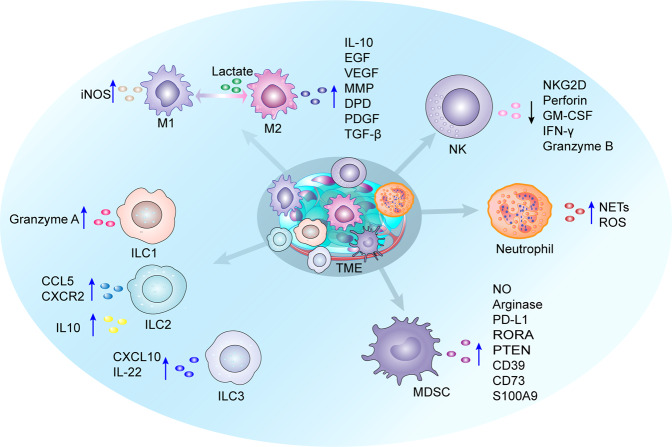
“Expression of NKG2D receptors, intracellular perforin, and granzyme B in NK cells is severely impaired under hypoxic conditions, which suppresses NK cell immunotoxicity.(304) Hypoxia promotes cancer cell metalloproteinase ADAM10 expression through HIF-1α, leading to shedding of NK cell activation ligand (MICA) from ca…”
BackgroundHlatky, L., Tsionou, C., Hahnfeldt, P., & Coleman, C. N. (1994) · PubMed · Cited by 212
Dysregulation of ILC3s unleashes progression and immunotherapy resistance in colon cancer
Goc, J., Lv, M., Bessman, N. J., Flamar, A.-L., Sahota, S., Suzuki, H., Teng, F., Putzel, G. G., Eberl, G., Withers, D. R., et al. (2021) · Cell · doi:10.1016/j.cell.2021.07.029 · Cited by 212 · cited 1×
“Their intrinsic disruption in CRC drives dysfunctional adaptive immunity, cancer progression, and immunotherapeutic resistance.(351) The production of chemokines (CCL20) and pro-inflammatory cytokines (IL-1β) at the tumor site leads to ILC3 recruitment and activation.”
BackgroundHatfield, S. M., Kjaergaard, J., Lukashev, D., Belikoff, B., Schreiber, T. H., Sethumadhavan, S., Abbott, R., Philbrook, P., Thayer, M., Shujia, D., et al. (2014) · Journal of Molecular Medicine · doi:10.1007/s00109-014-1189-3 · Cited by 211
Wang, Y., Yin, K., Tian, J., Xia, X., Ma, J., Tang, X., Xu, H., & Wang, S. (2019) · Advanced Science · doi:10.1002/advs.201901278 · Cited by 211 · cited 11×
“Mesoporous silica nanoparticles (MSNs) in combination with pro-oxidants and mitochondrial respiration inhibitors can alleviate the hypoxic environment and inhibit MDSCs infiltration.445 TK-M@Man-HMPB/ HCQ alleviated hypoxic microenvironment-induced TAM polarization, promoted CTL infiltration, and significantly inhibit…”
BackgroundInfluentialYang, S., Tang, Z., Hu, C., Zhang, D., Shen, N., Yu, H., & Chen, X. (2019) · Advanced Materials · doi:10.1002/adma.201805955 · Cited by 210
Lukashev, D., Klebanov, B., Kojima, H., Grinberg, A., Ohta, A., Berenfeld, L., Wenger, R. H., Ohta, A., & Sitkovsky, M. (2006) · The Journal of Immunology · doi:10.4049/jimmunol.177.8.4962 · Cited by 208
Ammirante, M., Shalapour, S., Kang, Y., Jamieson, C. A. M., & Karin, M. (2014) · Proceedings of the National Academy of Sciences · doi:10.1073/pnas.1416498111 · Cited by 206
Lee, J. H., Elly, C., Park, Y., & Liu, Y.-C. (2015) · Immunity · doi:10.1016/j.immuni.2015.05.016 · Cited by 203
Shi, L., Hu, F., Duan, Y., Wu, W., Dong, J., Meng, X., Zhu, X., & Liu, B. (2020) · ACS Nano · doi:10.1021/acsnano.9b09032 · Cited by 203 · cited 1×
“When hybrid nanospheres containing Fe, aggregation-induced emission (AIE) photosensitizer, and Bcl2 inhibitor of sabutoclax were consumed by cancer cells, they increased intratumoral oxygen concentration through Femediated Fenton reactions, and intracellular PDT resistance of the AIE photosensitizer was mitigated by s…”
BackgroundMa, S., Zhao, Y., Lee, W. C., Ong, L.-T., Lee, P. L., Jiang, Z., Oguz, G., Niu, Z., Liu, M., Goh, J. Y., et al. (2022) · Nature Communications · doi:10.1038/s41467-022-31764-9 · Cited by 200 · cited 2×
“Single inhibition of HIF-1α in immune cells restores immune cytotoxicity; however, it also induces PD-L1 expression in cancer cells, impairing anticancer immunity.(234) Therefore, multichannel combination therapy is vital for cancer treatment.”
BackgroundHypoxia Increases Resistance of Human Pancreatic Cancer Cells to Apoptosis Induced by Gemcitabine
Yokoi, K., & Fidler, I. J. (2004) · Clinical Cancer Research · doi:10.1158/1078-0432.ccr-03-0488 · Cited by 199
Liu, G., Bi, Y., Shen, B., Yang, H., Zhang, Y., Wang, X., Liu, H., Lu, Y., Liao, J., Chen, X., et al. (2014) · Cancer Research · doi:10.1158/0008-5472.can-13-2584 · Cited by 199
Containment of Tumor-Colonizing Bacteria by Host Neutrophils
Westphal, K., Leschner, S., Jablonska, J., Loessner, H., & Weiss, S. (2008) · Cancer Research · doi:10.1158/0008-5472.can-07-2984 · Cited by 197 · cited 1×
“However, colonized Salmonella recruits a large number of neutrophils, thus favoring cancer growth.(315,316) The elimination of Salmonella-recruited neutrophils facilitates complete cancer eradication and reduces side effects.”
BackgroundNatural products to prevent drug resistance in cancer chemotherapy: a review
Yuan, R., Hou, Y., Sun, W., Yu, J., Liu, X., Niu, Y., Lu, J., & Chen, X. (2017) · Annals of the New York Academy of Sciences · doi:10.1111/nyas.13387 · Cited by 196
Zhang, F., Li, R., Yang, Y., Shi, C., Shen, Y., Lu, C., Chen, Y., Zhou, W., Lin, A., Yu, L., et al. (2019) · Immunity · doi:10.1016/j.immuni.2019.01.010 · Cited by 194
Self-citationT regulatory cells: hypoxia-adenosinergic suppression and re-direction of the immune response
Sitkovsky, M. V. (2009) · Trends in Immunology · doi:10.1016/j.it.2008.12.002 · Cited by 193
Regulation of DNA repair in hypoxic cancer cells
Bindra, R. S., Crosby, M. E., & Glazer, P. M. (2007) · Cancer and Metastasis Reviews · doi:10.1007/s10555-007-9061-3 · Cited by 191
Influence of hypoxia and neoangiogenesis on the growth of pancreatic cancer.
Duffy, J. P., Eibl, G., Reber, H. A., & Hines, O. J. (2003) · Molecular Cancer · doi:10.1186/1476-4598-2-12 · Cited by 188 · cited 1×
“However, tumor angiogenesis is not necessarily equivalent to tumor blood supply, as the discontinuous basement membrane of immature neovascularization allows for plasma and protein extravasation, further elevation of intra-tumor interstitial pressure, persistent vascular collapse, and poor nutrient delivery.(205) In a…”
BackgroundCourtney, K. D., Ma, Y., Diaz de Leon, A., Christie, A., Xie, Z., Woolford, L., Singla, N., Joyce, A., Hill, H., Madhuranthakam, A. J., et al. (2020) · Clinical Cancer Research · doi:10.1158/1078-0432.ccr-19-1459 · Cited by 188
Targeting gene therapy to cancer: a review.
Dachs, G. U., Dougherty, G. J., Stratford, I. J., et al. (1997) · PubMed · Cited by 187
Dewhirst, M. W., Ong, E. T., Braun, R. D., Smith, B., Klitzman, B., Evans, S. M., & Wilson, D. (1999) · British Journal of Cancer · doi:10.1038/sj.bjc.6690273 · Cited by 187
Interfering with Tumor Hypoxia for Radiotherapy Optimization
Telarovic, I., Wenger, R. H., & Pruschy, M. (2021) · Journal of Experimental & Clinical Cancer Research · doi:10.1186/s13046-021-02000-x · Cited by 185 · cited 1×
“Hypoxia reduces the effectiveness of radiotherapy and free radicals become unstable, leading to limited extent of their damage, and most of the damage can be easily repaired.(375,376) Classical in vitro and in vivo experiments have shown that at O2 (pO2) partial pressures below 10mmHg, tumor cells can acquire radiobio…”
BackgroundInnate lymphoid cells and cancer
Jacquelot, N., Seillet, C., Vivier, E., & Belz, G. T. (2022) · Nature Immunology · doi:10.1038/s41590-022-01127-z · Cited by 185 · cited 1×
“Hypoxia and ILCs Innate lymphocytes (ILCs) consist of NK cells ILC1, ILC2, and ILC3, and are involved in the immune response to virus, bacteria, parasites, and transformed cells.(339,340) Their roles in cancer immunity and immunotherapy have not been established.”
BackgroundOxygenation of head and neck tumors
Lartigau, E. F., Ridant, A.-M. L., Lambin, P., Weeger, P., Martin, L., Sigal, R., Lusinchi, A., Luboinski, B., Eschwège, F., & Guichard, M. (1993) · Cancer · doi:10.1002/1097-0142(19930401)71:7<2319::aid-cncr2820710724>3.0.co;2-c · Cited by 183
Muthalagu, N., Monteverde, T., Raffo-Iraolagoitia, X., Wiesheu, R., Whyte, D., Hedley, A., Laing, S., Kruspig, B., Upstill-Goddard, R., Shaw, R., et al. (2020) · Cancer Discovery · doi:10.1158/2159-8290.cd-19-0620 · Cited by 182 · cited 1×
“Large numbers of CD20+ B cell follicles and Foxp3+ low-infiltrating cells are associated with cancer survival and better recurrence-free survival outcomes in cancer patients, including gastric and pancreatic cancers.(259,260) Activation of HIF in B cells modulates immune responses by inducing VEGF to increase lymphati…”
BackgroundHypoxia-induced autophagy mediates cisplatin resistance in lung cancer cells
Wu, H.-M., Jiang, Z.-F., Ding, P.-S., Shao, L.-J., & Liu, R.-Y. (2015) · Scientific Reports · doi:10.1038/srep12291 · Cited by 179 · cited 1×
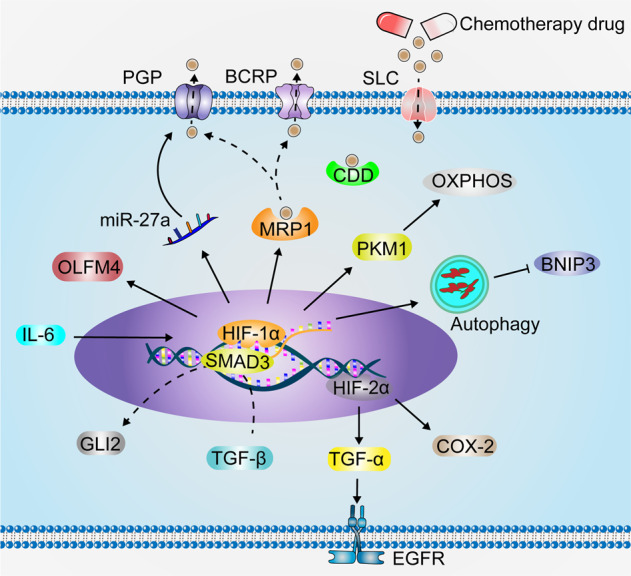
“Under normoxic conditions, autophagy activation did not counteract cisplatin-induced stress, leading to cell death, whereas under hypoxic conditions, autophagy induction was enhanced, resolving cisplatin-induced stress and inhibiting the cisplatin-induced BCL2 interacting protein 3 (BNIP3) death pathway, allowing cell…”
BackgroundNeutrophils Oppose Uterine Epithelial Carcinogenesis via Debridement of Hypoxic Tumor Cells
Blaisdell, A., Crequer, A., Columbus, D., Daikoku, T., Mittal, K., Dey, S. K., & Erlebacher, A. (2015) · Cancer Cell · doi:10.1016/j.ccell.2015.11.005 · Cited by 178 · cited 1×
“Hypoxia recruits polymorphonuclear neutrophils (PMNs), which are the main effector cells against endometrial adenocarcinoma growth, and induces cancer cell detachment from the basement membrane.(323) Upon relief of tumor hypoxia, recruitment of PMNs to the TME is significantly reduced; however, the recruited cells can…”
BackgroundTumor-infiltrating neutrophils in pancreatic neoplasia
Reid, M. D., Basturk, O., Thirabanjasak, D., Hruban, R. H., Klimstra, D. S., Bagci, P., Altinel, D., & Adsay, V. (2011) · Modern Pathology · doi:10.1038/modpathol.2011.113 · Cited by 177 · cited 2×
“Neutrophils can eliminate bacteria from the body, forming an immune barrier that allows cancers to start growing back;(315,316) therefore, they are closely correlated with prognostic outcomes of cancer patients.(310,317) Elimination of neutrophil infiltration leads to cancer regression and prolonged survival outcomes.”
BackgroundPez, F., Dayan, F., Durivault, J., Kaniewski, B., Aimond, G., Le Provost, G. S., Deux, B., Clézardin, P., Sommer, P., Pouysségur, J., et al. (2011) · Cancer Research · doi:10.1158/0008-5472.can-10-1516 · Cited by 176
Krzywinska, E., Kantari-Mimoun, C., Kerdiles, Y., Sobecki, M., Isagawa, T., Gotthardt, D., Castells, M., Haubold, J., Millien, C., Viel, T., et al. (2017) · Nature Communications · doi:10.1038/s41467-017-01599-w · Cited by 176 · cited 1×
“The immature vascular phenotype promotes cancer cell intravasation and distant pulmonary metastases from melanoma in vivo.(202) Moreover, cancer cells influence the cytotoxic effects of NK cells.”
BackgroundCommon pitfalls in preclinical cancer target validation
Kaelin, W. G. (2017) · Nature Reviews Cancer · doi:10.1038/nrc.2017.32 · Cited by 175 · cited 1×
“HIF-1α is a tumor suppressor in some cancers.(275) For instance, pancreaticspecific HIF-1α deficiency significantly accelerated Kras (G12D)driven pancreatic adenoma formation with a significant increase in intrapancreatic B lymphocytes.”
BackgroundVaupel, P. (1977) · Microvascular Research · doi:10.1016/0026-2862(77)90106-6 · Cited by 174 · cited 1×
“This can result in impaired circulation and inadequate oxygen supply, further leading to thrombosis and increased tissue hypoxia.(42) Physiological effects of various factors, such as magnesium, change with the changing hypoxic environment.”
BackgroundKim, R., An, M., Lee, H., Mehta, A., Heo, Y. J., Kim, K.-M., Lee, S.-Y., Moon, J., Kim, S. T., Min, B.-H., et al. (2022) · Cancer Discovery · doi:10.1158/2159-8290.cd-21-0888 · Cited by 174 · cited 1×
“B cell depletion in mice with pancreatitis significantly enhanced tissue regeneration and chemotherapeutic drug resistance.(278)”
BackgroundSIRT1 and HIF1α signaling in metabolism and immune responses
Yu, Q., Lin, D., Li, Y., & Liu, G. (2018) · Cancer Letters · doi:10.1016/j.canlet.2017.12.035 · Cited by 173
Overcoming the hypoxic barrier to radiation therapy with anaerobic bacteria
Bettegowda, C., Dang, L. H., Abrams, R., Huso, D. L., Dillehay, L., Cheong, I., Agrawal, N., Borzillary, S., McCaffery, J. M., Watson, E. L., et al. (2003) · Proceedings of the National Academy of Sciences · doi:10.1073/pnas.2036598100 · Cited by 172 · cited 1×
“In several mouse models including colorectal cancer, biliary cancer, melanoma and squamous cell carcinoma, this bacterium was found to significantly improve the efficacy of radiotherapy.(450) The use of the attenuated pathogenic anaerobe Salmonella VNP20009 to target the cancer hypoxic region, equipped with photosensi…”
BackgroundPouysségur, J., Marchiq, I., Parks, S. K., Durivault, J., Ždralević, M., & Vucetic, M. (2022) · Seminars in Cancer Biology · doi:10.1016/j.semcancer.2022.07.004 · Cited by 172 · cited 3×
“This stabilizes the intracellular pH of cancer cells while acidifying the extracellular environment.(30,133) HIF-1α induces high expression of tumor-associated carbonic anhydrase (CA), such as CA9 and CA12, which catalyze the reversible hydration of CO2 to carbonic acid.”
BackgroundNFκB1 is a suppressor of neutrophil-driven hepatocellular carcinoma
Wilson, C. L., Jurk, D., Fullard, N., Banks, P., Page, A., Luli, S., Elsharkawy, A. M., Gieling, R. G., Chakraborty, J. B., Fox, C., et al. (2015) · Nature Communications · doi:10.1038/ncomms7818 · Cited by 171 · cited 1×
“For instance, neutrophil-derived ROS damages hepatocyte DNA to drive HCC development.(314) Neutrophils can eliminate bacteria from the body, forming an immune barrier that allows cancers to start growing back;(315,316) therefore, they are closely correlated with prognostic outcomes of cancer patients.”
BackgroundWang, S., Wu, Q., Chen, T., Su, R., Pan, C., Qian, J., Huang, H., Yin, S., Xie, H., Zhou, L., et al. (2022) · Journal of Hepatology · doi:10.1016/j.jhep.2022.03.011 · Cited by 168
Liikanen, I., Lauhan, C. R., Quon, S., Omilusik, K. D., Phan, A. T., Bartrolí, L. B., Ferry, A., Goulding, J., Chen, J., Scott-Browne, J. P., et al. (2021) · Journal of Clinical Investigation · doi:10.1172/jci143729 · Cited by 167
Discher, D. J., Bishopric, N. H., Wu, X., Peterson, C. A., & Webster, K. A. (1998) · Journal of Biological Chemistry · doi:10.1074/jbc.273.40.26087 · Cited by 166
Lai, K. K. Y., Kweon, S.-M., Chi, F., Hwang, E., Kabe, Y., Higashiyama, R., Qin, L., Yan, R., Wu, R. P., Lai, K., et al. (2017) · Gastroenterology · doi:10.1053/j.gastro.2017.01.021 · Cited by 165
Willson, J. A., Arienti, S., Sadiku, P., Reyes, L., Coelho, P., Morrison, T., Rinaldi, G., Dockrell, D. H., Whyte, M. K. B., & Walmsley, S. R. (2022) · Blood · doi:10.1182/blood.2021011010 · Cited by 165 · cited 1×
“Neutrophils have an extensive mitochondrial network that uses the glycolytic product (glycerol-3-phosphate) to maintain polarized mitochondria and produce ROS to regulate HIF-1α stability.(320) Neutrophil extracellular traps (NETs) promote cancer cell colonization by enhancing migration, invasion and cancer cell stemn…”
BackgroundKim, K.-S., Sengupta, S., Berk, M. P., Kwak, Y., Escobar, P. F., Belinson, J. L., Mok, S. C., & Xu, Y. (2006) · Cancer Research · doi:10.1158/0008-5472.can-05-4381 · Cited by 164 · cited 1×
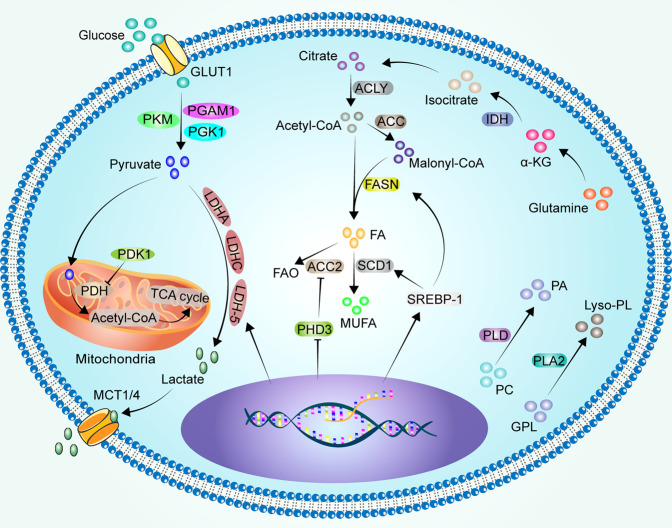
“Lysophosphatidic acid stimulates PLA2 phosphorylation in a HIF1α-dependent manner, promoting ovarian cancer cell metastasis in vivo.(186) PLD hydrolyzes phosphatidylcholine (PC) to produce phosphatidic acid (PA).”
BackgroundEvolutionary Conserved Regulation of HIF-1β by NF-κB
van Uden, P., Kenneth, N. S., Webster, R., Müller, H. A., Mudie, S., & Rocha, S. (2011) · PLoS Genetics · doi:10.1371/journal.pgen.1001285 · Cited by 163
Hypoxia-inducible factor-1α is regulated at the post-mRNA level
Wenger, R. H., Kvietiko, I., Rolfs, A., Gassmann, M., & Marti, H. H. (1997) · Kidney International · doi:10.1038/ki.1997.79 · Cited by 163
Shin, D. H., Chun, Y.-S., Lee, D. S., Huang, L. E., & Park, J.-W. (2008) · Blood · doi:10.1182/blood-2007-11-120576 · Cited by 162 · cited 1×
“HIF-1α inhibitors, such as topotecan, bortezomib (PS-341) as well as HIF-2α inhibitors, such as PT2399, PT2385 and PT2977, inhibit HIF1/2α activities and their downstream target gene expressions.(402,403) These inhibitors reduce VEGF levels in circulating tumor cells (such as neuroblastoma, multiple myeloma, HCC and r…”
BackgroundRepression of RAD51 gene expression by E2F4/p130 complexes in hypoxia
Bindra, R. S., & Glazer, P. M. (2007) · Oncogene · doi:10.1038/sj.onc.1210001 · Cited by 161 · cited 1×
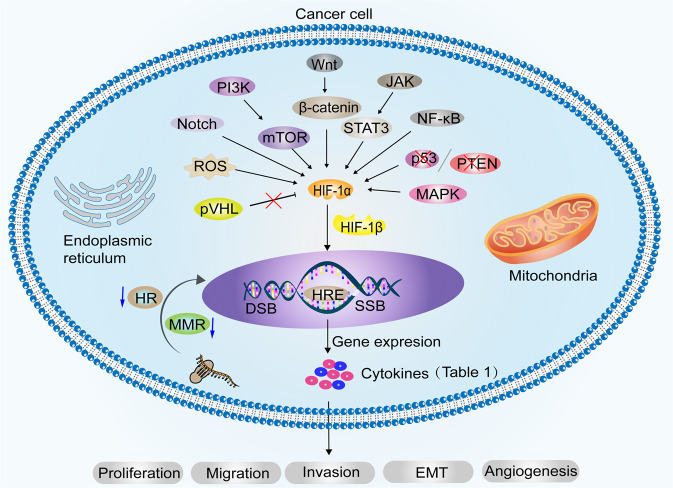
“In hypoxic conditions, HR repairs the lesions less frequently, whereas NHEJ activities are unaffected.(75,76) The mismatch repair (MMR) pathway can also be deregulated under hypoxic conditions.”
BackgroundGuo, X., Qiu, W., Wang, J., Liu, Q., Qian, M., Wang, S., Zhang, Z., Gao, X., Chen, Z., Guo, Q., et al. (2019) · International Journal of Cancer · doi:10.1002/ijc.32052 · Cited by 161
Self-citationNakamura, H., Makino, Y., Okamoto, K., Poellinger, L., Ohnuma, K., Morimoto, C., & Tanaka, H. (2005) · The Journal of Immunology · doi:10.4049/jimmunol.174.12.7592 · Cited by 158
PHD3 Loss in Cancer Enables Metabolic Reliance on Fatty Acid Oxidation via Deactivation of ACC2
German, N. J., Yoon, H., Yusuf, R. Z., Murphy, J. P., Finley, L. W. S., Laurent, G., Haas, W., Satterstrom, F. K., Guarnerio, J., Zaganjor, E., et al. (2016) · Molecular Cell · doi:10.1016/j.molcel.2016.08.014 · Cited by 156 · cited 1×
“Under hypoxic conditions, PHD3 loss reduces ACC2 hydroxylation and promotes FAO to provide energy.(173,174) SCD is a membrane protein of the endoplasmic reticulum that catalyzes the formation of monounsaturated FA (MUFA) from saturated FA, promotes tumor progression, and is associated with tumor recurrence and poor pr…”
BackgroundHypoxia: the tumor's gateway to progression along the angiogenic pathway
Brahimi‐Horn, C., Berra, E., & Pouysségur, J. (2001) · Trends in Cell Biology · doi:10.1016/s0962-8924(01)02126-2 · Cited by 155 · cited 1×
“HIF-1β is constitutively expressed in mammalian cells under normoxic conditions.(84) Owing to the presence of the oxygen-dependent proline hydroxylase family (PHD), under sufficient oxygen conditions, the HIF-α protein is hydroxylated and interacts with von Hippel-Lindau tumor suppressor protein (pVHL) to promote HIF-…”
BackgroundChawla, S. P., Cranmer, L. D., Van Tine, B. A., Reed, D. R., Okuno, S. H., Butrynski, J. E., Adkins, D. R., Hendifar, A. E., Kroll, S., & Ganjoo, K. N. (2014) · Journal of Clinical Oncology · doi:10.1200/jco.2013.54.3660 · Cited by 155 · cited 2×
“However, there is controversy in the clinical treatment of advanced soft tissue sarcoma.(412,413) Mechanistically, DNA dioxygenase ten-eleven translocation (TET)2 is recruited by Fig.”
BackgroundLau, M.-T., Klausen, C., & Leung, P. C. K. (2011) · Oncogene · doi:10.1038/onc.2011.6 · Cited by 153
Tumor hypoxia represses γδ T cell-mediated antitumor immunity against brain tumors
Park, J. H., Kim, H.-J., Kim, C. W., Kim, H. C., Jung, Y., Lee, H., Lee, Y., Ju, Y. S., Oh, J. E., Park, S., et al. (2021) · Nature Immunology · doi:10.1038/s41590-020-00860-7 · Cited by 152
Carbonic anhydrase XII is a marker of good prognosis in invasive breast carcinoma
Watson, P. H., Chia, S. K., Wykoff, C. C., Han, C., Leek, R. D., Sly, W. S., Gatter, K. C., Ratcliffe, P., & Harris, A. L. (2003) · British Journal of Cancer · doi:10.1038/sj.bjc.6600796 · Cited by 147
Xia, X., Wang, S., Ni, B., Xing, S., Cao, H., Zhang, Z., Yu, F., Zhao, E., & Zhao, G. (2020) · Oncogene · doi:10.1038/s41388-020-01425-6 · Cited by 147
Hou, L., Gong, X., Yang, J., Zhang, H., Yang, W., & Chen, X. (2022) · Advanced Materials · doi:10.1002/adma.202200389 · Cited by 147
Hypoxia-independent activation of HIF-1 by enterobacteriaceae and their siderophores
Hartmann, H., Eltzschig, H. K., Wurz, H., Hantke, K., Rakin, A., Yazdi, A. S., Matteoli, G., Bohn, E., Autenrieth, I. B., Karhausen, J., et al. (2008) · Gastroenterology · doi:10.1053/j.gastro.2007.12.008 · Cited by 143 · cited 1×
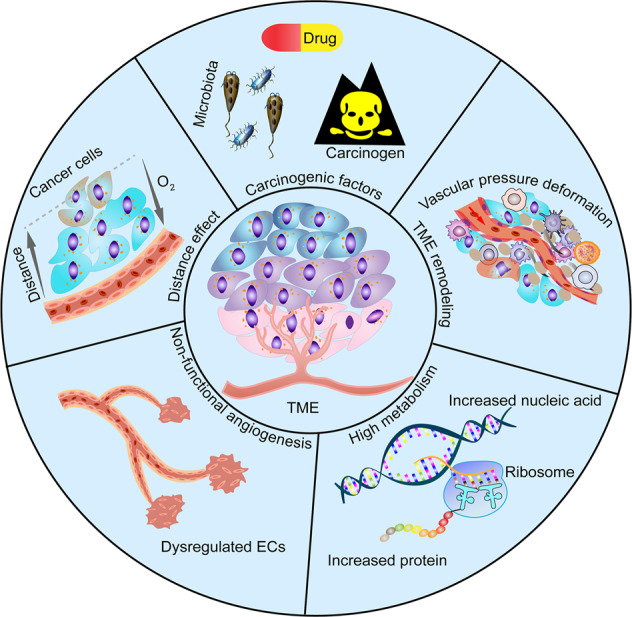
“Microbiota in the TME is one of the factors that form and maintain chronic hypoxia, activates HIF-1α in a nonhypoxic manner, increases HIF-1α mRNA levels, stabilizes HIF-1α protein, and induces the expression of HIF-1α regulatory genes.(288,456,457) Changes in the characteristics of the microbiota in hypoxic environme…”
BackgroundNoman, M. Z., Janji, B., Hu, S., Wu, J. C., Martelli, F., Bronte, V., & Chouaib, S. (2015) · Cancer Research · doi:10.1158/0008-5472.can-15-0405 · Cited by 143
Zhao, D., Zhai, B., He, C., Tan, G., Jiang, X., Pan, S., Dong, X., Wei, Z., Ma, L., Qiao, H., et al. (2014) · Cellular Signalling · doi:10.1016/j.cellsig.2014.01.026 · Cited by 141 · cited 1×
“Upregulated HIF-2α promotes sorafenib resistance in hypoxic HCC cells by activating the TGF-α/EGFR and COX-2 pathways.(369,370) Under normoxic conditions, autophagy activation did not counteract cisplatin-induced stress, leading to cell death, whereas under hypoxic conditions, autophagy induction was enhanced, resolvi…”
BackgroundRelief of tumor hypoxia unleashes the tumoricidal potential of neutrophils
Mahiddine, K., Blaisdell, A., Ma, S., Créquer-Grandhomme, A., Lowell, C. A., & Erlebacher, A. (2019) · Journal of Clinical Investigation · doi:10.1172/jci130952 · Cited by 139 · cited 2×
“Upon relief of tumor hypoxia, recruitment of PMNs to the TME is significantly reduced; however, the recruited cells can efficiently kill cancer cells by releasing NADPH oxidase-associated MMP-9 and ROS.(324) Hypoxia and MDSCs Myeloid-derived suppressor cells (MDSCs) can suppress immune cell activity.”
BackgroundMultiple splice variants of lactate dehydrogenase C selectively expressed in human cancer.
Koslowski, M., Türeci, Ö., Bell, C., Krause, P., Lehr, H., Brunner, J., Seitz, G., Nestle, F. O., Huber, C., & Şahin, U. (2002) · PubMed · Cited by 138
Tian, S., Chu, Y., Hu, J., Ding, X., Liu, Z., Fu, D., Yuan, Y., Deng, Y., Wang, G., Wang, L., et al. (2022) · Gut · doi:10.1136/gutjnl-2021-325137 · Cited by 137 · cited 1×
“Neutrophils can eliminate bacteria from the body, forming an immune barrier that allows cancers to start growing back;(315,316) therefore, they are closely correlated with prognostic outcomes of cancer patients.(310,317) Elimination of neutrophil infiltration leads to cancer regression and prolonged survival outcomes.”
BackgroundGiatromanolaki, A., Koukourakis, M. I., Sowter, H. M., Sivridis, E., Gibson, S., Gatter, K. C., & Harris, A. L. (2004) · Clinical Cancer Research · doi:10.1158/1078-0432.ccr-04-0076 · Cited by 136 · cited 1×
“However, in non-small lung cancer samples, high expression of BNIP3 was significantly associated with HIF-1α and poorer overall survival was associated.(373) Due to fibrosis and formation of non-functional vessels in the TME, drug diffusion and delivery to cells away from functional vessels is decreased(374), and this…”
BackgroundTyrkalska, S. D., Candel, S., Angosto-Bazarra, D., Gómez-Abellán, V., Martín‐Sánchez, F., García‐Moreno, D., Perez, R. Z., Sánchez‐Ferrer, Á., Sepulcre, M. P., Pelegrín, P., et al. (2016) · Nature Communications · doi:10.1038/ncomms12077 · Cited by 136 · cited 1×
“However, colonized Salmonella recruits a large number of neutrophils, thus favoring cancer growth.(315,316) The elimination of Salmonella-recruited neutrophils facilitates complete cancer eradication and reduces side effects.”
BackgroundChafe, S. C., Lou, Y., Sceneay, J., Vallejo, M., Hamilton, M. J., McDonald, P. C., Bennewith, K. L., Möller, A., & Dedhar, S. (2015) · Cancer Research · doi:10.1158/0008-5472.can-14-3000 · Cited by 134 · cited 2×
“This is because cancer cells in hypoxic areas express various cytokines, such as chemokine (C-C motif) ligand 26, G-CSF, and IL-6, to recruit MDSCs.(297,325,326) Functionally, MDSCs enhance the evasion of cancer cells from immune surveillance and promote cancer drug resistance.”
BackgroundChemical modification of tumour blood flow
Jirtle, R. L. (1988) · International Journal of Hyperthermia · doi:10.3109/02656738809016490 · Cited by 133 · cited 1×
“Increasing oxygen delivery by increasing blood flow to the tumor through pharmacological vasodilatation methods has been proposed, but in practice it is difficult to improve or reduce blood flow to the tumor tissue.(394) To overcome this challenge, nano- and bio-based technologies have been used to carry oxygen genera…”
Novel Mechanism of Macrophage-Mediated Metastasis Revealed in a Zebrafish Model of Tumor Development
Wang, J., Cao, Z., Zhang, X.-M., Nakamura, M., Sun, M., Hartman, J., Harris, R. A., Sun, Y., & Cao, Y. (2015) · Cancer Research · doi:10.1158/0008-5472.can-14-2819 · Cited by 131
Ormiston, M. L., Chang, C., Long, L., Soon, E., Jones, D. C., Machado, R. D., Treacy, C., Toshner, M. R., Campbell, K., Riding, A., et al. (2012) · Circulation · doi:10.1161/circulationaha.112.110619 · Cited by 129 · cited 1×
“NK cells also secrete large amounts of MMP-9, which affects blood vessel remodeling.(306) Although the absence of NK cell HIF-1α inhibits tumor growth, it is associated with various challenges.”
BackgroundThe tumour microenvironment shapes innate lymphoid cells in patients with hepatocellular carcinoma
Heinrich, B., Gertz, E. M., Schäffer, A. A., Craig, A. J., Ruf, B., Subramanyam, V., McVey, J. C., Diggs, L. P., Heinrich, S., Rosato, U., et al. (2021) · Gut · doi:10.1136/gutjnl-2021-325288 · Cited by 128 · cited 1×
“Specific changes in cancer cytokines alter ILC composition in cancers by inducing plasticity and altering ILC functions.(343,344) IL15 promoted ILC1 granzyme A expressions and cytotoxicity, induced the apoptosis of murine leukemia stem cells (LSC), maintained anticancer immunity, and was positively correlated with sur…”
BackgroundHypoxia induces re-entry of committed cells into pluripotency
Mathieu, J., Zhang, Z., Nelson, A. M., Lamba, D. A., Reh, T. A., Ware, C. B., & Ruohola‐Baker, H. (2013) · Stem Cells · doi:10.1002/stem.1446 · Cited by 127
Park, J.-H., Kim, T. Y., Jong, H.-S., Kim, T. Y., Chun, Y., Park, J., Lee, C., Jung, H. C., Kim, N. K., & Bang, Y. (2003) · PubMed · Cited by 127
HIF-2α is indispensable for regulatory T cell function
Hsu, T.-S., Lin, Y.-L., Wang, Y.-A., Mo, S.-T., Chi, P.-Y., Lai, A. C.-Y., Pan, H.-Y., Chang, Y.-J., & Lai, M.-Z. (2020) · Nature Communications · doi:10.1038/s41467-020-18731-y · Cited by 126
Young, S. D., & Hill, R. P. (1990) · JNCI Journal of the National Cancer Institute · doi:10.1093/jnci/82.5.371 · Cited by 125
Colla, S., Tagliaferri, S., Morandi, F., Lunghi, P., Donofrio, G., Martorana, D., Mancini, C., Lazzaretti, M., Mazzera, L., Ravanetti, L., et al. (2007) · Blood · doi:10.1182/blood-2007-02-074617 · Cited by 123
Lund, E. L., Bastholm, L., & Kristjansen, P. E. G. (2000) · PubMed · Cited by 123
Yang, Z., Zhu, Y., Dong, Z., Hao, Y., Wang, C., Li, Q., Wu, Y., Feng, L., & Liu, Z. (2022) · Biomaterials · doi:10.1016/j.biomaterials.2021.121332 · Cited by 122 · cited 1×
“Bioluminescent bacteria designed by transforming attenuated Salmonella typhimurium strains effectively increased PDT and promoted inflammation by converting macrophages M2 to M1, activated NK cells, CD4 Th cells and CD8 T cells in the TME, reduced intratumoral immunosuppressive Tregs, and upregulated the expressions o…”
BackgroundHusain, A., Chiu, Y., Sze, K. M., Ho, D. W., Tsui, Y., Suarez, E. M. S., Zhang, V. X., Chan, L., Lee, E., Lee, J. M., et al. (2022) · Journal of Hepatology · doi:10.1016/j.jhep.2022.02.018 · Cited by 122 · cited 2×
“Cancer rapidly grows such that the cancerous area is often deficient of vasculature and becomes hypoxic.(35) In the TME, chronic hypoxia occurs as the distance of cancer cells from blood vessels increases and O2 diffusion decreases, which has been further validated in a mouse model of breast cancer.”
BackgroundActivated innate lymphoid cell populations accumulate in human tumour tissues
Salimi, M., Wang, R., Yao, X., Li, X., Wang, X., Hu, Y., Chang, X., Fan, P., Dong, T., & Ogg, G. S. (2018) · BMC Cancer · doi:10.1186/s12885-018-4262-4 · Cited by 121 · cited 1×
“Their roles in cancer immunity and immunotherapy have not been established.(341,342) Specific changes in cancer cytokines alter ILC composition in cancers by inducing plasticity and altering ILC functions.”
BackgroundKansler, E. R., Dadi, S., Krishna, C., Nixon, B. G., Stamatiades, E. G., Liu, M., Kuo, F., Zhang, J., Zhang, X., Capistrano, K. J., et al. (2022) · Nature Immunology · doi:10.1038/s41590-022-01213-2 · Cited by 121
Chan, N., & Bristow, R. G. (2010) · Clinical Cancer Research · doi:10.1158/1078-0432.ccr-10-0527 · Cited by 120
ITPR1 Protects Renal Cancer Cells against Natural Killer Cells by Inducing Autophagy
Messai, Y., Noman, M. Z., Hasmim, M., Janji, B., Tittarelli, A., Boutet, M., Baud, V., Viry, E., Billot, K., Nanbakhsh, A., et al. (2014) · Cancer Research · doi:10.1158/0008-5472.can-14-0303 · Cited by 119 · cited 1×
“HIF-2α stimulates ITPR1 expression in hypoxic cancer cells, activates autophagy in NK cells, inhibits granzyme B activity, and impairs the killing sensitivity of NK cells.(308) Activated autophagy in hypoxic cancer cells selectively degrades the pro-apoptotic NK-derived serine protease GZMB/granzyme B, leading to the…”
BackgroundNing, S., Laird, D., Cherrington, J. M., & Knox, S. J. (2002) · Radiation Research · doi:10.1667/0033-7587(2002)157[0045:taasas]2.0.co;2 · Cited by 119 · cited 1×
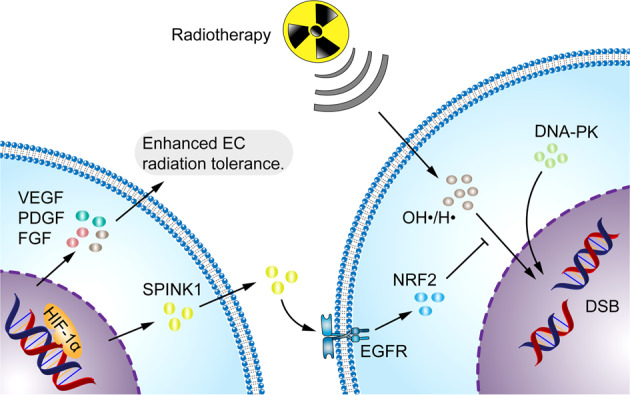
“Thus, VEGF, FGF, and PDGF inhibitors can significantly improve the efficiency of radiotherapy.(388,389) The radiosensitivity of hypoxic cancer cells was showed to be significantly increased after reoxygenation.”
BackgroundZandberg, D. P., Menk, A. V., Velez, M., Normolle, D., DePeaux, K., Liu, A., Ferris, R. L., & Delgoffe, G. M. (2021) · Journal for ImmunoTherapy of Cancer · doi:10.1136/jitc-2020-002088 · Cited by 119 · cited 1×
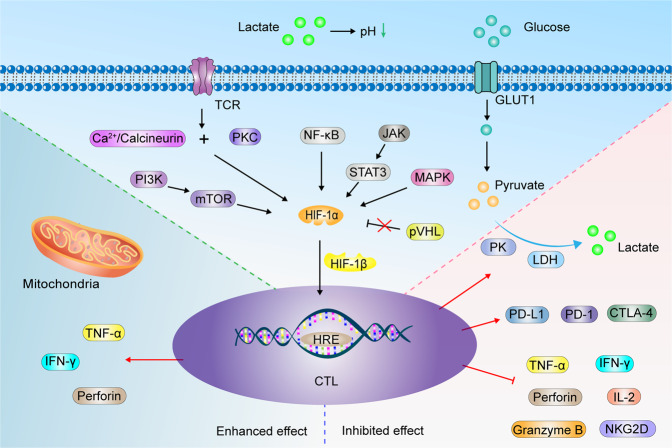
“Sustained hypoxic stimulation induces mitochondrial stress, resulting in the loss of mitochondrial functions, elevated ROS levels in T cells, T cell failure,(238) and impeded anti-PD-1 efficacy.(239) Because of the Warburg effect in cancer cells, which “ferments” glucose into lactic acid, lactic acid is transported ou…”
BackgroundAn NIR‐II Photothermally Triggered “Oxygen Bomb” for Hypoxic Tumor Programmed Cascade Therapy
Zhang, S., Li, Z., Wang, Q., Liu, Q., Yuan, W., Feng, W., & Li, F. (2022) · Advanced Materials · doi:10.1002/adma.202201978 · Cited by 118 · cited 1×
“The nanocomposite “oxygen bomb” PSPPAu980-D is used to precisely locate the hypoxic microenvironment of pancreatic cancer, and through different nm laser irradiation, it can improve hypoxia, generate singlet oxygen, and enhance the efficacy of photodynamic therapy (PDT).(440) The use of an acidic microenvironment to g…”
MethodWang, Z., Li, M. Y., Zhang, Z. H., Zuo, H. X., Wang, J. Y., Xing, Y., Ri, M., Jin, H. L., Jin, C. H., Xu, G. H., et al. (2020) · Pharmacological Research · doi:10.1016/j.phrs.2020.104727 · Cited by 116 · cited 1×
“Upregulated HIF in the TME increases PD-L1 expression, decreases autophagic MHC-I expression, and inhibits NK cell recognition.(103,221) HIF-2α promotes IL-10 release by activating the STAT3 signaling pathway in HCC cells, thereby inhibiting the killing activities of NK cells, which in turn promotes HCC recurrence and…”
BackgroundNiu, Y., Lin, Z., Wan, A., Sun, L., Yan, S., Liang, H., Zhan, S., Chen, D., Bu, X., Liu, P., et al. (2021) · Hepatology · doi:10.1002/hep.31846 · Cited by 115 · cited 1×
“The aforementioned mutations and breaks stimulate expression of oncogenes, thereby inducing the formation of cancer cell variants that have the potential to metastasize and grow.(64)”
BackgroundReactive oxygen species produced by altered tumor metabolism impacts cancer stem cell maintenance
Tuy, K., Rickenbacker, L., & Hjelmeland, A. B. (2021) · Redox Biology · doi:10.1016/j.redox.2021.101953 · Cited by 112 · cited 2×
“The extrapolation of these iPSC studies provides insight into cancer stem cell (CSC), which can also exist in hypoxic ecological niches.(60) Hypoxia is known to promote and maintain CSC phenotypes.”
BackgroundGunda, V., Gigliotti, B., Ashry, T., Ndishabandi, D., McCarthy, M., Zhou, Z., Amin, S., Lee, K. E., Stork, T., Wirth, L., et al. (2019) · International Journal of Cancer · doi:10.1002/ijc.32041 · Cited by 111 · cited 1×
“Inhibiting the infiltration of MDSCs improves antitumor effects.(328) In an HCC model, Chiu et al.”
BackgroundSalman, S., Meyers, D. J., Wicks, E. E., Lee, S. N., Datan, E., Thomas, A. M., Anders, N. M., Hwang, Y., Lyu, Y., Yang, Y., et al. (2022) · Journal of Clinical Investigation · doi:10.1172/jci156774 · Cited by 111 · cited 1×
“For instance, 32–134D, a low-molecular-weight compound that inhibits HIF-1/2-mediated gene expression in HCC cells, combined with anti-PD-1 increased HCC eradication rates in mice (from 25 to 67%).(401) HIF-1α inhibitors, such as topotecan, bortezomib (PS-341) as well as HIF-2α inhibitors, such as PT2399, PT2385 and P…”
BackgroundErez, N., Milyavsky, M., Eilam, R., Shats, I., Goldfinger, N., & Rotter, V. (2003) · PubMed · Cited by 108
Hypoxia-inducible factor-1α induces multidrug resistance protein in colon cancer
Lv, Y., Zhao, S., Han, J., Zheng, L., Yang, Z., & Zhao, L. (2015) · OncoTargets and Therapy · doi:10.2147/ott.s82835 · Cited by 107
Zhang, L., & Hill, R. P. (2004) · Cancer Research · doi:10.1158/0008-5472.can-03-3038 · Cited by 107 · cited 1×
“Hypoxia-exposed cancer cells are selective for the loss of p53 functions or increased expressions of the p53 negative regulator (MDM2), leading to increased resistance to apoptosis and increased metastasis.(124,125) Other experiments did not find correlation between hypoxia and p53.”
BackgroundIntratumorally Establishing Type 2 Innate Lymphoid Cells Blocks Tumor Growth
Kim, J., Kim, W., Moon, U. J., Kim, H. J., Choi, H., Sin, J., Park, N. H., Cho, H. R., & Kwon, B. (2016) · The Journal of Immunology · doi:10.4049/jimmunol.1501730 · Cited by 106
Recruitment and activation of type 3 innate lymphoid cells promote antitumor immune responses
Bruchard, M., Geindreau, M., Perrichet, A., Truntzer, C., Ballot, E., Boidot, R., Racoeur, C., Barsac, E., Chalmin, F., Hibos, C., et al. (2022) · Nature Immunology · doi:10.1038/s41590-021-01120-y · Cited by 106 · cited 1×
“ILC3 secrete the chemokine CXCL10, which recruits CD4 and CD8 T cells and promotes antitumor immune responses.(352) IL-22, secreted by ILC3 cells, is required for initiation of DNA damage responses (DDR) after DNA damage.”
BackgroundHypoxia-induced drug resistance: comparison to P-glycoprotein-associated drug resistance
Sakata, K., Kwok, T. T., Murphy, B., Laderoute, K., Gordon, G., & Sutherland, R. (1991) · British Journal of Cancer · doi:10.1038/bjc.1991.405 · Cited by 104
Onita, T., Ji, P. G., Xuan, J. W., Sakai, H., Kanetake, H., Maxwell, P. H., Fong, G., Gabril, M. Y., Moussa, M., & Chin, J. L. (2002) · PubMed · Cited by 104
Gupta, V. K., Sharma, N., Durden, B. C., Garrido, V. T., Kesh, K., Edwards, D., Wang, D., Myer, C., Mateo-Victoriano, B., Kollala, S. S., et al. (2021) · Cancer Research · doi:10.1158/0008-5472.can-20-2562 · Cited by 104
Zegers, C. M. L., van Elmpt, W., Reymen, B. J. T., Even, A. J. G., Troost, E. G. C., Öllers, M., Hoebers, F. J. P., Houben, R. M. A., Eriksson, J., Windhorst, A. D., et al. (2014) · Clinical Cancer Research · doi:10.1158/1078-0432.ccr-14-1524 · Cited by 103 · cited 1×
“Hypoxia tracers can visualize and quantify tumor hypoxia, assisting clinicians in the non-invasive detection and assessment of tumor hypoxia levels, and with the aid of PET imaging can be used to monitor the dynamic response of patients to treatment, potentially allowing for individualized patient treatment.(415,416)…”
BackgroundSolute carriers (SLCs) in cancer
El-Gebali, S., Bentz, S., Hediger, M. A., & Anderle, P. (2013) · Molecular Aspects of Medicine · doi:10.1016/j.mam.2012.12.007 · Cited by 102 · cited 1×
“Moreover, solute carrier (SLC) transport proteins are primarily involved in the uptake of small molecules into cells, and their absence affects the uptake of chemotherapeutic agents into cancer cells, leading to drug resistance.(361) The role of hypoxia in relation to CDD and SLC has not been fully established.”
BackgroundInjectable conductive and angiogenic hydrogels for chronic diabetic wound treatment
Wu, C., Long, L., Zhang, Y., Xu, Y., Lu, Y., Yang, Z., Guo, Y., Zhang, J., Hu, X., & Wang, Y. (2022) · Journal of Controlled Release · doi:10.1016/j.jconrel.2022.03.014 · Cited by 102
Horikawa, N., Abiko, K., Matsumura, N., Baba, T., Hamanishi, J., Yamaguchi, K. D., Murakami, R., Taki, M., Ukita, M., Hosoe, Y., et al. (2020) · British Journal of Cancer · doi:10.1038/s41416-019-0725-x · Cited by 101 · cited 1×
“Functionally, MDSCs enhance the evasion of cancer cells from immune surveillance and promote cancer drug resistance.(327) Inhibiting the infiltration of MDSCs improves antitumor effects.”
BackgroundZeng, Z., Xu, F., Zheng, H., Chen, P., Chen, Q., Zeng, Y., Zhong, J., Deng, S.-J., Liu, M., Huang, K., et al. (2019) · Theranostics · doi:10.7150/thno.34559 · Cited by 99
Zai, W., Kang, L., Dong, T., Wang, H., Yin, L., Gan, S., Lai, W., Ding, Y., Hu, Y., & Wu, J. (2021) · ACS Nano · doi:10.1021/acsnano.1c07621 · Cited by 99
Hua, Y., Huang, J., Shao, Z., Luo, X., Wang, Z., Liu, J., Zhao, X., Chen, X. S., & Zang, S. (2022) · Advanced Materials · doi:10.1002/adma.202203734 · Cited by 99 · cited 1×
“By utilizing the sustainable production of O2 from endogenous H2O2 decomposition, cancer hypoxia can be improved and the efficacy of radiotherapy is enhanced.(436) Chai et al.”
BackgroundLukashev, D., Caldwell, C., Ohta, A., Chen, P., & Sitkovsky, M. (2001) · Journal of Biological Chemistry · doi:10.1074/jbc.m104782200 · Cited by 97
Khan, M. S., Hwang, J., Lee, K., Choi, Y., Kim, K., Koo, H., Hong, J. W., & Choi, J. H. (2018) · Molecules · doi:10.3390/molecules23092210 · Cited by 97
Beppu, K., Nakamura, K., Linehan, W. M., Rapisarda, A., & Thiele, C. J. (2005) · Cancer Research · doi:10.1158/0008-5472.can-04-3332 · Cited by 96 · cited 1×
“HIF-1α inhibitors, such as topotecan, bortezomib (PS-341) as well as HIF-2α inhibitors, such as PT2399, PT2385 and PT2977, inhibit HIF1/2α activities and their downstream target gene expressions.(402,403) These inhibitors reduce VEGF levels in circulating tumor cells (such as neuroblastoma, multiple myeloma, HCC and r…”
BackgroundHyperthermia induced HIF-1a expression of lung cancer through AKT and ERK signaling pathways
Wan, J., & Wu, W. (2016) · Journal of Experimental & Clinical Cancer Research · doi:10.1186/s13046-016-0399-7 · Cited by 96
Piao, H., Fu, L., Wang, Y., Liu, Y., Wang, Y., Meng, X., Yang, D., Xiao, X., & Zhang, J. (2022) · Journal of Experimental & Clinical Cancer Research · doi:10.1186/s13046-022-02366-6 · Cited by 96
Oberg, H. H., Kellner, C., Gonnermann, D., Sebens, S., Bauerschlag, D., Gramatzki, M., Kabelitz, D., Peipp, M., & Wesch, D. (2018) · Frontiers in Immunology · doi:10.3389/fimmu.2018.00814 · Cited by 95
Yang, Z., Luo, Y., Yu, H., Liang, K., Wang, M., Wang, Q., Yin, B., & Chen, H. (2022) · Advanced Materials · doi:10.1002/adma.202108908 · Cited by 95 · cited 1×
“This photo-activated nanoconjugated radiotherapy can activate and recruit T cells and stimulate TAMs toward the M1 phenotype, significantly reversing the immunosuppressive TME to immunoreactive TME and further enhancing the immune memory response.(447) Advances in nanotechnology to improve the hypoxic TME, or to combi…”
BackgroundJou, E., Rodríguez‐Rodríguez, N., Ferreira, A.-C. F., Jolin, H. E., Clark, P. A., Sawmynaden, K., Ko, M., Murphy, J. E., Mannion, J., Ward, C., et al. (2022) · Science Immunology · doi:10.1126/sciimmunol.abn0175 · Cited by 95
Schwartz, D. L., Bankson, J. A., Lemos, R., Lai, S. Y., Thittai, A. K., He, Y., Hostetter, G., Demeure, M. J., Von Hoff, D. D., & Powis, G. (2010) · Molecular Cancer Therapeutics · doi:10.1158/1535-7163.mct-09-0768 · Cited by 94 · cited 1×
“Improving hypoxia increases the sensitivity of cancer cells to radiotherapy,(437) which may be related to HIF-1α inhibition in cancer cells by changing the optical redox status.(438) The mechanisms involved in hypoxia-induced tolerance to radiotherapy in cancer cells should be investigated further.”
BackgroundBurrows, N., Bashford-Rogers, R. J. M., Bhute, V. J., Peñalver, A., Ferdinand, J. R., Stewart, B. J., Smith, J. E. G., Deobagkar‐Lele, M., Giudice, G., Connor, T. M. F., et al. (2020) · Nature Immunology · doi:10.1038/s41590-020-0772-8 · Cited by 93 · cited 1×
“However, reduced immature B cell stages and sustained high activities of HIF-1α reduced the abundance of surface B cell receptors (BCR), CD19, and B cell activator receptors and increased the expression of the proapoptotic factor (BIM), preventing normal B cell development.(254) Although hypoxia impairs B cell prolife…”
BackgroundViry, E., Baginska, J., Berchem, G., Noman, M. Z., Medves, S., Chouaib, S., & Janji, B. (2014) · Autophagy · doi:10.4161/auto.26924 · Cited by 92
Ni, T., He, Z., Dai, Y., Yao, J., Guo, Q., & Wei, L. (2017) · Cell Death and Disease · doi:10.1038/cddis.2017.261 · Cited by 92 · cited 1×
“Activation of FASN under hypoxic stress promotes de novo lipid synthesis and cell survival.(167,168) ACLY is the main enzyme responsible for the production of acetyl-CoA in the cytosol in most tissues, and its product, acetyl-CoA, is used to provide a variety of biosynthetic pathways, including lipid synthesis and cho…”
BackgroundHoffmann, C., Mao, X., Brown-Clay, J., Moreau, F., Al Absi, A., Wurzer, H., Sousa, B., Schmitt, F., Berchem, G., Janji, B., et al. (2018) · Scientific Reports · doi:10.1038/s41598-018-28637-x · Cited by 92
Das, B., Pal, B., Bhuyan, R., Li, H., Sarma, A., Gayan, S., Talukdar, J., Sandhya, S., Bhuyan, S., Gogoi, G., et al. (2019) · Cancer Research · doi:10.1158/0008-5472.can-18-2847 · Cited by 92
Sun, J., Wang, J., Hu, W., Wang, Y., Zhang, Q., Hu, X., Chou, T., Zhang, B., Gallaro, C., Halloran, M., et al. (2022) · ACS Nano · doi:10.1021/acsnano.2c02528 · Cited by 92 · cited 1×
“adriamycin (DOX) and enhancing the efficacy of chemophotothermal therapy.(443) When hybrid nanospheres containing Fe, aggregation-induced emission (AIE) photosensitizer, and Bcl2 inhibitor of sabutoclax were consumed by cancer cells, they increased intratumoral oxygen concentration through Femediated Fenton reactions,…”
BackgroundRelationship of hypoxia to metastatic ability in rodent tumours
Jaeger, K. D., Kavanagh, M.-C., & Hill, R. P. (2001) · British Journal of Cancer · doi:10.1054/bjoc.2001.1743 · Cited by 89 · cited 1×
“Similar results were obtained in mouse models of fibrosarcoma and cervical cancer.(53,113) To an extent, hypoxic conditions eliminate tumor cells that are sensitive to hypoxia, and the surviving tumor cells adapt to hypoxia through their own molecular transformation.”
ResultShrestha, B., Hashiguchi, T., Ito, T., Miura, N., Takenouchi, K., Oyama, Y., Kawahara, K.-I., Tancharoen, S., Ki-i, Y., Arimura, N., et al. (2010) · The Journal of Immunology · doi:10.4049/jimmunol.0903063 · Cited by 89 · cited 1×
“Activation of HIF in B cells modulates immune responses by inducing VEGF to increase lymphatic and endothelial vessel formation and enhance DC maturation and antigen presentation.(261) Cancer-promoting effects of B cells have been reported.”
BackgroundMi, Z., Guo, L., Liu, P., Qi, Y., Feng, Z., Liu, J., He, Z., Yang, X. H., Jiang, S., Wu, J., et al. (2020) · Nano Letters · doi:10.1021/acs.nanolett.0c03811 · Cited by 88 · cited 1×
“The elimination of Salmonella-recruited neutrophils facilitates complete cancer eradication and reduces side effects.(453) Delivery of peroxidase is an effective strategy for reducing resistance to radiotherapy.”
BackgroundSelf-citationHypoxia-Induced Phosphorylation of Chk2 in an Ataxia Telangiectasia Mutated–Dependent Manner
Gibson, S. L., Bindra, R. S., & Glazer, P. M. (2005) · Cancer Research · doi:10.1158/0008-5472.can-05-1160 · Cited by 87 · cited 1×
“Hypoxia cannot induce G2 arrest in CHK2-deficient cells, but these cells can undergo apoptosis under hypoxia.(67,69) Persistent hypoxia enhances DNA misreplication and DNA strand breaks, resulting in mutant cell phenotypes.”
BackgroundHypoxia Reduction Sensitizes Refractory Cancers to Immunotherapy
Jayaprakash, P., Vignali, P. D. A., Delgoffe, G. M., & Curran, M. A. (2022) · Annual Review of Medicine · doi:10.1146/annurev-med-060619-022830 · Cited by 87 · cited 1×
“Hypoxia and immunotherapy Hypoxia inhibits anti-cancer immune sensitivity.(422) Reduction of the hypoxic environment in the TME increases the efficacy of immune checkpoint blockade (ICB) against cancers in vivo.”
BackgroundWei, H., Xu, Z., Chen, L., Wei, Q., Huang, Z., Liu, G., Li, W., Wang, J., Tang, Q., & Pu, J. (2022) · Cell Death and Disease · doi:10.1038/s41419-022-04505-5 · Cited by 87
Estrada‐Bernal, A., Le, A. T., Doak, A. E., Tirunagaru, V. G., Silva, S., Bull, M. R., Smaill, J. B., Patterson, A. V., Kim, C., Liu, S. V., et al. (2020) · Clinical Cancer Research · doi:10.1158/1078-0432.ccr-20-3555 · Cited by 86 · cited 1×
“For instance, evofosfamide (TH-302) and tarloxotinib-effector inhibited cancer growth by suppressing signaling and cell proliferation in patient-derived cancer cells in vitro and in mouse xenograft models.(410,411) However, there is controversy in the clinical treatment of advanced soft tissue sarcoma.”
BackgroundWang, Y., Wang, Z., Jia, F., Xu, Q., Shu, Z., Deng, J., Li, A., Yu, M., & Yu, Z. (2022) · Bioactive Materials · doi:10.1016/j.bioactmat.2022.01.003 · Cited by 85 · cited 2×
“Manganese dioxide based nanocarriers can enhance the anticancer effects of piggyback paclitaxel by alleviating the degree of hypoxia in the in situ glioma microenvironment.(442) Porous Au@Pt core-shell nanostructures inhibit the expressions of HIF-1α and MDR1 gene by oxidizing the TME, thereby reducing the extracellul…”
BackgroundGrampp, S., Platt, J. L., Lauer, V., Salama, R., Kranz, F., Neumann, V. K., Wach, S., Stöhr, C., Hartmann, A., Eckardt, K.-U., et al. (2016) · Nature Communications · doi:10.1038/ncomms13183 · Cited by 84 · cited 3×
“With advances in analytical tools and genomic technologies, such as pan-genomic analysis, are important for in-depth studies of HIFs.454,455 Hypoxiainduced pathways can alter the malignant behavior of cancer cells.”
BackgroundLiu, X., Ye, N., Liu, S., Guan, J., Deng, Q., Zhang, Z., Xiao, C., Ding, Z., Zhang, B., Chen, X., et al. (2021) · Advanced Science · doi:10.1002/advs.202100233 · Cited by 83 · cited 1×
“For instance, hyperbaric oxygen (HBO) promotes PD-1 antibody delivery and T cell infiltration into the cancer parenchyma by depleting major components of the extracellular matrix, such as collagen and fibronectin.(429) Genetic engineering approaches can be used to construct high-affinity NK (haNK) cells, which can exp…”
BackgroundNK cells in hypoxic skin mediate a trade-off between wound healing and antibacterial defence
Sobecki, M., Krzywińska, E., Nagarajan, S., Audigé, A., Huỳnh, K., Zacharjasz, J., Debbache, J., Kerdiles, Y. M., Gotthardt, D., Takeda, N., et al. (2021) · Nature Communications · doi:10.1038/s41467-021-25065-w · Cited by 83
Semenza, G. L., Rue, E. A., Iyer, N. V., Pang, M. G., & Kearns, W. G. (1996) · Genomics · doi:10.1006/geno.1996.0311 · Cited by 80
Nilsson, M. B., Robichaux, J. P., Herynk, M. H., Cascone, T., Le, X., Elamin, Y. Y., Patel, S. A., Zhang, F., Xu, L., Hu, L., et al. (2020) · Journal of Thoracic Oncology · doi:10.1016/j.jtho.2020.11.022 · Cited by 80
Wei, T.-T., Lin, Y., Tang, S.-P., Luo, C.-K., Tsai, C.-C., Shun, C., & Chen, C. (2019) · Oncogene · doi:10.1038/s41388-019-0999-8 · Cited by 78 · cited 1×
“These inhibitors reduce VEGF levels in circulating tumor cells (such as neuroblastoma, multiple myeloma, HCC and renal cell carcinoma) to inhibit tumor angiogenesis, and enhances the effects of chemotherapeutic drugs, such as oxaliplatin, to inhibit colorectal cancer cell proliferation.(409) Hypoxia in the TME provide…”
BackgroundAnoxia and glucose supplementation preserve neutrophil viability and function
Monceaux, V., Chiche-Lapierre, C., Chaput, C., Witko-Sarsat, V., Prevost, M.-C., Taylor, C. T., Ungeheuer, M.-N., Sansonetti, P. J., & Marteyn, B. S. (2016) · Blood · doi:10.1182/blood-2015-11-680918 · Cited by 77 · cited 1×
“Hypoxia favors neutrophil viability and function.(322) Hypoxia recruits polymorphonuclear neutrophils (PMNs), which are the main effector cells against endometrial adenocarcinoma growth, and induces cancer cell detachment from the basement membrane.”
BackgroundChen, M., Shu, G., Lv, X., Xu, X., Lu, C., Qiao, E., Fang, S., Shen, L., Zhang, N., Wang, J., et al. (2022) · Biomaterials · doi:10.1016/j.biomaterials.2022.121512 · Cited by 77
Self-citationEffect of Transient Hypoxia on Sensitivity to Doxorubicin in Human and Murine Cell Lines
Luk, C. K., Veinot-Drebot, L., Tjan, E., & Tannock, I. F. (1990) · JNCI Journal of the National Cancer Institute · doi:10.1093/jnci/82.8.684 · Cited by 76
Persistent genetic instability in cancer cells induced by non-DNA-damaging stress exposures.
Li, C., Little, J. B., Hu, K., Zhang, W., Zhang, L., Dewhirst, M. W., & Huang, Q. (2001) · PubMed · Cited by 76
Yang, J., Zhang, X., Zhang, Y., Zhu, D., Zhang, L., Li, Y., Zhu, Y., Li, D., & Zhou, J. (2016) · Journal of Experimental & Clinical Cancer Research · doi:10.1186/s13046-016-0298-y · Cited by 76
CTHRC1 promotes gastric cancer metastasis via HIF-1α/CXCR4 signaling pathway
Ding, X., Huang, R., Zhong, Y., Cui, N., Wang, Y., Weng, J., Chen, L., & Zang, M. (2020) · Biomedicine & Pharmacotherapy · doi:10.1016/j.biopha.2019.109742 · Cited by 76
Macrophage HIF-1α Is an Independent Prognostic Indicator in Kidney Cancer
Cowman, S. J., Fuja, D. G., Liu, X.-D., Tidwell, R. S. S., Kandula, N., Sirohi, D., Agarwal, A. M., Emerson, L. L., Tripp, S. R., Mohlman, J. S., et al. (2020) · Clinical Cancer Research · doi:10.1158/1078-0432.ccr-19-3890 · Cited by 76 · cited 1×
“Hypoxiainduced HIF-1α promotes the adaptation of TAMs to the hypoxic environment and is associated with cancer prognosis.(287) Lipopolysaccharides (LPS) promote HIF-1α expression by stimulating the expression of Toll-like receptors in macrophages.”
BackgroundRole of Tumor Pericytes in the Recruitment of Myeloid-Derived Suppressor Cells
Hong, J., Tobin, N. P., Rundqvist, H., Li, T., Lavergne, M., García-Ibáñez, Y., Qin, H., Paulsson, J., Zeitelhofer, M., Adzemovic, M. Z., et al. (2015) · Journal of the National Cancer Institute · doi:10.1093/jnci/djv209 · Cited by 75 · cited 2×
“This is because cancer cells in hypoxic areas express various cytokines, such as chemokine (C-C motif) ligand 26, G-CSF, and IL-6, to recruit MDSCs.(297,325,326) Functionally, MDSCs enhance the evasion of cancer cells from immune surveillance and promote cancer drug resistance.”
BackgroundEGFR-HIF1α signaling positively regulates the differentiation of IL-9 producing T helper cells
Roy, S., Rizvi, Z. A., Clarke, A. J., Macdonald, F., Pandey, A., Zaiss, D. M. W., Simon, A. K., & Awasthi, A. (2021) · Nature Communications · doi:10.1038/s41467-021-23042-x · Cited by 75 · cited 1×
“Amphiregulin (Areg) is an epidermal growth factor receptor (EGFR) ligand, and Areg-EGFR promotes HIF-1α levels, leading to cancer progression.(252) The lack of HIF-1α decreases the ratio of IFN-γ+ to FOXP3+ cells in CD4 TILs, as HIF-1α deficiency reduces FOXP3 proteasomal degradation and cannot efficiently bind the IF…”
BackgroundOvercoming hypoxia-induced functional suppression of NK cells
Solocinski, K., Padget, M. R., Fabian, K. P., Wolfson, B., Cecchi, F., Hembrough, T., Benz, S. C., Rabizadeh, S., Soon‐Shiong, P., Schlom, J., et al. (2020) · Journal for ImmunoTherapy of Cancer · doi:10.1136/jitc-2019-000246 · Cited by 74 · cited 1×
“Genetic engineering approaches can be used to construct high-affinity NK (haNK) cells, which can express highaffinity CD16 receptors and IL-2, improve tolerance against acute hypoxia, and maintain the functions of NK cells to kill cancer cells.(430)”
BackgroundDrug Resistance in Chinese Hamster Ovary Cells During Recovery From Severe Hypoxia
Wilson, R. E., Keng, P. C., & Sutherland, R. M. (1989) · JNCI Journal of the National Cancer Institute · doi:10.1093/jnci/81.16.1235 · Cited by 73
Mitochondrial hypoxic stress induces widespread RNA editing by APOBEC3G in natural killer cells
Sharma, S., Wang, J., Alqassim, E., Portwood, S., Cortes Gomez, E., Maguire, O., Basse, P. H., Wang, E. S., Segal, B. H., & Baysal, B. E. (2019) · Genome Biology · doi:10.1186/s13059-019-1651-1 · Cited by 73 · cited 2×
“For instance, hypoxia-induced RNA editing by endogenous RNA editing enzyme can be mimicked by inhibiting mitochondrial respiration and occurs independently of HIF-1α to facilitate adaptation to hypoxic stress.(225) Moreover, hypoxia reshapes the stromal cell properties of the TME, especially with the rise of immunothe…”
BackgroundHypoxia-inducible factor 1α regulates lung adenocarcinoma cell invasion
Shyu, K., Hsu, F., Wang, M. J., Wang, B.-W., & Lin, S. (2007) · Experimental Cell Research · doi:10.1016/j.yexcr.2007.01.013 · Cited by 72
Zegers, C. M. L., Hoebers, F. J. P., van Elmpt, W., Bons, J. A. P., Öllers, M., Troost, E. G. C., Eekers, D. B. P., Balmaekers, L., Arts-Pechtold, M., Mottaghy, F. M., et al. (2016) · European Journal of Nuclear Medicine and Molecular Imaging · doi:10.1007/s00259-016-3429-y · Cited by 72
Um, J. H., Kang, C. D., Bae, J. H., Shin, G. G., Kim, D. W., Kim, D. W., Chung, B. S., & Kim, S. H. (2004) · Experimental & Molecular Medicine · doi:10.1038/emm.2004.32 · Cited by 71 · cited 1×
“HIF-1α stimulates DNA-dependent protein kinase (DNA-PK) expression and repairs DNA DSB caused by ionizing radiation.(380) Radiation upregulates HIF-1 expression and enhances its activity in cancer cells.”
BackgroundDistinct aerobic and hypoxic mechanisms of HIF-α regulation by CSN5
Bemis, L., Chan, D. A., Finkielstein, C. V., Qi, L., Sutphin, P. D., Chen, X., Stenmark, K., Giaccia, A. J., & Zundel, W. (2004) · Genes & Development · doi:10.1101/gad.1180104 · Cited by 71
Zhang, W., Zhang, Q., Yang, N., Shi, Q., Su, H., Lin, T., He, Z., Wang, W., Guo, H., & Shen, P. (2022) · 癌症:英文版 · doi:10.1002/cac2.12311 · Cited by 71
(2000) · doi:10.1002/1096-9896(2000)9999:9999 · Cited by 70
Dong, L., You, S., Zhang, Q., Osuka, S., Devi, N. S., Kaluz, Š., Ferguson, J. H., Yang, H., Chen, G., Wang, B., et al. (2019) · Clinical Cancer Research · doi:10.1158/1078-0432.ccr-18-1368 · Cited by 70
TET2 Suppresses VHL Deficiency-Driven Clear Cell Renal Cell Carcinoma by Inhibiting HIF Signaling
Zhang, X., Li, S., He, J., Jin, Y., Zhang, R., Dong, W., Lin, M., Yang, Y., Tian, T., Zhou, Y., et al. (2022) · Cancer Research · doi:10.1158/0008-5472.can-21-3013 · Cited by 70 · cited 1×
“the transcription factor (HNF4α) to activate FBP1 expressions, thereby antagonizing the functions of HIF-1/2α) in metabolic reprogramming to suppress clear cell renal cell carcinoma growth.(414) Clinical trials regarding hypoxia-targeted therapy are summarized in Table 2.”
BackgroundLiu, X., Li, Z., Wang, Z., Liu, F., Zhang, L., Ke, J., Xu, X., Zhang, Y., Yuan, Y., Wei, T., et al. (2022) · Cancer Research · doi:10.1158/0008-5472.can-21-0763 · Cited by 69
Dual drugs decorated bacteria irradiate deep hypoxic tumor and arouse strong immune responses
Chen, W., He, C., Qiao, N., Guo, Z., Hu, S., Song, Y., Wang, H., Zhang, Z., Ke, B., & Sun, X. (2022) · Biomaterials · doi:10.1016/j.biomaterials.2022.121582 · Cited by 68 · cited 1×
“The use of the attenuated pathogenic anaerobe Salmonella VNP20009 to target the cancer hypoxic region, equipped with photosensitizers and bromodomain and extra terminal domain (BET) protein inhibitors with mitochondrial targeting properties improved the heat elimination abilities of photothermal therapy (PTT) and sign…”
BackgroundRobbins, J. R., Lee, S. M., Filipovich, A. H., Szigligeti, P., Neumeier, L., Petrovic, M., & Conforti, L. (2005) · The Journal of Physiology · doi:10.1113/jphysiol.2004.081893 · Cited by 67 · cited 1×
“T cell proliferations were strongly correlated with oxygen concentrations and were significantly suppressed under hypoxia (pO2= 1%), likely due to hypoxiaassociated changes in Ca homeostasis in T cells.(233) HIF-1α inhibits IFN-γ, TNF-α, and granzyme B expressions in CD8, CD4 T, and NK cells, which induces resistance…”
BackgroundWang, C., Han, C., Zhang, Y., & Liu, F. (2017) · Molecular Medicine Reports · doi:10.3892/mmr.2017.7962 · Cited by 67
Brown, J. M., Evans, J., & Kovacs, M. S. (1992) · International Journal of Radiation Oncology*Biology*Physics · doi:10.1016/0360-3016(92)90682-8 · Cited by 66
Liu, L., Zhao, X., Zou, H., Bai, R., Yang, K., & Tian, Z. (2016) · Frontiers in Physiology · doi:10.3389/fphys.2016.00420 · Cited by 66
Onnis, A., Cianfanelli, V., Cassioli, C., Samardžić, D., Pelicci, P. G., Cecconi, F., & Baldari, C. T. (2018) · Autophagy · doi:10.1080/15548627.2018.1505153 · Cited by 66 · cited 1×
“The pro-oxidant adaptor (p66SHC) reduces ATP production in B cells by limiting glycolysis and compromising mitochondrial integrity, while activating AMPK to promote B cell mitochondrial autophagy and limiting plasma cell differentiation.(426) Suppression of HIF pathway-mediated PD-L1 is an important measure for enhanc…”
BackgroundYao, B., Li, Y., Chen, T., Niu, Y., Wang, Y., Yang, Y., Wei, X., Liu, Q., & Tu, K. (2021) · Clinical and Translational Medicine · doi:10.1002/ctm2.366 · Cited by 65 · cited 2×
“Activation of the PLD1/AKT pathway increases proliferation, migration, invasion, and epithelialmesenchymal transition (EMT) in HCC.(188) HIF-1α up-regulates the expression of PLD2 in colon cancer cells under hypoxic conditions.”
BackgroundDNA Damage during Reoxygenation Elicits a Chk2-Dependent Checkpoint Response
Freiberg, R. A., Hammond, E. M., Dorie, M. J., Welford, S. M., & Giaccia, A. J. (2006) · Molecular and Cellular Biology · doi:10.1128/mcb.26.5.1598-1609.2006 · Cited by 63 · cited 1×
“Hypoxia cannot induce G2 arrest in CHK2-deficient cells, but these cells can undergo apoptosis under hypoxia.(67,69) Persistent hypoxia enhances DNA misreplication and DNA strand breaks, resulting in mutant cell phenotypes.”
BackgroundHolden, V. I., Lenio, S., Kuick, R., Ramakrishnan, S. K., Shah, Y. M., & Bachman, M. A. (2014) · Infection and Immunity · doi:10.1128/iai.01849-14 · Cited by 62 · cited 1×
“Microbiota in the TME is one of the factors that form and maintain chronic hypoxia, activates HIF-1α in a nonhypoxic manner, increases HIF-1α mRNA levels, stabilizes HIF-1α protein, and induces the expression of HIF-1α regulatory genes.(288,456,457) Changes in the characteristics of the microbiota in hypoxic environme…”
BackgroundDLL1 orchestrates CD8 + T cells to induce long-term vascular normalization and tumor regression
Zhang, N., Yin, R., Zhou, P., Liu, X., Fan, P., Qian, L., Li, D., Zhang, C., Zheng, X., Deng, S., et al. (2021) · Proceedings of the National Academy of Sciences · doi:10.1073/pnas.2020057118 · Cited by 62
HIFα expression in VHL-deficient renal cancer cells is dependent on phospholipase D
Toschi, A., Edelstein, J., Rockwell, P., Ohh, M., & Foster, D. A. (2007) · Oncogene · doi:10.1038/sj.onc.1210927 · Cited by 61
Interleukin‐6 contributes to chemoresistance in MDA‐MB‐231 cells via targeting HIF‐1α
Wang, K., Zhu, X., Zhang, K., Yin, Y., Chen, Y., & Zhang, T. (2018) · Journal of Biochemical and Molecular Toxicology · doi:10.1002/jbt.22039 · Cited by 61
HIF-1α Induces Multidrug Resistance in Gastric Cancer Cells by Inducing MiR-27a
Zhao, Q., Li, Y., Tan, B., Fan, L., Yang, P., & Tian, Y. (2015) · PLoS ONE · doi:10.1371/journal.pone.0132746 · Cited by 60
Hypoxic Suppression of the Cell Cycle Gene CDC25A in Tumor Cells
Hammer, S., To, K. K. W., Yoo, Y.-G., Koshiji, M., & Huang, L. E. (2007) · Cell Cycle · doi:10.4161/cc.6.15.4515 · Cited by 60
Bos, R., van Diest, P. J., van der Groep, P., Greijer, A. E., Hermsen, M. A. J. A., Heijnen, I., Meijer, G. A., Baak, J. P. A., Pinedo, H. M., van der Wall, E., et al. (2003) · Oncogene · doi:10.1038/sj.onc.1206995 · Cited by 59
Pinzón‐Daza, M. L., Cuellar, Y., Nualart, F., Ondo-Méndez, A., Prendes, L. D. R., Castillo‐Rivera, F., & Garzón, R. (2017) · Journal of Cellular Biochemistry · doi:10.1002/jcb.25890 · Cited by 59 · cited 1×
“ROS generated under hypoxic conditions induce PGP and BCRP expression through HIF-1α and increase cancer cell drug resistance.(358) HIF-1α induces multidrug resistance-associated protein 1 (MRP1) expressions and enhances drug resistance in colon cancer cells.”
BackgroundChen, X.-J., Wei, W.-F., Wang, Z., Wang, N., Guo, C.-H., Chen-Fei, Z., Liang, L.-J., Wu, S., Liang, L., & Wang, W. (2021) · Angiogenesis · doi:10.1007/s10456-020-09766-2 · Cited by 59
el Maaty, M. A. A., Terzic, J., Keime, C., Rovito, D., Lutzing, R., Yanushko, D., Parisotto, M., Grelet, É., Namer, I. J., Lindner, V., et al. (2022) · Science Advances · doi:10.1126/sciadv.abo2295 · Cited by 56
Conter, L. J., Song, E., Shlomchik, M. J., & Tomayko, M. M. (2014) · PLoS ONE · doi:10.1371/journal.pone.0092009 · Cited by 55 · cited 3×
“Deletion of tumor suppressor genes, such as p53, PTEN, and ROS production, also contributes to the upregulation of HIF-1α.”
BackgroundInfluentialNeutrophils fuel effective immune responses through gluconeogenesis and glycogenesis
Sadiku, P., Willson, J. A., Ryan, E. M., Sammut, D., Coelho, P., Watts, E., Grecian, R., Young, J. M., Bewley, M. A., Arienti, S., et al. (2021) · Cell Metabolism · doi:10.1016/j.cmet.2021.03.018 · Cited by 55 · cited 1×
“Neutrophils are glycolytic cells that derive little ATP from oxidative phosphorylation and require gluconeogenesis to generate intracellular glycogen stores to kill bacteria.(311) In a hypoxic environment, neutrophils reduce glycogen recycling, leading to impaired functions,(311) and consume extracellular proteins to…”
BackgroundStoler, D. L., Anderson, G. R., Russo, C. A., Spina, A., & Beerman, T. A. (1992) · PubMed · Cited by 54
Sun, S., Ma, J., Xie, P., Wu, Z., & Tian, X. (2020) · The Journal of Gene Medicine · doi:10.1002/jgm.3230 · Cited by 54
Liu, Y., Yang, J., Liu, B., Cao, W., Zhang, J., Yang, Y., Ma, L., de la Fuente, J. M., Song, J., Ni, J., et al. (2020) · Nano-Micro Letters · doi:10.1007/s40820-020-00452-y · Cited by 54 · cited 1×
“iPSMnO2@Ce6 significantly inhibited cancer growth, metastasis and reduced mortality in cancer-bearing mice models.(441) Nanoparticles can also host various drugs, such as oxygenating agents, chemotherapeutic agents and immune-boosting drugs, improving the anti-cancer effects.”
BackgroundHolleran, A. L., Briscoe, D. A., Fiskum, G., & Kelleher, J. K. (1995) · Molecular and Cellular Biochemistry · doi:10.1007/bf01076071 · Cited by 53 · cited 1×
“HIF-1 activation leads to a significant decrease in the activity of the mitochondrial enzyme complex α-ketoglutarate dehydrogenase (αKGDH), which inhibits the oxidation of α-ketoglutarate (α-KG) as a product of the metabolic conversion of glutamine to succinate, its reductive carboxylation to isocitrate by isocitrate…”
BackgroundMetabolic targeting of cancer by a ubiquinone uncompetitive inhibitor of mitochondrial complex I
Jain, S., Hu, C., Kluza, J., Ke, W., Tian, G., Giurgiu, M., Bleilevens, A., Campos, A. R., Charbono, A., Stickeler, E., et al. (2021) · Cell chemical biology · doi:10.1016/j.chembiol.2021.11.002 · Cited by 53
Modified Hypoxia-Inducible Factor Expression in CD8+ T Cells Increases Antitumor Efficacy
Veliça, P., Cunha, P. P., Vojnovic, N., Foskolou, I. P., Bargiela, D., Gojkovic, M., Rundqvist, H., & Johnson, R. S. (2021) · Cancer Immunology Research · doi:10.1158/2326-6066.cir-20-0561 · Cited by 52 · cited 1×
“Overall, these molecular expression changes enhance cytotoxic differentiation and lytic functions against cancer targets.(230) However, the antitumor effects of CTLs under hypoxic conditions remain unclear.”
BackgroundAntiangiogenesis Enhances Intratumoral Drug Retention
Ma, J., Chen, C.-S., Blute, T., & Waxman, D. J. (2011) · Cancer Research · doi:10.1158/0008-5472.can-10-3242 · Cited by 51
Hypoxia‐induced ELF3 promotes tumor angiogenesis through IGF1/IGF1R
Seo, S. H., Hwang, S., Hwang, S., Han, S., Park, H., Lee, Y., Rho, S. B., & Kwon, Y. (2022) · EMBO Reports · doi:10.15252/embr.202152977 · Cited by 51 · cited 1×
“Hypoxia-induced E74-like ETS transcription factor 3 (ELF3) mediates increased secretions of insulin like growth factor (IGF1) and VEGF to promote EC proliferation, migration, and angiogenesis.(200) HIF-1α mediates β-adrenergic receptor pro-angiogenesis.”
BackgroundHypoxia drives murine neutrophil protein scavenging to maintain central carbon metabolism
Watts, E., Howden, A. J. M., Morrison, T., Sadiku, P., Hukelmann, J. L., von Kriegsheim, A., Ghesquière, B., Murphy, F. A., Mirchandani, A. S., Humphries, D. C., et al. (2021) · Journal of Clinical Investigation · doi:10.1172/jci134073 · Cited by 50 · cited 1×
“In a hypoxic environment, neutrophils reduce glycogen recycling, leading to impaired functions,(311) and consume extracellular proteins to promote their own central carbon metabolism to maintain their functions.(312) Infiltrating neutrophils in the TME, known as tumor-associated neutrophils (TANs), promote cancer grow…”
BackgroundHypoxia-Induced Alterations in Hyaluronan and Hyaluronidase
Gao, F., Okunieff, P., Han, Z., Ding, I., Wang, L., Liu, W., Zhang, J., Yang, S., Chen, J., Underhill, C. B., et al. (2005) · Advances in Experimental Medicine and Biology · doi:10.1007/0-387-26206-7_33 · Cited by 49 · cited 1×
“for hypoxia.(204) However, tumor angiogenesis is not necessarily equivalent to tumor blood supply, as the discontinuous basement membrane of immature neovascularization allows for plasma and protein extravasation, further elevation of intra-tumor interstitial pressure, persistent vascular collapse, and poor nutrient d…”
BackgroundCauses of failure of radiotherapy in head and neck cancer
Peters, L. J., & Fletcher, G. H. (1983) · Radiotherapy and Oncology · doi:10.1016/s0167-8140(83)80007-3 · Cited by 49
Cui, C., Fu, K., Yang, L., Wu, S., Cen, Z.-J., Meng, X., Huang, Q., & Xie, Z.-C. (2019) · Journal of experimental & clinical cancer research : CR · doi:10.1186/s13046-019-1233-9 · Cited by 49 · cited 1×
“HIF-2α promotes IL-10 release by activating the STAT3 signaling pathway in HCC cells, thereby inhibiting the killing activities of NK cells, which in turn promotes HCC recurrence and metastasis.(307) HIF-2α stimulates ITPR1 expression in hypoxic cancer cells, activates autophagy in NK cells, inhibits granzyme B activi…”
BackgroundILC1s control leukemia stem cell fate and limit development of AML
Li, Z., Ma, R., Ma, S., Tian, L., Lu, T., Zhang, J., Mundy-Bosse, B. L., Zhang, B., Marcucci, G., Caligiuri, M. A., et al. (2022) · Nature Immunology · doi:10.1038/s41590-022-01198-y · Cited by 49
Wu, J., Wang, X., Chen, L., Wang, J., Zhang, J., Tang, J., Ji, Y., Song, J., Wang, L., Zhao, Y., et al. (2022) · Bioactive Materials · doi:10.1016/j.bioactmat.2022.05.022 · Cited by 48 · cited 2×
“Treatment with oxygen microcapsules combined with anti-PD-1 antibodies alleviates TAM infiltration, polarizes macrophages from the pro-cancer M2 phenotype to the anticancer M1 phenotype, and increases the proportion of TME Th1 cells and CTLs to enhance anti-cancer immune effects.(396) The oxygenating agent (TH-302) el…”
BackgroundMicroenvironmental influences on mutagenesis in mammary epithelial cells
Papp-Szabó, E., Josephy, P. D., & Coomber, B. L. (2005) · International Journal of Cancer · doi:10.1002/ijc.21088 · Cited by 47
Impact of cancer evolution on immune surveillance and checkpoint inhibitor response
Wu, Y., Biswas, D., & Swanton, C. (2021) · Seminars in Cancer Biology · doi:10.1016/j.semcancer.2021.02.013 · Cited by 47 · cited 1×
“HYPOXIA AND IMMUNE TOLERANCE Cancer immunotherapy has emerged as a promising strategy for the treatment of various cancers by stimulating the immune system of the patient.(207) Programmed death receptor 1 (PD-1) and cytotoxic T lymphocyte antigen 4 (CTLA4) blocking antibodies, which are drugs approved by the Food and…”
BackgroundC‐C chemokine receptor type 1 mediates osteopontin‐promoted metastasis in hepatocellular carcinoma
Zhu, Y., Gao, X., Yang, J., Xu, D., Zhang, Y., Lu, M., Zhang, Z., Sheng, Y., Li, J., Yu, X., et al. (2017) · Cancer Science · doi:10.1111/cas.13487 · Cited by 46
Zhang, H., Koch, C. J., Wallen, C. A., & Wheeler, K. T. (1995) · Radiation Research · doi:10.2307/3579024 · Cited by 45
Preferential Cytotoxicity of 5-Thio-d-glucose Against Hypoxic Tumor Cells2
Song, C. W., Clement, J. J., & Levitt, S. H. (1976) · JNCI: Journal of the National Cancer Institute · doi:10.1093/jnci/57.3.603 · Cited by 45
Cited by
Ferroptosis in cancer: from molecular mechanisms to therapeutic strategies
Zhou, Q., Meng, Y., Li, D., Yao, L., Le, J., Liu, Y., Sun, Y., Zeng, F., Chen, X., & Deng, G. (2024) · Signal Transduction and Targeted Therapy · doi:10.1038/s41392-024-01769-5 · Cited by 890
“228 – 230 HIFs seem to play a dual role in modulating ferroptosis and subsequently affecting therapeutic ef fi cacy in cancers (Fig.”
BackgroundFree radicals and their impact on health and antioxidant defenses: a review
Chandimali, N., Bak, S. G., Park, E. H., Lim, H.-J., Won, Y.-S., Kim, E.-K., Park, S.-I., & Lee, S. J. (2025) · Cell Death Discovery · doi:10.1038/s41420-024-02278-8 · Cited by 669
“ROS generated in the hypoxic tumor microenvironment further enhance the aggressive behavior of cancer cells by promoting angiogenesis, invasion, and metastasis [109].”
Cancer stem cells: advances in knowledge and implications for cancer therapy
Chu, X., Tian, W., Ning, J., Xiao, G., Zhou, Y., Wang, Z., Zhai, Z., Tanzhu, G., Yang, J., & Zhou, R. (2024) · Signal Transduction and Targeted Therapy · doi:10.1038/s41392-024-01851-y · Cited by 553
Theranostic Fluorescent Probes
Sharma, A., Verwilst, P., Li, M., Ma, D., Singh, N., Yoo, J., Kim, Y., Yang, Y., Zhu, J.-H., Huang, H., et al. (2024) · Chemical Reviews · doi:10.1021/acs.chemrev.3c00778 · Cited by 499
Emerging Therapeutic Strategies to Overcome Drug Resistance in Cancer Cells
Garg, P., Malhotra, J., Kulkarni, P., Horne, D., Salgia, R., & Singhal, S. S. (2024) · Cancers · doi:10.3390/cancers16132478 · Cited by 339
Metadata
- Authors
- Chen, Z., Han, F., Du, Y., Shi, H., & Zhou, W.
- Affiliations
- First Hospital of Lanzhou University (CN)
- Lanzhou University Second Hospital (CN)
- Corresponding author
- Zhou, Wence
- Venue
- Signal Transduction and Targeted Therapy
- Published
- 2023-02-17
- Volume
- 8
- Issue
- 1
- Pages
- 70-70
- ISSN
- 2059-3635 (ISSN-L)
- PMC
- PMC9935926
- OpenAlex
- W4321167021
- Cited by
- 1,612
- References
- 465
- Citations by year
- 2026: 574 · 2025: 662 · 2024: 326 · 2023: 48
- FWCI
- 50.88
- Type
- journal article
- Language
- en
- Open access
- gold
- doi.org
- Licence
- cc-by
- creativecommons.org/licenses/by/4.0 (tdm)
- creativecommons.org/licenses/by/4.0 (vor)
- Locations
- Signal Transduction and Targeted Therapy (publishedVersion, cc-by)
- PubMed Central (publishedVersion, cc-by)
- PubMed (publishedVersion)
- DOAJ (DOAJ: Directory of Open Access Journals) (submittedVersion, cc-by-sa)
- Funders
- Lanzhou University (ldyyyn2020-93)
- National Natural Science Foundation of China (82260555)
- Natural Science Foundation of Gansu Province (82260555, 22JR11RA033)
- Topics
- Life Sciences › Biochemistry, Genetics and Molecular Biology › Cancer Research › Cancer, Hypoxia, and Metabolism
- Life Sciences › Biochemistry, Genetics and Molecular Biology › Molecular Biology › Angiogenesis and VEGF in Cancer
- Health Sciences › Medicine › Oncology › Cancer Cells and Metastasis
- Keywords
- tumor hypoxia, tumor microenvironment, hypoxia-inducible factor, hypoxia signaling pathway, tumor vasculature normalization, nanoparticle drug delivery, hypoxia-activated prodrug, cancer immunotherapy, radiotherapy resistance, chemoresistance, tumor immune tolerance
- MeSH terms
- Hypoxia, Humans, Immunotherapy, Neoplasms, Radiation Tolerance, Cell Hypoxia, Tumor Microenvironment
About these checks
Registry, retraction, Cites and statistics results are computed, not judged, with one exception: a printed reference that no index lists is read once by a model before it counts as a citation error. Claims are extracted by a model and kept only when their quote appears verbatim in the text; each cited source is then checked, with a model’s help, for whether it says what the claim relies on. Those verdicts can be wrong — read the claim’s quote and the cited source before relying on one.
Statistics and arithmetic are recomputed, not judged.
Confidence bands are shown only for fields calibrated on our annotated test set. None is calibrated yet, so no band is shown.
What counts as a claim ›How we measure confidence ›How we check this ›
Are you an author, or do you see a problem with this page? Request a review
Data sources
Bibliographic data: Semantic Scholar, OpenAlex, Crossref.
Contains information from the Semantic Scholar Academic Graph Datasets, made available under the ODC Attribution License (ODC-BY 1.0).
Semantic Scholar’s data is described in: Kinney, R., et al. (2023). The Semantic Scholar Open Data Platform. arXiv:2301.10140.
