

The blood–brain barrier: Structure, regulation and drug delivery
Open accessThe DOI matches its Crossref record; 407 of the 409 references it cites were found in a registry or an index; 56 of the 148 sources its claims cite were checked for support.
Abstract
Blood-brain barrier (BBB) is a natural protective membrane that prevents central nervous system (CNS) from toxins and pathogens in blood. However, the presence of BBB complicates the pharmacotherapy for CNS disorders as the most chemical drugs and biopharmaceuticals have been impeded to enter the brain.
Overview
CoChat Summary
TL;DR
This is a review of the blood–brain barrier (BBB) that explains its structure, physiology, and the main strategies used to cross or modulate it for brain-targeted drug delivery. It surveys organic, inorganic, and biomimetic delivery systems and argues that better BBB models, safer materials, and more precise targeting are needed for translation.
Key findings
- The BBB is described as a semi-permeable barrier formed mainly by endothelial cells, astrocytes, pericytes, tight junctions, and adherens junctions; it protects the CNS but also excludes “more than 98% of small-molecule drugs and all macromolecular therapeutics” from brain access.
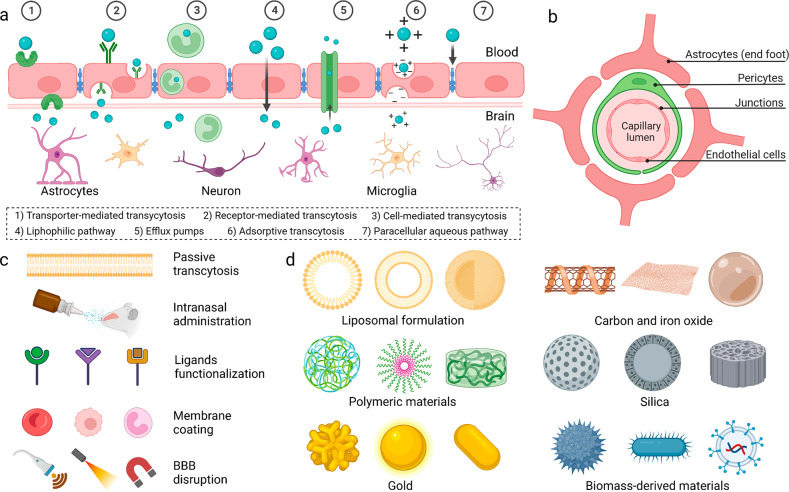
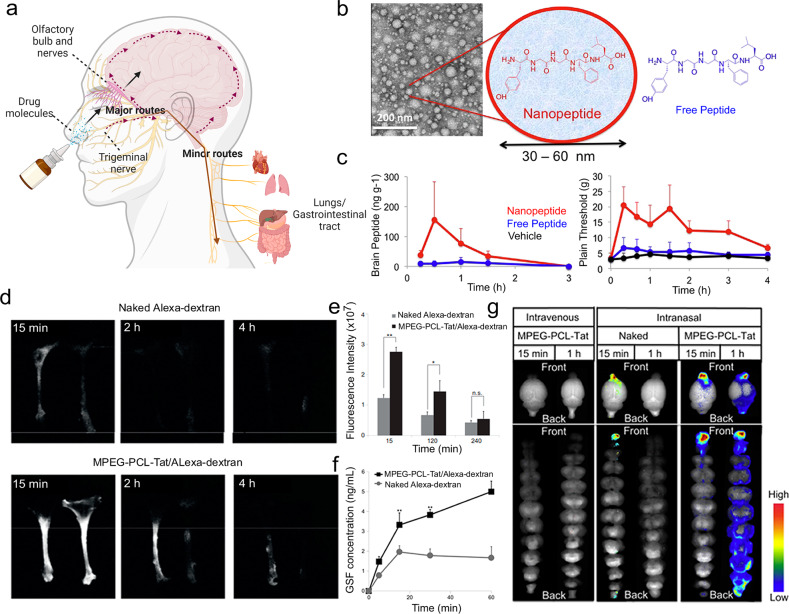
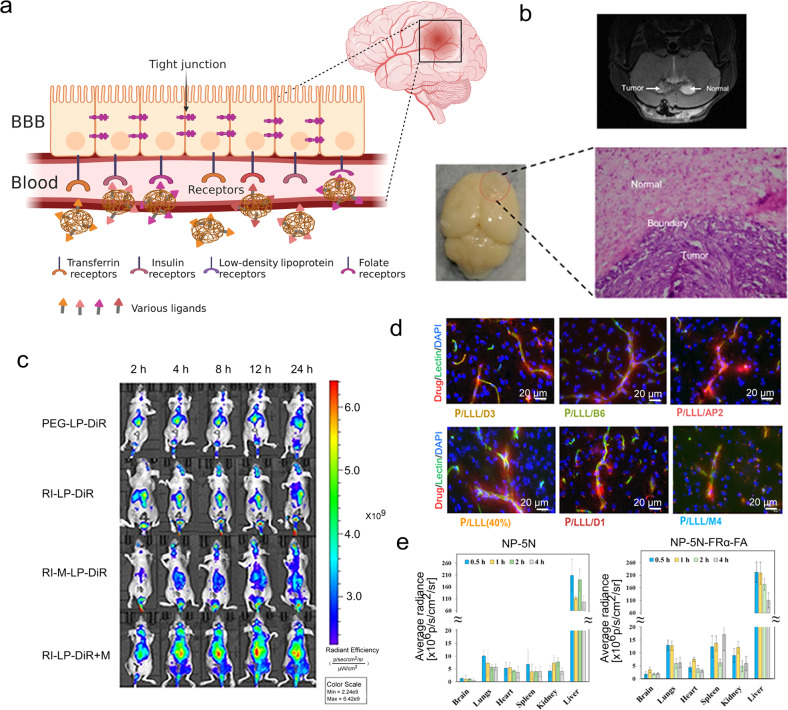
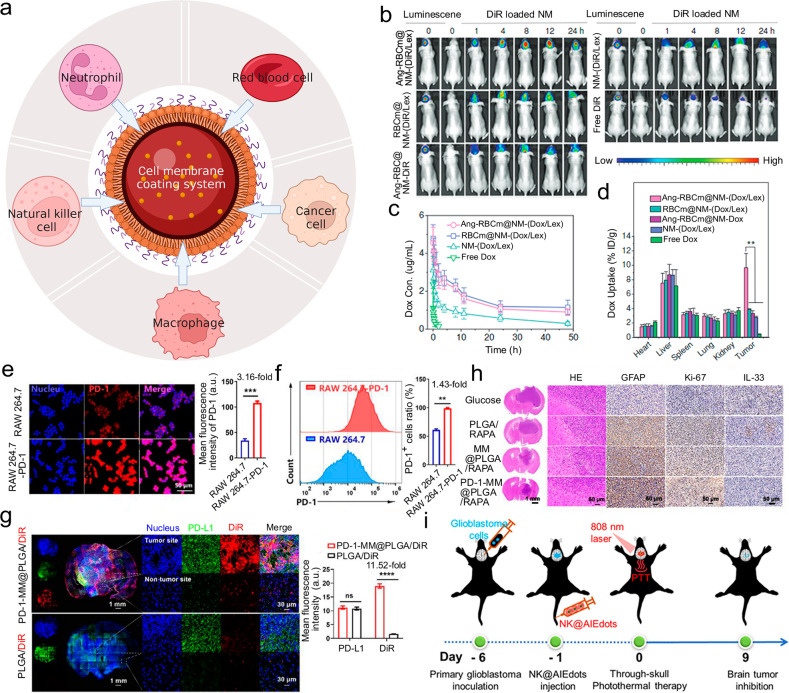
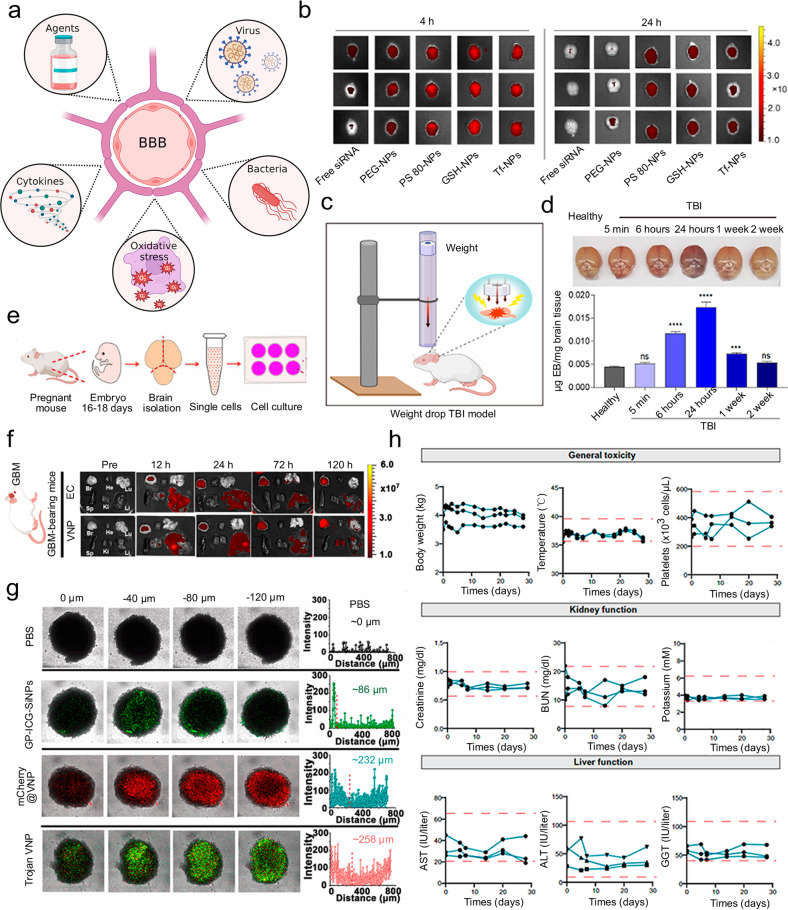
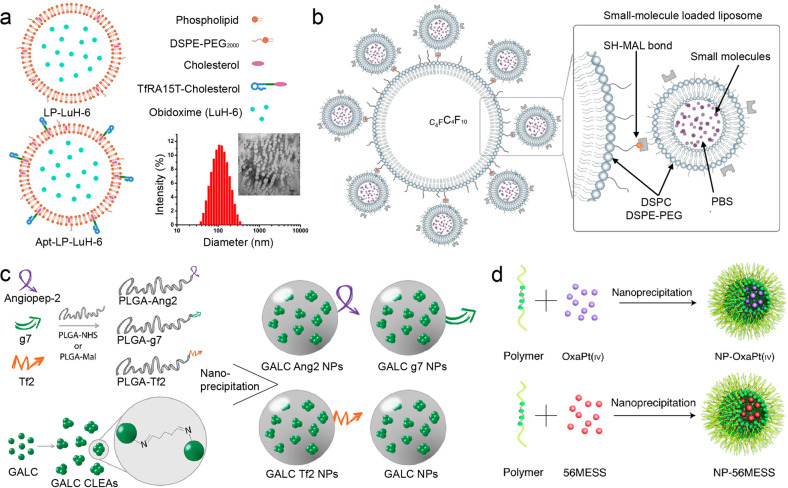
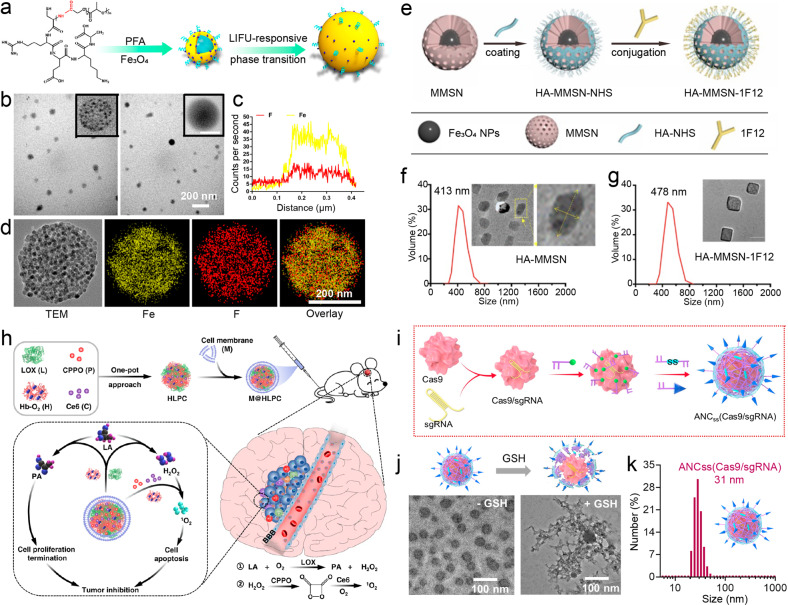
- The review groups BBB-crossing approaches into passive transcytosis, intranasal administration, ligand conjugation, membrane coating, external stimuli-mediated BBB disruption, and other non-invasive strategies.
- It reports several quantitative examples from the literature, including:
- passive transcytosis routes are limited to “hydrophilic compounds” under 150 Da and highly hydrophobic compounds under 400–600 Da;
- one liposomal system showed brain accumulation peaking at 3 h and 48 h after injection;
- cRGD-modified mesoporous silica nanoparticles (MSNs) of 20, 40, and 80 nm had transport capabilities of 44.0%, 59.2%, and 38.6%, respectively, versus 32.8% for free drugs;
- a PLGA micelle system extended a drug’s therapeutic window from 20 min to at least 4 h.
- The review highlights that many engineered systems can improve delivery, but clinical translation remains limited by safety, reproducibility, and the need for better targeting and evaluation models.
Methods
- This is a narrative review, not an original experimental study.
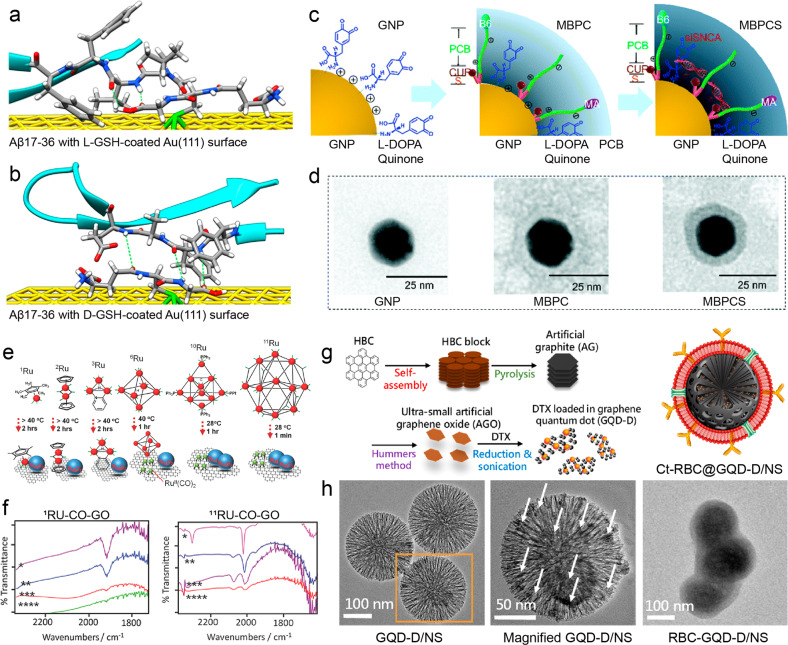
- It synthesizes prior studies on BBB structure/physiology and on brain-targeted delivery platforms, including liposomes, polymers, gold nanomaterials, carbon materials, iron oxide nanoparticles, silica nanomaterials, and biomimetic systems.
- The main analysis is qualitative: it organizes strategies by BBB transport route/mechanism and compares reported examples from the literature, including preclinical and some clinical-trial-oriented work.
Limitations
- The authors explicitly state that “a timely and comprehensive review is lacking,” indicating the field is broad and rapidly evolving.
- They also say that “there is still a long way to go from clinical popularization and translational application,” and list unresolved issues including better BBB models, region-specific delivery, safety, interactions among components, scalability, and reproducibility.
- Evident from the text: this paper is a review of published examples rather than a primary study, so it does not present a single unified dataset or direct experimental validation of the strategies discussed.
Model-written summary. Check it against the paper before relying on it.
Integrity signals
Registry
Cites
Statistics
Figures
Verification
Claims the paper makes
49 Valid · 1 Not valid · 72 Not checked · 14 Own results and interpretations
At least one cited source doesn’t support this claim or points to a different paper, and none confirmed it — see the verdicts below.
In the paper
“Their method through the oscillating of microbubbles under the ultrasound field could implement the transport of the gene product beyond the blood vessels without breaking the tight junctions and disrupting the BBB.”
§ The blood–brain barrier: Structure, regulation and drug delivery > Strategies for BBB regulation and crossing Brain tumors, cerebrovascular diseases, and neurodegenerative diseases, including Parkinson’s disease, Alzheimer’s disease, and multiple sclerosis, are serious CNS diseases.132 However, therapies for these challenging diseases are limited, because of the lack of effective methods, to enable drugs surpass natural protective hindrances to maintain homeostasis within the brain for preventing the entry of drug molecules to the CNS.133 A number of drugs are routinely administrated by invasive strategies for the management of these diseases and symptom control. For instance, intrathecal drug administration is a typical method for drug delivery into the entire ventricular system without passing through the BBB.134,135 It has been approved to deliver anti-sense oligonucleotides for the treatment of spinal muscular atrophy.136 Other invasive strategies including convection-enhanced delivery,137,138 intracranial implantation,139,140 and deep-brain stimulation were developed for brain drug delivery.141,142 Recent development of microneedle and polymeric wafers with minimal invasiveness provides sustained drug release for CNS disease management which circumvent the BBB.143–146 But the potential risks from brain exposure and damage of these invasive strategies limited their applications for long-term use. In order to efficiently deliver drugs into the brain with safety and precision, various non-invasive strategies to overcome BBB have been exploited. These strategies include BBB penetration via passive transcytosis, intranasal administration, ligands conjugation, membrane coating, and the BBB disruption using light, focused ultrasound, biochemical reagents, and radiation. > External stimuli-mediated BBB disruption
What the sources say
- Disputedcites [225] Gorick, C. M. et al. Sonoselective transfection of cerebral vasculature without blood-brain barrier disruption. Proc. Natl Acad. Sci. USA 117, 5644–5654 (2020). 32123081 PMC7084076 sourceExperimental — accuracy not yet measured
The Abstract says the method uses low-pressure ultrasound and oscillating microbubbles to transfect cerebral endothelial cells without opening the BBB. Contrary to the claim of transport beyond blood vessels, the Discussion section “In Vivo Endothelial Cell Sonoporation without Tight Junction Disruption or Transcellular Transport” says transfection is nearly all confined to the endothelium and does not promote additional transcellular transport. (LLM, conf=0.90)
Checked by a reasoning model — may be wrong.
hedgedstates a cause- Asserted: passes — The authors put it forward as true.
- Checkable: passes — It can be checked against evidence.
- Load-bearing: passes — The paper’s conclusions depend on it.
- Based: passes — The paper gives a reason why it holds.
- Disputed
Every source the paper cites for this claim was checked and supports it.
In the paper
“BBB is a spacious, multicellular, and dynamic semi-permeable membrane that isolates the foreign substances in the blood from the CNS.27”
§ The blood–brain barrier: Structure, regulation and drug delivery > BBB structure and physiology > Anatomical structure of the BBB
What the sources say
- Supportedcites [27] Upton, D. H. et al. Challenges and opportunities to penetrate the blood-brain barrier for brain cancer therapy. Theranostics 12, 4734–4752 (2022). 35832071 PMC9254248 source
The Introduction (§ The Blood-Brain barrier; page not provided) calls the BBB a semi-permeable membrane and says it prevents potentially harmful exogenous substances from passing from the bloodstream into the brain. It also describes the endothelial cells, pericytes, and astrocytes that form the barrier. (LLM, conf=0.93)
plainstates a cause- Asserted: passes — The authors put it forward as true.
- Checkable: passes — It can be checked against evidence.
- Load-bearing: passes — The paper’s conclusions depend on it.
- Based: passes — The paper gives a reason why it holds.
- Supported
Every source the paper cites for this claim was checked and supports it.
In the paper
“However, therapies for these challenging diseases are limited, because of the lack of effective methods, to enable drugs surpass natural protective hindrances to maintain homeostasis within the brain for preventing the entry of drug molecules to the CNS.133”
§ The blood–brain barrier: Structure, regulation and drug delivery > Strategies for BBB regulation and crossing Brain tumors, cerebrovascular diseases, and neurodegenerative diseases, including Parkinson’s disease, Alzheimer’s disease, and multiple sclerosis, are serious CNS diseases.132 However, therapies for these challenging diseases are limited, because of the lack of effective methods, to enable drugs surpass natural protective hindrances to maintain homeostasis within the brain for preventing the entry of drug molecules to the CNS.133 A number of drugs are routinely administrated by invasive strategies for the management of these diseases and symptom control. For instance, intrathecal drug administration is a typical method for drug delivery into the entire ventricular system without passing through the BBB.134,135 It has been approved to deliver anti-sense oligonucleotides for the treatment of spinal muscular atrophy.136 Other invasive strategies including convection-enhanced delivery,137,138 intracranial implantation,139,140 and deep-brain stimulation were developed for brain drug delivery.141,142 Recent development of microneedle and polymeric wafers with minimal invasiveness provides sustained drug release for CNS disease management which circumvent the BBB.143–146 But the potential risks from brain exposure and damage of these invasive strategies limited their applications for long-term use. In order to efficiently deliver drugs into the brain with safety and precision, various non-invasive strategies to overcome BBB have been exploited. These strategies include BBB penetration via passive transcytosis, intranasal administration, ligands conjugation, membrane coating, and the BBB disruption using light, focused ultrasound, biochemical reagents, and radiation.
What the sources say
- Supportedcites [133] Yang, J., Luly, K. M. & Green, J. J. Nonviral nanoparticle gene delivery into the CNS for neurological disorders and brain cancer applications. Wiley Interdiscip. Rev. Nanomed. Nanobiotechnol. 15, e1853 (2022). 36193561 PMC10023321 source
The “Barriers of entry into the central nervous system” section says protective barriers maintain brain homeostasis and impede delivery of drug therapeutics. The “Systemic delivery” section calls crossing the blood–brain barrier the most prominent hurdle to CNS delivery, while the disease-profile section discusses brain tumors, stroke, and dementias. Page numbers are not available in our copy. (LLM, conf=0.88)
plainstates a cause- Asserted: passes — The authors put it forward as true.
- Checkable: passes — It can be checked against evidence.
- Load-bearing: passes — The paper’s conclusions depend on it.
- Based: passes — The paper gives a reason why it holds.
- Supported
The cited sources support only part of this claim — read each source’s verdict below.
In the paper
“In the BBB, tight junctions are the main functional components in sustaining the permeability barrier and controlling tissue homeostasis.88–91”
§ The blood–brain barrier: Structure, regulation and drug delivery > BBB structure and physiology > Anatomical structure of the BBB
What the sources say
- Supportedcites [88] Luissint, A. C., Artus, C., Glacial, F., Ganeshamoorthy, K. & Couraud, P. O. Tight junctions at the blood brain barrier: physiological architecture and disease-associated dysregulation. Fluids Barriers CNS 9, 23 (2012). 23140302 PMC3542074 source
The Abstract says BBB barrier properties notably depend on tight junctions and that the BBB is mandatory for cerebral homeostasis. The Background identifies tight junctions as a barrier to paracellular diffusion. Page numbers are not provided in our copy. (LLM, conf=0.88)
- Partly supportedcites [89] Anderson, J. M. & Van Itallie, C. M. Physiology and function of the tight junction. CSH Perspect. Biol. 1, a002584 (2009). PMC2742087 20066090 sourceExperimental — accuracy not yet measured
The Abstract (page unavailable) describes tight junctions as barriers that separate tissue spaces and regulate solute movement. The Size section (page unavailable) reports that deleting claudin-5 increases tight-junction permeability in blood vessels. These passages support a permeability-barrier role, but do not establish that tight junctions are the main functional components of the blood-brain barrier or that they control its tissue homeostasis. (LLM, conf=0.84)
- Partly supportedcites [90] Dong, X. Current strategies for brain drug delivery. Theranostics 8, 1481–1493 (2018). 29556336 PMC5858162 sourceExperimental — accuracy not yet measured
In “Blood-brain barrier in healthy brain,” the paper says tight junctions play a vital role in sustaining the permeability barrier and controlling tissue homeostasis. It does not identify tight junctions alone as the main functional components: it says interendothelial junctions collectively mainly control BBB permeability and adherens junctions primarily regulate endothelial-barrier permeability. (LLM, conf=0.86)
- Partly supportedcites [91] Ahlawat, J. et al. Nanocarriers as potential drug delivery candidates for overcoming the blood-brain barrier: challenges and possibilities. ACS Omega 5, 12583–12595 (2020). 32548442 PMC7288355 sourceExperimental — accuracy not yet measured
The Introduction’s “Blood–Brain Barrier (BBB)” section says tight junctions are the BBB’s main junctional component and restrict passage between endothelial cells, supporting their role in its permeability barrier. It attributes maintenance of homeostasis to the BBB as a whole, however, rather than specifically saying tight junctions control tissue homeostasis. No page number is available in our copy. (LLM, conf=0.83)
plainstates a cause- Asserted: passes — The authors put it forward as true.
- Checkable: passes — It can be checked against evidence.
- Load-bearing: unclear — It is unclear whether the paper’s conclusions depend on it.
- Based: passes — The paper gives a reason why it holds.
- Supported
Every source the paper cites for this claim was checked and supports it.
In the paper
“The paracellular pathway is the principal route blocked by the tight junctions of cell gaps, restricting ions, polar solutes, and most macromolecules.148”
§ The blood–brain barrier: Structure, regulation and drug delivery > Strategies for BBB regulation and crossing Brain tumors, cerebrovascular diseases, and neurodegenerative diseases, including Parkinson’s disease, Alzheimer’s disease, and multiple sclerosis, are serious CNS diseases.132 However, therapies for these challenging diseases are limited, because of the lack of effective methods, to enable drugs surpass natural protective hindrances to maintain homeostasis within the brain for preventing the entry of drug molecules to the CNS.133 A number of drugs are routinely administrated by invasive strategies for the management of these diseases and symptom control. For instance, intrathecal drug administration is a typical method for drug delivery into the entire ventricular system without passing through the BBB.134,135 It has been approved to deliver anti-sense oligonucleotides for the treatment of spinal muscular atrophy.136 Other invasive strategies including convection-enhanced delivery,137,138 intracranial implantation,139,140 and deep-brain stimulation were developed for brain drug delivery.141,142 Recent development of microneedle and polymeric wafers with minimal invasiveness provides sustained drug release for CNS disease management which circumvent the BBB.143–146 But the potential risks from brain exposure and damage of these invasive strategies limited their applications for long-term use. In order to efficiently deliver drugs into the brain with safety and precision, various non-invasive strategies to overcome BBB have been exploited. These strategies include BBB penetration via passive transcytosis, intranasal administration, ligands conjugation, membrane coating, and the BBB disruption using light, focused ultrasound, biochemical reagents, and radiation. > Passive transcytosis
What the sources say
- Supportedcites [148] Hersh, A. M., Alomari, S. & Tyler, B. M. Crossing the blood-brain barrier: advances in nanoparticle technology for drug delivery in neuro-oncology. Int. J. Mol. Sci. 23, 4153 (2022). 35456971 PMC9032478 source
The Introduction states that tight junctions connect BBB endothelial cells and, together with adherens junctions, restrict paracellular transport of ions, polar solutes, and most macromolecules. This supports the claim's description of the blocked pathway. (LLM, conf=0.90)
plainstates a cause- Asserted: passes — The authors put it forward as true.
- Checkable: passes — It can be checked against evidence.
- Load-bearing: unclear — It is unclear whether the paper’s conclusions depend on it.
- Based: passes — The paper gives a reason why it holds.
- Supported
74 more claims · 26 with their cited sources checked
Create a free account to see all 136 claims and to verify the 8 references still open.
- It may state two separate claims as one. 49
- The quote only partly states this claim. 3
- Probably not a substantial claim. 7
Claims other papers make about this one
Each is checked against this paper’s own text: does it say what the citing paper says it does?
The source backs part of the claim, not all of it — or backs it for a different population, condition or comparison.
In the citing paper
“Unfortunately, at present, systemic administration of siRNA-based therapeutics do not reach the CNS in meaningful concentrations due to the blood-brain barrier (BBB).3”
From Lipid-siRNA conjugate accesses a perivascular transport mechanism and achieves widespread and durable knockdown in the central nervous system (2024) · cites this paper as [3]
Experimental — accuracy not yet measuredThe cited source says what the claim attributes to it.
In the citing paper
“This protective barrier limits the entry of foreign substances, including drugs, into the central nervous system.”
The cited source says what the claim attributes to it.
In the citing paper
“ECs are the core anatomical structure of the BBB responsible for the link between the blood vessels and the CNS. Their membrane is negatively charged and allows the passage of small lipophilic molecules and specific substances via transporters present in their surface [6].”
The cited source says what the claim attributes to it.
In the citing paper
“This barrier is responsible for the regulation of molecule influx and efflux into and out of the brain.”
The cited source says what the claim attributes to it.
In the citing paper
“Also, despite the TJs that seal the ECs, some small and soluble molecules are also able to cross this gap between cells without mediation (paracellular pathway) [6].”
3 more claims about this paper
Create a free account to see every claim other papers make about this one.
Self-check
Percentages, sums and reported differences re-computed from the paper’s own numbers.
Self-check results appear here once an independent check has confirmed them.
Cited works that were retracted
Works this paper cites that were later retracted, from the retraction notices publishers deposit. Major when the notice came out before this paper was published.
A note, not an issue: for example, a cited work that was retracted only after this paper was published, which its authors could not have known.
In the paper
“375 More recently, variants of the AAV have been investigated for its potential use for BBB penetration.”
Cited work 10.1007/s12035-017-0746-5 · retracted 2026-05-14 · notice 10.1007/s12035-026-05921-w · this paper published 2023-05-25
Citations
Cites
1 retracted
Feng, L., Sharma, A., Niu, F., Huang, Y., Lafuente, J. V., Muresanu, D. F., Ozkızılcık, A., Tian, Z. R., & Sharma, H. S. (2017) · Molecular Neurobiology · doi:10.1007/s12035-017-0746-5 · Cited by 31 · cited 1×
“375 More recently, variants of the AAV have been investigated for its potential use for BBB penetration.”
BackgroundRetractedProspective identification of tumorigenic breast cancer cells
Al-Hajj, M., Wicha, M. S., Benito-Hernandez, A., Morrison, S. J., & Clarke, M. F. (2003) · Proceedings of the National Academy of Sciences · doi:10.1073/pnas.0530291100 · Cited by 10,370 · cited 1×
“Hyaluronic acid can specially target cell surface receptor CD44, which is highly expressed in breast cancer.(153) With the help of the CD44 target and MS boost, M@HNPs could penetrate blood–brain tumor barrier (BTB), internalizing into brain metastatic tumor cells (BMTCs), blunting drug efflux at BMTCs, and producing…”
BackgroundEngineering precision nanoparticles for drug delivery
Mitchell, M. J., Billingsley, M. M., Haley, R. M., Wechsler, M. E., Peppas, N. A., & Langer, R. (2021) · Nature Reviews Drug Discovery · doi:10.1038/s41573-020-0090-8 · Cited by 7,933
Astrocyte-endothelial interactions at the blood-brain barrier
Abbott, N. J., Rönnbäck, L., & Hansson, E. (2006) · Nature Reviews Neuroscience · doi:10.1038/nrn1824 · Cited by 5,595
Astrocytes: Biology and pathology
Sofroniew, M. V., & Vinters, H. V. (2010) · Acta Neuropathologica · doi:10.1007/s00401-009-0619-8 · Cited by 5,196
Structure and function of the blood–brain barrier
Abbott, N. J., Patabendige, A. A. K., Dolman, D. E. M., Yusof, S. R., & Begley, D. J. (2010) · Neurobiology of Disease · doi:10.1016/j.nbd.2009.07.030 · Cited by 5,185 · cited 1×
“2 In the meantime, catenins, p120, plakoprotein are responsible for supporting physics and regulating junctions by forming a bridge that interacts with zonula occludens-1 (tight junctions proteins) and the actin fi la-ments.”
BackgroundDelivery of siRNA to the mouse brain by systemic injection of targeted exosomes
Alvarez-Erviti, L., Seow, Y., Yin, H., Betts, C., Lakhal, S., & Wood, M. J. A. (2011) · Nature Biotechnology · doi:10.1038/nbt.1807 · Cited by 4,930
Liposomal drug delivery systems: From concept to clinical applications
Allen, T. M., & Cullis, P. R. (2013) · Advanced Drug Delivery Reviews · doi:10.1016/j.addr.2012.09.037 · Cited by 4,839 · cited 1×
“Liposomal formulations Liposomes are the first generation of drug delivery systems and have been widely used since their discovery in 1965.(248) They are composed of one or more lipid bilayers and hollow aqueous compartment, which endow them with loading versatility for both hydrophobic and hydrophilic therapeutic age…”
BackgroundDesigning hydrogels for controlled drug delivery
Li, J., & Mooney, D. J. (2016) · Nature Reviews Materials · doi:10.1038/natrevmats.2016.71 · Cited by 4,832
Doxil® — The first FDA-approved nano-drug: Lessons learned
Barenholz, Y. (. (2012) · Journal of Controlled Release · doi:10.1016/j.jconrel.2012.03.020 · Cited by 4,792
Research works printed but not linked: 1
- Oshra, B., Malka, S., Menachem, M. & Rachela, P. In Proc. SPIE, Nanoscale Imaging, Sensing, and Actuation for Biomedical Applications XVI. 108911H (2019).
Cited by
Items 901–1,000 of 1,850
Murata, M., Satake, M., & Matsumori, N. (2025) · Proceedings of the Japan Academy Series B · doi:10.2183/pjab.101.016 · Cited by 4
Implantable systems for neurological chronotherapy
Lee, S. H., Hofstede, R. P., de la Colina, A. N., Gunton, J. H., Bernstock, J. D., & Traverso, G. (2025) · Advanced Drug Delivery Reviews · doi:10.1016/j.addr.2025.115574 · Cited by 3
The rise of 3D bioprinting advancements in modeling neurodegenerative diseases
Iafrate, L., & Cidonio, G. (2025) · Ibrain · doi:10.1002/ibra.12196 · Cited by 4
“13,14 The BBB is an essential defense mechanism that protects the brain from toxins and pathogens.”
Sundheimer, J. K., Benzel, J., Longuespée, R., Burhenne, J., Pfister, S. M., Maaß, K. K., Sauter, M., & Pajtler, K. W. (2025) · Clinical and Translational Science · doi:10.1111/cts.70226 · Cited by 5
“The ability of drugs to penetrate the BBB is influenced not only by active transport mechanisms mediated by drug transporters but also by intrinsic compound properties such as molecular weight, hydrodynamic radius, hydrophobicity, and stability [15].”
Innovative approaches to blood-brain barrier modelling: The chip revolution
Bej, A., Mandal, N., Das, A., & Nandi, A. (2025) · Next Nanotechnology · doi:10.1016/j.nxnano.2025.100171 · Cited by 4
Adoui, N., Bendıf, H., Haouame, I., Çam, D., Rebbas, K., Boufahja, F., Öztürk, M., & Garzoli, S. (2025) · Food Analytical Methods · doi:10.1007/s12161-025-02796-w · Cited by 5
“However, the lack of blood–brain barrier permeability in most compounds, including catechin and rutin, suggests that their applications may be limited to peripheral conditions unless targeted delivery systems are developed (Wu et al. 2023).”
Abdelazim, H., Barnes, A., Stupin, J., Hasson, R., Muñoz‐Ballester, C., Young, K. L., Robel, S., Smyth, J. W., Lamouille, S., & Chappell, J. C. (2025) · Scientific Reports · doi:10.1038/s41598-025-99364-3 · Cited by 2
Ta, G. H., & Leong, M. K. (2025) · Computers in Biology and Medicine · doi:10.1016/j.compbiomed.2025.110366 · Cited by 5
Near-Infrared Photoimmunotherapy in Brain Tumors—An Unexplored Frontier
Yamaguchi, H., Okada, M., Otani, T., On, J., Shibuma, S., Takino, T., Watanabe, J., Tsukamoto, Y., Ogura, R., Oishi, M., et al. (2025) · Pharmaceuticals · doi:10.3390/ph18050751 · Cited by 5
“Many different brain delivery platforms for antibodies have been studied, including exosomes, nanoparticle-based systems, and cell-penetrating peptides [161,162].”
Influence of local ordering in the permeation of Temozolomide through the brain plasmatic membrane
Ge, Y., Lu, H., & Martí, J. (2025) · Biophysical Chemistry · doi:10.1016/j.bpc.2025.107457 · Cited by 4
Proposed Therapeutic Strategy to Combat Alzheimer’s Disease by Targeting Beta and Gamma Secretases
Kumar, D., Anand, P., & Singh, S. K. (2025) · Current Alzheimer Research · doi:10.2174/0115672050380899250602042028 · Cited by 6
Jelčić, A., Raspudić, A., Barić, D., Ratković, A., Šagud, I., Pongrac, P., Štefok, D., Bosnar, M., Roca, S., Lasić, Z., et al. (2025) · Pharmaceuticals · doi:10.3390/ph18071032 · Cited by 3
“Free energies of binding, ∆ G bind , obtained by molecular docking of ligands 9 , 11 , and reference ligand donepezil into the active site of BChE (1P0I.pdb), along with the number of conformational clusters and distribution of conformations); The mutagenic potential of new charged…”
InfluentialPathogenic breaches: how viruses compromise blood-tissue barriers
Apoorva, & Singh, S. K. (2025) · Tissue Barriers · doi:10.1080/21688370.2025.2549020 · Cited by 12
“8 Astrocytes are among the initial cell types a virus encounters when it crosses the BBB. 81,108,111 The intricate architecture of astrocytes shows that their cell expansions can branch out into hundreds of smaller processes, allowing them a substantially greater membrane contact with the…”
InfluentialLu, Z., Yin, H., Xiang, P., Yi, X., Tian, X., & Gong, Q. (2025) · European Journal of Neuroscience · doi:10.1111/ejn.70237 · Cited by 4
Zervas, M., Gage, A. T., & Haas, M. (2025) · Frontiers in Drug Discovery · doi:10.3389/fddsv.2025.1613261 · Cited by 3
Groseclose, M. R., Barry, J. A., Skedzielewski, T., Pang, Y., Li, Y., McDermott, G., Deutsch, J., Balabhadrapatruni, C., Benson, W., Lim, D., et al. (2025) · Scientific Reports · doi:10.1038/s41598-025-18255-9 · Cited by 8
“The BBB integrity was not directly assessed in the glioblastoma or brain metastasis models, but brain tumors often exhibit leaky vasculature and disrupted BBB regions, which can enhance drug extravasation into tumor tissue 36 .”
Staubli, F., Alcaraz, P. S., van Es, R. M., Vos, H. R., Bergsma, E., Gawlitta, D., & Man, K. (2026) · Regenerative Biomaterials · doi:10.1093/rb/rbag075 · Cited by 4
“Excitingly, EV-based therapies possess numerous advantages compared to cell therapies, such as enhanced safety, improved physiochemical stability, targeted delivery, crossing biological barriers (transcytosis) and lower immunogenicity compared to their parent cells [22, 24, 25].”
Dou, X., Cai, S., Liu, Y., et al. (2025) · International Journal of Molecular Sciences · doi:10.3390/ijms262210956 · Cited by 3
“Conventional drug delivery methods often face challenges such as poor drug solubility, short circulation time, difficulty in crossing the blood–brain barrier [14], and systemic side effects due to lack of specificity [15].”
Ololade, Z. S., Lajide, L., Onifade, O. F., Eze, J. C., Tommy, B. E., Orodepo, G. O., Idowu, O. O., Oyebanji, O. T., & Olaniran, A. C. (2023) · The Journal of Phytopharmacology · doi:10.31254/phyto.2023.12607 · Cited by 5
Sepehrinezhad, A., & Shahbazi, A. (2024) · IntechOpen eBooks · doi:10.5772/intechopen.1004125 · Cited by 3
The role of TrkB receptor signaling in Alzheimer’s disease
He, K., Nie, L., Dai, Z., Li, S., Yang, X., & Liu, G. (2023) · Human Brain · doi:10.37819/hb.4.1788 · Cited by 2
Progress of studies on natural products for glioblastoma therapy
Xu, F. L., Yang, Y., Yang, H., et al. (2024) · Journal of Asian Natural Products Research · doi:10.1080/10286020.2023.2300367 · Cited by 3
Hosten, B., Goutal, S., Leterrier, S., Corvo, C., Breuil, L., Barret, O., Specklin, S., Truillet, C., & Tournier, N. (2024) · Expert Opinion on Drug Delivery · doi:10.1080/17425247.2024.2369765 · Cited by 3
“However, these techniques are difficult to manage and may be associated with brain damage [38,39].”
BackgroundIslam, M. R., Sharma, S., Arafat, S. Y., et al. (2024) · Journal of the Indian Chemical Society · doi:10.1016/j.jics.2024.101274 · Cited by 3
Yoon, J. A., You, Y., Park, J. S., Min, J. H., Jeong, W., Ahn, H. J., Jeon, S. Y., Kim, D., & Kang, C. (2024) · Brain Sciences · doi:10.3390/brainsci14080779 · Cited by 3
“However, further studies are required to confirm these findings.”
Drapaca, C. S. (2024) · Fractal and Fractional · doi:10.3390/fractalfract8090496 · Cited by 4
Wang, Q., Gu, X., Liu, J., et al. (2024) · Chemical Engineering Journal · doi:10.1016/j.cej.2024.155020 · Cited by 3
Crossing the Blood-Brain Barrier: Advancing Immunotherapy for Pediatric Brain Tumors
Mortezaei, N. T., Habibzadeh, A., Rahimian, Z., Boushehri, S., Pourbakhtyaran, E., Savoji, A. B., & Farid, A. S. (2024) · Interdisciplinary cancer research · doi:10.1007/16833_2024_400 · Cited by 4
Importance of MIPs as Artificial Antibodies in Drug Delivery and Tissue Engineering
Izadi, S., Pourbala, H., Feizollahi, M. M., Banan, K., Mostafiz, B., Shahbazi, M., & Ghorbani-Bidkorpeh, F. (2024) · Springer eBooks · doi:10.1007/978-981-97-4379-7_16 · Cited by 3
Log BB Prediction Models Using TLC and HPLC Retention Values as Protein Affinity Data
Wanat, K., Michalak, K., & Brzezińska, E. (2024) · Pharmaceutics · doi:10.3390/pharmaceutics16121534 · Cited by 4
Refaat, A., Thomas, P. B., Zhang, W., Esser, L., Tong, Z., Beer, M., Mawdsley, D., Thirkettle‐Watts, D., Shields, K. A., Nicolazzo, J. A., et al. (2024) · Small Methods · doi:10.1002/smtd.202401400 · Cited by 5
Josino, L. P. C., Valente, R. P. D. P., da Silva, M. L. D. S., Alves, C., & Lima, A. H. (2025) · Journal of Biomolecular Structure and Dynamics · doi:10.1080/07391102.2024.2446676 · Cited by 4
“While it may be possible to penetrate the BBB using TfR-mediated transport, no effective strategy has yet been reported for the delivery of a broad spectrum of biopharma-ceutical drugs through the BBB (Nielsen et al., 2023).”
InfluentialLi, Q., & Liu, H. (2025) · International Journal of Molecular Sciences · doi:10.3390/ijms26051875 · Cited by 3
“Composed of tight junctions between endothelial cells, pericytes, and astrocytes, the BBB restricts the diffusion of macro-molecules, including most chemotherapeutic agents and biologics, significantly reducing the efficacy of systemic therapies [7].”
Microneedle arrays for brain drug delivery: the potential of additive manufacturing
Razzaghi, M., Bakhtiari, S. S. E., Charest, G., Fortin, D., & Akbari, M. (2025) · Transactions of the Canadian Society for Mechanical Engineering · doi:10.1139/tcsme-2024-0114 · Cited by 5
IFE.PTML: advancing neurotherapeutic nanoparticle release-system design for enhanced brain delivery
Ruiz-Escudero, A., Belii, M., Nader, K., Insausti, M., Castellanos-Rubio, I., Arrasate, S., Montemore, M. M., & González‐Díaz, H. (2025) · Machine Learning Science and Technology · doi:10.1088/2632-2153/ae038a · Cited by 2
The cerebrospinal fluid virome in people with HIV: links to neuroinflammation and cognition
Trunfio, M., Scutari, R., Fox, V., Vuaran, E., Dastgheyb, R. M., Fini, V., Granaglia, A., Balbo, F., Tortarolo, D., Bonora, S., et al. (2025) · Frontiers in Microbiology · doi:10.3389/fmicb.2025.1704392 · Cited by 4
“The sequences were also too large for pinocytosis, transcytosis, or filtration by choroid plexus (Lalatsa and Butt, 2018; Wu et al., 2023).”
Ghosh, S., Fan, Y., Laufer, B. I., Stephenson, W., Zang, N., Lawrence, J., Lin, H. H., Sen, S., Miller, S. E., Chu, S., et al. (2026) · Cell Biomaterials · doi:10.1016/j.celbio.2025.100303 · Cited by 5
Silva, R., Monteiro, J., Ramalho, M. J., Andrade, S., Loureiro, J. A., & Pereira, M. C. (2026) · Pharmaceuticals · doi:10.3390/ph19050685 · Cited by 2
“Their membrane is negatively charged and allows the passage of small lipophilic molecules and specific substances via transporters present in their surface [6].”
InfluentialHP35 Protein in the Mesopore of MIL-101(Cr) MOF: A Model to Study Cotranslocational Unfolding
Jash, O., Srivastava, A. K., & Balasubramanian, S. (2024) · ACS Omega · doi:10.1021/acsomega.4c05452 · Cited by 2
Effects of xenobiotics on the blood-brain barrier and neural gene expression
Trussel, M., & Brad, J. (2024) · Asia-Pacific Journal of Oncology · doi:10.32948/ajpt.2024.09.20 · Cited by 6
“They also differ from peripheral endothelial cells in function and morphology [19].”
BackgroundLiu, H., Zhuo, R., Zou, C., Xu, S., Cai, X.-Y., Ge, Y., Liu, G., Wu, C. K., Dai, C., Li, J., et al. (2024) · International Journal of Biological Macromolecules · doi:10.1016/j.ijbiomac.2024.136778 · Cited by 6
Zhao, Y., Zhang, C., Liang, C., Lv, X., Zhou, D., Deng, Y., & Zhang, R. (2024) · Analytical Chemistry · doi:10.1021/acs.analchem.4c04893 · Cited by 2
Addressing the Blood-Brain Barrier: Overcoming Glioblastoma Drug Delivery
Porosk, L., & Langel, Ü. (2025) · Methods in pharmacology and toxicology · doi:10.1007/978-1-0716-4374-7_5 · Cited by 2
Hatakawa, Y., Tanaka, A., Furubayashi, T., Katsumi, H., Nakamura, R., Konishi, M., Akizawa, T., & Sakane, T. (2025) · European Journal of Pharmaceutics and Biopharmaceutics · doi:10.1016/j.ejpb.2025.114661 · Cited by 3
Omotayo, O. P., Bhengu, S., Venter, K., Lemmer, Y., & Mason, S. (2025) · Animal Models and Experimental Medicine · doi:10.1002/ame2.12569 · Cited by 2
Lv, Z., Zeng, Y., Lv, T., Liu, Q., & Han, L. (2025) · Colloids and Surfaces B Biointerfaces · doi:10.1016/j.colsurfb.2025.114585 · Cited by 3
Influence of feelings on the blood-brain barrier (BBB) and drug delivery
Ocab, O., Saad, H. A., Mashal, R., Osama, K., Marzouk, M., & Hamdi, N. (2025) · Progress in brain research · doi:10.1016/bs.pbr.2025.03.006 · Cited by 2
Chávez-López, L. M., Silvestre-Martínez, J. H., Lugo-Ibarra, K. C., & Castro-Ceseña, A. B. (2025) · Brain Research · doi:10.1016/j.brainres.2025.149718 · Cited by 3
Sonninen, T.-M., Peltonen, S., Kälvälä, S., Nguyen, H.-T., Ruponen, M., Singh, P., & Lehtonen, Š. (2025) · Fluids and Barriers of the CNS · doi:10.1186/s12987-025-00672-7 · Cited by 5
Roy, R., Gahatraj, I., Sharma, A., Kumar, V., Paul, R. K., Kumar, D., Bhattacharya, P., & Borah, A. (2025) · 3 Biotech · doi:10.1007/s13205-025-04386-3 · Cited by 2
“Similarly, BBB, composed of the endothelial cells of brain blood vessels and tight junctions, separates the brain from its outer environment (Wu et al. 2023).”
Nano-phyto formulations for overcoming drug resistance in brain cancer: A translational roadmap
Thomas, J. O., Idowu, I. M., René, D. J., & Ocholi, S. S. (2025) · Materials Today Chemistry · doi:10.1016/j.mtchem.2025.102876 · Cited by 3
Hari, P., Vahab, S. A., & Kumar, V. S. (2025) · AAPS PharmSciTech · doi:10.1208/s12249-025-03198-1 · Cited by 4
“In paediatric patients, the BBB remains immature and is more permeable than in adults due to the underdeveloped tight junction proteins, such as claudins and occludins, as well as the low expression and functional efflux transporters, including P-glycoprotein (P-gp) [11–15].”
An unexpected role for the brain in the pathogenesis of diabetic ketoacidosis
Mirzadeh, Z., Morton, G., Hirsch, I., & Schwartz, M. W. (2025) · Journal of Clinical Investigation · doi:10.1172/jci196357 · Cited by 1
Wagh, B., Verma, N., Setia, A., Rani, K., Randhave, N. V., Kumar, V., Vaishali, Malik, A. K., & Muthu, M. S. (2025) · Journal of Drug Delivery Science and Technology · doi:10.1016/j.jddst.2025.107340 · Cited by 3
Maggio, R., Fasciani, I., Coppolino, M. F., Petragnano, F., & Rossi, M. (2025) · Medical Hypotheses · doi:10.1016/j.mehy.2025.111732 · Cited by 2
Liu, R., Shang, J., Gao, K., et al. (2025) · Environmental Science & Technology Letters · doi:10.1021/acs.estlett.5c00558 · Cited by 2
Lu, Y., Ning, Z. H., Zhang, G., Liu, H., Yu, L., Sun, Q., Zhang, R., Su, X., Li, Y., Li, Z., et al. (2025) · Chinese Chemical Letters · doi:10.1016/j.cclet.2025.111712 · Cited by 2
Material considerations for delivering therapeutics across the blood–brain barrier
Zoba, A. N., & Tringides, C. M. (2025) · APL Materials · doi:10.1063/5.0284305 · Cited by 2
Thew, H. Y., Tan, Y. C., Ong, Y. S., Goh, B. H., & Khaw, K. Y. (2025) · Planta Medica · doi:10.1055/a-2665-2226 · Cited by 5
“This is particularly important in tackling neurological conditions, of which the bioactives should be able to pass through the blood – brain barrier [89,90].”
Bone-Derived Factors: Regulating Brain and Treating Alzheimer’s Disease
Guan, Q., Cao, Y., Zou, J., & Zhang, L. (2025) · Biology · doi:10.3390/biology14091112 · Cited by 9
“This pathway is essential for maintaining the selective permeability of the BBB and ensuring that vital nutrients and molecules can enter the brain while keeping harmful substances out [6].”
Lu, Y., Qiao, Y., Wu, T., Zhang, Y., Shi, J., & Jiang, J. (2025) · BMC Biotechnology · doi:10.1186/s12896-025-01000-5 · Cited by 4
“In response, numerous brain delivery technologies have been developed and rigorously evaluated [18, 19].”
New routes to the neuroendocrine hypothalamus: the extracellular space
Nicolas, J. C., Huwart, S. J. P., Ziemens, D., Freire-Agulleiro, Ó., Lee, T. H.-Y., Mattot, V., & Quarta, C. (2025) · European Journal of Endocrinology · doi:10.1093/ejendo/lvaf197 · Cited by 3
Nanobiotechnology‐Based Approaches for Targeted Glioma Therapy
Li, J., He, Y., Zhang, Y., Ju, L. A., Wang, Y., Zhou, J., Chai, Y., Hui, X., Tong, S., Zhang, S., et al. (2025) · Advanced NanoBiomed Research · doi:10.1002/anbr.202500115 · Cited by 3
Self-citationLi, J., Basu, K., Chen, X., & Li, T. (2025) · Molecular Pharmaceutics · doi:10.1021/acs.molpharmaceut.5c01196 · Cited by 3
Self-citationSahana, M. D., Mallamma, T., Yadav, L. S., Prakash Goudanavar, S. O. P., & Naveen, N. R. (2025) · Regenerative Engineering and Translational Medicine · doi:10.1007/s40883-025-00489-8 · Cited by 2
Aung, H. M., Wattanathamsan, O., Sanookpan, K., Hongprasit, A., Muangnoi, C., Phumsuay, R., Rojpitikul, T., Sritularak, B., Bunlue, T., Chantaravisoot, N., et al. (2025) · Antioxidants · doi:10.3390/antiox14101212 · Cited by 4
“The blood–brain barrier (BBB) represents a major pharmacological challenge for developing therapeutics aimed at treating brain malignancies such as GBM, as it restricts the entry of most small molecules into the central nervous system [37].”
Bacterial infection hypothesis-based therapies for Alzheimer's disease
Teng, M., Ma, R., Liu, S., Zhang, G., Zou, J., & Fu, Q. (2025) · Chemical Engineering Journal · doi:10.1016/j.cej.2025.169535 · Cited by 3
Carbon Dot Nanoparticle-based Therapeutic Approaches in Major Neurological Disorders
Haseeb, M., & Hatiboğlu, M. A. (2025) · Mini-Reviews in Medicinal Chemistry · doi:10.2174/0113895575398775250811070903 · Cited by 3
Explaining blood-brain barrier permeability by synergistic effect on molecular substructures
Lee, H. J., Jun, I., & Kim, H. W. (2025) · Computers in Biology and Medicine · doi:10.1016/j.compbiomed.2025.111183 · Cited by 5
Music enhances lipid nanoparticle brain delivery and mRNA transfection in brain cells
Mora‐Raimundo, P., Gilon, A., Kadosh, H., Richtman, Y., Sela, M., Ackerman, S., Chen, G., Abel, R., Kagan, S., Sharf‐Pauker, N., et al. (2025) · Journal of Controlled Release · doi:10.1016/j.jconrel.2025.114301 · Cited by 4
Application of biomimetic approaches in the treatment of neurological disorders
Sun, J., Li, H., Wang, J., & Yang, W. (2025) · Materials Today Bio · doi:10.1016/j.mtbio.2025.102334 · Cited by 3
“Therefore, researchers have been exploring drug delivery strategies to overcome this barrier, using methods such as nanotechnology, drug carriers, and ultrasound to enhance drug transport across the BBB [38 – 40].”
Gas Goes Nano: Transformative nanotechnology redefines gas therapeutics for brain disorders
Deng, J., Sun, J., Li, Q., Chen, J., Sun, G., Cao, X., Wang, Y., Gao, L., Xie, Y., Chen, Y., et al. (2025) · Coordination Chemistry Reviews · doi:10.1016/j.ccr.2025.217263 · Cited by 2
Self-citationBola-amphiphilic glycodendrimers for targeting glial cells in the brain
Bian, Z., Zhang, W., Garofalo, S., Dhumal, D. M., Zheng, J., Roussel, T., Laurini, E., Galanakou, C., Lauro, C., Maresca, M., et al. (2025) · Nanoscale · doi:10.1039/d5nr03017j · Cited by 3
From Structure to Function: Development of Relaxin‐3 Analogs and their Role in RXFP3 Signaling
Riches, I., Wu, H., Kalaba, P., Sethi, A., Lkhagvajargal, T., Ryan, P. J., Maslov, I., Bathgate, R. A. D., & Hossain, M. A. (2025) · ChemBioChem · doi:10.1002/cbic.202500664 · Cited by 2
Nanoparticle-Mediated Targeted Drug Delivery Systems
Tashima, T., & Tournier, N. (2025) · Pharmaceutics · doi:10.3390/pharmaceutics17111480 · Cited by 5
“Substance impermeability significantly contributes to low bioavailability, particularly in the case of central nervous system (CNS) drugs, whose entry from the bloodstream into the brain is restricted by the blood–brain barrier (BBB) [7,8].”
Emerging innovative treatments for leptomeningeal metastatic tumors
Kanaya, N., & Shah, K. (2025) · Trends in Molecular Medicine · doi:10.1016/j.molmed.2025.10.008 · Cited by 2
Adzahar, A. N., Aizan, N. N. F. N., Latif, M. A. M., Fahmi, M. S. A. M., Ismail, A. Z., & Faudzi, S. M. M. (2025) · ACS Omega · doi:10.1021/acsomega.5c04809 · Cited by 3
“26 Besides that, their blood − brain barrier (BBB), a critical regulatory interface between the circulatory system and the central nervous system (CNS), has structural and functional parallels to the mammalian BBB. 27 These features make zebrafish an invaluable tool for studying drug delivery and neuroprotective mecha…”
InfluentialBrain tumors: diagnosis and treatment
Dubey, A. K., Shen, B., & Singla, R. K. (2025) · Elsevier eBooks · doi:10.1016/b978-0-443-33910-3.00012-1 · Cited by 2
Hydroxylated dendrimer nanogels co-deliver drugs and cytokines for chemoimmunotherapy of glioma
Wang, J., Zhang, Z., Li, A., Xiao, X., Shi, X., & Shen, M. (2025) · Materials Today Bio · doi:10.1016/j.mtbio.2025.102614 · Cited by 7
“…of macromolecular therapeutics from entering the tumor site, and impedes the immune cell infiltration into the brain, thus resulting in sub-optimal outcomes for immunotherapies (e.g., cytokine therapy, therapeutic vaccines, and chimeric antigen receptor T-cell (CAR-T) therapy) against glioma [3,4].”
Wu, Q., Bai, Z., Xin, M., Wang, W., Chen, Y., Zhai, X., Chen, J., Zhang, C., & Wang, Y. (2025) · Acta Biochimica et Biophysica Sinica · doi:10.3724/abbs.2025225 · Cited by 5
Self-citationFeyzbakhsh, H. (2025) · Tissue Barriers · doi:10.1080/21688370.2025.2599564 · Cited by 5
“248 The heterogeneous nature of the tumor makes this more complex, with some regions showing breakdown of the BBB with enhanced permeability, and others, especially the invasive margins, having an intact BBB.”
Markopoulos, G. S., Sioka, C., Alexiou, G. Α., Peschos, D., Vartholomatos, G., & Kyritsis, A. P. (2025) · Cancers · doi:10.3390/cancers17243922 · Cited by 4
“Our focus is on modulation of NF-κ B, COX-2/PGE 2 , and inflammasome/IL-1 signaling, while noting BBB/BTB considerations and basic safety [40,71,72].”
Vigo, M., Palma-Florez, S., Grimalt-Mirada, R., Placci, M., Crespo, A., Giannotti, M. I., Lagunas, A., Mir, M., Samitier, J., & Muro, S. (2025) · Journal of drug targeting · doi:10.1080/1061186x.2025.2600101 · Cited by 2
“…this organ, for which the use of Ncs targeted to BBB receptors capable of transcytosis is rising as a valuable alternative to bypass this obstacle [4]. a relevant example is that of icaM-1 targeting, which has been shown to enhance brain delivery of therapeutics and their carriers by providing…”
InfluentialGu, J.-Y., Kang, J.-Y., Lee, W.-Y., Hwang, S., Lee, J.-S., & Son, C. (2025) · Immunopharmacology and Immunotoxicology · doi:10.1080/08923973.2025.2600952 · Cited by 4
“…and naproxen, which have demonstrated efficacy in experimental neuroinflammation models [57–59]. a particularly advantageous property of avarol is its ability to cross the BBB and its efficiency at low doses, making it a potential translational applicability in treating vast cNs disorders [60].”
Babu, K. S., Gupta, V., Dar, A. A., Sheikh, J. A., Kumar, D., Choudhary, N., Tanwar, R., Gupta, S., Rani, P., & Arunprasad, V. K. (2025) · ASN NEURO · doi:10.1080/17590914.2025.2603409 · Cited by 7
“However, chronic consumption of a Western diet leads to BBB breakdown, allowing pro-inflammatory cytokines, LPS, and oxidative stress markers to infiltrate the brain and drive neurodegeneration (Segarra et al., 2021; Wu et al., 2023).”
Moazzam, F., Hatamian-Zarmi, A., Sabaghian, M., Khezri, K., Hosseinzadeh, B. E., Khodagholi, F., Shahmansouri, M. J., & Rashidi, F. S. (2025) · Colloids and Surfaces B Biointerfaces · doi:10.1016/j.colsurfb.2025.115370 · Cited by 5
Han, W., Zeng, F., Fu, K., Lin, W., Cheng, Z., Li, C., Chen, J., Yu, Y., & Mei, Q. (2025) · Nano Today · doi:10.1016/j.nantod.2025.102961 · Cited by 2
Research progress of isoflurane in alleviating cerebral ischemia/reperfusion injury
Yang, J., Li, L., Chen, X., Cai, P., Chen, M., Cheng, J., Ma, L., Zhao, X., & Yang, P. (2025) · European Journal of Pharmacology · doi:10.1016/j.ejphar.2025.178497 · Cited by 3
Self-citationRigid Hollow Microparticles for Enhanced Focused Ultrasound Treatment Under Optoacoustic Guidance
Mahkam, N., Chen, Y., Estrada, H., Amitabh, A., Aghakhani, A., Sitti, M., & Razansky, D. (2025) · Advanced Science · doi:10.1002/advs.202512337 · Cited by 3
“Furthermore, concerns regarding nanoparticle toxicity [ 25 ] and the limited ability of systemically administered agents to cross the BBB and penetrate the tumor core [ 26, 27 ] underscore the value of strategies that leverage the long-term stability of particles delivered intratumorally.”
Banerjee, A., Goswami, A., & Choudhury, A. (2025) · BioNanoScience · doi:10.1007/s12668-025-02276-9 · Cited by 3
“This selective permeability of BBB possesses significant challenges for delivering therapeutic agents to the brain, particularly in treating neurological disorders [ 214].”
InfluentialTherapeutic Potential and Predictive Pharmaceutical Modeling of Indole Kratom Alkaloids
Rashid, M. H., Williams, M. J., Guerra, A. G., Itharat, A., Löebenberg, R., & Davies, N. M. (2025) · Journal of Phytomedicine · doi:10.3390/jphytomed1010001 · Cited by 2
“Induction of CYP3A4 was minimal across all compounds ( 30%), implying limited activation relative to inhibitory effects [27].”
Advancements in pharmaceutical research on traditional Chinese medicine-metal complexes
Han, M., Mao, J., Liu, G., et al. (2026) · Journal of Pharmaceutical Analysis · doi:10.1016/j.jpha.2026.101548 · Cited by 2
“Furthermore, the short half-life of many chemotherapeutic drugs limits their ability to reach and maintain therapeutic concentrations at tumor sites, thereby reducing their efficacy [110].”
Lee, H., Menezes, V., Zeng, S., Kim, C., Baseman, C. M., Kim, J. H., Padmanabhan, S., Premdas, P., Djeddar, N., Bryksin, A. V., et al. (2026) · Advanced Science · doi:10.1002/advs.202517834 · Cited by 6
“Due to its properties, the BBB hinders the effective delivery of a wide range of therapeutic agents (larger than 400 Da [ 5, 6 ]) into the brain, including highly potent nanotherapeutics [ 6–9 ].”
Aktaruzzaman, M., Rahman, F. A., Akter, A., Shovon, M. H. J., Hasan, A. R., Tareq, M. M. I., Imtiaz, M., Setu, M. A. A., Islam, M. T., Maha, N. M., et al. (2026) · Neuroglia · doi:10.3390/neuroglia7010004 · Cited by 3
Multi-organ AI endophenotypes chart the heterogeneity of brain, eye and heart pan-disease
Wen, J., Davatzikos, C. A., Tian, Y., Rafii, M. S., Aisen, P., Walker, K. A., Zalesky, A., Ferrucci, L., Zeng, J., Boquet-Pujadas, A., et al. (2026) · Nature Mental Health · doi:10.1038/s44220-025-00560-x · Cited by 7
“Furthermore, heart-related diseases typically cause systemic changes that can be easily detected in the blood, whereas brain diseases often involve localized molecular changes relatively confined behind the blood–brain barrier 53 .”
Kushwaha, N., Patel, A., Akarte, K., et al. (2026) · Journal of Nanoparticle Research · doi:10.1007/s11051-025-06534-5 · Cited by 2
Chemical biology of precise RNA targeting and intervention: advances and perspectives
Wu, H., Zhuang, Y., Peng, J., & Yi, C. (2026) · Science China Chemistry · doi:10.1007/s11426-025-3018-0 · Cited by 2
Lee, D., Lawler, S. E., & Kim, Y. (2026) · npj Systems Biology and Applications · doi:10.1038/s41540-026-00647-w · Cited by 2
“However, cytokine diffusion and immune-cell migration play a signi fi cant role in regulation of tumor growth 91,106 , tumor suppression 107 – 110 , angiogenesis 111,112 , necrosis 113,114 , recurrence of tumor in the other hemisphere 115,116 , and delivery of the therapeutic agents through BBB 117 – 119 in spatially h…”
Astragaloside IV is a potential natural neuroprotective agent for stroke: a review
Zhang, Q., Qin, W.-X., Li, X., Zhang, Y.-B., Li, M., Xu, J., & Mao, Z. (2026) · Frontiers in Pharmacology · doi:10.3389/fphar.2025.1718700 · Cited by 4
“However, while the BBB protects the CNS from blood-borne toxins and pathogens, its existence complicates drug treatment for CNS diseases, as most chemical and biological drugs are blocked from entering the brain, resulting in low therapeutic efficacy and aggravated side effects (Wu et al., 2023).”
Ahamed, M. S., Ahamed, A., Jim, J. C., Akhter, R., Sabbir, S. I., & Hasan, A. (2026) · Molecular Neurobiology · doi:10.1007/s12035-025-05644-4 · Cited by 2
Metadata
- Authors
- Wu, D., Chen, Q., Chen, X., Han, F., Chen, Z., & Wang, Y.
- Affiliations
- Zhejiang Chinese Medical University (CN)
- Nanjing Medical University (CN)
- Corresponding author
- Wu, Di
- Chen, Zhong
- Wang, Yi
- Venue
- Signal Transduction and Targeted Therapy
- Published
- 2023-05-25
- Volume
- 8
- Issue
- 1
- Pages
- 217-217
- ISSN
- 2059-3635 (ISSN-L)
- PMC
- PMC10212980
- OpenAlex
- W4378217890
- Semantic Scholar
- 1dd602f298d3e4fadff86dba309fb1ae7028e8f1
- Cited by
- 1,906
- References
- 409
- Citations by year
- 2026: 723 · 2025: 785 · 2024: 351 · 2023: 46
- FWCI
- 49.60
- Type
- journal article
- Language
- en
- Open access
- gold
- doi.org
- Licence
- cc-by
- creativecommons.org/licenses/by/4.0 (tdm)
- creativecommons.org/licenses/by/4.0 (vor)
- Locations
- Signal Transduction and Targeted Therapy (publishedVersion, cc-by)
- PubMed Central (publishedVersion, cc-by)
- PubMed (publishedVersion)
- DOAJ (DOAJ: Directory of Open Access Journals) (submittedVersion, cc-by-sa)
- Funders
- Natural Science Foundation of Zhejiang Province (LD22H310003)
- National Natural Science Foundation of China (82003666)
- National Foundation of Zhejiang Province
- Topics
- Life Sciences › Neuroscience › Neurology › Barrier Structure and Function Studies
- Health Sciences › Medicine › Oncology › Drug Transport and Resistance Mechanisms
- Physical Sciences › Materials Science › Biomaterials › Nanoparticle-Based Drug Delivery
- Keywords
- blood-brain barrier, brain drug delivery, intranasal drug delivery, ligand conjugation, nanomaterials
- MeSH terms
- Biological Products, Biological Transport, Blood-Brain Barrier, Brain, Pharmaceutical Preparations, Drug Delivery Systems
About these checks
Registry, retraction, Cites and statistics results are computed, not judged, with one exception: a printed reference that no index lists is read once by a model before it counts as a citation error. Claims are extracted by a model and kept only when their quote appears verbatim in the text; each cited source is then checked, with a model’s help, for whether it says what the claim relies on. Those verdicts can be wrong — read the claim’s quote and the cited source before relying on one.
The claim verdicts this report counts are experimental: their accuracy is not yet measured.
A language model drew the claims from the paper on 2026-10-10, under version 3 of the claim definition (model deepseek-v4.1-flash, prompt extract-v3).
A second model labelled each claim on 2026-10-10 (model jev-1.13-20260917, definition revision gold-guideline-v0.2).
Cited sources are checked with a language model’s help (gpt-6-sol).
Statistics and arithmetic are recomputed, not judged.
Confidence bands are shown only for fields calibrated on our annotated test set. None is calibrated yet, so no band is shown.
What counts as a claim ›How we measure confidence ›How we check this ›
Are you an author, or do you see a problem with this page? Request a review
Data sources
Bibliographic data: Semantic Scholar, OpenAlex, Crossref.
Contains information from the Semantic Scholar Academic Graph Datasets, made available under the ODC Attribution License (ODC-BY 1.0).
Semantic Scholar’s data is described in: Kinney, R., et al. (2023). The Semantic Scholar Open Data Platform. arXiv:2301.10140.
