

The blood–brain barrier: Structure, regulation and drug delivery
Open accessThe DOI matches its Crossref record; 407 of the 409 references it cites were found in a registry or an index; 56 of the 148 sources its claims cite were checked for support.
Abstract
Blood-brain barrier (BBB) is a natural protective membrane that prevents central nervous system (CNS) from toxins and pathogens in blood. However, the presence of BBB complicates the pharmacotherapy for CNS disorders as the most chemical drugs and biopharmaceuticals have been impeded to enter the brain.
Overview
CoChat Summary
TL;DR
This is a review of the blood–brain barrier (BBB) that explains its structure, physiology, and the main strategies used to cross or modulate it for brain-targeted drug delivery. It surveys organic, inorganic, and biomimetic delivery systems and argues that better BBB models, safer materials, and more precise targeting are needed for translation.
Key findings
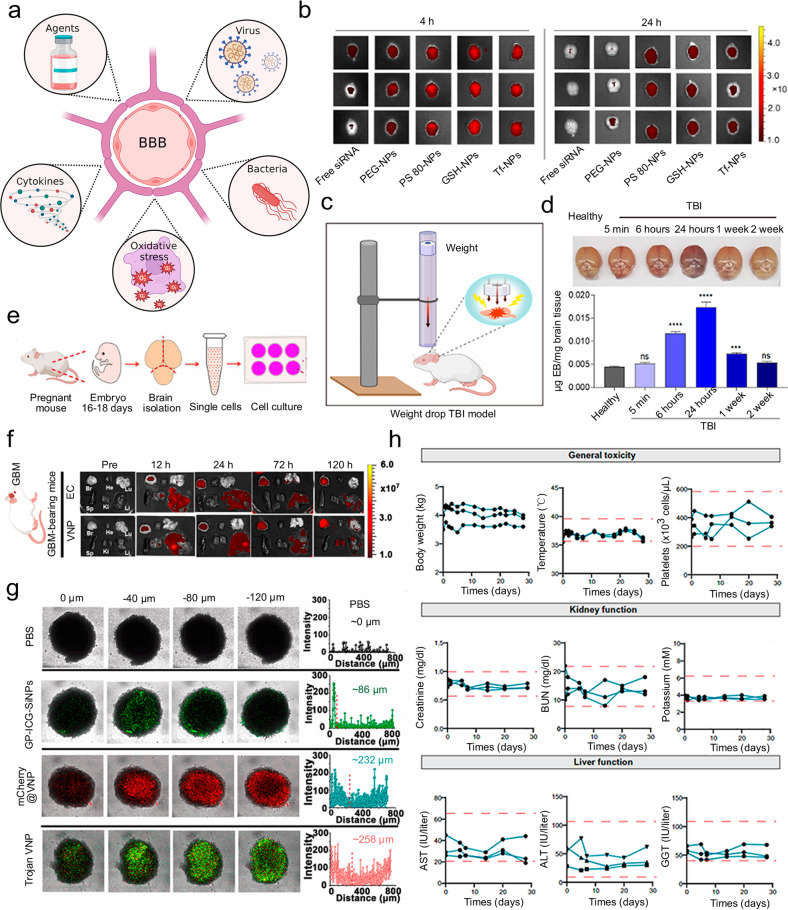
- The BBB is described as a semi-permeable barrier formed mainly by endothelial cells, astrocytes, pericytes, tight junctions, and adherens junctions; it protects the CNS but also excludes “more than 98% of small-molecule drugs and all macromolecular therapeutics” from brain access.
- The review groups BBB-crossing approaches into passive transcytosis, intranasal administration, ligand conjugation, membrane coating, external stimuli-mediated BBB disruption, and other non-invasive strategies.
- It reports several quantitative examples from the literature, including:
- passive transcytosis routes are limited to “hydrophilic compounds” under 150 Da and highly hydrophobic compounds under 400–600 Da;
- one liposomal system showed brain accumulation peaking at 3 h and 48 h after injection;
- cRGD-modified mesoporous silica nanoparticles (MSNs) of 20, 40, and 80 nm had transport capabilities of 44.0%, 59.2%, and 38.6%, respectively, versus 32.8% for free drugs;
- a PLGA micelle system extended a drug’s therapeutic window from 20 min to at least 4 h.
- The review highlights that many engineered systems can improve delivery, but clinical translation remains limited by safety, reproducibility, and the need for better targeting and evaluation models.
Methods
- This is a narrative review, not an original experimental study.
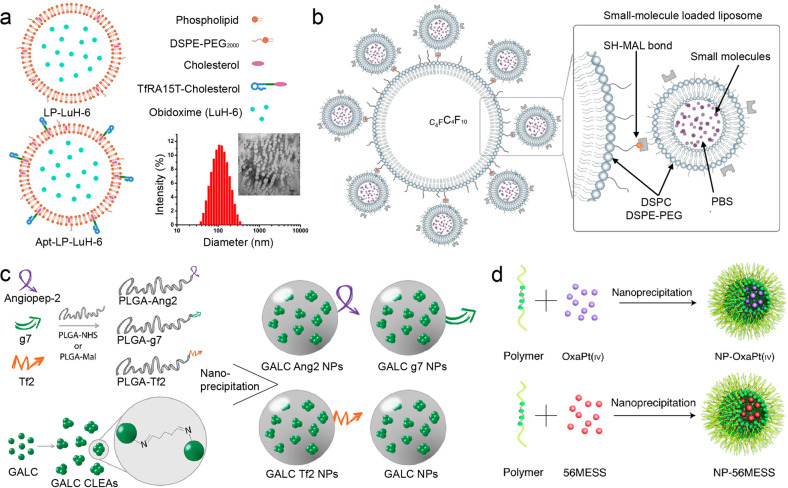
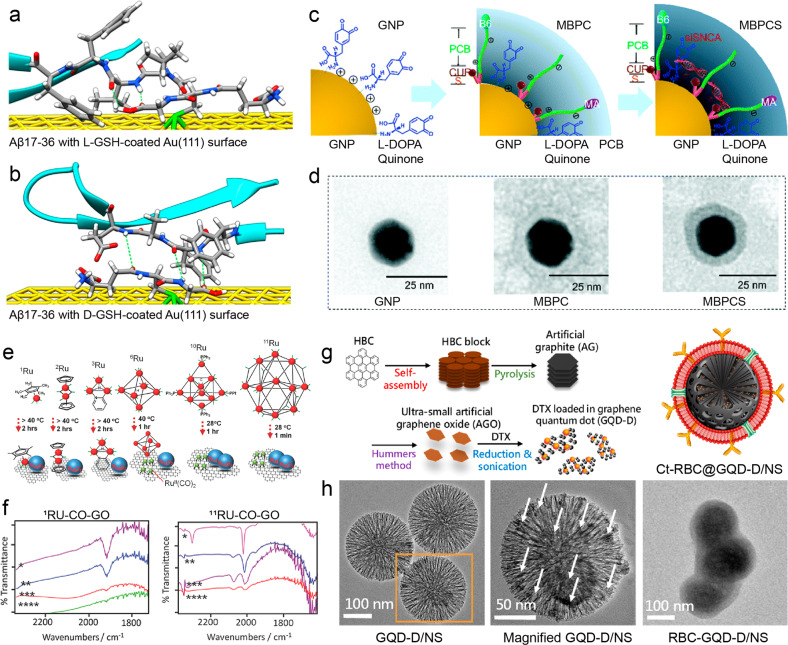
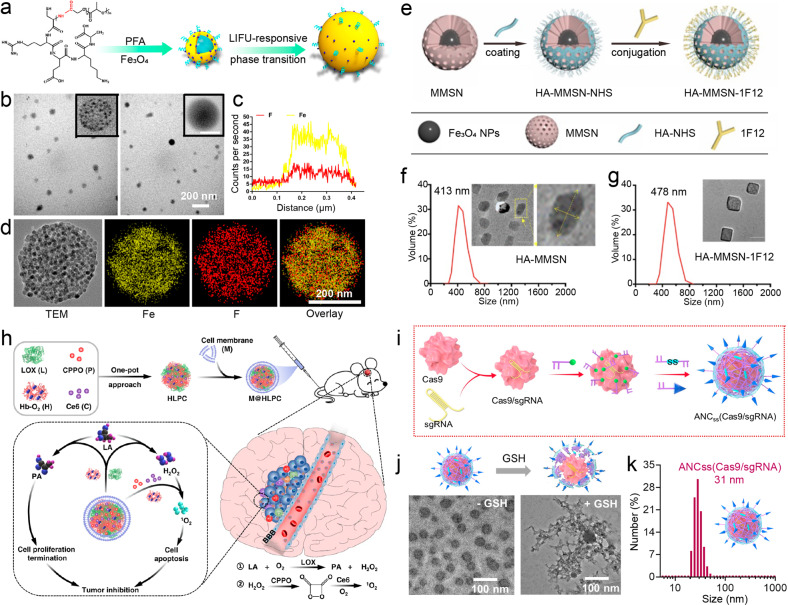
- It synthesizes prior studies on BBB structure/physiology and on brain-targeted delivery platforms, including liposomes, polymers, gold nanomaterials, carbon materials, iron oxide nanoparticles, silica nanomaterials, and biomimetic systems.
- The main analysis is qualitative: it organizes strategies by BBB transport route/mechanism and compares reported examples from the literature, including preclinical and some clinical-trial-oriented work.
Limitations
- The authors explicitly state that “a timely and comprehensive review is lacking,” indicating the field is broad and rapidly evolving.
- They also say that “there is still a long way to go from clinical popularization and translational application,” and list unresolved issues including better BBB models, region-specific delivery, safety, interactions among components, scalability, and reproducibility.
- Evident from the text: this paper is a review of published examples rather than a primary study, so it does not present a single unified dataset or direct experimental validation of the strategies discussed.
Model-written summary. Check it against the paper before relying on it.
Integrity signals
Registry
Cites
Statistics
Figures
Verification
Claims the paper makes
49 Valid · 1 Not valid · 72 Not checked · 14 Own results and interpretations
At least one cited source doesn’t support this claim or points to a different paper, and none confirmed it — see the verdicts below.
In the paper
“Their method through the oscillating of microbubbles under the ultrasound field could implement the transport of the gene product beyond the blood vessels without breaking the tight junctions and disrupting the BBB.”
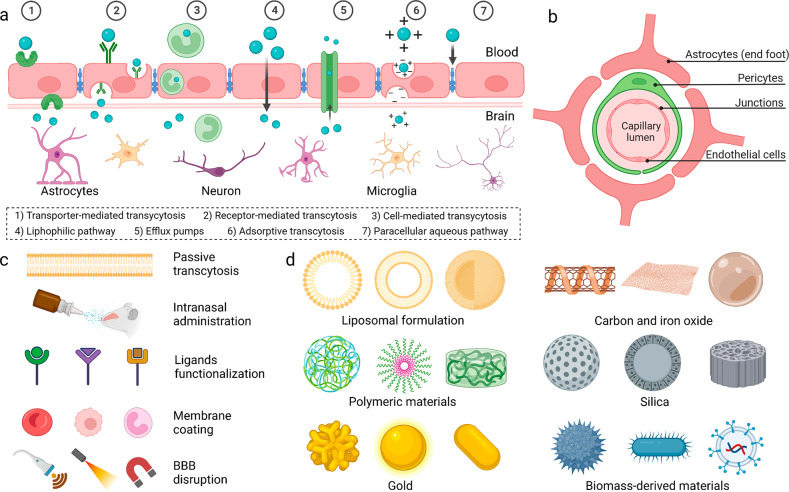
§ The blood–brain barrier: Structure, regulation and drug delivery > Strategies for BBB regulation and crossing Brain tumors, cerebrovascular diseases, and neurodegenerative diseases, including Parkinson’s disease, Alzheimer’s disease, and multiple sclerosis, are serious CNS diseases.132 However, therapies for these challenging diseases are limited, because of the lack of effective methods, to enable drugs surpass natural protective hindrances to maintain homeostasis within the brain for preventing the entry of drug molecules to the CNS.133 A number of drugs are routinely administrated by invasive strategies for the management of these diseases and symptom control. For instance, intrathecal drug administration is a typical method for drug delivery into the entire ventricular system without passing through the BBB.134,135 It has been approved to deliver anti-sense oligonucleotides for the treatment of spinal muscular atrophy.136 Other invasive strategies including convection-enhanced delivery,137,138 intracranial implantation,139,140 and deep-brain stimulation were developed for brain drug delivery.141,142 Recent development of microneedle and polymeric wafers with minimal invasiveness provides sustained drug release for CNS disease management which circumvent the BBB.143–146 But the potential risks from brain exposure and damage of these invasive strategies limited their applications for long-term use. In order to efficiently deliver drugs into the brain with safety and precision, various non-invasive strategies to overcome BBB have been exploited. These strategies include BBB penetration via passive transcytosis, intranasal administration, ligands conjugation, membrane coating, and the BBB disruption using light, focused ultrasound, biochemical reagents, and radiation. > External stimuli-mediated BBB disruption
What the sources say
- Disputedcites [225] Gorick, C. M. et al. Sonoselective transfection of cerebral vasculature without blood-brain barrier disruption. Proc. Natl Acad. Sci. USA 117, 5644–5654 (2020). 32123081 PMC7084076 sourceExperimental — accuracy not yet measured
The Abstract says the method uses low-pressure ultrasound and oscillating microbubbles to transfect cerebral endothelial cells without opening the BBB. Contrary to the claim of transport beyond blood vessels, the Discussion section “In Vivo Endothelial Cell Sonoporation without Tight Junction Disruption or Transcellular Transport” says transfection is nearly all confined to the endothelium and does not promote additional transcellular transport. (LLM, conf=0.90)
Checked by a reasoning model — may be wrong.
hedgedstates a cause- Asserted: passes — The authors put it forward as true.
- Checkable: passes — It can be checked against evidence.
- Load-bearing: passes — The paper’s conclusions depend on it.
- Based: passes — The paper gives a reason why it holds.
- Disputed
Every source the paper cites for this claim was checked and supports it.
In the paper
“BBB is a spacious, multicellular, and dynamic semi-permeable membrane that isolates the foreign substances in the blood from the CNS.27”
§ The blood–brain barrier: Structure, regulation and drug delivery > BBB structure and physiology > Anatomical structure of the BBB
What the sources say
- Supportedcites [27] Upton, D. H. et al. Challenges and opportunities to penetrate the blood-brain barrier for brain cancer therapy. Theranostics 12, 4734–4752 (2022). 35832071 PMC9254248 source
The Introduction (§ The Blood-Brain barrier; page not provided) calls the BBB a semi-permeable membrane and says it prevents potentially harmful exogenous substances from passing from the bloodstream into the brain. It also describes the endothelial cells, pericytes, and astrocytes that form the barrier. (LLM, conf=0.93)
plainstates a cause- Asserted: passes — The authors put it forward as true.
- Checkable: passes — It can be checked against evidence.
- Load-bearing: passes — The paper’s conclusions depend on it.
- Based: passes — The paper gives a reason why it holds.
- Supported
Every source the paper cites for this claim was checked and supports it.
In the paper
“However, therapies for these challenging diseases are limited, because of the lack of effective methods, to enable drugs surpass natural protective hindrances to maintain homeostasis within the brain for preventing the entry of drug molecules to the CNS.133”
§ The blood–brain barrier: Structure, regulation and drug delivery > Strategies for BBB regulation and crossing Brain tumors, cerebrovascular diseases, and neurodegenerative diseases, including Parkinson’s disease, Alzheimer’s disease, and multiple sclerosis, are serious CNS diseases.132 However, therapies for these challenging diseases are limited, because of the lack of effective methods, to enable drugs surpass natural protective hindrances to maintain homeostasis within the brain for preventing the entry of drug molecules to the CNS.133 A number of drugs are routinely administrated by invasive strategies for the management of these diseases and symptom control. For instance, intrathecal drug administration is a typical method for drug delivery into the entire ventricular system without passing through the BBB.134,135 It has been approved to deliver anti-sense oligonucleotides for the treatment of spinal muscular atrophy.136 Other invasive strategies including convection-enhanced delivery,137,138 intracranial implantation,139,140 and deep-brain stimulation were developed for brain drug delivery.141,142 Recent development of microneedle and polymeric wafers with minimal invasiveness provides sustained drug release for CNS disease management which circumvent the BBB.143–146 But the potential risks from brain exposure and damage of these invasive strategies limited their applications for long-term use. In order to efficiently deliver drugs into the brain with safety and precision, various non-invasive strategies to overcome BBB have been exploited. These strategies include BBB penetration via passive transcytosis, intranasal administration, ligands conjugation, membrane coating, and the BBB disruption using light, focused ultrasound, biochemical reagents, and radiation.
What the sources say
- Supportedcites [133] Yang, J., Luly, K. M. & Green, J. J. Nonviral nanoparticle gene delivery into the CNS for neurological disorders and brain cancer applications. Wiley Interdiscip. Rev. Nanomed. Nanobiotechnol. 15, e1853 (2022). 36193561 PMC10023321 source
The “Barriers of entry into the central nervous system” section says protective barriers maintain brain homeostasis and impede delivery of drug therapeutics. The “Systemic delivery” section calls crossing the blood–brain barrier the most prominent hurdle to CNS delivery, while the disease-profile section discusses brain tumors, stroke, and dementias. Page numbers are not available in our copy. (LLM, conf=0.88)
plainstates a cause- Asserted: passes — The authors put it forward as true.
- Checkable: passes — It can be checked against evidence.
- Load-bearing: passes — The paper’s conclusions depend on it.
- Based: passes — The paper gives a reason why it holds.
- Supported
The cited sources support only part of this claim — read each source’s verdict below.
In the paper
“In the BBB, tight junctions are the main functional components in sustaining the permeability barrier and controlling tissue homeostasis.88–91”
§ The blood–brain barrier: Structure, regulation and drug delivery > BBB structure and physiology > Anatomical structure of the BBB
What the sources say
- Supportedcites [88] Luissint, A. C., Artus, C., Glacial, F., Ganeshamoorthy, K. & Couraud, P. O. Tight junctions at the blood brain barrier: physiological architecture and disease-associated dysregulation. Fluids Barriers CNS 9, 23 (2012). 23140302 PMC3542074 source
The Abstract says BBB barrier properties notably depend on tight junctions and that the BBB is mandatory for cerebral homeostasis. The Background identifies tight junctions as a barrier to paracellular diffusion. Page numbers are not provided in our copy. (LLM, conf=0.88)
- Partly supportedcites [89] Anderson, J. M. & Van Itallie, C. M. Physiology and function of the tight junction. CSH Perspect. Biol. 1, a002584 (2009). PMC2742087 20066090 sourceExperimental — accuracy not yet measured
The Abstract (page unavailable) describes tight junctions as barriers that separate tissue spaces and regulate solute movement. The Size section (page unavailable) reports that deleting claudin-5 increases tight-junction permeability in blood vessels. These passages support a permeability-barrier role, but do not establish that tight junctions are the main functional components of the blood-brain barrier or that they control its tissue homeostasis. (LLM, conf=0.84)
- Partly supportedcites [90] Dong, X. Current strategies for brain drug delivery. Theranostics 8, 1481–1493 (2018). 29556336 PMC5858162 sourceExperimental — accuracy not yet measured
In “Blood-brain barrier in healthy brain,” the paper says tight junctions play a vital role in sustaining the permeability barrier and controlling tissue homeostasis. It does not identify tight junctions alone as the main functional components: it says interendothelial junctions collectively mainly control BBB permeability and adherens junctions primarily regulate endothelial-barrier permeability. (LLM, conf=0.86)
- Partly supportedcites [91] Ahlawat, J. et al. Nanocarriers as potential drug delivery candidates for overcoming the blood-brain barrier: challenges and possibilities. ACS Omega 5, 12583–12595 (2020). 32548442 PMC7288355 sourceExperimental — accuracy not yet measured
The Introduction’s “Blood–Brain Barrier (BBB)” section says tight junctions are the BBB’s main junctional component and restrict passage between endothelial cells, supporting their role in its permeability barrier. It attributes maintenance of homeostasis to the BBB as a whole, however, rather than specifically saying tight junctions control tissue homeostasis. No page number is available in our copy. (LLM, conf=0.83)
plainstates a cause- Asserted: passes — The authors put it forward as true.
- Checkable: passes — It can be checked against evidence.
- Load-bearing: unclear — It is unclear whether the paper’s conclusions depend on it.
- Based: passes — The paper gives a reason why it holds.
- Supported
Every source the paper cites for this claim was checked and supports it.
In the paper
“The paracellular pathway is the principal route blocked by the tight junctions of cell gaps, restricting ions, polar solutes, and most macromolecules.148”
§ The blood–brain barrier: Structure, regulation and drug delivery > Strategies for BBB regulation and crossing Brain tumors, cerebrovascular diseases, and neurodegenerative diseases, including Parkinson’s disease, Alzheimer’s disease, and multiple sclerosis, are serious CNS diseases.132 However, therapies for these challenging diseases are limited, because of the lack of effective methods, to enable drugs surpass natural protective hindrances to maintain homeostasis within the brain for preventing the entry of drug molecules to the CNS.133 A number of drugs are routinely administrated by invasive strategies for the management of these diseases and symptom control. For instance, intrathecal drug administration is a typical method for drug delivery into the entire ventricular system without passing through the BBB.134,135 It has been approved to deliver anti-sense oligonucleotides for the treatment of spinal muscular atrophy.136 Other invasive strategies including convection-enhanced delivery,137,138 intracranial implantation,139,140 and deep-brain stimulation were developed for brain drug delivery.141,142 Recent development of microneedle and polymeric wafers with minimal invasiveness provides sustained drug release for CNS disease management which circumvent the BBB.143–146 But the potential risks from brain exposure and damage of these invasive strategies limited their applications for long-term use. In order to efficiently deliver drugs into the brain with safety and precision, various non-invasive strategies to overcome BBB have been exploited. These strategies include BBB penetration via passive transcytosis, intranasal administration, ligands conjugation, membrane coating, and the BBB disruption using light, focused ultrasound, biochemical reagents, and radiation. > Passive transcytosis
What the sources say
- Supportedcites [148] Hersh, A. M., Alomari, S. & Tyler, B. M. Crossing the blood-brain barrier: advances in nanoparticle technology for drug delivery in neuro-oncology. Int. J. Mol. Sci. 23, 4153 (2022). 35456971 PMC9032478 source
The Introduction states that tight junctions connect BBB endothelial cells and, together with adherens junctions, restrict paracellular transport of ions, polar solutes, and most macromolecules. This supports the claim's description of the blocked pathway. (LLM, conf=0.90)
plainstates a cause- Asserted: passes — The authors put it forward as true.
- Checkable: passes — It can be checked against evidence.
- Load-bearing: unclear — It is unclear whether the paper’s conclusions depend on it.
- Based: passes — The paper gives a reason why it holds.
- Supported
74 more claims · 26 with their cited sources checked
Create a free account to see all 136 claims and to verify the 8 references still open.
- It may state two separate claims as one. 49
- The quote only partly states this claim. 3
- Probably not a substantial claim. 7
Claims other papers make about this one
Each is checked against this paper’s own text: does it say what the citing paper says it does?
The source backs part of the claim, not all of it — or backs it for a different population, condition or comparison.
In the citing paper
“Unfortunately, at present, systemic administration of siRNA-based therapeutics do not reach the CNS in meaningful concentrations due to the blood-brain barrier (BBB).3”
From Lipid-siRNA conjugate accesses a perivascular transport mechanism and achieves widespread and durable knockdown in the central nervous system (2024) · cites this paper as [3]
Experimental — accuracy not yet measuredThe cited source says what the claim attributes to it.
In the citing paper
“This protective barrier limits the entry of foreign substances, including drugs, into the central nervous system.”
The cited source says what the claim attributes to it.
In the citing paper
“ECs are the core anatomical structure of the BBB responsible for the link between the blood vessels and the CNS. Their membrane is negatively charged and allows the passage of small lipophilic molecules and specific substances via transporters present in their surface [6].”
The cited source says what the claim attributes to it.
In the citing paper
“This barrier is responsible for the regulation of molecule influx and efflux into and out of the brain.”
The cited source says what the claim attributes to it.
In the citing paper
“Also, despite the TJs that seal the ECs, some small and soluble molecules are also able to cross this gap between cells without mediation (paracellular pathway) [6].”
3 more claims about this paper
Create a free account to see every claim other papers make about this one.
Self-check
Percentages, sums and reported differences re-computed from the paper’s own numbers.
Self-check results appear here once an independent check has confirmed them.
Cited works that were retracted
Works this paper cites that were later retracted, from the retraction notices publishers deposit. Major when the notice came out before this paper was published.
A note, not an issue: for example, a cited work that was retracted only after this paper was published, which its authors could not have known.
In the paper
“375 More recently, variants of the AAV have been investigated for its potential use for BBB penetration.”
Cited work 10.1007/s12035-017-0746-5 · retracted 2026-05-14 · notice 10.1007/s12035-026-05921-w · this paper published 2023-05-25
Citations
Cites
1 retracted
Feng, L., Sharma, A., Niu, F., Huang, Y., Lafuente, J. V., Muresanu, D. F., Ozkızılcık, A., Tian, Z. R., & Sharma, H. S. (2017) · Molecular Neurobiology · doi:10.1007/s12035-017-0746-5 · Cited by 31 · cited 1×
“375 More recently, variants of the AAV have been investigated for its potential use for BBB penetration.”
BackgroundRetractedProspective identification of tumorigenic breast cancer cells
Al-Hajj, M., Wicha, M. S., Benito-Hernandez, A., Morrison, S. J., & Clarke, M. F. (2003) · Proceedings of the National Academy of Sciences · doi:10.1073/pnas.0530291100 · Cited by 10,370 · cited 1×
“Hyaluronic acid can specially target cell surface receptor CD44, which is highly expressed in breast cancer.(153) With the help of the CD44 target and MS boost, M@HNPs could penetrate blood–brain tumor barrier (BTB), internalizing into brain metastatic tumor cells (BMTCs), blunting drug efflux at BMTCs, and producing…”
BackgroundEngineering precision nanoparticles for drug delivery
Mitchell, M. J., Billingsley, M. M., Haley, R. M., Wechsler, M. E., Peppas, N. A., & Langer, R. (2021) · Nature Reviews Drug Discovery · doi:10.1038/s41573-020-0090-8 · Cited by 7,933
Astrocyte-endothelial interactions at the blood-brain barrier
Abbott, N. J., Rönnbäck, L., & Hansson, E. (2006) · Nature Reviews Neuroscience · doi:10.1038/nrn1824 · Cited by 5,595
Astrocytes: Biology and pathology
Sofroniew, M. V., & Vinters, H. V. (2010) · Acta Neuropathologica · doi:10.1007/s00401-009-0619-8 · Cited by 5,196
Structure and function of the blood–brain barrier
Abbott, N. J., Patabendige, A. A. K., Dolman, D. E. M., Yusof, S. R., & Begley, D. J. (2010) · Neurobiology of Disease · doi:10.1016/j.nbd.2009.07.030 · Cited by 5,185 · cited 1×
“2 In the meantime, catenins, p120, plakoprotein are responsible for supporting physics and regulating junctions by forming a bridge that interacts with zonula occludens-1 (tight junctions proteins) and the actin fi la-ments.”
BackgroundDelivery of siRNA to the mouse brain by systemic injection of targeted exosomes
Alvarez-Erviti, L., Seow, Y., Yin, H., Betts, C., Lakhal, S., & Wood, M. J. A. (2011) · Nature Biotechnology · doi:10.1038/nbt.1807 · Cited by 4,930
Liposomal drug delivery systems: From concept to clinical applications
Allen, T. M., & Cullis, P. R. (2013) · Advanced Drug Delivery Reviews · doi:10.1016/j.addr.2012.09.037 · Cited by 4,839 · cited 1×
“Liposomal formulations Liposomes are the first generation of drug delivery systems and have been widely used since their discovery in 1965.(248) They are composed of one or more lipid bilayers and hollow aqueous compartment, which endow them with loading versatility for both hydrophobic and hydrophilic therapeutic age…”
BackgroundDesigning hydrogels for controlled drug delivery
Li, J., & Mooney, D. J. (2016) · Nature Reviews Materials · doi:10.1038/natrevmats.2016.71 · Cited by 4,832
Doxil® — The first FDA-approved nano-drug: Lessons learned
Barenholz, Y. (. (2012) · Journal of Controlled Release · doi:10.1016/j.jconrel.2012.03.020 · Cited by 4,792
Research works printed but not linked: 1
- Oshra, B., Malka, S., Menachem, M. & Rachela, P. In Proc. SPIE, Nanoscale Imaging, Sensing, and Actuation for Biomedical Applications XVI. 108911H (2019).
Cited by
Items 401–500 of 1,850
Deuterated Nanopolymers for Renal and Lymphatic Imaging via Quantitative Deuterium MRI
Fries, L. M., Montrazi, E. T., Allouche‐Arnon, H., et al. (2025) · Nano Letters · doi:10.1021/acs.nanolett.4c03036 · Cited by 11
“47,48 The broad applicability of nanopolymers in biomedicine necessitates an extensive evaluation of various factors such as nanopolymer type, particle size, and surface group modification, among others.”
Tajbakhsh, A., Hosseinpour-Soleimani, F., Abedi, M., Hashempur, M. H., & Negahdaripour, M. (2025) · Stroke · doi:10.1161/strokeaha.124.049048 · Cited by 13
Hyperglycemia-induced blood-brain barrier dysfunction: Mechanisms and therapeutic interventions
Chen, C., Xu, X., Lu, J., Xiang, Y., Shi, L., & Liu, D. (2025) · Microvascular Research · doi:10.1016/j.mvr.2025.104820 · Cited by 19
Narayan, S., Gupta, P. K., & Nagpal, K. (2025) · Molecular Pharmaceutics · doi:10.1021/acs.molpharmaceut.5c00062 · Cited by 13
Cassanello, G., Luttwak, E., Brown, S., Devlin, S. M., Imber, B. S., Ip, A., Leslie, L. A., Golan-Accav, N., Avigdor, A., Marcus, R., et al. (2025) · British Journal of Haematology · doi:10.1111/bjh.20234 · Cited by 12
“6 9 Another critical consideration has been the potential for increased immune-effector cell-associated neurotoxicity syndrome (ICANS), attributed to CAR T-cell infiltration and interaction with mural cells.”
Lu, G., Zhuang, P., Li, F., Zhang, F., Li, L. X., Wang, W., & Tan, H. F. (2025) · Journal of Nanobiotechnology · doi:10.1186/s12951-025-03646-x · Cited by 20
Ding, Z., Zhang, K., Xie, J., Zhao, C., Li, H., Zhang, Y., Wang, M., & Wu, M. (2025) · Green Energy & Environment · doi:10.1016/j.gee.2025.09.007 · Cited by 12
Zhang, P., Jiang, Y., Li, X., Xu, Y., Geng, T., Luo, F., Li, W., Jin, X., & Qi, J. (2025) · Advanced Materials · doi:10.1002/adma.202509444 · Cited by 23
Beyond Antioxidants: The Emerging Role of Nrf2 Activation in Amyotrophic Lateral Sclerosis (ALS)
Sharbafshaaer, M., Pepe, R., Notariale, R., Canale, F., Tedeschi, G., Tessitore, A., Bergamo, P., & Trojsi, F. (2025) · International Journal of Molecular Sciences · doi:10.3390/ijms26209872 · Cited by 17
“These nanoparticles are often coated with BBB-penetrating ligands (e.g., transferrin, RVG peptides), enabling efficient delivery of small molecules or siRNA to motor neurons and glial cells [128,129].”
Zhang, Y. C., Li, Z., Guan, H., Qiu, Z., & Zou, C. (2025) · Clinical and Translational Medicine · doi:10.1002/ctm2.70548 · Cited by 21
“11, 12 Thus, the development of a delivery system that can safely and efficiently cross the BBB and precisely transport therapeutics to affected brain regions is critical for advancing AD treatment.”
Lee, S., Lee, J., & Lee, K. (2026) · Biomaterials Science · doi:10.1039/d5bm01582k · Cited by 13
Li, J., Guo, L., Cai, W., Mei, J., Liu, J., & Liu, Y. (2026) · Drug Delivery · doi:10.1080/10717544.2026.2645830 · Cited by 22
“Intraperitoneal (IP) injection leverages the high absorptive capacity of the peritoneum, with some studies reporting drug absorption rates 3,000-fold faster than IV delivery (Wu et al. 2023).”
Naim, A., Farooqui, A. M., Badruddeen, B., Khan, M. I., Akhtar, J., Ahmad, A., Ashique, S., & Islam, A. (2026) · Frontiers in Neurology · doi:10.3389/fneur.2026.1792829 · Cited by 20
“Among these, BBB penetration is the most extensively studied and is considered the most promising strategy because of its minimally invasive nature (17).”
Javan, M., Zareian, D. A., & Mojarad-Jabali, S. (2026) · International Journal of Nanomedicine · doi:10.2147/ijn.s563233 · Cited by 18
“114 Brain microvascular endothelial cells (BMECs) are a key cellular element of the BBB.”
Ortiz, R. C., Knerler, S. A., Fridman, L. B., Mercado, A., Price, A. C., Rosado‐Franco, J. J., Wilkins, H. N., Flores, B. R., Orsburn, B. C., & Williams, D. W. (2024) · Fluids and Barriers of the CNS · doi:10.1186/s12987-023-00507-3 · Cited by 12
Tinku, Sahoo, S., Shaikh, S. A. M., Priyadarsini, K. I., & Choudhary, S. (2024) · The Journal of Chemical Thermodynamics · doi:10.1016/j.jct.2024.107273 · Cited by 12
Kim, S., Ullah, I., Beloor, J., Chung, K., Kim, J.-K., Yi, Y., Kang, E., Yun, G., Heo, S., Pyun, S.-H., et al. (2024) · Biomaterials Research · doi:10.34133/bmr.0027 · Cited by 12
Wang, Y., Liu, C., Ren, Y., Song, J., Fan, K., Gao, L., Ji, X., Chen, X. S., & Zhao, H. (2024) · International Journal of Nanomedicine · doi:10.2147/ijn.s456632 · Cited by 11
“101,102 The BBB is a self-protective layer that allows only particles that are small enough or lipid soluble to bypass this barrier.”
BackgroundSelf-citationOsztie, R., Czeglédi, T., Ross, S., Stipsicz, B., Kalydi, E., Béni, S., Boldizsár, I., Riethmüller, E., Bősze, S. E., & Alberti, Á. (2024) · International Journal of Molecular Sciences · doi:10.3390/ijms25136930 · Cited by 14
“Based on our results and the net negative surface charge of endothelial cells in the blood–brain barrier, refusing to accept negatively charged compounds [94], transcellular passive diffusion of gallic acid ( 14 ) across the BBB is very unlikely.”
Evolving insights into erythrocytes in synucleinopathies
Yang, Y., Nie, X., Wang, Y., Sun, J., Gao, X., & Zhang, J. (2024) · Trends in Neurosciences · doi:10.1016/j.tins.2024.06.005 · Cited by 15
Self-citationInnovation in nanomedicine: nanocarriers for central nervous system disorders management
Waqar, M. A., Mubarak, N., Khan, A. M., Ahmad, S., Zaib, M., Kanwal, U., Khan, I. N., Ayesha, M., Mughal, M., & Fahad, M. (2024) · International Journal of Polymeric Materials · doi:10.1080/00914037.2024.2399271 · Cited by 14
“…intercellular connections, limited ability to absorb fluids, drug transporters that are expressed on the outer surface, and a The barrier function is influenced by a significant amount of drug-metabolizing enzymes and hinder the movement of the substances via the bloodstream to the brain [62] .”
Evolution of lipid nanoparticles as charioteers of Alzheimer's disease therapeutics
Chakraborty, B., Patel, G., Padhan, B., Das, J., & Patel, M. (2024) · Applied Materials Today · doi:10.1016/j.apmt.2024.102442 · Cited by 18
Ravichandiran, V., Kesharwani, A., Anupriya, Bhaskaran, M., Parihar, V. K., Bakhshi, S., Velayutham, R., & Kumarasamy, M. (2024) · Precision medicine and engineering. · doi:10.1016/j.preme.2024.100010 · Cited by 11
Increased understanding of complex neuronal circuits in the cerebellar cortex
Jun, S., Park, H., Kim, M., Kang, S., Kim, T.-H., Kim, D., Yamamoto, Y., & Tanaka, K. (2024) · Frontiers in Cellular Neuroscience · doi:10.3389/fncel.2024.1487362 · Cited by 12
Molecular imaging-guided diagnosis and treatment integration for brain diseases
Yu, D., Liu, M., Ding, Q., Wu, Y., Wang, T., Song, L., Li, X., Qian, K., Cheng, Z., Gu, M., et al. (2024) · Biomaterials · doi:10.1016/j.biomaterials.2024.123021 · Cited by 13
Haridevamuthu, B., Bharti, A. K., Nayak, S. P. R. R., Narayanan, D., Dhivya, L. S., Chagaleti, B. K., Saravanan, V., Rajagopal, R., Alfarhan, A., Kathiravan, M. K., et al. (2024) · British Journal of Pharmacology · doi:10.1111/bph.17426 · Cited by 13
“Studies focusing on the BBB permeability of DK02 are particularly important, because effective delivery to the brain is crucial for its success as a therapeutic agent (Wu et al., 2023).”
Comparing Effects of Aromatherapy with Five Herbs Essential Oils on PCPA-induced Insomnia Mice
Feng, P., Chen, J., Chen, X., et al. (2024) · Journal of Microbiology and Biotechnology · doi:10.4014/jmb.2409.09021 · Cited by 11
Self-citationDynamic Pathophysiological Insight into the Brain by NIR‐II Imaging
Chen, S., Chen, H., Li, X., He, S., Shou, K., Qian, K., Fang, Z., Gu, F., Chang, B., & Cheng, Z. (2025) · Advanced Science · doi:10.1002/advs.202416390 · Cited by 14
Yang, J., Ai, X., Zhang, C., Guo, T., & Feng, N. (2025) · Expert Opinion on Drug Delivery · doi:10.1080/17425247.2025.2487589 · Cited by 17
“Blood-brain barrier (BBB) is a major obstacle to drug development in the central nervous system [106].”
Gao, Z., Qiu, R., Dave, D. R., Chandravanshi, P., Soares, G. P., Smith, C. S., Ortega, J. A., Palmer, L. C., Álvarez, Z., & Stupp, S. I. (2025) · Journal of the American Chemical Society · doi:10.1021/jacs.5c00105 · Cited by 13
Adnani, L., Meehan, B., Kim, M., Choi, D., Rudd, C. E., Riazalhosseini, Y., & Rak, J. W. (2025) · Science Advances · doi:10.1126/sciadv.adr6940 · Cited by 14
“TJs are composed of a complex microanatomical and signaling structures including integral membrane proteins (occludins and clau-dins) and their intracellular interactors, of which zonula occludens (ZO) proteins represent one of the main subsets ( 28 , 29 ).”
Afshari, M., Pourmadadi, M., Shabestari, S. M., Abdouss, H., & Abdouss, M. (2025) · Inorganic Chemistry Communications · doi:10.1016/j.inoche.2025.114782 · Cited by 18
Biomaterials in Alzheimer's Disease: An Anti‐Neuroinflammatory Perspective
Huang, N., Huang, W., Wang, M., Shi, J., Luo, Y., & Huang, J. (2025) · Advanced Healthcare Materials · doi:10.1002/adhm.202500498 · Cited by 13
Tackling myelin deficits in neurodevelopmental disorders using drug delivery systems
Rokach, M., Portioli, C., Brahmachari, S., Estevão, B. M., Decuzzi, P., & Barak, B. (2024) · Advanced Drug Delivery Reviews · doi:10.1016/j.addr.2024.115218 · Cited by 11
Xu, J., Du, Y., Zhu, N., Li, J., Zhang, Y., Zhou, D., & Zhu, S. (2025) · Advanced Science · doi:10.1002/advs.202500443 · Cited by 10
Zheng, J., Wang, H., Wu, W., Wang, L., Qin, M., Zhu, L., Liu, Z., Chen, Y., & Yu, Y. (2025) · Journal of Neuroinflammation · doi:10.1186/s12974-025-03408-4 · Cited by 12
“It is a crucial barrier that protects and maintains brain homeostasis and serves as an essential channel for communication between the peripheral and central immune systems [25].”
Wang, X., Song, Y., Wan, J., Shi, Y., Zhang, Q., & Tian, Y. (2025) · Analytical Chemistry · doi:10.1021/acs.analchem.5c02032 · Cited by 13
3D Bioprinted Neural Tissues: Emerging Strategies for Regeneration and Disease Modeling
Choi, T., Park, J., Lee, S.-Y., Jeon, H., Kim, B. H., Kim, H., & Lee, H. (2025) · Pharmaceutics · doi:10.3390/pharmaceutics17091176 · Cited by 16
“In contrast to the PNS, the CNS exhibits a highly complex structure, characterized by the presence of the BBB, intricate neural networks, and highly localized cellular architectures; however, its capacity for self-repair remains limited [115,116].”
Ferreira, C., Sarmento, B. F. C. C., & Martins, C. (2025) · Advanced Drug Delivery Reviews · doi:10.1016/j.addr.2025.115702 · Cited by 17
Wang, R., Zhang, R., Zhou, J., & Ran, J. (2025) · Pharmacology & Therapeutics · doi:10.1016/j.pharmthera.2025.108934 · Cited by 20
Enhancing lipid nanoparticles-mediated RNA delivery to glioblastoma via targeted strategies
Wang, N., Qing, Q., Xue, Y., Cai, S., Zheng, M., Zhang, D., & Ismail, M. (2025) · Journal of Controlled Release · doi:10.1016/j.jconrel.2025.114472 · Cited by 16
Mitochondria-Targeted Nanosystems in the Treatment of Central Nervous System Diseases
Zhang, X., Chen, J., Wan, B., Zheng, Y., & Chen, X. (2025) · International Journal of Nanomedicine · doi:10.2147/ijn.s562666 · Cited by 17
Self-citationAdvances in PLGA-Based Drug Delivery Systems for Glioblastoma Treatment
Roy, S. D., Alday, D., & Cai, Q. (2025) · International Journal of Nanomedicine · doi:10.2147/ijn.s563730 · Cited by 13
“6 Due to the presence of these junctional complexes, EC connections at the BBB are 50–100 times tighter than those at the peripheral microvascular wall.”
Fontanelli, L., Castronovo, A., Ferri, C., Vozzi, F., Recchia, F. A., & Borghini, A. (2026) · International Journal of Molecular Sciences · doi:10.3390/ijms27020780 · Cited by 12
“In the brain, ECs form a continuous, non-fenestrated mono-layer with complex tight junctions and minimal transcytosis, constituting the structural basis of the blood–brain barrier [5].”
Kamyab, H., Jamalpour, S., Khalili, E., & Rajendran, S. (2026) · Powder Technology · doi:10.1016/j.powtec.2026.122244 · Cited by 16
Hocaoğlu, R., Zıkşahna, K., & Ihlamur, M. (2026) · Health Nanotechnology · doi:10.1186/s44301-026-00026-8 · Cited by 19
Huang, F., Mao, F., Nong, W., Gong, Z., Lao, D., & Huang, W. (2023) · Molecular Neurobiology · doi:10.1007/s12035-023-03833-7 · Cited by 10
Xiao, H. T., Bao, X., Bai, N., Zhu, W., Saqirila, S., Hu, X., Bao, Q., & Baigude, H. (2024) · Journal of Medicinal Chemistry · doi:10.1021/acs.jmedchem.4c01176 · Cited by 14
Approaches for Targeting Naegleria fowleri Using Nanoparticles and Artificial Peptides
Fong, H., Leid, Z. H., & Debnath, A. (2024) · Pathogens · doi:10.3390/pathogens13080695 · Cited by 11
Neurovascular dysfunction in psychiatric disorders: Underlying mechanisms and therapeutic approaches
Sanches, E. S., Simões, D. M., Baptista, F. I., & Silva, A. P. (2024) · European Journal of Clinical Investigation · doi:10.1111/eci.14319 · Cited by 11
“…important for maintaining the structure and function of the BBB. 20,21 Overall, pericytes are embedded in the basement membrane covering nearly 90% of the capillary bed 22,23 and release signalling factors that impact ECs, influencing the number of TJs and the polarization of astrocyte end-feet.”
Nanoparticles in CNS Therapeutics: Pioneering Drug Delivery Advancements
Nayak, U. Y., Halagali, P., Panchal, K. N., Tippavajhala, V. K., Mudgal, J., Radhakrishnan, R. A., & Manikkath, J. (2024) · Current Pharmaceutical Design · doi:10.2174/0113816128328722240828184410 · Cited by 14
Sahin, H., Yücel, O., Holloway, P. M., Yıldırım, E., Emik, S., Gürdağ, G., Tanrıverdi, G., & Şentürk, G. E. (2024) · Pharmaceuticals · doi:10.3390/ph17121567 · Cited by 13
Mitochondria-targeting by small molecules against Alzheimer's disease: A mechanistic perspective
Pal, C. (2024) · Biochimica et Biophysica Acta (BBA) - Molecular Basis of Disease · doi:10.1016/j.bbadis.2024.167617 · Cited by 14
Bioresponsive Polymeric Nanoparticles: From Design, Targeted Therapy to Cancer Immunotherapy
Sun, H., & Zhong, Z. (2024) · Biomacromolecules · doi:10.1021/acs.biomac.4c01257 · Cited by 10
Unraveling the SARS-CoV-2 spike protein long-term effect on neuro-PASC
Menezes, F., Palmeira, J. D. F., Oliveira, J. D. S., Argañaraz, G. A., Soares, C. R. J., Nóbrega, O. D. T., Ribeiro, B. M., & Argañaraz, E. R. (2024) · Frontiers in Cellular Neuroscience · doi:10.3389/fncel.2024.1481963 · Cited by 10
Li, S., Zhang, J., Yu, T., Song, G., Ke, J., Wang, K., Xu, Y., Hong, Y., Meng, T., Hong, Y. K., et al. (2024) · Journal of Controlled Release · doi:10.1016/j.jconrel.2024.12.059 · Cited by 12
NET formation-mediated in situ protein delivery to the inflamed central nervous system
Wu, Y., Park, J.-W., Le, Q., Byun, J., Choi, J., Xu, E., Lee, J., & Oh, Y. (2024) · Nature Communications · doi:10.1038/s41467-024-54817-7 · Cited by 19
Zhang, Q., Wang, J., Chen, Z., Qin, H., Zhang, Q., Tian, B., & Li, X. (2025) · Biomedical Materials · doi:10.1088/1748-605x/ada85e · Cited by 15
Self-citationGöktürk, T. (2025) · Applied Organometallic Chemistry · doi:10.1002/aoc.70006 · Cited by 10
Abdelbari, M. A., & Mosallam, S. (2025) · Journal of Liposome Research · doi:10.1080/08982104.2025.2473335 · Cited by 10
“Improve crossing physiological barriers: The delivery of a drug into the bloodstream directly requires the overcoming of extracellular matrixes, epithelial membranes, the blood–brain barrier, and tumor stroma [39], while the topical delivery requires high permeability of the skin and mucosa [40].”
Akanda, M. R., Lubaba, U., Rahman, M. K., Islam, A., Akter, M., Islam, M. S., Uddin, M. N., & Park, B. (2025) · Pathology - Research and Practice · doi:10.1016/j.prp.2025.155918 · Cited by 10
MFSD2A in Focus: the Molecular Mechanism of Omega-3 Fatty Acid Transport
Blades, F., Yazici, A. T., Cater, R. J., & Mancia, F. (2025) · Physiology · doi:10.1152/physiol.00068.2024 · Cited by 15
Jing, Y., Zhao, G., Xu, Y., McGuire, T. F., Hou, G., Zhao, J. J., Chen, M., López, O. L., Xue, Y., & Xie, X. (2025) · The AAPS Journal · doi:10.1208/s12248-025-01059-0 · Cited by 14
“It functions as the main active boundary between the fluctuating blood conditions of the CNS and the surrounding extracellular fluid (1) (2), preventing neurotoxic plasma components, blood cells, and pathogens from entering the brain (3).”
From immunobiology to intervention: Pathophysiology of autoimmune encephalitis
Homeyer, M. A., Falck, A., Li, L. Y., & Prüß, H. (2025) · Seminars in Immunology · doi:10.1016/j.smim.2025.101955 · Cited by 15
Deng, K., Chen, Z. B., Zhang, X., Li, Y., Cheng, F., Wang, Z., & Wang, C. (2025) · Materials & Design · doi:10.1016/j.matdes.2025.114243 · Cited by 13
Self-citationBiologics as Therapeutical Agents Under Perspective Clinical Studies for Alzheimer’s Disease
Li, H., Shen, X., Zhang, B., & Zhu, Z. (2025) · Molecules · doi:10.3390/molecules30173479 · Cited by 12
“Most biologics, such as mAbs and nucleic acids, face significant barriers in crossing the BBB, a highly selective interface that limits the entry of over 98% of potential CNS therapeutics [195].”
Utomo, E., Li, L., Gao, J., Anjani, Q. K., Picco, C. J., Moreno‐Castellanos, N., Donnelly, R. F., Domínguez‐Robles, J., & Larrañeta, E. (2024) · Journal of Drug Delivery Science and Technology · doi:10.1016/j.jddst.2024.105973 · Cited by 12
“Accordingly, the development of systems capable of bypassing this barrier to enhance drug administration into the brain has attracted attention over the past decades [3,4].”
Targeting mitochondria with small molecules: A promising strategy for combating Parkinson’s disease
Pal, C. (2024) · Mitochondrion · doi:10.1016/j.mito.2024.101971 · Cited by 13
Torres, V. O., Pizzo, M. E., Chan, D., Dugas, J. C., Huynh, D., Joy, D. A., Liang, E., Sarrafha, L., Becerra, I. A., Chau, R., et al. (2025) · Journal of Cerebral Blood Flow & Metabolism · doi:10.1177/0271678x251361997 · Cited by 17
Huang, S. Q., Liu, B., Peng, F., Wang, Y., Han, S., & Tu, Y. (2025) · Advanced Materials · doi:10.1002/adma.202508865 · Cited by 13
Self-citationNanocarriers based therapy and diagnosis of brain diseases: cross the blood-brain barrier
An, L., Zhang, J., Wang, X., Ge, Y., Sun, K., Dong, J., Wang, P., Li, W., Li, M., Hu, X., et al. (2025) · Science and Technology of Advanced Materials · doi:10.1080/14686996.2025.2554048 · Cited by 14
“These cells are further embedded in the basement membrane and then wrapped by astrocytic end-feet [5,15] (Figure 2).”
Abdel-Maksoud, Y. T., Abdelhaseb, A. H., Abdo, A. A.-E., Kamel, A. M., Elsebay, M. T., & Attia, M. S. (2025) · World Journal of Clinical Oncology · doi:10.5306/wjco.v16.i9.108731 · Cited by 12
Bartusik‐Aebisher, D., Tylutki, J., Tylutki, M., Leś, D., & Aebisher, D. (2025) · International Journal of Molecular Sciences · doi:10.3390/ijms26199418 · Cited by 10
“Wedged endothelial cells line the interior of capillary vessels and create tight junctions, simultaneously coalescing with receptors’ transporters and efflux pumps embedded in the cellular membrane to control the movement of substances between the bloodstream and the CNS [26–28].”
Zhang, Y., Wang, Y., Li, B., Han, Y., Du, J., Chen, Y., Ye, J., Luo, C., Chen, H., Peng, F., et al. (2025) · Journal of Controlled Release · doi:10.1016/j.jconrel.2025.114297 · Cited by 10
Self-citationSica, F. S., Patrucco, M., Giambra, M., Ghizzi, M., Sesana, S., Vergani, B., Leone, B. E., Cristofori, A. D., Giussani, C. G., Nicolini, G., et al. (2025) · Scientific Reports · doi:10.1038/s41598-025-21272-3 · Cited by 10
Degraders on Demand: Engineering Smart Nanocarriers for PROTAC Delivery
Amalraj, A. C., & Parthasarathy, V. P. (2025) · Molecular Pharmaceutics · doi:10.1021/acs.molpharmaceut.5c01070 · Cited by 17
Bioconjugates for improved delivery of oligonucleotide therapeutics to the central nervous system
Lee, H. J., Xie, Y., Greineder, C. F., & Tessier, P. M. (2026) · Advanced Drug Delivery Reviews · doi:10.1016/j.addr.2026.115778 · Cited by 12
Astrocytes in neuroinflammation and brain cancer
Sun, W., Chen, P., Xu, X., Zhang, J.-Q., & Jin, W. (2026) · Molecular Biomedicine · doi:10.1186/s43556-026-00439-y · Cited by 12
“Tumors previously classified as such—those arising from lower-grade precursors harboring IDH1 or IDH2 mutations—are now designated as Astrocytoma, IDH-mutant [77].”
Microfluidics for brain endothelial cell-astrocyte interactions
Sanapathi, J., Vipparthi, P., Mishra, S., Sosnik, A., & Kumarasamy, M. (2023) · Organs-on-a-Chip · doi:10.1016/j.ooc.2023.100033 · Cited by 11
Lipid engineered nanomaterials: A novel paradigm shift for combating stroke
Amulya, E., Bahuguna, D., Negi, M., Phatale, V., Sikder, A., Vambhurkar, G. B., Katta, C. B., Dandekar, M. P., Madan, J., & Srivastava, S. K. (2024) · Applied Materials Today · doi:10.1016/j.apmt.2024.102194 · Cited by 11
Construction of an intranasal drug delivery system with hypothalamus‐targeting nanoparticles
Rao, Q., Xu, Y., Wang, X., Luo, H., Li, H., Xiong, J., Gao, H., & Cheng, G. (2024) · SusMat · doi:10.1002/sus2.222 · Cited by 10
“3,4 Recent advances in nanomaterials provide a promising avenue for brain-targeted therapy, 5,6 offering promising prospects for increasing therapeutic efficiency with lower drug dosages.”
Jiang, X., Yan, F., Geng, Y., et al. (2024) · Experimental Neurology · doi:10.1016/j.expneurol.2024.114910 · Cited by 9
Bonada, M., Pittarello, M., Fazio, E. D., Gans, A., Alimonti, P., Slika, H., Legnani, F. G., Meco, F. D., & Tyler, B. (2024) · Genes · doi:10.3390/genes15081038 · Cited by 11
“Endothelial cells, astrocytes, pericytes, and junctional complexes form the BBB’s foundation [28,29].”
BackgroundA comprehensive review on organ-on-chips as powerful preclinical models to study tissue barriers
Filiz, Y., Esposito, A., Maria, C. D., Vozzi, G., & Yeşil-Çeliktaş, Ö. (2024) · Progress in Biomedical Engineering · doi:10.1088/2516-1091/ad776c · Cited by 13
Kumar, A., & Shukla, R. (2024) · Journal of Biomaterials Science Polymer Edition · doi:10.1080/09205063.2024.2396721 · Cited by 11
“The nanoparticles exhibit a propensity to localize precisely at tumor sites owing to their affinity for brain tumor cell membranes [109].”
Singh, A., & Reynolds, J. N. J. (2024) · Frontiers in Neuroanatomy · doi:10.3389/fnana.2024.1469250 · Cited by 10
“It regulates the influx and efflux transport of ions/molecules and protects neurons and glial cells inside the brain (Zhao et al., 2015; Obermeier et al., 2013; Banks, 2016; Wu et al., 2023).”
BackgroundLi, Y., Zhang, J., Ma, B., Yu, W., Xu, M., Luan, W., Yu, Q., Zhang, L., Rong, R., Fu, Y., et al. (2024) · International Journal of Pharmaceutics · doi:10.1016/j.ijpharm.2024.124786 · Cited by 11
Zhang, X., Long, Z., Qin, Z., Ran, H., Wu, S., Gong, M., & Li, J. (2024) · International Journal of Pharmaceutics · doi:10.1016/j.ijpharm.2024.125005 · Cited by 11
Lin, J., Qiao, C., Jiang, H., Liu, Z., Hu, Y., Liu, W., Yong, Y., & Li, F. (2024) · Ultrasonics Sonochemistry · doi:10.1016/j.ultsonch.2024.107181 · Cited by 10
“The complex structure and dedicate function of BBB protect central nervous system (CNS) from toxins and pathogens in circulating blood [2,3], but severely impedes most therapeutic drugs to enter the brain tissues [4] to treat neurological disorders [5].”
Vengadesan, D., Arumugam, N., Manikandan, E., & Mandal, A. (2024) · BioNanoScience · doi:10.1007/s12668-024-01773-7 · Cited by 10
“The ependymal cells present in BBB play more important characteristics in the BCSF barrier [20–23].”
Nanotherapeutics for Meningitis: Enhancing Drug Delivery Across the Blood-Brain Barrier
Sharma, H., Narayanan, K. B., Ghosh, S., Singh, K. K., Rehan, P., Amist, A. D., Bhaskar, R., & Sinha, J. K. (2025) · Biomimetics · doi:10.3390/biomimetics10010025 · Cited by 11
“This barrier plays a vital role in protecting the CNS by regulating the entry of harmful foreign molecules, thereby maintaining CNS homeostasis, enabling proper functioning of the neuronal system and protecting the neural tissue from pathogens and other foreign particles [61,62].”
Wang, K., Zheng, J., Li, R., Chen, T., Ma, Y., Wu, P., Luo, J., Zhu, J., Lin, W., Zhao, M., et al. (2025) · Advanced Science · doi:10.1002/advs.202412526 · Cited by 14
Self-citationMubarak, N., Waqar, M. A., Khan, A. M., Asif, Z., Alvi, A. S., Virk, A. A., & Amir, S. (2025) · Designed Monomers & Polymers · doi:10.1080/15685551.2025.2464132 · Cited by 12
Brain endothelial cells as phagocytes: mechanisms and implications
Chang, R., Fisher, M., & Sumbria, R. K. (2025) · Fluids and Barriers of the CNS · doi:10.1186/s12987-025-00637-w · Cited by 9
“…include glucose transporters such as GLUT1 (which supplies the brain with glucose), and efflux transporters such as P-glycoprotein (which help remove foreign substances and toxins from the brain) [3, 4] ; and (d) high enzymatic activity which regulates the metabolism of xenobiotics and toxins [5].”
Ganzoni, R. L. Z., Bournons, S. S., Carreira, E. M., Bundel, D. D., & Smolders, I. J. (2025) · Medicinal Research Reviews · doi:10.1002/med.22105 · Cited by 10
PEGylated liposomes via ATRP for brain drug delivery
Chen, L., Zhang, Z., Simonsen, M. R., Owens, T., Khorooshi, R., & Wu, C. (2025) · Journal of Liposome Research · doi:10.1080/08982104.2025.2485428 · Cited by 10
“…most significant challenges in drug delivery is targeting the central nervous system (cNs), which is protected by the blood-brain barrier (BBB) [4,6,7]. the BBB is a highly selective structure that limits the passage of substances larger than 400 Da, restricting access for most therapeutic…”
Transcriptomic and morphologic vascular aberrations underlying FCDIIb etiology
Fang, C., Zhang, X., Yang, L., Sun, L., Lu, Y., Liu, Y., Guo, J., Wang, M., Tan, Y., Zhang, J., et al. (2025) · Nature Communications · doi:10.1038/s41467-025-58535-6 · Cited by 11
“5e), consistent with previous reports 33,34 .”
Applications of bionanomaterials in neurodegenerative diseases
Biswas, A., Hivare, P., Solanki, R., Gupta, S. K., & Bhatia, D. D. (2025) · Materials Advances · doi:10.1039/d4ma01215a · Cited by 10
Martins, F., Arada, R., Barros, H. L., Matos, P., Ramalho, J. S., Ceña, V., Bonifácio, V. D. B., Gonçalves, L. G., & Serpa, J. (2025) · Cancer Gene Therapy · doi:10.1038/s41417-025-00906-8 · Cited by 12
RETRACTED: Transferrin-guided liposomal nanocarriers: A strategy for targeted cancer treatment
Saeed, M., Altamash, M., Almoyad, M. A. A., Wahab, S., Gupta, G., Goh, K. W., & Kesharwani, P. (2025) · International Journal of Biological Macromolecules · doi:10.1016/j.ijbiomac.2025.145377 · Cited by 9
Retracted
Metadata
- Authors
- Wu, D., Chen, Q., Chen, X., Han, F., Chen, Z., & Wang, Y.
- Affiliations
- Zhejiang Chinese Medical University (CN)
- Nanjing Medical University (CN)
- Corresponding author
- Wu, Di
- Chen, Zhong
- Wang, Yi
- Venue
- Signal Transduction and Targeted Therapy
- Published
- 2023-05-25
- Volume
- 8
- Issue
- 1
- Pages
- 217-217
- ISSN
- 2059-3635 (ISSN-L)
- PMC
- PMC10212980
- OpenAlex
- W4378217890
- Semantic Scholar
- 1dd602f298d3e4fadff86dba309fb1ae7028e8f1
- Cited by
- 1,906
- References
- 409
- Citations by year
- 2026: 723 · 2025: 785 · 2024: 351 · 2023: 46
- FWCI
- 49.60
- Type
- journal article
- Language
- en
- Open access
- gold
- doi.org
- Licence
- cc-by
- creativecommons.org/licenses/by/4.0 (tdm)
- creativecommons.org/licenses/by/4.0 (vor)
- Locations
- Signal Transduction and Targeted Therapy (publishedVersion, cc-by)
- PubMed Central (publishedVersion, cc-by)
- PubMed (publishedVersion)
- DOAJ (DOAJ: Directory of Open Access Journals) (submittedVersion, cc-by-sa)
- Funders
- Natural Science Foundation of Zhejiang Province (LD22H310003)
- National Natural Science Foundation of China (82003666)
- National Foundation of Zhejiang Province
- Topics
- Life Sciences › Neuroscience › Neurology › Barrier Structure and Function Studies
- Health Sciences › Medicine › Oncology › Drug Transport and Resistance Mechanisms
- Physical Sciences › Materials Science › Biomaterials › Nanoparticle-Based Drug Delivery
- Keywords
- blood-brain barrier, brain drug delivery, intranasal drug delivery, ligand conjugation, nanomaterials
- MeSH terms
- Biological Products, Biological Transport, Blood-Brain Barrier, Brain, Pharmaceutical Preparations, Drug Delivery Systems
About these checks
Registry, retraction, Cites and statistics results are computed, not judged, with one exception: a printed reference that no index lists is read once by a model before it counts as a citation error. Claims are extracted by a model and kept only when their quote appears verbatim in the text; each cited source is then checked, with a model’s help, for whether it says what the claim relies on. Those verdicts can be wrong — read the claim’s quote and the cited source before relying on one.
The claim verdicts this report counts are experimental: their accuracy is not yet measured.
A language model drew the claims from the paper on 2026-10-10, under version 3 of the claim definition (model deepseek-v4.1-flash, prompt extract-v3).
A second model labelled each claim on 2026-10-10 (model jev-1.13-20260917, definition revision gold-guideline-v0.2).
Cited sources are checked with a language model’s help (gpt-6-sol).
Statistics and arithmetic are recomputed, not judged.
Confidence bands are shown only for fields calibrated on our annotated test set. None is calibrated yet, so no band is shown.
What counts as a claim ›How we measure confidence ›How we check this ›
Are you an author, or do you see a problem with this page? Request a review
Data sources
Bibliographic data: Semantic Scholar, OpenAlex, Crossref.
Contains information from the Semantic Scholar Academic Graph Datasets, made available under the ODC Attribution License (ODC-BY 1.0).
Semantic Scholar’s data is described in: Kinney, R., et al. (2023). The Semantic Scholar Open Data Platform. arXiv:2301.10140.
