

The blood–brain barrier: Structure, regulation and drug delivery
Open accessThe DOI matches its Crossref record; 407 of the 409 references it cites were found in a registry or an index; 56 of the 148 sources its claims cite were checked for support.
Abstract
Blood-brain barrier (BBB) is a natural protective membrane that prevents central nervous system (CNS) from toxins and pathogens in blood. However, the presence of BBB complicates the pharmacotherapy for CNS disorders as the most chemical drugs and biopharmaceuticals have been impeded to enter the brain.
Overview
CoChat Summary
TL;DR
This is a review of the blood–brain barrier (BBB) that explains its structure, physiology, and the main strategies used to cross or modulate it for brain-targeted drug delivery. It surveys organic, inorganic, and biomimetic delivery systems and argues that better BBB models, safer materials, and more precise targeting are needed for translation.
Key findings
- The BBB is described as a semi-permeable barrier formed mainly by endothelial cells, astrocytes, pericytes, tight junctions, and adherens junctions; it protects the CNS but also excludes “more than 98% of small-molecule drugs and all macromolecular therapeutics” from brain access.
- The review groups BBB-crossing approaches into passive transcytosis, intranasal administration, ligand conjugation, membrane coating, external stimuli-mediated BBB disruption, and other non-invasive strategies.
- It reports several quantitative examples from the literature, including:
- passive transcytosis routes are limited to “hydrophilic compounds” under 150 Da and highly hydrophobic compounds under 400–600 Da;
- one liposomal system showed brain accumulation peaking at 3 h and 48 h after injection;
- cRGD-modified mesoporous silica nanoparticles (MSNs) of 20, 40, and 80 nm had transport capabilities of 44.0%, 59.2%, and 38.6%, respectively, versus 32.8% for free drugs;
- a PLGA micelle system extended a drug’s therapeutic window from 20 min to at least 4 h.
- The review highlights that many engineered systems can improve delivery, but clinical translation remains limited by safety, reproducibility, and the need for better targeting and evaluation models.
Methods
- This is a narrative review, not an original experimental study.
- It synthesizes prior studies on BBB structure/physiology and on brain-targeted delivery platforms, including liposomes, polymers, gold nanomaterials, carbon materials, iron oxide nanoparticles, silica nanomaterials, and biomimetic systems.
- The main analysis is qualitative: it organizes strategies by BBB transport route/mechanism and compares reported examples from the literature, including preclinical and some clinical-trial-oriented work.
Limitations
- The authors explicitly state that “a timely and comprehensive review is lacking,” indicating the field is broad and rapidly evolving.
- They also say that “there is still a long way to go from clinical popularization and translational application,” and list unresolved issues including better BBB models, region-specific delivery, safety, interactions among components, scalability, and reproducibility.
- Evident from the text: this paper is a review of published examples rather than a primary study, so it does not present a single unified dataset or direct experimental validation of the strategies discussed.
Model-written summary. Check it against the paper before relying on it.
Integrity signals
Registry
Cites
Statistics
Figures
Verification
Claims the paper makes
49 Valid · 1 Not valid · 72 Not checked · 14 Own results and interpretations
At least one cited source doesn’t support this claim or points to a different paper, and none confirmed it — see the verdicts below.
In the paper
“Their method through the oscillating of microbubbles under the ultrasound field could implement the transport of the gene product beyond the blood vessels without breaking the tight junctions and disrupting the BBB.”
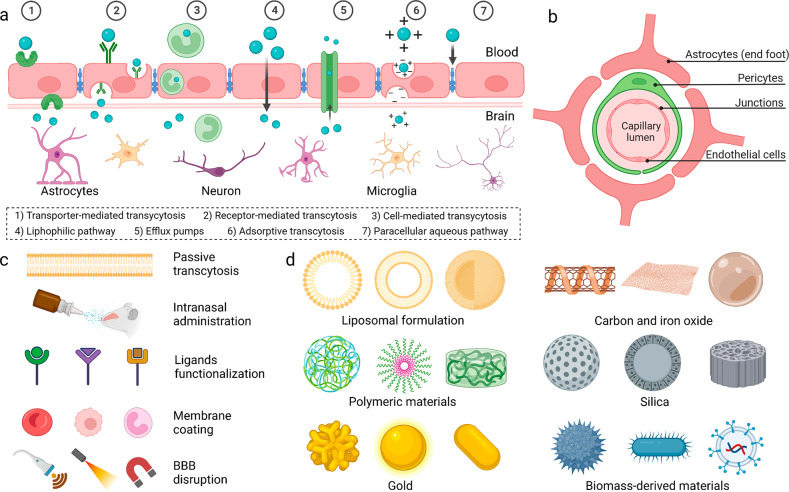
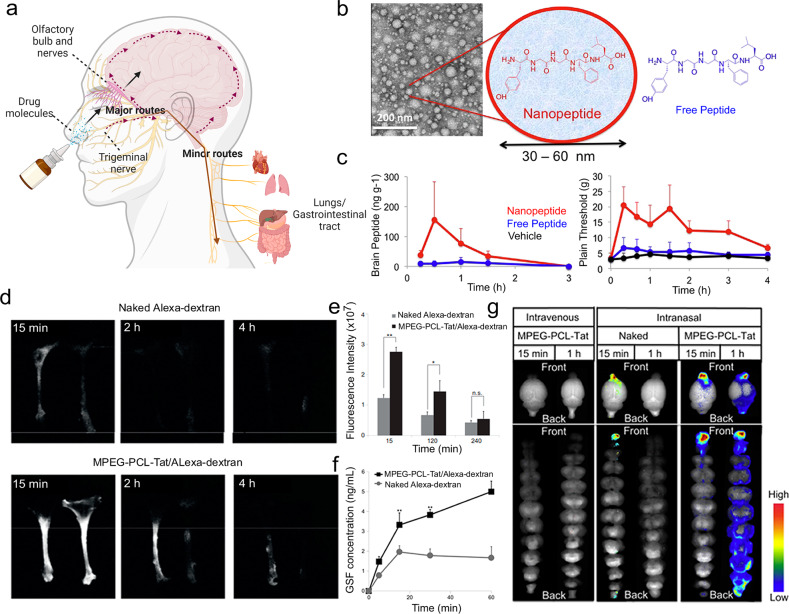
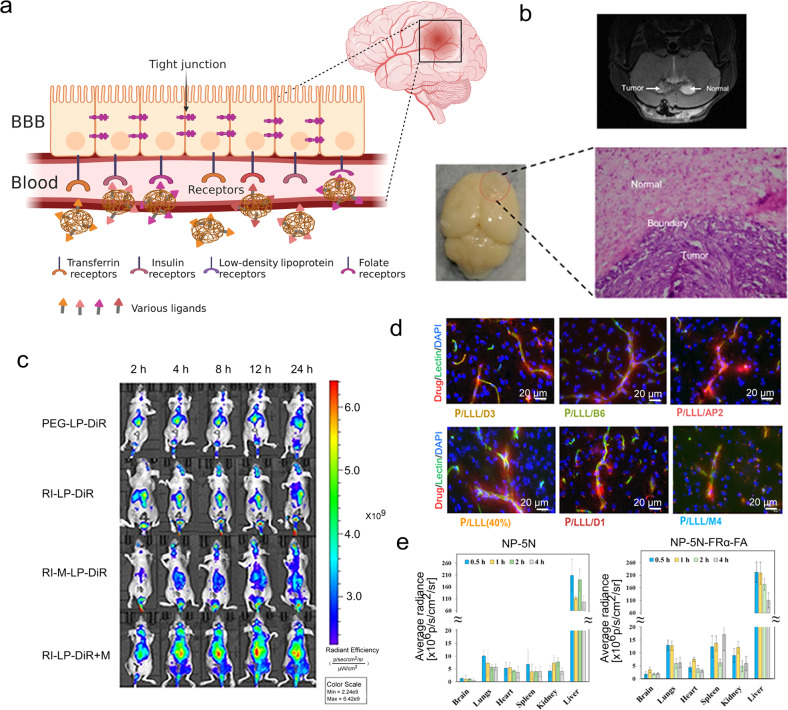
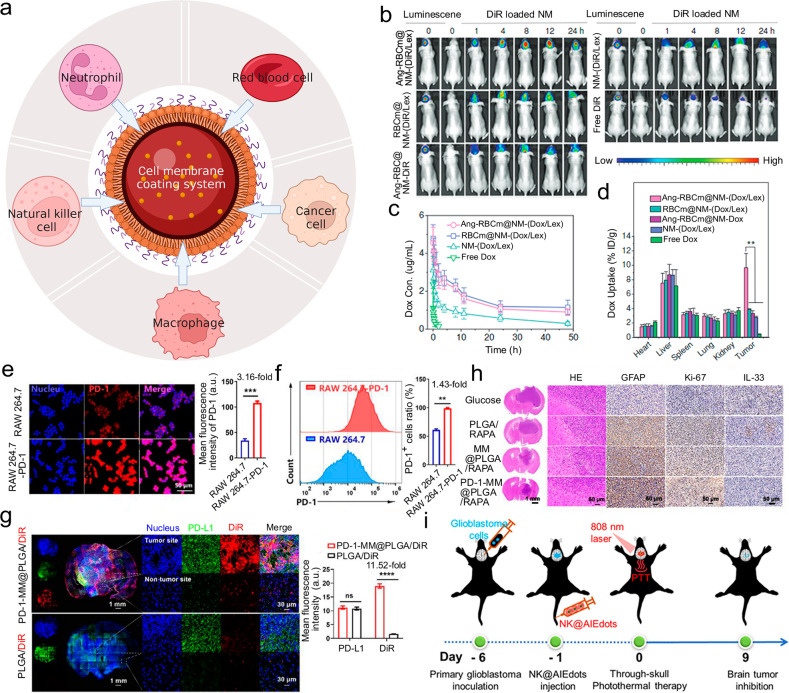
§ The blood–brain barrier: Structure, regulation and drug delivery > Strategies for BBB regulation and crossing Brain tumors, cerebrovascular diseases, and neurodegenerative diseases, including Parkinson’s disease, Alzheimer’s disease, and multiple sclerosis, are serious CNS diseases.132 However, therapies for these challenging diseases are limited, because of the lack of effective methods, to enable drugs surpass natural protective hindrances to maintain homeostasis within the brain for preventing the entry of drug molecules to the CNS.133 A number of drugs are routinely administrated by invasive strategies for the management of these diseases and symptom control. For instance, intrathecal drug administration is a typical method for drug delivery into the entire ventricular system without passing through the BBB.134,135 It has been approved to deliver anti-sense oligonucleotides for the treatment of spinal muscular atrophy.136 Other invasive strategies including convection-enhanced delivery,137,138 intracranial implantation,139,140 and deep-brain stimulation were developed for brain drug delivery.141,142 Recent development of microneedle and polymeric wafers with minimal invasiveness provides sustained drug release for CNS disease management which circumvent the BBB.143–146 But the potential risks from brain exposure and damage of these invasive strategies limited their applications for long-term use. In order to efficiently deliver drugs into the brain with safety and precision, various non-invasive strategies to overcome BBB have been exploited. These strategies include BBB penetration via passive transcytosis, intranasal administration, ligands conjugation, membrane coating, and the BBB disruption using light, focused ultrasound, biochemical reagents, and radiation. > External stimuli-mediated BBB disruption
What the sources say
- Disputedcites [225] Gorick, C. M. et al. Sonoselective transfection of cerebral vasculature without blood-brain barrier disruption. Proc. Natl Acad. Sci. USA 117, 5644–5654 (2020). 32123081 PMC7084076 sourceExperimental — accuracy not yet measured
The Abstract says the method uses low-pressure ultrasound and oscillating microbubbles to transfect cerebral endothelial cells without opening the BBB. Contrary to the claim of transport beyond blood vessels, the Discussion section “In Vivo Endothelial Cell Sonoporation without Tight Junction Disruption or Transcellular Transport” says transfection is nearly all confined to the endothelium and does not promote additional transcellular transport. (LLM, conf=0.90)
Checked by a reasoning model — may be wrong.
hedgedstates a cause- Asserted: passes — The authors put it forward as true.
- Checkable: passes — It can be checked against evidence.
- Load-bearing: passes — The paper’s conclusions depend on it.
- Based: passes — The paper gives a reason why it holds.
- Disputed
Every source the paper cites for this claim was checked and supports it.
In the paper
“BBB is a spacious, multicellular, and dynamic semi-permeable membrane that isolates the foreign substances in the blood from the CNS.27”
§ The blood–brain barrier: Structure, regulation and drug delivery > BBB structure and physiology > Anatomical structure of the BBB
What the sources say
- Supportedcites [27] Upton, D. H. et al. Challenges and opportunities to penetrate the blood-brain barrier for brain cancer therapy. Theranostics 12, 4734–4752 (2022). 35832071 PMC9254248 source
The Introduction (§ The Blood-Brain barrier; page not provided) calls the BBB a semi-permeable membrane and says it prevents potentially harmful exogenous substances from passing from the bloodstream into the brain. It also describes the endothelial cells, pericytes, and astrocytes that form the barrier. (LLM, conf=0.93)
plainstates a cause- Asserted: passes — The authors put it forward as true.
- Checkable: passes — It can be checked against evidence.
- Load-bearing: passes — The paper’s conclusions depend on it.
- Based: passes — The paper gives a reason why it holds.
- Supported
Every source the paper cites for this claim was checked and supports it.
In the paper
“However, therapies for these challenging diseases are limited, because of the lack of effective methods, to enable drugs surpass natural protective hindrances to maintain homeostasis within the brain for preventing the entry of drug molecules to the CNS.133”
§ The blood–brain barrier: Structure, regulation and drug delivery > Strategies for BBB regulation and crossing Brain tumors, cerebrovascular diseases, and neurodegenerative diseases, including Parkinson’s disease, Alzheimer’s disease, and multiple sclerosis, are serious CNS diseases.132 However, therapies for these challenging diseases are limited, because of the lack of effective methods, to enable drugs surpass natural protective hindrances to maintain homeostasis within the brain for preventing the entry of drug molecules to the CNS.133 A number of drugs are routinely administrated by invasive strategies for the management of these diseases and symptom control. For instance, intrathecal drug administration is a typical method for drug delivery into the entire ventricular system without passing through the BBB.134,135 It has been approved to deliver anti-sense oligonucleotides for the treatment of spinal muscular atrophy.136 Other invasive strategies including convection-enhanced delivery,137,138 intracranial implantation,139,140 and deep-brain stimulation were developed for brain drug delivery.141,142 Recent development of microneedle and polymeric wafers with minimal invasiveness provides sustained drug release for CNS disease management which circumvent the BBB.143–146 But the potential risks from brain exposure and damage of these invasive strategies limited their applications for long-term use. In order to efficiently deliver drugs into the brain with safety and precision, various non-invasive strategies to overcome BBB have been exploited. These strategies include BBB penetration via passive transcytosis, intranasal administration, ligands conjugation, membrane coating, and the BBB disruption using light, focused ultrasound, biochemical reagents, and radiation.
What the sources say
- Supportedcites [133] Yang, J., Luly, K. M. & Green, J. J. Nonviral nanoparticle gene delivery into the CNS for neurological disorders and brain cancer applications. Wiley Interdiscip. Rev. Nanomed. Nanobiotechnol. 15, e1853 (2022). 36193561 PMC10023321 source
The “Barriers of entry into the central nervous system” section says protective barriers maintain brain homeostasis and impede delivery of drug therapeutics. The “Systemic delivery” section calls crossing the blood–brain barrier the most prominent hurdle to CNS delivery, while the disease-profile section discusses brain tumors, stroke, and dementias. Page numbers are not available in our copy. (LLM, conf=0.88)
plainstates a cause- Asserted: passes — The authors put it forward as true.
- Checkable: passes — It can be checked against evidence.
- Load-bearing: passes — The paper’s conclusions depend on it.
- Based: passes — The paper gives a reason why it holds.
- Supported
The cited sources support only part of this claim — read each source’s verdict below.
In the paper
“In the BBB, tight junctions are the main functional components in sustaining the permeability barrier and controlling tissue homeostasis.88–91”
§ The blood–brain barrier: Structure, regulation and drug delivery > BBB structure and physiology > Anatomical structure of the BBB
What the sources say
- Supportedcites [88] Luissint, A. C., Artus, C., Glacial, F., Ganeshamoorthy, K. & Couraud, P. O. Tight junctions at the blood brain barrier: physiological architecture and disease-associated dysregulation. Fluids Barriers CNS 9, 23 (2012). 23140302 PMC3542074 source
The Abstract says BBB barrier properties notably depend on tight junctions and that the BBB is mandatory for cerebral homeostasis. The Background identifies tight junctions as a barrier to paracellular diffusion. Page numbers are not provided in our copy. (LLM, conf=0.88)
- Partly supportedcites [89] Anderson, J. M. & Van Itallie, C. M. Physiology and function of the tight junction. CSH Perspect. Biol. 1, a002584 (2009). PMC2742087 20066090 sourceExperimental — accuracy not yet measured
The Abstract (page unavailable) describes tight junctions as barriers that separate tissue spaces and regulate solute movement. The Size section (page unavailable) reports that deleting claudin-5 increases tight-junction permeability in blood vessels. These passages support a permeability-barrier role, but do not establish that tight junctions are the main functional components of the blood-brain barrier or that they control its tissue homeostasis. (LLM, conf=0.84)
- Partly supportedcites [90] Dong, X. Current strategies for brain drug delivery. Theranostics 8, 1481–1493 (2018). 29556336 PMC5858162 sourceExperimental — accuracy not yet measured
In “Blood-brain barrier in healthy brain,” the paper says tight junctions play a vital role in sustaining the permeability barrier and controlling tissue homeostasis. It does not identify tight junctions alone as the main functional components: it says interendothelial junctions collectively mainly control BBB permeability and adherens junctions primarily regulate endothelial-barrier permeability. (LLM, conf=0.86)
- Partly supportedcites [91] Ahlawat, J. et al. Nanocarriers as potential drug delivery candidates for overcoming the blood-brain barrier: challenges and possibilities. ACS Omega 5, 12583–12595 (2020). 32548442 PMC7288355 sourceExperimental — accuracy not yet measured
The Introduction’s “Blood–Brain Barrier (BBB)” section says tight junctions are the BBB’s main junctional component and restrict passage between endothelial cells, supporting their role in its permeability barrier. It attributes maintenance of homeostasis to the BBB as a whole, however, rather than specifically saying tight junctions control tissue homeostasis. No page number is available in our copy. (LLM, conf=0.83)
plainstates a cause- Asserted: passes — The authors put it forward as true.
- Checkable: passes — It can be checked against evidence.
- Load-bearing: unclear — It is unclear whether the paper’s conclusions depend on it.
- Based: passes — The paper gives a reason why it holds.
- Supported
Every source the paper cites for this claim was checked and supports it.
In the paper
“The paracellular pathway is the principal route blocked by the tight junctions of cell gaps, restricting ions, polar solutes, and most macromolecules.148”
§ The blood–brain barrier: Structure, regulation and drug delivery > Strategies for BBB regulation and crossing Brain tumors, cerebrovascular diseases, and neurodegenerative diseases, including Parkinson’s disease, Alzheimer’s disease, and multiple sclerosis, are serious CNS diseases.132 However, therapies for these challenging diseases are limited, because of the lack of effective methods, to enable drugs surpass natural protective hindrances to maintain homeostasis within the brain for preventing the entry of drug molecules to the CNS.133 A number of drugs are routinely administrated by invasive strategies for the management of these diseases and symptom control. For instance, intrathecal drug administration is a typical method for drug delivery into the entire ventricular system without passing through the BBB.134,135 It has been approved to deliver anti-sense oligonucleotides for the treatment of spinal muscular atrophy.136 Other invasive strategies including convection-enhanced delivery,137,138 intracranial implantation,139,140 and deep-brain stimulation were developed for brain drug delivery.141,142 Recent development of microneedle and polymeric wafers with minimal invasiveness provides sustained drug release for CNS disease management which circumvent the BBB.143–146 But the potential risks from brain exposure and damage of these invasive strategies limited their applications for long-term use. In order to efficiently deliver drugs into the brain with safety and precision, various non-invasive strategies to overcome BBB have been exploited. These strategies include BBB penetration via passive transcytosis, intranasal administration, ligands conjugation, membrane coating, and the BBB disruption using light, focused ultrasound, biochemical reagents, and radiation. > Passive transcytosis
What the sources say
- Supportedcites [148] Hersh, A. M., Alomari, S. & Tyler, B. M. Crossing the blood-brain barrier: advances in nanoparticle technology for drug delivery in neuro-oncology. Int. J. Mol. Sci. 23, 4153 (2022). 35456971 PMC9032478 source
The Introduction states that tight junctions connect BBB endothelial cells and, together with adherens junctions, restrict paracellular transport of ions, polar solutes, and most macromolecules. This supports the claim's description of the blocked pathway. (LLM, conf=0.90)
plainstates a cause- Asserted: passes — The authors put it forward as true.
- Checkable: passes — It can be checked against evidence.
- Load-bearing: unclear — It is unclear whether the paper’s conclusions depend on it.
- Based: passes — The paper gives a reason why it holds.
- Supported
74 more claims · 26 with their cited sources checked
Create a free account to see all 136 claims and to verify the 8 references still open.
- It may state two separate claims as one. 49
- The quote only partly states this claim. 3
- Probably not a substantial claim. 7
Claims other papers make about this one
Each is checked against this paper’s own text: does it say what the citing paper says it does?
The source backs part of the claim, not all of it — or backs it for a different population, condition or comparison.
In the citing paper
“Unfortunately, at present, systemic administration of siRNA-based therapeutics do not reach the CNS in meaningful concentrations due to the blood-brain barrier (BBB).3”
From Lipid-siRNA conjugate accesses a perivascular transport mechanism and achieves widespread and durable knockdown in the central nervous system (2024) · cites this paper as [3]
Experimental — accuracy not yet measuredThe cited source says what the claim attributes to it.
In the citing paper
“This protective barrier limits the entry of foreign substances, including drugs, into the central nervous system.”
The cited source says what the claim attributes to it.
In the citing paper
“ECs are the core anatomical structure of the BBB responsible for the link between the blood vessels and the CNS. Their membrane is negatively charged and allows the passage of small lipophilic molecules and specific substances via transporters present in their surface [6].”
The cited source says what the claim attributes to it.
In the citing paper
“This barrier is responsible for the regulation of molecule influx and efflux into and out of the brain.”
The cited source says what the claim attributes to it.
In the citing paper
“Also, despite the TJs that seal the ECs, some small and soluble molecules are also able to cross this gap between cells without mediation (paracellular pathway) [6].”
3 more claims about this paper
Create a free account to see every claim other papers make about this one.
Self-check
Percentages, sums and reported differences re-computed from the paper’s own numbers.
Self-check results appear here once an independent check has confirmed them.
Cited works that were retracted
Works this paper cites that were later retracted, from the retraction notices publishers deposit. Major when the notice came out before this paper was published.
A note, not an issue: for example, a cited work that was retracted only after this paper was published, which its authors could not have known.
In the paper
“375 More recently, variants of the AAV have been investigated for its potential use for BBB penetration.”
Cited work 10.1007/s12035-017-0746-5 · retracted 2026-05-14 · notice 10.1007/s12035-026-05921-w · this paper published 2023-05-25
Citations
Cites
1 retracted
Feng, L., Sharma, A., Niu, F., Huang, Y., Lafuente, J. V., Muresanu, D. F., Ozkızılcık, A., Tian, Z. R., & Sharma, H. S. (2017) · Molecular Neurobiology · doi:10.1007/s12035-017-0746-5 · Cited by 31 · cited 1×
“375 More recently, variants of the AAV have been investigated for its potential use for BBB penetration.”
BackgroundRetractedProspective identification of tumorigenic breast cancer cells
Al-Hajj, M., Wicha, M. S., Benito-Hernandez, A., Morrison, S. J., & Clarke, M. F. (2003) · Proceedings of the National Academy of Sciences · doi:10.1073/pnas.0530291100 · Cited by 10,370 · cited 1×
“Hyaluronic acid can specially target cell surface receptor CD44, which is highly expressed in breast cancer.(153) With the help of the CD44 target and MS boost, M@HNPs could penetrate blood–brain tumor barrier (BTB), internalizing into brain metastatic tumor cells (BMTCs), blunting drug efflux at BMTCs, and producing…”
BackgroundEngineering precision nanoparticles for drug delivery
Mitchell, M. J., Billingsley, M. M., Haley, R. M., Wechsler, M. E., Peppas, N. A., & Langer, R. (2021) · Nature Reviews Drug Discovery · doi:10.1038/s41573-020-0090-8 · Cited by 7,933
Astrocyte-endothelial interactions at the blood-brain barrier
Abbott, N. J., Rönnbäck, L., & Hansson, E. (2006) · Nature Reviews Neuroscience · doi:10.1038/nrn1824 · Cited by 5,595
Astrocytes: Biology and pathology
Sofroniew, M. V., & Vinters, H. V. (2010) · Acta Neuropathologica · doi:10.1007/s00401-009-0619-8 · Cited by 5,196
Structure and function of the blood–brain barrier
Abbott, N. J., Patabendige, A. A. K., Dolman, D. E. M., Yusof, S. R., & Begley, D. J. (2010) · Neurobiology of Disease · doi:10.1016/j.nbd.2009.07.030 · Cited by 5,185 · cited 1×
“2 In the meantime, catenins, p120, plakoprotein are responsible for supporting physics and regulating junctions by forming a bridge that interacts with zonula occludens-1 (tight junctions proteins) and the actin fi la-ments.”
BackgroundDelivery of siRNA to the mouse brain by systemic injection of targeted exosomes
Alvarez-Erviti, L., Seow, Y., Yin, H., Betts, C., Lakhal, S., & Wood, M. J. A. (2011) · Nature Biotechnology · doi:10.1038/nbt.1807 · Cited by 4,930
Liposomal drug delivery systems: From concept to clinical applications
Allen, T. M., & Cullis, P. R. (2013) · Advanced Drug Delivery Reviews · doi:10.1016/j.addr.2012.09.037 · Cited by 4,839 · cited 1×
“Liposomal formulations Liposomes are the first generation of drug delivery systems and have been widely used since their discovery in 1965.(248) They are composed of one or more lipid bilayers and hollow aqueous compartment, which endow them with loading versatility for both hydrophobic and hydrophilic therapeutic age…”
BackgroundDesigning hydrogels for controlled drug delivery
Li, J., & Mooney, D. J. (2016) · Nature Reviews Materials · doi:10.1038/natrevmats.2016.71 · Cited by 4,832
Doxil® — The first FDA-approved nano-drug: Lessons learned
Barenholz, Y. (. (2012) · Journal of Controlled Release · doi:10.1016/j.jconrel.2012.03.020 · Cited by 4,792
Research works printed but not linked: 1
- Oshra, B., Malka, S., Menachem, M. & Rachela, P. In Proc. SPIE, Nanoscale Imaging, Sensing, and Actuation for Biomedical Applications XVI. 108911H (2019).
Cited by
Items 801–900 of 1,850
Circadian influences on central nervous system barriers and the glymphatic system
Elliott, B. D., Kisamore, C. O., Nelson, R. J., DeVries, A. C., & Walker, W. H. (2025) · Frontiers in Physiology · doi:10.3389/fphys.2025.1622236 · Cited by 7
Hanumanthappa, R., Naik, S. R., Nayak, S. P., et al. (2025) · Nanoscale Advances · doi:10.1039/d5na00593k · Cited by 4
“17 Mesoporous silica nanoparticles (MSNs) are widely used as nanocarriers due to their biocompatibility, high drug loading capacity, large surface area, adjustable pore size, and ease of surface modi cation.”
Emerging anti-inflammatory nanosystems targeted to the brain
Mahanta, A. K., Gothwal, A., Chaulagain, B., Muolokwu, C. E., Tagoe, B., Lamsal, B., Belin, M. A. F., & Singh, J. (2025) · Nanomedicine · doi:10.1080/17435889.2025.2552103 · Cited by 4
Mishra, A. K., Mishra, A., Kamal, Y. T., Kumar, A., Singh, H., Verma, S., & Khan, G. (2025) · Phytomedicine Plus · doi:10.1016/j.phyplu.2025.100877 · Cited by 5
Iurciuc, C. E., Vochița, G., Gherghel, D., Mihai, C. T., Vasiliu, S., Racoviță, Ș., Cadinoiu, A. N., Logigan, C.-L., Hamcerencu, M., Mitu, F., et al. (2025) · Gels · doi:10.3390/gels11090708 · Cited by 5
da Silva, M. C. M., de Oliveira, A. C. P., Candelario‐Jalil, E., & Khoshbouei, H. (2025) · Journal of Neuroimmunology · doi:10.1016/j.jneuroim.2025.578736 · Cited by 5
Tea and Blood–Brain Barrier Homeostasis: Potential Mechanisms and Improvement Strategies
Yue, R., Wen, H., He, L., Liu, Y., Zeng, L., & Luo, L. (2025) · Food Frontiers · doi:10.1002/fft2.70125 · Cited by 6
Park, J. H. (2025) · Applied Sciences · doi:10.3390/app151910791 · Cited by 5
Recent advances and clinical prospects of non-viral brain-targeted gene delivery systems
Wang, S., Xu, L.-L., Ma, F., Xu, M., Chen, G., Wang, D., Wu, X., Wang, P., Yu, J., & Shi, L. (2025) · Applied Physics Reviews · doi:10.1063/5.0255745 · Cited by 5
A rationally designed polypeptide-based hybrid platform for targeted intranasal brain drug delivery
Conejos‐Sánchez, I., Melnyk, T., Masiá, E., Morelló-Bolumar, D., Tortajada-Comeche, L., Dolz‐Pérez, I., Torrijos‐Saiz, L. I., Tenhaeff, P., Roosz, J., Moruzzi, A., et al. (2025) · Biomaterials · doi:10.1016/j.biomaterials.2025.123867 · Cited by 4
Acute brain injury and nanomedicine: sex as a biological variable
Simmons, A., Mihalek, O., Nelson, H. A. B., Sirianni, R. W., & Stabenfeldt, S. E. (2024) · Frontiers in Biomaterials Science · doi:10.3389/fbiom.2024.1348165 · Cited by 5
“Astrocytes extend end foot processes into the BM, where they play major roles in the clearance of waste, regulating BBB permeability, and modulating synaptic transmission (Abbott et al., 2006; Tewari et al., 2022; Wu et al., 2023).”
BackgroundEfficient Synthesis of Thiazole-Fused Bisnoralcohol Derivatives as Potential Therapeutic Agents
Roy, S., Hansa Raj, K. C., Adhikary, S., Erickson, A. N., & Alam, M. A. (2024) · ACS Omega · doi:10.1021/acsomega.3c09721 · Cited by 6
Spotlight on plasticity-related genes: Current insights in health and disease
Brandt, N., Köper, F., Hausmann, J., & Bräuer, A. U. (2024) · Pharmacology & Therapeutics · doi:10.1016/j.pharmthera.2024.108687 · Cited by 4
Kumar, S. S., Krishnakumar, K., María, E., & John, M. (2024) · South African Journal of Botany · doi:10.1016/j.sajb.2024.07.048 · Cited by 4
In Vitro Drug Delivery through the Blood–Brain Barrier Using Cold Atmospheric Plasma
Alam, M. J., Sadiq, A. H., Krištof, J., Rimi, S. A., Hasan, M., Tomoki, Y., & Shimizu, K. (2024) · Macromol—A Journal of Macromolecular Research · doi:10.3390/macromol4030036 · Cited by 7
Emerging challenges and opportunities for drug and drug product registrations
Pal, A. S., Nathani, K., Mulkutkar, M., Jog, S., & Sawarkar, S. P. (2024) · Elsevier eBooks · doi:10.1016/b978-0-443-23841-3.00022-4 · Cited by 5
Chen, I., Lin, H.-Y., Liu, Z.-Y., Cheng, W.-J., Yeh, T.-Y., Yang, W., Tran, H. Y., Lai, M.-J., Wang, C., Kao, T.-Y., et al. (2025) · Journal of Medicinal Chemistry · doi:10.1021/acs.jmedchem.4c02086 · Cited by 11
Chen, X., Tao, Q., Yang, S., Wang, H., Wang, X., Ding, G., Gao, X., Dong, H., & Rong, L. (2025) · Sensors and Actuators B Chemical · doi:10.1016/j.snb.2025.137442 · Cited by 4
Self-citationMashayekhi‐Sardoo, H., Hedayati‐Moghadam, M., & Baghcheghi, Y. (2025) · NeuroToxicology · doi:10.1016/j.neuro.2025.02.006 · Cited by 7
Chang, Y.-C., Liu, C., Chan, W.-P., Lin, Y., Sze, C., & Chen, S.-Y. (2025) · ACS Applied Bio Materials · doi:10.1021/acsabm.4c01986 · Cited by 5
“These strategies include transporter-mediated transcytosis, receptor-mediated transcytosis, cell-mediated transcytosis, liphophilic pathway, efflux pumps, adsorptive transcytosis, paracellular aqueous pathway [34, 35].”
Recent advances in biomimetic nanodelivery systems for the treatment of glioblastoma
Yuan, Z., Li, J., & Na, Q. (2025) · Colloids and Surfaces B Biointerfaces · doi:10.1016/j.colsurfb.2025.114668 · Cited by 7
Effective approaches in conquering chemoresistance of glioblastoma: potential for nanoformulations
Mandal, M., Banerjee, I., & Mandal, M. (2025) · Drug Delivery and Translational Research · doi:10.1007/s13346-025-01859-z · Cited by 9
Andrgie, A. T., Liao, C.-H., Wu, T.-Y., Yang, H., Harn, H., Lin, S., Chen, Y.-S., & Tsai, H. (2025) · International Journal of Nanomedicine · doi:10.2147/ijn.s507362 · Cited by 4
Tantray, A. A., Rode, N. R., Bagade, A., Nandre, V., Kodam, K. M., Khan, I., & Terdale, S. S. (2025) · ChemistrySelect · doi:10.1002/slct.202405448 · Cited by 4
Zhang, Z., Jia, G., Wang, Q., Yu, Y., Tang, X., Zheng, H., Yang, X., Xiao, Y., Ou, Y., Jiang, J., et al. (2025) · Journal of Nanobiotechnology · doi:10.1186/s12951-025-03465-0 · Cited by 4
Self-citationBridging the Gap: How Organ‐on‐a‐Chip Technology Facilitates the Battle against Glioma
Liu, S., Gong, Z., Zhou, D., Ayala‐Nunez, V., Xu, T., & Wick, P. (2025) · Small Science · doi:10.1002/smsc.202500154 · Cited by 8
Medulloblastoma: Molecular Targets and Innovative Theranostic Approaches
Foti, A., Allia, F., Briglia, M., Malaguarnera, R., Tamburrini, G., Cecconi, F., Pagliarini, V., Nazio, F., & Graziano, A. C. E. (2025) · Pharmaceutics · doi:10.3390/pharmaceutics17060736 · Cited by 7
“One of the major challenges in brain tumor treatment is overcoming the BBB, which represents a semi-dynamic permeable membrane to ensure homeostasis of the CNS [40], controlling the outflow and inflow of substances.”
Pal, A., Bhardwaj, V., Goel, F., & Garg, V. K. (2025) · Molecular Biology Reports · doi:10.1007/s11033-025-10840-5 · Cited by 5
“The BBB is a semipermeable membrane that protects the brain from toxins but allows the passage of essential nutrients [92 ].”
Munavar-K, F., & Lenka, N. (2025) · Tissue Barriers · doi:10.1080/21688370.2025.2504738 · Cited by 5
“6 However, the innovations in nanoparticle-based delivery systems might be a potential option mitigating the BBB penetration challenge.”
Sorets, A., Schwensen, K., Francini, N., Kjar, A., Abdulrahman, A., Shostak, A., Katdare, K., Schoch, K., Cowell, R., Park, J., et al. (2024) · doi:10.1101/2024.06.09.598079 · Cited by 14
“The most common injection route for nucleic acid therapies is into cerebrospinal fluid (CSF) because, at present, systemic delivery of siRNA-based therapeutics do not reach the CNS in meaningful concentrations due to the blood–brain barrier [ 5 , 6 ].”
Mphages and the Blood-Brain Barrier: A Review
Maľarik, T., Bhide, K., Talpašová, L., & Bhide, M. R. (2024) · Folia veterinaria · doi:10.2478/fv-2024-0002 · Cited by 3
Gorina, D. S., Lastovka, A. V., Rogachev, A. D., Podturkina, A. V., Павлова, А. В., Ardashov, O. V., Ли-Жуланов, Н. С., Tolstikova, T. G., Volcho, K. P., & Salakhutdinov, N. F. (2024) · Molecules · doi:10.3390/molecules29184498 · Cited by 3
Research advances of liposomes and exosomes in drug delivery and biomarker screening
Su, Y., Qian, X., & Qin, W. (2025) · Chinese Journal of Chromatography · doi:10.3724/sp.j.1123.2024.08012 · Cited by 4
Traumatic Brain Injury and Coenzyme Q10: An Overview
Mantle, D., Dewsbury, M., Mendelow, A. D., & Hargreaves, I. P. (2025) · International Journal of Molecular Sciences · doi:10.3390/ijms26115126 · Cited by 5
“A major obstacle to the successful delivery of therapeutic drugs to the central nervous system is the BBB [69].”
Alissa, M., Alghamdi, A. A., Alghamdi, S. A., Alshehri, M. A., Aloraini, G. S., Albelasi, A., & Alshammari, M. S. (2025) · International Journal of Biological Macromolecules · doi:10.1016/j.ijbiomac.2025.144881 · Cited by 7
Chen, Y., Pei, J., Mou, J., Fan, J., Fan, L., Zhang, Y., Guo, X. W., Fan, Y., & Sun, H. (2025) · Smart Materials in Medicine · doi:10.1016/j.smaim.2025.06.002 · Cited by 4
Malafaia, D., Brás, N. F., Sampietro, A., Quintelas, I., Ferreira, P., Melo, L., Saavedra, J., Martínez‐González, L., Pereira, M., Sarabando, J., et al. (2025) · ACS Chemical Neuroscience · doi:10.1021/acschemneuro.5c00425 · Cited by 4
Nanomedicines and stroke: Advantages in chronic inflammation treatment and neural regeneration
Liu, C., Ran, Y., Hu, C., Wang, M., Li, N., Yang, Z., Ding, Z., Qiao, C., Xi, J., Su, W., et al. (2025) · Neural Regeneration Research · doi:10.4103/nrr.nrr-d-25-00120 · Cited by 4
Evaluation of the In Vitro Blood–Brain Barrier Transport of Ferula persica L. Bioactive Compounds
Mohammadnezhad, P., Valdés, A., Cokdinleyen, M., Mendiola, J. A., & Cifuentes, A. (2025) · International Journal of Molecular Sciences · doi:10.3390/ijms26168017 · Cited by 3
“However, drug molecules cross the BBB via pathways different than passive diffusion, including receptor-mediated transcytosis, cell-mediated transcytosis, transporter-mediated transcytosis, and adsorptive mediated transcytosis [12].”
Jiang, H., He, D., & Yue, H. (2025) · Frontiers in Aging Neuroscience · doi:10.3389/fnagi.2025.1645702 · Cited by 4
Advances in optical imaging in the diagnosis of traumatic brain injury
Gong, Q., Deng, L. J., Ru, J., Wen, L., Zhang, Y., Chen, Z., Wei, X., Dong, J., Song, X., & Liang, C. (2025) · Acta Biomaterialia · doi:10.1016/j.actbio.2025.09.004 · Cited by 4
Self-citationde Andrade, P. R. A., Motta, R. C., & Fonseca‐Santos, B. (2025) · International Journal of Pharmaceutics · doi:10.1016/j.ijpharm.2025.126173 · Cited by 5
Yılmaz, A. Ş. (2025) · ChemistrySelect · doi:10.1002/slct.202502778 · Cited by 3
A Review on the Pathophysiology of Alzheimer’s Disease
Agarwal, U., Kapoor, G. T., & Tonk, R. K. (2025) · Current Protein and Peptide Science · doi:10.2174/0113892037416859250915091846 · Cited by 5
Skeleton keys and Trojan horses: a review of therapeutic delivery to the brain
Stoub, R. E., & Bailus, B. J. (2025) · Frontiers in Cell and Developmental Biology · doi:10.3389/fcell.2025.1674333 · Cited by 4
Nanoparticulate delivery and targeting of RNA to the brain
Gupta, A., Ramanathan, R., Raulji, C. M., & Mahato, R. I. (2025) · Biochimica et Biophysica Acta (BBA) - Reviews on Cancer · doi:10.1016/j.bbcan.2025.189480 · Cited by 6
DeepB3Pred: blood–brain barrier peptide predictor using stacked BiGRU model with novel features
Arif, M., Musleh, S., & Alam, T. (2025) · BMC Biology · doi:10.1186/s12915-025-02419-0 · Cited by 5
“The BBB, composed of microvascular endothelial cells, tightly regulates the passage of molecules, making it a significant challenge for treating neurological disorders [6].”
Vraneš, M., Čapelja, E., Karaman, M. A., et al. (2025) · Molecules · doi:10.3390/molecules30224346 · Cited by 3
Wei, S., Li, Y., Yu, X., Ding, R., & Meng, G. (2025) · Brain Circulation · doi:10.4103/bc.bc_180_24 · Cited by 4
“[16,17] Recently, it has been proposed that the disruption of the BBB is the initial driver of CVT pathology.”
Zheng, H., Zang, S., Zhang, H., Li, A., Wang, B., Liu, K., Lan, M., & Song, X. (2025) · Analytical Chemistry · doi:10.1021/acs.analchem.5c04954 · Cited by 6
Saxiphilin functions as a toxin sponge protein that counteracts the effects of saxitoxin poisoning
Nixon, S. A., Zakrzewska, S., Jang, S., Huang, K., Bara, A., Chen, Z., Goss, D. R., Park, E. R., Bois, J. D., & Minor, D. L. (2026) · Nature Communications · doi:10.1038/s41467-026-75136-z · Cited by 3
“Given the structural similarity between Sxphs and transferrins 20 , Sxph may be able to cross the blood-brain barrier via transferrin-receptor traf fi cking, an established route for macro-molecules to enter the brain 44 .”
Self-citationImpedance detection of 3D blood-brain barrier organoids based on an interdigitated electrode
Zhu, F., Xu, D., Wu, X., et al. (2025) · Sensors and Actuators B Chemical · doi:10.1016/j.snb.2025.139184 · Cited by 3
Self-citationOrthobiologics and Peptide Therapy for Central Nervous System Repair in Neurodegenerative Conditions
de Oliveira, C. A. A., Oliveira, B. S., de Oliveira, A. S., Loduca, R. D. D. S., Massella, C. R., & Santos, G. S. (2025) · Cells · doi:10.3390/cells14231853 · Cited by 4
Unveiling the rumen-microbiome-brain circuit: a unique dimension of gut-brain axis in ruminants
Joshi, H., Bernard, B., Lemley, C. O., Wang, Z., & Fan, P. F. (2025) · Journal of Animal Science and Biotechnology/Journal of animal science and biotechnology · doi:10.1186/s40104-025-01289-4 · Cited by 5
“Most gut-derived neurotransmitters, such as glutamate, serotonin, dopamine, and acetylcholine, cannot cross the BBB due to their size, polarity, and lack of specific transport mechanisms [76].”
Bloodstream Infection-induced Neuroinflammation: from Systemic Infection To Brain Invasion
Anand, G., & Lahariya, R. (2025) · Current Microbiology · doi:10.1007/s00284-025-04626-y · Cited by 7
“The BBB is a highly selective, semi-permeable structure protecting brain from harmful blood-borne substances and regulates the movement of substances between the blood and the CNS [ 23 , 24 ].”
Xu, Z., Mousavi, T., Liu, X., Birjandi, A. A., Thanou, M., Fan, H., & Ainslie, M. (2025) · Advanced Drug Delivery Reviews · doi:10.1016/j.addr.2025.115745 · Cited by 6
Rasbi, Z. A., Orsud, H., Zoughbor, S. H., Hajar, M., Mahboob, A. A., & Sadek, B. S. (2025) · Frontiers in Immunology · doi:10.3389/fimmu.2025.1716197 · Cited by 8
“Research indicates that in autism, the integrity of the blood-brain barrier may be impaired, potentially in fl uencing the movement of pro-in fl ammatory and anti-in fl ammatory mediators (81).”
Organ-level translocation and tissue-specific accumulation of micro- and nanoplastics in wild birds
Wang, M., Wang, S., Zhou, P., Shan, H., Zhang, S., Yang, Z., Wang, Y., Hu, Z., Zhang, J., Wu, Y., et al. (2026) · Journal of Hazardous Materials · doi:10.1016/j.jhazmat.2025.140738 · Cited by 4
Self-citationA functionally relevant model for interrogating brain tumor-endothelial cell interactions
Grewal, A., Martell, E., Kuzmychova, H., Chawla, U., Jain, C., Ramnauth, K., & Sharif, T. (2025) · Journal of Neuroscience Methods · doi:10.1016/j.jneumeth.2025.110657 · Cited by 3
Intelligent micro- and nano-robots for next-generation photobiomodulation and adaptive photomedicine
Chamkouri, H. (2025) · Nano Trends · doi:10.1016/j.nwnano.2025.100177 · Cited by 3
Mirzaahmadi, B., Salahpour‐Anarjan, F., Mousakhani, A., Haddadi, P., Nezamdoust, F. V., Rahbarghazi, R., & Karimipour, M. (2025) · Cancer Cell International · doi:10.1186/s12935-025-04134-w · Cited by 6
“Strategic functionalization of NPs with substrates like amino acids or glucose activates these CMT systems [196].”
Wang, J., Xie, J., Liu, Y., Ding, R., Mu, S., Wang, D., & Li, J. (2025) · Materials Today Bio · doi:10.1016/j.mtbio.2025.102735 · Cited by 8
“In response, a spectrum of non-invasive CNS delivery strategies has emerged, spanning passive diffusion, nasal administration, ligand-receptor targeting, cell membrane coating, and reversible BBB opening mediated by focused US, optical stimulation, biochemical agents, or radiation (Table 3) [235].”
Zhang, Y., Yin, C., Tian, Y., Li, X., Wang, H., Han, S., Chen, H., & Hou, H. (2026) · Materials Today Bio · doi:10.1016/j.mtbio.2026.102764 · Cited by 6
“Nevertheless, systemic administration faces the major obstacle of the blood – brain barrier (BBB), which excludes nearly all macromolecules and 98 % of small molecules [23].”
Zhao, X., Zheng, Y., Cai, X. T., Yao, Y., & Qin, D. (2026) · Pharmaceuticals · doi:10.3390/ph19010092 · Cited by 6
“…and reduce procedural burden, efforts are focused on receptor-mediated transcytosis across the blood–brain barrier (BBB), typically by fusing therapeutic cargos or nucleic acid–binding scaffolds to antibodies against endothelial receptors such as transferrin receptor 1 (TfR1) or CD98hc [182,184].”
Targeting the brain through the nose: Advances in polymeric nanoparticle delivery for schizophrenia
Ponduri, T. K., & Rao, G. S. N. K. (2026) · Neuropeptides · doi:10.1016/j.npep.2026.102585 · Cited by 3
AFM-Based Single-Molecule Force Spectroscopy of PEG–Anti-PEG Antibody Interactions
Latag, G. V., Tahara, H., Katase, A., Maeda, S., Liu, Y., Kakuta, Y., Teramoto, T., Mori, T., & Hayashi, T. (2026) · ACS Applied Bio Materials · doi:10.1021/acsabm.5c01967 · Cited by 3
Kumar, S., Malviya, R., Sridhar, S. B., Wadhwa, T., & Shareef, J. (2026) · Journal of Neuroscience Methods · doi:10.1016/j.jneumeth.2026.110695 · Cited by 6
Admiraal, J., Emeh, P., Bokkers, M., Ruiter, S., Olivier, T., Queiroz, K. C. S., Burton, T. P., & Wevers, N. R. (2026) · Fluids and Barriers of the CNS · doi:10.1186/s12987-026-00765-x · Cited by 8
“In addition to the endothelial layer, supporting cells such as pericytes and astrocytes play crucial roles in maintaining BBB integrity and function [3–5].”
Thakur, A., Chowdhury, K., Kumar, A., Sharma, V. V., & Bhatia, R. (2026) · Current Alzheimer Research · doi:10.2174/0115672050421604251108045622 · Cited by 3
RNA ‐Based Therapies for Inherited Metabolic Disorders
Reddy, S. V., Gurung, S., Ghosh, R., Mills, P. B., Baruteau, J., & Zhou, H. (2026) · Journal of Inherited Metabolic Disease · doi:10.1002/jimd.70150 · Cited by 7
Effects of bile acids and gut microbiota interactions on neurological and psychiatric disorders
Pei, X., Wang, X., Lu, H., Wu, J., Xu, L., Chen, X., Deng, L., & Xu, H. (2026) · Genes & Diseases · doi:10.1016/j.gendis.2026.102069 · Cited by 4
Self-citationRole of Caveolae and Caveolin in Vascular Physiology and Pathology
Zhang, C., Hu, W., Zhang, J., Wang, Z., & Lu, H. (2026) · Journal of the American Heart Association · doi:10.1161/jaha.125.047590 · Cited by 5
“65 The scarcity of endocytotic vesicles is an important feature of ECs in BBB to tightly control the cargo transfer.”
Human exposure to micro- and nanoplastics: routes, accumulation, and health implications
Oh, M. Y., Song, G. B., Kim, B., Hong, J., Ju, M., & Hong, S. (2026) · Molecular & Cellular Toxicology · doi:10.1007/s13273-026-00610-0 · Cited by 6
“The blood–brain barrier (BBB), an intricate interface between the bloodstream and nervous tissue, regulates the transport of substances essential for brain function while preventing toxins from entering the brain (Wu et al. 2023a).”
Neurovascular interactions in the ageing heart
Wagner, J. U. G., & Dimmeler, S. (2026) · Nature Reviews Cardiology · doi:10.1038/s41569-026-01260-4 · Cited by 3
“Through this dual role, astrocytes have a vital role in safeguarding neuronal health and maintaining CNS homeostasis 19 .”
Chitosan conjugates in precision medicine: from synthesis to their role in advanced drug delivery
Khan, O., Bhawale, R., Vasave, R., & Mehra, N. K. (2026) · International Journal of Biological Macromolecules · doi:10.1016/j.ijbiomac.2026.151010 · Cited by 4
Harnessing CAR-Extracellular Vesicles for Next-Generation Cancer Immunotherapy
Chelvaretnam, S., Mom, K. T., Palma, C., Pham, Q., Fitri, A., Bhuiyan, S., Shojaee, M., Asari, K., Rashid, H., Hinch, L., et al. (2026) · International Journal of Molecular Sciences · doi:10.3390/ijms27052163 · Cited by 5
“Of particular interest is their ability to traverse biological barriers such as the BBB, which restricts the entry of ~98% of small-molecule therapeutics and nearly all biologics into the central nervous system (CNS) [90].”
Dual-targeted nano-inhibitors of pyroptosis for synergistic therapy of traumatic brain injury
Wang, Z., Ma, Z., Fu, H., Zhang, H., Zhu, H., Nie, Z., Huang, L., Hu, H., Zhou, M., Xiao, Z., et al. (2026) · Journal of Controlled Release · doi:10.1016/j.jconrel.2026.114683 · Cited by 6
Kariithi, B. T., Kumar, P., & Choonara, Y. E. (2026) · AAPS PharmSciTech · doi:10.1208/s12249-026-03386-7 · Cited by 3
“However, it must be noted that deaths associated with mental health disorders are difficult to confirm because causal links between mental health and mortality are often complex [12, 16, 17].”
The impact of kidney dysfunction on blood-brain barrier integrity and neurological conditions
Aderinto, N., Olatunji, G. D., Kokori, E., Ogieuhi, I., Ayodeji, K. B., Ajekiigbe, V. O., Bisola, M.-A. I., Ajayi, J. O., Agbo, C. E., Omoworare, O. T., et al. (2026) · The Egyptian Journal of Neurology Psychiatry and Neurosurgery · doi:10.1186/s41983-026-01132-1 · Cited by 5
Nanoplastics penetration across the blood–brain barrier
Ianos, A., Zhou, J., Qiao, T., Wei, T., & Qiao, B. (2026) · Physical Chemistry Chemical Physics · doi:10.1039/d5cp04125b · Cited by 4
Wu, M., Song, B., Chen, Z., Li, W. Q., Liang, W., & Wang, X. (2026) · BMEMat · doi:10.1002/bmm2.70077 · Cited by 5
Self-citationTight Junction Regulation in Blood–Brain Barrier Integrity and Neurological Diseases
Nguyen, T. H., Pham, T. K. A., Tran, T. T. T., Trinh, K. N., Dhananjayan, S. S., Bui, A. T. T., Kim, N. D. T., Ho, H. H. N., Rai, A., Lee, C.-W., et al. (2026) · Journal of physiological investigation. · doi:10.4103/ejpi.ejpi-d-25-00078 · Cited by 6
Li, Z., Peng, Y., Wang, Q., Zhou, H., & Fu, X. (2026) · ACS Nano Medicine · doi:10.1021/acsnanomed.5c00190 · Cited by 7
Lu, Y., Wei, G., Zhengle, Z., Xu, X., Huang, J., Zhou, J., Gu, X., Han, G., & Ding, Y. (2026) · Journal of Controlled Release · doi:10.1016/j.jconrel.2026.114946 · Cited by 7
Dietary Polyphenols in Brain Aging: Molecular Mechanisms and Implications for Neurodegeneration
Mózes, N., Varga, J. T., Szwajgier, D., Kryczyk‐Poprawa, A., Zábó, V., Lehoczki, A., Lipécz, Á., Csípő, T., Fazekas‐Pongor, V., Major, D., et al. (2026) · Nutrients · doi:10.3390/nu18091470 · Cited by 6
“The neuroprotective potential of polyphenols depends in part on their ability to cross the blood–brain barrier (BBB), a highly selective interface regulating molecular entry into the central nervous system [138].”
Xu, J., Cao, X., Liu, H., Ding, Z., Zhao, W., Li, S., Song, K., Gong, Y., Shen, N., Zhuang, T., et al. (2026) · Journal of Nanobiotechnology · doi:10.1186/s12951-026-04536-6 · Cited by 3
“On the other hand, the existence of the blood-brain barrier (BBB) severely hinders the entry of most therapeutic agents into the brain, limiting the efficacy of neuroprotective treatments [10].”
Feng, P., Zhang, W., Zhao, Y., Zhao, P., & Li, E. (2026) · Frontiers in Immunology · doi:10.3389/fimmu.2026.1822743 · Cited by 4
Dhar, I., Bhatt, S., Gupta, S., Singh, S. K., & Dadhich, A. (2026) · Next Nanotechnology · doi:10.1016/j.nxnano.2026.100557 · Cited by 4
Impact of per- and polyfluoroalkyl substances (PFAS) on brain development and function
Ko, M. Y., Min, E., Hyun, S., & Ka, M. (2026) · Behavioural Brain Research · doi:10.1016/j.bbr.2026.116348 · Cited by 5
Coccè, V., Martegani, E., Doneda, L., Rimoldi, I., Facchetti, G., Coffetti, G., Lucchini, G., Roncoroni, L., Giannì, A. B., Corradini, C., et al. (2024) · Cancer Nanotechnology · doi:10.1186/s12645-023-00242-2 · Cited by 4
“(Wu et al. 2023; Sancho-Albero et al. 2023) Being Pt-8AQ a molecule with a significant stability, higher than that of CisPt, this platinum complex could be a good candidate for a new selective advanced cell chemotherapy approach in combination with Mesenchymal Stromal cells (MSCs).”
BackgroundSakyi, P. O., Saah, S. A., Baddor, P., Gyamfi, J. A., Boadi, N. O., Broni, E., Miller, W. A., Somiah, P. Q., & Kwofie, S. K. (2024) · Scientific African · doi:10.1016/j.sciaf.2024.e02264 · Cited by 2
Adetuyi, B. O., & Vega, L. (2024) · Interdisciplinary cancer research · doi:10.1007/16833_2024_239 · Cited by 9
Kerna, N. A., Ngwu, D. C., Pruitt, K. D., Carsrud, N. D. V., Rodriguez, D., Holets, H. M., Flores, J. V., Chawla, S., Alozie, U. G., Azi, C. I., et al. (2024) · European journal of ecology, biology and agriculture. · doi:10.59324/ejeba.2024.1(3).04 · Cited by 5
Koc, D., İbiş, K., Besarat, P., et al. (2024) · Drug Development Research · doi:10.1002/ddr.22248 · Cited by 3
“However, it has been reported that the KX2 ‐ 391 molecule cannot cross the BBB efficiently (Smolinski et al., 2018).”
InfluentialNanotechnological advancement for the treatment of neurodegenerative disorders
Rai, G., Sharma, S., Singh, A., Chandekar, V., Rastogi, A., Gauba, P., Chaudhary, V., & Dang, S. (2024) · Journal of Dispersion Science and Technology · doi:10.1080/01932691.2024.2431086 · Cited by 5
“[72] Since the BBB forbids the access of drug molecules larger than 40KDa, therefore, drugs used in the treatment of brain disorders face difficulties in reaching the brain in effective concentration to achieve therapeutic success.”
Nanoparticle targeting strategies for traumatic brain injury
Flores-Prieto, D. E. E., & Stabenfeldt, S. E. (2024) · Journal of Neural Engineering · doi:10.1088/1741-2552/ad995b · Cited by 5
Wu, L., Shi, W., Peng, W., & Li, G. (2025) · International Immunopharmacology · doi:10.1016/j.intimp.2024.113985 · Cited by 3
Guo, T., Hayat, M. A., & Hu, J. (2025) · Biomedical Materials · doi:10.1088/1748-605x/adab5a · Cited by 3
Charernsriwilaiwat, N., Thaitrong, R., Plianwong, S., Opanasopit, P., Songprakhon, P., & Subongkot, T. (2025) · Pharmaceutics · doi:10.3390/pharmaceutics17020269 · Cited by 4
“There are many proposed transport routes across the blood-brain barrier, including the transcellular pathway, paracellular pathway, carrier-mediated transport, receptor-mediated transcytosis, adsorptive-mediated transcytosis, and cell-mediated transcytosis [19,20].”
Korade, Ž., & Mirnics, K. (2025) · Brain medicine : · doi:10.61373/bm025p.0011 · Cited by 5
Metadata
- Authors
- Wu, D., Chen, Q., Chen, X., Han, F., Chen, Z., & Wang, Y.
- Affiliations
- Zhejiang Chinese Medical University (CN)
- Nanjing Medical University (CN)
- Corresponding author
- Wu, Di
- Chen, Zhong
- Wang, Yi
- Venue
- Signal Transduction and Targeted Therapy
- Published
- 2023-05-25
- Volume
- 8
- Issue
- 1
- Pages
- 217-217
- ISSN
- 2059-3635 (ISSN-L)
- PMC
- PMC10212980
- OpenAlex
- W4378217890
- Semantic Scholar
- 1dd602f298d3e4fadff86dba309fb1ae7028e8f1
- Cited by
- 1,906
- References
- 409
- Citations by year
- 2026: 723 · 2025: 785 · 2024: 351 · 2023: 46
- FWCI
- 49.60
- Type
- journal article
- Language
- en
- Open access
- gold
- doi.org
- Licence
- cc-by
- creativecommons.org/licenses/by/4.0 (tdm)
- creativecommons.org/licenses/by/4.0 (vor)
- Locations
- Signal Transduction and Targeted Therapy (publishedVersion, cc-by)
- PubMed Central (publishedVersion, cc-by)
- PubMed (publishedVersion)
- DOAJ (DOAJ: Directory of Open Access Journals) (submittedVersion, cc-by-sa)
- Funders
- Natural Science Foundation of Zhejiang Province (LD22H310003)
- National Natural Science Foundation of China (82003666)
- National Foundation of Zhejiang Province
- Topics
- Life Sciences › Neuroscience › Neurology › Barrier Structure and Function Studies
- Health Sciences › Medicine › Oncology › Drug Transport and Resistance Mechanisms
- Physical Sciences › Materials Science › Biomaterials › Nanoparticle-Based Drug Delivery
- Keywords
- blood-brain barrier, brain drug delivery, intranasal drug delivery, ligand conjugation, nanomaterials
- MeSH terms
- Biological Products, Biological Transport, Blood-Brain Barrier, Brain, Pharmaceutical Preparations, Drug Delivery Systems
About these checks
Registry, retraction, Cites and statistics results are computed, not judged, with one exception: a printed reference that no index lists is read once by a model before it counts as a citation error. Claims are extracted by a model and kept only when their quote appears verbatim in the text; each cited source is then checked, with a model’s help, for whether it says what the claim relies on. Those verdicts can be wrong — read the claim’s quote and the cited source before relying on one.
The claim verdicts this report counts are experimental: their accuracy is not yet measured.
A language model drew the claims from the paper on 2026-10-10, under version 3 of the claim definition (model deepseek-v4.1-flash, prompt extract-v3).
A second model labelled each claim on 2026-10-10 (model jev-1.13-20260917, definition revision gold-guideline-v0.2).
Cited sources are checked with a language model’s help (gpt-6-sol).
Statistics and arithmetic are recomputed, not judged.
Confidence bands are shown only for fields calibrated on our annotated test set. None is calibrated yet, so no band is shown.
What counts as a claim ›How we measure confidence ›How we check this ›
Are you an author, or do you see a problem with this page? Request a review
Data sources
Bibliographic data: Semantic Scholar, OpenAlex, Crossref.
Contains information from the Semantic Scholar Academic Graph Datasets, made available under the ODC Attribution License (ODC-BY 1.0).
Semantic Scholar’s data is described in: Kinney, R., et al. (2023). The Semantic Scholar Open Data Platform. arXiv:2301.10140.
