

Induced pluripotent stem cells (iPSCs): molecular mechanisms of induction and applications
Open accessThe DOI matches its Crossref record; 503 of the 503 references it cites were found in a registry or an index.
Abstract
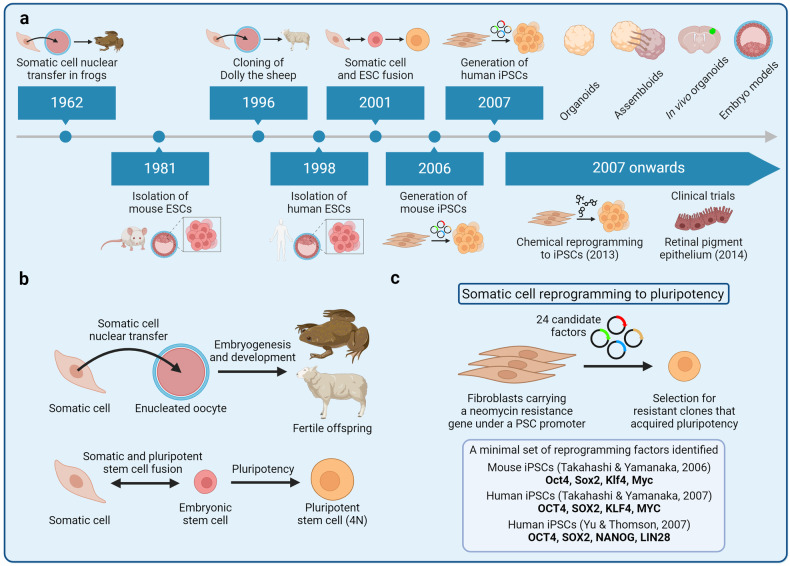
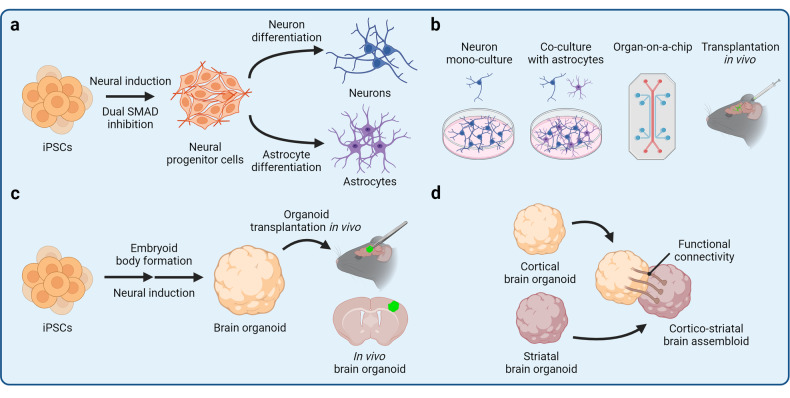
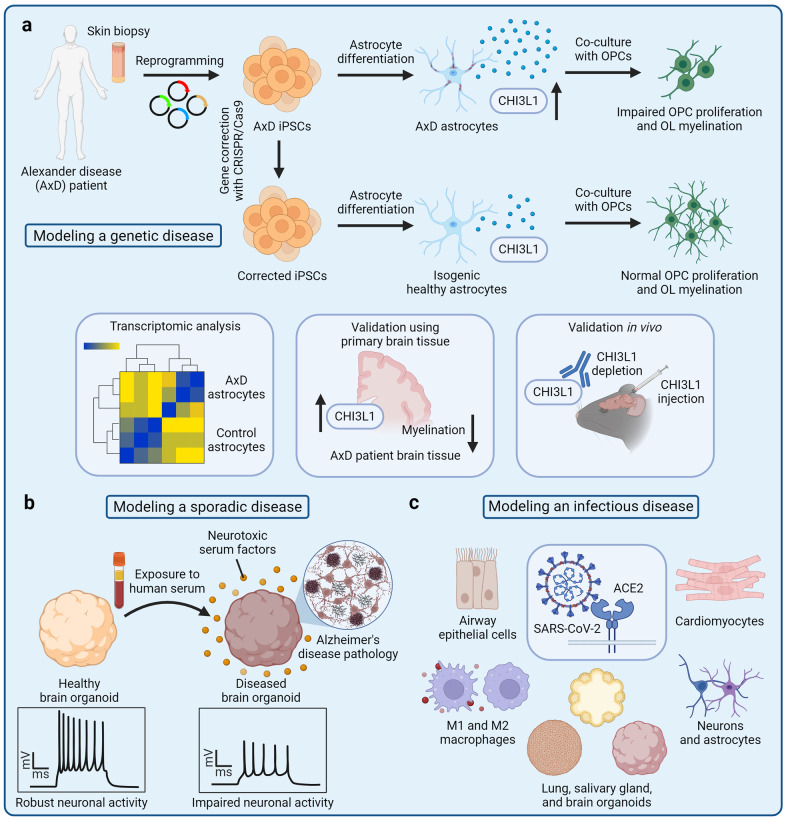
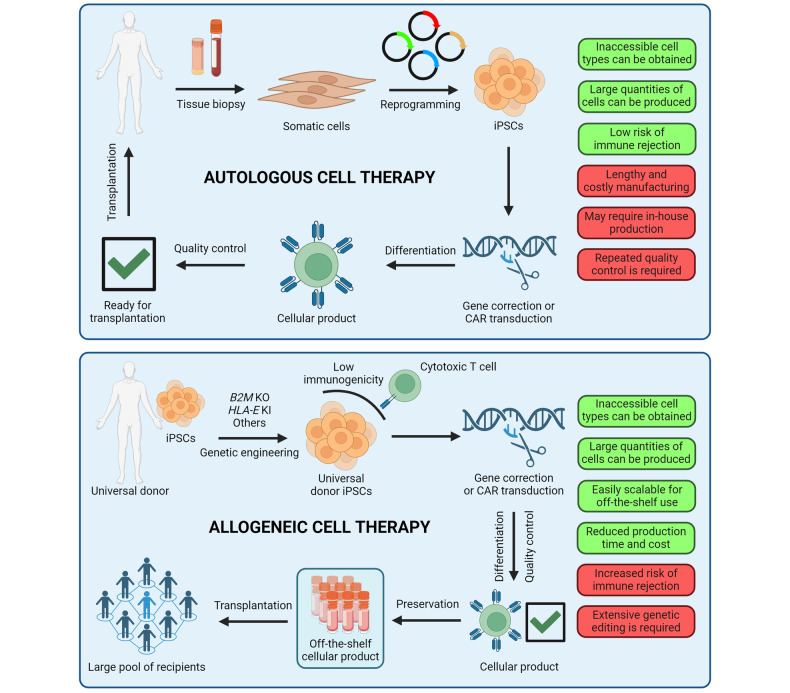
The induced pluripotent stem cell (iPSC) technology has transformed in vitro research and holds great promise to advance regenerative medicine. iPSCs have the capacity for an almost unlimited expansion, are amenable to genetic engineering, and can be differentiated into most somatic cell types. iPSCs have been widely applied to model human development and diseases, perform drug screening, and develop cell therapies. In this review, we outline key developments in the iPSC field and highlight the immense versatility of the iPSC technology for in vitro modeling and therapeutic applications. We begin by discussing the pivotal discoveries that revealed the potential of a somatic cell nucleus for reprogramming and led to successful generation of iPSCs. We consider the molecular mechanisms and dynamics of somatic cell reprogramming as well as the numerous methods available to induce pluripotency. Subsequently, we discuss various iPSC-based cellular models, from mono-cultures of a single cell type to complex three-dimensional organoids, and how these models can be applied to elucidate the mechanisms of human development and diseases. We use examples of neurological disorders, coronavirus disease 2019 (COVID-19), and cancer to highlight the diversity of disease-specific phenotypes that can be modeled using iPSC-derived cells. We also consider how iPSC-derived cellular models can be used in high-throughput drug screening and drug toxicity studies. Finally, we discuss the process of developing autologous and allogeneic iPSC-based cell therapies and their potential to alleviate human diseases.
Overview
The claims and statistics of this paper haven’t been checked yet.
Free: it reads the open-access text and checks the first 5 claims that cite a source we can check. Create a free account to check every claim.
Integrity signals
Registry
Cites
Statistics
Figures
Verification
Claims the paper makes
The claims and statistics of this paper haven’t been checked yet.
Free: it reads the open-access text and checks the first 5 claims that cite a source we can check. Create a free account to check every claim.
Claims other papers make about this one
Each is checked against this paper’s own text: does it say what the citing paper says it does?
The source backs part of the claim, not all of it — or backs it for a different population, condition or comparison.
In the citing paper
“In addition, iPSC-derived cells often display immature or fetal-like phenotypes and may not fully recapitulate adult tissue physiology, particularly for functions that depend on cellular maturation, aging, long-term environmental exposure, or tissue-specific niche cues (Cerneckis et al. 2024;Jiang et al. 2024).”
From Primary cell cultures versus immortalized cell lines: critical comparative insights into biological fidelity and translational applications (2026) · cites this paper as Cerneckis et al. 2024
Experimental — accuracy not yet measuredThe cited source says what the claim attributes to it.
In the citing paper
“It also makes iPSC-derived models particularly valuable for studying inherited disorders, modeling diseases involving inaccessible tissues, screening therapeutic candidates, and developing patient-matched regenerative strategies (McTague et al. 2021;Cerneckis et al. 2024;Singh et al. 2024).”
From Primary cell cultures versus immortalized cell lines: critical comparative insights into biological fidelity and translational applications (2026) · cites this paper as Cerneckis et al. 2024
The cited source says what the claim attributes to it.
In the citing paper
“Patient-derived iPSCs retain the donor genetic background and can be expanded before differentiation into disease-relevant cell types, including cells that are otherwise difficult to access, such as neurons, cardiomyocytes, and pancreatic β-like cells (Volpato and Webber 2020;Cerneckis et al. 2024;Joshi et al. 2024).”
From Primary cell cultures versus immortalized cell lines: critical comparative insights into biological fidelity and translational applications (2026) · cites this paper as Cerneckis et al. 2024
Self-check
Percentages, sums and reported differences re-computed from the paper’s own numbers.
The self-check needs the paper’s full text.
Citations
Cites
Highly accurate protein structure prediction with AlphaFold
Jumper, J., Evans, R., Pritzel, A., Green, T., Figurnov, M., Ronneberger, O., Tunyasuvunakool, K., Bates, R., Žídek, A., Potapenko, A., et al. (2021) · Nature · doi:10.1038/s41586-021-03819-2 · Cited by 43,764
Takahashi, K., & Yamanaka, S. (2006) · Cell · doi:10.1016/j.cell.2006.07.024 · Cited by 26,673
Induction of Pluripotent Stem Cells from Adult Human Fibroblasts by Defined Factors
Takahashi, K., Tanabe, K., Ohnuki, M., Narita, M., Ichisaka, T., Tomoda, K., & Yamanaka, S. (2007) · Cell · doi:10.1016/j.cell.2007.11.019 · Cited by 20,221
Embryonic Stem Cell Lines Derived from Human Blastocysts
Thomson, J. A., Itskovitz-Eldor, J., Shapiro, S. S., Waknitz, M. A., Swiergiel, J. J., Marshall, V. S., & Jones, J. M. (1998) · Science · doi:10.1126/science.282.5391.1145 · Cited by 15,926
Induced Pluripotent Stem Cell Lines Derived from Human Somatic Cells
Yu, J., Vodyanik, M. A., Smuga-Otto, K., Antosiewicz-Bourget, J., Frane, J. L., Tian, S., Nie, J., Jonsdottir, G. A., Ruotti, V., Stewart, R., et al. (2007) · Science · doi:10.1126/science.1151526 · Cited by 10,310 · cited 2×
“3,5 These combinations of reprogramming factors remain widely used today, whereas Gurdon and Yamanaka were awarded the 2012 Nobel Prize in Physiology or Medicine for their discoveries.”
BackgroundMethodEstablishment in culture of pluripotential cells from mouse embryos
Evans, M. J., & Kaufman, M. H. (1981) · Nature · doi:10.1038/292154a0 · Cited by 8,607
Hallmarks of aging: An expanding universe
López-Otín, C., Blasco, M. A., Partridge, L., Serrano, M., & Kroemer, G. (2023) · Cell · doi:10.1016/j.cell.2022.11.001 · Cited by 6,549 · cited 1×
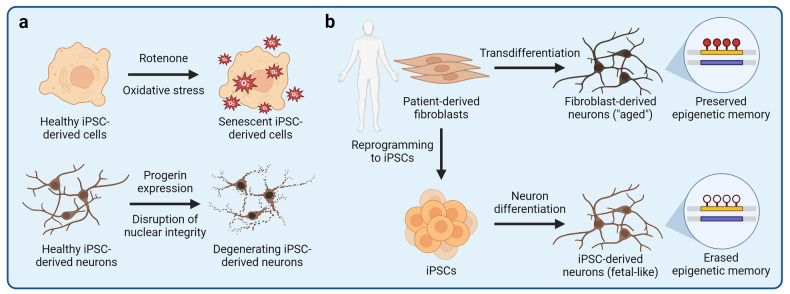
“313 However, iPSC-derived cells are fetal-like and do not naturally exhibit aging-associated phenotypes.”
BackgroundKalia, L. V., & Lang, A. E. (2015) · The Lancet · doi:10.1016/s0140-6736(14)61393-3 · Cited by 6,184
Martin, G. R. (1981) · Proceedings of the National Academy of Sciences · doi:10.1073/pnas.78.12.7634 · Cited by 5,746
Detection of SARS-CoV-2 in Different Types of Clinical Specimens
Wang, W., Xu, Y., Gao, R., Lu, R., Han, K., Wu, G., & Tan, W. (2020) · JAMA · doi:10.1001/jama.2020.3786 · Cited by 5,028
Research works printed but not linked: 2
- Roe, S. A. Matter, life, and generation: eighteen-century embryology and the Haller-Wolff Debate, (Cambridge University Press, 1981).
- Waddington, C. H. The Strategy of the Genes; A Discussion of Some Aspects of Theoretical Biology, (Cambridge: Cambridge University Press, 1957).
Cited by
Items 201–300 of 611
Dragomirescu, A.-O., Băluță, A. M., Albu, Ş.-D., Tănase, M., Merişescu, M. M., Albu, C.-C., & Ionescu, E. (2025) · Romanian Journal of Oral Rehabilitation · doi:10.62610/rjor.2025.1.17.16 · Cited by 3
Qiu, Z., Sun, K., Zeng, Q., Luo, Z., Liu, X., Li, Y., Lei, X., Zhao, R., Zhang, Z., Romero–Moya, D., et al. (2026) · bioRxiv (Cold Spring Harbor Laboratory) · doi:10.64898/2026.02.20.706938 · Cited by 3
Chen, Y., Lin, J., Li, J., Hu, Y., Su, J., Yu, M., Wang, L., Tang, Q., Zhang, C., & Yin, J. (2025) · Advanced Healthcare Materials · doi:10.1002/adhm.202503527 · Cited by 3
Stem Cell Therapies for Neurodegenerative Diseases: Emerging Frontiers in Regenerative Medicine
Khedr, A. A., Abdelmaguid, A. M., Elshekh, A. H. A., El-Hanfy, S. A., Elmahdy, M. M., Hany, T., Mostafa, M. A., Elsakkary, N. W., Nabil, A., Mohsen, M., et al. (2025) · Frontiers in Scientific Research and Technology · doi:10.21608/fsrt.2025.424220.1180 · Cited by 3
Technology alternatives to animals in life sciences research
Parliamentary Office of Science and Technology, Unwin, L., & Lally, C. (2026) · doi:10.58248/pn756 · Cited by 3
Moutinho, M. E., Gonçalves, M., Duarte, A. J., Encarnação, M., Coutinho, M. F., Matos, L., Santos, J. I., Ribeiro, D., Amaral, O., Gaspar, P., et al. (2025) · International Journal of Molecular Sciences · doi:10.3390/ijms26083871 · Cited by 3
Tendon healing in the era of regenerative medicine: literature review
Ogunsola, A. S., Brady, D. J., Bennett, H. K., Gordon, J. B., Zhang, R., Brown, M. G., Beck, E. C., Gwam, C. U., & Ma, X. (2026) · Annals of Translational Medicine · doi:10.21037/atm-25-124 · Cited by 3
Suali, L., Chia, Y., Rustin, C., Lem, F. F., Ching, X. J., Mansur, M. A. B., Henry, Z. A., Chan, M. K. S., Wong, M. B. F., & Pan, S. Y. (2026) · Biotechnic & Histochemistry · doi:10.1080/10520295.2026.2714776 · Cited by 2
“…types, including cells that are otherwise difficult to access, such as neurons, cardiomyocytes, and pancreatic β-like cells (Volpato and Webber 2020; Cerneckis et al. 2024; Joshi et al. 2024). iPSC platforms also enable genome editing and the generation of isogenic controls, allowing…”
The love and hate relationship between cellular senescence and stemness
Papaspyropoulos, A., Theocharous, G., Ntintas, O. A., Evangelou, K., & Gorgoulis, V. G. (2026) · Aging · doi:10.18632/aging.206387 · Cited by 2
Cellular reprogramming beyond pluripotency
Nuñez-Quintela, V., Li, H., & Collado, M. (2026) · Trends in Molecular Medicine · doi:10.1016/j.molmed.2026.01.007 · Cited by 2
Current advances and future prospects of cell reprogramming in progeroid syndromes
Moledo-Nodar, L., Celemín-Capaldi, V., Ugalde, A. P., & Freije, J. M. P. (2025) · Frontiers in Cell and Developmental Biology · doi:10.3389/fcell.2025.1546423 · Cited by 2
Direct in vivo reprogramming to relieve tissue ischemia via induced vasculogenesis
Yöder, M. C., & Sen, C. K. (2025) · Molecular Therapy · doi:10.1016/j.ymthe.2025.08.013 · Cited by 2
Zayed, M., Massoud, A., Al-Haddad, R. H., Al-Kubaisi, A. A., Said, W., Atiaa, A. G., & Jeong, B.-H. (2026) · Stem Cell Reviews and Reports · doi:10.1007/s12015-026-11116-6 · Cited by 2
The rise of bone marrow organoids as next-generation models for blood formation and failure
Stolz, A., Harmon, L. M., Li, J., Rettkowski, J., Rodríguez-Meira, A., Shiroshita, K., Tran, V. L., Khan, A. O., & Klein, C. (2026) · Experimental Hematology · doi:10.1016/j.exphem.2026.105428 · Cited by 3
Jiang, W., LIU, C., CHEN, E., Tang, H., Wu, D., You, Y., HU, Y., CHEN, J., LEE, Y., Xu, Y., et al. (2025) · Biocell · doi:10.32604/biocell.2024.057259 · Cited by 2
Jiang, Z., Chen, H., Zhang, X., Jiang, X., Tong, Z., Ye, J., Shi, S., Shi, X., Li, F., Shao, W., et al. (2025) · Human Cell · doi:10.1007/s13577-025-01214-x · Cited by 2
Roots of Progress: Uncovering Cerebellar Ataxias Using iPSC Models
Giacich, M., Naef, V., Santorelli, F. M., & Damiani, D. (2025) · Biomedicines · doi:10.3390/biomedicines13092121 · Cited by 2
Upadhyaya, P. (2026) · Stem Cells · doi:10.1093/stmcls/sxag039 · Cited by 2
The future of TCR-Treg therapies is renewables
Peh, C. R., Nguyen‐Dumont, T., Ting, Y. T., & Ooi, J. D. (2026) · Autoimmunity Reviews · doi:10.1016/j.autrev.2026.104139 · Cited by 2
ABE9 fused to SpRY Cas9 nickase enables precise generation of bystander free mouse models
Ong, J. K., Bhunia, S., Hilbert, B., Kirschner, V., Duglosz, S., Zimmermann, F., Freichel, M., & Cornean, A. (2026) · Scientific Reports · doi:10.1038/s41598-026-40642-z · Cited by 2
Advances in canine iPSC technology: Current methods and future directions — A narrative review
Aruvornlop, P., Chakritbudsabong, W., Sandech, N., Muangthong, T., & Rungarunlert, S. (2025) · Research in Veterinary Science · doi:10.1016/j.rvsc.2025.105844 · Cited by 2
Pregnancy-associated organs-on-chips
Pérez-Dávalos, L. A., McColman, S., Abdelkarim, M., Moon, B., Malic, L., Veres, T., Radisic, M., & Labouta, H. I. (2026) · Nature Reviews Bioengineering · doi:10.1038/s44222-026-00459-x · Cited by 2
Aalderink, G., Brouwer, H., Wang, J., Janssen, A. W. F., van der Zande, M., Govers, C., Hoppenbrouwers, T., Bouwmeester, H., & Busch, M. (2025) · Archives of Toxicology · doi:10.1007/s00204-025-04215-9 · Cited by 2
Barai, P., Pogakula, V., Sandhu, J. S., Parida, A., Krishnadas, N., & Viswanatha, G. L. (2026) · Frontiers in Animal Science · doi:10.3389/fanim.2026.1692092 · Cited by 2
Genetics of growth rate in induced pluripotent stem cells
Lee, B. N., Taylor, H. J., Cipriani, F., Narisu, N., Robertson, C. C., Swift, A. J., Sinha, N., Yan, T., Bonnycastle, L. L., Dale, N., et al. (2026) · Stem Cell Reports · doi:10.1016/j.stemcr.2026.102928 · Cited by 2
Rostami, I., Leuenberger, J., Ott, G., Nevian, T., & Zuber, B. (2025) · bioRxiv (Cold Spring Harbor Laboratory) · doi:10.1101/2025.11.11.687934 · Cited by 2
Cuenca, M. V., Tsikari, T., Cerfontaine, M. N., Gallant, J., van den Hil, F. E., Bouma, M. J., Dijkstra, K. L., Gravesteijn, G., de Vries, A. A. F., Mummery, C. L., et al. (2026) · Stem Cell Reports · doi:10.1016/j.stemcr.2026.102863 · Cited by 2
Harberts, J. I., Siegmund, M., Wollesen, E., Viola, C., Krieg, K., Pleß, O., Elnathan, R., Zierold, R., Blick, R. H., & Voelcker, N. H. (2026) · Advanced NanoBiomed Research · doi:10.1002/anbr.202500221 · Cited by 2
Peng, J., Zhang, Z., Li, M., Yung, K. K. L., & Cheung, K. (2025) · International Journal of Molecular Sciences · doi:10.3390/ijms26146599 · Cited by 2
Osteopetrosis: Pathogenesis, Clinical Management, and Emerging Therapies
Donati, S., Aurilia, C., Palmini, G., Falsetti, I., Marini, F., Giusti, F., Zonefrati, R., Ranaldi, F., Iantomasi, T., & Brandi, M. L. (2026) · Current Osteoporosis Reports · doi:10.1007/s11914-026-00969-y · Cited by 2
West, T. M., Han, J., Peery, G., Zoldan, J., & Sacks, M. S. (2025) · bioRxiv (Cold Spring Harbor Laboratory) · doi:10.1101/2025.06.18.660409 · Cited by 2
Qin, J., Sun, N., Wang, Y., An, J., Zhao, D., Li, J., Zhang, H., & Du, R. H. (2025) · Theriogenology · doi:10.1016/j.theriogenology.2025.117481 · Cited by 2
Muir, K. C., Zheng, C. R., Yalamanchili, K., Reddy, R., Joseph, A., Hamze, J., Harris, D. D., & Sellke, F. W. (2026) · Bioengineering · doi:10.3390/bioengineering13010081 · Cited by 2
A Review on Nanotoxicology in Stem Cell Research: Challenges and Safety Assessments
Özsezer, G., Tosunoğlu, B. D., & Arslan, Y. E. (2026) · Methods in molecular biology · doi:10.1007/7651_2026_705 · Cited by 2
Qian, Y., Ma, W., & Xu, X. (2025) · Antibodies · doi:10.3390/antib14040105 · Cited by 2
Human iPSC-derived neural stem cells engraft and improve pathophysiology of MPS I mice
Calhoun, C., Kan, S., Stover, A. E., Harb, J. F., Monuki, E. S., Wang, R., & Schwartz, P. H. (2024) · Molecular Therapy — Methods & Clinical Development · doi:10.1016/j.omtm.2024.101367 · Cited by 2
Lagos‐Monzon, A., Ng, S., Luca, A. M., Li, H., Sabanayagam, M., Benício, M. T. L., Moshiri, H., Armstrong, R. N., Tailor, C. S., Kennedy, M., et al. (2024) · European Journal Of Haematology · doi:10.1111/ejh.14260 · Cited by 2
PRDM16 modulates aspects of cell cycle dynamics and maturation in human iPSC-derived cardiomyocytes
Tani, K., Matsumura, Y., Nishikawa, M., Narita, M., Elvandari, A. P., Lucena-Cacace, A., & Yoshida, Y. (2026) · Stem Cell Reports · doi:10.1016/j.stemcr.2026.103005 · Cited by 2
Jeon, H., Lee, I.-S., Lee, S., Park, H. C., Kim, B., Hyun, K. D., & Song, J. (2026) · Cell Proliferation · doi:10.1111/cpr.70189 · Cited by 2
Induced pluripotent stem cells as platforms for engineering NK cell immunotherapies
Jezierski, A., Huang, J., Desbiens, L., Benabdallah, B., McComb, S., & Beausejour, C. M. (2026) · Frontiers in Cell and Developmental Biology · doi:10.3389/fcell.2026.1810206 · Cited by 2
Ding, W., Luo, Z., Che, J., Gan, J., & Zhao, Y. (2026) · Advanced Healthcare Materials · doi:10.1002/adhm.202505260 · Cited by 2
Agustina, R., Lestari, E. A., Sidiq, H. A., & Nazar, M. A. (2025) · International Journal of Cell and Biomedical Science · doi:10.59278/cbs.v4i11.70 · Cited by 2
Functional maturation of enteric neurons derived from human induced pluripotent stem cells
Rowland, E. S., Daniszewski, M., Seguin, C., Biase, M. A. D., Yildiz, G. S., Namipashaki, A., Pébay, A., Fattahi, F., Stamp, L. A., & Hao, M. M. (2026) · Stem Cell Reports · doi:10.1016/j.stemcr.2026.102942 · Cited by 2
Cheung, V. C., Jaimez, J., DaCosta, C., Arora, H., Caron, C., Slamecka, J., Fierro, M., Meads, M., Fisch, K. M., Morey, R. E., et al. (2026) · Stem Cells · doi:10.1093/stmcls/sxag020 · Cited by 2
Construction of CD163-knockout induced pluripotent stem cells using reprogramming technology
Zhao, Y., Wu, X., Yuan, L., Zuo, L., Xu, W., & Hua, J. (2025) · Theriogenology · doi:10.1016/j.theriogenology.2025.117722 · Cited by 2
Jantakee, K., Ferreira, J. N., & Limlawan, P. (2025) · Journal of Oral Pathology and Medicine · doi:10.1111/jop.70101 · Cited by 2
Conditionally Reprogrammed Cells as Preclinical Model for Rare Cancers
Krawczyk, E. (2025) · Cancers · doi:10.3390/cancers17172834 · Cited by 1
Yang, H., Zeng, Y., Teng, Y., Zhao, Q., Hou, M., Cheng, Z., & Wang, X. Y. (2026) · Stem Cell Research & Therapy · doi:10.1186/s13287-026-04996-5 · Cited by 1
Dinislam, K., Shamsi, A., Syed, T., Anwar, S., & Shahwan, M. J. (2026) · Frontiers in Cell and Developmental Biology · doi:10.3389/fcell.2026.1830358 · Cited by 1
Reprogramming a cell's epigenetic status for reverse aging
Mishra, P. K., Singh, K. K., Ghosh, S., & Sinha, J. K. (2026) · Elsevier eBooks · doi:10.1016/b978-0-443-33159-6.00005-9 · Cited by 1
Human cardiovascular organoids: Biomedical applications and ethical challenges
Sen, K., Majumder, S., Stanišić, D., & Majumder, A. (2026) · American Heart Journal Plus Cardiology Research and Practice · doi:10.1016/j.ahjo.2026.100882 · Cited by 1
Maunu, M. N., Meulenbelt, I., & Ramos, Y. F. (2026) · Stem Cells · doi:10.1093/stmcls/sxag027 · Cited by 1
Sarımen, M. C., & Topal, T. (2026) · Next Bioengineering · doi:10.1016/j.nxbio.2026.100033 · Cited by 1
Zhang, S., Liu, S., Qin, Y., Zhao, S., & Liu, H. (2025) · Coordination Chemistry Reviews · doi:10.1016/j.ccr.2025.217309 · Cited by 1
Wen, Z., & Su, J. (2026) · Clinical and Translational Medicine · doi:10.1002/ctm2.70764 · Cited by 1
Feng, X., Xiao, B., Hou, L., Zhang, B., Tian, L., Mo, B., & Yao, D. (2026) · Frontiers in Immunology · doi:10.3389/fimmu.2026.1745174 · Cited by 1
Reinforcement learning enables single-cell foundation models to learn cellular differentiationPreprint
Chang, K.-L., Chen, H., & Liu, Z. (2025) · bioRxiv (Cold Spring Harbor Laboratory) · doi:10.64898/2025.12.09.693267 · Cited by 1
In Vitro Models of Cardiovascular Disease: Embryoid Bodies, Organoids and Everything in Between
Stougiannou, T. M., Christodoulou, K. C., & Karangelis, D. (2024) · Biomedicines · doi:10.3390/biomedicines12122714 · Cited by 1
Reporter Alleles in hiPSCs: Visual Cues on Development and Disease
Cotta, G. C., dos Santos, R. C. T., Costa, G. M. J., & Lacerda, S. M. D. S. N. (2024) · International Journal of Molecular Sciences · doi:10.3390/ijms252011009 · Cited by 1
Adrenocortical organoids: A promising tool for modelling human physiology and translational research
Tedesco, M., Schedl, A., & Neirijnck, Y. (2025) · La Presse Médicale · doi:10.1016/j.lpm.2025.104300 · Cited by 1
Parmar, B., & Bhatia, D. D. (2024) · Biochemistry · doi:10.1021/acs.biochem.4c00427 · Cited by 1
Discovery of novel anti-fibrotics through phenotypic screening
Lapthorn, A. R., Harding, S. L., Feltham, K. M., Ilg, M. M., & Cellek, S. (2025) · Drug Discovery Today · doi:10.1016/j.drudis.2025.104450 · Cited by 1
Cell Therapy and the Skin: Great Potential but in Need of Optimization
Lee, S. S., Peña, E. G. M., Willis, A. A., Wang, C. C., Haddad, N. R., & Garza, L. A. (2024) · Journal of Investigative Dermatology · doi:10.1016/j.jid.2024.09.011 · Cited by 1
Automated stem cell-derived organoid platforms for disease modeling
Mou, X., Dale, N., Ramnarine, K., & Cipriani, F. (2026) · Trends in biotechnology · doi:10.1016/j.tibtech.2026.04.013 · Cited by 1
Human Stem Cell-Derived Models of the Alzheimer’s Disease Neuroimmune System
Summers, R., Quang, D., & Johnson, N. R. (2026) · International Journal of Molecular Sciences · doi:10.3390/ijms27167360 · Cited by 1
Cell-based regenerative interventions in Parkinson's disease: Overcoming pharmacological limitations
Padilla, A. L., Lanciego, J. L., Vila, M., de Castro, F., Pozo, D., de Fonseca, F. R., Serrano, A., Sáez‐Valero, J., Núñez, L., Villalobos, C., et al. (2026) · Acta Pharmaceutica Sinica B · doi:10.1016/j.apsb.2026.03.031 · Cited by 1
Dhar, A. K., Keswani, R., Anitha, K., Pathak, G., Nigade, A., & Bhatt, S. (2026) · Progress in Neuro-Psychopharmacology and Biological Psychiatry · doi:10.1016/j.pnpbp.2026.111915 · Cited by 1
Gomes, C. M., de Sá, I., Delgado, M., Alves, P. M., & Brito, C. (2025) · Biotechnology and Bioengineering · doi:10.1002/bit.70100 · Cited by 1
Liu, X., Gao, H., & Yu, J. (2026) · Precision Clinical Medicine · doi:10.1093/pcmedi/pbag007 · Cited by 1
Tao, Y., Wang, Y., Wang, P., Wang, B., Lv, X., & Feng, Y. (2026) · Bone Research · doi:10.1038/s41413-026-00579-5 · Cited by 1
Thong, C.-Y. N., & Yap, Y. H. Y. (2026) · Brain Research · doi:10.1016/j.brainres.2026.150301 · Cited by 1
Induced pluripotent stem cell-based modelling of disease evolution in myeloid leukemia: MDS to AML
Boultwood, J. (2025) · Advances in Biological Regulation · doi:10.1016/j.jbior.2025.101119 · Cited by 1
PUS7 pseudouridylation of 7SK orchestrates human somatic cell reprogramming into iPS cells
Cai, H., Ju, C., Chao, J., Liu, Y., Ye, P., Zhu, X., Lyu, R., Zhao, Y., Zhu, C., Li, Y., et al. (2026) · Nature Chemical Biology · doi:10.1038/s41589-026-02339-2 · Cited by 1
Self-citationChang, Y., Aoki, T., Okoshi, M., Yamaguchi, M., Okura, H., Sasaki, S., Sasako, Y., Kira, S., Yakushiji‐Kaminatsui, N., Matsuda, M., et al. (2026) · Frontiers in Cell and Developmental Biology · doi:10.3389/fcell.2026.1869698 · Cited by 1
What’s in a niche? Elucidating the role of the ECM in cell fate commitment
Amel, A., & Alemany, A. (2026) · Current Opinion in Genetics & Development · doi:10.1016/j.gde.2026.102528 · Cited by 1
Bhat, M. A., & Goyal, S. (2025) · Stem Cell Reviews and Reports · doi:10.1007/s12015-025-10927-3 · Cited by 1
Models of myeloma bone disease: In vivo and in vitro approaches
Wang, J., Zweegman, S., & Groen, R. W. J. (2026) · Bone · doi:10.1016/j.bone.2026.117789 · Cited by 1
Development of a laser injury model using human cardiac spheroids
Adak, A., Strasser, R., Meer, M., Arora, P., Osterwalder, M., Mercader, N., & Zuppinger, C. (2026) · Disease Models & Mechanisms · doi:10.1242/dmm.052855 · Cited by 1
elbamby, A., & talawy, D. E. (2025) · Misr Dental Science and Research Journal · doi:10.21608/mdsrj.2025.443699 · Cited by 1
Gursky, V. V., Chabina, A. S., Krasnova, O. A., Kovaleva, A. A., Kriger, D. V., Zadorsky, M. S., Kozlov, K. N., & Neganova, I. E. (2024) · Life · doi:10.3390/life14111402 · Cited by 1
Wang, J., Tu, C., Wang, S., Zhou, Y., Chen, H., Li, Y., Jiang, Q., & Cheng, W. (2026) · Journal of Hazardous Materials Advances · doi:10.1016/j.hazadv.2026.101440 · Cited by 1
Distinct functional networks derived from human induced pluripotent stem cell neuronal activity
Mehrkanoon, S., Rollo, B., Gu, J., Javaid, M. S., Antonic‐Baker, A., O'Brien, T. J., & Kwan, P. (2026) · Scientific Reports · doi:10.1038/s41598-026-40552-0 · Cited by 1
PGC7 maintains the pluripotency of F9 embryonic carcinoma cells by promoting Nanog translation
Liu, Y., Wei, X., Zhang, C., Liu, J., Yu, M., Feng, P., & Guo, Z. (2025) · Acta Biochimica et Biophysica Sinica · doi:10.3724/abbs.2025035 · Cited by 1
Macedo, T., de Guidi, C., Aodha, L. N., Boggavarapu, N. R., Piechocka, M., Ye, X., Mastropasqua, F., Keros, V., Nyström, U. N., Frisk, P., et al. (2026) · Human Reproduction Open · doi:10.1093/hropen/hoag054 · Cited by 1
Pang, M., Kang, J., Yang, Y., He, T., Yao, S., Hu, B., Li, X., Liu, B. Q., & Rong, L. (2026) · BMJ Open · doi:10.1136/bmjopen-2025-111718 · Cited by 1
An overview on organoids—Past, present, and future scenarios of organoids
Iyer, M. (2025) · Elsevier eBooks · doi:10.1016/b978-0-443-29898-1.00007-1 · Cited by 1
Donor Age Impairs Vasculogenic Potential of hiPSC-Derived Endothelial ProgenitorsPreprint
Larsen, B., Callahan, C. J., Rayanki, A., Faulkner, S., & Zoldan, J. (2025) · bioRxiv (Cold Spring Harbor Laboratory) · doi:10.1101/2025.06.24.661422 · Cited by 1
Rosa, L. S., Pessôa, L. V. D. F., da Silva, N. S. C. C., Rosero, J. M., Recchia, K., Duarte, J. M. B., & Bressan, F. F. (2026) · Theriogenology Wild · doi:10.1016/j.therwi.2026.100160 · Cited by 1
Zueva, A. S., Shevchenko, A. I., Medvedev, S. P., Elisaphenko, E. A., Sleptcov, A. A., Nazarenko, M. S., Tmoyan, N. A., Zakian, S. M., & Zakharova, I. S. (2025) · Vavilov Journal of Genetics and Breeding · doi:10.18699/vjgb-25-22 · Cited by 1
Human inborn errors of type I interferon–independent intrinsic immunity in nonleukocytic cells
Zhang, S., Casanova, J., & Spaan, A. N. (2025) · Current Opinion in Immunology · doi:10.1016/j.coi.2025.102651 · Cited by 1
Peripheral neuron phenotypes of familial dysautonomia are rescued by AAV-mediated gene therapy
Wu, H., Saini, T., Art, J., Delaney, W. H., Lefcort, F. B., & Zeltner, N. (2026) · Clinical Autonomic Research · doi:10.1007/s10286-026-01206-3 · Cited by 1
Induced pluripotent stem cell treatment for microglia replacement in progressive MS
Malladi, A. R., Kasbi, N. A., Cohen, J. A., & Stüve, O. (2026) · Multiple Sclerosis Journal · doi:10.1177/13524585261459847 · Cited by 1
Jackson, N., Feng, L., Chao, J., Ye, P., Luong, Q., Galo, K., Sun, G., Hu, W., & Shi, Y. (2026) · Stem Cell Reports · doi:10.1016/j.stemcr.2025.102785 · Cited by 1
Self-citationGlia-enriched human brain organoids for studying developmental alterations in leukodystrophiesPreprint
Mangiameli, E., Kok, L. M. L., Rosato, C., Cenini, G., Cupaioli, F. A., Alfieri, R. R., Shreenidhi, V. P., Oberst, P., Peitz, M., Dooves, S., et al. (2026) · bioRxiv (Cold Spring Harbor Laboratory) · doi:10.64898/2026.10.01.755898 · Cited by 1
Chromosomal Instability in Mouse-Induced Pluripotent Stem Cells: Insights into X and Y Aneuploidies
Paulis, M., Rebuzzini, P., Susani, L., Vezzoni, P., Fassina, L., Zuccotti, M., & Garagna, S. (2025) · Cytogenetic and Genome Research · doi:10.1159/000549096 · Cited by 1
Zhang, F., 纪超然, Ji, F., Zhang, C., Liao, H., Shao, Z., Jia, F., Geng, X., & Ying, S. (2026) · FEBS Journal · doi:10.1111/febs.70550 · Cited by 1
Smith, P. O., Jat, P., & Phillips, J. B. (2025) · Journal of Functional Biomaterials · doi:10.3390/jfb16110425 · Cited by 1
Spheroid size-induced apoptosis enhances osteogenic differentiation of iPS cells
Tatsumi, H., Okawa, H., Vinaikosol, N., Moribayashi, A., Kayashima, H., Yatani, H., & Egusa, H. (2025) · Journal of Bioscience and Bioengineering · doi:10.1016/j.jbiosc.2025.11.010 · Cited by 1
The role of stem cells in precision medicine: next-generation cancer treatment
Iqbal, H., & Khadija, B. (2025) · Journal of the Egyptian National Cancer Institute · doi:10.1186/s43046-025-00328-5 · Cited by 1
CRISPR/Cas9-based repair of a heterozygous HNF1A mutation in patient-derived hiPSCs
Skoczek, D., Hohendorff, J., Malecki, M., Roig‐Merino, A., Bak, R. O., & Kachamakova‐Trojanowska, N. (2026) · Human Genetics · doi:10.1007/s00439-026-02863-0 · Cited by 1
Metadata
- Authors
- Cerneckis, J., Cai, H., & Shi, Y.
- Affiliations
- City Of Hope National Medical Center (US)
- Corresponding author
- Shi, Yanhong
- Venue
- Signal Transduction and Targeted Therapy
- Published
- 2024-04-26
- Volume
- 9
- Issue
- 1
- Pages
- 112-112
- ISSN
- 2059-3635 (ISSN-L)
- PMC
- PMC11053163
- OpenAlex
- W4395676185
- Semantic Scholar
- c74d513cb8e9a29f0a4c3aaf851798a18c9b9f17
- Cited by
- 452
- References
- 501
- Citations by year
- 2026: 224 · 2025: 194 · 2024: 34
- FWCI
- 18.48
- Type
- journal article
- Language
- en
- Open access
- gold
- doi.org
- Licence
- cc-by
- creativecommons.org/licenses/by/4.0 (tdm)
- creativecommons.org/licenses/by/4.0 (vor)
- Locations
- Signal Transduction and Targeted Therapy (publishedVersion, cc-by)
- PubMed Central (publishedVersion, cc-by)
- PubMed (publishedVersion)
- DOAJ (DOAJ: Directory of Open Access Journals) (submittedVersion, cc-by-sa)
- Funders
- U.S. Department of Health & Human Services | NIH | National Institute of Neurological Disorders and Stroke (U01 NS122101)
- U.S. Department of Health & Human Services | NIH | National Institute on Aging (R01 AG072291, RF1 AG079307)
- Topics
- Life Sciences › Biochemistry, Genetics and Molecular Biology › Molecular Biology › Pluripotent Stem Cells Research
- Life Sciences › Biochemistry, Genetics and Molecular Biology › Molecular Biology › CRISPR and Genetic Engineering
- Life Sciences › Biochemistry, Genetics and Molecular Biology › Cell Biology › Mesenchymal stem cell research
- Keywords
- induced pluripotent stem cells, somatic cell reprogramming, induced pluripotency, iPSC-derived organoids, disease modeling, drug screening, drug toxicity, neurological disorders, COVID-19 pandemic, cancer, human development
- MeSH terms
- COVID-19, SARS-CoV-2, Cell Differentiation, Humans, Neoplasms, Nervous System Diseases, Regenerative Medicine, Induced Pluripotent Stem Cells, Cellular Reprogramming
About these checks
Registry, retraction, Cites and statistics results are computed, not judged, with one exception: a printed reference that no index lists is read once by a model before it counts as a citation error. Claims are extracted by a model and kept only when their quote appears verbatim in the text; each cited source is then checked, with a model’s help, for whether it says what the claim relies on. Those verdicts can be wrong — read the claim’s quote and the cited source before relying on one.
Statistics and arithmetic are recomputed, not judged.
Confidence bands are shown only for fields calibrated on our annotated test set. None is calibrated yet, so no band is shown.
What counts as a claim ›How we measure confidence ›How we check this ›
Are you an author, or do you see a problem with this page? Request a review
Data sources
Bibliographic data: Semantic Scholar, OpenAlex, Crossref.
Contains information from the Semantic Scholar Academic Graph Datasets, made available under the ODC Attribution License (ODC-BY 1.0).
Semantic Scholar’s data is described in: Kinney, R., et al. (2023). The Semantic Scholar Open Data Platform. arXiv:2301.10140.
