

Induced pluripotent stem cells (iPSCs): molecular mechanisms of induction and applications
Open accessThe DOI matches its Crossref record; 503 of the 503 references it cites were found in a registry or an index.
Abstract
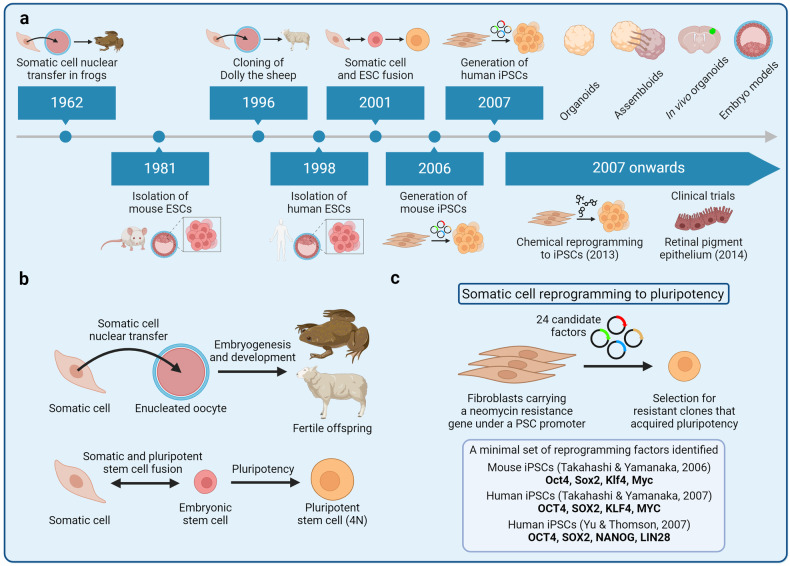
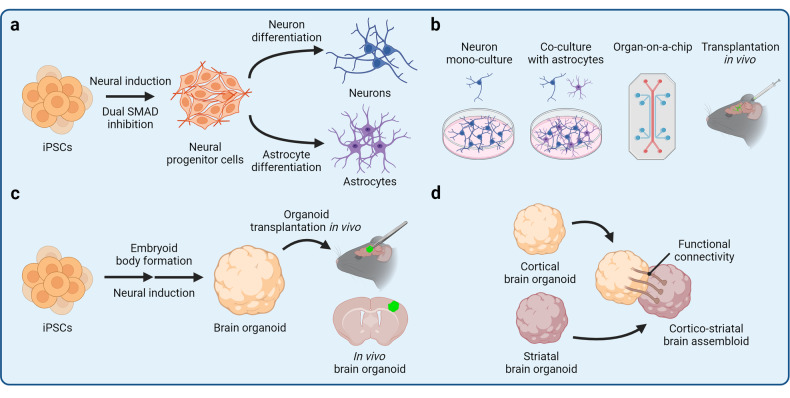
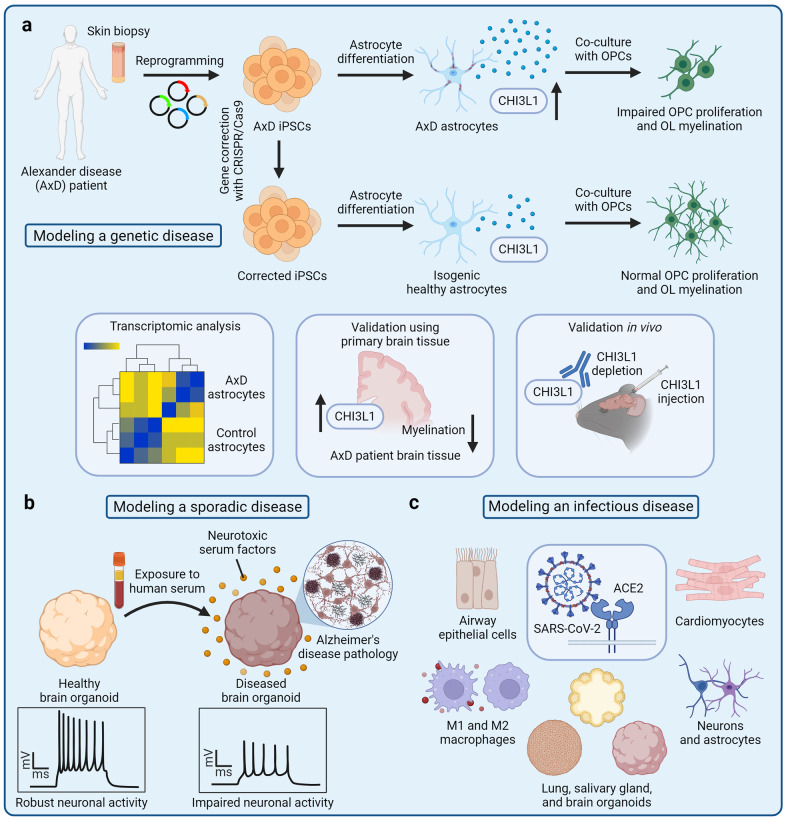
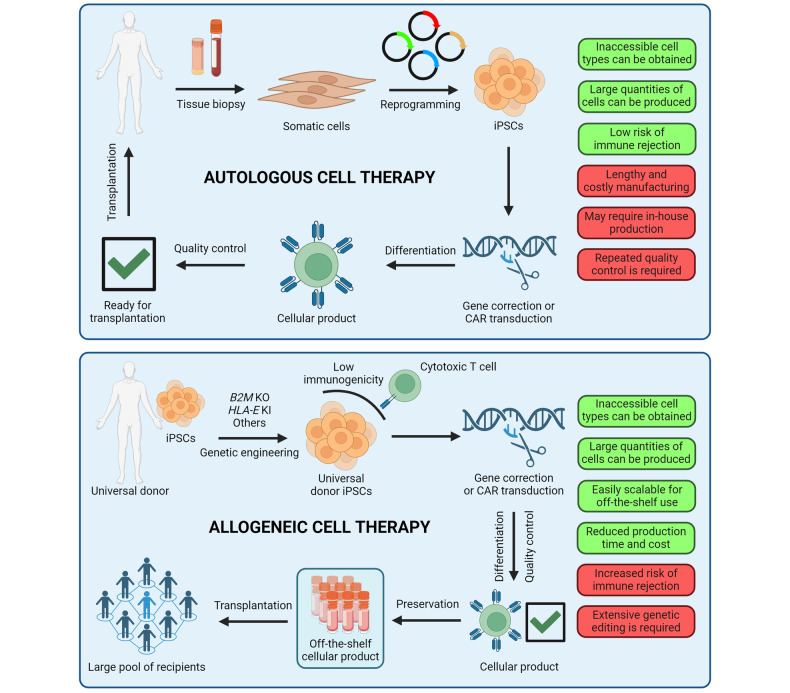
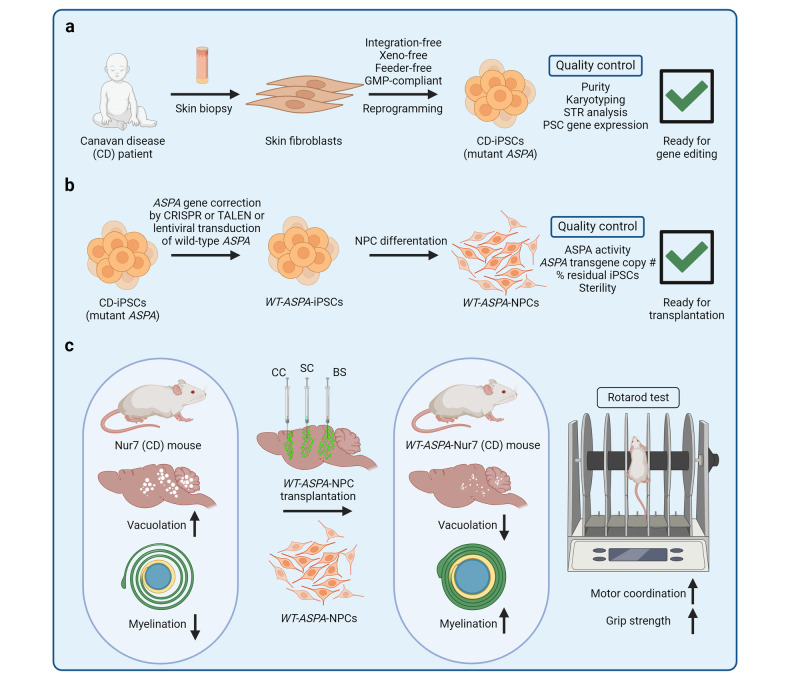
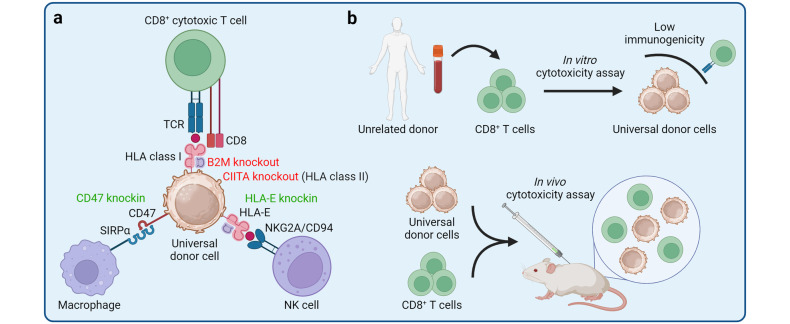
The induced pluripotent stem cell (iPSC) technology has transformed in vitro research and holds great promise to advance regenerative medicine. iPSCs have the capacity for an almost unlimited expansion, are amenable to genetic engineering, and can be differentiated into most somatic cell types. iPSCs have been widely applied to model human development and diseases, perform drug screening, and develop cell therapies. In this review, we outline key developments in the iPSC field and highlight the immense versatility of the iPSC technology for in vitro modeling and therapeutic applications. We begin by discussing the pivotal discoveries that revealed the potential of a somatic cell nucleus for reprogramming and led to successful generation of iPSCs. We consider the molecular mechanisms and dynamics of somatic cell reprogramming as well as the numerous methods available to induce pluripotency. Subsequently, we discuss various iPSC-based cellular models, from mono-cultures of a single cell type to complex three-dimensional organoids, and how these models can be applied to elucidate the mechanisms of human development and diseases. We use examples of neurological disorders, coronavirus disease 2019 (COVID-19), and cancer to highlight the diversity of disease-specific phenotypes that can be modeled using iPSC-derived cells. We also consider how iPSC-derived cellular models can be used in high-throughput drug screening and drug toxicity studies. Finally, we discuss the process of developing autologous and allogeneic iPSC-based cell therapies and their potential to alleviate human diseases.
Overview
The claims and statistics of this paper haven’t been checked yet.
Free: it reads the open-access text and checks the first 5 claims that cite a source we can check. Create a free account to check every claim.
Integrity signals
Registry
Cites
Statistics
Figures
Verification
Claims the paper makes
The claims and statistics of this paper haven’t been checked yet.
Free: it reads the open-access text and checks the first 5 claims that cite a source we can check. Create a free account to check every claim.
Claims other papers make about this one
Each is checked against this paper’s own text: does it say what the citing paper says it does?
The source backs part of the claim, not all of it — or backs it for a different population, condition or comparison.
In the citing paper
“In addition, iPSC-derived cells often display immature or fetal-like phenotypes and may not fully recapitulate adult tissue physiology, particularly for functions that depend on cellular maturation, aging, long-term environmental exposure, or tissue-specific niche cues (Cerneckis et al. 2024;Jiang et al. 2024).”
From Primary cell cultures versus immortalized cell lines: critical comparative insights into biological fidelity and translational applications (2026) · cites this paper as Cerneckis et al. 2024
Experimental — accuracy not yet measuredThe cited source says what the claim attributes to it.
In the citing paper
“It also makes iPSC-derived models particularly valuable for studying inherited disorders, modeling diseases involving inaccessible tissues, screening therapeutic candidates, and developing patient-matched regenerative strategies (McTague et al. 2021;Cerneckis et al. 2024;Singh et al. 2024).”
From Primary cell cultures versus immortalized cell lines: critical comparative insights into biological fidelity and translational applications (2026) · cites this paper as Cerneckis et al. 2024
The cited source says what the claim attributes to it.
In the citing paper
“Patient-derived iPSCs retain the donor genetic background and can be expanded before differentiation into disease-relevant cell types, including cells that are otherwise difficult to access, such as neurons, cardiomyocytes, and pancreatic β-like cells (Volpato and Webber 2020;Cerneckis et al. 2024;Joshi et al. 2024).”
From Primary cell cultures versus immortalized cell lines: critical comparative insights into biological fidelity and translational applications (2026) · cites this paper as Cerneckis et al. 2024
Self-check
Percentages, sums and reported differences re-computed from the paper’s own numbers.
The self-check needs the paper’s full text.
Citations
Cites
Highly accurate protein structure prediction with AlphaFold
Jumper, J., Evans, R., Pritzel, A., Green, T., Figurnov, M., Ronneberger, O., Tunyasuvunakool, K., Bates, R., Žídek, A., Potapenko, A., et al. (2021) · Nature · doi:10.1038/s41586-021-03819-2 · Cited by 43,764
Takahashi, K., & Yamanaka, S. (2006) · Cell · doi:10.1016/j.cell.2006.07.024 · Cited by 26,673
Induction of Pluripotent Stem Cells from Adult Human Fibroblasts by Defined Factors
Takahashi, K., Tanabe, K., Ohnuki, M., Narita, M., Ichisaka, T., Tomoda, K., & Yamanaka, S. (2007) · Cell · doi:10.1016/j.cell.2007.11.019 · Cited by 20,221
Embryonic Stem Cell Lines Derived from Human Blastocysts
Thomson, J. A., Itskovitz-Eldor, J., Shapiro, S. S., Waknitz, M. A., Swiergiel, J. J., Marshall, V. S., & Jones, J. M. (1998) · Science · doi:10.1126/science.282.5391.1145 · Cited by 15,926
Induced Pluripotent Stem Cell Lines Derived from Human Somatic Cells
Yu, J., Vodyanik, M. A., Smuga-Otto, K., Antosiewicz-Bourget, J., Frane, J. L., Tian, S., Nie, J., Jonsdottir, G. A., Ruotti, V., Stewart, R., et al. (2007) · Science · doi:10.1126/science.1151526 · Cited by 10,310 · cited 2×
“3,5 These combinations of reprogramming factors remain widely used today, whereas Gurdon and Yamanaka were awarded the 2012 Nobel Prize in Physiology or Medicine for their discoveries.”
BackgroundMethodEstablishment in culture of pluripotential cells from mouse embryos
Evans, M. J., & Kaufman, M. H. (1981) · Nature · doi:10.1038/292154a0 · Cited by 8,607
Hallmarks of aging: An expanding universe
López-Otín, C., Blasco, M. A., Partridge, L., Serrano, M., & Kroemer, G. (2023) · Cell · doi:10.1016/j.cell.2022.11.001 · Cited by 6,549 · cited 1×
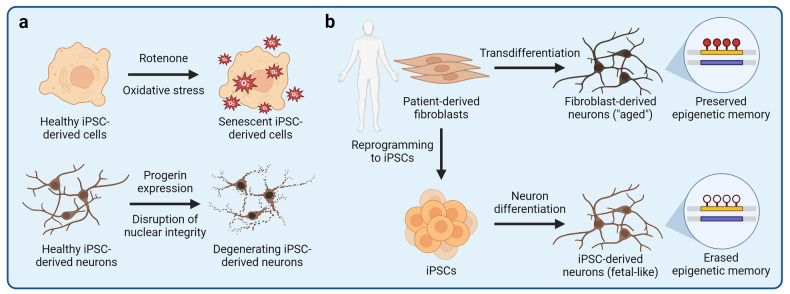
“313 However, iPSC-derived cells are fetal-like and do not naturally exhibit aging-associated phenotypes.”
BackgroundKalia, L. V., & Lang, A. E. (2015) · The Lancet · doi:10.1016/s0140-6736(14)61393-3 · Cited by 6,184
Martin, G. R. (1981) · Proceedings of the National Academy of Sciences · doi:10.1073/pnas.78.12.7634 · Cited by 5,746
Detection of SARS-CoV-2 in Different Types of Clinical Specimens
Wang, W., Xu, Y., Gao, R., Lu, R., Han, K., Wu, G., & Tan, W. (2020) · JAMA · doi:10.1001/jama.2020.3786 · Cited by 5,028
Research works printed but not linked: 2
- Roe, S. A. Matter, life, and generation: eighteen-century embryology and the Haller-Wolff Debate, (Cambridge University Press, 1981).
- Waddington, C. H. The Strategy of the Genes; A Discussion of Some Aspects of Theoretical Biology, (Cambridge: Cambridge University Press, 1957).
Cited by
Items 101–200 of 611
Integrating living biomaterials into neuroelectronic systems
Hong, M., Ye, Y., Kim, J., Kim, J., Rah, J., & Tchoe, Y. (2026) · Biomedical Engineering Letters · doi:10.1007/s13534-026-00557-0 · Cited by 8
Kim, S. M., Min, K., Park, Y., & Moon, S. (2025) · npj Microgravity · doi:10.1038/s41526-025-00547-z · Cited by 8
Microfluidic and Computational Tools for Neurodegeneration Studies
Gomez, K., Yarmey, V. R., Mane, H., & San‐Miguel, A. (2025) · Annual Review of Chemical and Biomolecular Engineering · doi:10.1146/annurev-chembioeng-082223-054547 · Cited by 8
Mouhi, S., Pio, T., & Andersen, J. (2025) · Trends in Cell Biology · doi:10.1016/j.tcb.2025.11.003 · Cited by 8
Bridging population and cell: modelling complex diseases with human induced pluripotent stem cells
van Zanten, E., Loehrer, E. A., van Meurs, J. B. J., Narcisi, R., Gribnau, J. H., Poot, R. A., & Adams, H. H. H. (2026) · European Journal of Human Genetics · doi:10.1038/s41431-026-02071-4 · Cited by 8
The impact of RAS on cell differentiation in health and disease
Duval, C. J., Bottone, S., Schaffner‐Reckinger, E., & Abankwa, D. (2025) · Biochemical Journal · doi:10.1042/bcj20253364 · Cited by 8
Yang, S., Li, K., Wang, N., Li, Z., Zhang, Z., Tuan, R. S., & Jiang, Y. (2026) · Advanced Science · doi:10.1002/advs.202522601 · Cited by 8
Hojo, M. A., Tsuzuki, T., Ozawa, Y., Araki, T., & Sakurai, H. (2025) · Scientific Reports · doi:10.1038/s41598-025-11108-5 · Cited by 8
A comprehensive review of electrophysiological techniques in amyotrophic lateral sclerosis research
Ren, K., Wang, Q., Jiang, D., Liu, E., Alsmaan, J., Jiang, R., Rutkove, S. B., & Tian, F. (2024) · Frontiers in Cellular Neuroscience · doi:10.3389/fncel.2024.1435619 · Cited by 8
Chowdhury, S., Kumar, A., Patel, P., Kurmi, B. D., Jain, S., Kumar, B., & Vaidya, A. (2026) · Journal of Nanotheranostics · doi:10.3390/jnt7010001 · Cited by 8
Advancements in techniques for analyzing cell permeability
Silva, V. D. J., Canales, C. S. C., Polinário, G., Chesna, V. O., Pogianeli, R. M., Reinaldo, E., Junior, M. E. V., Pollini, M. F. O., Meneguin, A. B., & Pavan, F. R. (2025) · Heliyon · doi:10.1016/j.heliyon.2025.e43832 · Cited by 8
Ababneh, N. A., Alwohoush, E., AlDiqs, R., Ismail, M. A., Al-Kurdi, B., Barham, R., Alatoom, R. M., Nairat, F., Hadidi, S. A., Whaibi, S., et al. (2025) · World Journal of Stem Cells · doi:10.4252/wjsc.v17.i12.110564 · Cited by 7
Kang, H., Lee, J., Cho, H., & Kim, K. (2025) · Scientific Reports · doi:10.1038/s41598-025-08855-w · Cited by 7
Shu, J., Xie, X., Wang, S., Du, Z., Huang, P. Y., Chen, Y., & He, Z. (2025) · Frontiers in Cell and Developmental Biology · doi:10.3389/fcell.2025.1595897 · Cited by 7
Liu, C. J. S., Wang, S.-B., Su, P.-Y., Hsieh, Y.-P., & Wang, H.-Y. A. (2026) · Advanced Drug Delivery Reviews · doi:10.1016/j.addr.2026.115851 · Cited by 7
Neurons in a Dish: A Review of In Vitro Cell Models for Studying Neurogenesis
Vassal, M., Cruz, A. C., Rebelo, S., & Martins, F. (2026) · Journal of Neurochemistry · doi:10.1111/jnc.70344 · Cited by 7
Stem/progenitor cell-based therapy for Duchenne muscular dystrophy
Tominari, T., Sathyaprakash, C., & Aoki, Y. (2025) · Frontiers in Cell and Developmental Biology · doi:10.3389/fcell.2025.1640275 · Cited by 7
Sgromo, C., Cucci, A., Venturin, G., Follenzi, A., & Olgasi, C. (2024) · International Journal of Molecular Sciences · doi:10.3390/ijms252413275 · Cited by 7
Sohn, S., Momtahan, N., Stevens, L. M., Han, J., Liu, Y., Kiker, M. T., Recker, E. A., Page, Z. A., & Zoldan, J. (2025) · Journal of Biomedical Materials Research Part A · doi:10.1002/jbm.a.37997 · Cited by 7
Development of iPSC-derived full-thickness human skin via droplet-based 3D bioprinting
Baek, J., Hong, Y., Lee, D., Roh, A. H., Kim, C., Chung, H. M., Lee, J.-H., & Jeon, K. (2025) · Bioprinting · doi:10.1016/j.bprint.2025.e00445 · Cited by 7
Construction of contractile human iPSC-derived skeletal muscle tissues on 96-well scale microdevices
Nakamura, S., Kamei, Y., Matsushima, A., Yamamoto, K., Akiyama, H., Rashid, M. I., Okada, Y., Uchimura, T., Sakurai, H., Honda, H., et al. (2025) · Journal of Bioscience and Bioengineering · doi:10.1016/j.jbiosc.2025.05.003 · Cited by 7
Far, B. F., Omidvar, K., Heidari, E., Ebrahimi, M., Mohammadi, Y., & Ertaş, Y. N. (2025) · ACS Pharmacology & Translational Science · doi:10.1021/acsptsci.5c00407 · Cited by 6
The road to restore male fertility using in vitro -derived germ cells
Macedo, T., & Alves-Lopes, J. P. (2025) · Human Reproduction Update · doi:10.1093/humupd/dmaf029 · Cited by 6
Huang, X., Chen, L., & Liu, X. (2025) · Research · doi:10.34133/research.0743 · Cited by 6
Ghobashi, A. H., & Ma, Q. (2025) · Quantitative Biology · doi:10.1002/qub2.70004 · Cited by 6
Vidman, S. R., Ma, Y. H. E., Fullenkamp, N., & Plant, G. W. (2024) · Neural Regeneration Research · doi:10.4103/nrr.nrr-d-24-00901 · Cited by 6
Lei, W., Wang, X., Cai, J., & Pan, L. (2025) · Biotechnology Journal · doi:10.1002/biot.70152 · Cited by 6
Protists with Uncertain Phylogenetic Affiliations for Resolving the Deep Tree of Eukaryotes
Yazaki, E., Shiratori, T., & Inagaki, Y. (2025) · Microorganisms · doi:10.3390/microorganisms13081926 · Cited by 6
Li, Q., Wang, Y., Wang, B., Lv, T., & Zhang, P. (2025) · Reviews in Cardiovascular Medicine · doi:10.31083/rcm28251 · Cited by 6
Xu, J., Gong, W., Mo, C., Hou, X., & Ou, M. (2024) · Stem Cell Reviews and Reports · doi:10.1007/s12015-024-10799-z · Cited by 6
Exploring the roles of AKR1C1, AKR1C2, and AKR1C3 in the nervous system: Mechanisms and perspectives
Chen, X., Gan, L., Huang, Y., Wei, S. H., Wang, W., & Huang, Y. (2025) · Experimental Neurology · doi:10.1016/j.expneurol.2025.115580 · Cited by 6
Lin, Y.-Y., Esswein, P. J., Ramirez, L. P., Warren, E. C., Nicenboim, J., & Gerecht, S. (2026) · Nature Biomedical Engineering · doi:10.1038/s41551-026-01712-9 · Cited by 6
Robinson, M., Kung, S. H. Y., Youssef, K., Scheck, K., Bell, R. H., Sar, F., Haegert, A. M., Asmae, M. M., Cheng, C., Yeack, S. V., et al. (2025) · Advanced Healthcare Materials · doi:10.1002/adhm.202402606 · Cited by 6
Effects of stem cell therapy on preclinical stroke
Shannon, G., Rinendyaputri, R., Sunarno, S., & Malik, A. (2025) · Open Veterinary Journal · doi:10.5455/ovj.2025.v15.i2.9 · Cited by 6
Ababneh, N. A., AlDiqs, R., Nashwan, S., Ismail, M. A., Barham, R., Hadidi, S. A., Alrefae, A., Alhallaq, F., Abu-Humaidan, A. H. A., Saleh, T., et al. (2025) · Biomedical Reports · doi:10.3892/br.2025.1994 · Cited by 6
Botti, S., Krause, R., & Pavarino, L. F. (2025) · The Journal of Physiology · doi:10.1113/jp287276 · Cited by 7
Therapeutic Opportunities of Marfan Syndrome: Current Perspectives
Feng, X., Qu, C. Y., Jia, P., & Zhang, D. D. (2025) · Drug Design Development and Therapy · doi:10.2147/dddt.s523571 · Cited by 6
Building the framework for bioprinted human heart tissue: recent developments and future prospects
da Silva, V. A., Leung, M. C., Clayton, M., Oommen, L., Madrigal, H., Laksman, Z., Yu, B., & Willerth, S. M. (2025) · Regenerative Medicine · doi:10.1080/17460751.2025.2558269 · Cited by 5
Mechanisms and clinical advances in the in vivo regeneration of renal tissue: a narrative review
Sun, F., Cui, Y., Zhi, W., Chen, Z., & Li, Y. (2025) · Regenerative medicine reports . · doi:10.4103/regenmed.regenmed-d-25-00003 · Cited by 5
Klima, S., Hurrell, T., Goolam, M., Gouws, C., Engelbrecht, A., Kaur, M., & van den Bout, I. (2025) · Translational Oncology · doi:10.1016/j.tranon.2025.102391 · Cited by 5
Ke, M., Wang, H., Yang, K., Ji, M., Qi, N., & Wu, Y. (2025) · Frontiers in Cell and Developmental Biology · doi:10.3389/fcell.2025.1616235 · Cited by 5
Best Practice for Cell Banking Techniques Used in Cell Cultivated Products
Food Standards Agency, Strauss, B., Kleinsorge, B., & Lotfian, P. (2025) · FSA research and evidence. · doi:10.46756/001c.144239 · Cited by 5
Yang, Y.-P., Wang, C.-H., Sun, J., Chien, Y., Chien, C., Chiou, G., Cheng, Y.-H., Chen, W., Liu, P., Tsai, S.-K., et al. (2025) · Biomaterials Research · doi:10.34133/bmr.0229 · Cited by 5
The centromere: the punching bag of the chromosome
Angrisani, A., & Fachinetti, D. (2025) · Chromosome Research · doi:10.1007/s10577-025-09778-y · Cited by 5
Beaudreault, C. P., Wang, R., Muh, C. R., Rosenberg, A., Funari, A., McGoldrick, P. E., Wolf, S. M., Sacknovitz, A., & Chung, S. (2024) · Brain Sciences · doi:10.3390/brainsci14101027 · Cited by 5
Zhang, K., Na, T., Jia, C., Yuan, X., Guo, M., Yang, X., Li, M., Jia, W., Bai, Z., Lu, J., et al. (2026) · Stem Cell Research & Therapy · doi:10.1186/s13287-026-04975-w · Cited by 5
Singh, H., Bhaskar, R., Ghosh, S., Mishra, P. K., Singh, K. K., Sinha, J. K., & Han, S. S. (2025) · Tissue and Cell · doi:10.1016/j.tice.2025.103293 · Cited by 5
Correlation in Stem Cell Technology, Tissue Engineering, and Regenerative Medicine
Bharti, S., & Kumar, A. (2025) · Regenerative Engineering and Translational Medicine · doi:10.1007/s40883-025-00388-y · Cited by 5
Dynamic Gelatin Hydrogels Crosslinked by Dithiolane‐Norbornene Click Chemistry
Afolabi, F. O., He, L., & Lin, C. (2026) · Macromolecular Bioscience · doi:10.1002/mabi.202500400 · Cited by 5
Putra, V. D. L., Kilian, K. A., & Tate, M. L. K. (2025) · APL Bioengineering · doi:10.1063/5.0231287 · Cited by 5
The Use of Stem Cells in Assisted Reproduction
Szeliga, A., Duszewska, A. M., Unogu, C., Smolarczyk, R., Bochynska, S., Bala, G., Męczekalski, B., & Adashi, E. Y. (2025) · Journal of Clinical Medicine · doi:10.3390/jcm14196942 · Cited by 5
Proteomic insights into the biology of dopaminergic neurons
Cavarischia-Rega, C., Sharma, K., Fitzgerald, J. C., & Maček, B. (2025) · Frontiers in Molecular Neuroscience · doi:10.3389/fnmol.2025.1642519 · Cited by 4
Enhancing therapeutic strategies and drug development for patients with kidney disease
Tsang, Y. P., Aryeh, K. S., Wang, K., Himmelfarb, J., Yeung, C. K., & Kelly, E. J. (2025) · Expert Opinion on Drug Safety · doi:10.1080/14740338.2025.2525970 · Cited by 4
Zhou, J., Li, N., Liu, R., Kabanov, A. V., Polacheck, W. J., Nguyen, J., & Cao, Y. (2026) · Journal of Controlled Release · doi:10.1016/j.jconrel.2026.115157 · Cited by 4
Шевелева, О. Н., Protasova, E., Grigor’eva, E. V., Butorina, N. N., Kuziaeva, V. I., Antonov, D., Melnikova, V. I., Medvedev, S. P., & Lyadova, I. V. (2024) · International Journal of Molecular Sciences · doi:10.3390/ijms252212456 · Cited by 4
Skin irritation testing using human iPSCs derived 3D skin equivalent model
Shin, H., Kim, S.-E., Kim, C., Lee, S., Lee, J.-H., Baek, J., Chung, G., Kim, M. W., Oh, J.-S., Park, S., et al. (2025) · PLoS ONE · doi:10.1371/journal.pone.0330306 · Cited by 4
Bell, M., & Krasnodembskaya, A. D. (2025) · Stem Cells Translational Medicine · doi:10.1093/stcltm/szaf040 · Cited by 4
Saeed, N., Ali, S., Najam, S., Faisal, I., Mukhtar, S., Younus, N., & Ishaque, A. (2025) · Stem Cell Reviews and Reports · doi:10.1007/s12015-025-10993-7 · Cited by 4
The role of iPSC research for insight into inherited arrhythmia conditions
Josvai, M. B., Anderson, C. L., & Eckhardt, L. L. (2025) · Heart Rhythm · doi:10.1016/j.hrthm.2025.03.2005 · Cited by 4
Baris, S., Doğan, M., Teralı, K., Gezdirici, A., Eröz, R., Perk, P., Kılıç, H., Yavaş, C., Yildirim, G., & Barış, İ. (2026) · International Journal of Molecular Sciences · doi:10.3390/ijms27020575 · Cited by 4
Synaptic and intrinsic membrane defects disrupt early neural network dynamics in Down syndrome
Hannan, S. B., Alić, I., Murray, A., Kwon, J., Mortensen, M., Kang, H. J., Plećaš, A., Goh, P. A., O’Brien, N. L., Naud, R., et al. (2026) · Nature Communications · doi:10.1038/s41467-025-68048-x · Cited by 4
Dionne, O., Sabatié, S., Fortin, F., Corbin, F., & Laurent, B. (2024) · Frontiers in Cell and Developmental Biology · doi:10.3389/fcell.2024.1489190 · Cited by 4
Tunable gene control via RNA splicing with a clinically approved small molecule
Mendel, M., Schwarz, D., Sun, T., Tan, S., Franceschetti, A., Majcher, D., Lang, S., Venetz, D., Ratni, H., Jagasia, R., et al. (2026) · Nature Communications · doi:10.1038/s41467-026-73673-1 · Cited by 4
Engineering BiTE-inspired IPSC-exosomes to potentiate CAR-T cell therapy against lung cancer
Wang, R., Fu, G., Dou, H., Hu, M., Li, Z., Gan, J., He, J., Li, X., Zhang, G., Li, X., et al. (2026) · Journal of Nanobiotechnology · doi:10.1186/s12951-026-04242-3 · Cited by 4
Molecular Signatures of Schizophrenia and Insights into Potential Biological Convergence
Saada, M., & Stern, S. (2025) · International Journal of Molecular Sciences · doi:10.3390/ijms26199830 · Cited by 4
Kuebler, B., Selvitella, S., Arán, B., Raya, Á., & Veiga, A. (2026) · Frontiers in Immunology · doi:10.3389/fimmu.2025.1719056 · Cited by 5
Liu, J., Zhao, W., Zhang, Z., Ai, X., Cao, B., Zhang, Z., & Ma, D. (2025) · Stem Cell Reviews and Reports · doi:10.1007/s12015-025-10931-7 · Cited by 4
Vascular-Perfusable Human 3D Brain-on-ChipPreprint
Stanton, A. E., Pinals, R. L., Choi, A., Truong, N., Kang, E., Jiang, A. Y. L., Cruz, C. F. L., Hawkins, S., Sarcar, R., Volkova, A., et al. (2025) · bioRxiv (Cold Spring Harbor Laboratory) · doi:10.1101/2025.09.18.676925 · Cited by 4
Aprile, D., Patrone, D., Sammarraie, S. H. A. A., Alessio, N., Peluso, G., Bernardo, G. D., & Galderisi, U. (2025) · Molecular Psychiatry · doi:10.1038/s41380-025-03251-2 · Cited by 4
Wang, C., Chen, Q., Yang, Z., Zhang, C., Song, M., Xing, X., Ma, W., Chen, C., Zhang, L., Gong, M., et al. (2025) · Advanced Functional Materials · doi:10.1002/adfm.202422870 · Cited by 4
Role of solute carrier transporters in the biodistribution and toxicity of chemotherapeutic drugs
Boeckman, M., Drabison, T., Germakovski, A., Warmuth, A., Ahmed, B., Chowdhury, A. T., Hu, S., Sprowl, J. A., Sparreboom, A., & Huang, K. M. (2026) · Pharmacological Reviews · doi:10.1016/j.pharmr.2026.100117 · Cited by 4
Vickram, A. S., Infant, S. S., Saravanan, A., Mathan, M. C. M., Gulothungan, G., & Chopra, H. (2025) · Annals of Medicine and Surgery · doi:10.1097/ms9.0000000000003622 · Cited by 4
Cabrera, J., Sánchez-Corrionero, Á., Balaguer, A. D. L., Serrano-Ron, L., del Barrio, C., Cubas, P., Pérez-García, P., Sozzani, R., & Moreno-Risueno, M. Á. (2024) · bioRxiv (Cold Spring Harbor Laboratory) · doi:10.1101/2024.06.13.598926 · Cited by 4
Bavisetty, V. S. N., Wheeler, M., & Kadelka, C. (2026) · PRX Life · doi:10.1103/v7kd-n9xh · Cited by 4
Forty Years of the Use of Cells for Cartilage Regeneration: The Research Side
Roseti, L., Cavallo, C., Desando, G., D’Alessandro, M., & Grigolo, B. (2024) · Pharmaceutics · doi:10.3390/pharmaceutics16121622 · Cited by 4
20 years of ROBO3-related horizontal gaze palsy with progressive scoliosis: a mini-review
Harahsheh, E. Y., Moxley, L. E., Al-Amin, M., Sabrowsky, S. M., Deniz, A., & Osundiji, M. A. (2025) · Neurogenetics · doi:10.1007/s10048-025-00811-0 · Cited by 4
Network modeling identifies vitamin B2 control of AIFM2 deficit-driven hepatocyte death in MASLDPreprint
Weihs, J., Baldo, F., Cardinali, A., Youssef, G., Ludwik, K. A., Haep, N., Tang, P., Kumar, P., Engelmann, C., Quach, S., et al. (2024) · bioRxiv (Cold Spring Harbor Laboratory) · doi:10.1101/2024.10.10.617610 · Cited by 3
Translational Geroscience Strategies for Delaying Multimorbidity
Khanal, P., Chand, J., Patil, V. S., Singh, L., & Bhattacharya, K. (2026) · ACS Pharmacology & Translational Science · doi:10.1021/acsptsci.6c00026 · Cited by 3
Precision psychiatry in depression via mechanism based stratification and therapy
Wang, M., Jiang, Y., Wu, C., Liao, J., Zhou, B., Yuan, Y., & Sun, J. (2026) · Targetome · doi:10.48130/targetome-0026-0014 · Cited by 3
Liu, Y., & Riaz, M. (2025) · Journal of Cardiovascular Development and Disease · doi:10.3390/jcdd12110434 · Cited by 3
Jang, Y., Eom, Y. J., Gwak, S.-H., Koh, Y., Han, J., Rim, Y. A., Nam, Y., & Ju, J. H. (2025) · Stem Cell Research & Therapy · doi:10.1186/s13287-025-04825-1 · Cited by 3
Zhang, L., Zhao, J., Cheng, G., Wu, J., Liu, Y., Lei, G., & Wang, Q. (2026) · Frontiers in Immunology · doi:10.3389/fimmu.2026.1753651 · Cited by 3
Bahtiri, S., Hagens, T. M. S., van de Water, B., & Niemeijer, M. (2025) · Expert Opinion on Drug Metabolism & Toxicology · doi:10.1080/17425255.2025.2516051 · Cited by 3
Yogitha, P. S., & Suchitra, M. R. (2025) · Stem Cell Reviews and Reports · doi:10.1007/s12015-025-11022-3 · Cited by 3
Tendon-Bone junction organoids: Construction and application
Li, R., Wu, Y., Zheng, Z., Zhou, F., Zhou, D., & Su, J. (2026) · Acta Biomaterialia · doi:10.1016/j.actbio.2026.04.056 · Cited by 3
Pant, T., Brajesh, R. G., Day, B. W., Solomon, A. D., Juric, M., Zielonka, J., & Bai, X. (2026) · Journal of Experimental & Clinical Cancer Research · doi:10.1186/s13046-026-03694-7 · Cited by 3
CRISPR-Enabled functional genomics in hPSCs-derived neural models for autism spectrum disorder
Gopukumar, S. T., Saha, M., Soni, T. K., Alatwi, E. S., Khan, G. A., Asad, M. R., Shamshad, S., Tadakod, S., Sharma, A., & Das, U. (2026) · Metabolic Brain Disease · doi:10.1007/s11011-026-01968-9 · Cited by 3
Prader-Willi syndrome: Genetics, clinical symptoms, and model systems
Saade, M., Rike, W. A., Sharma, O., Abu-Akel, A. M., & Stern, S. (2025) · Genomic psychiatry : · doi:10.61373/gp025i.0044 · Cited by 3
Sahin, G. S., Guyett, P. J., Xu, K., Kouznetsova, J., Zheng, W., & Hendrickson, M. L. (2026) · SLAS DISCOVERY · doi:10.1016/j.slasd.2026.100303 · Cited by 3
Aijaz, M., Ahmad, S., & Alam, S. (2025) · Journal of Clinical Medicine of Kazakhstan · doi:10.23950/jcmk/16880 · Cited by 3
Patient-derived tumor organoids for new drug development: promises and challenges
He, M., Wu, Y., Du, F., Wang, J., Zhang, H., & Han, J. (2026) · Investigational New Drugs · doi:10.1007/s10637-026-01605-3 · Cited by 3
Palm, D., Smigielski, L., Uzoni, A., Tucha, O. M., Thome, J., & Grünblatt, E. (2025) · Journal of Neural Transmission · doi:10.1007/s00702-025-02986-0 · Cited by 3
Kumar, A., Dwivedi, D., Ghosh, N., Gopalakrishnan, K., Rahamathulla, M., Ahmed, M. M., Nair, C., Singh, D., Singh, R., & Das, U. (2026) · Molecular Immunology · doi:10.1016/j.molimm.2026.08.008 · Cited by 3
Experimental dissection of tuberculosis protective immunity: a human perspective
Schmidiger, S., & Portevin, D. (2025) · Frontiers in Cellular and Infection Microbiology · doi:10.3389/fcimb.2025.1595076 · Cited by 3
Khan, A. A., & Dewald, H. D. (2026) · NeuroMarkers. · doi:10.1016/j.neumar.2026.100166 · Cited by 3
Sharshakova, A., Solovyeva, V. V., Masgutova, G. A., Fattakhova, А. А., Rizvanov, A. A., Sufianov, A. A., Суфианова, Г. З., & Masgutov, R. F. (2026) · International Journal of Molecular Sciences · doi:10.3390/ijms27052335 · Cited by 3
iPSCs derived sEVs ameliorate NK cell senescence by targeting CISH-STAT3
Chen, Y., Cao, R., Chen, Z., Zhang, J., Ren, Y., Niu, X., Ji, Y., Luo, L., Yu, S., Wang, Y., et al. (2025) · Stem Cell Research & Therapy · doi:10.1186/s13287-025-04761-0 · Cited by 3
Mammalian Blastema: Possibility and Potentials
Nam, J., Min, B., Baek, A., Lee, S.-Y., Ha, J., Cho, M. J., & Kim, J. (2025) · International Journal of Stem Cells · doi:10.15283/ijsc24121 · Cited by 3
Gupta, S., Faiyazuddin, M., Gupta, V., Tanwar, R., Rani, P., Almagharbeh, W. T., Choudhary, N., Kumar, D., & Webster, T. J. (2026) · Regenerative Therapy · doi:10.1016/j.reth.2026.101120 · Cited by 3
Park, H., Yu, I., Kim, T., Jang, H., Kim, H. B., Lee, S. B., Yoo, K., Shim, S., Choi, S.-P., & Jeong, J. (2025) · Biomaterials · doi:10.1016/j.biomaterials.2025.123744 · Cited by 3
Metadata
- Authors
- Cerneckis, J., Cai, H., & Shi, Y.
- Affiliations
- City Of Hope National Medical Center (US)
- Corresponding author
- Shi, Yanhong
- Venue
- Signal Transduction and Targeted Therapy
- Published
- 2024-04-26
- Volume
- 9
- Issue
- 1
- Pages
- 112-112
- ISSN
- 2059-3635 (ISSN-L)
- PMC
- PMC11053163
- OpenAlex
- W4395676185
- Semantic Scholar
- c74d513cb8e9a29f0a4c3aaf851798a18c9b9f17
- Cited by
- 452
- References
- 501
- Citations by year
- 2026: 224 · 2025: 194 · 2024: 34
- FWCI
- 18.48
- Type
- journal article
- Language
- en
- Open access
- gold
- doi.org
- Licence
- cc-by
- creativecommons.org/licenses/by/4.0 (tdm)
- creativecommons.org/licenses/by/4.0 (vor)
- Locations
- Signal Transduction and Targeted Therapy (publishedVersion, cc-by)
- PubMed Central (publishedVersion, cc-by)
- PubMed (publishedVersion)
- DOAJ (DOAJ: Directory of Open Access Journals) (submittedVersion, cc-by-sa)
- Funders
- U.S. Department of Health & Human Services | NIH | National Institute of Neurological Disorders and Stroke (U01 NS122101)
- U.S. Department of Health & Human Services | NIH | National Institute on Aging (R01 AG072291, RF1 AG079307)
- Topics
- Life Sciences › Biochemistry, Genetics and Molecular Biology › Molecular Biology › Pluripotent Stem Cells Research
- Life Sciences › Biochemistry, Genetics and Molecular Biology › Molecular Biology › CRISPR and Genetic Engineering
- Life Sciences › Biochemistry, Genetics and Molecular Biology › Cell Biology › Mesenchymal stem cell research
- Keywords
- induced pluripotent stem cells, somatic cell reprogramming, induced pluripotency, iPSC-derived organoids, disease modeling, drug screening, drug toxicity, neurological disorders, COVID-19 pandemic, cancer, human development
- MeSH terms
- COVID-19, SARS-CoV-2, Cell Differentiation, Humans, Neoplasms, Nervous System Diseases, Regenerative Medicine, Induced Pluripotent Stem Cells, Cellular Reprogramming
About these checks
Registry, retraction, Cites and statistics results are computed, not judged, with one exception: a printed reference that no index lists is read once by a model before it counts as a citation error. Claims are extracted by a model and kept only when their quote appears verbatim in the text; each cited source is then checked, with a model’s help, for whether it says what the claim relies on. Those verdicts can be wrong — read the claim’s quote and the cited source before relying on one.
Statistics and arithmetic are recomputed, not judged.
Confidence bands are shown only for fields calibrated on our annotated test set. None is calibrated yet, so no band is shown.
What counts as a claim ›How we measure confidence ›How we check this ›
Are you an author, or do you see a problem with this page? Request a review
Data sources
Bibliographic data: Semantic Scholar, OpenAlex, Crossref.
Contains information from the Semantic Scholar Academic Graph Datasets, made available under the ODC Attribution License (ODC-BY 1.0).
Semantic Scholar’s data is described in: Kinney, R., et al. (2023). The Semantic Scholar Open Data Platform. arXiv:2301.10140.
