

Induced pluripotent stem cells (iPSCs): molecular mechanisms of induction and applications
Open accessThe DOI matches its Crossref record; 503 of the 503 references it cites were found in a registry or an index.
Abstract
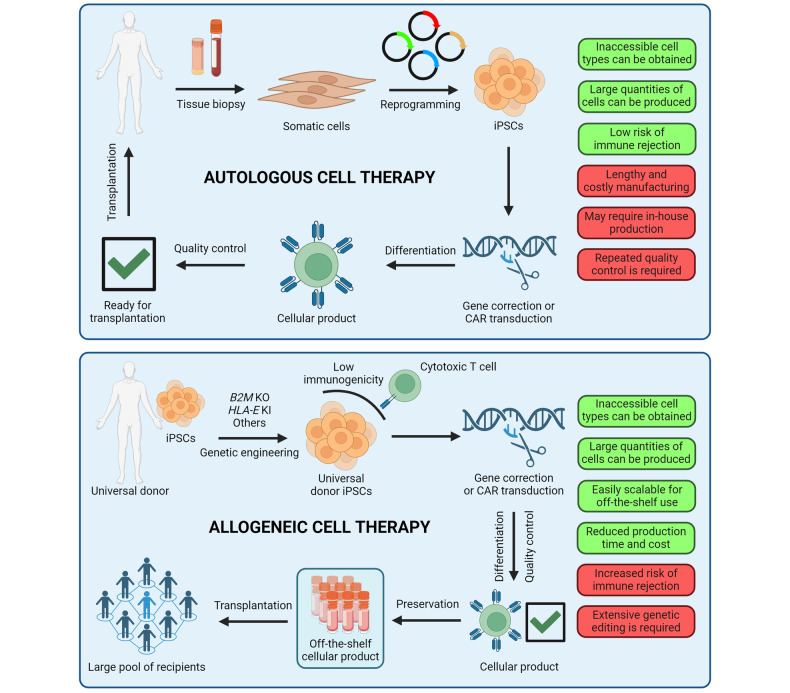
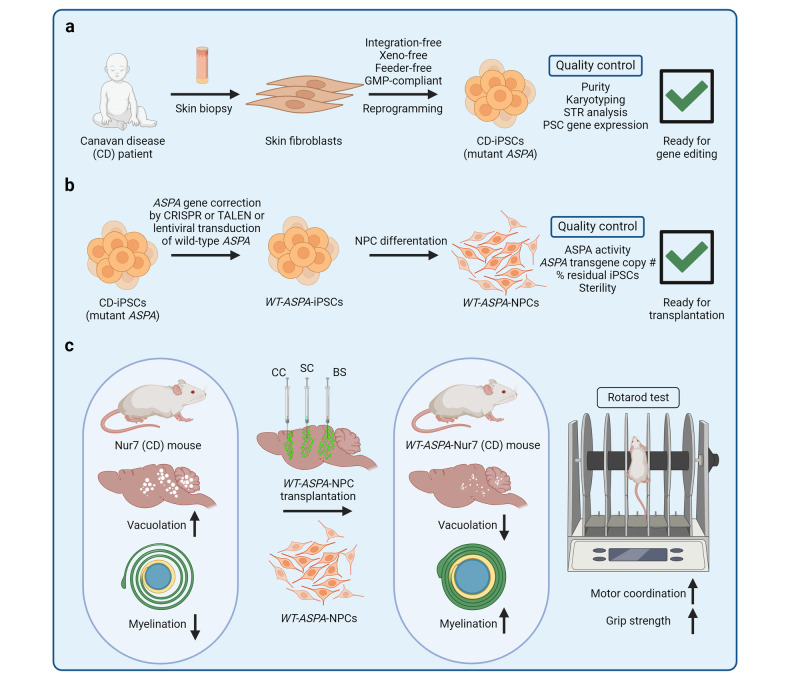
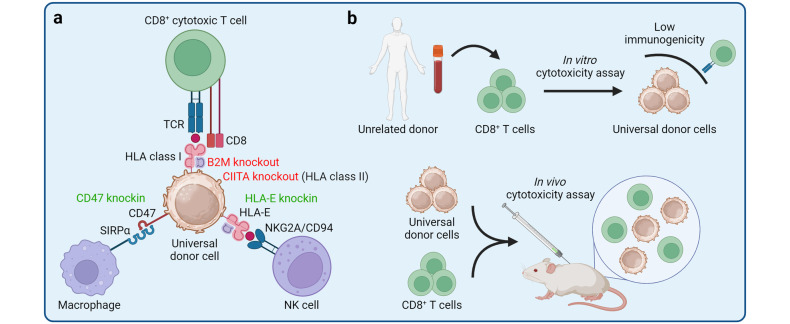
The induced pluripotent stem cell (iPSC) technology has transformed in vitro research and holds great promise to advance regenerative medicine. iPSCs have the capacity for an almost unlimited expansion, are amenable to genetic engineering, and can be differentiated into most somatic cell types. iPSCs have been widely applied to model human development and diseases, perform drug screening, and develop cell therapies. In this review, we outline key developments in the iPSC field and highlight the immense versatility of the iPSC technology for in vitro modeling and therapeutic applications. We begin by discussing the pivotal discoveries that revealed the potential of a somatic cell nucleus for reprogramming and led to successful generation of iPSCs. We consider the molecular mechanisms and dynamics of somatic cell reprogramming as well as the numerous methods available to induce pluripotency. Subsequently, we discuss various iPSC-based cellular models, from mono-cultures of a single cell type to complex three-dimensional organoids, and how these models can be applied to elucidate the mechanisms of human development and diseases. We use examples of neurological disorders, coronavirus disease 2019 (COVID-19), and cancer to highlight the diversity of disease-specific phenotypes that can be modeled using iPSC-derived cells. We also consider how iPSC-derived cellular models can be used in high-throughput drug screening and drug toxicity studies. Finally, we discuss the process of developing autologous and allogeneic iPSC-based cell therapies and their potential to alleviate human diseases.
Overview
The claims and statistics of this paper haven’t been checked yet.
Free: it reads the open-access text and checks the first 5 claims that cite a source we can check. Create a free account to check every claim.
Integrity signals
Registry
Cites
Statistics
Figures
Verification
Claims the paper makes
The claims and statistics of this paper haven’t been checked yet.
Free: it reads the open-access text and checks the first 5 claims that cite a source we can check. Create a free account to check every claim.
Claims other papers make about this one
Each is checked against this paper’s own text: does it say what the citing paper says it does?
The source backs part of the claim, not all of it — or backs it for a different population, condition or comparison.
In the citing paper
“In addition, iPSC-derived cells often display immature or fetal-like phenotypes and may not fully recapitulate adult tissue physiology, particularly for functions that depend on cellular maturation, aging, long-term environmental exposure, or tissue-specific niche cues (Cerneckis et al. 2024;Jiang et al. 2024).”
From Primary cell cultures versus immortalized cell lines: critical comparative insights into biological fidelity and translational applications (2026) · cites this paper as Cerneckis et al. 2024
Experimental — accuracy not yet measuredThe cited source says what the claim attributes to it.
In the citing paper
“It also makes iPSC-derived models particularly valuable for studying inherited disorders, modeling diseases involving inaccessible tissues, screening therapeutic candidates, and developing patient-matched regenerative strategies (McTague et al. 2021;Cerneckis et al. 2024;Singh et al. 2024).”
From Primary cell cultures versus immortalized cell lines: critical comparative insights into biological fidelity and translational applications (2026) · cites this paper as Cerneckis et al. 2024
The cited source says what the claim attributes to it.
In the citing paper
“Patient-derived iPSCs retain the donor genetic background and can be expanded before differentiation into disease-relevant cell types, including cells that are otherwise difficult to access, such as neurons, cardiomyocytes, and pancreatic β-like cells (Volpato and Webber 2020;Cerneckis et al. 2024;Joshi et al. 2024).”
From Primary cell cultures versus immortalized cell lines: critical comparative insights into biological fidelity and translational applications (2026) · cites this paper as Cerneckis et al. 2024
Self-check
Percentages, sums and reported differences re-computed from the paper’s own numbers.
The self-check needs the paper’s full text.
Citations
Cites
Highly accurate protein structure prediction with AlphaFold
Jumper, J., Evans, R., Pritzel, A., Green, T., Figurnov, M., Ronneberger, O., Tunyasuvunakool, K., Bates, R., Žídek, A., Potapenko, A., et al. (2021) · Nature · doi:10.1038/s41586-021-03819-2 · Cited by 43,764
Takahashi, K., & Yamanaka, S. (2006) · Cell · doi:10.1016/j.cell.2006.07.024 · Cited by 26,673
Induction of Pluripotent Stem Cells from Adult Human Fibroblasts by Defined Factors
Takahashi, K., Tanabe, K., Ohnuki, M., Narita, M., Ichisaka, T., Tomoda, K., & Yamanaka, S. (2007) · Cell · doi:10.1016/j.cell.2007.11.019 · Cited by 20,221
Embryonic Stem Cell Lines Derived from Human Blastocysts
Thomson, J. A., Itskovitz-Eldor, J., Shapiro, S. S., Waknitz, M. A., Swiergiel, J. J., Marshall, V. S., & Jones, J. M. (1998) · Science · doi:10.1126/science.282.5391.1145 · Cited by 15,926
Induced Pluripotent Stem Cell Lines Derived from Human Somatic Cells
Yu, J., Vodyanik, M. A., Smuga-Otto, K., Antosiewicz-Bourget, J., Frane, J. L., Tian, S., Nie, J., Jonsdottir, G. A., Ruotti, V., Stewart, R., et al. (2007) · Science · doi:10.1126/science.1151526 · Cited by 10,310 · cited 2×
“3,5 These combinations of reprogramming factors remain widely used today, whereas Gurdon and Yamanaka were awarded the 2012 Nobel Prize in Physiology or Medicine for their discoveries.”
BackgroundMethodEstablishment in culture of pluripotential cells from mouse embryos
Evans, M. J., & Kaufman, M. H. (1981) · Nature · doi:10.1038/292154a0 · Cited by 8,607
Hallmarks of aging: An expanding universe
López-Otín, C., Blasco, M. A., Partridge, L., Serrano, M., & Kroemer, G. (2023) · Cell · doi:10.1016/j.cell.2022.11.001 · Cited by 6,549 · cited 1×
“313 However, iPSC-derived cells are fetal-like and do not naturally exhibit aging-associated phenotypes.”
BackgroundKalia, L. V., & Lang, A. E. (2015) · The Lancet · doi:10.1016/s0140-6736(14)61393-3 · Cited by 6,184
Martin, G. R. (1981) · Proceedings of the National Academy of Sciences · doi:10.1073/pnas.78.12.7634 · Cited by 5,746
Detection of SARS-CoV-2 in Different Types of Clinical Specimens
Wang, W., Xu, Y., Gao, R., Lu, R., Han, K., Wu, G., & Tan, W. (2020) · JAMA · doi:10.1001/jama.2020.3786 · Cited by 5,028
Research works printed but not linked: 2
- Roe, S. A. Matter, life, and generation: eighteen-century embryology and the Haller-Wolff Debate, (Cambridge University Press, 1981).
- Waddington, C. H. The Strategy of the Genes; A Discussion of Some Aspects of Theoretical Biology, (Cambridge: Cambridge University Press, 1957).
Cited by
Items 401–500 of 611
Future of adult stem cells in regenerative medicine
Asgharzadeh, F., Yaghoubi, A., Nazarnezhad, S., Saeinasab, M., & Sefat, F. (2025) · Elsevier eBooks · doi:10.1016/b978-0-443-34152-6.00016-0
Angom, R. S., Ashbrook, S. K., Magnano, C., Kar, R., Dorairaj, A., Rachamala, H. K., & Mukhopadhyay, D. (2026) · Cells · doi:10.3390/cells15191754
Mayor, R. (2025) · Nature Cell Biology · doi:10.1038/s41556-025-01775-x
The Generation of iPSCs Expressing Interferon-Beta Under Doxycycline-Inducible Control
Шевелева, О. Н., Butorina, N. N., Protasova, E., Medvedev, S. P., Grigor’eva, E. V., Melnikova, V. I., Kuziaeva, V. I., Миньженкова, М. Е., Tatarenko, Y., & Lyadova, I. V. (2025) · International Journal of Molecular Sciences · doi:10.3390/ijms26178376
Sharma, D., & Srivastava, S. (2025) · Wiley eBooks · doi:10.1002/9781394313785.ch7
Corneal Regeneration Using Induced Pluripotent Stem Cells: Stem Cell-based Corneal Cell Therapy
Yu, C., Ye, E., Yoon, Y., Kim, C., Park, J., Kim, S. J., Jeon, M., Lee, R., Stepp, M. A., & Lee, H. (2026) · Current Ophthalmology Reports · doi:10.1007/s40135-026-00353-0
Induced Pluripotent Stem Cell–Derived Natural Killer Cells: From Concept to Clinic
Casoni, G. P., & Malmberg, K. (2026) · Springer eBooks · doi:10.1007/978-3-662-68816-8_66-1
From Tissue Engineering to Organ Engineering
Brennen, B. R., & Atala, A. (2026) · Elsevier eBooks · doi:10.1016/b978-0-443-30151-3.00014-0
Cantalupi, T. (2026) · Frontiers in Psychology · doi:10.3389/fpsyg.2026.1952709
Sáez, J. S. D. R., Díaz, Á. G. D. L. C., Moraleda, L., Mora, M. V., & Sánchez, A. L. (2026) · Series in bioengineering · doi:10.1007/978-981-95-7557-2_1
Zhang, P., Liu, M., Pei, S., Huang, H., Zhao, Z., Yang, L., Pan, W. L., Li, S., Bai, Q., Zhang, R., et al. (2025) · ACS Applied Materials & Interfaces · doi:10.1021/acsami.4c13686
Xi, W., Zheng, G., Chen, X., Zuo, B., Wang, W., Li, Y., Zhang, C., Chu, J., Mu, X., Wen, W., et al. (2025) · Biotechnology Progress · doi:10.1002/btpr.70023 · Cited by 1
Guo, L. (2026) · Journal of Neural Engineering · doi:10.1088/1741-2552/aeb442
Kawasaki, R., Takemoto, K., & Hamano, M. (2026) · bioRxiv (Cold Spring Harbor Laboratory) · doi:10.64898/2026.01.28.702229
Lin, X., & Bui, T. V. A. (2026) · Cytotherapy · doi:10.1016/j.jcyt.2026.102815
Abbas, G., Vyas, R., Noble, J. C., Lin, B., & Lane, R. P. (2025) · Cellular Reprogramming · doi:10.1177/21524971251359000
Deng, H., Zhao, X., & Yuan, L. (2026) · Molecular Aspects of Medicine · doi:10.1016/j.mam.2026.101503
Çalışkaner, Z. O. (2025) · Sakarya University Journal of Science · doi:10.16984/saufenbilder.1716892
Malakar, S., Thamodaran, V., Halder, T., Joshi, D., & Das, P. K. (2025) · bioRxiv (Cold Spring Harbor Laboratory) · doi:10.1101/2025.08.21.671443
Precision Oncology at a Crossroads: How Organoid Platforms Are Reshaping the Field
Lee, S., Kim, A., Kim, R. H., You, S., Kim, H. S., Chung, S. H., Lee, S., Kim, I. K., Yahng, S., & Kim, H. J. (2026) · Organoids · doi:10.3390/organoids5020016
AlKhafaje, Z., Malathi, H., Dash, A., Precilla Selvakumari, J., Singh, G., Sinha, A., Suliman, M., & Smerat, A. (2026) · Regenerative Medicine · doi:10.1080/17460751.2026.2629846
Epigenetic regulator KDM5B loss-of-function delays neuronal differentiation of human iPSCsPreprint
Harrington, J., Alenad, A., Gibson, J., Wheway, G., Willaime‐Morawek, S., & Walters, Z. (2026) · Research Square · doi:10.21203/rs.3.rs-8989803/v1
Nayak, A., Sahoo, G., & Nishank, S. S. (2026) · World Journal of Stem Cells · doi:10.4252/wjsc.v18.i5.115940
Myocardial repair and regeneration
Fang, S., Zhu, Y., Liu, W., Ren, T., & Zhou, J. (2026) · Elsevier eBooks · doi:10.1016/b978-0-443-40423-8.00001-4
Visualization of H3K9me3 in Embryoid Bodies Using Genetically Encoded Fluorescent Sensor MPP8-Green
Stepanov, A. I., Zhigmitova, E. B., Dashinimaev, E. B., Galiakberova, A. A., Putlyaeva, L. V., Lukyanov, K. A., & Gurskaya, N. G. (2025) · Russian Journal of Bioorganic Chemistry · doi:10.1134/s1068162025010236
Bridging Regenerative and Restorative Stem Cell Therapies in Parkinson’s Disease
Onuigbo, C. C., Martínez-Lemus, J. D., Tharp, E., & Schiess, M. C. (2026) · Cells · doi:10.3390/cells15070578
Advances in stem cell-based oncology: Therapeutic mechanism, nanotechnology, and synergies
Thorat, D. S., Jat, S., Joshi, A., Singh, S., Nwabor, L. C., Ushir, Y. V., Thorat, S., & Singh, S. (2026) · Next research. · doi:10.1016/j.nexres.2026.102177
Chaudhary, P., Madan, A., Kumari, D., Apurva, A., & Janmeda, P. (2025) · Wiley eBooks · doi:10.1002/9781394313785.ch15
Modeling Strategies for Neurodegenerative Diseases: In Vitro, In Vivo and In Silico Frameworks
Martorella, F., Cigolini, C., Pupo, G., Alberio, T., & Lualdi, M. (2026) · Biomedicines · doi:10.3390/biomedicines14102227
Research Progress on Novel Lead Compounds for Central Nervous System Diseases
Qiao, Y., Chen, J., Zhou, Y., & Shi, W. (2026) · Pharmaceuticals · doi:10.3390/ph19060922
Exploiting hPSC-derived organoids to study kidney development
Villalba, P. B. (2025) · RECERCAT (Consorci de Serveis Universitaris de Catalunya)
Cirovic, B. (2026) · Cellular Reprogramming · doi:10.1177/21524971261464818
Emerging hydrogel platforms for disease modeling, diagnosis, and imaging of Alzheimer's disease
Truong, T. D., Shi, H., Pena, C., Chinnappan, B., Savani, E., Cheema, A., Pandya, N., Klimas, N. G., Theoharides, T. C., & Kempuraj, D. (2026) · Journal of Alzheimer s Disease · doi:10.1177/13872877261495937
Kronstein‐Wiedemann, R., Brändle, D. C., Künzel, S. R., & Tonn, T. (2026) · Transfusion Medicine and Hemotherapy · doi:10.1159/000552465
Sun, L., Li, J., Hu, W., Wang, C., & Xu, Y. (2026) · Stem Cell Research · doi:10.1016/j.scr.2026.103918
Cells and Growth Factors for Tissue Engineering and Regenerative Medicine
García‐Gareta, E., & García‐Aznar, J. M. (2026) · Series in bioengineering · doi:10.1007/978-3-032-03441-0_4
A human-on-human assay for detecting anti-myocardial antibodies in patients with myocardial disease
von Auer, A., Siegel, J., Janjatovic, S., Heinrichs, M., Störk, S., Heuschmann, P., Morbach, C., Streckfuß‐Bömeke, K., Ramos, G. C., & Heinze, K. G. (2026) · Frontiers in Immunology · doi:10.3389/fimmu.2026.1744039
Reprogramming of DPSC to Induced Pluripotent Stem Cells
Yıldırım, S. (2024) · Springer eBooks · doi:10.1007/978-1-0716-4244-3_8
Sadeghi, M., Hadifar, S., & Ghorbani, A. (2026) · Biochemistry and Biophysics Reports · doi:10.1016/j.bbrep.2026.102738
Koskulu, B., Ali, T., Tetik‐Altintop, I., Villanueva, C., Gomola, M., & McConnell, B. K. (2026) · Journal of the American Heart Association · doi:10.1161/jaha.126.050981
Stem-Cell Therapy for Anti-Aging
Sureshkumar, T., Krishnasreya, M., Elakkiya, M. R., Saraswathy, C. D. B., & Moin, S. (2025) · IGI Global eBooks · doi:10.4018/979-8-3693-9730-5.ch006
Use of brain organoids for Parkinson's disease and Alzheimer's diseases
Kumari, S., Sharma, P., Dhapola, R., Ashvin, Chaudhary, B. N., Vellingiri, B., & HariKrishnaReddy, D. (2025) · Elsevier eBooks · doi:10.1016/b978-0-443-29898-1.00015-0
Vendruscolo, M., Díaz, A. G., Possenti, A., Urritia, G., Bian, Y., Kedia, S., Böken, D., Lim, C. M., Licastro, D., Mannini, B., et al. (2026) · Research Square · doi:10.21203/rs.3.rs-10790732/v1
RNAa-Mediated Gene Activation in the Regulation of Stem Cell Fate
Lee, H., Moon, J., & Kim, S.-K. (2025) · Biomolecules · doi:10.3390/biom16010005
Revisiting Pluripotency Acquisition: A Unified Framework for Reprogramming Strategies
Datta, A., & Ohta, K. (2026) · Development Growth & Differentiation · doi:10.1111/dgd.70066
Harnessing iPSC technology for population-level human disease/traits modeling -where are we?
Suresh, P. K. (2026) · Frontiers in Cell and Developmental Biology · doi:10.3389/fcell.2026.1927966
Conditional reprogramming in eyelid tumors: bridging the model gap in meibomian gland carcinoma
Hui, S., & Li, D. (2026) · Clinical Cancer Bulletin · doi:10.1007/s44272-026-00057-3
Updates and Advances in Stem Cell Transplantation for Multiple Sclerosis Therapy
Kestane, S. (2026) · Biochemistry · doi:10.5772/intechopen.1014768
Bioengineering strategies for prenatal therapy
Reynolds, E., Farmer, D. L., & Wang, A. (2026) · Nature Reviews Bioengineering · doi:10.1038/s44222-026-00501-y
Foundations of stem cells and tissue regeneration
Tian, H., Wu, L., Qin, H., Chen, P., Yz, W., & Zeng, W. (2026) · Elsevier eBooks · doi:10.1016/b978-0-443-40423-8.00002-6
Early considerations for village-in-a-dish platform: a multidisciplinary perspective
Qureshi, T., Bertocci, A., Redekop, K., Vandekerckhove, P., IJzerman, M. J., van Meurs, J. B. J., Groot, C. U., & Narcisi, R. (2026) · Frontiers in Bioengineering and Biotechnology · doi:10.3389/fbioe.2026.1923405
Introduction to Tissue Engineering and Regenerative Medicine
García‐Gareta, E., & Garcia-Aznar, J. M. (2026) · Series in bioengineering · doi:10.1007/978-3-032-03441-0_1
Stem cells and pyroptosis in cardiac injury
Mandal, N., Bej, A., Das, A., & Nandi, A. (2026) · Elsevier eBooks · doi:10.1016/b978-0-443-40471-9.00002-1
Chen, X., Liu, C., McDaniel, G., Joshi, S., Ma, S., Sen, J. B., Driscoll, T. P., Zeng, C., & Li, Y. (2026) · Advanced Healthcare Materials · doi:10.1002/adhm.71472
Kim, H., Kim, S., Kim, A.-H., Lee, H., Jeong, S., Kim, H., Kim, J., Lee, J., & Kim, H. D. (2026) · Journal of Tissue Engineering · doi:10.1177/20417314261468879
The Future of Tissue Engineering and Regenerative Medicine
García‐Gareta, E., & Garcia-Aznar, J. M. (2026) · Series in bioengineering · doi:10.1007/978-3-032-03441-0_12
Venkateshappa, R., Vacante, F., Xu, L., Canel, G., Day, J., & Wu, J. C. (2025) · Stem Cell Research · doi:10.1016/j.scr.2025.103794
Reprogramming Induced Pluripotent Stem Cell Lines from Frozen Buffy Coat Samples
Art, J., James, C., Dalal, B., Fantone, K. M., Rada, B., Felner, E. I., González‐Duarte, A., Michopoulos, V., Corneo, B., & Zeltner, N. (2026) · Journal of Visualized Experiments · doi:10.3791/70522
Toalá-Hernández, A. M., Sandoval-Rodriguez, A. S., Diaz-Canul, C., Zamudio‐Ojeda, A., Guevara-Martínez, S. J., Armendáriz‐Borunda, J., & Escutia-Gutiérrez, R. (2026) · Revista Bio Ciencias · doi:10.15741/revbio.13.e1873
Shivaji, K. K., Veeranna, B., Raju, S., Rajkumar, B. K., & Guruswamy, S. (2026) · Current Stem Cell Reports · doi:10.1007/s40778-026-00260-x
Advanced engineering strategies in human organoids for tissue repair and regeneration
Zhang, H., Yang, N., Wu, Y., Chen, S., Wen, Y., Zhu, Y., & Chen, X. (2026) · Burns & Trauma · doi:10.1093/burnst/tkag065
Nguyen, D., Truong, T. T. T., Panizzutti, B., Ellis, M., Spolding, B., Swinton, C., Bortolasci, C. C., Bryce, J., Smith, J., Field, C., et al. (2026) · bioRxiv (Cold Spring Harbor Laboratory) · doi:10.64898/2026.10.01.755863
Galitsyna, E. V., Ulyakina, N. A., Vladimirov, G. K., & Gusev, A. B. (2026) · Genes and Cells · doi:10.17816/gc683471
Altered metabolism and endoplasmic reticulum-mitochondria contacts in multiple sclerosis neurons
Böse, C., Rehm, A., Wu, Z., Karl, A., Augustyniak, S., Renk, P., Salmen, A., Gold, R., Winklhofer, K. F., Gisevius, B., et al. (2026) · Frontiers in Neurology · doi:10.3389/fneur.2026.1915238
Mohamed, R., Mekhemer, S. M., Ahmed, S. H., Khereba, B. S., & Sadaty, M. M. (2026) · Current Stem Cell Reports · doi:10.1007/s40778-026-00256-7
Beyond polio: advanced human in vitro models for studying non-polio enterovirus pathogenesis
da Silva, A. K. P., Meyer, B., & Bauer, L. (2026) · Journal of Virology · doi:10.1128/jvi.01699-25
Rejuvenating the damaged and aged heart: lessons from development
Liu, G., Gao, H., Liu, X., Chen, X., & Cao, N. (2026) · npj Biomedical Innovations. · doi:10.1038/s44385-026-00080-y
Bührman, E. A. M., Geille, A., Cornel, M. C., Boon, W., Heine, V. M., & Rigter, T. (2026) · Stem Cell Reports · doi:10.1016/j.stemcr.2026.103062
Ivleva, E., Kriukov, E., Arboleda‐Velásquez, J. F., & Baranov, P. Y. (2026) · bioRxiv (Cold Spring Harbor Laboratory) · doi:10.64898/2026.09.18.752796
Genovese, I., Galluzzi, G., Basilico, B., Angelantonio, S. D., Rosati, J., Ruotolo, G., Giovenale, A. M. G., Leoni, C., Flex, E., Cappelli, F., et al. (2026) · Research Square · doi:10.21203/rs.3.rs-10092322/v1
Zhang, Y., Wang, D., Tong, Z., Li, Z., Guanqi, L., Cong, C., Deng, Q., Li, X., & Chen, S. (2026) · European Cells and Materials · doi:10.22203/ecm.v059a11
Screening for axon regeneration promoters in injured hiPSC-derived cortical neurons
Assadinia, F. (2026) · cIRcle (University of British Columbia) · doi:10.14288/1.0451733
Kollu, A., Khazaei, M., & Fehlings, M. G. (2026) · Stem Cells Translational Medicine · doi:10.1093/stcltm/szag088
Lee, Y., & Lee, M. (2025) · Organoid · doi:10.51335/organoid.2025.5.e3
Wang, L., Zhang, P., Wu, C., Yu, S., Ji, Y., Liu, J., Yuan, H., Zhang, K., Qiu, Y., & Zhu, F. (2026) · Trends in biotechnology · doi:10.1016/j.tibtech.2026.05.017
Ohnishi, K., Sagara, J., & Fujita, T. (2025) · Developmental Biology · doi:10.1016/j.ydbio.2025.08.015
Qiu, Y.-X., Zhi, Z.-K., Leng, Y.-M., Zhang, X.-T., Du, C.-X., Tang, J., Li, H., & Wei-bing, T. (2026) · World Journal of Stem Cells · doi:10.4252/wjsc.123046
Colter, J., Dang, T., Gysel, E. J., Young, D., Dufour, A., Lewis, I., Murari, K., & Kallos, M. S. (2026) · bioRxiv (Cold Spring Harbor Laboratory) · doi:10.64898/2026.05.26.727850
Raza, S. N., & Yasmin, N. (2026) · doi:10.70593/978-81-69589-72-7
Induced pluripotent stem cells
Choudhery, M. S., Mahmood, R., & Arif, T. (2026) · Elsevier eBooks · doi:10.1016/b978-0-443-36634-5.00008-7
Cell Reprogramming: Therapeutic Advances and Challenges
Li, A., Zhipeng, W., Lyu, Z., Tuo, Z., Li, X., Wu, R., Wang, J., Wusiman, D., Wang, Y., Zhang, Q., et al. (2026) · Research · doi:10.34133/research.1472
Satvaldina, N., Tolymbekova, A., Rakhimova, S., Abilova, Z., & Akilzhanova, A. R. (2025) · Ġylym men densaulyķ saķtau. · doi:10.34689/sh.2025.27.4.001
Genomics and epigenomics of tissue repair: Implications for personalized medicine
Medhi, J., Thalluri, C., Bukke, S. P. N., Dey, P., Vasam, M., Chettupalli, A. K., Koduru, S. K., & Kumar, G. A. (2026) · Precision Medical Sciences · doi:10.1002/prm2.70046
Tambe, B. A., Mayer, M. L., Kozlov, S. O., Husch, A., Bradke, F., Händler, K., Beyer, M., Mass, E., Blank-Stein, N., & Halle, A. (2026) · doi:10.70401/mc.2026.0006
Hourfar, H., Fattahi, A., Raeiji, M., Marzookian, K., Safari, N., Boroujeni, N. N., Aliakbari, F., Otzen, D. E., Strong, M. J., & Morshedi, D. (2026) · Journal of Clinical and Translational Research · doi:10.36922/jctr025390064
Investigação dos mecanismos patofisiológicos da síndrome de Treacher Collins
Hsia, G. S. P. (2024) · Digital Library of Theses and Dissertations (Universidade de São Paulo) · doi:10.11606/t.41.2024.tde-14022025-160205
Fabry Disease: from iPSCs to Genome Editing
Duarte, A. J. B. (2025) · Portuguese National Funding Agency for Science, Research and Technology (RCAAP Project by FCT)
Gajewski, D. (2025) · eDiss (Georg-August-Universität Göttingen) · doi:10.53846/goediss-11652
Using genetics and cell models to understand virus-host interactions in the airways
Shrees, C. (2026) · Nottingham ePrints (University of Nottingham)
Heredia-Torrejón, M., Puga-López, B., Guerrero-López, M. D., Montañez, R., & Lechuga-Sancho, A. M. (2026) · PLoS ONE · doi:10.1371/journal.pone.0350828
Nowak, K., Schramm, R., Kaltschmidt, B., Kaltschmidt, C., Knabbe, C., & Höving, A. L. (2026) · Cells · doi:10.3390/cells15141313
Daupin, K. (2024) · theses.fr (ABES) · doi:10.70675/98517c4dzaa49z48a6z86abz4678df73af2a
Fatima, T., Mehta, K. Y., Scholl, A., Li, B., Bennouna, D., Rios, M., Mathé, E. A., & De, S. (2026) · bioRxiv (Cold Spring Harbor Laboratory) · doi:10.64898/2026.01.29.702537
Lièvre, C., Robert, B., Mainieri, G., Jaulin, N., Cotinat, M., Carlet, N., Girard, T., Mandrycky, C., Mack, D. L., Adjali, O., et al. (2026) · Molecular Therapy Advances · doi:10.1016/j.omta.2026.201834
Di-Lineage Hepatic Spheroids From Human Donors Capture Steatotic Liver Disease
Dutta, T., Kovooru, L., Thorsell, A., Pujia, C., Maurotti, S., Sasidharan, K., Mancina, R. M., & Romeo, S. (2026) · Cellular and Molecular Gastroenterology and Hepatology · doi:10.1016/j.jcmgh.2026.101804
Cancer Immunotherapy Using Stem Cells and Biomaterials
Kumar, S., Singh, R. B., & Dubey, V. K. (2026) · Elsevier eBooks · doi:10.1016/b978-0-443-24738-5.00106-3
Pontecorvi, P., & Marchese, C. (2026) · Methods in molecular biology · doi:10.1007/978-1-0716-5174-2_14
Revealing how the mechanisms controlling cytokinesis change with differentiation
Tountas, I. (2026) · Spectrum Research Repository (Concordia University)
Metadata
- Authors
- Cerneckis, J., Cai, H., & Shi, Y.
- Affiliations
- City Of Hope National Medical Center (US)
- Corresponding author
- Shi, Yanhong
- Venue
- Signal Transduction and Targeted Therapy
- Published
- 2024-04-26
- Volume
- 9
- Issue
- 1
- Pages
- 112-112
- ISSN
- 2059-3635 (ISSN-L)
- PMC
- PMC11053163
- OpenAlex
- W4395676185
- Semantic Scholar
- c74d513cb8e9a29f0a4c3aaf851798a18c9b9f17
- Cited by
- 452
- References
- 501
- Citations by year
- 2026: 224 · 2025: 194 · 2024: 34
- FWCI
- 18.48
- Type
- journal article
- Language
- en
- Open access
- gold
- doi.org
- Licence
- cc-by
- creativecommons.org/licenses/by/4.0 (tdm)
- creativecommons.org/licenses/by/4.0 (vor)
- Locations
- Signal Transduction and Targeted Therapy (publishedVersion, cc-by)
- PubMed Central (publishedVersion, cc-by)
- PubMed (publishedVersion)
- DOAJ (DOAJ: Directory of Open Access Journals) (submittedVersion, cc-by-sa)
- Funders
- U.S. Department of Health & Human Services | NIH | National Institute of Neurological Disorders and Stroke (U01 NS122101)
- U.S. Department of Health & Human Services | NIH | National Institute on Aging (R01 AG072291, RF1 AG079307)
- Topics
- Life Sciences › Biochemistry, Genetics and Molecular Biology › Molecular Biology › Pluripotent Stem Cells Research
- Life Sciences › Biochemistry, Genetics and Molecular Biology › Molecular Biology › CRISPR and Genetic Engineering
- Life Sciences › Biochemistry, Genetics and Molecular Biology › Cell Biology › Mesenchymal stem cell research
- Keywords
- induced pluripotent stem cells, somatic cell reprogramming, induced pluripotency, iPSC-derived organoids, disease modeling, drug screening, drug toxicity, neurological disorders, COVID-19 pandemic, cancer, human development
- MeSH terms
- COVID-19, SARS-CoV-2, Cell Differentiation, Humans, Neoplasms, Nervous System Diseases, Regenerative Medicine, Induced Pluripotent Stem Cells, Cellular Reprogramming
About these checks
Registry, retraction, Cites and statistics results are computed, not judged, with one exception: a printed reference that no index lists is read once by a model before it counts as a citation error. Claims are extracted by a model and kept only when their quote appears verbatim in the text; each cited source is then checked, with a model’s help, for whether it says what the claim relies on. Those verdicts can be wrong — read the claim’s quote and the cited source before relying on one.
Statistics and arithmetic are recomputed, not judged.
Confidence bands are shown only for fields calibrated on our annotated test set. None is calibrated yet, so no band is shown.
What counts as a claim ›How we measure confidence ›How we check this ›
Are you an author, or do you see a problem with this page? Request a review
Data sources
Bibliographic data: Semantic Scholar, OpenAlex, Crossref.
Contains information from the Semantic Scholar Academic Graph Datasets, made available under the ODC Attribution License (ODC-BY 1.0).
Semantic Scholar’s data is described in: Kinney, R., et al. (2023). The Semantic Scholar Open Data Platform. arXiv:2301.10140.
