

Induced pluripotent stem cells (iPSCs): molecular mechanisms of induction and applications
Open accessThe DOI matches its Crossref record; 503 of the 503 references it cites were found in a registry or an index.
Abstract
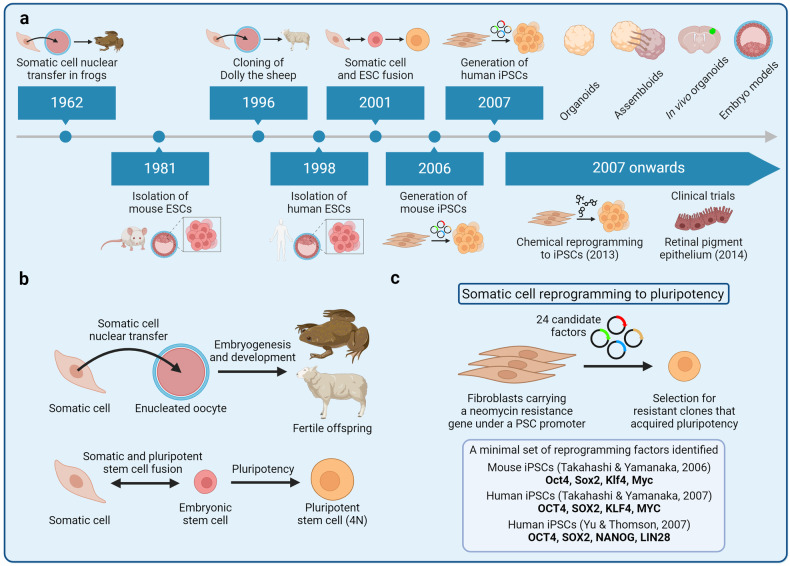
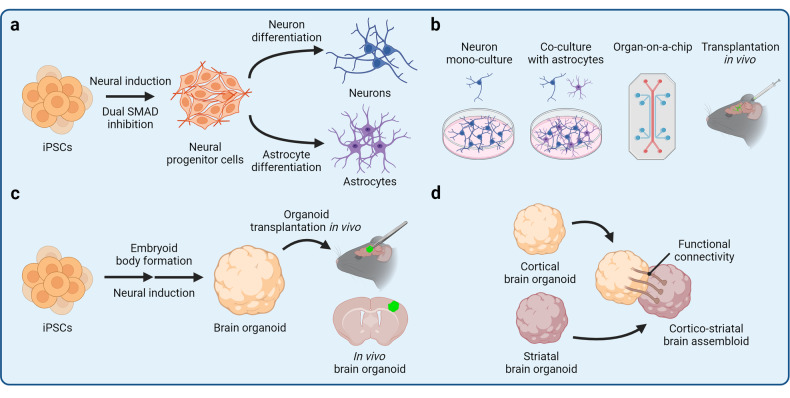
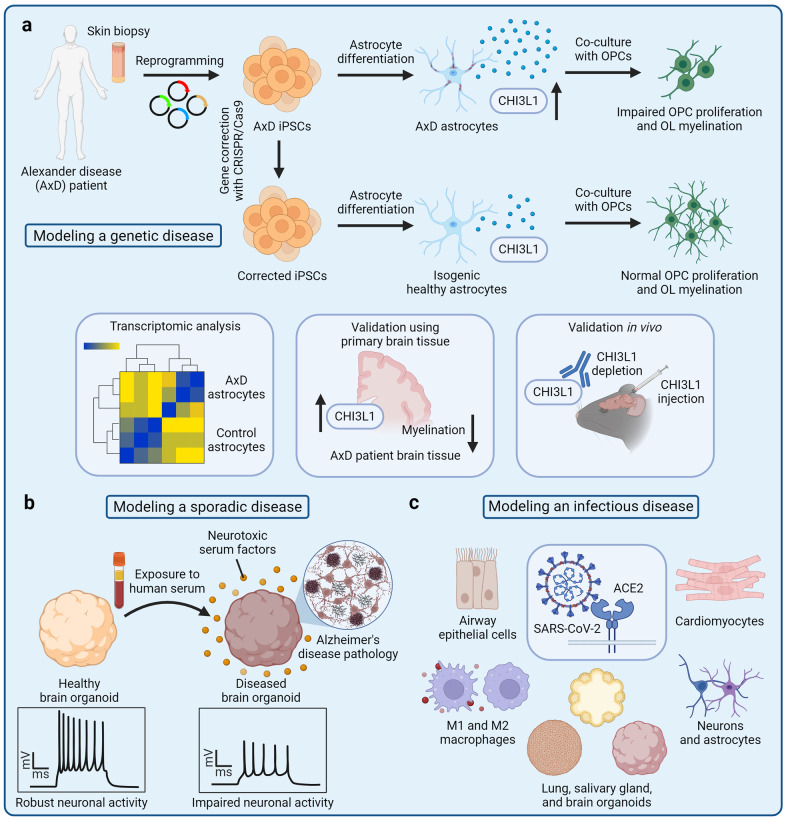
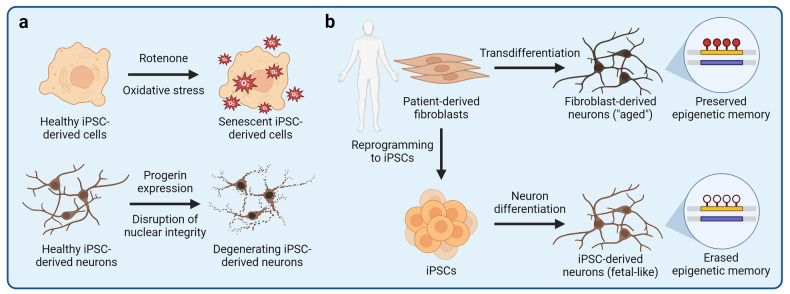
The induced pluripotent stem cell (iPSC) technology has transformed in vitro research and holds great promise to advance regenerative medicine. iPSCs have the capacity for an almost unlimited expansion, are amenable to genetic engineering, and can be differentiated into most somatic cell types. iPSCs have been widely applied to model human development and diseases, perform drug screening, and develop cell therapies. In this review, we outline key developments in the iPSC field and highlight the immense versatility of the iPSC technology for in vitro modeling and therapeutic applications. We begin by discussing the pivotal discoveries that revealed the potential of a somatic cell nucleus for reprogramming and led to successful generation of iPSCs. We consider the molecular mechanisms and dynamics of somatic cell reprogramming as well as the numerous methods available to induce pluripotency. Subsequently, we discuss various iPSC-based cellular models, from mono-cultures of a single cell type to complex three-dimensional organoids, and how these models can be applied to elucidate the mechanisms of human development and diseases. We use examples of neurological disorders, coronavirus disease 2019 (COVID-19), and cancer to highlight the diversity of disease-specific phenotypes that can be modeled using iPSC-derived cells. We also consider how iPSC-derived cellular models can be used in high-throughput drug screening and drug toxicity studies. Finally, we discuss the process of developing autologous and allogeneic iPSC-based cell therapies and their potential to alleviate human diseases.
Overview
The claims and statistics of this paper haven’t been checked yet.
Free: it reads the open-access text and checks the first 5 claims that cite a source we can check. Create a free account to check every claim.
Integrity signals
Registry
Cites
Statistics
Figures
Verification
Claims the paper makes
The claims and statistics of this paper haven’t been checked yet.
Free: it reads the open-access text and checks the first 5 claims that cite a source we can check. Create a free account to check every claim.
Claims other papers make about this one
Each is checked against this paper’s own text: does it say what the citing paper says it does?
The source backs part of the claim, not all of it — or backs it for a different population, condition or comparison.
In the citing paper
“In addition, iPSC-derived cells often display immature or fetal-like phenotypes and may not fully recapitulate adult tissue physiology, particularly for functions that depend on cellular maturation, aging, long-term environmental exposure, or tissue-specific niche cues (Cerneckis et al. 2024;Jiang et al. 2024).”
From Primary cell cultures versus immortalized cell lines: critical comparative insights into biological fidelity and translational applications (2026) · cites this paper as Cerneckis et al. 2024
Experimental — accuracy not yet measuredThe cited source says what the claim attributes to it.
In the citing paper
“It also makes iPSC-derived models particularly valuable for studying inherited disorders, modeling diseases involving inaccessible tissues, screening therapeutic candidates, and developing patient-matched regenerative strategies (McTague et al. 2021;Cerneckis et al. 2024;Singh et al. 2024).”
From Primary cell cultures versus immortalized cell lines: critical comparative insights into biological fidelity and translational applications (2026) · cites this paper as Cerneckis et al. 2024
The cited source says what the claim attributes to it.
In the citing paper
“Patient-derived iPSCs retain the donor genetic background and can be expanded before differentiation into disease-relevant cell types, including cells that are otherwise difficult to access, such as neurons, cardiomyocytes, and pancreatic β-like cells (Volpato and Webber 2020;Cerneckis et al. 2024;Joshi et al. 2024).”
From Primary cell cultures versus immortalized cell lines: critical comparative insights into biological fidelity and translational applications (2026) · cites this paper as Cerneckis et al. 2024
Self-check
Percentages, sums and reported differences re-computed from the paper’s own numbers.
The self-check needs the paper’s full text.
Citations
Cites
Highly accurate protein structure prediction with AlphaFold
Jumper, J., Evans, R., Pritzel, A., Green, T., Figurnov, M., Ronneberger, O., Tunyasuvunakool, K., Bates, R., Žídek, A., Potapenko, A., et al. (2021) · Nature · doi:10.1038/s41586-021-03819-2 · Cited by 43,764
Takahashi, K., & Yamanaka, S. (2006) · Cell · doi:10.1016/j.cell.2006.07.024 · Cited by 26,673
Induction of Pluripotent Stem Cells from Adult Human Fibroblasts by Defined Factors
Takahashi, K., Tanabe, K., Ohnuki, M., Narita, M., Ichisaka, T., Tomoda, K., & Yamanaka, S. (2007) · Cell · doi:10.1016/j.cell.2007.11.019 · Cited by 20,221
Embryonic Stem Cell Lines Derived from Human Blastocysts
Thomson, J. A., Itskovitz-Eldor, J., Shapiro, S. S., Waknitz, M. A., Swiergiel, J. J., Marshall, V. S., & Jones, J. M. (1998) · Science · doi:10.1126/science.282.5391.1145 · Cited by 15,926
Induced Pluripotent Stem Cell Lines Derived from Human Somatic Cells
Yu, J., Vodyanik, M. A., Smuga-Otto, K., Antosiewicz-Bourget, J., Frane, J. L., Tian, S., Nie, J., Jonsdottir, G. A., Ruotti, V., Stewart, R., et al. (2007) · Science · doi:10.1126/science.1151526 · Cited by 10,310 · cited 2×
“3,5 These combinations of reprogramming factors remain widely used today, whereas Gurdon and Yamanaka were awarded the 2012 Nobel Prize in Physiology or Medicine for their discoveries.”
BackgroundMethodEstablishment in culture of pluripotential cells from mouse embryos
Evans, M. J., & Kaufman, M. H. (1981) · Nature · doi:10.1038/292154a0 · Cited by 8,607
Hallmarks of aging: An expanding universe
López-Otín, C., Blasco, M. A., Partridge, L., Serrano, M., & Kroemer, G. (2023) · Cell · doi:10.1016/j.cell.2022.11.001 · Cited by 6,549 · cited 1×
“313 However, iPSC-derived cells are fetal-like and do not naturally exhibit aging-associated phenotypes.”
BackgroundKalia, L. V., & Lang, A. E. (2015) · The Lancet · doi:10.1016/s0140-6736(14)61393-3 · Cited by 6,184
Martin, G. R. (1981) · Proceedings of the National Academy of Sciences · doi:10.1073/pnas.78.12.7634 · Cited by 5,746
Detection of SARS-CoV-2 in Different Types of Clinical Specimens
Wang, W., Xu, Y., Gao, R., Lu, R., Han, K., Wu, G., & Tan, W. (2020) · JAMA · doi:10.1001/jama.2020.3786 · Cited by 5,028
Research works printed but not linked: 2
- Roe, S. A. Matter, life, and generation: eighteen-century embryology and the Haller-Wolff Debate, (Cambridge University Press, 1981).
- Waddington, C. H. The Strategy of the Genes; A Discussion of Some Aspects of Theoretical Biology, (Cambridge: Cambridge University Press, 1957).
Cited by
Items 501–600 of 611
Wu, R. (2026) · TSpace (University of Toronto)
Chen, Y., Yang, S., Chen, J., Guo, M., Li, Y., Sun, Z., & Zeng, F. (2026) · International Journal of Bioprinting · doi:10.36922/ijb026240248
Ayora, I. (2024) · Otago University Research Archive (University of Otago)
Single-episome delivery of BOSMK with miR-142–gated KLF4 streamlines PBMC reprogramming to iPSCs
Li, X., Wen, W., Chang, J.-Q., Zhang, F., Gao, Z.-Y., Zhang, S.-M., Li, G., Liu, B., Wang, J., Li, H., et al. (2026) · Blood Science · doi:10.1097/bs9.0000000000000277
A Categorical Model of Cellular Differentiation and Reprogramming
Doğan, R. Y. E., Fidan, Ê. C., & YILMAZ, K. (2026) · journal of new results in science · doi:10.54187/jnrs.1708086
Bioprinting for organoid construction and its future application prospects
Lu, M., Chen, X., Yin, Y., Qi, Y., & Xie, H. (2026) · International Journal of Bioprinting · doi:10.36922/ijb026210209
Neto, O. A. R., Brandão, L. K. V. S., & Ángel, D. J. (2026) · Scientia Generalis · doi:10.22289/sg.v7n2a121
Etheridge, H., Wong, R., Sundar, R., Bandla, A., & Georgopoulos, N. (2026) · Therapeutic Advances in Medical Oncology · doi:10.1177/17588359261502344
Gao, M., Huo, M., Zhang, H., & Wang, X. (2026) · Neuroscience Letters · doi:10.1016/j.neulet.2026.138783
Programming Dendritic Cell Diversity with Direct Cell Reprogramming
Altman, A. R. (2026) · Lund University Publications (Lund University)
Engineered Osteochondral Grafts: Bench to Bedside Translation
Cunha, S., & Nukavarapu, S. P. (2026) · Springer eBooks · doi:10.1007/978-3-031-80976-7_32-1
Modeling Moyamoya disease using patient-derived induced pluripotent stem cells and organoids
Kim, J.-T., Youn, D. H., Jung, H., Lee, J. H., Hong, E. P., Kim, Y., Cho, K.-W., Lee, J. J., & Jeon, J. P. (2026) · Molecular Biology Reports · doi:10.1007/s11033-026-12932-2
Badawy, S., Anand, S., Marini, A. X., Mulorz, J. U., Tsao, P. S., & Huang, N. F. (2025) · npj Biomedical Innovations. · doi:10.1038/s44385-025-00044-8
BRD2 impedes iPSC reprogramming by regulating lipid biosynthesis and the matrisome via its ET tail
Cevallos, R. R., Zhang, R., Sian, R., Chen, S. G., & Hu, K. (2026) · Communications Biology · doi:10.1038/s42003-026-10691-1
Molugu, K., Halaoui, R., Zeaiter, M., Bara, A. M., Bakalar, M. H., de Oliveira, B. C., McGinnis, C., Wang, J., Kimaz, M.-J., Herchenroder, L., et al. (2025) · bioRxiv (Cold Spring Harbor Laboratory) · doi:10.64898/2025.12.23.696205
Liang, S., Zhao, H., Zuo, N., Zhang, B., Chen, M., Zhang, X., Zhang, H., Iqbal, M. O., Wang, Q., & Dong, D. (2026) · Frontiers in Cell and Developmental Biology · doi:10.3389/fcell.2026.1968508
Sansa, A., Zhemkov, V., Feole, M., Villalba, J. M., Bell, S., & Svendsen, C. N. (2026) · bioRxiv (Cold Spring Harbor Laboratory) · doi:10.64898/2026.09.14.751550
Ali, S., Arshad, M., Nazakat, L., Zia, S., & Iqbal, H. (2026) · Regenerative Engineering and Translational Medicine · doi:10.1007/s40883-026-00642-x
Tian, L., Anas, F., Hasselkus, R., Joseph, E., Chadraa, M., Koç, B., Wu, W., Karnam, B., Flores-Muñoz, P., Alon, A., et al. (2026) · Nature Communications · doi:10.1038/s41467-026-76936-z
Marjomaa, A. (2026) · UTUPub (University of Turku)
Smet, J. D., Guzon, D. R. T., Wüst, R., Bollaert, B., Hauchecorne, L., Boudry, F., Yedigaryan, L., Sampaolesi, M., Thorrez, L., & Declercq, H. (2026) · Biofabrication · doi:10.1088/1758-5090/aeb6aa
Laowtammathron, C., Chingsuwanrote, P., Srisook, P., Klaihmon, P., Meaunpim, P., Lorthongpanich, C., Kheolamai, P., & Issaragrisil, S. (2025) · Science Progress · doi:10.1177/00368504251330956
Decoding single-cell heterogeneity and plasticity
Liu, W. (2025) · Infoscience (Ecole Polytechnique Fédérale de Lausanne) · doi:10.5075/epfl-thesis-11108
From Degeneration to Regeneration: The Evolving Landscape of Cell-Based Tendon Repair
Wang, I., Owens, B. D., & Trivedi, J. (2026) · Cells · doi:10.3390/cells15161483
Hosty, L., Chang, Y.-M., Konečná, M., McGrath, M., Murphy, C., Schweikert, A., Ozaki, M., Hurley, K., Quondamatteo, F., & Browne, S. (2026) · Journal of Anatomy · doi:10.1111/joa.70273
Ye, E., Russo, A., Castelli, R., Westlake, G. T., Jiang, X., Spiro, D. A., Quejido, S., Henry, C. L., Blankman, J. L., Simon, G. M., et al. (2026) · bioRxiv (Cold Spring Harbor Laboratory) · doi:10.64898/2026.08.25.747126
A prototype closed-system platform for iPSC culture process design
Nakashima, Y., Izumi, K., Koba, N., & Takemoto, K. (2026) · Scientific Reports · doi:10.1038/s41598-026-70469-7
CRISPR-based pipeline for generating and validating multi-kb deletions and indels in iPSCs
Hamerlinck, L., Baca, M. D. R. P., Loon, N. V., Vantomme, L., Daal, E., Vaughan, M., D’haene, E., & Vergult, S. (2026) · STAR Protocols · doi:10.1016/j.xpro.2026.104935
Abdullah, U., Kayani, U. S., Niaz, M. K., Zahoor, N., Song, J., Li, B., & Jin, K. (2026) · Poultry Science · doi:10.1016/j.psj.2026.107971
Jestice, L. H. (2025) · White Rose eTheses Online (University of Leeds, The University of Sheffield, University of York)
Meesters, L. D. (2025) · Radboud University Press eBooks · doi:10.54195/9789465150741
Dayaramani, R. A., Jana, S., Bandyopadhyay, B., Bishal, A., & Debnath, S. (2025) · Wiley eBooks · doi:10.1002/9781394393145.ch6
Mandal, R., Gorai, S., & Jha, S. K. (2025) · Wiley eBooks · doi:10.1002/9781394393145.ch13
Xian, C., Huang, A., Bao, Z., Wang, L., Zhang, J., Kong, X., Wu, Y., Luo, S., Yi, S., Huang, M., et al. (2026) · Cell Death and Disease · doi:10.1038/s41419-026-09273-0
Freeman, S. (2025) · Library, Museums and Press - UDSpace (University of Delaware)
Gomez, D. F. (2025) · Radboud University Press eBooks · doi:10.54195/9789465150529
Lázaro-Carot, L., Jiménez-Villalba, E., Díaz-Moncho, J., Samper-Llavador, D., Lozano-Ureña, A., Planells, J., & Ferrón, S. R. (2026) · STAR Protocols · doi:10.1016/j.xpro.2026.104953
MND1 regulates PANoptosis and stemness of lung adenocarcinoma cells by stabilizing RCOR2 mRNA
Ouyang, L., Tang, X., Jiang, S., Liu, Y., Liu, N., Mao, C., Chen, Y., Fan, Y., Zhang, Z., Huang, J., et al. (2026) · Cell Death and Disease · doi:10.1038/s41419-026-09012-5
Induced pluripotent stem cells in drug discovery
Primec, J. R., Krajšek, Z., & Urbančič, D. (2025) · DiRROS repository (University of Maribor)
Approcci Personalizzati alle Malattie del Fegato: Sviluppo di Nuovi Strumenti di Ricerca
Blarasin, B. (n.d.) · ArTS Archivio della ricerca di Trieste (University of Trieste https://www.units.it/)
Lo studio dell'età cellulare sulla funzione delle β cellule derivate da iPSC
Monaco, L. (n.d.) · Archivio Istituzionale della Ricerca - Università Vita-Salute San Raffaele
Microglia : guardians across the lifespan and disease spectrum
Vázquez-Cabrera, G. (2024) · Open Archive (Karolinska Institutet)
Mubarak, M. H., & Sulistyoningrum, E. (2025) · Jurnal Ilmu Kedokteran dan Kesehatan Indonesia · doi:10.55606/jikki.v5i1.7238
Sobieszek, K. A., & Idzik, P. (2026) · Gene & Protein in Disease · doi:10.36922/gpd025480078
Células tronco pluripotentes induzidas para o estudo do hipopituitarismo congênito
Marques, J. M. (2024) · Digital Library of Theses and Dissertations (Universidade de São Paulo) · doi:10.11606/t.5.2024.tde-06082025-122627
Marconi, G. D., Rocca, Y. D., Guglielmi, P., Mazzone, A., Fonticoli, L., D'Ascanio, F., Lanuti, P., Papaccio, F., Pizzicannella, J., Diomede, F., et al. (2026) · SSRN Electronic Journal · doi:10.2139/ssrn.7615339
Gastón Gálvez, B., & López Gallardo, E. (2024) · Zaguan (Universidad de Zaragoza)
Cell Biology—Latest Advances and Prospects
Chervenkov, M., Zerti, D., & Stoyanova, E. (2026) · Applied Sciences · doi:10.3390/app16126162
Stem Cell Physiology and Cellular Differentiation: Molecular Insights and Therapeutic Potential
Khairullah, A. R., Rehman, S., Mustofa, I., Pratama, B. P., Martindah, E., Ansori, A. N. M., Sukmanadi, M., Ma’ruf, I. F., Analianasari, A., Ahmad, R. Z., et al. (2026) · Trends in Sciences · doi:10.48048/tis.2026.12653
Li, K. (2026) · Carolina Digital Repository (University of North Carolina at Chapel Hill) · doi:10.17615/8jkh-8527
Patel, D., Patel, P., & Patel, M. (2026) · Frontiers in Cell Science · doi:10.2174/0127726215454438260331204959
Liu, X.-L., Han, S.-M., Ye, G.-H., Wang, Q.-L., Luo, Y., & Liu, Y. (2026) · World Journal of Stem Cells · doi:10.4252/wjsc.122513
Farahat, M., Chen, Y., Douglas, A., & Jeschke, M. G. (2026) · Cells · doi:10.3390/cells15222069
Ghasemi‐Kasman, M., Nakhaei‐Nejad, M., Rabiei, F., & Giuliani, F. (2026) · PubMed Central · doi:10.22038/ijbms.2026.96127.20729
Hong, D., Kim, T., Heo, S., Kim, M., Park, J., Moon, C.-W., Ha, S., Koh, W., Lee, S., & Hong, J. (2026) · ACS Nano · doi:10.1021/acsnano.6c05279
Dack, A., Plesa, T., & Ouldridge, T. E. (2026) · Journal of The Royal Society Interface · doi:10.1098/rsif.2026.0169
Tissue repair and regeneration: molecular mechanisms and therapeutic interventions
Zhang, M., He, J., & Li, Q. (2026) · Signal Transduction and Targeted Therapy · doi:10.1038/s41392-026-03080-x
Bourdais, C., Coeur, A., Foisset, F., Nadaud, M., Urena, C., Nasri, A., Mianné, J., Morichon, L., Rolland, F., Yakhou, L., et al. (2026) · bioRxiv (Cold Spring Harbor Laboratory) · doi:10.64898/2026.02.05.701025
A Human iPSC-Based Model to Investigate FUS-Linked ALS Pathogenesis
Ma, J., Chen, B., Zhang, Y., Zhou, T., & Zhou, Q. (2026) · Biology Bulletin · doi:10.1134/s1062359025614831
Control systems for synthetic biology and a case-study in cell fate reprogrammingPreprint
Vecchio, D. D. (2026) · arXiv · doi:10.48550/arxiv.2601.20135
Optimizing vascular smooth muscle cell differentiation from human induced pluripotent stem cells
Martikkala, R. (2026) · Tampere University Institutional Repository (Tampere University)
Jones Tarcius Doss, C. O. (2024) · eScholarship (California Digital Library)
Wójcik, M., Batorski, M., & Romanek, J. (2025) · Medycyna Weterynaryjna · doi:10.21521/mw.7085
Nair, S. (2026) · International Journal For Multidisciplinary Research · doi:10.36948/ijfmr.2026.v08i05.88430
Transcriptomic and phenotypic data from patient-derived astrocytes in sporadic Alzheimer’s disease
Novak, D., Juráková, V., Széky, B., Zapletalová, M., Fehér, A., Zana, M., Bržezická, T., Kučera, R., Šerý, O., Hudecek, J., et al. (2026) · Scientific Data · doi:10.1038/s41597-026-08427-1
Mitochondrial Transplantation: An Emerging Therapeutic Option for Cardiovascular Disease
Park, S., Jang, J., Kim, Y.-W., Ko, J., Hong, S., Lee, S. H., Hayashida, K., & Kang, K. (2027) · Korean Circulation Journal · doi:10.4070/kcj.2026.0074
Hansknecht, A., Mankarious, M., Baranda, M. V., Torlak, E. D., Wagner, W., Zeevaert, K., & Puri, D. (2026) · Clinical Epigenetics · doi:10.1186/s13148-026-02162-5
Eramma, N., -, P. U., & -, S. (2026) · International Journal For Multidisciplinary Research · doi:10.36948/ijfmr.2026.v08i05.89306
Generation of an HFpEF in vitro model using hiPSC-derived cardiac organoids
Araújo, B. D. C. (2025) · Portuguese National Funding Agency for Science, Research and Technology (RCAAP Project by FCT)
Zhu, L., Sun, F., Sun, F., Li, D., Liu, T., Tian, X., Zheng, W., Zhu, Z., Wang, Y., & Wang, W. (2026) · International Journal of Molecular Sciences · doi:10.3390/ijms272210155
光吸収体媒介レーザ照射による調整型細胞穿孔:標的デリバリから選択的除去まで
MISHRA, A. (2025) · Institutional Repositories DataBase (IRDB)
Li, J., Min, L., Song, Y., Liu, M., Wei, M., & Wang, X. (2026) · Frontiers in Cell and Developmental Biology · doi:10.3389/fcell.2026.2010122
Shekhawat, S. S. S. S. S., Dashora, P. D. P., Suthar, P. S. P., Gupta, N., Pant, A., & Sonigara, B. S. S. D. B. S. (2025) · International Journal of Pharmaceutical Research and Applications · doi:10.35629/4494-1003987993
Feeder-Free Culture of Murine Induced Pluripotent Stem Cells
Li, C., Whitt, A. G., & Yaddanapudi, K. (2025) · Journal of Visualized Experiments · doi:10.3791/68551
Safety and Efficacy of Stem Cell Therapy on the Treatment for Multiple Sclerosis
Lakey, J. R. T., Casazza, K., García-Lara, J. M. A., Ruiz, V. A. H., Andrade, D., Medina, A., Gutierrez-Contreras, A., Robinson, B., & Castrellón, P. G. (2025) · Neurology - Research & Surgery · doi:10.33425/2641-4333.1083
Research Progress of Induced Pluripotent Stem Cells and Their Clinical Application Prospects
Peng, J., Zhang, J., & Zhang, D. (2025) · Journal of Embryology & Stem Cell Research · doi:10.23880/jes-16000165
Scalable Differentiation of Hematopoietic Progenitor Cells from hiPSCs Using a Bioreactor SystemPreprint
Kanai-Bai, G., Hataoka, T., Ito, A., Yamano, N., & Ōmasa, T. (2025) · Research Square · doi:10.21203/rs.3.rs-7975383/v1
Shams, A., Ebrahimi, S., Shams, M. A., & Amirinejad, M. (2025) · Histochemistry and Cell Biology · doi:10.1007/s00418-025-02435-9
Silveira, G. B. M., & de Andrade, B. C. (2025) · Brazilian Journal of Health Review · doi:10.34119/bjhrv8n6-238
Güçlüer, F., & Yazoğlu, R. (2025) · Pamukkale Üniversitesi İlahiyat Fakültesi Dergisi · doi:10.17859/pauifd.1754023
Medicina regenerativa: avances y desafíos
Tello-Vera, S. (2025) · Revista Experiencia en Medicina del Hospital Regional Lambayeque · doi:10.37065/rem.v11i4.876
Khadijah, N., & Damawati, E. U. (2025) · Journal of Stem Cell Research and Tissue Engineering · doi:10.20473/jscrte.v9i2.85321
CÉLULAS-TRONCO E REGENERAÇÃO NEURAL: AVANÇOS, MECANISMOS E PERSPECTIVAS TERAPÊUTICAS
Viana, M. C. E., Vieira, A. L. T., Mendes, H. A., Cristaldo, M. G. D. J., Suzano, J. T., Ribeiro, I. C., Storti, M. L. X., & Arantes, M. O. (2026) · Revista Foco · doi:10.54751/revistafoco.v19n1-056
Mittendorf, S. (2026) · reposiTUm (TU Wien) · doi:10.34726/hss.2026.132681
Rostami, I., Leuenberger, J., Ott, G., Khosrozadeh, A., Diab, R., Saxena, S., Nevian, T., & Zuber, B. (2026) · Cell Death and Disease · doi:10.1038/s41419-026-09381-x
Epigenetic Regulation and Mechanical Forces of Stem Cell Fate
Abedini, E. (2026) · Biomedical Journal of Scientific & Technical Research · doi:10.26717/bjstr.2026.65.010161
Honey, We Shrunk the Mice! The Maximal Electroshock Model Goes In Vitro
Eyal, S. (2026) · Epiliepsy currents/Epilepsy currents · doi:10.1177/15357597261439091
Li, H. (2026) · Institutional Repositories DataBase (IRDB)
Li, G., Luan, J., Li, Z., Yang, Y., Shao, C., Wang, J., Han, Z., Wang, Q., Zhu, Y., Yu, C., et al. (2026) · Intractable & Rare Diseases Research · doi:10.5582/irdr.2026.01023
30 years since Dolly the sheep was born, where is cloning technology at now?
Dushyanthen, S. (2026) · The Conversation · doi:10.64628/aa.uecsaxrgw
Rong, Q., Guo, Y., Wang, T., & Tan, X. (2026) · Stem Cells Translational Medicine · doi:10.1093/stcltm/szag052
Ruggeri, E., Gambini, A., Galli, C., Mastromonaco, G. F., & Comizzoli, P. (2026) · Reproduction Fertility and Development · doi:10.1071/rd26167
Bridging the Bench and Bedside: Stem Cell Cultivation Approaches for Clinical Treatment
Deng, R. J. (2026) · Theoretical and Natural Science · doi:10.54254/2753-8818/2026.36118
Franklin, S. C., Tran, C., Hadden, M., Martínez-Martín, D., Poole-Warren, L. A., Bilek, M., Robles, U. A. A., & Gilmour, A. D. (2026) · Advanced NanoBiomed Research · doi:10.1002/anbr.70158
Metadata
- Authors
- Cerneckis, J., Cai, H., & Shi, Y.
- Affiliations
- City Of Hope National Medical Center (US)
- Corresponding author
- Shi, Yanhong
- Venue
- Signal Transduction and Targeted Therapy
- Published
- 2024-04-26
- Volume
- 9
- Issue
- 1
- Pages
- 112-112
- ISSN
- 2059-3635 (ISSN-L)
- PMC
- PMC11053163
- OpenAlex
- W4395676185
- Semantic Scholar
- c74d513cb8e9a29f0a4c3aaf851798a18c9b9f17
- Cited by
- 452
- References
- 501
- Citations by year
- 2026: 224 · 2025: 194 · 2024: 34
- FWCI
- 18.48
- Type
- journal article
- Language
- en
- Open access
- gold
- doi.org
- Licence
- cc-by
- creativecommons.org/licenses/by/4.0 (tdm)
- creativecommons.org/licenses/by/4.0 (vor)
- Locations
- Signal Transduction and Targeted Therapy (publishedVersion, cc-by)
- PubMed Central (publishedVersion, cc-by)
- PubMed (publishedVersion)
- DOAJ (DOAJ: Directory of Open Access Journals) (submittedVersion, cc-by-sa)
- Funders
- U.S. Department of Health & Human Services | NIH | National Institute of Neurological Disorders and Stroke (U01 NS122101)
- U.S. Department of Health & Human Services | NIH | National Institute on Aging (R01 AG072291, RF1 AG079307)
- Topics
- Life Sciences › Biochemistry, Genetics and Molecular Biology › Molecular Biology › Pluripotent Stem Cells Research
- Life Sciences › Biochemistry, Genetics and Molecular Biology › Molecular Biology › CRISPR and Genetic Engineering
- Life Sciences › Biochemistry, Genetics and Molecular Biology › Cell Biology › Mesenchymal stem cell research
- Keywords
- induced pluripotent stem cells, somatic cell reprogramming, induced pluripotency, iPSC-derived organoids, disease modeling, drug screening, drug toxicity, neurological disorders, COVID-19 pandemic, cancer, human development
- MeSH terms
- COVID-19, SARS-CoV-2, Cell Differentiation, Humans, Neoplasms, Nervous System Diseases, Regenerative Medicine, Induced Pluripotent Stem Cells, Cellular Reprogramming
About these checks
Registry, retraction, Cites and statistics results are computed, not judged, with one exception: a printed reference that no index lists is read once by a model before it counts as a citation error. Claims are extracted by a model and kept only when their quote appears verbatim in the text; each cited source is then checked, with a model’s help, for whether it says what the claim relies on. Those verdicts can be wrong — read the claim’s quote and the cited source before relying on one.
Statistics and arithmetic are recomputed, not judged.
Confidence bands are shown only for fields calibrated on our annotated test set. None is calibrated yet, so no band is shown.
What counts as a claim ›How we measure confidence ›How we check this ›
Are you an author, or do you see a problem with this page? Request a review
Data sources
Bibliographic data: Semantic Scholar, OpenAlex, Crossref.
Contains information from the Semantic Scholar Academic Graph Datasets, made available under the ODC Attribution License (ODC-BY 1.0).
Semantic Scholar’s data is described in: Kinney, R., et al. (2023). The Semantic Scholar Open Data Platform. arXiv:2301.10140.
