

Induced pluripotent stem cells (iPSCs): molecular mechanisms of induction and applications
Open accessThe DOI matches its Crossref record; 503 of the 503 references it cites were found in a registry or an index.
Abstract
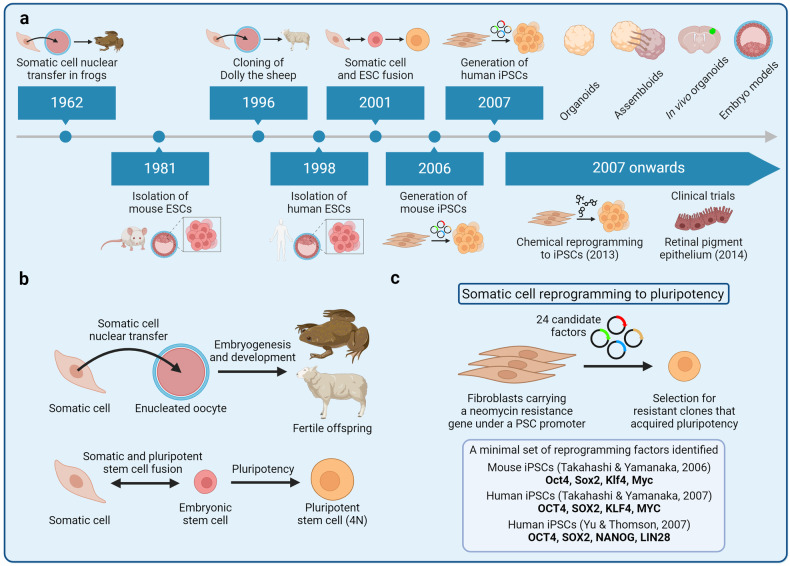
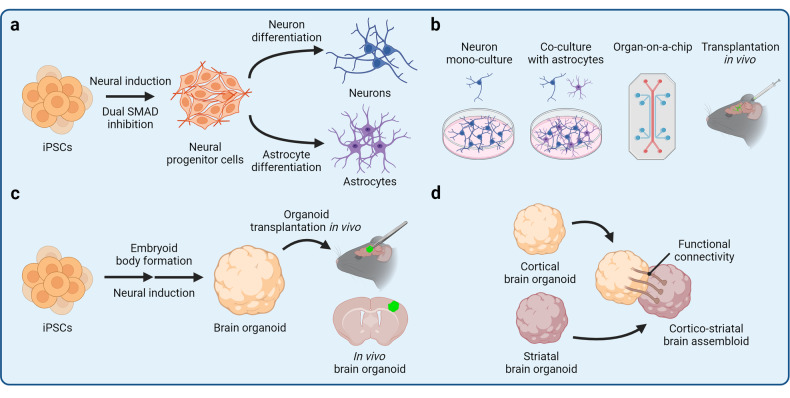
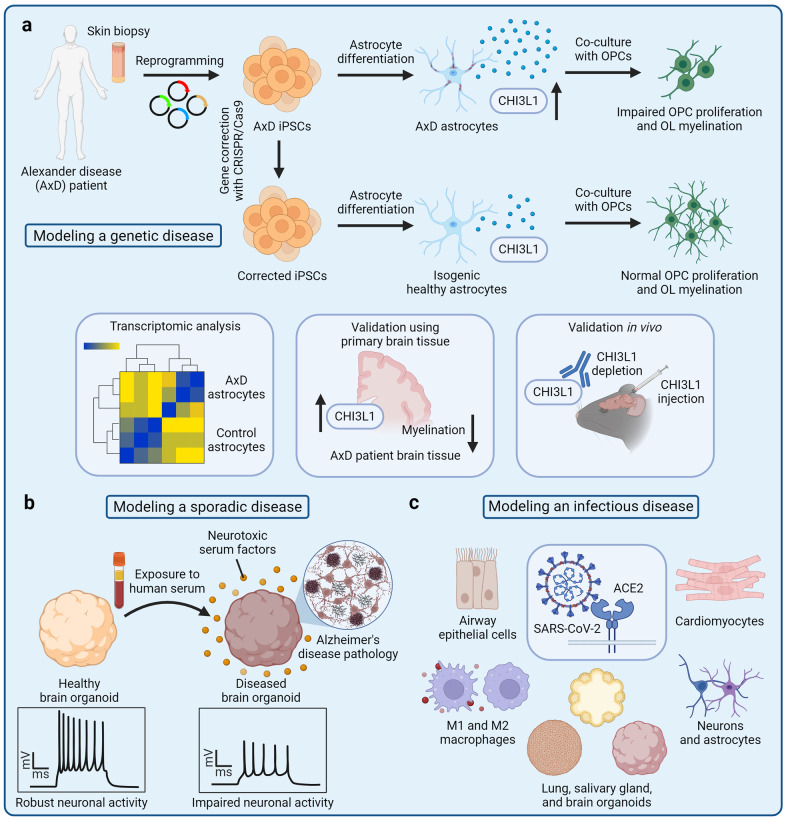
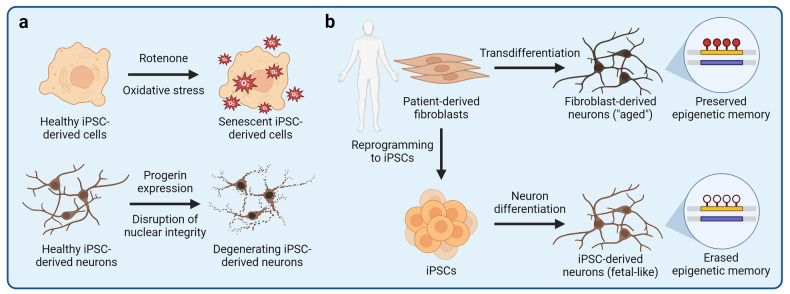
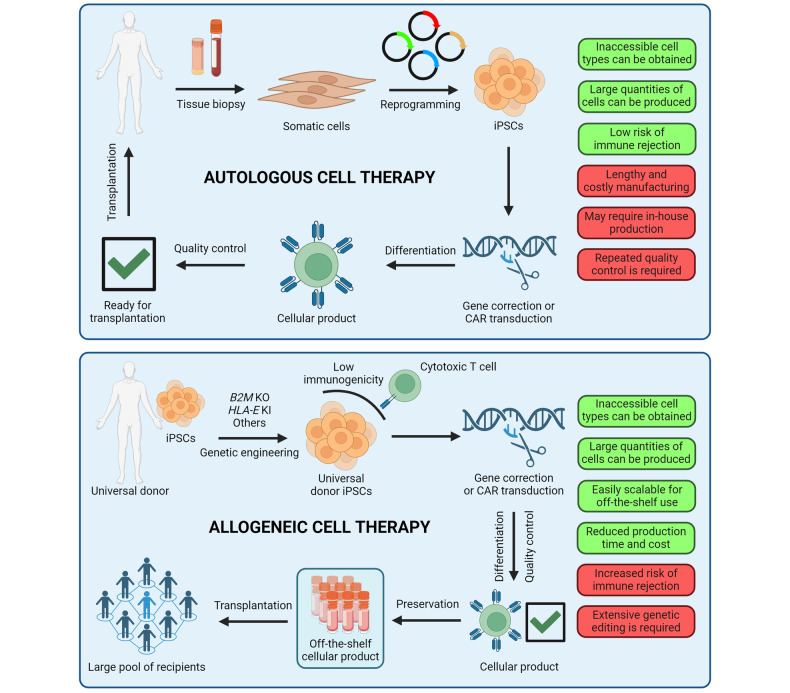
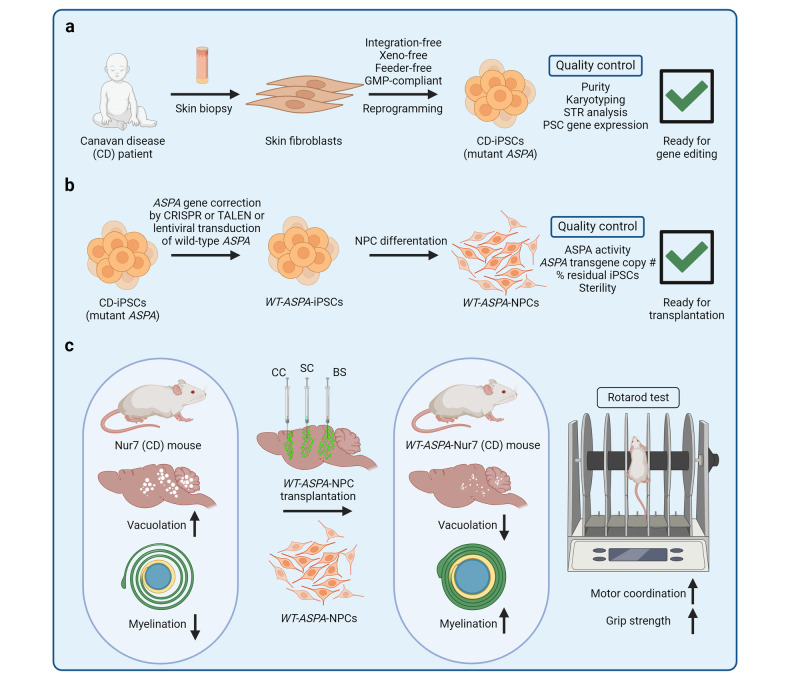
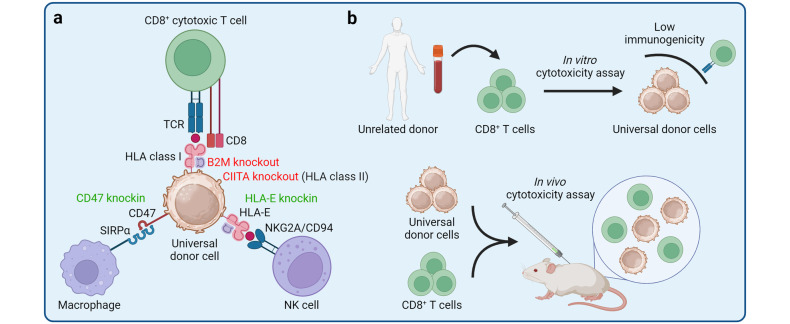
The induced pluripotent stem cell (iPSC) technology has transformed in vitro research and holds great promise to advance regenerative medicine. iPSCs have the capacity for an almost unlimited expansion, are amenable to genetic engineering, and can be differentiated into most somatic cell types. iPSCs have been widely applied to model human development and diseases, perform drug screening, and develop cell therapies. In this review, we outline key developments in the iPSC field and highlight the immense versatility of the iPSC technology for in vitro modeling and therapeutic applications. We begin by discussing the pivotal discoveries that revealed the potential of a somatic cell nucleus for reprogramming and led to successful generation of iPSCs. We consider the molecular mechanisms and dynamics of somatic cell reprogramming as well as the numerous methods available to induce pluripotency. Subsequently, we discuss various iPSC-based cellular models, from mono-cultures of a single cell type to complex three-dimensional organoids, and how these models can be applied to elucidate the mechanisms of human development and diseases. We use examples of neurological disorders, coronavirus disease 2019 (COVID-19), and cancer to highlight the diversity of disease-specific phenotypes that can be modeled using iPSC-derived cells. We also consider how iPSC-derived cellular models can be used in high-throughput drug screening and drug toxicity studies. Finally, we discuss the process of developing autologous and allogeneic iPSC-based cell therapies and their potential to alleviate human diseases.
Overview
The claims and statistics of this paper haven’t been checked yet.
Free: it reads the open-access text and checks the first 5 claims that cite a source we can check. Create a free account to check every claim.
Integrity signals
Registry
Cites
Statistics
Figures
Verification
Claims the paper makes
The claims and statistics of this paper haven’t been checked yet.
Free: it reads the open-access text and checks the first 5 claims that cite a source we can check. Create a free account to check every claim.
Claims other papers make about this one
Each is checked against this paper’s own text: does it say what the citing paper says it does?
The source backs part of the claim, not all of it — or backs it for a different population, condition or comparison.
In the citing paper
“In addition, iPSC-derived cells often display immature or fetal-like phenotypes and may not fully recapitulate adult tissue physiology, particularly for functions that depend on cellular maturation, aging, long-term environmental exposure, or tissue-specific niche cues (Cerneckis et al. 2024;Jiang et al. 2024).”
From Primary cell cultures versus immortalized cell lines: critical comparative insights into biological fidelity and translational applications (2026) · cites this paper as Cerneckis et al. 2024
Experimental — accuracy not yet measuredThe cited source says what the claim attributes to it.
In the citing paper
“It also makes iPSC-derived models particularly valuable for studying inherited disorders, modeling diseases involving inaccessible tissues, screening therapeutic candidates, and developing patient-matched regenerative strategies (McTague et al. 2021;Cerneckis et al. 2024;Singh et al. 2024).”
From Primary cell cultures versus immortalized cell lines: critical comparative insights into biological fidelity and translational applications (2026) · cites this paper as Cerneckis et al. 2024
The cited source says what the claim attributes to it.
In the citing paper
“Patient-derived iPSCs retain the donor genetic background and can be expanded before differentiation into disease-relevant cell types, including cells that are otherwise difficult to access, such as neurons, cardiomyocytes, and pancreatic β-like cells (Volpato and Webber 2020;Cerneckis et al. 2024;Joshi et al. 2024).”
From Primary cell cultures versus immortalized cell lines: critical comparative insights into biological fidelity and translational applications (2026) · cites this paper as Cerneckis et al. 2024
Self-check
Percentages, sums and reported differences re-computed from the paper’s own numbers.
The self-check needs the paper’s full text.
Citations
Cites
Highly accurate protein structure prediction with AlphaFold
Jumper, J., Evans, R., Pritzel, A., Green, T., Figurnov, M., Ronneberger, O., Tunyasuvunakool, K., Bates, R., Žídek, A., Potapenko, A., et al. (2021) · Nature · doi:10.1038/s41586-021-03819-2 · Cited by 43,764
Takahashi, K., & Yamanaka, S. (2006) · Cell · doi:10.1016/j.cell.2006.07.024 · Cited by 26,673
Induction of Pluripotent Stem Cells from Adult Human Fibroblasts by Defined Factors
Takahashi, K., Tanabe, K., Ohnuki, M., Narita, M., Ichisaka, T., Tomoda, K., & Yamanaka, S. (2007) · Cell · doi:10.1016/j.cell.2007.11.019 · Cited by 20,221
Embryonic Stem Cell Lines Derived from Human Blastocysts
Thomson, J. A., Itskovitz-Eldor, J., Shapiro, S. S., Waknitz, M. A., Swiergiel, J. J., Marshall, V. S., & Jones, J. M. (1998) · Science · doi:10.1126/science.282.5391.1145 · Cited by 15,926
Induced Pluripotent Stem Cell Lines Derived from Human Somatic Cells
Yu, J., Vodyanik, M. A., Smuga-Otto, K., Antosiewicz-Bourget, J., Frane, J. L., Tian, S., Nie, J., Jonsdottir, G. A., Ruotti, V., Stewart, R., et al. (2007) · Science · doi:10.1126/science.1151526 · Cited by 10,310 · cited 2×
“3,5 These combinations of reprogramming factors remain widely used today, whereas Gurdon and Yamanaka were awarded the 2012 Nobel Prize in Physiology or Medicine for their discoveries.”
BackgroundMethodEstablishment in culture of pluripotential cells from mouse embryos
Evans, M. J., & Kaufman, M. H. (1981) · Nature · doi:10.1038/292154a0 · Cited by 8,607
Hallmarks of aging: An expanding universe
López-Otín, C., Blasco, M. A., Partridge, L., Serrano, M., & Kroemer, G. (2023) · Cell · doi:10.1016/j.cell.2022.11.001 · Cited by 6,549 · cited 1×
“313 However, iPSC-derived cells are fetal-like and do not naturally exhibit aging-associated phenotypes.”
BackgroundKalia, L. V., & Lang, A. E. (2015) · The Lancet · doi:10.1016/s0140-6736(14)61393-3 · Cited by 6,184
Martin, G. R. (1981) · Proceedings of the National Academy of Sciences · doi:10.1073/pnas.78.12.7634 · Cited by 5,746
Detection of SARS-CoV-2 in Different Types of Clinical Specimens
Wang, W., Xu, Y., Gao, R., Lu, R., Han, K., Wu, G., & Tan, W. (2020) · JAMA · doi:10.1001/jama.2020.3786 · Cited by 5,028
Research works printed but not linked: 2
- Roe, S. A. Matter, life, and generation: eighteen-century embryology and the Haller-Wolff Debate, (Cambridge University Press, 1981).
- Waddington, C. H. The Strategy of the Genes; A Discussion of Some Aspects of Theoretical Biology, (Cambridge: Cambridge University Press, 1957).
Cited by
Items 301–400 of 611
Zhou, M., Zhang, H., Sui, M., Cao, Y., Tao, X., Zhou, M. L., Leng, C., Huang, M., Yin, K., Wei, X., et al. (2025) · Cell Reports Medicine · doi:10.1016/j.xcrm.2025.102462 · Cited by 2
Schweikert, A., Santi, C. D., Teoh, X. J., Yang, F. L. X., O’Sullivan, E., Greene, C. M., Hurley, K., & Oglesby, I. K. (2025) · Biomedicines · doi:10.3390/biomedicines13102419 · Cited by 1
Lewis, J., & Holm, S. (2026) · Research Ethics · doi:10.1177/17470161261424047 · Cited by 1
Therapeutic applications of stem cells in human diseases
Hao, C., Bolideei, M., Alshorman, J., Tembo, K. M., Yekta, M. M., Mehran, M. J., & Zhang, Z. (2026) · Stem Cell Research & Therapy · doi:10.1186/s13287-026-05203-1 · Cited by 1
Tan, J. (2025) · Theoretical and Natural Science · doi:10.54254/2753-8818/2025.au27125 · Cited by 1
Off‑the‑shelf, engineered non-living stem cell strategy for advancing cellular therapies
Nguyen, T. T., Nguyen, N.-N., Nguyen, L., Phan, K.-P., Park, J., Sung, J.-H., Yook, S., Jiang, H.-L., & Jeong, J. (2026) · Nature Biomedical Engineering · doi:10.1038/s41551-026-01697-5 · Cited by 1
The evolution of in vitro culture systems for the study of hepatitis E virus infection
Brown, H. M., & Meng, X.-J. (2026) · Virology · doi:10.1016/j.virol.2026.110886 · Cited by 1
Multimorbidity involving psychiatric disorders and insulin resistance
Fanelli, G. (2025) · Radboud University Press eBooks · doi:10.54195/9789465151236 · Cited by 1
Stem Cell Therapy: Past, Present, and Future Aspects
Alim, E., Greenwell, A., Hess, R., Blanco, N., Torres, J. H., & Şahiner, N. (2026) · Biomedicines · doi:10.3390/biomedicines14071443 · Cited by 1
Multi-team conflict resolution is ineffective for stable decision makingPreprint
Anand, V., Haldar, K., Moger, A., Gedeon, T., Hari, K., & Jolly, M. K. (2025) · bioRxiv (Cold Spring Harbor Laboratory) · doi:10.1101/2025.10.06.679762 · Cited by 1
Kim, J. H., Kim, C. Y., Kim, J., Geum, D., & Park, D. (2025) · Journal of Korean Neurosurgical Society · doi:10.3340/jkns.2024.0173 · Cited by 1
The Future of Type 1 Diabetes: Can Stem Cells Provide a Cure?
Chakrabarti, S. K., & Chattopadhyay, D. (2025) · Exploratory Research and Hypothesis in Medicine · doi:10.14218/erhm.2025.00029 · Cited by 1
Raab, A., Daware, R., Toledo, M. A. S., Weber, O., Kapsokalyvas, D., Lammers, T., Fischer, H., Lorenzi, F. D., & Kiessling, F. M. (2026) · Advanced Science · doi:10.1002/advs.202514361 · Cited by 1
Morita, K., Kawasaki, S., Yashiro, T., Futai, R., Kin, C., Nakahashi, A., Amo, H., Kitayama, Y., Aoi, T., Koyanagi‐Aoi, M., et al. (2025) · Biochemical Engineering Journal · doi:10.1016/j.bej.2025.110041 · Cited by 1
Zhang, J. (2026) · e-space (Manchester Metropolitan University) · doi:10.83056/mmu.32557014 · Cited by 1
Ju, Z., Wang, G., Yan, Y., Liang, X., & Cui, X. (2025) · Journal of Integrative Neuroscience · doi:10.31083/jin43165 · Cited by 1
Xu, J., Chen, G., Mo, C., Yu, S., Luo, S., & Ou, M. (2025) · Stem Cell Research & Therapy · doi:10.1186/s13287-025-04151-6 · Cited by 1
Zdantsevich, K., Tan, R., Li, D., Walther, P., Ladabaum, U., & Wu, J. C. (2026) · Stem Cell Research · doi:10.1016/j.scr.2026.104000 · Cited by 1
Hadi, H. (2025) · Misr Dental Science and Research Journal · doi:10.21608/mdsrj.2025.443703 · Cited by 1
Cai, L., Wan, J., Zhao, Y., Xu, Y., Cai, L., Zhang, L., Gong, T., Zhang, J., & qian, J. (2026) · Human Cell · doi:10.1007/s13577-025-01346-0 · Cited by 1
Functional evaluation of iPS cell-derived periodontal ligament-like cells
Haoqian, L. I., Iwasaki, K., Yufan, W. U., Hashimoto, Y., & Nishiura, A. (2026) · Dental Materials Journal · doi:10.4012/dmj.2025-235 · Cited by 1
From Pluripotency to Patients: Making Induced pluripotent stem cell (iPSC) Therapies Safer.
Golpour, M., & Prsian, H. (2025) · PubMed Central · doi:10.22088/ijmcm.bums.14.4.976 · Cited by 1
(2020) · Precision Medical Sciences · doi:10.1002/(issn)2642-2514 · Cited by 1
Li, M., Deng, H., Xu, H., Zhou, Q., & Zhao, S. (2026) · Frontiers in Aging · doi:10.3389/fragi.2026.1842955
Zhou, P., Liu, M., Ma, S., Meng, T., Zhu, X., Wang, J., Sui, X., Bai, Q., & Zhang, R. (2026) · ACS Applied Bio Materials · doi:10.1021/acsabm.6c01059
The application of CRISPR screening to human somatic stem cell and organoid models
Zhang, C. (2026) · Journal of Radiation Research and Applied Sciences · doi:10.1016/j.jrras.2026.102374
The development and application of deep learning for stem cell research
Li, Z., Zhang, W., Wu, Y., Ye, Y., Chen, Y., Wu, J., & Chen, D. (2026) · Journal of genetics and genomics/Journal of Genetics and Genomics · doi:10.1016/j.jgg.2026.05.008
Clinical landscape of human pluripotent stem cell-derived cardiomyocyte therapy
Mui, B. W. H., Neofytou, E. A., & Wu, J. C. (2026) · Cell Reports Medicine · doi:10.1016/j.xcrm.2026.102962
The evolution of iPSC-based cell therapy across autologous and allogeneic pathways
Wang, A., Zhang, Y., Deng, H., & Gu, M. (2026) · Cell Reports Medicine · doi:10.1016/j.xcrm.2026.102992
The structural origin of irreversible transitions in biological networks
Kim, J., Jang, S., Lee, J., Hopper, C., & Cho, K. (2026) · Proceedings of the National Academy of Sciences · doi:10.1073/pnas.2600800123
Xiang, R., Jiang, M., Xu, H., & Shen, Y. (2025) · Mutation Research/Reviews in Mutation Research · doi:10.1016/j.mrrev.2025.108579
Problems and prospects for studying cancers on models of induced pluripotent stem cells
Kokaev, R. I., Islaev, A. A.-K., Galamatova, K. A., Vakhaeva, K. M., Tabalaeva, S. G., Bubaeva, Z. K.-P., Dudagova, R. M., Tazbaeva, R. S., Shapiyanova, M. T., Kodzaeva, I. A., et al. (2025) · Perm Medical Journal · doi:10.17816/pmj42342-57
Voronova, A. D., Karsuntseva, E. K., Shishkina, V. S., Fursa, G. A., Chadin, A. V., Шпорт, С. В., Stepanova, O. V., & Chekhonin, V. P. (2025) · Bulletin of Experimental Biology and Medicine · doi:10.1007/s10517-025-06519-3
Westover, K. R., Hou, Y., Wang, F., Wang, Y., Li, Y. H., Seong, R., Xu, J., Wen, Z., & Yao, B. (2026) · Journal of Biological Chemistry · doi:10.1016/j.jbc.2026.111161
Choi, W. W. Y., Muffat, J., & Li, Y. (2026) · Journal of Neurochemistry · doi:10.1111/jnc.70527
Ni, J., Luo, Y., & Guo, R. (2026) · Materials Today Bio · doi:10.1016/j.mtbio.2026.103633
Kim, H., & Bowman, A. B. (2024) · Advances in neurotoxicology · doi:10.1016/bs.ant.2024.08.003
Cytosine base editing workflow for quality-controlled multiplex-knockout hiPSC linesPreprint
Kirschner, V., Herzberg, J., Richter, C., Bhunia, S., Kistler, R., Ottenheijm, R., Seeger, T., Freichel, M., & Cornean, A. (2026) · bioRxiv (Cold Spring Harbor Laboratory) · doi:10.64898/2026.06.02.729559
Hernández-Castro, J. A., Lussier, F., Malic, L., Geißler, M., Kim, T.-H., Moon, B., Li, K., Zhao, Y., Clime, L., Brassard, D., et al. (2026) · Advanced Drug Delivery Reviews · doi:10.1016/j.addr.2026.115945
Devapatla, P., Teng, Y. G., Settipalli, P. C., Yeruva, P. K. R., Hsieh‐Li, H. M., & Shaik, A. (2025) · The FASEB Journal · doi:10.1096/fj.202503323r
Cheng, I. Q., Ruiz, J. F., Casalino, E. K., Zhang, C., & Louvi, A. (2026) · Nature Protocols · doi:10.1038/s41596-026-01440-z
Wang, J., Zhou, C., Ye, F., Hu, Z., Lv, L., Wang, X., & Yang, Z. (2026) · IEEE Sensors Journal · doi:10.1109/jsen.2026.3701515
Sun, H., Liu, K., Wang, J., Qi, H., Gan, P., Hu, W., Sun, H., Wang, Y., & Liang, Q. (2026) · Journal of Pharmaceutical Analysis · doi:10.1016/j.jpha.2026.101801
From Primary Cells to Organoids: Expanding the Biological Relevance of In Vitro Cellular Models
Deng, F., Wang, Y., Castellano, L. A., & Zhao, C. (2026) · Cells · doi:10.3390/cells15191741
Cao, X., Yan, C., Ji, Q., Pan, Y., Shi, W., Zhao, H., Gong, A., & Fang, Z. (2026) · Nanoscale Advances · doi:10.1039/d6na00298f
Tierversuche und ihre Bedeutung für das Verständnis psychischer Störungen
Mundorf, A., Peterburs, J., & Ocklenburg, S. (2026) · Springer eBooks · doi:10.1007/978-3-662-73259-5_10
The Role of the Nervous System in Lung Disease
Mawer, C. M., Patel, A. J., Zeltner, N., Glassberg, M. K., & Herzog, E. L. (2026) · Current Neurology and Neuroscience Reports · doi:10.1007/s11910-026-01511-4
CRISPR/Cas based genome editing for liver diseases: Promise and challenge
Guan, J., Yang, M., Yang, X., He, Q., Wang, B., & Zhan, C. (2026) · Acta Pharmaceutica Sinica B · doi:10.1016/j.apsb.2026.09.027
Jaitan, N., Pangnuchar, R., Yu, L. D., Tippawan, U., & Lithanatudom, P. (2026) · Biophysics Reviews · doi:10.1063/5.0319743
Cre-loaded integrase-defective lentiviral vectors for targeted cassette exchange in CHO cells
Kawabe, Y., Imanishi, S., Shimomura, T., Hada, T., & Kamihira, M. (2026) · Journal of Bioscience and Bioengineering · doi:10.1016/j.jbiosc.2026.06.001
Developmental Programming of Human Kidney Function
McMahon, A. P. (2026) · Annual Review of Cell and Developmental Biology · doi:10.1146/annurev-cellbio-112122-024610
Roman, G., Lauritzen, K. H., Smolkova, B., Almaas, R., Sandset, P. M., Stavik, B., Sullivan, G. J., & Chollet, M. E. (2026) · Stem Cell Reviews and Reports · doi:10.1007/s12015-026-11221-6
Muratori, L., Rando, S., & Raimondo, S. (2026) · International Journal of Molecular Sciences · doi:10.3390/ijms27188234
Chen, R., Huang, L., Qiao, Y., Mandal, S., Mo, L., Li, L., Leshchiner, D. R., Zhang, X., Pu, J., Xie, Y., et al. (2026) · bioRxiv (Cold Spring Harbor Laboratory) · doi:10.64898/2026.08.25.746866
Humanized hiPSC Platforms for I/R Injury: Advancing Toward Precision Cardioprotection
Mi, M., Chen, T., & Ye, H. (2026) · Cardiovascular Therapeutics · doi:10.1155/cdr/2729114
Amalina, T. N., Alsagaff, H., Sofa, S. L., Shofiyah, S., Sunaryo, B. F., Lova, K., Zakky, A., Febrianto, H., & Azis, R. (2026) · Molecular Biology Reports · doi:10.1007/s11033-026-12587-z
A human iPSC-derived kidney–liver organ-on-a-chip platform for modeling inter-organ crosstalk
de Brouwer, L., Garcia, V. P., Kiamehr, M., Naderlinger, E., Çobanoğlu, T. S., Wagegg, B. A., Dehne, E., Verfaillie, C. M., Moco, S., Jennings, P., et al. (2026) · Lab on a Chip · doi:10.1039/d6lc00362a
Aljuid, L. M., Alyousfi, D., Hosawi, M., & Elsamanoudy, A. Z. (2026) · Archives of Stem Cell and Therapy · doi:10.46439/stemcell.6.026
Viljoen, S. J., Chaves, J. C. S., Peall, I. W., White, A. R., & Oikari, L. E. (2026) · Journal of the Neurological Sciences · doi:10.1016/j.jns.2026.126168
Adult stem cells in regenerative medicine of reproductive system
Wet, E. D., Ghalami, S., Maleki, A., Najafzadeh, M., Saeinasab, M., & Sefat, F. (2025) · Elsevier eBooks · doi:10.1016/b978-0-443-34152-6.00011-1
An introduction of adult stem cells
Wet, E. D., Saeinasab, M., & Sefat, F. (2025) · Elsevier eBooks · doi:10.1016/b978-0-443-34152-6.00002-0
Crouchet, É., Arrata, I., Schuster, C., & Baumert, T. F. (2026) · Bulletin de l Académie Nationale de Médecine · doi:10.1016/j.banm.2025.06.015
HLA-Engineered iPSC-Derived Mesenchymal Stromal Cells for the Treatment of Osteoarthritis in Mice
Wei, Z., Gan, T., Liang, A., Liu, S., Hao, J., Zou, W., Li, L., Mu, X., Han, H., Ma, W., et al. (2026) · Cells · doi:10.3390/cells15191777
Characterizing Nucleic Acid‐, Gene‐, and Cell‐Based Therapeutics with Sequencing Technologies
Bennett, H. M., Byrne, A., Stephenson, W., & Modrusan, Z. D. (2025) · Wiley eBooks · doi:10.1002/9781394236145.ch15
Effectiveness of epigenetics in addressing climate change effects and the growing food demand
Obedgiu, S., Gaoua, O., Zahid, S. M., & Salad, F. Y. (2026) · Discover Agriculture · doi:10.1007/s44279-026-00588-2
Saliev, T. M., & Singh, P. B. (2026) · Central Asian Journal of Medical Hypotheses and Ethics · doi:10.47316/cajmhe.2026.7.1.05
Fertility restoration: Nanotechnology and stem cell synergies
Jahnavi, P., Pushkalai, S. P., Maddi, R., Arul, V., Patwekar, V., & Krishnan, K. (2026) · Elsevier eBooks · doi:10.1016/b978-0-443-41561-6.00012-1
Experimental Models for Drug Repurposing in Viral Hepatitis
Talukdar, A., & Devi, A. (2026) · Wiley eBooks · doi:10.1002/9781394466573.ch15
Al-Toub, M. (2026) · Current Issues in Molecular Biology · doi:10.3390/cimb48090859
Construction and Evaluation of Microfluidic Blood-Brain Barrier Organ-on-Chips System
Wang, Y., Chang, Y., Guo, G., & Wang, X. (2026) · 化学学报 · doi:10.6023/a25110381
Disrupted lipid homeostasis as a pathogenic mechanism in ABCA7 ‐associated Alzheimer's disease risk
Nam, Y., DeRosa, B. A., Ramírez, A. M., Ayele, B. A., Whitehead, P. L., Adams, L. D., Golightly, C. G., Starks, T. D., Laverde-Paz, M. J., Cukier, H. N., et al. (2026) · Alzheimer s & Dementia · doi:10.1002/alz.71312
Quality control programmes for induced pluripotent stem cell-derived medicinal products
Melnikova, E. V., Анатольевна, Р. О., Семенова, И. С., & Меркулов, В. А. (2025) · Biological Products Prevention Diagnosis Treatment · doi:10.30895/2221-996x-2025-25-2-127-140
Шерман, Д. К., Bogomiakova, M. E., Kastueva, E. A., Zvyagin, I. V., Ruppel, V. K., Barsova, E. V., Gorbachev, A. Y., Kulemin, N. A., Barinova, A. A., Zerkalenkova, E. A., et al. (2026) · Vavilov Journal of Genetics and Breeding · doi:10.18699/vjgb-26-40
Stem Cell Therapy for Parkinson's Disease in Under-Resourced Settings
Oyeleke, M. B., Oluwafemi, J. O., & Bakare, A. O. (2026) · IGI Global eBooks · doi:10.4018/979-8-3373-7437-6.ch005
Gupta, V., Kumar, D., Begam, M., Kaur, P., Sarswa, A., Kumari, R., Agarwal, S., Choudhary, N., & Jaganathan, R. (2026) · IBRO Neuroscience Reports · doi:10.1016/j.ibneur.2026.09.023
Genetic associations in sepsis and ARDS
Moroniti, J. J., Rameshchandran, P. M., Guo, M., Labuda, V., Chandy, M., & Leligdowicz, A. (2026) · Frontiers in Pharmacology · doi:10.3389/fphar.2026.1864880
Kjar, A., Kim, H., Spetz, M. R., Jarrett, Z., Fernandez, M., Wang, J., Russotti, M. L., Bodnya, C., Chavarría, D., Hohman, T. J., et al. (2026) · ACS Chemical Neuroscience · doi:10.1021/acschemneuro.6c00376
Kamzina, A. S., Leinenweber, K. E., Ecca, F., Aldabergenova, A., & Huentelman, M. J. (2026) · bioRxiv (Cold Spring Harbor Laboratory) · doi:10.64898/2026.02.25.706648
Colter, J., Dang, T., Young, D., Dufour, A., Lewis, I., Murari, K., & Kallos, M. S. (2026) · Research Square · doi:10.21203/rs.3.rs-9654696/v1
Colter, J., Dang, T., Gysel, E. J., Young, D., Dufour, A., Lewis, I., Murari, K., & Kallos, M. S. (2026) · Research Square · doi:10.21203/rs.3.rs-9654696/v2
Amniouel, S., Shyr, Z. A., Mathé, E. A., & Zheng, W. (2026) · Drug Discovery Today · doi:10.1016/j.drudis.2026.104836
Zhang, S., Jiang, J., & Zheng, S. (2026) · Biomedicines · doi:10.3390/biomedicines14061233
Paphawannasri, P., Tawonsawatruk, T., Phetfong, J., & Supokawej, A. (2026) · Cell Transplantation · doi:10.1177/09636897261454219
Morrone, M., Valori, C. F., Brambilla, L., & Rossi, D. (2026) · Cells · doi:10.3390/cells15191798
Matta, C., Cheon, Y.-H., Vágó, J., Mészár, Z., Kim, E. H., Jiang, S., Balogh, A., Zana, M., Dinnyés, A., & Jin, E. (2026) · Materials Today Bio · doi:10.1016/j.mtbio.2026.103752
A Comprehensive Review on Scaffolds and Cell Lines Used in Diabetes Therapy
Nematolazade, M., Safaei, M., Abpeikar, Z., Rezaei‐Tazangi, F., & Mahmoodi, S. (2026) · Journal of Polymers and the Environment · doi:10.1007/s10924-026-03995-0
Antonov, D., Loguinova, M. Y., Fan, H., Sazonova, E. V., Sosnovtseva, A. O., Karpov, D. S., Molchanov, A. D., Nikolenko, V. N., Chekhonin, V. P., & Mokrysheva, N. G. (2026) · Cells · doi:10.3390/cells15201902
The dawn of regeneration: From scientific fantasy to clinical reality
Li, L., Xing, Y., Zhang, Q., Wang, Y., & Zeng, W. (2026) · Elsevier eBooks · doi:10.1016/b978-0-443-40423-8.00009-9
The regulation of stem cell fate and its application in neural regeneration
He, Y., Chen, X., He, M., & Li, Z. Y. (2026) · Interdisciplinary medicine · doi:10.1002/inmd.70137
Simone, U. D., Caloni, F., Pignatti, P., Gaetano, C., Locatelli, C., & Coccini, T. (2024) · Toxicology Mechanisms and Methods · doi:10.1080/15376516.2024.2435351
Oh, S.-Y., Park, Y. S., Choi, B. H., Kim, H. S., Jung, S.-C., & Jo, I. (2026) · Pharmacology & Therapeutics · doi:10.1016/j.pharmthera.2026.109133
Reluga, A., Flont, M., Jastrzębska, E., Nagelkerke, A., Trombetta-Lima, M., & Nawrotek, K. (2026) · Microfluidics and Nanofluidics · doi:10.1007/s10404-026-02883-2
Croix, A. E. L., Gouveia, M. E. T., Bertone, P. M., Nemanic, N. M., Bahney, C. S., & Hixon, K. R. (2026) · Bioactive Materials · doi:10.1016/j.bioactmat.2026.09.020
Utilizing cues from developmental neurogenesis and gliogenesis for better in vitro brain models
Gallagher, M. L., Parri, H. R., Ross, E. A., & Hill, E. J. (2025) · Artificial Cells Nanomedicine and Biotechnology · doi:10.1080/21691401.2025.2562828
Opoku, L. A., Trefry, S. V., Konadu, M., Sanchez, J. O., Gomeiz, A., Walls, S. D., Barrera, M. D., Scarton, D. V., Veneziano, R., Pierobon, M., et al. (2026) · Microorganisms · doi:10.3390/microorganisms14091944
Thekkedam, C. G., Humphreys, D. T., Naval-Sánchez, M., Nicks, A. M., Harvey, R. P., & Contreras, O. (2026) · Computational and Structural Biotechnology Journal · doi:10.34133/csbj.0204
Epigenetic and Transcriptomic Regulations in Brain Disorders
Pal, A., & Rathored, J. (2026) · Royal Society of Chemistry eBooks · doi:10.1039/9781837071395-00203
khedmatgozar, M., Yazdi, F., Motlagh, F. R., Prasad, K., Islomov, S., Al-Khafaji, Z., Ali, A. F., Almalki, S. G., Salajegheh, P., & Rahmani, P. (2026) · Discover Oncology · doi:10.1007/s12672-026-05347-9
Park, M. J., Kim, H.-B., Hwang, Y. C., Kim, Y.-J., Park, J.-C., Lim, H.-K., Park, Y.-G., 문성환, Lee, H., & Cha, H. (2026) · Experimental & Molecular Medicine · doi:10.1038/s12276-026-01854-5
Metadata
- Authors
- Cerneckis, J., Cai, H., & Shi, Y.
- Affiliations
- City Of Hope National Medical Center (US)
- Corresponding author
- Shi, Yanhong
- Venue
- Signal Transduction and Targeted Therapy
- Published
- 2024-04-26
- Volume
- 9
- Issue
- 1
- Pages
- 112-112
- ISSN
- 2059-3635 (ISSN-L)
- PMC
- PMC11053163
- OpenAlex
- W4395676185
- Semantic Scholar
- c74d513cb8e9a29f0a4c3aaf851798a18c9b9f17
- Cited by
- 452
- References
- 501
- Citations by year
- 2026: 224 · 2025: 194 · 2024: 34
- FWCI
- 18.48
- Type
- journal article
- Language
- en
- Open access
- gold
- doi.org
- Licence
- cc-by
- creativecommons.org/licenses/by/4.0 (tdm)
- creativecommons.org/licenses/by/4.0 (vor)
- Locations
- Signal Transduction and Targeted Therapy (publishedVersion, cc-by)
- PubMed Central (publishedVersion, cc-by)
- PubMed (publishedVersion)
- DOAJ (DOAJ: Directory of Open Access Journals) (submittedVersion, cc-by-sa)
- Funders
- U.S. Department of Health & Human Services | NIH | National Institute of Neurological Disorders and Stroke (U01 NS122101)
- U.S. Department of Health & Human Services | NIH | National Institute on Aging (R01 AG072291, RF1 AG079307)
- Topics
- Life Sciences › Biochemistry, Genetics and Molecular Biology › Molecular Biology › Pluripotent Stem Cells Research
- Life Sciences › Biochemistry, Genetics and Molecular Biology › Molecular Biology › CRISPR and Genetic Engineering
- Life Sciences › Biochemistry, Genetics and Molecular Biology › Cell Biology › Mesenchymal stem cell research
- Keywords
- induced pluripotent stem cells, somatic cell reprogramming, induced pluripotency, iPSC-derived organoids, disease modeling, drug screening, drug toxicity, neurological disorders, COVID-19 pandemic, cancer, human development
- MeSH terms
- COVID-19, SARS-CoV-2, Cell Differentiation, Humans, Neoplasms, Nervous System Diseases, Regenerative Medicine, Induced Pluripotent Stem Cells, Cellular Reprogramming
About these checks
Registry, retraction, Cites and statistics results are computed, not judged, with one exception: a printed reference that no index lists is read once by a model before it counts as a citation error. Claims are extracted by a model and kept only when their quote appears verbatim in the text; each cited source is then checked, with a model’s help, for whether it says what the claim relies on. Those verdicts can be wrong — read the claim’s quote and the cited source before relying on one.
Statistics and arithmetic are recomputed, not judged.
Confidence bands are shown only for fields calibrated on our annotated test set. None is calibrated yet, so no band is shown.
What counts as a claim ›How we measure confidence ›How we check this ›
Are you an author, or do you see a problem with this page? Request a review
Data sources
Bibliographic data: Semantic Scholar, OpenAlex, Crossref.
Contains information from the Semantic Scholar Academic Graph Datasets, made available under the ODC Attribution License (ODC-BY 1.0).
Semantic Scholar’s data is described in: Kinney, R., et al. (2023). The Semantic Scholar Open Data Platform. arXiv:2301.10140.
