

Recent advances in Alzheimer's disease: Mechanisms, clinical trials and new drug development strategies.
Open accessThe DOI matches its Crossref record; 656 of the 674 references it cites were found in a registry or an index; 285 of the 444 sources its claims cite were checked for support.
Abstract
Available drugs primarily offer symptomatic relief, while newer anti-amyloid therapies may have disease-modifying effects but still require long-term efficacy and safety validation.
Overview
CoChat Summary
TL;DR
This review synthesizes recent mechanistic, biomarker, clinical-trial, and drug-development advances in Alzheimer’s disease (AD), emphasizing that AD remains multifactorial and that no single hypothesis fully explains its progression. It highlights new FDA-approved disease-modifying antibodies and emerging drug-design strategies such as selective inhibitors, dual-target inhibitors, allosteric modulators, covalent inhibitors, PROTACs, and PPI modulators.
Key findings
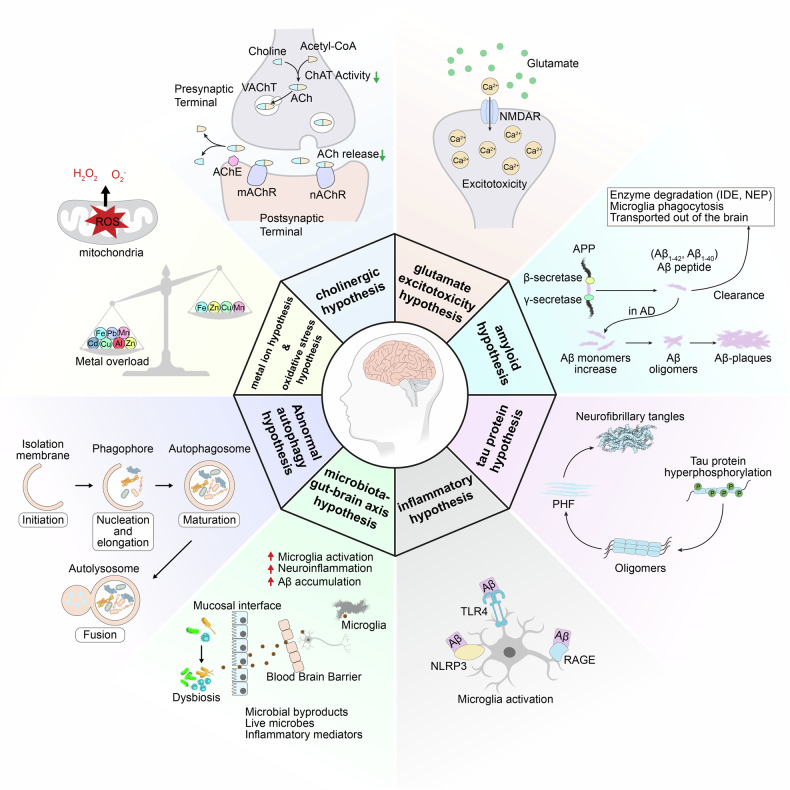
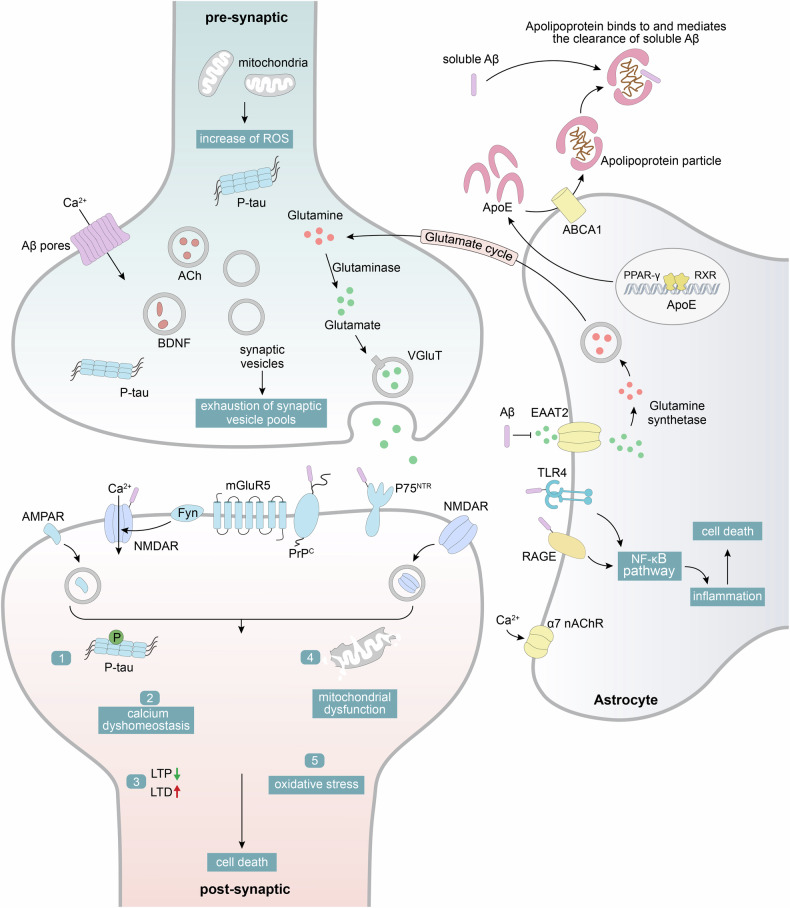
- AD is described as a complex disease involving multiple overlapping hypotheses and pathways, including cholinergic, amyloid, tau, neuroinflammation, oxidative stress, metal dyshomeostasis, glutamatergic excitotoxicity, microbiota-gut-brain axis, and abnormal autophagy.
- The review states that recent FDA approvals of aducanumab and lecanemab suggest potential disease-modifying effects, but their long-term efficacy and safety still need further validation.
- For biomarker-based diagnosis, the paper reports that amyloid PET has 90% sensitivity and specificity for diagnosing AD, and that P-tau181 is the most accurate CSF indicator for distinguishing AD from non-AD dementia.
- Traditional symptomatic drugs remain limited: AChE inhibitors and memantine can improve symptoms, but they cannot alter disease course; the paper also notes the donepezil transdermal patch (Adlarity) was FDA-approved in 2022 and showed fewer gastrointestinal adverse events than oral administration.
Methods
- This is a narrative review of recent literature on AD mechanisms, biomarkers, clinical trials, and drug-development strategies.
- The paper synthesizes prior findings across mechanistic hypotheses, biomarker studies, clinical-trial reports, and preclinical/early-stage drug examples rather than presenting a new dataset.
- Its analysis is primarily descriptive and integrative, organizing the field by disease mechanism, diagnostic approach, and therapeutic modality.
Limitations
- The paper states that no unified theory explains AD and that the interplay among pathological aspects requires further elucidation and validation.
- It notes that the high failure rate of clinical trials limits validation of hypotheses and that the long-term efficacy and safety of newer drugs such as aducanumab and lecanemab still need further study.
- Evident from the text: much of the drug-development discussion is based on preclinical studies, animal models, or early-phase trials, so many proposed strategies remain unconfirmed in larger human studies.
Model-written summary of a shortened version of the paper’s full text (it is longer than we read). Check it against the paper before relying on it.
Integrity signals
Registry
Cites
Statistics
Figures
Verification
Claims the paper makes
187 Valid · 4 Not valid · 68 Not checked · 29 Own results and interpretations
At least one cited source doesn’t support this claim or points to a different paper, and none confirmed it — see the verdicts below.
In the paper
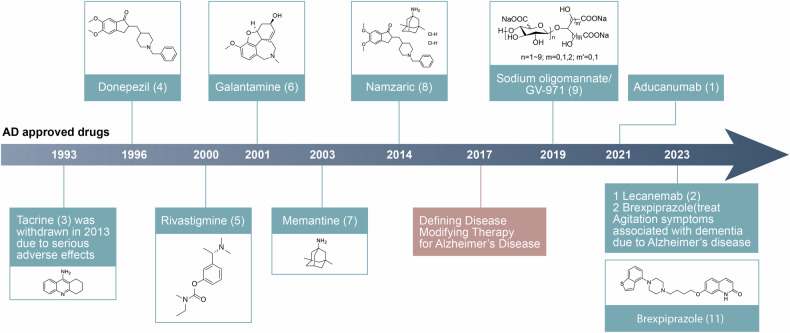
“However, recent approvals of aducanumab (1) and lecanemab (2) by the Food and Drug Administration (FDA) present the potential in disrease-modifying effects.”
§ Recent advances in Alzheimer’s disease: mechanisms, clinical trials and new drug development strategies > Abstract
What the sources say
- Not matchedcites [1] WHO. A blueprint for dementia research. Geneva: World Health Organization (2022).
Its entry has no title and year that we can search by.
- Disputedcites [2] Knopman, D. S. et al. Alzheimer disease. Nat. Rev. Dis. Prim. 7, 33 (2021). 33986301 10.1038/s41572-021-00269-y PMC8574196 sourceExperimental — accuracy not yet measured
The paper describes aducanumab as being considered by the FDA, not approved, and lecanemab as being in late-stage trials. It discusses possible clinical benefit from anti-amyloid therapies but says their future role remains uncertain. (LLM, conf=0.88)
Checked by a reasoning model — may be wrong.
hedgedstates a possible cause- Asserted: passes — The authors put it forward as true.
- Checkable: passes — It can be checked against evidence.
- Load-bearing: passes — The paper’s conclusions depend on it.
- Based: passes — The paper gives a reason why it holds.
- Not matched
Some cited sources support this claim and some don’t — read each source’s verdict below.
In the paper
“Proteomic studies found elevated C1q levels in MCI and AD groups, and increased CatB concentration in CSF Aβ42-positive cases.”
§ Recent advances in Alzheimer’s disease: mechanisms, clinical trials and new drug development strategies > Clinical trials of AD > Biomarkers for AD diagnosis
What the sources say
- Partly supportedcites [383] Yuyama, K. et al. Extracellular vesicle proteome unveils cathepsin B connection to Alzheimer’s disease pathogenesis. Brain 147, 627–636 (2023). 10.1093/brain/awad361 PMC10834236 38071653 sourceExperimental — accuracy not yet measured
The section “Elevated CatB levels in CSF and plasma extracellular vesicles during amyloid pathogenesis” reports significantly higher CSF extracellular-vesicle CatB in amyloid-positive than amyloid-negative groups. The claim omits the extracellular-vesicle qualifier; the reported increase is not established for CatB in CSF generally. Page numbers are not provided in our copy. (LLM, conf=0.85)
- Disputedcites [384] Chatterjee, M. et al. C1q is increased in cerebrospinal fluid‐derived extracellular vesicles in Alzheimer’s disease: A multi‐cohort proteomics and immuno‐assay validation study. Alzheimers Dement. 19, 4828–4840 (2023). 37023079 10.1002/alz.13066 sourceExperimental — accuracy not yet measured
Section 3.2.3 (page unavailable) reports that cathepsin B (CTSB) was significantly decreased in CSF-derived extracellular vesicles from AD patients compared with controls. It also reports no difference in CTSB levels in neat CSF between those groups, not an increase. The passage does not report a separate result for Aβ42-positive cases. (LLM, conf=0.88)
Checked by a reasoning model — may be wrong.
plainstates an association- Asserted: passes — The authors put it forward as true.
- Checkable: passes — It can be checked against evidence.
- Load-bearing: unclear — It is unclear whether the paper’s conclusions depend on it.
- Based: passes — The paper gives a reason why it holds.
- Partly supported
The sources with a verdict support this claim; the rest weren’t checked yet, have no full text we could read, or their verdicts aren’t rated yet.
In the paper
“New drugs, including sodium oligomannate (9, GV-971),54–56 aducanumab (1),57–59 lecanemab (2),60–62 and donanemab (10, currently under review for market approval),63 which aim to offer disease-modifying therapies that intervene in the progression of AD.”
§ Recent advances in Alzheimer’s disease: mechanisms, clinical trials and new drug development strategies > Introduction
What the sources say
- Not checked — no full text of the sourcecites [54] Syed, Y. Y. Sodium Oligomannate: First Approval. Drugs 80, 441–444 (2020). 32020555 10.1007/s40265-020-01268-1 source
- Supportedcites [55] Wang, T. et al. A phase II randomized trial of sodium oligomannate in Alzheimer’s dementia. Alzheimers Res. Ther. 12, 110 (2020). 32928279 10.1186/s13195-020-00678-3 PMC7489025 source
The citation attached to this paper concerns sodium oligomannate (GV-971), not the other named drugs. The Background contrasts drugs that do not slow AD pathology with disease-modifying approaches, and the Discussion describes GV-971 acting on Aβ aggregation and neuroinflammation. This supports the claim that it aims to intervene in disease progression; the claim does not say that it has been proven to do so. (LLM, conf=0.85)
- Supportedcites [56] Xiao, S. et al. A 36-week multicenter, randomized, double-blind, placebo-controlled, parallel-group, phase 3 clinical trial of sodium oligomannate for mild-to-moderate Alzheimer’s dementia. Alzheimers Res. Ther. 13, 62 (2021). 33731209 10.1186/s13195-021-00795-7 PMC7967962 source
The citation to this paper is attached to sodium oligomannate (GV-971), not the other drugs in the sentence. The Discussion says GV-971’s proposed effects on AD pathology may delay disease progression, while noting that its mechanism requires further investigation; this supports the claim that it aims to intervene in progression, rather than establishing that it does so. (LLM, conf=0.90)
- Supportedcites [57] Cummings, J. & Salloway, S. Aducanumab: Appropriate use recommendations. Alzheimers Dement 18, 531–533 (2022). 34314093 10.1002/alz.12444 PMC8792094 source
The citation attached to this source follows “aducanumab,” so the other named drugs are not attributed to it. The Additional information section describes aducanumab as addressing the underlying pathophysiology of AD, and the Abstract describes its expected outcome as slowing decline, while noting uncertainty about clinical benefit. (LLM, conf=0.91)
- Not checked — no full text of the sourcecites [58] Dhillon, S. Aducanumab: First Approval. Drugs 81, 1437–1443 (2021). 34324167 10.1007/s40265-021-01569-z source
- Supportedcites [59] Behl, T. et al. “Aducanumab” making a comeback in Alzheimer’s disease: An old wine in a new bottle. Biomed. Pharmacother.148, 112746 (2022). 35231697 source
The citation is attached to aducanumab, not to the other drugs listed. Section 2 calls aducanumab a disease-modifying agent for Alzheimer’s disease and distinguishes it from treatments that do not change or retard disease progression. (LLM, conf=0.93)
- Not checked — no full text of the sourcecites [60] Larkin, H. D. Lecanemab Gains FDA Approval for Early Alzheimer Disease. JAMA 329, 363 (2023). 36652625 10.1001/jama.2022.24494 source
- Not checked — no full text of the sourcecites [61] Harris, E. Alzheimer Drug Lecanemab Gains Traditional FDA Approval. JAMA 330, 495 (2023). 37466999 source
- Supportedcites [62] van Dyck, C. H. et al. Lecanemab in early Alzheimer’s disease. N. Engl. J. Med. 388, 9–21 (2023). 36449413 10.1056/NEJMoa2212948 source
The citation to this paper is attached to lecanemab, not the other drugs in the list. The introduction (p. 10) describes lecanemab as an anti-amyloid antibody being tested for early Alzheimer’s disease, and the conclusion (p. 16) reports moderately less clinical decline than with placebo. This supports describing it as aiming to modify disease progression, without claiming that long-term efficacy is established. (LLM, conf=0.92)
plainstates a cause- Asserted: passes — The authors put it forward as true.
- Checkable: passes — It can be checked against evidence.
- Load-bearing: unclear — It is unclear whether the paper’s conclusions depend on it.
- Based: passes — The paper gives a reason why it holds.
Every source the paper cites for this claim was checked and supports it.
In the paper
“The accumulation of Aβ is a hallmark pathological feature in both extensively studied autosomal dominant AD and sporadic late-onset AD patients.110”
§ Recent advances in Alzheimer’s disease: mechanisms, clinical trials and new drug development strategies > Mechanisms of AD > Amyloid hypothesis
What the sources say
- Supportedcites [110] Morris, J. C. et al. Autosomal dominant and sporadic late onset Alzheimer’s disease share a common in vivo pathophysiology. Brain 145, 3594–3607 (2022). 35580594 10.1093/brain/awac181 PMC9989348 source
The Introduction identifies cerebral Aβ accumulation as a molecular biomarker of Alzheimer’s disease and compares it in autosomal dominant AD and sporadic late-onset AD. The Abstract reports amyloid accumulation in both groups, though it was greater after symptomatic onset in the autosomal dominant group. (LLM, conf=0.90)
plainstates an association- Asserted: passes — The authors put it forward as true.
- Checkable: passes — It can be checked against evidence.
- Load-bearing: unclear — It is unclear whether the paper’s conclusions depend on it.
- Based: passes — The paper gives a reason why it holds.
- Supported
Every source the paper cites for this claim was checked and supports it.
In the paper
“Nonetheless, pathological changes in the brain begin during the preclinical stage, decades before clinical symptoms.”
§ Recent advances in Alzheimer’s disease: mechanisms, clinical trials and new drug development strategies > Introduction
What the sources say
- Supportedcites [4] 2023 Alzheimer’s disease facts and figures. Alzheimers Dement. 19, 1598–1695 (2023). 36918389 source
Section 2.4.1 describes brain changes in the preclinical phase before symptoms develop. Section 2.9 states that Alzheimer's disease begins 20 years or more before symptom onset, supporting the claimed timescale. (LLM, conf=0.92)
- Supportedcites [20] Lloret, A. et al. When does Alzheimer’s disease really start? The role of biomarkers. Int J. Mol. Sci. 20, 5536 (2019). 31698826 10.3390/ijms20225536 PMC6888399 source
Section 2 describes a preclinical stage with pathological brain changes and no evident clinical symptoms. Section 4 states that these lesions can begin decades before the earliest symptoms, while a person is still cognitively normal. (LLM, conf=0.94)
- Supportedcites [21] Porsteinsson, A. P. et al. Diagnosis of early Alzheimer’s disease: Clinical practice in 2021. J. Prev. Alzheimers Dis. 8, 371–386 (2021). 34101796 source
The Introduction describes preclinical Alzheimer’s disease as an asymptomatic stage with evidence of pathology and states that amyloid plaques typically appear about 20 years before cognitive impairment. “The importance of an early diagnosis” explicitly says the pathological hallmarks can be detected decades before symptoms. (LLM, conf=0.94)
plain- Asserted: passes — The authors put it forward as true.
- Checkable: passes — It can be checked against evidence.
- Load-bearing: passes — The paper’s conclusions depend on it.
- Based: passes — The paper gives a reason why it holds.
- Supported
123 more claims · 79 with their cited sources checked
Create a free account to see all 288 claims and to verify the 6 references still open.
- It may state two separate claims as one. 135
- Probably not a substantial claim. 31
Claims other papers make about this one
Each is checked against this paper’s own text: does it say what the citing paper says it does?
The source backs part of the claim, not all of it — or backs it for a different population, condition or comparison.
In the citing paper
“Tau hyperphosphorylation disrupts microtubule stability, promotes intraneuronal aggregates, synaptic dysfunction, and neuronal loss [5,6].”
From Theranostic Nanoplatforms for Alzheimer's Disease: A Critical Analysis of Conceptual Contradictions (2026) · cites this paper as [5]
Experimental — accuracy not yet measuredThe source backs part of the claim, not all of it — or backs it for a different population, condition or comparison.
In the citing paper
“Aβ aggregation into oligomers, fibrils, and senile plaques initiates a neurotoxic cascade, including tau hyperphosphorylation, mitochondrial dysfunction, and neuroinflammation [5].”
From Theranostic Nanoplatforms for Alzheimer's Disease: A Critical Analysis of Conceptual Contradictions (2026) · cites this paper as [5]
Experimental — accuracy not yet measuredThe source backs part of the claim, not all of it — or backs it for a different population, condition or comparison.
In the citing paper
“During this phase, NPs designed to target Aβ plaques—a key feature of AD—as well as anti-inflammatory pathways, have shown higher bioavailability and effectiveness [80, 144].”
From Targeted Nanoparticles for Drug Delivery Across the Blood–Brain Barrier in Early and Late Stages of Alzheimer's Disease: A Review (2026) · cites this paper as [80]
Experimental — accuracy not yet measuredThe cited source says what the claim attributes to it.
In the citing paper
“The pathophysiological process of AD is multifaceted, involving several key hypotheses: the cholinergic, glutamatergic, amyloid, tau protein, inflammatory, microbiota–gut–brain axis, oxidative stress, metal ion, and abnormal autophagy hypotheses, as shown in the summary of AD pathophysiology in Figure 1 [8].”
From Recent Advances in Therapeutics for the Treatment of Alzheimer’s Disease (2024) · cites this paper as [8]
The cited source says what the claim attributes to it.
In the citing paper
“Dysregulated processing of amyloid precursor protein (APP) generates toxic Aβ species, triggering oxidative stress, mitochondrial dysfunction, calcium dysregulation, and neuroinflammation [5].”
From Theranostic Nanoplatforms for Alzheimer's Disease: A Critical Analysis of Conceptual Contradictions (2026) · cites this paper as [5]
1 more claim about this paper
Create a free account to see every claim other papers make about this one.
Citations
Cites
Repertoires of Autophagy in the Pathogenesis of Ocular Diseases
Li, Y.-J., Jiang, Q., Cao, G.-F., Yao, J., & Yan, B. (2015) · Cellular Physiology and Biochemistry · doi:10.1159/000373980 · Cited by 16,304
NIA‐AA Research Framework: Toward a biological definition of Alzheimer's disease
Jack, C. R., Bennett, D. A., Blennow, K., Carrillo, M. C., Dunn, B., Haeberlein, S. B., Holtzman, D. M., Jagust, W., Jessen, F., Karlawish, J., et al. (2018) · Alzheimer's & Dementia · doi:10.1016/j.jalz.2018.02.018 · Cited by 10,537
Alzheimer's disease: the amyloid cascade hypothesis
Hardy, J. A., & Higgins, G. A. (1992) · Science · doi:10.1126/science.1566067 · Cited by 7,484 · cited 1×
“The amyloid cascade 143 has been proposed for over 30 years, which provided crucial insights into the mechanisms of AD ’ s onset and progression.”
BackgroundAlzheimer's Disease: Genes, Proteins, and Therapy
Selkoe, D. J. (2001) · Physiological Reviews · doi:10.1152/physrev.2001.81.2.741 · Cited by 6,063
Lecanemab in early Alzheimer's disease
van Dyck, C. H., Swanson, C. J., Aisen, P., Bateman, R. J., Chen, C., Gee, M., Kanekiyo, M., Li, D., Reyderman, L., Cohen, S., et al. (2023) · New England Journal of Medicine · doi:10.1056/nejmoa2212948 · Cited by 5,678 · cited 2×
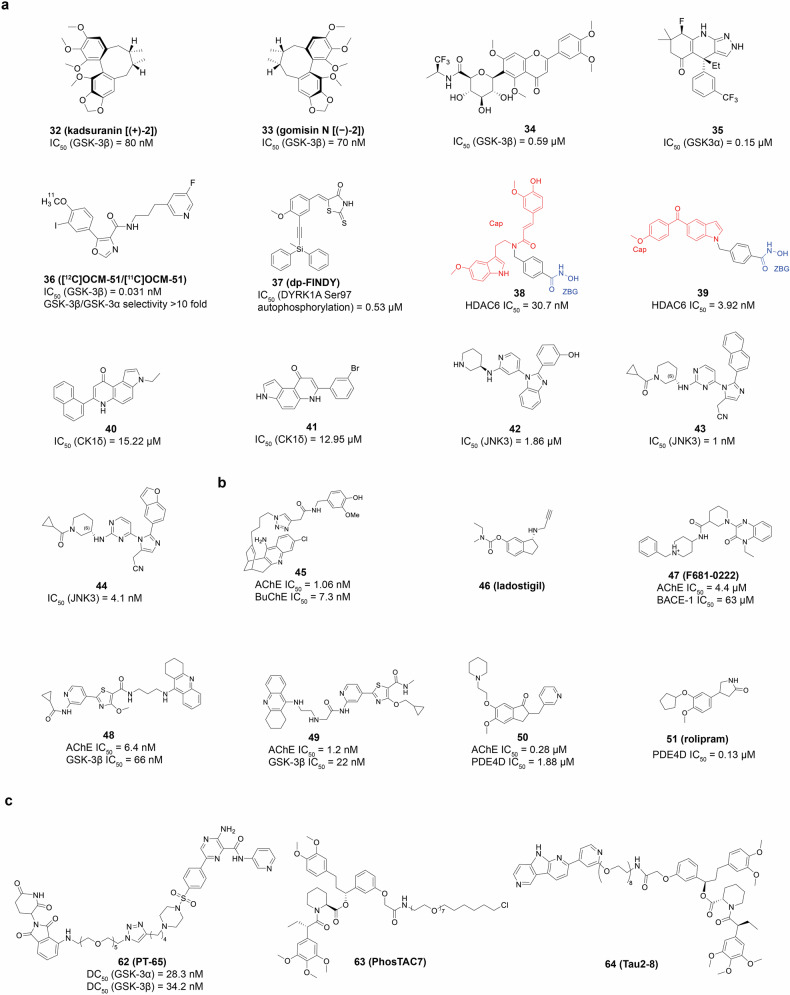
“For example, the GSK-3 degrader PT-65 ( 62 ), developed through click chemistry, exhibited a more prolonged effect on p-tau than its GSK-3 warhead (a GSK-3 inhibitor).”
BackgroundScheltens, P., De Strooper, B., Kivipelto, M., Holstege, H., Chételat, G., Teunissen, C. E., Cummings, J., & van der Flier, W. M. (2021) · The Lancet · doi:10.1016/s0140-6736(20)32205-4 · Cited by 5,465
Cui, C., Cui, J., Jin, F., Cui, Y., Li, R., Jiang, X., Tian, Y., Wang, K., Jiang, P., & Gao, J. (2017) · Cellular Physiology and Biochemistry · doi:10.1159/000479571 · Cited by 5,203
Querfurth, H. W., & LaFerla, F. M. (2010) · New England Journal of Medicine · doi:10.1056/nejmra0909142 · Cited by 4,569
Alzheimer's Disease and Senile Dementia: Loss of Neurons in the Basal Forebrain
Whitehouse, P., Price, D., Struble, R., Clark, A., Coyle, J., & DeLong, M. R. (1982) · Science · doi:10.1126/science.7058341 · Cited by 3,627
Crosstalk of reactive oxygen species and NF-κB signaling
Morgan, M. J., & Liu, Z.-G. (2011) · Cell Research · doi:10.1038/cr.2010.178 · Cited by 3,505
Research works printed but not linked: 3
- Cline, E. N., Bicca, M. A., Viola, K. L. & Klein, W. L. The Amyloid-β Oligomer Hypothesis: Beginning of the Third Decade. J. Alzheimers Dis. 64, S567–S610 (2018). 29843241 10.3233/JAD-179941 PMC6004937 · DOI · Paper page
- Cescon, E. et al. Scaffold Repurposing of in-House Chemical Library toward the Identification of New Casein Kinase 1 δ Inhibitors. ACS Med. Chem. Lett. 11, 1168–1174 (2020). 32550997 10.1021/acsmedchemlett.0c00028 PMC7294733 · DOI · Paper page
- Zhang, Y. et al. Amyloid β-based therapy for Alzheimer’s disease: challenges, successes and future. Signal Transduct. Target Ther. 8, 248 (2023). 37386015 10.1038/s41392-023-01484-7 PMC10310781 · DOI · Paper page
Cited by
NLRP3 inflammasome in neuroinflammation and central nervous system diseases
Xu, W., Huang, Y., & Zhou, R. (2025) · Cellular & Molecular Immunology · doi:10.1038/s41423-025-01275-w · Cited by 295
“Continuously activated microglia may cause persistent in fl ammation, leading to neuronal damage and promoting the formation of amyloid beta (A β ) plaques [43, 44].”
Exosome-powered neuropharmaceutics: unlocking the blood-brain barrier for next-gen therapies
Mehdizadeh, S., Mamaghani, M., Hassanikia, S., Pilehvar‐Soltanahmadi, Y., & Ertaş, Y. N. (2025) · Journal of Nanobiotechnology · doi:10.1186/s12951-025-03352-8 · Cited by 150
“Traditional drug therapies, such as cholinester-ase inhibitors and N-methyl D-aspartate (NMDA) receptor antagonists, often provide symptomatic relief rather than addressing the underlying pathology, and their efficacy is limited by their inability to cross the BBB efficiently [120].”
Chen, C., Wang, G., Li, D., & Zhang, F. (2025) · Molecular Biomedicine · doi:10.1186/s43556-025-00307-1 · Cited by 148
Targeting Cytokine-Mediated Inflammation in Brain Disorders: Developing New Treatment Strategies
Mallick, R., Basak, S., Chowdhury, P., Bhowmik, P., Das, R. K., Banerjee, A., Paul, S., Pathak, S., & Duttaroy, A. K. (2025) · Pharmaceuticals · doi:10.3390/ph18010104 · Cited by 122
“Solanezumab, an anti-amyloid monoclonal antibody that does not directly target cytokines, has shown promise in decreasing levels of neuroinflammatory indicators in CSF [173,174].”
Ren, F., Wei, J., Chen, Q., Hu, M., Yu, L., Mi, J., Zhou, X., Qin, D., Wu, J., & Wu, A. (2025) · Acta Pharmaceutica Sinica B · doi:10.1016/j.apsb.2025.07.030 · Cited by 97
Pathological mechanisms and treatment progression of Alzheimer’s disease
Zhang, J., Kong, G., Yang, J., Pang, L., & Li, X. (2025) · European journal of medical research · doi:10.1186/s40001-025-02886-9 · Cited by 304
“Despite more than a century of research since AD was first identified, the precise mechanisms underlying its pathogenesis remain incompletely understood [17].”
Self-citationNeuroinflammation: Mechanisms, Dual Roles, and Therapeutic Strategies in Neurological Disorders
García‐Domínguez, M. (2025) · Current Issues in Molecular Biology · doi:10.3390/cimb47060417 · Cited by 105
“In Alzheimer’s disease (AD), maintained microglial activation contributes to amyloid-beta (A β ) plaques and τ -hyperphosphorylation [33].”
Lei, W., Cheng, Y., Liu, X., Gao, J., Zhu, Z., Ding, W., Xu, X., Li, Y., Ling, Z., Jiang, R., et al. (2025) · Frontiers in Immunology · doi:10.3389/fimmu.2025.1582119 · Cited by 68
Kochman, U., Sitka, H., Kuźniar, J., Czaja, M., Kozubek, P., Beszłej, J. A., & Leszek, J. (2026) · Molecular Neurobiology · doi:10.1007/s12035-025-05417-z · Cited by 60
Shokr, M. M. (2025) · Metabolic Brain Disease · doi:10.1007/s11011-025-01739-y · Cited by 70
“Thus, therapeutic approaches that promote lipid breakdown or restore microglial glucose and mitochondrial metabolism are becoming more and more hyperphosphorylated tau protein and extracellular Aβ plaques (Zhang et al. 2024 ) [Figure 2] .”
Dias, D., Portugal, C. C., Relvas, J. B., & Socodato, R. (2025) · Cells · doi:10.3390/cells14040243 · Cited by 78
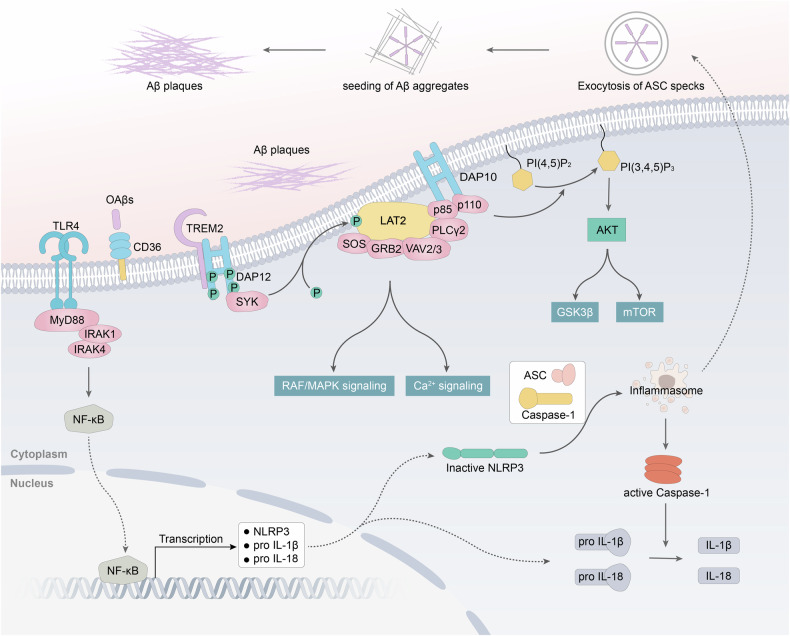
“As a result, once activated, the NLRP3 inflammasome which activates caspase-1, and possibly leads to cell death, is expressed at higher levels [73].”
Recent Advances in Therapeutics for the Treatment of Alzheimer’s Disease
Thawabteh, A. M., Ghanem, A. W., AbuMadi, S., Thaher, D., Jaghama, W., Karaman, D., & Karaman, R. (2024) · Molecules · doi:10.3390/molecules29215131 · Cited by 56
“…process of AD is multifaceted, involving several key hypotheses: the cholinergic, glutamatergic, amyloid, tau protein, inflammatory, microbiota–gut– brain axis, oxidative stress, metal ion, and abnormal autophagy hypotheses, as shown in the summary of AD pathophysiology in Figure 1 [8].”
BackgroundGrabowska, W. A., Bijak, M., Szelenberger, R., Gorniak, L., Podogrocki, M., Harmata, P., & Cichoń, N. (2025) · International Journal of Molecular Sciences · doi:10.3390/ijms26178726 · Cited by 75
“AD , for example, involves a complex network of processes including oxidative stress, β -amyloid (A β ) aggregation, tau hyperphosphorylation, mitochondrial dysfunction, and neuroinflammation [9].”
Extracellular Vesicles: Recent Advances and Perspectives
Ragni, E. (2025) · Frontiers in Bioscience-Landmark · doi:10.31083/fbl36405 · Cited by 67
Puranik, N., & Song, M. (2025) · Neurology International · doi:10.3390/neurolint17020026 · Cited by 52
“The fact that dibenzo[1,4,5]thiadiazepine is a little-known structure that is easy to synthesize and has few reported derivatives adds to the interest in these compounds and opens up a new and expansive field of study in medicinal chemistry [150].”
A Survey on Computational Methods in Drug Discovery for Neurodegenerative Diseases
Vicidomini, C., Fontanella, F., D’Alessandro, T., & Roviello, G. N. (2024) · Biomolecules · doi:10.3390/biom14101330 · Cited by 50
“In contrast, disease-modifying drugs aim to intervene in the pathophysiological mechanisms of AD, potentially slowing or halting disease progression [170,171].”
BackgroundDu, B., Zou, Q., Wang, X., Wang, H., Yang, X., Wang, Q., & Wang, K. (2025) · Biomaterials · doi:10.1016/j.biomaterials.2025.123403 · Cited by 53
Mao, Y., Zhang, L., Zhang, C., Qin, L., Liao, X., & Zhao, L. (2025) · Journal of Trace Elements in Medicine and Biology · doi:10.1016/j.jtemb.2025.127692 · Cited by 43
Puranik, N., & Song, M. (2024) · Molecules · doi:10.3390/molecules29235744 · Cited by 55
“Previous medicines for AD are mainly composed of cholinesterase inhibitors and NMDA receptor antagonists that act on neurotransmitter abnormalities but not on disease progression [174].”
Kruszka, J., Martyński, J., Szewczyk‐Golec, K., Woźniak, A., & Nuszkiewicz, J. (2025) · Brain Sciences · doi:10.3390/brainsci15050485 · Cited by 47
“Several flavonoids have been shown to interfere with A β aggregation and toxicity [146,147].”
Glucagon-like peptide-1 receptor agonists for major neurocognitive disorders
Giorgi, R. D., Ghenciulescu, A., Yotter, C. N., Taquet, M., & Koychev, I. G. (2025) · Journal of Neurology Neurosurgery & Psychiatry · doi:10.1136/jnnp-2024-335593 · Cited by 48
Kirubakaran, D. (2025) · Digital Chinese Medicine · doi:10.1016/j.dcmed.2025.05.002 · Cited by 46
He, C., Chen, B., Yang, H., & Zhou, X. (2025) · Frontiers in Aging Neuroscience · doi:10.3389/fnagi.2025.1554398 · Cited by 48
Patel, J. C., Shukla, M., & Shukla, M. (2025) · Cells · doi:10.3390/cells14120918 · Cited by 49
The Impact of Cognitive Impairment on Cardiovascular Disease
Jamil, Y., Krishnaswami, A., Orkaby, A. R., Stimmel, M. B., Brown, C. H., Mecca, A. P., Forman, D. E., Rich, M. W., Nanna, M. G., & Damluji, A. A. (2025) · Journal of the American College of Cardiology · doi:10.1016/j.jacc.2025.04.057 · Cited by 49
Asim, A., Jastrzębski, M. K., & Kaczor, A. A. (2025) · Molecules · doi:10.3390/molecules30142975 · Cited by 46
“Another monoclonal antibody, lecanemab, that binds strongly to soluble A β protofibrils to inhibit aggregation in the early stage of AD, was fully approved by the FDA in 2023 [63].”
InfluentialHao, Z., Ji, R., Su, Y., Wang, H., Yang, W., Zhang, S., Liu, Y., Ma, S., Guan, F., & Cui, Y. (2025) · Journal of Agricultural and Food Chemistry · doi:10.1021/acs.jafc.4c08548 · Cited by 41
Recent Insights in Multi‐Target Drugs in Pharmacology and Medicinal Chemistry
Cemali, S. H., Poyraz, S., Belveren, S., Taş, S., Tamer, M. A., Döndaş, N. Y., Döndaş, H. A., & Sansano, J. M. (2025) · ChemMedChem · doi:10.1002/cmdc.202500447 · Cited by 50
A Review of Multimodal Fusion–Based Deep Learning for Alzheimer’s Disease
Zhang, R., Sheng, J., Zhang, Q., Wang, J., & Wang, B. (2025) · Neuroscience · doi:10.1016/j.neuroscience.2025.04.035 · Cited by 32
Self-citationNeurodegenerative diseases and neuroinflammation-induced apoptosis
Huang, S., Lu, Y., Fang, W., Huang, Y., Li, Q., & Xu, Z. (2025) · Open Life Sciences · doi:10.1515/biol-2022-1051 · Cited by 39
“For example, in AD, abnormal metabolism of amyloid precursor protein (APP) leads to the formation and accumulation of A β , which in turn triggers in fl ammatory responses and oxidative stress, leading to abnormal activation of the MAPK pathway [167].”
Aktary, N., Jeong, Y., Oh, S., Shin, Y., Sung, Y., Rahman, M., Santiago, L. R., Choi, J., Song, H. G., Nurkolis, F., et al. (2025) · Frontiers in Pharmacology · doi:10.3389/fphar.2025.1601712 · Cited by 53
“Despite decades of research, no cure exists, and current treatments focus primarily on symptom management rather than altering the disease trajectory (Ben-Shlomo et al., 2024; Sun and Zhang, 2024).”
Huang, J., Xu, Z., Yu, C., Liu, L., Ji, L., Qiu, P., Li, C., & Zhou, X. (2024) · Phytomedicine · doi:10.1016/j.phymed.2024.156168 · Cited by 39
Mafe, A. N., & Büsselberg, D. (2025) · Foods · doi:10.3390/foods14091559 · Cited by 38
“Emerging therapies targeting the gut–brain connection represent a new frontier for treating neurodegenerative diseases, with metabolite-based drugs showing particular promise for neuroprotection [191].”
Li, G., Hsu, L., Wu, Y., Bozoki, A., Shih, Y. I., & Yap, P. (2025) · Communications Medicine · doi:10.1038/s43856-025-00736-7 · Cited by 52
Nanoscale drug formulations for the treatment of Alzheimer's disease progression
Liqin, L., He, H., Du, B., & He, Y. (2025) · RSC Advances · doi:10.1039/d4ra08128e · Cited by 42
GSK-3β dysregulation in aging: Implications for tau pathology and Alzheimer's disease progression
Rekha, A., Afzal, M., Babu, M. A., Menon, S. V., Nathiya, D., Supriya, S., Mishra, S. B., Gupta, S., Goyal, K., Rana, M., et al. (2025) · Molecular and Cellular Neuroscience · doi:10.1016/j.mcn.2025.104005 · Cited by 36
Cognitive frailty: A comprehensive clinical paradigm beyond cognitive decline
Cozza, M., & Boccardi, V. (2025) · Ageing Research Reviews · doi:10.1016/j.arr.2025.102738 · Cited by 34
Phytomolecules as Alzheimer's therapeutics: A comprehensive review
Hussain, M. K., Ahmad, M., Khatoon, S., Khan, M. V., Azmi, S., Arshad, M., Ahamad, S., & Saquib, M. (2025) · European Journal of Medicinal Chemistry · doi:10.1016/j.ejmech.2025.117401 · Cited by 30
Microglial dysfunction in Alzheimer's disease: Mechanisms, emerging therapies, and future directions
Azmal, M., Paul, J. K., Prima, F. S., Haque, A. N. M. S. N. B., Meem, M., & Ghosh, A. (2025) · Experimental Neurology · doi:10.1016/j.expneurol.2025.115374 · Cited by 36
Advancements and challenges in mouse models of Alzheimer’s disease
Qian, Z., Li, Y., & Ye, K. (2024) · Trends in Molecular Medicine · doi:10.1016/j.molmed.2024.10.010 · Cited by 37
Recent Studies on Heterocyclic Cholinesterase Inhibitors Against Alzheimer's Disease
Tok, F. (2024) · Chemistry & Biodiversity · doi:10.1002/cbdv.202402837 · Cited by 31
“However, it was withdrawn from the market in 2013 due to severe liver toxicity [24].”
Alfei, S., & Zuccari, G. (2025) · International Journal of Molecular Sciences · doi:10.3390/ijms26020844 · Cited by 29
Harris, G. A., Hirschfeld, L. R., González, M. I., Pritchard, M. C., & May, P. C. (2025) · Alzheimer s Research & Therapy · doi:10.1186/s13195-025-01775-x · Cited by 44
“That said, the recent approvals of anti-amyloid disease modifying therapies for AD have been shown to slow cognitive decline but do not halt disease progression [22, 23].”
Exploring Alzheimer's disease treatment: Established therapies and novel strategies for future care
Soni, U., Singh, K., Jain, D., & Pujari, R. (2025) · European Journal of Pharmacology · doi:10.1016/j.ejphar.2025.177520 · Cited by 34
Olawade, D. B., Rashad, I., Egbon, E., Teke, J., Ovsepian, S. V., & Boussios, S. (2025) · International Journal of Molecular Sciences · doi:10.3390/ijms26104929 · Cited by 37
Alzheimer’s Disease: From Molecular Mechanisms to Promising Therapeutic Strategies
Ivanova, A. V., Kutuzova, A. D., Kuzmichev, I. A., & Abakumov, M. A. (2025) · International Journal of Molecular Sciences · doi:10.3390/ijms26199444 · Cited by 35
Molecular mechanisms and biomarkers in neurodegenerative disorders: a comprehensive review
Ali, N., Sayeed, U., Shahid, S. M. A., Akhtar, S., & Khan, M. K. A. (2025) · Molecular Biology Reports · doi:10.1007/s11033-025-10463-w · Cited by 31
“The pathological presence of hyperphosphorylated tau is a hallmark of Alzheimer’s disease, which significantly affects neuronal function and stability [22, 27].”
Angioni, D., Middleton, L. T., Bateman, R. J., Aisen, P. S. S., Boxer, A. L., Sha, S. J., Zhou, J., Gerlach, I., Raman, R., Fillit, H. M., et al. (2025) · The Journal of Prevention of Alzheimer s Disease · doi:10.1016/j.tjpad.2025.100163 · Cited by 30
“The complex and multifactorial nature of AD pathogenesis highlights the need for a comprehensive approach that engages multiple targets [ 5 ].”
Brain Delivery Strategies for Biomacromolecular Drugs: Intranasal Administration
Wu, H., Li, C., Yuan, H., Zhao, J., & Li, S. (2025) · International Journal of Nanomedicine · doi:10.2147/ijn.s520768 · Cited by 29
Alzheimer’s Disease Etiology Hypotheses and Therapeutic Strategies: A Perspective
Scarano, N., Musumeci, F., Casini, B., Brullo, C., D’Ursi, P., Fossa, P., Schenone, S., & Cichero, E. (2025) · International Journal of Molecular Sciences · doi:10.3390/ijms26146980 · Cited by 38
TREM2 in Neurodegenerative Disorders: Mutation Spectrum, Pathophysiology, and Therapeutic Targeting
Yang, H.-W., Kim, D., Yang, Y., Bagyinszky, E., & An, S. S. A. (2025) · International Journal of Molecular Sciences · doi:10.3390/ijms26157057 · Cited by 28
“Pro-inflammatory cytokines have been verified to promote Tau protein phosphorylation, leading to neurofibrillary tangle (NFT) formation and exacerbating nerve cell damage [86–92].”
Aran, K. R., Porel, P., Hunjan, G., Singh, S., Gupta, G. D., & Rohit (2025) · Ageing Research Reviews · doi:10.1016/j.arr.2025.102685 · Cited by 32
Tokalı, F. S., Şenol, H., Demir, Y., Uluçay, O., Ameen, M., & Shafiq, Z. (2025) · RSC Advances · doi:10.1039/d5ra07416a · Cited by 25
Ding, T., Song, M., Wu, Y., Zhu, L., Zhang, S., & Fan, X. (2025) · Phytomedicine · doi:10.1016/j.phymed.2025.156780 · Cited by 28
Alrouji, M., Alshammari, M. S., Syed, T., & Shamsi, A. (2025) · Antioxidants · doi:10.3390/antiox14070774 · Cited by 26
CRISPR/Cas9 and iPSC-Based Therapeutic Approaches in Alzheimer’s Disease
Raffaele, I., Cipriano, G. L., Anchesi, I., Oddo, S., & Silvestro, S. (2025) · Antioxidants · doi:10.3390/antiox14070781 · Cited by 34
“The complex nature of AD, with diverse genetic, molecular, and clinical manifestations, complicates the development of a unified model [11].”
Beyond oxidative stress: Ferroptosis as a novel orchestrator in neurodegenerative disorders
Yi, Y., Jia, P., Xie, P., Peng, X., Zhu, X., Yin, S., Luo, Y., Deng, Y., & Wan, L. (2025) · Frontiers in Immunology · doi:10.3389/fimmu.2025.1683876 · Cited by 38
“Its neuropathological hallmarks include amyloid-beta (A b ) plaque deposition, NFTs composed of hyperphosphorylated tau protein, cerebral amyloid angiopathy, neuroin fl ammation, and progressive neurodegeneration (284).”
Teixeira, L. C. R., Luizon, M. R., & Gomes, K. B. (2025) · Receptors · doi:10.3390/receptors4010002 · Cited by 31
Hussain, F., Tahir, A., Rehman, H. M., et al. (2025) · European Journal of Medicinal Chemistry · doi:10.1016/j.ejmech.2025.117327 · Cited by 21
Lu, Q., Shao, N., Fang, Z., Ouyang, Z., Shen, Y., Yang, R., Liu, H., Cai, B., & Wei, T. (2025) · Chemico-Biological Interactions · doi:10.1016/j.cbi.2025.111459 · Cited by 31
Hippocampal sclerosis: A review on current research status and its mechanisms
Zhao, T., Cui, X., Zhang, X., Zhao, M., Rastegar‐Kashkooli, Y., Wang, J., Li, Q., Jiang, C. Q., Li, N., Xing, F., et al. (2025) · Ageing Research Reviews · doi:10.1016/j.arr.2025.102716 · Cited by 28
Self-citationAmenotie, A. J., Ben‐Azu, B., Esuku, D. T., Chijioke, B. S., Abo, E., Ozah, E. O., Lawrence, E. O., Efejene, I. O., Onyeukwu, O. B., Alabi, B. A., et al. (2025) · Neurotoxicity Research · doi:10.1007/s12640-025-00750-6 · Cited by 29
“…such as amyloid beta (Aβ) accumulation, tau hyperphosphorylation, oxidative stress, and the degeneration of neuronal cells, including cholinergic neurons, which are vital for cognitive functions (Davies et al. 2017; Emokpae et al. 2020b, 2020a; De Felice et al. 2022; Zhang et al. 2024).”
Gao, H., Zhou, H.-Q., Ji, H., Shen, J. Z., Yin, D., & Wu, D. (2025) · Ecotoxicology and Environmental Safety · doi:10.1016/j.ecoenv.2025.119114 · Cited by 29
Adenosine Receptors in Neuroinflammation and Neurodegeneration
Salmaso, V., Menin, S., Moro, S., Spalluto, G., & Federico, S. (2025) · Cells · doi:10.3390/cells14201585 · Cited by 27
“…it is a complex and multifactorial disease for which several hypotheses have been postulated, such as, along with amyloid and the tau protein, there are the cholinergic, inflammatory, glutamate excitotoxicity, oxidative stress, metal ion, microbiota–gut–brain axis, and abnormal autophagy [60].”
Tumor-nerve interactions in cancer regulation and progression
Zhao, J., Cheng, L., Yang, J., Xu, F., Qi, W., Liao, K., Zhou, L., Cao, L., Chen, J., & Lin, Y. (2025) · Cancer Letters · doi:10.1016/j.canlet.2025.217483 · Cited by 26
Jia, C., Chai, J., Zhang, S., Sun, Y., He, L., Sang, Z., Chen, D., & Zheng, X. (2025) · Marine Drugs · doi:10.3390/md23030091 · Cited by 24
“Existing therapeutic approaches [18,19] largely target singular aspects of AD pathology, such as A β aggregation, yet they have demonstrated limited clinical efficacy and often come with considerable side effects.”
Nrf2/Bach1 signaling axis: A promising multifaceted therapeutic strategy for Alzheimer's disease
Soni, P., Sharma, S. M., Pieper, A. A., Paul, B. D., & Thomas, B. (2025) · Neurotherapeutics · doi:10.1016/j.neurot.2025.e00586 · Cited by 25
“Many clinical trials enroll subjects in the later stages of AD, at which point signi fi cant neuronal loss and cognitive impairment have already occurred [113,114].”
Dey, C., Roy, M., Pal, P., Ghosh, R., & Dey, S. G. (2025) · Chemical Society Reviews · doi:10.1039/d5cs00544b · Cited by 24
Cerebrospinal fluid proteomics identification of biomarkers for amyloid and tau PET stages
Wang, Z., Chen, Y., Gong, K., Zhao, B., Ning, Y., Chen, M., Li, Y., Ali, M., Timsina, J., Liu, M., et al. (2025) · Cell Reports Medicine · doi:10.1016/j.xcrm.2025.102031 · Cited by 31
Yang, Z.-J., Huang, S., Cheng, J., Zeng, J.-W., Wusiman, M., Li, H., & Zhu, H. (2025) · Trends in Food Science & Technology · doi:10.1016/j.tifs.2025.104993 · Cited by 24
Ferroptosis in Alzheimer’s Disease: The Regulatory Role of Glial Cells
Xu, J., Shen, R., Qian, M., Zhou, Z., Xie, B., Jiang, Y. Q., Yu, Y., & Dong, W. (2025) · Journal of Integrative Neuroscience · doi:10.31083/jin25845 · Cited by 28
“Currently, the exact pathogenesis of AD is complex and still not fully understood, as it is influenced by factors such as genetics, aging, nutrition and a person’s environment [ 15].”
Li, M., Chen, S., Guo, R., Wang, Y., Yang, M., Liu, Y., Zhang, Q., Zhu, S., Li, J., Chen, F., et al. (2025) · Signal Transduction and Targeted Therapy · doi:10.1038/s41392-025-02453-y · Cited by 27
“12 A central factor in Alzheimer ’ s disease (AD) pathology is the impairment of neuronal proteostasis, a process critically regulated by autophagy — an essential intracellular degradation pathway.”
Liu, A., Zhu, X., Sun, W.-D., Bi, S.-Z., Zhang, C.-Y., Lai, S.-Y., & Li, J.-H. (2025) · Experimental Neurology · doi:10.1016/j.expneurol.2025.115253 · Cited by 19
Vrancx, C., & Annaert, W. G. (2025) · Trends in Neurosciences · doi:10.1016/j.tins.2025.05.007 · Cited by 20
Uchida, Y., Nishimaki, K., Soldan, A., Pettigrew, C. A., Ho, S. G., Moghekar, A., Wang, M., Miller, M. I., Albert, M., & Oishi, K. (2025) · Alzheimer s & Dementia · doi:10.1002/alz.70544 · Cited by 27
Microglial Neuroinflammation in Alzheimer’s Disease: Mechanisms and Therapies
Erdağ, E., & Haskologlu, I. C. (2025) · Journal of dementia and Alzheimer's disease · doi:10.3390/jdad2030029 · Cited by 23
“While broad-spectrum agents such as NSAIDs failed to show benefit in late-stage AD, more selective immunomodulators may offer better efficacy when administered during the prodromal or early symptomatic phases [111].”
Fighting Alzheimer's naturally: Peptides as multitarget drug leads
Spinelli, R., Sanchís, I., & Siano, Á. (2025) · Bioorganic & Medicinal Chemistry Letters · doi:10.1016/j.bmcl.2025.130305 · Cited by 19
Microbial Metabolomes in Alzheimer’s Disease: From Pathogenesis to Therapeutic Potential
Borrego-Ruiz, A., & Borrego, J. J. (2025) · Current Issues in Molecular Biology · doi:10.3390/cimb47090724 · Cited by 22
“…modulators, covalent inhibitors, dual-target inhibitors, proteolysis-targeting chimeras (PROTACs), protein–protein interaction modulators, and selective inhibitors are anticipated to provide valuable insights that will inform the design and clinical translation of innovative therapies for AD [292].”
Angelova, V. T., Stoyanov, B. P., & Simeonova, R. (2024) · Molecules · doi:10.3390/molecules29225314 · Cited by 27
Dysregulated ac4C modification of mRNA in a mouse model of early-stage Alzheimer’s disease
Ji, H., Zhou, H.-Q., Qie, J., Lu, W.-M., Gao, H., & Wu, D. (2025) · Cell & Bioscience · doi:10.1186/s13578-025-01389-8 · Cited by 17
“Understanding the pathological alterations occurring in the early-stages of AD—when cognitive function is largely preserved—is particularly important [4, 5].”
Paolis, M. L. D., Loffredo, G., Krashia, P., Barbera, L. L., Nobili, A., Cauzzi, E., Babicola, L., Segni, M. D., Coccurello, R., Puglisi‐Allegra, S., et al. (2025) · Alzheimer s Research & Therapy · doi:10.1186/s13195-025-01736-4 · Cited by 19
“Patients typically progress to Mild Cognitive Impairment (MCI) about 6 to 10 years later, with approximately 15% advancing to dementia within 2 years, and around one-third within 5 years [3].”
Drug innovation via integration of traditional Chinese and Western medicine
Li, Z., Yang, L., Kong, L., Sun, H. J., Sun, Y., Chen, X., Yin, F., Yan, G., & Wang, X. (2025) · Science of Traditional Chinese Medicine · doi:10.1097/st9.0000000000000070 · Cited by 23
Bumber, J. R., Rački, V., Mežnarić, S., Pelčić, G., & Mršić‐Pelčić, J. (2025) · Journal of Clinical Medicine · doi:10.3390/jcm14176047 · Cited by 26
Type 3 Diabetes: Linking Insulin Resistance to Cognitive Decline
Chapple, B. E., Bayliss, E., Woodfin, S., Smith, M., Winter, J., & Moore, W. (2025) · Diseases · doi:10.3390/diseases13110359 · Cited by 25
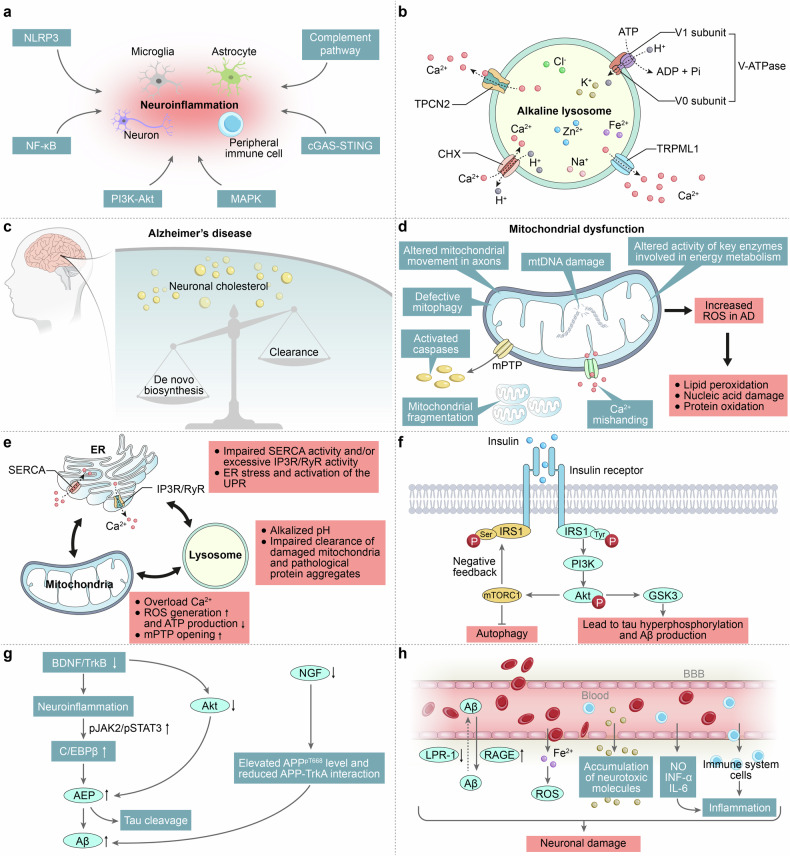
“Additionally, elevated intracellular calcium levels further contribute to ROS production, triggering oxidative stress, apoptosis, and a vicious cycle of tau phosphorylation, inflammation, and neuronal death [18].”
InfluentialThe gut–brain axis in Alzheimer’s disease: how gut microbiota modulate microglial function
Wang, H., Yang, F., Gao, Z., Cheng, Z.-D., & Liang, X. (2025) · Frontiers in Aging · doi:10.3389/fragi.2025.1704047 · Cited by 25
“The etiology of AD is complex and diverse, and the precise mechanisms underlying its onset are not yet completely understood (Zhang et al., 2024; Wang et al., 2025).”
A Recent Update on the Role of Estrogen and Progesterone in Alzheimer's Disease
Suganya, S., Ashok, B. S., & Ajith, T. A. (2024) · Cell Biochemistry and Function · doi:10.1002/cbf.70025 · Cited by 19
“However, more research is required to confirm the long ‐ term effectiveness and safety of these medications [8, 9].”
He, J., Xu, P., Xu, T., Yu, H., Wang, L., Chen, R., Zhang, K., Yao, Y., Xie, Y., Yang, Q., et al. (2025) · Frontiers in Aging Neuroscience · doi:10.3389/fnagi.2024.1515092 · Cited by 18
Quantification of perforant path fibers for early detection of Alzheimer's disease
Uchida, Y., Hou, Z., Gómez-Isaza, L., Luongo, M., Troncoso, J. C., Miller, M. I., Mori, S., & Oishi, K. (2025) · Alzheimer s & Dementia · doi:10.1002/alz.70142 · Cited by 21
Mechanism of Metal Complexes in Alzheimer’s Disease
Yi, L. I. U., Ma, J., Zhang, Q., Wang, Y., & Sun, Q. (2024) · International Journal of Molecular Sciences · doi:10.3390/ijms252211873 · Cited by 18
The role of exosomes in diagnosis, pathophysiology, and management of Alzheimer's Disease
Daksh, R., Mathew, M. S., Bosco, A. M., Sojan, C., Tom, A. A., Bojja, S. L., & Nampoothiri, M. (2025) · Biochemical and Biophysical Research Communications · doi:10.1016/j.bbrc.2025.151526 · Cited by 26
Kang, X., Cheng, E., Guo, P., Xi, L., Xiang, C., Xu, S., Zhang, Y., Yang, Y., Zhang, J. J., & Long, H. (2025) · Phytomedicine · doi:10.1016/j.phymed.2025.157009 · Cited by 19
Self-citationAraújo, P. L., Araujo, E. D. S., Barreto, E. M. D. A., Alves, J. L. D. B., Souza, K. M., Freire, M. O. D. L., de Souza, R. M. P., & Pereira, F. D. O. (2025) · Comprehensive Reviews in Food Science and Food Safety · doi:10.1111/1541-4337.70279 · Cited by 21
Astrocytes and Microglia in Alzheimer's Disease: Friends, Foes, or Both?
Sharma, A., Parekh, B. K., Patil, V., Renuka Jyothi, S., Nayak, P. P., Janney, J. B., Singh, G., & Al-Hasnaawei, S. (2025) · Developmental Neurobiology · doi:10.1002/dneu.23015 · Cited by 20
Khan, U., Ahmad, M., Tuba, M., Naaz, R., Qayyum, F., Khatoon, S., Sanobar, Ahamad, S., Saquib, M., & Hussain, M. K. (2025) · European Journal of Medicinal Chemistry · doi:10.1016/j.ejmech.2025.118371 · Cited by 21
Nanoparticles: a new frontier in neurodegenerative disease therapy
Kumar, V., Sharma, S., & Singh, A. K. (2025) · Frontiers in Medical Technology · doi:10.3389/fmedt.2025.1654003 · Cited by 24
Jain, S., Bhushan, B., Mishra, A. K., & Singh, R. (2024) · Journal of Drug Delivery Science and Technology · doi:10.1016/j.jddst.2024.106413 · Cited by 20
Leveraging CapsNet for enhanced classification of 3D MRI images for Alzheimer’s diagnosis
Rasheed, J., Shaikh, M. U., Jafri, M. R., Khan, A. U., Sandhu, M. M., & Shin, H. (2025) · Biomedical Signal Processing and Control · doi:10.1016/j.bspc.2024.107384 · Cited by 17
Gangarde, P., Bhatt, S., & Pujari, R. (2025) · Journal of Trace Elements in Medicine and Biology · doi:10.1016/j.jtemb.2025.127612 · Cited by 18
Microglial Modulation in Alzheimer’s Disease: Central Players in Neuroinflammation and Pathogenesis
Hussain, M. S., Khan, Y., Fatima, R., Maqbool, M., Ramalingam, P. S., Khan, M. G., & Bisht, A. S. (2025) · Current Alzheimer Research · doi:10.2174/0115672050364292250113063513 · Cited by 18
Lin, Y., Shi, X., Mu, J., Ren, H., Jiang, X., Zhu, L., Cai, X., Lian, C., Pei, Z., Zhang, Y., et al. (2025) · Alzheimer s & Dementia · doi:10.1002/alz.70182 · Cited by 22
Self-citation
Metadata
- Authors
- Zhang, J., Zhang, Y., Wang, J., Xia, Y., Zhang, J., & Chen, L.
- Affiliations
- Sichuan University (CN)
- University of Tennessee Health Science Center (US)
- Corresponding author
- Chen, Lei
- ORCID
- Wang, Jiaxing
- Venue
- Signal Transduction and Targeted Therapy
- Published
- 2024-08-23
- Volume
- 9
- Issue
- 1
- Pages
- 211-211
- ISSN
- 2059-3635 (ISSN-L)
- PMC
- PMC11344989
- OpenAlex
- W4401806028
- Semantic Scholar
- 8ff7d224cd5f81cb22fca07098d6f0ed92abd2bf
- Cited by
- 1,138
- References
- 674
- Citations by year
- 2026: 516 · 2025: 588 · 2024: 32
- FWCI
- 335.63
- Type
- journal article
- Language
- en
- Open access
- gold
- doi.org
- Licence
- cc-by
- creativecommons.org/licenses/by/4.0 (tdm)
- creativecommons.org/licenses/by/4.0 (vor)
- Locations
- Signal Transduction and Targeted Therapy (publishedVersion, cc-by)
- PubMed (publishedVersion)
- PubMed Central (submittedVersion, cc-by)
- DOAJ (DOAJ: Directory of Open Access Journals) (submittedVersion, cc-by-sa)
- Topics
- Health Sciences › Medicine › Pharmacology (medical) › Cholinesterase and Neurodegenerative Diseases
- Life Sciences › Neuroscience › Cellular and Molecular Neuroscience › Alzheimer's disease research and treatments
- Life Sciences › Biochemistry, Genetics and Molecular Biology › Molecular Biology › Phosphodiesterase function and regulation
- Keywords
- Alzheimer's disease, Alzheimer's disease pathogenesis, amyloid hypothesis, tau protein, cholinergic hypothesis, neuroinflammation, oxidative stress, microbiota-gut-brain axis
- MeSH terms
- Drug Development, Alzheimer Disease
About these checks
Registry, retraction, Cites and statistics results are computed, not judged, with one exception: a printed reference that no index lists is read once by a model before it counts as a citation error. Claims are extracted by a model and kept only when their quote appears verbatim in the text; each cited source is then checked, with a model’s help, for whether it says what the claim relies on. Those verdicts can be wrong — read the claim’s quote and the cited source before relying on one.
The claim verdicts this report counts are experimental: their accuracy is not yet measured.
A language model drew the claims from the paper on 2026-09-28, under version 3 of the claim definition (model deepseek-v4.1-flash, prompt extract-v3).
A second model labelled each claim on 2026-09-28 (model jev-1.13-20260917, definition revision gold-guideline-v0.2).
Cited sources are checked with a language model’s help (gpt-6-sol).
Statistics and arithmetic are recomputed, not judged.
Confidence bands are shown only for fields calibrated on our annotated test set. None is calibrated yet, so no band is shown.
What counts as a claim ›How we measure confidence ›How we check this ›
Are you an author, or do you see a problem with this page? Request a review
Data sources
Bibliographic data: Semantic Scholar, OpenAlex, Crossref.
Contains information from the Semantic Scholar Academic Graph Datasets, made available under the ODC Attribution License (ODC-BY 1.0).
Semantic Scholar’s data is described in: Kinney, R., et al. (2023). The Semantic Scholar Open Data Platform. arXiv:2301.10140.
