

Recent advances in Alzheimer's disease: Mechanisms, clinical trials and new drug development strategies.
Open accessThe DOI matches its Crossref record; 654 of the 674 references it cites were found in a registry or an index; 285 of the 444 sources its claims cite were checked for support.
Abstract
Available drugs primarily offer symptomatic relief, while newer anti-amyloid therapies may have disease-modifying effects but still require long-term efficacy and safety validation.
Overview
CoChat Summary
TL;DR
This review synthesizes recent mechanistic, biomarker, clinical-trial, and drug-development advances in Alzheimer’s disease (AD), emphasizing that AD remains multifactorial and that no single hypothesis fully explains its progression. It highlights new FDA-approved disease-modifying antibodies and emerging drug-design strategies such as selective inhibitors, dual-target inhibitors, allosteric modulators, covalent inhibitors, PROTACs, and PPI modulators.
Key findings
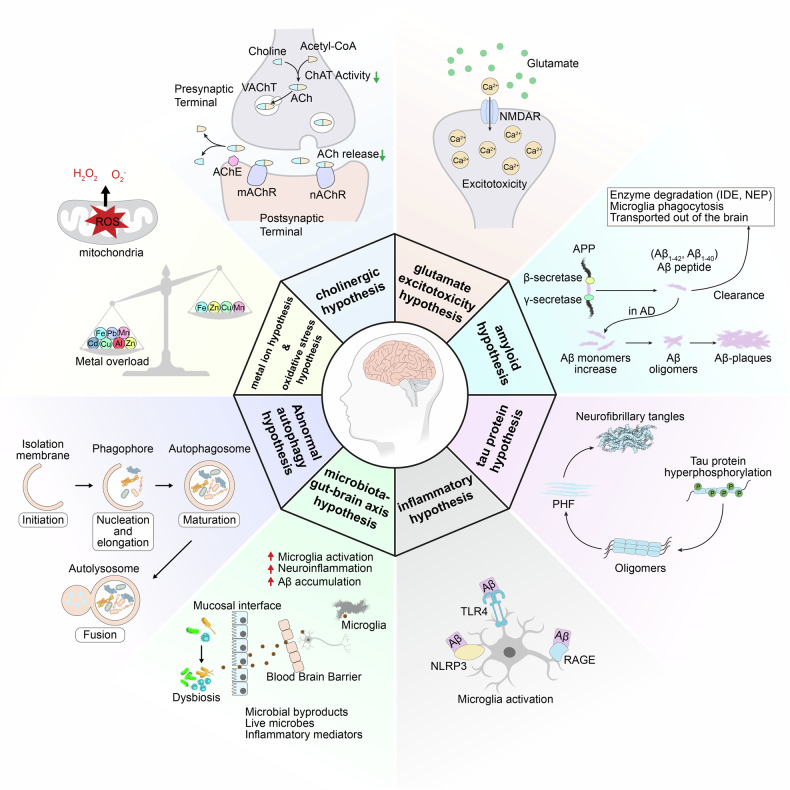
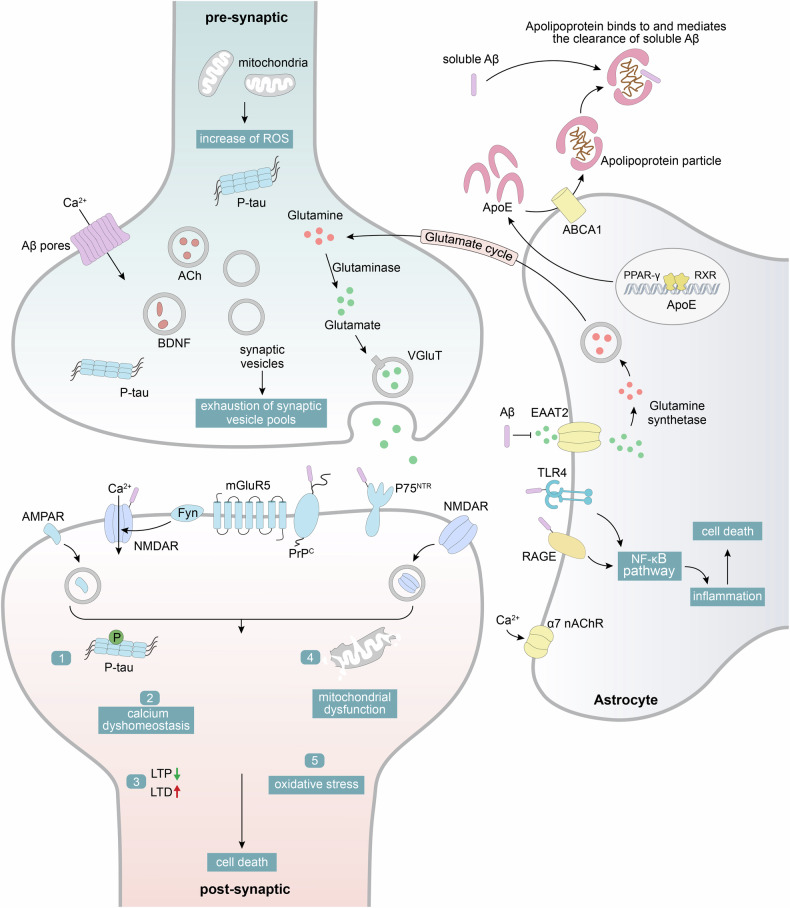
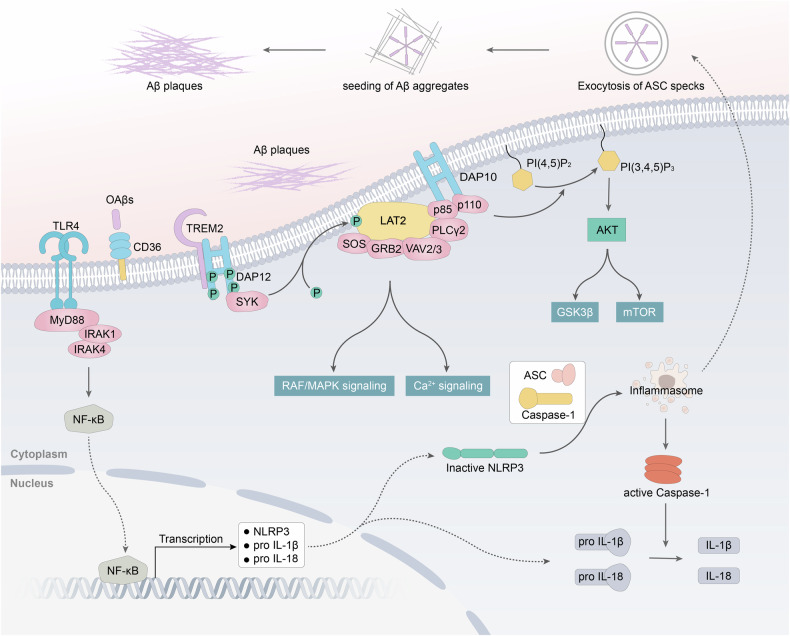
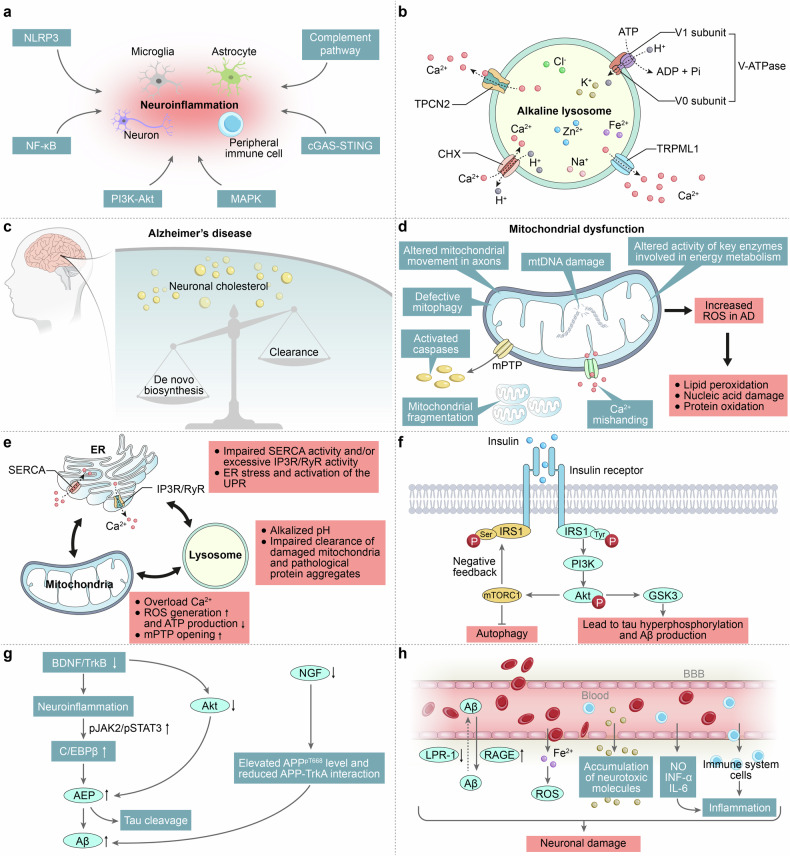
- AD is described as a complex disease involving multiple overlapping hypotheses and pathways, including cholinergic, amyloid, tau, neuroinflammation, oxidative stress, metal dyshomeostasis, glutamatergic excitotoxicity, microbiota-gut-brain axis, and abnormal autophagy.
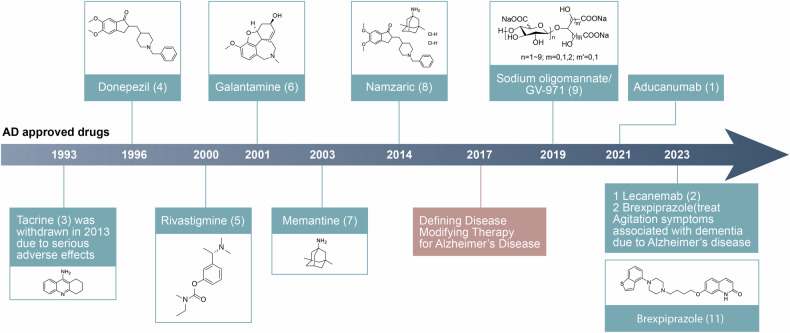
- The review states that recent FDA approvals of aducanumab and lecanemab suggest potential disease-modifying effects, but their long-term efficacy and safety still need further validation.
- For biomarker-based diagnosis, the paper reports that amyloid PET has 90% sensitivity and specificity for diagnosing AD, and that P-tau181 is the most accurate CSF indicator for distinguishing AD from non-AD dementia.
- Traditional symptomatic drugs remain limited: AChE inhibitors and memantine can improve symptoms, but they cannot alter disease course; the paper also notes the donepezil transdermal patch (Adlarity) was FDA-approved in 2022 and showed fewer gastrointestinal adverse events than oral administration.
Methods
- This is a narrative review of recent literature on AD mechanisms, biomarkers, clinical trials, and drug-development strategies.
- The paper synthesizes prior findings across mechanistic hypotheses, biomarker studies, clinical-trial reports, and preclinical/early-stage drug examples rather than presenting a new dataset.
- Its analysis is primarily descriptive and integrative, organizing the field by disease mechanism, diagnostic approach, and therapeutic modality.
Limitations
- The paper states that no unified theory explains AD and that the interplay among pathological aspects requires further elucidation and validation.
- It notes that the high failure rate of clinical trials limits validation of hypotheses and that the long-term efficacy and safety of newer drugs such as aducanumab and lecanemab still need further study.
- Evident from the text: much of the drug-development discussion is based on preclinical studies, animal models, or early-phase trials, so many proposed strategies remain unconfirmed in larger human studies.
Model-written summary of a shortened version of the paper’s full text (it is longer than we read). Check it against the paper before relying on it.
Integrity signals
Registry
Cites
Statistics
Figures
Verification
Claims the paper makes
187 Valid · 4 Not valid · 68 Not checked · 29 Own results and interpretations
At least one cited source doesn’t support this claim or points to a different paper, and none confirmed it — see the verdicts below.
In the paper
“However, recent approvals of aducanumab (1) and lecanemab (2) by the Food and Drug Administration (FDA) present the potential in disrease-modifying effects.”
§ Recent advances in Alzheimer’s disease: mechanisms, clinical trials and new drug development strategies > Abstract
What the sources say
- Not matchedcites [1] WHO. A blueprint for dementia research. Geneva: World Health Organization (2022).
Its entry has no title and year that we can search by.
- Disputedcites [2] Knopman, D. S. et al. Alzheimer disease. Nat. Rev. Dis. Prim. 7, 33 (2021). 33986301 10.1038/s41572-021-00269-y PMC8574196 sourceExperimental — accuracy not yet measured
The paper describes aducanumab as being considered by the FDA, not approved, and lecanemab as being in late-stage trials. It discusses possible clinical benefit from anti-amyloid therapies but says their future role remains uncertain. (LLM, conf=0.88)
Checked by a reasoning model — may be wrong.
hedgedstates a possible cause- Asserted: passes — The authors put it forward as true.
- Checkable: passes — It can be checked against evidence.
- Load-bearing: passes — The paper’s conclusions depend on it.
- Based: passes — The paper gives a reason why it holds.
- Not matched
Some cited sources support this claim and some don’t — read each source’s verdict below.
In the paper
“Proteomic studies found elevated C1q levels in MCI and AD groups, and increased CatB concentration in CSF Aβ42-positive cases.”
§ Recent advances in Alzheimer’s disease: mechanisms, clinical trials and new drug development strategies > Clinical trials of AD > Biomarkers for AD diagnosis
What the sources say
- Partly supportedcites [383] Yuyama, K. et al. Extracellular vesicle proteome unveils cathepsin B connection to Alzheimer’s disease pathogenesis. Brain 147, 627–636 (2023). 10.1093/brain/awad361 PMC10834236 38071653 sourceExperimental — accuracy not yet measured
The section “Elevated CatB levels in CSF and plasma extracellular vesicles during amyloid pathogenesis” reports significantly higher CSF extracellular-vesicle CatB in amyloid-positive than amyloid-negative groups. The claim omits the extracellular-vesicle qualifier; the reported increase is not established for CatB in CSF generally. Page numbers are not provided in our copy. (LLM, conf=0.85)
- Disputedcites [384] Chatterjee, M. et al. C1q is increased in cerebrospinal fluid‐derived extracellular vesicles in Alzheimer’s disease: A multi‐cohort proteomics and immuno‐assay validation study. Alzheimers Dement. 19, 4828–4840 (2023). 37023079 10.1002/alz.13066 sourceExperimental — accuracy not yet measured
Section 3.2.3 (page unavailable) reports that cathepsin B (CTSB) was significantly decreased in CSF-derived extracellular vesicles from AD patients compared with controls. It also reports no difference in CTSB levels in neat CSF between those groups, not an increase. The passage does not report a separate result for Aβ42-positive cases. (LLM, conf=0.88)
Checked by a reasoning model — may be wrong.
plainstates an association- Asserted: passes — The authors put it forward as true.
- Checkable: passes — It can be checked against evidence.
- Load-bearing: unclear — It is unclear whether the paper’s conclusions depend on it.
- Based: passes — The paper gives a reason why it holds.
- Partly supported
The sources with a verdict support this claim; the rest weren’t checked yet, have no full text we could read, or their verdicts aren’t rated yet.
In the paper
“New drugs, including sodium oligomannate (9, GV-971),54–56 aducanumab (1),57–59 lecanemab (2),60–62 and donanemab (10, currently under review for market approval),63 which aim to offer disease-modifying therapies that intervene in the progression of AD.”
§ Recent advances in Alzheimer’s disease: mechanisms, clinical trials and new drug development strategies > Introduction
What the sources say
- Not checked — no full text of the sourcecites [54] Syed, Y. Y. Sodium Oligomannate: First Approval. Drugs 80, 441–444 (2020). 32020555 10.1007/s40265-020-01268-1 source
- Supportedcites [55] Wang, T. et al. A phase II randomized trial of sodium oligomannate in Alzheimer’s dementia. Alzheimers Res. Ther. 12, 110 (2020). 32928279 10.1186/s13195-020-00678-3 PMC7489025 source
The citation attached to this paper concerns sodium oligomannate (GV-971), not the other named drugs. The Background contrasts drugs that do not slow AD pathology with disease-modifying approaches, and the Discussion describes GV-971 acting on Aβ aggregation and neuroinflammation. This supports the claim that it aims to intervene in disease progression; the claim does not say that it has been proven to do so. (LLM, conf=0.85)
- Supportedcites [56] Xiao, S. et al. A 36-week multicenter, randomized, double-blind, placebo-controlled, parallel-group, phase 3 clinical trial of sodium oligomannate for mild-to-moderate Alzheimer’s dementia. Alzheimers Res. Ther. 13, 62 (2021). 33731209 10.1186/s13195-021-00795-7 PMC7967962 source
The citation to this paper is attached to sodium oligomannate (GV-971), not the other drugs in the sentence. The Discussion says GV-971’s proposed effects on AD pathology may delay disease progression, while noting that its mechanism requires further investigation; this supports the claim that it aims to intervene in progression, rather than establishing that it does so. (LLM, conf=0.90)
- Supportedcites [57] Cummings, J. & Salloway, S. Aducanumab: Appropriate use recommendations. Alzheimers Dement 18, 531–533 (2022). 34314093 10.1002/alz.12444 PMC8792094 source
The citation attached to this source follows “aducanumab,” so the other named drugs are not attributed to it. The Additional information section describes aducanumab as addressing the underlying pathophysiology of AD, and the Abstract describes its expected outcome as slowing decline, while noting uncertainty about clinical benefit. (LLM, conf=0.91)
- Not checked — no full text of the sourcecites [58] Dhillon, S. Aducanumab: First Approval. Drugs 81, 1437–1443 (2021). 34324167 10.1007/s40265-021-01569-z source
- Supportedcites [59] Behl, T. et al. “Aducanumab” making a comeback in Alzheimer’s disease: An old wine in a new bottle. Biomed. Pharmacother.148, 112746 (2022). 35231697 source
The citation is attached to aducanumab, not to the other drugs listed. Section 2 calls aducanumab a disease-modifying agent for Alzheimer’s disease and distinguishes it from treatments that do not change or retard disease progression. (LLM, conf=0.93)
- Not checked — no full text of the sourcecites [60] Larkin, H. D. Lecanemab Gains FDA Approval for Early Alzheimer Disease. JAMA 329, 363 (2023). 36652625 10.1001/jama.2022.24494 source
- Not checked — no full text of the sourcecites [61] Harris, E. Alzheimer Drug Lecanemab Gains Traditional FDA Approval. JAMA 330, 495 (2023). 37466999 source
- Supportedcites [62] van Dyck, C. H. et al. Lecanemab in early Alzheimer’s disease. N. Engl. J. Med. 388, 9–21 (2023). 36449413 10.1056/NEJMoa2212948 source
The citation to this paper is attached to lecanemab, not the other drugs in the list. The introduction (p. 10) describes lecanemab as an anti-amyloid antibody being tested for early Alzheimer’s disease, and the conclusion (p. 16) reports moderately less clinical decline than with placebo. This supports describing it as aiming to modify disease progression, without claiming that long-term efficacy is established. (LLM, conf=0.92)
plainstates a cause- Asserted: passes — The authors put it forward as true.
- Checkable: passes — It can be checked against evidence.
- Load-bearing: unclear — It is unclear whether the paper’s conclusions depend on it.
- Based: passes — The paper gives a reason why it holds.
Every source the paper cites for this claim was checked and supports it.
In the paper
“The accumulation of Aβ is a hallmark pathological feature in both extensively studied autosomal dominant AD and sporadic late-onset AD patients.110”
§ Recent advances in Alzheimer’s disease: mechanisms, clinical trials and new drug development strategies > Mechanisms of AD > Amyloid hypothesis
What the sources say
- Supportedcites [110] Morris, J. C. et al. Autosomal dominant and sporadic late onset Alzheimer’s disease share a common in vivo pathophysiology. Brain 145, 3594–3607 (2022). 35580594 10.1093/brain/awac181 PMC9989348 source
The Introduction identifies cerebral Aβ accumulation as a molecular biomarker of Alzheimer’s disease and compares it in autosomal dominant AD and sporadic late-onset AD. The Abstract reports amyloid accumulation in both groups, though it was greater after symptomatic onset in the autosomal dominant group. (LLM, conf=0.90)
plainstates an association- Asserted: passes — The authors put it forward as true.
- Checkable: passes — It can be checked against evidence.
- Load-bearing: unclear — It is unclear whether the paper’s conclusions depend on it.
- Based: passes — The paper gives a reason why it holds.
- Supported
Every source the paper cites for this claim was checked and supports it.
In the paper
“Nonetheless, pathological changes in the brain begin during the preclinical stage, decades before clinical symptoms.”
§ Recent advances in Alzheimer’s disease: mechanisms, clinical trials and new drug development strategies > Introduction
What the sources say
- Supportedcites [4] 2023 Alzheimer’s disease facts and figures. Alzheimers Dement. 19, 1598–1695 (2023). 36918389 source
Section 2.4.1 describes brain changes in the preclinical phase before symptoms develop. Section 2.9 states that Alzheimer's disease begins 20 years or more before symptom onset, supporting the claimed timescale. (LLM, conf=0.92)
- Supportedcites [20] Lloret, A. et al. When does Alzheimer’s disease really start? The role of biomarkers. Int J. Mol. Sci. 20, 5536 (2019). 31698826 10.3390/ijms20225536 PMC6888399 source
Section 2 describes a preclinical stage with pathological brain changes and no evident clinical symptoms. Section 4 states that these lesions can begin decades before the earliest symptoms, while a person is still cognitively normal. (LLM, conf=0.94)
- Supportedcites [21] Porsteinsson, A. P. et al. Diagnosis of early Alzheimer’s disease: Clinical practice in 2021. J. Prev. Alzheimers Dis. 8, 371–386 (2021). 34101796 source
The Introduction describes preclinical Alzheimer’s disease as an asymptomatic stage with evidence of pathology and states that amyloid plaques typically appear about 20 years before cognitive impairment. “The importance of an early diagnosis” explicitly says the pathological hallmarks can be detected decades before symptoms. (LLM, conf=0.94)
plain- Asserted: passes — The authors put it forward as true.
- Checkable: passes — It can be checked against evidence.
- Load-bearing: passes — The paper’s conclusions depend on it.
- Based: passes — The paper gives a reason why it holds.
- Supported
123 more claims · 79 with their cited sources checked
Create a free account to see all 288 claims and to verify the 13 references still open.
- It may state two separate claims as one. 135
- Probably not a substantial claim. 31
Claims other papers make about this one
Each is checked against this paper’s own text: does it say what the citing paper says it does?
The source backs part of the claim, not all of it — or backs it for a different population, condition or comparison.
In the citing paper
“Tau hyperphosphorylation disrupts microtubule stability, promotes intraneuronal aggregates, synaptic dysfunction, and neuronal loss [5,6].”
From Theranostic Nanoplatforms for Alzheimer's Disease: A Critical Analysis of Conceptual Contradictions (2026) · cites this paper as [5]
Experimental — accuracy not yet measuredThe source backs part of the claim, not all of it — or backs it for a different population, condition or comparison.
In the citing paper
“Aβ aggregation into oligomers, fibrils, and senile plaques initiates a neurotoxic cascade, including tau hyperphosphorylation, mitochondrial dysfunction, and neuroinflammation [5].”
From Theranostic Nanoplatforms for Alzheimer's Disease: A Critical Analysis of Conceptual Contradictions (2026) · cites this paper as [5]
Experimental — accuracy not yet measuredThe source backs part of the claim, not all of it — or backs it for a different population, condition or comparison.
In the citing paper
“During this phase, NPs designed to target Aβ plaques—a key feature of AD—as well as anti-inflammatory pathways, have shown higher bioavailability and effectiveness [80, 144].”
From Targeted Nanoparticles for Drug Delivery Across the Blood–Brain Barrier in Early and Late Stages of Alzheimer's Disease: A Review (2026) · cites this paper as [80]
Experimental — accuracy not yet measuredThe cited source says what the claim attributes to it.
In the citing paper
“The pathophysiological process of AD is multifaceted, involving several key hypotheses: the cholinergic, glutamatergic, amyloid, tau protein, inflammatory, microbiota–gut–brain axis, oxidative stress, metal ion, and abnormal autophagy hypotheses, as shown in the summary of AD pathophysiology in Figure 1 [8].”
From Recent Advances in Therapeutics for the Treatment of Alzheimer’s Disease (2024) · cites this paper as [8]
The cited source says what the claim attributes to it.
In the citing paper
“Dysregulated processing of amyloid precursor protein (APP) generates toxic Aβ species, triggering oxidative stress, mitochondrial dysfunction, calcium dysregulation, and neuroinflammation [5].”
From Theranostic Nanoplatforms for Alzheimer's Disease: A Critical Analysis of Conceptual Contradictions (2026) · cites this paper as [5]
1 more claim about this paper
Create a free account to see every claim other papers make about this one.
Citations
Cites
Repertoires of Autophagy in the Pathogenesis of Ocular Diseases
Li, Y.-J., Jiang, Q., Cao, G.-F., Yao, J., & Yan, B. (2015) · Cellular Physiology and Biochemistry · doi:10.1159/000373980 · Cited by 16,304
NIA‐AA Research Framework: Toward a biological definition of Alzheimer's disease
Jack, C. R., Bennett, D. A., Blennow, K., Carrillo, M. C., Dunn, B., Haeberlein, S. B., Holtzman, D. M., Jagust, W., Jessen, F., Karlawish, J., et al. (2018) · Alzheimer's & Dementia · doi:10.1016/j.jalz.2018.02.018 · Cited by 10,537
Alzheimer's disease: the amyloid cascade hypothesis
Hardy, J. A., & Higgins, G. A. (1992) · Science · doi:10.1126/science.1566067 · Cited by 7,484 · cited 1×
“The amyloid cascade 143 has been proposed for over 30 years, which provided crucial insights into the mechanisms of AD ’ s onset and progression.”
BackgroundAlzheimer's Disease: Genes, Proteins, and Therapy
Selkoe, D. J. (2001) · Physiological Reviews · doi:10.1152/physrev.2001.81.2.741 · Cited by 6,063
Lecanemab in early Alzheimer's disease
van Dyck, C. H., Swanson, C. J., Aisen, P., Bateman, R. J., Chen, C., Gee, M., Kanekiyo, M., Li, D., Reyderman, L., Cohen, S., et al. (2023) · New England Journal of Medicine · doi:10.1056/nejmoa2212948 · Cited by 5,678 · cited 2×
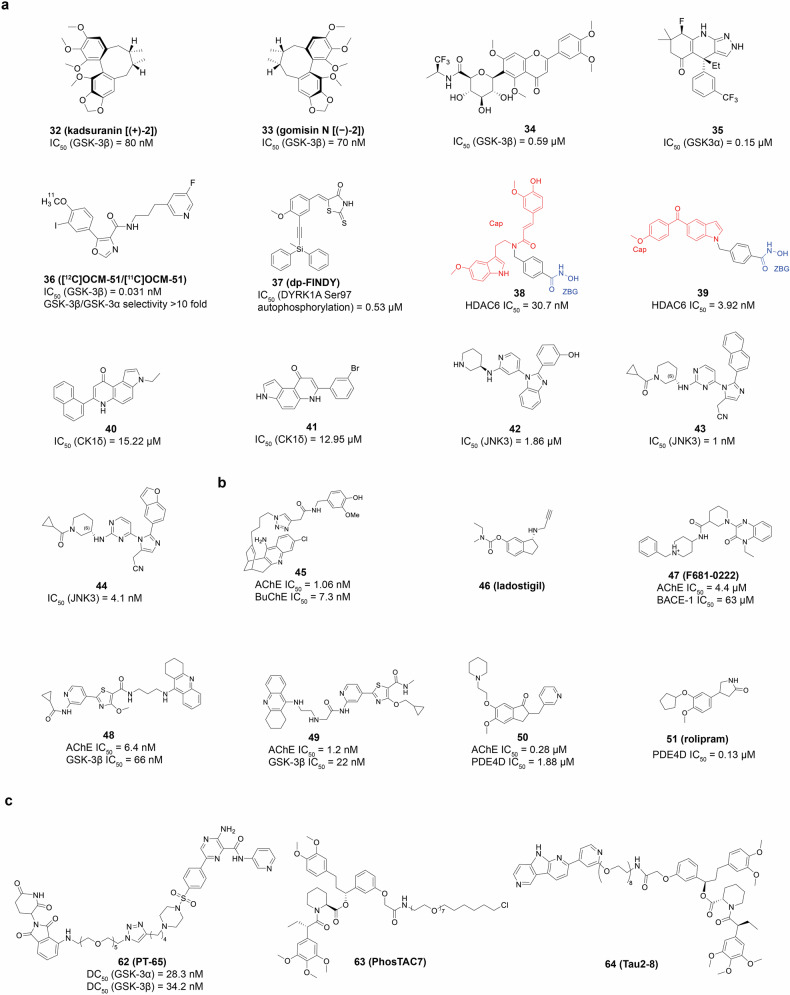
“For example, the GSK-3 degrader PT-65 ( 62 ), developed through click chemistry, exhibited a more prolonged effect on p-tau than its GSK-3 warhead (a GSK-3 inhibitor).”
BackgroundScheltens, P., De Strooper, B., Kivipelto, M., Holstege, H., Chételat, G., Teunissen, C. E., Cummings, J., & van der Flier, W. M. (2021) · The Lancet · doi:10.1016/s0140-6736(20)32205-4 · Cited by 5,465
Cui, C., Cui, J., Jin, F., Cui, Y., Li, R., Jiang, X., Tian, Y., Wang, K., Jiang, P., & Gao, J. (2017) · Cellular Physiology and Biochemistry · doi:10.1159/000479571 · Cited by 5,203
Querfurth, H. W., & LaFerla, F. M. (2010) · New England Journal of Medicine · doi:10.1056/nejmra0909142 · Cited by 4,569
Alzheimer's Disease and Senile Dementia: Loss of Neurons in the Basal Forebrain
Whitehouse, P., Price, D., Struble, R., Clark, A., Coyle, J., & DeLong, M. R. (1982) · Science · doi:10.1126/science.7058341 · Cited by 3,627
Crosstalk of reactive oxygen species and NF-κB signaling
Morgan, M. J., & Liu, Z.-G. (2011) · Cell Research · doi:10.1038/cr.2010.178 · Cited by 3,505
Research works printed but not linked: 3
- Cline, E. N., Bicca, M. A., Viola, K. L. & Klein, W. L. The Amyloid-β Oligomer Hypothesis: Beginning of the Third Decade. J. Alzheimers Dis. 64, S567–S610 (2018). 29843241 10.3233/JAD-179941 PMC6004937 · DOI · Paper page
- Cescon, E. et al. Scaffold Repurposing of in-House Chemical Library toward the Identification of New Casein Kinase 1 δ Inhibitors. ACS Med. Chem. Lett. 11, 1168–1174 (2020). 32550997 10.1021/acsmedchemlett.0c00028 PMC7294733 · DOI · Paper page
- Zhang, Y. et al. Amyloid β-based therapy for Alzheimer’s disease: challenges, successes and future. Signal Transduct. Target Ther. 8, 248 (2023). 37386015 10.1038/s41392-023-01484-7 PMC10310781 · DOI · Paper page
Cited by
Items 1,001–1,100 of 1,144
Jia, M., Mei, J., Guan, Y., Wang, Z., & Ai, H. (2026) · ACS Chemical Neuroscience · doi:10.1021/acschemneuro.6c00207
Li, J., Yang, X., Xu, H., Pan, W., Shi, C., Xia, N., Cheng, Y., Meng, F., Li, H., Liu, J., et al. (2026) · BMJ Open · doi:10.1136/bmjopen-2025-108844
Wang, H., Matei, E. K., Dou, J., Morgan, R. K., Colacino, J. A., & Bakulski, K. M. (2026) · medRxiv · doi:10.64898/2026.07.21.26358590
“2 The etiology of AD is a combination of genetic and environmental factors, 1 and an estimated 45% of risk of dementia is attributed to known modifiable factors.”
Correlative Multimodal Label-Free and Immunofluorescence Imaging of Alzheimer’s Disease Hallmarks
Bae, K., Juhong, A., Aksamitiene, E., Yang, Z., Tehrani, K. F., & Boppart, S. A. (2026) · Optics in the Life Sciences · doi:10.1364/microscopy.2026.mt3b.2
Chen, J., & Zhang, Z. (2026) · Frontiers in Aging Neuroscience · doi:10.3389/fnagi.2026.1855269
“It is characterized by the 10.3389/fnagi.2026.1855269 extracellular accumulation of plaques containing β -amyloid (A β ) and the intracellular formation of tangles of tau protein-containing neuroproteins fibers (Zhang et al., 2024).”
InfluentialFerroptosis-related biomarkers for diagnosis and mechanistic insights into Alzheimer’s disease
Zhao, M., Sui, X., Li, J. S., Wang, Q., Sun, Y. M., Zheng, H., & Li, B. (2026) · Frontiers in Aging Neuroscience · doi:10.3389/fnagi.2026.1857642
Ren, Y., Li, Y., Wang, L., Fan, M., & Ren, Y. (2026) · Food Bioscience · doi:10.1016/j.fbio.2026.109591
Zhou, Y., Diao, Y., Yan, Z., Shui, X., Huang, Z., Sun, Y., Wang, S. W., Xia, Y., Lee, T. H., & Wang, L. (2026) · Biomolecules · doi:10.3390/biom16081075
“Abnormal A β deposition in the brain is hypothesized to be an early hallmark and fundamental cause of both autosomal dominant AD and sporadic LOAD [3,71–73].”
Self-citationForbes-Hernández, T. Y., Quiles-Ramírez, C., Giampieri, F., Godos, J., Grosso, G., Rodríguez-Velasco, C. L., Xiao, J., 丁茂文, Battino, M. A., Rivas‐García, L., et al. (2026) · International Journal of Molecular Sciences · doi:10.3390/ijms27156591
Awwad, Z. M. (2026) · Inflammopharmacology · doi:10.1007/s10787-026-02345-9
“Alzheimer’s disease (AD) is a neurodegenerative debili - tating disorder characterized by multiple pathological manifestations, including amyloid-β (Aβ) plaques, neuro-inflammation, and apoptosis (Zhang et al. 2024).”
In silico dysbiosis-associated neuroprotective metabolite insufficiency in Alzheimer’s disease
Shaer, N. A., & Al-Abbas, N. S. (2026) · Open Medicine · doi:10.1515/med-2026-1484
“The etiology of AD is widely recognized as complex and multifactorial, shaped by genetic susceptibility, environmental in fl uences, and age-related alterations in neurobiology [1, 3].”
Sustainable Synthesis of 3‐(1 H ‐Indol‐3‐yl)propionic Acid Derivatives with Anti‐Alzheimer Activity
García, F. F., Martínez-Fernández, C., Griñán‐Ferré, C., & Liñares, G. G. (2026) · ChemMedChem · doi:10.1002/cmdc.70395
López-León, C. F., Sala‐Jarque, J., del Río, J. A., & Soriano, J. (2026) · Biomedicines · doi:10.3390/biomedicines14081670
“These pathological forms of tau (pTau) disrupt neuronal communication and impair synaptic plasticity [1], overall contributing to cognitive decline across a range of tauopathies [2,3], including Alzheimer’s disease (AD) [4,5] and frontotemporal lobar degeneration [6].”
Choi, I.-A., Yun, J. H., Lee, J., et al. (2026) · Pharmaceuticals · doi:10.3390/ph19081155
“…still lack broadly effective treatments that modify underlying pathological processes, rather than only providing symptomatic relief, partly because of their multifactorial pathophysiology involving excitotoxicity, oxidative stress, neuroinflammation, and blood–brain barrier (BBB) disruption [2,3].”
Lee, J., & Yoon, H. (2026) · Applied Geography · doi:10.1016/j.apgeog.2026.104120
Hefny, A. A., Karuturi, R. C., Madhuranthakam, C. M. R., & Rao, P. P. N. (2026) · Journal of Medicinal Chemistry · doi:10.1021/acs.jmedchem.6c01959
Xue, H., Zhu, X., & Hao, H. (2026) · Pharmacognosy Magazine · doi:10.1177/09731296261466884
Wu, A., Zeng, Y., Huang, Y., Chen, L., Guo, S., Wang, J., Mou, X., & Chang, X. (2026) · Extracellular Vesicles and Circulating Nucleic Acids · doi:10.20517/evcna.2026.43 · Cited by 1
Self-citationPeripheral Administration of isoD7-Aβ Exacerbates Motor Deficits and Tau Pathology in P301S Mice
Stepenko, Y. V., Щеблыкина, О. В., Zhunusov, N. S., Shmigerova, V. S., Kozin, S. A., Mitkevich, V. A., Radchenko, A. I., Kuzubova, E. V., Khalzov, L., & Корокин, М. В. (2026) · Frontiers in Bioscience-Landmark · doi:10.31083/fbl53279
Preclinical assessment of intravenous human ficolin-2 administration for Alzheimer's disease
Huang, X., Liu, Y., Miao, Q., Zhang, H., Tang, X., Feng, B., Zhang, L., Dan, T., Tian, L., Cong, P., et al. (2026) · Genes & Diseases · doi:10.1016/j.gendis.2026.102391
Self-citationLiao, K., Xie, M., & Ibáñez, C. F. (2026) · Molecular Psychiatry · doi:10.1038/s41380-026-03810-1
Subramanian, L., Wu, C., Bai, W., Lin, Y., Wu, K. C.-W., & Chung, R. (2026) · ACS Applied Bio Materials · doi:10.1021/acsabm.6c01023
Sharma, S., Sharma, S., Raghuvanshi, V., Kumari, S., Singh, S., Butcher, R. J., Srikrishna, S., & Katiyar, D. (2026) · RSC Advances · doi:10.1039/d6ra01662f
Majid, A., & Garg, S. (2026) · Industrial & Engineering Chemistry Research · doi:10.1021/acs.iecr.6c02494
Exosomes in brain diseases: Mechanisms, advances, and perspectives
Cheng, Q., Zhu, Y., Lv, S., Chen, R., Liu, P., & Ji, X. (2026) · Bioactive Materials · doi:10.1016/j.bioactmat.2026.07.055 · Cited by 1
“In addition, the restrictive BBB and insufficient lesion-specific targeting further limit the brain delivery and in vivo efficacy of conventional therapeutics [137].”
Lei, Y., Liu, L., & Tang, Y. (2026) · Ageing Research Reviews · doi:10.1016/j.arr.2026.103287 · Cited by 1
Bis(styryl)benzene Probes for Targeting Early-Stage Amyloid-β Aggregates in Alzheimer’s Disease
GUTIERREZ, C. G., Mina, M., An, J., Bhowmik, S., Xu, K., Salaiza, J. A., Chen, K., Sayed, T. E., & Mirica, L. M. (2026) · ACS Chemical Neuroscience · doi:10.1021/acschemneuro.6c00429 · Cited by 1
Torunoğlu, E. İ., Sarı, Z. B., Sari, M. E., & Aytar, E. C. (2026) · Biotechnology and Bioengineering · doi:10.1002/bit.70334
A ROS-responsive nanoplatform for early MRI diagnosis and management of Alzheimer’s disease
Yang, Q., Song, Y., Lei, L., Zhou, Y., Tong, F., Gao, H., & Chen, F. (2026) · Acta Pharmaceutica Sinica B · doi:10.1016/j.apsb.2026.07.054
Sharma, R., Banerjee, S., Arya, R., Tiwari, V. K., Prajapati, P. K., Chen, K., & Sharma, R. (2026) · Journal of Pharmacological Sciences · doi:10.1016/j.jphs.2026.08.001
Jiang, B., Wang, J., Cheang, W. S., Chung, S. K., & Xu, B. (2026) · Journal of Future Foods · doi:10.1016/j.jfutfo.2026.08.020
Self-citationLin, X., Wei, Z., Dong, X., & Sun, Y. (2026) · Journal of Colloid and Interface Science · doi:10.1016/j.jcis.2026.141317
Negev, S., Gruenbaum, B. F., Zvenigorodsky, V., Bitansky-Brosch, S., Shelef, I., Grinshpun, J., Zeldetz, V., Melamed, I., Zlotnik, A., & Boyko, M. (2026) · GeroScience · doi:10.1007/s11357-026-02447-w
Cardiorespiratory Fitness, Coronary Artery Calcium, and Risk of Later-Life Dementia
Gerber, Y., Leonard, D., Shuval, K., Barlow, C. E., Meernik, C., Pavlovic, A., Li, Q., Appiah, D., Gabriel, K. P., Radford, N. B., et al. (2026) · JACC Advances · doi:10.1016/j.jacadv.2026.103079 · Cited by 1
Evolving Recent Paradigm in Chemoprevention of Kidney Cancer
Garg, N., Saini, R. V., & Buttar, H. S. (2026) · Springer eBooks · doi:10.1007/978-981-92-1158-6_5
Peng, L., Wu, Z., Yuan, X., Zhou, C., & Fu, H. (2026) · Frontiers in Immunology · doi:10.3389/fimmu.2026.1910604
Paelaong, N., Sripha, K., & Boondam, Y. (2026) · Molecular Neurobiology · doi:10.1007/s12035-026-06114-1
“In addition, the apolipoprotein E (APOE) ε4 allele, one of the major genetic risk factors in sporadic AD, was found to impair Aβ clearance [32].”
InfluentialDual-contrastive modality recovery for incomplete multi-modal brain disease diagnosis
Cui, J., Ye, W., Wen, J., & Zhu, Q. (2026) · Medical Image Analysis · doi:10.1016/j.media.2026.104259
Dzib, E., Hernández‐Ayala, L. F., Silva‐Aguirre, S., & Galano, A. (2026) · ChemMedChem · doi:10.1002/cmdc.70429
“Other cause of AD is the dramatic decrease of the acetylcholine (ACh) levels due to a decline in ACh synthesis by choline acetyltransferase (ChAT) combined with an increase in ACh degradation by acetylcholinesterase (AChE) [6 – 8].”
InfluentialReprogramming lipid metabolism in virus-infected neuronal cellsPreprint
Li, L., Qu, H., Fu, W., & Feng, S. (2026) · Research Square · doi:10.21203/rs.3.rs-10472222/v1
“…chromosomal abnormalities have been directly linked to neurodevelopmental and neurodegenerative diseases (3, 4), whereas environmental factors, including microbial infection, toxic exposures, and lifestyle-associated insults, substantially influence brain homeostasis and disease development (5, 6).”
Zhifeng, 周. Z., Mingliang, 周. Z., Zi, 金. J., et al. (2026) · Laser & Optoelectronics Progress · doi:10.3788/lop252584
Yaqoob, F., Sadeghian, N., Tokalı, F. S., Taslımı, P., Alkhedaide, A. Q., Althobaiti, A., Uluçay, O., Ibrahim, M. M., Zaki, M. E. A., Gomha, S. M., et al. (2026) · Archiv der Pharmazie · doi:10.1002/ardp.70315
Sonu, Albadrani, G. M., Fawzy, M. S., Anajirih, N., Verma, S., Altalhi, R., Sayed, A. A., Abdel‐Daim, M. M., Porwal, M., & Yadav, P. (2026) · Journal of Molecular Structure · doi:10.1016/j.molstruc.2026.147343
Tang, F., Huang, L., Wang, Y., Wang, S., Ji, W.-S., Gao, F., Sun, L. L., & Xu, J. (2026) · ChemMedChem · doi:10.1002/cmdc.70431
“However, though these drugs can transiently alleviate symptoms in early-stage AD, they cannot halt disease progression [2].”
Alzheimer’s disease blood biomarkers reveal proteomic modules of disease progressionPreprint
Butler, R. R., Brown, M. P., Weber, A., Cary, G. A., Guen, Y. L., Losada, P. M., Mendiola, J. H., Henderson, V. W., Sha, S. J., Poston, K. L., et al. (2026) · medRxiv · doi:10.64898/2026.08.14.26360394 · Cited by 1
Wu, Y., Xu, Q., Qin, Z.-H., Wu, X., Hu, Z., Yang, W., Ren, P.-Y., Tian, Y.-Y., Lin, Z., & Xian, Y. (2026) · Acta Pharmacologica Sinica · doi:10.1038/s41401-026-01896-5 · Cited by 1
Lu, B., Zhang, M., Ren, Z., Wang, T., Wang, Z., & Ding, C. (2026) · Brain Sciences · doi:10.3390/brainsci16080868
“Despite extensive research, effective disease-modifying treatments remain limited, partly because AD involves multiple interacting pathological processes, including amyloid-β accumulation, tau pathology, oxidative stress, and neuroinflammation [2,3].”
Nanotechnology to Engineer the Surface of Immune Cells
Zhang, Z., & King, M. R. (2026) · ACS Nanoscience Au · doi:10.1021/acsnanoscienceau.6c00056
Yoo, H.-S., Yu, P., Zhou, C., Hosseini, A., Granville, D. J., & Matsubara, J. A. (2026) · Acta Neuropathologica · doi:10.1007/s00401-026-03061-y · Cited by 1
“This function is particularly relevant to AD, which is characterized by the accumulation of extracellular amyloid β plaques and intracellular neurofibrillary tangles composed of aggregated tau [142].”
Diaz, M. M., Dayan, E., The Health and Aging Brain Study (HABS‐HD) Study Team, & Initiative, T. F. L. D. N. (2026) · medRxiv · doi:10.64898/2026.08.18.26360683
Wang, M., Qian, Y., Huang, E., Chu, C., Gao, T., Chen, S., Zhao, N., Luo, C., Liu, Y., Zheng, X., et al. (2026) · Frontiers in Immunology · doi:10.3389/fimmu.2026.1911726
“Despite decades of research centered on the amyloid cascade hypothesis, truly disease-modifying therapies have remained elusive (19, 20).”
Ragolia, L. (2026) · Molecular Biomedicine · doi:10.1186/s43556-026-00552-y
Targeting soluble misfolded oligomers in anti-amyloid research
Vosbein, P., Mao, H., & Lou, C. (2026) · Nature Reviews Chemistry · doi:10.1038/s41570-026-00867-y
Discovery of novel RIPK3 inhibitors by virtual screening and bioactivity evaluation
Fu, C., Qin, L., Yang, Y., Gu, S., Zhao, W., Yao, X., & Liu, H. (2026) · Molecular Diversity · doi:10.1007/s11030-026-11680-6
Endolysosomal pathway and autophagy dysregulation in Alzheimer’s disease
Singh, A., Gulati, I., Darshna, D., & Tiwari, S. S. (2026) · International review of neurobiology · doi:10.1016/bs.irn.2026.08.002
Kumar, A., Kaushik, A., Devi, A., Ankalgi, A. D., Ashawat, M. S., Alharbi, H. M., Amin, M., Khojah, A. A., Ahmad, S., & Zaki, M. E. A. (2026) · Drug Development Research · doi:10.1002/ddr.70371
Gao, F., Luo, G., Liu, B., Qiu, X., Bai, J., & Wang, R. (2026) · iScience · doi:10.1016/j.isci.2026.117250
“8 As AD progresses, worsening ABC symptoms and declining QoL increase care dependency and impose substantial social and economic burdens on families and healthcare systems.”
Treating neurological diseases through epigenetic inhibition: A neuroepigenetic therapy hypothesis
Reddy, D. S., Franklin, L., Golub, V. M., Desai, H., & Ramakrishnan, S. (2026) · Journal of Pharmacology and Experimental Therapeutics · doi:10.1016/j.jpet.2026.105019 · Cited by 2
Perezcano, C., Pérez-Coria, M., & Ricardi-Mendoza, Á. (2026) · Life · doi:10.3390/life16091410
“…promising research spans anti-amyloid monoclonal antibody therapies, protein-targeting therapies, enzyme inhibitors, mineral-based interventions, functional lifestyle protocols, integrative protocols, and cell and gene therapies, including cellular re-programming approaches, among others [2–4].”
Miyahara, R., Miyajima, M., Nakajima, M., Ogino, I., Horikoshi, K., Sakamoto, K., Kawamura, K., Akiba, C., Yamada, S., Kostadin, K., et al. (2026) · Research Square · doi:10.21203/rs.3.rs-10596838/v1
Yang, C., & Wu, Y. (2026) · Geriatric Nursing · doi:10.1016/j.gerinurse.2026.104307
From adolescence to Alzheimer’s: a neurodevelopmental lifespan model of cognitive vulnerability
Pasricha, S., & Kaur, S. (2026) · Neurological Sciences · doi:10.1007/s10072-026-09304-w
“There is growing evidence that inherited genetic variation is implicated not only in late-life neurodegeneration but also in brain development in early life, cognitive patterns, and resilience to neural cortical forms over the long term [ 21 ].”
Measuring olfactory learning and memory in rodents
Brown, R. E., Roddick, K. M., & Ortibus, W. M. (2026) · Current Research in Behavioral Sciences · doi:10.1016/j.crbeha.2026.100225 · Cited by 1
Polysaccharides targeting organelle network dysfunction in Alzheimer's disease: A review
Yu, X., Gao, P., Yao, Q., Yuan, F., & 经维新 (2026) · International Journal of Biological Macromolecules · doi:10.1016/j.ijbiomac.2026.154255
Xia, M. (2026) · International Journal of Biology and Life Sciences · doi:10.54097/mqbe0j16
“The MCI (mild cognitive impairment) has been generally defined as a critical prodromal phase of AD [3].”
Gene–Environment Interactions in Metal-Associated Neurodegenerative Diseases
Elavarasi, T., Saranraj, P., & Lokeshwari, B. (2026) · IGI Global eBooks · doi:10.4018/979-8-2600-1403-5.ch005
Multitargeted drug strategies for Alzheimer’s and Parkinson’s diseases
Khan, A. U., Abdullah, A., Naqvi, S. F., Tahir, H., Khalid, H., Sarfraz, H., & Khan, Y. (2026) · Zeitschrift für Naturforschung C · doi:10.1515/znc-2026-0116
“The primary role of biomarkers is an important trend in AD clinical trial design [16].”
Novel 1,4-Diazepane derivatives as amyloid-beta (Aβ) aggregation inhibitors
Karuturi, R. C., Hefny, A. A., Shakeri, A., & Rao, P. P. N. (2026) · Frontiers in Chemistry · doi:10.3389/fchem.2026.1919936
“Current therapeutic approaches for AD are largely limited to symptomatic relief and do not treat the underlying disease pathology (Zhang et al., 2024).”
Decoding disease progression: Biomarker in Alzheimer’s and Parkinson’s disease
Paul, S., Rai, S., & Kumar, S. (2026) · Advances in pharmacology · doi:10.1016/bs.apha.2026.04.001
Gunasekaran, S. K., K., H. K. C., Gobinath, M., Roychowdhury, P., & Manjula, S. N. (2026) · DARU Journal of Pharmaceutical Sciences · doi:10.1007/s40199-026-00647-5
Sequential Molecular Interactions Shape Aβ42 Aggregation, Propagation, and ToxicityPreprint
Curto, J. S., Collell, G. P., Ruiz, M., Villegas, S., Fernández, M. R., & de Groot, N. S. (2026) · bioRxiv (Cold Spring Harbor Laboratory) · doi:10.64898/2026.08.27.747468
Sahli, C., Zhu, H., & Kenry, K. (2026) · Chemical Communications · doi:10.1039/d6cc02973f
Basir, H. S., Rashno, M., Gholipour, P., Faraji, N., Tork, Y. J., Naseri, E., Komaki, A., & Ghaderi, S. (2026) · Biomedicine & Pharmacotherapy · doi:10.1016/j.biopha.2026.119884
de Ávila, C., Chakraborti, A., Gundlach, A. L., & Maeng, L. Y. (2026) · Frontiers in Aging Neuroscience · doi:10.3389/fnagi.2026.1852733
Insomnia symptoms and stress exposure interact in relation to Alzheimer’s disease biomarkers
Holleman, J., Kåreholt, I., Yerramalla, M. S., Sørensen, C., Hagman, G., Aspö, M., Kivipelto, M., Solomon, A., & Sindi, S. (2026) · Journal of Neurology · doi:10.1007/s00415-026-14102-7
“Aβ and tau accumulation have been common targets of drug development efforts for AD [64].”
Strategies for suppressing immune responses in the brain
Vasantharekha, R., Santosh, W., Pratap, U. P., & Amala Reddy, D. (2026) · Elsevier eBooks · doi:10.1016/b978-0-443-44631-3.00003-2
Li, J., Liu, Q., Ma, Q., Shen, T., Xia, J., Yang, X., Liu, K., Li, N., & Yan, B. (2026) · Journal of Global Health · doi:10.7189/jogh.16.04311
“Clinically, patients exhibit a range of symptoms ranging from early mood disturbances ( e.g. depression and anxiety) to advanced cognitive impairment and neuropsychiatric manifestations [ 6 ].”
Imidazo[1,2-a]pyridine-based HDAC6 inhibitor a17 for the treatment of Alzheimer's disease
Han, Z., Liu, W., Fu, W., Wang, K., Tan, Z., Zhang, D., Yang, F., Dong, W., & Sang, Z. (2026) · European Journal of Pharmacology · doi:10.1016/j.ejphar.2026.179320
Sarabia‐Vallejo, Á., Fuente-Tovar, M., Clerigué, J., López‐Alvarado, P., Ran, C., Martín, M. A., & Menéndez, J. C. (2026) · Bioorganic Chemistry · doi:10.1016/j.bioorg.2026.110475
Joshi, A., Salunkhe, J., & Ugale, V. G. (2026) · Molecular Biology Reports · doi:10.1007/s11033-026-12722-w
“Notably, data suggest that the impaired Aβ clearance, rather than overpro - duction alone, is a major underlying cause of its accumula - tion in the AD [5– 7].”
Shakir, S. A., Tan, J. K., & Chin, K. (2026) · Pharmaceuticals · doi:10.3390/ph19091407
“These pathways include A β accumulation, tau hyperphosphorylation, synaptic dysfunction, oxidative stress, and neuroinflammation [10].”
Alzheimer’s Disease: Progress in Biomarkers, Diagnostics and Therapies
Wilson, E. N., Sommer, B., Scheltens, P., & Nikolich, K. (2026) · Springer eBooks · doi:10.1007/978-3-032-31497-0_8
Salihoğlu, E. M., ELÇİ, M. P., Fatsa, T., ÖREN, S., Ulutaş, O. K., & Yardım-Akaydin, S. (2026) · Molecules · doi:10.3390/molecules31183172
“It accomplishes this by prompting modifications in peripheral cytokine secretion, trauma, and stress [9,10].”
Zhao, J., Zhang, S., Gao, D., Xie, L., Wang, Y., & Peng, D. (2026) · Brain Research Bulletin · doi:10.1016/j.brainresbull.2026.112116
Wusiyin, M., Wei, X., Liu, X., Aheizan, A., Maituzi, A., & Huang, R. (2026) · Research Square · doi:10.21203/rs.3.rs-10579672/v1
Bach, D., Hoang, V. H., & Nguyễn, T. L. (2026) · Molecular Neurobiology · doi:10.1007/s12035-026-06193-0
Wang, A., Sang, Y., Zheng, M., Zhang, D., & Ismail, M. (2026) · Asian Journal of Pharmaceutical Sciences · doi:10.1016/j.ajps.2026.101199 · Cited by 1
Silva, V.-F. D., Gayger-Dias, V., Gayger-Dias, V., Sobottka, T. M., Silva, A. C. R., Biolchi, B. C. R., da Silva, L. F., Zasso, N., Weber, F. B., Schimitz, I., et al. (2026) · Neurochemical Research · doi:10.1007/s11064-026-04884-7
Abortive transcripts in exosomes - A potential biomarker for Alzheimer’s disease
Wu, H., Zhang, N., Yan, W., Li, C., Zhang, X., Xv, X., Fang, F., Qin, S., & Zhao, L. (2026) · PLoS ONE · doi:10.1371/journal.pone.0357752
“Future research should focus on standardising exosome isolation protocols, utilizing microfluidic platforms for exosome detection to facilitate translation to clinical applications [37,47,48] and enable precise characterization of extracellular vesicles in neurodegenerative diseases [46,49,50].”
Heidarian, S., Faizi, M., Alemi, M., Garmabdari, A., Nikray, N., Khoramjouy, M., Hajimahdi, Z., & Zarghi, A. (2026) · Iranian journal of pharmaceutical research · doi:10.5812/ijpr-172672
Rakshit, D., Nema, M., & Mishra, A. (2026) · Biomedicine & Pharmacotherapy · doi:10.1016/j.biopha.2026.119833
Lipid-conjugated siRNA targeting SARM1 enables CNS silencing and mitigates alzheimer-like phenotypes
Cai, Y., Hou, Q., Cheng, Z., Cheng, Y., Zhang, E., Li, Y., Zhang, X., Wang, C., Hu, T., Tian, G., et al. (2026) · Bioorganic Chemistry · doi:10.1016/j.bioorg.2026.110526 · Cited by 1
Grønlie, M. B., Kollstrøm, A. M., Sandvig, A., & Sandvig, I. (2026) · bioRxiv (Cold Spring Harbor Laboratory) · doi:10.64898/2026.09.08.750089
Autophagy-lysosomal pathway in neurodegeneration
McDonough, S. R., Rao, A. K., McAleer, J. M., Babrowicz, B. M., & Sharma, M. (2026) · Molecular Neurodegeneration Advances · doi:10.1186/s44477-026-00041-0
“The accumulation of misfolded protein aggregates form the histopathological hallmarks of AD in the brain and include extracellular amyloid-beta (Aβ) plaques and intracellular inclusions of hyperphosphorylated microtubule-associated protein tau, termed neurofibrillary tangles [53].”
Machine Learning-Guided Discovery of Natural BACE1 Inhibitors with Enzymatic and Cellular Validation
Bai, Y., Zhao, J., Zhang, S., et al. (2026) · ACS Omega · doi:10.1021/acsomega.6c07963
Zhu, Z., Jiang, L., Sun, T., Chen, X., Chen, H., & Li, J. (2026) · ACS Nano · doi:10.1021/acsnano.6c10760
Han, S., Liu, F., Wang, D., & Song, G. (2026) · Frontiers in Pharmacology · doi:10.3389/fphar.2026.1933588
“To date, three monoclonal antibodies (mAbs), aducanumab, donanemab, and lecanemab, have been approved for AD treatment (Cummings et al., 2024; Zhang et al., 2024).”
Todkar, R. R., Shirote, P. J., Mohite, S., Honmane, S. M., Angolkar, M., & Osmani, R. A. M. (2026) · BioNanoScience · doi:10.1007/s12668-026-02866-1
Benabbou, A., Khibech, O., Draoui, Y., et al. (2026) · Journal of Chemical Crystallography · doi:10.1007/s10870-026-01115-3
Chen, Z., Zhang, G., & Chang, Y. (2026) · International Conference on Machine Learning and Neural Networks · doi:10.1145/3821725.3821819
Metadata
- Authors
- Zhang, J., Zhang, Y., Wang, J., Xia, Y., Zhang, J., & Chen, L.
- Affiliations
- Sichuan University (CN)
- University of Tennessee Health Science Center (US)
- Corresponding author
- Chen, Lei
- ORCID
- Wang, Jiaxing
- Venue
- Signal Transduction and Targeted Therapy
- Published
- 2024-08-23
- Volume
- 9
- Issue
- 1
- Pages
- 211-211
- ISSN
- 2059-3635 (ISSN-L)
- PMC
- PMC11344989
- OpenAlex
- W4401806028
- Semantic Scholar
- 8ff7d224cd5f81cb22fca07098d6f0ed92abd2bf
- Cited by
- 1,138
- References
- 674
- Citations by year
- 2026: 516 · 2025: 588 · 2024: 32
- FWCI
- 335.63
- Type
- journal article
- Language
- en
- Open access
- gold
- doi.org
- Licence
- cc-by
- creativecommons.org/licenses/by/4.0 (tdm)
- creativecommons.org/licenses/by/4.0 (vor)
- Locations
- Signal Transduction and Targeted Therapy (publishedVersion, cc-by)
- PubMed (publishedVersion)
- PubMed Central (submittedVersion, cc-by)
- DOAJ (DOAJ: Directory of Open Access Journals) (submittedVersion, cc-by-sa)
- Topics
- Health Sciences › Medicine › Pharmacology (medical) › Cholinesterase and Neurodegenerative Diseases
- Life Sciences › Neuroscience › Cellular and Molecular Neuroscience › Alzheimer's disease research and treatments
- Life Sciences › Biochemistry, Genetics and Molecular Biology › Molecular Biology › Phosphodiesterase function and regulation
- Keywords
- Alzheimer's disease, Alzheimer's disease pathogenesis, amyloid hypothesis, tau protein, cholinergic hypothesis, neuroinflammation, oxidative stress, microbiota-gut-brain axis
- MeSH terms
- Drug Development, Alzheimer Disease
About these checks
Registry, retraction, Cites and statistics results are computed, not judged, with one exception: a printed reference that no index lists is read once by a model before it counts as a citation error. Claims are extracted by a model and kept only when their quote appears verbatim in the text; each cited source is then checked, with a model’s help, for whether it says what the claim relies on. Those verdicts can be wrong — read the claim’s quote and the cited source before relying on one.
The claim verdicts this report counts are experimental: their accuracy is not yet measured.
A language model drew the claims from the paper on 2026-09-28, under version 3 of the claim definition (model deepseek-v4.1-flash, prompt extract-v3).
A second model labelled each claim on 2026-09-28 (model jev-1.13-20260917, definition revision gold-guideline-v0.2).
Cited sources are checked with a language model’s help (gpt-6-sol).
Statistics and arithmetic are recomputed, not judged.
Confidence bands are shown only for fields calibrated on our annotated test set. None is calibrated yet, so no band is shown.
What counts as a claim ›How we measure confidence ›How we check this ›
Are you an author, or do you see a problem with this page? Request a review
Data sources
Bibliographic data: Semantic Scholar, OpenAlex, Crossref.
Contains information from the Semantic Scholar Academic Graph Datasets, made available under the ODC Attribution License (ODC-BY 1.0).
Semantic Scholar’s data is described in: Kinney, R., et al. (2023). The Semantic Scholar Open Data Platform. arXiv:2301.10140.
