

Recent advances in Alzheimer's disease: Mechanisms, clinical trials and new drug development strategies.
Open accessThe DOI matches its Crossref record; 656 of the 674 references it cites were found in a registry or an index; 285 of the 444 sources its claims cite were checked for support.
Abstract
Available drugs primarily offer symptomatic relief, while newer anti-amyloid therapies may have disease-modifying effects but still require long-term efficacy and safety validation.
Overview
CoChat Summary
TL;DR
This review synthesizes recent mechanistic, biomarker, clinical-trial, and drug-development advances in Alzheimer’s disease (AD), emphasizing that AD remains multifactorial and that no single hypothesis fully explains its progression. It highlights new FDA-approved disease-modifying antibodies and emerging drug-design strategies such as selective inhibitors, dual-target inhibitors, allosteric modulators, covalent inhibitors, PROTACs, and PPI modulators.
Key findings
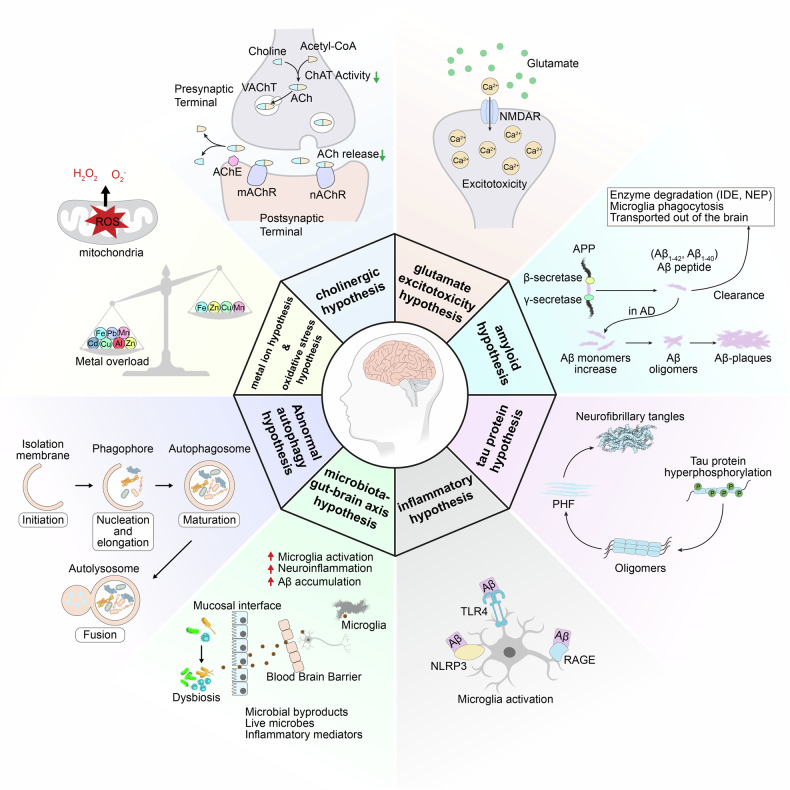
- AD is described as a complex disease involving multiple overlapping hypotheses and pathways, including cholinergic, amyloid, tau, neuroinflammation, oxidative stress, metal dyshomeostasis, glutamatergic excitotoxicity, microbiota-gut-brain axis, and abnormal autophagy.
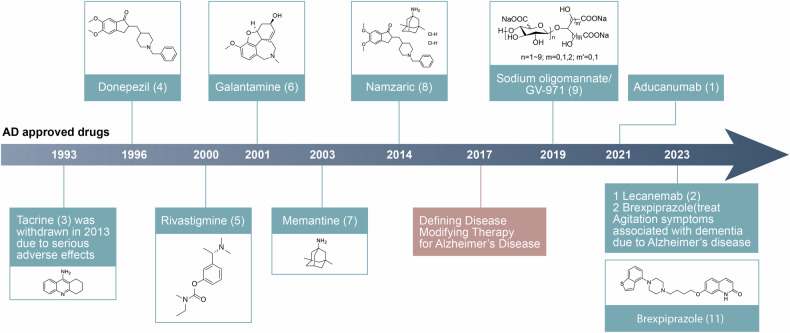
- The review states that recent FDA approvals of aducanumab and lecanemab suggest potential disease-modifying effects, but their long-term efficacy and safety still need further validation.
- For biomarker-based diagnosis, the paper reports that amyloid PET has 90% sensitivity and specificity for diagnosing AD, and that P-tau181 is the most accurate CSF indicator for distinguishing AD from non-AD dementia.
- Traditional symptomatic drugs remain limited: AChE inhibitors and memantine can improve symptoms, but they cannot alter disease course; the paper also notes the donepezil transdermal patch (Adlarity) was FDA-approved in 2022 and showed fewer gastrointestinal adverse events than oral administration.
Methods
- This is a narrative review of recent literature on AD mechanisms, biomarkers, clinical trials, and drug-development strategies.
- The paper synthesizes prior findings across mechanistic hypotheses, biomarker studies, clinical-trial reports, and preclinical/early-stage drug examples rather than presenting a new dataset.
- Its analysis is primarily descriptive and integrative, organizing the field by disease mechanism, diagnostic approach, and therapeutic modality.
Limitations
- The paper states that no unified theory explains AD and that the interplay among pathological aspects requires further elucidation and validation.
- It notes that the high failure rate of clinical trials limits validation of hypotheses and that the long-term efficacy and safety of newer drugs such as aducanumab and lecanemab still need further study.
- Evident from the text: much of the drug-development discussion is based on preclinical studies, animal models, or early-phase trials, so many proposed strategies remain unconfirmed in larger human studies.
Model-written summary of a shortened version of the paper’s full text (it is longer than we read). Check it against the paper before relying on it.
Integrity signals
Registry
Cites
Statistics
Figures
Verification
Claims the paper makes
187 Valid · 4 Not valid · 68 Not checked · 29 Own results and interpretations
At least one cited source doesn’t support this claim or points to a different paper, and none confirmed it — see the verdicts below.
In the paper
“However, recent approvals of aducanumab (1) and lecanemab (2) by the Food and Drug Administration (FDA) present the potential in disrease-modifying effects.”
§ Recent advances in Alzheimer’s disease: mechanisms, clinical trials and new drug development strategies > Abstract
What the sources say
- Not matchedcites [1] WHO. A blueprint for dementia research. Geneva: World Health Organization (2022).
Its entry has no title and year that we can search by.
- Disputedcites [2] Knopman, D. S. et al. Alzheimer disease. Nat. Rev. Dis. Prim. 7, 33 (2021). 33986301 10.1038/s41572-021-00269-y PMC8574196 sourceExperimental — accuracy not yet measured
The paper describes aducanumab as being considered by the FDA, not approved, and lecanemab as being in late-stage trials. It discusses possible clinical benefit from anti-amyloid therapies but says their future role remains uncertain. (LLM, conf=0.88)
Checked by a reasoning model — may be wrong.
hedgedstates a possible cause- Asserted: passes — The authors put it forward as true.
- Checkable: passes — It can be checked against evidence.
- Load-bearing: passes — The paper’s conclusions depend on it.
- Based: passes — The paper gives a reason why it holds.
- Not matched
Some cited sources support this claim and some don’t — read each source’s verdict below.
In the paper
“Proteomic studies found elevated C1q levels in MCI and AD groups, and increased CatB concentration in CSF Aβ42-positive cases.”
§ Recent advances in Alzheimer’s disease: mechanisms, clinical trials and new drug development strategies > Clinical trials of AD > Biomarkers for AD diagnosis
What the sources say
- Partly supportedcites [383] Yuyama, K. et al. Extracellular vesicle proteome unveils cathepsin B connection to Alzheimer’s disease pathogenesis. Brain 147, 627–636 (2023). 10.1093/brain/awad361 PMC10834236 38071653 sourceExperimental — accuracy not yet measured
The section “Elevated CatB levels in CSF and plasma extracellular vesicles during amyloid pathogenesis” reports significantly higher CSF extracellular-vesicle CatB in amyloid-positive than amyloid-negative groups. The claim omits the extracellular-vesicle qualifier; the reported increase is not established for CatB in CSF generally. Page numbers are not provided in our copy. (LLM, conf=0.85)
- Disputedcites [384] Chatterjee, M. et al. C1q is increased in cerebrospinal fluid‐derived extracellular vesicles in Alzheimer’s disease: A multi‐cohort proteomics and immuno‐assay validation study. Alzheimers Dement. 19, 4828–4840 (2023). 37023079 10.1002/alz.13066 sourceExperimental — accuracy not yet measured
Section 3.2.3 (page unavailable) reports that cathepsin B (CTSB) was significantly decreased in CSF-derived extracellular vesicles from AD patients compared with controls. It also reports no difference in CTSB levels in neat CSF between those groups, not an increase. The passage does not report a separate result for Aβ42-positive cases. (LLM, conf=0.88)
Checked by a reasoning model — may be wrong.
plainstates an association- Asserted: passes — The authors put it forward as true.
- Checkable: passes — It can be checked against evidence.
- Load-bearing: unclear — It is unclear whether the paper’s conclusions depend on it.
- Based: passes — The paper gives a reason why it holds.
- Partly supported
The sources with a verdict support this claim; the rest weren’t checked yet, have no full text we could read, or their verdicts aren’t rated yet.
In the paper
“New drugs, including sodium oligomannate (9, GV-971),54–56 aducanumab (1),57–59 lecanemab (2),60–62 and donanemab (10, currently under review for market approval),63 which aim to offer disease-modifying therapies that intervene in the progression of AD.”
§ Recent advances in Alzheimer’s disease: mechanisms, clinical trials and new drug development strategies > Introduction
What the sources say
- Not checked — no full text of the sourcecites [54] Syed, Y. Y. Sodium Oligomannate: First Approval. Drugs 80, 441–444 (2020). 32020555 10.1007/s40265-020-01268-1 source
- Supportedcites [55] Wang, T. et al. A phase II randomized trial of sodium oligomannate in Alzheimer’s dementia. Alzheimers Res. Ther. 12, 110 (2020). 32928279 10.1186/s13195-020-00678-3 PMC7489025 source
The citation attached to this paper concerns sodium oligomannate (GV-971), not the other named drugs. The Background contrasts drugs that do not slow AD pathology with disease-modifying approaches, and the Discussion describes GV-971 acting on Aβ aggregation and neuroinflammation. This supports the claim that it aims to intervene in disease progression; the claim does not say that it has been proven to do so. (LLM, conf=0.85)
- Supportedcites [56] Xiao, S. et al. A 36-week multicenter, randomized, double-blind, placebo-controlled, parallel-group, phase 3 clinical trial of sodium oligomannate for mild-to-moderate Alzheimer’s dementia. Alzheimers Res. Ther. 13, 62 (2021). 33731209 10.1186/s13195-021-00795-7 PMC7967962 source
The citation to this paper is attached to sodium oligomannate (GV-971), not the other drugs in the sentence. The Discussion says GV-971’s proposed effects on AD pathology may delay disease progression, while noting that its mechanism requires further investigation; this supports the claim that it aims to intervene in progression, rather than establishing that it does so. (LLM, conf=0.90)
- Supportedcites [57] Cummings, J. & Salloway, S. Aducanumab: Appropriate use recommendations. Alzheimers Dement 18, 531–533 (2022). 34314093 10.1002/alz.12444 PMC8792094 source
The citation attached to this source follows “aducanumab,” so the other named drugs are not attributed to it. The Additional information section describes aducanumab as addressing the underlying pathophysiology of AD, and the Abstract describes its expected outcome as slowing decline, while noting uncertainty about clinical benefit. (LLM, conf=0.91)
- Not checked — no full text of the sourcecites [58] Dhillon, S. Aducanumab: First Approval. Drugs 81, 1437–1443 (2021). 34324167 10.1007/s40265-021-01569-z source
- Supportedcites [59] Behl, T. et al. “Aducanumab” making a comeback in Alzheimer’s disease: An old wine in a new bottle. Biomed. Pharmacother.148, 112746 (2022). 35231697 source
The citation is attached to aducanumab, not to the other drugs listed. Section 2 calls aducanumab a disease-modifying agent for Alzheimer’s disease and distinguishes it from treatments that do not change or retard disease progression. (LLM, conf=0.93)
- Not checked — no full text of the sourcecites [60] Larkin, H. D. Lecanemab Gains FDA Approval for Early Alzheimer Disease. JAMA 329, 363 (2023). 36652625 10.1001/jama.2022.24494 source
- Not checked — no full text of the sourcecites [61] Harris, E. Alzheimer Drug Lecanemab Gains Traditional FDA Approval. JAMA 330, 495 (2023). 37466999 source
- Supportedcites [62] van Dyck, C. H. et al. Lecanemab in early Alzheimer’s disease. N. Engl. J. Med. 388, 9–21 (2023). 36449413 10.1056/NEJMoa2212948 source
The citation to this paper is attached to lecanemab, not the other drugs in the list. The introduction (p. 10) describes lecanemab as an anti-amyloid antibody being tested for early Alzheimer’s disease, and the conclusion (p. 16) reports moderately less clinical decline than with placebo. This supports describing it as aiming to modify disease progression, without claiming that long-term efficacy is established. (LLM, conf=0.92)
plainstates a cause- Asserted: passes — The authors put it forward as true.
- Checkable: passes — It can be checked against evidence.
- Load-bearing: unclear — It is unclear whether the paper’s conclusions depend on it.
- Based: passes — The paper gives a reason why it holds.
Every source the paper cites for this claim was checked and supports it.
In the paper
“The accumulation of Aβ is a hallmark pathological feature in both extensively studied autosomal dominant AD and sporadic late-onset AD patients.110”
§ Recent advances in Alzheimer’s disease: mechanisms, clinical trials and new drug development strategies > Mechanisms of AD > Amyloid hypothesis
What the sources say
- Supportedcites [110] Morris, J. C. et al. Autosomal dominant and sporadic late onset Alzheimer’s disease share a common in vivo pathophysiology. Brain 145, 3594–3607 (2022). 35580594 10.1093/brain/awac181 PMC9989348 source
The Introduction identifies cerebral Aβ accumulation as a molecular biomarker of Alzheimer’s disease and compares it in autosomal dominant AD and sporadic late-onset AD. The Abstract reports amyloid accumulation in both groups, though it was greater after symptomatic onset in the autosomal dominant group. (LLM, conf=0.90)
plainstates an association- Asserted: passes — The authors put it forward as true.
- Checkable: passes — It can be checked against evidence.
- Load-bearing: unclear — It is unclear whether the paper’s conclusions depend on it.
- Based: passes — The paper gives a reason why it holds.
- Supported
Every source the paper cites for this claim was checked and supports it.
In the paper
“Nonetheless, pathological changes in the brain begin during the preclinical stage, decades before clinical symptoms.”
§ Recent advances in Alzheimer’s disease: mechanisms, clinical trials and new drug development strategies > Introduction
What the sources say
- Supportedcites [4] 2023 Alzheimer’s disease facts and figures. Alzheimers Dement. 19, 1598–1695 (2023). 36918389 source
Section 2.4.1 describes brain changes in the preclinical phase before symptoms develop. Section 2.9 states that Alzheimer's disease begins 20 years or more before symptom onset, supporting the claimed timescale. (LLM, conf=0.92)
- Supportedcites [20] Lloret, A. et al. When does Alzheimer’s disease really start? The role of biomarkers. Int J. Mol. Sci. 20, 5536 (2019). 31698826 10.3390/ijms20225536 PMC6888399 source
Section 2 describes a preclinical stage with pathological brain changes and no evident clinical symptoms. Section 4 states that these lesions can begin decades before the earliest symptoms, while a person is still cognitively normal. (LLM, conf=0.94)
- Supportedcites [21] Porsteinsson, A. P. et al. Diagnosis of early Alzheimer’s disease: Clinical practice in 2021. J. Prev. Alzheimers Dis. 8, 371–386 (2021). 34101796 source
The Introduction describes preclinical Alzheimer’s disease as an asymptomatic stage with evidence of pathology and states that amyloid plaques typically appear about 20 years before cognitive impairment. “The importance of an early diagnosis” explicitly says the pathological hallmarks can be detected decades before symptoms. (LLM, conf=0.94)
plain- Asserted: passes — The authors put it forward as true.
- Checkable: passes — It can be checked against evidence.
- Load-bearing: passes — The paper’s conclusions depend on it.
- Based: passes — The paper gives a reason why it holds.
- Supported
123 more claims · 79 with their cited sources checked
Create a free account to see all 288 claims and to verify the 6 references still open.
- It may state two separate claims as one. 135
- Probably not a substantial claim. 31
Claims other papers make about this one
Each is checked against this paper’s own text: does it say what the citing paper says it does?
The source backs part of the claim, not all of it — or backs it for a different population, condition or comparison.
In the citing paper
“Tau hyperphosphorylation disrupts microtubule stability, promotes intraneuronal aggregates, synaptic dysfunction, and neuronal loss [5,6].”
From Theranostic Nanoplatforms for Alzheimer's Disease: A Critical Analysis of Conceptual Contradictions (2026) · cites this paper as [5]
Experimental — accuracy not yet measuredThe source backs part of the claim, not all of it — or backs it for a different population, condition or comparison.
In the citing paper
“Aβ aggregation into oligomers, fibrils, and senile plaques initiates a neurotoxic cascade, including tau hyperphosphorylation, mitochondrial dysfunction, and neuroinflammation [5].”
From Theranostic Nanoplatforms for Alzheimer's Disease: A Critical Analysis of Conceptual Contradictions (2026) · cites this paper as [5]
Experimental — accuracy not yet measuredThe source backs part of the claim, not all of it — or backs it for a different population, condition or comparison.
In the citing paper
“During this phase, NPs designed to target Aβ plaques—a key feature of AD—as well as anti-inflammatory pathways, have shown higher bioavailability and effectiveness [80, 144].”
From Targeted Nanoparticles for Drug Delivery Across the Blood–Brain Barrier in Early and Late Stages of Alzheimer's Disease: A Review (2026) · cites this paper as [80]
Experimental — accuracy not yet measuredThe cited source says what the claim attributes to it.
In the citing paper
“The pathophysiological process of AD is multifaceted, involving several key hypotheses: the cholinergic, glutamatergic, amyloid, tau protein, inflammatory, microbiota–gut–brain axis, oxidative stress, metal ion, and abnormal autophagy hypotheses, as shown in the summary of AD pathophysiology in Figure 1 [8].”
From Recent Advances in Therapeutics for the Treatment of Alzheimer’s Disease (2024) · cites this paper as [8]
The cited source says what the claim attributes to it.
In the citing paper
“Dysregulated processing of amyloid precursor protein (APP) generates toxic Aβ species, triggering oxidative stress, mitochondrial dysfunction, calcium dysregulation, and neuroinflammation [5].”
From Theranostic Nanoplatforms for Alzheimer's Disease: A Critical Analysis of Conceptual Contradictions (2026) · cites this paper as [5]
1 more claim about this paper
Create a free account to see every claim other papers make about this one.
Citations
Cites
Repertoires of Autophagy in the Pathogenesis of Ocular Diseases
Li, Y.-J., Jiang, Q., Cao, G.-F., Yao, J., & Yan, B. (2015) · Cellular Physiology and Biochemistry · doi:10.1159/000373980 · Cited by 16,304
NIA‐AA Research Framework: Toward a biological definition of Alzheimer's disease
Jack, C. R., Bennett, D. A., Blennow, K., Carrillo, M. C., Dunn, B., Haeberlein, S. B., Holtzman, D. M., Jagust, W., Jessen, F., Karlawish, J., et al. (2018) · Alzheimer's & Dementia · doi:10.1016/j.jalz.2018.02.018 · Cited by 10,537
Alzheimer's disease: the amyloid cascade hypothesis
Hardy, J. A., & Higgins, G. A. (1992) · Science · doi:10.1126/science.1566067 · Cited by 7,484 · cited 1×
“The amyloid cascade 143 has been proposed for over 30 years, which provided crucial insights into the mechanisms of AD ’ s onset and progression.”
BackgroundAlzheimer's Disease: Genes, Proteins, and Therapy
Selkoe, D. J. (2001) · Physiological Reviews · doi:10.1152/physrev.2001.81.2.741 · Cited by 6,063
Lecanemab in early Alzheimer's disease
van Dyck, C. H., Swanson, C. J., Aisen, P., Bateman, R. J., Chen, C., Gee, M., Kanekiyo, M., Li, D., Reyderman, L., Cohen, S., et al. (2023) · New England Journal of Medicine · doi:10.1056/nejmoa2212948 · Cited by 5,678 · cited 2×
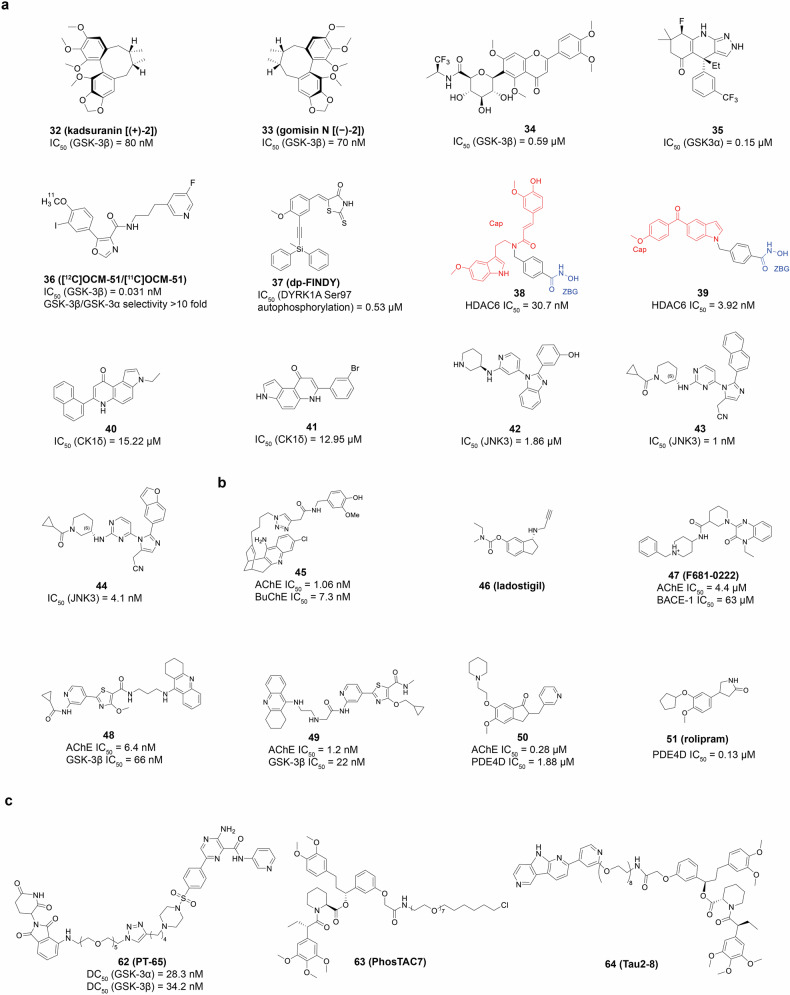
“For example, the GSK-3 degrader PT-65 ( 62 ), developed through click chemistry, exhibited a more prolonged effect on p-tau than its GSK-3 warhead (a GSK-3 inhibitor).”
BackgroundScheltens, P., De Strooper, B., Kivipelto, M., Holstege, H., Chételat, G., Teunissen, C. E., Cummings, J., & van der Flier, W. M. (2021) · The Lancet · doi:10.1016/s0140-6736(20)32205-4 · Cited by 5,465
Cui, C., Cui, J., Jin, F., Cui, Y., Li, R., Jiang, X., Tian, Y., Wang, K., Jiang, P., & Gao, J. (2017) · Cellular Physiology and Biochemistry · doi:10.1159/000479571 · Cited by 5,203
Querfurth, H. W., & LaFerla, F. M. (2010) · New England Journal of Medicine · doi:10.1056/nejmra0909142 · Cited by 4,569
Alzheimer's Disease and Senile Dementia: Loss of Neurons in the Basal Forebrain
Whitehouse, P., Price, D., Struble, R., Clark, A., Coyle, J., & DeLong, M. R. (1982) · Science · doi:10.1126/science.7058341 · Cited by 3,627
Crosstalk of reactive oxygen species and NF-κB signaling
Morgan, M. J., & Liu, Z.-G. (2011) · Cell Research · doi:10.1038/cr.2010.178 · Cited by 3,505
Research works printed but not linked: 3
- Cline, E. N., Bicca, M. A., Viola, K. L. & Klein, W. L. The Amyloid-β Oligomer Hypothesis: Beginning of the Third Decade. J. Alzheimers Dis. 64, S567–S610 (2018). 29843241 10.3233/JAD-179941 PMC6004937 · DOI · Paper page
- Cescon, E. et al. Scaffold Repurposing of in-House Chemical Library toward the Identification of New Casein Kinase 1 δ Inhibitors. ACS Med. Chem. Lett. 11, 1168–1174 (2020). 32550997 10.1021/acsmedchemlett.0c00028 PMC7294733 · DOI · Paper page
- Zhang, Y. et al. Amyloid β-based therapy for Alzheimer’s disease: challenges, successes and future. Signal Transduct. Target Ther. 8, 248 (2023). 37386015 10.1038/s41392-023-01484-7 PMC10310781 · DOI · Paper page
Cited by
Items 401–500 of 1,144
The interaction between resilience framework and neuron-astrocyte-synapse dynamics in AD
Ma, H., Zhao, H., Feng, X., & Gao, F. (2025) · Frontiers in Aging Neuroscience · doi:10.3389/fnagi.2025.1644532 · Cited by 4
Reichau, K., Scheiner, M., Poeta, E., Bringmann, G., Monti, B., & Decker, M. W. (2025) · Journal of Natural Products · doi:10.1021/acs.jnatprod.5c00841 · Cited by 3
Identifying synergistic combinations of repurposed treatments for Alzheimer’s Disease
Ballard, C. G., Sultana, J., Doherty, P., Williams, G. H., & Corbett, A. (2025) · The Journal of Prevention of Alzheimer s Disease · doi:10.1016/j.tjpad.2025.100329 · Cited by 7
“…composed of hyper-phosphorylated tau protein, chronic neuroinflammation, progressive synaptic dysfunction, cerebrovascular alterations, protein clearance, mitochondrial function, neurochemical and receptor alterations, neurogenesis, neuroprotection, medical risk factors, and lifestyle [13,14].”
Chang, R., Chandrashekar, D. V., Roules, G. C., Jagadeesan, N., Iwasaki, E., Oyegbesan, A., Davtyan, H., & Sumbria, R. K. (2025) · International Journal of Pharmaceutics X · doi:10.1016/j.ijpx.2025.100459 · Cited by 5
A Novel Galantamine–Curcumin Hybrid Inhibits Butyrylcholinesterase: A Molecular Dynamics Study
Salamanova, E., Atanasova, M., & Doytchinova, I. A. (2024) · Chemistry · doi:10.3390/chemistry6060100 · Cited by 6
Yang, P., Wang, Y.-J., Xi, Y.-F., Xin, B.-S., Zhang, W.-Q., Lin, B., Yao, G., Lou, L., Huang, X., & Song, S. (2025) · Industrial Crops and Products · doi:10.1016/j.indcrop.2025.120718 · Cited by 3
Basak, S., Bhattacharya, K., & Das, P. (2025) · Journal of Preventive Diagnostic and Treatment Strategies in Medicine · doi:10.4103/jpdtsm.jpdtsm_113_24 · Cited by 3
Omran, T. Z., Jasmi, F. S. O. A., Obaid, K. M., Ghareeb, A., Alsailawi, H. A., & Mudhafar, M. (2025) · Molecular Biology Reports · doi:10.1007/s11033-025-10477-4 · Cited by 3
Zhang, H., Yuan, S., Bao, H., Chen, W., Cai, B., Sun, J., Zhu, H., & Lu, W. (2025) · Frontiers in Neurology · doi:10.3389/fneur.2025.1568022 · Cited by 6
Predictors of Cognitive Decline in Alzheimer’s Disease: A Longitudinal Bayesian Analysis
Negru, D. C., Ţiţ, D. M., Negru, P. A., Bungau, G. S., & Marin, R. C. (2025) · Medicina · doi:10.3390/medicina61050877 · Cited by 5
“These results are in line with those in other research, which underlines the need for further validation of the long-term efficacy of the anti-AD drugs [60].”
Tran, T., Tran, T., Nguyen, M.-H., Pham, T. N. H., Mai, T.-T., & Tran, T. (2025) · Medicinal Chemistry Research · doi:10.1007/s00044-025-03420-6 · Cited by 3
Reyes, F. S. P., Sommerhage, S., Willbold, D., Schroeder, G. F., & Gremer, L. (2025) · Neuropathology and Applied Neurobiology · doi:10.1111/nan.70022 · Cited by 6
From Bench-to-Bedside: A Review of Clinical Trials in Drug Discovery and Development
Wang, T., Liu, M., Peng, B., Song, X., Zhang, C., Sun, X., Niu, Q., Liu, J., Chen, S., Chen, K., et al. (2026) · BIO Integration · doi:10.15212/bioi-2025-0198 · Cited by 14
Self-citationCorrection: The JAK-STAT pathway: from structural biology to cytokine engineering
Lv, Y., Qi, J., Babon, J. J., et al. (2024) · Signal Transduction and Targeted Therapy · doi:10.1038/s41392-024-01975-1 · Cited by 3
Self-citationTrinchero, M. F., Herrero, M., Mugnaini, M., Aguilar‐Arredondo, A., Benas, S., Satorre, I. G., Kropff, E., & Schinder, A. F. (2025) · bioRxiv (Cold Spring Harbor Laboratory) · doi:10.1101/2025.01.13.632794 · Cited by 3
Silva, R., Monteiro, J., Ramalho, M. J., Andrade, S., Loureiro, J. A., & Pereira, M. C. (2026) · Pharmaceuticals · doi:10.3390/ph19050685 · Cited by 2
“However, the heterogeneity of these hallmarks cannot be fully comprehended in the light of a single hypothesis [4].”
Golpour-Hamedani, S., Askari, G., Khorvash, F., Kesharwani, P., Bagherniya, M., & Sahebkar, A. (2024) · Brain Research · doi:10.1016/j.brainres.2024.149348 · Cited by 5
Zamani, N. I. S. M., Jam, F. A., Yi, L. J., Yi, C. W., Rajendran, T. R. L. A., Wong, P. W., Ying, A. T. Y., Azlan, U. K., Hamezah, H. S., Mediani, A., et al. (2025) · The Open Medicinal Chemistry Journal · doi:10.2174/0118741045371837250212060043 · Cited by 6
Cyclodextrin‐Derived Macromolecular Therapies for Inflammatory Diseases
Tang, Y., Guo, T., Wang, X. D., Li, C., Zhang, X., & Zhang, J. (2025) · Macromolecular Bioscience · doi:10.1002/mabi.202400637 · Cited by 3
Self-citationTrends and research focus on autophagy in Alzheimer's disease (2003–2023): A bibliometric study
Wang, T., Jiang, H., Zheng, R., Zhang, C., Xiu-mei, M., & Liu, Y. (2025) · Journal of Alzheimer s Disease · doi:10.1177/13872877251336442 · Cited by 3
Xu, J., Zhao, N., Wang, Y., Gueorguieva, I., Qian, C., & Cui, Y. (2025) · Clinical Pharmacology in Drug Development · doi:10.1002/cpdd.1533 · Cited by 2
Elsharkawy, A. M., Hassanein, F., Abouelkheir, S. S., Masoud, I. M., Felefel, W., & Darwish, I. E. (2025) · PLoS ONE · doi:10.1371/journal.pone.0324191 · Cited by 3
“This discrepancy may lead to intervention disappointments [9].”
Cruz-Navarro, J. A., Delgado-Rangel, L. H., Malpica-Calderón, R., Sánchez‐Mora, A., Ponce-Bolaños, H., Gonzalez‐Oñate, A., Alí‐Torres, J., Colorado‐Peralta, R., Canseco‐González, D., Reyes‐Márquez, V., et al. (2025) · Molecules · doi:10.3390/molecules30122547 · Cited by 3
“Nonetheless, A β aggregation is one of the leading causes of AD, so many treatments target this peptide [43–45].”
Oliveira, I. G. C., de Souza, I. D., Grecco, C. F., Tumas, V., & Queiroz, M. E. C. (2025) · Analytica Chimica Acta · doi:10.1016/j.aca.2025.344367 · Cited by 11
Peripheral Leukocyte Syndecan-3 Is Elevated in Alzheimer’s Disease: Evidence from a Human Study
Hudák, A., Letoha, A., & Letoha, T. (2025) · International Journal of Molecular Sciences · doi:10.3390/ijms26146587 · Cited by 2
“Despite significant advances in elucidating AD pathogenesis, therapeutic breakthroughs remain limited [3].”
Huang, Y., Xu, T., Li, W., Xiang, R., Zhou, M., Yu, H., Liu, D., & Chen, Z. (2025) · Journal of Alzheimer s Disease · doi:10.1177/13872877251360033 · Cited by 2
“25 For instance, the upregulation of the APOE gene is closely related to the immune response of neurons and the pathological characteristics of tau protein, while the upregulation of the MHC-I gene may indicate that neurons are facing clearance by the immune system.”
Waheed, A. R., & Mshimesh, B. A. R. (2025) · Journal of Complementary and Integrative Medicine · doi:10.1515/jcim-2025-0142 · Cited by 5
“Therefore, the quest for safer and more e ff ective Alzheimer ’ s disease treatments remains a signi fi cant and urgent challenge [14].”
Nishal, Z., Khan, S., & Kamran, B. (2025) · Cureus · doi:10.7759/cureus.89418 · Cited by 3
“This has generated intense interest in developing biomarkers capable of identifying these alterations at their earliest stages, especially in prodromal conditions such as mild cognitive impairment (MCI) and PD with MCI (PD-MCI) [3,4].”
Zhang, Y., Liu, Z., Liu, X., Xu, W.-X., Guan, W., Li, M., Chen, Q., Zhang, L., Kuang, H., Yang, B., et al. (2025) · Chemistry & Biodiversity · doi:10.1002/cbdv.202500812 · Cited by 2
Self-citationMaterial considerations for delivering therapeutics across the blood–brain barrier
Zoba, A. N., & Tringides, C. M. (2025) · APL Materials · doi:10.1063/5.0284305 · Cited by 2
Thew, H. Y., Tan, Y. C., Ong, Y. S., Goh, B. H., & Khaw, K. Y. (2025) · Planta Medica · doi:10.1055/a-2665-2226 · Cited by 5
“While many traditional drugs have focused on specific pathological features with limited success [7,8], natural products, such as those derived from medicinal plants, offer a promising alternative [9].”
Han, X., Meng, X., Wu, Y., Xia, W., Xue, S., Liu, X., Lyu, C., Li, Z., Yan, X., Jung, H. W., et al. (2025) · Frontiers in Pharmacology · doi:10.3389/fphar.2025.1644847 · Cited by 2
Xin, X., Zong, T., Hu, Z., Jin, L., Zhou, W., Sun, J., & Gao, L. (2025) · Bioorganic Chemistry · doi:10.1016/j.bioorg.2025.108934 · Cited by 2
de Souza, I. D., Grecco, C. F., Queiroz, M. E. C., Pichon, V., & Combès, A. (2025) · Analytical and Bioanalytical Chemistry · doi:10.1007/s00216-025-06085-7 · Cited by 2
“There are regional differences in the prevalence among individuals over 60, with Southeast Asia reporting a prevalence of 2.9%, Europe of 6.5%, and other regions reporting rates between 3.1% and 5.7% [2].”
InfluentialAdvancing nanotheranostics for neuro-immunological disorders: current status and future prospects
Rai, S., Nair, A., Saleem, Z., Ray, S. K., Kanwar, J. R., & Mukherjee, S. (2025) · Neuroscience · doi:10.1016/j.neuroscience.2025.08.051 · Cited by 3
Wei, A., Liu, B., Li, Y., Dong, K., Zhao, Y. F., Wang, X., Sun, Z., Xie, F., & Qian, L. (2025) · International Immunopharmacology · doi:10.1016/j.intimp.2025.115483 · Cited by 3
Role of GSK-3 Inhibition in Alzheimer’s Disease Therapy
Algazzawi, H., Abujamai, J. Z., Alshanberi, A. M., Satar, R., & Ansari, S. A. (2025) · Current Alzheimer Research · doi:10.2174/0115672050400781250904082943 · Cited by 3
Liu, W., Zhao, Y., Liu, T., Wang, Y., Yin, D., Zou, S., Zou, C., Zhang, Z., Zhi, H., & Wang, Y. (2025) · Frontiers in Pharmacology · doi:10.3389/fphar.2025.1650534 · Cited by 3
“Clinical studies have shown that decreased ChAT activity, combined with A β -induced interference in neurotransmitter synthesis, release, and metabolism, leads to reduced ACh levels, a key mechanism underlying cognitive impairment (Zhang, J. et al., 2024).”
Zhang, H. E., Xiao, M. L., Ji, J., Cheng, Y., & Fang, L. (2025) · Frontiers in Aging Neuroscience · doi:10.3389/fnagi.2025.1621153 · Cited by 3
“Although its exact etiology remains unclear, multifactorial mechanisms involving genetic susceptibility, environmental influences, and lifestyle factors are widely implicated (Zhang et al., 2024).”
Kumar, A., Roy, A., Karaddi, V., Jain, S., Katyal, J., & Gupta, Y. K. (2025) · European Journal of Neuroscience · doi:10.1111/ejn.70277 · Cited by 2
Active immunization: A novel therapeutic strategy for treating Alzheimer's disease
Mazahir, F. (2025) · European Journal of Pharmacology · doi:10.1016/j.ejphar.2025.178288 · Cited by 4
Wang, X., Liu, Y., Fu, J., Li, Y., Zhao, M., & Tian, Q. (2025) · The Journal of Prevention of Alzheimer s Disease · doi:10.1016/j.tjpad.2025.100422 · Cited by 2
“Tau protein participates in regulating neuronal functions such as signal transduction, neuro-development, and neural plasticity through mechanisms including mRNA alternative splicing and post-translational modifications [8].”
Therapeutic Potential of Ishige okamurae Yendo as a Multi-Target Inhibitor Against Dementia Symptoms
Kwon, O. Y., & Lee, S. H. (2025) · Life · doi:10.3390/life15111699 · Cited by 2
“Recently, antibody-based agents, such as lecanemab and aducanumab, which directly target A β , were approved by the U.S. Food and Drug Administration (FDA) [12].”
Kovač, V., Huntošová, V., Fedorova, V., Georgiou, N., Lai, J., Chien, F., Chen, S., Dolenec, F., & Šipošová, K. (2025) · Scientific Reports · doi:10.1038/s41598-025-23467-0 · Cited by 2
Wang, J., Li, Y., Yu, Y., Liang, Z., Xie, P., Li, X., Guo, Y., Li, S., & Chen, X. (2025) · Human Brain Mapping · doi:10.1002/hbm.70411 · Cited by 3
“Cognitive decline in AD can be attributed to a range of factors, including neurodegeneration, synaptic dysfunction, and altered brain network dynamics (Zhang et al. 2024; Serrano-Pozo et al. 2011).”
Self-citationPatne, A. Y., Bagban, I., & Suryawanshi, M. V. (2025) · BioChem · doi:10.3390/biochem5040040 · Cited by 3
“These examples underscore how atomic-resolution tools are not only elucidating pathogenic mechanisms but also accelerating the drug discovery pipeline for AD [55].”
Mastnak-Sokolov, P., Knez, D., Meden, A., Benedik, N. S., Benetik, S. F., Rambaher, M. H., Zorman, M., Nachon, F., Brazzolotto, X., Jardemark, K. E., et al. (2025) · Chemico-Biological Interactions · doi:10.1016/j.cbi.2025.111830 · Cited by 3
Zhang, X., Yang, J., Meng, X., Zhang, J., Cai, C., Wei, W., Fang, S., Ren, X., Guo, K., Yang, P., et al. (2025) · Phytomedicine · doi:10.1016/j.phymed.2025.157602 · Cited by 3
Self-citationMa, Y., Tian, H., Xiao, W., Ma, Y., Su, H., Zhu, L., Jiang, Y. L., Li, G., Li, Y., Yuan, M., et al. (2025) · ACS Omega · doi:10.1021/acsomega.5c07349 · Cited by 8
Dementia etiology classification using NULISA plasma biomarkers and machine learning
DuBois, K. N., Pal, S., Maher, A. C., Heidebrink, J. L., Persad, C. C., Giordani, B., Hampstead, B. M., Bakulski, K. M., Morgan, D., & Kanaan, N. M. (2026) · Alzheimer s & Dementia · doi:10.1002/alz.71603 · Cited by 5
Babu, K. S., Gupta, V., Dar, A. A., Sheikh, J. A., Kumar, D., Choudhary, N., Tanwar, R., Gupta, S., Rani, P., & Arunprasad, V. K. (2025) · ASN NEURO · doi:10.1080/17590914.2025.2603409 · Cited by 7
“Anti-inflammatory activity of crocetin is well-documented, and it has been shown to block signal transduction of major mediators of neuro-inflammation, such as nuclear factor-kappa B (NF-k k B) and cyclooxygenase-2 (COX-2) pathways represented in Figure 2 (L. Zhang et al., 2024).”
Moazzam, F., Hatamian-Zarmi, A., Sabaghian, M., Khezri, K., Hosseinzadeh, B. E., Khodagholi, F., Shahmansouri, M. J., & Rashidi, F. S. (2025) · Colloids and Surfaces B Biointerfaces · doi:10.1016/j.colsurfb.2025.115370 · Cited by 5
Pérez‐Ruixo, C., Li, L., Galpern, W. R., & Ruixo, J. J. P. (2025) · Clinical Pharmacology & Therapeutics · doi:10.1002/cpt.70173 · Cited by 2
Zhou, M., Tang, S., Zhang, Y., Fu, G., Yu, W., Wang, S., Cheng, S., & Zhenyan, S. (2025) · Phytomedicine · doi:10.1016/j.phymed.2025.157738 · Cited by 9
Self-citationTargeted protein degradation: species, diseases and efficient utilization
Yue, T., He, J., & Hou, J. (2025) · Journal of Translational Medicine · doi:10.1186/s12967-025-07610-z · Cited by 5
“Although TPD have been extensively studied in many disease areas, including tumors, Neurodegenerative Diseases as well as inflammation and immunity diseases, and have provided new therapeutic options for the above mentioned diseases, TPD still have some limitations [158].”
Li, R., Wu, X., Yao, J., Chen, J., Shui, X., Zheng, X., Tian, W., Wang, L., Zhou, Y., Zhang, T., et al. (2025) · Journal of Advanced Research · doi:10.1016/j.jare.2025.12.037 · Cited by 3
Tao, M., Mao, J., Wang, G., Jiang, Y., Li, G., Zhang, K., Sun, L., & Yang, G. (2026) · Food & Function · doi:10.1039/d5fo04185f · Cited by 4
Tarai, A., Mitra, T., Pain, T., Mallick, J., Chakraborty, R., Tejaswi, K., Ghatak, S., & Kar, S. (2026) · Advanced Science · doi:10.1002/advs.202515462 · Cited by 5
Patra, S., Patra, R., Das, P. K., Dixit, A., & Roychowdhury, A. (2026) · Archives of Microbiology · doi:10.1007/s00203-025-04704-6 · Cited by 2
“…(WGS) analysis · Metabolic profiling · Human-target based functional-network analysis · Gene-signatures · Antioxidant and antimicrobial activities · Psychobiotic potential effects of the current therapies highlight the need for safer therapeutic strategies (Yeshi et al. 2020; Zhang et al. 2024 ).”
Salvo, M. A., Cuddy, L. K., Prokopenko, D., Watkins, E. J., Tanzi, R. E., & Vassar, R. J. (2026) · Journal of Biological Chemistry · doi:10.1016/j.jbc.2026.111171 · Cited by 2
Spinelli, R., Sanchís, I., de Orellana, M., Húmpola, M. V., Rietmann, Á., & Siano, Á. (2026) · Bioorganic Chemistry · doi:10.1016/j.bioorg.2026.109566 · Cited by 4
Kasarinaite, A., Ou, J., Chen, K., Peng, D., Jia, W., Ding, C., Huang, W., Hay, D. C., & Chen, Y. (2026) · Bioactive Materials · doi:10.1016/j.bioactmat.2025.12.034 · Cited by 10
Lanzillotta, S., Boccardi, V., Zulli, B., Napoli, A., Paolozzi, G., Angelini, R., Ruzicka, B., Fratini, F., Guazzarini, A. G., Scamosci, M., et al. (2026) · Neurobiology of Disease · doi:10.1016/j.nbd.2026.107291 · Cited by 2
Yang, D., Song, Y., Yu, S., Ma, Y., & Du, W. (2026) · ACS Chemical Neuroscience · doi:10.1021/acschemneuro.5c00871 · Cited by 2
İlhan, A., GÜNEŞ, F., Ertürk, A., et al. (2026) · Archiv der Pharmazie · doi:10.1002/ardp.70198 · Cited by 2
Zhou, X. (2026) · Translational Psychiatry · doi:10.1038/s41398-026-03878-x · Cited by 3
“Different hypotheses for AD development were proposed as reviewed [4].”
Li, W., Guo, Y., Wang, X., Yang, C., Zhu, J., & Cao, Z. (2026) · Journal of Enzyme Inhibition and Medicinal Chemistry · doi:10.1080/14756366.2026.2622769 · Cited by 4
Network-centric perspectives on neurodegeneration: Mechanisms, biomarkers, and therapeutic pathways
Gupta, R. V. (2026) · Brain Network Disorders · doi:10.1016/j.bnd.2025.12.004 · Cited by 4
Endocytic scaffolds at the crossroads of Alzheimer’s disease and neuronal aging
Shergill, J. K., & Tehran, D. A. (2026) · Biological Chemistry · doi:10.1515/hsz-2025-0250 · Cited by 3
“…Zhang et al. 2024), and intriguingly, while neuron-speci fi c or global CD2AP de fi ciency in APP/PS1 mice aggravates AD-like phenotypes (Xue et al. 2024), microglia-restricted CD2AP deletion in a di ff erent AD mouse model has been reported to exert a neuroprotective e ff ect (L. Zhang et al. 2024).”
Esmkhani, M., Mahdavi, M. R., Javanshir, S., & Iraji, A. (2026) · RSC Advances · doi:10.1039/d5ra06941f · Cited by 2
Chauhan, P., Wadhwa, K., & Singh, G. (2026) · South African Journal of Botany · doi:10.1016/j.sajb.2026.02.024 · Cited by 2
Miteva, M. T., Protto, V., Zanzi, F., Pastore, F., Simone, C., Ripoli, C., Marcocci, M. E., Piacentini, R., Grassi, C., Palamara, A. T., et al. (2026) · Cell Communication and Signaling · doi:10.1186/s12964-026-02745-y · Cited by 3
“…more recently associated with the progression and pathogenesis of Alzheimer’s disease (AD) [14], the most common form of dementia in elderly people [15], that is strongly characterized by brain accumulation of misfolded proteins such as amyloid-β (Aβ) and hyper-phosphorylated tau, synaptic loss…”
Kalidass, B., & Muthukaliannan, G. K. (2026) · ACS Omega · doi:10.1021/acsomega.5c11503 · Cited by 2
Lou, X., Ni, Z., Cui, S., He, Z., Zong, Y., Chen, W., Geng, J., Zhou, J., Li, Z., Zhao, Y. H., et al. (2026) · Pharmaceuticals · doi:10.3390/ph19030367 · Cited by 3
“Too much ROS will make more microglia and astrocytes to be active and release a lot more inflammatory factor, like IL-1 β , IL-6, TNF-α and other chemokines [34].”
A Review of Dementia Management Act in Korea: Focusing on Data Governance and Ethical Issues
Kang, T.-W., Yang, J., Lee, I. Y., & Jeong, S.-J. (2026) · AJOB Neuroscience · doi:10.1080/21507740.2026.2629387 · Cited by 2
“Such a strategy should encompass research beyond patient-prioritized treatments and extend to comprehensive and advanced research on individuals at risk of dementia (Zhang et al. 2024).”
Das, R. K., Sahoo, N., Roy, D., Nguyen, L., Rodrigo, H., Duttaroy, A. K., Fields, J. A., & Roy, U. (2026) · Journal of Neuroinflammation · doi:10.1186/s12974-026-03713-6 · Cited by 4
“Despite extensive research, the precise etiology of AD remains elusive and is thought to result from complex interactions among genetic, environmental, and lifestyle factors [11].”
Chen, Y., Wu, Y., Liu, X., Wan, J., Shen, M., & Zhang, Q. (2026) · European Journal of Pharmacology · doi:10.1016/j.ejphar.2026.178721 · Cited by 3
Brain peptides in Alzheimer’s disease - pathophysiology and therapeutic advances
Pahal, S., Gupta, A., Kumar, V., Singh, P. B. R. P., Kaushik, M., Pahal, V., Atluri, G., & Chaudhary, A. (2026) · Cell and Tissue Research · doi:10.1007/s00441-026-04055-8 · Cited by 3
“…of peptide-based agents into scalable, combination treatment paradigms for defined AD populations (Kong et al. 2023; Nowell et al. 2023a; Sharma et al. 2024; Muolokwu et al. 2024; Zhang et al. 2024; Aye et al. 2025; Xiao et al. 2025; Angioni et al. 2025; De Giorgi et al. 2025; Kochman et al. 2026).”
Dietary D-Amino Acids as Context-Dependent Contronymic Molecules in Health and Oxidative Stress
Yamasaki, H., Mizumoto, K. B., Naomasa, R. F., & Cohen, M. F. (2026) · Nutraceuticals · doi:10.3390/nutraceuticals6010015 · Cited by 3
Geng, Y., & Zhang, H. (2026) · Scientific Reports · doi:10.1038/s41598-026-43321-1 · Cited by 4
Le, X., Yang, M., Li, C., Zhang, Q., Wang, Y., Yu, X., Xia, Y., Shi, F., Feng, J., & Li, C. (2026) · BMC Medical Imaging · doi:10.1186/s12880-026-02275-6 · Cited by 3
“Targeted interventions in these two stages can help delay the development of irreversible dementia [6].”
Self-citationLin, C., Wang, S., & Lane, H. (2026) · Psychiatry and Clinical Neurosciences · doi:10.1111/pcn.70052 · Cited by 2
“14,15 Notably, NMDAR plays key roles in synaptic plasticity, network activity, and cognitive function.”
Ahamed, M. A., Guo, B., Khalid, M. A. U., Pal, T., Guo, F., & Guan, W. (2026) · Nano Today · doi:10.1016/j.nantod.2026.103033 · Cited by 2
Senkowska, Z., & Węglarz‐Tomczak, E. (2026) · Ageing Research Reviews · doi:10.1016/j.arr.2026.103116 · Cited by 2
The hidden link between diabetes and dementia: Findings from recent epidemiological studies
Tseng, C. (2026) · Biomedical Journal · doi:10.1016/j.bj.2026.100985 · Cited by 5
“Other hypotheses of AD include cholinergic hypothesis, glutamatergic hypothesis, inflammatory hypothesis, microbiota-gut-brain axis hypothesis, oxidative stress hypothesis, metal ion hypothesis and abnormal autophagy hypothesis etc. [18].”
Ghiasi, M. M., Falck, R. S., Liu-Ambrose, T. Y. L., & Tam, R. C. (2026) · PLOS Digital Health · doi:10.1371/journal.pdig.0001409 · Cited by 6
“It includes various subtypes, with Alzheimer’s disease being the most common [3–5].”
Fu, W., Lu, R., Wang, D., & Sang, Z. (2026) · Bioorganic Chemistry · doi:10.1016/j.bioorg.2026.110044 · Cited by 4
Targeting inflammaging in Alzheimer’s disease: molecular pathways and emerging pharmacotherapies
Alotaibi, M. O., Al‐kuraishy, H. M., Fahad, E. H., Abdelaziz, A. M., & Batiha, G. E. (2026) · Inflammopharmacology · doi:10.1007/s10787-026-02281-8 · Cited by 8
“Seno-lytics or NLRP3 inhibitors may be most effective during the MCI or preclinical phase, whereas their utility in advanced dementia, where neurodegeneration is largely irreversible, remains debated (Zhang et al. 2024).”
Dhingra, P., Kumar, A., Raj, P., Patel, P., Sahu, K. K., & Kurmi, B. D. (2026) · Inflammopharmacology · doi:10.1007/s10787-026-02220-7 · Cited by 3
“…the research in this area is decades old, the existing treatment options are still mostly symptomatic and do not prevent the further development of the disease, which is necessary to find better methods of early diagnosing the disease, evalu - ating the risk, and monitoring it (Zhang et al. 2024 ).”
Mangoni, A. A., Hulin, J.-A., & Tommasi, S. (2026) · Pharmacological Reviews · doi:10.1016/j.pharmr.2026.100147 · Cited by 2
Novel aptamers targeting heparan sulfate for delivery of RNA therapeutics in Alzheimer’s disease
Mehmood, A., Shah, A. Z., Juarez, J. A. M., Liu, X., Jiang, H., & Wang, X. (2026) · Progress in Biomedical Engineering · doi:10.1088/2516-1091/ae7eb9 · Cited by 4
Targeted nanomedicine strategies for Alzheimer’s disease therapy
Ardah, M. T., Yaseen, B. M., Malathi, H., Ray, S., Thyagarajan, R., Shankhyan, A., Eshmetov, R., Ataullaev, Z., & Mishra, M. K. (2026) · Discover Nano · doi:10.1186/s11671-026-04763-8 · Cited by 3
“For this reason, evaluation of treatment for this condition should prioritize regional target engagement and pharmacodynamic effects in affected circuits rather than average exposure across the entire brain [81, 82].”
Ekundayo, B. E., Adewale, O. B., Obafemi, B. A., Ntwasa, M. M., Lebelo, S. L., & Obafemi, T. O. (2024) · Cell Biochemistry and Function · doi:10.1002/cbf.70028 · Cited by 2
“Neurotoxicity has been identified as a prominent phenomenon in the pathogenesis and progression of AD, and studies on novel investigational drugs have suggested that amelioration of neurotoxicity could be an important contribution to the treatment of AD [34, 35].”
Shining a Spotlight on Dementia with Lewy Bodies in Latin America
Borda, M. G., Rodríguez, F. B., Escudero, J. M. S., Cano, C. A., Aarsland, D., & COL‐DLB (2025) · Movement Disorders · doi:10.1002/mds.30110 · Cited by 3
Alzheimer’s Disease: Pathological Mechanism and Treatment
Duan, W. (2025) · Theoretical and Natural Science · doi:10.54254/2753-8818/2024.19345 · Cited by 2
Developing non-invasive molecular markers for early risk assessment of Alzheimer's disease
Sur, T. K., Mondal, T., Noreen, Z., Johnson, J., Nunlee‐Bland, G., Loffredo, C. A., Korba, B. E., Chandra, V., Jana, S. S., Kwabi‐Addo, B., et al. (2025) · Biomarkers in Neuropsychiatry · doi:10.1016/j.bionps.2025.100120 · Cited by 4
“Furthermore, some studies have identified elevated CSF cytokines as risk factors for the conversion of MCI to AD or predictors of the rate of cognitive decline and disease progression (Brosseron et al., 2014; Zhang J et al., 2024).”
From algorithm to applications: Artificial intelligence – A future prospective in medicine
Sriram, T., & Gladia Jenifer, B. (2025) · Sri Ramachandra Journal of Health Sciences · doi:10.25259/srjhs_16_2024 · Cited by 6
Das, A., Begum, K., Ahmed, R., Akhtar, S., Neog, T., Sarma, A., Chakraborty, A., & Banu, S. (2025) · Phytochemistry Reviews · doi:10.1007/s11101-025-10117-6 · Cited by 5
“This helps to enhance cholinergic function and temporarily alleviate cognitive symptoms associated with the disease (Zhang et al. 2024).”
Amerizadeh, F., & Farzadifar, E. (2025) · Current Alzheimer Research · doi:10.2174/0115672050374376250416044512 · Cited by 3
Xu, H., Wang, G., Jiang, Z., Han, Y., Zhao, W., Zhang, H., Liu, H., Liu, H., Li, Z., & Ji, F. (2025) · Advanced Healthcare Materials · doi:10.1002/adhm.202500941 · Cited by 8
Metadata
- Authors
- Zhang, J., Zhang, Y., Wang, J., Xia, Y., Zhang, J., & Chen, L.
- Affiliations
- Sichuan University (CN)
- University of Tennessee Health Science Center (US)
- Corresponding author
- Chen, Lei
- ORCID
- Wang, Jiaxing
- Venue
- Signal Transduction and Targeted Therapy
- Published
- 2024-08-23
- Volume
- 9
- Issue
- 1
- Pages
- 211-211
- ISSN
- 2059-3635 (ISSN-L)
- PMC
- PMC11344989
- OpenAlex
- W4401806028
- Semantic Scholar
- 8ff7d224cd5f81cb22fca07098d6f0ed92abd2bf
- Cited by
- 1,138
- References
- 674
- Citations by year
- 2026: 516 · 2025: 588 · 2024: 32
- FWCI
- 335.63
- Type
- journal article
- Language
- en
- Open access
- gold
- doi.org
- Licence
- cc-by
- creativecommons.org/licenses/by/4.0 (tdm)
- creativecommons.org/licenses/by/4.0 (vor)
- Locations
- Signal Transduction and Targeted Therapy (publishedVersion, cc-by)
- PubMed (publishedVersion)
- PubMed Central (submittedVersion, cc-by)
- DOAJ (DOAJ: Directory of Open Access Journals) (submittedVersion, cc-by-sa)
- Topics
- Health Sciences › Medicine › Pharmacology (medical) › Cholinesterase and Neurodegenerative Diseases
- Life Sciences › Neuroscience › Cellular and Molecular Neuroscience › Alzheimer's disease research and treatments
- Life Sciences › Biochemistry, Genetics and Molecular Biology › Molecular Biology › Phosphodiesterase function and regulation
- Keywords
- Alzheimer's disease, Alzheimer's disease pathogenesis, amyloid hypothesis, tau protein, cholinergic hypothesis, neuroinflammation, oxidative stress, microbiota-gut-brain axis
- MeSH terms
- Drug Development, Alzheimer Disease
About these checks
Registry, retraction, Cites and statistics results are computed, not judged, with one exception: a printed reference that no index lists is read once by a model before it counts as a citation error. Claims are extracted by a model and kept only when their quote appears verbatim in the text; each cited source is then checked, with a model’s help, for whether it says what the claim relies on. Those verdicts can be wrong — read the claim’s quote and the cited source before relying on one.
The claim verdicts this report counts are experimental: their accuracy is not yet measured.
A language model drew the claims from the paper on 2026-09-28, under version 3 of the claim definition (model deepseek-v4.1-flash, prompt extract-v3).
A second model labelled each claim on 2026-09-28 (model jev-1.13-20260917, definition revision gold-guideline-v0.2).
Cited sources are checked with a language model’s help (gpt-6-sol).
Statistics and arithmetic are recomputed, not judged.
Confidence bands are shown only for fields calibrated on our annotated test set. None is calibrated yet, so no band is shown.
What counts as a claim ›How we measure confidence ›How we check this ›
Are you an author, or do you see a problem with this page? Request a review
Data sources
Bibliographic data: Semantic Scholar, OpenAlex, Crossref.
Contains information from the Semantic Scholar Academic Graph Datasets, made available under the ODC Attribution License (ODC-BY 1.0).
Semantic Scholar’s data is described in: Kinney, R., et al. (2023). The Semantic Scholar Open Data Platform. arXiv:2301.10140.
