

Recent advances in Alzheimer's disease: Mechanisms, clinical trials and new drug development strategies.
Open accessThe DOI matches its Crossref record; 656 of the 674 references it cites were found in a registry or an index; 285 of the 444 sources its claims cite were checked for support.
Abstract
Available drugs primarily offer symptomatic relief, while newer anti-amyloid therapies may have disease-modifying effects but still require long-term efficacy and safety validation.
Overview
CoChat Summary
TL;DR
This review synthesizes recent mechanistic, biomarker, clinical-trial, and drug-development advances in Alzheimer’s disease (AD), emphasizing that AD remains multifactorial and that no single hypothesis fully explains its progression. It highlights new FDA-approved disease-modifying antibodies and emerging drug-design strategies such as selective inhibitors, dual-target inhibitors, allosteric modulators, covalent inhibitors, PROTACs, and PPI modulators.
Key findings
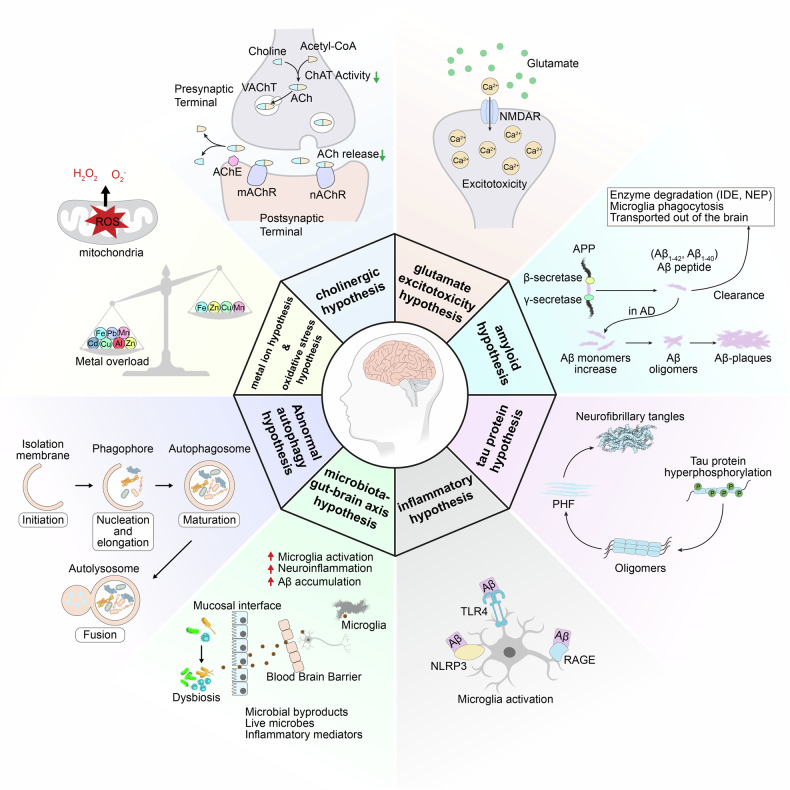
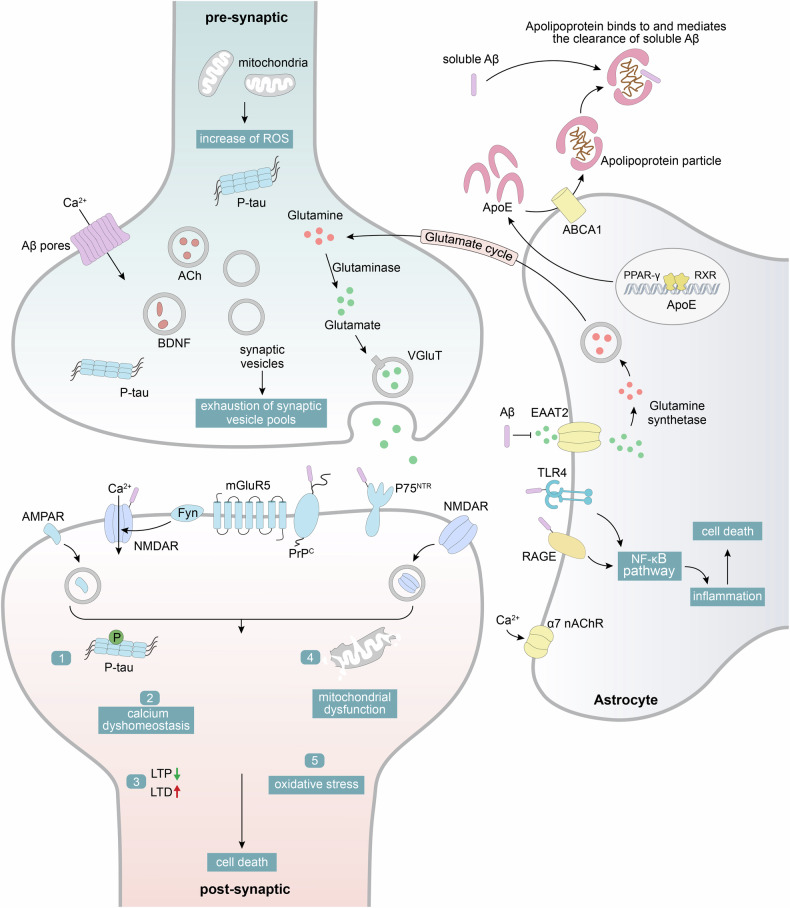
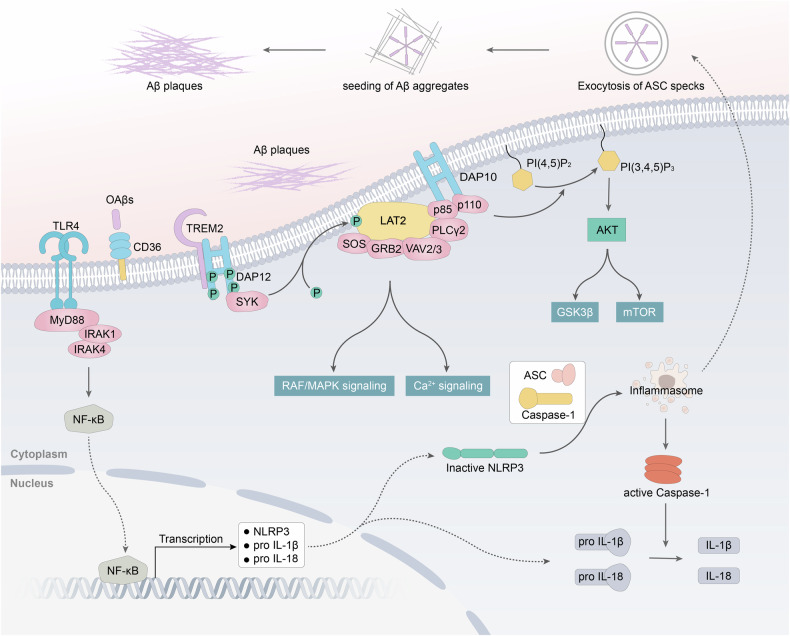
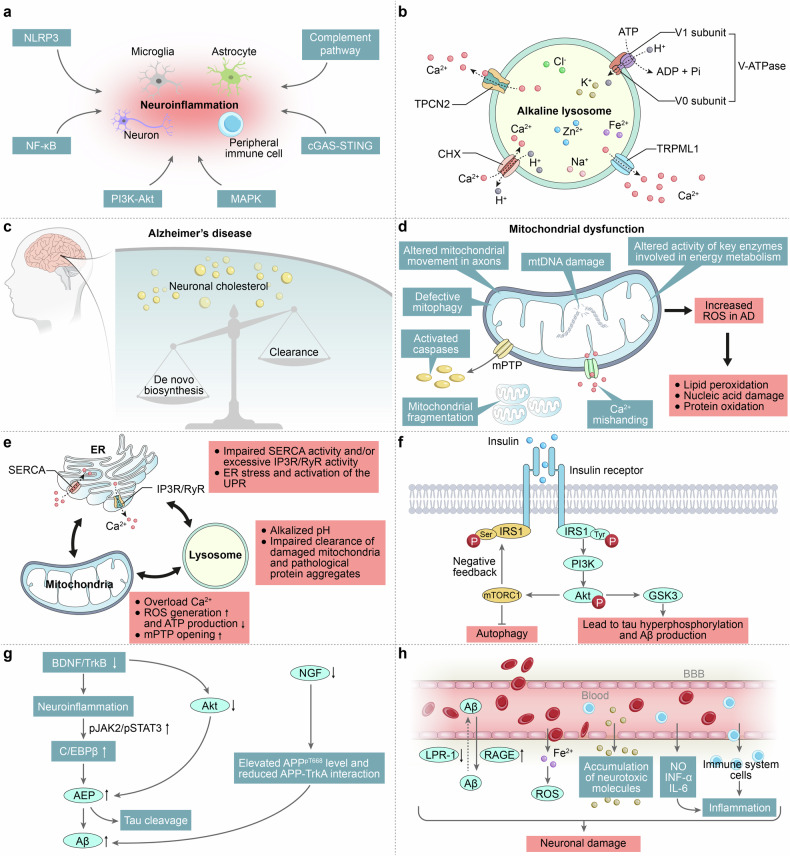
- AD is described as a complex disease involving multiple overlapping hypotheses and pathways, including cholinergic, amyloid, tau, neuroinflammation, oxidative stress, metal dyshomeostasis, glutamatergic excitotoxicity, microbiota-gut-brain axis, and abnormal autophagy.
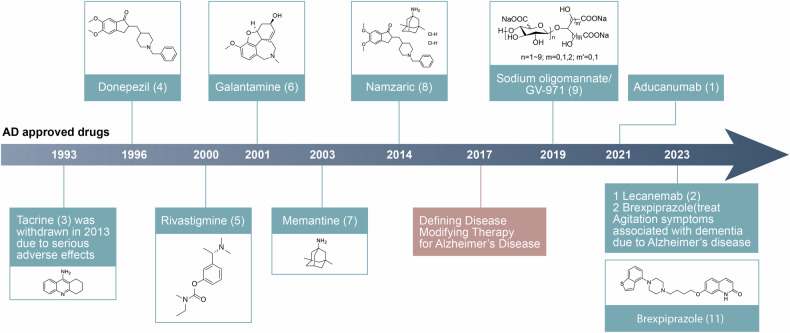
- The review states that recent FDA approvals of aducanumab and lecanemab suggest potential disease-modifying effects, but their long-term efficacy and safety still need further validation.
- For biomarker-based diagnosis, the paper reports that amyloid PET has 90% sensitivity and specificity for diagnosing AD, and that P-tau181 is the most accurate CSF indicator for distinguishing AD from non-AD dementia.
- Traditional symptomatic drugs remain limited: AChE inhibitors and memantine can improve symptoms, but they cannot alter disease course; the paper also notes the donepezil transdermal patch (Adlarity) was FDA-approved in 2022 and showed fewer gastrointestinal adverse events than oral administration.
Methods
- This is a narrative review of recent literature on AD mechanisms, biomarkers, clinical trials, and drug-development strategies.
- The paper synthesizes prior findings across mechanistic hypotheses, biomarker studies, clinical-trial reports, and preclinical/early-stage drug examples rather than presenting a new dataset.
- Its analysis is primarily descriptive and integrative, organizing the field by disease mechanism, diagnostic approach, and therapeutic modality.
Limitations
- The paper states that no unified theory explains AD and that the interplay among pathological aspects requires further elucidation and validation.
- It notes that the high failure rate of clinical trials limits validation of hypotheses and that the long-term efficacy and safety of newer drugs such as aducanumab and lecanemab still need further study.
- Evident from the text: much of the drug-development discussion is based on preclinical studies, animal models, or early-phase trials, so many proposed strategies remain unconfirmed in larger human studies.
Model-written summary of a shortened version of the paper’s full text (it is longer than we read). Check it against the paper before relying on it.
Integrity signals
Registry
Cites
Statistics
Figures
Verification
Claims the paper makes
187 Valid · 4 Not valid · 68 Not checked · 29 Own results and interpretations
At least one cited source doesn’t support this claim or points to a different paper, and none confirmed it — see the verdicts below.
In the paper
“However, recent approvals of aducanumab (1) and lecanemab (2) by the Food and Drug Administration (FDA) present the potential in disrease-modifying effects.”
§ Recent advances in Alzheimer’s disease: mechanisms, clinical trials and new drug development strategies > Abstract
What the sources say
- Not matchedcites [1] WHO. A blueprint for dementia research. Geneva: World Health Organization (2022).
Its entry has no title and year that we can search by.
- Disputedcites [2] Knopman, D. S. et al. Alzheimer disease. Nat. Rev. Dis. Prim. 7, 33 (2021). 33986301 10.1038/s41572-021-00269-y PMC8574196 sourceExperimental — accuracy not yet measured
The paper describes aducanumab as being considered by the FDA, not approved, and lecanemab as being in late-stage trials. It discusses possible clinical benefit from anti-amyloid therapies but says their future role remains uncertain. (LLM, conf=0.88)
Checked by a reasoning model — may be wrong.
hedgedstates a possible cause- Asserted: passes — The authors put it forward as true.
- Checkable: passes — It can be checked against evidence.
- Load-bearing: passes — The paper’s conclusions depend on it.
- Based: passes — The paper gives a reason why it holds.
- Not matched
Some cited sources support this claim and some don’t — read each source’s verdict below.
In the paper
“Proteomic studies found elevated C1q levels in MCI and AD groups, and increased CatB concentration in CSF Aβ42-positive cases.”
§ Recent advances in Alzheimer’s disease: mechanisms, clinical trials and new drug development strategies > Clinical trials of AD > Biomarkers for AD diagnosis
What the sources say
- Partly supportedcites [383] Yuyama, K. et al. Extracellular vesicle proteome unveils cathepsin B connection to Alzheimer’s disease pathogenesis. Brain 147, 627–636 (2023). 10.1093/brain/awad361 PMC10834236 38071653 sourceExperimental — accuracy not yet measured
The section “Elevated CatB levels in CSF and plasma extracellular vesicles during amyloid pathogenesis” reports significantly higher CSF extracellular-vesicle CatB in amyloid-positive than amyloid-negative groups. The claim omits the extracellular-vesicle qualifier; the reported increase is not established for CatB in CSF generally. Page numbers are not provided in our copy. (LLM, conf=0.85)
- Disputedcites [384] Chatterjee, M. et al. C1q is increased in cerebrospinal fluid‐derived extracellular vesicles in Alzheimer’s disease: A multi‐cohort proteomics and immuno‐assay validation study. Alzheimers Dement. 19, 4828–4840 (2023). 37023079 10.1002/alz.13066 sourceExperimental — accuracy not yet measured
Section 3.2.3 (page unavailable) reports that cathepsin B (CTSB) was significantly decreased in CSF-derived extracellular vesicles from AD patients compared with controls. It also reports no difference in CTSB levels in neat CSF between those groups, not an increase. The passage does not report a separate result for Aβ42-positive cases. (LLM, conf=0.88)
Checked by a reasoning model — may be wrong.
plainstates an association- Asserted: passes — The authors put it forward as true.
- Checkable: passes — It can be checked against evidence.
- Load-bearing: unclear — It is unclear whether the paper’s conclusions depend on it.
- Based: passes — The paper gives a reason why it holds.
- Partly supported
The sources with a verdict support this claim; the rest weren’t checked yet, have no full text we could read, or their verdicts aren’t rated yet.
In the paper
“New drugs, including sodium oligomannate (9, GV-971),54–56 aducanumab (1),57–59 lecanemab (2),60–62 and donanemab (10, currently under review for market approval),63 which aim to offer disease-modifying therapies that intervene in the progression of AD.”
§ Recent advances in Alzheimer’s disease: mechanisms, clinical trials and new drug development strategies > Introduction
What the sources say
- Not checked — no full text of the sourcecites [54] Syed, Y. Y. Sodium Oligomannate: First Approval. Drugs 80, 441–444 (2020). 32020555 10.1007/s40265-020-01268-1 source
- Supportedcites [55] Wang, T. et al. A phase II randomized trial of sodium oligomannate in Alzheimer’s dementia. Alzheimers Res. Ther. 12, 110 (2020). 32928279 10.1186/s13195-020-00678-3 PMC7489025 source
The citation attached to this paper concerns sodium oligomannate (GV-971), not the other named drugs. The Background contrasts drugs that do not slow AD pathology with disease-modifying approaches, and the Discussion describes GV-971 acting on Aβ aggregation and neuroinflammation. This supports the claim that it aims to intervene in disease progression; the claim does not say that it has been proven to do so. (LLM, conf=0.85)
- Supportedcites [56] Xiao, S. et al. A 36-week multicenter, randomized, double-blind, placebo-controlled, parallel-group, phase 3 clinical trial of sodium oligomannate for mild-to-moderate Alzheimer’s dementia. Alzheimers Res. Ther. 13, 62 (2021). 33731209 10.1186/s13195-021-00795-7 PMC7967962 source
The citation to this paper is attached to sodium oligomannate (GV-971), not the other drugs in the sentence. The Discussion says GV-971’s proposed effects on AD pathology may delay disease progression, while noting that its mechanism requires further investigation; this supports the claim that it aims to intervene in progression, rather than establishing that it does so. (LLM, conf=0.90)
- Supportedcites [57] Cummings, J. & Salloway, S. Aducanumab: Appropriate use recommendations. Alzheimers Dement 18, 531–533 (2022). 34314093 10.1002/alz.12444 PMC8792094 source
The citation attached to this source follows “aducanumab,” so the other named drugs are not attributed to it. The Additional information section describes aducanumab as addressing the underlying pathophysiology of AD, and the Abstract describes its expected outcome as slowing decline, while noting uncertainty about clinical benefit. (LLM, conf=0.91)
- Not checked — no full text of the sourcecites [58] Dhillon, S. Aducanumab: First Approval. Drugs 81, 1437–1443 (2021). 34324167 10.1007/s40265-021-01569-z source
- Supportedcites [59] Behl, T. et al. “Aducanumab” making a comeback in Alzheimer’s disease: An old wine in a new bottle. Biomed. Pharmacother.148, 112746 (2022). 35231697 source
The citation is attached to aducanumab, not to the other drugs listed. Section 2 calls aducanumab a disease-modifying agent for Alzheimer’s disease and distinguishes it from treatments that do not change or retard disease progression. (LLM, conf=0.93)
- Not checked — no full text of the sourcecites [60] Larkin, H. D. Lecanemab Gains FDA Approval for Early Alzheimer Disease. JAMA 329, 363 (2023). 36652625 10.1001/jama.2022.24494 source
- Not checked — no full text of the sourcecites [61] Harris, E. Alzheimer Drug Lecanemab Gains Traditional FDA Approval. JAMA 330, 495 (2023). 37466999 source
- Supportedcites [62] van Dyck, C. H. et al. Lecanemab in early Alzheimer’s disease. N. Engl. J. Med. 388, 9–21 (2023). 36449413 10.1056/NEJMoa2212948 source
The citation to this paper is attached to lecanemab, not the other drugs in the list. The introduction (p. 10) describes lecanemab as an anti-amyloid antibody being tested for early Alzheimer’s disease, and the conclusion (p. 16) reports moderately less clinical decline than with placebo. This supports describing it as aiming to modify disease progression, without claiming that long-term efficacy is established. (LLM, conf=0.92)
plainstates a cause- Asserted: passes — The authors put it forward as true.
- Checkable: passes — It can be checked against evidence.
- Load-bearing: unclear — It is unclear whether the paper’s conclusions depend on it.
- Based: passes — The paper gives a reason why it holds.
Every source the paper cites for this claim was checked and supports it.
In the paper
“The accumulation of Aβ is a hallmark pathological feature in both extensively studied autosomal dominant AD and sporadic late-onset AD patients.110”
§ Recent advances in Alzheimer’s disease: mechanisms, clinical trials and new drug development strategies > Mechanisms of AD > Amyloid hypothesis
What the sources say
- Supportedcites [110] Morris, J. C. et al. Autosomal dominant and sporadic late onset Alzheimer’s disease share a common in vivo pathophysiology. Brain 145, 3594–3607 (2022). 35580594 10.1093/brain/awac181 PMC9989348 source
The Introduction identifies cerebral Aβ accumulation as a molecular biomarker of Alzheimer’s disease and compares it in autosomal dominant AD and sporadic late-onset AD. The Abstract reports amyloid accumulation in both groups, though it was greater after symptomatic onset in the autosomal dominant group. (LLM, conf=0.90)
plainstates an association- Asserted: passes — The authors put it forward as true.
- Checkable: passes — It can be checked against evidence.
- Load-bearing: unclear — It is unclear whether the paper’s conclusions depend on it.
- Based: passes — The paper gives a reason why it holds.
- Supported
Every source the paper cites for this claim was checked and supports it.
In the paper
“Nonetheless, pathological changes in the brain begin during the preclinical stage, decades before clinical symptoms.”
§ Recent advances in Alzheimer’s disease: mechanisms, clinical trials and new drug development strategies > Introduction
What the sources say
- Supportedcites [4] 2023 Alzheimer’s disease facts and figures. Alzheimers Dement. 19, 1598–1695 (2023). 36918389 source
Section 2.4.1 describes brain changes in the preclinical phase before symptoms develop. Section 2.9 states that Alzheimer's disease begins 20 years or more before symptom onset, supporting the claimed timescale. (LLM, conf=0.92)
- Supportedcites [20] Lloret, A. et al. When does Alzheimer’s disease really start? The role of biomarkers. Int J. Mol. Sci. 20, 5536 (2019). 31698826 10.3390/ijms20225536 PMC6888399 source
Section 2 describes a preclinical stage with pathological brain changes and no evident clinical symptoms. Section 4 states that these lesions can begin decades before the earliest symptoms, while a person is still cognitively normal. (LLM, conf=0.94)
- Supportedcites [21] Porsteinsson, A. P. et al. Diagnosis of early Alzheimer’s disease: Clinical practice in 2021. J. Prev. Alzheimers Dis. 8, 371–386 (2021). 34101796 source
The Introduction describes preclinical Alzheimer’s disease as an asymptomatic stage with evidence of pathology and states that amyloid plaques typically appear about 20 years before cognitive impairment. “The importance of an early diagnosis” explicitly says the pathological hallmarks can be detected decades before symptoms. (LLM, conf=0.94)
plain- Asserted: passes — The authors put it forward as true.
- Checkable: passes — It can be checked against evidence.
- Load-bearing: passes — The paper’s conclusions depend on it.
- Based: passes — The paper gives a reason why it holds.
- Supported
123 more claims · 79 with their cited sources checked
Create a free account to see all 288 claims and to verify the 6 references still open.
- It may state two separate claims as one. 135
- Probably not a substantial claim. 31
Claims other papers make about this one
Each is checked against this paper’s own text: does it say what the citing paper says it does?
The source backs part of the claim, not all of it — or backs it for a different population, condition or comparison.
In the citing paper
“Tau hyperphosphorylation disrupts microtubule stability, promotes intraneuronal aggregates, synaptic dysfunction, and neuronal loss [5,6].”
From Theranostic Nanoplatforms for Alzheimer's Disease: A Critical Analysis of Conceptual Contradictions (2026) · cites this paper as [5]
Experimental — accuracy not yet measuredThe source backs part of the claim, not all of it — or backs it for a different population, condition or comparison.
In the citing paper
“Aβ aggregation into oligomers, fibrils, and senile plaques initiates a neurotoxic cascade, including tau hyperphosphorylation, mitochondrial dysfunction, and neuroinflammation [5].”
From Theranostic Nanoplatforms for Alzheimer's Disease: A Critical Analysis of Conceptual Contradictions (2026) · cites this paper as [5]
Experimental — accuracy not yet measuredThe source backs part of the claim, not all of it — or backs it for a different population, condition or comparison.
In the citing paper
“During this phase, NPs designed to target Aβ plaques—a key feature of AD—as well as anti-inflammatory pathways, have shown higher bioavailability and effectiveness [80, 144].”
From Targeted Nanoparticles for Drug Delivery Across the Blood–Brain Barrier in Early and Late Stages of Alzheimer's Disease: A Review (2026) · cites this paper as [80]
Experimental — accuracy not yet measuredThe cited source says what the claim attributes to it.
In the citing paper
“The pathophysiological process of AD is multifaceted, involving several key hypotheses: the cholinergic, glutamatergic, amyloid, tau protein, inflammatory, microbiota–gut–brain axis, oxidative stress, metal ion, and abnormal autophagy hypotheses, as shown in the summary of AD pathophysiology in Figure 1 [8].”
From Recent Advances in Therapeutics for the Treatment of Alzheimer’s Disease (2024) · cites this paper as [8]
The cited source says what the claim attributes to it.
In the citing paper
“Dysregulated processing of amyloid precursor protein (APP) generates toxic Aβ species, triggering oxidative stress, mitochondrial dysfunction, calcium dysregulation, and neuroinflammation [5].”
From Theranostic Nanoplatforms for Alzheimer's Disease: A Critical Analysis of Conceptual Contradictions (2026) · cites this paper as [5]
1 more claim about this paper
Create a free account to see every claim other papers make about this one.
Citations
Cites
Repertoires of Autophagy in the Pathogenesis of Ocular Diseases
Li, Y.-J., Jiang, Q., Cao, G.-F., Yao, J., & Yan, B. (2015) · Cellular Physiology and Biochemistry · doi:10.1159/000373980 · Cited by 16,304
NIA‐AA Research Framework: Toward a biological definition of Alzheimer's disease
Jack, C. R., Bennett, D. A., Blennow, K., Carrillo, M. C., Dunn, B., Haeberlein, S. B., Holtzman, D. M., Jagust, W., Jessen, F., Karlawish, J., et al. (2018) · Alzheimer's & Dementia · doi:10.1016/j.jalz.2018.02.018 · Cited by 10,537
Alzheimer's disease: the amyloid cascade hypothesis
Hardy, J. A., & Higgins, G. A. (1992) · Science · doi:10.1126/science.1566067 · Cited by 7,484 · cited 1×
“The amyloid cascade 143 has been proposed for over 30 years, which provided crucial insights into the mechanisms of AD ’ s onset and progression.”
BackgroundAlzheimer's Disease: Genes, Proteins, and Therapy
Selkoe, D. J. (2001) · Physiological Reviews · doi:10.1152/physrev.2001.81.2.741 · Cited by 6,063
Lecanemab in early Alzheimer's disease
van Dyck, C. H., Swanson, C. J., Aisen, P., Bateman, R. J., Chen, C., Gee, M., Kanekiyo, M., Li, D., Reyderman, L., Cohen, S., et al. (2023) · New England Journal of Medicine · doi:10.1056/nejmoa2212948 · Cited by 5,678 · cited 2×
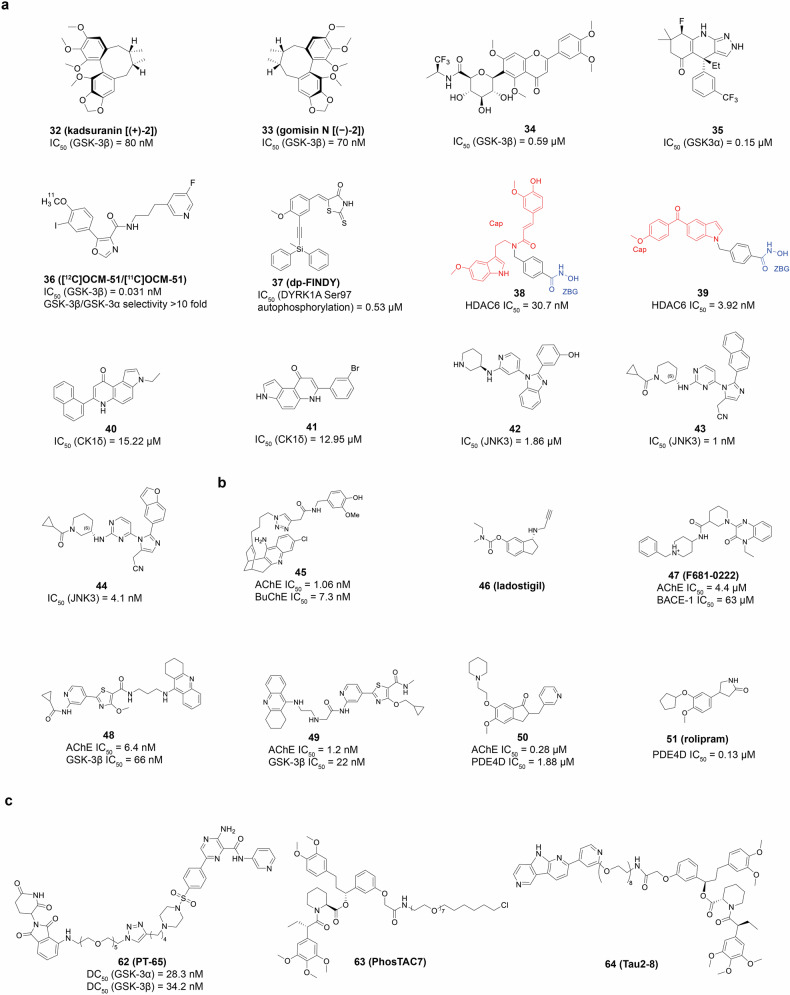
“For example, the GSK-3 degrader PT-65 ( 62 ), developed through click chemistry, exhibited a more prolonged effect on p-tau than its GSK-3 warhead (a GSK-3 inhibitor).”
BackgroundScheltens, P., De Strooper, B., Kivipelto, M., Holstege, H., Chételat, G., Teunissen, C. E., Cummings, J., & van der Flier, W. M. (2021) · The Lancet · doi:10.1016/s0140-6736(20)32205-4 · Cited by 5,465
Cui, C., Cui, J., Jin, F., Cui, Y., Li, R., Jiang, X., Tian, Y., Wang, K., Jiang, P., & Gao, J. (2017) · Cellular Physiology and Biochemistry · doi:10.1159/000479571 · Cited by 5,203
Querfurth, H. W., & LaFerla, F. M. (2010) · New England Journal of Medicine · doi:10.1056/nejmra0909142 · Cited by 4,569
Alzheimer's Disease and Senile Dementia: Loss of Neurons in the Basal Forebrain
Whitehouse, P., Price, D., Struble, R., Clark, A., Coyle, J., & DeLong, M. R. (1982) · Science · doi:10.1126/science.7058341 · Cited by 3,627
Crosstalk of reactive oxygen species and NF-κB signaling
Morgan, M. J., & Liu, Z.-G. (2011) · Cell Research · doi:10.1038/cr.2010.178 · Cited by 3,505
Research works printed but not linked: 3
- Cline, E. N., Bicca, M. A., Viola, K. L. & Klein, W. L. The Amyloid-β Oligomer Hypothesis: Beginning of the Third Decade. J. Alzheimers Dis. 64, S567–S610 (2018). 29843241 10.3233/JAD-179941 PMC6004937 · DOI · Paper page
- Cescon, E. et al. Scaffold Repurposing of in-House Chemical Library toward the Identification of New Casein Kinase 1 δ Inhibitors. ACS Med. Chem. Lett. 11, 1168–1174 (2020). 32550997 10.1021/acsmedchemlett.0c00028 PMC7294733 · DOI · Paper page
- Zhang, Y. et al. Amyloid β-based therapy for Alzheimer’s disease: challenges, successes and future. Signal Transduct. Target Ther. 8, 248 (2023). 37386015 10.1038/s41392-023-01484-7 PMC10310781 · DOI · Paper page
Cited by
Items 101–200 of 1,144
The role of quantitative EEG in the diagnosis of Alzheimer’s disease
Papaliagkas, V. (2025) · Diagnostics · doi:10.3390/diagnostics15151965 · Cited by 14
“Research conducted over time demonstrates that spectral slowing with increased theta power and higher theta/alpha ratios appears in patients with MCI who develop AD [46,47].”
Zhu, Y., Tian, M., Lu, S., Qin, Y., Zhao, T. S., Shi, H., Li, Z., & Qin, D. (2025) · Brain Research Bulletin · doi:10.1016/j.brainresbull.2025.111253 · Cited by 18
Padhy, D. S., Vesmaker, K., & Banerjee, S. (2025) · International Immunopharmacology · doi:10.1016/j.intimp.2025.114691 · Cited by 15
Wang, H., Chao, L., Shen, S., You, P., Li, L., Chen, X., Hong, Z., & Chai, Y. (2025) · Journal of Ethnopharmacology · doi:10.1016/j.jep.2025.119994 · Cited by 14
Targeted degradation of α-synuclein by arginine-based PROTACs
Shen, L., Zhang, J., Wang, Z., Liu, Y., Cui, S., & Rao, H. (2025) · Journal of Biological Chemistry · doi:10.1016/j.jbc.2025.110449 · Cited by 19
Self-citationZhang, Y.-B., Liu, M., Wang, Y., Hu, D., Wu, S., Zhao, B., Zhou, B., & Yang, L. (2025) · European Journal of Pharmacology · doi:10.1016/j.ejphar.2025.177958 · Cited by 16
Self-citationEmerging Role of Oligodendrocytes Malfunction in the Progression of Alzheimer's Disease
Tylek, K., & Basta‐Kaim, A. (2025) · Journal of Neuroimmune Pharmacology · doi:10.1007/s11481-025-10236-z · Cited by 23
“Notably, excessive secretion of MMP-9 by OPC contributes to BBB break-down, facilitating immune cell infiltration and worsening neurodegeneration (Seo et al. 2014).”
InfluentialVaziri, Y., Olia, J. B. H., Avcı, Ç. B., & Nourazarian, A. (2025) · Molecular Brain · doi:10.1186/s13041-025-01263-1 · Cited by 20
Mottaqi, M., Zhang, P., & Xie, L. (2025) · Briefings in Bioinformatics · doi:10.1093/bib/bbaf623 · Cited by 22
Bridging pathway dysfunction and therapy: novel compounds for neuroprotection
Patel, S., Prajapati, C., Nand, S., & Singh, S. K. (2026) · 3 Biotech · doi:10.1007/s13205-026-04697-z · Cited by 20
Chemical-Driven Amyloid Clearance for Therapeutics and Diagnostics of Alzheimer’s Disease
Kim, H. Y., & Kim, Y. S. (2024) · Accounts of Chemical Research · doi:10.1021/acs.accounts.4c00458 · Cited by 15
Valderrama-Mantilla, A. I., Martín-Cuevas, C., Gómez-Garrido, A., Morente-Montilla, C., Crespo‐Facorro, B., & García-Cerro, S. (2025) · Neuroscience & Biobehavioral Reviews · doi:10.1016/j.neubiorev.2025.106032 · Cited by 13
Amyloid solutions: lecanemab, gantenerumab, and donanemab in the treatment of Alzheimer's disease
Ameen, T. B., Ali, U., Salma, O., Samee, M. A., Abbas, S. M. I., Kashif, S. N., Arifi, M. A., Ali, M., Khowaja, M., Ali, S. M. S., et al. (2025) · The Egyptian Journal of Neurology Psychiatry and Neurosurgery · doi:10.1186/s41983-025-00968-3 · Cited by 22
“This divergence underscores the importance of selectively targeting pathogenic Aβ conformers [210, 231].”
NLRP3 inflammasome: From drug target to drug discovery
Yin, L., Zhang, H., Shang, Y., Wu, S., & Jin, T. (2025) · Drug Discovery Today · doi:10.1016/j.drudis.2025.104375 · Cited by 15
Wu, B., Tian, X.-Y., Ni, W., Gao, H.-X., Wang, Y.-W., Zhang, L.-H., Li, Y., Lv, Y.-L., Song, Y., Yan, Y., et al. (2025) · Journal of Hazardous Materials · doi:10.1016/j.jhazmat.2025.139287 · Cited by 15
Turgut, G. Ç., Çakır, F., Şen, A., Tokalı, F. S., & Şenol, H. (2025) · Bioorganic Chemistry · doi:10.1016/j.bioorg.2025.108869 · Cited by 14
Njoku, G. C., & Kanmogne, G. D. (2025) · International Journal of Molecular Sciences · doi:10.3390/ijms26189069 · Cited by 15
“In AD, acetylcholinesterase inhibitors (donepezil, rivastigmine, and galantamine) and the NMDA-receptor antagonist memantine remain the mainstays of symptomatic treatment [257,258].”
Lorenzo, D. D., Bisi, N., Kaffy, J., Ramirez, L. M., Zweckstetter, M., Lequin, O., Garfagnini, I., Luo, J., Hannappel, Y., Ennen, I., et al. (2025) · Nature Communications · doi:10.1038/s41467-025-63824-1 · Cited by 15
“Many efforts have been made to develop a treatment for AD, mainly with single-target drugs (Tau or A β 1-42 ), but unfortunately, most of them have failed 10,11 .”
Ke, J., Ding, J., Xu, Y., Yu, C., Hong, Y., Li, S., Meng, T., Yuan, P., Yuan, H., & Hu, F. (2026) · Biomaterials Science · doi:10.1039/d5bm01080b · Cited by 17
Tau–Mitochondria Interactions in Neurodegeneration: Mechanisms and Therapeutic Potential
Castillo-Casaña, Y., Arias, C., & Coria, R. (2025) · Cellular and Molecular Neurobiology · doi:10.1007/s10571-025-01634-1 · Cited by 23
“The development of reliable biomarkers is therefore critical for pre-symptom - atic detection, enabling timely patient care and management (Zhang et al. 2024 ).”
Engineering chimeric antigen receptor CD4 T cells for Alzheimer’s disease
Boskovic, P., Shalita, R., Gao, W., Vernon, H., Deng, Y. L., Colonna, M., Majzner, R. G., Amit, I., & Kipnis, J. (2026) · Proceedings of the National Academy of Sciences · doi:10.1073/pnas.2530977123 · Cited by 20
“Currently, therapeutic options for AD are limited (8).”
Natarajan, B., Zhou, Q., Maduraiveeran, G., & Kannan, P. (2026) · Coordination Chemistry Reviews · doi:10.1016/j.ccr.2026.217682 · Cited by 13
Physical Exercise and Mechanism Related to Alzheimer’s Disease: Is Gut–Brain Axis Involved?
Sanchez‐Martinez, J., Solis‐Urra, P., Arancibia, J. E. O., & Plaza‐Díaz, J. (2024) · Brain Sciences · doi:10.3390/brainsci14100974 · Cited by 13
“These include amyloid, cholinergic, inflammatory, tau protein, metal ions, oxidative stress, glutamate excitotoxicity, abnormal autophagy, and the microbiota–gut–brain axis [3].”
BackgroundSivalingam, A. M. (2024) · Ageing Research Reviews · doi:10.1016/j.arr.2024.102519 · Cited by 16
Neural Stem Cell Therapy for Alzheimer’s Disease: A-State-of-the-Art Review
Shah, A. J., Dar, M. Y., Jan, B., Qadir, I., Mir, R. H., Uppal, J., Ahmad, N. Z., & Masoodi, M. H. (2024) · Journal of dementia and Alzheimer's disease · doi:10.3390/jdad1020008 · Cited by 14
“Despite significant advancements [3,4] in pathophysiology, there are currently no treatments available to alleviate the dismal prognosis of AD patients.”
Iraji, A., Hariri, R., Hashempur, M. H., Ghasemi, M., Pourtaher, H., Saeedi, M., & Akbarzadeh, T. (2025) · BMC Chemistry · doi:10.1186/s13065-025-01475-5 · Cited by 16
“While they show modest benefits in stabilizing or improving cognitive function, they do not alter the underlying progression of AD and are associated with side effects like loss of appetite, nausea, diarrhea, and vomiting [15, 16].”
Gao, X., Luo, Y., Adinkra, E. K., Chen, L., Wei, T., Liu, Y., Guo, M., Wu, C., Wu, C., & Liu, Y. (2025) · Microbial Cell Factories · doi:10.1186/s12934-025-02714-z · Cited by 13
“These attributes position MK-7 as a subject of considerable interest in both preventive healthcare and innovative therapeutic strategies [1, 2].”
Self-citationSabbagh, M. N., Zhao, C., Mahendran, M., Jang, S. R., Laliberté, F., Toyosaki, H., Zhang, K., Frech, F. H., & Nair, K. V. (2025) · Neurology and Therapy · doi:10.1007/s40120-025-00756-4 · Cited by 14
“However, many patients are not diagnosed with AD until later stages when the burden of disease on patients, caregivers, and the healthcare system are considerable [5, 8].”
Hyperglycemia-induced blood-brain barrier dysfunction: Mechanisms and therapeutic interventions
Chen, C., Xu, X., Lu, J., Xiang, Y., Shi, L., & Liu, D. (2025) · Microvascular Research · doi:10.1016/j.mvr.2025.104820 · Cited by 19
Kong, L., Yang, X., & Xu, J. (2025) · Frontiers in Pharmacology · doi:10.3389/fphar.2025.1593989 · Cited by 12
Mitochondrial DNA methylation: State-of-the-art in molecular mechanisms and disease implications
Yin, M.-T., & Guo, L. (2025) · Journal of Advanced Research · doi:10.1016/j.jare.2025.08.029 · Cited by 23
“AD is a widespread neurodegenerative disorder characterized by the gradual loss of learning and memory functions accompanied by cognitive impairment [36].”
Sun, C., Cai, X., Jiang, X., Wen, F., & Wan, L. (2025) · European Journal of Pharmacology · doi:10.1016/j.ejphar.2025.178154 · Cited by 13
Perspectives on Alzheimer’s Disease Treatment Based on Counteracting Oxidative Stress
Bilski, R., Dąbkowski, S., Kozieł, I., Kozicki, M., Małachowska, A., Przygocki, M., & Tyska, O. (2025) · Biomolecules · doi:10.3390/biom15091345 · Cited by 13
“A growing body of research focuses on anti-amyloid and anti-tau therapies, including monoclonal antibodies such as aducanumab, lecanemab, and do-nanemab, which aim to reduce amyloid-β plaques, and experimental tau immunotherapies designed to limit tau aggregation and propagation [74,75].”
Cáceres-Palomo, L., Sánchez‐Mejías, E., Trujillo‐Estrada, L., Pérez-Moreno, J. J., Lopez-Oliva, E., Lim, T. E., DeFlitch, L., Chang, S. H., Kampman, L., Corces, M. R., et al. (2025) · Journal of Neuroinflammation · doi:10.1186/s12974-025-03607-z · Cited by 12
“…been approved by the FDA [2] which, despite being effective in eliminating Ab accumulation from AD brains, only produce a moderate clinical beneficial effect in a subgroup of patients, reinforcing the accepted idea that multiple amyloid-indepen-dent mechanisms are dysregulated in the AD brains [3].”
Shi, Z., Sun, J., Dai, X., Ling, P., Chen, H., & Gao, F. (2024) · The Journal of Physical Chemistry Letters · doi:10.1021/acs.jpclett.4c02803 · Cited by 12
Characteristics of adverse events and clinical risks of Lecanemab based on FAERS data
Li, Z., Gu, J., Du, Z., Lu, R., Jiang, Y., & Zhu, H. (2025) · Journal of Affective Disorders · doi:10.1016/j.jad.2025.01.022 · Cited by 14
The potential link between the development of Alzheimer’s disease and osteoporosis
Nasme, F., Behera, J., Tyagi, P., Debnath, N., Falcone, J. C., & Tyagi, N. (2025) · Biogerontology · doi:10.1007/s10522-024-10181-z · Cited by 15
“We also examine the role of bone-derived factors in the progression of AD, gradually worsens with age, ultimately resulting in the deterioration of synaptic afferent systems, damage to dendrites and neurons, and accumulation of abnormal protein aggregates throughout the brain (Zhang et al. 2024).”
Babaei, F. G., Saburi, E., Forouzanfar, F., Asgari, M., Keshavarzi, Z., & Hajali, V. (2025) · Biochemistry and Biophysics Reports · doi:10.1016/j.bbrep.2025.101930 · Cited by 15
Wei, P., Lin, K., Chen, X., Fang, C., Qiu, L., Hu, J., & Chang, J. (2025) · CNS Neuroscience & Therapeutics · doi:10.1111/cns.70306 · Cited by 11
“…in the development of disease-modifying therapies that target the underlying pathophysiology of AD, for instance, monoclonal antibodies aiming to reduce Aβ plaques in the brain, there remains a huge unmet clinical need for the treatment of AD, especially for the early intervention of AD [4].”
Advancing Nanomaterial-Based Strategies for Alzheimer’s Disease: A Perspective
Zhou, H., Yin, X., Zhang, G., Yang, Z., & Zhou, R. (2025) · JACS Au · doi:10.1021/jacsau.5c00002 · Cited by 15
“12 These frameworks provide valuable insights into the molecular, cellular, neural, and physiological dimensions of AD pathology.”
Prešern, U., Goličnik, M., & Bavec, A. (2026) · Chemico-Biological Interactions · doi:10.1016/j.cbi.2025.111809 · Cited by 13
Cross-regulation between the nervous system and type 2 immunity
Mroz, N. M., Chiaranunt, P., Molofsky, A. V., & Molofsky, A. B. (2025) · Science Immunology · doi:10.1126/sciimmunol.adp6450 · Cited by 15
Khamle, A. R., Panda, S. K., Kore, V. D., Mukherjee, S., & Gupta, P. S. S. (2025) · ACS Chemical Neuroscience · doi:10.1021/acschemneuro.5c00329 · Cited by 10
Rafi, K., Faizi, S., Hussain, S. S., Shamshad, S., Versiani, M. A., & Sımjee, S. U. (2025) · Toxicology and Applied Pharmacology · doi:10.1016/j.taap.2025.117539 · Cited by 11
Zhang, B., Lau, L. Y., Wu, Z., & Chen, Y. (2025) · Discover Oncology · doi:10.1007/s12672-025-03802-7 · Cited by 12
“Future efforts should prioritize validation in large, multicenter human cohorts, the development of mechanism-guided biomarkers, and the application of high-throughput platforms to identify novel neuroprotective agents [41, 59].”
Aging and the microbiome: implications for health and disease
Gao, W., Lee, H.-Y., & Min, K. (2026) · BMB Reports · doi:10.5483/bmbrep.2025-0152 · Cited by 16
Yang, J., Song, X., Yan, S., Li, Q., & Yang, W. (2026) · Frontiers in Immunology · doi:10.3389/fimmu.2025.1739329 · Cited by 15
Development of novel rivastigmine derivatives as selective BuChE inhibitors for the treatment of AD
Li, Y., Zhang, Q., Wang, X., Liu, Z., Chen, H., Xu, Y., Xu, Y., Zhang, W., Du, Y., Tan, Z., et al. (2025) · Bioorganic Chemistry · doi:10.1016/j.bioorg.2025.108245 · Cited by 12
The role of the gut microbiome in Alzheimer's disease pathophysiology
Borrego-Ruiz, A., & Borrego, J. J. (2025) · Current Opinion in Neurology · doi:10.1097/wco.0000000000001352 · Cited by 11
Promising Natural Remedies for Alzheimer’s Disease Therapy
Thawabteh, A. M., Ghanem, A. W., AbuMadi, S., Thaher, D., Jaghama, W., Karaman, D., & Karaman, R. (2025) · Molecules · doi:10.3390/molecules30040922 · Cited by 14
“Ayurveda) [3,5].”
Hu, F., Peng, J., Wang, W., Shen, L., & Jia, M. (2025) · Complementary Therapies in Clinical Practice · doi:10.1016/j.ctcp.2025.101968 · Cited by 12
Advancing Alzheimer’s disease therapy through engineered exosomal Macromolecules
Jain, S., Murmu, A., & Chauhan, A. (2025) · Brain Research · doi:10.1016/j.brainres.2025.149590 · Cited by 11
Zhang, Y., Zhao, X., Gong, L., Lai, C., Liu, J., & Xie, J. (2025) · Phytomedicine · doi:10.1016/j.phymed.2025.156876 · Cited by 18
Self-citationFarooq, U., Islam, M. F., Batool, Z., Mali, S. N., Jawarkar, R. D., Gurav, S. S., Alharthy, R. D., Şenol, H., Sadeghian, N., Taslımı, P., et al. (2025) · Archiv der Pharmazie · doi:10.1002/ardp.70050 · Cited by 16
Biologics as Therapeutical Agents Under Perspective Clinical Studies for Alzheimer’s Disease
Li, H., Shen, X., Zhang, B., & Zhu, Z. (2025) · Molecules · doi:10.3390/molecules30173479 · Cited by 12
“Compared to conventional drugs, biologics offer higher target specificity [20] and the potential to intervene directly in pathological mechanisms such as amyloid aggregation, tau hyperphosphorylation, and dysregulated gene expression [21,22].”
Mitochondrial DNA: leakage, recognition and associated human diseases
Takamatsu, H. (2025) · The Journal of Biochemistry · doi:10.1093/jb/mvaf037 · Cited by 11
New Approaches to the Treatment of Alzheimer’s Disease
Kruk-Słomka, M., Kuceł, D., Małysz, M., Machnikowska, A., Orzelska‐Górka, J., & Biała, G. (2025) · Pharmaceuticals · doi:10.3390/ph18081117 · Cited by 15
“The existing clinical trials focus on therapies such as immunotherapy, gene therapy, therapy against tau protein aggregation, tyrosine kinase inhibitors, and drugs affecting mitochondrial function [15,24–29].”
Kaya, B., Çevik, U. A., Çiftci, B., Necip, A., Işık, M., Ay, E. N., Yur, S., Özkay, Y., Beydemir, Ş., & Kaplancıklı, Z. A. (2025) · ACS Omega · doi:10.1021/acsomega.5c01055 · Cited by 11
TDP-43 in Alzheimer's disease: Pathophysiology and therapeutic strategies
Zhou, X., Lin, X., He, Y., Huang, N., & Luo, Y. (2025) · Pharmacological Research · doi:10.1016/j.phrs.2025.107977 · Cited by 12
Cuproptosis: mechanisms and links with Alzheimer’s disease
Zheng, N., Zhou, Q., Chen, Z., Xie, L., Yang, X., Chen, Z., Wang, F., Sun, Q., Du, J., Lin, J., et al. (2025) · Journal of Neurophysiology · doi:10.1152/jn.00370.2025 · Cited by 11
Li, F., Wu, L., Feng, X., Li, Y., & Fan, H. (2026) · Pharmaceutics · doi:10.3390/pharmaceutics18010070 · Cited by 11
Zhang, H., Xu, Q., Ye, M., Wu, X., Ren, Z., Qin, L., Tang, Z., Wang, G., Xiang, Q., & Liu, L. (2026) · Free Radical Biology and Medicine · doi:10.1016/j.freeradbiomed.2026.01.045 · Cited by 12
Molecular Probes: From Aβ Imaging to Phototherapy in Alzheimer’s Disease
Jiang, Z., Wang, H., Jiang, Y., Gu, S., Yan, J., & Ran, C. (2026) · Accounts of Chemical Research · doi:10.1021/acs.accounts.5c00860 · Cited by 11
Haploinsufficiency and Alzheimer’s Disease: The Possible Pathogenic and Protective Genetic Factors
Bagyinszky, E., & An, S. S. A. (2024) · International Journal of Molecular Sciences · doi:10.3390/ijms252211959 · Cited by 10
“Two drug candidates, aducanumab and lecanemab, showed disease-modifying effects in clinical trials; however, further studies are needed to verify their long-term effects and safety [24–26].”
Supporting Neurologic Health with Mushroom Nutrition
Bell, V., Dimitrov, P., & Fernandes, T. H. (2025) · Nutrients · doi:10.3390/nu17091568 · Cited by 14
“These compounds have demonstrated several mechanisms, revealing reduction of the pathology of amyloid-beta peptide and microtubule-binding protein tau, neuroinflammation, neuronal apoptosis, and oxidative stress, all responsible for Alzheimer’s disease [181].”
Unlocking the cellular mystery: how proton pump inhibitors may alter the dementia landscape
Mohan, M., Mannan, A., Singh, S., & Singh, T. G. (2025) · Brain Research · doi:10.1016/j.brainres.2025.149702 · Cited by 13
Yu, M., Ma, H., Lai, X., Wu, J., Shen, M., & Yan, J. (2025) · Frontiers in Aging Neuroscience · doi:10.3389/fnagi.2025.1592578 · Cited by 12
Lee, J. H., Chang, W. S., Min, S. S., Song, D., & Yoo, H. (2025) · Cells · doi:10.3390/cells14171342 · Cited by 11
“Key obstacles include the complex and sometimes dualistic role of autophagy in disease, the difficulty of achieving cell type-specific drug delivery, and the need for a deeper understanding of the long-term consequences of modulating autophagy [141–143].”
Liu, T., Rong, Z., Li, J., Wu, H., & Wei, J. (2025) · Genes & Diseases · doi:10.1016/j.gendis.2025.101846 · Cited by 14
“199 Mitophagy activators, by activating the mitophagy pathway, promote the clearance of damaged mitochondria, thus maintaining the quality and function of mitochondria, just like the “garbage cleaners” in the cell are strengthened.”
Mohammadnezhad, P., Valdés, A., & Cifuentes, A. (2024) · Nutrients · doi:10.3390/nu16234210 · Cited by 10
“In this regard, nutraceuticals and bioactive compounds have emerged as promising therapeutic approaches that could prevent or retard AD occurrence owing to their multiple neuroprotective mechanisms [20,21].”
Gao, T., Yan, N., Pu, Y., Zhang, Z., Duan, Z., Tang, Z., Huang, D., Chen, Y., Yuan, S., Yan, X., et al. (2025) · Food & Function · doi:10.1039/d4fo03238a · Cited by 10
Zhang, Q., Li, Y., Jin, Q., Liu, Z., Chen, H., Huang, J., Liu, T., Liu, X., Tan, Z., Huang, S., et al. (2025) · Chinese Chemical Letters · doi:10.1016/j.cclet.2025.110964 · Cited by 8
Emerging Insights into Brain Inflammation: Stem-Cell-Based Approaches for Regenerative Medicine
Karam, M., Ortega-Gascó, A., & Tornero, D. (2025) · International Journal of Molecular Sciences · doi:10.3390/ijms26073275 · Cited by 12
“Therefore, misfolded proteins like A β or α -synuclein ( α -syn) act as ongoing triggers for inflammation, worsening the cycle [10].”
Venn-Watson, S. K., & Jensen, E. D. (2025) · International Journal of Molecular Sciences · doi:10.3390/ijms26083746 · Cited by 8
“…activities as an antioxidant, anti-inflammatory, and pro-mitochondrial activities, as well as being an mTOR inhibitor (which supports autophagy) and AKT activator, all of which have been shown to support cognitive health and proposed as potential approaches to treating AD in humans [2,50,65–69].”
Wang, H., Xiu, T., Zhang, X., Zhu, L., Bi, H., Li, P., & Tang, B. (2025) · Sensors and Actuators B Chemical · doi:10.1016/j.snb.2025.137947 · Cited by 8
Said, M. F., Wadie, W., El-Haleim, E. A. A., El‐Shiekh, R. A., & El-Zoheiry, H. H. (2025) · European Journal of Medicinal Chemistry · doi:10.1016/j.ejmech.2025.117720 · Cited by 8
Signs of Alzheimer’s Disease: Tied to Aging
Chen, J., Zhu, Z., & Xu, Y. (2025) · International Journal of Molecular Sciences · doi:10.3390/ijms26114974 · Cited by 12
“In AD, impaired N-methyl-D-aspartic acid receptor (NMDA) receptor function is associated with abnormal synaptic gap glutamate concentrations, leading to synaptic loss, neuronal excitotoxicity and impairment, and neural network imbalance [96].”
Gharaibeh, S., Alsabbah, A., Alloubani, A., & Gharaibeh, A. (2025) · Neurology International · doi:10.3390/neurolint17060081 · Cited by 11
Solving the Amyloid Paradox: Unveiling the Complex Pathogenicity of Amyloid Fibrils
Sulatsky, M. I., Stepanenko, O. V., Stepanenko, O. V., & Sulatskaya, A. I. (2025) · Aggregate · doi:10.1002/agt2.70078 · Cited by 11
Readman, M. R., Littlejohn, J. L., Dodd, I., Rhodes, S., Wareing, L., Polden, M., Plack, C. J., & Giebel, C. M. (2025) · Aging & Mental Health · doi:10.1080/13607863.2025.2515180 · Cited by 15
“…evidence suggests that deficits in key neuro-biological mechanisms implicated in the pathology of dementia, including amyloid-β accumulation, mitochondrial dysfunction, neuroinflammation, and oxidative stress (Zhang et al., 2024), are observed globally across populations (Nichols et al., 2023).”
Wang, M., Zhang, L., Huang, W., Huang, J., Luo, Y., & Huang, N. (2025) · Complementary Therapies in Medicine · doi:10.1016/j.ctim.2025.103222 · Cited by 10
Shared Mechanisms in Dementia and Depression: The Modulatory Role of Physical Exercise
de Souza, P. B., Rodrigues, A. L. S., & Felice, F. G. D. (2025) · Journal of Neurochemistry · doi:10.1111/jnc.70185 · Cited by 15
Zhang, B., Liu, M., Jiang, L., Chen, Z., Tian, W., Li, K., Yu, B., Zhang, W., Li, S., Zhou, Y., et al. (2025) · Current Microbiology · doi:10.1007/s00284-025-04474-w · Cited by 8
Zhang, T., & Park, S. (2025) · International Journal of Molecular Sciences · doi:10.3390/ijms26178545 · Cited by 15
“They offer limited symptomatic relief, do not modify disease progression, and are associated with significant adverse effects during long-term use [8].”
Александрович, Ю. П., Aleksandrova, Y. R., & Неганова, М. Е. (2025) · International Journal of Molecular Sciences · doi:10.3390/ijms26178629 · Cited by 16
“…additionally based on such factors as acetylcholine deficiency, neuroinflammation, oxidative stress, biometal dyshomeostasis, glutamate imbalance, insulin resistance, intestinal microbiome abnormalities, cholesterol homeostasis disorder, mitochondrial dysfunction, and autophagy abnormalities [42].”
Metabolic dysregulation in Alzheimer's disease: A brain metabolomics approach
Hüls, A., Tan, Y., Casey, E., Li, Z., Gearing, M., Levey, A. I., Lah, J. J., Wingo, A. P., Jones, D. P., Walker, D. I., et al. (2025) · Alzheimer s & Dementia · doi:10.1002/alz.70528 · Cited by 17
Targeting Metabolic Dysregulation in Alzheimer’s Disease: A Potential Therapeutic Strategy
Barnwal, N., Dubey, S., & Tiwari, P. K. (2025) · Current Drug Metabolism · doi:10.2174/0113892002408089250912080734 · Cited by 190
Pinheiro, P. D. S. M., Diniz, L. P., Franco, L. S., Siqueira, M., & Gomes, F. C. A. (2025) · Pharmaceuticals · doi:10.3390/ph18101471 · Cited by 13
“Current pharmacological treatments, such as cholinesterase inhibitors and NMDA receptor antagonists, offer only limited symptomatic relief and do not alter the course of the disease [1].”
A neuroimmune cerebral assembloid model to study the pathophysiology of familial Alzheimer’s disease
Becerra-Calixto, A., Banerjee, A., Fan, H., Tan, C., Lee, E., McCullough, L. D., & Lee, J. (2025) · Journal of Neuroinflammation · doi:10.1186/s12974-025-03544-x · Cited by 12
“While this response is initially protective, chronic activation of microglia in the presence of Aβ and NFTs leads to prolonged, often exaggerated, immune responses [15, 16].”
León-Arcia, K., Andrade-Guerrero, J., Martínez-Orozco, H., Villegas-Rojas, M. M., Pérez-Segura, I., Ramírez, I. L., Vilches‐Flores, A., Guerra‐Crespo, M., Díaz-Miranda, S. Y., & Soto-Rojas, L. O. (2025) · Ageing Research Reviews · doi:10.1016/j.arr.2025.102918 · Cited by 15
Chen, L., Xia, Y., Li, B., Jh, G., Zhou, X., Li, X., Chen, Z., Liu, Y., Mao, W., Zhang, J., et al. (2025) · Sensors and Actuators B Chemical · doi:10.1016/j.snb.2025.139065 · Cited by 10
Self-citationKim, Y., Ha, T.-Y., Kondaurova, O., Lee, M.-S., & Chang, K. (2026) · Journal of Neuroinflammation · doi:10.1186/s12974-026-03728-z · Cited by 13
“The autophagy-lysosomal pathway (ALP) has emerged as a critical mechanism in AD pathogenesis [5].”
Microbiota and Alzheimer’s disease: mechanistic insights from a multi-organ perspective
Liao, J., Mou, H., Luo, S., Shen, L., & Jiao, B. (2026) · Translational Neurodegeneration · doi:10.1186/s40035-026-00541-9 · Cited by 11
“Besides the two key players, microbiota dysbiosis is also believed to be involved in the onset and progression of AD [5].”
Eroli, F., Johnell, K., Acararicin, Z., Tsagkogianni, C., Zerial, S., Lancia, S., Latorre‐Leal, M., Alanko, V., Hilmer, S. N., Matton, A., et al. (2025) · Alzheimer s & Dementia · doi:10.1002/alz.70081 · Cited by 5
“5,6 Several of these conditions are also recognized as risk factors for dementia, including diabetes, depression, hypercholesterolemia, and cardiovascular diseases.”
Modulation of adult hippocampal neurogenesis by interleukin 1 signaling
Smirnova, M. I., & Quan, N. (2025) · Neurobiology of Sleep and Circadian Rhythms · doi:10.1016/j.nbscr.2025.100123 · Cited by 9
Yang, D., Hou, N., & Jia, M. (2025) · Journal of Alzheimer s Disease · doi:10.1177/13872877251346989 · Cited by 12
Taha, D. E., Kabel, A. M., Yassin, A. I., & Abdin, A. A. (2025) · European Journal of Pharmacology · doi:10.1016/j.ejphar.2025.177875 · Cited by 7
Glial Cells in Alzheimer’s Disease: Pathogenic Mechanisms and Therapeutic Frontiers
Sil, M., Mukherjee, N., Chatterjee, I., Ghosh, A., & Goswami, A. (2025) · Journal of Molecular Neuroscience · doi:10.1007/s12031-025-02379-8 · Cited by 10
Reinforcement learning in artificial intelligence and neurobiology
Alkam, T., Benschoten, A. H. V., & Tarshizi, E. (2025) · Neuroscience Informatics · doi:10.1016/j.neuri.2025.100220 · Cited by 13
Kandeil, M. A., Mohammed, E. T., Ibrahim, M. A., Radi, R. A., Fouad, A. G., Abdel‐Razik, A. H., Khalıl, F., & Sabry, D. (2025) · Molecular Neurobiology · doi:10.1007/s12035-025-05241-5 · Cited by 9
“Current treatments for AD alleviate symptoms, but they may have negative side effects and do not stop the disease progression [9].”
Metadata
- Authors
- Zhang, J., Zhang, Y., Wang, J., Xia, Y., Zhang, J., & Chen, L.
- Affiliations
- Sichuan University (CN)
- University of Tennessee Health Science Center (US)
- Corresponding author
- Chen, Lei
- ORCID
- Wang, Jiaxing
- Venue
- Signal Transduction and Targeted Therapy
- Published
- 2024-08-23
- Volume
- 9
- Issue
- 1
- Pages
- 211-211
- ISSN
- 2059-3635 (ISSN-L)
- PMC
- PMC11344989
- OpenAlex
- W4401806028
- Semantic Scholar
- 8ff7d224cd5f81cb22fca07098d6f0ed92abd2bf
- Cited by
- 1,138
- References
- 674
- Citations by year
- 2026: 516 · 2025: 588 · 2024: 32
- FWCI
- 335.63
- Type
- journal article
- Language
- en
- Open access
- gold
- doi.org
- Licence
- cc-by
- creativecommons.org/licenses/by/4.0 (tdm)
- creativecommons.org/licenses/by/4.0 (vor)
- Locations
- Signal Transduction and Targeted Therapy (publishedVersion, cc-by)
- PubMed (publishedVersion)
- PubMed Central (submittedVersion, cc-by)
- DOAJ (DOAJ: Directory of Open Access Journals) (submittedVersion, cc-by-sa)
- Topics
- Health Sciences › Medicine › Pharmacology (medical) › Cholinesterase and Neurodegenerative Diseases
- Life Sciences › Neuroscience › Cellular and Molecular Neuroscience › Alzheimer's disease research and treatments
- Life Sciences › Biochemistry, Genetics and Molecular Biology › Molecular Biology › Phosphodiesterase function and regulation
- Keywords
- Alzheimer's disease, Alzheimer's disease pathogenesis, amyloid hypothesis, tau protein, cholinergic hypothesis, neuroinflammation, oxidative stress, microbiota-gut-brain axis
- MeSH terms
- Drug Development, Alzheimer Disease
About these checks
Registry, retraction, Cites and statistics results are computed, not judged, with one exception: a printed reference that no index lists is read once by a model before it counts as a citation error. Claims are extracted by a model and kept only when their quote appears verbatim in the text; each cited source is then checked, with a model’s help, for whether it says what the claim relies on. Those verdicts can be wrong — read the claim’s quote and the cited source before relying on one.
The claim verdicts this report counts are experimental: their accuracy is not yet measured.
A language model drew the claims from the paper on 2026-09-28, under version 3 of the claim definition (model deepseek-v4.1-flash, prompt extract-v3).
A second model labelled each claim on 2026-09-28 (model jev-1.13-20260917, definition revision gold-guideline-v0.2).
Cited sources are checked with a language model’s help (gpt-6-sol).
Statistics and arithmetic are recomputed, not judged.
Confidence bands are shown only for fields calibrated on our annotated test set. None is calibrated yet, so no band is shown.
What counts as a claim ›How we measure confidence ›How we check this ›
Are you an author, or do you see a problem with this page? Request a review
Data sources
Bibliographic data: Semantic Scholar, OpenAlex, Crossref.
Contains information from the Semantic Scholar Academic Graph Datasets, made available under the ODC Attribution License (ODC-BY 1.0).
Semantic Scholar’s data is described in: Kinney, R., et al. (2023). The Semantic Scholar Open Data Platform. arXiv:2301.10140.
