

Recent advances in Alzheimer's disease: Mechanisms, clinical trials and new drug development strategies.
Open accessThe DOI matches its Crossref record; 656 of the 674 references it cites were found in a registry or an index; 285 of the 444 sources its claims cite were checked for support.
Abstract
Available drugs primarily offer symptomatic relief, while newer anti-amyloid therapies may have disease-modifying effects but still require long-term efficacy and safety validation.
Overview
CoChat Summary
TL;DR
This review synthesizes recent mechanistic, biomarker, clinical-trial, and drug-development advances in Alzheimer’s disease (AD), emphasizing that AD remains multifactorial and that no single hypothesis fully explains its progression. It highlights new FDA-approved disease-modifying antibodies and emerging drug-design strategies such as selective inhibitors, dual-target inhibitors, allosteric modulators, covalent inhibitors, PROTACs, and PPI modulators.
Key findings
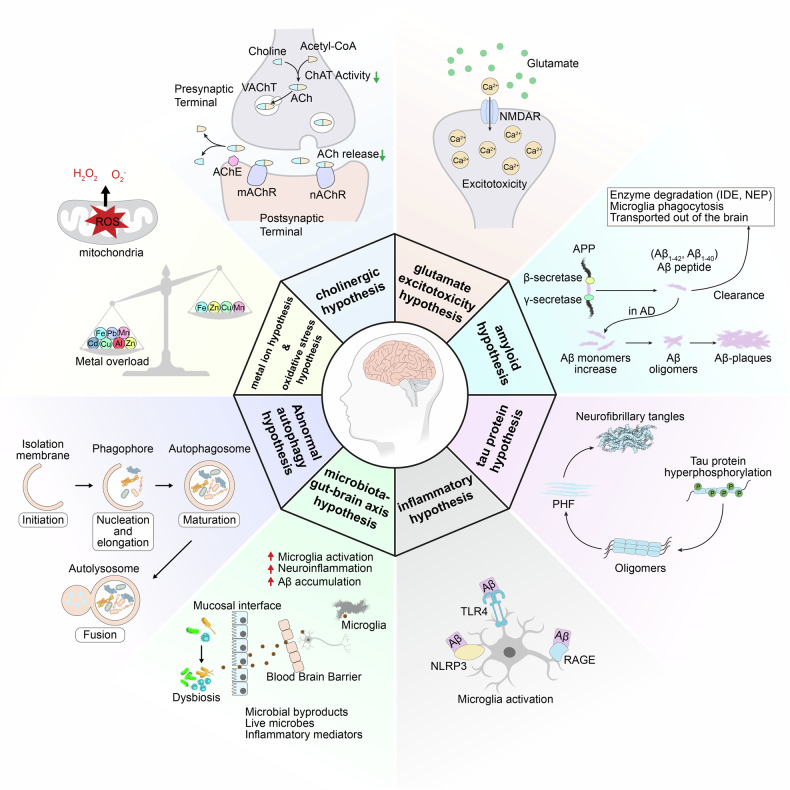
- AD is described as a complex disease involving multiple overlapping hypotheses and pathways, including cholinergic, amyloid, tau, neuroinflammation, oxidative stress, metal dyshomeostasis, glutamatergic excitotoxicity, microbiota-gut-brain axis, and abnormal autophagy.
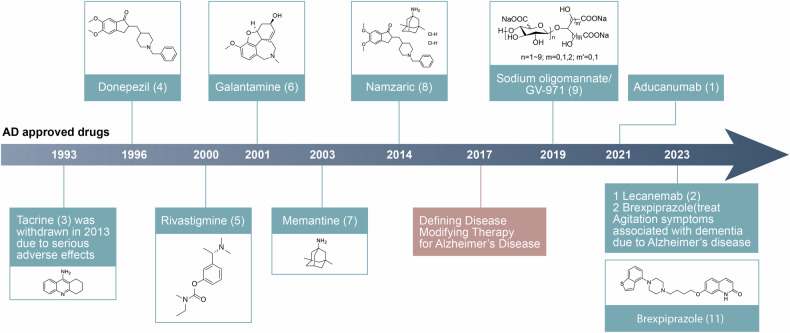
- The review states that recent FDA approvals of aducanumab and lecanemab suggest potential disease-modifying effects, but their long-term efficacy and safety still need further validation.
- For biomarker-based diagnosis, the paper reports that amyloid PET has 90% sensitivity and specificity for diagnosing AD, and that P-tau181 is the most accurate CSF indicator for distinguishing AD from non-AD dementia.
- Traditional symptomatic drugs remain limited: AChE inhibitors and memantine can improve symptoms, but they cannot alter disease course; the paper also notes the donepezil transdermal patch (Adlarity) was FDA-approved in 2022 and showed fewer gastrointestinal adverse events than oral administration.
Methods
- This is a narrative review of recent literature on AD mechanisms, biomarkers, clinical trials, and drug-development strategies.
- The paper synthesizes prior findings across mechanistic hypotheses, biomarker studies, clinical-trial reports, and preclinical/early-stage drug examples rather than presenting a new dataset.
- Its analysis is primarily descriptive and integrative, organizing the field by disease mechanism, diagnostic approach, and therapeutic modality.
Limitations
- The paper states that no unified theory explains AD and that the interplay among pathological aspects requires further elucidation and validation.
- It notes that the high failure rate of clinical trials limits validation of hypotheses and that the long-term efficacy and safety of newer drugs such as aducanumab and lecanemab still need further study.
- Evident from the text: much of the drug-development discussion is based on preclinical studies, animal models, or early-phase trials, so many proposed strategies remain unconfirmed in larger human studies.
Model-written summary of a shortened version of the paper’s full text (it is longer than we read). Check it against the paper before relying on it.
Integrity signals
Registry
Cites
Statistics
Figures
Verification
Claims the paper makes
187 Valid · 4 Not valid · 68 Not checked · 29 Own results and interpretations
At least one cited source doesn’t support this claim or points to a different paper, and none confirmed it — see the verdicts below.
In the paper
“However, recent approvals of aducanumab (1) and lecanemab (2) by the Food and Drug Administration (FDA) present the potential in disrease-modifying effects.”
§ Recent advances in Alzheimer’s disease: mechanisms, clinical trials and new drug development strategies > Abstract
What the sources say
- Not matchedcites [1] WHO. A blueprint for dementia research. Geneva: World Health Organization (2022).
Its entry has no title and year that we can search by.
- Disputedcites [2] Knopman, D. S. et al. Alzheimer disease. Nat. Rev. Dis. Prim. 7, 33 (2021). 33986301 10.1038/s41572-021-00269-y PMC8574196 sourceExperimental — accuracy not yet measured
The paper describes aducanumab as being considered by the FDA, not approved, and lecanemab as being in late-stage trials. It discusses possible clinical benefit from anti-amyloid therapies but says their future role remains uncertain. (LLM, conf=0.88)
Checked by a reasoning model — may be wrong.
hedgedstates a possible cause- Asserted: passes — The authors put it forward as true.
- Checkable: passes — It can be checked against evidence.
- Load-bearing: passes — The paper’s conclusions depend on it.
- Based: passes — The paper gives a reason why it holds.
- Not matched
Some cited sources support this claim and some don’t — read each source’s verdict below.
In the paper
“Proteomic studies found elevated C1q levels in MCI and AD groups, and increased CatB concentration in CSF Aβ42-positive cases.”
§ Recent advances in Alzheimer’s disease: mechanisms, clinical trials and new drug development strategies > Clinical trials of AD > Biomarkers for AD diagnosis
What the sources say
- Partly supportedcites [383] Yuyama, K. et al. Extracellular vesicle proteome unveils cathepsin B connection to Alzheimer’s disease pathogenesis. Brain 147, 627–636 (2023). 10.1093/brain/awad361 PMC10834236 38071653 sourceExperimental — accuracy not yet measured
The section “Elevated CatB levels in CSF and plasma extracellular vesicles during amyloid pathogenesis” reports significantly higher CSF extracellular-vesicle CatB in amyloid-positive than amyloid-negative groups. The claim omits the extracellular-vesicle qualifier; the reported increase is not established for CatB in CSF generally. Page numbers are not provided in our copy. (LLM, conf=0.85)
- Disputedcites [384] Chatterjee, M. et al. C1q is increased in cerebrospinal fluid‐derived extracellular vesicles in Alzheimer’s disease: A multi‐cohort proteomics and immuno‐assay validation study. Alzheimers Dement. 19, 4828–4840 (2023). 37023079 10.1002/alz.13066 sourceExperimental — accuracy not yet measured
Section 3.2.3 (page unavailable) reports that cathepsin B (CTSB) was significantly decreased in CSF-derived extracellular vesicles from AD patients compared with controls. It also reports no difference in CTSB levels in neat CSF between those groups, not an increase. The passage does not report a separate result for Aβ42-positive cases. (LLM, conf=0.88)
Checked by a reasoning model — may be wrong.
plainstates an association- Asserted: passes — The authors put it forward as true.
- Checkable: passes — It can be checked against evidence.
- Load-bearing: unclear — It is unclear whether the paper’s conclusions depend on it.
- Based: passes — The paper gives a reason why it holds.
- Partly supported
The sources with a verdict support this claim; the rest weren’t checked yet, have no full text we could read, or their verdicts aren’t rated yet.
In the paper
“New drugs, including sodium oligomannate (9, GV-971),54–56 aducanumab (1),57–59 lecanemab (2),60–62 and donanemab (10, currently under review for market approval),63 which aim to offer disease-modifying therapies that intervene in the progression of AD.”
§ Recent advances in Alzheimer’s disease: mechanisms, clinical trials and new drug development strategies > Introduction
What the sources say
- Not checked — no full text of the sourcecites [54] Syed, Y. Y. Sodium Oligomannate: First Approval. Drugs 80, 441–444 (2020). 32020555 10.1007/s40265-020-01268-1 source
- Supportedcites [55] Wang, T. et al. A phase II randomized trial of sodium oligomannate in Alzheimer’s dementia. Alzheimers Res. Ther. 12, 110 (2020). 32928279 10.1186/s13195-020-00678-3 PMC7489025 source
The citation attached to this paper concerns sodium oligomannate (GV-971), not the other named drugs. The Background contrasts drugs that do not slow AD pathology with disease-modifying approaches, and the Discussion describes GV-971 acting on Aβ aggregation and neuroinflammation. This supports the claim that it aims to intervene in disease progression; the claim does not say that it has been proven to do so. (LLM, conf=0.85)
- Supportedcites [56] Xiao, S. et al. A 36-week multicenter, randomized, double-blind, placebo-controlled, parallel-group, phase 3 clinical trial of sodium oligomannate for mild-to-moderate Alzheimer’s dementia. Alzheimers Res. Ther. 13, 62 (2021). 33731209 10.1186/s13195-021-00795-7 PMC7967962 source
The citation to this paper is attached to sodium oligomannate (GV-971), not the other drugs in the sentence. The Discussion says GV-971’s proposed effects on AD pathology may delay disease progression, while noting that its mechanism requires further investigation; this supports the claim that it aims to intervene in progression, rather than establishing that it does so. (LLM, conf=0.90)
- Supportedcites [57] Cummings, J. & Salloway, S. Aducanumab: Appropriate use recommendations. Alzheimers Dement 18, 531–533 (2022). 34314093 10.1002/alz.12444 PMC8792094 source
The citation attached to this source follows “aducanumab,” so the other named drugs are not attributed to it. The Additional information section describes aducanumab as addressing the underlying pathophysiology of AD, and the Abstract describes its expected outcome as slowing decline, while noting uncertainty about clinical benefit. (LLM, conf=0.91)
- Not checked — no full text of the sourcecites [58] Dhillon, S. Aducanumab: First Approval. Drugs 81, 1437–1443 (2021). 34324167 10.1007/s40265-021-01569-z source
- Supportedcites [59] Behl, T. et al. “Aducanumab” making a comeback in Alzheimer’s disease: An old wine in a new bottle. Biomed. Pharmacother.148, 112746 (2022). 35231697 source
The citation is attached to aducanumab, not to the other drugs listed. Section 2 calls aducanumab a disease-modifying agent for Alzheimer’s disease and distinguishes it from treatments that do not change or retard disease progression. (LLM, conf=0.93)
- Not checked — no full text of the sourcecites [60] Larkin, H. D. Lecanemab Gains FDA Approval for Early Alzheimer Disease. JAMA 329, 363 (2023). 36652625 10.1001/jama.2022.24494 source
- Not checked — no full text of the sourcecites [61] Harris, E. Alzheimer Drug Lecanemab Gains Traditional FDA Approval. JAMA 330, 495 (2023). 37466999 source
- Supportedcites [62] van Dyck, C. H. et al. Lecanemab in early Alzheimer’s disease. N. Engl. J. Med. 388, 9–21 (2023). 36449413 10.1056/NEJMoa2212948 source
The citation to this paper is attached to lecanemab, not the other drugs in the list. The introduction (p. 10) describes lecanemab as an anti-amyloid antibody being tested for early Alzheimer’s disease, and the conclusion (p. 16) reports moderately less clinical decline than with placebo. This supports describing it as aiming to modify disease progression, without claiming that long-term efficacy is established. (LLM, conf=0.92)
plainstates a cause- Asserted: passes — The authors put it forward as true.
- Checkable: passes — It can be checked against evidence.
- Load-bearing: unclear — It is unclear whether the paper’s conclusions depend on it.
- Based: passes — The paper gives a reason why it holds.
Every source the paper cites for this claim was checked and supports it.
In the paper
“The accumulation of Aβ is a hallmark pathological feature in both extensively studied autosomal dominant AD and sporadic late-onset AD patients.110”
§ Recent advances in Alzheimer’s disease: mechanisms, clinical trials and new drug development strategies > Mechanisms of AD > Amyloid hypothesis
What the sources say
- Supportedcites [110] Morris, J. C. et al. Autosomal dominant and sporadic late onset Alzheimer’s disease share a common in vivo pathophysiology. Brain 145, 3594–3607 (2022). 35580594 10.1093/brain/awac181 PMC9989348 source
The Introduction identifies cerebral Aβ accumulation as a molecular biomarker of Alzheimer’s disease and compares it in autosomal dominant AD and sporadic late-onset AD. The Abstract reports amyloid accumulation in both groups, though it was greater after symptomatic onset in the autosomal dominant group. (LLM, conf=0.90)
plainstates an association- Asserted: passes — The authors put it forward as true.
- Checkable: passes — It can be checked against evidence.
- Load-bearing: unclear — It is unclear whether the paper’s conclusions depend on it.
- Based: passes — The paper gives a reason why it holds.
- Supported
Every source the paper cites for this claim was checked and supports it.
In the paper
“Nonetheless, pathological changes in the brain begin during the preclinical stage, decades before clinical symptoms.”
§ Recent advances in Alzheimer’s disease: mechanisms, clinical trials and new drug development strategies > Introduction
What the sources say
- Supportedcites [4] 2023 Alzheimer’s disease facts and figures. Alzheimers Dement. 19, 1598–1695 (2023). 36918389 source
Section 2.4.1 describes brain changes in the preclinical phase before symptoms develop. Section 2.9 states that Alzheimer's disease begins 20 years or more before symptom onset, supporting the claimed timescale. (LLM, conf=0.92)
- Supportedcites [20] Lloret, A. et al. When does Alzheimer’s disease really start? The role of biomarkers. Int J. Mol. Sci. 20, 5536 (2019). 31698826 10.3390/ijms20225536 PMC6888399 source
Section 2 describes a preclinical stage with pathological brain changes and no evident clinical symptoms. Section 4 states that these lesions can begin decades before the earliest symptoms, while a person is still cognitively normal. (LLM, conf=0.94)
- Supportedcites [21] Porsteinsson, A. P. et al. Diagnosis of early Alzheimer’s disease: Clinical practice in 2021. J. Prev. Alzheimers Dis. 8, 371–386 (2021). 34101796 source
The Introduction describes preclinical Alzheimer’s disease as an asymptomatic stage with evidence of pathology and states that amyloid plaques typically appear about 20 years before cognitive impairment. “The importance of an early diagnosis” explicitly says the pathological hallmarks can be detected decades before symptoms. (LLM, conf=0.94)
plain- Asserted: passes — The authors put it forward as true.
- Checkable: passes — It can be checked against evidence.
- Load-bearing: passes — The paper’s conclusions depend on it.
- Based: passes — The paper gives a reason why it holds.
- Supported
123 more claims · 79 with their cited sources checked
Create a free account to see all 288 claims and to verify the 6 references still open.
- It may state two separate claims as one. 135
- Probably not a substantial claim. 31
Claims other papers make about this one
Each is checked against this paper’s own text: does it say what the citing paper says it does?
The source backs part of the claim, not all of it — or backs it for a different population, condition or comparison.
In the citing paper
“Tau hyperphosphorylation disrupts microtubule stability, promotes intraneuronal aggregates, synaptic dysfunction, and neuronal loss [5,6].”
From Theranostic Nanoplatforms for Alzheimer's Disease: A Critical Analysis of Conceptual Contradictions (2026) · cites this paper as [5]
Experimental — accuracy not yet measuredThe source backs part of the claim, not all of it — or backs it for a different population, condition or comparison.
In the citing paper
“Aβ aggregation into oligomers, fibrils, and senile plaques initiates a neurotoxic cascade, including tau hyperphosphorylation, mitochondrial dysfunction, and neuroinflammation [5].”
From Theranostic Nanoplatforms for Alzheimer's Disease: A Critical Analysis of Conceptual Contradictions (2026) · cites this paper as [5]
Experimental — accuracy not yet measuredThe source backs part of the claim, not all of it — or backs it for a different population, condition or comparison.
In the citing paper
“During this phase, NPs designed to target Aβ plaques—a key feature of AD—as well as anti-inflammatory pathways, have shown higher bioavailability and effectiveness [80, 144].”
From Targeted Nanoparticles for Drug Delivery Across the Blood–Brain Barrier in Early and Late Stages of Alzheimer's Disease: A Review (2026) · cites this paper as [80]
Experimental — accuracy not yet measuredThe cited source says what the claim attributes to it.
In the citing paper
“The pathophysiological process of AD is multifaceted, involving several key hypotheses: the cholinergic, glutamatergic, amyloid, tau protein, inflammatory, microbiota–gut–brain axis, oxidative stress, metal ion, and abnormal autophagy hypotheses, as shown in the summary of AD pathophysiology in Figure 1 [8].”
From Recent Advances in Therapeutics for the Treatment of Alzheimer’s Disease (2024) · cites this paper as [8]
The cited source says what the claim attributes to it.
In the citing paper
“Dysregulated processing of amyloid precursor protein (APP) generates toxic Aβ species, triggering oxidative stress, mitochondrial dysfunction, calcium dysregulation, and neuroinflammation [5].”
From Theranostic Nanoplatforms for Alzheimer's Disease: A Critical Analysis of Conceptual Contradictions (2026) · cites this paper as [5]
1 more claim about this paper
Create a free account to see every claim other papers make about this one.
Citations
Cites
Repertoires of Autophagy in the Pathogenesis of Ocular Diseases
Li, Y.-J., Jiang, Q., Cao, G.-F., Yao, J., & Yan, B. (2015) · Cellular Physiology and Biochemistry · doi:10.1159/000373980 · Cited by 16,304
NIA‐AA Research Framework: Toward a biological definition of Alzheimer's disease
Jack, C. R., Bennett, D. A., Blennow, K., Carrillo, M. C., Dunn, B., Haeberlein, S. B., Holtzman, D. M., Jagust, W., Jessen, F., Karlawish, J., et al. (2018) · Alzheimer's & Dementia · doi:10.1016/j.jalz.2018.02.018 · Cited by 10,537
Alzheimer's disease: the amyloid cascade hypothesis
Hardy, J. A., & Higgins, G. A. (1992) · Science · doi:10.1126/science.1566067 · Cited by 7,484 · cited 1×
“The amyloid cascade 143 has been proposed for over 30 years, which provided crucial insights into the mechanisms of AD ’ s onset and progression.”
BackgroundAlzheimer's Disease: Genes, Proteins, and Therapy
Selkoe, D. J. (2001) · Physiological Reviews · doi:10.1152/physrev.2001.81.2.741 · Cited by 6,063
Lecanemab in early Alzheimer's disease
van Dyck, C. H., Swanson, C. J., Aisen, P., Bateman, R. J., Chen, C., Gee, M., Kanekiyo, M., Li, D., Reyderman, L., Cohen, S., et al. (2023) · New England Journal of Medicine · doi:10.1056/nejmoa2212948 · Cited by 5,678 · cited 2×
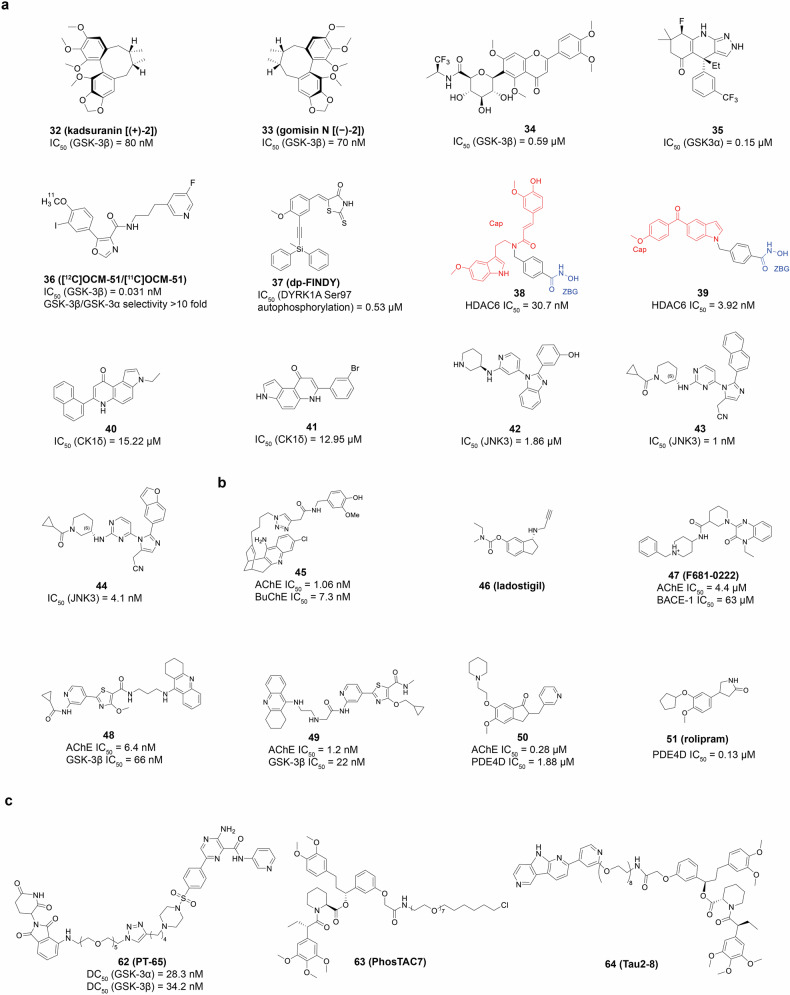
“For example, the GSK-3 degrader PT-65 ( 62 ), developed through click chemistry, exhibited a more prolonged effect on p-tau than its GSK-3 warhead (a GSK-3 inhibitor).”
BackgroundScheltens, P., De Strooper, B., Kivipelto, M., Holstege, H., Chételat, G., Teunissen, C. E., Cummings, J., & van der Flier, W. M. (2021) · The Lancet · doi:10.1016/s0140-6736(20)32205-4 · Cited by 5,465
Cui, C., Cui, J., Jin, F., Cui, Y., Li, R., Jiang, X., Tian, Y., Wang, K., Jiang, P., & Gao, J. (2017) · Cellular Physiology and Biochemistry · doi:10.1159/000479571 · Cited by 5,203
Querfurth, H. W., & LaFerla, F. M. (2010) · New England Journal of Medicine · doi:10.1056/nejmra0909142 · Cited by 4,569
Alzheimer's Disease and Senile Dementia: Loss of Neurons in the Basal Forebrain
Whitehouse, P., Price, D., Struble, R., Clark, A., Coyle, J., & DeLong, M. R. (1982) · Science · doi:10.1126/science.7058341 · Cited by 3,627
Crosstalk of reactive oxygen species and NF-κB signaling
Morgan, M. J., & Liu, Z.-G. (2011) · Cell Research · doi:10.1038/cr.2010.178 · Cited by 3,505
Research works printed but not linked: 3
- Cline, E. N., Bicca, M. A., Viola, K. L. & Klein, W. L. The Amyloid-β Oligomer Hypothesis: Beginning of the Third Decade. J. Alzheimers Dis. 64, S567–S610 (2018). 29843241 10.3233/JAD-179941 PMC6004937 · DOI · Paper page
- Cescon, E. et al. Scaffold Repurposing of in-House Chemical Library toward the Identification of New Casein Kinase 1 δ Inhibitors. ACS Med. Chem. Lett. 11, 1168–1174 (2020). 32550997 10.1021/acsmedchemlett.0c00028 PMC7294733 · DOI · Paper page
- Zhang, Y. et al. Amyloid β-based therapy for Alzheimer’s disease: challenges, successes and future. Signal Transduct. Target Ther. 8, 248 (2023). 37386015 10.1038/s41392-023-01484-7 PMC10310781 · DOI · Paper page
Cited by
Items 701–800 of 1,144
Characteristics of Scopolamine- and Trimethyltin-Induced Models of Alzheimer’s Disease
Nevmerzhytska, N. M. (2025) · Ukrainian Scientific Medical Youth Journal · doi:10.32345/supplement.2.2025.280-286
Zilani, M. N. H., Islam, M. M., Biswas, P., Bibi, S., Albadrani, G. M., Al‐Ghadi, M. Q., Hasan, M. N., & Abdel‐Daim, M. M. (2025) · ChemistrySelect · doi:10.1002/slct.202501516
Beyond Antibodies: Reinventing Alzheimer’s Treatment for the Next Decade
Garbo, S., Raucci, A., Zwergel, C., Handzlik, J., & Battistelli, C. (2025) · Drug Discovery Today · doi:10.1016/j.drudis.2025.104445
Das, R., Chatterjee, A., & Roy, S. (2025) · SSRN Electronic Journal · doi:10.2139/ssrn.5375345
Håkansson, E. O., Balestri, L. J. I., Sharathna, P., Moes, S., Henschel, H., Sköld, C., Hallberg, M., Larhed, M., Skillinghaug, B., & Odell, L. R. (2025) · RSC Medicinal Chemistry · doi:10.1039/d5md00438a
Wang, R., Wu, Y., Tie, F., Dong, Q., Hu, N., & Wang, H. (2025) · SSRN Electronic Journal · doi:10.2139/ssrn.5377046
Tong, P., Li, X., Li, S., et al. (2025) · SSRN Electronic Journal · doi:10.2139/ssrn.5354519
CLARITY in Alzheimer’s Research: Merging Tissue Transparency with Next-Gen Neurotechnologies
Trisal, A., & Singh, A. K. (2025) · Journal of Neuroscience Methods · doi:10.1016/j.jneumeth.2025.110554 · Cited by 1
“A twofold increase in the incidence of the disease is expected in the next two decades [3].”
Gharavi-naeini, L., Shu, Z., Alem, F., Feng, S., Chilin, L. D., Feng, P., & Wu, Y. (2025) · bioRxiv (Cold Spring Harbor Laboratory) · doi:10.1101/2025.08.10.669568
Cellular Senescence in Multiple Sclerosis (MS)
Dahiya, R., Dahiya, S., Siddique, R., Thapa, R., Bhat, A. A., Hussain, M. S., Singh, T. G., Singh, S. K., Gupta, S., Deb, P. K., et al. (2025) · Springer eBooks · doi:10.1007/978-981-96-8873-9_11 · Cited by 1
Distance Transform Guided Mixup for Alzheimer’s Detection
Batool, Z., Özkan, H., & Aptoula, E. (2025) · Signal Processing and Communications Applications Conference (SIU) · doi:10.1109/siu66497.2025.11112112
“It is caused by complex factors such as aging, genetics, and environment, leading to memory loss and behavioral changes [1].”
Patil, V., Yadav, Y., Patil, T., Gupta, S., Pagar, R. S., & Katti, J. (2025) · International Conference on Computing Technologies (ICOCT) · doi:10.1109/icoct64433.2025.11118475
“The urgency of early diagnosis is further underscored by the disease’s insidious onset, often going unnoticed until significant neurological damage has occurred, making proactive screening and innovative tools essential [2].”
DNA Methylation: A Potential Mediator of the Memory Regulatory Effects of taVNS
Yee, P. O. P., Tsui, K. C., Fung, M., Heng, B. C., Kocabıçak, E., Jahanshahi, A., Temel, Y., Blokland, A., Aquili, L., Kalueff, A. V., et al. (2025) · Cells · doi:10.3390/cells14171327
“Although there has been much research on neuroprotective agents and on the development of pharmaceutical drugs [7–9], most of these only treat the symptoms or are limited by inconsistent efficacy and adverse effects [9].”
The global patent landscape of the drugs for treating Alzheimer’s disease from 2014–2023
Xu, Y., & Gao, Y. Z. (2025) · BMC Neurology · doi:10.1186/s12883-025-04352-9
“Despite extensive research, no definitive cure exists, underscoring the urgent need for effective therapeutic interventions [5, 6].”
Yang, F., Fu, T., Xiong, W., et al. (2025) · Chinese Chemical Letters · doi:10.1016/j.cclet.2025.111773
Self-citationSu, F., Li, Y., Shi, X., Yi, C., Leow, Y. J., Tanoto, P., Lin, L., Chen, W., Zhou, J., Kong, H., et al. (2025) · Journal of Alzheimer s Disease · doi:10.1177/13872877251371718
Self-citationSelvan, N. P., Mukherjee, A., Gupta, V., Erben, E., & Kim, H.-S. (2025) · bioRxiv (Cold Spring Harbor Laboratory) · doi:10.1101/2025.09.02.673782
Guimarães, G. M., Cazarin, C. A., Bernadina, J. G., Eisendecker, H. I., dos Santos, A. C., Dalmagro, A. P., Harle, M., Vieira, M. E., Malheiros, Â., Filho, V. C., et al. (2025) · Exploration of neuroscience · doi:10.37349/en.2025.1006109 · Cited by 2
Aljabali, A. A. A., Alkaraki, A. K., & Obeid, M. A. (2025) · Current Neuropharmacology · doi:10.2174/011570159x371971250818110608
“Further in-depth research into the interaction between MAPT haplotypes, APOE status, and other genetic modifiers will lead to a holistic understanding of AD pathogenesis [47, 55].”
Amygdala subregional atrophy across ATN-defined Mild Cognitive Impairment subgroups
Yuan, Q., Zheng, D., Qi, W., Liang, X., Ruan, Y., Tang, Y., Xue, C., & Xiao, C. (2026) · Frontiers in Neuroscience · doi:10.3389/fnins.2026.1791269 · Cited by 2
Su, C. W., Chen, K., Wu, T. Q., et al. (2025) · medRxiv · doi:10.1101/2025.09.09.25334938
Patra, S., Patra, R., Das, P. K., et al. (2025) · Research Square · doi:10.21203/rs.3.rs-7556358/v1
Buszek, J., Antoszewska, A., Bargieł, W., Medygrał, M., Czerniak, P., Szulik, N., Antos, M., Dydoń-Pikor, M., Baran, F., & Wajdowicz, H. (2025) · Humanities & Social Sciences Reviews · doi:10.18510/hssr.2025.13215
“Together, these mechanisms create an environment conducive to neurodegeneration, and stress is now recognized as one of the main factors accelerating the development of Alzheimer's (Justice, 2018; Zhang et. al., 2024).”
Mechanisms of Neuroprotection by Medicinal Plants and Their Phytochemicals
Kandasamy, S., & Pilla, S. P. (2025) · Springer eBooks · doi:10.1007/978-3-032-01356-9_19
The biological diagnosis of Alzheimer’s disease using blood-based biomarkers: a Canadian prospective
Kumar, P., Mousavi, A., & Frykman, H. (2025) · Clinical Biochemistry · doi:10.1016/j.clinbiochem.2025.111015 · Cited by 1
Modeling Alzheimer’s disease through the integration of exposome, inflammasome, and connectome
Pini, L., Imbimbo, B. P., & Allegra, M. (2025) · Neural Regeneration Research · doi:10.4103/nrr.nrr-d-25-00829
“Further, previous clinical trials targeting Aβ have failed to demonstrate substantial therapeutic benefit (Zhang et al., 2024).”
Roflumilast: a selective phosphodiesterase-4 inhibitor for the treatment of Alzheimer’s disease
Sang, Z. (2025) · Elsevier eBooks · doi:10.1016/b978-0-443-33885-4.00037-8
Wang, T., & Yao, X. (2025) · Journal of Affective Disorders · doi:10.1016/j.jad.2025.120467
Nutraceuticals intervention in Alzheimer's disease: From farm to pharma
Chaithra, P. M., Rakshith, B. S., Logesh, S., Basalingappa, K. M., Gopenath, T. S., Chang, H., Perry, G. L., & Singh, S. K. (2025) · Journal of Alzheimer s Disease · doi:10.1177/13872877251385216 · Cited by 1
“6,7 Although the disease is known to be a combination of environmental, genetic, and lifestyle factors, the exact cause remains unclear.”
Sun, Y., Jiang, X., Yi, X., Wang, C., Zhang, X., Shen, R., Yang, A., & Kou, X. (2025) · Chemistry & Biodiversity · doi:10.1002/cbdv.202501827 · Cited by 1
“To date, only four small-molecule drugs have been approved by the U.S. Food and Drug Administration for AD treatment, including three cholinesterase inhibitors (ChEIs) and one N-methyl-D-aspartate receptor antagonist [2].”
Loss of AT8 Nuclear Tau as a Marker of Neuronal Ageing and Alzheimer’s Disease Progression
Bruno, F., Gil, L., Sturiale, V., Guerrero, C., Poves, A. B. R., Brancato, D., Morales, J., Saccone, S., & Federico, C. (2025) · Biomedicines · doi:10.3390/biomedicines13112587 · Cited by 3
“Despite decades of research, the molecular mechanisms that initiate and sustain these processes remain incompletely understood [1–4].”
Recent Advances in the Application of Artificial Intelligence in Alzheimer's Disease
Yao, L., Ni, J., Wei, M., Li, T., Li, F., Wang, T., Xiao, W., Shi, J., & Tian, J. (2025) · Current Alzheimer Research · doi:10.2174/0115672050410489250930175402 · Cited by 2
Li, Y., Niu, Y., Ding, H., Chen, Z., & Zhang, Q. (2025) · World Journal of Psychiatry · doi:10.5498/wjp.v15.i11.111985
Phytochemicals in Neurological Disorders Management: A Comprehensive Review
Bandaru, N., Ekghara, S. D., Ashok, T. A., Khan, N. I., & Gambhire, M. S. (2025) · Journal of Natural Remedies · doi:10.18311/jnr/2025/50060
Voronova, A. D., Karsuntseva, E. K., Shishkina, V. S., Fursa, G. A., Chadin, A. V., Шпорт, С. В., Stepanova, O. V., & Chekhonin, V. P. (2025) · Bulletin of Experimental Biology and Medicine · doi:10.1007/s10517-025-06519-3
“Studies on the efficacy of non-steroidal anti-inflammatory drugs have not shown significant results, but numerous drugs targeting inflammation-related receptors, signaling pathways, and proinflammatory cytokines are currently being investigated [29].”
Antibodies targeting amyloid-β and Tau oligomers in Alzheimer’s disease
Chinnathambi, S., Rangappa, N., & Chandrashekar, M. (2025) · Advances in protein chemistry and structural biology · doi:10.1016/bs.apcsb.2025.10.002
Gai, K., Song, Y., Gao, D., Nie, Q. H., Luo, X., Xu, C., Cai, C., Smith, A. G., Li, X., Shi, W., et al. (2025) · Advanced Science · doi:10.1002/advs.202510062 · Cited by 2
Das, J., Patel, B. M., Biswal, J., & Mishra, S. N. (2025) · Odisha Journal of Psychiatry · doi:10.4103/ojp.ojp_12_25
Hines, D., Tobey, H., Dugan, P., Boehringer, S. C., Helm, R. F., Anandakrishnan, R., Werre, S. R., VandeVord, P. J., & Costa, B. M. (2025) · Journal of Alzheimer s Disease Reports · doi:10.1177/25424823251393742
C3N Nanosheets Inhibit Aβ Dimerization in a Size-Dependent Manner
Man, J., Chen, J., & Gu, Z. (2025) · The Journal of Physical Chemistry B · doi:10.1021/acs.jpcb.5c05718
Zang, Z., Chen, F., Gao, L., Tang, Q., Luo, W., Lin, Y., & Yu, Y. (2025) · Research Square · doi:10.21203/rs.3.rs-7928145/v1
Vidal, B., Badina, A. M., Dorogan, V., Schirmbeck, G. H., Sanches, E. F., Ceyzériat, K., Knoop, M. S., Abjean, L., Tsartsalis, S., Sizonenko, S. V., et al. (2025) · bioRxiv (Cold Spring Harbor Laboratory) · doi:10.1101/2025.11.11.687784
The association between individual and composite inflammation biomarkers and cognitive function
Yi, F., Ananya, R., Moazzami, K., Wei, J., & Kulshreshtha, A. (2025) · Journal of Alzheimer s Disease · doi:10.1177/13872877251394331
Hossain, M. S., Ramasamy, V. S., Haque, M. A., Rajagopalan, K., & Park, I. (2025) · Applied Biosciences · doi:10.3390/applbiosci4040053
“Alzheimer’s disease (AD) is a slowly developing neurodegenerative disorder characterized by neuronal cell death and cognitive decline [1].”
Cytoskeletal disintegration in cardiovascular disease-related neurodegeneration
Atasever, E., Cebe, T., Turgut, Ş., Andican, G., & Çakatay, U. (2025) · Advances in protein chemistry and structural biology · doi:10.1016/bs.apcsb.2025.10.030 · Cited by 1
EAR-20 peptide, a novel NMDA receptor positive allosteric modulator
García-Díaz, R., Castellanos, A., Míguez‐Cabello, F., Picañol, J., Pérez-González, A., Gratacòs‐Batlle, E., Vega, N. A., Altafaj, X., Reyes-Guzmán, E. A., Reyes-Montaño, E. A., et al. (2025) · Frontiers in Pharmacology · doi:10.3389/fphar.2025.1639698
“The pathological outcome of primary and secondary NMDAR dysfunction stimulated pharmacological research over the years, testing the use of agonists and antagonists, such as memantine, for treating certain NMDAR related disorders (Zhang et al., 2024).”
Glycosphingolipids in Dementia: Insights from Mass Spectrometry and Systems Biology Approaches
Sârbu, M., Ică, R., Biricioiu, M. R., Dehelean, L., & Zamfir, A. D. (2025) · Biomedicines · doi:10.3390/biomedicines13122854 · Cited by 1
“…decades, the development of effective therapies has been hampered by the remarkable clinical and molecular heterogeneity of dementia syndromes [2,3], such as Alzheimer’s disease (AD), dementia with Lewy body (DLB), frontotemporal dementia (FTD), Parkinson’s disease dementia (PDD), Huntington’s…”
Kabachna, I. V., Filova, A. S., & Kabachnyy, V. I. (2025) · Psychiatry Neurology and Medical Psychology · doi:10.26565/2312-5675-2025-31-08
Jia, X., Li, M., Wang, Y., Li, H., Zhang, X., Chen, H., Tian, J., Zhang, G., & Wang, T. (2025) · Behavioural Brain Research · doi:10.1016/j.bbr.2025.115965
Neuronal loss and synaptic dysfunction
Pandya, K., Tripathi, P. N., & Kumar, D. (2025) · Elsevier eBooks · doi:10.1016/b978-0-443-36295-8.00016-x
Impact of oxidative stress on confluent diabetes and Alzheimer's disease
Ardhra, P. B., Thankachan, C., Devikrishna, P. R., Joshi, Y., & George, N. (2025) · Elsevier eBooks · doi:10.1016/b978-0-443-40559-4.00003-9
Wu, H., Huang, N., Wang, K., Mi, J., Liu, Z., Wang, J., Sang, Z., & Tan, Z. (2025) · ACS Omega · doi:10.1021/acsomega.5c09187
Self-citationTachibana, Y., Kobayashi, K., Kabayama, M., Kido, M., Akagi, Y., Akasaka, H., Iwashima, Y., Yasumoto, S., Masui, Y., Ikebe, K., et al. (2025) · Archives of Gerontology and Geriatrics · doi:10.1016/j.archger.2025.106109 · Cited by 1
Alopoudi, A., Μoraitou, D., Tegos, T. J., & Tsolaki, M. (2025) · Archives of Clinical Neuropsychology · doi:10.1093/arclin/acaf106
“Detecting changes at the preclinical or early prodromal stage is considered crucial for potentially altering disease progression (Hampel et al., 2018; Zhang et al., 2024; Yu et al., 2024).”
InfluentialChani, A. R., Khan, A., Khan, A., & Minhas, A. M. (2025) · ACS Chemical Neuroscience · doi:10.1021/acschemneuro.5c00714
Role of gut microbial amyloids in progressive cognitive decline
Singh, A. (2025) · Elsevier eBooks · doi:10.1016/b978-0-443-33355-2.00022-0
Neuronal PARIS-STAT3 axis drives tau pathology and glial activation in Alzheimer’s diseasePreprint
Song, J.-Y., Akkentli, F., Jo, H., Park, J., Ha, S., Ochoa, J., Troncoso, J. C., Kang, S.-U., Dawson, V. L., & Dawson, T. M. (2025) · bioRxiv (Cold Spring Harbor Laboratory) · doi:10.64898/2025.12.06.692741
Rajunaik, V., Unni, H. N., Perugu, S., Preethi, B., & Parasannanavar, D. J. (2025) · IEEE International Conference on Bioinformatics and Bioengineering (BIBE) · doi:10.1109/bibe66822.2025.00014
“These efforts hold promise for developing more effective treatments that can slow or even halt the progression of AD [4].”
CauReL: Dynamic Counterfactual Learning for Precision Drug Repurposing in Alzheimer's DiseasePreprint
Wang, Y., Zhou, M., Tang, Z., Xiong, C., Asken, B. M., Yang, B., Su, J., Zhou, X., & Song, Q. (2025) · Research Square · doi:10.21203/rs.3.rs-8206648/v1
“Over the last twenty years, numerous trials 5,6 targeting pathological hallmarks 7 , amyloid-β aggregation 8 , tau pathology 9 , neuroinflammation 10 , oxidative stress 11 , have not demonstrated significant clinical benefit, or have yielded only modest gains accompanied by notable adverse effects.”
Sharaf, Y. M., Nazeam, J. A., Abu‐Elfotuh, K., Gowifel, A. M. H., Atwa, A. M., Mohamed, E. K., Hamdan, A. M., Almotairi, R., Hamdan, A. M., Osman, S. M., et al. (2025) · Pharmaceuticals · doi:10.3390/ph18121892
“These hallmarks contribute to synaptic dysfunction, mitochondrial impairment, and eventual neuronal death in the brain [3].”
Cao, Y., Wu, T., Li, J., et al. (2025) · Food Research International · doi:10.1016/j.foodres.2025.118046
Sun, J., Ling, Y., Chen, J., & Zhao, M. (2025) · Investigación Clínica · doi:10.54817/ic.v66n4a01
Wang, X., Wang, X., Zhao, C., Zhao, H., Wang, P., & Song, T. (2025) · Behavioural Brain Research · doi:10.1016/j.bbr.2025.115995 · Cited by 1
Yan, R., Zhang, W., Wang, W., Wu, J., Zhang, J., Xu, Y., Xu, W. F., & Yang, W. K. (2025) · Neurotherapeutics · doi:10.1016/j.neurot.2025.e00813
“The leading hypotheses include the amyloid-beta (A β ) cascade and tau hypotheses, however, pharmacological interventions targeting these pathways have produced limited success [1 – 3].”
Self-citationInnovative Approach: The Role of Acetylcholinesterase Immunotherapy in Alzheimer’s Treatment
Vaja, P. N., madiya, H. H., Upadhyay, S. K., Ghusar, D. R., Solanki, V. P., & Borkhataria, C. H. (2025) · Asian Journal of Pharmacy and Technology · doi:10.52711/2231-5713.2025.00051
O uso da creatina como neuroprotetor da doença de Alzheimer
Oliveira, E. D.-T. M., & da Silva, M. C. (2025) · Research Society and Development · doi:10.33448/rsd-v14i12.50322
Tang, P., Chen, X., Li, P., Zhang, L., Tang, B., Wen, J., Liu, Y., Kalsoom, I., & Cheng, C. (2025) · PLoS ONE · doi:10.1371/journal.pone.0338901
“There is yet no cure for AD unfortunately and patients are usually diagnosed at a late stage with an average survival period of 4–8 years [1,5].”
InfluentialSun, R., Zhang, Y., Xu, J., et al. (2025) · Archiv der Pharmazie · doi:10.1002/ardp.70174
Self-citationRen, D., Chenyao, X., Chai, X., Zhang, Z., Zhu, X., Zhao, Y., Wei, J., Yi, C., Chen, S., Li, E., et al. (2025) · Brain Behavior and Immunity Integrative · doi:10.1016/j.bbii.2025.100148 · Cited by 4
Hara, N., 鎌田, 松., Yamaguchi, H., Uenishi, T., Tanizawa, Y., Ueda, K., Osaga, S., & Hatakeyama, N. (2025) · Current Medical Research and Opinion · doi:10.1080/03007995.2025.2603820
“In recent years, new drugs for certain causative diseases have been introduced [12], making identification of the causative disease even more important.”
Sangwan, N., Mittal, V., Sinwar, D., & Bohra, N. (2025) · IEEE Access · doi:10.1109/access.2025.3648664 · Cited by 1
“The frequency among those over 60 years of age differs by region: Southeast Asia reports 2.9%, Europe 6.5%, while other areas exhibit rates ranging from 3.1% to 5.7% [4].”
InfluentialTrinchero, M. F., Herrero, M., Mugnaini, M., Soldi, N., Aguilar‐Arredondo, A., Benas, S., Satorre, I. G., Kropff, E., & Schinder, A. F. (2025) · Molecular Psychiatry · doi:10.1038/s41380-025-03436-9 · Cited by 3
Patra, J., Madkhali, H. A., Samad, A., & Ansari, M. N. (2025) · Journal of Computational Biophysics and Chemistry · doi:10.1142/s273741652650047x
Bernard, P. J., Więckowska, A., Grosjean, S., Godyń, J., Sałat, K., Detka, J., Palacz, N., Tyrybon, W., Jończyk, J., Szałaj, N., et al. (2025) · ACS Chemical Neuroscience · doi:10.1021/acschemneuro.5c00806 · Cited by 1
Lai, R.-H., Yang, S.-J., Hsu, P.-Y., Chen, Y., Chuang, S., Hsu, C.-C., Hsiung, C. A. G., & Kuo, F.-L. (2025) · Nutrients · doi:10.3390/nu18010106
“Alzheimer’s disease (AD) is a multifactorial neurodegenerative disorder marked by considerable heterogeneity in its clinical course and underlying pathophysiological mechanisms [1,2].”
Adaszewski, S., & Schindler, T. (2025) · medRxiv · doi:10.64898/2025.12.28.25343106
Performance of a Chinese Cognitive Decline Risk Model in a Japanese Cohort: A Validation StudyPreprint
Tu, L., Carlon, M. K. J., Nanjo, Y., Gu, D., & Kuniyoshi, Y. (2025) · medRxiv · doi:10.64898/2025.12.25.25342996
Sharma, K., Tiwari, N., & Tapadia, M. G. (2025) · bioRxiv (Cold Spring Harbor Laboratory) · doi:10.64898/2025.12.31.696993
“Consequently, most AD research has focused on age-dependent toxicity, synaptic failure, and neuronal loss that occur during adulthood and aging (Zhang et al., 2024).”
Bayesian-Optimized Eye Movement Event Detection for Assisted Alzheimer’s Diagnosis
Wang, X., Nie, Y., Zhao, J., et al. (2026) · Lecture notes in electrical engineering · doi:10.1007/978-981-95-4049-5_15
Postu, P. A., Mihăşan, M., Gorgan, D. L., Stache, A. B., Sadiki, F. Z., Idrissi, M. E., & Hriţcu, L. (2026) · Applied Sciences · doi:10.3390/app16010511
Valorization of Olive Oil Residues: Phytochemical Analysis and Potential Bioactivity
Alvarez, C., Bedoya, M., & Gutiérrez, M. (2025) · doi:10.3390/ecsoc-29-26727
“Alzheimer’s disease (AD) is the most common cause of dementia and is strongly linked to cholinergic deficits, particularly reduced acetylcholine in cortical and hippocam-Chem pal regions [1,2].”
Functional significance of NLRP3 polymorphisms in mild cognitive impairment
Gao, R., Lam, L. C. W., Lee, A. T. C., Tang, N. L. S., & Ma, S. L. (2026) · BMC Geriatrics · doi:10.1186/s12877-025-06905-6
“There is currently no treatment for full recovery from AD and only symptomatic treatments are available [3].”
Reyna, A. A., & Panni, S. (2026) · Biomedicines · doi:10.3390/biomedicines14010147 · Cited by 1
“MicroRNAs have emerged as promising therapeutic targets in numerous pathologies, including Alzheimer’s disease (AD), the predominant form of dementia, which affects more than 55 million people worldwide and for which traditional medication has very limited efficacy [7].”
Sakarya, M. T., Gul, H. I., Sakagami, H., et al. (2026) · Journal of Molecular Structure · doi:10.1016/j.molstruc.2026.145363
Fatimi, H. E., Ndayambaje, M., Skaou, A., & El‐Mansoury, B. (2026) · IGI Global eBooks · doi:10.4018/979-8-3373-1365-8.ch006
Cross-Validation of Neurodegeneration Biomarkers in Blood and CSF for Dementia Classification
Ochneva, A., Abramova, O. V., Zorkina, Y., Morozova, I., Ushakova, V. M., Ka, P., Andreyuk, D., Zubkov, E., Andryushchenko, A. V., Tsurina, A. M., et al. (2026) · Clinical and Translational Neuroscience · doi:10.3390/ctn10010002
“Alzheimer’s disease (AD) and other forms of dementia are a heterogeneous group of neurodegenerative diseases characterized by progressive cognitive decline, but differ in etiology, pathogenesis, and clinical manifestations [1].”
Carreiro, E. P., Múria, P., Velez, D. H. G., Carrott, M. R., Burke, A. J., & Costa, A. R. (2026) · Polymers · doi:10.3390/polym18020234
“…disease, whose pathophysiology involves multiple interrelated mechanisms, including beta–amyloid peptide aggregation and tau protein hyperphosphorylation, with underlying cholinergic dysfunction and oxidative stress, which together lead to neuronal damage and cognitive decline [2–4].”
Early Detection of Alzheimer’s Disease Using Data-Driven Classification Models
Ganesh, P., Sowmya, G., Rao, K. N., & Bikku, T. (2026) · Lecture notes in networks and systems · doi:10.1007/978-3-032-14044-9_26
Terry, G., Aziz, S., Raihana, N., Xie, L., Rockwell, P., Serrano, P. A., & Figueiredo-Pereira, M. E. (2026) · bioRxiv (Cold Spring Harbor Laboratory) · doi:10.64898/2026.01.17.700104
Zhou, X., Zhang, Y., Sun, L., Kwok, C. K., & Zhang, J. (2026) · bioRxiv (Cold Spring Harbor Laboratory) · doi:10.64898/2026.01.20.700564
“However, their limited efficacy and adverse effects underscore a need to better understand underlying molecular drivers of AD 4 .”
Self-citationKumar, R., Jain, A., & Nagar, S. (2025) · International Conference on Image Information Processing (ICIIP) · doi:10.1109/iciip68302.2025.11346268
“Integrating genetic data with brain scans has come to be an extremely effective approach recently to enhance the detection as well as grasp of neurodegenerative diseases like Alzheimer’s disease (AD) [10].”
Villegas-Trujillo, L. M., Parra, B., López-Álvarez, D., Gonzalez-Ojeda, L. M., Torres-Parga, A., Cardona, S., Rivera-Franco, N., & Cardona, J. F. (2026) · Molecular Neurobiology · doi:10.1007/s12035-025-05597-8 · Cited by 1
Tang, P., Liu, Y., Su, Z., Hu, F., & Dai, J. (2025) · IEEE International Conference on Medical Artificial Intelligence (MedAI) · doi:10.1109/medai67139.2025.00008
“Although the exact etiology of AD remains unclear, it is widely believed that multiple factors—including environmental, behavioral, and genetic influences—interact to drive its progression [5], [6].”
Exclusions affect representativeness of Alzheimer's disease trial participants
Ashford, M. T., Tank, R., Kabeto, M. U., Nosheny, R. L., Weiner, M. W., Weir, D. R., & Langa, K. M. (2026) · Alzheimer s & Dementia Translational Research & Clinical Interventions · doi:10.1002/trc2.70191
Yang, Y. X., Shang, M., Li, H., Wang, Y., & Du, L. (2025) · IEEE International Conference on Bioinformatics and Biomedicine (BIBM) · doi:10.1109/bibm66473.2025.11356607
Acquarone, E., Roy, S. M., Staniszewski, A., Watterson, D. M., & Arancio, O. (2026) · Cells · doi:10.3390/cells15030273
“(Zhang et al 2024) These two neuropathological hallmarks of the disease are followed by synaptic and neuronal loss resulting in progressive cognitive and functional decline.”
Resende, R. R., & Pereira, C. F. (2025) · Springer eBooks · doi:10.1007/978-3-031-52641-1_14-1
Blood-based biomarkers and early diagnosis of Alzheimer’s disease
Cui, Z., Li, G., Wei, S., Cheng, Q., Yu, Q., Zong, S., Zhang, P., Chen, H., Yu, S., Wu, S., et al. (2026) · Neural Regeneration Research · doi:10.4103/nrr.nrr-d-25-00759 · Cited by 1
“Regulatory agencies mandate ongoing pharmacovigilance even following market approval to detect delayed-onset adverse reactions or rare events potentially undetected during pre-approval clinical studies (Zhang et al., 2024a).”
Phosphorylated peptide Tau-pT181 induced tau aggregation and cognitive dysfunction
Luo, Y., Wu, G., Liu, Y., Yin, A., Huang, Z., Wang, J., Liu, R., Wang, X., & Gui, Y. (2026) · Journal of Alzheimer s Disease · doi:10.1177/13872877251413719
Self-citation
Metadata
- Authors
- Zhang, J., Zhang, Y., Wang, J., Xia, Y., Zhang, J., & Chen, L.
- Affiliations
- Sichuan University (CN)
- University of Tennessee Health Science Center (US)
- Corresponding author
- Chen, Lei
- ORCID
- Wang, Jiaxing
- Venue
- Signal Transduction and Targeted Therapy
- Published
- 2024-08-23
- Volume
- 9
- Issue
- 1
- Pages
- 211-211
- ISSN
- 2059-3635 (ISSN-L)
- PMC
- PMC11344989
- OpenAlex
- W4401806028
- Semantic Scholar
- 8ff7d224cd5f81cb22fca07098d6f0ed92abd2bf
- Cited by
- 1,138
- References
- 674
- Citations by year
- 2026: 516 · 2025: 588 · 2024: 32
- FWCI
- 335.63
- Type
- journal article
- Language
- en
- Open access
- gold
- doi.org
- Licence
- cc-by
- creativecommons.org/licenses/by/4.0 (tdm)
- creativecommons.org/licenses/by/4.0 (vor)
- Locations
- Signal Transduction and Targeted Therapy (publishedVersion, cc-by)
- PubMed (publishedVersion)
- PubMed Central (submittedVersion, cc-by)
- DOAJ (DOAJ: Directory of Open Access Journals) (submittedVersion, cc-by-sa)
- Topics
- Health Sciences › Medicine › Pharmacology (medical) › Cholinesterase and Neurodegenerative Diseases
- Life Sciences › Neuroscience › Cellular and Molecular Neuroscience › Alzheimer's disease research and treatments
- Life Sciences › Biochemistry, Genetics and Molecular Biology › Molecular Biology › Phosphodiesterase function and regulation
- Keywords
- Alzheimer's disease, Alzheimer's disease pathogenesis, amyloid hypothesis, tau protein, cholinergic hypothesis, neuroinflammation, oxidative stress, microbiota-gut-brain axis
- MeSH terms
- Drug Development, Alzheimer Disease
About these checks
Registry, retraction, Cites and statistics results are computed, not judged, with one exception: a printed reference that no index lists is read once by a model before it counts as a citation error. Claims are extracted by a model and kept only when their quote appears verbatim in the text; each cited source is then checked, with a model’s help, for whether it says what the claim relies on. Those verdicts can be wrong — read the claim’s quote and the cited source before relying on one.
The claim verdicts this report counts are experimental: their accuracy is not yet measured.
A language model drew the claims from the paper on 2026-09-28, under version 3 of the claim definition (model deepseek-v4.1-flash, prompt extract-v3).
A second model labelled each claim on 2026-09-28 (model jev-1.13-20260917, definition revision gold-guideline-v0.2).
Cited sources are checked with a language model’s help (gpt-6-sol).
Statistics and arithmetic are recomputed, not judged.
Confidence bands are shown only for fields calibrated on our annotated test set. None is calibrated yet, so no band is shown.
What counts as a claim ›How we measure confidence ›How we check this ›
Are you an author, or do you see a problem with this page? Request a review
Data sources
Bibliographic data: Semantic Scholar, OpenAlex, Crossref.
Contains information from the Semantic Scholar Academic Graph Datasets, made available under the ODC Attribution License (ODC-BY 1.0).
Semantic Scholar’s data is described in: Kinney, R., et al. (2023). The Semantic Scholar Open Data Platform. arXiv:2301.10140.
