

Media use and brain development during adolescence
Open accessThe DOI matches its Crossref record; 103 of the 103 references it cites were found in a registry or an index.
Abstract
The current generation of adolescents grows up in a media-saturated world. However, it is unclear how media influences the maturational trajectories of brain regions involved in social interactions. Here we review the neural development in adolescence and show how neuroscience can provide a deeper understanding of developmental sensitivities related to adolescents’ media use. We argue that adolescents are highly sensitive to acceptance and rejection through social media, and that their heightened emotional sensitivity and protracted development of reflective processing and cognitive control may make them specifically reactive to emotion-arousing media. This review illustrates how neuroscience may help understand the mutual influence of media and peers on adolescents’ well-being and opinion formation.
Overview
The claims and statistics of this paper haven’t been checked yet.
Free: it reads the open-access text and checks the first 5 claims that cite a source we can check. Create a free account to check every claim.
Integrity signals
Registry
Cites
Statistics
Figures
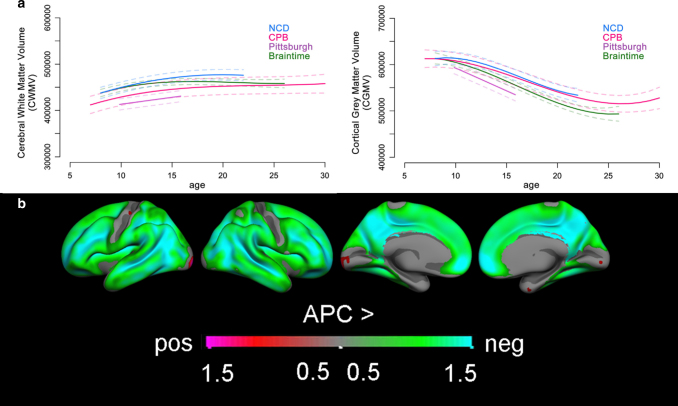
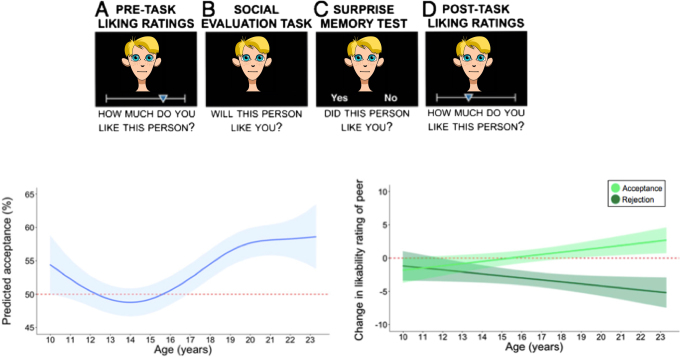
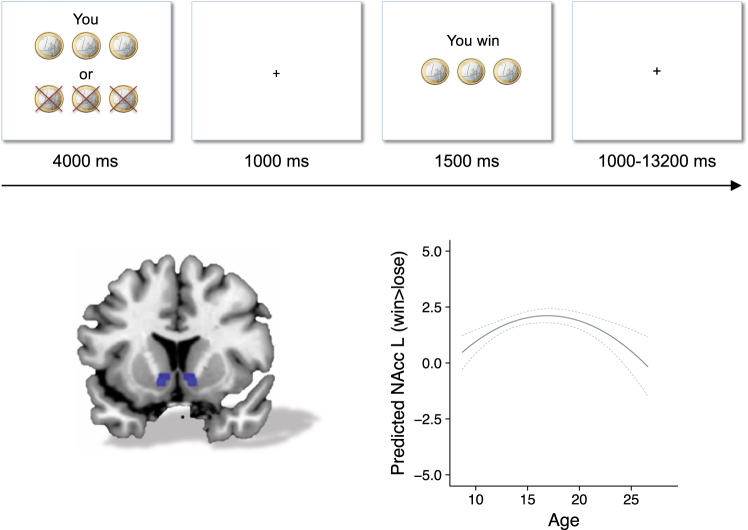
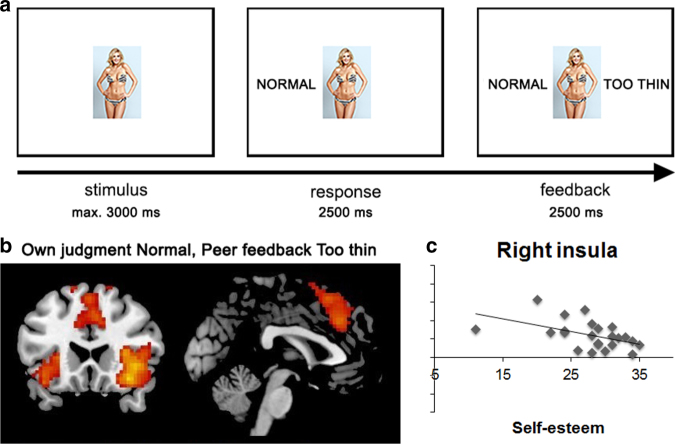
Verification
Claims the paper makes
The claims and statistics of this paper haven’t been checked yet.
Free: it reads the open-access text and checks the first 5 claims that cite a source we can check. Create a free account to check every claim.
Claims other papers make about this one
Each is checked against this paper’s own text: does it say what the citing paper says it does?
The source backs part of the claim, not all of it — or backs it for a different population, condition or comparison.
In the citing paper
“It is possible, and even likely, that the effects of social media go beyond overall use and instead largely depend on user pattern and/or type of platform turned to [4,44].”
From Social Media and Mental Health Among Early Adolescents in Sweden: A Longitudinal Study With 2-Year Follow-Up (KUPOL Study). (2021) · cites this paper as [4]
Experimental — accuracy not yet measuredThe source backs part of the claim, not all of it — or backs it for a different population, condition or comparison.
In the citing paper
“Moreover, the use of social media and other activities on phones have also been found to release feel-good neurochemicals such as dopamine [52, 53].”
From “From the moment I wake up I will use it…every day, very hour”: a qualitative study on the patterns of adolescents’ mobile touch screen device use from adolescent and parent perspectives (2019) · cites this paper as [53]
Experimental — accuracy not yet measuredThe source backs part of the claim, not all of it — or backs it for a different population, condition or comparison.
In the citing paper
“Both adolescents and young adults are more sensitive than older age groups to the benefits and harms of SMU (Crone and Konijn, 2018; Hayes et al., 2015).”
From Social media use, mental health and sleep: A systematic review with meta-analyses (2024) · cites this paper as Crone and Konijn, 2018
Experimental — accuracy not yet measuredThe cited source says what the claim attributes to it.
In the citing paper
“It is therefore plausible that these processes heighten adolescents’ sensitivity to the interactive, communicative, and self-portraying nature of social media22, a technology they use more extensively than other age groups23,24.”
From Windows of developmental sensitivity to social media (2022) · cites this paper as [22]
Self-check
Percentages, sums and reported differences re-computed from the paper’s own numbers.
The self-check needs the paper’s full text.
Citations
Cites
Digital Natives, Digital Immigrants Part 1
Prensky, M. (2001) · On the Horizon · doi:10.1108/10748120110424816 · Cited by 11,104 · cited 2×
“We will specifically focus on the following three aspects of media exposure of interest to adolescent development21: (1) social acceptance or rejection, (2) peer influence on self-image and self-perception, and (3) the role of emotions in media use.”
BackgroundDigital Natives, Digital Immigrants Part 2: Do They Really Think Differently?
Prensky, M. (2001) · On the Horizon · doi:10.1108/10748120110424843 · Cited by 4,035
The reward circuit: linking primate anatomy and human imaging
Haber, S. N., & Knutson, B. (2010) · Neuropsychopharmacology · doi:10.1038/npp.2009.129 · Cited by 3,718
Kowalski, R. M., Giumetti, G. W., Schroeder, A. N., & Lattanner, M. R. (2014) · Psychological Bulletin · doi:10.1037/a0035618 · Cited by 3,266
Tokunaga, R. S. (2010) · Computers in Human Behavior · doi:10.1016/j.chb.2009.11.014 · Cited by 2,566
Understanding adolescence as a period of social–affective engagement and goal flexibility
Crone, E. A., & Dahl, R. E. (2012) · Nature Reviews Neuroscience · doi:10.1038/nrn3313 · Cited by 2,507
Self-citationIs Adolescence a Sensitive Period for Sociocultural Processing?
Blakemore, S.-J., & Mills, K. L. (2014) · Annual Review of Psychology · doi:10.1146/annurev-psych-010213-115202 · Cited by 2,264
The social brain in adolescence
Blakemore, S.-J. (2008) · Nature Reviews Neuroscience · doi:10.1038/nrn2353 · Cited by 1,896
Bullying Prevalence Across Contexts: A Meta-analysis Measuring Cyber and Traditional Bullying
Modecki, K. L., Minchin, J., Harbaugh, A. G., Guerra, N. G., & Runions, K. C. (2014) · Journal of Adolescent Health · doi:10.1016/j.jadohealth.2014.06.007 · Cited by 1,659
Morphometric study of human cerebral cortex development
Huttenlocher, P. R. (1990) · Neuropsychologia · doi:10.1016/0028-3932(90)90031-i · Cited by 1,239
Research works printed but not linked: 3
- Konijn, E. A., Veldhuis, J., Plaisier, X. S., Spekman, M. & den Hamer, A. H. in The Handbook of Psychology of Communication Technology (ed. Sundar. S.) (Wiley-Blackwell, Hoboken, NJ, 2015).
- Valkenburg, P. M. & Taylor Piotrowski, J. How Media Attract and Affect Youth (Yale University Press., Yale, 2017).
- Konijn, E. A. & Hoorn, J. F. in The International Encyclopedia of Media Effects (ed. Roessler, P., Hoffner, C. A. & Zoonen, L. v.) 1–15 (Wiley-Blackwell Publishers, Hoboken, NJ, 2017).
Cited by
Odgers, C. L., & Jensen, M. R. (2020) · Journal of Child Psychology and Psychiatry · doi:10.1111/jcpp.13190 · Cited by 1,189
“Progress has been made in other areas with respect to mapping new media use on trajectories of adolescent brain development during this period (Crone & Konijn, 2018); however, what is currently needed is a developmentally calibrated evaluation of the fit between the affordances and constraints of…”
The “online brain”: How the Internet may be changing our cognition
Firth, J., Torous, J., Stubbs, B., Firth, J. A., Steiner, G. Z., Smith, L., Alvarez‐Jimenez, M., Gleeson, J., Vancampfort, D., Armitage, C. J., et al. (2019) · World Psychiatry · doi:10.1002/wps.20617 · Cited by 694
de Figueiredo, C. S., Sandre, P. C., Portugal, L. C. L., Mázala-de-Oliveira, T., da Silva Chagas, L., Raony, Í., Ferreira, E. S., Giestal-de-Araujo, E., dos Santos, A. A., & Bomfim, P. O.-S. (2021) · Progress in Neuro-Psychopharmacology and Biological Psychiatry · doi:10.1016/j.pnpbp.2020.110171 · Cited by 662
Problematic Social Media Use in Adolescents and Young Adults: Systematic Review and Meta-analysis.
Shannon, H., Bush, K., Villeneuve, P. J., Hellemans, K. G., & Guimond, S. (2022) · JMIR Mental Health · doi:10.2196/33450 · Cited by 593
“Furthermore, their use occurs when critical brain circuits involved in emotion regulation and motivation are continuing to undergo development [24].”
BackgroundUI Dark Patterns and Where to Find Them: A Study on Mobile Applications and User Perception
Di Geronimo, L., Braz, L., Fregnan, E., Palomba, F., & Bacchelli, A. (2020) · Proceedings of the 2020 CHI Conference on Human Factors in Computing Systems · doi:10.1145/3313831.3376600 · Cited by 425
“This is a topic that must be investigated” As previously mentioned, children are less aware of the difference between Ads and real content and are more easily manipulable than adults [36, 75, 95].”
BackgroundSocial media use and risky behaviors in adolescents: A meta-analysis
Vannucci, A., Simpson, E. G., Gagnon, S., & Ohannessian, C. M. (2020) · Journal of Adolescence · doi:10.1016/j.adolescence.2020.01.014 · Cited by 410
Windows of developmental sensitivity to social media
Orben, A., Przybylski, A. K., Blakemore, S.-J., & Kievit, R. A. (2022) · Nature Communications · doi:10.1038/s41467-022-29296-3 · Cited by 387
The associations between screen time and mental health in adolescents: a systematic review
Santos, R. M. S., Mendes, C. G., Sen Bressani, G. Y., de Alcantara Ventura, S., de Almeida Nogueira, Y. J., de Miranda, D. M., & Romano-Silva, M. A. (2023) · BMC Psychology · doi:10.1186/s40359-023-01166-7 · Cited by 311
“The current generation of teenagers is growing up immersed in a world saturated with electronic media, they did not know the times before the internet and for this reason, they are called “digital natives” [4].”
BackgroundViner, R. M., Gireesh, A., Stiglic, N., Hudson, L. D., Goddings, A.-L., Ward, J. L., & Nicholls, D. E. (2019) · The Lancet Child & Adolescent Health · doi:10.1016/s2352-4642(19)30186-5 · Cited by 295
Self and Others in Adolescence
Crone, E. A., & Fuligni, A. J. (2020) · Annual Review of Psychology · doi:10.1146/annurev-psych-010419-050937 · Cited by 239
Self-citationBeyond Screen Time: Identity Development in the Digital Age
Granic, I., Morita, H., & Scholten, H. (2020) · Psychological Inquiry · doi:10.1080/1047840x.2020.1820214 · Cited by 237
“…on identity processes at the moment-to-moment scale (e.g. hijacking attention through perceptual and reward circuitry; Blakemore & Mills, 2014; Crone & Konijn, 2018) as well as over developmental time (e.g. creating long-lasting preferences for particular types of digital networks which will…”
BackgroundMechanisms linking social media use to adolescent mental health vulnerability
Orben, A., Meier, A., Dalgleish, T., & Blakemore, S.-J. (2024) · Nature Reviews Psychology · doi:10.1038/s44159-024-00307-y · Cited by 220
“Because social media is inherently social and relational 37 , it potentially overlaps and interacts with the developmental changes that make adolescents vulnerable to the onset of mental health problems 38,39 (Fig.”
Huang, S., Lai, X., Ke, L., Li, Y., Wang, H., Zhao, X., Dai, X., & Wang, Y. (2024) · Psychology Research and Behavior Management · doi:10.2147/prbm.s440889 · Cited by 196
Social media usage and development of psychiatric disorders in childhood and adolescence: a review
Cataldo, I., Lepri, B., Neoh, M. J. Y., & Esposito, G. (2021) · Frontiers in Psychiatry · doi:10.3389/fpsyt.2020.508595 · Cited by 186
“With regard to social cognition in adolescence, fMRI studies found that online rejection by peers or other users elicits an increased activity in the medial prefrontal cortex, which is strongly associated with offline rejection (20), and elicits neural responses in the dorsal anterior cingulate cortex, the subgenual a…”
BackgroundSocial Media Use and Self-Injurious Thoughts and Behaviors: A Systematic Review and Meta-Analysis
Nesi, J., Burke, T. A., Bettis, A. H., Kudinova, A. Y., Thompson, E. C., MacPherson, H. A., Fox, K. A., Lawrence, H. R., Thomas, S. A., Wolff, J. C., et al. (2021) · Clinical Psychology Review · doi:10.1016/j.cpr.2021.102038 · Cited by 186
The effect of short-form video addiction on users’ attention
Chen, Y., Li, M., Guo, F., & Wang, X. (2023) · Behaviour & Information Technology · doi:10.1080/0144929x.2022.2151512 · Cited by 185
“The excessive use of digital social media might a ff ect the normal development of adolescents ’ brains and even impair attention span and development, including attention, memory, and learning abilities (Crone and Konijn 2018; Farchakh et al. 2020).”
BackgroundA computational reward learning account of social media engagement
Lindström, B., Bellander, M., Schultner, D. T., Chang, A., Tobler, P. N., & Amodio, D. M. (2021) · Nature Communications · doi:10.1038/s41467-020-19607-x · Cited by 185
Social media use, mental health and sleep: A systematic review with meta-analyses
Ahmed, O., Walsh, E. I., Dawel, A., Alateeq, K., Espinoza Oyarce, D. A., & Cherbuin, N. (2024) · Journal of Affective Disorders · doi:10.1016/j.jad.2024.08.193 · Cited by 188
Chao, M., Lei, J., He, R., Jiang, Y., & Yang, H. (2023) · Psychiatry Research · doi:10.1016/j.psychres.2023.115247 · Cited by 166
Positive Effects of Digital Technology Use by Adolescents: A Scoping Review of the Literature
Haddock, A., Ward, N., Yu, R., & O’Dea, N. (2022) · International Journal of Environmental Research and Public Health · doi:10.3390/ijerph192114009 · Cited by 153
“Similarly, Crone and Konijn [16] simply use the term media to describe the “media-saturated world, where media is used not only for entertainment purposes, such as listening to music or watching movies, but is also used increasingly for communicating with peers via WhatsApp, Insta-gram, SnapChat,…”
BackgroundDigital media: Promoting healthy screen use in school-aged children and adolescents
Canadian Paediatric Society, D. H. T. F. (2019) · Paediatrics & Child Health · doi:10.1093/pch/pxz095 · Cited by 153
“• Because the adolescent brain is still learning to control impulses, regulate emotions, and assess risks and consequences, adolescents may be developmentally predisposed to take risks online (69,70).”
Problematic smartphone use: an empirically validated model
Pivetta, E., Harkin, L., Billieux, J., Kanjo, E., & Kuss, D. J. (2019) · Computers in Human Behavior · doi:10.1016/j.chb.2019.06.013 · Cited by 149
The impact of the digital revolution on human brain and behavior: where do we stand?
Korte, M. (2020) · Dialogues in Clinical Neuroscience · doi:10.31887/dcns.2020.22.2/mkorte · Cited by 137
Dow-Edwards, D. L., MacMaster, F. P., Peterson, B. S., Niesink, R. J. M., Andersen, S. L., & Braams, B. R. (2019) · Neurotoxicology and Teratology · doi:10.1016/j.ntt.2019.106834 · Cited by 174
“them more reactive to emotion-arousing media (Crone and Konijn, 2018).”
Thorell, L. B., Burén, J., Ström Wiman, J., Sandberg, D., & Nutley, S. B. (2024) · European Child & Adolescent Psychiatry · doi:10.1007/s00787-022-02130-3 · Cited by 132
“Because adolescence is a period of substantial restructuring of the brain, it has been argued to be an especially sensitive period, also regarding the influences of digital media use [73].”
BackgroundThe neuroscience of social feelings: mechanisms of adaptive social functioning
Eslinger, P. J., Anders, S., Ballarini, T., Boutros, S., Krach, S., Mayer, A. V., Moll, J., Newton, T. L., Schroeter, M. L., de Oliveira-Souza, R., et al. (2021) · Neuroscience & Biobehavioral Reviews · doi:10.1016/j.neubiorev.2021.05.028 · Cited by 130
Social Media and Youth Mental Health
Weigle, P. E., & Shafi, R. M. A. (2024) · Current Psychiatry Reports · doi:10.1007/s11920-023-01478-w · Cited by 135
“This numerical feed-back shapes what adolescents consider to be accepted and valued by peers [23].”
Lee, H. Y., Jamieson, J. P., Reis, H. T., Beevers, C. G., Josephs, R. A., Mullarkey, M. C., O’Brien, J. M., & Yeager, D. S. (2020) · Child Development · doi:10.1111/cdev.13422 · Cited by 122
“…adolescents’ social lives, researchers have called for more theory-driven, ecologically valid, scientific studies of how social media affects adolescent emotional well-being and social development (Crone & Konijn, 2018; George & Odgers, 2015; Odgers, 2018; Spies Shapiro & Margolin, 2014).”
BackgroundMarciano, L., Camerini, A.-L., & Morese, R. (2021) · Frontiers in Psychology · doi:10.3389/fpsyg.2021.671817 · Cited by 109
Adolescent risk-taking in the context of exploration and social influence
Ciranka, S., & van den Bos, W. (2021) · Developmental Review · doi:10.1016/j.dr.2021.100979 · Cited by 106
“When adolescents find themselves observed by others, they more often anticipate negative outcomes, like being rejected or embarrassed than children or adults (Crone & Konijn, 2018; Pickett et al., 2004; Rodman et al., 2017; Somerville et al., 2013).”
BackgroundDefining and detecting toxicity on social media: context and knowledge are key
Sheth, A., Shalin, V. L., & Kursuncu, U. (2021) · Neurocomputing · doi:10.1016/j.neucom.2021.11.095 · Cited by 178
“Age matters in the assessment of target experience; adolescent brains are still developing an ability to process social feedback making adolescents particularly vulnerable to both negative feedback [20], and radicalization efforts [21].”
BackgroundInfluences of digital media use on children and adolescents with ADHD during COVID-19 pandemic
Shuai, L., He, S., Zheng, H., Wang, Z., Qiu, M., Xia, W., Cao, X., Lu, L., & Zhang, J. (2021) · Globalization and Health · doi:10.1186/s12992-021-00699-z · Cited by 102
“Studies have revealed that both video games [25] and social media use [10] had negative consequences on attention and regulation.”
BackgroundBoniel-Nissim, M., van den Eijnden, R. J. J. M., Furstova, J., Marino, C., Lahti, H., Inchley, J., Šmigelskas, K., Vieno, A., & Badura, P. (2022) · Computers in Human Behavior · doi:10.1016/j.chb.2021.107144 · Cited by 96
Prinstein, M. J., Nesi, J., & Telzer, E. H. (2020) · Journal of Child Psychology and Psychiatry · doi:10.1111/jcpp.13219 · Cited by 94
Temporal Associations Between Social Media Use and Depression
Primack, B. A., Shensa, A., Sidani, J. E., Escobar-Viera, C. G., & Fine, M. J. (2021) · American Journal of Preventive Medicine · doi:10.1016/j.amepre.2020.09.014 · Cited by 93
Beeres, D. T., Andersson, F., Vossen, H. G. M., & Galanti, M. R. (2021) · Journal of Adolescent Health · doi:10.1016/j.jadohealth.2020.07.042 · Cited by 102
Toh, S. H., Howie, E. K., Coenen, P., & Straker, L. M. (2019) · BMC Pediatrics · doi:10.1186/s12887-019-1399-5 · Cited by 85
“Moreover, the use of social media and other activities on phones have also been found to release feel-good neurochemicals such as dopamine [52, 53].”
BackgroundImpacts of technology use on children: Exploring literature on the brain, cognition and well-being
Gottschalk, F. (2019) · OECD education working papers · doi:10.1787/8296464e-en · Cited by 314
“…through research to be associated with IMPACTS OF TECHNOLOGY USE ON CHILDREN: EXPLORING LITERATURE ON THE BRAIN, COGNITION AND WELL-BEING Unclassified behaviours important in the use of social media such as social reward processing and emotion-based processing (Crone and Konijn, 2018[38]).”
BackgroundAdolescent brain development and contextual influences: a decade in review
Galván, A. (2021) · Journal of Research on Adolescence · doi:10.1111/jora.12687 · Cited by 77
Adolescent sleep and the foundations of prefrontal cortical development and dysfunction
Anastasiades, P. G., de Vivo, L., Bellesi, M., & Jones, M. W. (2022) · Progress in Neurobiology · doi:10.1016/j.pneurobio.2022.102338 · Cited by 84
“This effect is likely exacerbated by features of modern society including caffeine, internet communication (Crone and Konijn, 2018), physical inactivity and socioeconomic disparities (Jarrin et al., 2014; Owens et al., 2014).”
Frequent Bullying Involvement and Brain Morphology in Children
Muetzel, R. L., Mulder, R. H., Lamballais, S., Cortes Hidalgo, A. P., Jansen, P., Güroğlu, B., Vernooiji, M. W., Hillegers, M., White, T., El Marroun, H., et al. (2019) · Frontiers in Psychiatry · doi:10.3389/fpsyt.2019.00696 · Cited by 76
“More substantial focus has been given to aspects of peer and social interaction using functional MRI (18) where, for example, anterior cingulate and prefrontal cortices have been implicated with differential functional activity in the context of exposure to social exclusion (19, 20).”
BackgroundPiteo, E. M., & Ward, K. (2020) · Child and Adolescent Mental Health · doi:10.1111/camh.12373 · Cited by 75
Exploring the Impact of Internet Use on Memory and Attention Processes
Firth, J. A., Torous, J., & Firth, J. (2020) · International Journal of Environmental Research and Public Health · doi:10.3390/ijerph17249481 · Cited by 71
How social media affects teen mental health: a missing link
Orben, A., & Blakemore, S.-J. (2023) · Nature · doi:10.1038/d41586-023-00402-9 · Cited by 71
Adolescent Paranoia: Prevalence, Structure, and Causal Mechanisms
Bird, J. C., Evans, R., Waite, F., Loe, B. S., & Freeman, D. (2019) · Schizophrenia Bulletin · doi:10.1093/schbul/sby180 · Cited by 70
Harriger, J. A., Wick, M. R., Sherline, C. M., & Kunz, A. L. (2023) · Body Image · doi:10.1016/j.bodyim.2023.06.003 · Cited by 99
Mining social networks to improve suicide prevention: A scoping review
López‐Castromán, J., Moulahi, B., Azé, J., Bringay, S., Deninotti, J., Guillaume, S., & Baca‐García, E. (2019) · Journal of Neuroscience Research · doi:10.1002/jnr.24404 · Cited by 81
“Cognitive and affective development in adolescence is sustained by extensive changes in the structure and function of the brain (particularly in brain areas connected to social functions) and will thus be forcedly shaped by the use of social media (Crone & Konijn, 2018).”
BackgroundReynard, S., Dias, J., Mitić, M., Schrank, B., & Woodcock, K. A. (2022) · JMIR Serious Games · doi:10.2196/31456 · Cited by 112
“This may not permit the understanding of the impact that digital tools have within childhood and early adolescence—a critical period of brain development [5,6] and time of newly increased interest in, and engagement with, web platforms [39].”
BackgroundPaquin, V., Ferrari, M., Sekhon, H., & Rej, S. (2023) · JMIR Serious Games · doi:10.2196/43388 · Cited by 81
“Adolescence is marked by social and identity development, and teens may be particularly sensitive to social acceptance and rejection in virtual worlds [57].”
A Neurocognitive Model of Self-Concept Development in Adolescence
Crone, E. A., Green, K. H., van de Groep, I. H., & van der Cruijsen, R. (2022) · Annual Review of Developmental Psychology · doi:10.1146/annurev-devpsych-120920-023842 · Cited by 100
Self-citationDekkers, T. J., & van Hoorn, J. (2022) · Brain Sciences · doi:10.3390/brainsci12121625 · Cited by 61
“I just want to keep in touch”: Adolescents’ experiences with leisure-related smartphone use
Allaby, M., & Shannon, C. S. (2019) · Journal of Leisure Research · doi:10.1080/00222216.2019.1672506 · Cited by 72
“Since regions of the brain that are involved in social and emotional development experience significant changes during adolescence, understanding how these changes are influenced by and have an influence on digital communication and social media use is important (Crone & Konijn, 2018).”
BackgroundDuvenage, M., Correia, H., Uink, B., Barber, B. L., Donovan, C. L., & Modecki, K. L. (2020) · Computers in Human Behavior · doi:10.1016/j.chb.2019.08.024 · Cited by 56
Mougharbel, F., Chaput, J., Sampasa‐Kanyinga, H., Hamilton, H. A., Colman, I., Leatherdale, S. T., & Goldfield, G. S. (2023) · Frontiers in Public Health · doi:10.3389/fpubh.2023.1190390 · Cited by 93
“Young adolescents’ brain regions that are engaged in social interaction endure extensive changes, which make them vulnerable to being impacted by media use that contributes to low self-esteem, upward social comparison, emotionloaded communications (25, 92), and cyberbullying which can all trigger mental health symptom…”
BackgroundSalinas, A. C., de Escoriaza, J. C., & Orejudo, S. (2022) · Computers & Education · doi:10.1016/j.compedu.2022.104464 · Cited by 79
Maheux, A. J., Burnell, K., Maza, M. T., Fox, K. A., Telzer, E. H., & Prinstein, M. J. (2025) · Journal of Child Psychology and Psychiatry · doi:10.1111/jcpp.14085 · Cited by 48
Watson, J. C., Prosek, E. A., & Giordano, A. L. (2021) · Journal of Psychoeducational Assessment · doi:10.1177/07342829211050536 · Cited by 66
A influência da mídia nos transtornos alimentares e na autoimagem em adolescentes
Copetti, A. V. S., & Quiroga, C. V. (2018) · Revista de Psicologia da IMED · doi:10.18256/2175-5027.2018.v10i2.2664 · Cited by 186
Jankauskienė, R., & Bacevičienė, M. (2022) · Nutrients · doi:10.3390/nu14112227 · Cited by 67
Youths’ sensitivity to social media feedback: A computational account
Pinho, A. D. S., Izquierdo, V. C., Lindström, B., & van den Bos, W. (2024) · Science Advances · doi:10.1126/sciadv.adp8775 · Cited by 82
“…interactions have shown that social feedback in the form of exclusion and rejection is related to neural responses in the anterior cingulate cortex, right ventral prefrontal cortex, and amygdala ( 56 , 57 ), which may be similar in face- to-face interactions and virtual environments ( 34 , 58 ).”
InfluentialCatone, G., Senese, V. P., Pisano, S., Siciliano, M., Russo, K., Muratori, P., Marotta, R., Pascotto, A., & Broome, M. R. (2020) · Computers in Human Behavior · doi:10.1016/j.chb.2020.106496 · Cited by 58
Rauchbauer, B., & Grosbras, M. (2020) · Neuroscience & Biobehavioral Reviews · doi:10.1016/j.neubiorev.2020.07.032 · Cited by 54
“, 2001), social exclusion (Crone and Konijn, 2018) and enhanced risk-taking behavior”
Lahti, H., Kokkonen, M., Hietajärvi, L., Lyyra, N., & Paakkari, L. T. (2024) · Child and Adolescent Psychiatry and Mental Health · doi:10.1186/s13034-024-00754-8 · Cited by 99
“With increased societal restrictions and parental surveillance over access to most substances, the social media may provide a novel environment for the display of adolescents’ risk-taking proclivities [44, 45].”
BackgroundSmartphone Addiction in Adolescents, part 2: Scoping Review—Prevalence and Associated Factors
de Freitas, B. H. B. M., Gaíva, M. A. M., Bernardino, F. B. S., & Diogo, P. (2020) · Trends in Psychology · doi:10.1007/s43076-020-00040-4 · Cited by 46
“This risk may be related to the various neurological, physiological, and psychosocial changes that occur during adolescence, implying a critical period for the onset of problematic behaviors related to (Crone and Konijn 2018) technology.”
BackgroundHamilton, J. L., Chand, S., Reinhardt, L., Ladouceur, C. D., Silk, J. S., Moreno, M., Franzen, P. L., & Bylsma, L. M. (2020) · Journal of Adolescence · doi:10.1016/j.adolescence.2020.07.009 · Cited by 42
Culture and Digital Media in Adolescent Development
Manago, A. M., & McKenzie, J. (2022) · Cambridge University Press eBooks · doi:10.1017/9781108976237.010 · Cited by 60
Socioeconomic status and young people's digital maturity: The role of parental mediation
Koch, T., Laaber, F., & Florack, A. (2024) · Computers in Human Behavior · doi:10.1016/j.chb.2024.108157 · Cited by 64
Reen, G., Muirhead, L., & Langdon, D. W. (2019) · Journal of Medical Internet Research · doi:10.2196/11584 · Cited by 44
“However, some models of health literacy consider children’s age-specific cognitive development [8], and there has been some consideration of how media use more generally relates to adolescent neural development [56].”
BackgroundAchterberg, M., Becht, A., van der Cruijsen, R., van de Groep, I. H., Spaans, J. P., Klapwijk, E., & Crone, E. A. (2022) · Developmental Cognitive Neuroscience · doi:10.1016/j.dcn.2022.101088 · Cited by 37
“Very little is known about the association between longitudinal brain development and social media use in adolescence (Crone and Konijn, 2018).”
BackgroundSelf-citationLee, J., Lee, D., Namkoong, K., & Jung, Y. (2020) · Journal of Behavioral Addictions · doi:10.1556/2006.2020.00060 · Cited by 43
“Considering that the influence of online social situations is similar to that of face-to-face experience on brain activation (Crone & Konijn, 2018), we assume that the stronger functional connectivity between the social brain network and salience network in adolescents with IGD might be related to…”
BackgroundKwon, S., Kim, R., Lee, J.-T., Kim, J., Song, S., Kim, S., & Oh, H. (2022) · JAMA Network Open · doi:10.1001/jamanetworkopen.2022.13237 · Cited by 35
Di, Y., Xiaokun, L., Li, J., & Han, L. (2022) · Frontiers in Psychology · doi:10.3389/fpsyg.2022.858900 · Cited by 63
Anxiety and depression amongst youth as adverse effects of using social media : A Review
Prasad, S., Souabni, S. A., Anugwom, G., Aneni, K., Anand, A., Urhi, A., Obi-Azuike, C., Gibson, T., Khan, A., & Oladunjoye, A. F. (2023) · Annals of Medicine and Surgery · doi:10.1097/ms9.0000000000001066 · Cited by 59
“However, these stages also pose a heightened risk for mental health issues like depression and anxiety([8,9]), especially in the current era of ‘digital natives’ who have grown up with technology as their norm([10]).”
BackgroundI’m a believer! Believability of social media marketing
Mulcahy, R. F., Riedel, A. S., Beatson, A., Keating, B. W., & Mathews, S. W. (2023) · International Journal of Information Management · doi:10.1016/j.ijinfomgt.2023.102730 · Cited by 51
Adolescent brain and the natural allure of digital media
Giedd, J. N. (2020) · Dialogues in Clinical Neuroscience · doi:10.31887/dcns.2020.22.2/jgiedd · Cited by 68
Neurobiological correlates of the social and emotional impact of peer victimization: A review
Cubillo, A. (2022) · Frontiers in Psychiatry · doi:10.3389/fpsyt.2022.866926 · Cited by 43
The effect of social media use on mental health of college students during the pandemic
Fruehwirth, J. C., Weng, A. X., & Perreira, K. M. (2024) · Health Economics · doi:10.1002/hec.4871 · Cited by 67
Tibber, M. S., & Silver, E. (2022) · The Cognitive Behaviour Therapist · doi:10.1017/s1754470x22000034 · Cited by 53
“…of SM (and the internet more generally) on young people ’ s social interactions, and by inference, identity formation (Granic et al ., 2020; Subrahmanyam and Š mahel 2011b) and social and emotional wellbeing; see Spies Shapiro and Margolin (2014) for a review, and Crone and Konijn (2018) also.”
Effects of physical exercise on adolescent short video addiction: A moderated mediation model
He, J., Xian, Z., & Ai, Z. (2024) · Heliyon · doi:10.1016/j.heliyon.2024.e29466 · Cited by 42
Butler, S. (2024) · Frontiers in Psychology · doi:10.3389/fpsyg.2024.1340605 · Cited by 56
“…sensitive to both the extrinsic metrics that they signal to each other (Crone and Dahl, 2012), as well as to the profound social experiences of acceptance or rejection that emerge out of the medium’s capacities for feedback and reinforcement (Crone and Konijn, 2018; Meeus et al., 2019).”
BackgroundMedical Education e-Professionalism (MEeP) framework; from conception to development
Guraya, S. S., Frcs, S. Y. G., Harkin, D. W., Ryan, Á., Nor, M. Z. M., & Yusoff, M. S. B. (2021) · Medical Education Online · doi:10.1080/10872981.2021.1983926 · Cited by 34
“According to the theory of connectivism, SNS usage is impulsive, uninhibited, and immersive [51,52].”
BackgroundA Triple-System Neural Model of Maladaptive Consumption
Turel, O., & Bechara, A. (2021) · Journal of the Association for Consumer Research · doi:10.1086/714366 · Cited by 33
“They require further protection from excess online consumption because such consumption can make them overly reactive to emotion-arousing media (Crone and Konijn 2018).”
BackgroundZhao, Y., Paulus, M. P., & Potenza, M. N. (2023) · Journal of Behavioral Addictions · doi:10.1556/2006.2023.00006 · Cited by 36
Kim, K., Yoon, Y., & Shin, S. (2024) · International Journal of Medical Informatics · doi:10.1016/j.ijmedinf.2024.105441 · Cited by 47
Zou, L., Wu, X., Tao, S., Yang, Y., Zhang, Q., Hong, X., Xie, Y., Li, T., Zheng, S., & Tao, F. (2022) · Journal of Behavioral Addictions · doi:10.1556/2006.2021.00090 · Cited by 31
Lee, Y.-S., Joo, J. H., Shin, J., Nam, C. M., & Park, E. (2022) · Journal of Affective Disorders · doi:10.1016/j.jad.2022.10.018 · Cited by 41
Song, K., Zhang, J., Zhou, N., Fu, Y., Zou, B., Xu, L., Wang, Z., Li, X., Zhao, Y., Potenza, M. N., et al. (2022) · Journal of the American Academy of Child & Adolescent Psychiatry · doi:10.1016/j.jaac.2023.02.014 · Cited by 34
Arndt, S., Asher, G., Knox, J., Ford, D. R., Hayes, S., Lăzăroiu, G., Jackson, L., Mañero, J., Buchanan, R., D’Olimpio, L., et al. (2019) · Postdigital Science and Education · doi:10.1007/s42438-019-00037-y · Cited by 46
Marciano, L., Schulz, P. J., & Camerini, A.-L. (2021) · Computers in Human Behavior · doi:10.1016/j.chb.2021.106731 · Cited by 34
Cummings, L. R., Mattfeld, A. T., Pettit, J. W., & McMakin, D. L. (2021) · Clinical Psychological Science · doi:10.1177/2167702621989323 · Cited by 35
“This social transition is accompanied by maturation in neural networks associated with the detection of salient, socioaffective information and affect regulation (Blakemore & Mills, 2014; Crone & Konijn, 2018).”
BackgroundHamilton, J. L., & Lee, W. (2021) · JMIR Mental Health · doi:10.2196/26273 · Cited by 38
“Furthermore, we did not examine youth pubertal development, which may affect youth perception and engagement in social media [48] and daytime sleepiness [5].”
BackgroundCyberbullying and Adolescent Neurobiology
McLoughlin, L. T., Lagopoulos, J., & Hermens, D. F. (2020) · Frontiers in Psychology · doi:10.3389/fpsyg.2020.01511 · Cited by 38
Toscher, B. (2021) · International Journal of Music Business Research · doi:10.2478/ijmbr-2021-0002 · Cited by 50
Petalas, D. P., Konijn, E. A., Johnson, B. K., Veldhuis, J., de Vaate, N. A. J. D. B., Burgers, C. F., Droog, E., Międzobrodzka, E., Bálint, K., & van de Schoot, R. (2021) · Social Media + Society · doi:10.1177/20563051211035353 · Cited by 34
“…to as SMU ) has important implications for the social life and mental health (hereafter referred to as MH ) of particularly younger individuals (Beyens et al., 2020; Crone & Konijn, 2018; Ellison et al., 2007; Gerson et al., 2017; Meier & Gray, 2014; Valkenburg et al., 2006; Vannucci et al., 2017).”
InfluentialSelf-citationKe, T., Simoni, S. D., Barker, E. D., & Smith, P. A. (2022) · JCPP Advances · doi:10.1002/jcv2.12081 · Cited by 31
“However, adolescents experience heightened social experiences of peer acceptance and rejection on social media platforms than they would in face‐to‐face interactions (Crone & Konijn, 2018), suggesting increased sensitivity to cyber peer abuse.”
BackgroundHuang, S., Lai, X., Li, Y., Wang, W., Zhao, X., Dai, X., Wang, H., & Wang, Y. (2023) · Heliyon · doi:10.1016/j.heliyon.2023.e14897 · Cited by 42
The Living Hand of the Past: The Role of Technology in Development
Pea, R. D., & Cole, M. (2019) · Human Development · doi:10.1159/000496073 · Cited by 32
“It is estimated that, excluding home- and schoolwork, approximately 6–9 h of an American youth’s day involves some form of MMT (Crone & Konijn, 2018).”
BackgroundInfluentialOjio, Y., Yamaguchi, S., Ohta, K., Ando, S., & Koike, S. (2019) · Epidemiology and Psychiatric Sciences · doi:10.1017/s2045796019000714 · Cited by 31
“, 2014) and adolescents being highly emotionally sensitive (Crone and Konijn, 2018).”
BackgroundKonijn, E. A., & Hoorn, J. F. (2020) · Robotics · doi:10.3390/robotics9040092 · Cited by 29
“In line with current neuropsychological theorizing [55–57], we propose a dynamically intertwined parallel processing model [58,59] for interaction with social robots.”
BackgroundSelf-citationDigital Media as Sites for Cultural Identity Development: The Case of Hmong American Emerging Adults
McKenzie, J. (2022) · Journal of Adolescent Research · doi:10.1177/07435584221116312 · Cited by 40
Metadata
- Authors
- Crone, E. A., & Konijn, E. A.
- Affiliations
- Leiden University (NL)
- Vrije Universiteit Amsterdam (NL)
- Corresponding author
- Crone, Eveline A.
- Venue
- Nature Communications
- Published
- 2018-02-21
- Volume
- 9
- Issue
- 1
- Pages
- 588-588
- ISSN
- 2041-1723 (ISSN-L)
- PMC
- PMC5821838
- OpenAlex
- W2788647475
- Semantic Scholar
- 2db711b72843fbcdd2e929d41dbe463551ac5a4c
- Cited by
- 464
- References
- 102
- Citations by year
- 2026: 71 · 2025: 56 · 2024: 75 · 2023: 47 · 2022: 57 · 2021: 60 · 2020: 57 · 2019: 35 · 2018: 6
- FWCI
- 14.05
- Type
- journal article
- Language
- en
- Open access
- gold
- doi.org
- Licence
- cc-by
- creativecommons.org/licenses/by/4.0 (tdm)
- creativecommons.org/licenses/by/4.0 (vor)
- Locations
- Nature Communications (publishedVersion, cc-by)
- PubMed Central (publishedVersion, cc-by)
- PubMed (publishedVersion)
- VU Research Portal (publishedVersion, other-oa)
- Leiden Repository (Leiden University) (submittedVersion)
- RePub (Erasmus University Rotterdam) (submittedVersion, other-oa)
- RePEc: Research Papers in Economics (submittedVersion)
- DOAJ (DOAJ: Directory of Open Access Journals) (submittedVersion)
- DOAJ (DOAJ: Directory of Open Access Journals) (submittedVersion, cc-by-sa)
- Leiden Repository (Leiden University) (submittedVersion, cc-by)
- Data Archiving and Networked Services (DANS) (submittedVersion, other-oa)
- Funders
- Netherlands Institute for Advanced Study in the Humanities and Social Sciences
- Nederlandse Organisatie voor Wetenschappelijk Onderzoek (14-001, 453-14-011, 45314001, VICI 453‐14‐001, NWO?VICI 453-14-001, 453-14-001 E.A.C)
- H2020 European Research Council (681632)
- Topics
- Social Sciences › Sociology and Political Science › Impact of Technology on Adolescents
- Life Sciences › Neuroscience › Cognitive Neuroscience › Neural and Behavioral Psychology Studies
- Social Sciences › Education › Child Development and Digital Technology
- Keywords
- adolescent media use, brain development, social media, emotional sensitivity, reflective processing, cognitive control, peer influence, youth welfare, opinion formation
- MeSH terms
- Adolescent, Brain, Emotions, Humans, Impulsive Behavior, Mental Health, Peer Group, Psychological Distance, Internet, Adolescent Development, Social Media
About these checks
Registry, retraction, Cites and statistics results are computed, not judged, with one exception: a printed reference that no index lists is read once by a model before it counts as a citation error. Claims are extracted by a model and kept only when their quote appears verbatim in the text; each cited source is then checked, with a model’s help, for whether it says what the claim relies on. Those verdicts can be wrong — read the claim’s quote and the cited source before relying on one.
Statistics and arithmetic are recomputed, not judged.
Confidence bands are shown only for fields calibrated on our annotated test set. None is calibrated yet, so no band is shown.
What counts as a claim ›How we measure confidence ›How we check this ›
Are you an author, or do you see a problem with this page? Request a review
Data sources
Bibliographic data: Semantic Scholar, OpenAlex, Crossref.
Contains information from the Semantic Scholar Academic Graph Datasets, made available under the ODC Attribution License (ODC-BY 1.0).
Semantic Scholar’s data is described in: Kinney, R., et al. (2023). The Semantic Scholar Open Data Platform. arXiv:2301.10140.
