

Exploiting interconnected synthetic lethal interactions between PARP inhibition and cancer cell reversible senescence
Open accessThe DOI matches its Crossref record; 59 of the 59 references it cites were found in a registry or an index.
Abstract
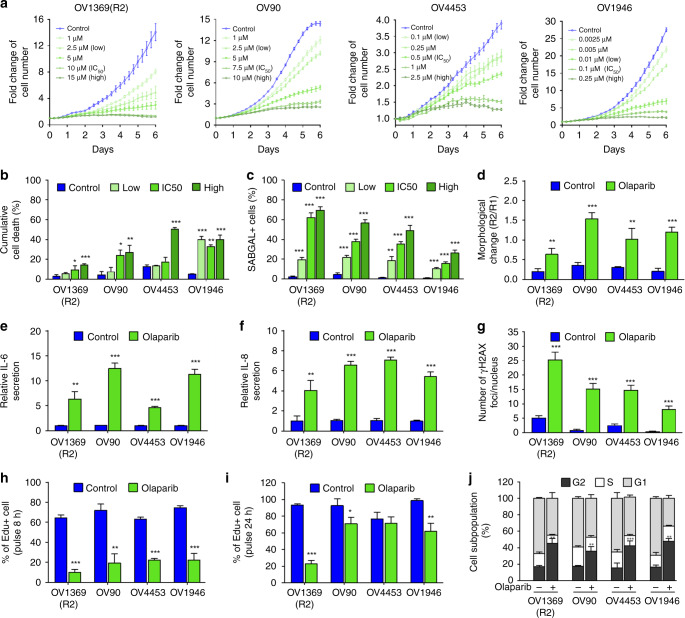
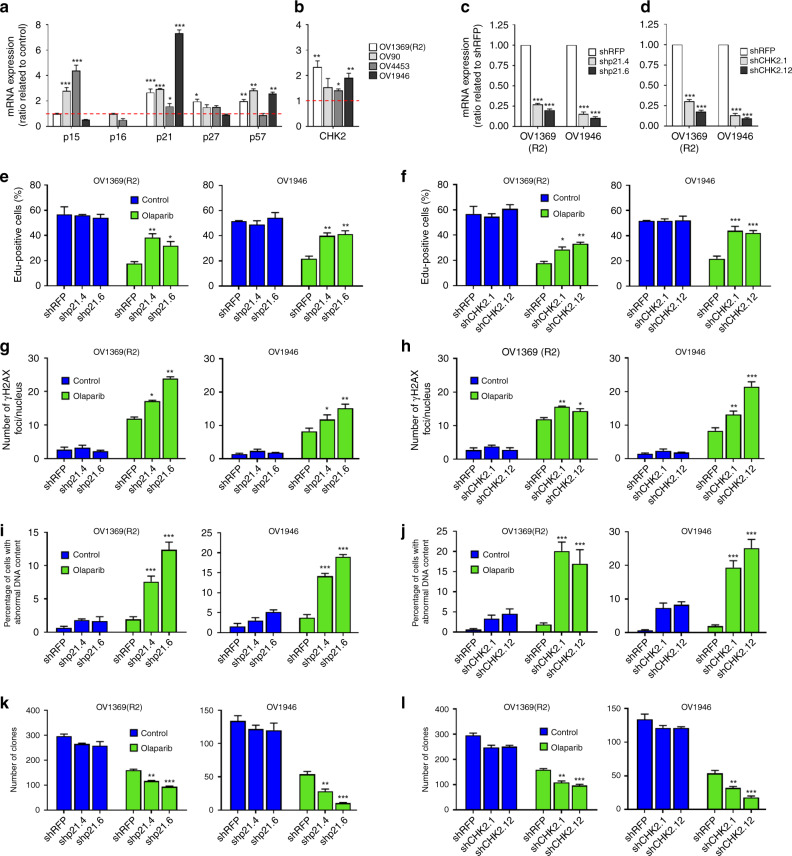
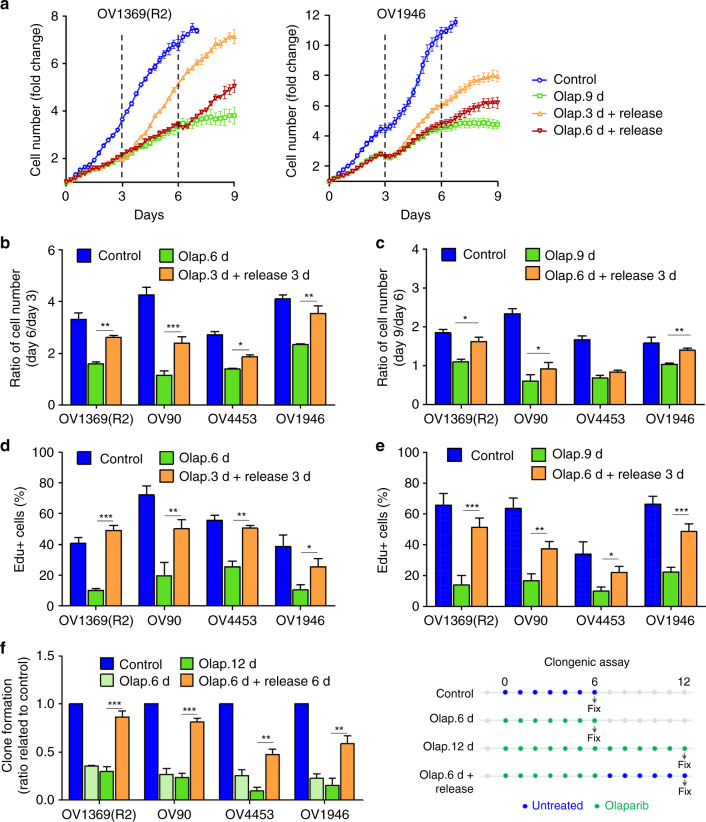
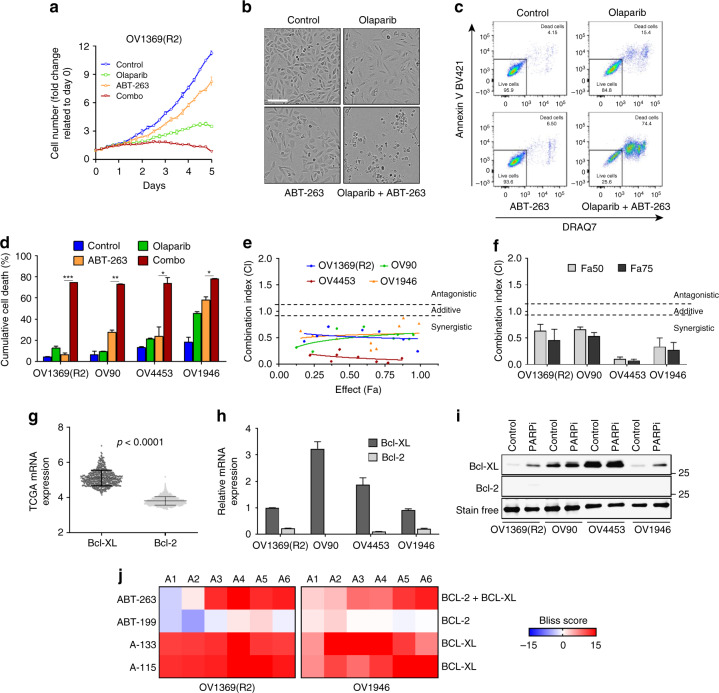
Senescence is a tumor suppression mechanism defined by stable proliferation arrest. Here we demonstrate that the known synthetic lethal interaction between poly(ADP-ribose) polymerase 1 inhibitors (PARPi) and DNA repair triggers p53-independent ovarian cancer cell senescence defined by senescence-associated phenotypic hallmarks including DNA-SCARS, inflammatory secretome, Bcl-XL-mediated apoptosis resistance, and proliferation restriction via Chk2 and p21 (CDKN1A). The concept of senescence as irreversible remains controversial and here we show that PARPi-senescent cells re-initiate proliferation upon drug withdrawal, potentially explaining the requirement for sustained PARPi therapy in the clinic. Importantly, PARPi-induced senescence renders ovarian and breast cancer cells transiently susceptible to second-phase synthetic lethal approaches targeting the senescence state using senolytic drugs. The combination of PARPi and a senolytic is effective in preclinical models of ovarian and breast cancer suggesting that coupling these synthetic lethalities provides a rational approach to their clinical use and may together be more effective in limiting resistance.
Overview
The claims and statistics of this paper haven’t been checked yet.
Free: it reads the open-access text and checks the first 5 claims that cite a source we can check. Create a free account to check every claim.
Integrity signals
Registry
Cites
Statistics
Figures
Verification
Claims the paper makes
The claims and statistics of this paper haven’t been checked yet.
Free: it reads the open-access text and checks the first 5 claims that cite a source we can check. Create a free account to check every claim.
Claims other papers make about this one
Each is checked against this paper’s own text: does it say what the citing paper says it does?
The cited source says what the claim attributes to it.
In the citing paper
“The PARP inhibitor olaparib induced a senescence- like proliferation arrest in ovarian cancer- derived cultured cells that relied on the continuous provision of the drug.”
From Senescence and cancer — role and therapeutic opportunities (2022) · cites this paper as [184]
The cited source says what the claim attributes to it.
In the citing paper
“Navitoclax was also able to efficiently kill ovarian and breast cancer cells that underwent PARP inhibitor- related senescence invitro and in mouse xenografts 184 .”
From Senescence and cancer — role and therapeutic opportunities (2022) · cites this paper as [184]
In the citing paper
“Although it remains unclear whether cancer cell senescence is irreversible, primary cancer therapeutics that trigger a senescence-like phenotype in cancer cells allow further targeting of these cells using a one-two-punch approach (senescence-senolysis) to eliminate surviving cancer cells148,149.”
From Guidelines for minimal information on cellular senescence experimentation in vivo (2024) · cites this paper as [148]
In the citing paper
“Among potential biomarkers, the relevance of pro-survival proteins is that they enable cancer cells to avoid cell death upon acute stress (e.g., during chemotherapy or radiotherapy) and are targetable for cancer senolysis148,149.”
From Guidelines for minimal information on cellular senescence experimentation in vivo (2024) · cites this paper as [148]
In the citing paper
“Senescence is also an important mechanism of efficacy in the treatment of breast cancer with PARP inhibitors [59] and many typical chemotherapy agents used to treat breast cancer, such as epirubicin and cyclophosphamide [60].”
From Senescence and Cancer: A Review of Clinical Implications of Senescence and Senotherapies (2020) · cites this paper as [59]
Self-check
Percentages, sums and reported differences re-computed from the paper’s own numbers.
The self-check needs the paper’s full text.
Citations
Cites
Cerami, E., Gao, J., Dogrusoz, U., Gross, B. E., Sumer, S. O., Aksoy, B. A., Jacobsen, A., Byrne, C. J., Heuer, M. L., Larsson, E., et al. (2012) · Cancer Discovery · doi:10.1158/2159-8290.cd-12-0095 · Cited by 17,455
Integrative Analysis of Complex Cancer Genomics and Clinical Profiles Using the cBioPortal
Gao, J., Aksoy, B. A., Dogrusoz, U., Dresdner, G., Gross, B., Sumer, S. O., Sun, Y., Jacobsen, A., Sinha, R., Larsson, E., et al. (2013) · Science Signaling · doi:10.1126/scisignal.2004088 · Cited by 15,160
Integrated genomic analyses of ovarian carcinoma
Perou, C. M. (2019) · Carolina Digital Repository (University of North Carolina at Chapel Hill) · doi:10.17615/hvp3-wg08 · Cited by 7,925
A biomarker that identifies senescent human cells in culture and in aging skin in vivo.
Dimri, G. P., Lee, X., Basile, G., Acosta, M., Scott, G., Roskelley, C., Medrano, E. E., Linskens, M., Rubelj, I., & Pereira-Smith, O. (1995) · Proceedings of the National Academy of Sciences · doi:10.1073/pnas.92.20.9363 · Cited by 7,477
Drug combination studies and their synergy quantification using the Chou-Talalay method
Chou, T.-C. (2010) · Cancer Research · doi:10.1158/0008-5472.can-09-1947 · Cited by 5,739
The senescence-associated secretory phenotype: the dark side of tumor suppression
Coppé, J.-P., Desprez, P.-Y., Krtolica, A., & Campisi, J. (2010) · Annual Review of Pathology: Mechanisms of Disease · doi:10.1146/annurev-pathol-121808-102144 · Cited by 5,206
Niraparib Maintenance Therapy in Platinum-Sensitive, Recurrent Ovarian Cancer
Mirza, M. R., Monk, B. J., Herrstedt, J., Oza, A. M., Mahner, S., Redondo, A., Fabbro, M., Ledermann, J. A., Lorusso, D., Vergote, I., et al. (2016) · New England Journal of Medicine · doi:10.1056/nejmoa1611310 · Cited by 2,451
Four faces of cellular senescence
Rodier, F., & Campisi, J. (2011) · Journal of Cell Biology · doi:10.1083/jcb.201009094 · Cited by 2,070
Self-citationOlaparib Maintenance Therapy in Platinum-Sensitive Relapsed Ovarian Cancer
Ledermann, J., Harter, P., Gourley, C., Friedlander, M., Vergote, I., Rustin, G., Scott, C., Meier, W., Shapira-Frommer, R., Safra, T., et al. (2012) · New England Journal of Medicine · doi:10.1056/nejmoa1105535 · Cited by 1,883
Clearance of senescent cells by ABT263 rejuvenates aged hematopoietic stem cells in mice
Chang, J., Wang, Y., Shao, L., Laberge, R.-M., Demaria, M., Campisi, J., Janakiraman, K., Sharpless, N. E., Ding, S., Feng, W., et al. (2016) · Nature Medicine · doi:10.1038/nm.4010 · Cited by 1,819
Cited by
Exploiting senescence for the treatment of cancer
Wang, L., Lankhorst, L., & Bernards, R. (2022) · Nature Reviews Cancer · doi:10.1038/s41568-022-00450-9 · Cited by 867
Senescence and cancer — role and therapeutic opportunities
Schmitt, C. A., Wang, B., & Demaria, M. (2022) · Nature Reviews Clinical Oncology · doi:10.1038/s41571-022-00668-4 · Cited by 794
The metabolic roots of senescence: mechanisms and opportunities for intervention
Wiley, C. D., & Campisi, J. (2021) · Nature Metabolism · doi:10.1038/s42255-021-00483-8 · Cited by 691
Senescent Cells in Cancer Therapy: Friends or Foes?
Wang, B., Kohli, J., & Demaria, M. (2020) · Trends in Cancer · doi:10.1016/j.trecan.2020.05.004 · Cited by 508
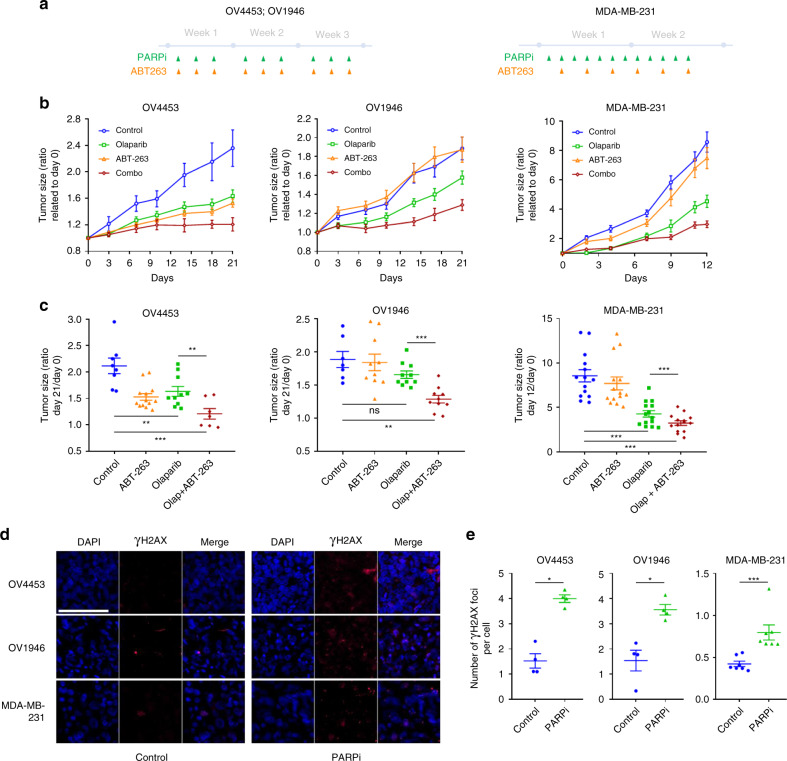
“(OV4453 and OV1946) and breast (MDA-MB-231) cancer cells, in culture and in xenografts, pretreated with the PARP inhibitor olaparib [116].”
BackgroundUnderstanding and overcoming resistance to PARP inhibitors in cancer therapy
Dias, M. P., Moser, S. C., Ganesan, S., & Jonkers, J. (2021) · Nature Reviews Clinical Oncology · doi:10.1038/s41571-021-00532-x · Cited by 505
Guidelines for minimal information on cellular senescence experimentation in vivo
Ogrodnik, M., Carlos Acosta, J., Adams, P. D., d’Adda di Fagagna, F., Baker, D. J., Bishop, C. L., Chandra, T., Collado, M., Gil, J., Gorgoulis, V., et al. (2024) · Cell · doi:10.1016/j.cell.2024.05.059 · Cited by 376
Self-citationTherapy-Induced Senescence: Opportunities to Improve Anticancer Therapy
Prasanna, P. G., Citrin, D. E., Hildesheim, J., Ahmed, M. M., Venkatachalam, S., Riscuta, G., Xi, D., Zheng, G., Deursen, J. V., Goronzy, J., et al. (2021) · JNCI: Journal of the National Cancer Institute · doi:10.1093/jnci/djab064 · Cited by 348
Therapy-Induced Senescence: An “Old” Friend Becomes the Enemy
Saleh, T., Bloukh, S., Carpenter, V. J., Alwohoush, E., Bakeer, J., Darwish, S., Azab, B., & Gewirtz, D. A. (2020) · Cancers · doi:10.3390/cancers12040822 · Cited by 290
A Senescence-Centric View of Aging: Implications for Longevity and Disease
Borghesan, M., Hoogaars, W. M. H., Varela-Eirin, M., Talma, N., & Demaria, M. (2020) · Trends in Cell Biology · doi:10.1016/j.tcb.2020.07.002 · Cited by 267
“Taking into consideration the detrimental effect of senescent cell accumulation in cancer, senotherapeutics seem a promising strategy to reduce cancer growth and relapse [103,107,110,111], as well as the adverse effects of cancer interventions [49,103].”
BackgroundSenescence and Cancer: A Review of Clinical Implications of Senescence and Senotherapies
Wyld, L., Bellantuono, I., Tchkonia, T., Morgan, J., Turner, O., Foss, F., George, J., Danson, S., & Kirkland, J. L. (2020) · Cancers · doi:10.3390/cancers12082134 · Cited by 235
“Senescence is also an important mechanism of efficacy in the treatment of breast cancer with PARP inhibitors [59] and many typical chemotherapy agents used to treat breast cancer, such as epirubicin and cyclophosphamide [60].”
BackgroundDNA Methyltransferases in Cancer: Biology, Paradox, Aberrations, and Targeted Therapy
Zhang, J., Yang, C., Wu, C., Cui, W., & Wang, L. (2020) · Cancers · doi:10.3390/cancers12082123 · Cited by 208
Senescence as a therapeutic target in cancer and age-related diseases
McHugh, D., Durán, I., & Gil, J. (2025) · Nature Reviews Drug Discovery · doi:10.1038/s41573-024-01074-4 · Cited by 197
“senescent lymphoma cells 110 , this has also been shown in other tumour types such as liver cancer 81 or ovarian cancer 179 .”
Saleh, T., Carpenter, V. J., Tyutyunyk‐Massey, L., Murray, G., Leverson, J. D., Souers, A. J., Alotaibi, M. R., Faber, A. C., Reed, J., Harada, H., et al. (2020) · Molecular Oncology · doi:10.1002/1878-0261.12761 · Cited by 190
Metabolic landscape in cardiac aging: insights into molecular biology and therapeutic implications
Xie, S., Xu, S.-C., Deng, W., & Tang, Q. (2023) · Signal Transduction and Targeted Therapy · doi:10.1038/s41392-023-01378-8 · Cited by 177
Advances in synthetic lethality for cancer therapy: cellular mechanism and clinical translation
Topatana, W., Juengpanich, S., Li, S., Cao, J., Hu, J., Lee, J., Suliyanto, K., Ma, D., Zhang, B., Chen, M., et al. (2020) · Journal of Hematology & Oncology · doi:10.1186/s13045-020-00956-5 · Cited by 177
Basu, A. (2022) · Pharmacology & Therapeutics · doi:10.1016/j.pharmthera.2021.107943 · Cited by 171
D’Aguanno, S., & Bufalo, D. D. (2020) · Cells · doi:10.3390/cells9051287 · Cited by 171
Chambers, C. R., Ritchie, S., Pereira, B. A., & Timpson, P. (2021) · Molecular Oncology · doi:10.1002/1878-0261.13042 · Cited by 165
Senescence and the tumor-immune landscape: Implications for cancer immunotherapy
Chibaya, L., Snyder, J. T., & Ruscetti, M. A. (2022) · Seminars in Cancer Biology · doi:10.1016/j.semcancer.2022.02.005 · Cited by 161
Cellular senescence: a double-edged sword in cancer therapy
Xiao, S., Qin, D., Hou, X., Tian, L., Yu, Y., Zhang, R., Lyu, H., Guo, D. S., Chen, X., Zhou, C., et al. (2023) · Frontiers in Oncology · doi:10.3389/fonc.2023.1189015 · Cited by 144
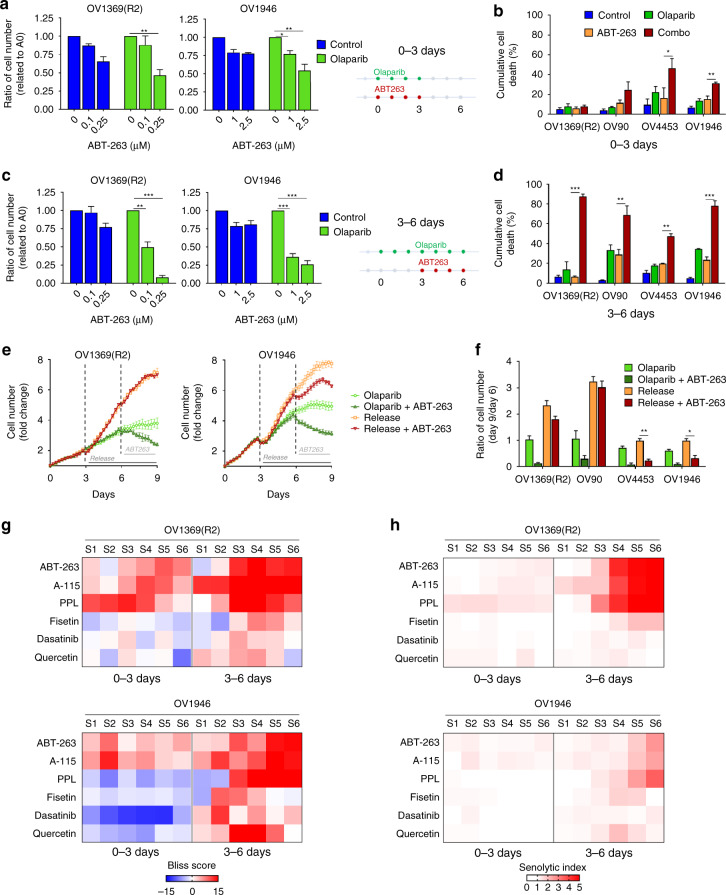
“Indeed, ABT-263 can effectively eliminate senescent ovarian and breast cancer cells induced by the PARP inhibitor olaparib (85).”
BackgroundCellular senescence in malignant cells promotes tumor progression in mouse and patient Glioblastoma
Salam, R., Saliou, A., Bielle, F., Bertrand, M., Antoniewski, C., Carpentier, C., Alentorn, A., Capelle, L., Sanson, M., Huillard, E., et al. (2023) · Nature Communications · doi:10.1038/s41467-023-36124-9 · Cited by 132
Senolytics for Cancer Therapy: Is All that Glitters Really Gold?
Carpenter, V. J., Saleh, T., & Gewirtz, D. A. (2021) · Cancers · doi:10.3390/cancers13040723 · Cited by 124
“Clearance of senescent tumor cells by navitoclax has been reported to enhance tumor regression/control and increase mouse survival [27,50,143].”
BackgroundResultInfluentialTargeting senescence as an anticancer therapy
Bousset, L., & Gil, J. (2022) · Molecular Oncology · doi:10.1002/1878-0261.13312 · Cited by 105
Guo, H., Ha, C., Dong, H., Yang, Z., Ma, Y., & Ding, Y. (2019) · Cancer Cell International · doi:10.1186/s12935-019-1051-3 · Cited by 121
Senescence and senolytics in cardiovascular disease: Promise and potential pitfalls
Owens, W. A., Walaszczyk, A., Spyridopoulos, I., Dookun, E., & Richardson, G. D. (2021) · Mechanisms of Ageing and Development · doi:10.1016/j.mad.2021.111540 · Cited by 122
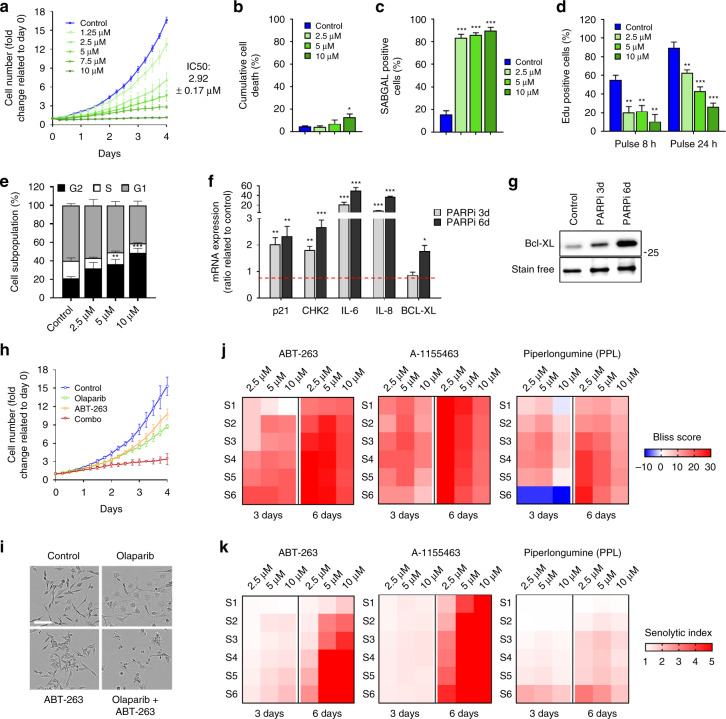
“, 2012) induce human ovarian cell lines to a reversible senescent-like phenotype in vitro, characterised by an inhibition of proliferation via activation of the p21Cip pathway, increased DNA damage, SA-B-gal activity and expression of typical SASP proteins including IL6 and IL8 (Fleury et al., 2019).”
InfluentialOncogene-induced senescence: From biology to therapy
Zhu, H., Blake, S., Kusuma, F. K., Pearson, R. B., Kang, J., & Chan, K. T. (2020) · Mechanisms of Ageing and Development · doi:10.1016/j.mad.2020.111229 · Cited by 116
Recent advances in the discovery of senolytics
Zhang, L., Pitcher, L. E., Prahalad, V., Niedernhofer, L. J., & Robbins, P. D. (2021) · Mechanisms of Ageing and Development · doi:10.1016/j.mad.2021.111587 · Cited by 115
Multiple effects of CDK4/6 inhibition in cancer: From cell cycle arrest to immunomodulation
Bonelli, M. A., Monica, S. L., Fumarola, C., & Alfieri, R. R. (2019) · Biochemical Pharmacology · doi:10.1016/j.bcp.2019.113676 · Cited by 112
Senescent tumor cells: an overlooked adversary in the battle against cancer
Park, S. S., Choi, Y. W., Kim, J., Kim, H. S., & Park, T. J. (2021) · Experimental & Molecular Medicine · doi:10.1038/s12276-021-00717-5 · Cited by 113
Beyond Tumor Suppression: Senescence in Cancer Stemness and Tumor Dormancy
Triana-Martínez, F., Loza, M. I., & Domínguez, E. (2020) · Cells · doi:10.3390/cells9020346 · Cited by 95
Muthamil, S., Kim, H., Jang, H., Lyu, J., Shin, U. C., Go, Y., Park, S., Lee, H. G., & Park, J. H. (2024) · Advanced Biology · doi:10.1002/adbi.202400079 · Cited by 98
Paffenholz, S. V., Salvagno, C., Ho, Y.-J., Limjoco, M., Baslan, T., Tian, S., Kulick, A. R., de Stanchina, E., Wilkinson, J. E., Barriga, F. M., et al. (2022) · Proceedings of the National Academy of Sciences · doi:10.1073/pnas.2117754119 · Cited by 96
The role of mitochondria dysfunction and hepatic senescence in NAFLD development and progression
Dabravolski, S. A., Bezsonov, E. E., & Orekhov, A. N. (2021) · Biomedicine & Pharmacotherapy · doi:10.1016/j.biopha.2021.112041 · Cited by 82
Pan-cancer analysis reveals molecular patterns associated with age
Shah, Y., Verma, A., Marderstein, A. R., White, J. B., Bhinder, B., Medina, J. S. G., & Elemento, O. (2021) · Cell Reports · doi:10.1016/j.celrep.2021.110100 · Cited by 88
Recent updates on innovative approaches to overcome drug resistance for better outcomes in cancer
Sharma, M., Bakshi, A. K., Mittapelly, N., Gautam, S., Marwaha, D., Rai, N., Singh, N., Tiwari, P., Agarwal, N., Kumar, A., et al. (2022) · Journal of Controlled Release · doi:10.1016/j.jconrel.2022.04.007 · Cited by 84
The PARP Enzyme Family and the Hallmarks of Cancer Part 1. Cell Intrinsic Hallmarks
Demény, M. Á., & Virág, L. (2021) · Cancers · doi:10.3390/cancers13092042 · Cited by 85
“Furthermore, senolytic drugs display synthetic lethality with PARPi, as demonstrated in ovarian and breast cancer models [52].”
BackgroundZhu, L., Liu, J., Chen, J., & Zhou, Q. (2021) · Journal of Hematology & Oncology · doi:10.1186/s13045-021-01218-8 · Cited by 84
“For instance, PARPi can induce senescence in BC and high-grade serous epithelial OC cells [129].”
BackgroundThe senescence journey in cancer immunoediting
Zingoni, A., Antonangeli, F., Sozzani, S., Santoni, A., Cippitelli, M., & Soriani, A. (2024) · Molecular Cancer · doi:10.1186/s12943-024-01973-5 · Cited by 84
“Reversible senescence has been mostly observed following TIS upon drug removal [63, 71–73].”
MethodLiu, Y., Lomeli, I., & Kron, S. J. (2024) · Cells · doi:10.3390/cells13151281 · Cited by 77
“A range of other flavonoids and derivatives such as fisetin and GL-V9 display senolytic activity [140,333,336,346].”
BackgroundTargeting tumor cell senescence and polyploidy as potential therapeutic strategies
Saleh, T., Carpenter, V. J., Bloukh, S., & Gewirtz, D. A. (2020) · Seminars in Cancer Biology · doi:10.1016/j.semcancer.2020.12.010 · Cited by 74
The Jekyll and Hyde of Cellular Senescence in Cancer
Demirci, D., Dayanc, B., Mazi, F. A., & Şentürk, Ş. (2021) · Cells · doi:10.3390/cells10020208 · Cited by 69
Luo, J., Sun, T., Liu, Z., Liu, Y., Liu, J., Wang, S., Shi, X., & Zhou, H. (2025) · International Journal of Oral Science · doi:10.1038/s41368-025-00380-w · Cited by 72
“58 Cancer stem cells: unclear transition to senescence in response to cancer treatment Cancer stem cells (CSCs), with their robust self-renewal capabilities, act as the seeds of cancer and signi fi cantly impacts treatment outcomes.”
WNT inhibition creates a BRCA‐like state in Wnt‐addicted cancer
Kaur, A., Sepramaniam, S., Lim, J. Y. S., Patnaik, S., Harmston, N., Lee, M. A., Petretto, E. G., Virshup, D. M., & Madan, B. (2021) · EMBO Molecular Medicine · doi:10.15252/emmm.202013349 · Cited by 68
“Interestingly, senescence is one of the major outcome following treatment with agents causing DNA crosslinks (48), double-strand breaks (73), as well as PARP inhibition (74).”
Xiong, J., Dong, L., Lv, Q., Yin, Y., Zhao, J., Ke, Y., Wang, S., Zhang, W., & Wu, M. (2024) · Clinical and Translational Medicine · doi:10.1002/ctm2.1772 · Cited by 66
The complex interplay between aging and cancer
Trastus, L. A., & di Fagagna, F. D. (2025) · Nature Aging · doi:10.1038/s43587-025-00827-z · Cited by 65
Carpenter, V. J., Saleh, T., Lee, S. M., Murray, G. F., Reed, J. C., Souers, A. J., Faber, A. C., Harada, H., & Gewirtz, D. A. (2021) · Biochemical Pharmacology · doi:10.1016/j.bcp.2021.114765 · Cited by 63
Malaquin, N., Vancayseele, A., Gilbert, S., Antenor-Habazac, L., Olivier, M.-A., Ait Ali Brahem, Z., Saad, F., Delouya, G., & Rodier, F. (2020) · Cells · doi:10.3390/cells9071593 · Cited by 59
“Conditioned media was analyzed using the multispot electrochemiluminescence immunoassay system for 40 secreted factors using the V-Plex human kit from Meso Scale Discovery (MSD, Rockville, MD, USA; #K15209D) following the manufacturer’s instructions as performed previously [31].”
BackgroundMethodInfluentialSelf-citationSauer, S. J., Reed, D. R., Ihnat, M. A., Hurst, R. E., Warshawsky, D., & Barkan, D. (2021) · Frontiers in Oncology · doi:10.3389/fonc.2021.659963 · Cited by 63
The Premature Senescence in Breast Cancer Treatment Strategy
Milczarek, M. (2020) · Cancers · doi:10.3390/cancers12071815 · Cited by 62
“These results were confirmed in MDA-MB-231 xenograft tumor models [53].”
BackgroundResultInfluentialChakrabarty, A., Chakraborty, S., Bhattacharya, R., & Chowdhury, G. (2021) · Frontiers in Oncology · doi:10.3389/fonc.2021.674354 · Cited by 62
“Currently, PARPi are recommended for the treatment of TNBC (olaparib and talazoparib) and epithelial ovarian cancers (olaparib, niraparib, and rucaparib) harboring BRCA1/2 mutations (22), but their long-term efficacies are variable and independent of the HR status (23, 169, 170).”
BackgroundResultSenescent cells in cancer therapy: why and how to remove them
Zhang, J., Zhang, D., & Yu, B. (2021) · Cancer Letters · doi:10.1016/j.canlet.2021.07.002 · Cited by 59
Senescence-Associated Secretory Phenotype as a Hinge Between Cardiovascular Diseases and Cancer
Banerjee, P., Kotla, S., Velatooru, L. R., Abe, R. J., Olmsted‐Davis, E. A., Cooke, J. P., Schadler, K., Deswal, A. M., Herrmann, J., Lin, S. H., et al. (2021) · Frontiers in Cardiovascular Medicine · doi:10.3389/fcvm.2021.763930 · Cited by 58
Can Drug Repurposing Accelerate Precision Oncology?
Schipper, L. J., Zeverijn, L. J., Garnett, M. J., & Voest, E. E. (2022) · Cancer Discovery · doi:10.1158/2159-8290.cd-21-0612 · Cited by 46
Wang, T., Liu, W., Shen, Q., Tao, R., Li, C., Shen, Q., Lin, Y., Huang, Y., Yang, L., Xie, G., et al. (2023) · Cancer Science · doi:10.1111/cas.15961 · Cited by 58
“44 As previously reported, 46 CDK4/6i induces HR deficiency in MYC-overexpressing ovarian cancer cells, and its combination with PARPi promotes apoptosis.”
BackgroundCellular senescence in cancer: molecular mechanisms and therapeutic targets
Jin, P., Duan, X., Li, L., Zhou, P., Zou, C., & Xie, K. (2024) · MedComm · doi:10.1002/mco2.542 · Cited by 57
Du, M., Sun, L., Guo, J. J., & Lv, H. (2024) · Pharmacological Research · doi:10.1016/j.phrs.2024.107198 · Cited by 57
Therapy-induced senescence as a component of tumor biology: Evidence from clinical cancer
Saleh, T., Bloukh, S., Hasan, M., & Shboul, S. A. (2023) · Biochimica et Biophysica Acta (BBA) - Reviews on Cancer · doi:10.1016/j.bbcan.2023.188994 · Cited by 56
Thinking Differently about Cancer Treatment Regimens
Settleman, J., Neto, J. M. F., & Bernards, R. (2021) · Cancer Discovery · doi:10.1158/2159-8290.cd-20-1187 · Cited by 56
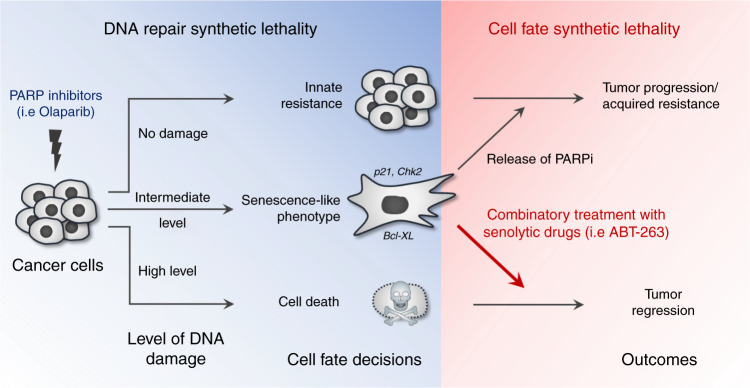
“Moreover, preclinical evidence indicates that a combination of a pro-senescence drug and a senolytic compound may be effective therapeutically (28, 29).”
BackgroundSenolytic Targeting of Bcl-2 Anti-Apoptotic Family Increases Cell Death in Irradiated Sarcoma Cells
Lafontaine, J., Cardin, G. B., Malaquin, N., Boisvert, J.-S., Rodier, F., & Wong, P. (2021) · Cancers · doi:10.3390/cancers13030386 · Cited by 54
“H2B-GFP expressing cell lines, lentiviruses were generated as previously described [42,87] and transduction was performed overnight in the presence of Polybrene.”
BackgroundMethodResultSelf-citationPerspectives and mechanisms for targeting mitotic catastrophe in cancer treatment
Bai, Z., Zhou, Y., Peng, Y., Ye, X., & Ma, L. (2023) · Biochimica et Biophysica Acta (BBA) - Reviews on Cancer · doi:10.1016/j.bbcan.2023.188965 · Cited by 53
Ghorai, A., Mahaddalkar, T., Thorat, R. A., & Dutt, S. (2020) · Cancer Letters · doi:10.1016/j.canlet.2020.06.023 · Cited by 52
Yan, S., Xuan, J., Brajanovski, N., Tancock, M. R. C., Madhamshettiwar, P. B., Simpson, K. J., Ellis, S. L., Kang, J., Cullinane, C. M., Sheppard, K. E., et al. (2020) · British Journal of Cancer · doi:10.1038/s41416-020-01158-z · Cited by 52
Senescent cells at the crossroads of aging, disease, and tissue homeostasis
Kuehnemann, C., & Wiley, C. D. (2023) · Aging Cell · doi:10.1111/acel.13988 · Cited by 51
“This approach has additionally been used to fight cancer in preclinical models by first therapeutically inducing senescence of tumor cells, then eliminating these cells via senolytic therapy to drive synthetic lethality (Fleury et al., 2019; Wang et al., 2019).”
BackgroundMethodBland, P. J., Saville, H., Wai, P. T., Curnow, L., Muirhead, G., Nieminuszczy, J., Ravindran, N., John, M. B., Hedayat, S., Barker, H. E., et al. (2023) · Nature Genetics · doi:10.1038/s41588-023-01460-5 · Cited by 49
Fatty acid synthase ( FASN ) signalome: A molecular guide for precision oncology
Menéndez, J. A., Cuyàs, E., Encinar, J. A., Steen, T. V., Verdura, S., Llop‐Hernández, À., López, J., Serrano‐Hervás, E., Osuna, S., Martín-Castillo, B., et al. (2024) · Molecular Oncology · doi:10.1002/1878-0261.13582 · Cited by 46
PARP Inhibitors and Myeloid Neoplasms: A Double-Edged Sword
Csizmar, C. M., Saliba, A. N., Swisher, E. M., & Kaufmann, S. H. (2021) · Cancers · doi:10.3390/cancers13246385 · Cited by 45
Ketkar, M., Desai, S., Rana, P., Thorat, R. A., Epari, S., Dutt, A., & Dutt, S. (2024) · Neuro-Oncology · doi:10.1093/neuonc/noae134 · Cited by 45
Senescence of Tumor Cells in Anticancer Therapy—Beneficial and Detrimental Effects
Piskorz, W. M., & Cechowska‐Pasko, M. (2022) · International Journal of Molecular Sciences · doi:10.3390/ijms231911082 · Cited by 44
Estepa‐Fernández, A., García‐Fernández, A., Lérida‐Viso, A., Blandez, J. F., Galiana, I., Sancenón, F., Orzáez, M., & Martínez‐Máñez, R. (2022) · Pharmacological Research · doi:10.1016/j.phrs.2022.106628 · Cited by 44
Autophagy and senescence in cancer therapy
Patel, N. H., Bloukh, S., Alwohosh, E., Alhesa, A., Saleh, T., & Gewirtz, D. A. (2021) · Advances in cancer research · doi:10.1016/bs.acr.2021.01.002 · Cited by 42
Uruski, P., Sepetowska, A., Konieczna, C., Pakuła, M., Wyrwa, M., Tussupkaliyev, A., Tykarski, A., Mikuła‐Pietrasik, J., & Książek, K. (2021) · Cellular & Molecular Biology Letters · doi:10.1186/s11658-021-00287-4 · Cited by 41
Senolytics: charting a new course or enhancing existing anti-tumor therapies?
Czajkowski, K., Herbet, M., Murias, M., & Piątkowska‐Chmiel, I. (2024) · Cellular Oncology · doi:10.1007/s13402-024-01018-5 · Cited by 41
“The utilization of olaparib, as well as other PARP inhibitors, in combination with ABT-263, showed high efficacy in eliminating cancer cells [ 137 ].”
InfluentialZheng, Y., Chen, C., Lin, Z., Li, J., Liu, J., Lin, F.-J., & Zhou, X. (2019) · Biochemistry and Cell Biology · doi:10.1139/bcb-2019-0211 · Cited by 39
Lafontaine, J., Boisvert, J.-S., Glory, A., Coulombe, S., & Wong, P. (2020) · Cancers · doi:10.3390/cancers12020348 · Cited by 39
“Olaparib alone is also known to cause an increase in γH2AX foci in responding cancer cells [43].”
BackgroundLui, G. Y. L., Shaw, R. C., Schaub, F. X., Stork, I. N., Gurley, K. E., Bridgwater, C., Diaz, R. L., Rosati, R., Swan, H. A., Ince, T. A., et al. (2020) · EBioMedicine · doi:10.1016/j.ebiom.2020.102988 · Cited by 39
Targeting cellular senescence in cancer by plant secondary metabolites: A systematic review
Fakhri, S., Moradi, S. Z., Ash-Rafzadeh, A., & Bishayee, A. (2021) · Pharmacological Research · doi:10.1016/j.phrs.2021.105961 · Cited by 39
Xiao, R., You, L., Zhang, L., Guo, X., Guo, E., Zhao, F., Yang, B., Li, X., Fu, Y., Lu, F., et al. (2022) · Advanced Science · doi:10.1002/advs.202105469 · Cited by 39
Bcl-2 family inhibitors sensitize human cancer models to therapy
Valentini, E., Martile, M. D., Brignone, M., Caprio, M. D., Manni, I., Chiappa, M., Sergio, I., Chiacchiarini, M., Bazzichetto, C., Conciatori, F., et al. (2023) · Cell Death and Disease · doi:10.1038/s41419-023-05963-1 · Cited by 38
“Published data demonstrated that targeting Bcl-xL, but not Bcl-2, sensitized ovarian cancer to PARP inhibition [38, 39].”
BackgroundImmunosenescence promotes cancer development: from mechanisms to treatment strategies
Wang, L., & Tang, D. (2025) · Cell Communication and Signaling · doi:10.1186/s12964-025-02082-6 · Cited by 38
“Navitoclax (ABT-263) targets and inhibits anti-apoptotic Bcl-2 family members, selectively leads to apoptosis of senescent cells [104], and even effectively kills senescent ovarian and breast cancer cells [105].”
mTOR as a senescence manipulation target: A forked road
(2021) · Advances in Cancer Research · doi:10.1016/bs.acr.2021.02.002 · Cited by 35
Self-citationSenescence in cancer: Advances in detection and treatment modalities
Billimoria, R., & Bhatt, P. (2023) · Biochemical Pharmacology · doi:10.1016/j.bcp.2023.115739 · Cited by 38
PARP1 at the crossroad of cellular senescence and nucleolar processes
Kołacz-Milewska, K., & Robaszkiewicz, A. (2024) · Ageing Research Reviews · doi:10.1016/j.arr.2024.102206 · Cited by 38
Lombard, A. P., Armstrong, C. M., D'Abronzo, L. S., Ning, S., Leslie, A. R., Sharifi, M., Lou, W., Evans, C. P., Dall’Era, M., Chen, H.-W., et al. (2022) · Molecular Cancer Therapeutics · doi:10.1158/1535-7163.mct-21-0604 · Cited by 37
Tieing together loose ends: telomere instability in cancer and aging
Borges, G. D. O., Criqui, M., & Harrington, L. A. (2022) · Molecular Oncology · doi:10.1002/1878-0261.13299 · Cited by 37
Targeting Senescence as a Therapeutic Opportunity for Triple-Negative Breast Cancer
de Paula, B., Kieran, R., Koh, S. S. Y., Crocamo, S., Abdelhay, E. S. F. W., & Muñoz‐Espín, D. (2023) · Molecular Cancer Therapeutics · doi:10.1158/1535-7163.mct-22-0643 · Cited by 36
“parental cells Olaparib (7) ABT-263, A-1155463 and piperlongumine MDA-MB-231 cells Upregulation of Bcl-XL after olaparib Triple-Negative Breast Cancer and Senescence”
BackgroundInfluentialAlmasabi, S., Ahmed, A. U., Boyd, R. L., & Williams, B. R. G. (2021) · Frontiers in Genetics · doi:10.3389/fgene.2021.638558 · Cited by 34
Mechanisms of PARP inhibitor resistance in ovarian cancer
Kubalanza, K., & Konecny, G. E. (2019) · Current Opinion in Obstetrics & Gynecology · doi:10.1097/gco.0000000000000600 · Cited by 34
SMARCA4 regulates the NK-mediated killing of senescent cells
Reen, V., D’Ambrosio, M., Søgaard, P. P., Tyson, K., Leeke, B. J., Clément, I., Dye, I. C., Pombo, J., Kuba, A., Lan, Y., et al. (2025) · Science Advances · doi:10.1126/sciadv.adn2811 · Cited by 33
Self-citationA Critical Appraisal of the Utility of Targeting Therapy-Induced Senescence for Cancer Treatment
Saleh, T., Greenberg, E. F., Faber, A. C., Harada, H., & Gewirtz, D. A. (2025) · Cancer Research · doi:10.1158/0008-5472.can-24-2219 · Cited by 32
c-Jun N-terminal kinase signaling in cellular senescence
Deng, Y., Adam, V., Nepovimová, E., Heger, Z., Valko, M., Wu, Q., Wei, W., & Kuča, K. (2023) · Archives of Toxicology · doi:10.1007/s00204-023-03540-1 · Cited by 32
“PARP inhibitors can be used in cancer therapy by inhibiting the repair of DNA damage in tumor cells and accelerating the proliferation of cancer cells (Fleury et al. 2019; Pommier et al. 2016).”
BackgroundFrom the divergence of senescent cell fates to mechanisms and selectivity of senolytic drugs
L’Hôte, V., Mann, C., & Thuret, J. (2022) · Open Biology · doi:10.1098/rsob.220171 · Cited by 31
Pre-activation of autophagy impacts response to olaparib in prostate cancer cells
Cahuzac, M., Langlois, P., Péant, B., Fleury, H., Mes‐Masson, A., & Saad, F. (2022) · Communications Biology · doi:10.1038/s42003-022-03210-5 · Cited by 31
Self-citationNon‐canonical ATM/MRN activities temporally define the senescence secretory program
Malaquin, N., Carrier-Leclerc, A., Martinez, A., Dessureault, M., Ghadaouia, S., Coppé, J., Nadeau, S., Cardin, G., Campisi, J., & Rodier, F. (2020) · EMBO Reports · doi:10.15252/embr.202050718 · Cited by 30
“…, 2013; Storer et al , 2013), viral infection (Appay et al , 2007), placental biology (Chuprin et al , 2013), wound healing (Demaria et al , 2014), and tissue remodeling that occurs during cancer treatment (Gonzalez et al , 2016; Demaria et al , 2017; Mila-novic et al , 2018; Fleury et al , 2019).”
Self-citationTargeting chemoresistant senescent pancreatic cancer cells improves conventional treatment efficacy
Jaber, S., Warnier, M., Leers, C., Vernier, M., Goehrig, D., Médard, J., Vindrieux, D., Ziegler, D. V., & Bernard, D. (2023) · Molecular Biomedicine · doi:10.1186/s43556-023-00116-4 · Cited by 29
“Beyond pancreatic cancer, beneficial effects of BH3-mimetic ABT-263 as a senolytic is also reported during chemotherapy of cancer cells of different origins, including cells from sarcoma, breast cancer and ovarian cancer [26, 28, 29].”
BackgroundPeng, Q., Yu, Y., Ye, L., Zhang, S., Li, Y., Hua, X., Shen, S., Hu, D., & Lu, W. (2024) · iScience · doi:10.1016/j.isci.2024.110376 · Cited by 29
“25 Therefore,thereisagrowingneedfortherapeuticinterventionsthatcanovercomePARPiresistanceincancertherapy.”
Jin, P., Li, X., Xia, Y., Li, H., Li, X., Yang, Z., Wang, Z., Xu, C., Fang, T., Zhou, D., et al. (2023) · Molecular Cancer Therapeutics · doi:10.1158/1535-7163.mct-22-0396 · Cited by 28
El‐Sadoni, M., Shboul, S. A., Alhesa, A., Shahin, N. A., Alsharaiah, E., Ismail, M. A., Ababneh, N. A., Alotaibi, M. R., Azab, B., & Saleh, T. (2023) · Cancer Chemotherapy and Pharmacology · doi:10.1007/s00280-023-04523-w · Cited by 28
The CD73 immune checkpoint promotes tumor cell metabolic fitness
Allard, D., Cousineau, I., Ma, E. H., Allard, B., Barèche, Y., Fleury, H., & Stagg, J. (2023) · eLife · doi:10.7554/elife.84508 · Cited by 28
Self-citationCellular senescence and frailty: a comprehensive insight into the causal links
Marcozzi, S., Bigossi, G., Giuliani, M. E., Giacconi, R., Piacenza, F., Cardelli, M., Brunetti, D., Segala, A., Valerio, A., Nisoli, E., et al. (2023) · GeroScience · doi:10.1007/s11357-023-00960-w · Cited by 28
The Quest to Define and Target Cellular Senescence in Cancer
Wang, B., & Demaria, M. (2021) · Cancer Research · doi:10.1158/0008-5472.can-21-2032 · Cited by 28
“In another study, the PARP inhibitor olaparib was used in ovarian and triple-negative breast cancer cells to induce a state of “reversible senescence” characterized by the upregulation of antiapoptotic BCL2 proteins, which then served as target for a second hit withABT-263 to achieve tumor regression (9).”
Background
Metadata
- Authors
- Fleury, H., Malaquin, N., Tu, V., Gilbert, S., Martinez, A., Olivier, M.-A., Sauriol, S. A., Communal, L., Leclerc-Desaulniers, K., Carmona, E., Provencher, D., Mes-Masson, A.-M., & Rodier, F.
- Affiliations
- Centre Hospitalier de l’Université de Montréal (CA)
- ORCID
- Venue
- Nature Communications
- Published
- 2019-06-11
- Volume
- 10
- Issue
- 1
- Pages
- 2556-2556
- ISSN
- 2041-1723 (ISSN-L)
- PMC
- PMC6560032
- OpenAlex
- W2951114010
- Cited by
- 228
- References
- 57
- Citations by year
- 2026: 28 · 2025: 29 · 2024: 35 · 2023: 34 · 2022: 27 · 2021: 44 · 2020: 26 · 2019: 5
- FWCI
- 10.64
- Type
- journal article
- Language
- en
- Update notices
- correction (2024-05-13)
- Open access
- gold
- doi.org
- Licence
- cc-by
- creativecommons.org/licenses/by/4.0 (tdm)
- creativecommons.org/licenses/by/4.0 (vor)
- Locations
- Nature Communications (publishedVersion, cc-by)
- Europe PMC (PubMed Central) (publishedVersion, cc-by)
- PubMed Central (publishedVersion, cc-by)
- PubMed (publishedVersion)
- RePEc: Research Papers in Economics (submittedVersion)
- DOAJ (DOAJ: Directory of Open Access Journals) (submittedVersion)
- DOAJ (DOAJ: Directory of Open Access Journals) (submittedVersion, cc-by-sa)
- Funders
- Cancer Research Society (22713, 20087)
- Terry Fox Research Institute
- Institut Du Cancer de Montréal
- Fonds de Recherche du Québec - Santé (33070, 22624)
- Institute of Cancer Research
- Topics
- Health Sciences › Medicine › Oncology › PARP inhibition in cancer therapy
- Life Sciences › Biochemistry, Genetics and Molecular Biology › Cell Biology › Telomeres, Telomerase, and Senescence
- Life Sciences › Biochemistry, Genetics and Molecular Biology › Molecular Biology › Cell death mechanisms and regulation
- Keywords
- synthetic lethality, PARP inhibitors, senescence-associated secretory phenotype, senolytics, ovarian cancer, breast cancer, p53-independent senescence, Bcl-xL, apoptosis resistance, Chk2, p21, DNA repair, drug resistance
- MeSH terms
- Poly(ADP-ribose) Polymerase Inhibitors, Synthetic Lethal Mutations, Antineoplastic Agents, Breast Neoplasms, DNA Repair, Female, Humans, Ovarian Neoplasms, Cellular Senescence, Apoptosis, Drug Resistance, Neoplasm, Cell Line, Tumor, Cell Proliferation
About these checks
Registry, retraction, Cites and statistics results are computed, not judged, with one exception: a printed reference that no index lists is read once by a model before it counts as a citation error. Claims are extracted by a model and kept only when their quote appears verbatim in the text; each cited source is then checked, with a model’s help, for whether it says what the claim relies on. Those verdicts can be wrong — read the claim’s quote and the cited source before relying on one.
Statistics and arithmetic are recomputed, not judged.
Confidence bands are shown only for fields calibrated on our annotated test set. None is calibrated yet, so no band is shown.
What counts as a claim ›How we measure confidence ›How we check this ›
Are you an author, or do you see a problem with this page? Request a review
Data sources
Bibliographic data: Semantic Scholar, OpenAlex, Crossref.
Contains information from the Semantic Scholar Academic Graph Datasets, made available under the ODC Attribution License (ODC-BY 1.0).
Semantic Scholar’s data is described in: Kinney, R., et al. (2023). The Semantic Scholar Open Data Platform. arXiv:2301.10140.
