

The DOI matches its Crossref record; 40 of the 40 references it cites were found in a registry or an index.
Gut microbiota confers host resistance to obesity by metabolizing dietary polyunsaturated fatty acids
Open accessAbstract
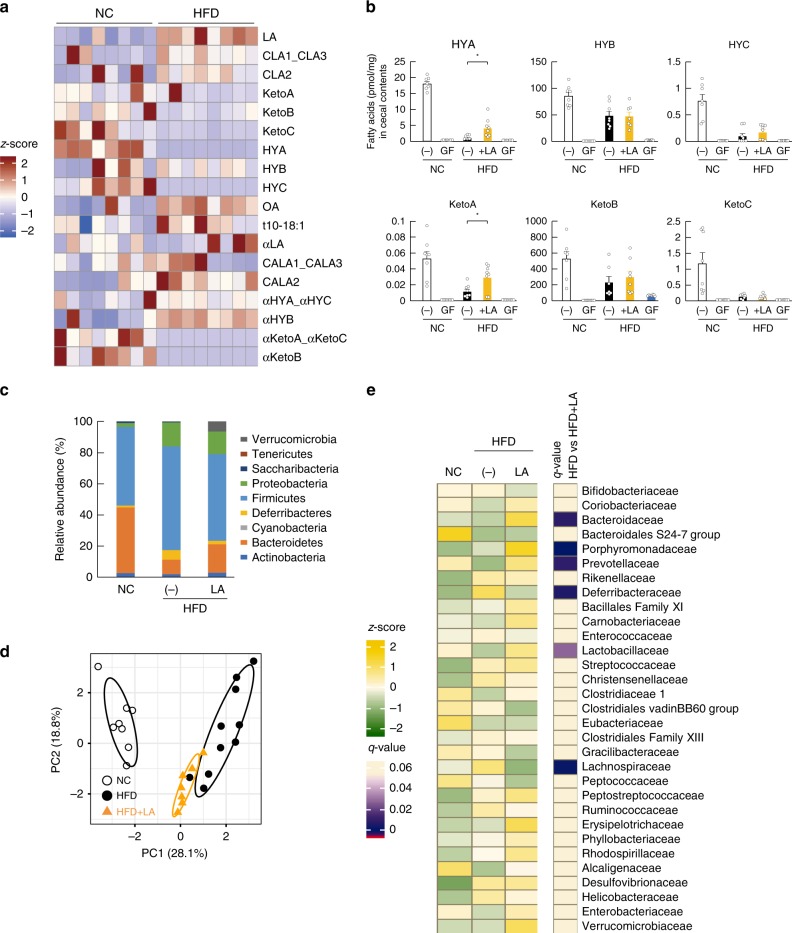
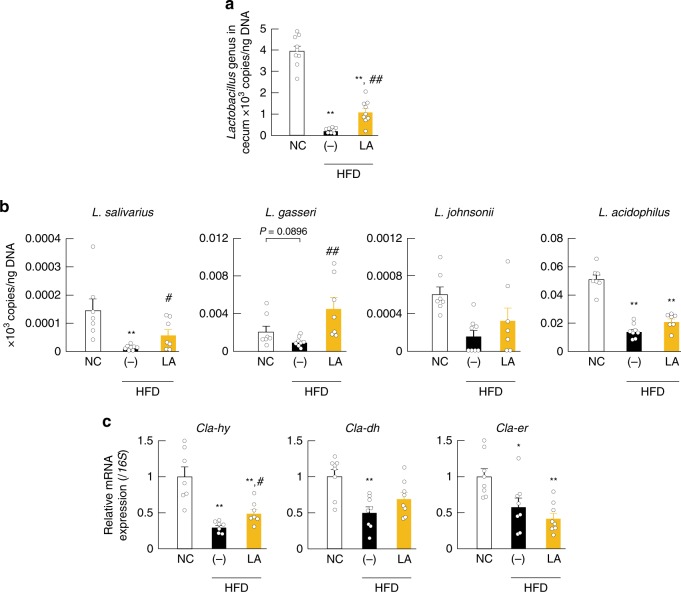
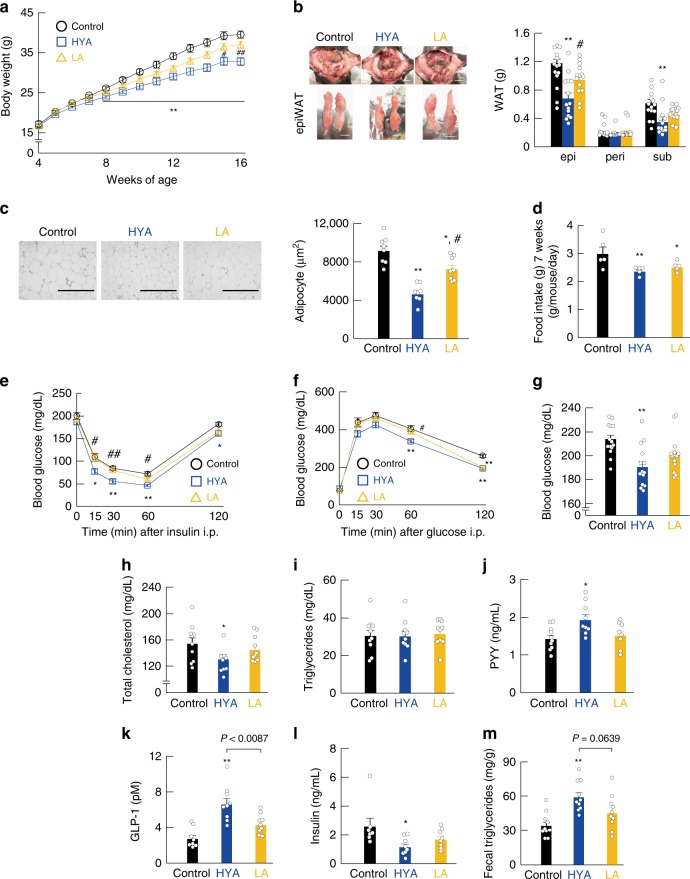
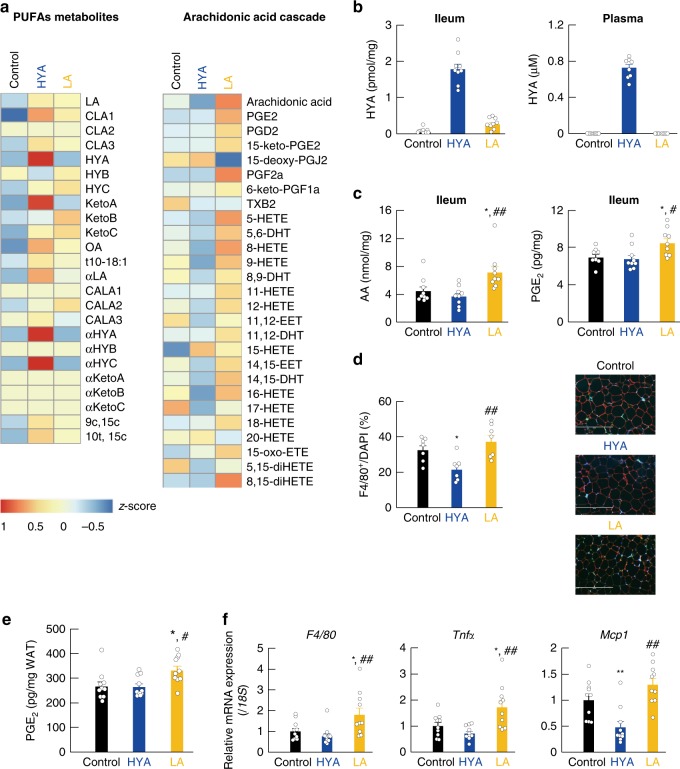
Gut microbiota mediates the effects of diet, thereby modifying host metabolism and the incidence of metabolic disorders. Increased consumption of omega-6 polyunsaturated fatty acid (PUFA) that is abundant in Western diet contributes to obesity and related diseases. Although gut-microbiota-related metabolic pathways of dietary PUFAs were recently elucidated, the effects on host physiological function remain unclear. Here, we demonstrate that gut microbiota confers host resistance to high-fat diet (HFD)-induced obesity by modulating dietary PUFAs metabolism. Supplementation of 10-hydroxy- cis -12-octadecenoic acid (HYA), an initial linoleic acid-related gut-microbial metabolite, attenuates HFD-induced obesity in mice without eliciting arachidonic acid-mediated adipose inflammation and by improving metabolic condition via free fatty acid receptors. Moreover, Lactobacillus -colonized mice show similar effects with elevated HYA levels. Our findings illustrate the interplay between gut microbiota and host energy metabolism via the metabolites of dietary omega-6-FAs thereby shedding light on the prevention and treatment of metabolic disorders by targeting gut microbial metabolites.
Overview
The claims and statistics of this paper haven’t been checked yet.
Run the check — free, no account needed. It reads the open-access text and checks the sources it cites.
Integrity signals
Registry
Cites
Statistics
Figures
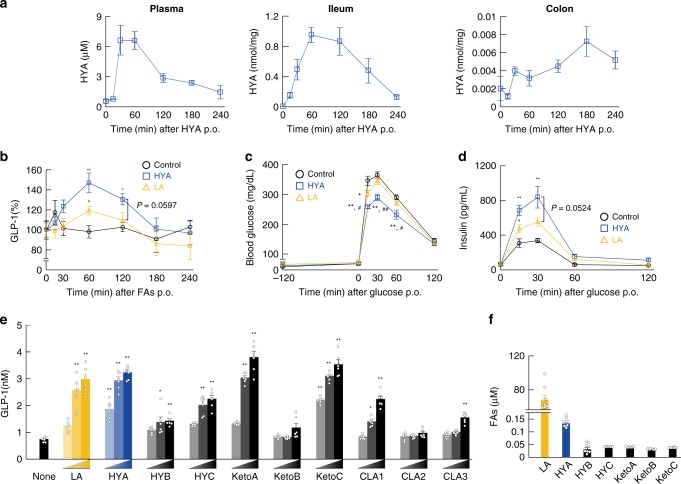
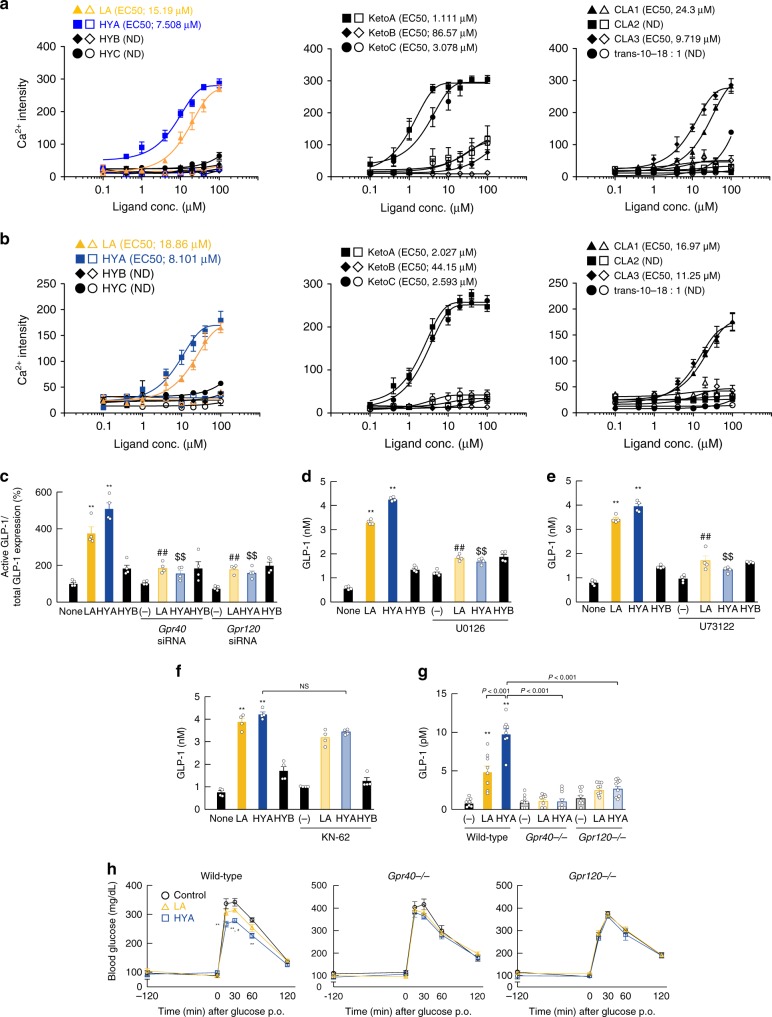
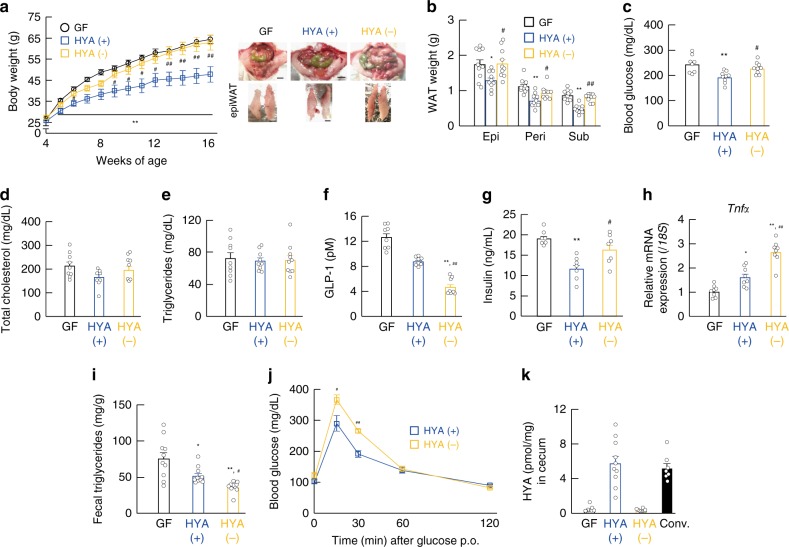
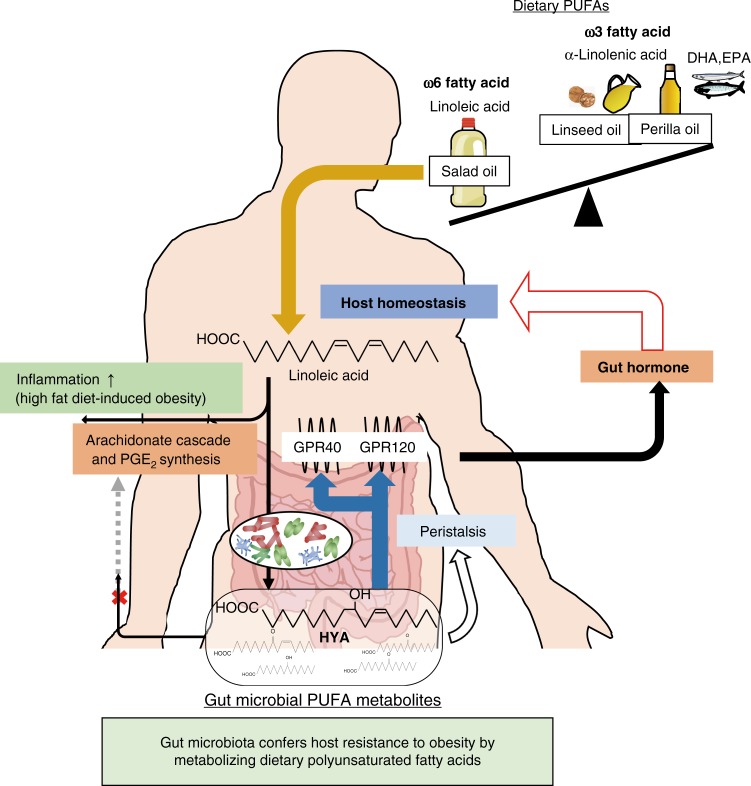
Verification
Claims the paper makes
The claims and statistics of this paper haven’t been checked yet.
Run the check — free, no account needed. It reads the open-access text and checks the sources it cites.
Claims other papers make about this one
Each is checked against this paper’s own text: does it say what the citing paper says it does?
In the citing paper
“The secretion of GLP-1 is modulated by the gut microbiota”
From Microbiota–gut–brain axis and its therapeutic applications in neurodegenerative diseases (2024) · cites this paper as [437]
Self-check
Percentages, sums and reported differences re-computed from the paper’s own numbers.
The self-check needs the paper’s full text.
Citations
Cites
An obesity-associated gut microbiome with increased capacity for energy harvest
Turnbaugh, P. J., Ley, R. E., Mahowald, M. A., Magrini, V., Mardis, E. R., & Gordon, J. I. (2006) · Nature · doi:10.1038/nature05414 · Cited by 12,444
Human gut microbes associated with obesity
Ley, R. E., Turnbaugh, P. J., Klein, S., & Gordon, J. I. (2006) · Nature · doi:10.1038/4441022a · Cited by 8,785
A core gut microbiome in obese and lean twins
Turnbaugh, P. J., Hamady, M., Yatsunenko, T., Cantarel, B. L., Duncan, A., Ley, R. E., Sogin, M. L., Jones, W. J., Roe, B. A., Affourtit, J. P., et al. (2009) · Nature · doi:10.1038/nature07540 · Cited by 7,823
Mechanisms linking obesity to insulin resistance and type 2 diabetes
Kahn, S. E., Hull, R. L., & Utzschneider, K. M. (2006) · Nature · doi:10.1038/nature05482 · Cited by 5,448
Turnbaugh, P. J., Bäckhed, F., Fulton, L., & Gordon, J. I. (2008) · Cell Host & Microbe · doi:10.1016/j.chom.2008.02.015 · Cited by 2,915
Oh, D. Y., Talukdar, S., Bae, E. J., Imamura, T., Morinaga, H., Fan, W., Li, P., Lu, W. J., Watkins, S. M., & Olefsky, J. M. (2010) · Cell · doi:10.1016/j.cell.2010.07.041 · Cited by 2,428
An Increase in the Omega-6/Omega-3 Fatty Acid Ratio Increases the Risk for Obesity
Simopoulos, A. P. (2016) · Nutrients · doi:10.3390/nu8030128 · Cited by 1,673
Free fatty acids regulate gut incretin glucagon-like peptide-1 secretion through GPR120
Hirasawa, A., Tsumaya, K., Awaji, T., Katsuma, S., Adachi, T., Yamada, M., Sugimoto, Y., Miyazaki, S., & Tsujimoto, G. (2004) · Nature Medicine · doi:10.1038/nm1168 · Cited by 1,580
Self-citationFree fatty acids regulate insulin secretion from pancreatic β cells through GPR40
Itoh, Y., Kawamata, Y., Harada, M., Kobayashi, M., Fujii, R., Fukusumi, S., Ogi, K., Hosoya, M., Tanaka, Y., Uejima, H., et al. (2003) · Nature · doi:10.1038/nature01478 · Cited by 1,538
Kimura, I., Ozawa, K., Inoue, D., Imamura, T., Kimura, K., Maeda, T., Terasawa, K., Kashihara, D., Hirano, K., Tani, T., et al. (2013) · Nature Communications · doi:10.1038/ncomms2852 · Cited by 1,512
Self-citation
Cited by
Sorted by citations
Microbiota–gut–brain axis and its therapeutic applications in neurodegenerative diseases
Loh, J. S., Mak, W. Q., Tan, L. K. S., Ng, C. X., Chan, H. H., Yeow, S. H., Foo, J. B., Ong, Y. S., How, C. W., & Khaw, K. Y. (2024) · Signal Transduction and Targeted Therapy · doi:10.1038/s41392-024-01743-1 · Cited by 1,193
Liu, B., Liu, X., Liang, Z., & Wang, J. (2021) · World Journal of Gastroenterology · doi:10.3748/wjg.v27.i25.3837 · Cited by 662
The role of the gut microbiome and its metabolites in metabolic diseases
Wu, J., Wang, K., Wang, X., Pang, Y., & Jiang, C. (2020) · Protein & Cell · doi:10.1007/s13238-020-00814-7 · Cited by 592
“In addition, a study in 2019 reported that the gut microbiota confers host resistance to HFD-induced obesity by modulating dietary polyunsaturated fatty acid (PUFA) metabolism by producing the gut microbial metabolite 10-hydroxy-cis-12-octadecenoic acid (HYA) (Miyamoto et al., 2019).”
BackgroundArroyave-Ospina, J. C., Wu, Z., Geng, Y., & Moshage, H. J. (2021) · Antioxidants · doi:10.3390/antiox10020174 · Cited by 560
“It has also been demonstrated that mice with transferred gut microbiota from calorie-restricted mice show resistance to obesity and hepatic lipid accumulation when challenged with an HFD [77], which can be explained in part by the role of gut microbiota in the metabolism of PUFAs from dietary sources [78].”
BackgroundGut microbiome lipid metabolism and its impact on host physiology
Brown, E., Clardy, J., & Xavier, R. J. (2023) · Cell Host & Microbe · doi:10.1016/j.chom.2023.01.009 · Cited by 490
Montero, C. G., Fraile‐Μartinez, O., Gomez-Lahoz, A. M., Pekarek, L., Castellanos, A. J., Noguerales-Fraguas, F., Coca, S., Guijarro, L. G., García‐Honduvilla, N., Asúnsolo, Á., et al. (2021) · Nutrients · doi:10.3390/nu13020699 · Cited by 487
Postbiotics produced by lactic acid bacteria: The next frontier in food safety
Moradi, M., Kousheh, S. A., Almasi, H., Alizadeh, A., Guimarães, J. T., YILMAZ, N., & Javid, A. L. (2020) · Comprehensive Reviews in Food Science and Food Safety · doi:10.1111/1541-4337.12613 · Cited by 398
Koh, A., & Bäckhed, F. (2020) · Molecular Cell · doi:10.1016/j.molcel.2020.03.005 · Cited by 322
Signaling networks in immunometabolism
Saravia, J., Raynor, J. L., Chapman, N. M., Lim, S. A., & Chi, H. (2020) · Cell Research · doi:10.1038/s41422-020-0301-1 · Cited by 258
Sánchez-Rodríguez, E., Egea-Zorrilla, A., Plaza‐Díaz, J., Aragón‐Vela, J., Muñoz‐Quezada, S., Tercedor‐Sánchez, L., & Abadía‐Molina, F. (2020) · Nutrients · doi:10.3390/nu12030605 · Cited by 228
“It has been demonstrated that specific microbial communities may be related with the development of several diseases like obesity [24,25], cancer [26–29], inflammatory bowel disease [30,31] and rheumatic disease [32,33]; some”
BackgroundA review on preparation and chemical analysis of postbiotics from lactic acid bacteria
Moradi, M., Molaei, R., & Guimarães, J. T. (2020) · Enzyme and Microbial Technology · doi:10.1016/j.enzmictec.2020.109722 · Cited by 225
“Furthermore, supplementation of Lb. plantarum medium with linoleic acid resulted in the formation of a therapeutic substance called 10-hydroxy-cis-12-octadecenoic acid (HYA) [86].”
BackgroundThe gut microbiome: a core regulator of metabolism
Fujisaka, S., Watanabe, Y., & Tobe, K. (2022) · Journal of Endocrinology · doi:10.1530/joe-22-0111 · Cited by 225
Mechanisms and implications of the gut microbial modulation of intestinal metabolic processes
Jyoti, & Dey, P. (2025) · npj Metabolic Health and Disease · doi:10.1038/s44324-025-00066-1 · Cited by 229
Gut microbiota bridges dietary nutrients and host immunity
Fan, L., Xia, Y., Wang, Y., Han, D., Liu, Y., Li, J., Fu, J., Wang, L., Gan, Z., Liu, B., et al. (2023) · Science China Life Sciences · doi:10.1007/s11427-023-2346-1 · Cited by 201
“Furthermore, Miyamoto et al. (2019) reported that dietary PUFA (initial linoleic acid)-derived gut microbial metabolites have beneficial effects on HFD-induced metabolic dysfunction in mice.”
BackgroundInfluentialFatty acid overproduction by gut commensal microbiota exacerbates obesity
Takeuchi, T., Kameyama, K., Miyauchi, E., Nakanishi, Y., Kanaya, T., Fujii, T., Kato, T., Sasaki, T., Tachibana, N., Negishi, H., et al. (2023) · Cell Metabolism · doi:10.1016/j.cmet.2022.12.013 · Cited by 186
Postbiotics as the new frontier in food and pharmaceutical research
Sabahi, S., Rad, A. H., Maleki, L. A., Sangtarash, N., Ozma, M. A., Karimi, A., Hosseini, H., & Abbasi, A. (2022) · Critical Reviews in Food Science and Nutrition · doi:10.1080/10408398.2022.2056727 · Cited by 177
“Furthermore, supplementation of Lactobacillus plantarum medium with linoleic acid resulted in the formation of a therapeutic substance called 10-hydroxy-cis-12-octadecenoic acid (HYA) (Junki Miyamoto et al. 2019).”
Effects of dietary fatty acids on gut health and function of pigs pre- and post-weaning
Lauridsen, C. (2020) · Journal of Animal Science · doi:10.1093/jas/skaa086 · Cited by 159
“Novel findings in mice indicated an interplay between gut microbiota and host energy metabolism via metabolites of LCFA in the ileum (Miyamoto et al., 2019).”
BackgroundEmerging concepts in intestinal immune control of obesity-related metabolic disease
Khan, S. M., Luck, H., Winer, S., & Winer, D. A. (2021) · Nature Communications · doi:10.1038/s41467-021-22727-7 · Cited by 161
Das, U. N. (2021) · Biomolecules · doi:10.3390/biom11020241 · Cited by 145
The gut microbiome connects nutrition and human health
Sanz, Y., Cryan, J. F., Deschasaux, M., Elinav, E., Lambrecht, R., & Veiga, P. (2025) · Nature Reviews Gastroenterology & Hepatology · doi:10.1038/s41575-025-01077-5 · Cited by 162
“Some bacterial species can also metabolize fatty acids, such as ω-6 PUFAs, influencing their effects 132 .”
Gut microbiota-derived metabolites tune host homeostasis fate
Kim, S., Seo, S., & Kweon, M. (2024) · Seminars in Immunopathology · doi:10.1007/s00281-024-01012-x · Cited by 156
“Lactobacillus and Bifidobacterium convert linoleic acid to conjugated linoleic acid (CLA) using their enzymes [71], and dietary polyunsaturated fatty acids (e.g., -6 and -3 fatty acids) can be modified by gut microbiota-derived enzymes, causing changes in the gut microbiota composition [72–74].”
BackgroundTian, B., Geng, Y., Wang, P., Cai, M., Neng, J., Hu, J., Xia, D., Cao, W., Yang, K., & Sun, P. (2022) · European Journal of Nutrition · doi:10.1007/s00394-022-02927-7 · Cited by 139
“Diet can influence host metabolism and the incidence of metabolic disorders by regulating the GM composition [3].”
BackgroundBacteroides spp. promotes branched-chain amino acid catabolism in brown fat and inhibits obesity
Yoshida, N., Yamashita, T., Osone, T., Hosooka, T., Shinohara, M., Kitahama, S., Sasaki, K., Sasaki, D., Yoneshiro, T., Suzuki, T., et al. (2021) · iScience · doi:10.1016/j.isci.2021.103342 · Cited by 132
“Increasing evidence suggests a strong causal relationship between gut microbiota and obesity (Heymsfield and Wadden, 2017; Liu et al., 2017; Miyamoto et al., 2019; Turnbaugh et al., 2006, 2009); hence, gut microbial modulation could be an effective therapeutic strategy.”
BackgroundGut commensal Christensenella minuta modulates host metabolism via acylated secondary bile acids
Liu, C., Du, M., Xie, L., Wang, W.-Z., Chen, B., Yun, C., Sun, X., Luo, X., Jiang, Y., Wang, K., et al. (2024) · Nature Microbiology · doi:10.1038/s41564-023-01570-0 · Cited by 129
“This concept is supported by previous studies 34,35 .”
Schoeler, M., Ellero‐Simatos, S., Birkner, T., Mayneris‐Perxachs, J., Olsson, L. M., Brolin, H., Löber, U., Kraft, J. D., Polizzi, A., Martí-Navas, M., et al. (2023) · Nature Communications · doi:10.1038/s41467-023-41074-3 · Cited by 135
Gao, X., Chang, S., Liu, S., Peng, L., Xie, J., Dong, W., Tian, Y., & Sheng, J. (2020) · mSystems · doi:10.1128/msystems.00391-20 · Cited by 122
“In recent years, a series of studies reported the effects of n-3 PUFAs or related carriers rich in n-3 PUFAs on the gut microbiota of animals or humans, including healthy volunteers (6), overweight individuals with metabolic syndrome (7), breast cancer survivors (8), mice with alcohol-induced liver injury (9), obese m…”
BackgroundKanazawa, A., Aida, M., Yoshida, Y., Kaga, H., Katahira, T., Suzuki, L., Tamaki, S., Sato, J., Goto, H., Azuma, K., et al. (2021) · Nutrients · doi:10.3390/nu13020558 · Cited by 124
Dietary lipids from body to brain
Custers, Emma, E. M., Kiliaan, & Amanda, J. K. (2021) · Progress in Lipid Research · doi:10.1016/j.plipres.2021.101144 · Cited by 119
The Microbiota and the Gut–Brain Axis in Controlling Food Intake and Energy Homeostasis
Romaní‐Pérez, M., Bullich‐Vilarrubias, C., López‐Almela, I., Liébana-García, R., Olivares, M., & Sanz, Y. (2021) · International Journal of Molecular Sciences · doi:10.3390/ijms22115830 · Cited by 117
“Lactobacillus spp. might be overrepresented under a diet rich in linoleic acid since they specifically develop resistance to its toxicity [118] and also use this ω6 fatty acid to produce PUFAs-derived metabolites such as 10-hydroxy-cis-12-octadecenoic acid (HYA) [119].”
BackgroundInfluentialLinking Gut Microbiome and Lipid Metabolism: Moving beyond Associations
Lamichhane, S., Sen, P., Alves, M. A., Ribeiro, H. C., Raunioniemi, P., Hyötyläinen, T., & Orešič, M. (2021) · Metabolites · doi:10.3390/metabo11010055 · Cited by 101
Plant-nanoparticles enhance anti-PD-L1 efficacy by shaping human commensal microbiota metabolites
Teng, Y., Luo, C., Qiu, X., Mu, J., Sriwastva, M. K., Xu, Q., Liu, M., Hu, X., Xu, F., Zhang, L., et al. (2025) · Nature Communications · doi:10.1038/s41467-025-56498-2 · Cited by 112
“However, aloe ELN and lemon ELN have no effect on the TCA and AAG pathways, respectively, whereas ginger ELN signi fi cantly up-regulates the USF pathway in the SI.”
InfluentialCoras, R., Murillo‐Saich, J., & Gumá, M. (2020) · Cells · doi:10.3390/cells9040827 · Cited by 90
Dietary fatty acids in gut health: Absorption, metabolism and function
Xu, E., Chen, C., Fu, J., Zhu, L., Shu, J., Jin, M., Wang, Y., & Zong, X. (2021) · Animal nutrition · doi:10.1016/j.aninu.2021.09.010 · Cited by 92
The Role of the Gut Microbiome in Energy Balance With a Focus on the Gut-Adipose Tissue Axis
Han, X., & Kang, S. (2020) · Frontiers in Genetics · doi:10.3389/fgene.2020.00297 · Cited by 88
Tomato seed oil attenuates hyperlipidemia and modulates gut microbiota in C57BL/6J mice
He, W., Li, L., Rui, J., Li, J., Sun, Y., Cui, D., & Xu, B. (2020) · Food & Function · doi:10.1039/d0fo00133c · Cited by 82
PUFA-Induced Metabolic Enteritis as a Fuel for Crohn’s Disease
Schwärzler, J., Mayr, L., Vila, A. V., Grabherr, F., Niederreiter, L., Philipp, M., Grander, C., Meyer, M., Jukic, A., Tröger, S., et al. (2022) · Gastroenterology · doi:10.1053/j.gastro.2022.01.004 · Cited by 82
Wu, J., Xu, Y., Su, J., Zhu, B., Wang, S., Liu, K., Wang, H., Shi, S., Zhang, Q., Qin, L., et al. (2020) · Carbohydrate Polymers · doi:10.1016/j.carbpol.2020.116780 · Cited by 74
Host metabolic benefits of prebiotic exopolysaccharides produced by Leuconostoc mesenteroides
Miyamoto, J., Shimizu, H., Hisa, K., Matsuzaki, C., Inuki, S., Ando, Y., Nishida, A., Izumi, A., Yamano, M., Ushiroda, C., et al. (2023) · Gut Microbes · doi:10.1080/19490976.2022.2161271 · Cited by 77
“performed, and the adipocyte area was measured as described previously.(27)”
MethodSelf-citationImplication of Obesity and Gut Microbiome Dysbiosis in the Etiology of Colorectal Cancer
Singh, S., Sharma, P., Sarma, D. K., Kumawat, M., Tiwari, R. R., Verma, V., Nagpal, R., & Kumar, M. (2023) · Cancers · doi:10.3390/cancers15061913 · Cited by 83
“These substances can enter the bloodstream and alter gene expression, impacting metabolic and immunological processes [29,30].”
BackgroundThe influence of microbiota on ferroptosis in intestinal diseases
Yao, T. S., & Li, L. (2023) · Gut Microbes · doi:10.1080/19490976.2023.2263210 · Cited by 72
Chromatin dynamics and histone modifications in intestinal microbiota-host crosstalk
Fellows, R., & Varga‐Weisz, P. (2019) · Molecular Metabolism · doi:10.1016/j.molmet.2019.12.005 · Cited by 77
Gong, S., Ye, T., Wang, M., Wang, M., Li, Y., Ma, L., Yang, Y., Wang, Y., Zhao, X., Liu, L., et al. (2020) · Frontiers in Pharmacology · doi:10.3389/fphar.2020.00297 · Cited by 72
“Although not well defined, there are reports that highlight the regulatory roles of peptides and fatty acids in the scenario of obesity and its related metabolic disease (Zhao, 2011; Miyamoto et al., 2019).”
BackgroundSu, L., Zeng, Y., Li, G., Chen, J., & Chen, X. (2022) · Phytotherapy Research · doi:10.1002/ptr.7575 · Cited by 71
Vitamin D alleviates non-alcoholic fatty liver disease via restoring gut microbiota and metabolism
Zhang, X., Chen, L., Yang, J., Zhao, S.-S., Jin, S., Ao, N., Yang, J., Liu, H., & Du, J. (2023) · Frontiers in Microbiology · doi:10.3389/fmicb.2023.1117644 · Cited by 66
“Consistent with our findings, it has been reported that HFD could inhibit linoleic acid metabolism by altering the gut microbiota (Miyamoto et al., 2019).”
BackgroundHan, X., Liu, Q., Li, Y., Zhang, M., Liu, K., Kwok, L.-Y., Zhang, H., & Zhang, W. (2025) · Trends in Food Science & Technology · doi:10.1016/j.tifs.2025.104938 · Cited by 64
Feng, Y., Song, Y., Zhou, J., Duan, Y., Kong, T., Ma, H., & Zhang, H. (2022) · Critical Reviews in Food Science and Nutrition · doi:10.1080/10408398.2022.2128037 · Cited by 66
“By contrast, GPR43 couple with the Gq proteins, results in up-regulation of intracellular calcium ([Ca 2+ ] i) levels and increased MAPK activation (Miyamoto et al. 2019).”
BackgroundGut microbiota is involved in male reproductive function: a review
Lv, S., Huang, J., Luo, Y., Wen, Y., Chen, B., Qiu, H., Chen, H., Yue, T., He, L., Feng, B., et al. (2024) · Frontiers in Microbiology · doi:10.3389/fmicb.2024.1371667 · Cited by 76
Zhang, H., Xie, Y., Cao, F., & Song, X. (2024) · Gut Microbes · doi:10.1080/19490976.2024.2382336 · Cited by 71
“79 Similarly, another oxidized LA metabolite, 10-oxo-cis-12-octadecenoic acid (KetoA), was shown to increase energy expenditure in mice via transient receptor potential vanilloid 1 (TRPV1).”
BackgroundModulatory role of dietary polyunsaturated fatty acids in Nrf2-mediated redox homeostasis
Abrescia, P., Treppiccione, L., Rossi, M., & Bergamo, P. (2020) · Progress in Lipid Research · doi:10.1016/j.plipres.2020.101066 · Cited by 66
Gut microbiota and its metabolites: Bridge of dietary nutrients and obesity-related diseases
Zhou, M., Johnston, L. J., Wu, C., & Ma, X. (2021) · Critical Reviews in Food Science and Nutrition · doi:10.1080/10408398.2021.1986466 · Cited by 67
When fat meets the gut—focus on intestinal lipid handling in metabolic health and disease
Wit, M., Viera, J. T., Strohmeyer, A., Klingenspor, M., Hankir, M. K., & Sumara, G. (2022) · EMBO Molecular Medicine · doi:10.15252/emmm.202114742 · Cited by 63
Zhao, D., Cao, J., Jin, H., Shan, Y., Fang, J., & Liu, F. (2021) · Food & Function · doi:10.1039/d1fo00560j · Cited by 67
Cui, H., Li, Y., Wang, Y., Jin, L., Yang, L., Wang, L., Liao, J., Wang, H., Peng, Y., Zhang, Z., et al. (2020) · Frontiers in Pharmacology · doi:10.3389/fphar.2020.584090 · Cited by 61
“Colonization of Lactobacillus could inhibite AA metabolism to ameliorate adipose inflammatory response and obesity through converting excessive dietary LA to 10hydroxy-cis-12-octadecenoic acid (HYA) (Miyamoto et al., 2019).”
BackgroundXiao, K., Liang, X., Lu, H., Li, X., Zhang, Z., Lu, X., Wang, H., Meng, Y., Roy, A., Luo, W., et al. (2022) · The ISME Journal · doi:10.1038/s41396-022-01247-2 · Cited by 59
“It is generally believed that increased intake of linoleic acid is associated with overweight and obesity in humans [49].”
BackgroundSelf-citationYadav, M., & Chauhan, N. S. (2020) · Journal of Applied Microbiology · doi:10.1111/jam.14883 · Cited by 60
“Commensal bacteria might be utilizing the diverse substrates (left out by the host) to meet their energy demands for successful adaptation without affecting host energy need and digesting harmful dietary components which may otherwise lead to obesity (Miyamoto et al. 2019).”
BackgroundBacterial adaptation strategies to host-derived fatty acids
Tchoupa, A. K., Eijkelkamp, B. A., & Peschel, A. (2021) · Trends in Microbiology · doi:10.1016/j.tim.2021.06.002 · Cited by 58
The microbiota and immune‐mediated diseases: Opportunities for therapeutic intervention
Fitzgibbon, G., & Mills, K. H. G. (2020) · European Journal of Immunology · doi:10.1002/eji.201948322 · Cited by 59
n-6 High Fat Diet Induces Gut Microbiome Dysbiosis and Colonic Inflammation
Selmin, O. I., Papoutsis, A. J., Hazan, S. C., Smith, C., Greenfield, N., Donovan, M. G., Wren, S. N., Doetschman, T., Snider, J. M., Snider, A. J., et al. (2021) · International Journal of Molecular Sciences · doi:10.3390/ijms22136919 · Cited by 57
“The gut abundance of Firmicutes is decreased in HFD-fed mice by LA supplementation, which however sustains the expansion of Lactobacillaceae [50].”
BackgroundInfluentialGut microbiome and its meta-omics perspectives: profound implications for cardiovascular diseases
Xu, J., & Yang, Y. (2021) · Gut Microbes · doi:10.1080/19490976.2021.1936379 · Cited by 61
Oxylipin profiling for clinical research: Current status and future perspectives
Parchem, K., Letsiou, S., Petan, T., Oskolkova, O., Medina, I., Kuda, O., O’Donnell, V. B., Nicolaou, A., Fedorova, M., Bochkov, V., et al. (2024) · Progress in Lipid Research · doi:10.1016/j.plipres.2024.101276 · Cited by 55
Recent updates on the role of the gut-liver axis in the pathogenesis of NAFLD/NASH, HCC, and beyond
Ohtani, N., Kamiya, T., & Kawada, N. (2023) · Hepatology Communications · doi:10.1097/hc9.0000000000000241 · Cited by 55
“Several Lactobacillus species, such as Lactobacillus plantarum, Lactobacillus salivarius, and Lactobacillus gasseri, can reportedly produce 10-hydroxycis-12-octadecenoic acid.[61]”
BackgroundMa, Y., Fei, Y., Han, X., Liu, G., & Fang, J. (2022) · Frontiers in Nutrition · doi:10.3389/fnut.2022.947367 · Cited by 56
“Most importantly, HFD-induced obesity is usually accompanied by changes in the structure of the gut microbial community (4), and gut microbes are a vital part of the host’s energy intake (5).”
Backgroundω-6 and ω-3 Polyunsaturated Fatty Acids: Inflammation, Obesity and Foods of Animal Resources
Jeong, H. Y., Moon, Y. S., & Cho, K. K. (2024) · Food Science of Animal Resources · doi:10.5851/kosfa.2024.e65 · Cited by 54
“13; Miyamoto et al., 2019).”
Crosstalk between gut microbiotas and fatty acid metabolism in colorectal cancer
Zhang, H., Tian, Y., Xu, C., Chen, M., Xiang, Z., Gu, L., Xue, H., & Xu, Q. R. (2025) · Cell Death Discovery · doi:10.1038/s41420-025-02364-5 · Cited by 53
“The gut microbiota serves as a “ bridge ” between fatty acids and the host, in fl uencing host fatty acid metabolism through a microbe-host co-metabolism network [169, 170], which in turn affects fatty acid digestion and absorption.”
Chronic Kidney Disease and Gut Microbiota: What Is Their Connection in Early Life?
Hsu, C., & Tain, Y. (2022) · International Journal of Molecular Sciences · doi:10.3390/ijms23073954 · Cited by 50
“Linoleic acid is a gut microbial metabolite derived from dietary polyunsaturated fatty acids (PUFA) [123].”
BackgroundQuaranta, A., Zöhrer, B., Revol-Cavalier, J., Benkestock, K., Balas, L., Oger, C., Keyes, G. S., Wheelock, Å. M., Durand, T., Galano, J., et al. (2022) · Analytical Chemistry · doi:10.1021/acs.analchem.2c02601 · Cited by 50
Kasahara, N., Imi, Y., Amano, R., Shinohara, M., Okada, K., Hosokawa, Y., Imamori, M., Tomimoto, C., Kunisawa, J., Kishino, S., et al. (2023) · Scientific Reports · doi:10.1038/s41598-023-46404-5 · Cited by 50
“Recently, HYA has been shown to activate GPR40 and GPR120 in intestinal L cells to increase the secretion of the incretin GLP-1 37 .”
BackgroundResultSelf-citationNishida, A., Miyamoto, J., Shimizu, H., & Kimura, I. (2021) · Biochemical and Biophysical Research Communications · doi:10.1016/j.bbrc.2021.03.167 · Cited by 49
Self-citationThe gut microbiota-artery axis: A bridge between dietary lipids and atherosclerosis?
Zhang, Q., Zhang, L., Chen, C., Li, P., & Lu, B. (2022) · Progress in Lipid Research · doi:10.1016/j.plipres.2022.101209 · Cited by 50
Role of Postbiotics in Diet-Induced Metabolic Disorders
Park, M., Joung, M., Park, J., Ha, S. K., & Park, H. (2022) · Nutrients · doi:10.3390/nu14183701 · Cited by 53
Sun, C., Zheng, Z., Chen, C., Lu, B.-W., & Liu, D. (2022) · Frontiers in Microbiology · doi:10.3389/fmicb.2022.859206 · Cited by 47
Microplastic-Induced Gut Microbiome and Metabolic Disruption in Sprague-Dawley Rats
Zhao, N., Zhao, M., & Jin, H. (2022) · Environmental Pollution · doi:10.1016/j.envpol.2023.121071 · Cited by 49
The octadecanoids: an emerging class of lipid mediators
Quaranta, A., Revol-Cavalier, J., & Wheelock, C. E. (2022) · Biochemical Society Transactions · doi:10.1042/bst20210644 · Cited by 49
CD36: The Bridge between Lipids and Tumors
Zhou, X., Su, M., Lu, J., Li, D., Niu, X., & Wang, Y. (2024) · Molecules · doi:10.3390/molecules29020531 · Cited by 49
“Excessive food intake, especially a high-fat diet, is the most critical factor in the development of obesity [6].”
BackgroundLachance, G., Robitaille, K., Laaraj, J., Gevariya, N., Varin, T. V., Feldiorean, A., Gaignier, F., Bourdeau‐Julien, I., Xu, H. W., Hallal, T., et al. (2024) · Nature Communications · doi:10.1038/s41467-024-45332-w · Cited by 55
Immunological mechanisms and emerging therapeutic targets in alcohol-associated liver disease
Shen, H., Liangpunsakul, S., Iwakiri, Y., Szabó, G., & Wang, H. (2025) · Cellular and Molecular Immunology · doi:10.1038/s41423-025-01291-w · Cited by 49
Wu, T., Sun, M., Liu, R., Sui, W., Zhang, J., Yin, J., Fang, S., Zhu, J., & Zhang, M. (2020) · Journal of Agricultural and Food Chemistry · doi:10.1021/acs.jafc.0c00717 · Cited by 46
Miki, Y., Taketomi, Y., Kidoguchi, Y., Yamamoto, K., Muramatsu, K., Nishito, Y., Park, J., Hosomi, K., Mizuguchi, K., Kunisawa, J., et al. (2022) · JCI Insight · doi:10.1172/jci.insight.152611 · Cited by 45
“These changes include a reduction of bacterial LA metabolites and FAHFAs, as well as modest increases of various oxylipins that are likely derived from polyunsaturated fatty acids through the action of microbial lipoxygenases or cytochrome P450s, in Pla2g2a–/– mice (9, 63, 64).”
BackgroundSelf-citationPeng, Y., Dong, W., Chen, G., Mi, J., Lu, L., Xie, Z., Xu, W., Zhou, W., Sun, Y., Zeng, X., et al. (2023) · Journal of Agricultural and Food Chemistry · doi:10.1021/acs.jafc.2c06713 · Cited by 48
Ohue‐Kitano, R., Nonaka, H., Nishida, A., Masujima, Y., Takahashi, D., Ikeda, T., Uwamizu, A., Tanaka, M., Kohjima, M., Igarashi, M., et al. (2022) · JCI Insight · doi:10.1172/jci.insight.165469 · Cited by 45
“23 MCFA levels in the plasma, liver, adipose tissue, muscle, cecum, and NC and HFD samples were determined following a previously described protocol with modifications (12).”
Self-citationPérez-Matute, P., Íñiguez, M., de Toro, M., Recio-Fernández, E., & Oteo, J. A. (2020) · Scientific Reports · doi:10.1038/s41598-020-64961-x · Cited by 42
Nonaka, H., Ohue‐Kitano, R., Masujima, Y., Igarashi, M., & Kimura, I. (2022) · Frontiers in Nutrition · doi:10.3389/fnut.2022.848450 · Cited by 42
“MCFA Measurement The MCFA levels in the plasma and intestinal samples were determined following a previously described protocol with modifications (17).”
BackgroundMethodInfluentialSelf-citationGoal-oriented Analysis of Regulations.
Darimont, R., & Lemoine, M. (2006) · Cited by 42
Vilne, B., Ķibilds, J., Siksna, I., Lazda, I., Valciņa, O., & Krūmiņa, A. (2022) · Frontiers in Microbiology · doi:10.3389/fmicb.2022.627892 · Cited by 40
“…and quantitative composition of the gut microbiome have been increasingly linked to a number of diseases, including obesity (Turnbaugh et al., 2009; Maruvada et al., 2017; Miyamoto et al., 2019) and CVD/CAD (Koeth et al., 2013; Miele et al., 2015; Tang et al., 2017; Ascher and Reinhardt, 2018).”
BackgroundHuang, Y., Liu, X., Lin, C., Chen, X., Li, Y., Huang, Y., Wang, Y., & Liu, X. (2025) · Frontiers in Nutrition · doi:10.3389/fnut.2025.1519346 · Cited by 40
Ruiz-Saavedra, S., Salazar, N., Suárez, A., Reyes‐Gavilán, C. G. D. L., Gueimonde, M., & González, S. (2020) · Nutrients · doi:10.3390/nu12123828 · Cited by 46
Production, Composition and Nutritional Properties of Organic Milk: A Critical Review
Linehan, K., Patangia, D. V., Ross, R. P., & Stanton, C. (2024) · Foods · doi:10.3390/foods13040550 · Cited by 39
“Organic milk has consistently been shown to contain a more favorable fatty acid profile than conventional milk [139], containing more PUFAs, including omega-6 and omega-3 [24,139–141] and a lower ratio of omega-6 to omega-3 fatty acids, which is beneficial for human health [139,142–146].”
The role of gene–environment interactions in lung disease: the urgent need for the exposome
Wheelock, C. E., & Rappaport, S. M. (2020) · European Respiratory Journal · doi:10.1183/13993003.02064-2019 · Cited by 41
Shin, J., Li, T., Zhu, L., Wang, Q., Liang, X., Li, Y., Wang, X., Zhao, S., Li, L., & Li, Y. (2022) · Frontiers in Cellular and Infection Microbiology · doi:10.3389/fcimb.2022.859708 · Cited by 38
Revol-Cavalier, J., Quaranta, A., Newman, J. W. I., BRASH, A. R., Hámberg, M., & Wheelock, C. E. (2024) · Chemical Reviews · doi:10.1021/acs.chemrev.3c00520 · Cited by 46
Defining how microorganisms benefit human health
Marco, M. L. (2020) · Microbial Biotechnology · doi:10.1111/1751-7915.13685 · Cited by 38
“Even some membrane lipids such as sphingolipids (An et al., 2014) and those synthesized as a result microbial detoxification polyunsaturated fatty acids (Miyamoto et al., 2019) may be beneficial.”
BackgroundZhong, Z., Mu, X., Lang, H., Wang, Y., Jiang, Y., Liu, Y., Zeng, Q., Xia, S., Zhang, B., Wang, Z., et al. (2024) · Cell Host & Microbe · doi:10.1016/j.chom.2024.09.013 · Cited by 39
Fruit bioactive compounds: Effect on lactic acid bacteria and on intestinal microbiota
Borgonovi, T. F., Virgolin, L. B., Janzantti, N. S., Casarotti, S. N., & Penna, A. L. B. (2022) · Food Research International · doi:10.1016/j.foodres.2022.111809 · Cited by 40
Nagatake, T., Kishino, S., Urano, E., Murakami, H., Kitamura, N., Konishi, K., Ohno, H., Tiwari, P., Morimoto, S., Node, E., et al. (2022) · Mucosal Immunology · doi:10.1038/s41385-021-00477-5 · Cited by 38
“A recent study similarly showed that the microbedependent ω6 linoleic acid metabolite HYA ameliorated metabolic disorders.(47) HYA induced GPR40- and GPR120-dependent GLP1 secretion from enteroendocrine cells, facilitated glucose metabolism, and inhibited the development of obesity.”
BackgroundSelf-citationBongers, K. S., McDonald, R. A., Winner, K. M., Falkowski, N. R., Brown, C. A., Baker, J. M., Hinkle, K. J., Fergle, D. J., & Dickson, R. P. (2022) · PLoS ONE · doi:10.1371/journal.pone.0265023 · Cited by 40
Gut microbiota in obesity and related complications: Unveiling the complex interplay
Islam, M. M., Islam, M. M., Rahman, M. A., Ripon, M. A. R., & Hossain, M. S. (2023) · Life Sciences · doi:10.1016/j.lfs.2023.122211 · Cited by 37
Prebiotics, probiotics, synbiotics and postbiotics to adolescents in metabolic syndrome
Luzzi, A., Briata, I. M., Napoli, I. D., Giugliano, S., Sabatino, A. D., Rescigno, M., & Cena, H. (2024) · Clinical Nutrition · doi:10.1016/j.clnu.2024.04.032 · Cited by 42
Marine n-3 polyunsaturated fatty acids: Efficacy on inflammatory-based disorders
Parolini, C. (2020) · Life Sciences · doi:10.1016/j.lfs.2020.118591 · Cited by 36
Gut microbiota-derived lipid metabolites facilitate regulatory T cell differentiation
Shiratori, H., Oguchi, H., Isobe, Y., Han, K., Sen, A., Yakebe, K., Takahashi, D., Fukushima, M., Arita, M., & Hase, K. (2023) · Scientific Reports · doi:10.1038/s41598-023-35097-5 · Cited by 35
“LC–MS/MS-based lipidomics was performed to measure the composition and concentration of fatty acid-derived lipophilic metabolites as previously reported 30, 31 .”
Self-citationTherapeutic targeting of obesity-induced neuroinflammation and neurodegeneration
Zeng, J., Cheong, L. Y. T., & Lo, C. H. (2025) · Frontiers in Endocrinology · doi:10.3389/fendo.2024.1456948 · Cited by 35
Metadata
- Authors
- Miyamoto, J., Igarashi, M., Watanabe, K., Karaki, S.-I., Mukouyama, H., Kishino, S., Li, X., Ichimura, A., Irie, J., Sugimoto, Y., Mizutani, T., Sugawara, T., Miki, T., Ogawa, J., Drucker, D. J., Arita, M., Itoh, H., & Kimura, I.
- Affiliations
- Japan Agency for Medical Research and Development (JP)
- Tokyo University of Agriculture and Technology (JP)
- Shizuoka University (JP)
- Kyoto University (JP)
- Keio University (JP)
- Chiba University (JP)
- Mount Sinai Hospital (CA)
- Corresponding author
- Kimura, Ikuo
- ORCID
- Venue
- Nature Communications
- Published
- 2019-09-05
- Volume
- 10
- Issue
- 1
- Pages
- 4007-4007
- ISSN
- 2041-1723 (ISSN-L)
- PMC
- PMC6728375
- OpenAlex
- W2971602650
- Cited by
- 392
- References
- 40
- Citations by year
- 2026: 46 · 2025: 60 · 2024: 65 · 2023: 62 · 2022: 64 · 2021: 51 · 2020: 40 · 2019: 1
- FWCI
- 12.91
- Type
- journal article
- Language
- en
- Open access
- gold
- doi.org
- Locations
- Nature Communications (publishedVersion, cc-by)
- Europe PMC (PubMed Central) (publishedVersion, cc-by)
- PubMed Central (publishedVersion, cc-by)
- PubMed (publishedVersion)
- RePEc: Research Papers in Economics (submittedVersion)
- DOAJ (DOAJ: Directory of Open Access Journals) (submittedVersion, cc-by-sa)
- DOAJ (DOAJ: Directory of Open Access Journals) (submittedVersion)
- Funders
- MEXT | Japan Society for the Promotion of Science (JP15H05344, JP16H01355)
- Japan Agency for Medical Research and Development (JP18gm1010007)
- Topics
- Life Sciences › Biochemistry, Genetics and Molecular Biology › Molecular Biology › Gut microbiota and health
- Health Sciences › Nursing › Nutrition and Dietetics › Fatty Acid Research and Health
- Health Sciences › Medicine › Endocrinology, Diabetes and Metabolism › Adipokines, Inflammation, and Metabolic Diseases
- Keywords
- gut microbiota, obesity, omega-6 fatty acids, high-fat diet, linoleic acid metabolites, Lactobacillus, free fatty acid receptors, adipose tissue inflammation, arachidonic acid, energy metabolism, metabolic disorders
- MeSH terms
- Gastrointestinal Microbiome, Adipose Tissue, Animals, Cell Line, Dietary Fats, Unsaturated, Energy Metabolism, Fatty Acids, Unsaturated, Humans, Inflammation, Lactobacillus, Metabolic Diseases, Mice, Inbred C57BL, Obesity, Oleic Acids, Dietary Supplements, Linoleic Acid, Models, Animal, Fatty Acids, Omega-6, Mice, Diet, High-Fat, Diet, Western
About these checks
Registry, retraction, Cites and statistics results are computed, not judged, with one exception: a printed reference that no index lists is read once by a model before it counts as a citation error. Claims are extracted by a model and kept only when their quote appears verbatim in the text; each cited source is then checked, with a model’s help, for whether it says what the claim relies on. Those verdicts can be wrong — read the claim’s quote and the cited source before relying on one.
Statistics and arithmetic are recomputed, not judged.
Confidence bands are shown only for fields calibrated on our annotated test set. None is calibrated yet, so no band is shown.
What counts as a claim ›How we measure confidence ›How we check this ›
Are you an author, or do you see a problem with this page? Request a review
