

Dual microglia effects on blood brain barrier permeability induced by systemic inflammation
Open accessThe DOI matches its Crossref record; 72 of the 72 references it cites were found in a registry or an index.
Abstract
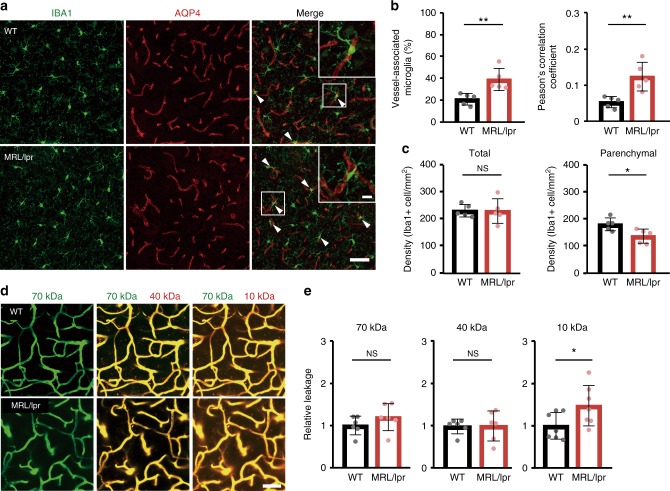
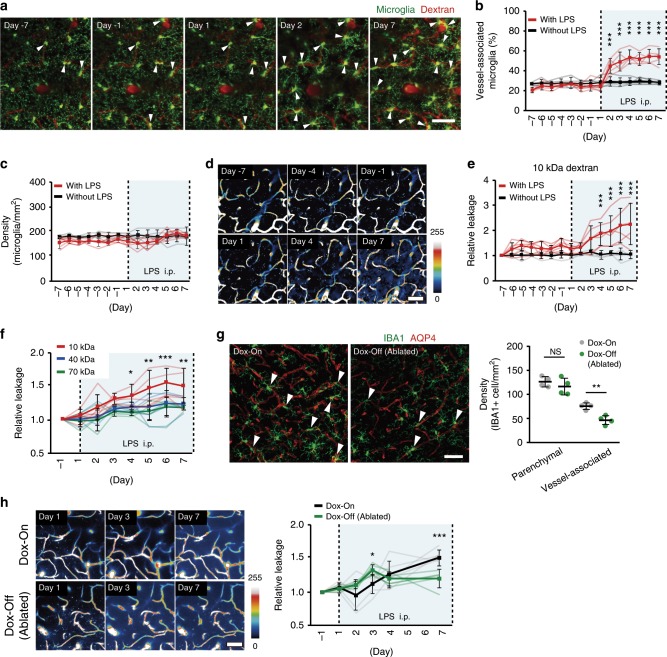
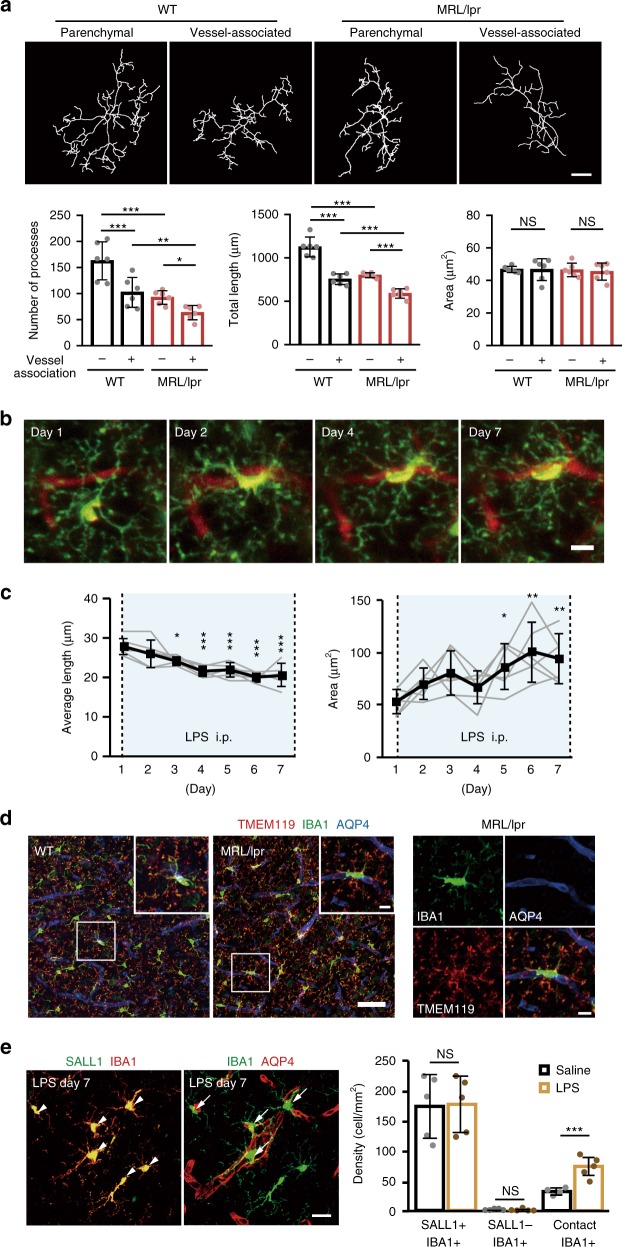
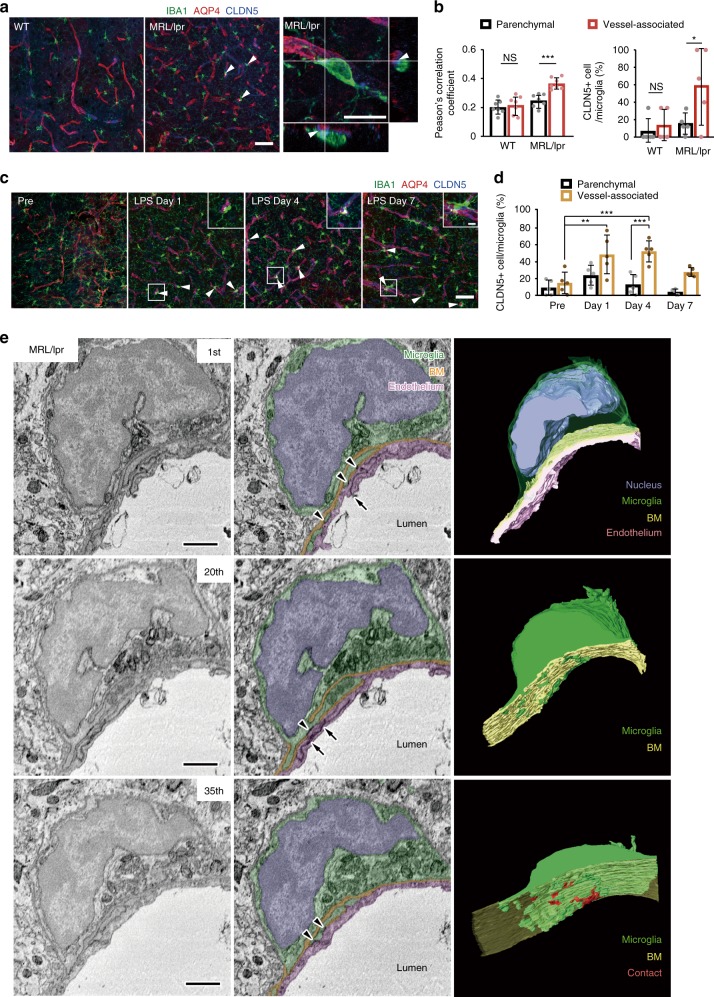
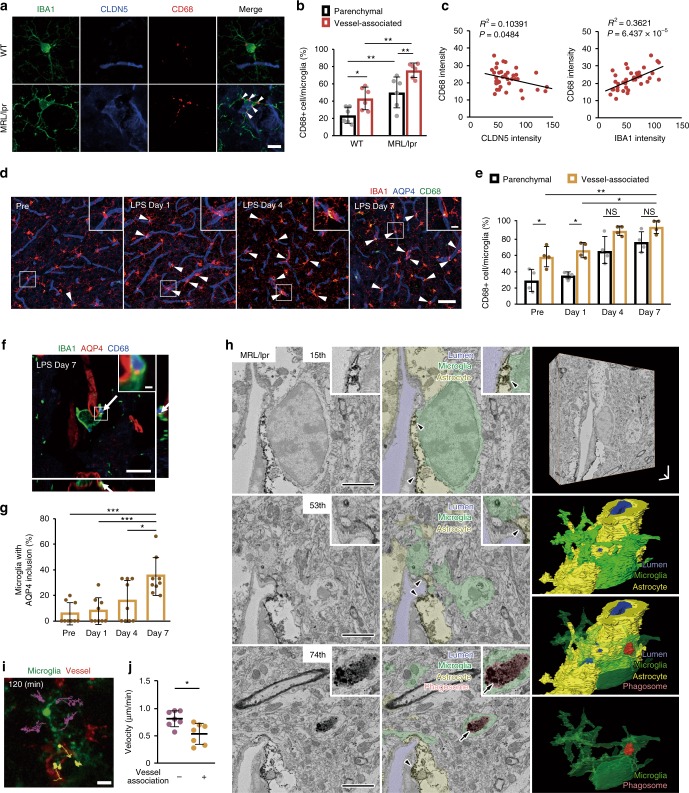
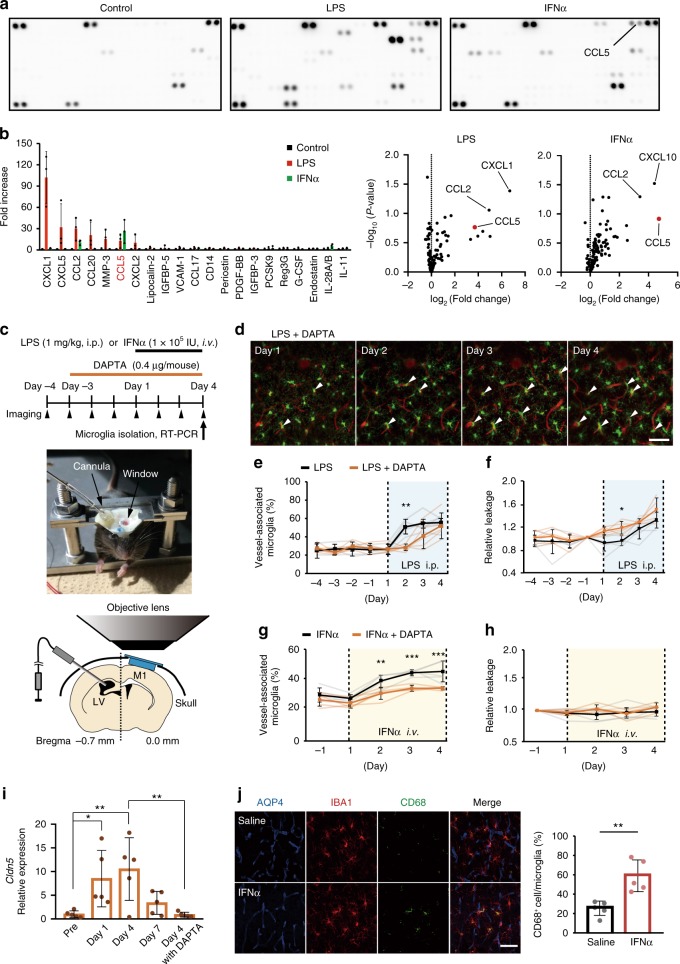
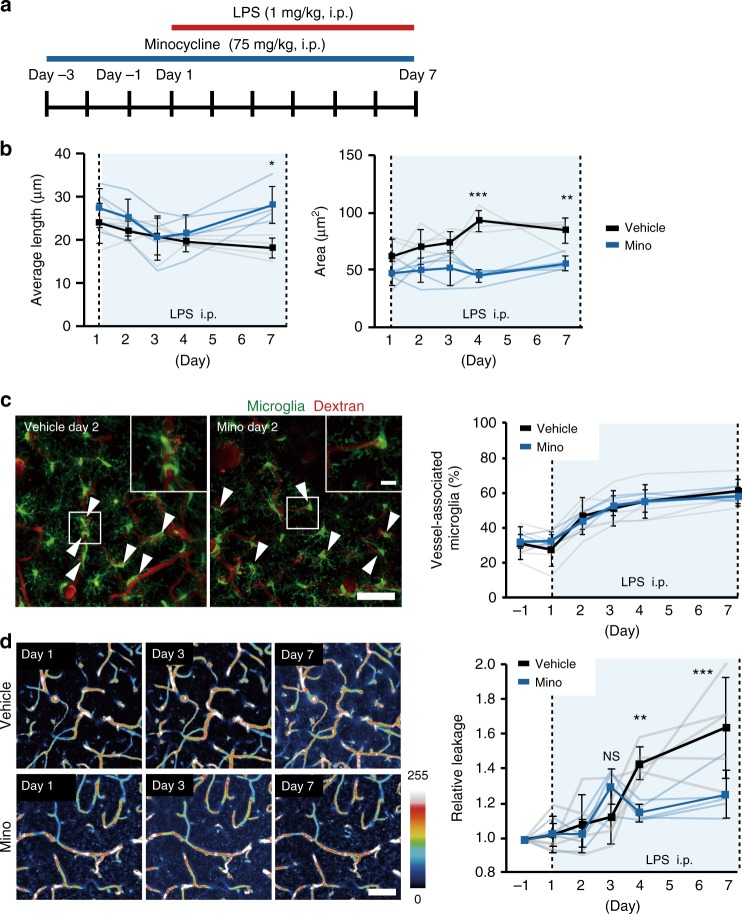
Microglia survey brain parenchyma, responding to injury and infections. Microglia also respond to systemic disease, but the role of blood–brain barrier (BBB) integrity in this process remains unclear. Using simultaneous in vivo imaging, we demonstrated that systemic inflammation induces CCR5-dependent migration of brain resident microglia to the cerebral vasculature. Vessel-associated microglia initially maintain BBB integrity via expression of the tight-junction protein Claudin-5 and make physical contact with endothelial cells. During sustained inflammation, microglia phagocytose astrocytic end-feet and impair BBB function. Our results show microglia play a dual role in maintaining BBB integrity with implications for elucidating how systemic immune-activation impacts neural functions.
Overview
The claims and statistics of this paper haven’t been checked yet.
Free: it reads the open-access text and checks the first 5 claims that cite a source we can check. Create a free account to check every claim.
Integrity signals
Registry
Cites
Statistics
Figures
Verification
Claims the paper makes
The claims and statistics of this paper haven’t been checked yet.
Free: it reads the open-access text and checks the first 5 claims that cite a source we can check. Create a free account to check every claim.
Claims other papers make about this one
Each is checked against this paper’s own text: does it say what the citing paper says it does?
The source backs part of the claim, not all of it — or backs it for a different population, condition or comparison.
In the citing paper
“sustained activation triggered by the RAGE ligand S100B exacerbates abnormal BBB permeability [17,18].”
From Research Advances in the Pathogenesis of Sepsis-Associated Encephalopathy (2026) · cites this paper as [18]
Experimental — accuracy not yet measuredThe source backs part of the claim, not all of it — or backs it for a different population, condition or comparison.
In the citing paper
“According to previous studies, systemic inflammation may disrupt the BBB, allowing pro-inflammatory molecules (such as cytokines and LPS) to enter the CNS [60,61,62].”
From Neuroprotective Effects of Bifidobacterium breve CCFM1067 in MPTP-Induced Mouse Models of Parkinson’s Disease (2022) · cites this paper as [61]
Experimental — accuracy not yet measuredThe cited source says what the claim attributes to it.
In the citing paper
“An in vivo study showed that LPS injection induced 10 kDa dextran translocation across the BBB in mice”
From The modulatory effects of gut microbes and metabolites on blood-brain barrier integrity and brain function in sepsis-associated encephalopathy (2023) · cites this paper as Haruwaka et al., 2019
The check wasn’t confident either way, so it gives no verdict — never disputed.
In the citing paper
“Furthermore, species differences in microglial density, BBB tight junction composition, and cholinergic system organization between rodents and humans likely restrict direct extrapolation of preclinical findings to human patients [15,16,18].”
From Research Advances in the Pathogenesis of Sepsis-Associated Encephalopathy (2026) · cites this paper as [18]
Experimental — accuracy not yet measured
Self-check
Percentages, sums and reported differences re-computed from the paper’s own numbers.
The self-check needs the paper’s full text.
Citations
Cites
1 retracted
Microglia-dependent synapse loss in type I interferon-mediated lupus
Bialas, A. R., Presumey, J., Das, A., van der Poel, C. E., Lapchak, P. H., Mesin, L., Victora, G., Tsokos, G. C., Mawrin, C., Herbst, R., et al. (2017) · Nature · doi:10.1038/nature22821 · Cited by 197
RetractedMetascape provides a biologist-oriented resource for the analysis of systems-level datasets
Zhou, Y., Zhou, B., Pache, L., Chang, M., Khodabakhshi, A. H., Tanaseichuk, O., Benner, C., & Chanda, S. K. (2019) · Nature Communications · doi:10.1038/s41467-019-09234-6 · Cited by 14,611
Resting microglial cells are highly dynamic surveillants of brain parenchyma in vivo
Nimmerjahn, A., Kirchhoff, F., & Helmchen, F. (2005) · Science · doi:10.1126/science.1110647 · Cited by 5,827
Astrocyte-endothelial interactions at the blood-brain barrier
Abbott, N. J., Rönnbäck, L., & Hansson, E. (2006) · Nature Reviews Neuroscience · doi:10.1038/nrn1824 · Cited by 5,595
Structure and function of the blood–brain barrier
Abbott, N. J., Patabendige, A. A. K., Dolman, D. E. M., Yusof, S. R., & Begley, D. J. (2010) · Neurobiology of Disease · doi:10.1016/j.nbd.2009.07.030 · Cited by 5,185
Zhang, Y., Chen, K., Sloan, S. A., Bennett, M. L., Scholze, A. R., O'Keeffe, S., Phatnani, H. P., Guarnieri, P., Caneda, C., Ruderisch, N., et al. (2014) · The Journal of Neuroscience · doi:10.1523/jneurosci.1860-14.2014 · Cited by 4,875
Microglia Sculpt Postnatal Neural Circuits in an Activity and Complement-Dependent Manner
Schafer, D. P., Lehrman, E. K., Kautzman, A. G., Koyama, R., Mardinly, A. R., Yamasaki, R., Ransohoff, R. M., Greenberg, M. E., Barres, B. A., & Stevens, B. (2012) · Neuron · doi:10.1016/j.neuron.2012.03.026 · Cited by 4,089
ATP mediates rapid microglial response to local brain injury in vivo
Davalos, D., Grutzendler, J., Yang, G., Kim, J. V., Zuo, Y., Jung, S., Littman, D. R., Dustin, M. L., & Gan, W.-B. (2005) · Nature Neuroscience · doi:10.1038/nn1472 · Cited by 3,913
Microglia: Active sensor and versatile effector cells in the normal and pathologic brain
Hanisch, U.-K., & Kettenmann, H. (2007) · Nature Neuroscience · doi:10.1038/nn1997 · Cited by 3,676
Kettenmann, H., Hanisch, U.-K., Noda, M., & Verkhratsky, A. (2011) · Physiological Reviews · doi:10.1152/physrev.00011.2010 · Cited by 3,547
Research works printed but not linked: 2
- Yang Y Attenuation of acute stroke injury in rat brain by minocycline promotes blood-brain barrier remodeling and alternative microglia/macrophage activation during recovery J. Neuroinflammation 2015 12 26 10.1186/s12974-015-0245-4 25889169 PMC4340283 · DOI · Paper page
- McKim DB Microglial recruitment of IL-1beta-producing monocytes to brain endothelium causes stress-induced anxiety Mol. Psychiatry 2018 23 1421 1431 10.1038/mp.2017.64 28373688 PMC5628107 · DOI · Paper page
Cited by
Items 901–930 of 930
Mitochondrial control of blood-brain barrier homeostasis in neuroinflammatory psychiatric disorders
Pérez-López, L. M., Camacho‐Morales, A., Álvarez, I. H., & Pérez‐Maya, A. A. (2026) · Frontiers in Molecular Neuroscience · doi:10.3389/fnmol.2026.1924581
Progress in blood-derived biomarkers for Parkinson’s disease
Mishra, A. K., & Kumar, D. (2026) · International review of neurobiology · doi:10.1016/bs.irn.2026.08.001
Microgliopathy in poststroke depression: exploring mechanisms and therapeutic strategies
Yang, C., Wu, S., Cao, H., Yin, Y., Zhang, Y., Zhang, L., Chen, R., & Tao, X. (2026) · Neuroscience · doi:10.1016/j.neuroscience.2026.08.046
Heart-Brain Axis Dysregulation in Depression: Mechanisms and Implications for Neuromodulation
Xiong, Y., Zhu, Z., Shen, C., Deng, W., & Cheng, Y. (2026) · Neuropsychiatric Disease and Treatment · doi:10.2147/ndt.s623896
Comparative efficacy of interventions for transdiagnostic anhedonia: a network meta-analysis
Wang, Y.-M., Chen, F., Hou, Y.-W., & Zhang, M. (2026) · Psychiatry Research · doi:10.1016/j.psychres.2026.117435
Olazabal-Chias, M., Kratochvil, M., & Rojo, A. I. (2026) · Neurochemistry International · doi:10.1016/j.neuint.2026.106258
Tissue‐Resident Macrophage in Inflammation and Cancer
Huang, S., Fan, J., Liu, W., Liu, D., Wang, R., Wang, Y., Sun, J., Zhang, H., Cai, Q., Xu, Z., et al. (2026) · MedComm · doi:10.1002/mco2.70970 · Cited by 1
Abdel-Rasol, M. A. (2026) · Inflammopharmacology · doi:10.1007/s10787-026-02386-0 · Cited by 1
“Increased BBB permeability then facilitates the entry of plasma proteins, inflammatory mediators, and peripheral leukocytes into the CNS, further activating microglia and sustaining a self-rein-forcing cycle of neuroinflammation (Galea 2021 ; Merlini et al. 2019; Haruwaka et al. 2019).”
Cao, J.-P., Liu, X., Wang, L., Zhou, Y., Zhang, L., Chen, X., Lin, Y., Chen, L., & Du, Y.-H. (2026) · Brain and Behavior · doi:10.1002/brb3.71699
“Recently, vessel-associated microglia (VAMs) have been identified in relation to their positioning along blood vessels, although the specific types of blood vessels (capillaries, arterioles, veins, arteries) have not been clearly delineated (Haruwaka et al. 2019 ).”
Neuroimmune responses in the chicken brain during acute fowl adenovirus serotype 4 infection
Hanafi, U. F., Lee, R., Shin, K., Lee, Y.-B., Hwang, G., Maslachah, L., & Park, J. F. (2026) · Frontiers in Veterinary Science · doi:10.3389/fvets.2026.1964202
“In addition, overexpression of pro-inflammatory markers in the periphery can also impair TJ (16).”
InfluentialYuzbasic, A. D., Yesil, B. Y., Arslantunali, D., & Ayan, B. (2026) · NAM journal. · doi:10.1016/j.namjnl.2026.100138
de Andrade, E. G., VanderZwaag, J., Kofoed, R. H., Carrier, M., Picard, K., Pekarik, K. H., Ibáñez, F. G., Khakpour, M., Hynynen, K., Aubert, I., et al. (2026) · Theranostics · doi:10.7150/thno.131051
“Following previous evidence of microglia dynamically approaching blood vessels [4,33,34], and potentially sealing BBB leakages [34,36], we did not identify significant differences in the average distance or number of microglial cell bodies associated with blood vessels at 1 h and 24 h after FUS-BBB.”
InfluentialTorun, İ. E., Torun, C., & Namulodı, S. (2026) · Anadolu Kliniği Tıp Bilimleri Dergisi · doi:10.21673/anadoluklin.2006621
Immune dysregulation and epileptogenesis
Dondoladze, K., Kharati, N., & Phevadze, K. (2026) · Neurological Sciences · doi:10.1007/s10072-026-09443-0
“Furthermore, pathological processes occurring in the M1 phenotype alter the stability of the blood-brain barrier, where proinflammatory cytokines or microglial metabolites alter the barrier’s permeability to immune cells and autoantibod - ies [70].”
Kim, S.-E., Kim, D.-Y., Park, J.-E., Leem, Y., Park, J.-S., & Kim, H.-S. (2026) · International Immunopharmacology · doi:10.1016/j.intimp.2026.117478
Helen, J., Wimmer, M. C., Kanmaz, B., Schubert, T., Possa‐Paranhos, I. C., Corrêa‐da‐Silva, F., Podpecan, Y., Muhammad, A. J., Eisemann, E. M., Illma, N., et al. (2026) · bioRxiv (Cold Spring Harbor Laboratory) · doi:10.64898/2026.09.30.755583
Bogdon, R., Roark, K. L., & Busbee, P. B. (2026) · Frontiers in Neuroscience · doi:10.3389/fnins.2026.1851943
Duarte, R., & Silva, A. C. A. (2026) · Next Nanotechnology · doi:10.1016/j.nxnano.2026.100813
Li, H., Zhang, X., Lü, J., Lu, L., Chen, J., Ping, A., Lu, Y., Jin, Z., Tang, S., Wang, R., et al. (2026) · Cell Reports · doi:10.1016/j.celrep.2026.118102
Lee, D.-H., Jung, M.-J., Jeong, H.-S., Kim, S.-H., Kim, G., Shin, H. M., & Cho, C. (2026) · Scientific Reports · doi:10.1038/s41598-026-76082-y
Resveratrol for Post-COVID-19 Cognitive Dysfunction: From Molecular Basis to Clinical Translation
Martínez‐Fierro, M. L., González-Delgado, S., Solis-Hernandez, I. A., Rocha-Pizaña, M. D. R., Mendez-Gonzalez, A. J., & Veloz, I. G. (2026) · Molecules · doi:10.3390/molecules31203747
“Neurovascular signaling may connect circulating inflammatory processes to cellular responses at BBB interfaces [37,39].”
Immune-endothelial crosstalk at the nexus of neuroinflammation and vascular dysfunction in aging
Cui, Z., Sun, H., Chen, Z., & Li, J. (2026) · Frontiers in Immunology · doi:10.3389/fimmu.2026.1972284
Research Advances and Perspectives on Gut Microbiota Regulating Alzheimer’s Disease
Zhu, F., & Shao, X. (2026) · Biology · doi:10.3390/biology15201893
“This axis upregulates the expression of chemokines and matrix metalloproteinases through mediators such as GDF-15, thereby actively exacer-bating BBB injury [64–68].”
Ma, W.-Y., Yao, L., & Lan, W. (2026) · Journal of Inflammation Research · doi:10.2147/jir.s635848
“…physical barrier of endothelial cells itself is composed of tight junctions (TJs), which serve as the core structure regulating the permeability of the BBB. 31 Once upregulated in the ischemic microenvironment, A-FABP does not act directly as an effector molecule to disrupt these physical barriers.”
InfluentialZhao, X., He, J., Yu, W., Lin, H., He, Q., Zhenyan, S., & Cheng, S. (2026) · Molecular Neurobiology · doi:10.1007/s12035-026-06281-1
Lin, L., Patil, M., Hawke, S. H., Marsh‐Wakefield, F., & Grau, G. E. (2026) · Microcirculation · doi:10.1111/micc.70091
Lead (Pb)-Induced Neuroinflammation in the Developing and Aging Brain
Mendes, H. W., & Freeman, J. L. (2026) · Toxics · doi:10.3390/toxics14110935
Juárez-Solano, H., Pérez‐Osorio, I. N., Adalid-Peralta, L. V., Guevara‐Salinas, A., & Torres-Ramos, M. (2026) · Journal of Neuroimmune Pharmacology · doi:10.1007/s11481-026-10324-8
“Concur-rently, microglia also respond to inflammatory signals by migrating toward cerebral vasculature, where they express the tight junction protein Claudin-5 and physically interact with endothelial cells to reinforce BBB integrity (Haruwaka et al. 2019) (Fig.”
Establishing a novel sepsis-associated brain dysfunction model in zebrafish larvae
Wu, S., Zhang, T., Guo, S., Li, Z., Pan, X., Huang, Y., He, L., Zhang, Y., & Jiang, M. (2026) · Frontiers in Immunology · doi:10.3389/fimmu.2026.1862109
Singh, S., & Mishra, R. (2026) · Biochimica et Biophysica Acta (BBA) - Reviews on Cancer · doi:10.1016/j.bbcan.2026.189742
Metadata
- Authors
- Haruwaka, K., Ikegami, A., Tachibana, Y., Ohno, N., Konishi, H., Hashimoto, A., Matsumoto, M., Kato, D., Ono, R., Kiyama, H., Moorhouse, A. J., Nabekura, J., & Wake, H.
- Affiliations
- National Institutes of Natural Sciences (JP)
- Kobe University (JP)
- Jichi Medical University (JP)
- Nagoya University (JP)
- Nagoya City University (JP)
- UNSW Sydney (AU)
- Japan Science and Technology Agency (JP)
- Corresponding author
- Wake, Hiroaki
- ORCID
- Venue
- Nature Communications
- Published
- 2019-12-20
- Volume
- 10
- Issue
- 1
- Pages
- 5816-5816
- ISSN
- 2041-1723 (ISSN-L)
- PMC
- PMC6925219
- OpenAlex
- W2994871395
- Semantic Scholar
- c3f552b178950359c479d733c849b698185fc437
- Cited by
- 923
- References
- 72
- Citations by year
- 2026: 106 · 2025: 157 · 2024: 180 · 2023: 149 · 2022: 147 · 2021: 124 · 2020: 59
- FWCI
- 36.32
- Type
- journal article
- Language
- en
- Open access
- gold
- doi.org
- Licence
- cc-by
- creativecommons.org/licenses/by/4.0 (tdm)
- creativecommons.org/licenses/by/4.0 (vor)
- Locations
- Nature Communications (publishedVersion, cc-by)
- Europe PMC (PubMed Central) (publishedVersion, cc-by)
- PubMed Central (publishedVersion, cc-by)
- PubMed (publishedVersion)
- Institutional Repositories DataBase (IRDB) (submittedVersion, cc-by)
- RePEc: Research Papers in Economics (submittedVersion)
- Kobe University Repository Kernel (Kobe University) (submittedVersion, cc-by)
- DOAJ (DOAJ: Directory of Open Access Journals) (submittedVersion)
- DOAJ (DOAJ: Directory of Open Access Journals) (submittedVersion, cc-by-sa)
- Funders
- Japan Society for the Promotion of Science (18H02598, 18K06852, 16H06280, 19H05219, 17H01530, 26710004, 19H04753, 19K06904)
- Topics
- Life Sciences › Neuroscience › Neurology › Barrier Structure and Function Studies
- Life Sciences › Neuroscience › Neurology › Neuroinflammation and Neurodegeneration Mechanisms
- Health Sciences › Medicine › Clinical Neurology › Traumatic Brain Injury and Neurovascular Disturbances
- Keywords
- microglia, blood-brain barrier permeability, systemic inflammation, CCR5, microglial migration, claudin-5, tight junctions, neuroinflammation
- MeSH terms
- Intravital Microscopy, Animals, Astrocytes, Blood-Brain Barrier, Cerebrovascular Circulation, Disease Models, Animal, Humans, Lupus Erythematosus, Systemic, Male, Permeability, Phagocytosis, Stereotaxic Techniques, Microglia, Tight Junctions, Receptors, CCR5, Endothelial Cells, Mice, Claudin-5
About these checks
Registry, retraction, Cites and statistics results are computed, not judged, with one exception: a printed reference that no index lists is read once by a model before it counts as a citation error. Claims are extracted by a model and kept only when their quote appears verbatim in the text; each cited source is then checked, with a model’s help, for whether it says what the claim relies on. Those verdicts can be wrong — read the claim’s quote and the cited source before relying on one.
Statistics and arithmetic are recomputed, not judged.
Confidence bands are shown only for fields calibrated on our annotated test set. None is calibrated yet, so no band is shown.
What counts as a claim ›How we measure confidence ›How we check this ›
Are you an author, or do you see a problem with this page? Request a review
Data sources
Bibliographic data: Semantic Scholar, OpenAlex, Crossref.
Contains information from the Semantic Scholar Academic Graph Datasets, made available under the ODC Attribution License (ODC-BY 1.0).
Semantic Scholar’s data is described in: Kinney, R., et al. (2023). The Semantic Scholar Open Data Platform. arXiv:2301.10140.
