

Dual microglia effects on blood brain barrier permeability induced by systemic inflammation
Open accessThe DOI matches its Crossref record; 72 of the 72 references it cites were found in a registry or an index.
Abstract
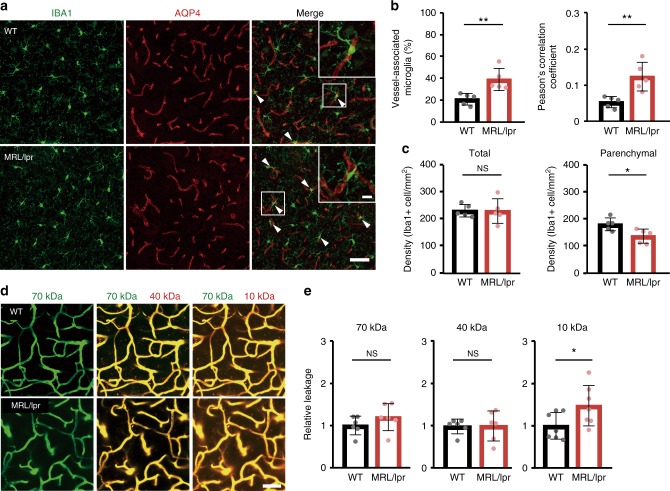
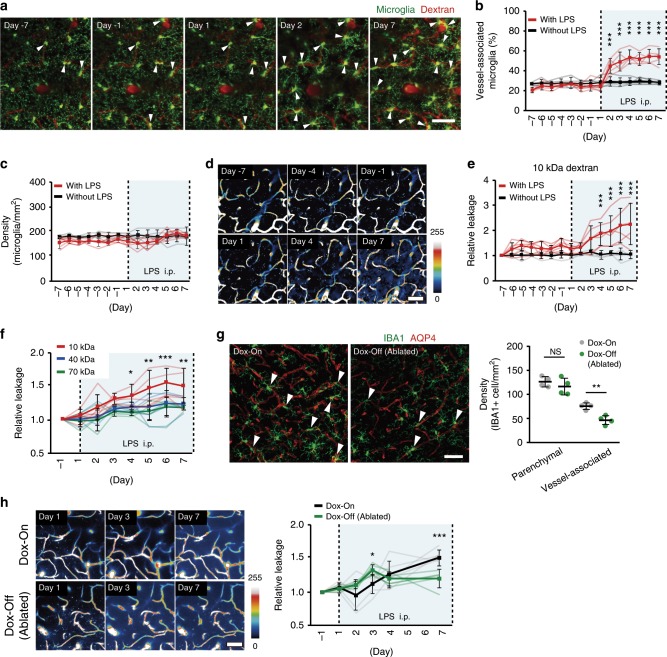
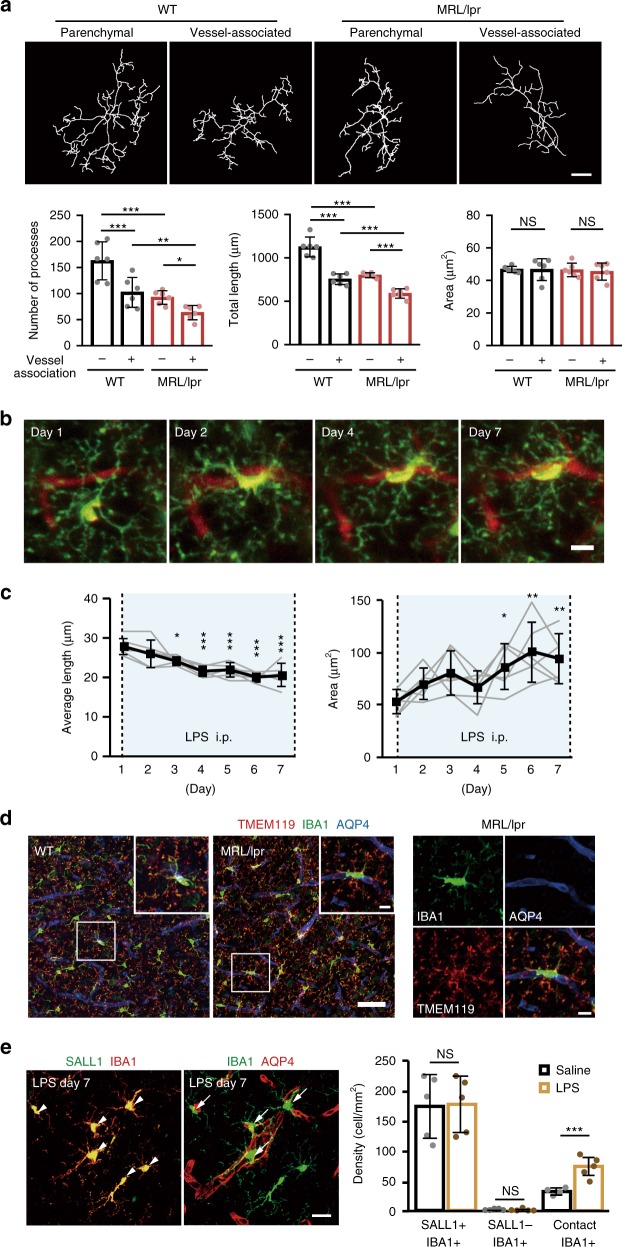
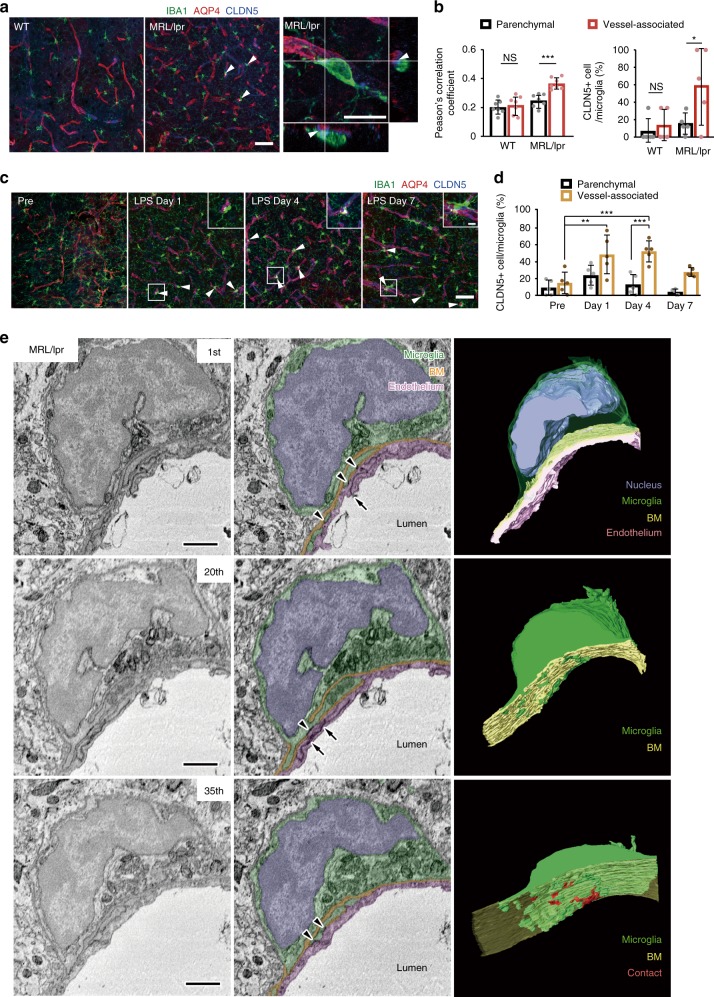
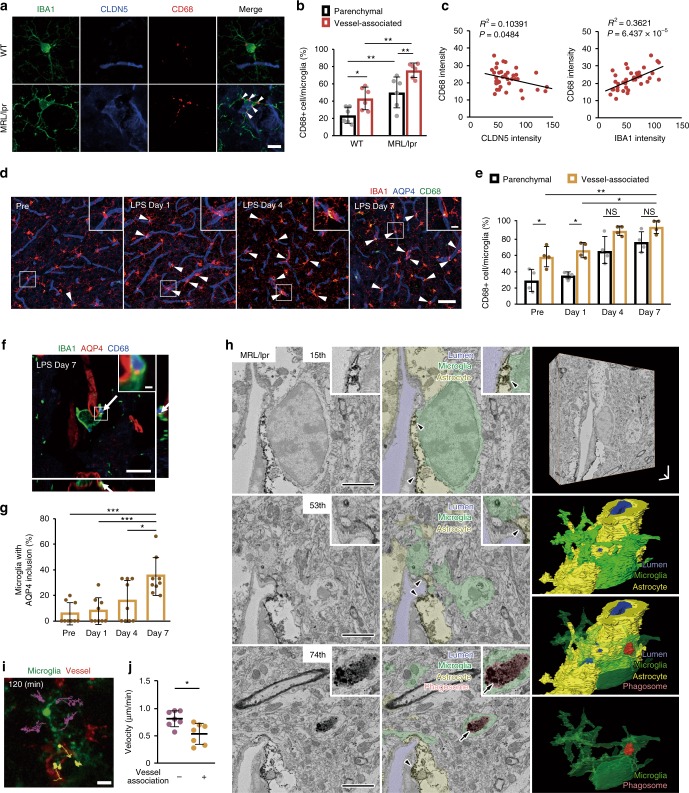
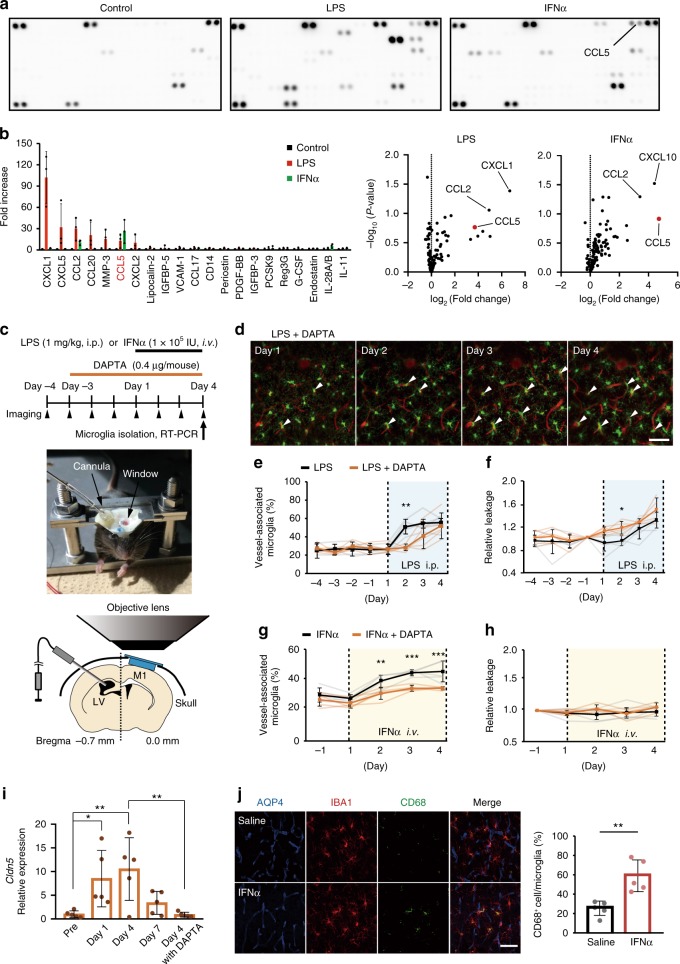
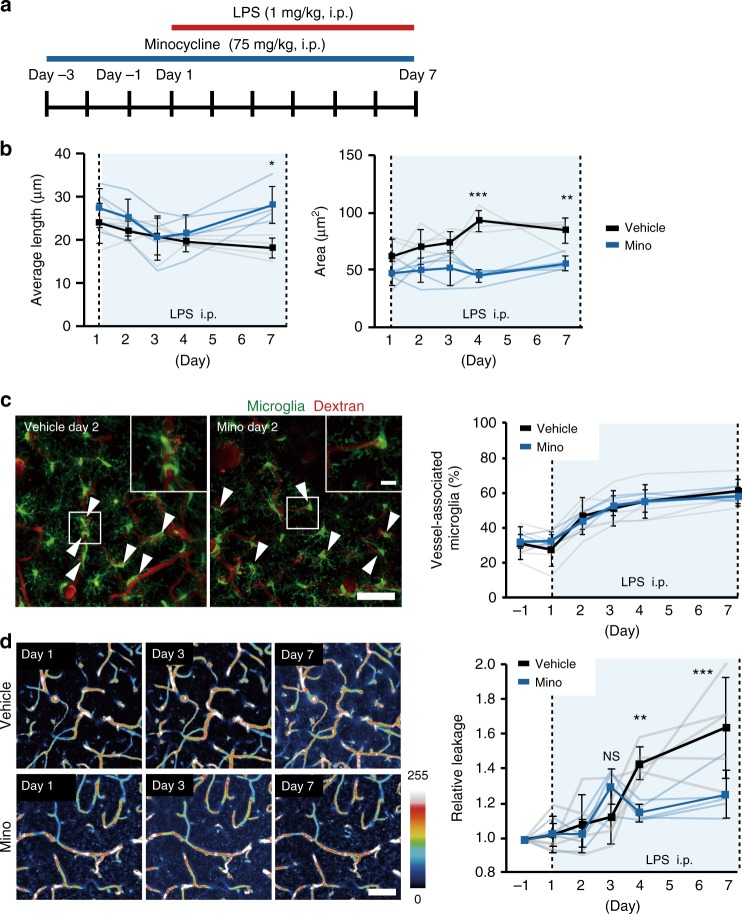
Microglia survey brain parenchyma, responding to injury and infections. Microglia also respond to systemic disease, but the role of blood–brain barrier (BBB) integrity in this process remains unclear. Using simultaneous in vivo imaging, we demonstrated that systemic inflammation induces CCR5-dependent migration of brain resident microglia to the cerebral vasculature. Vessel-associated microglia initially maintain BBB integrity via expression of the tight-junction protein Claudin-5 and make physical contact with endothelial cells. During sustained inflammation, microglia phagocytose astrocytic end-feet and impair BBB function. Our results show microglia play a dual role in maintaining BBB integrity with implications for elucidating how systemic immune-activation impacts neural functions.
Overview
The claims and statistics of this paper haven’t been checked yet.
Free: it reads the open-access text and checks the first 5 claims that cite a source we can check. Create a free account to check every claim.
Integrity signals
Registry
Cites
Statistics
Figures
Verification
Claims the paper makes
The claims and statistics of this paper haven’t been checked yet.
Free: it reads the open-access text and checks the first 5 claims that cite a source we can check. Create a free account to check every claim.
Claims other papers make about this one
Each is checked against this paper’s own text: does it say what the citing paper says it does?
The source backs part of the claim, not all of it — or backs it for a different population, condition or comparison.
In the citing paper
“sustained activation triggered by the RAGE ligand S100B exacerbates abnormal BBB permeability [17,18].”
From Research Advances in the Pathogenesis of Sepsis-Associated Encephalopathy (2026) · cites this paper as [18]
Experimental — accuracy not yet measuredThe source backs part of the claim, not all of it — or backs it for a different population, condition or comparison.
In the citing paper
“According to previous studies, systemic inflammation may disrupt the BBB, allowing pro-inflammatory molecules (such as cytokines and LPS) to enter the CNS [60,61,62].”
From Neuroprotective Effects of Bifidobacterium breve CCFM1067 in MPTP-Induced Mouse Models of Parkinson’s Disease (2022) · cites this paper as [61]
Experimental — accuracy not yet measuredThe cited source says what the claim attributes to it.
In the citing paper
“An in vivo study showed that LPS injection induced 10 kDa dextran translocation across the BBB in mice”
From The modulatory effects of gut microbes and metabolites on blood-brain barrier integrity and brain function in sepsis-associated encephalopathy (2023) · cites this paper as Haruwaka et al., 2019
The check wasn’t confident either way, so it gives no verdict — never disputed.
In the citing paper
“Furthermore, species differences in microglial density, BBB tight junction composition, and cholinergic system organization between rodents and humans likely restrict direct extrapolation of preclinical findings to human patients [15,16,18].”
From Research Advances in the Pathogenesis of Sepsis-Associated Encephalopathy (2026) · cites this paper as [18]
Experimental — accuracy not yet measured
Self-check
Percentages, sums and reported differences re-computed from the paper’s own numbers.
The self-check needs the paper’s full text.
Citations
Cites
1 retracted
Microglia-dependent synapse loss in type I interferon-mediated lupus
Bialas, A. R., Presumey, J., Das, A., van der Poel, C. E., Lapchak, P. H., Mesin, L., Victora, G., Tsokos, G. C., Mawrin, C., Herbst, R., et al. (2017) · Nature · doi:10.1038/nature22821 · Cited by 197
RetractedMetascape provides a biologist-oriented resource for the analysis of systems-level datasets
Zhou, Y., Zhou, B., Pache, L., Chang, M., Khodabakhshi, A. H., Tanaseichuk, O., Benner, C., & Chanda, S. K. (2019) · Nature Communications · doi:10.1038/s41467-019-09234-6 · Cited by 14,611
Resting microglial cells are highly dynamic surveillants of brain parenchyma in vivo
Nimmerjahn, A., Kirchhoff, F., & Helmchen, F. (2005) · Science · doi:10.1126/science.1110647 · Cited by 5,827
Astrocyte-endothelial interactions at the blood-brain barrier
Abbott, N. J., Rönnbäck, L., & Hansson, E. (2006) · Nature Reviews Neuroscience · doi:10.1038/nrn1824 · Cited by 5,595
Structure and function of the blood–brain barrier
Abbott, N. J., Patabendige, A. A. K., Dolman, D. E. M., Yusof, S. R., & Begley, D. J. (2010) · Neurobiology of Disease · doi:10.1016/j.nbd.2009.07.030 · Cited by 5,185
Zhang, Y., Chen, K., Sloan, S. A., Bennett, M. L., Scholze, A. R., O'Keeffe, S., Phatnani, H. P., Guarnieri, P., Caneda, C., Ruderisch, N., et al. (2014) · The Journal of Neuroscience · doi:10.1523/jneurosci.1860-14.2014 · Cited by 4,875
Microglia Sculpt Postnatal Neural Circuits in an Activity and Complement-Dependent Manner
Schafer, D. P., Lehrman, E. K., Kautzman, A. G., Koyama, R., Mardinly, A. R., Yamasaki, R., Ransohoff, R. M., Greenberg, M. E., Barres, B. A., & Stevens, B. (2012) · Neuron · doi:10.1016/j.neuron.2012.03.026 · Cited by 4,089
ATP mediates rapid microglial response to local brain injury in vivo
Davalos, D., Grutzendler, J., Yang, G., Kim, J. V., Zuo, Y., Jung, S., Littman, D. R., Dustin, M. L., & Gan, W.-B. (2005) · Nature Neuroscience · doi:10.1038/nn1472 · Cited by 3,913
Microglia: Active sensor and versatile effector cells in the normal and pathologic brain
Hanisch, U.-K., & Kettenmann, H. (2007) · Nature Neuroscience · doi:10.1038/nn1997 · Cited by 3,676
Kettenmann, H., Hanisch, U.-K., Noda, M., & Verkhratsky, A. (2011) · Physiological Reviews · doi:10.1152/physrev.00011.2010 · Cited by 3,547
Research works printed but not linked: 2
- Yang Y Attenuation of acute stroke injury in rat brain by minocycline promotes blood-brain barrier remodeling and alternative microglia/macrophage activation during recovery J. Neuroinflammation 2015 12 26 10.1186/s12974-015-0245-4 25889169 PMC4340283 · DOI · Paper page
- McKim DB Microglial recruitment of IL-1beta-producing monocytes to brain endothelium causes stress-induced anxiety Mol. Psychiatry 2018 23 1421 1431 10.1038/mp.2017.64 28373688 PMC5628107 · DOI · Paper page
Cited by
Items 101–200 of 930
Li, T., Chu, C., Yu, L., Zhai, Q., Wang, S., Zhao, J., Zhang, H., Chen, W., & Tian, F. (2022) · Nutrients · doi:10.3390/nu14214678 · Cited by 76
Neurovascular Alterations in Vascular Dementia: Emphasis on Risk Factors
Lecordier, S., Manrique‐Castano, D., Moghrabi, Y. E., & ElAli, A. (2021) · Frontiers in Aging Neuroscience · doi:10.3389/fnagi.2021.727590 · Cited by 80
“Attenuation of microglial reactivity via blockage of CCL-5 signaling also preserved BBB integrity in the context of systemic inflammation (Haruwaka et al., 2019).”
BackgroundEffect of Systemic Inflammation in the CNS: A Silent History of Neuronal Damage
Solano, M. V. M., Lara, C. S., Sánchez-Garibay, C., Soto-Rojas, L. O., Escobedo-Ávila, I., Tena‐Suck, M. L., Ortiz-Butrón, R., Choreño-Parra, J. A., Romero‐López, J. P., & Meléndez-Camargo, M. E. (2023) · International Journal of Molecular Sciences · doi:10.3390/ijms241511902 · Cited by 85
“When stimulated with IFN-γ, the microglia migrate near vessels and elevate CCL5 (which is part of the endothelial cell junction) and CLDN5 (which promotes infiltration to the neurovascular unit (NVU), interacting with and maintaining BBB integrity [65].”
Distinct Features of Brain-Resident Macrophages: Microglia and Non-Parenchymal Brain Macrophages
Lee, E., Eo, J.-C., Lee, C., & Yu, J.-W. (2021) · Molecules and Cells · doi:10.14348/molcells.2021.0060 · Cited by 71
“DAM are frequently detected under conditions of accumulating degenerating neurons, myelin debris, or extracellular protein aggregates and reportedly alleviate the damage; however, it is not clear whether they have a protective or disease-inducing function (Butovsky and Weiner, 2018; Haruwaka et al., 2019; Liddelow et…”
BackgroundParodi-Rullán, R. M., Javadov, S., & Fossati, S. (2021) · Cells · doi:10.3390/cells10112903 · Cited by 73
“Hence, the movement of glial cells [190,191] towards an activated vasculature and their upregulation of claudin and occludin proteins appears to be an initial protective mechanism to prevent worsening of vascular function.”
BackgroundNeurovascular unit, neuroinflammation and neurodegeneration markers in brain disorders
Kempuraj, D., Dourvetakis, K. D., Cohen, J., Valladares, D. S., Joshi, R. S., Kothuru, S. P., Anderson, T., Chinnappan, B., Cheema, A. K., Klimas, N. G., et al. (2024) · Frontiers in Cellular Neuroscience · doi:10.3389/fncel.2024.1491952 · Cited by 85
Bi, Y., Duan, W., Chen, J., You, T., Li, S., Jiang, W., Li, M., Wang, G., Pan, X., Wu, J., et al. (2021) · Advanced Functional Materials · doi:10.1002/adfm.202102912 · Cited by 76
Dóra, D., Ferenczi, S., Stavely, R. G., Tóth, V. É., Varga, Z. V., Kovács, T., Bódi, I., Hotta, R., Kovács, K., Goldstein, A. M., et al. (2021) · Cellular and Molecular Gastroenterology and Hepatology · doi:10.1016/j.jcmgh.2021.07.003 · Cited by 78
Laser ablation: Heating up the anti-tumor response in the intracranial compartment
Lerner, E., Edwards, R. M., Wilkinson, D. S., & Fecci, P. E. (2022) · Advanced Drug Delivery Reviews · doi:10.1016/j.addr.2022.114311 · Cited by 76
Repeated LPS induces training and tolerance of microglial responses across brain regions
Kim, J., Sullivan, O., Lee, K., Jao, J., Tamayo, J., Madany, A. M., Wong, B., Ashwood, P., & Ciernia, A. V. (2024) · Journal of Neuroinflammation · doi:10.1186/s12974-024-03198-1 · Cited by 79
Xie, J., Gorlé, N., Vandendriessche, C., Van Imschoot, G., Van Wonterghem, E., Van Cauwenberghe, C., Parthoens, E., Van Hamme, E., Lippens, S., Van Hoecke, L., et al. (2021) · Acta Neuropathologica Communications · doi:10.1186/s40478-021-01253-z · Cited by 65
Addressing Blood–Brain Barrier Impairment in Alzheimer’s Disease
Sharma, C., Woo, H., & Kim, S. R. (2022) · Biomedicines · doi:10.3390/biomedicines10040742 · Cited by 68
“Inflammation activates microglia, the immune cells of the central nervous system, and polarizes them into the M1 (cytotoxic) or M2 (neuroprotective) phenotype; thus, microglia can harm or protect the BBB [41,42].”
BackgroundWang, Y., Wernersbach, I., Strehle, J., Li, S., Appel, D., Klein, M., Ritter, K., Hummel, R., Tegeder, I., & Schäfer, M. K. E. (2022) · Brain Behavior and Immunity · doi:10.1016/j.bbi.2022.07.164 · Cited by 73
“, 2017) but may also exacerbate BBB and brain tissue damage (Haruwaka et al., 2019; Jolivel et al., 2015).”
BackgroundModulation of Glial Function in Health, Aging, and Neurodegenerative Disease
Hanslik, K. L., Marino, K. M., & Ulland, T. K. (2021) · Frontiers in Cellular Neuroscience · doi:10.3389/fncel.2021.718324 · Cited by 73
Yu, Z., Xue, F., Liu, W., Sun, R. X., Zhou, J., Pu, Y., Zhao, M., Sun, D., Xiang, Z., Liu, P., et al. (2022) · Advanced Science · doi:10.1002/advs.202105442 · Cited by 82
Plasma inflammatory biomarkers in cerebral small vessel disease: A review
Wan, S., Dandu, C., Han, G., Guo, Y., Ding, Y., Song, H., & Meng, R. (2022) · CNS Neuroscience & Therapeutics · doi:10.1111/cns.14047 · Cited by 75
Yoon, S.-H., Kim, C., Lee, E., Lee, C., Lee, K.-S., Lee, J., Park, H., Choi, B., Hwang, I., Kim, J., et al. (2025) · Nature Communications · doi:10.1038/s41467-025-56097-1 · Cited by 80
“Furthermore, recent studies demonstrated that systemic or peripheral in fl ammation resulting from COVID-19 9 – 11 or sepsis 12 can impair BBB integrity leading to the subsequent neuroin fl ammation 13,14 .”
Tackling the glial scar in spinal cord regeneration: new discoveries and future directions
Shafqat, A., Albalkhi, I., Magableh, H. M., Saleh, T., AlKattan, K. M., & Yaqinuddin, A. (2023) · Frontiers in Cellular Neuroscience · doi:10.3389/fncel.2023.1180825 · Cited by 79
“In the healthy CNS, microglia are non-motile but extend highly dynamic processes that survey the extracellular environment to carry out “housekeeping” functions, including phagocytosing extracellular debris or pathogenes, fortifying the BBB, delivering nutritional support to neurons and oligodendroglia, orchestrating…”
BackgroundLong COVID, the Brain, Nerves, and Cognitive Function
Reiss, A. B., Greene, C., Dayaramani, C., Rauchman, S. H., Stecker, M. M., Leon, J. D., & Pinkhasov, A. (2023) · Neurology International · doi:10.3390/neurolint15030052 · Cited by 76
Estrogen-immuno-neuromodulation disorders in menopausal depression
Zhang, Y., Tan, X., & Tang, C. (2024) · Journal of Neuroinflammation · doi:10.1186/s12974-024-03152-1 · Cited by 83
“Subsequently, the increase of inflammatory cytokine levels causes BBB destruction [25, 62–74, 165], the Although the main framework of the estrogen-immune-neuromodulation system is understood, many details involving this regulatory system remain unclear.”
BackgroundSickness behaviour and depression: An updated model of peripheral-central immunity interactions
Turkheimer, F., Veronese, M., Mondelli, V., Cash, D., & Pariante, C. M. (2023) · Brain Behavior and Immunity · doi:10.1016/j.bbi.2023.03.031 · Cited by 73
“(Haruwaka et al., 2019) used a peripheral chronic LPS model (1 mg/kg/day for 7 days i.”
MethodWelcome, M. O., & Mastorakis, N. E. (2021) · Inflammopharmacology · doi:10.1007/s10787-021-00806-x · Cited by 73
“Notably, sustained increase of inflammatory molecules in circulation has been associated with blood brain barrier inflammation and leakage (Haruwaka et al. 2019), as well as neuroinflammation in the affected brain regions (Fig.”
BackgroundGuo, Z., Ruan, Z., Zhang, D., Liu, X., Hou, L., & Wang, Q. (2021) · Chemosphere · doi:10.1016/j.chemosphere.2021.132982 · Cited by 72
Current Status and Challenges Associated with CNS-Targeted Gene Delivery across the BBB
Kimura, S., & Harashima, H. (2020) · Pharmaceutics · doi:10.3390/pharmaceutics12121216 · Cited by 65
“microglia contribute to BBB integrity by exerting dual effects on BBB permeability, the initial protection of the BBB integrity but microglia develop into a phagocytic phenotype to increase BBB permeability as inflammation progresses [100].”
BackgroundErickson, M. A., Shulyatnikova, T. V., Banks, W. A., & Hayden, M. R. (2023) · International Journal of Molecular Sciences · doi:10.3390/ijms24021640 · Cited by 69
“In turn, NF-κB serves as the signaling mechanism that initiates the chemokine C-C motif ligand 5/regulated on activation, and normal T cell expressed and secreted (CCL5/RANTES) to attract microglial cells to BECs [15,16].”
BackgroundInfluentialAcıoğlu, Ç., & Elkabes, S. (2025) · Journal of Neuroinflammation · doi:10.1186/s12974-025-03360-3 · Cited by 72
Lu, L., Wang, H., Liu, X., Tan, L., Qiao, X., Ni, J., Sun, Y., Liang, J., Hou, Y., & Dou, H. (2021) · Journal of Neuroinflammation · doi:10.1186/s12974-021-02279-9 · Cited by 71
Allen, B. D., Alaghband, Y., Kramár, E. A., Ru, N., Petit, B., Grilj, V., Petronek, M. S., Pulliam, C. F., Kim, R. Y., Doan, N.-L., et al. (2022) · Neuro-Oncology · doi:10.1093/neuonc/noac248 · Cited by 69
Shedding Light on the Dark Side of the Microglia
St-Pierre, M.-K., Šimončičová, E., Bögi, E., & Tremblay, M.-È. (2020) · ASN Neuro · doi:10.1177/1759091420925335 · Cited by 66
“…neurodevelopmental disorders, such as schizophrenia (Sellgren et al., 2019) and autistic spectrum disorders (Zhan et al., 2014; Kleinhans et al., 2016), as well as neurodegenerative diseases such as Alzheimer’s disease (AD; Hong et al., 2016) and Parkinson’s disease (PD; Lecours et al., 2018).”
BackgroundAndjelkovic, A. V., Stamatovic, S. M., Phillips, C. M., Martínez-Revollar, G., & Keep, R. F. (2020) · Fluids and Barriers of the CNS · doi:10.1186/s12987-020-00202-7 · Cited by 70
“Their function is associated with regulating BBB inflammation, maintaining health of endothelial cells, BBB stability and integrity, regulating vasoconstriction and have role in role in angiogenesis and BBB recovery (TJ protein delivery) [38, 40, 41].”
BackgroundSosa, M. A. G., Gasperi, R. D., Pryor, D., Garcia, G. S. P., Perez, G. M., Abutarboush, R., Kawoos, U., Hogg, S., Ache, B., Janssen, W. G. M., et al. (2021) · Acta Neuropathologica Communications · doi:10.1186/s40478-021-01269-5 · Cited by 66
Glial and Vascular Cell Regulation of the Blood-Brain Barrier in Diabetes
Li, X., Cai, Y., Zhang, Z., & Zhou, J. (2022) · Diabetes & Metabolism Journal · doi:10.4093/dmj.2021.0146 · Cited by 72
“During chronic inflammation, microglia phagocytose astrocytic end-feet to damage BBB function [58].”
BackgroundMishra, P., Silva, A., Sharma, J., Nguyen, J., Pizzo, D. P., Hinz, D., Sahoo, D., & Cherqui, S. (2023) · Cell Reports · doi:10.1016/j.celrep.2023.112956 · Cited by 63
“Finally, comprehensive understanding of the mechanism underlying the behavioral rescue in AD by WT HSPCs remains to be discovered.”
Blood–brain barrier (BBB)-on-a-chip: a promising breakthrough in brain disease research
Peng, B., Hao, S., Tong, Z., Bai, H., Pan, S., Lim, K., Li, L., Voelcker, N. H., & Huang, W. (2022) · Lab on a Chip · doi:10.1039/d2lc00305h · Cited by 71
Shen, K., Li, X., Huang, G., Yuan, Z., Xie, B., Chen, T., & He, L. (2023) · Biomaterials · doi:10.1016/j.biomaterials.2023.122358 · Cited by 68
Microglia maintain the normal structure and function of the hippocampal astrocyte network
Du, Y., Brennan, F. H., Popovich, P. G., & Zhou, M. (2022) · Glia · doi:10.1002/glia.24179 · Cited by 61
“causing injury or toxicity to the CNS (Chen et al., 2012; Freria et al., 2020; Haruwaka et al., 2019; Lacroix et al., 1998).”
BackgroundKodali, M. C., Chen, H., & Liao, F. (2020) · Molecular Psychiatry · doi:10.1038/s41380-020-00955-5 · Cited by 68
“A recent study revealed the effect of microglial activation on BBB integrity during neuroinflammation [51].”
BackgroundMulti-enzymatic activities of ultrasmall ruthenium oxide for anti-inflammation and neuroprotection
Wu, C., Han, X., Feng, W., Liu, Z., Chen, L., Zhou, B., Chen, Y., & Shi, J. (2021) · Chemical Engineering Journal · doi:10.1016/j.cej.2021.128543 · Cited by 62
Microglia as the Critical Regulators of Neuroprotection and Functional Recovery in Cerebral Ischemia
Gaire, B. P. (2021) · Cellular and Molecular Neurobiology · doi:10.1007/s10571-021-01145-9 · Cited by 68
Tate, W. P., Walker, M., Peppercorn, K., Blair, A., & Edgar, C. D. (2023) · International Journal of Molecular Sciences · doi:10.3390/ijms24065124 · Cited by 67
“Systemic inflammation can increase BBBP with microglia migrating to cerebral vessels [71].”
BackgroundInfluentialLiu, J., Lei, S.-Y., Zhang, D., He, Q., Sun, Y., Zhu, H.-J., Qu, Y., Zhou, S., Yang, Y., Li, C., et al. (2024) · Molecular Medicine · doi:10.1186/s10020-024-01025-0 · Cited by 66
“Reactive microglia in the acute phase of injury can exert protective functions; however, the persistence of ongoing inflammation can transform them into a deleterious phenotype that impairs neurons and induces BBB damage (Haruwaka et al. 2019).”
Gaucher disease: Basic and translational science needs for more complete therapy and management
Grabowski, G. A., Antommaria, A. H. M., Kolodny, E. H., & Mistry, P. K. (2020) · Molecular Genetics and Metabolism · doi:10.1016/j.ymgme.2020.12.291 · Cited by 64
Bogale, T. A., Faustini, G., Longhena, F., Mitola, S. M. F., Pizzi, M., & Bellucci, A. (2021) · Frontiers in Immunology · doi:10.3389/fimmu.2021.611761 · Cited by 67
“Similarly, despite the presence of studies indicating interplay between ECs and microglia (175), the interplay between perivascular cells and ECs has been scarcely studied.”
BackgroundElabi, O. F., da Cunha, J. P. M. C. M., Gaceb, A., Fex, M., & Paul, G. (2021) · Journal of Neuroinflammation · doi:10.1186/s12974-021-02218-8 · Cited by 62
Liu, S., Gao, J., Liu, K., & Zhang, H. (2021) · Mechanisms of Ageing and Development · doi:10.1016/j.mad.2021.111560 · Cited by 61
Jiang, S., Fan, F., Yang, L., Chen, K., Sun, Z., Zhang, Y., Cairang, N., Wang, X., & Meng, X. (2022) · European Journal of Pharmacology · doi:10.1016/j.ejphar.2022.175015 · Cited by 63
Microglial Priming in Infections and Its Risk to Neurodegenerative Diseases
Lima, M. N., Barbosa‐Silva, M. C., & Maron‐Gutierrez, T. (2022) · Frontiers in Cellular Neuroscience · doi:10.3389/fncel.2022.878987 · Cited by 70
Remodeling of the Neurovascular Unit Following Cerebral Ischemia and Hemorrhage
Satō, Y., Falcone-Juengert, J., Tominaga, T., Su, H., & Liu, J. (2022) · Cells · doi:10.3390/cells11182823 · Cited by 65
NRF1-mediated microglial activation triggers high-altitude cerebral edema
Wang, X., Chen, G., Wan, B., Dong, Z., Xue, Y., Luo, Q., Wang, D., Lu, Y., & Zhu, L. (2022) · Journal of Molecular Cell Biology · doi:10.1093/jmcb/mjac036 · Cited by 67
Su, S., Chen, M., Wu, Y., Lin, Q. D., Wang, D., Sun, J., & Hai, J. (2023) · CNS Neuroscience & Therapeutics · doi:10.1111/cns.14089 · Cited by 59
How does neurovascular unit dysfunction contribute to multiple sclerosis?
Cashion, J. M., Young, K. M., & Sutherland, B. A. (2023) · Neurobiology of Disease · doi:10.1016/j.nbd.2023.106028 · Cited by 60
“…onset include vitamin D deficiency (Munger et al., 2004; Munger et al., 2006), cigarette smoking (Degelman and Herman, 2017), youth obesity (Hedstrom et al., 2012; Munger et al., 2013), Epstein-Barr virus infection (Levin et al., 2005; Bjornevik et al., 2022), and shift work (Hedstrom et…”
BackgroundNeuroprotective Effects of Quercetin on Ischemic Stroke: A Literature Review
Zhang, L., Ma, J., Yang, F., Li, S., Ma, W., Chang, X., & Yang, L. (2022) · Frontiers in Pharmacology · doi:10.3389/fphar.2022.854249 · Cited by 67
“During ongoing inflammation, activated M1 microglia phagocytose astrocyte ends and disrupt the integrity of the BBB by secreting various vascular proteins (Wang et al., 2018; Haruwaka et al., 2019).”
BackgroundYan, Z., Liu, Y., Wu, W., Jiang, Y., & Zhuo, L. (2022) · The Science of The Total Environment · doi:10.1016/j.scitotenv.2022.159599 · Cited by 61
Profaci, C. P., Harvey, S. S., Bajc, K., Zhang, T. Z., Jeffrey, D. A., Zhang, A. Z., Nemec, K. M., Davtyan, H., O’Brien, C. A., McKinsey, G. L., et al. (2024) · Neuron · doi:10.1016/j.neuron.2024.07.015 · Cited by 64
Tribble, J. R., Harder, J. M., Williams, P. A., & John, S. W. M. (2020) · Molecular Brain · doi:10.1186/s13041-020-00603-7 · Cited by 66
Microglial innate memory and epigenetic reprogramming in neurological disorders
Martins-Ferreira, R., Leal, B., Costa, P. P., & Ballestar, E. (2021) · Progress in Neurobiology · doi:10.1016/j.pneurobio.2020.101971 · Cited by 54
Methylglyoxal, a highly reactive dicarbonyl compound, as a threat for blood brain barrier integrity
Berends, E., van Oostenbrugge, R. J., Foulquier, S., & Schalkwijk, C. G. (2023) · Fluids and Barriers of the CNS · doi:10.1186/s12987-023-00477-6 · Cited by 61
“The BBB is surveyed by microglial cells, the resident immune cell of the brain [20].”
BackgroundBlossom, V., Ullal, S. D., D’Souza, M. M., Ranade, A. V., Kumar, N. A., & Rai, R. (2025) · 3 Biotech · doi:10.1007/s13205-025-04468-2 · Cited by 65
“• Glial cell activation plays a substantial role in maintaining the integrity of BBB (Haruwaka et al 2019).”
Renz‐Polster, H., Tremblay, M., Bienzle, D., & Fischer, J. E. (2022) · Frontiers in Cellular Neuroscience · doi:10.3389/fncel.2022.888232 · Cited by 62
Zhang, M., & Yin, Y. (2023) · Frontiers in Immunology · doi:10.3389/fimmu.2023.1102312 · Cited by 65
“In addition, during the development of neuroinflammation processes with the disruption of the blood-brain barrier (BBB) and the infiltration of peripheral immune cells, microglia are activated by several inflammatory mediators (23, 24).”
BackgroundXingi, E., Koutsoudaki, P. N., Thanou, I., Phan, M.-S., Margariti, M., Scheller, A., Tinévez, J.-Y., Kirchhoff, F., & Thomaidou, D. (2023) · Cells · doi:10.3390/cells12101418 · Cited by 63
“In this latter study, the involvement of microglia in BBB permeability is mediated via an endothelial cell cytokinemediated mechanism that controls the migration of microglia to the blood vessels at initial stages of inflammation independently of its activation state, which is followed by phagocytosis of astrocytic en…”
BackgroundResultResearch developments in the neurovascular unit and the blood‑brain barrier (Review)
Gong, Y., Wu, M., Huang, Y., He, X., Yuan, J., & Dang, B. (2025) · Biomedical Reports · doi:10.3892/br.2025.1966 · Cited by 61
“As the most predominant proinflammatory cell in the NS, microglia also disrupt the BBB by engulfing astrocyte endfeet during persistent inflammation (49).”
Microglial ontogeny, diversity and neurodevelopmental functions
Thion, M. S., & Garel, S. (2020) · Current Opinion in Genetics & Development · doi:10.1016/j.gde.2020.06.013 · Cited by 52
Synaptic elimination by microglia and disturbed higher brain functions
Miyanishi, K., Sato, A., Kihara, N., Utsunomiya, R., & Tanaka, J. (2021) · Neurochemistry International · doi:10.1016/j.neuint.2020.104901 · Cited by 53
Lundy, D. J., Nguyen, H. H., & Hsieh, P. C. H. (2021) · Pharmaceutics · doi:10.3390/pharmaceutics13081193 · Cited by 52
Li, X., Gao, X., Zhang, W., Liu, M., Han, Z., Li, M., Lei, P., & Liu, Q. (2022) · Cell Death & Disease · doi:10.1038/s41419-021-04424-x · Cited by 53
“Recent studies also suggest an active role of vesselassociated microglia that are enriched near the vasculature to maintain blood-brain barrier integrity by the expression of tightjunction protein such as Claudin-5 and making physical contact with endothelial cells [18, 19].”
Zhang, Y., Ding, N., Hao, X., Zhao, J., Zhao, Y., Li, Y., & Li, Z. (2022) · Frontiers in Aging Neuroscience · doi:10.3389/fnagi.2022.1018371 · Cited by 57
“LPS is a potent proinflammatory mediator that disrupts the intestinal epithelium, damages the intestinal mucosal barrier, and enters the periphery to activate the immune system and induce the release of proinflammatory factors, such as IL-1β and TNFα, which cause systemic inflammation (Varatharaj and Galea, 2017; Haru…”
BackgroundEffects of nasal inflammation on the olfactory bulb
LaFever, B. J., & Imamura, F. (2022) · Journal of Neuroinflammation · doi:10.1186/s12974-022-02657-x · Cited by 57
“It is also worth mentioning that microglia can phagocytose astrocytic end-feet during states of inflammation in neural tissues, ultimately increasing BBB permeability [70].”
BackgroundThe Implications of Microglial Regulation in Neuroplasticity-Dependent Stroke Recovery
Qiao, C., Liu, Z., & Qie, S. (2023) · Biomolecules · doi:10.3390/biom13030571 · Cited by 59
“Due to its high lipophilicity, minocycline can cross the BBB and inhibit microglial activation.”
BackgroundInfluentialCanepa, E., Parodi‐Rullán, R. M., Vázquez‐Torres, R., Gamallo‐Lana, B., Guzman‐Hernandez, R. A., Lemon, N. L., Angiulli, F., Debure, L., Ilies, M. A., Østergaard, L., et al. (2023) · Alzheimer s & Dementia · doi:10.1002/alz.13063 · Cited by 58
Cytokine signaling convergence regulates the microglial state transition in Alzheimer’s disease
Lau, S.-F., Fu, A. K. Y., & Ip, N. Y. (2021) · Cellular and Molecular Life Sciences · doi:10.1007/s00018-021-03810-0 · Cited by 52
Mizobuchi, H., & Soma, G. (2021) · Neural Regeneration Research · doi:10.4103/1673-5374.308067 · Cited by 60
“…and Robinson, 2010), it is suggested that the microglial transformation is induced through activation of cerebrovascular endothelial cells, ependymal and choroid plexus cells at the brain ventricles, and circulating monocytes/macrophages (Tang et al., 2017; Haruwaka et al., 2019; Liu et al., 2019).”
Chen, S., Nazeri, A., Baek, H., Ye, D., Yang, Y., Yuan, J., Rubin, J. B., & Chen, H. (2021) · Journal of Cerebral Blood Flow & Metabolism · doi:10.1177/0271678x211046129 · Cited by 57
“A recent study showed that activated microglia could have opposing effects on BBB permeability: Their initial response to pathological conditions can help maintain BBB integrity via the expression of tight junction protein claudin-5 and physical contact with endothelial cells; however, chronic inflammation can result…”
BackgroundAlcohol, inflammation, and blood-brain barrier function in health and disease across development
Vore, A. S., & Deak, T. (2021) · International review of neurobiology · doi:10.1016/bs.irn.2021.06.009 · Cited by 68
Relationships between Inflammation and Age-Related Neurocognitive Changes
Jin, R., Chan, A. K. Y., Wu, J., & Lee, T. M. C. (2022) · International Journal of Molecular Sciences · doi:10.3390/ijms232012573 · Cited by 63
“However, during prolonged inflammation states, microglia become aggressive, phagocytosing astrocytic end-feet [185] and producing ROS through NADPH oxidase [187], which could be detrimental to the structural stability of the BBB and glymphatic systems.”
BackgroundBesteher, B., Rocktäschel, T., Garza, A. P., Machnik, M., Ballez, J., Helbing, D. L., Finke, K., Reuken, P. A., Güllmar, D., Gaser, C., et al. (2023) · Brain Behavior and Immunity · doi:10.1016/j.bbi.2023.11.028 · Cited by 58
Huang, X., Hu, Q.-P., Shi, H., Zheng, Y.-Y., Hu, R., & Guo, Q. (2021) · Journal of Chemical Neuroanatomy · doi:10.1016/j.jchemneu.2021.101960 · Cited by 53
Reich, M., Paris, I., Ebeling, M., Dahm, N., Schweitzer, C., Reinhardt, D., Schmucki, R., Prasad, M., Köchl, F., Leist, M., et al. (2021) · Frontiers in Immunology · doi:10.3389/fimmu.2020.617860 · Cited by 49
Microglia directly associate with pericytes in the central nervous system
Morris, G. P., Foster, C. G., Courtney, J., Collins, J. M., Cashion, J. M., Brown, L. S., Howells, D. W., DeLuca, G. C., Canty, A. J., King, A. E., et al. (2023) · Glia · doi:10.1002/glia.24371 · Cited by 55
“…one cell type that can do this, directly contacting the basement membrane of blood vessels and thereby contributing to the glial limitans (Bisht et al., 2016, 2021; Császár et al., 2022; Haruwaka et al., 2019; Joost et al., 2019; Lassmann et al., 1991; Mathiisen et al., 2010; Mondo et al., 2020).”
BackgroundInfluentialEndothelial cells and macrophages as allies in the healthy and diseased brain
Dénes, Á., Hansen, C. E., Oezorhan, U., Figuerola, S., de Vries, H. E., Sorokin, L. M., Planas, A. M., Engelhardt, B., & Schwaninger, M. (2024) · Acta Neuropathologica · doi:10.1007/s00401-024-02695-0 · Cited by 56
Microglia: The Hub of Intercellular Communication in Ischemic Stroke
Zhang, Y., Lian, L., Fu, R., Liu, J., Shan, X., Jin, Y., & Xu, S. (2022) · Frontiers in Cellular Neuroscience · doi:10.3389/fncel.2022.889442 · Cited by 55
“While sustained inflammation triggers activated microglia to impair BBB function by engulfing astrocytic end-feet (Haruwaka et al., 2019).”
BackgroundReview of Design Considerations for Brain-on-a-Chip Models
Cameron, T., Bennet, T. J., Rowe, E. M., Anwer, M., Wellington, C. L., & Cheung, K. C. (2021) · Micromachines · doi:10.3390/mi12040441 · Cited by 54
“In fact, a recent study in a mouse model has shown that microglia play a dual role in the context of systemic inflammation, first reinforcing the BBB at an acute phase, then disrupting it during chronic inflammation [186].”
BackgroundTime‐dependent dual effect of NLRP3 inflammasome in brain ischaemia
Palomino‐Antolín, A., Narros‐Fernández, P., Farré‐Alins, V., Sevilla‐Montero, J., Decouty‐Pérez, C., López-Rodríguez, A. B., Fernández, N., Monge, L., Casas, A. I., Calzada, M. J., et al. (2022) · British Journal of Pharmacology · doi:10.1111/bph.15732 · Cited by 51
Gut-brain axis in the pathogenesis of sepsis-associated encephalopathy
Wang, X., Wen, X., Yuan, S., & Zhang, J. (2024) · Neurobiology of Disease · doi:10.1016/j.nbd.2024.106499 · Cited by 47
“During the early stages of systemic inflammation, the migration of M1 microglia mediated by CCL5/CCR5 and the expression of the microglial tight junction protein Claudin-5 help to maintain the integrity of the BBB (Haruwaka et al., 2019).”
Dysfunction of the Blood-brain Barrier in Cerebral Microbleeds: from Bedside to Bench
Wang, H., Zhang, C., Qiu, Y., Chen, A., Li, Y., & Hu, B. (2021) · Aging and Disease · doi:10.14336/ad.2021.0514 · Cited by 50
“When persistent inflammation occurs, the microglia increase the expression of the phagocytic marker CD68 and phagocytosis of astrocyte end-feet [183].”
BackgroundSong, Y., Deng, Q., Li, J., Chen, R., Li, D., Wang, S., Jing, B., & Zhou, X. Y. (2025) · Carbohydrate Polymers · doi:10.1016/j.carbpol.2025.123960 · Cited by 52
The behavior and functions of embryonic microglia
Hattori, Y. (2021) · Anatomical Science International · doi:10.1007/s12565-021-00631-w · Cited by 55
Microglia-Mediated Neurovascular Unit Dysfunction in Alzheimer’s Disease
Huang, W., Xia, Q., Zheng, F., Zhao, X. L., Ge, F., Xiao, J., Liu, Z., Shen, Y., Ye, K., Wang, D., et al. (2023) · Journal of Alzheimer s Disease · doi:10.3233/jad-221064 · Cited by 51
“Moreover, microglia in a resting state directly provide the essential proteins for TJs, such as claudin-5, to protect the integrity of the BBB [28].”
BackgroundEndothelial cells as key players in cerebral small vessel disease
Kremer, R., Williams, A., & Wardlaw, J. M. (2025) · Nature reviews. Neuroscience · doi:10.1038/s41583-024-00892-0 · Cited by 59
Sun, Y.-R., Lv, Q.-K., Liu, J., Wang, F., & Liu, C. (2025) · Neurobiology of Disease · doi:10.1016/j.nbd.2025.106791 · Cited by 53
“In specific circumstances, microglia can make direct contact with blood vessels (Haruwaka et al., 2019), allowing them to participate in material transport in the PVS through mechanisms like transtranscytosis(Gu et al., 2020).”
Site-specific opening of the blood-brain barrier by extracellular histones
Villalba, N., Baby, S., Cha, B. J., & Yuan, S. Y. (2020) · Journal of Neuroinflammation · doi:10.1186/s12974-020-01950-x · Cited by 50
Bourne, J. H., Suthya, A. R., Wanrooy, B. J., Wilson, J. L., Wen, S., Bastow, C. R., Zheng, G., Rank, M. M., Hickey, M. J., & Wong, C. H. Y. (2025) · Communications Biology · doi:10.1038/s42003-025-08636-1 · Cited by 52
“Whilst microglia form partoftheneurovascularunit 51 ,microgliadonotcontributetoBBBintegrity in homeostatic conditions 49 , nor does their depletion worsen BBB leakage during ischemic stroke 43 .”
Microglia control small vessel calcification via TREM2
Zarb, Y., Sridhar, S., Nassiri, S., Utz, S. G., Schaffenrath, J., Maheshwari, U., Rushing, E. J., Nilsson, K. P. R., Delorenzi, M., Colonna, M., et al. (2021) · Science Advances · doi:10.1126/sciadv.abc4898 · Cited by 43
Lee, M., Lim, J., Kim, C.-H., Lee, S., Kim, Y., Lee, J. H., Jang, M. U., Oh, M. S., Lee, B., & Yu, K. (2021) · Frontiers in Neurology · doi:10.3389/fneur.2021.693318 · Cited by 56
“is in that systemic inflammation is associated with disruption of blood-brain barrier(BBB) integrity, by inducing migration of microglia into cerebral vasculature, which eventually results in phagocytosis of astrocytic end-feet (36).”
BackgroundPolarization of Microglia and Its Therapeutic Potential in Sepsis
Castro, L. V. G., Gonçalves-de-Albuquerque, C. F., & Silva, A. R. (2022) · International Journal of Molecular Sciences · doi:10.3390/ijms23094925 · Cited by 43
“This switch between both phenotypes allows microglia to start and suppress the neuroinflammation process, protecting the brain tissue and maintaining CNS homeostasis without harming its integrity [29].”
BackgroundLi, Z., Zhang, F., Sun, M., Liu, J., Zhao, L., Liu, S., Li, S., & Wang, B. (2023) · PeerJ · doi:10.7717/peerj.15122 · Cited by 43
“An in vivo study showed that LPS injection induced 10 kDa dextran translocation across the BBB in mice, which could be due to TJ damage and microglial activation ( Haruwaka et al., 2019 ).”
Role of NRF2 in Pathogenesis of Alzheimer’s Disease
Chu, C., Uruno, A., Katsuoka, F., & Yamamoto, M. (2024) · Antioxidants · doi:10.3390/antiox13121529 · Cited by 50
Huang, N., Huang, Y., Deng, Z., Qi, S., Zhang, W., Liu, Y., & Tan, G. (2025) · International Journal of Molecular Medicine · doi:10.3892/ijmm.2025.5577 · Cited by 54
“…enhances gap junction coupling and electrical synapse formation, amplifying neuronal hypersynchrony (56), whereas microglial activation propagates neuroinflammation through pro‑inflammatory cytokine release, establishing a chronic inflammatory milieus that destabilises BBB perme‑ ability (57).”
Dynamic modulation of the blood–brain barrier in the healthy brain
Friedman, A., Prager, O., Serlin, Y., & Kaufer, D. (2025) · Nature reviews. Neuroscience · doi:10.1038/s41583-025-00976-5 · Cited by 52
Neuroimmune System as a Driving Force for Plasticity Following CNS Injury
O’Reilly, M. L., & Tom, V. J. (2020) · Frontiers in Cellular Neuroscience · doi:10.3389/fncel.2020.00187 · Cited by 45
“The persistence of this cycle may lead to further long-lasting changes in the BBB, BSB, and/or BCSF and contribute to plasticity distal to the injury site as well as increase infection susceptibility (Haruwaka et al., 2019).”
Background
Metadata
- Authors
- Haruwaka, K., Ikegami, A., Tachibana, Y., Ohno, N., Konishi, H., Hashimoto, A., Matsumoto, M., Kato, D., Ono, R., Kiyama, H., Moorhouse, A. J., Nabekura, J., & Wake, H.
- Affiliations
- National Institutes of Natural Sciences (JP)
- Kobe University (JP)
- Jichi Medical University (JP)
- Nagoya University (JP)
- Nagoya City University (JP)
- UNSW Sydney (AU)
- Japan Science and Technology Agency (JP)
- Corresponding author
- Wake, Hiroaki
- ORCID
- Venue
- Nature Communications
- Published
- 2019-12-20
- Volume
- 10
- Issue
- 1
- Pages
- 5816-5816
- ISSN
- 2041-1723 (ISSN-L)
- PMC
- PMC6925219
- OpenAlex
- W2994871395
- Semantic Scholar
- c3f552b178950359c479d733c849b698185fc437
- Cited by
- 923
- References
- 72
- Citations by year
- 2026: 106 · 2025: 157 · 2024: 180 · 2023: 149 · 2022: 147 · 2021: 124 · 2020: 59
- FWCI
- 36.32
- Type
- journal article
- Language
- en
- Open access
- gold
- doi.org
- Licence
- cc-by
- creativecommons.org/licenses/by/4.0 (tdm)
- creativecommons.org/licenses/by/4.0 (vor)
- Locations
- Nature Communications (publishedVersion, cc-by)
- Europe PMC (PubMed Central) (publishedVersion, cc-by)
- PubMed Central (publishedVersion, cc-by)
- PubMed (publishedVersion)
- Institutional Repositories DataBase (IRDB) (submittedVersion, cc-by)
- RePEc: Research Papers in Economics (submittedVersion)
- Kobe University Repository Kernel (Kobe University) (submittedVersion, cc-by)
- DOAJ (DOAJ: Directory of Open Access Journals) (submittedVersion)
- DOAJ (DOAJ: Directory of Open Access Journals) (submittedVersion, cc-by-sa)
- Funders
- Japan Society for the Promotion of Science (18H02598, 18K06852, 16H06280, 19H05219, 17H01530, 26710004, 19H04753, 19K06904)
- Topics
- Life Sciences › Neuroscience › Neurology › Barrier Structure and Function Studies
- Life Sciences › Neuroscience › Neurology › Neuroinflammation and Neurodegeneration Mechanisms
- Health Sciences › Medicine › Clinical Neurology › Traumatic Brain Injury and Neurovascular Disturbances
- Keywords
- microglia, blood-brain barrier permeability, systemic inflammation, CCR5, microglial migration, claudin-5, tight junctions, neuroinflammation
- MeSH terms
- Intravital Microscopy, Animals, Astrocytes, Blood-Brain Barrier, Cerebrovascular Circulation, Disease Models, Animal, Humans, Lupus Erythematosus, Systemic, Male, Permeability, Phagocytosis, Stereotaxic Techniques, Microglia, Tight Junctions, Receptors, CCR5, Endothelial Cells, Mice, Claudin-5
About these checks
Registry, retraction, Cites and statistics results are computed, not judged, with one exception: a printed reference that no index lists is read once by a model before it counts as a citation error. Claims are extracted by a model and kept only when their quote appears verbatim in the text; each cited source is then checked, with a model’s help, for whether it says what the claim relies on. Those verdicts can be wrong — read the claim’s quote and the cited source before relying on one.
Statistics and arithmetic are recomputed, not judged.
Confidence bands are shown only for fields calibrated on our annotated test set. None is calibrated yet, so no band is shown.
What counts as a claim ›How we measure confidence ›How we check this ›
Are you an author, or do you see a problem with this page? Request a review
Data sources
Bibliographic data: Semantic Scholar, OpenAlex, Crossref.
Contains information from the Semantic Scholar Academic Graph Datasets, made available under the ODC Attribution License (ODC-BY 1.0).
Semantic Scholar’s data is described in: Kinney, R., et al. (2023). The Semantic Scholar Open Data Platform. arXiv:2301.10140.
