

Dual microglia effects on blood brain barrier permeability induced by systemic inflammation
Open accessThe DOI matches its Crossref record; 72 of the 72 references it cites were found in a registry or an index.
Abstract
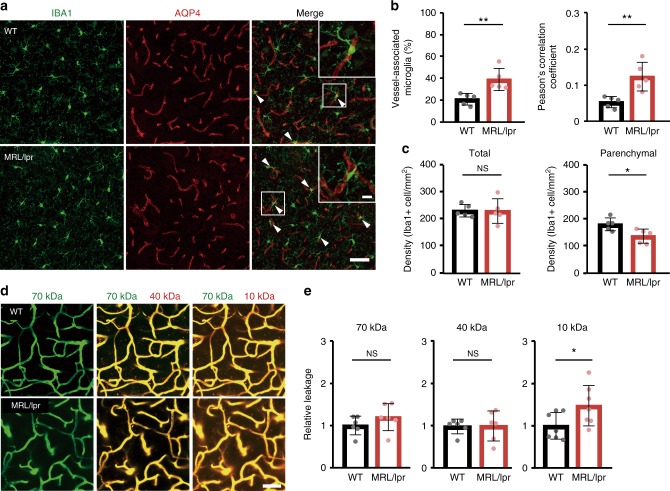
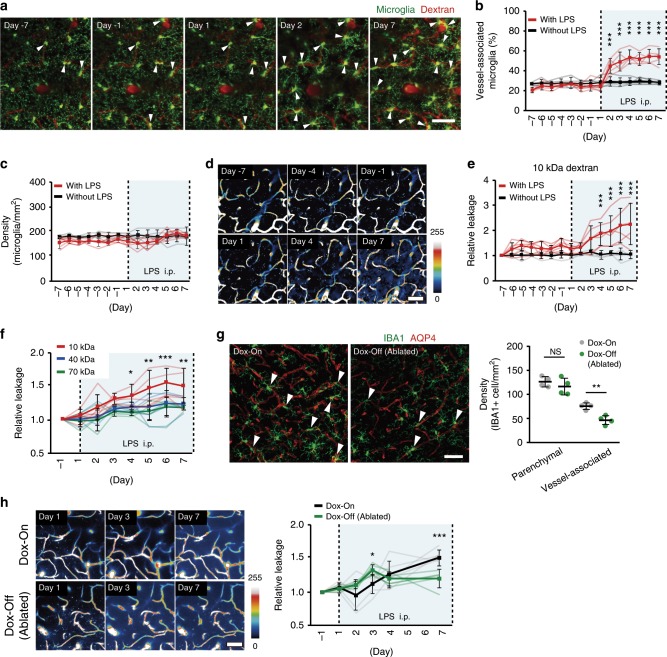
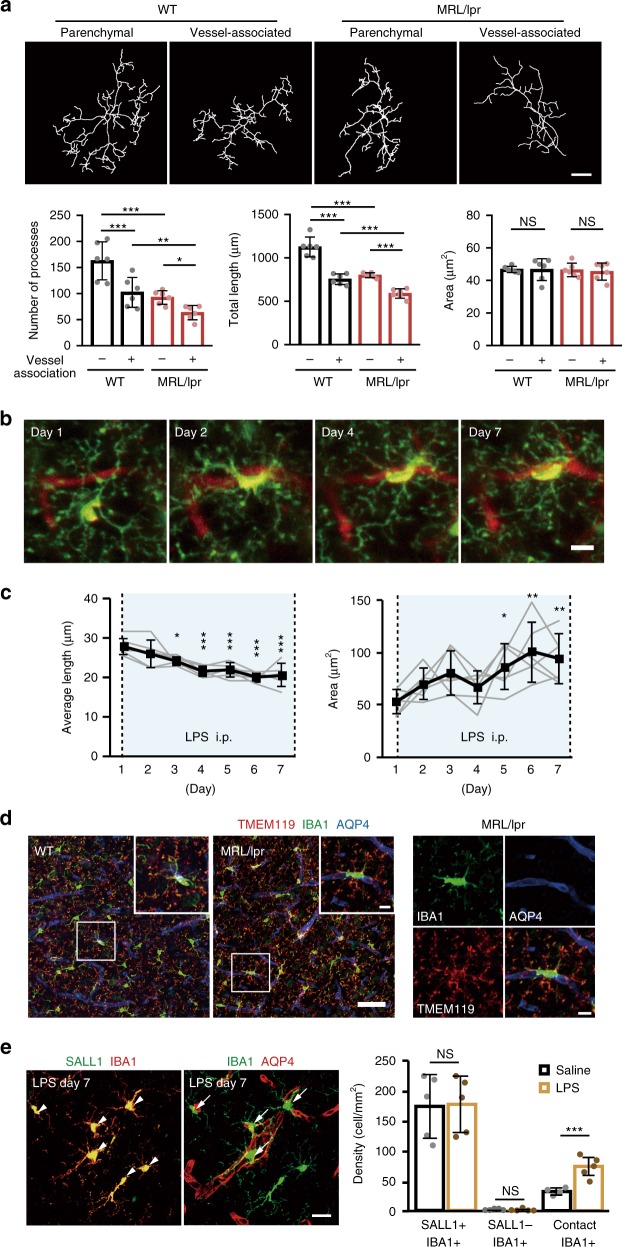
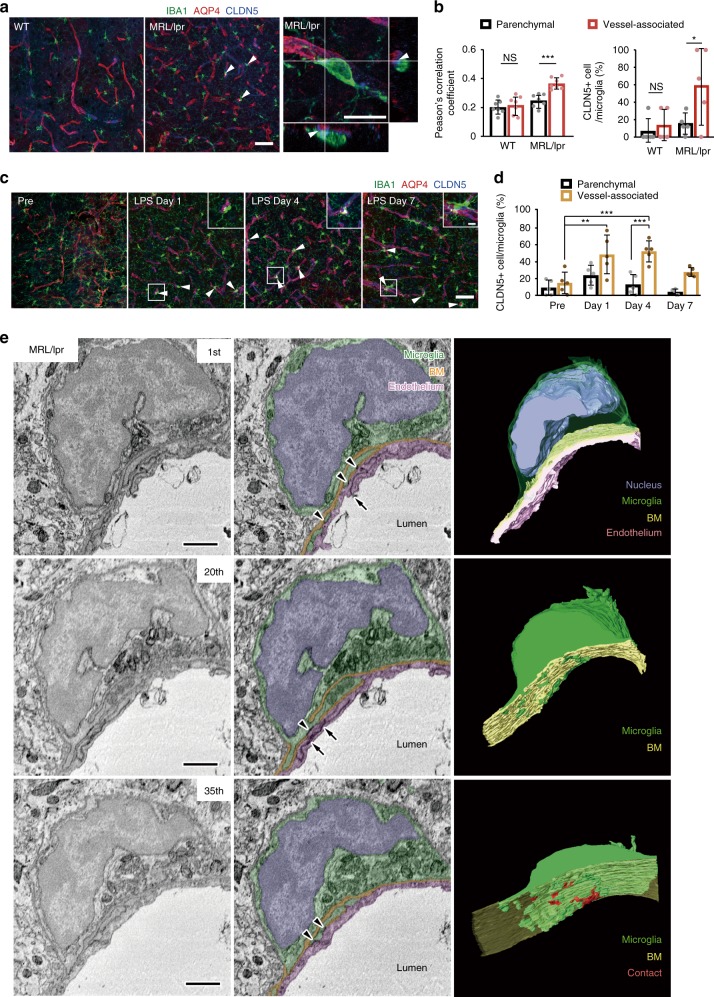
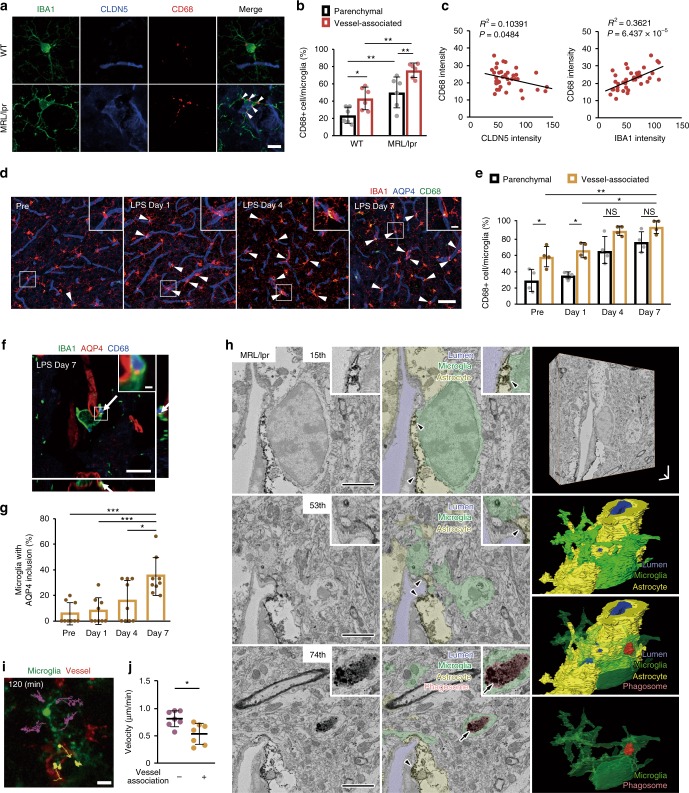
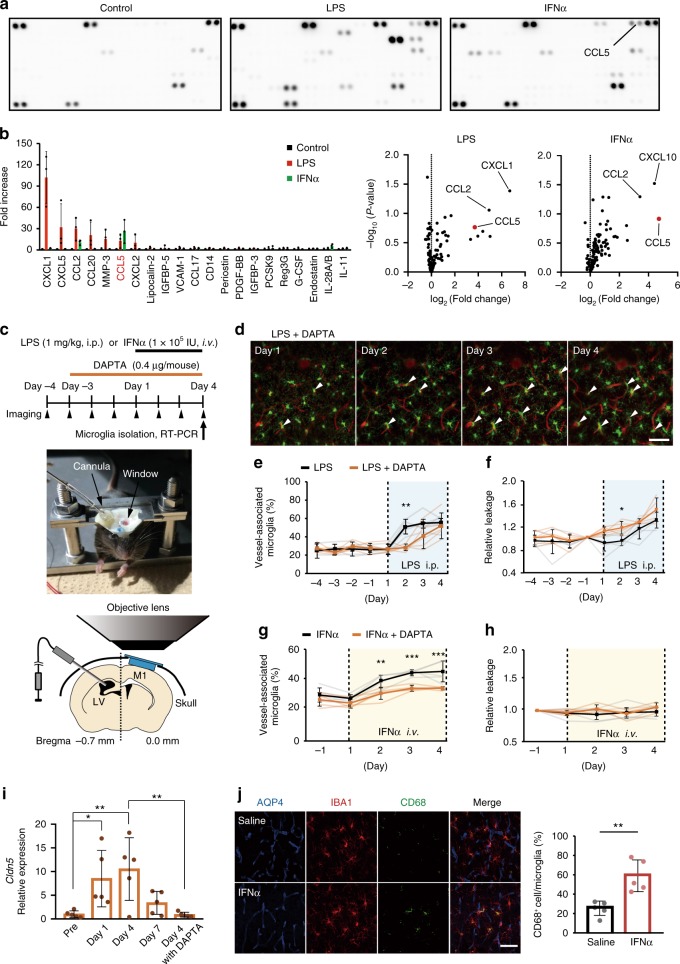
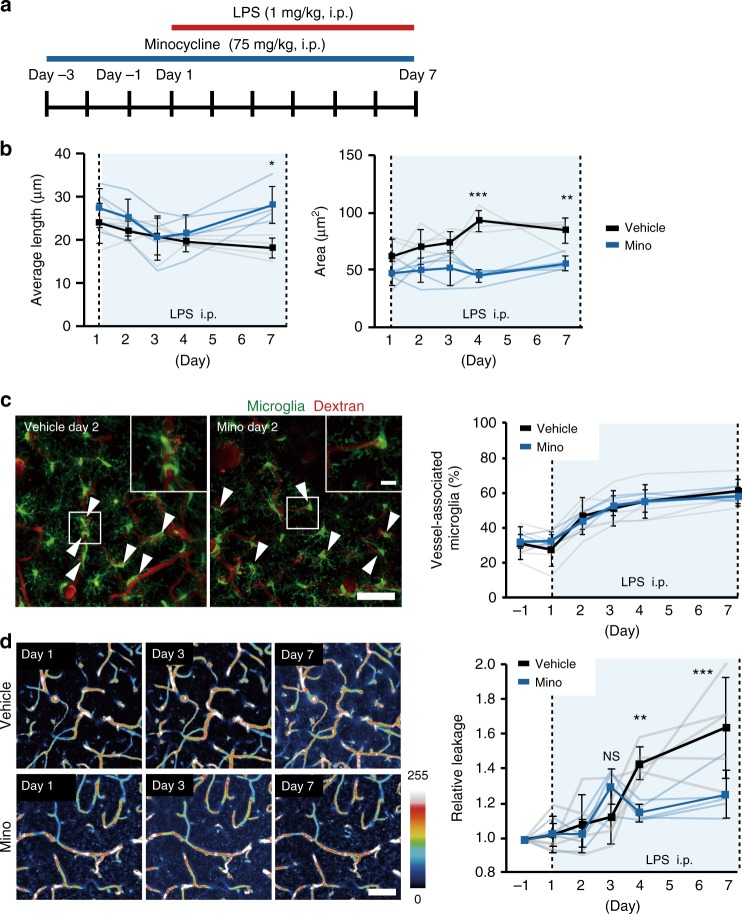
Microglia survey brain parenchyma, responding to injury and infections. Microglia also respond to systemic disease, but the role of blood–brain barrier (BBB) integrity in this process remains unclear. Using simultaneous in vivo imaging, we demonstrated that systemic inflammation induces CCR5-dependent migration of brain resident microglia to the cerebral vasculature. Vessel-associated microglia initially maintain BBB integrity via expression of the tight-junction protein Claudin-5 and make physical contact with endothelial cells. During sustained inflammation, microglia phagocytose astrocytic end-feet and impair BBB function. Our results show microglia play a dual role in maintaining BBB integrity with implications for elucidating how systemic immune-activation impacts neural functions.
Overview
The claims and statistics of this paper haven’t been checked yet.
Free: it reads the open-access text and checks the first 5 claims that cite a source we can check. Create a free account to check every claim.
Integrity signals
Registry
Cites
Statistics
Figures
Verification
Claims the paper makes
The claims and statistics of this paper haven’t been checked yet.
Free: it reads the open-access text and checks the first 5 claims that cite a source we can check. Create a free account to check every claim.
Claims other papers make about this one
Each is checked against this paper’s own text: does it say what the citing paper says it does?
The source backs part of the claim, not all of it — or backs it for a different population, condition or comparison.
In the citing paper
“sustained activation triggered by the RAGE ligand S100B exacerbates abnormal BBB permeability [17,18].”
From Research Advances in the Pathogenesis of Sepsis-Associated Encephalopathy (2026) · cites this paper as [18]
Experimental — accuracy not yet measuredThe source backs part of the claim, not all of it — or backs it for a different population, condition or comparison.
In the citing paper
“According to previous studies, systemic inflammation may disrupt the BBB, allowing pro-inflammatory molecules (such as cytokines and LPS) to enter the CNS [60,61,62].”
From Neuroprotective Effects of Bifidobacterium breve CCFM1067 in MPTP-Induced Mouse Models of Parkinson’s Disease (2022) · cites this paper as [61]
Experimental — accuracy not yet measuredThe cited source says what the claim attributes to it.
In the citing paper
“An in vivo study showed that LPS injection induced 10 kDa dextran translocation across the BBB in mice”
From The modulatory effects of gut microbes and metabolites on blood-brain barrier integrity and brain function in sepsis-associated encephalopathy (2023) · cites this paper as Haruwaka et al., 2019
The check wasn’t confident either way, so it gives no verdict — never disputed.
In the citing paper
“Furthermore, species differences in microglial density, BBB tight junction composition, and cholinergic system organization between rodents and humans likely restrict direct extrapolation of preclinical findings to human patients [15,16,18].”
From Research Advances in the Pathogenesis of Sepsis-Associated Encephalopathy (2026) · cites this paper as [18]
Experimental — accuracy not yet measured
Self-check
Percentages, sums and reported differences re-computed from the paper’s own numbers.
The self-check needs the paper’s full text.
Citations
Cites
1 retracted
Microglia-dependent synapse loss in type I interferon-mediated lupus
Bialas, A. R., Presumey, J., Das, A., van der Poel, C. E., Lapchak, P. H., Mesin, L., Victora, G., Tsokos, G. C., Mawrin, C., Herbst, R., et al. (2017) · Nature · doi:10.1038/nature22821 · Cited by 197
RetractedMetascape provides a biologist-oriented resource for the analysis of systems-level datasets
Zhou, Y., Zhou, B., Pache, L., Chang, M., Khodabakhshi, A. H., Tanaseichuk, O., Benner, C., & Chanda, S. K. (2019) · Nature Communications · doi:10.1038/s41467-019-09234-6 · Cited by 14,611
Resting microglial cells are highly dynamic surveillants of brain parenchyma in vivo
Nimmerjahn, A., Kirchhoff, F., & Helmchen, F. (2005) · Science · doi:10.1126/science.1110647 · Cited by 5,827
Astrocyte-endothelial interactions at the blood-brain barrier
Abbott, N. J., Rönnbäck, L., & Hansson, E. (2006) · Nature Reviews Neuroscience · doi:10.1038/nrn1824 · Cited by 5,595
Structure and function of the blood–brain barrier
Abbott, N. J., Patabendige, A. A. K., Dolman, D. E. M., Yusof, S. R., & Begley, D. J. (2010) · Neurobiology of Disease · doi:10.1016/j.nbd.2009.07.030 · Cited by 5,185
Zhang, Y., Chen, K., Sloan, S. A., Bennett, M. L., Scholze, A. R., O'Keeffe, S., Phatnani, H. P., Guarnieri, P., Caneda, C., Ruderisch, N., et al. (2014) · The Journal of Neuroscience · doi:10.1523/jneurosci.1860-14.2014 · Cited by 4,875
Microglia Sculpt Postnatal Neural Circuits in an Activity and Complement-Dependent Manner
Schafer, D. P., Lehrman, E. K., Kautzman, A. G., Koyama, R., Mardinly, A. R., Yamasaki, R., Ransohoff, R. M., Greenberg, M. E., Barres, B. A., & Stevens, B. (2012) · Neuron · doi:10.1016/j.neuron.2012.03.026 · Cited by 4,089
ATP mediates rapid microglial response to local brain injury in vivo
Davalos, D., Grutzendler, J., Yang, G., Kim, J. V., Zuo, Y., Jung, S., Littman, D. R., Dustin, M. L., & Gan, W.-B. (2005) · Nature Neuroscience · doi:10.1038/nn1472 · Cited by 3,913
Microglia: Active sensor and versatile effector cells in the normal and pathologic brain
Hanisch, U.-K., & Kettenmann, H. (2007) · Nature Neuroscience · doi:10.1038/nn1997 · Cited by 3,676
Kettenmann, H., Hanisch, U.-K., Noda, M., & Verkhratsky, A. (2011) · Physiological Reviews · doi:10.1152/physrev.00011.2010 · Cited by 3,547
Research works printed but not linked: 2
- Yang Y Attenuation of acute stroke injury in rat brain by minocycline promotes blood-brain barrier remodeling and alternative microglia/macrophage activation during recovery J. Neuroinflammation 2015 12 26 10.1186/s12974-015-0245-4 25889169 PMC4340283 · DOI · Paper page
- McKim DB Microglial recruitment of IL-1beta-producing monocytes to brain endothelium causes stress-induced anxiety Mol. Psychiatry 2018 23 1421 1431 10.1038/mp.2017.64 28373688 PMC5628107 · DOI · Paper page
Cited by
Items 801–900 of 930
What do we know and don't know about the brain barrier in health and disease?
Xu, Z., & Gao, Y. (2023) · Neurobiology of Disease · doi:10.1016/j.nbd.2023.106133
Blood-brain barrier-directed gene therapy as a strategy to treat Niemann-Pick type C2 disease
Rasmussen, C. L. M. (2022) · VBN Forskningsportal (Aalborg Universitet) · doi:10.54337/aau528833295
Hendriks, J. J. A. (2023) · Glia · doi:10.1002/glia.24418
Sepsis-associated encephalopathy: From pathogenesis to neuroimaging findings
Zhong, Y., Cheng, Y. Z., & Wu, R. (2022) · Radiology of Infectious Diseases · doi:10.4103/rid.rid_23_21
Compounds with anti-neuroinflammatory activity from aerides falcata
Rivai, B., Sritularak, B., & Likhitwitayawuid, K. (2022) · Chula Digiverse · doi:10.58837/chula.the.2022.285
Tang, Y., Yang, H.-C., Yin, Y., Wang, M., He, B., Ye, L., Li, R., Yu, C.-J., Di, R., Xu, Q., et al. (2024) · Research Square · doi:10.21203/rs.3.rs-3831426/v1
Chen, J., Chang, Y., Zhu, J., Peng, Y., Li, Z., Zhang, K., Zhang, Y., Lin, C., Lin, Z., Pan, S., et al. (2024) · doi:10.22541/au.170669233.34406776/v1
The Close Relationship between Cerebral Small Blood Vessel Disease and Inflammation
田, 丹. (2024) · Advances in Clinical Medicine · doi:10.12677/acm.2024.142562
Whitehead, B. J. (2024) · The Research Repository @ WVU (West Virginia University) · doi:10.33915/etd.12326
Large-Volume Electron Microscopy
Kubota, Y., Miyazaki, T., & Takeno, M. M. (2024) · Neuromethods · doi:10.1007/978-1-0716-4019-7_6
Immunity, Immunosenescence, Brain and Cognitive/Mental Health
Fülöp, T., & Witkowski, J. M. (2024) · Healthy ageing and longevity · doi:10.1007/978-3-031-68513-2_6
Biochemical Basis of Cognitive Disorders
Türkçü, Ü. Ö. (2022) · doi:10.69860/nobel.9786053358985.3
Barriers to progress of neurotherapeutics: Getting drugs to the brain
Patel, V., Momin, M. M., Mehta, T. A., & Patel, R. J. (2024) · Elsevier eBooks · doi:10.1016/b978-0-443-23841-3.00003-0
Kempuraj, D., & Ceruti, S. (2024) · Frontiers in Cellular Neuroscience · doi:10.3389/fncel.2024.1511314
Nitric oxide-mediated neuroinflammatory pathways as treatment targets in neurodegeneration
Cale, J. A., Farr, T. D., Serres, S., & Steinert, J. R. (2024) · Elsevier eBooks · doi:10.1016/b978-0-443-22354-9.00005-x
Brain infection, encephalitis, and meningitis: Streptococcus agalactiae
Generoso, J. S., Faller, C. J., Dominguini, D., Ceretta, L. B., Dal‐Pizzol, F., Hasbun, R., & Barichello, T. (2024) · Elsevier eBooks · doi:10.1016/b978-0-443-19130-5.00009-5
Sepsis-associated encephalopathy: Understanding the brain dysfunction in sepsis
Dominguini, D., Alberton, K. S., Cardoso, F. B., Ceretta, L. B., & Dal‐Pizzol, F. (2024) · Elsevier eBooks · doi:10.1016/b978-0-443-19130-5.00015-0
Chetia, S. (2024) · UPCommons institutional repository (Universitat Politècnica de Catalunya) · doi:10.5821/dissertation-2117-422062
Glial cell interactions in neonatal hypoxic-ischemic injury
Ramljak, M., Andrade, M. F., Lacoste, B., Aguilar‐Valles, A., & Salmaso, N. (2025) · Glial health research. · doi:10.1016/j.ghres.2025.100006 · Cited by 1
Síndrome do Hulk: da ficção ao mundo real. Revisão sistemática do Transtorno Explosivo Intermitente
dos Santos, T. B., Loureiro, M. S., de Azevedo, K. R. M., & de Oliveira, P. S. (2025) · Revista Neurociências · doi:10.34024/rnc.2025.v33.19769
Formaldehyde, Neuroinflammation, and Cognitive Impairment
Kang, N., Liu, Y., & He, R. (2025) · Springer eBooks · doi:10.1007/978-981-96-7281-3_12
Amemiya, Y., Hisamune, R., Yamakawa, K., Zushi, R., Kobata, H., Inoue, A., Hifumi, T., Sakamoto, T., Kuroda, Y., Takasu, A., et al. (2025) · Resuscitation Plus · doi:10.1016/j.resplu.2025.101074
The Role of MRI in Debunking the Fallacy of “Mild” Traumatic Brain Injury
Chen, X., Wright, D. K., Chung, S., & Lui, Y. W. (2025) · Journal of Magnetic Resonance Imaging · doi:10.1002/jmri.70083
“Inflammatory responses from activated microglia and astrocytes may further damage endothelial cells, compromising the blood–brain barrier (BBB) [19].”
Sakai, Y., & Kajiwara, K. (2025) · Brain and Development · doi:10.1016/j.braindev.2025.104471
Rodrigues, M. S., do Nascimento, N. B., Baumart, G. J., Schons, T., Padilha, A. P., Costa, M., Farias, H. R., Beber, L. C. C., Fróes, F. T., Peres, A. M., et al. (2025) · Molecular Neurobiology · doi:10.1007/s12035-025-05317-2
Milner, O., Fisher, R. A., Asby, D. J., Cross, S., Boche, D., & Miners, J. S. (2025) · Brain Pathology · doi:10.1111/bpa.70052
“The nomenclature of these cells is varied and refers to capillary-associated microglia [5], juxtavascular [7], pericyte-associated [8], peri-vascular [9] or vessel-associated microglia (VAM) [10].”
InfluentialAdditional file 1 of Diesel exhaust impairs TREM2 to dysregulate neuroinflammation
Greve, H. J., Mumaw, C. L., Messenger, E. J., Kodavanti, P. R. S., Royland, J. L., Kodavanti, U. P., & Block, M. L. (2020) · Figshare · doi:10.6084/m9.figshare.13272057
Additional file 2 of Pristane induced lupus mice as a model for neuropsychiatric lupus (NPSLE)
Yun, Y., Wang, X., Xu, J., Jin, C., Chen, J. C., Wang, X., Wang, J., Qin, L., & Yang, P. (2024) · Figshare · doi:10.6084/m9.figshare.26567795
Morton, L., Arndt, P., Garza, A. P., Henneicke, S., Mattern, H., Gonzalez, M., Dityatev, A. E., Yilmazer‐Hanke, D., Schreiber, S., & Dunay, I. R. (2024) · Figshare · doi:10.6084/m9.figshare.26656204
Samuels, J. D., Lotstein, M. L., Lehmann, M. L., Elkahloun, A. G., Banerjee, S., & Herkenham, M. A. (2024) · Figshare · doi:10.6084/m9.figshare.26600533
Lv, H., Sun, J., Zhang, T., Hui, Y., Li, J., Zhao, X., Chen, S., Liu, W., Li, X., Zhao, P., et al. (2024) · Figshare · doi:10.6084/m9.figshare.26074279
Lv, H., Sun, J., Zhang, T., Hui, Y., Li, J., Zhao, X., Chen, S., Liu, W., Li, X., Zhao, P., et al. (2024) · Figshare · doi:10.6084/m9.figshare.26074071
Samuels, J. D., Lotstein, M. L., Lehmann, M. L., Elkahloun, A. G., Banerjee, S., & Herkenham, M. A. (2024) · Figshare · doi:10.6084/m9.figshare.26600536
Lv, H., Sun, J., Zhang, T., Hui, Y., Li, J., Zhao, X., Chen, S., Liu, W., Li, X., Zhao, P., et al. (2024) · Figshare · doi:10.6084/m9.figshare.26736864
Morton, L., Arndt, P., Garza, A. P., Henneicke, S., Mattern, H., Gonzalez, M., Dityatev, A. E., Yilmazer‐Hanke, D., Schreiber, S., & Dunay, I. R. (2024) · Figshare · doi:10.6084/m9.figshare.26656192
Tsioti, I., Steiner, B. L., Escher, P., Zinkernagel, M. S., Benz, P. M., & Kokona, D. (2024) · Figshare · doi:10.6084/m9.figshare.26566346
Wei, P., Wang, K., Luo, C., Huang, Y., Misilimu, D., Wen, H., Jin, P., Li, C., Gong, Y., & Gao, Y. (2021) · Figshare · doi:10.6084/m9.figshare.14788347
Elabi, O. F., da Cunha, J. P. M. C. M., Gaceb, A., Fex, M., & Paul, G. (2021) · Figshare · doi:10.6084/m9.figshare.15145611
Morton, L., Arndt, P., Garza, A. P., Henneicke, S., Mattern, H., Gonzalez, M., Dityatev, A. E., Yilmazer‐Hanke, D., Schreiber, S., & Dunay, I. R. (2024) · Figshare · doi:10.6084/m9.figshare.26656183
Samuels, J. D., Lotstein, M. L., Lehmann, M. L., Elkahloun, A. G., Banerjee, S., & Herkenham, M. A. (2024) · Figshare · doi:10.6084/m9.figshare.26600530
Samuels, J. D., Lotstein, M. L., Lehmann, M. L., Elkahloun, A. G., Banerjee, S., & Herkenham, M. A. (2024) · Figshare · doi:10.6084/m9.figshare.26600524
Morton, L., Arndt, P., Garza, A. P., Henneicke, S., Mattern, H., Gonzalez, M., Dityatev, A. E., Yilmazer‐Hanke, D., Schreiber, S., & Dunay, I. R. (2023) · Figshare · doi:10.6084/m9.figshare.26656186
Samuels, J. D., Lotstein, M. L., Lehmann, M. L., Elkahloun, A. G., Banerjee, S., & Herkenham, M. A. (2024) · Figshare · doi:10.6084/m9.figshare.26600527
Elabi, O. F., da Cunha, J. P. M. C. M., Gaceb, A., Fex, M., & Paul, G. (2021) · Figshare · doi:10.6084/m9.figshare.15145608
Additional file 1 of Pristane induced lupus mice as a model for neuropsychiatric lupus (NPSLE)
Yun, Y., Wang, X., Xu, J., Jin, C., Chen, J. C., Wang, X., Wang, J., Qin, L., & Yang, P. (2024) · Figshare · doi:10.6084/m9.figshare.26567792
Samuels, J. D., Lotstein, M. L., Lehmann, M. L., Elkahloun, A. G., Banerjee, S., & Herkenham, M. A. (2024) · Figshare · doi:10.6084/m9.figshare.26600521
Chen, J., Chang, Y., Zhu, J., Peng, Y., Li, Z., Zhang, K., Zhang, Y., Lin, C., Lin, Z., Pan, S., et al. (2022) · Figshare · doi:10.6084/m9.figshare.20786900
Morton, L., Arndt, P., Garza, A. P., Henneicke, S., Mattern, H., Gonzalez, M., Dityatev, A. E., Yilmazer‐Hanke, D., Schreiber, S., & Dunay, I. R. (2024) · Figshare · doi:10.6084/m9.figshare.26656189
Additional file 2 of Diesel exhaust impairs TREM2 to dysregulate neuroinflammation
Greve, H. J., Mumaw, C. L., Messenger, E. J., Kodavanti, P. R. S., Royland, J. L., Kodavanti, U. P., & Block, M. L. (2020) · Figshare · doi:10.6084/m9.figshare.13272060
Brown, F. N., Iwasawa, E., Shula, C., Fugate, E. M., Lindquist, D. M., Mangano, F. T., & Goto, J. (2023) · Figshare · doi:10.6084/m9.figshare.26596106
Morton, L., Arndt, P., Garza, A. P., Henneicke, S., Mattern, H., Gonzalez, M., Dityatev, A. E., Yilmazer‐Hanke, D., Schreiber, S., & Dunay, I. R. (2024) · Figshare · doi:10.6084/m9.figshare.26656201
Elabi, O. F., da Cunha, J. P. M. C. M., Gaceb, A., Fex, M., & Paul, G. (2021) · Figshare · doi:10.6084/m9.figshare.15145614
Ishihara, Y., Honda, T., Ishihara, N., Namba, K., Taketoshi, M., Tominaga, Y., Tsuji, M., Vogel, C. F. A., Yamazaki, T., Itoh, K., et al. (2022) · Figshare · doi:10.6084/m9.figshare.20408151
Morton, L., Arndt, P., Garza, A. P., Henneicke, S., Mattern, H., Gonzalez, M., Dityatev, A. E., Yilmazer‐Hanke, D., Schreiber, S., & Dunay, I. R. (2024) · Figshare · doi:10.6084/m9.figshare.26656198
Ishihara, Y., Honda, T., Ishihara, N., Namba, K., Taketoshi, M., Tominaga, Y., Tsuji, M., Vogel, C. F. A., Yamazaki, T., Itoh, K., et al. (2022) · Figshare · doi:10.6084/m9.figshare.20408154
Xie, J., Gorlé, N., Vandendriessche, C., Imschoot, G. V., Wonterghem, E. V., Cauwenberghe, C. V., Parthoens, E., Hamme, E. V., Lippens, S., Hoecke, L. V., et al. (2021) · Figshare · doi:10.6084/m9.figshare.16767284
Lu, L., Wang, H., Liu, X., Tan, L., Qiao, X., Ni, J., Sun, Y., Liang, J., Hou, Y., & Dou, H. (2021) · Figshare · doi:10.6084/m9.figshare.16807867
Additional file 3 of Diesel exhaust impairs TREM2 to dysregulate neuroinflammation
Greve, H. J., Mumaw, C. L., Messenger, E. J., Kodavanti, P. R. S., Royland, J. L., Kodavanti, U. P., & Block, M. L. (2020) · Figshare · doi:10.6084/m9.figshare.13272063
Morton, L., Arndt, P., Garza, A. P., Henneicke, S., Mattern, H., Gonzalez, M., Dityatev, A. E., Yilmazer‐Hanke, D., Schreiber, S., & Dunay, I. R. (2024) · Figshare · doi:10.6084/m9.figshare.26656195
Bidirectional Regulation of the Gut Microbiota by Insomnia via the Gut-Brain Axis Mechanism
Zhang, Y., Shen, T., Li, M., Liu, Y., Zhang, H., Sun, H., Li, Z., & Zhang, J. (2026) · Food Science and Human Wellness · doi:10.26599/fshw.2025.9250875 · Cited by 1
Yoshitani, K., Tadokoro, T., Nakano, Y., Misawa, R., Tsujimoto, H., & Shinomiya, A. (2026) · Cureus · doi:10.7759/cureus.101465
“Microglia play a crucial role in neuroinflammation, and reports indicate that microglia activate astrocytes, which are associated with increased permeability of the BBB [10].”
Macrostructural, microstructural, and cellular effects of neuroinflammation on the mouse brain
Patel, Y., Woo, A., Shi, S. S. W., Kim, E. H., Shin, J., Yee, Y., Lerch, J. P., Nieman, B. J., Paus, T., & Pausová, Z. (2026) · Brain Behavior & Immunity - Health · doi:10.1016/j.bbih.2026.101178
“…the underlying pathobiology, it has been demonstrated that systemic LPS disrupts the blood-brain barrier (Peng et al., 2021; Zou et al., 2022; Haruwaka et al., 2019), leading to intravascular fluid and protein leakage into the brain tissue and the development of vasogenic edema (Stokum et…”
Morphological and transcriptomic change of brain pericytes by lipopolysaccharide treatment
Asai, T., Yonezu, Y., Uyeda, A., Watanabe, H., Suzuki, T., Misawa, H., & Muramatsu, R. (2026) · Frontiers in Neural Circuits · doi:10.3389/fncir.2026.1725431
The impact of hypercaloric diet on inflammation and blood–brain barrier function
Baptista, F. I., Gaspar, J. M., Leiria, C. M., Garcia, A. R., Brito, M. A., & Silva, A. M. L. (2026) · Elsevier eBooks · doi:10.1016/b978-0-443-33841-0.00024-5
Rovere, G., Matas, Y. C., Vidal‐Villegas, B., Bernal-Garro, J. M., Sobrado‐Calvo, P., Salinas-Navarro, M., Nucci, C., Villegas‐Pérez, M. P., Vidal‐Sanz, M., Agudo‐Barriuso, M., et al. (2026) · International Journal of Molecular Sciences · doi:10.3390/ijms27031502 · Cited by 1
“Microglia interact closely with the retinal vasculature, regulating endothelial function and barrier integrity [103], effects that are also observed following systemic LPS exposure [32–34].”
Ju, M., Shen, H., Zhang, X., Tian, M., & Zhang, L. (2026) · Biochemistry and Biophysics Reports · doi:10.1016/j.bbrep.2026.102475 · Cited by 4
“Microglia relocate to cerebral blood vessels during systemic inflammation, representing an initial alteration evident in SAE [132].”
Horan, N. L., Keefauver, T., & Seney, M. L. (2026) · Frontiers in Neuroendocrinology · doi:10.1016/j.yfrne.2026.101236
Chen, X., Yu, W., & Zhu, Z. (2026) · Perioperative Medicine · doi:10.1186/s13741-025-00640-7
“This disruption leads to the leakage of systemic material into the parenchyma, causing widespread neuroinflammation (Haruwaka et al. 2019).”
Orieux, A., Boulestreau, R., Bats, M., Michot, M., Boyer, A., Dinet, V., Vaurs, J., Dufourcq, P., Peghaire, C. R., Duplàa, C., et al. (2026) · Scientific Reports · doi:10.1038/s41598-026-41288-7
Wu, X., Tang, Y., He, Z., Yang, F., Liu, Y., Zhang, Q., Chen, A., Chen, Y., & Lin, C. K. S. (2026) · Molecular Pain · doi:10.1177/17448069261430202
“25,26 Nevertheless, it remains unresolved whether spinal microglia in IBS-like rats preferentially target excitatory or inhibitory presynaptic terminals for phagocytosis, thereby leading to an imbalance of E/I dynamics, and whether miRNA-let7b5p is engaged in orchestrating this regulatory mechanism.”
Blood–brain barrier: structure and therapeutic approaches to crossing
Izmailov, A., Markosyan, V., Boychuk, N. V., & Islamov, R. R. (2026) · Kazan medical journal · doi:10.17816/kmj696803
Demirtzoglou, G., Damanaki, A., Flouda, S., Grigoriou, M., Banos, A., Nikolopoulos, D., & Boumpas, D. T. (2026) · Lupus · doi:10.1177/09612033261430586
“27 Type 1 versus type 2 symptoms in SLE and their relevance to neuropsychiatric involvement Type 1 versus type 2 syndromes in SLE Among the diverse manifestations of SLE, some result from immune mechanisms that drive systemic as well as local in fl ammation, collectively termed type 1 symptoms.”
Folke, J., DellaValle, B., Jørgensen, M. L., Mogensen, P. B., Hempel, C., Rungby, J., Hejl, A., Løkkegaard, A., Salvesen, L., Bech, S., et al. (2026) · Movement Disorders · doi:10.1002/mds.70274
Ddx20, DEAD-box helicase 20 is essential for maintaining microglial homeostasis
Kawai, Y., Bizen, N., Nishiyama, K., & Takebayashi, H. (2026) · Experimental Neurology · doi:10.1016/j.expneurol.2026.115743
Razenkova, V. A., & Korzhevsky, D. E. (2026) · Bulletin of Russian State Medical University · doi:10.24075/brsmu.2026.008
Chuang, M., Chang, Y., Wong, C., Huang, C., & Perng, P.-S. (2026) · Epilepsia · doi:10.1002/epi.70237
“29,30 This neuroinflammatory process creates a proconvulsant microenvironment, potentially contributing to epileptogenesis.”
The human olfactory bulb in Huntington's disease: sex-specific differences in volume and gliosis
Flores-Thomas, A. P., Retamosa-Sanchez, E., Gómez, A. A., Flores‐Cuadrado, A., Saiz‐Sánchez, D., Astillero‐Lopez, V., Rábano, A., Martínez-Marcos, A., & Úbeda‐Bañón, I. (2026) · Neurobiology of Disease · doi:10.1016/j.nbd.2026.107413
Johnson, A., Seady, M., Maynes, M., Thelwell, J., Jin, F., Hansen, M., Jensen, H., Witter, R., Owens, C., Hassani, A., et al. (2026) · doi:10.21203/rs.3.rs-10061124/v1
Engineered Exosomes: Innovative Strategies for Precision Drug Delivery in Parkinson’s Disease
Yuan, X., Wang, C., Yan, J., Wang, J., Li, F., You, Y., & Qi, Z. (2026) · Molecular Neurobiology · doi:10.1007/s12035-026-05898-6
Npc1 deficiency impairs brain vascular integrity in mouse model of Niemann-Pick disease type C1
Kang, J., Gao, G., Qiao, L., Xu, X., Zhao, Y., Xiao, L., Cui, C., Feng, H., Liu, Y., Salomoni, P., et al. (2026) · Neurobiology of Disease · doi:10.1016/j.nbd.2026.107462
Lu, G., Shan, H., Yin, Y., Chen, L., Yu, K., Wei, Z. H., Chen, H., Hu, L. X., Qi, Y., Wu, T., et al. (2026) · Frontiers in Aging Neuroscience · doi:10.3389/fnagi.2026.1781331
“As noted in previous studies (Haruwaka et al., 2019), molecules around 10 kDa can traverse a compromised BBB, whereas larger molecules (e.g., 40 kDa and 70 kDa) are largely restricted.”
Spampinato, S. F., Capitani, L., Camillò, L., Marzani, E., Vigliermo, S., Santoro, A., Bordano, V., Battaglia, L., & Benetti, E. (2026) · Biochemical Pharmacology · doi:10.1016/j.bcp.2026.118137
Yang, X., Zhang, J., Yu, H., Zhao, Y., Hou, G., Wang, S., & Han, B. (2026) · Chinese Journal of Natural Medicines · doi:10.1016/s1875-5364(26)61099-0
Aging macaques bridge the translational gap in perivascular space biology
Liguore, W. A., Schwartz, D. L., Piantino, J. A., Rajendran, A., Jensen, G., Karpf, J. A., Chernov, M. M., Woltjer, R. L., Kohama, S. G., Silbert, L. C., et al. (2026) · Scientific Reports · doi:10.1038/s41598-026-52797-w
Hippocampal cytopathology orchestrates post-septic cognitive dysfunction
Cao, Z., Wang, Y., & Han, X. D. (2026) · Metabolic Brain Disease · doi:10.1007/s11011-026-01899-5
“Subsequently, these microglial cells activate inflammatory response pathways, releasing pro-inflammatory mediators such as TNF-α, IL-1β, MCP-1, ROS, NO, and glutamate, forming a vicious cycle of the inflammatory microenviron - ment (Sonneville et al. 2013), mediating neuronal functional abnormalities and death, and ex…”
InfluentialAge-associated neuronal micronuclei formation and transfer to microglia
Maeda, C., Kishi, Y., Takeda, I., Muratani, M., Wake, H., & Tsuruta, F. (2026) · Frontiers in Aging Neuroscience · doi:10.3389/fnagi.2026.1787252
“The two-photon in vivo imaging was performed using 18-month-old NexCre: LSL-Sun1-GFP mice (Haruwaka et al., 2019; Takeda et al., 2022; Yano et al., 2025).”
Self-citationGuo, H., Li, H., Han, H., Wei, Y., Liu, S., Han, K., Zhai, H., & Dong, S. (2026) · Brain Research Bulletin · doi:10.1016/j.brainresbull.2026.112027
Li, C., Wang, L., Wang, F., Wang, L., Xu, L. H., Lyu, W., Shan, K., Li, J., Zhou, H., Rong, F., et al. (2026) · Journal of Neuroinflammation · doi:10.1186/s12974-026-03921-0
“…inflammatory mediators activate glial cells [161, 166, 167], and the secondary inflammatory factors released by these activated glial cells in turn aggravate the BBB damage [168, 169], thus establishing a pathological cycle involving peripheral inflammation, barrier disruption and glial activation.”
Ameliorated potential and possible mechanisms of medicine food homology for depression
Huo, C., Li, Q., Cai, N., Teng, C., & Kou, J. (2026) · 3 Biotech · doi:10.1007/s13205-026-04912-x
“These peripheral distress signals cross the blood-brain barrier and, through excessive microglia activation, exacerbate oxidative stress and inflammation in the central nervous system (Haruwaka et al. 2019 ).”
Roles of Microglia in Cerebral Small Vessel Disease
Jin, C. J., Song, X., Sun, Y., Peng, Y., Zhou, J., Wang, L., Yin, X., & Zheng, X. (2026) · CNS Neuroscience & Therapeutics · doi:10.1002/cns.71007
Wang, X. L., Zhang, B., Xia, R., & Liu, X. (2026) · Discover Neuroscience · doi:10.1186/s13064-026-00300-6
Domingo, N. D., Solomon, O. D., Villarreal, P., Aussenac, F., Vanegas, D., Endrino, M. J., Mendiola, A. S., Puebla-Clark, L., Gbédandé, K., Cardona, A. E., et al. (2026) · Journal of Neuroinflammation · doi:10.1186/s12974-026-03969-y · Cited by 1
“The chemokine receptors CXCR3, CCR5, and CCR2 all contribute to eCM; however, specific mechanisms are still being determined [25–27].”
Guo, L., Yue, X., Zhang, X., Dai, Z., Jiang, X., Fei, X., Yang, W., Shi, Z., Jiang, Y., Chen, L., et al. (2026) · Journal of Advanced Research · doi:10.1016/j.jare.2026.07.052
Zhang, X., Li, J., An, Y., Zheng, J., Xu, G., Wang, J., Chen, L., & Lu, Y. (2026) · Progress in Neuro-Psychopharmacology and Biological Psychiatry · doi:10.1016/j.pnpbp.2026.111861
Wang, K., Wang, F., Zhang, Y., Li, W., Li, S., Zhou, Y., Ma, G., Xia, Z., Zhou, X., & Wang, L. (2026) · CNS Neuroscience & Therapeutics · doi:10.1002/cns.71062
Shi, X., Li, X., Ding, H., Cao, C., Liu, J., Li, S., Qiu, Y., Li, H., & Li, X. (2026) · Neurochemical Research · doi:10.1007/s11064-026-04858-9
“It mediates chemokine signals such as CCL3, CCL4, and CCL5, and is involved in pathological processes including immune cell recruitment, propagation of inflammation, and blood–brain barrier disruption [45, 46].”
COVID ‐19 Amplifies Sex‐Specific Dopamine and Glial Responses in a Parkinson's Disease Mouse Model
Awogbindin, I. O., Bourque, M., Morissette, M., Hamelin, M., Rhéaume, C., VanderZwaag, J., Landwehr, A., Patel, D., Boivin, G., Tremblay, M., et al. (2026) · Movement Disorders · doi:10.1002/mds.70454
Terribile, G., Pedrinazzi, M., Frigerio, I., Sancini, G., & Combi, R. (2026) · International Journal of Molecular Sciences · doi:10.3390/ijms27167165
“Recent evidence suggests that perivascular microglia are able to maintain vascular integrity in normal conditions but phagocytose BBB vessels upon prolonged inflammation [73], and the number of perivascular microglia seems to be strongly associated with the level of pericytes in PD [64].”
Yang, Z., Qin, X., Zhang, Y., Yan, Z., Su, J., Kong, S., Xiao, G., & Xu, S. (2026) · Experimental Neurology · doi:10.1016/j.expneurol.2026.115980
Rasile, M., Smith, K. L., & Matteoli, M. (2026) · Elsevier eBooks · doi:10.1016/b978-0-443-24078-2.00031-0
Metadata
- Authors
- Haruwaka, K., Ikegami, A., Tachibana, Y., Ohno, N., Konishi, H., Hashimoto, A., Matsumoto, M., Kato, D., Ono, R., Kiyama, H., Moorhouse, A. J., Nabekura, J., & Wake, H.
- Affiliations
- National Institutes of Natural Sciences (JP)
- Kobe University (JP)
- Jichi Medical University (JP)
- Nagoya University (JP)
- Nagoya City University (JP)
- UNSW Sydney (AU)
- Japan Science and Technology Agency (JP)
- Corresponding author
- Wake, Hiroaki
- ORCID
- Venue
- Nature Communications
- Published
- 2019-12-20
- Volume
- 10
- Issue
- 1
- Pages
- 5816-5816
- ISSN
- 2041-1723 (ISSN-L)
- PMC
- PMC6925219
- OpenAlex
- W2994871395
- Semantic Scholar
- c3f552b178950359c479d733c849b698185fc437
- Cited by
- 923
- References
- 72
- Citations by year
- 2026: 106 · 2025: 157 · 2024: 180 · 2023: 149 · 2022: 147 · 2021: 124 · 2020: 59
- FWCI
- 36.32
- Type
- journal article
- Language
- en
- Open access
- gold
- doi.org
- Licence
- cc-by
- creativecommons.org/licenses/by/4.0 (tdm)
- creativecommons.org/licenses/by/4.0 (vor)
- Locations
- Nature Communications (publishedVersion, cc-by)
- Europe PMC (PubMed Central) (publishedVersion, cc-by)
- PubMed Central (publishedVersion, cc-by)
- PubMed (publishedVersion)
- Institutional Repositories DataBase (IRDB) (submittedVersion, cc-by)
- RePEc: Research Papers in Economics (submittedVersion)
- Kobe University Repository Kernel (Kobe University) (submittedVersion, cc-by)
- DOAJ (DOAJ: Directory of Open Access Journals) (submittedVersion)
- DOAJ (DOAJ: Directory of Open Access Journals) (submittedVersion, cc-by-sa)
- Funders
- Japan Society for the Promotion of Science (18H02598, 18K06852, 16H06280, 19H05219, 17H01530, 26710004, 19H04753, 19K06904)
- Topics
- Life Sciences › Neuroscience › Neurology › Barrier Structure and Function Studies
- Life Sciences › Neuroscience › Neurology › Neuroinflammation and Neurodegeneration Mechanisms
- Health Sciences › Medicine › Clinical Neurology › Traumatic Brain Injury and Neurovascular Disturbances
- Keywords
- microglia, blood-brain barrier permeability, systemic inflammation, CCR5, microglial migration, claudin-5, tight junctions, neuroinflammation
- MeSH terms
- Intravital Microscopy, Animals, Astrocytes, Blood-Brain Barrier, Cerebrovascular Circulation, Disease Models, Animal, Humans, Lupus Erythematosus, Systemic, Male, Permeability, Phagocytosis, Stereotaxic Techniques, Microglia, Tight Junctions, Receptors, CCR5, Endothelial Cells, Mice, Claudin-5
About these checks
Registry, retraction, Cites and statistics results are computed, not judged, with one exception: a printed reference that no index lists is read once by a model before it counts as a citation error. Claims are extracted by a model and kept only when their quote appears verbatim in the text; each cited source is then checked, with a model’s help, for whether it says what the claim relies on. Those verdicts can be wrong — read the claim’s quote and the cited source before relying on one.
Statistics and arithmetic are recomputed, not judged.
Confidence bands are shown only for fields calibrated on our annotated test set. None is calibrated yet, so no band is shown.
What counts as a claim ›How we measure confidence ›How we check this ›
Are you an author, or do you see a problem with this page? Request a review
Data sources
Bibliographic data: Semantic Scholar, OpenAlex, Crossref.
Contains information from the Semantic Scholar Academic Graph Datasets, made available under the ODC Attribution License (ODC-BY 1.0).
Semantic Scholar’s data is described in: Kinney, R., et al. (2023). The Semantic Scholar Open Data Platform. arXiv:2301.10140.
